Church
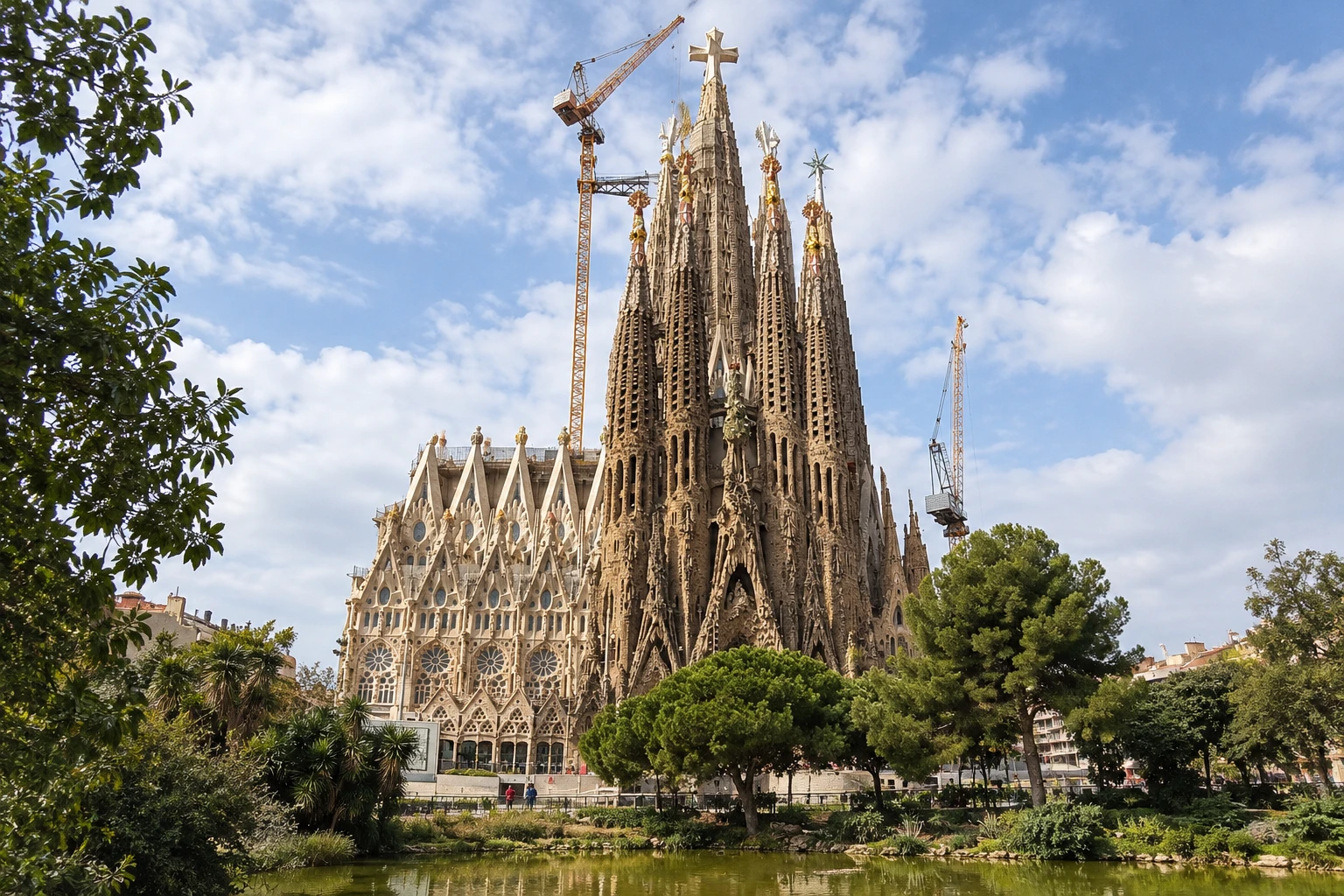
Basilica of the Sagrada Família
Antoni Gaudí's greatest work, under construction since 1882. It has façades full of sculptures, an interior shaped like a stone forest, and towers that can be visited.

 Search
 Brazil
 Antarctica
 Argentina
 Bolivia
 Chile
 Colombia
 Ecuador
 Falkland Islands (Malvinas)
 French Guiana
 Guyana
 Paraguay
 Peru
 Suriname
 Uruguay
 Venezuela
 Austria
 Belgium
 Croatia
 Denmark
 Finland
 France
 Germany
 Greece
 Hungary
 Iceland
 Ireland
 Italy
 Luxembourg
 Norway
 Poland
 Portugal
 Slovakia
 SloveniaSpain
 Sweden
 Switzerland
 the Czech Republic
 the Netherlands
 the United Kingdom
 Turkey
 Bermuda
 Canada
 Greenland
 Mexico
 Saint Pierre and Miquelon
 the United States
 the Dominican Republic
 JapanTurkey
 Egypt
 South Africa
 Australia
 Fiji
 New Zealand
 Papua New Guinea
Catalonia
29 places to visit Barcelona (Spain), chosen by the Cidade Turismo guide.
Illustrative images. The pictures in this guide are illustrations based on the real place, not photographs, and may differ from it.
To start
One by one
Antoni Gaudí's greatest work, under construction since 1882. It has façades full of sculptures, an interior shaped like a stone forest, and towers that can be visited.
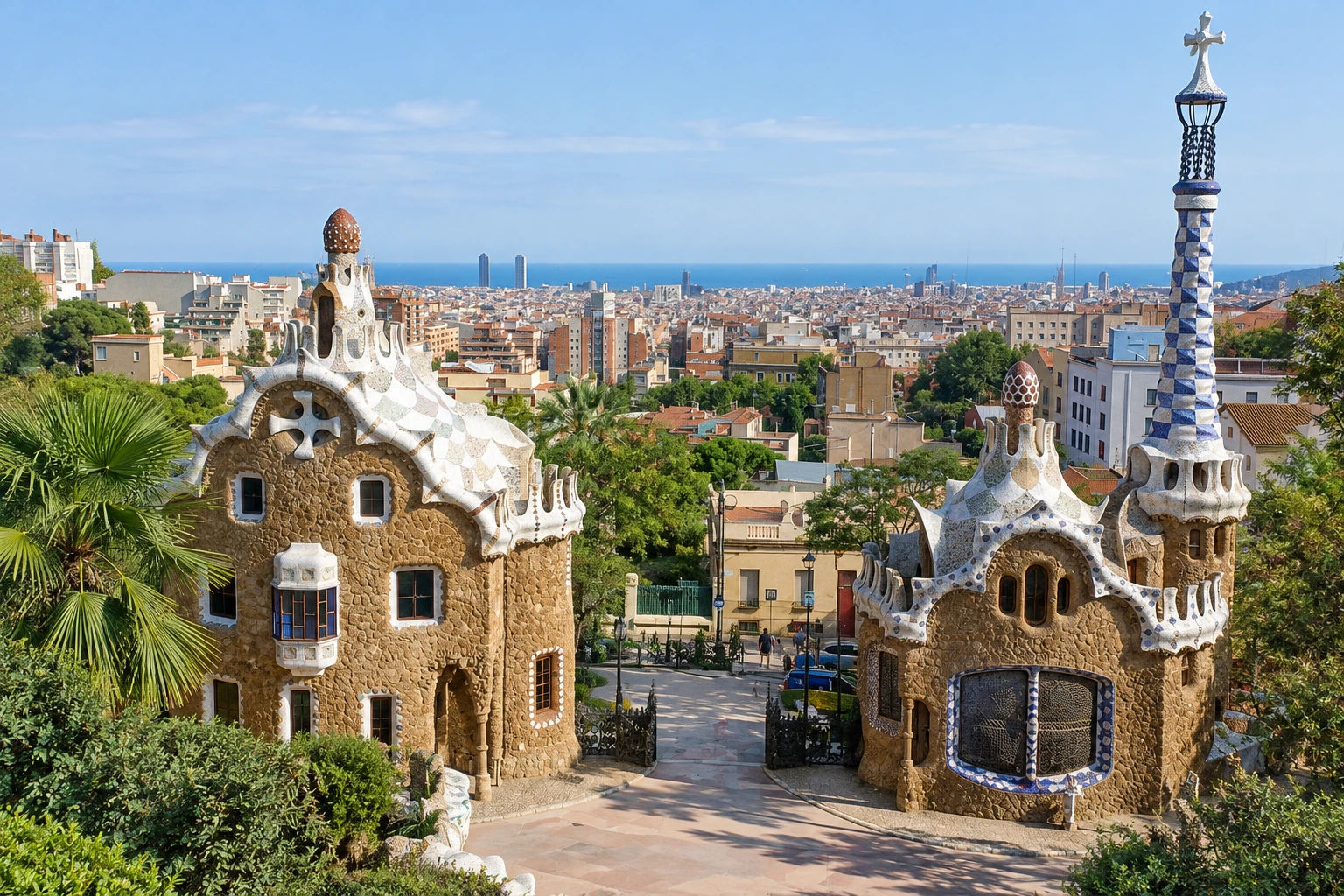
Park created by Gaudí on the heights of the Gràcia neighborhood, between 1900 and 1914, featuring the mosaic salamander, the columned hall, the undulating bench and city views.
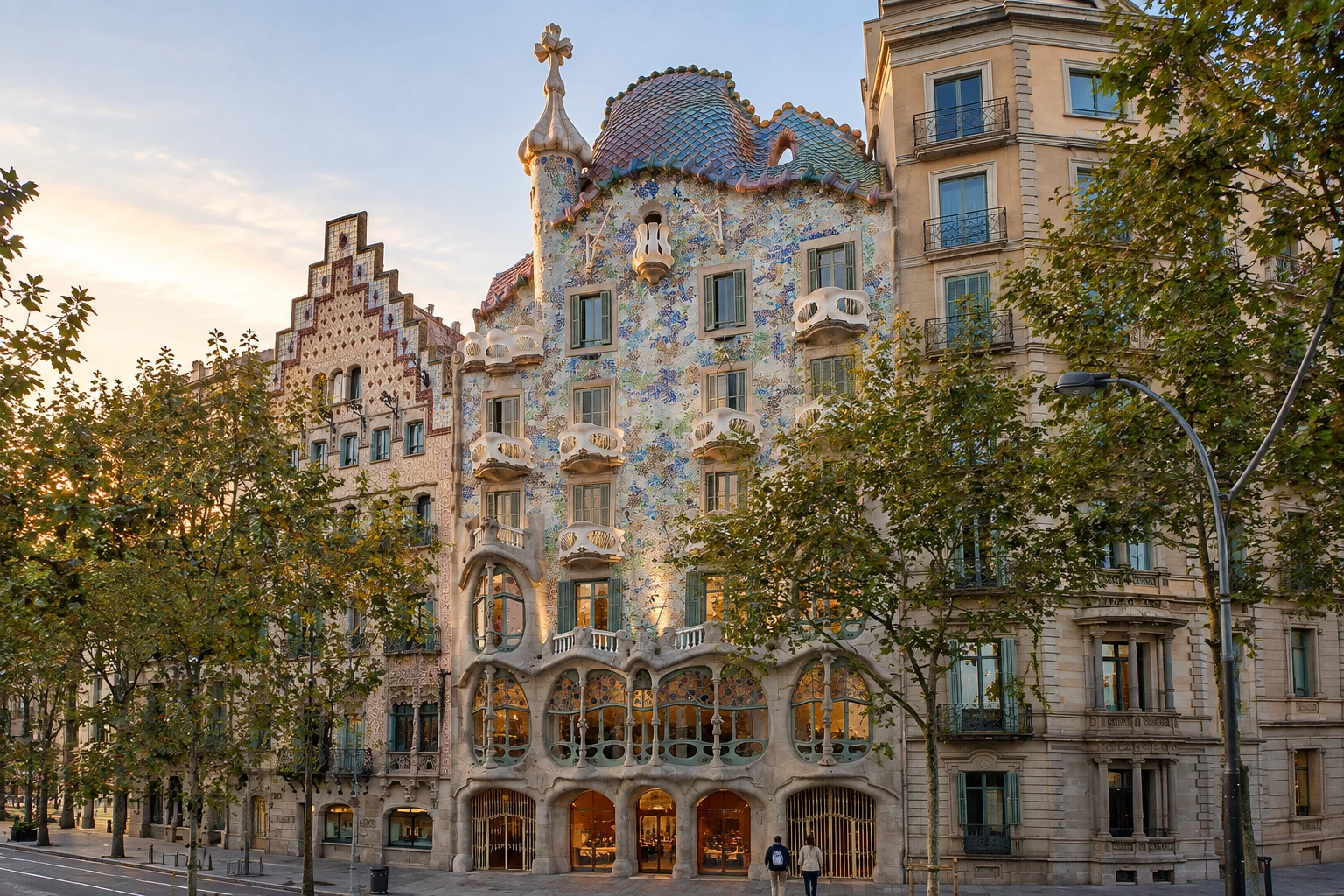
Building on Passeig de Gràcia renovated by Gaudí between 1904 and 1906 for Josep Batlló, with a façade of bones and scales and an interior open to visitors up to the rooftop.
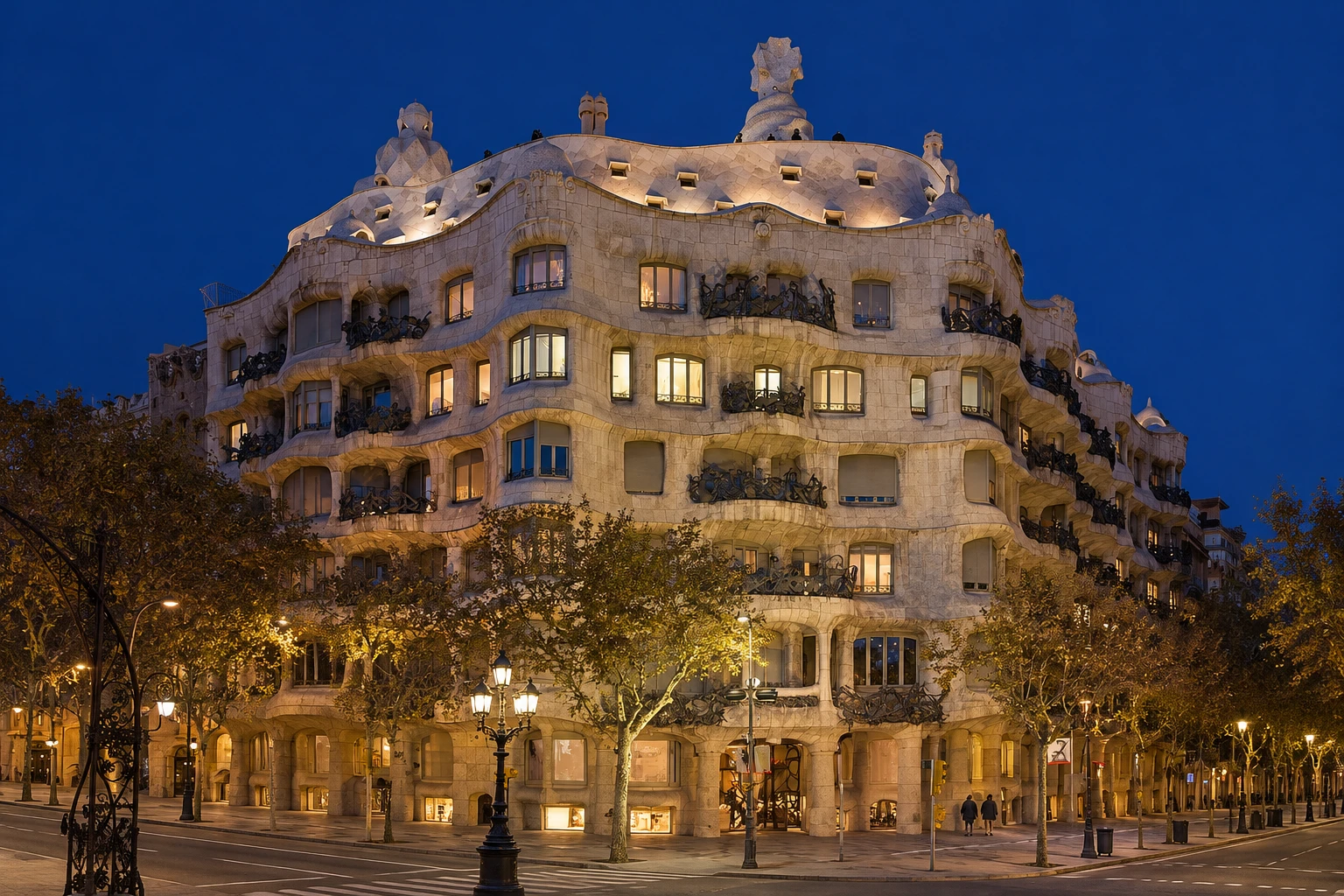
Building by Gaudí constructed between 1906 and 1912 on Passeig de Gràcia, with an undulating stone façade and a rooftop terrace of sculptural chimneys.
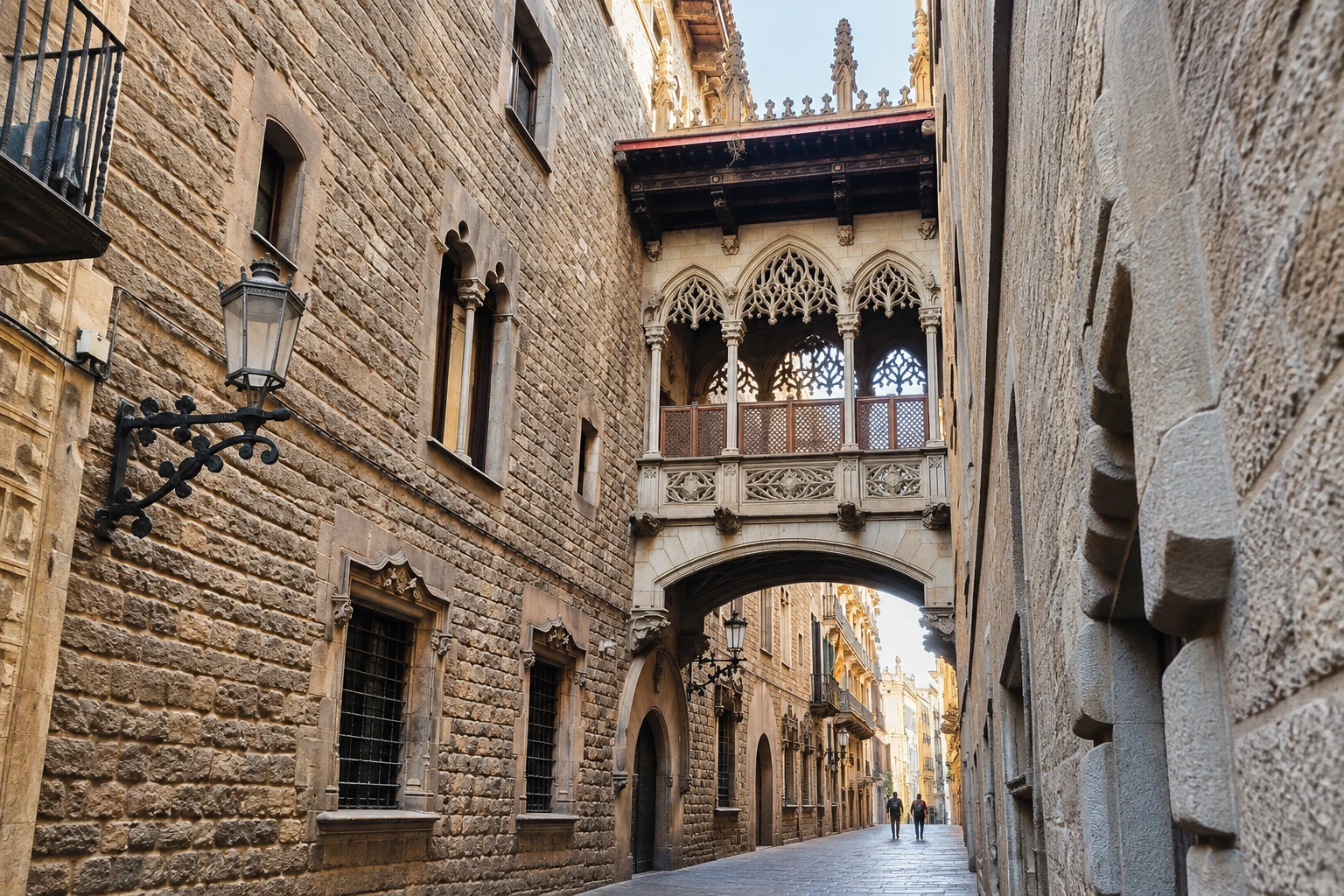
The oldest core of Barcelona, between the Rambla and the Via Laietana, with narrow streets, remains of the Roman wall, the Catedral and medieval squares.
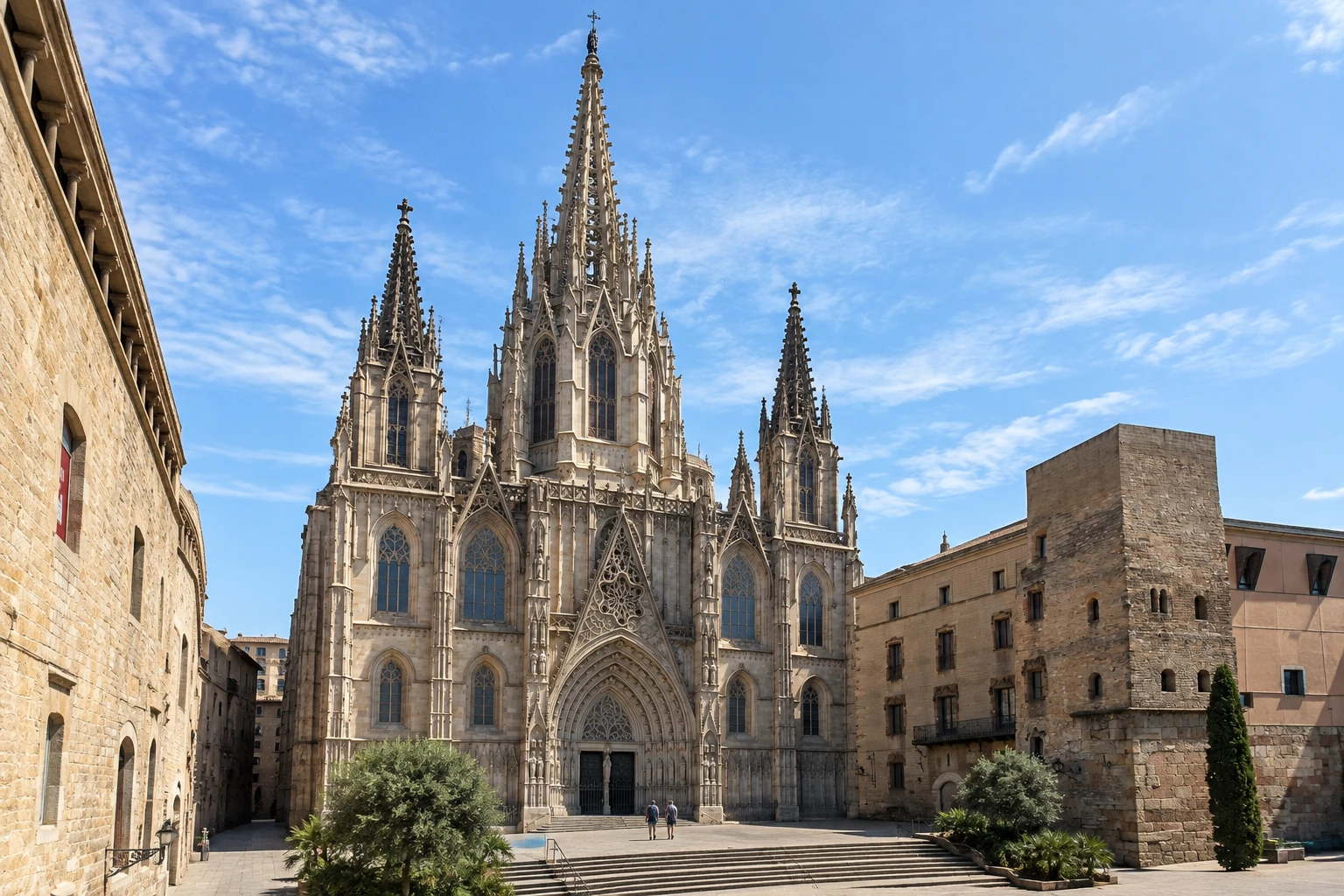
Gothic cathedral dedicated to Santa Cruz e Santa Eulália, with works from 1298 through the 15th century, a neo‑Gothic façade and a cloister with 13 geese.
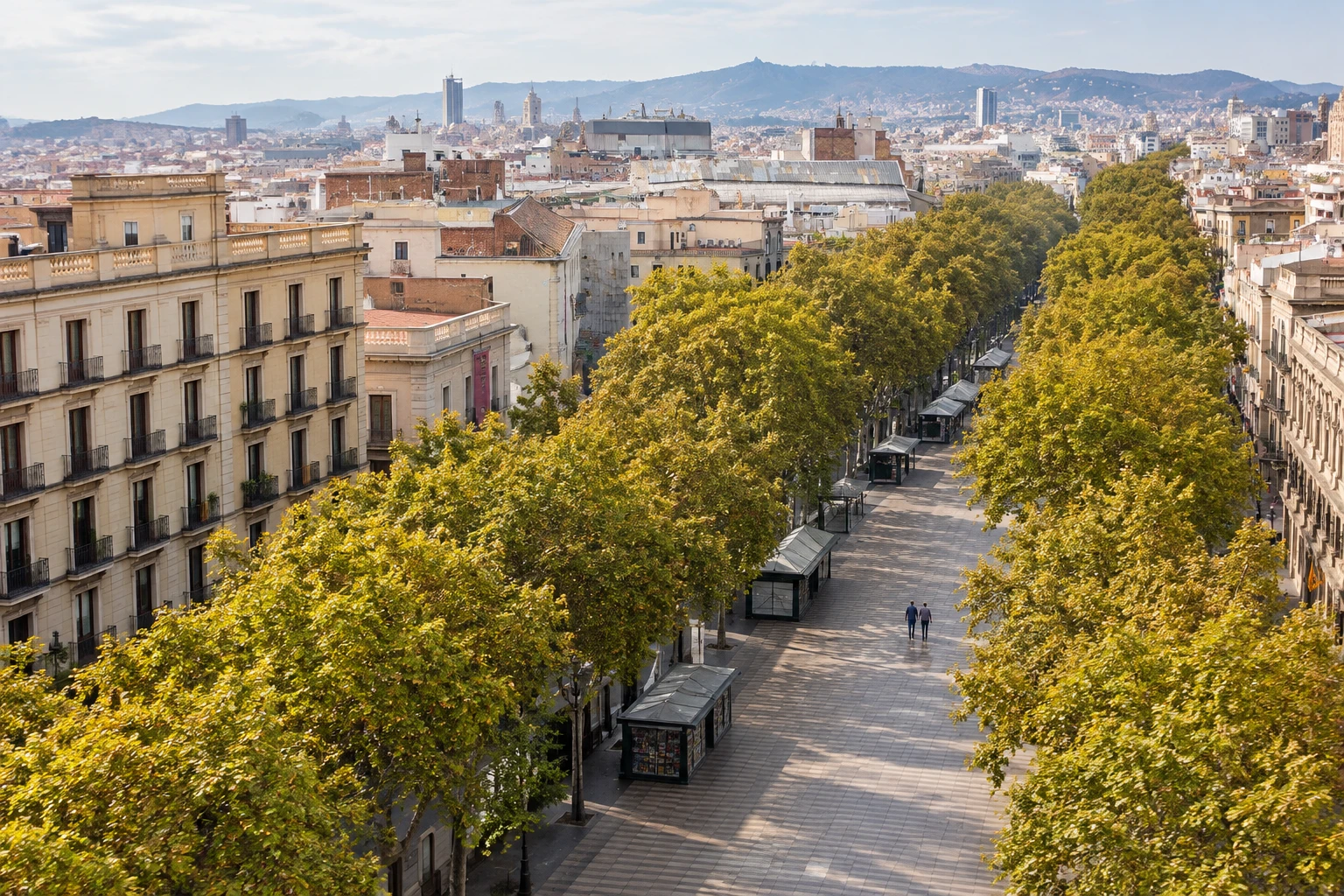
A pedestrian promenade of about 1.2 km that descends from the Plaça de Catalunya to the monument to Colombo by the port, passing the Boqueria and the Liceu theatre.
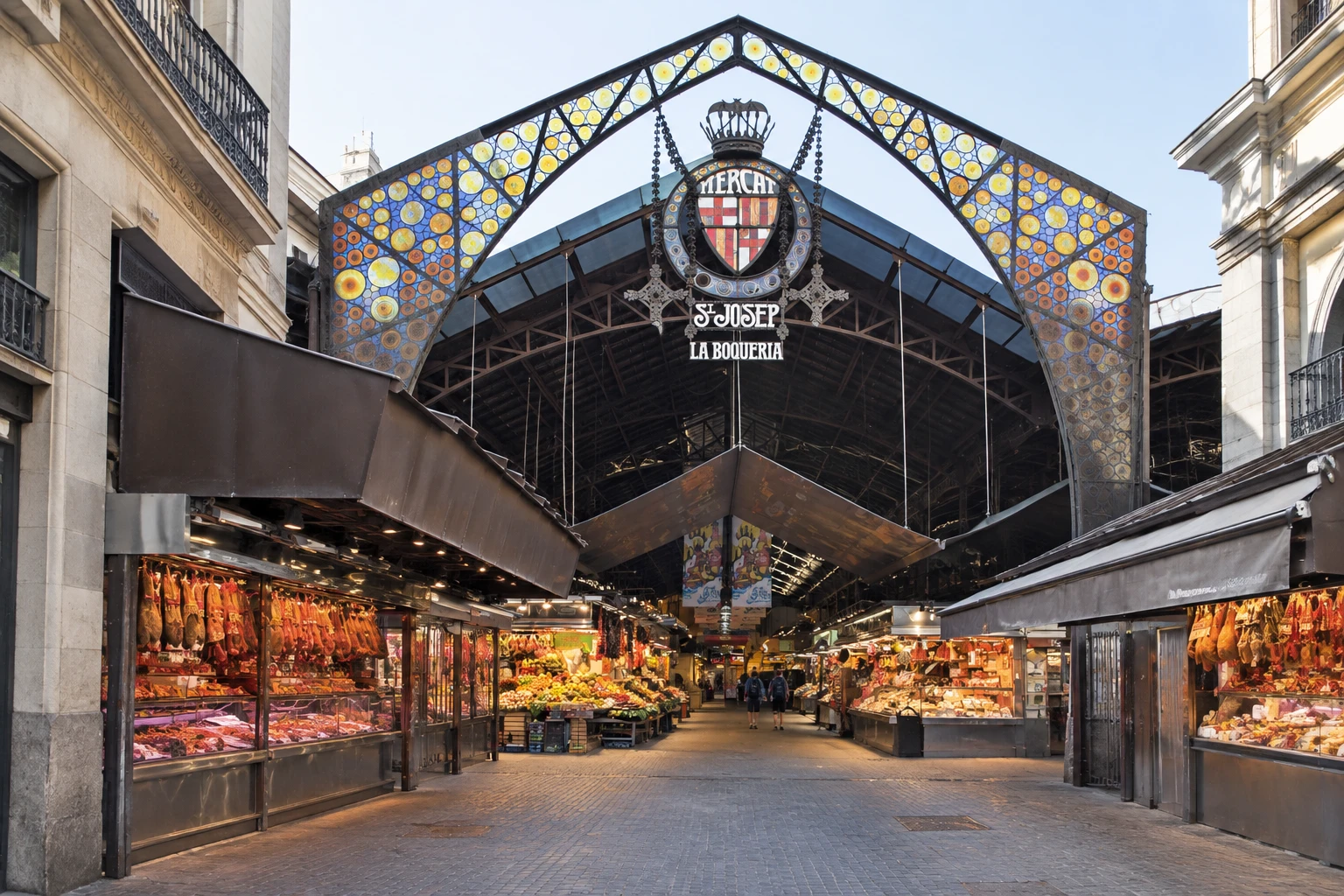
Barcelona's most famous market, on La Rambla, with over 300 stalls selling fruit, seafood, hams and counters where you can eat on the spot.
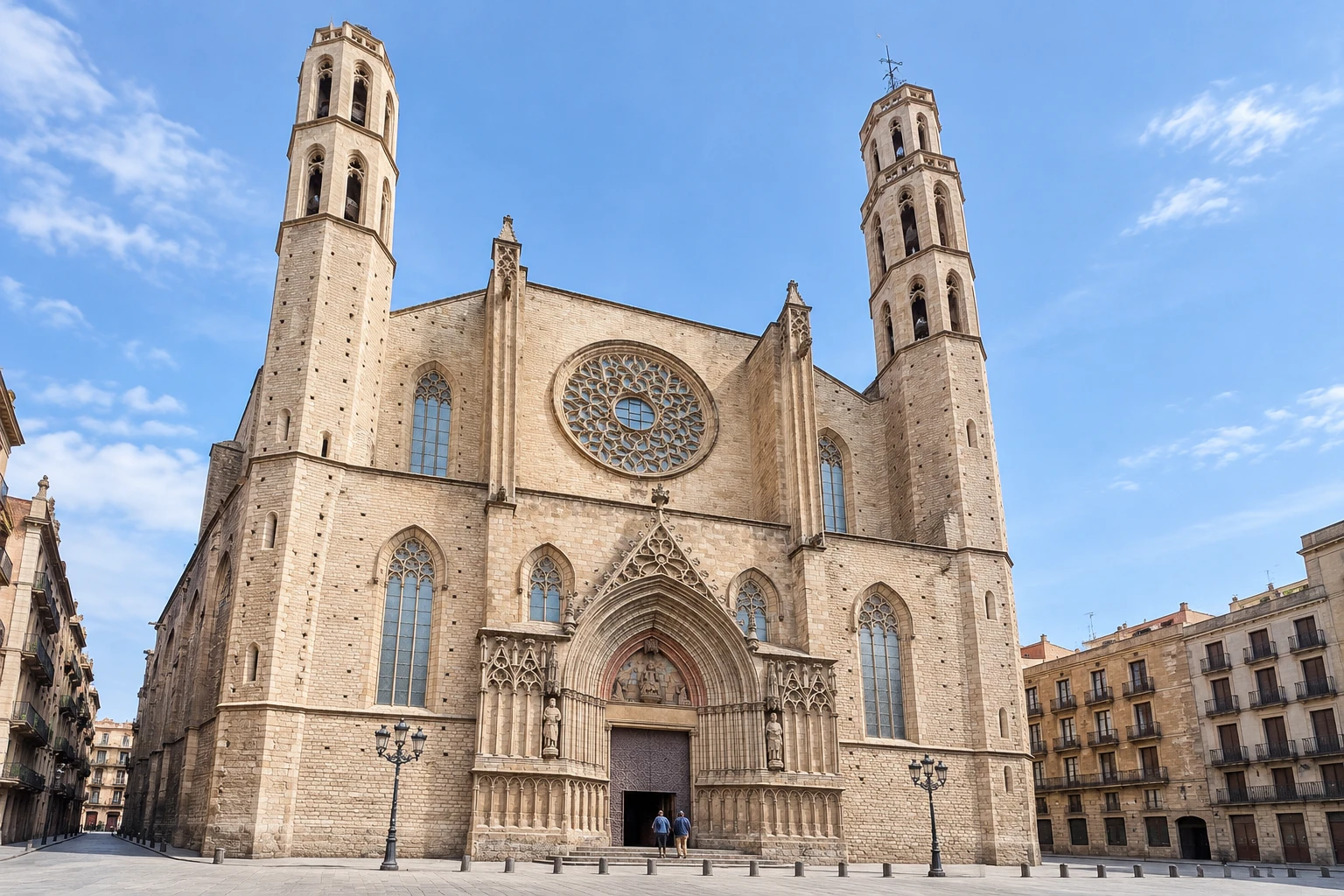
Gothic church built between 1329 and 1383 by the residents of the Ribera neighborhood, in El Born, featuring a wide nave and slender columns.
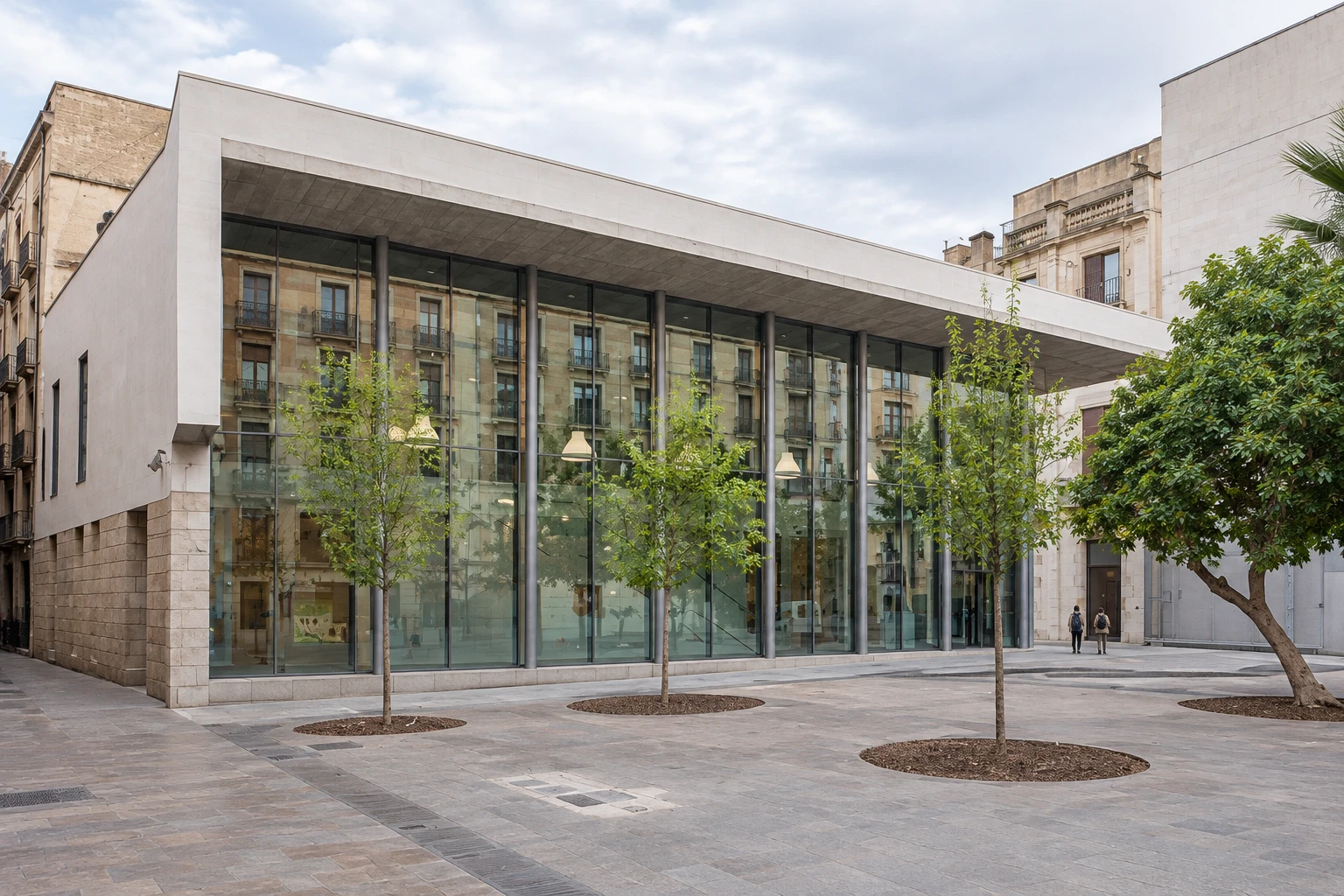
Museum opened in 1963 in five medieval palaces on rua Montcada, with over 3,500 works by Picasso, highlighting his early years and the Las Meninas series.
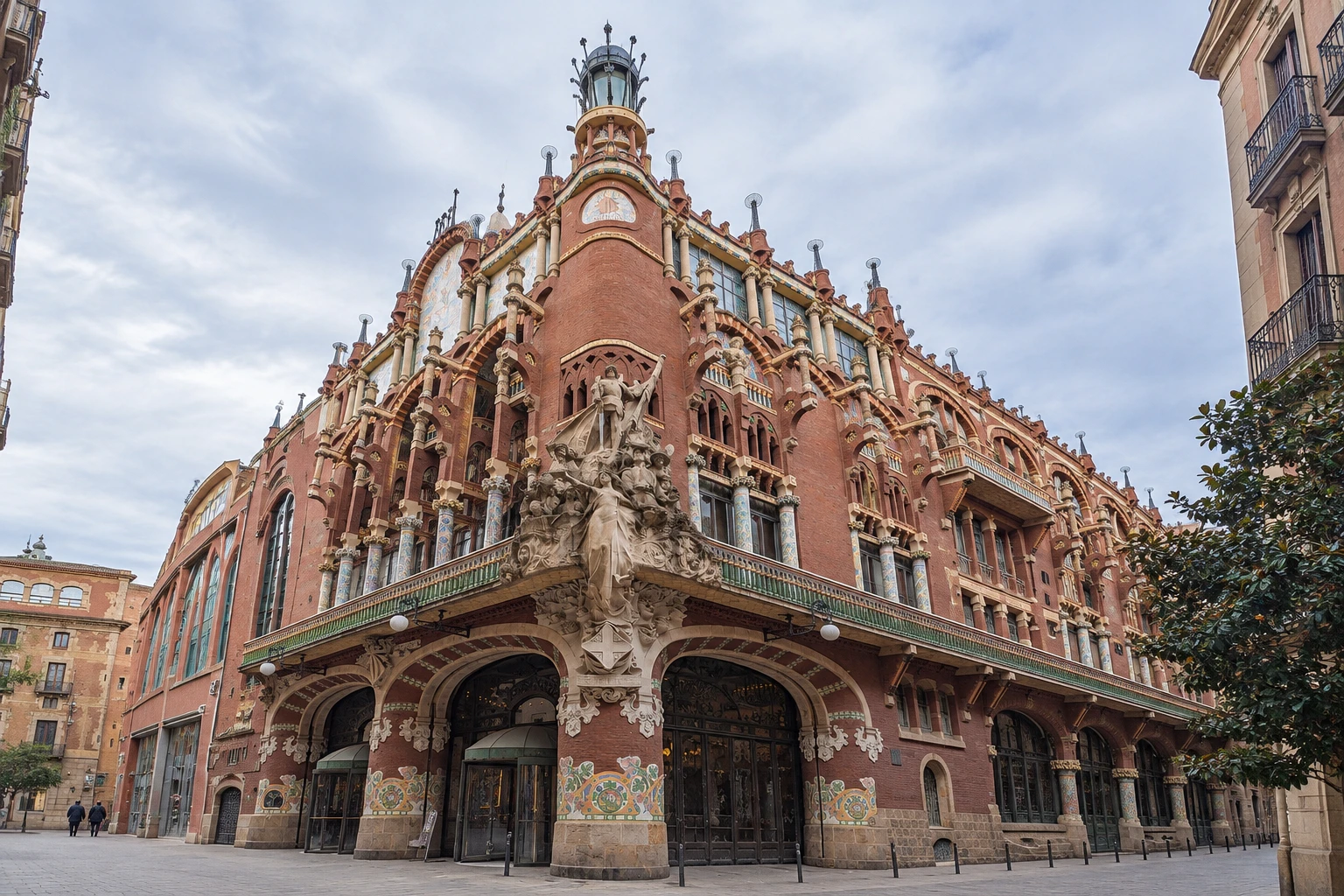
Modernist concert hall by Lluís Domènech i Montaner, inaugurated in 1908, featuring a stained-glass skylight and a stage decorated with sculptures.
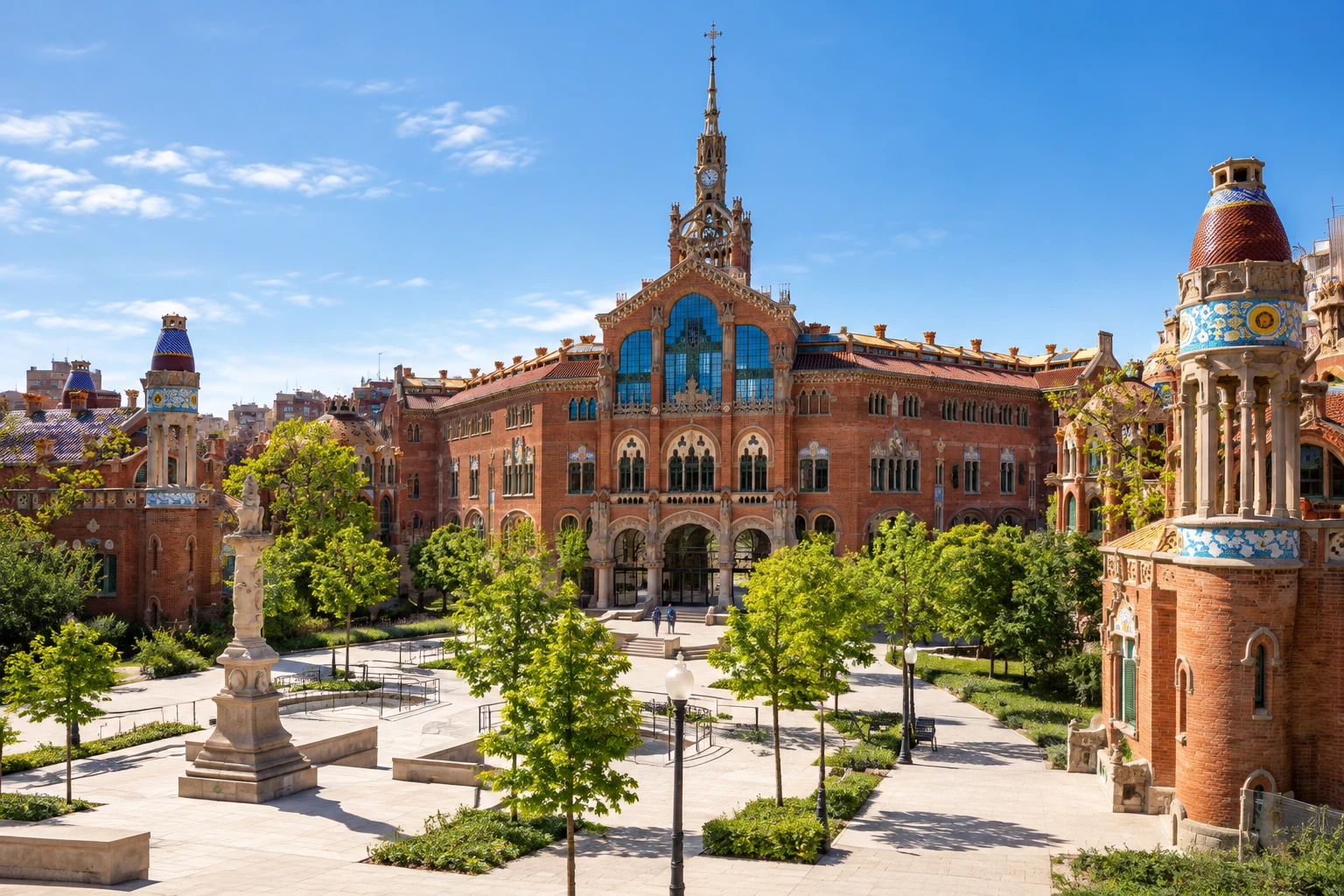
Former hospital by Lluís Domènech i Montaner, built between 1902 and 1930, with brick and ceramic pavilions linked by tunnels and gardens.
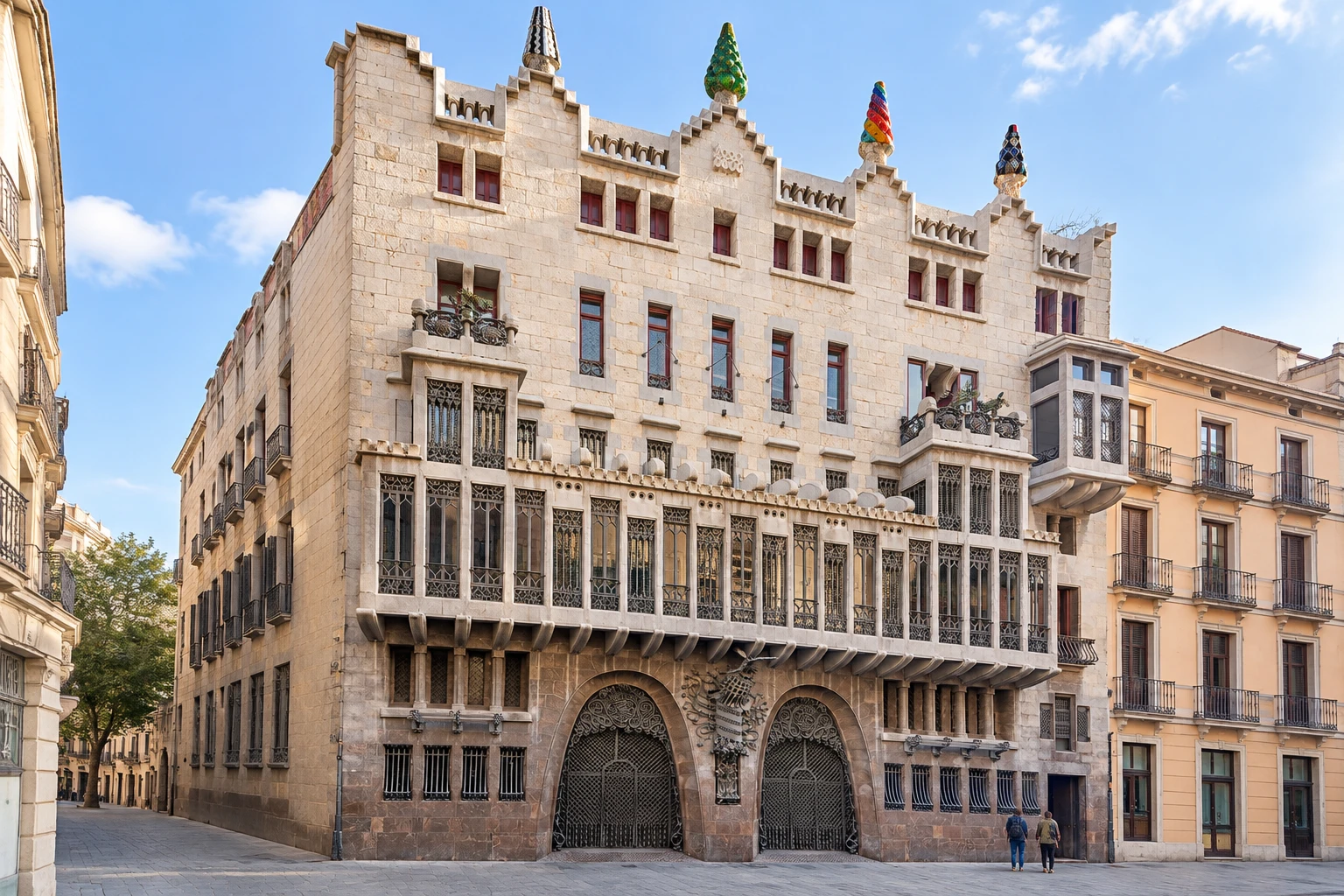
Mansion that Gaudí designed between 1886 and 1888 for Eusebi Güell, next to the Rambla, with a central hall under a dome and a terrace of colorful chimneys.
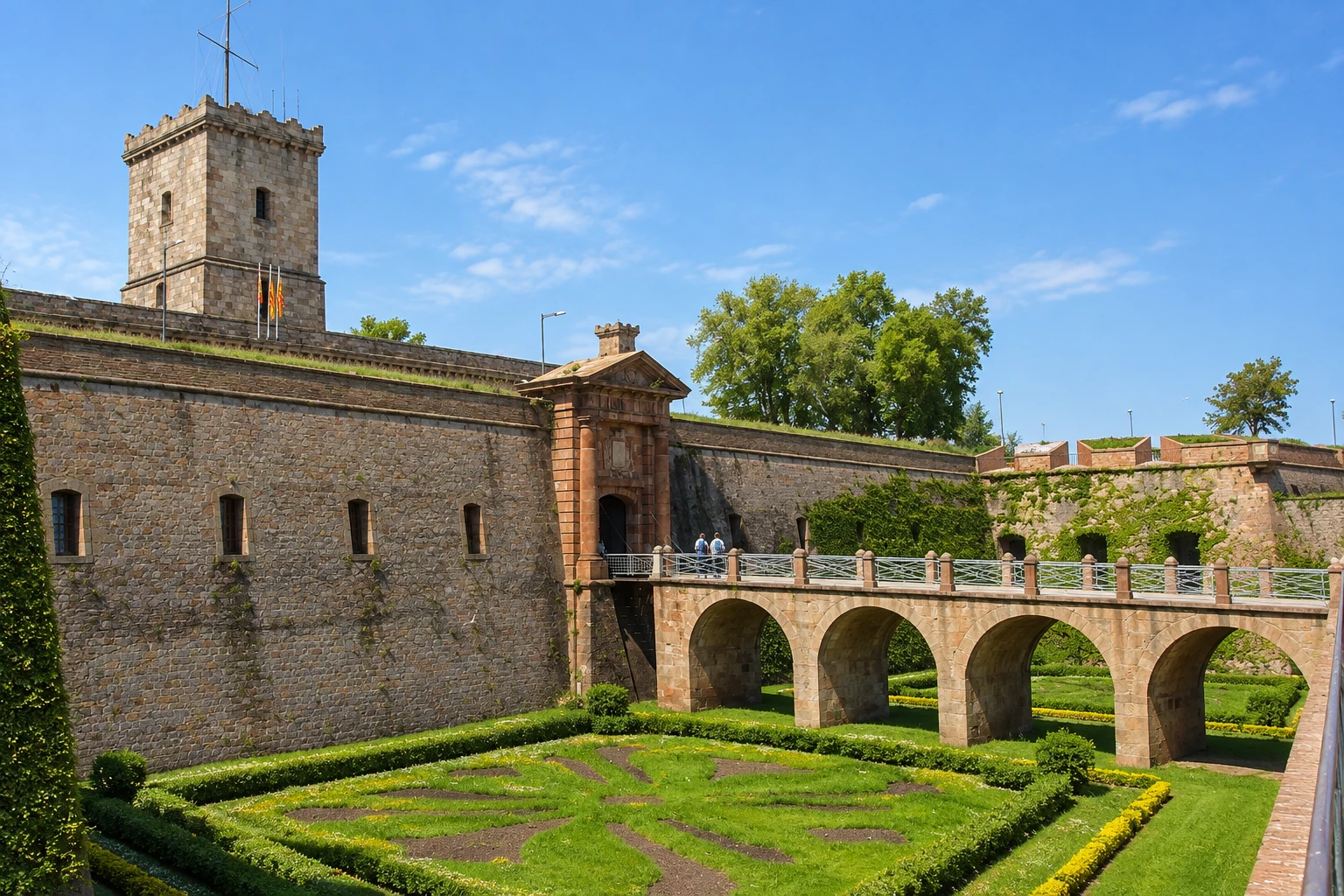
Star-shaped fortress atop the hill of Montjuïc, with a moat, four bastions and views over the port and the city. It began as a fort in 1640 and acquired its present form in the 18th century. It has belonged to the city council of Barcelona since 2007.
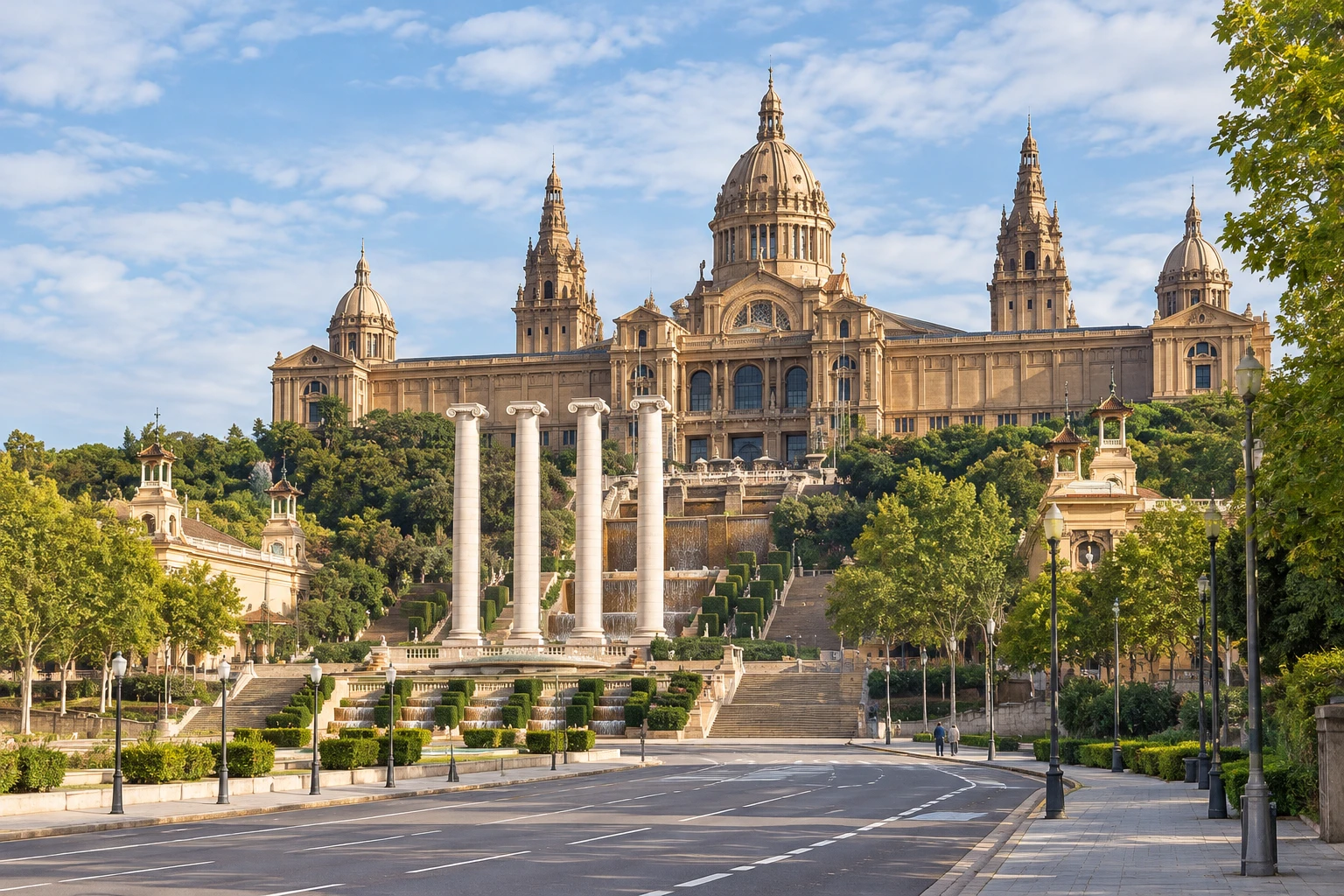
The Catalan art museum occupies the Palau Nacional, at the top of the avenue that rises from Plaça d'Espanya to Montjuïc. It has the largest collection of Romanesque mural painting in the world, as well as Gothic, Renaissance, Baroque and modern Catalan art.
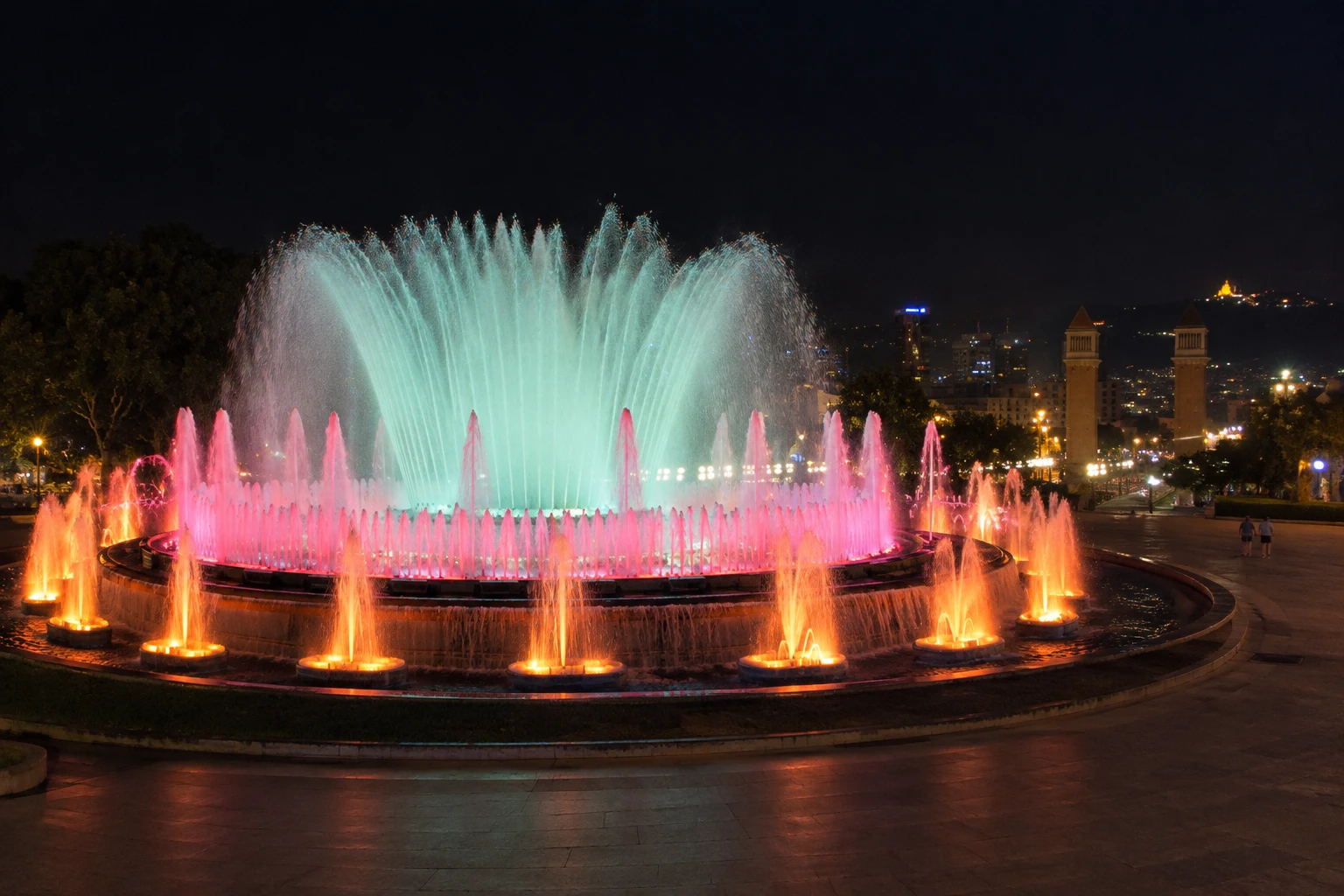
Illuminated fountain at the foot of the Palau Nacional, created by Carles Buïgas for the 1929 Exposition. On show nights, jets of water, light and music form choreographies. The schedule varies by season.
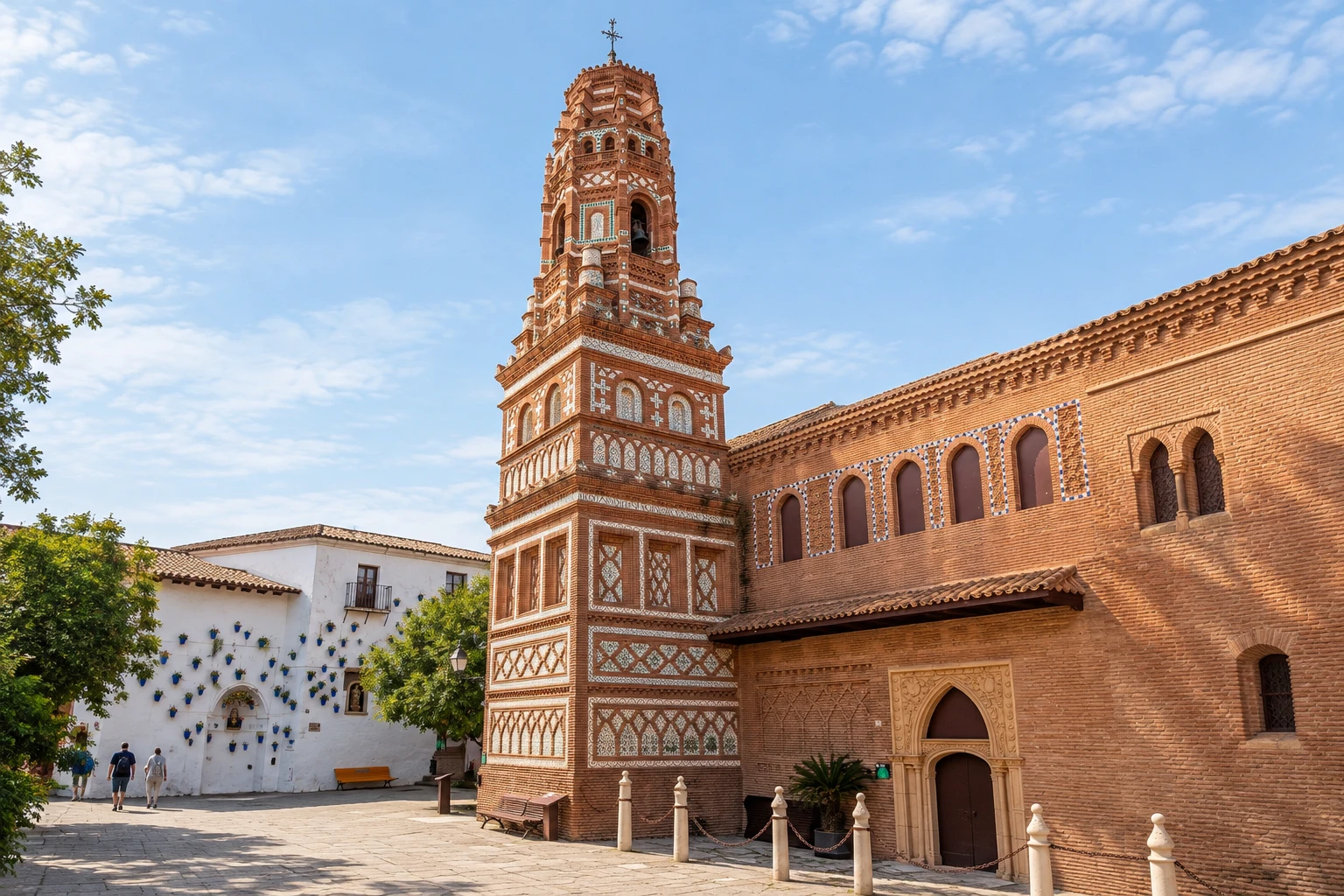
Village built for the 1929 Exposition with 117 life-size replicas of houses, squares and churches from various regions of Spain. It houses artisan workshops, restaurants and a museum of contemporary art.
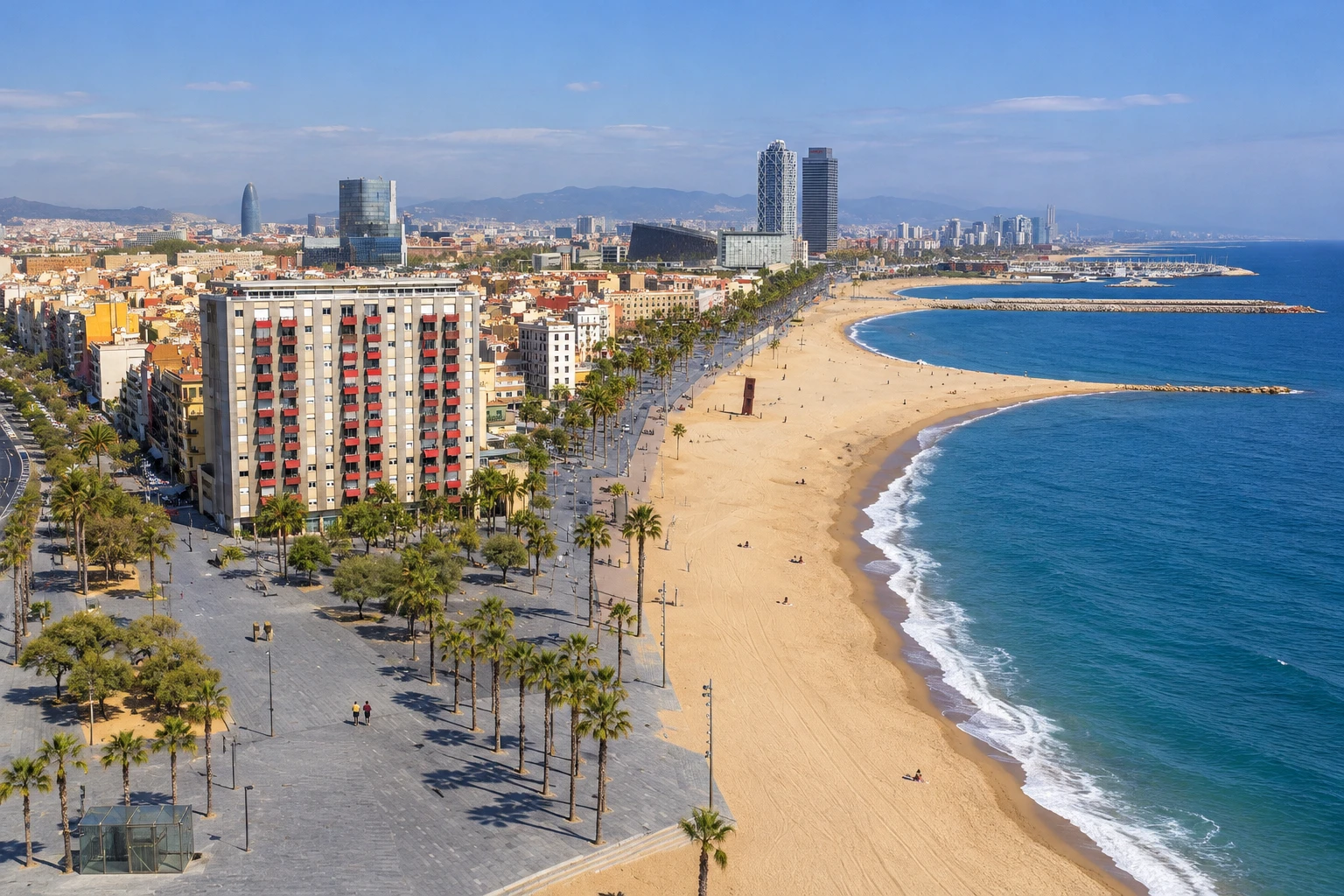
The city's oldest and most traditional beach, next to the fishing neighbourhood of Barceloneta, laid out in the 18th century. The promenade is lined with seafood restaurants and links Port Vell to Port Olímpic.
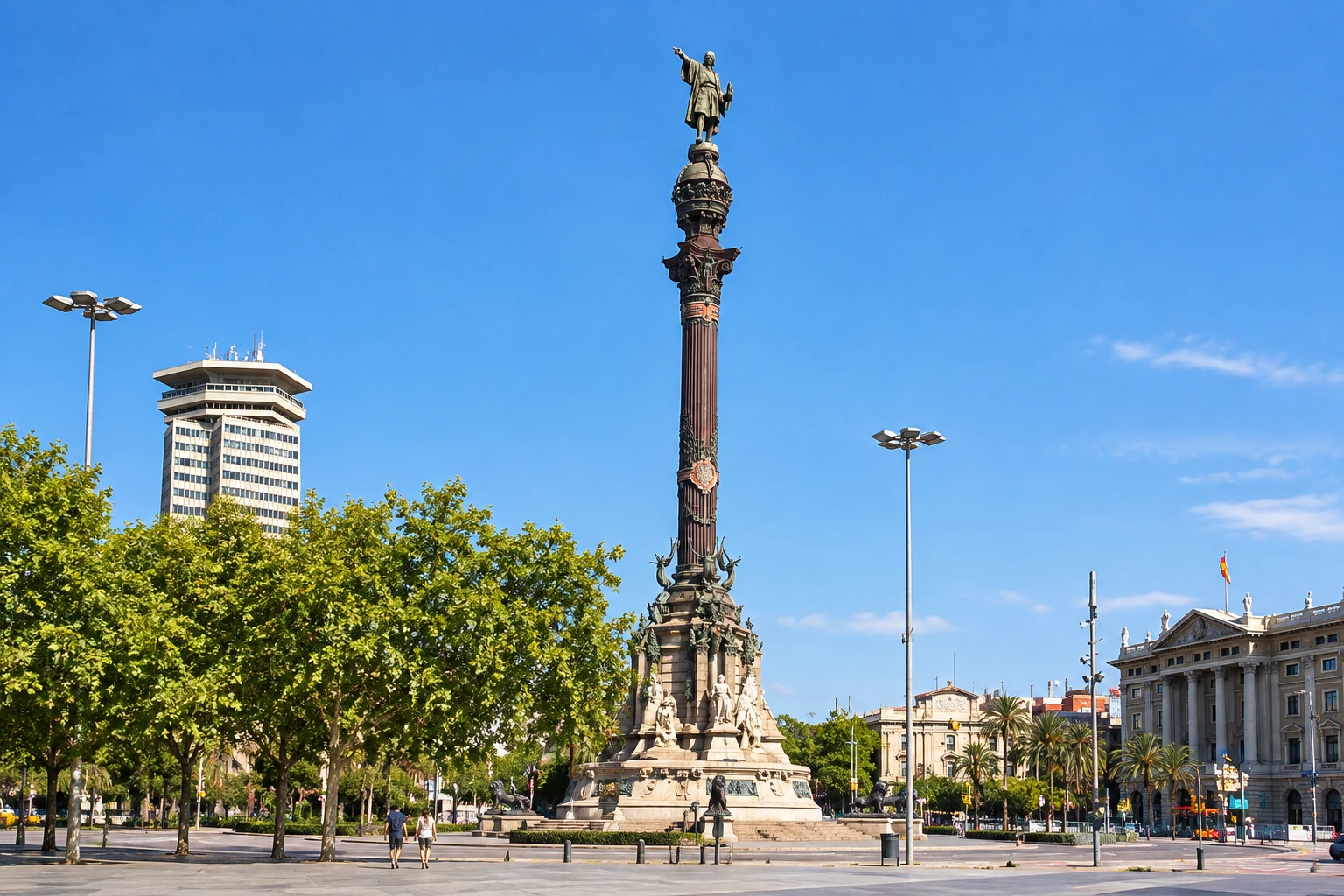
A 60-metre column with a statue of Christopher Columbus at the end of the Rambla, erected for the 1888 Exposition. An internal elevator leads to a viewpoint over Port Vell, Montjuïc and the old town.
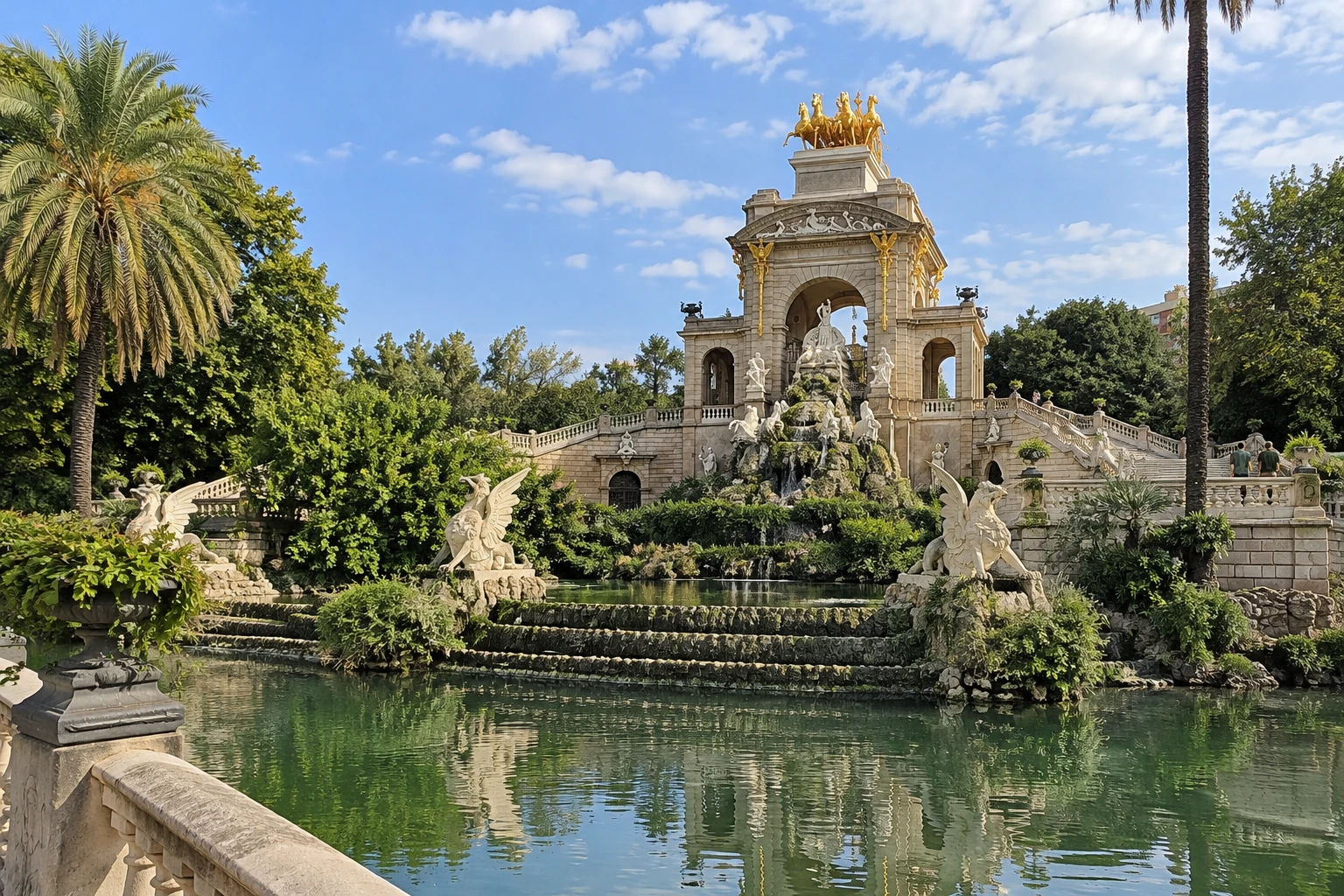
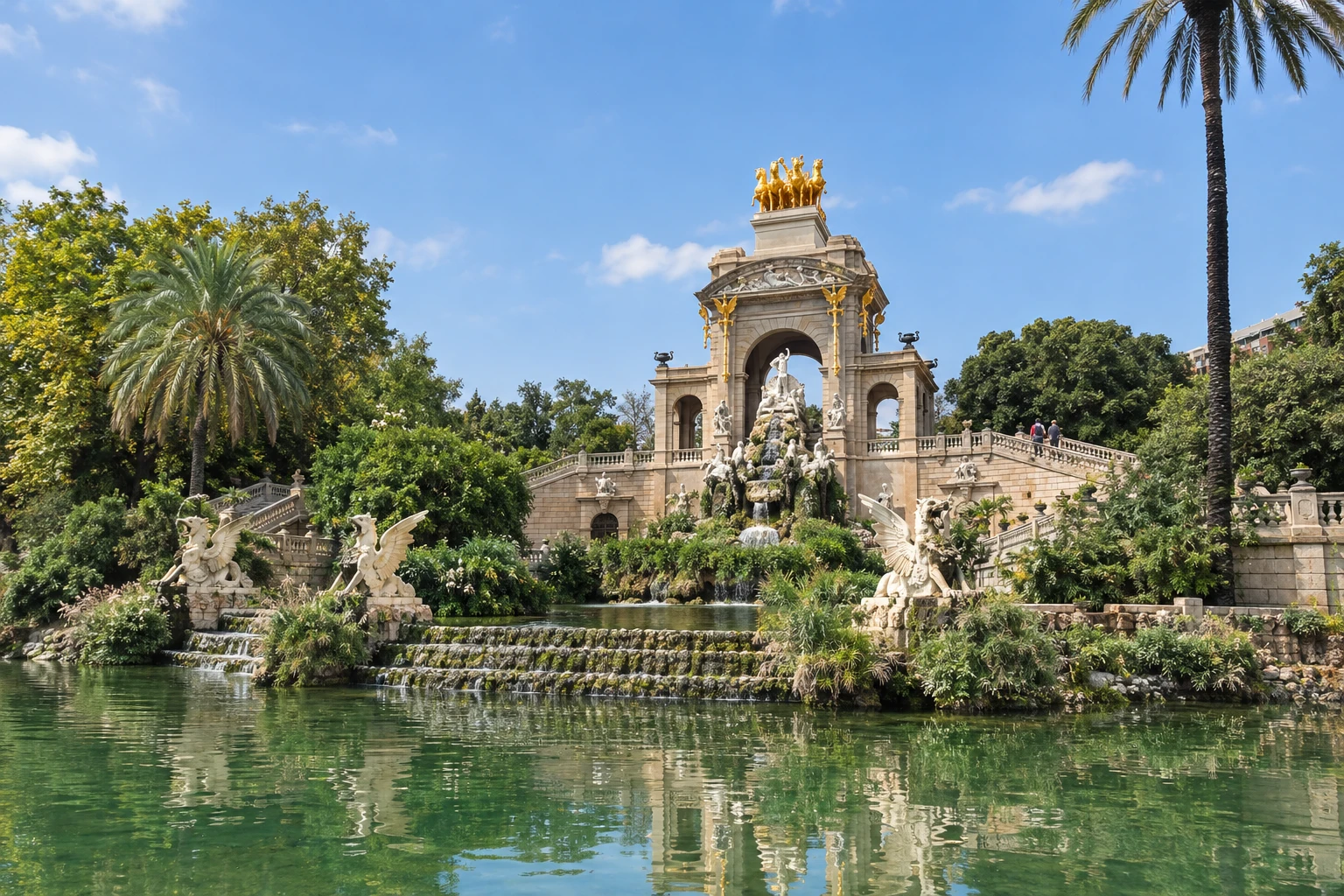
Park created on the site of the former military citadel, venue of the 1888 Universal Exposition. It has a lake with rowboats, the monumental Cascada fountain, the Parliament of Catalonia and the zoo. The Arc de Triomf stands at the entrance.
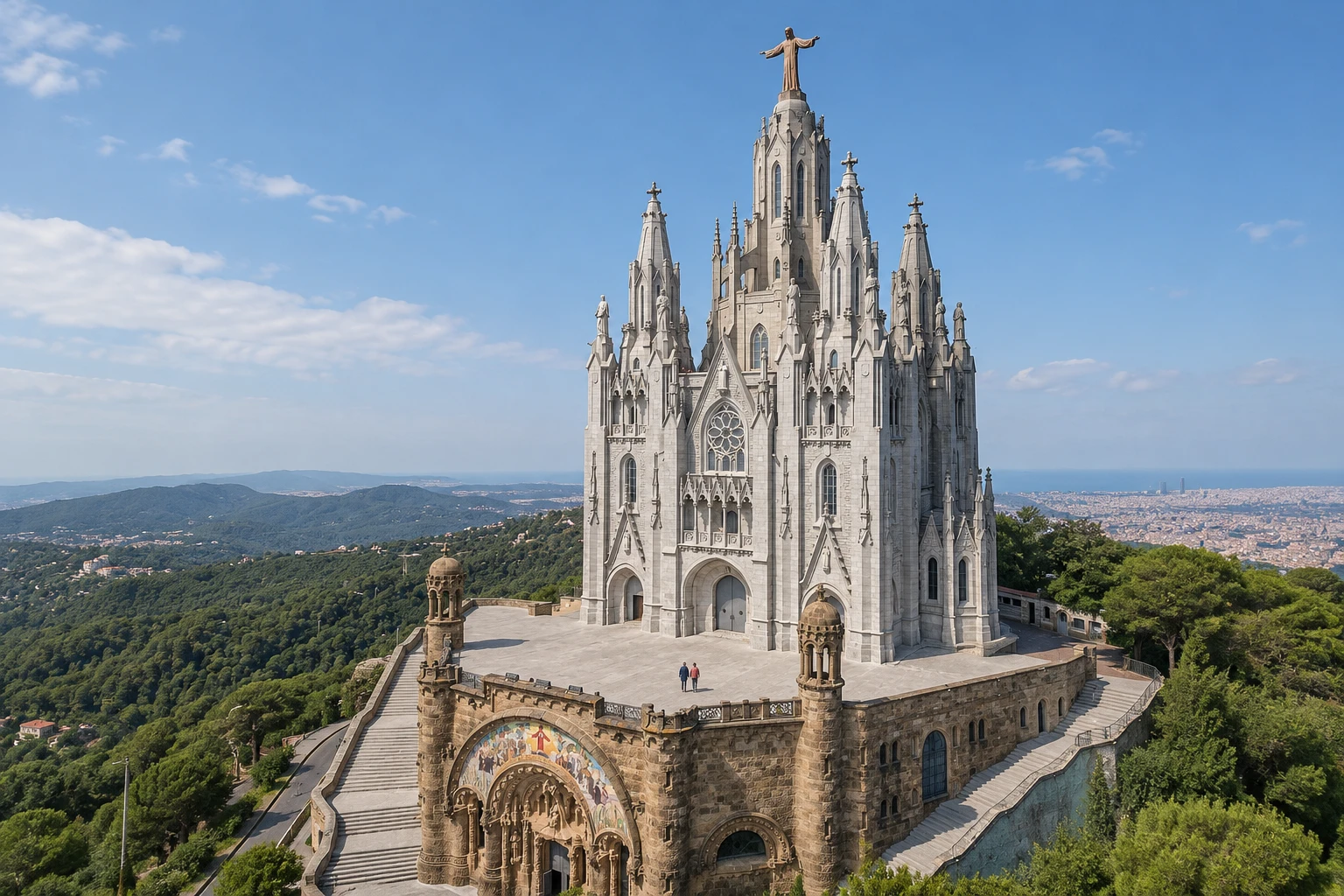
A 512-metre hill, the highest point of the serra de Collserola, with the Sagrat Cor temple and an amusement park opened in 1905. From there you can see the whole city and the sea.
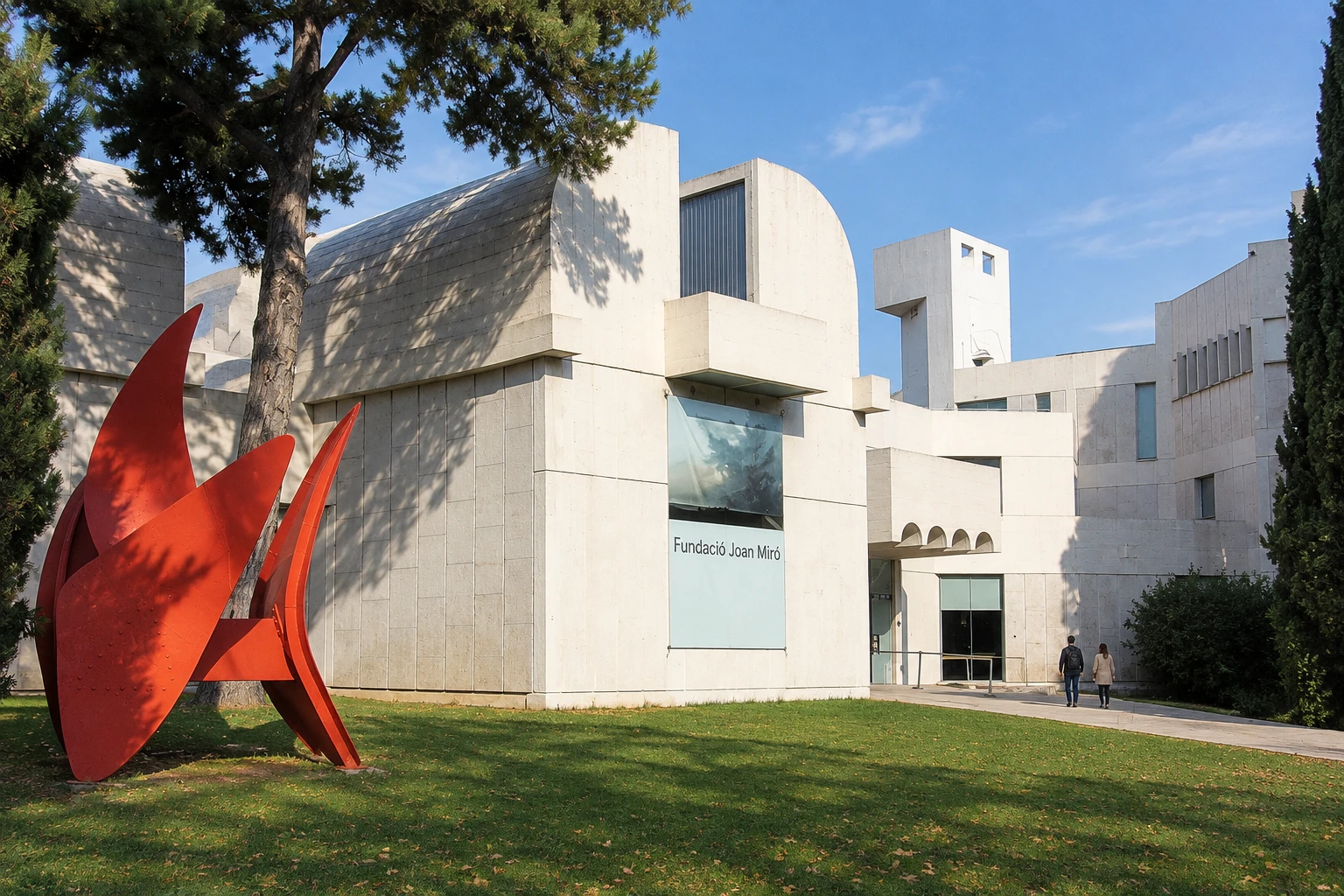
Museum dedicated to Joan Miró in Montjuïc, created by the artist himself and opened in 1975, in a white building by Josep Lluís Sert with courtyards and terraces. It houses the Mercury Fountain by Alexander Calder.
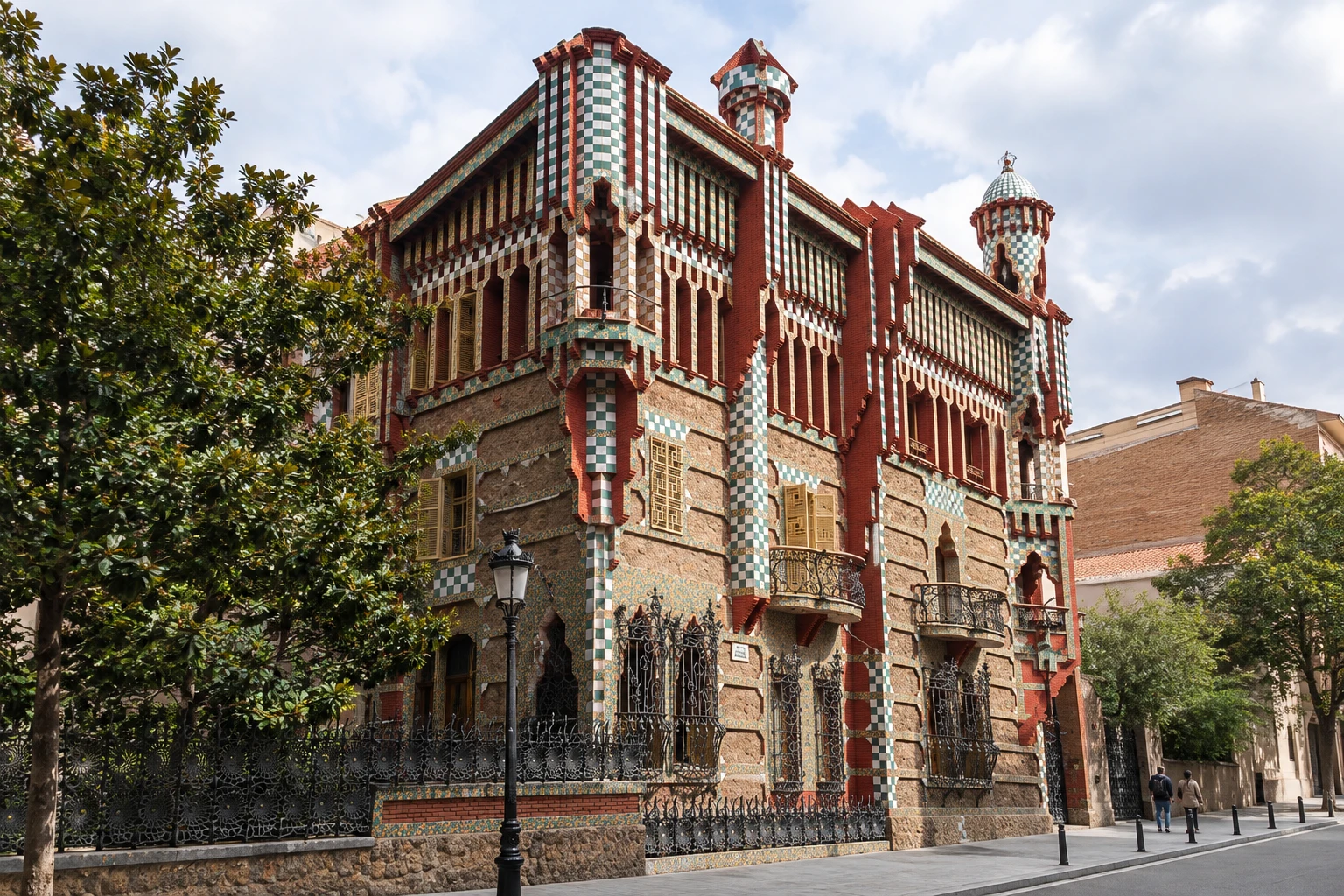
The first house designed by Antoni Gaudí, built between 1883 and 1885 in Gràcia as a summer residence. Tile and brick façade with Eastern-inspired motifs. It is a UNESCO World Heritage Site.
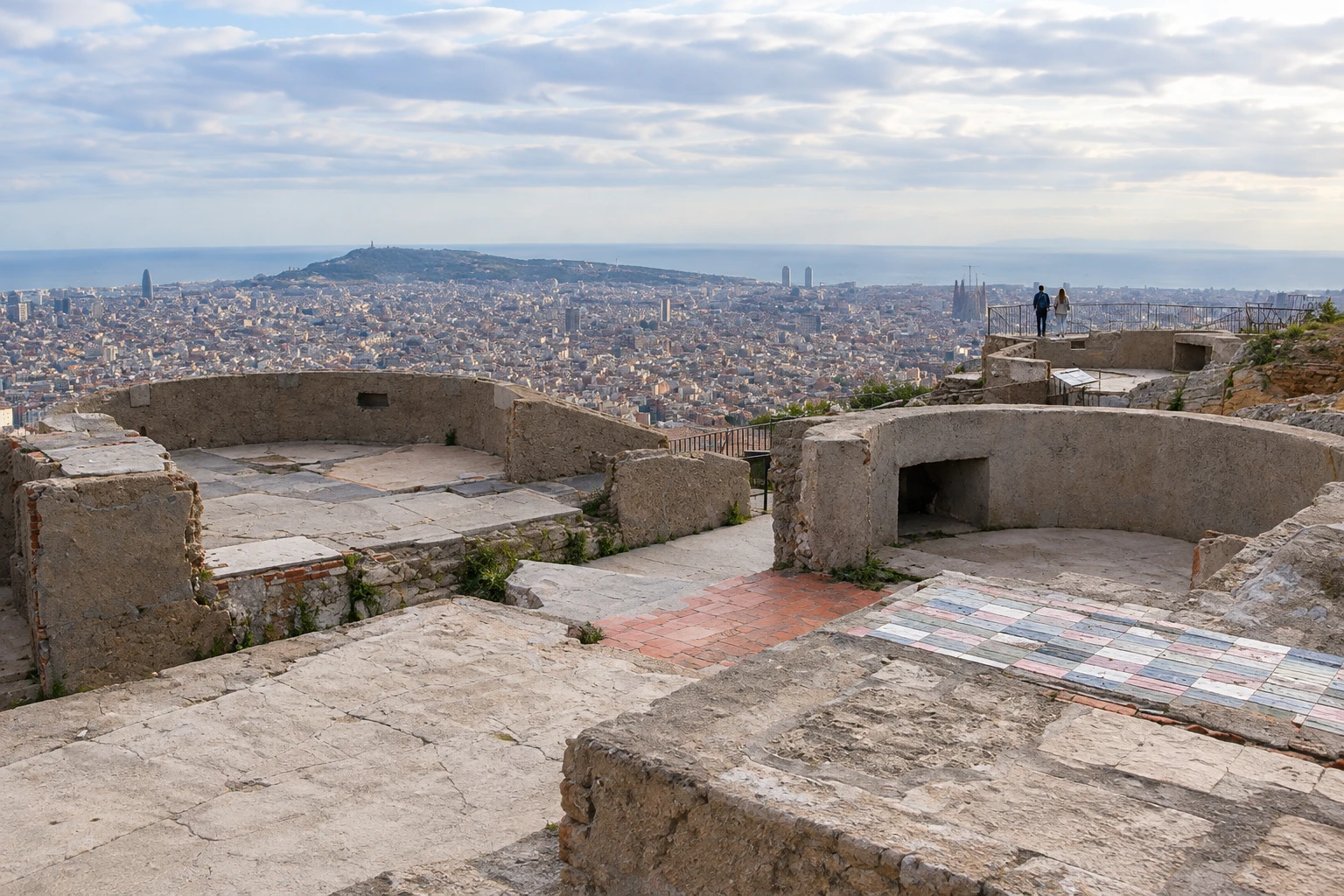
Ruins of an anti-aircraft battery from the Civil War on top of the Turó de la Rovira, at 262 metres, known as the Bunkers del Carmel. The summit provides a 360-degree view of Barcelona.
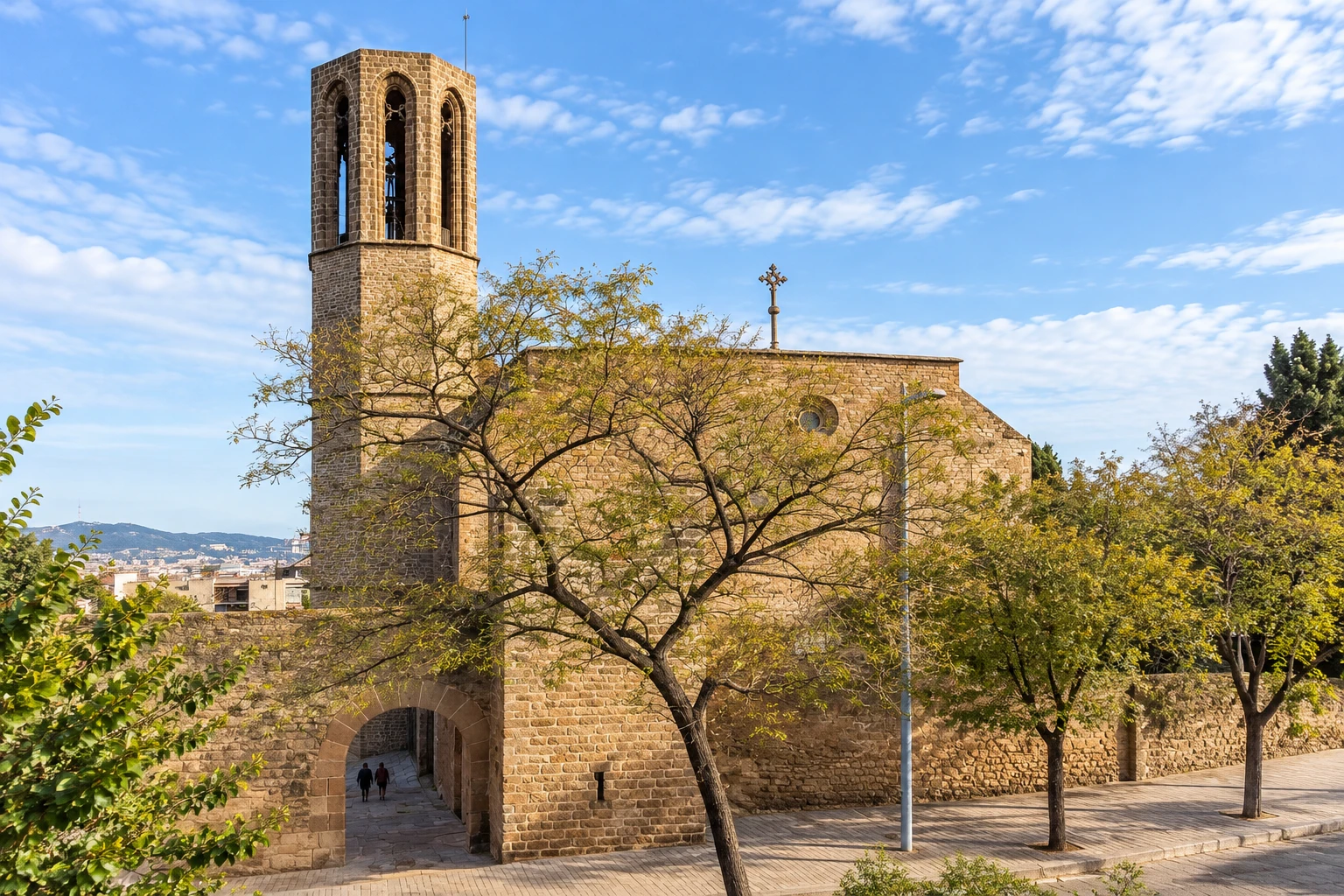
Gothic monastery founded in 1326 by King Jaime II and Queen Elisenda de Montcada, featuring a three-storey cloister, the chapel of Sant Miquel painted by Ferrer Bassa, and the nuns’ kitchen.
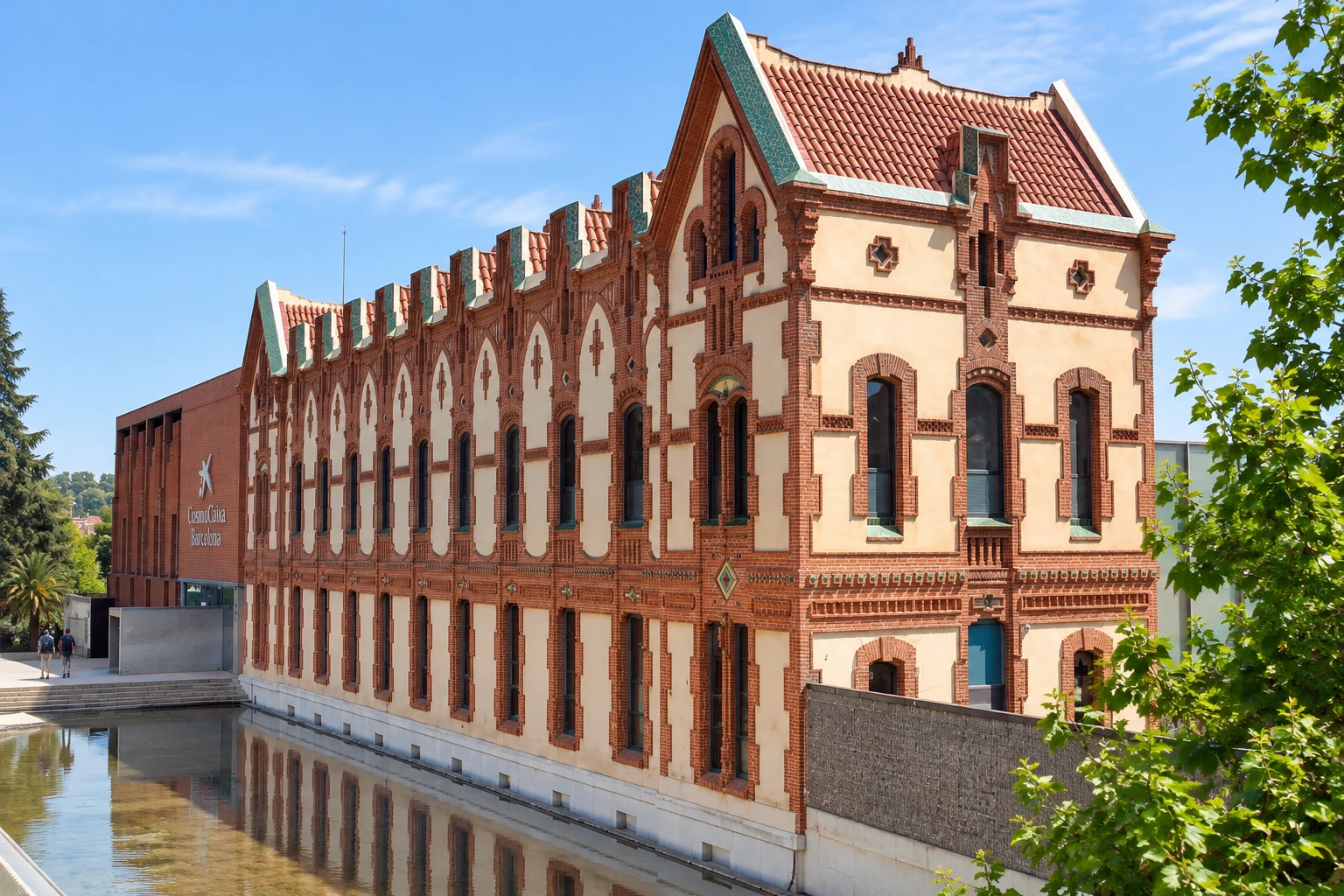
Science museum of the Fundación "la Caixa" housed in an expanded modernist building, featuring an inundated Amazon forest with live species from Brazil, a geological wall and a planetarium.
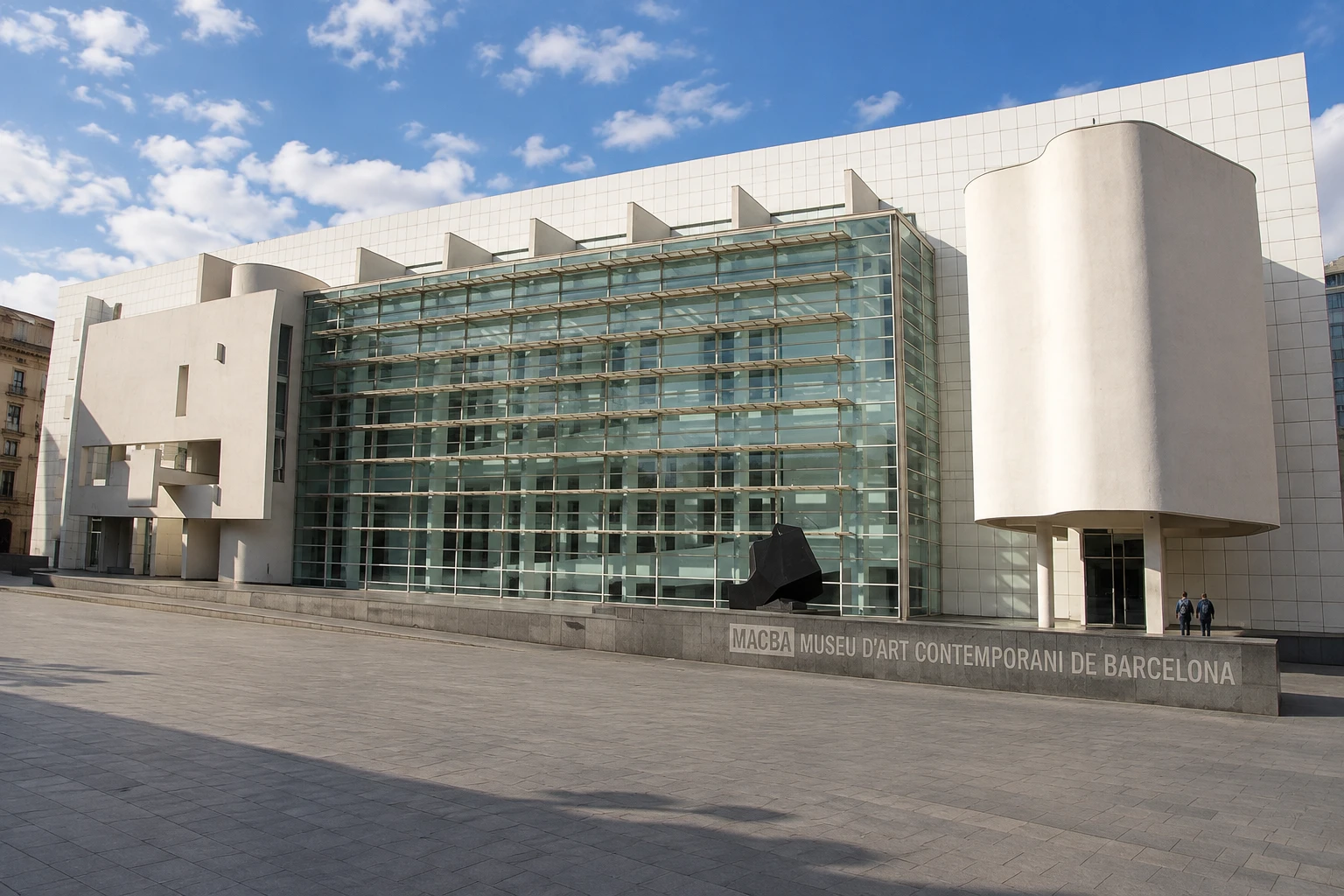
Museum of contemporary art in the Raval, in a white building by Richard Meier opened in 1995, with a collection of about 5,000 works from the mid-20th century onwards, focusing on Catalan and Spanish art.
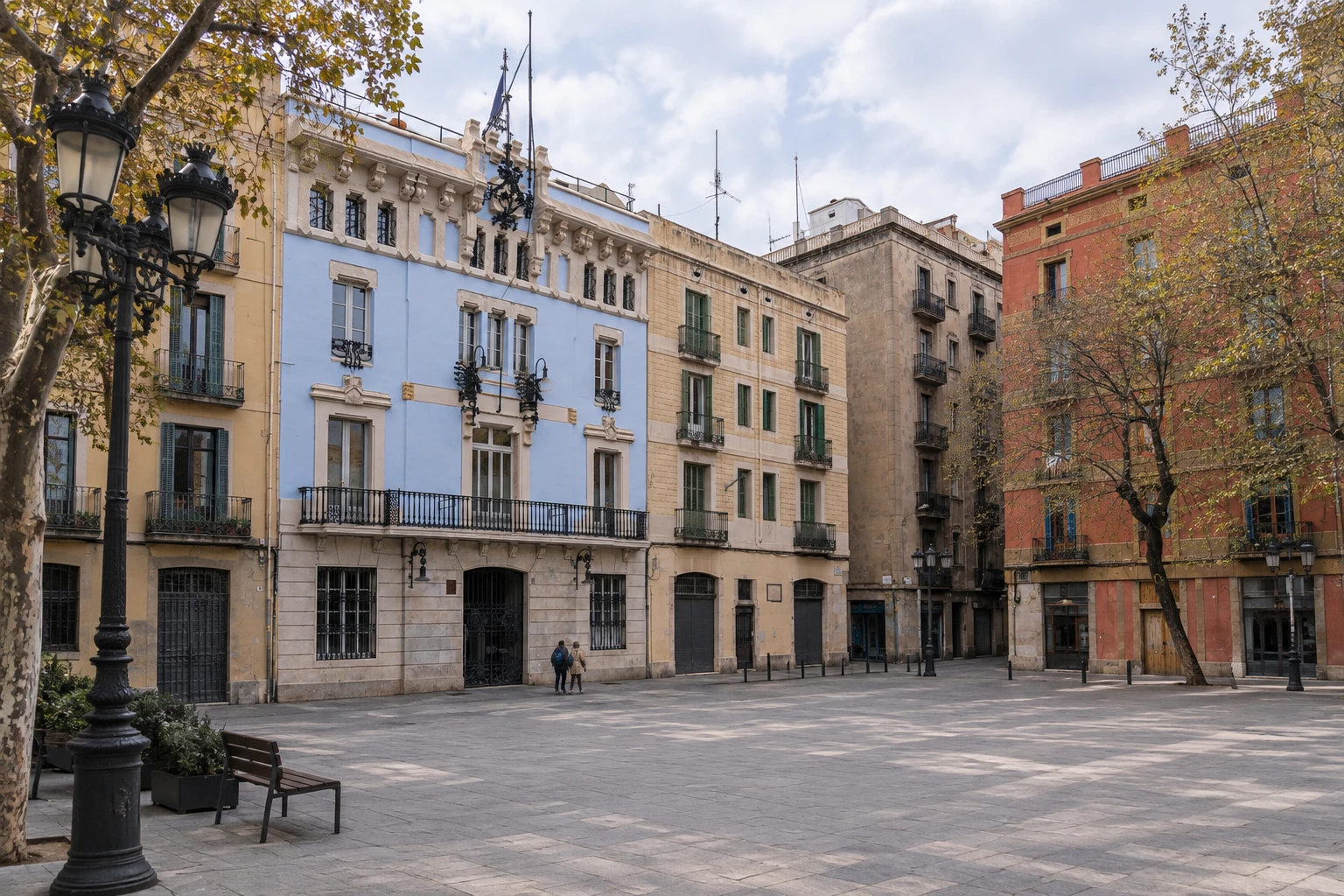
Former independent village, annexed to Barcelona in 1897, with narrow streets, squares full of bars and neighbourhood life. It is home to the Casa Vicens and lies at the foot of Park Güell.
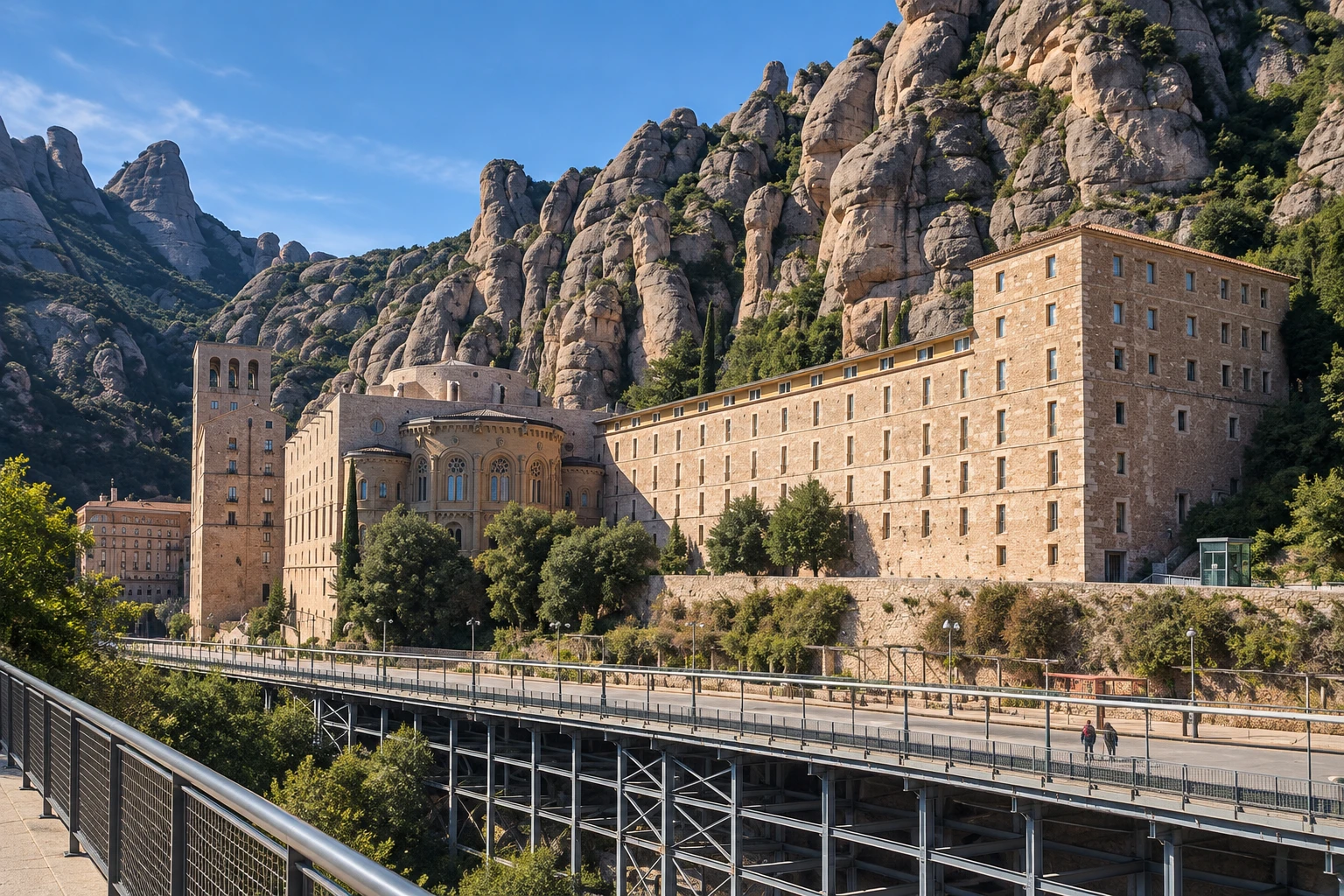
Benedictine abbey set into the jagged rocks of Montserrat, about 50 km from Barcelona, founded in 1025. It houses the Virgem de Montserrat, the Moreneta, patron saint of Catalonia, and has one of the oldest boys' choirs in Europe.
To plan