Gdańsk
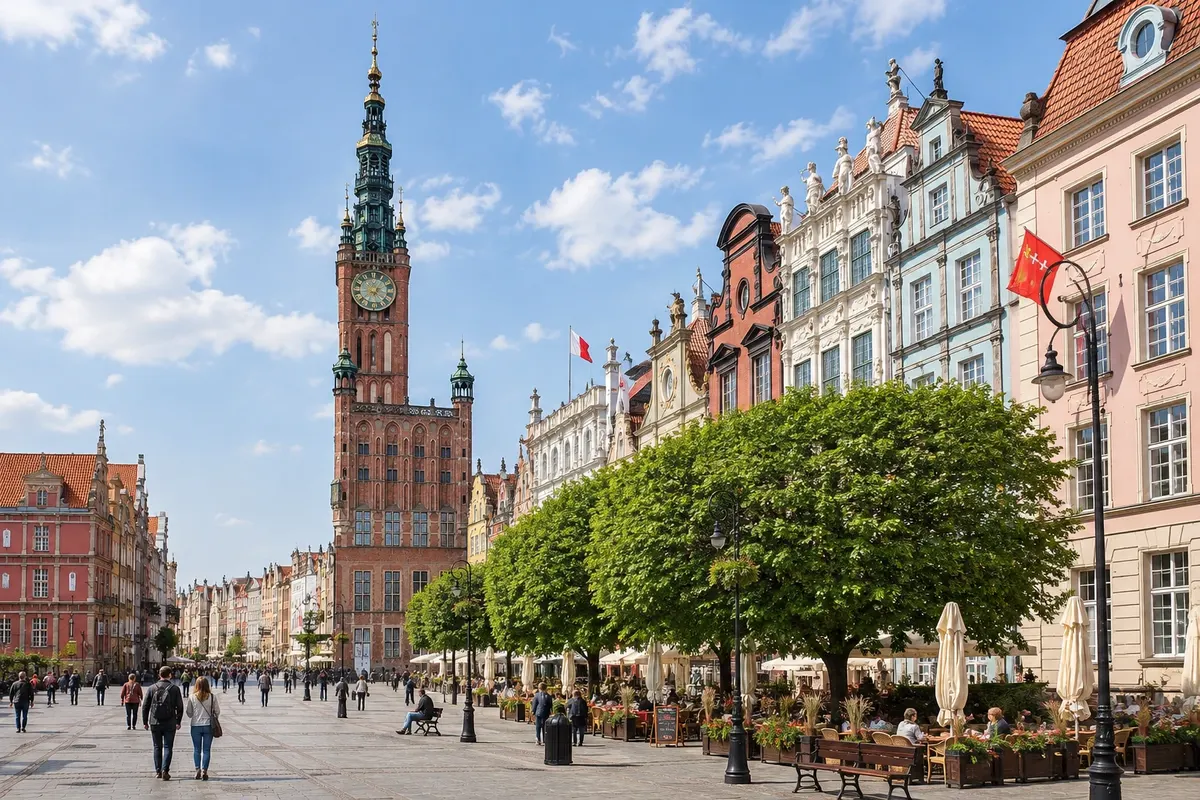
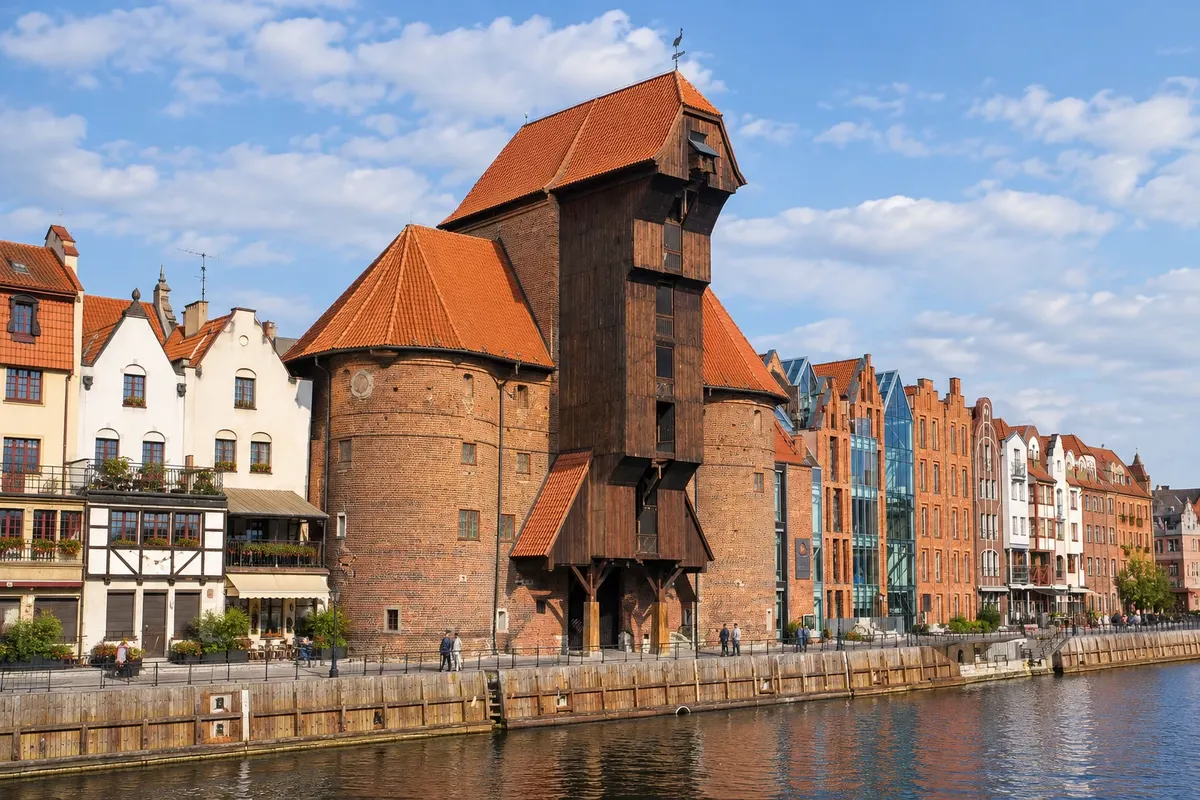
Gdańsk has merchant façades along the Długi Targ axis and an old port beside the Motława. The Żuraw crane and St. Mary’s Basilica help identify the brick city. The ensemble invites walking along both banks near the centre.
Pomerânia · Poland
Historic port, seaside resort, modern architecture and UNESCO castle.
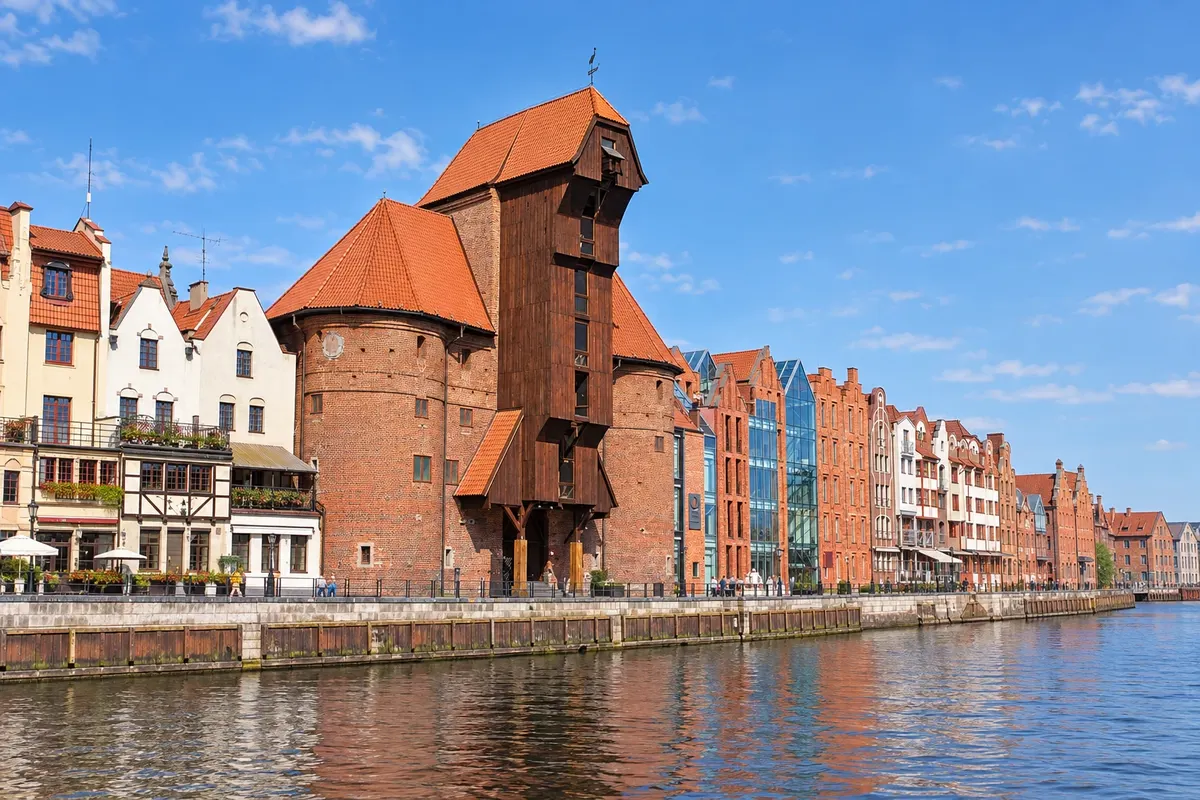
In the photo: Żuraw
Illustrative images. The pictures in this guide are illustrations based on the real place, not photographs, and may differ from it.
Get to know the place
Gdańsk has its centre oriented to the Motława River, with narrow façades, gates and former maritime trading spaces. Walking along the axis of Długa and Długi Targ leads down to the water and helps to appreciate the scale of the old port.
Sopot turns the trip toward the beach and the wooden pier. Gdynia shows the development of a modern port city and the museum ships on the waterfront. The three cities form the Tricity, but they are not neighborhoods of the same municipality; the urban train allows visiting them on separate days.
Malbork lies inland and concentrates the visit on a large brick complex along the Nogat. On the coast, the Baltic wind changes the perceived temperature even in summer.
This destination brings together 4 cities: Gdańsk, Sopot, Gdynia, Malbork.
One destination, many paths
Start with one city or combine several in your itinerary.
Contornos: Natural Earth (domínio público). Adaptação do Cidade Turismo.
✈ Port Lotniczy Gdańsk im. Lecha Wałęsy (GDN) · 15 km to Gdańsk
Confirm before purchasing. Gdańsk airport serves the region. Gdańsk Główny receives trains from other cities; the SKM network links Gdańsk, Sopot and Gdynia. For Malbork, use regional or long-distance train depending on your itinerary.
Suggested arrival point: Gdańsk
Gdańsk has merchant façades along the Długi Targ axis and an old port beside the Motława. The Żuraw crane and St. Mary’s Basilica help identify the brick city. The ensemble invites walking along both banks near the centre.
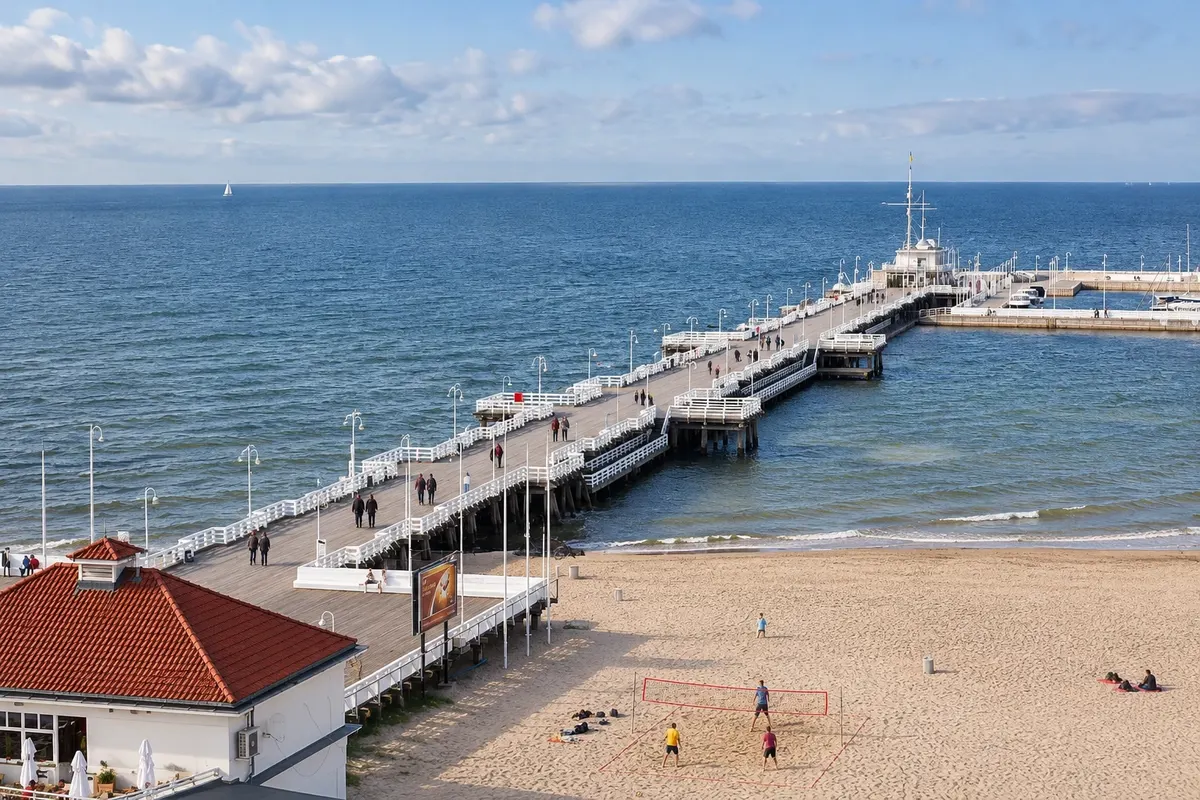
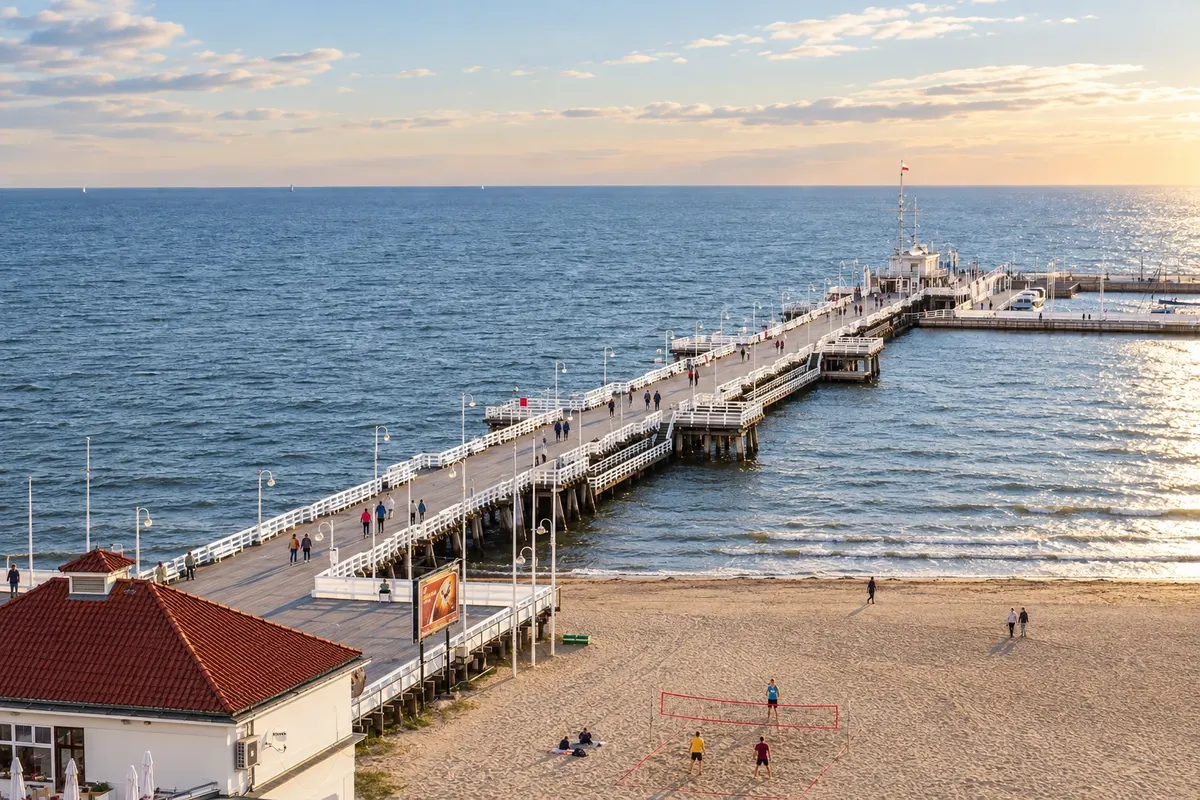
Sopot combines beach, a seaside promenade and a wooden pier that extends into the Gulf of Gdańsk. The town has a resort feel and is suitable for a day by the water between urban visits to Gdańsk and Gdynia.
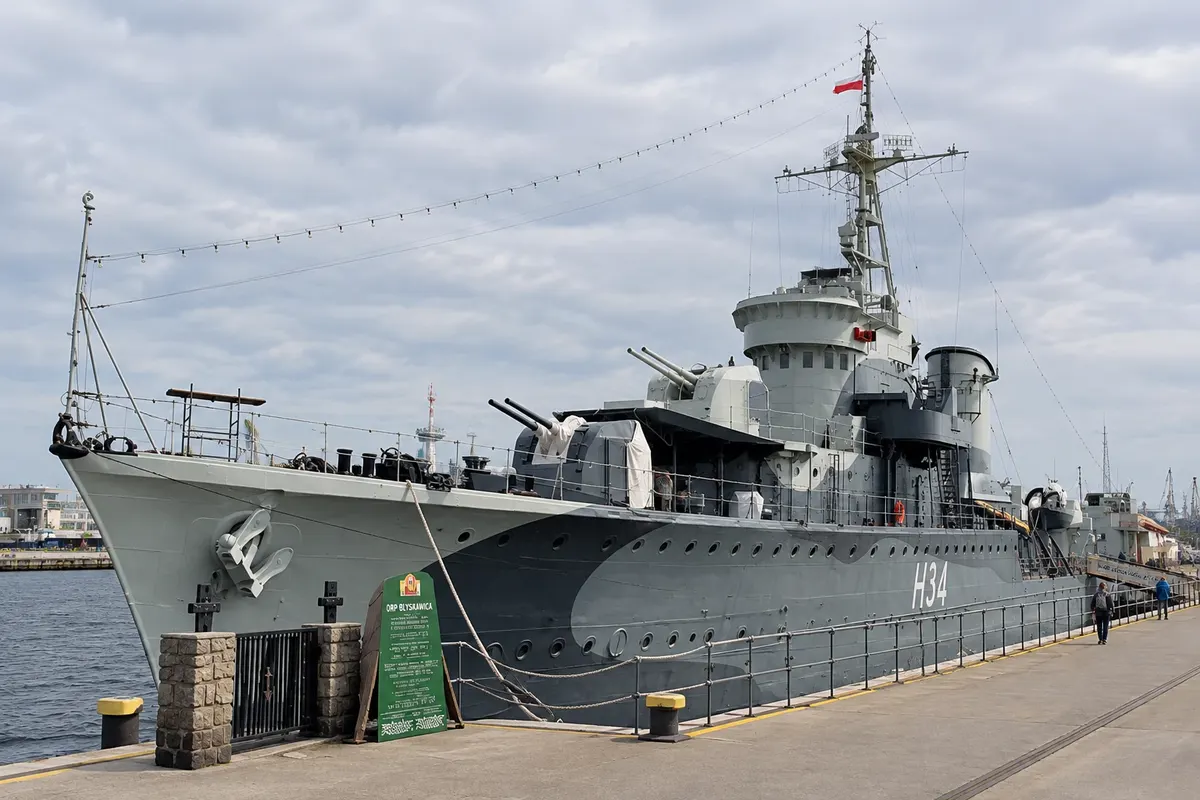
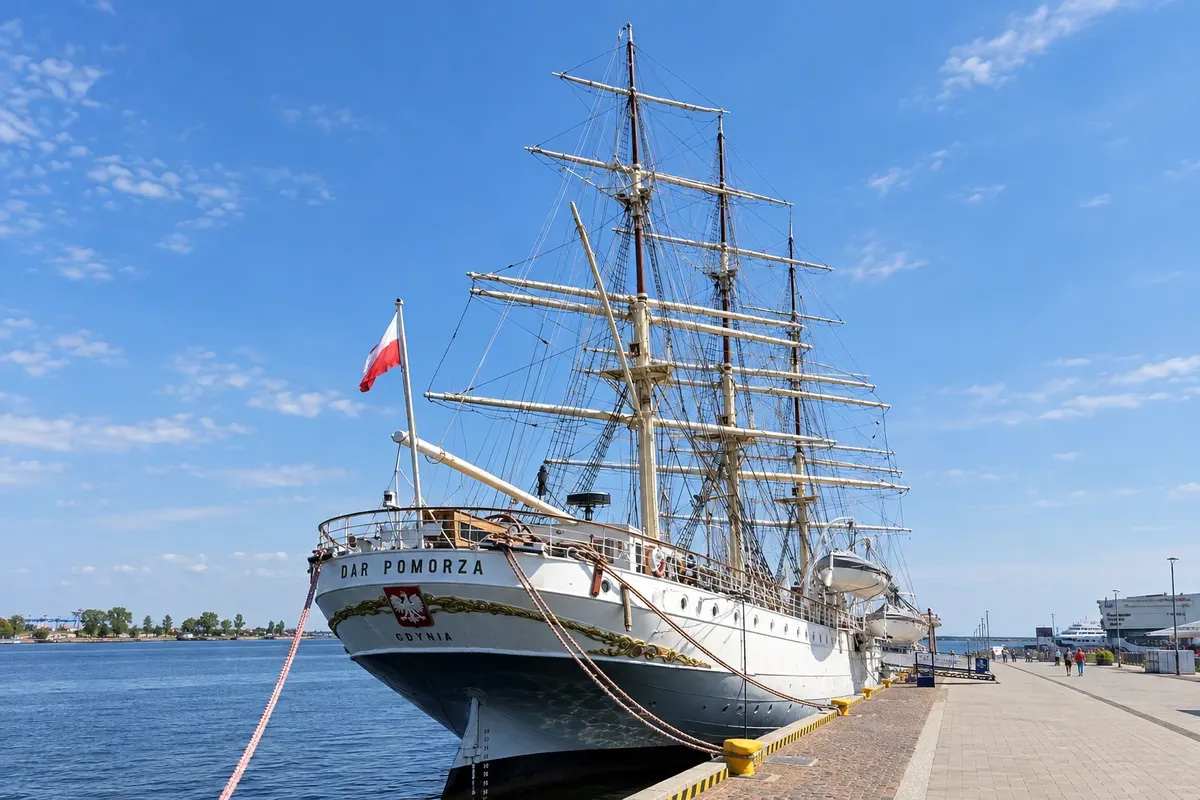
Gdynia showcases 20th-century port expansion in streets of modern architecture. On the waterfront, the sailing ship Dar Pomorza and the ship Błyskawica offer maritime heritage visits. The program combines the city and the vessels.
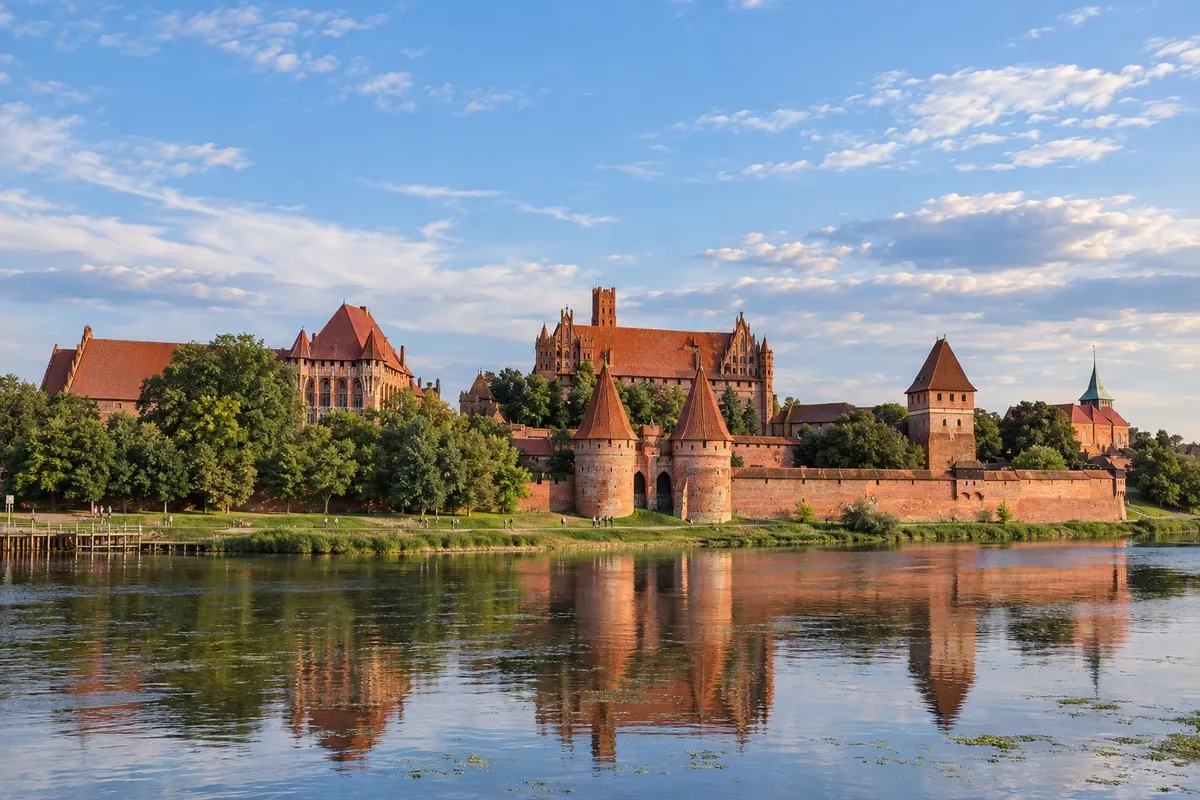
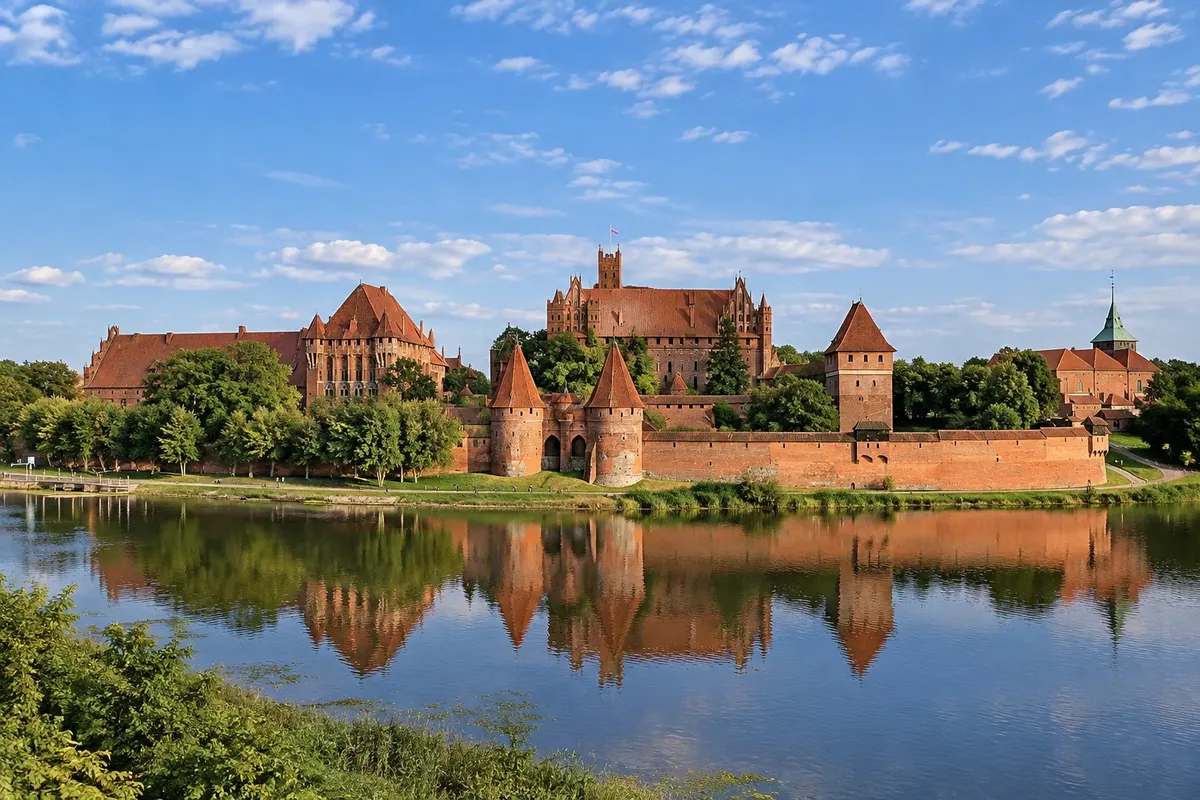
Malbork grew up around the brick castle on the Nogat River. The medieval complex, recognized as a World Heritage site, takes up most of a day to visit. The riverbank allows you to observe the full extent of the walls.
The local experience
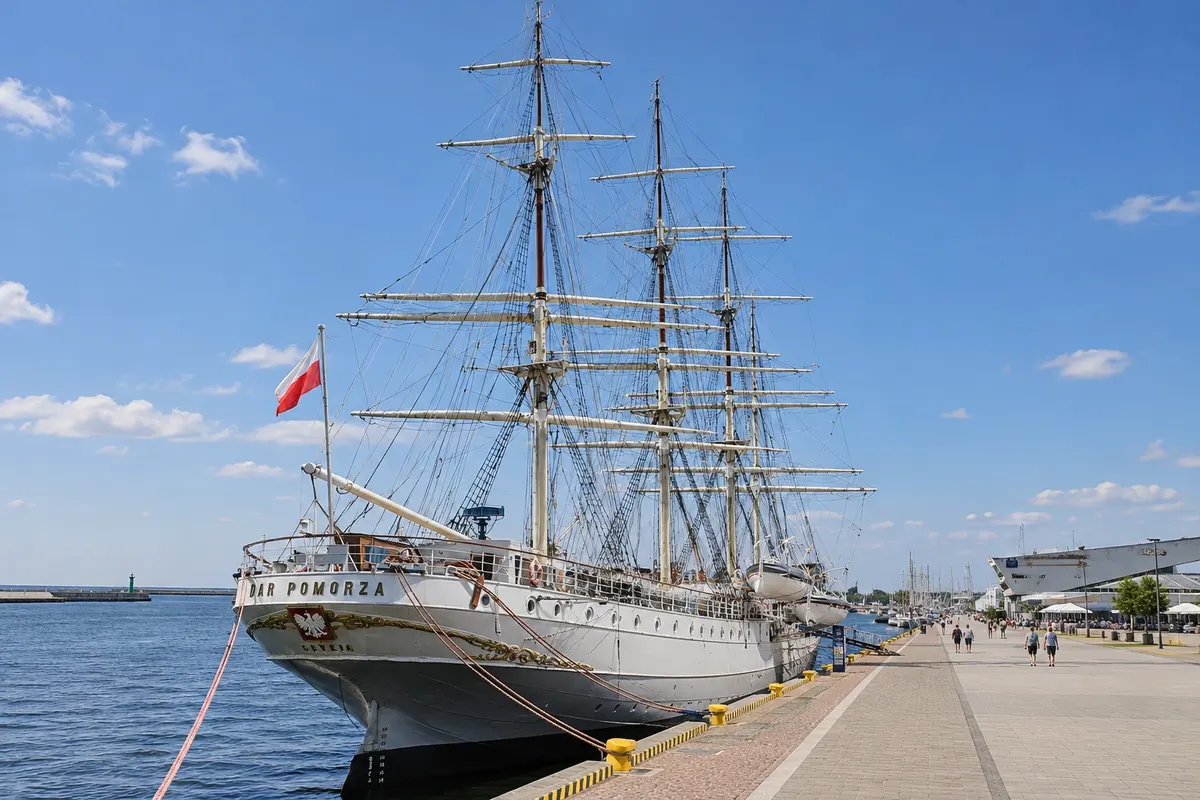
The Dar Pomorza is a sailing ship preserved as a museum ship along Gdynia's central waterfront. Masts, deck and hull display the scale of a training vessel, linked to navigation training and life aboard.
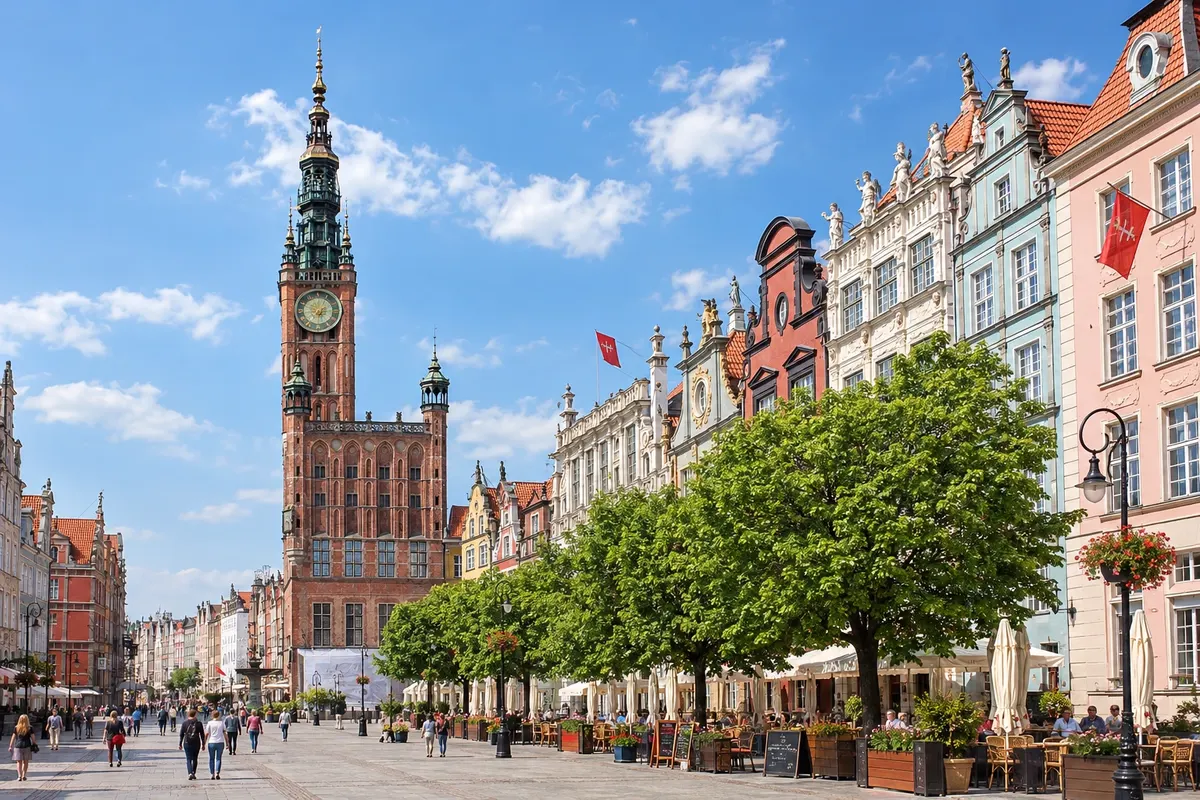
Długi Targ extends Długa Street toward the river, forming the representative axis of Gdańsk’s centre. Narrow, tall façades line the old market space, where the Neptune Fountain and buildings connected to mercantile life can be recognised.
The Sopot pier extends on wood into the Gulf of Gdańsk, as a continuation of the axis that links the center to the beach. The walk lets you step off the sand and view the coast from another vantage point, with the resort in the background and water on both sides.
The castle of Malbork occupies an extensive area beside the Nogat River, with walls, courtyards and brick buildings. The complex was built and expanded over the Middle Ages and is part of the World Heritage, with different sectors that reveal its organization.
The Błyskawica is moored on Gdynia's waterfront as a museum ship. Its torpedo-boat destroyer silhouette presents a vessel with functions distinct from training sailing ships, allowing observation of the deck layout, equipment and onboard spaces.
The Żuraw projects over the Motława riverbank with a wooden structure between brick towers. The former port crane is a landmark in Gdańsk’s landscape and shows how cargo infrastructure was integrated at the city’s entrance.
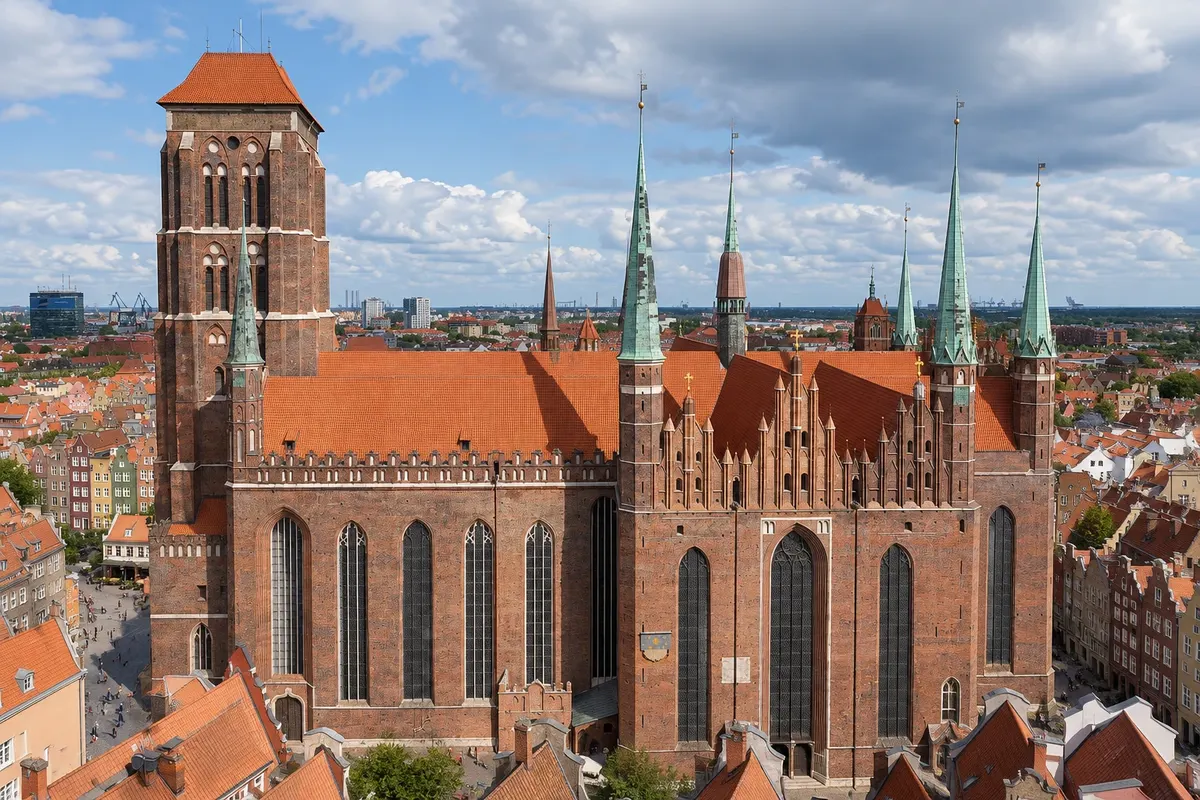
St. Mary’s Basilica occupies a large brick volume in central Gdańsk. Its scale is felt both from the narrow surrounding streets and inside, where pillars and vaults organize a nave that looks different from the decoration of many Baroque churches.
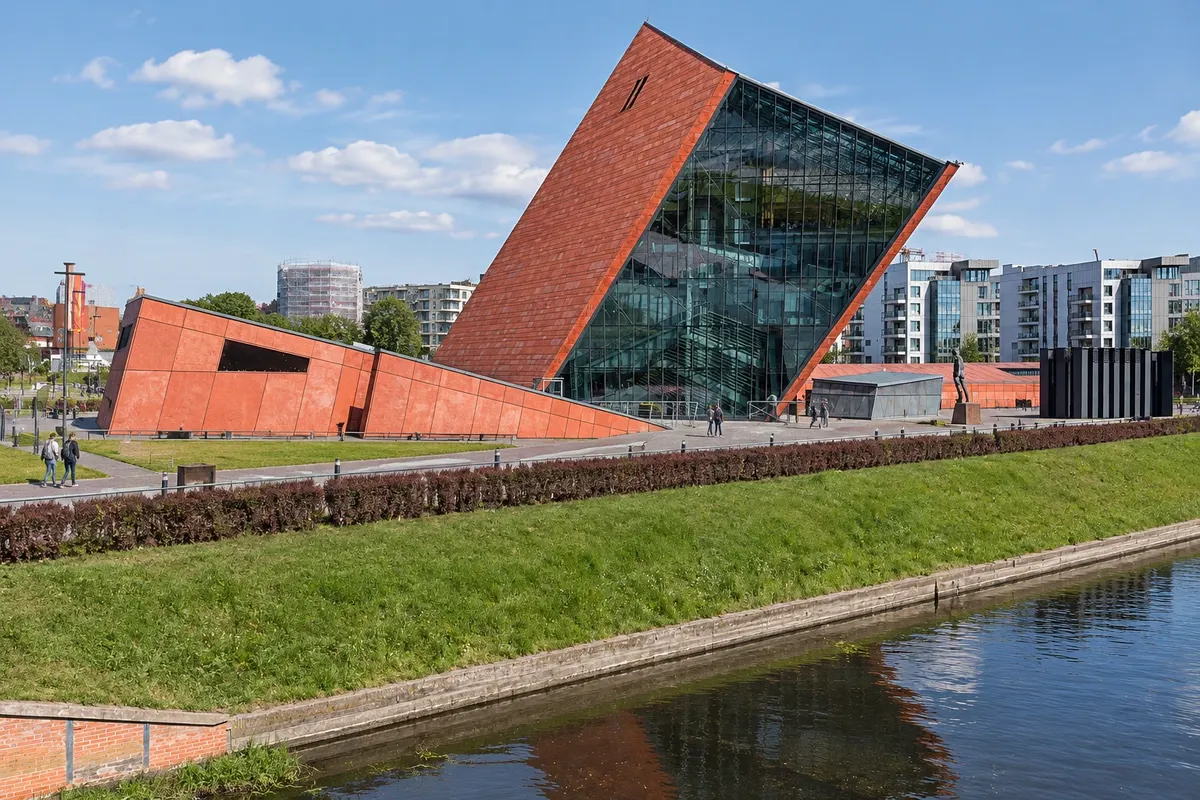
The Museum of the Second World War occupies a contemporary building in Gdańsk, with a significant portion of the exhibitions underground. The visit brings together objects, documents and accounts about the war and its effects on people’s lives, in a wide-ranging narrative.
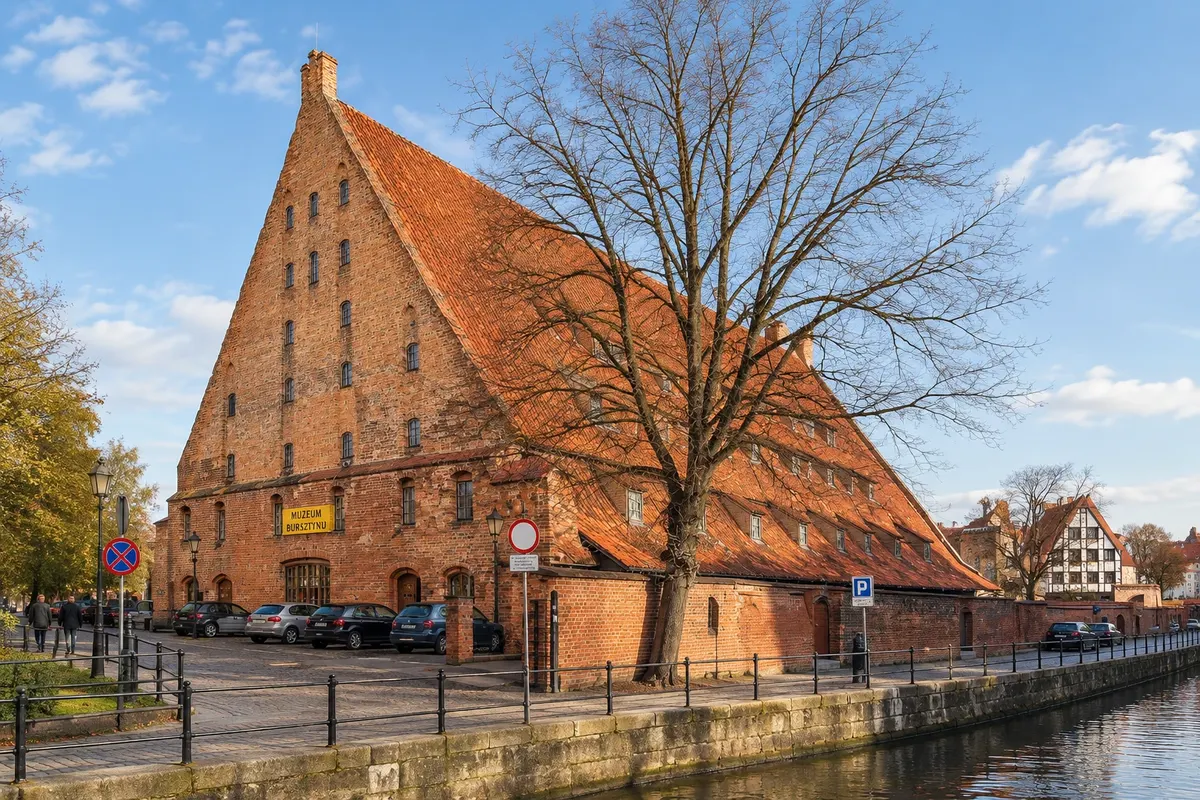
The Gdańsk Amber Museum occupies the Great Mill, a brick building tied to the city’s history. The subject connects the natural formation of fossilized resin with the craftwork that linked amber to Baltic culture and trade.
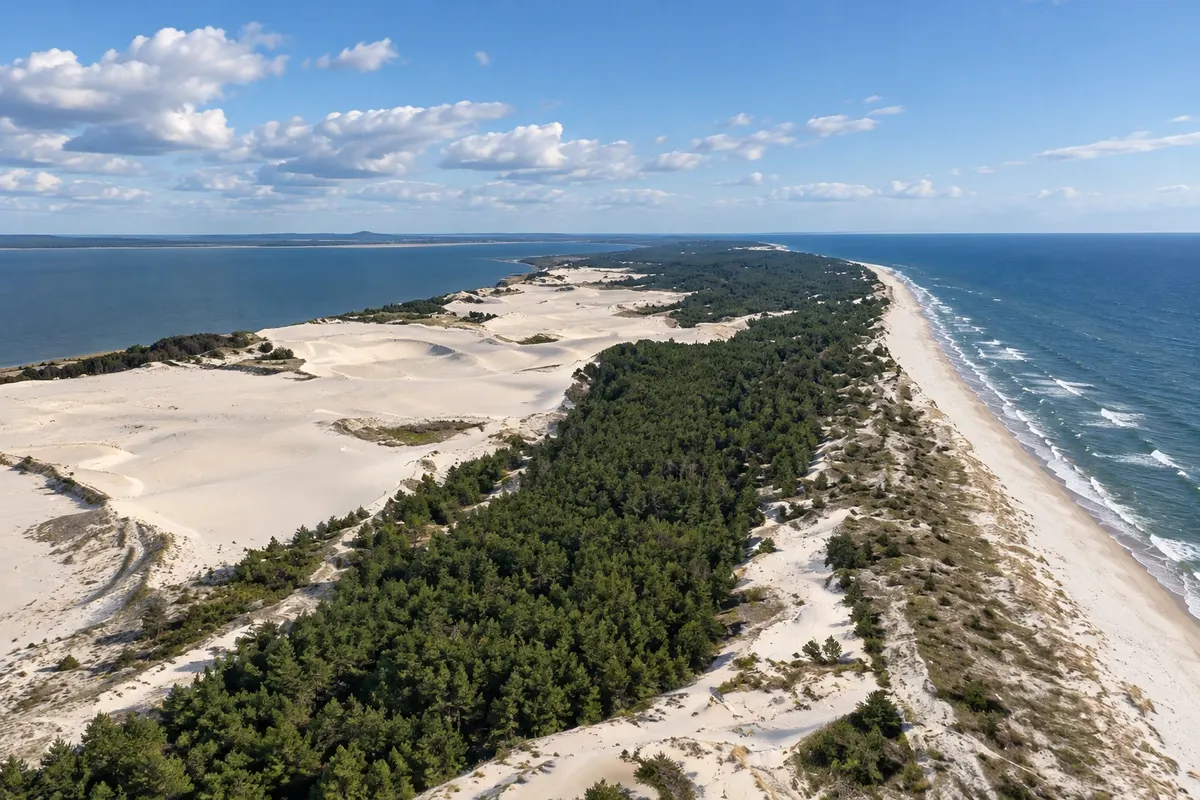
Słowiński National Park protects a coastal landscape of dunes, lakes, and belts of woodland on the Baltic. Visits are usually organised from the Łeba sector, but the park has separate access points and does not correspond to a single beach near Gdańsk city centre.
Before you go
A little planning leaves more time to enjoy the journey.
June to August usually have long days and more activity on the waterfront, with wind and possible rain. May and September are good for heritage sites and walks. November to February generally calls for more indoor visits.
The seasons shown are the most usual ones; nature doesn't always follow the calendar.
Five days allow two in Gdańsk, one in Sopot, one in Gdynia and one for Malbork. With less time, choose between a full day at the castle and visits to the museum ships.
In Gdańsk, Główne Miasto favors the old port; near Gdańsk Główny, transfers are simpler. Sopot suits those prioritizing the beach. In Gdynia, Śródmieście brings station and waterfront closer.
Take your trash with you, follow the signs and support local businesses. In natural areas, follow the visiting guidelines.
Get your questions answered
Gdańsk airport serves the region. Gdańsk Główny receives trains from other cities; the SKM network links Gdańsk, Sopot and Gdynia. For Malbork, use regional or long-distance train depending on your itinerary.
Five days allow two in Gdańsk, one in Sopot, one in Gdynia and one for Malbork. With less time, choose between a full day at the castle and visits to the museum ships.
June to August usually have long days and more activity on the waterfront, with wind and possible rain. May and September are good for heritage and walking. November to February generally requires more indoor visits.
In Gdańsk, Główne Miasto favors the old port; near Gdańsk Główny, transfers are simpler. Sopot suits those who prioritize the beach. In Gdynia, Śródmieście brings station and waterfront closer.