Kraków and the salt mines

Pequena Polônia · Poland

Kraków and the salt mines

UNESCO historic centre, Wawel, salt mines and Auschwitz-Birkenau memorial.

Sul e Leste

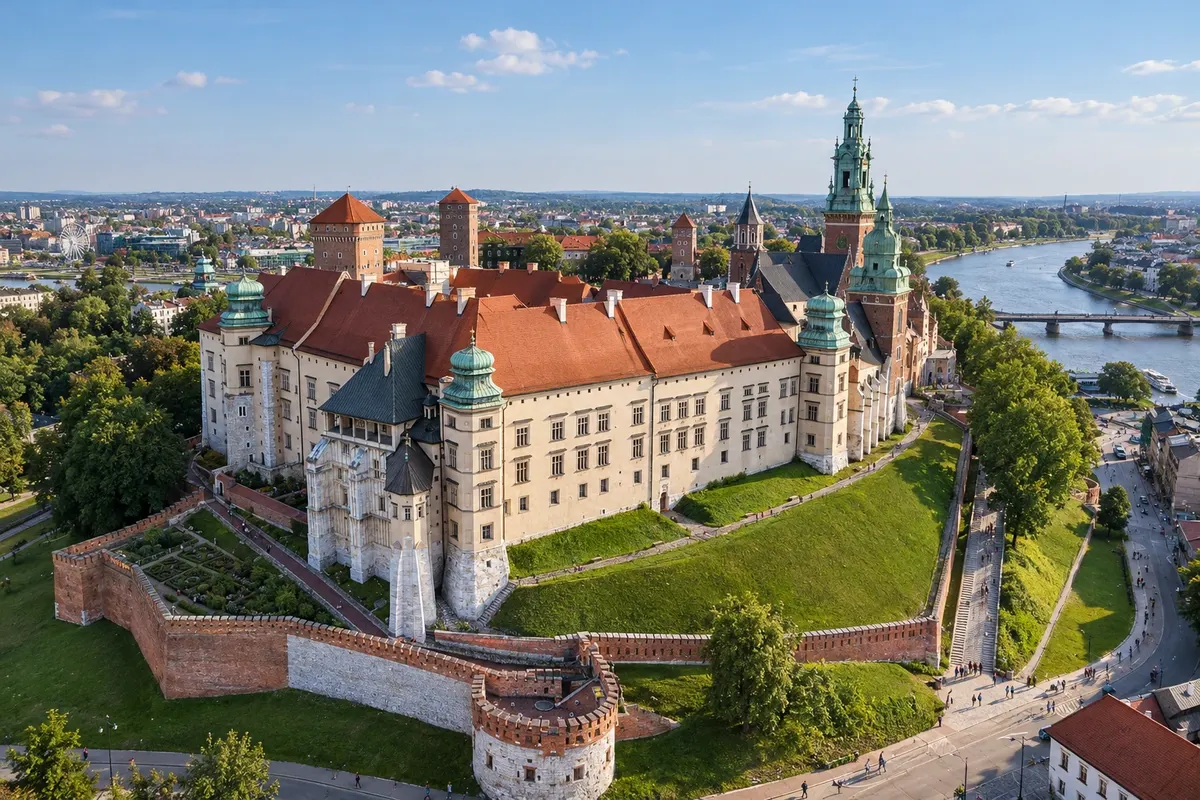
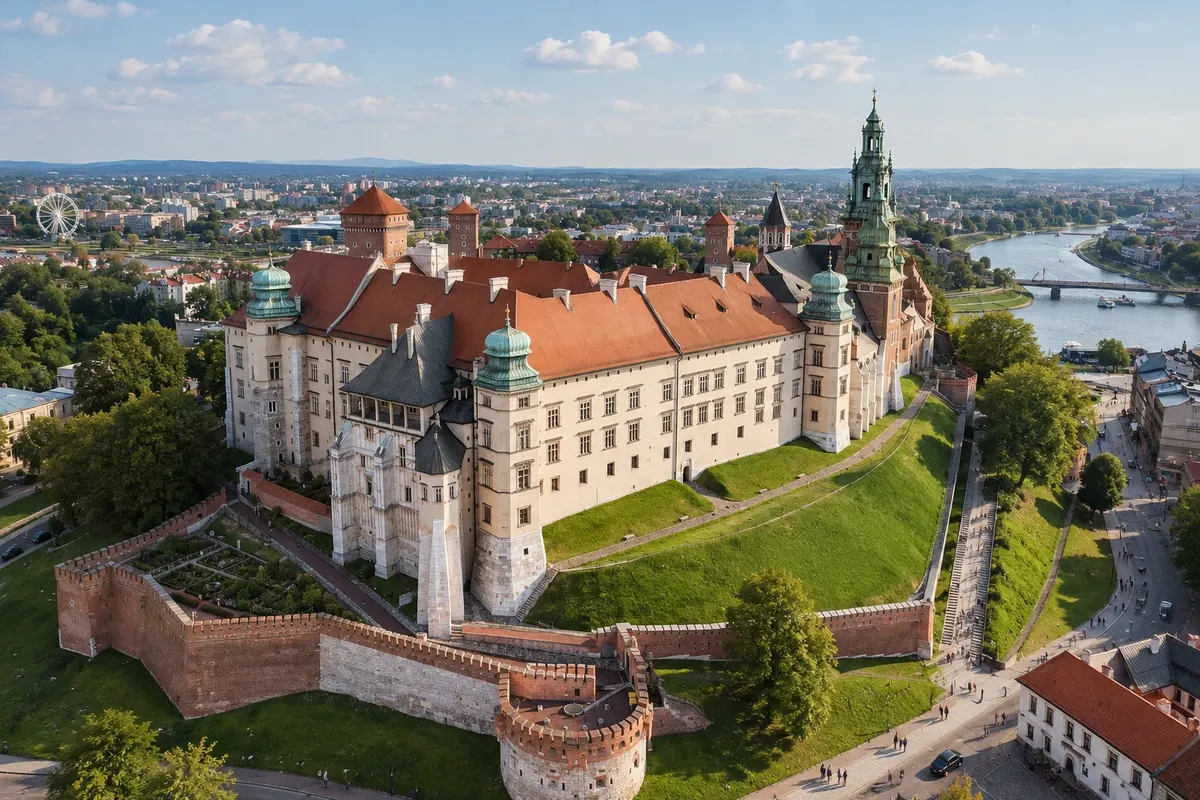
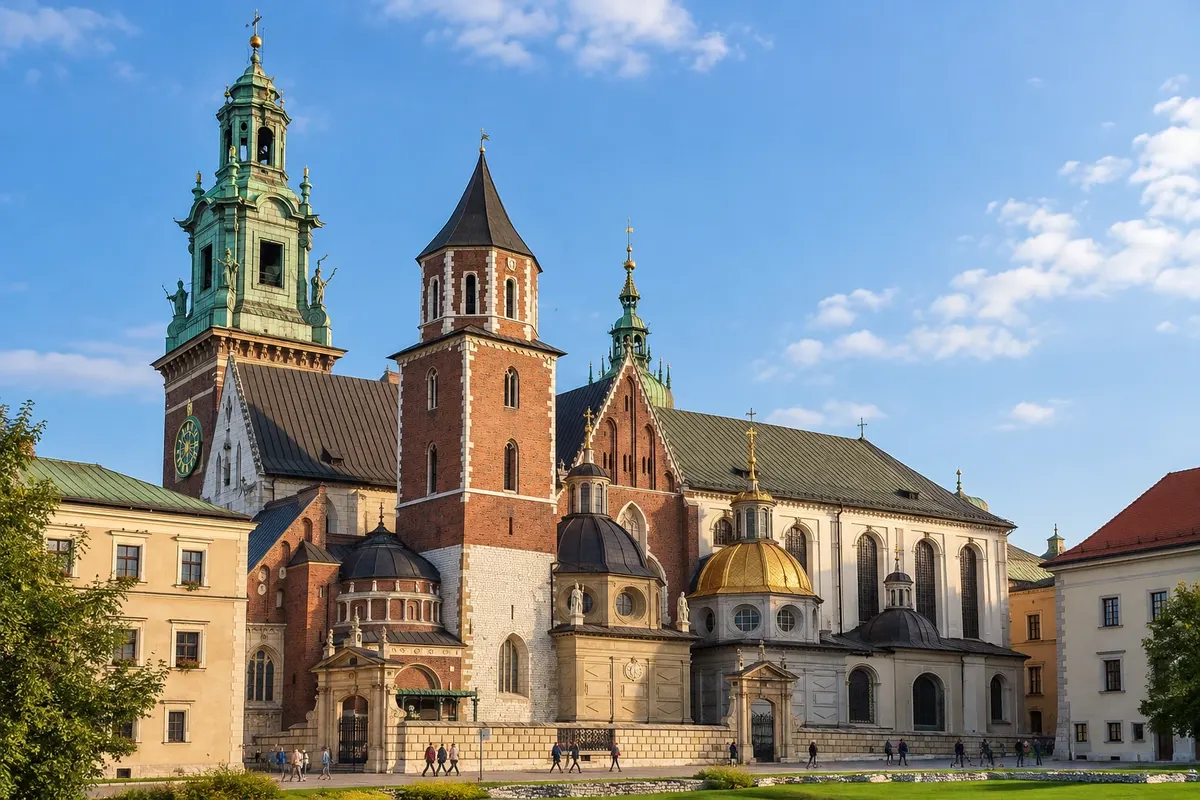
In the photo: Zamek Królewski on Wawel

Illustrative images. The pictures in this guide are illustrations based on the real place, not photographs, and may differ from it.

Get it on Google Play Send your photos

Get to know the place

A region to enjoy
at your own pace.

Kraków arranges a trip through the former royal capital and three side trips with very different themes. In the city, Rynek Główny square, Wawel and Kazimierz fit into walking routes, but interiors and museums require time beyond the walks.

Wieliczka and Bochnia feature two salt mines from the same World Heritage site. Oświęcim welcomes visitors to the Auschwitz-Birkenau memorial and museum. These are towns with their own identities; travel and the visit should be accounted for, avoiding two long outings in one day.

Kraków is the name used on timetables and tickets. In winter it tends to be cold and darken early; the mines and museums can balance outdoor periods.

This destination brings together 4 cities: Cracóvia, Wieliczka, Oświęcim, Bochnia.

Share: WhatsApp
Traveler, share your experiences through photos Up to 5 photos of each place you visited.

One destination, many paths

The cities on this trip

Start with one city or combine several in your itinerary.

Where Kraków and the salt mines is
CracóviaWieliczkaOświęcimBochnia

Contornos: Natural Earth (domínio público). Adaptação do Cidade Turismo.

How to get there: Kraków and the salt mines

✈ Kraków Airport (KRK) · 15 km to Cracóvia

Confirm before purchasing. Kraków airport has a rail link to Kraków Główny. Regional trains serve Wieliczka, Bochnia and Oświęcim; check the last leg between the station and the entrance for each visit.

Suggested arrival point: Cracóvia

The local experience

Things to do in Kraków and the salt mines

Kopalnia Soli Bochnia
Bochnia · Pequena Polônia · Historic mine

Kopalnia Soli Bochnia

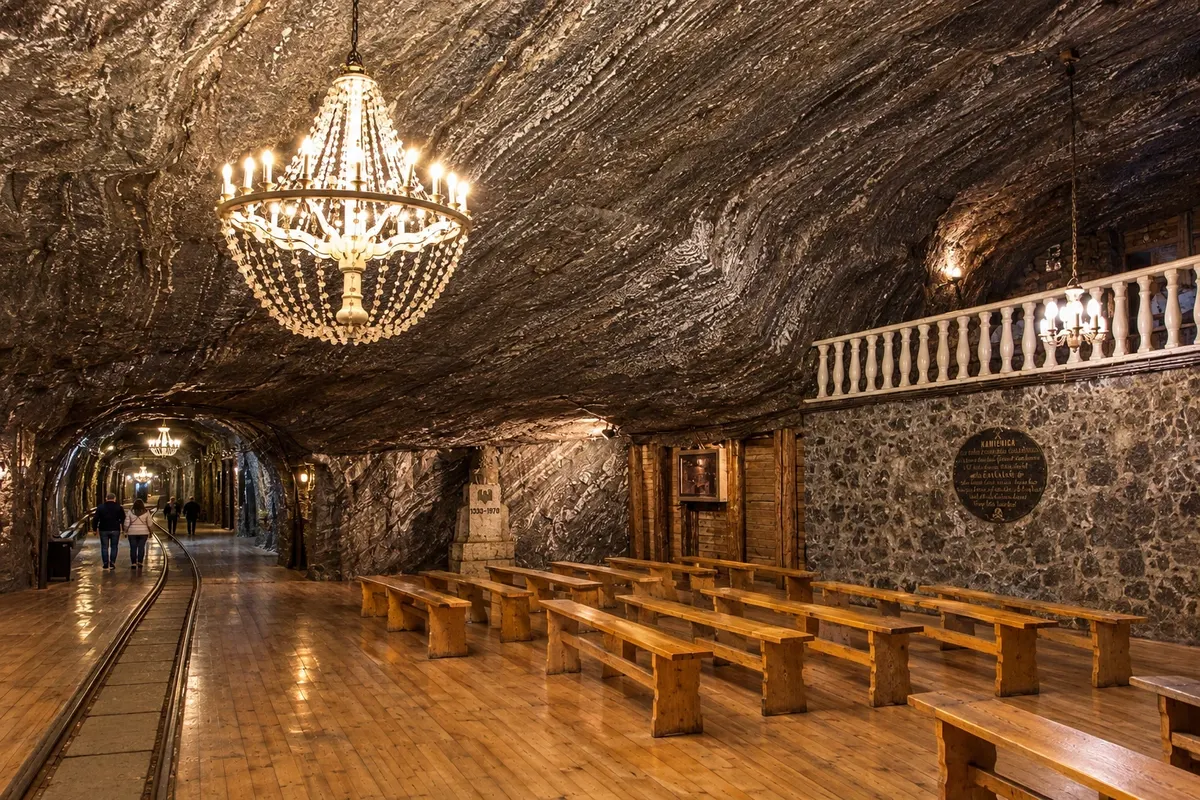
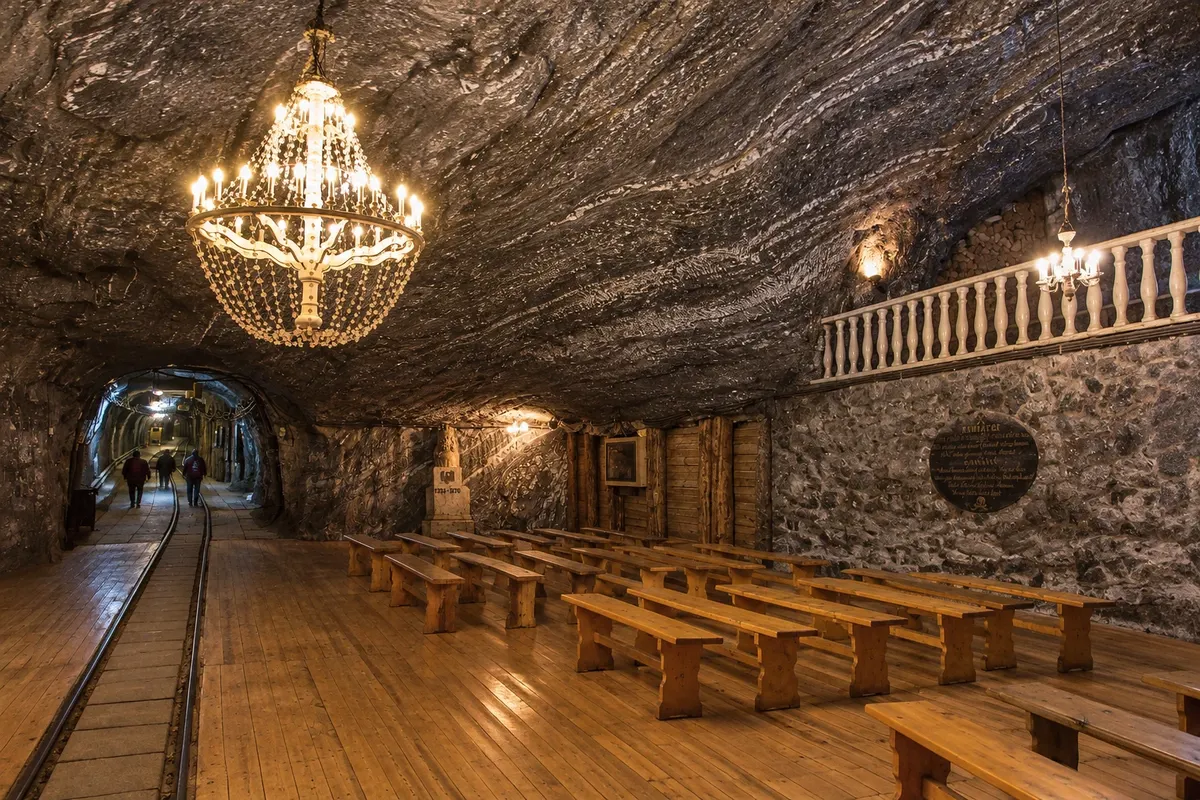
The Bochnia mine is part of the royal saltworks heritage alongside Wieliczka. The underground complex preserves chambers and galleries linked to salt extraction, with a visitor route that has its own circulation and interpretation features.

Kopalnia Soli Wieliczka
Wieliczka · Pequena Polônia · Historic mine

Kopalnia Soli Wieliczka

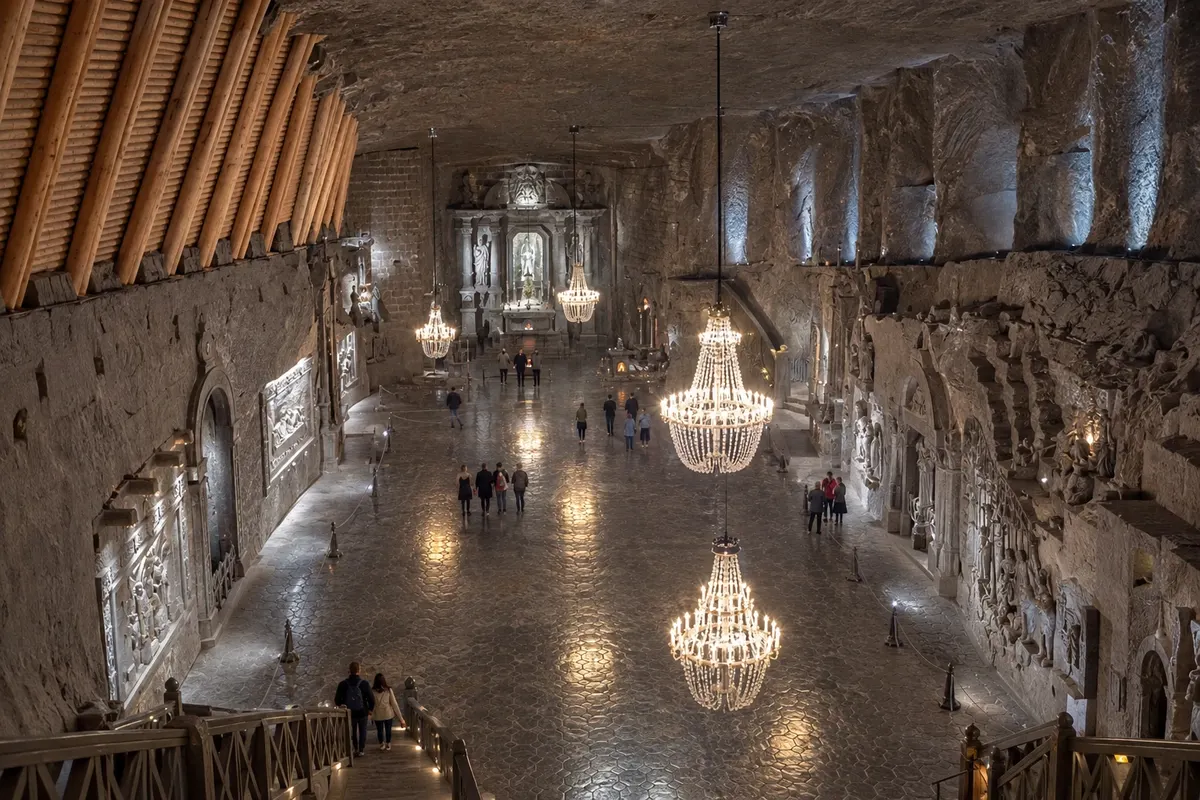
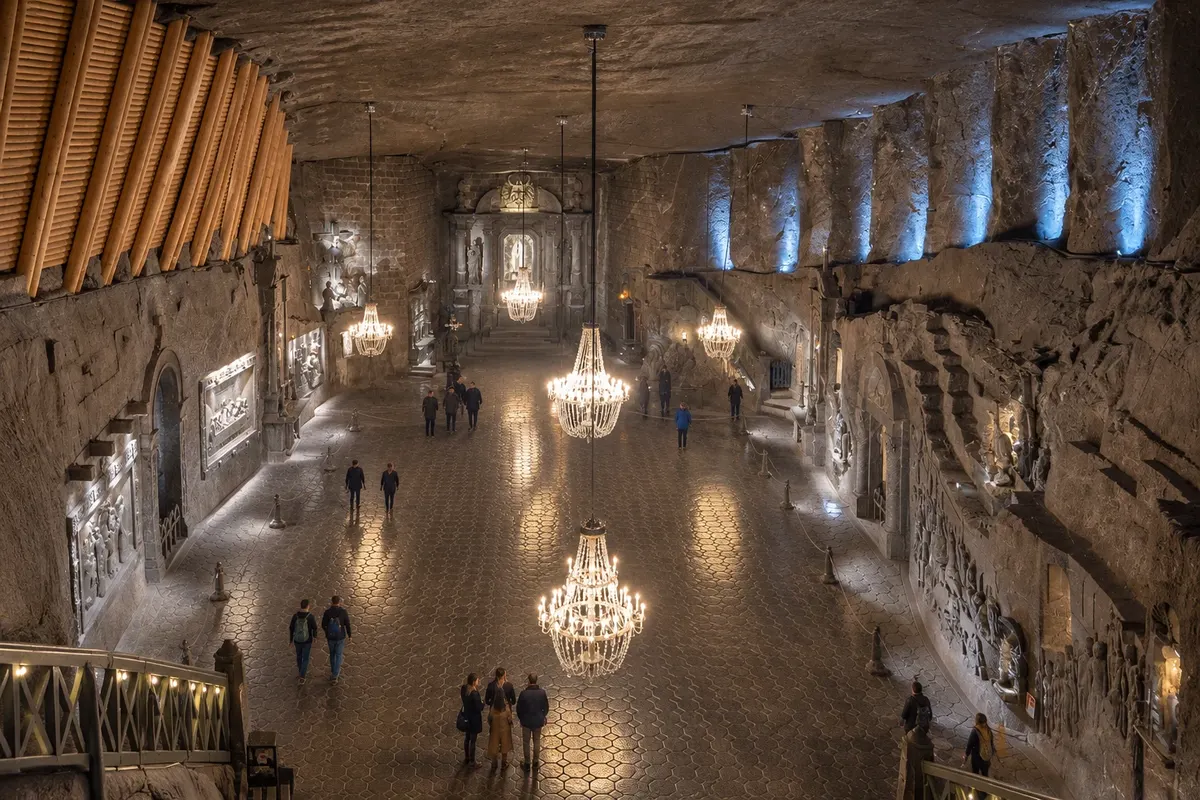
The Wieliczka mine comprises galleries, chambers and salt-excavated spaces south of Kraków. The tourist circuit covers only part of a much larger complex, connected to centuries of extraction and the city’s economic development.

Państwowe Muzeum Auschwitz-Birkenau
Oświęcim · Pequena Polônia · Memorial and museum

Państwowe Muzeum Auschwitz-Birkenau

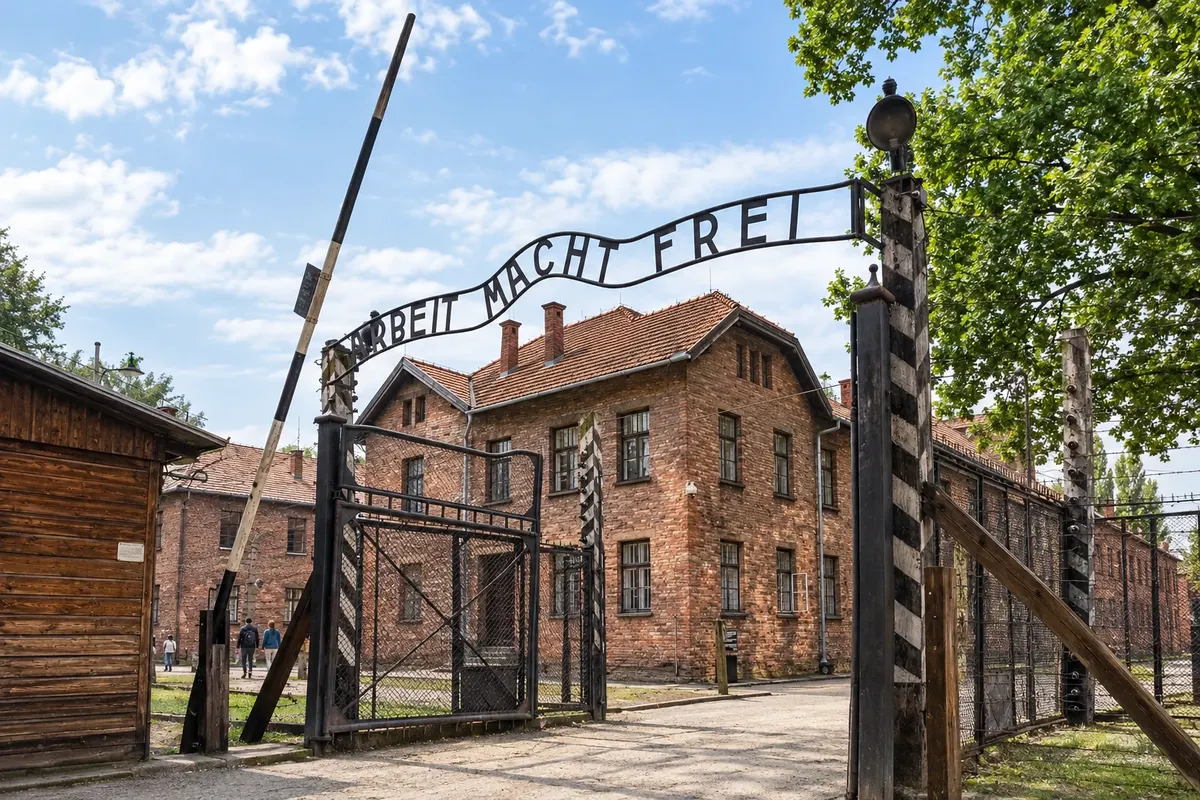
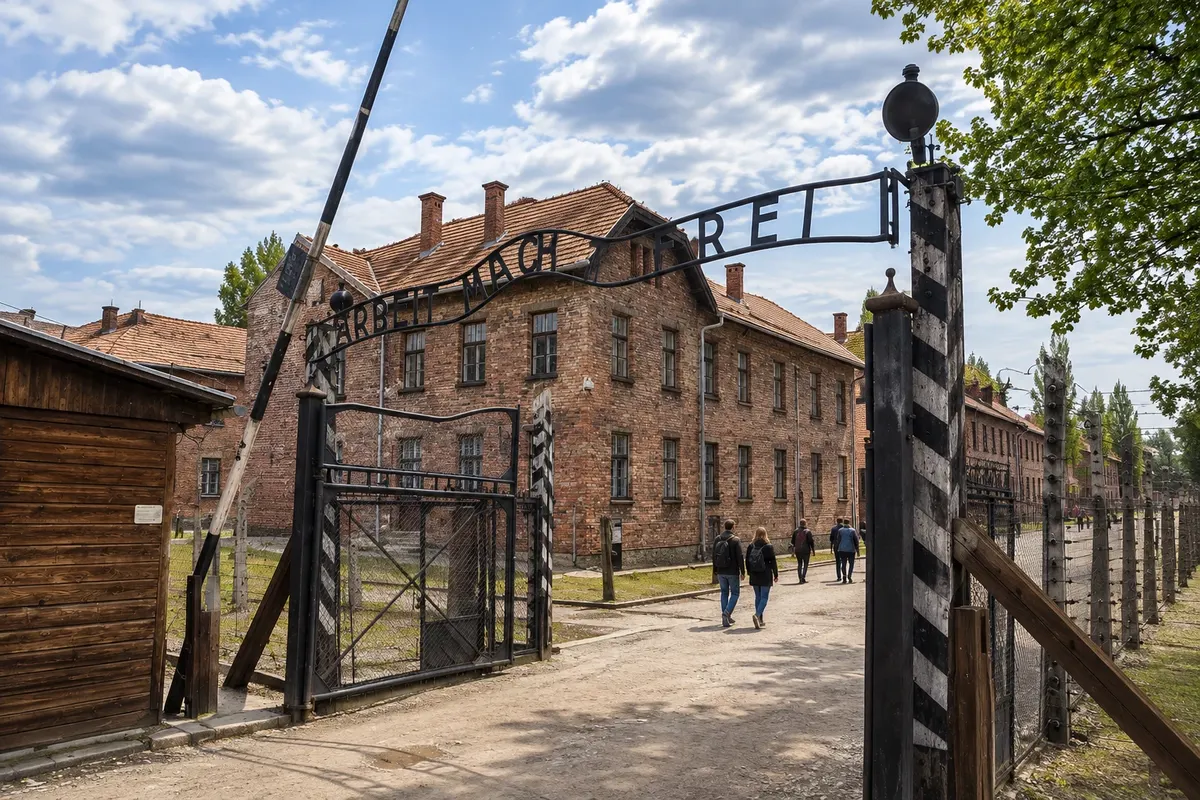
The Auschwitz-Birkenau memorial and museum preserves areas of two former camps: Auschwitz I, in Oświęcim, and Auschwitz II-Birkenau, in Brzezinka. The site is dedicated to the memory of the victims and to understanding what happened in those spaces.

Rynek Główny
Cracóvia · Pequena Polônia · Square

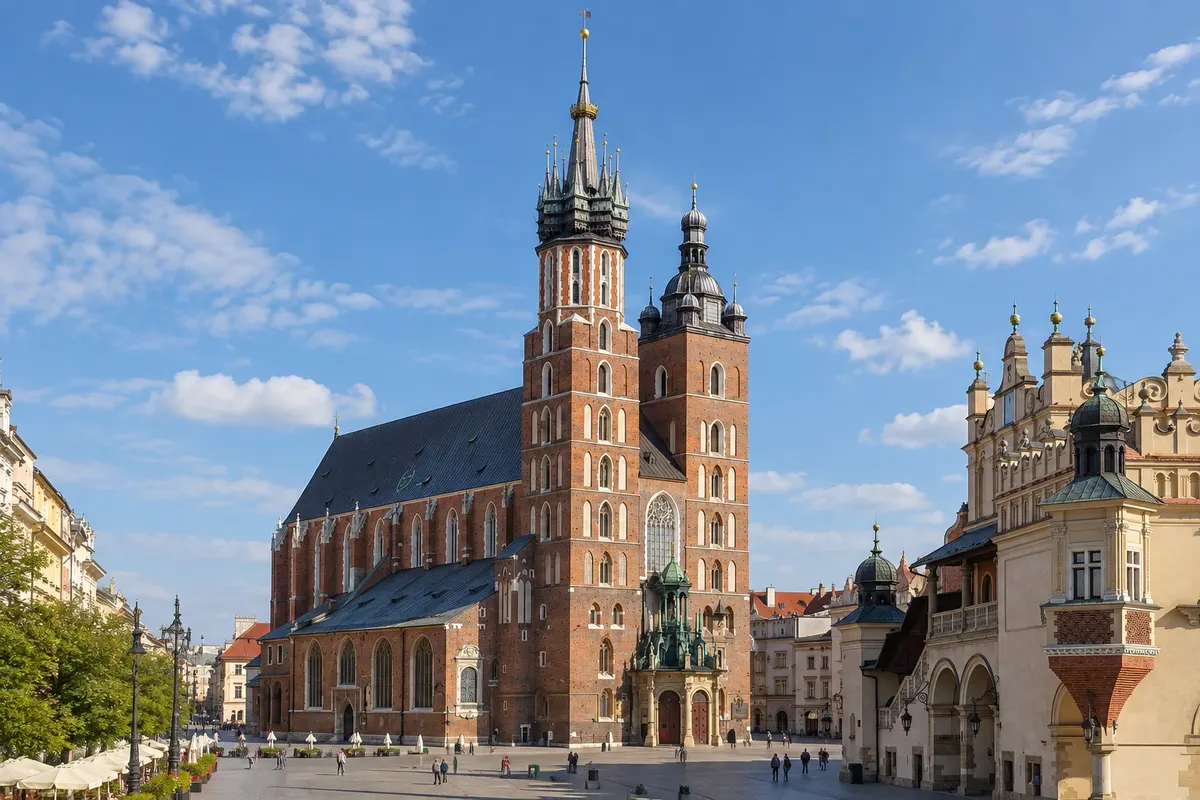
Rynek Główny

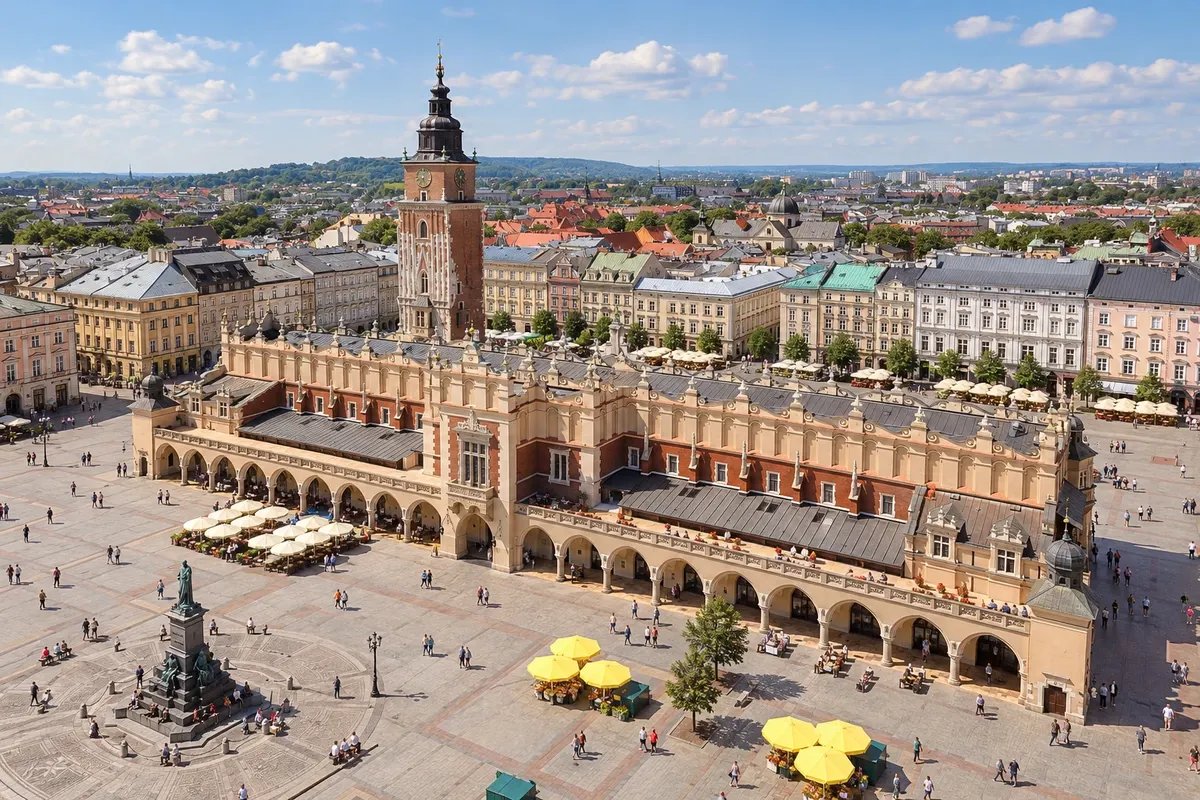
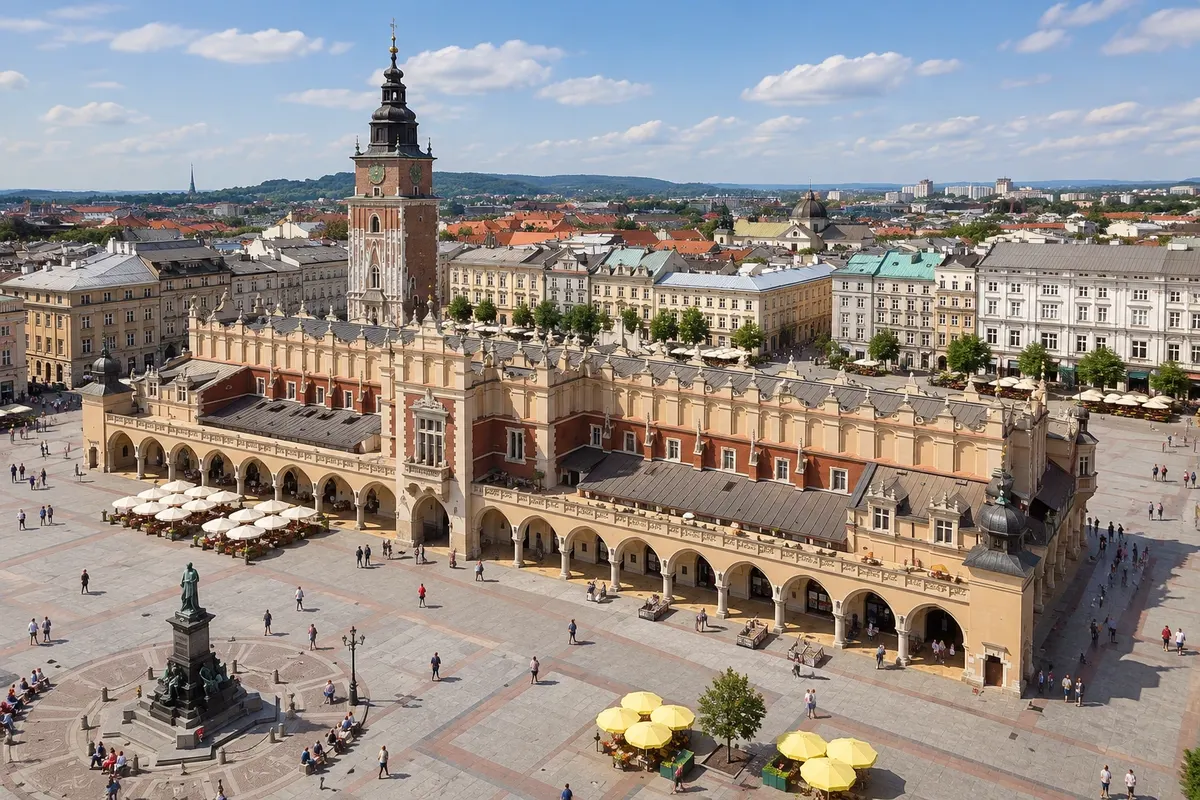
Rynek Główny is the large square in central Kraków, formed from the city’s medieval layout. The open space links pedestrian streets, historic façades and commercial buildings, with the old town hall tower and the Sukiennice as reference points.

See 12 more places in Kraków and the salt mines
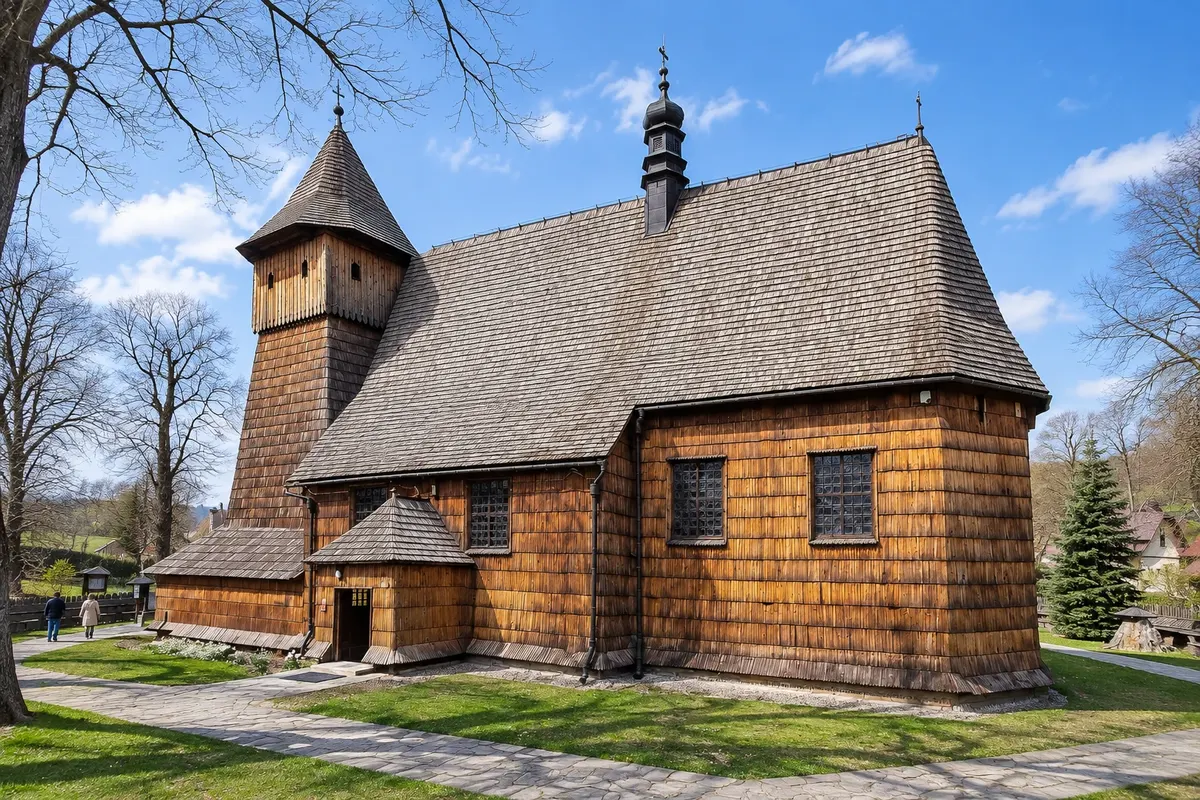
Kościół św. Leonarda w Lipnicy Murowanej
Bochnia · Pequena Polônia · Wooden church

Kościół św. Leonarda w Lipnicy Murowanej

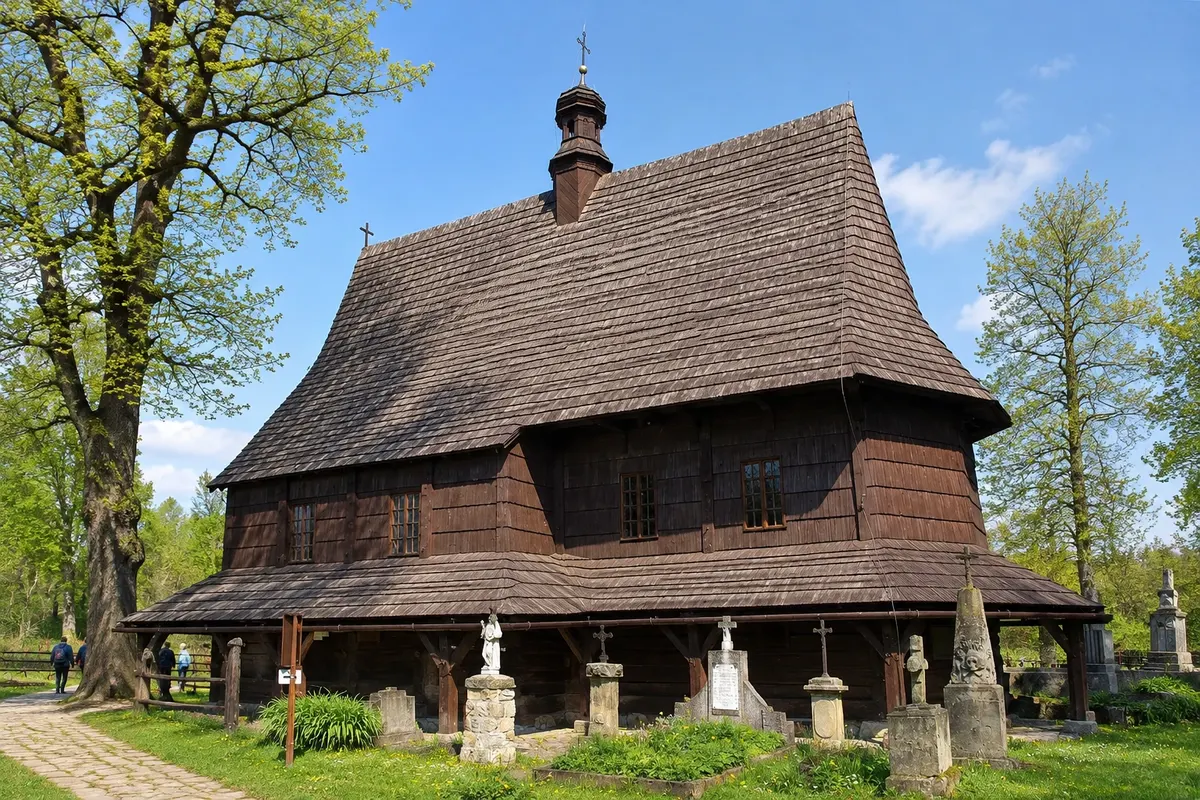
The church of St. Leonard is in Lipnica Murowana, outside Bochnia, and is part of the ensemble of wooden churches of southern Lesser Poland recognized as a World Heritage site. The building has a rural scale and should be viewed in the context of the village and the cemetery.

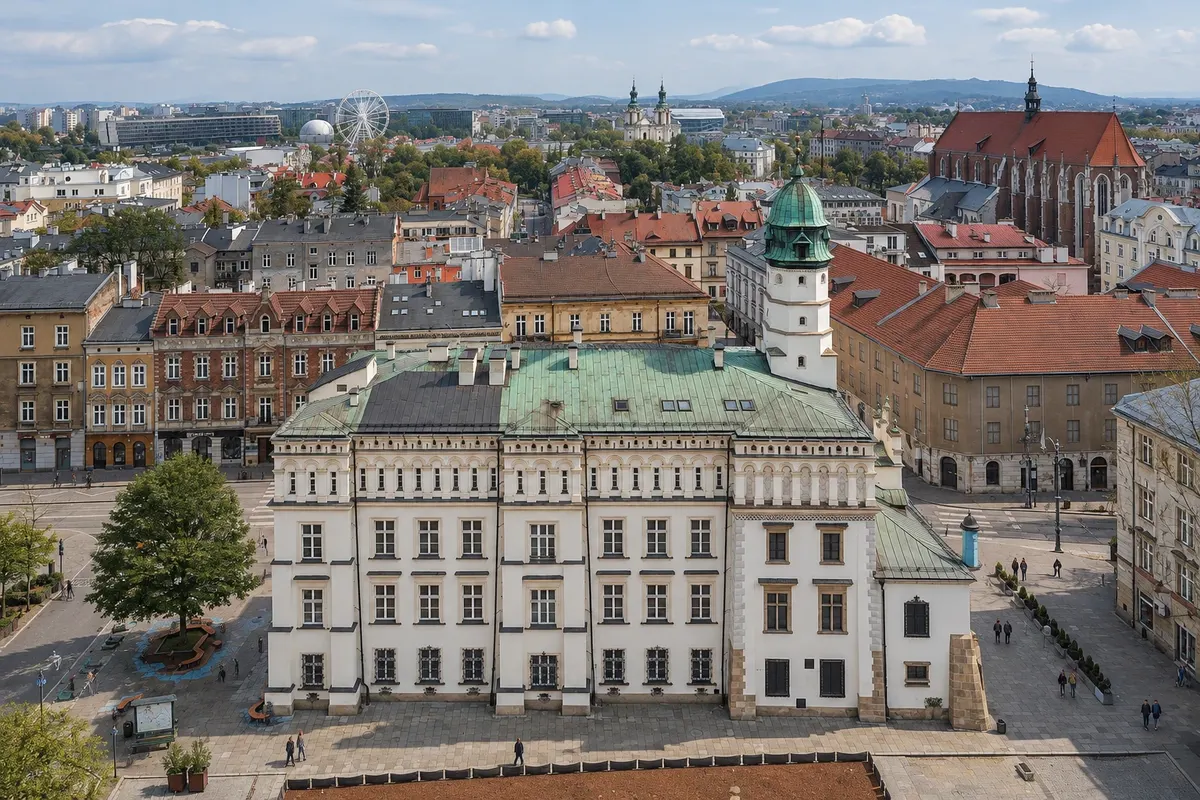
Zamek Królewski na Wawelu
Cracóvia · Pequena Polônia · Castle

Zamek Królewski na Wawelu

Wawel Castle sits on a hill by the Vistula, in a complex linked to the former Polish court. Courtyards, residential wings and galleries allow visitors to experience a royal seat that was expanded across different periods, combining medieval and Renaissance elements.

Zamek Żupny w Wieliczce
Wieliczka · Pequena Polônia · Castle and museum

Zamek Żupny w Wieliczce

The Wieliczka saltworks castle brings together buildings linked to the administration of salt production. The complex is located in the town center and allows understanding of the economic activity from the surface, complementing the mine's underground experience.

Katedra Wawelska
Cracóvia · Pequena Polônia · Cathedral

Katedra Wawelska

Wawel Cathedral sits atop the royal hill beside the castle. The building houses chapels, tombs and architectural elements added over centuries, linked to the memory of coronations and to Poland’s religious history.

Kościół św. Michała Archanioła w Binarowej
Bochnia · Pequena Polônia · Wooden church

Kościół św. Michała Archanioła w Binarowej

The church of St. Michael the Archangel in Binarowa is part of the World Heritage of wooden churches of southern Lesser Poland. The rural building combines carpentry structure and decoration that allow you to learn about a tradition distinct from the masonry temples of the towns.

Bazylika Mariacka
Cracóvia · Pequena Polônia · Basilica

Bazylika Mariacka

The Basilica of St. Mary faces the Rynek Główny with two towers of different heights. The Gothic brick facade contrasts with a decorated interior that gives the church its own visitor experience as well as presence within the square.

Kościół świętych Filipa i Jakuba w Sękowej
Bochnia · Pequena Polônia · Wooden church

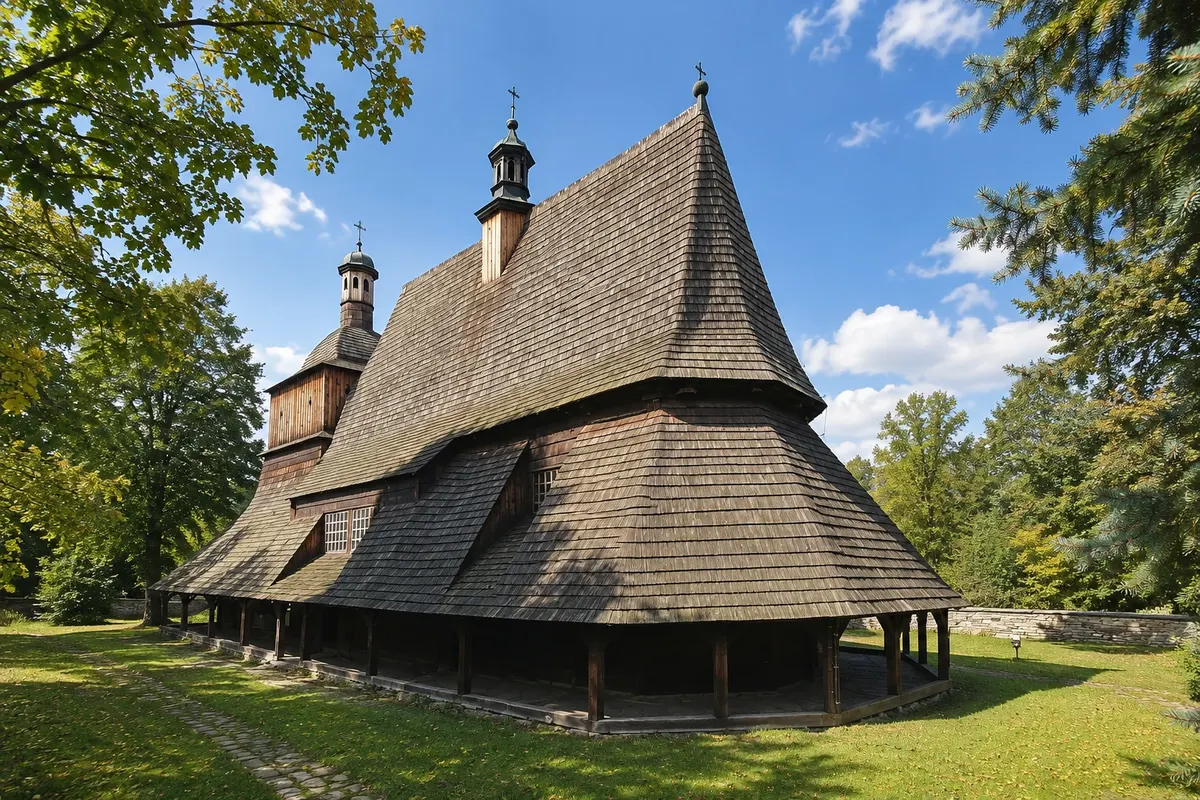
Kościół świętych Filipa i Jakuba w Sękowej

The church of St. Philip and St. James in Sękowa is part of the ensemble of wooden churches recognized as a World Heritage site. The long roof and the protected spaces around the body of the church give the building a distinct silhouette within the regional circuit.

Kazimierz
Cracóvia · Pequena Polônia · Historic district

Kazimierz

Kazimierz was a separate town before becoming part of Kraków and retains streets associated with Jewish and Christian history. The district lies south of the old centre and offers a route of squares, places of worship and facades that differs from the royal axis of Wawel.

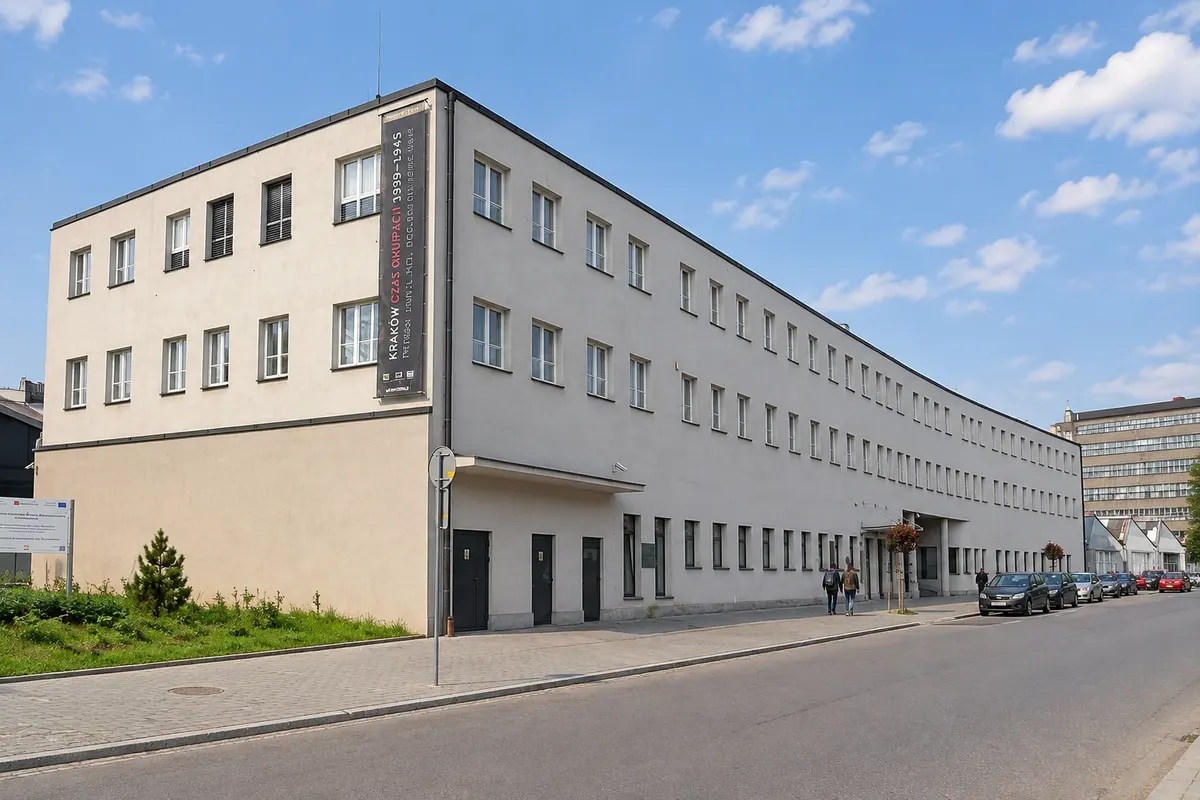
Fabryka Emalia Oskara Schindlera
Cracóvia · Pequena Polônia · Museum

Fabryka Emalia Oskara Schindlera

Oskar Schindler’s former enamel factory houses a museum unit in Zabłocie, by the Vistula. The visit addresses Kraków’s experience during the 20th-century occupation, using the industrial address as a starting point for an urban narrative.

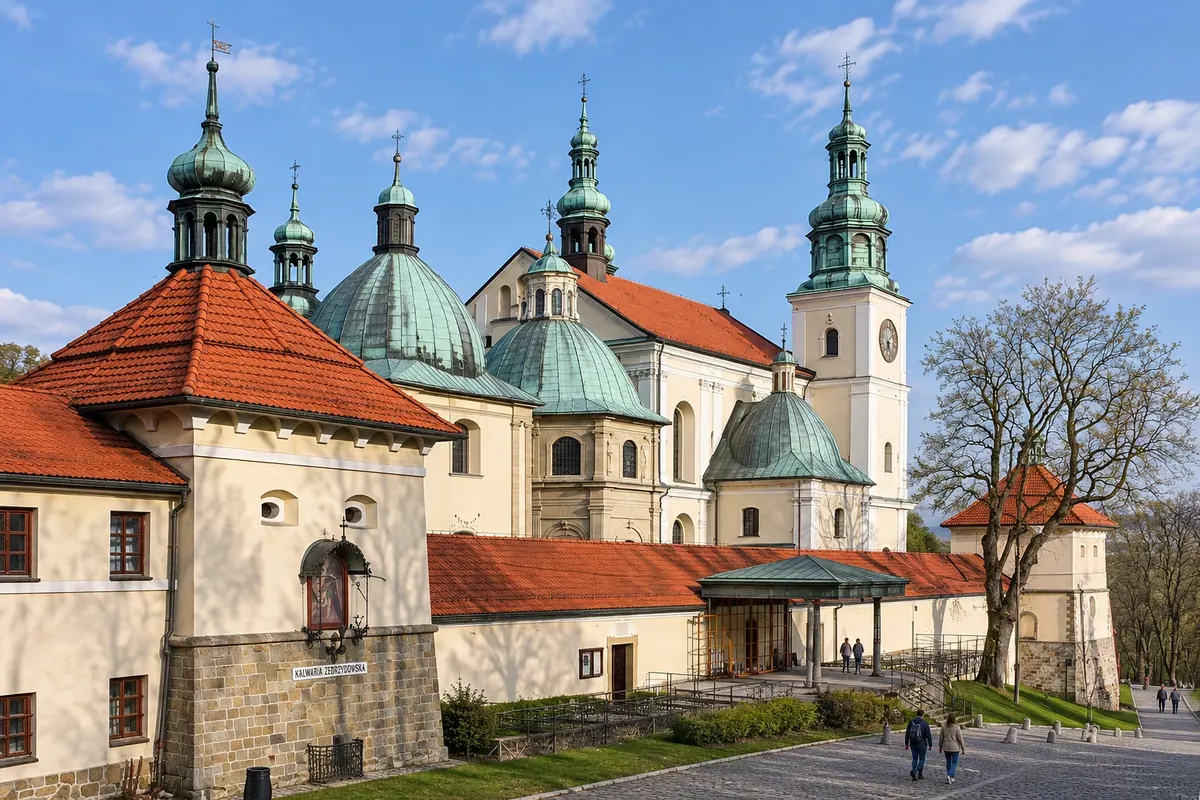
Kalwaria Zebrzydowska
Cracóvia · Pequena Polônia · Sanctuary and cultural landscape

Kalwaria Zebrzydowska

Kalwaria Zebrzydowska is outside Kraków and brings together a sanctuary, chapels and a pilgrimage landscape recognized as a World Heritage site. The ensemble uses the terrain to organize religious routes, going beyond a visit to a single building.

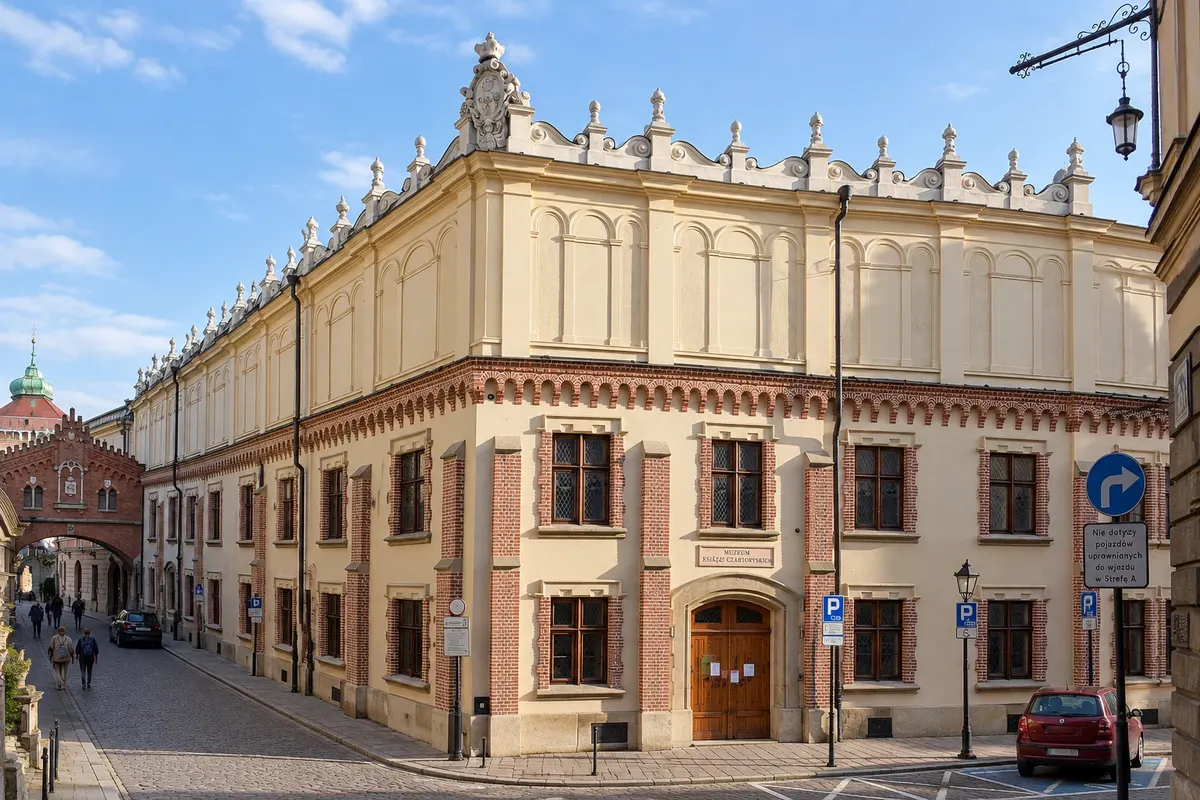
Muzeum Książąt Czartoryskich
Cracóvia · Pequena Polônia · Museum

Muzeum Książąt Czartoryskich

The Princes Czartoryski Museum occupies a historic complex in central Kraków. The collection brings together art and objects from different periods, allowing an understanding of the formation of an ensemble associated with the family and its relation to Polish cultural memory.

Rynek Podziemny
Cracóvia · Pequena Polônia · Archaeological museum

Rynek Podziemny

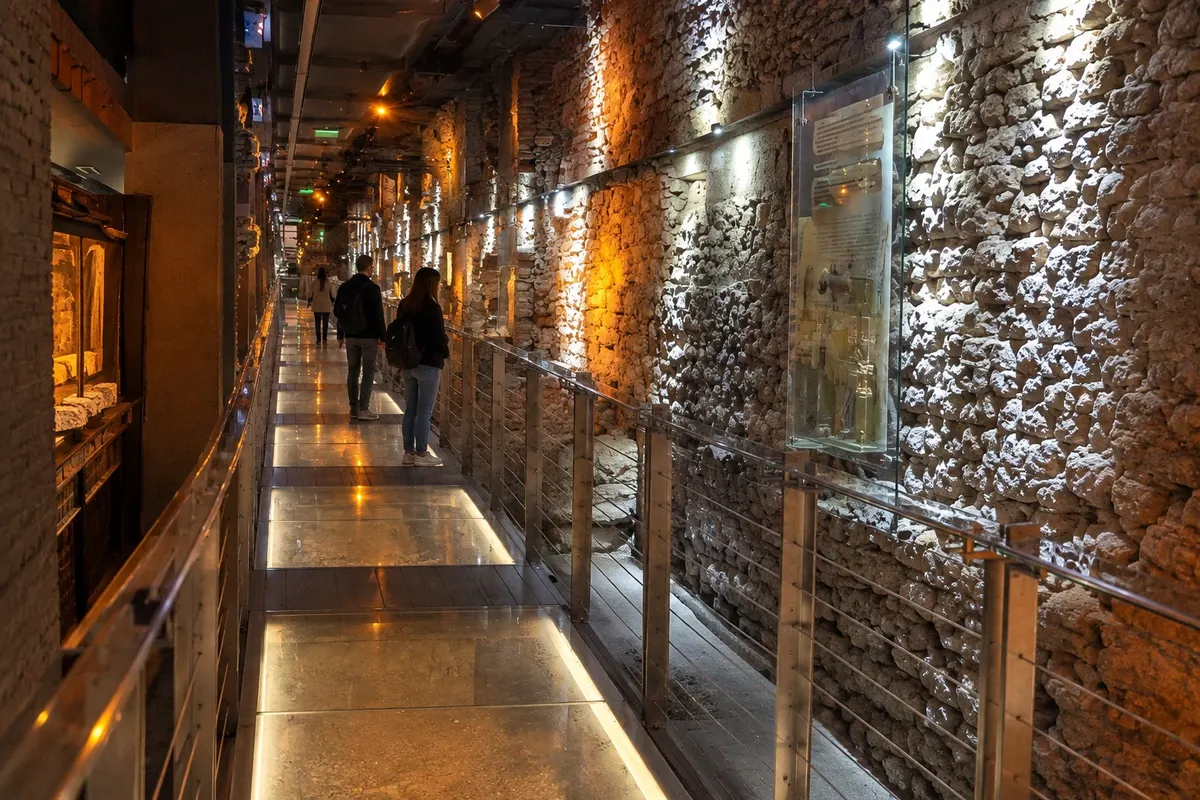
The Rynek Podziemny offers an archaeological visit beneath Kraków’s main square. The route allows you to discover layers of circulation and commerce not visible on the surface walk, using remains to explain the formation of the old market.

Before you go

Practical information

A little planning leaves more time to enjoy the journey.

When to go

April to June and September to October usually work well for combining streets and interiors. From December to February there are short, cold days; between June and August rain and heat can alternate in the same day.

The seasons shown are the most usual ones; nature doesn't always follow the calendar.

How many days to stay

Allow five to seven days: three in Kraków, one for Auschwitz-Birkenau and another for a salt mine. Add a day if you want to compare Wieliczka and Bochnia, without treating one as a repeat of the other.

Which city to stay in

Stare Miasto makes first contact with Kraków easy; Kazimierz brings you closer to neighbourhood life and the Vistula. Near Kraków Główny, priority is railway logistics. The other towns allow overnight stays to start visits with less travel.

Respect the place

Take your trash with you, follow the signs and support local businesses. In natural areas, follow the visiting guidelines.

Get your questions answered

Frequently asked questions about Kraków and the salt mines

How to get to Kraków and the salt mines?

Kraków airport has a rail link to Kraków Główny. Regional trains serve Wieliczka, Bochnia and Oświęcim; check the last leg between the station and the entrance for each visit.

How many days to allocate to Kraków and the salt mines?

Allow five to seven days: three in Kraków, one for Auschwitz-Birkenau and another for a salt mine. Add a day if you want to compare Wieliczka and Bochnia, without treating one as a repeat of the other.

What time of year generally favors a trip to Kraków and the salt mines?

April to June and September to October usually work well for combining streets and interiors. From December to February there are short, cold days; between June and August rain and heat can alternate in the same day.

Where to base yourself in Kraków and the salt mines?

Stare Miasto makes first contact with Kraków easy; Kazimierz brings you closer to neighbourhood life and the Vistula. Near Kraków Główny, priority is railway logistics. The other towns allow overnight stays to start visits with less travel.

Explore other destinations Search by state and city
Back