Pécs

Baranya · Hungary

Pécs

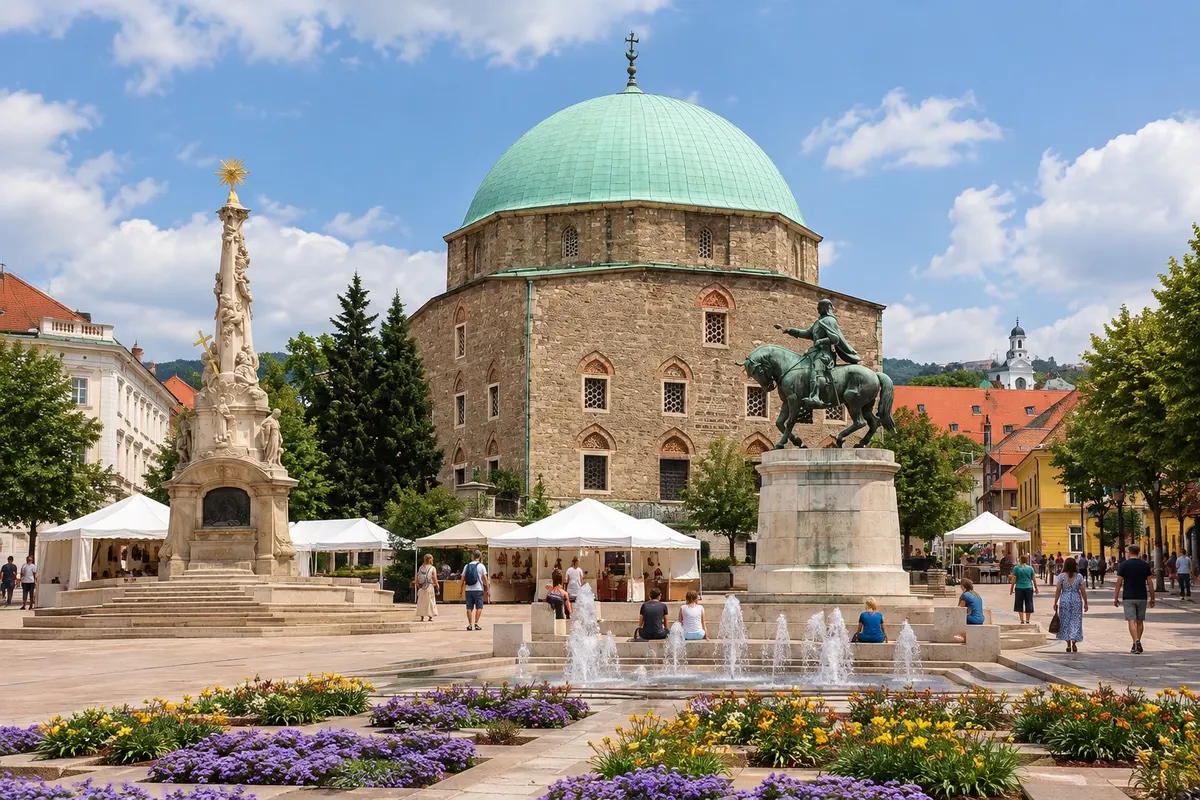
Roman remains, four towers of the cathedral, an old mosque and the ceramics of the Zsolnay Quarter.

Sul e Grande Planície

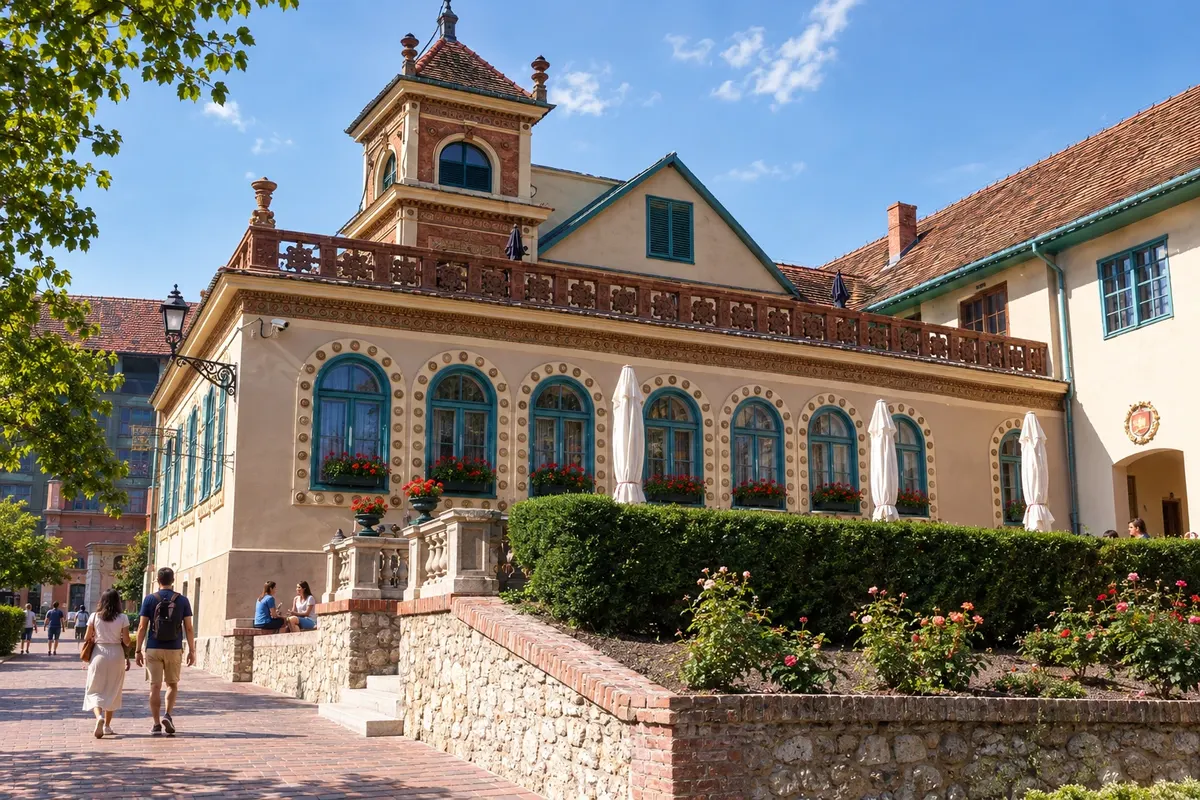
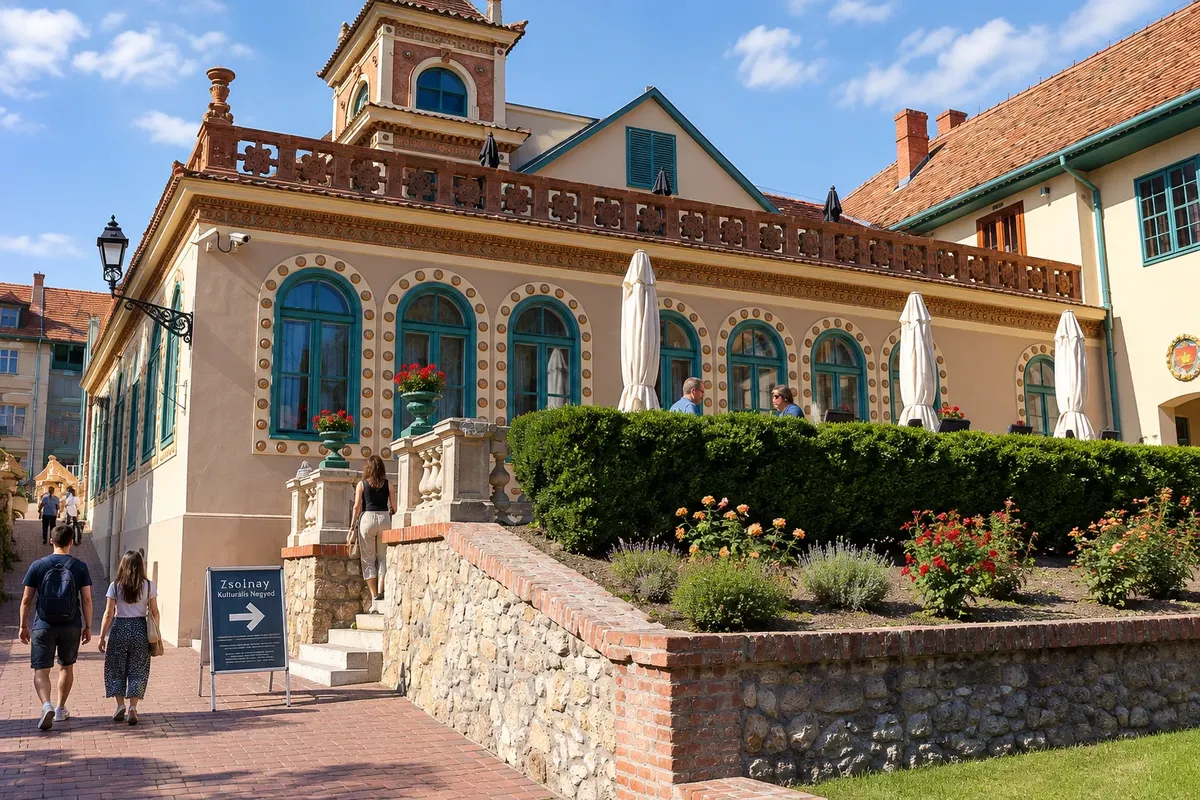
In the photo: Zsolnay Kulturális Negyed

Illustrative images. The pictures in this guide are illustrations based on the real place, not photographs, and may differ from it.

Get it on Google Play Send your photos

Get to know the place

A region to enjoy
at your own pace.

Pécs lies in southern Hungary and lets you read the city in layers. The necropolis of ancient Sopianae points to the Roman period, while the cathedral and the old mosque on Széchenyi Square show religious and architectural transformations within close reach.

The Zsolnay Cultural Quarter adds another stage, linked to ceramic manufacture and industrial heritage. The exhibitions and historic buildings deserve their own time rather than a quick stop after the central monuments.

Summer (June–August) can be hot, and winter tends to be cold with short days. Trains and buses arrive from Budapest; within the city the route combines walking and urban transport to reach the more distant cultural core.

This destination brings together 1 city: Pécs.

Share: WhatsApp
Traveler, share your experiences through photos Up to 5 photos of each place you visited.

One destination, many paths

The cities on this trip

Start with one city or combine several in your itinerary.

Where Pécs is
Pécs

Contornos: Natural Earth (domínio público) e geoBoundaries (CC0). Adaptação do Cidade Turismo.

How to get there: Pécs

Confirm before booking. From Budapest, take a train or bus to Pécs and finish the trip to the center by urban transport or on foot.

The local experience

Things to do in Pécs

Szent Péter és Szent Pál Székesegyház
Pécs · Baranya · Cathedral

Szent Péter és Szent Pál Székesegyház

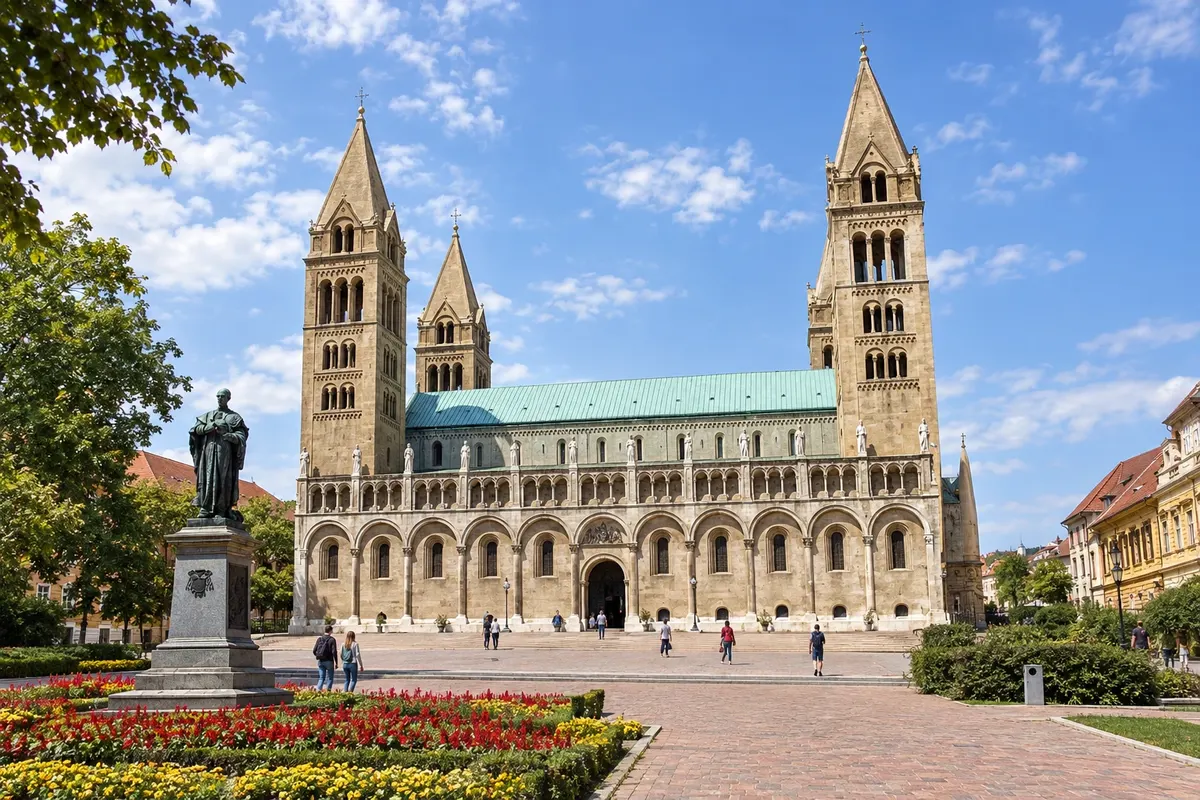
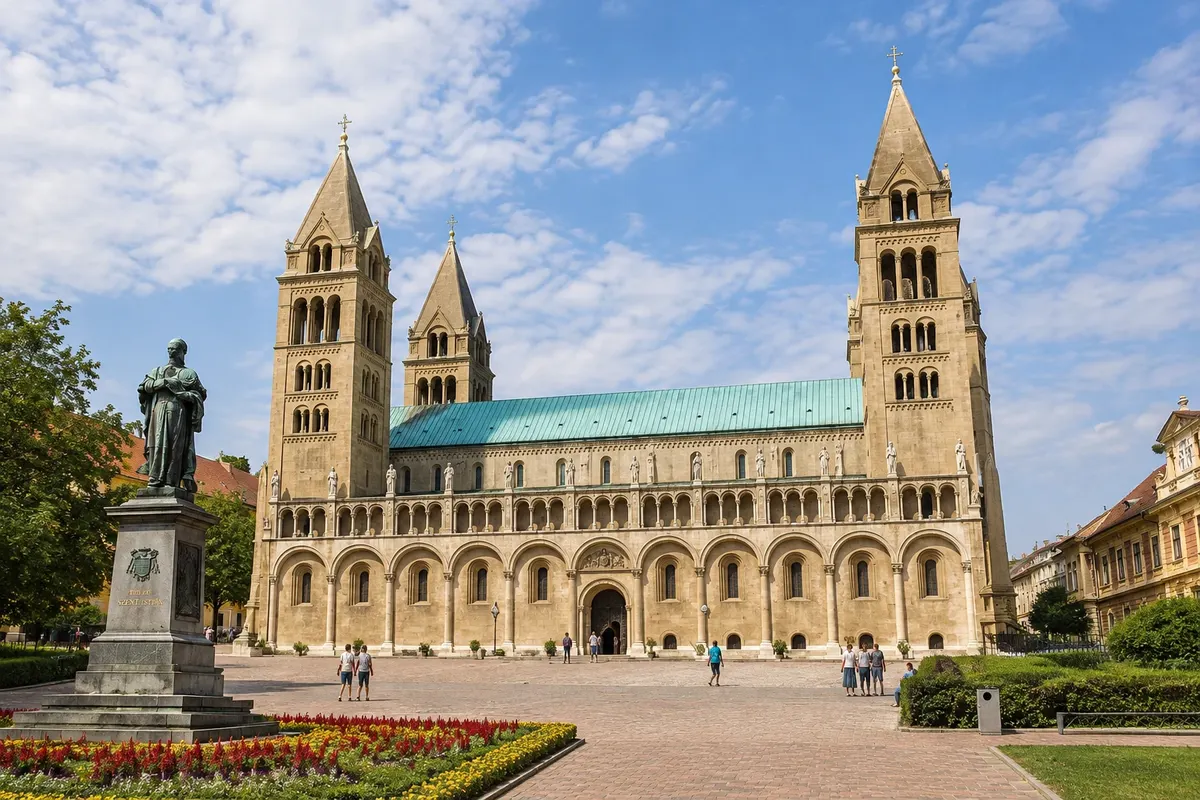
Four-towered cathedral in Pécs’s historic core, with a Neo-Romanesque exterior and religious interiors.

Cella Septichora Látogatóközpont
Pécs · Baranya · Archaeological site

Cella Septichora Látogatóközpont

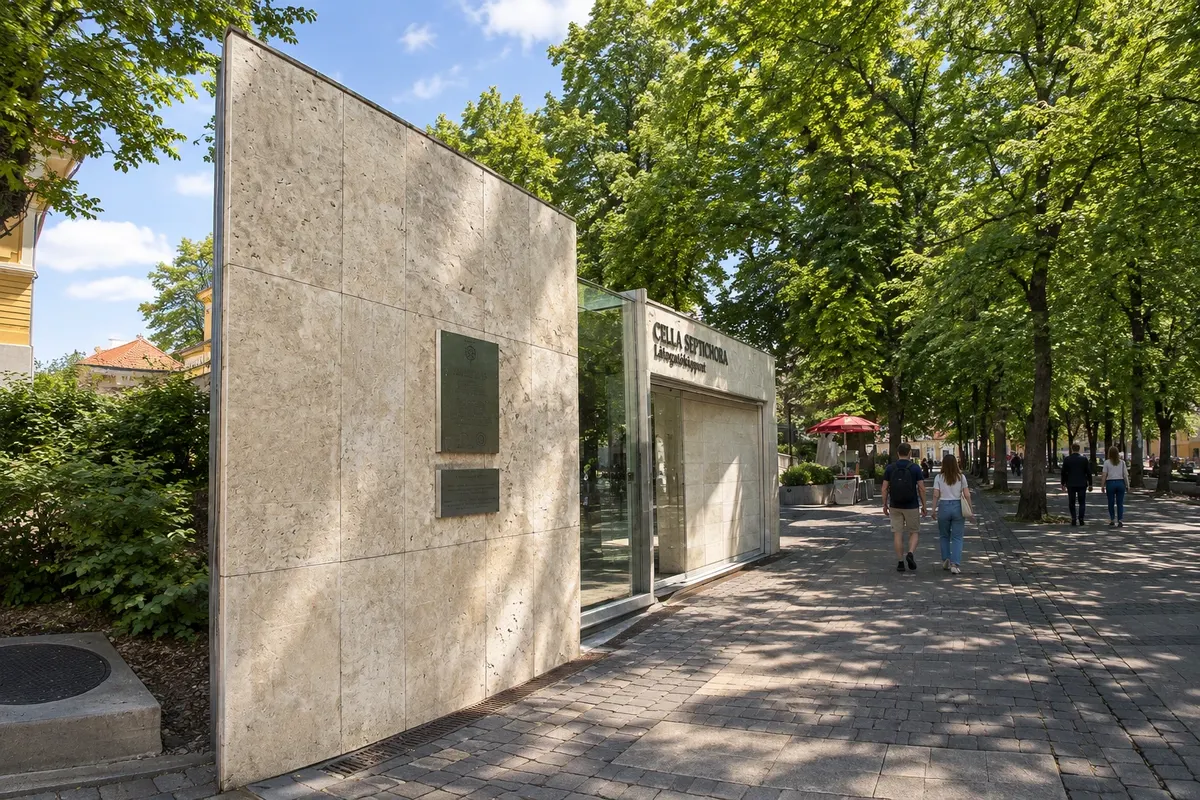
Visitor center of the Paleochristian necropolis of Sopianae, with Roman-period funerary structures beneath the center of Pécs.

Gázi Kászim pasa dzsámija
Pécs · Baranya · Church

Gázi Kászim pasa dzsámija

Former Ottoman mosque in Széchenyi Square, incorporated into a Catholic church and recognizable by its dome.

Zsolnay Kulturális Negyed
Pécs · Baranya · Cultural center

Zsolnay Kulturális Negyed

Former Zsolnay manufactory complex converted into a cultural quarter, with historic buildings, gardens, and ceramic collections.

Before you go

Practical information

A little planning leaves more time to enjoy the journey.

When to go

April–June and September–October are usually mild for walking. July and August can be hot. In winter, December–February, indoor spaces help divide the short daylight hours.

The seasons shown are the most usual ones; nature doesn't always follow the calendar.

How many days to stay

Two days cover the historic core and the Zsolnay Quarter. Three days allow more time for the collections and reduce consecutive indoor visits.

Which city to stay in

The area around Széchenyi Square makes monuments and meals convenient. Lodging between the historic core and the station shortens the rail arrival. Near the Zsolnay Quarter, expect an extra bus ride or walk to reach the cathedral-related programs.

Respect the place

Take your trash with you, follow the signs and support local businesses. In natural areas, follow the visiting guidelines.

Get your questions answered

Frequently asked questions about Pécs

What is the simplest order for the monuments?

Start at the necropolis and cathedral area, then proceed to Széchenyi Square.

Does the city have only one historical theme?

The route combines Roman archaeology, religious architecture and industrial heritage related to ceramics.

Do you need to drive to the Zsolnay Quarter?

Urban buses serve the area, and walking can be chosen depending on the group's pace.

Is it worth staying two nights in Pécs?

Two nights allow spreading visits over two days without relying on a long return to the capital at the end of the excursion.

Does the underground museum operate like the cathedral?

They are different visits, with environments and access that should be checked separately.

Explore other destinations Search by state and city
Back