Lakes and Volcanoes
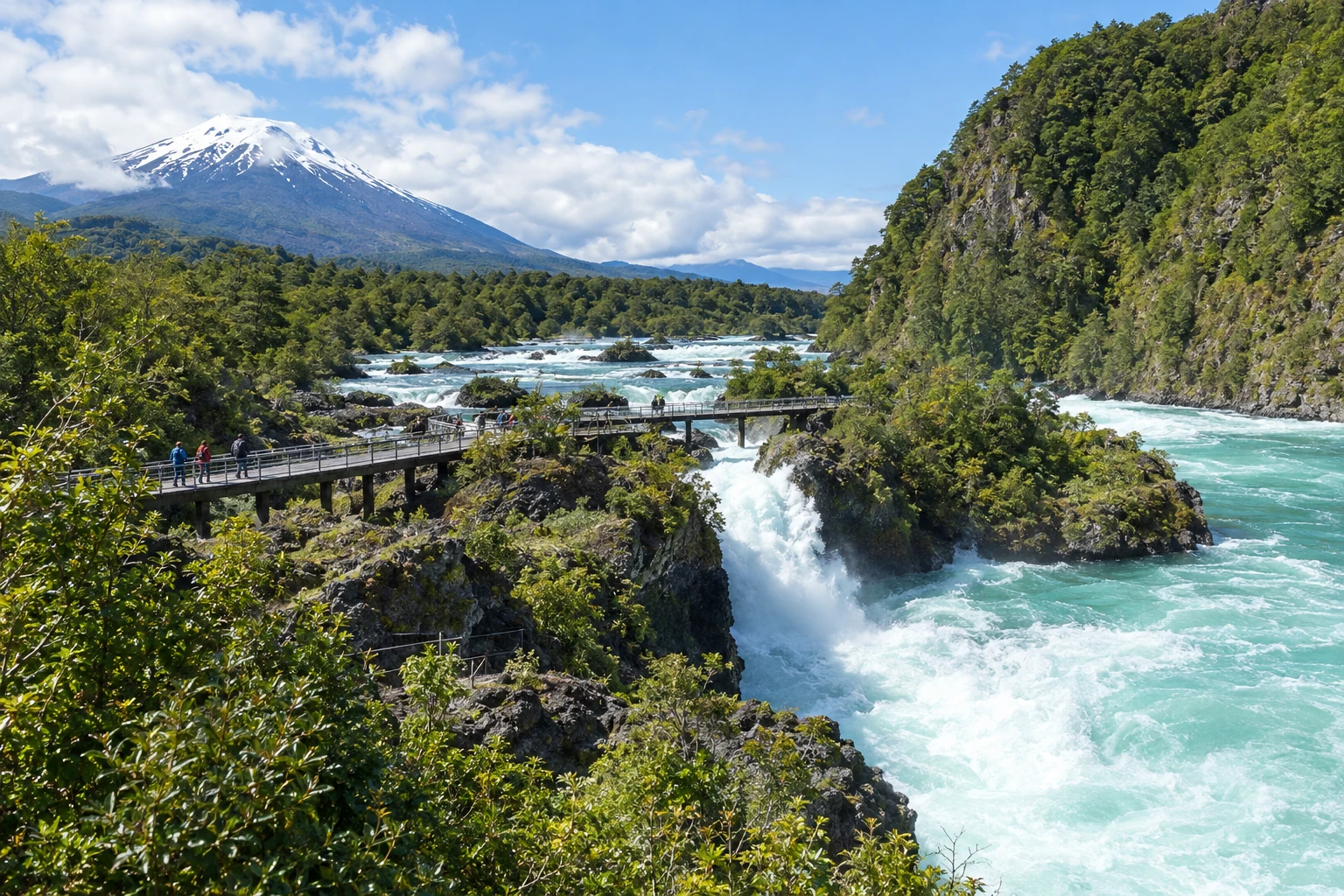
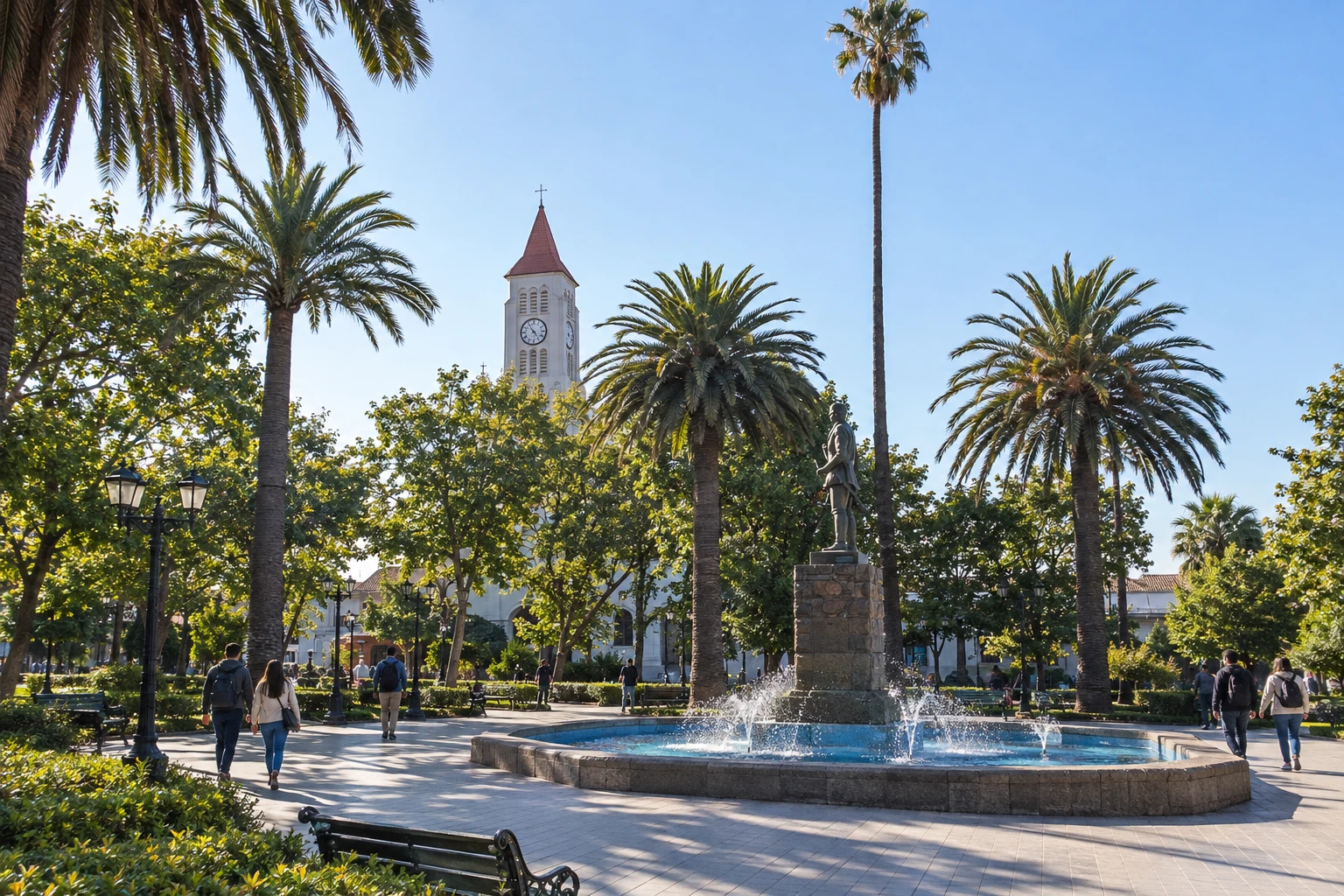
Cold-water lakes, snow-capped volcanoes and towns of German heritage in southern Chile, between Puerto Varas, Frutillar, Puerto Montt and Pucón.
Antarctica
Chile travel guide
What to do, when to go and how to get there, destination by destination.
11 destinations · 22 citiesin Chile
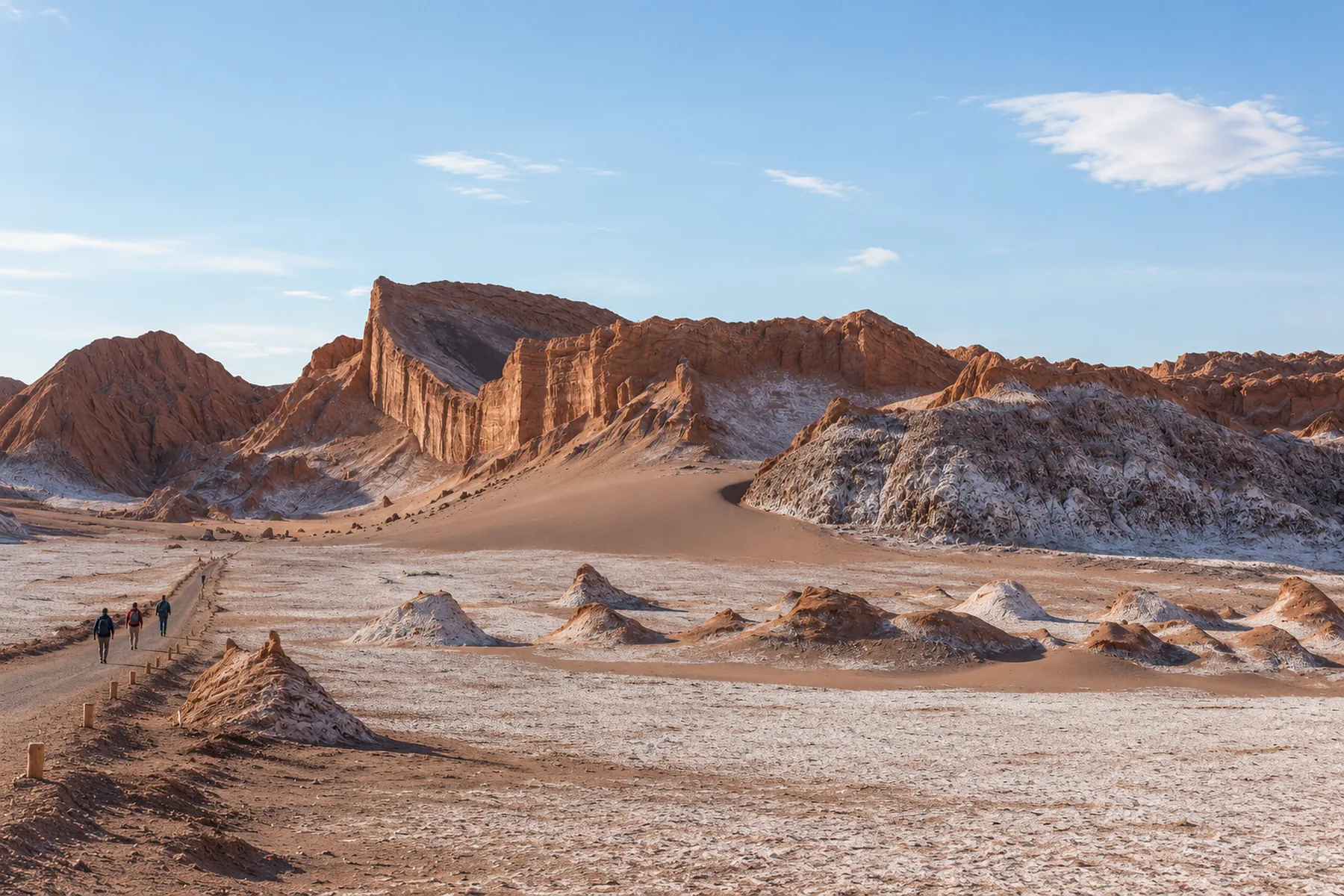
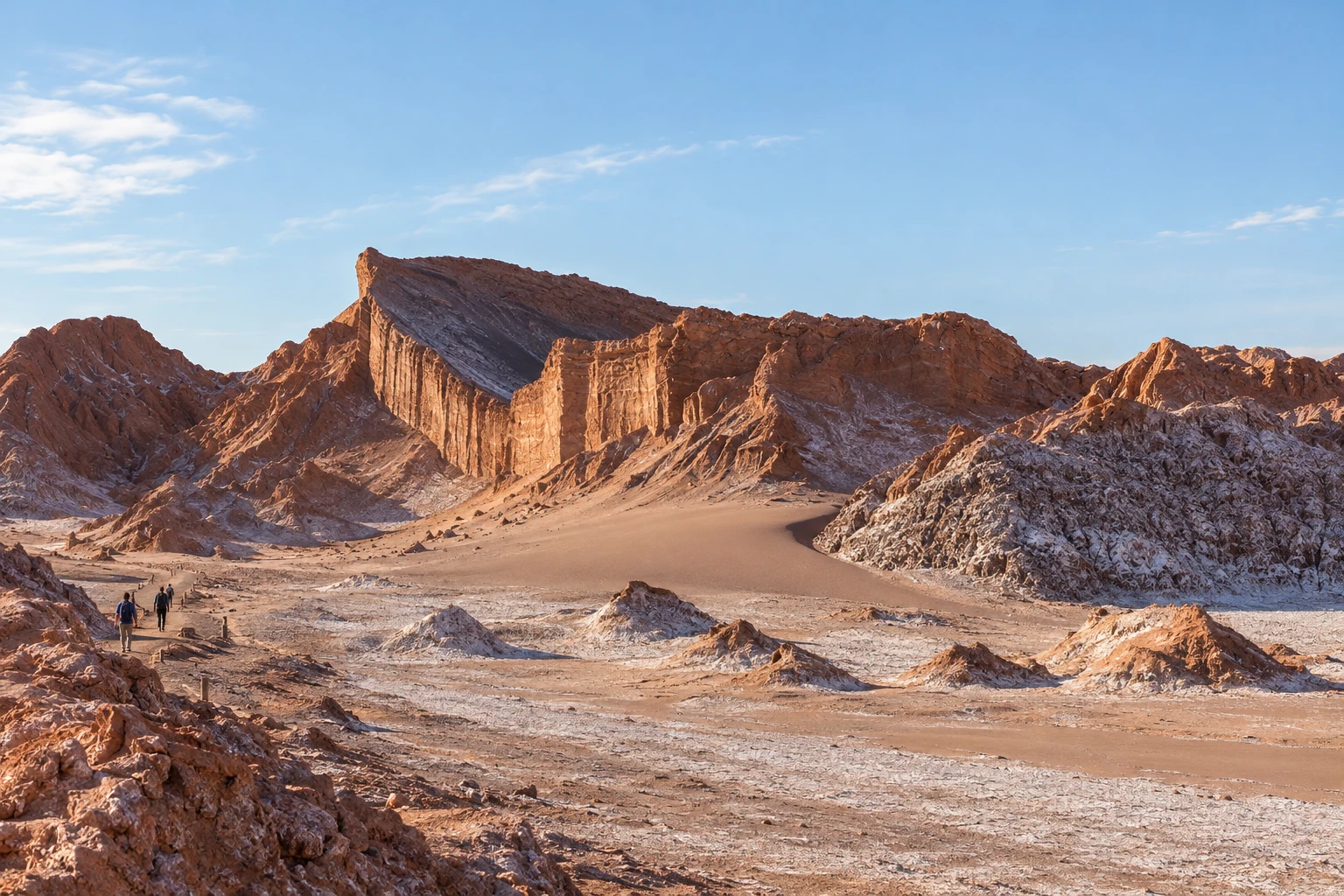
In the photo: Valle de la Luna — San Pedro de Atacama
Illustrative images. The pictures in this guide are illustrations based on the real place, not photographs, and may differ from it.
A destination is a region you visit as a single trip: it can bring together several cities or be a large city with everything it offers. Each destination has the tours, the itineraries, the best time to go month by month and how to get there.
The guide currently has 11 destinations, with 22 cities in 9 regions.

Today's highlights
A destination is more than a city: it's everything you can experience there.
Cold-water lakes, snow-capped volcanoes and towns of German heritage in southern Chile, between Puerto Varas, Frutillar, Puerto Montt and Pucón.
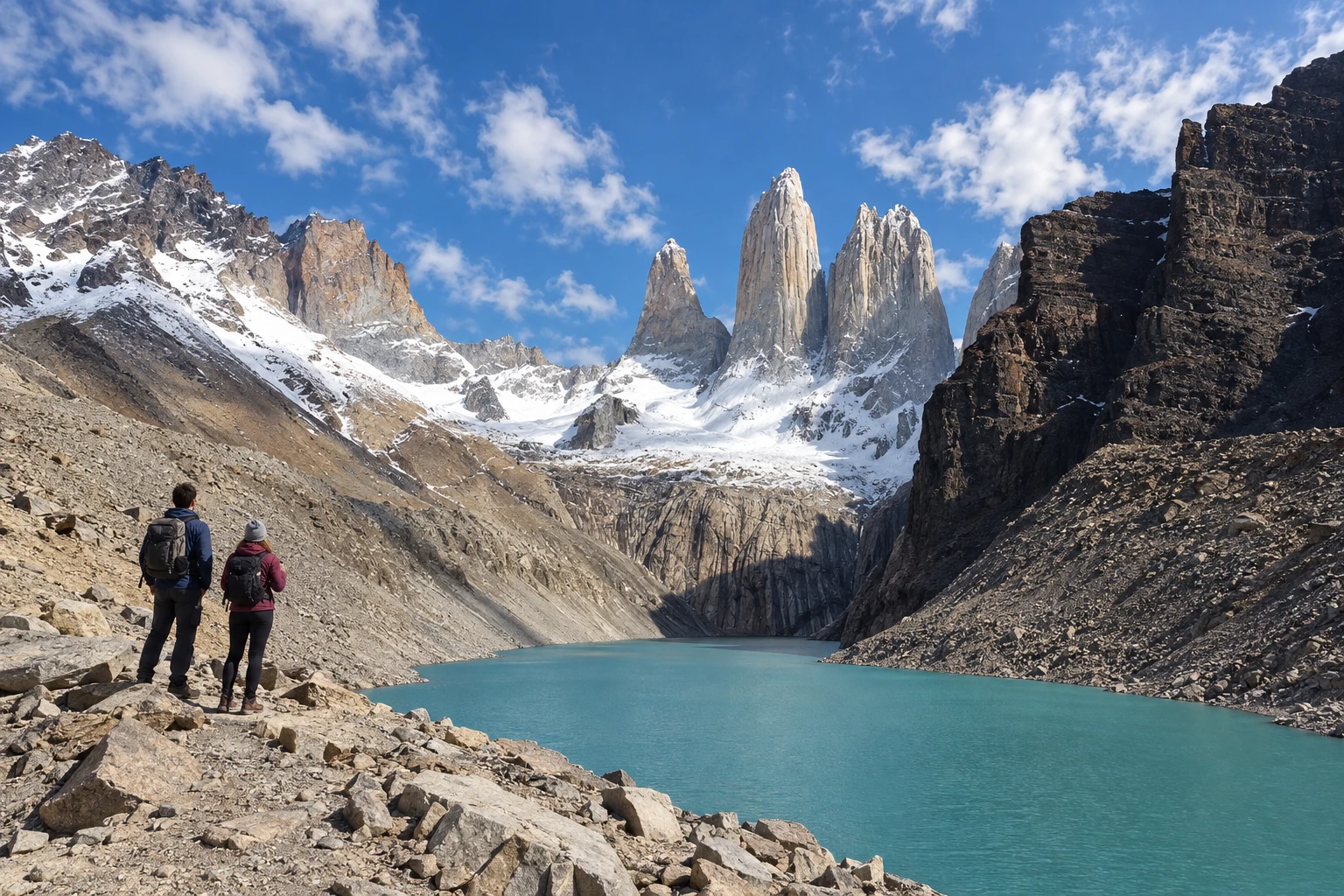
Granite towers, turquoise lakes and glaciers in the Chilean Patagonia, based in Puerto Natales and with Punta Arenas as the gateway, on the shores of the Estreito de Magalhães.
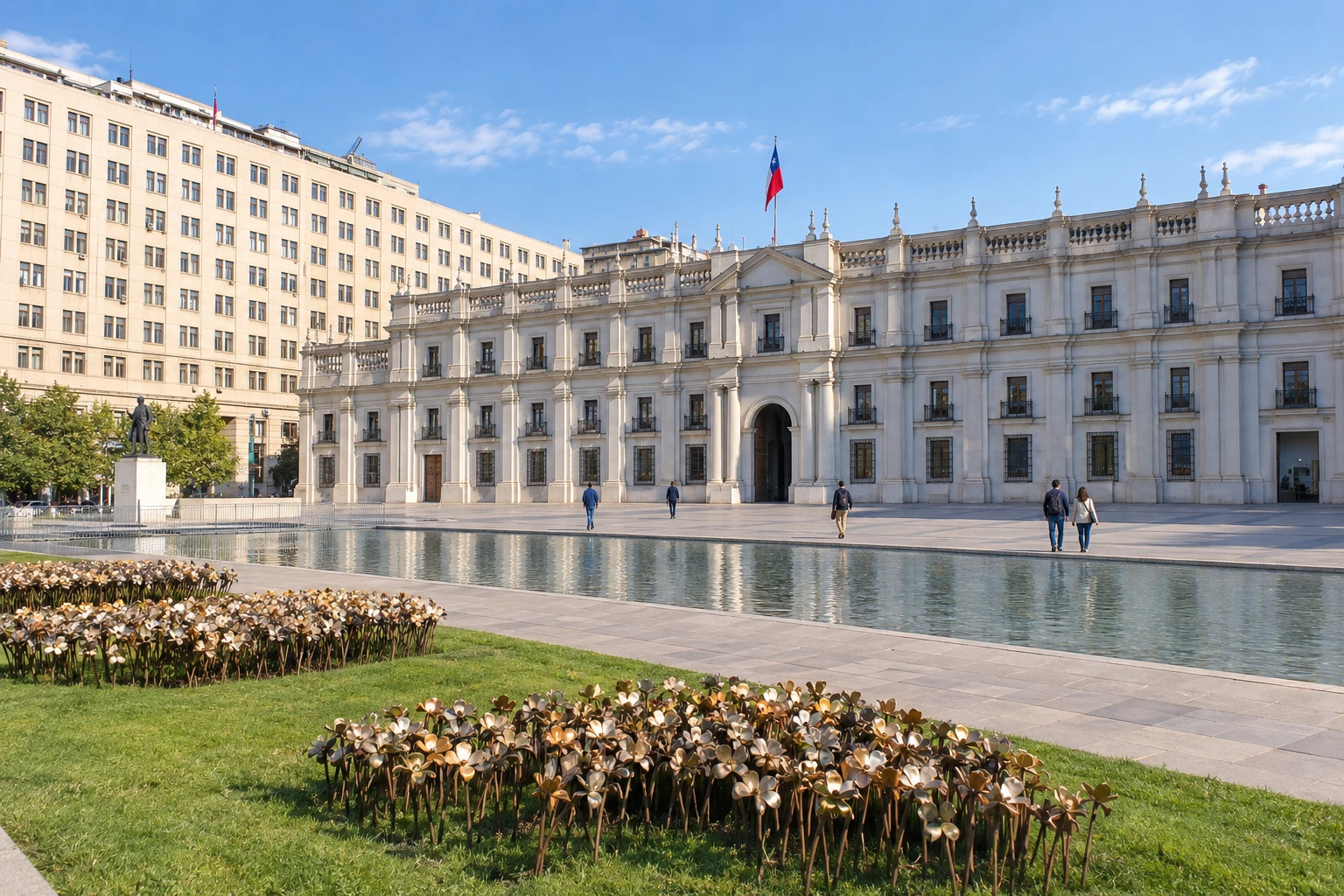
The capital of Chile between the mountain range and the Maipo valley: historic center, hills with viewpoints, bohemian neighborhoods, wineries and snow less than two hours away.
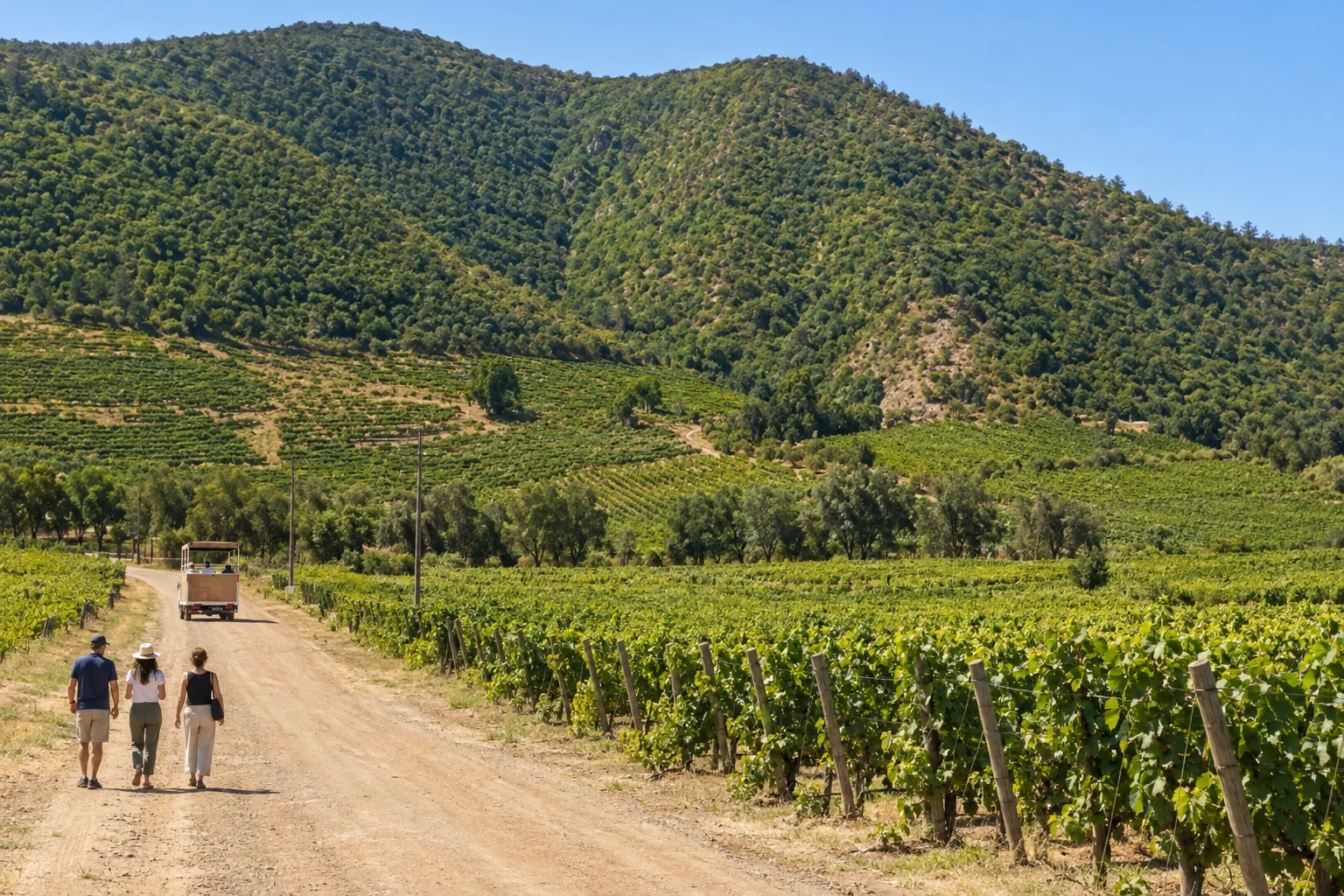
Two valleys of Chilean wine: the reds of Colchagua around Santa Cruz and the fresh whites of Casablanca, on the road between Santiago and Valparaíso.
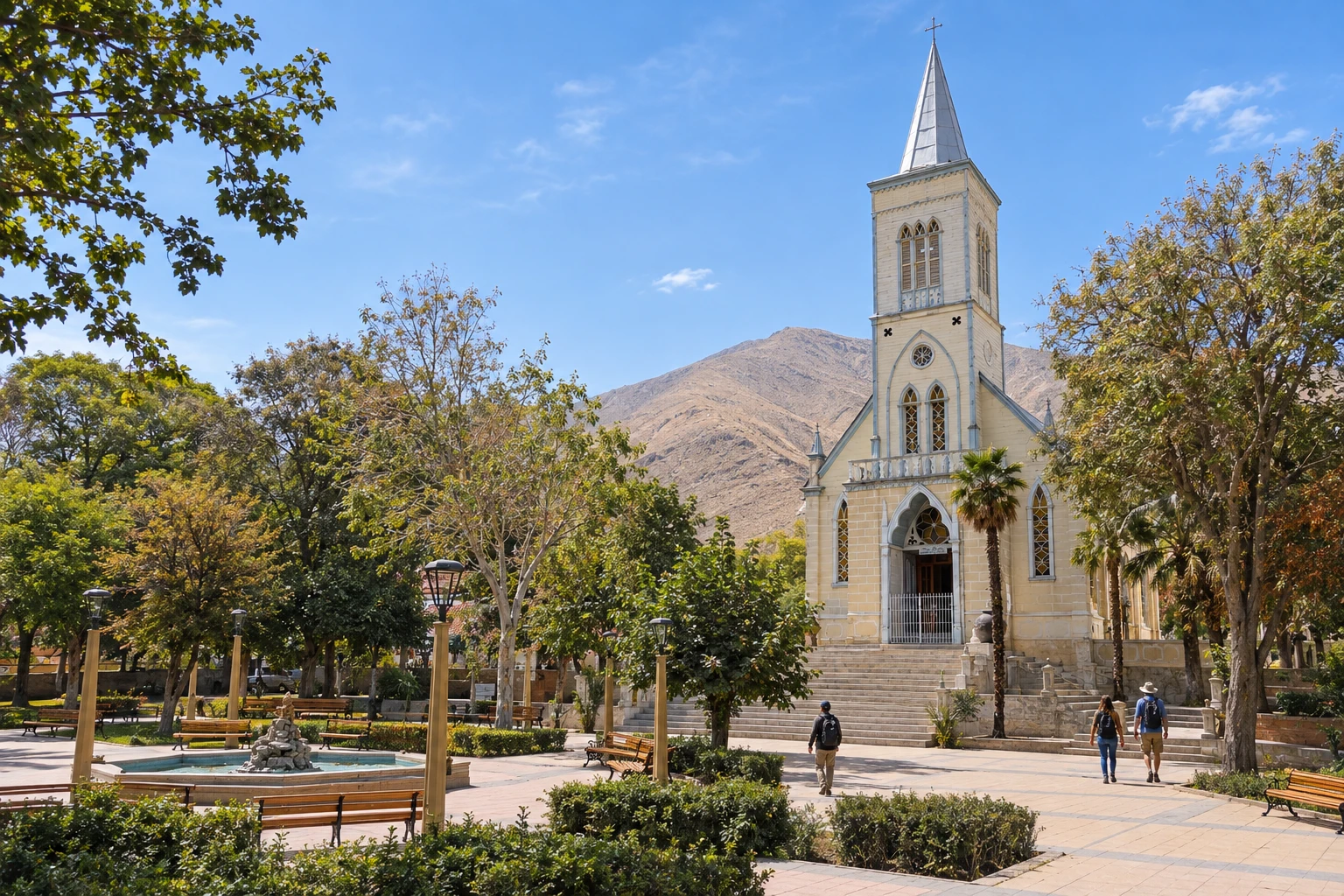
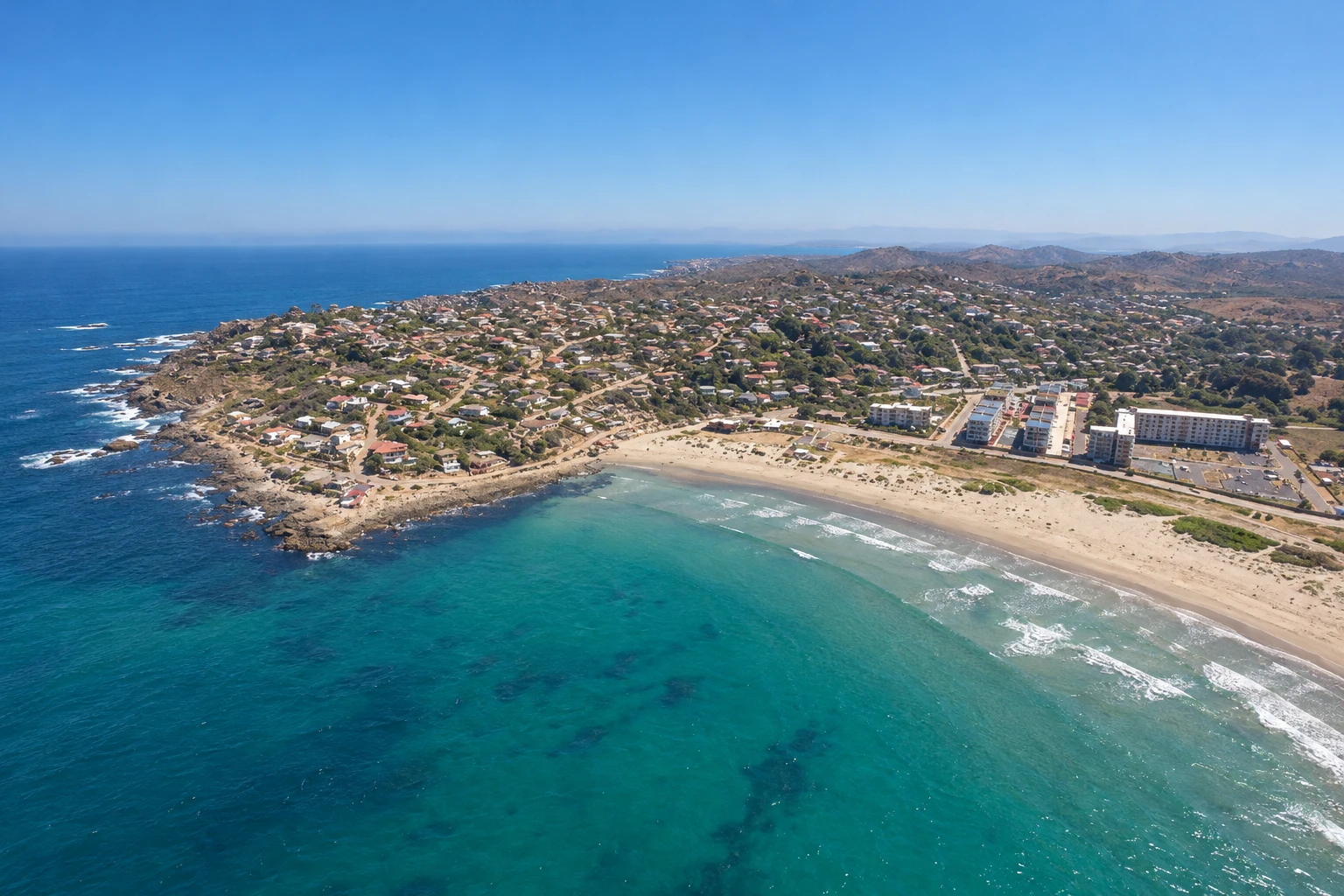
Beaches and stone churches in La Serena, and a valley of pisco vineyards and astronomical observatories around Vicuña, in the Coquimbo region.
Salt valleys, high‑plateau lagoons, geysers at sunrise and desert skies, from the oasis of San Pedro de Atacama and Calama in northern Chile.
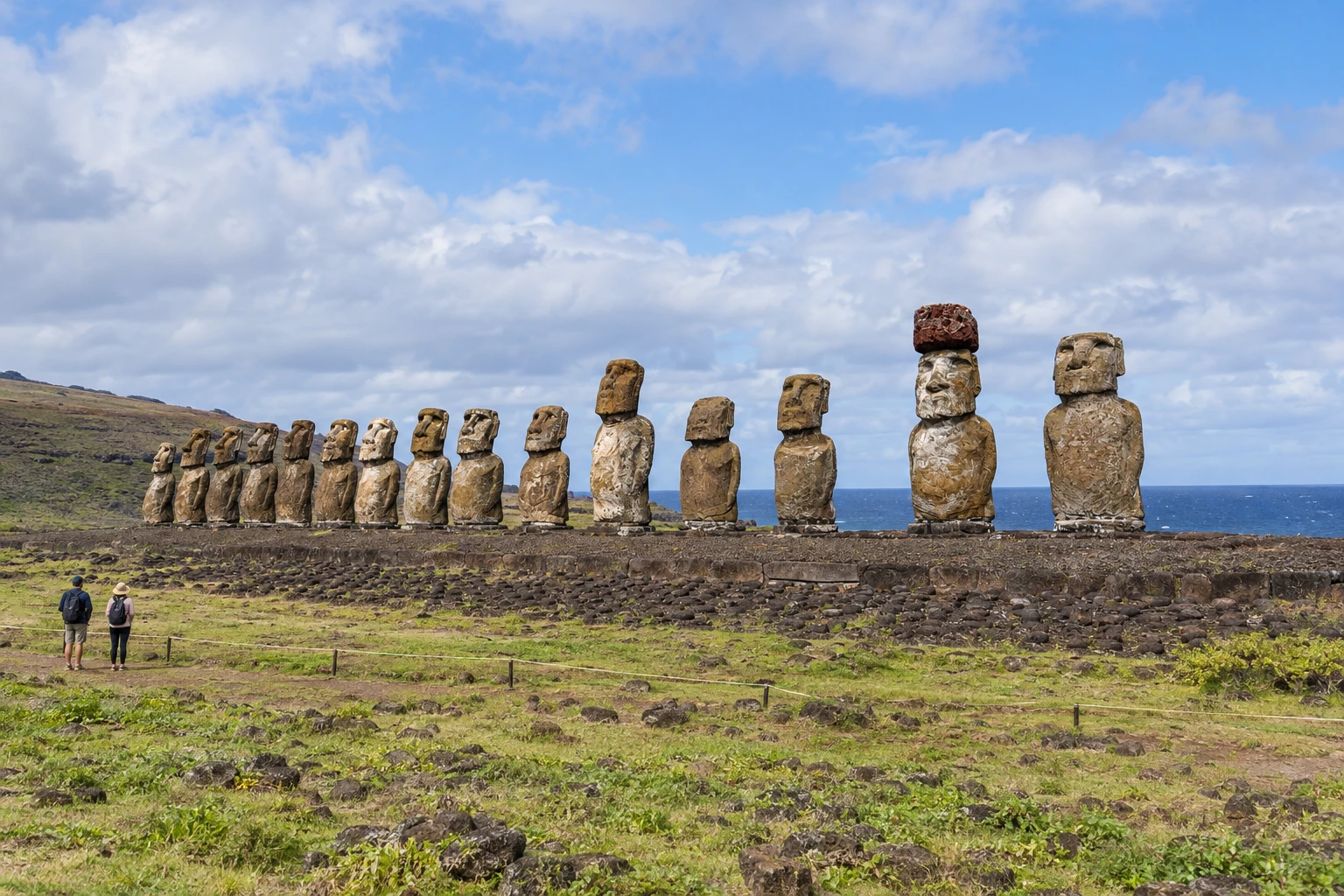
Moai, volcanoes and the living culture of the Rapa Nui people on an island of Polynesia that belongs to Chile, in the middle of the Pacific, about a five-hour flight from Santiago.
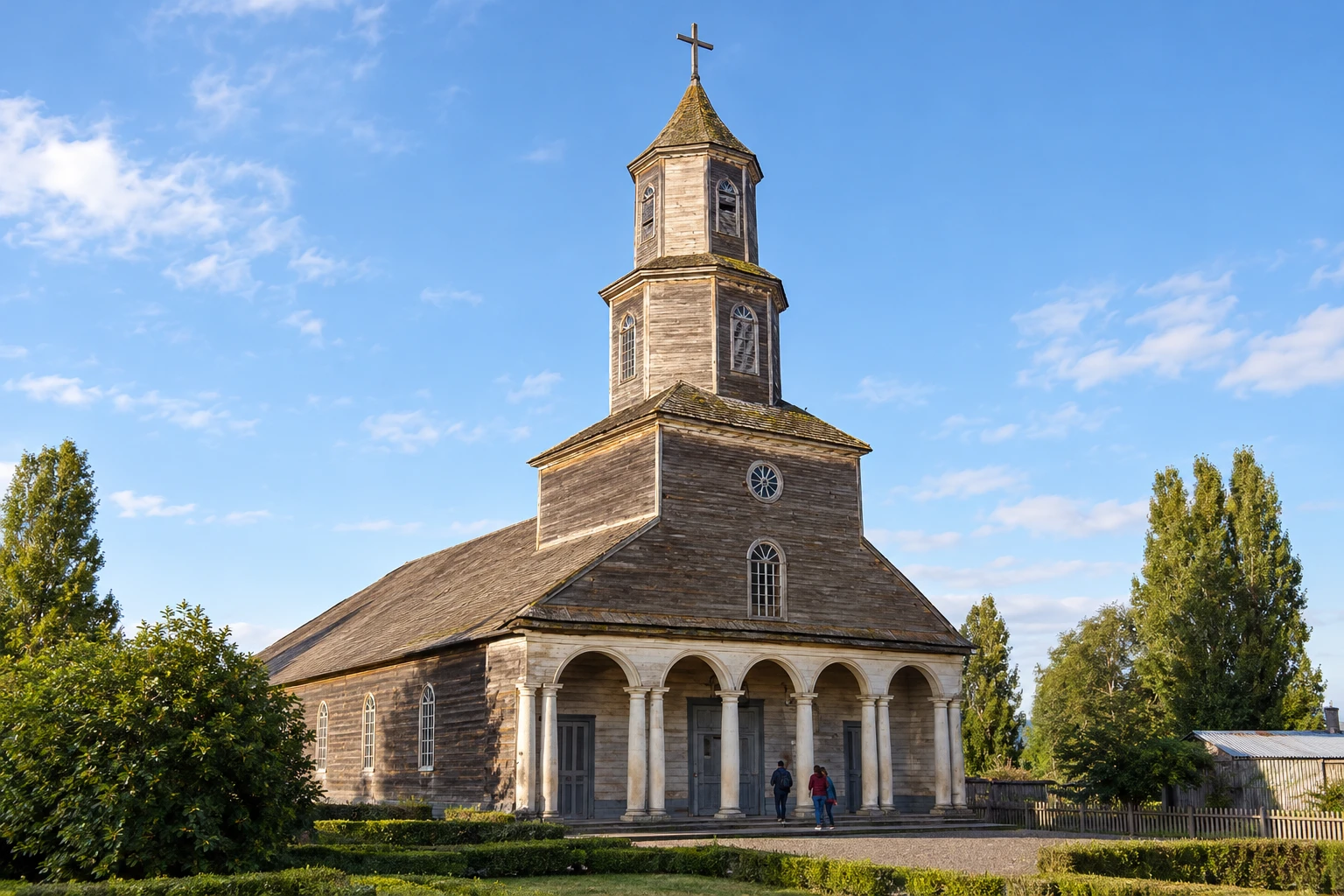
Island of wooden churches, stilt houses, penguins and myths, on the other side of the Canal de Chacao, south of Puerto Montt.
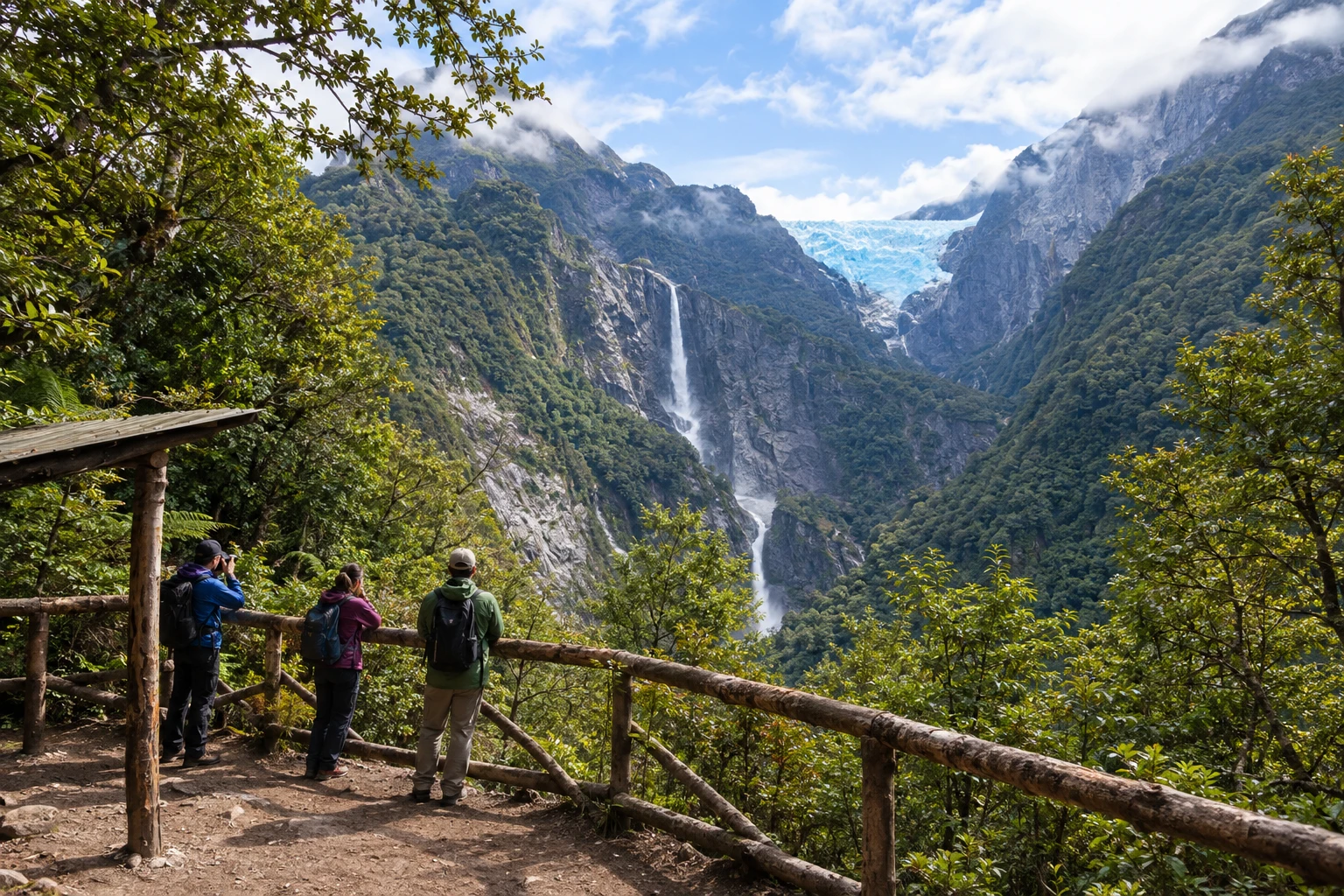
Ruta 7 cuts across the Chilean Patagonia through forests, rivers and glaciers, with Coyhaique as a base for reserves, lagoons and the climb to Cerro Castillo.
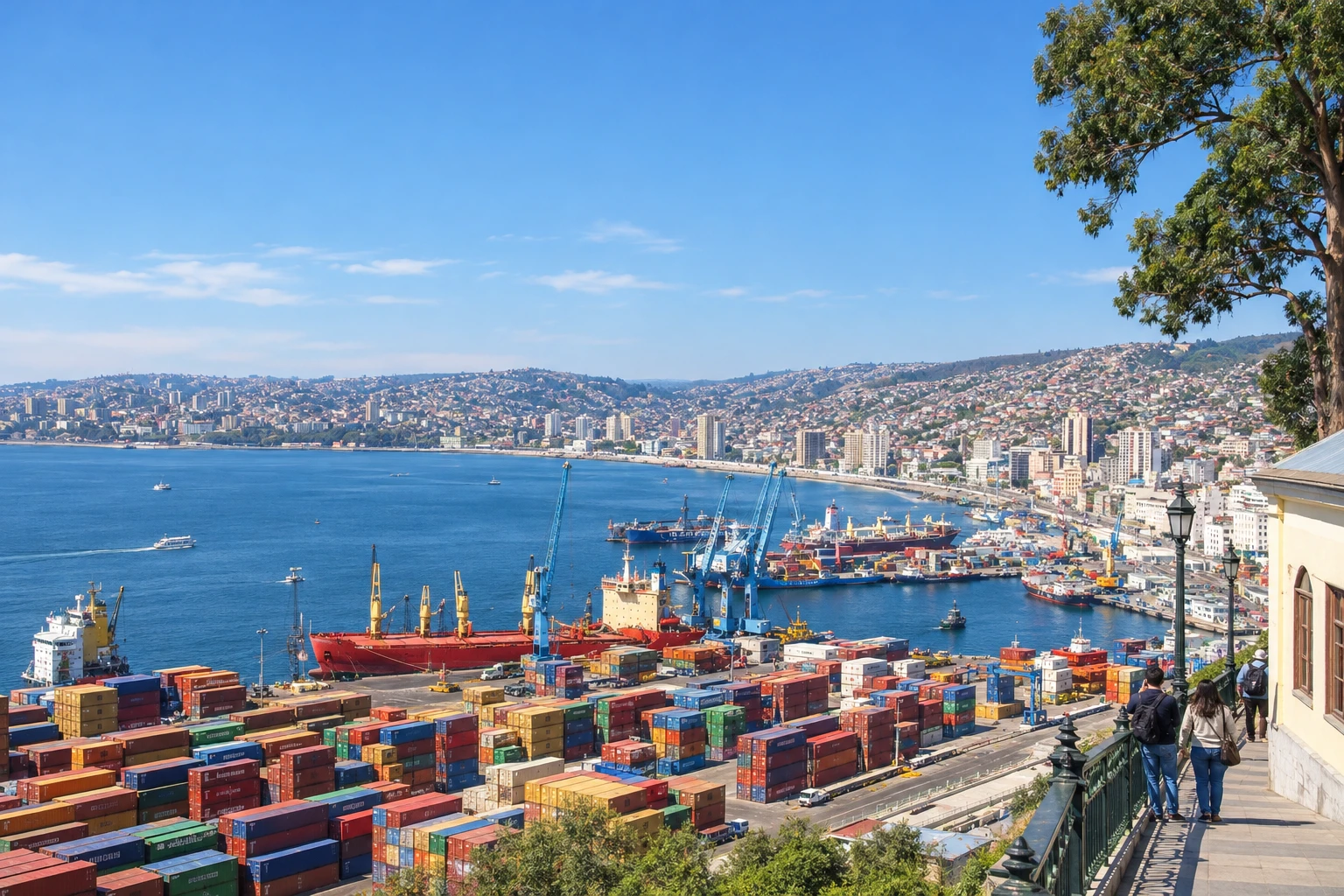
The port of colorful hills and century-old funiculars, next to the garden-city of beaches, about 120 km from Santiago on the Pacific coast.
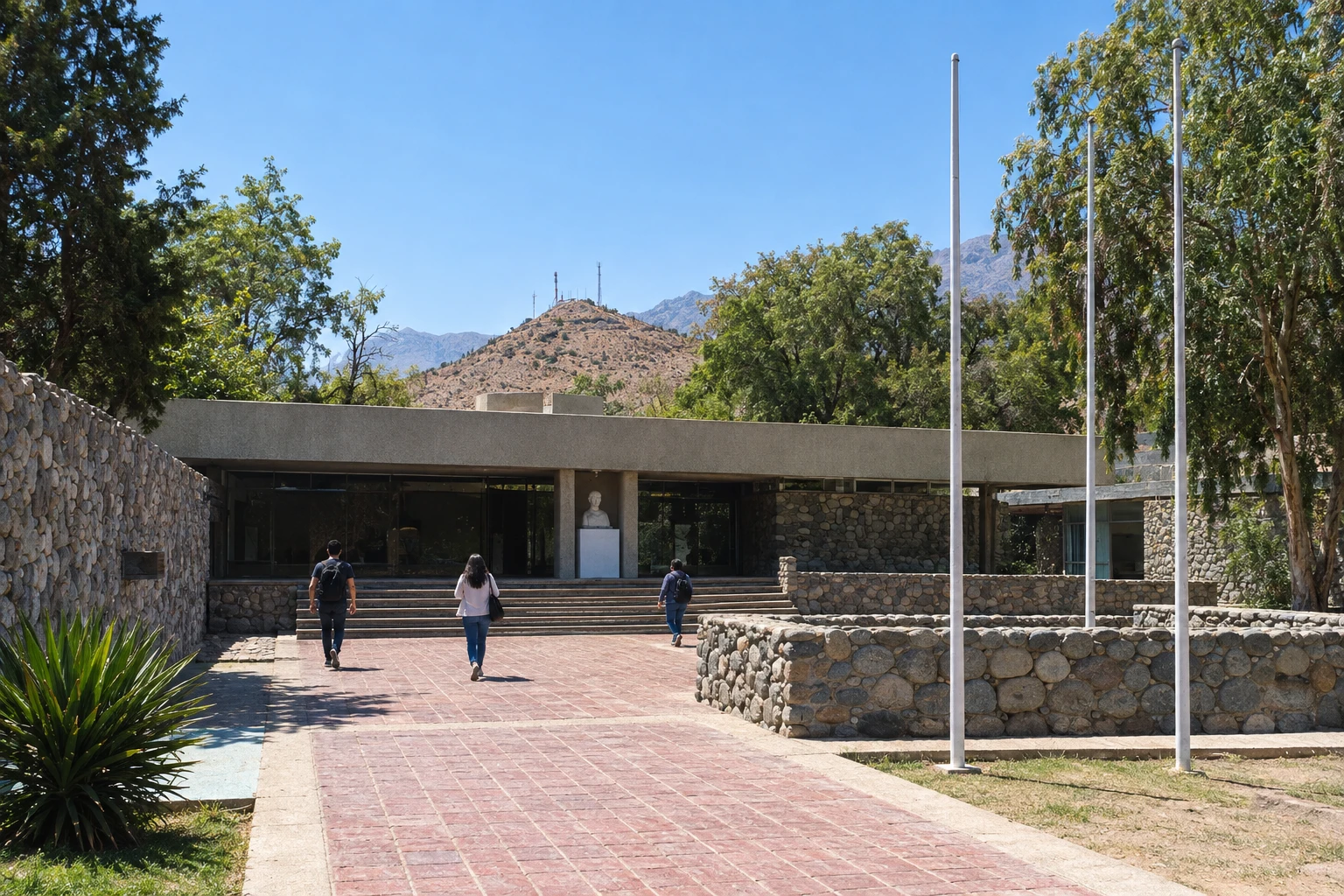
City in the northern part of the Valparaíso region known for its sweets and textiles, with an archaeology museum and, on the commune’s coast, the Puquén of Los Molles.
Cities to start with
Each city has a page with what to do there.

Vicuña is the main town of the Elqui Valley, about 62 km from La Serena, amid dry hills and vineyards of pisco grapes. In the Plaza de Armas stands the Torre Bauer, and a few blocks away is the Museo Gabriela Mistral, dedicated to the poet born there. Near the town are the Centro Turístico Capel and the tourist observatories Cerro Mamalluca and del Pangue. Further up the valley are Montegrande and Pisco Elqui.

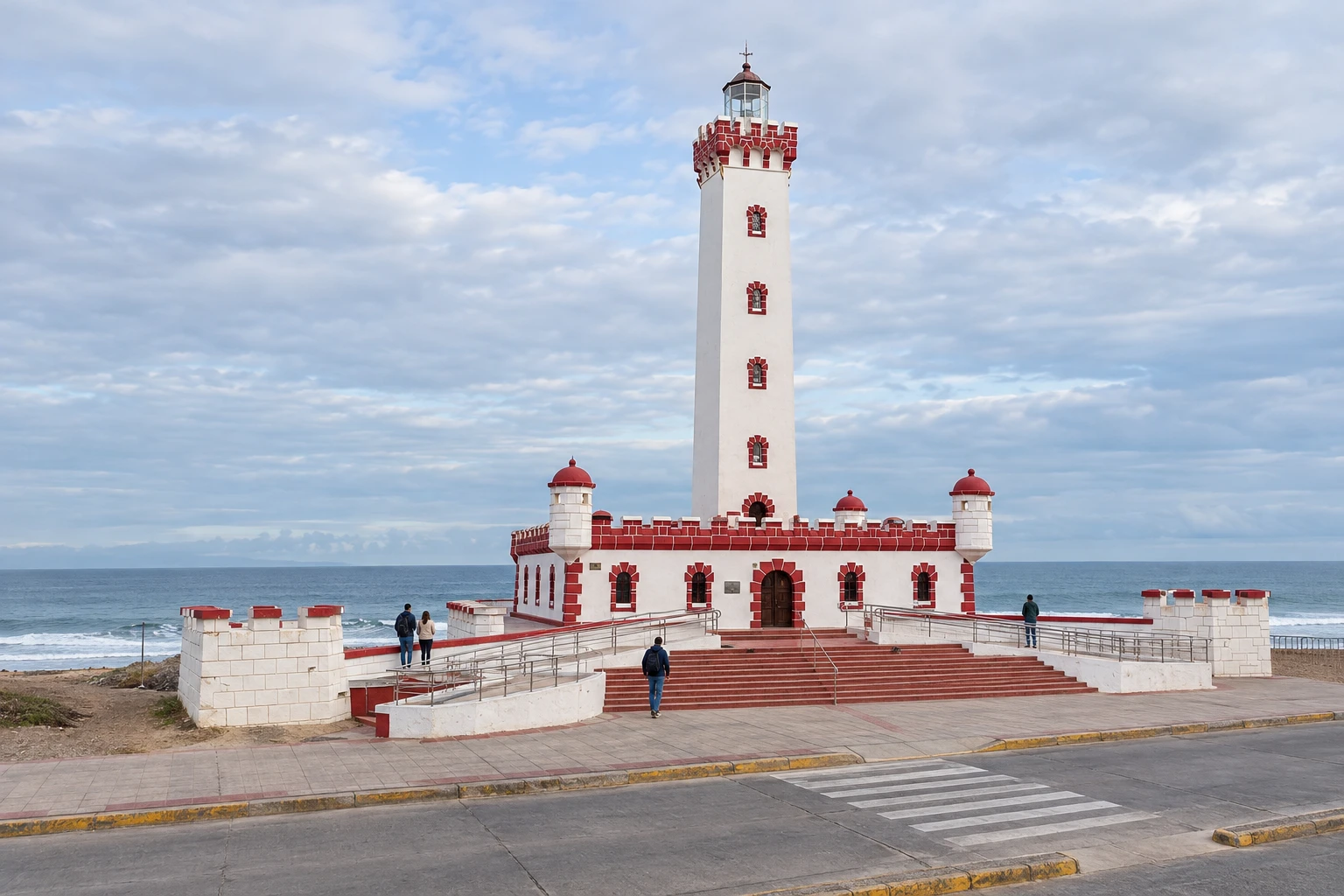
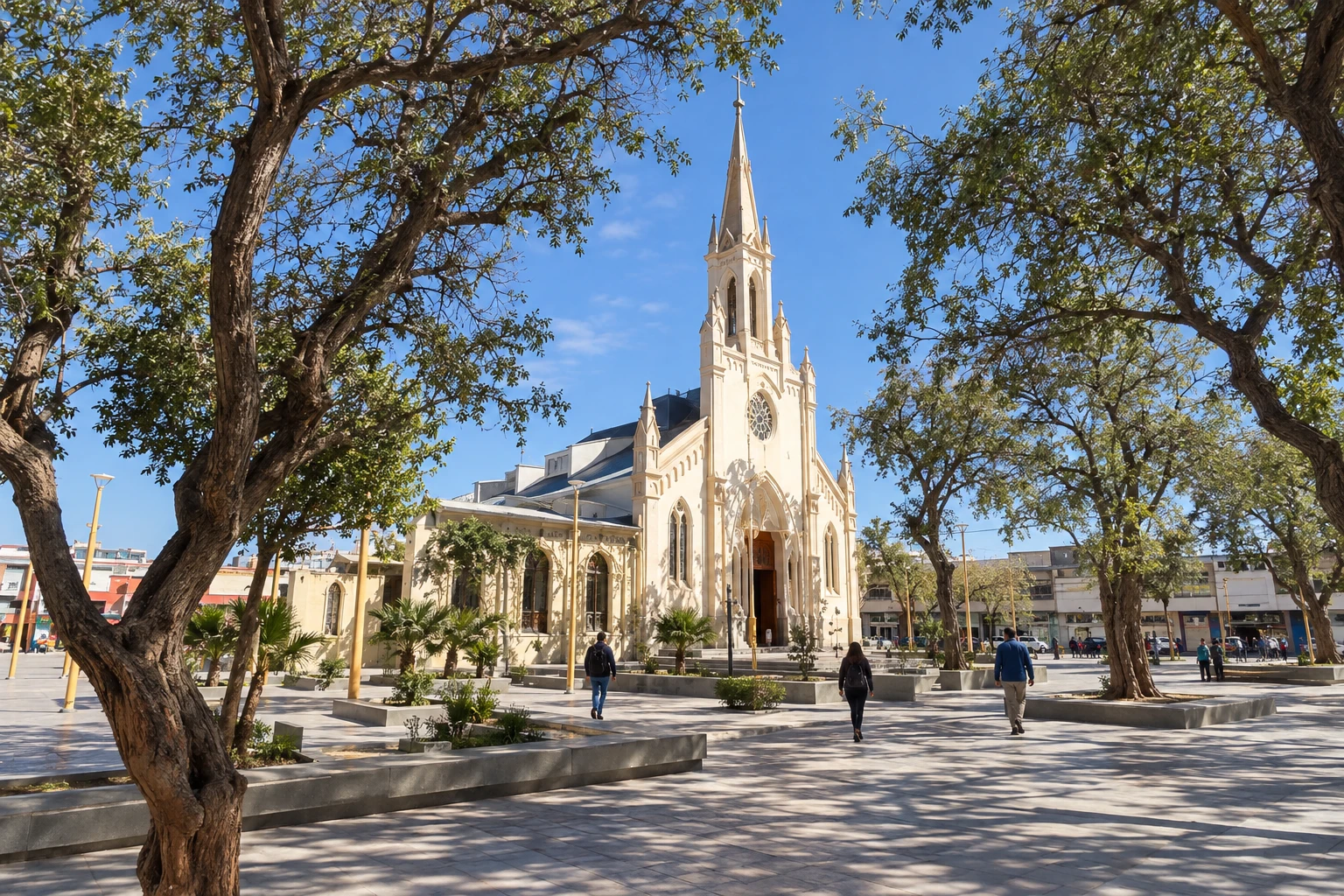
La Serena, capital of the Coquimbo region, was founded in 1544 and is known for its stone churches. In the center are the Plaza de Armas, the Cathedral, the Iglesia de San Francisco, the Museo Arqueológico, the La Recova market and the Parque Japonés Kokoro No Niwa. On the coast are the Faro Monumental and the beaches of the Avenida del Mar; nearby, Coquimbo hosts the Cruz del Tercer Milenio and the Barrio Inglés. To the north, the Reserva Nacional Pingüino de Humboldt offers boat trips.

Calama is the mining city of the Atacama, at about 2,260 meters of altitude, on the banks of the Río Loa, and the air gateway to the region via El Loa airport. To the north lies Chuquicamata, a copper mine with guided visits and an old workers’ camp. In the center is the Catedral San Juan Bautista, with a copper dome; to the south, Parque El Loa. To the east, the village of Chiu Chiu preserves the Iglesia de San Francisco from the 17th century.

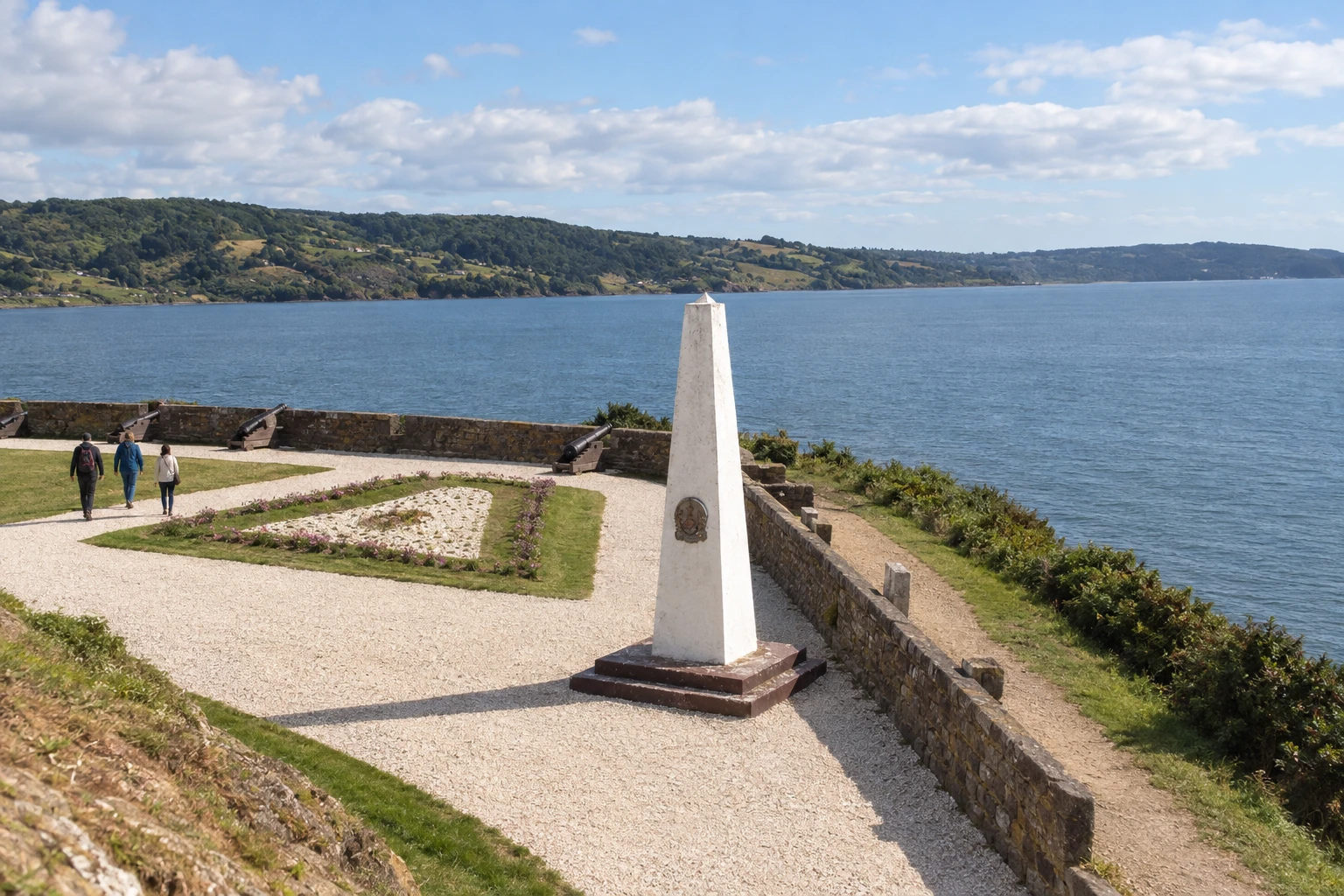
Ancud is the first town for those arriving in Chiloé by the Canal de Chacao ferry. Founded in 1768 as San Carlos de Chiloé, it was the archipelago's capital and the last Spanish stronghold in Chile. Fuerte San Antonio and the Museo Regional de Ancud tell that story, and the town is a base for seeing the penguins of the Puñihuil islets and the Chepu wetlands.

Casablanca is the town in the white-wine valley between Santiago and Valparaíso, about 80 km from the capital along Ruta 68. Founded in 1753 as Santa Bárbara de la Reina, it has the Plaza de Armas and the Parroquia Santa Bárbara in the center. The wineries sit beside the highway, before the town: Indómita, on top of a hill, and Emiliana, run with organic and biodynamic farming. Matetic is in the neighboring Valle del Rosario. The morning fog coming from the Pacific favors sauvignon blanc, chardonnay and pinot noir.

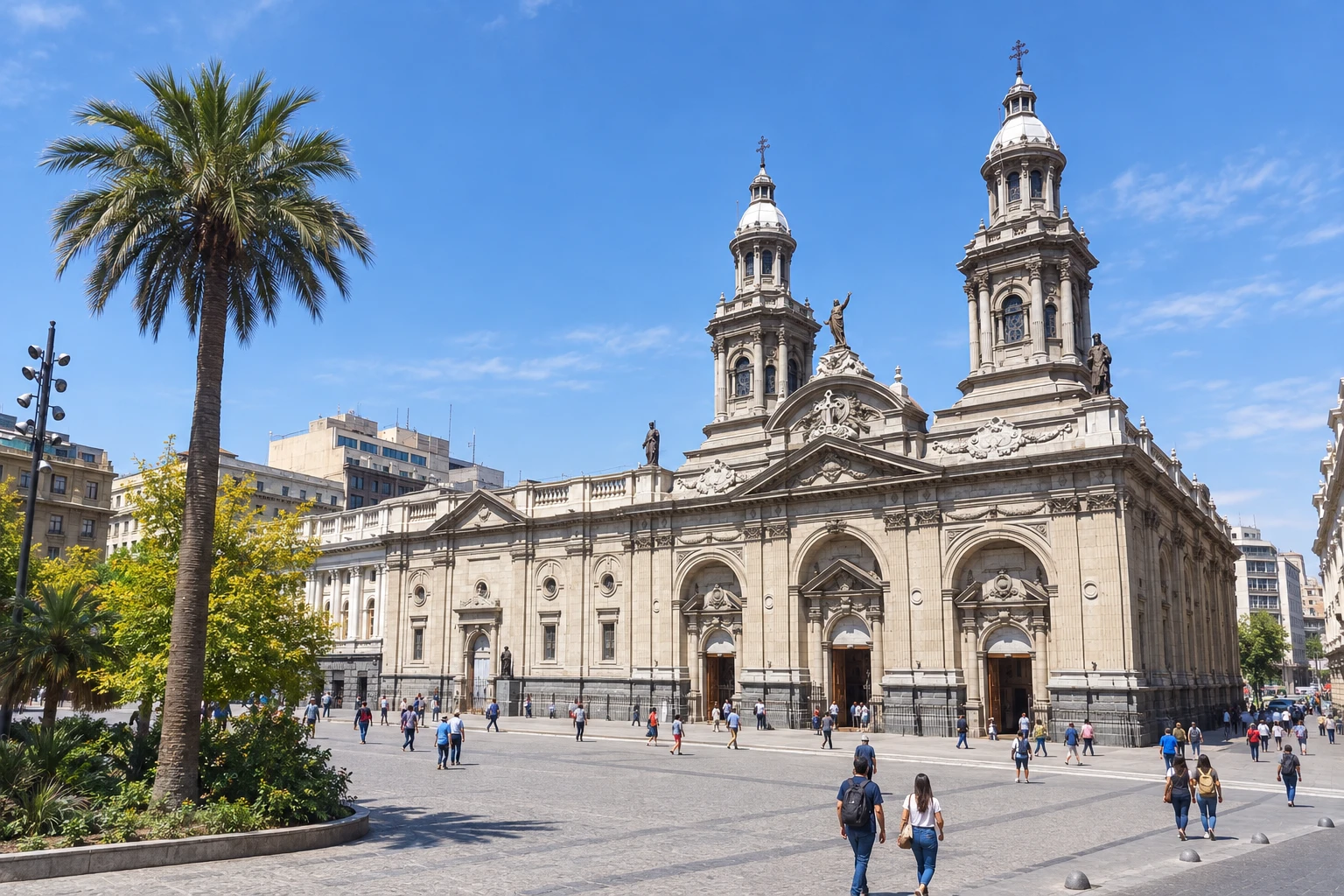
Capital of Chile, Santiago sits in a valley surrounded by the Andes. The center brings together the Plaza de Armas, the Palacio de La Moneda, the Mercado Central, La Vega Central and museums such as the Precolombino, the Bellas Artes and the Museo de la Memoria. The hills Santa Lucía and San Cristóbal serve as viewpoints; Bellavista, Lastarria and Barrio Italia concentrate cafés and nightlife; Sky Costanera shows the city from above.
The map
Tap a region to see the names. Use two fingers to zoom in.
Outlines: Natural Earth (public domain). Adapted by Cidade Turismo.
Chile
Another way into the same trip
Choose the region and the city to find your place in the guide.
Beyond the guide