Central Valley Wineries

Libertador General Bernardo O’Higgins · Valparaíso · Metropolitana de Santiago

Central Valley Wineries

Two valleys of Chilean wine: the reds of Colchagua around Santa Cruz and the fresh whites of Casablanca, on the road between Santiago and Valparaíso.

Central

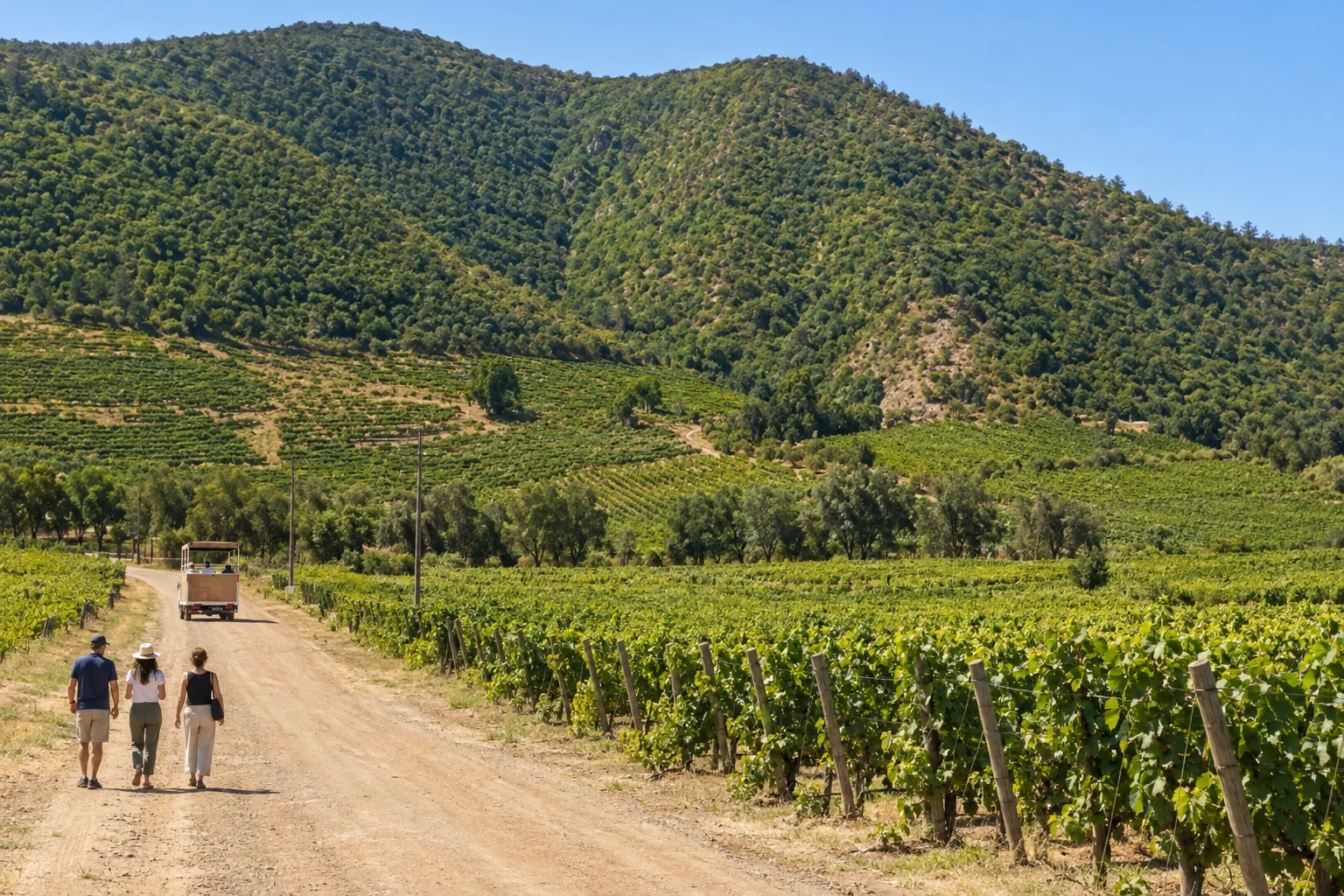
In the photo: Vineyards of Viña Montes in Apalta, Valle de Colchagua

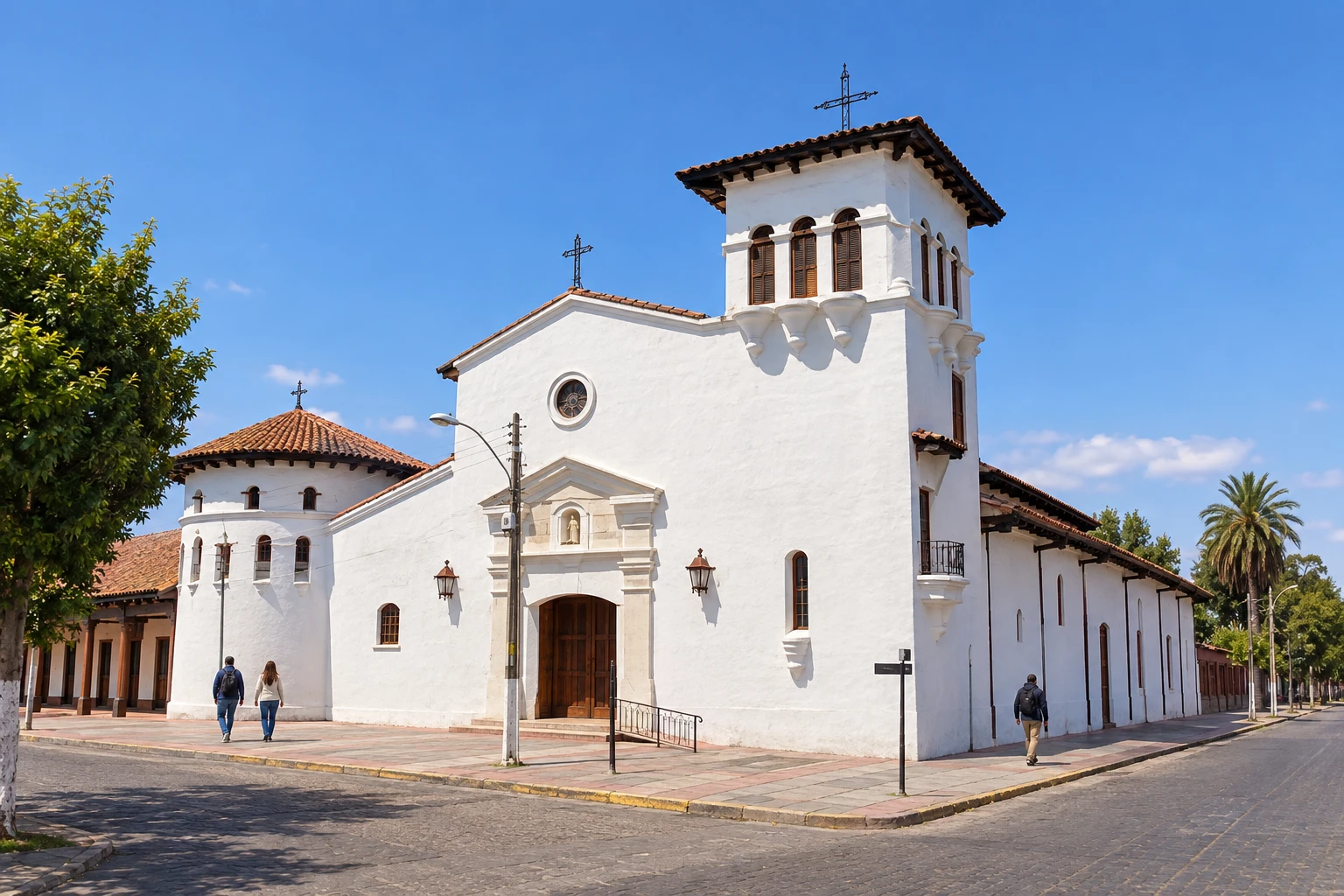
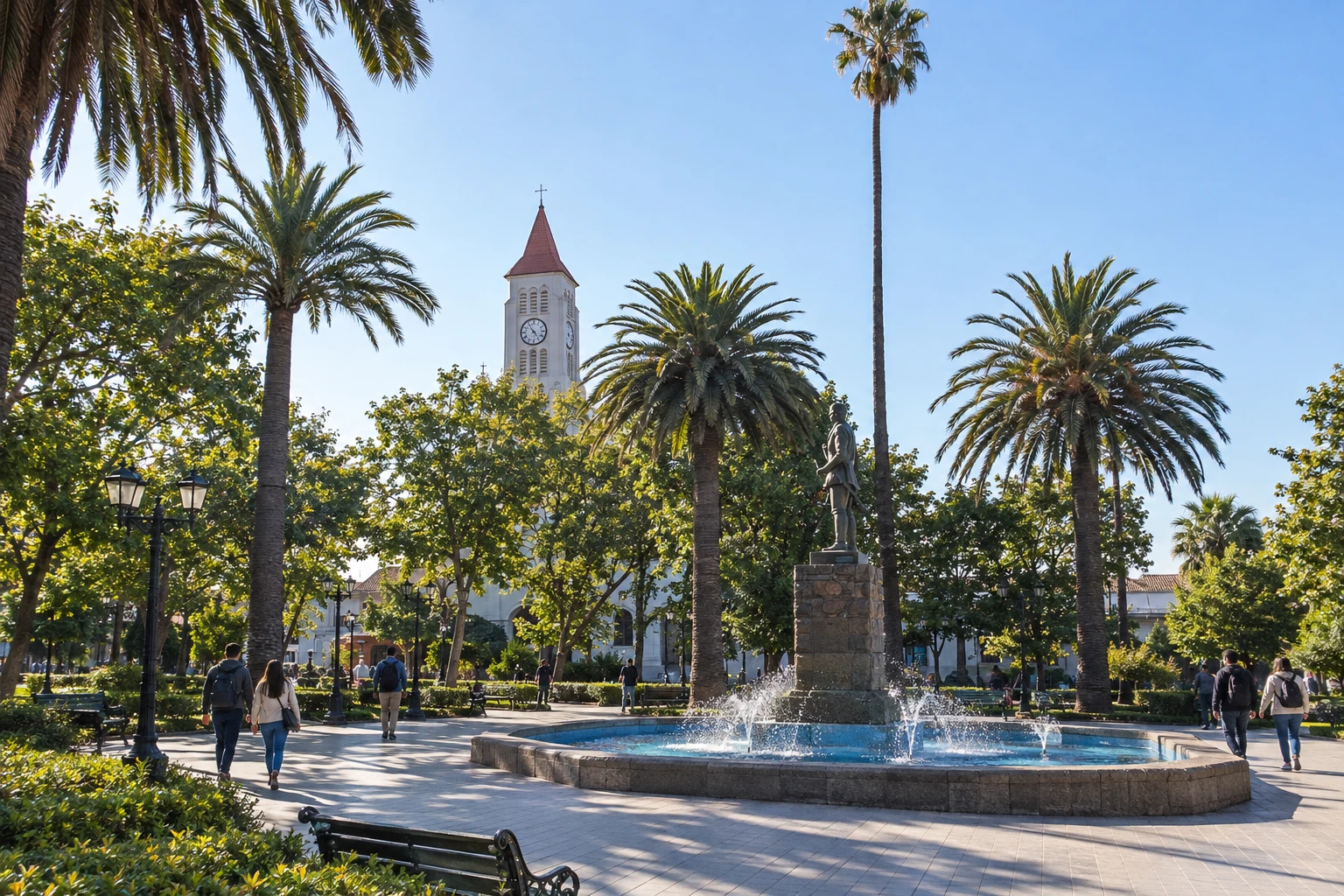
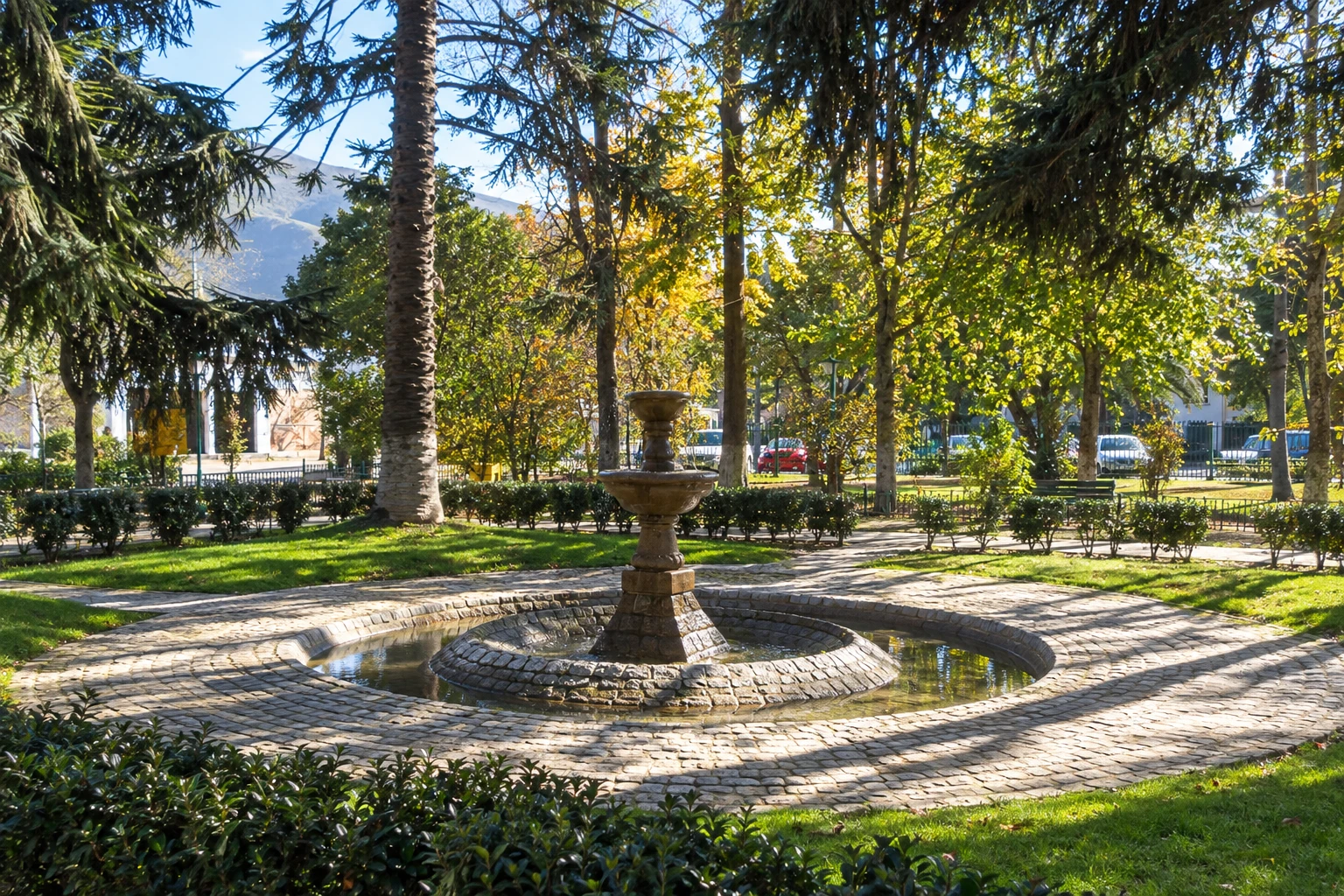
Illustrative images. The pictures in this guide are illustrations based on the real place, not photographs, and may differ from it.

Get it on Google Play

Get to know the place

A region to enjoy
at your own pace.

Chilean wine is born in a strip of valleys between the Cordilheira dos Andes and the Cordilheira da Costa. For Brazilians arriving via Santiago, two of those valleys are a short trip away and show opposite styles: Colchagua, warm and dry, to the south, and Casablanca, cool and Pacific-fogged, to the west.

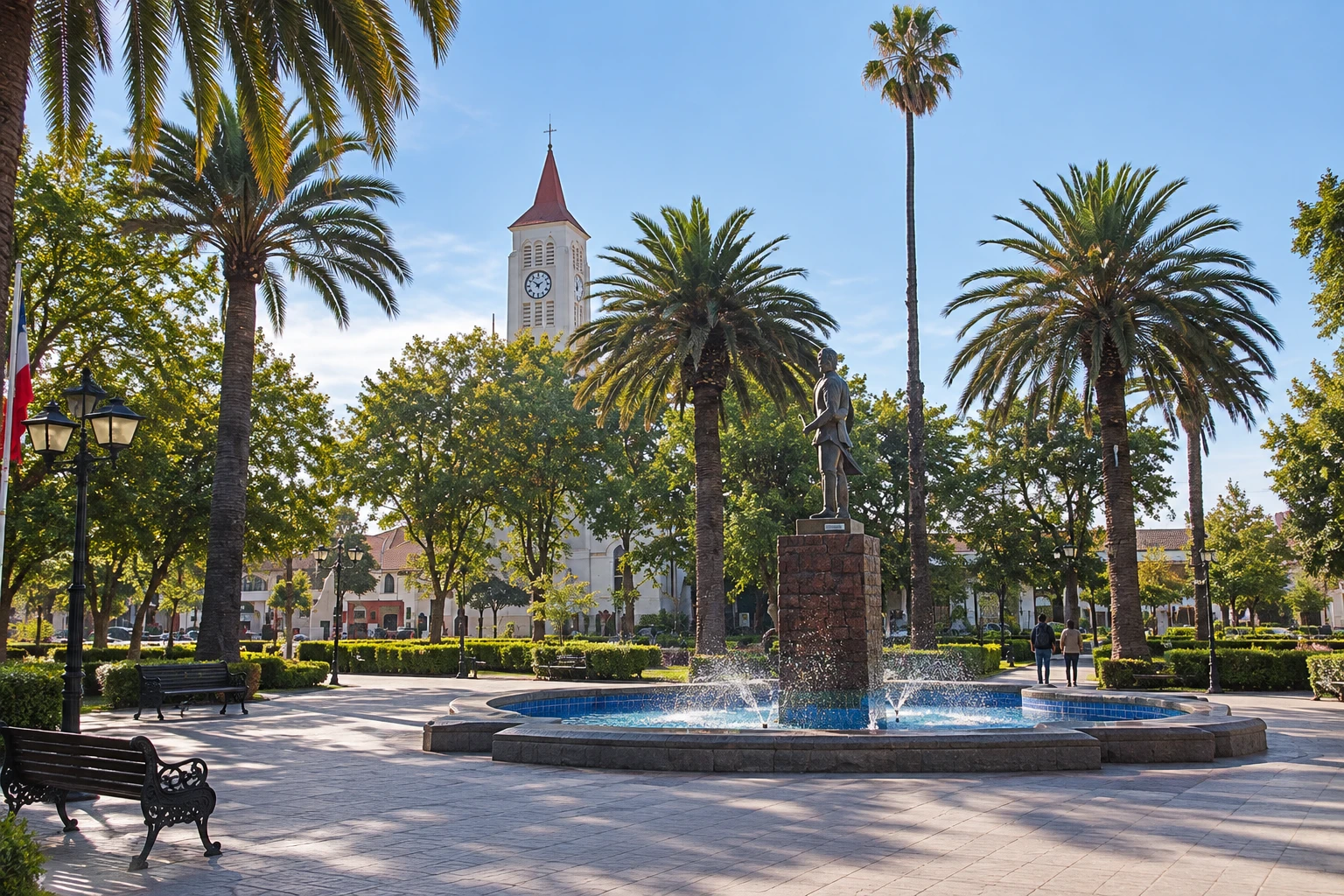
Santa Cruz is the town of Colchagua. It lies about 180 km south of Santiago and revolves around the Plaza de Armas, with its carillon and parish church, and the Museo de Colchagua, which houses thousands of paleontology and Chilean history pieces. Nearby are wineries such as Laura Hartwig, a few minutes from downtown, Viu Manent on the Carretera del Vino, Montes in the Apalta valley, MontGras in Palmilla, and Viña Santa Cruz in Lolol, with a cable car to Cerro Chamán. Carménère, cabernet sauvignon and syrah are the grapes most talked about there.

Casablanca sits on Ruta 68, about 80 km from Santiago and 40 km from Valparaíso. Wineries line the roadside before the town, and the breeze coming up from the ocean favors sauvignon blanc, chardonnay and pinot noir. Indómita, with its white building atop the hill, and Emiliana, practicing organic and biodynamic viticulture, welcome visitors near the highway; Matetic is in the neighboring Valle del Rosario. In town, the Plaza de Armas and the Parroquia Santa Bárbara mark the center founded in the 18th century.

In both valleys, wine appears as part of rural culture: harvests, barrels, Chilean cooking and vendimia festivals. Chilean law has zero tolerance for alcohol at the wheel, so those who go wine tasting usually hire a tour or leave a sober driver in charge.

This destination brings together 3 cities: Santa Cruz, Casablanca, Curacaví.

Share: WhatsApp
Traveler, share your experiences through photos Up to 5 photos of each place you visited.

One destination, many paths

The cities on this trip

Start with one city or combine several in your itinerary.

Where Central Valley Wineries is The star marks the nearest capital, Santiago.
SantiagoSanta CruzCasablancaCuracaví

Outlines: Natural Earth (public domain). Adapted by Cidade Turismo.

How to get there: Central Valley Wineries

Aeropuerto Internacional Arturo Merino Benítez (SCL), in Santiago · 195 km to Santa Cruz

The gateway is Santiago airport. Connections from Brazil may be direct flights or with a connection, depending on season and carrier. Check before buying. From there, Santa Cruz is about three hours by car via Ruta 5 Sul and Ruta 90; Casablanca is under an hour via Ruta 68. There are buses from Santiago to both towns.

Suggested arrival point: Santa Cruz

Santa Cruz
Libertador General Bernardo O’Higgins · Central Valley Wineries Suggested arrival point

Santa Cruz

Santa Cruz is the center of the Valle de Colchagua, in the O'Higgins region, about 180 km south of Santiago. The town life revolves around the Plaza de Armas, with the carillon and the parish church, and the Museo de Colchagua, which holds thousands of natural history and Chilean artifacts. Around it, the Carretera del Vino leads to wineries such as Laura Hartwig, Viu Manent, Montes, MontGras and Viña Santa Cruz, known for their Carménère and Cabernet Sauvignon reds. In March, the Fiesta de la Vendimia takes over the square.

Casablanca
Valparaíso · Central Valley Wineries

Casablanca

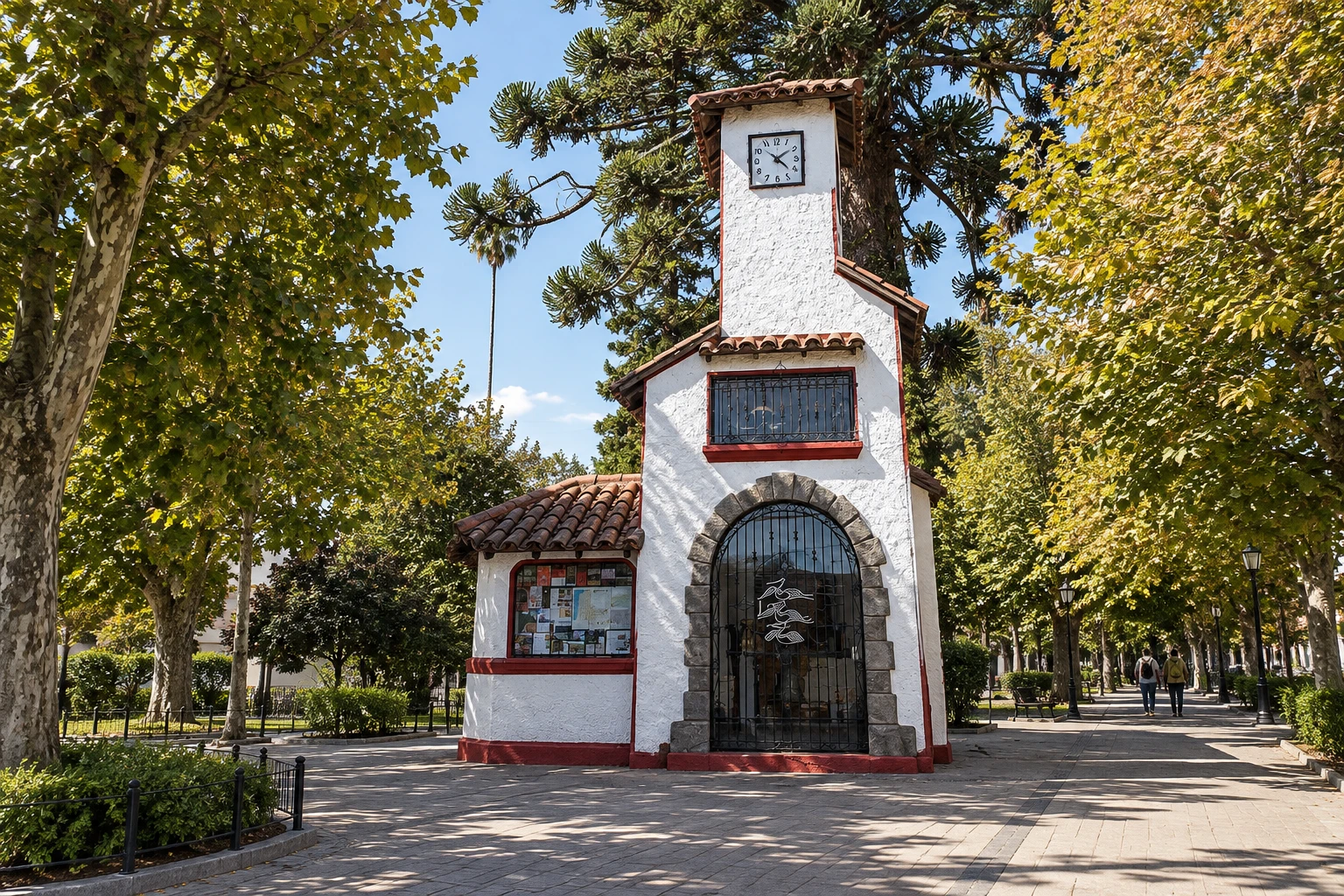
Casablanca is the town in the white-wine valley between Santiago and Valparaíso, about 80 km from the capital along Ruta 68. Founded in 1753 as Santa Bárbara de la Reina, it has the Plaza de Armas and the Parroquia Santa Bárbara in the center. The wineries sit beside the highway, before the town: Indómita, on top of a hill, and Emiliana, run with organic and biodynamic farming. Matetic is in the neighboring Valle del Rosario. The morning fog coming from the Pacific favors sauvignon blanc, chardonnay and pinot noir.

Curacaví
Metropolitana de Santiago · Central Valley Wineries

Curacaví

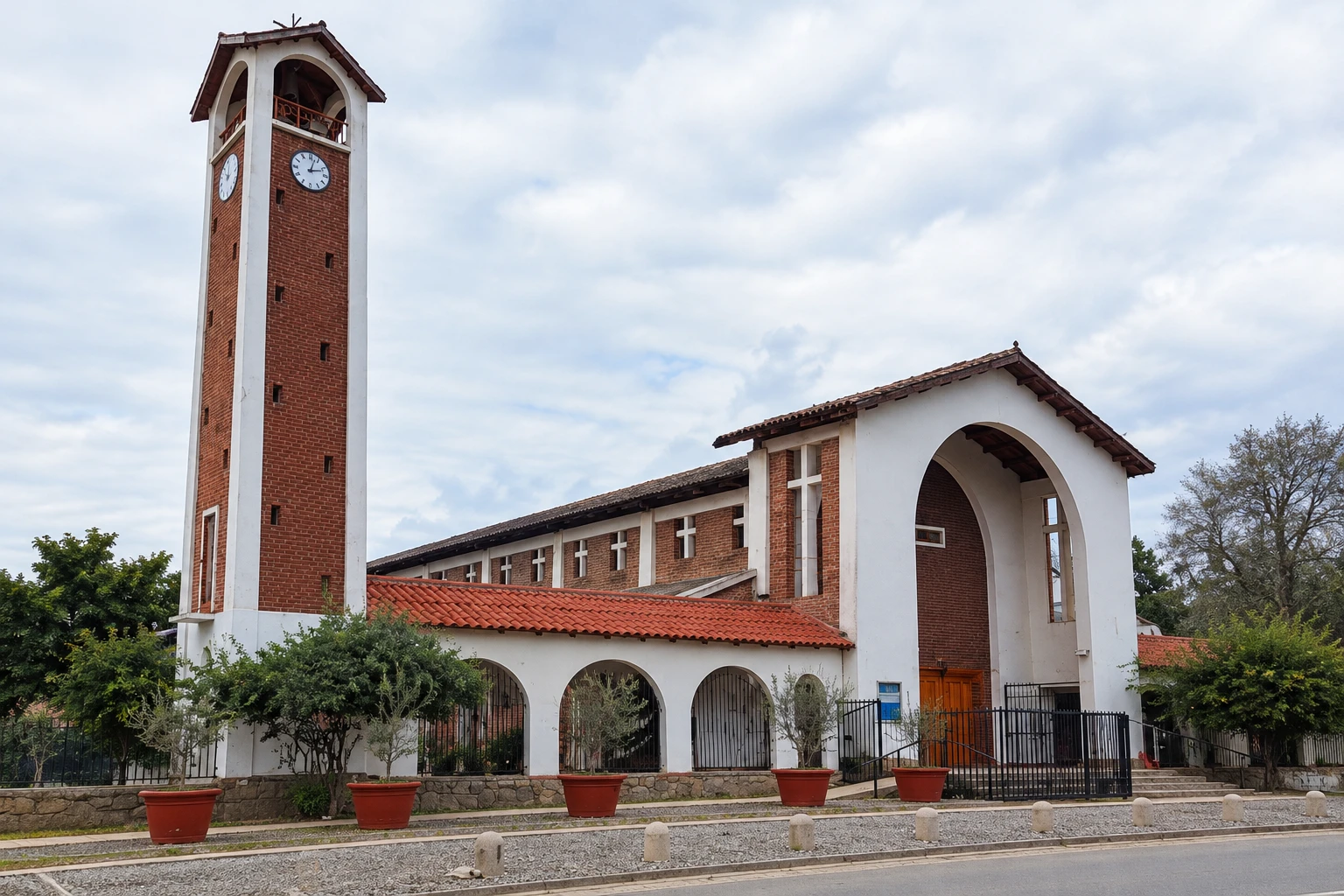
Town in the Puangue valley on Route 68, between Santiago and the Valparaíso coast. Facing the square is the Parroquia Nuestra Señora del Carmen, the oldest historic building in the town center. To the north, Cerro El Mauco has a trail with views of the Andes and, on clear days, the Pacific. Curacaví is known for Chicha de Curacaví, which has a designation of origin, and for its traditional sweets; at the end of April the commune holds its chicha festival.

The local experience

Things to do in Central Valley Wineries

Curacaví · Metropolitana de Santiago · Trail

Cerro El Mauco

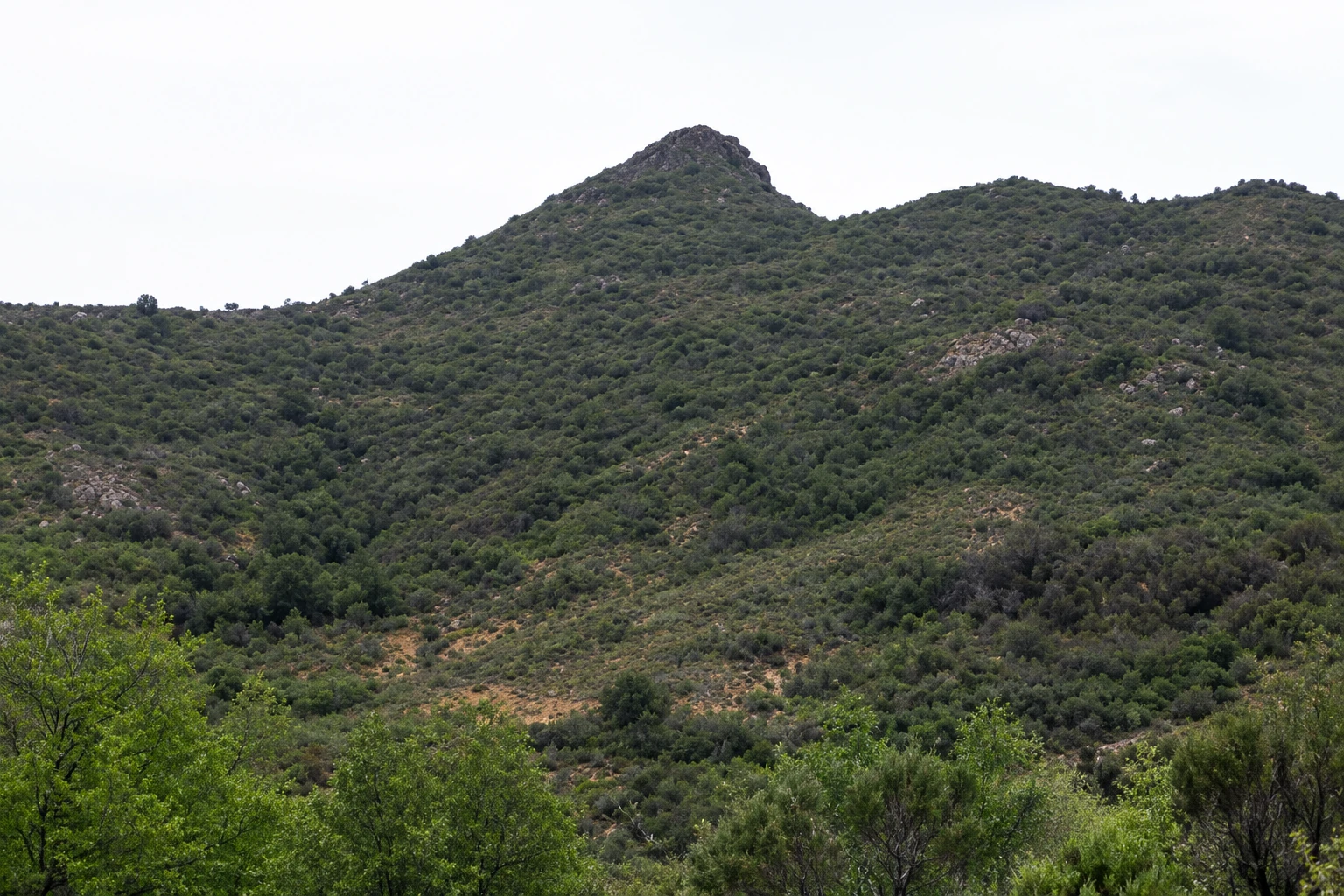
Hill of the Coastal Range north of Curacaví, with an out-and-back trail to the summit at about 1,500 meters. From the top you can see the Andes and the Casablanca valley and, on clear days, the Pacific.

Explore Cerro El Mauco

See 9 more places in Central Valley Wineries

To choose before you go

Tours in Central Valley Wineries

Where each tour starts, how long it takes, how it is done, what is included and the price range.

One-day tour from Santiago to the Casablanca Valley

From Santiago Van or car tour with driver along Ruta 68 about 8 to 10 hours full day easy

It’s the simplest way to visit wineries leaving from Santiago without needing to drive. The Casablanca Valley lies along Ruta 68, the road that links Santiago to Valparaíso, about 80 km from the capital, or roughly an hour’s drive. The program usually includes two or three wineries, with a walk among the vineyards, a cellar visit and guided tasting, and a stop for lunch at one of them. Wineries that commonly receive visitors include Viña Emiliana, Viña Indómita, Casas del Bosque and Veramonte, all beside Ruta 68, and Viña Matetic in the neighboring Valle del Rosario. Casablanca is a cool valley influenced by the Pacific, known for its whites (Sauvignon Blanc and Chardonnay) and for Pinot Noir. Return to Santiago is in the late afternoon. Many agencies combine the valley with Valparaíso and Viña del Mar on the same day, which leaves less time at each winery.

Stops: Casablanca Valley, Viña Emiliana, Viña Indómita, Casas del Bosque, Veramonte, Viña Matetic.

Includes: On excursions, generally: round-trip transportation from your hotel in Santiago, a guide, and the visits with tastings at the wineries included in the program. Lunch is usually paid separately. Check the current price list and the guide's language.

Tip: Two wineries per day is a comfortable pace. If you prefer to go by car, choose a driver who will not drink: Chile enforces a zero-tolerance law for alcohol at the wheel. At tastings it is common to sip little and discard the rest, and there are juices and water for those who do not drink.

Best time: All year. Harvest usually runs from March to April; from December to March spaces fill up earlier.

Viña Emiliana: organic and biodynamic vineyard in Casablanca

From Casablanca or Santiago Car, transfer or tour along Ruta 68 about 1 hour 15 minutes morning or afternoon easy (short walk in the vineyard)

Viña Emiliana is on the north side of Ruta 68 at km 60, at the beginning of the Casablanca Valley for travelers coming from Santiago. It is a winery practicing organic and biodynamic farming, and the visit focuses on that. The organic tour starts with a walk among the vines, with explanations about soils, grape varieties and the valley’s climate. Then comes the family-friendly part: the animals roaming the vineyard that are part of the farm management, the organic vegetable garden and the place where biodynamic preparations are made. The visit ends with a tasting of four wines, two reds and two whites. There is a longer version, with higher-end wines, that finishes with Gê, the estate’s icon wine, and can be paired with organic cheeses or chocolates. Tours run Tuesday to Saturday, with morning and afternoon departures, and require reservation.

Stops: Viña Emiliana, Casablanca Valley.

Includes: Guided visit through the vineyard and facilities and wine tasting. Pairing with cheeses or chocolates is optional and paid separately. Check the current price list.

Tip: Book in advance. It’s a good first stop on Ruta 68 for those coming from Santiago, since it’s at the start of the valley. If you’re driving, don’t drink: ask to taste only the aroma or bring a driver.

Best time: All year; in spring (September to November) the vineyard is green and the animals are more visible.

Viña Indómita, on the heights of the Casablanca Valley

From Casablanca or Santiago Car, transfer or tour along Ruta 68 about 1 hour and a half morning or afternoon easy

Viña Indómita sits beside Ruta 68 at km 64, near the town of Casablanca. The visit usually includes a guided walk through the vines, with the house history and explanations about the valley’s cool climate, and ends with a tasting of three wines. On arrival, the internal road passes between hills covered in vines. The winery has a restaurant, and several tours leaving Santiago or Valparaíso stop there for lunch. Since it is only a few kilometers from the town of Casablanca, it pairs well with Viña Emiliana and other wineries on Ruta 68 in the same day.

Stops: Viña Indómita, Casablanca Valley.

Includes: Guided vineyard visit and tasting. Meals at the restaurant are paid separately. Check the current price list.

Tip: Confirm visiting days and book by contacting the winery directly. If you’re driving, don’t drink; there are tours with transportation departing from Santiago and from Valparaíso.

Best time: All year round; March to April is harvest season in the valley.

Casas del Bosque and Veramonte, on Route 68

From Casablanca or Santiago Car, transfer or tour via Route 68 about 4 hours for both morning or afternoon easy

They are two of the Casablanca wineries with the most options for visitors, both on the stretch of Route 68 between Santiago and the town of Casablanca. Casas del Bosque, at km 60, has more than 230 hectares and offers a range of tours: the classic visit through the vineyard and winery with tasting, programs with reserve wines, trails, viewpoints, bicycle rides through the vineyards and tasting of the estate’s sparkling wines. The winery has the Tanino restaurant. Veramonte welcomes visitors in its manor house, with a tasting counter, wine and artisanal product shop, and a café using ingredients from the estate’s garden. Tours go through the vineyards, the winery and the barrel room, with a focus on organic farming, and end with a tasting. There are family programs in which children learn about the countryside and have natural juices, and in spring and summer there are picnic and bicycle outings.

Stops: Casas del Bosque, Veramonte, Casablanca Valley.

Includes: Guided tours with tasting at each winery. Restaurant, café, picnic and bicycle activities are charged separately. Check the current price list.

Tip: Book in advance, especially from December to March. To avoid tiring yourself, choose one of the two and combine it with Viña Emiliana, which is on the same stretch. If you’re driving, do not drink.

Best time: All year; bicycle tours and picnics are more common in spring and summer (September to March).

Viña Matetic, in the Valle del Rosario

From Casablanca or Santiago Car or excursion along Route 68 and secondary roads about 2 hours (plus lunch) morning and afternoon easy

Viña Matetic is in the Valle del Rosario, a valley adjacent to Casablanca and already close to the coast, in the municipality of Cartagena, about 100 to 110 km from Santiago. The route follows Route 68 and then secondary roads, through hills and vineyards. The winery practices organic and biodynamic farming: it follows the lunar calendar for planting and harvest and uses animals, such as sheep and cows, in vineyard management. The classic tour includes a walk through the vines, a visit to the cellar and a tasting. The estate has trails and the Equilibrio restaurant, serving Mediterranean cuisine with produce from the farm’s garden, which also requires reservation. Because it is off Route 68, Matetic is usually the longest stop of a day in the valley.

Stops: Viña Matetic, Valle del Rosario, Valle de Casablanca.

Includes: Guided visit of the vineyard and the cellar, with tasting. Lunch at the restaurant is paid separately. Check the current price list.

Tip: Book the tour and the restaurant together. Visiting days vary by season: confirm before you go. If you’re driving you must not drink; some agencies in Santiago run tours with transportation that include Matetic.

Best time: All year; in autumn (April and May) the vine leaves turn yellow and reddish.

Santa Cruz: Plaza de Armas and Museo de Colchagua

From Santa Cruz town center On foot about 3 hours morning easy

Santa Cruz is the base town of the Colchagua Valley, about 180 km south of Santiago. The center is small and can be walked from the Plaza de Armas of Santa Cruz, with colonial-style houses, cafés and restaurants around it. A short walk from the plaza is the Museo de Colchagua, founded in 1995 by the Cardoen Foundation and presented as Chile's largest private museum. The main exhibition occupies eight rooms and ranges from paleontology to modern times: Chilean archaeology, pre-Hispanic cultures, the Conquest and Colony, Independence and the Republic. Visiting this section takes a little over an hour. The themed pavilions require another hour: the huaso (the Chilean horseman) and his tack, carriages, weapons, Andean jewelry, metallurgy and Andean textiles, Darwin in Chile, the Colchagua railway and El Gran Rescate. It's a good morning program before heading to the wineries in the afternoon.

Stops: Plaza de Armas de Santa Cruz, Museo de Colchagua, Santa Cruz.

Includes: The museum charges admission. Check the current price table.

Tip: Allow about two and a half hours for the entire museum. The restaurants around the plaza serve lunch before the afternoon visits to the wineries.

Best time: All year; a good option for rainy winter days (May to August).

See 9 more tours

Viña Viu Manent: vineyards by carriage

From Santa Cruz Car, taxi or tour along the Wine Road about 2 hours morning or afternoon easy

Viña Viu Manent is in Cunaco, at km 37 of the Carretera del Vino (Route 90), about 12 km from Santa Cruz. It is a family winery, known for the carriage ride: visitors go through the vineyards in a carriage, with a guide who explains the grape varieties and the terroir, and the ride ends with a tasting. There is also the classic tour, which goes through the barrel rooms and the tanks, and a program with reserve wines. The property has gardens, a shop and a restaurant overlooking the vines, which often fills up and should be booked along with the tour. In Santiago, Viu Manent only has a commercial office: visits take place in Colchagua.

Stops: Viña Viu Manent, Carretera del Vino, Cunaco.

Includes: Guided visit with tasting. The carriage ride and the restaurant are paid separately. Check the current price list.

Tip: Book in advance; tours usually fill up on weekends. Combine with Viña Montes or Clos Apalta in the neighboring Apalta Valley, and do not visit more than two wineries per day. Drivers should not drink.

Best time: All year; during the harvest (March to April) there is more activity at the wineries.

Viña Montes, in the Valle de Apalta

From Santa Cruz Car, taxi or tour about 2 hours morning or afternoon easy (optional 6 km trail)

Viña Montes is located in the Valle de Apalta, a small valley surrounded by hills northeast of Santa Cruz, where the vines climb the slopes. The building was designed according to feng shui principles, with natural light and views over the vineyards. In the barrel room, where the wines rest, Gregorian chant plays continuously and the space is refrigerated. Tours go through the vineyard and the winery and end with a tasting; the more complete programs include the house’s flagship wines and are in small groups, with advance reservation. Around the winery there is a trail of about 6 km through the hills, with plants and animals of the region. The winery also hosts the restaurant Fuegos de Apalta, by Argentine chef Francis Mallmann, featuring fire-based cooking and dishes paired with the house wines.

Stops: Viña Montes, Valle de Apalta, Fuegos de Apalta.

Includes: Guided visit with tasting. The restaurant is paid separately. Check the current price list and available programs.

Tip: Bring a light jacket for the barrel room. Book at least one day in advance. If you’re driving you must not drink; agencies in Santa Cruz run half‑day tours through the Valle de Apalta with transportation.

Best time: All year; for the trail, prefer spring and autumn, with milder temperatures.

Clos Apalta (Lapostolle)

From Santa Cruz Car, taxi or tour about 2 hours morning or afternoon easy

The Clos Apalta winery, from the Lapostolle estate, is located in the Valle de Apalta and is notable for its architecture. The building was constructed on the slope of a hill, with six levels, three of them carved into the granite to keep the cellar cool without refrigeration. Production works by gravity, from top to bottom, and the cellar ceiling features arches of native raulí wood. A spiral staircase evokes wine swirling in the glass, and a pendulum represents the movement of the Earth. The winery is organic and biodynamic; the harvest is done by hand, and the guide explains fermentation in French oak barrels and the wine’s aging time. The visit ends with a tasting, which includes Clos Apalta, the estate’s flagship wine. The tour is designed for small groups.

Stops: Clos Apalta, Valle de Apalta.

Includes: Guided winery visit with tasting. There are programs with lunch, charged separately. Check the current price list.

Tip: Book through the winery’s channel in advance. It is near Viña Montes: you can visit both in the same day, one in the morning and the other in the afternoon. If you’re driving, do not drink.

Best time: All year; during harvest (March to April) the winery is in full activity.

Viña Santa Cruz: cable car, Cerro Chamán and automobile museum

From Santa Cruz Car via Route I-72, bus to Lolol or tour about 4 hours morning or afternoon easy

Viña Santa Cruz is in the Lolol area, about 25 km from the city of Santa Cruz via Ruta I-72. The visit is more than wine. A cable car, the only access to Cerro Chamán, rises from the winery to the top of the hill, with views of the valley. Up there are exhibits about three indigenous peoples of Chile that inspire the wine names: the Mapuche area, with a ruca (traditional house) and utensils; the Aymara, with Andean constructions and llamas; and the Rapanui, with a replica of a moai and stone houses shaped like an overturned boat. On the same hill are the Observatorio Cerro Chamán and a meteorite museum. Below, the Automobile Museum displays more than 80 cars and motorcycles from various eras, including presidential limousines and the Rolls-Royce used during Queen Elizabeth II’s visit to Chile. The winery tour ends with a tasting. On the way, it’s worth stopping in Lolol, whose historic center, with colonial adobe houses and the church, has been a protected typical zone since 2003.

Stops: Viña Santa Cruz, Cerro Chamán, Observatorio Cerro Chamán, Lolol.

Includes: The winery’s programs combine cable car, museums and tasting. Admission applies. Check the current price list.

Tip: Reserve in advance. By bus, take from the Santa Cruz terminal a bus to Lolol or Pumanque and get off near the winery. Anyone driving should not drink.

Best time: All year; with clear skies, the view from Cerro Chamán reaches farther.

Viña Laura Hartwig, next to the center of Santa Cruz

From Santa Cruz center On foot, by taxi, or by car about 1 hour and a half morning or afternoon easy

Viña Laura Hartwig is on Camino Barreales, at the exit of Santa Cruz, close enough to the center to walk. It is a small family winery, good for those who prefer not to drive. The guided tour tells the story of the family and the estate, goes through the vineyard and the cellar, and ends with a tasting of reds and whites such as Cabernet Sauvignon, Carmenère and Sauvignon Blanc. The estate has a wine shop and serves pizzas baked in a clay oven, allowing you to combine lunch with the visit. Tours are offered in Spanish and English and require reservations.

Stops: Viña Laura Hartwig, Santa Cruz.

Includes: Guided visit with tasting. Food and wines by the glass are paid separately. Check the current price list.

Tip: Because it is so close to the center, it’s the option for the afternoon of arrival day in Santa Cruz. Confirm your reservation before going.

Best time: All year round.

Viña MontGras: make your own wine

From Santa Cruz Car, taxi or tour about 2 hours morning or afternoon easy

Viña MontGras welcomes visitors in the commune of Palmilla, north of Santa Cruz, in the Valle de Colchagua. In addition to the tour with tasting, which goes through the vineyard and the winery, the estate is known for the Make Your Own Wine program: the visitor tastes wines from different grapes, creates their own blend like a winemaker for a day, and bottles the result to take home. During harvest season there is a vintage experience, with grape picking in the vineyard. Throughout the year, the winery also offers picnics among the vines. Tours are offered in Spanish, English and Portuguese.

Stops: Viña MontGras, Palmilla.

Includes: Guided tour with tasting; the wine blending program and the picnic are paid separately. Check the current price list.

Tip: Reserve in advance; the reservation requires a deposit. The harvest experience only takes place during vintage. Anyone driving should not drink.

Best time: All year; during the harvest (March to April) there is a vintage experience.

Vineyards by bike in Casablanca and Apalta

From Casablanca or Santa Cruz Bicycle or electric bicycle, with guide about 1½ to 3 hours morning easy to moderate

Cycling among the vines is another way to visit wineries — slower and outdoors. In Casablanca, Casas del Bosque offers bicycle tours of about an hour and a half through the vineyards and property trails, and Veramonte runs spring and summer bike rides with water and a snack. In the Colchagua Valley, agencies in Santa Cruz take visitors to the Apalta Valley on electric-bike tours among vineyards, as an alternative to van visits. The paths are dirt and mostly flat on the valley floor, with some climbs on the slopes. Tours generally finish with a tasting at the winery.

Stops: Casas del Bosque, Veramonte, Valle de Apalta, Valle de Casablanca.

Includes: Bicycle, helmet and guide, generally. The tasting may be included or charged separately. Check the current price list.

Tip: Go in the morning: in summer, afternoons in the Central Valley exceed 28 °C. Bring sunscreen, a hat and water. After cycling, drink water before any tasting.

Best time: Spring and autumn (September to November and March to May); in summer, prefer early morning.

Fiesta de la Vendimia de Colchagua, in Santa Cruz

From Santa Cruz town center On foot half a day to a full day afternoon and evening easy

The Fiesta de la Vendimia de Colchagua celebrates the grape harvest and takes place in March, on a weekend at the beginning of the month, in downtown Santa Cruz, with the Plaza de Armas as the main stage. the valley’s wineries set up booths with their labels, and the festival features food stalls from local producers and cooks—grilled meats, artisanal cheeses and empanadas—along with crafts, artistic performances and shows. It is the busiest weekend in town. The Valle de Casablanca has its own Vendimia, usually held in April, with grape-stomping contests, guided visits and shows. At the same time, other regions of Chile, such as Curicó, hold their harvest festivals.

Stops: Plaza de Armas de Santa Cruz, Santa Cruz.

Includes: There is an admission fee, and tastings are usually sold in packages. Check the current schedule and price list.

Tip: Dates change each year: confirm before planning. The town gets crowded, so book transport in advance. If you will be driving, do not drink; one option is to go by bus from Santiago.

Best time: March (Colchagua) and April (Casablanca); confirm the dates.

Pichilemu and Punta de Lobos, Colchagua’s surf coast

From Santa Cruz Car by car or bus via the Carretera del Vino toward the coast one day, including the drive full day easy

The same road that links San Fernando to Santa Cruz, the Carretera del Vino, continues west to the Pacific at Pichilemu, known in Chile as the surf capital. For those based in Santa Cruz, it’s a change of scenery: from vineyards to cliffs and waves. The main stop is Punta de Lobos, about 6 km south of town, a big-wave surf spot designated a World Surfing Reserve, with a cliff roughly 25 meters high, rocks with sea lions and seabirds. In town, the main beach in the La Puntilla sector has surf and bodyboard schools for beginners. About 15 km south is Cáhuil, beside a lagoon. The Pacific water is cold year-round, and swimming in the sea is recommended only in summer, following lifeguards’ guidance.

Stops: Pichilemu, Punta de Lobos, Cáhuil.

Includes: Surf lessons and rental of boards and wetsuits are paid separately. Check the current price list.

Tip: Bring a jacket: even in summer, the late afternoon on the coast is cool. From Santiago, Pichilemu is about 210 km, and many people go straight there; from Santa Cruz, the trip is shorter.

Best time: December to March for beach season; the big waves at Punta de Lobos attract surfers year-round.


Day by day

1, 2 and 3-day itinerary in Central Valley Wineries

Suggestions to plan the trip. Change the order of the days according to the weather and tour availability.

1 day · Day trip from Santiago to the Casablanca Valley

For For those based in Santiago who want to visit wineries in one day without driving. · Based in Santiago
  1. Day 1 · Ruta 68: two wineries and lunch in the valley

    Do this day trip after at least one night in Santiago: the flight from Brazil arrives at Santiago airport, and there is no flight to the valley. Leave in the morning on the one-day Tour from Santiago to the Casablanca Valley, or by car with a driver who will not be drinking. About an hour along Ruta 68, start at Viña Emiliana, with the organic tour among the animals and the vegetable garden. Have lunch at Viña Indómita or at Casas del Bosque, by the same road. In the afternoon, make the second visit: Veramonte or, for those with more time, Viña Matetic in the Valle del Rosario. Return to Santiago late afternoon.

2 days · Santa Cruz and the Colchagua Valley in two days
For For those who want to explore Colchagua at a relaxed pace, spending a night in Santa Cruz. · Based in Santa Cruz
  1. Day 1 · From Santiago to Santa Cruz: museum and first winery

    Leave early from Santiago by bus (about 3 hours) or by car via Ruta 5 and Ruta 90 (about 180 km). Travelers arriving from Brazil should spend the first night in Santiago. In Santa Cruz, do the Santa Cruz walk: Plaza de Armas and the Museo de Colchagua in the morning. Have lunch near the plaza. In the afternoon, visit Viña Laura Hartwig, next to the center, or Viña Viu Manent, which offers a carriage ride through the vineyards.

  2. Day 2 · Apalta Valley and return to Santiago

    In the morning, go to the Apalta Valley to visit Viña Montes or Clos Apalta (Lapostolle), on a tour or with a driver. Have lunch in the valley, for example at Fuegos de Apalta at Viña Montes. In the afternoon, if time allows, make a short visit to Viña MontGras in Palmilla before driving back to Santiago. Anyone driving should not drink at any of the visits.

3 days · Casablanca and Colchagua in three days
For For those who want to see both valleys, with nights in Santiago and in Santa Cruz. · Based in Santiago and Santa Cruz
  1. Day 1 · Casablanca Valley

    With the first night in Santiago after the flight from Brazil, leave in the morning for the Casablanca Valley via Ruta 68 (about a 60-minute drive). Visit Viña Emiliana and, after lunch, Casas del Bosque or Veramonte; those who prefer to cycle can do the Vineyards by bike in Casablanca and Apalta tour. Return to Santiago late afternoon. Going with a tour or driver avoids the problem of driving after tastings.

  2. Day 2 · Santa Cruz: museum and Viña Santa Cruz

    Leave early for Santa Cruz by bus or car (about 180 km south). Do the Santa Cruz tour: Plaza de Armas and the Colchagua Museum. In the afternoon, go to Viña Santa Cruz, about 25 km away, with the cable car to Cerro Chamán and the Automobile Museum, and stop by the historic center of Lolol. Stay overnight in Santa Cruz.

  3. Day 3 · Viu Manent and Apalta Valley

    In the morning, take the carriage ride at Viña Viu Manent, at km 37 on the Wine Route. After lunch, visit Viña Montes or Clos Apalta in the Apalta Valley. Return to Santiago late in the afternoon. In March, swap one of the days for the Colchagua Harvest Festival if the dates match; anyone with an extra day can continue to Pichilemu and Punta de Lobos.

Best time to go

When to go: Central Valley Wineries month by month

The harvest runs from late February to April, with festivals in the Plaza de Armas of Santa Cruz in March and in Casablanca’s square in early April. Autumn, from April to May, brings yellowing vines and fewer visitors. In winter, from June to August, the vines are leafless and mornings are cold. In spring, from September to November, green returns to the vineyards.

The seasons shown are the most usual ones; nature doesn't always follow the calendar.

January Low rain

dry summer · vacations in Chile and Brazil

High summer, dry and hot. In the Colchagua region, average highs are around 29–30°C and lows near 13°C; nights are cool. Casablanca, closer to the sea, is cooler and can have foggy mornings. Summer vacations in Chile and Brazil mean wineries receive more visitors, so it’s wise to book tours and transport in advance. Do outdoor activities in the morning and bring sunscreen and a hat.

February Low rain

heat and clear skies · grapes ripening

Still summer, with highs around 29°C in Colchagua and lows around 12°C. Rare rain. Grapes are nearly ready, and white-berry wineries in Casablanca may begin harvesting at the end of the month. The vacation flow from Chile and Brazil continues. A good month to combine winery visits with Pichilemu and the coast.

March Low rain

harvest · Colchagua Harvest Festival

Early autumn, with highs around 26°C and lows around 9°C in Colchagua. It’s harvest month for most wineries and the time of the Colchagua Harvest Festival in Santa Cruz, on a weekend early in the month (confirm the date). Wineries are in full activity, and some estates offer harvest experiences. With the end of school holidays, weekday crowds decrease.

April Low rain

end of the harvest · Casablanca Harvest Festival

Dry autumn, with highs around 22 °C and lows around 7 °C in Colchagua. The harvest ends, and the Casablanca Vendimia usually takes place this month (confirm the date). The vine leaves begin to change color. Mild days, good for cycling and walking among the vineyards.

May High rain

golden vineyards · start of the rains

End of autumn. Highs are around 19 °C and lows around 5 °C. Rain returns and some days are wet all day. The vines turn yellow and reddish before losing their leaves. Less activity at wineries. Bring a jacket and footwear that can handle mud.

June High rain

rainiest month · leafless vineyards

Start of winter and the valley’s rainiest month. Highs around 14 °C and lows around 2–3 °C in Colchagua, with frost on some mornings. The vineyards are leafless, and visits focus on cellars and barrel rooms. The Museo de Colchagua is a good plan for rainy days. Cold-weather clothing is necessary.

July High rain

cold winter · winter school break

Winter, with highs around 14 °C and lows around 3 °C in Colchagua; Casablanca is damp and cold. Frequent rain. Winter school holidays in Chile and Brazil bring more families to Santiago, and some take day trips to the wineries. It’s pruning season for the vines. Bring warm clothing and a raincoat.

August High rain

end of winter · vine pruning

Last month of heavy rains, with highs around 14 °C and lows around 4 °C in Colchagua. The vineyards remain leafless, and pruning work continues. Low activity at wineries, with quieter tours. By the end of the month, days start to warm up.

September Some rain

spring · Fiestas Patrias

Start of spring, with highs around 18 °C and lows around 5 °C in Colchagua. Rain decreases. The vines sprout and the valleys turn green again. The Fiestas Patrias, in mid-month, are a national holiday: many Chileans travel, and wineries may have special programs or close on some days. Confirm before you go.

October Low rain

green vineyards · mild days

Spring, with highs around 22°C and lows around 8°C in Colchagua. Rare rain. Green vineyards and mild days, good for cycling, hiking on trails and picnicking at wineries. Moderate activity.

November Low rain

late spring · good for cycling

Late spring, with highs around 24°C and lows around 9–10°C in Colchagua. Dry weather. A good month for outdoor outings among the vineyards before the summer heat. In Casablanca, fog from the Pacific still appears on some mornings.

December Low rain

early summer · year-end festivities

Early summer, with highs around 28°C and lows around 11–12°C in Colchagua. Almost no rain. Days are long, and wineries see increased demand from the end of the month with the holidays and the start of vacations. Some close at Christmas and New Year’s: check before you go.

Plan the journey

How to get there: Central Valley Wineries

From Brazil by plane

There are direct flights from Brazil to Santiago, at Arturo Merino Benítez Airport (SCL), from São Paulo and Rio de Janeiro and, depending on season and carrier, also from other capitals such as Brasília, Florianópolis, Porto Alegre and Salvador. From other cities, travel involves a connection. Confirm before you book. The valleys do not have airports: from Santiago the journey continues by road, by bus, car, transfer or tour. Casablanca is about one hour from the airport and from Santiago; Santa Cruz is about 3 hours. If you arrive on a night flight or late in the day you should spend your first night in Santiago.

From Santiago to Santa Cruz (Colchagua) by bus

Buses to Santa Cruz depart from terminals at Estación Central in Santiago, such as Terminal Sur (Terminal de Buses Santiago) and Terminal Alameda, near the Universidad de Santiago metro station. Companies like Expreso Santa Cruz, Pullman Bus, Transantin and Jet Sur operate the route, with frequent departures throughout the day. The trip takes about 3 hours. From the airport you must first get to the terminals by transfer or taxi (about 30 to 45 minutes). In Santa Cruz, buses arrive at the city terminal, from which local buses also leave for Lolol and Pumanque.

From Santiago to Casablanca by bus

Buses between Santiago and Valparaíso use Ruta 68 and pass through Casablanca. Companies such as Turbus, Cóndor and Pullman Costa sell tickets to the town, a trip of about one to one and a half hours. Wineries, however, are scattered along Ruta 68 and the valley roads, too far apart to walk between. Therefore, for visits it’s most practical to go by tour, transfer or car with a driver.

By car

To reach Casablanca, leave Santiago via Ruta 68, the road to Valparaíso and Viña del Mar: it’s about 80 km to the town, with tunnels and tolls. Viña Emiliana and Casas del Bosque are near km 60, and Viña Indómita at km 64. For Santa Cruz, head south on Ruta 5 (Panamericana), passing Rancagua and San Fernando; at the San Fernando exit take Ruta 90, called Carretera del Vino, to Santa Cruz. It’s about 180 km, or roughly 3 hours, with tolls. Viña Viu Manent is at km 37 on that road. On the same Ruta 90 you can continue to Pichilemu on the coast. Remember: Chile enforces Zero Tolerance for alcohol while driving (Law 20.580). Driving with any amount above 0.3 gram per liter of blood is an offense, with fines and license suspension, and penalties increase greatly above 0.8. Drivers should not drink anything at tastings.

How to get around between wineries

Wineries are far apart and there is almost no public transport between them. There are three options. Day tours from Santiago, with transport, guide and two or three visits: the most common go to Casablanca, which is nearby; for Colchagua the day is long, with about 3 hours of driving each way. In Santa Cruz, local agencies and hotels organize half-day and full-day tours around the Apalta Valley and other wineries, and there are taxis and transfers. The third option is a rental car, with a driver who will not drink. In Santa Cruz, Viña Laura Hartwig is within walking distance of the center. Book visits in advance: almost all wineries require appointments, and from December to March slots fill earlier.

Documents and time zone

Brazilians enter Chile with either a valid RG (identity card) or a passport. Entry requirements can change: confirm before travelling. For minors, check the requirements before you go. Time zone: continental Chile, where Santiago, Casablanca and Santa Cruz are located, is one hour behind Brasília or the same time, depending on the time of year (Chilean daylight saving time).

Before you go

Practical information

A little planning leaves more time to enjoy the journey.

When to go

The harvest runs from late February to April, with festivals in the Plaza de Armas of Santa Cruz in March and in Casablanca’s square in early April. Autumn, from April to May, brings yellowing vines and fewer visitors. In winter, from June to August, the vines are leafless and mornings are cold. In spring, from September to November, green returns to the vineyards.

The seasons shown are the most usual ones; nature doesn't always follow the calendar.

How many days to stay

Casablanca can be done as a day trip from Santiago or Valparaíso, visiting two wineries and having lunch. Colchagua requires at least two days: one for the town of Santa Cruz and the museum, another for the wineries of Apalta, the Carretera del Vino and Lolol. To see both valleys you need three to four days, since they lie in opposite directions from Santiago.

Which city to stay in

In Colchagua, downtown Santa Cruz, around the Plaza de Armas, concentrates restaurants and services and allows walking access to the museum and a winery. There are inns and country houses within vineyards in Apalta, along the Carretera del Vino toward Cunaco and in Lolol—good for those seeking silence but requiring a car or transfer. In Casablanca, most prefer to sleep in Valparaíso, Viña del Mar or Santiago and do the valley in a single day; those who want to stay overnight in the countryside can find lodging at wineries in the Valle del Rosario and along Ruta 68.

Respect the place

Take your trash with you, follow the signs and support local businesses. In natural areas, follow the visiting guidelines.

Beyond the guide

Your questions

Frequently asked questions about Central Valley Wineries

How to get to the Vale Central wineries from Santiago?

For Casablanca, take Ruta 68 toward Valparaíso: wineries appear along the roadside after the Zapata tunnel, and the town follows shortly. For Santa Cruz, follow Ruta 5 Sul to San Fernando and take Ruta 90, the Carretera del Vino. Buses to Casablanca depart from the Alameda and Pajaritos terminals; buses to Santa Cruz leave from Terminal Sur at Estación Central.

How many days to reserve for the two valleys?

To see both at a relaxed pace, allow three to four days. Casablanca can be done in one day, with one or two visits and lunch at a winery. Colchagua deserves two days: the town of Santa Cruz and the museum on one day, and the more distant wineries like Montes and Viña Santa Cruz on the other. Between the two valleys it's more than three hours of driving, passing by Santiago.

What time of year to visit the valleys?

From February to April the harvest takes place, with festivals in the squares of both towns and vineyards full of grapes. April and May bring leaves in yellow and red tones and fewer visitors. In summer, from December to March, Colchagua often exceeds 30°C in the afternoons; Casablanca is cooler due to the ocean influence. In winter the vines are bare, but visits continue.

Do you need a car to visit the wineries?

Wineries are in the countryside, spaced apart, and public transport doesn’t reach the door of most. A car gives freedom, but in Chile you cannot drive after consuming any amount of alcohol. That’s why many choose organized tours from Santiago, Valparaíso or Santa Cruz, private transfers, or a driver who won’t be tasting.

Can you make a round trip from Santiago?

Casablanca, yes: it’s about 80 km, less than an hour’s drive, and there are day tours with two or three wineries and lunch. Colchagua is about 180 km, roughly three hours each way; a day trip is possible but leaves little time, and staying overnight in Santa Cruz makes the visit more relaxed.

Do I need to book winery visits?

Yes. Most operate on fixed schedules and small groups, and some only open on certain days of the week. Book through each winery’s official channel, especially on weekends, holidays and during harvest season, and confirm before you go.

Explore other destinations Search by state and city