Ancud · Chile · Wildlife observation
Islotes de Puñihuil Natural Monument
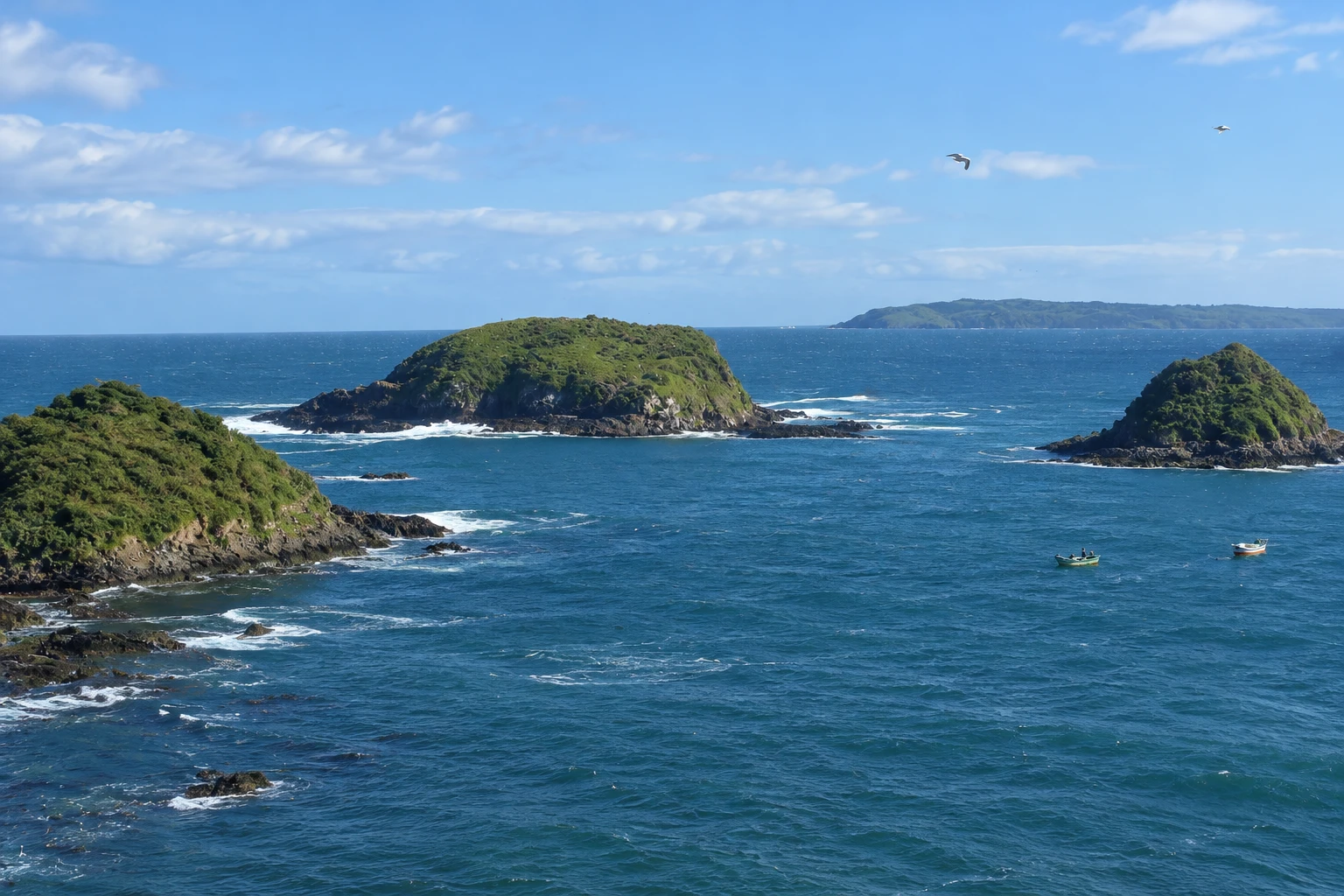
Three islets on the northwest coast of Chiloé where Humboldt and Magellanic penguins nest. Community boats depart from Puñihuil beach and circle the islands.

 Search
 Brazil
 Antarctica
 Argentina
 BoliviaChile
 Colombia
 Ecuador
 Falkland Islands (Malvinas)
 French Guiana
 Guyana
 Paraguay
 Peru
 Suriname
 Uruguay
 Venezuela
 Austria
 Belgium
 Croatia
 Denmark
 Finland
 France
 Germany
 Greece
 Hungary
 Iceland
 Ireland
 Italy
 Luxembourg
 Norway
 Poland
 Portugal
 Slovakia
 Slovenia
 Spain
 Sweden
 Switzerland
 the Czech Republic
 the Netherlands
 the United Kingdom
 Turkey
 Bermuda
 Canada
 Greenland
 Mexico
 Saint Pierre and Miquelon
 the United States
 the Dominican Republic
 JapanTurkey
 Egypt
 South Africa
 Australia
 Fiji
 New Zealand
 Papua New Guinea
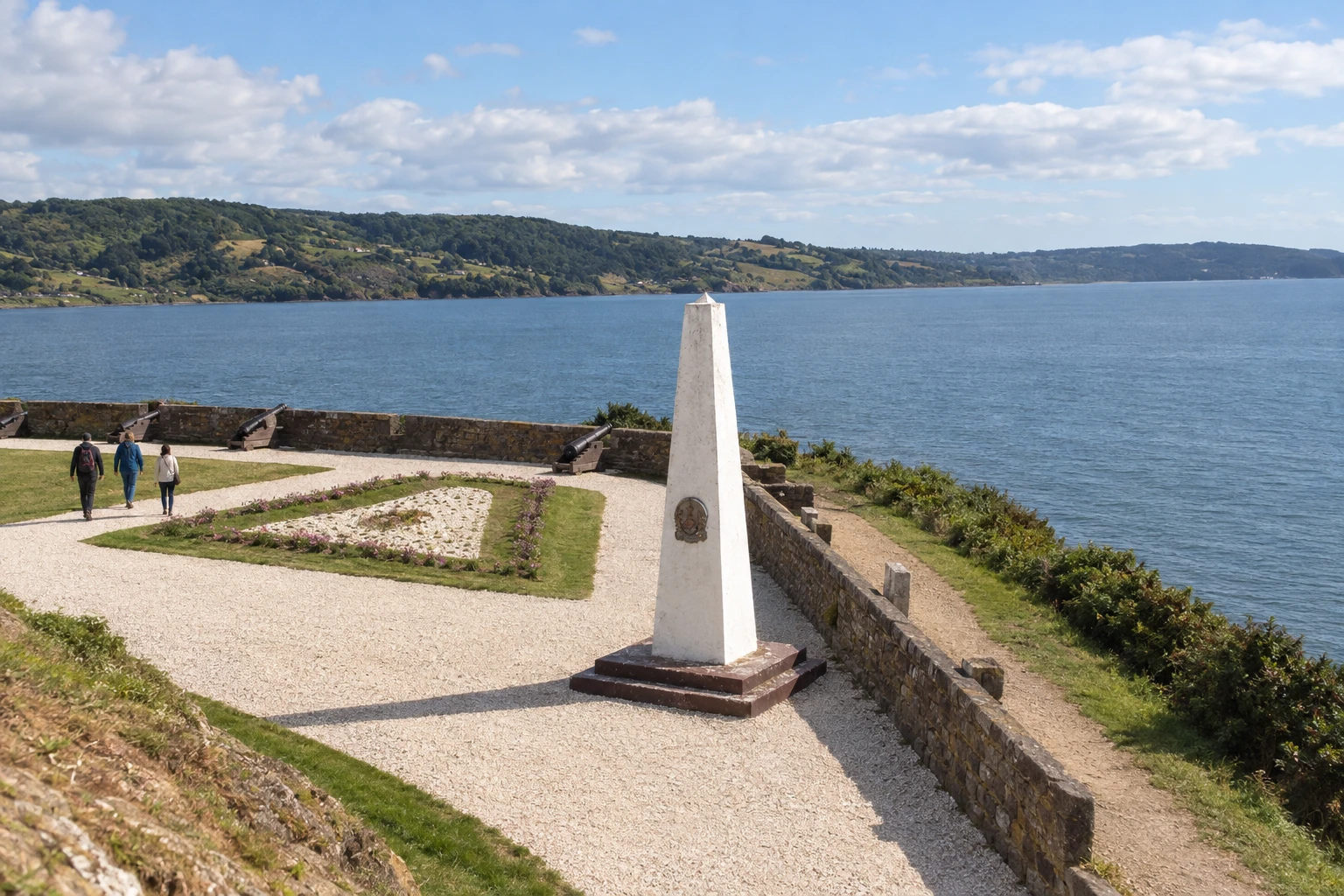
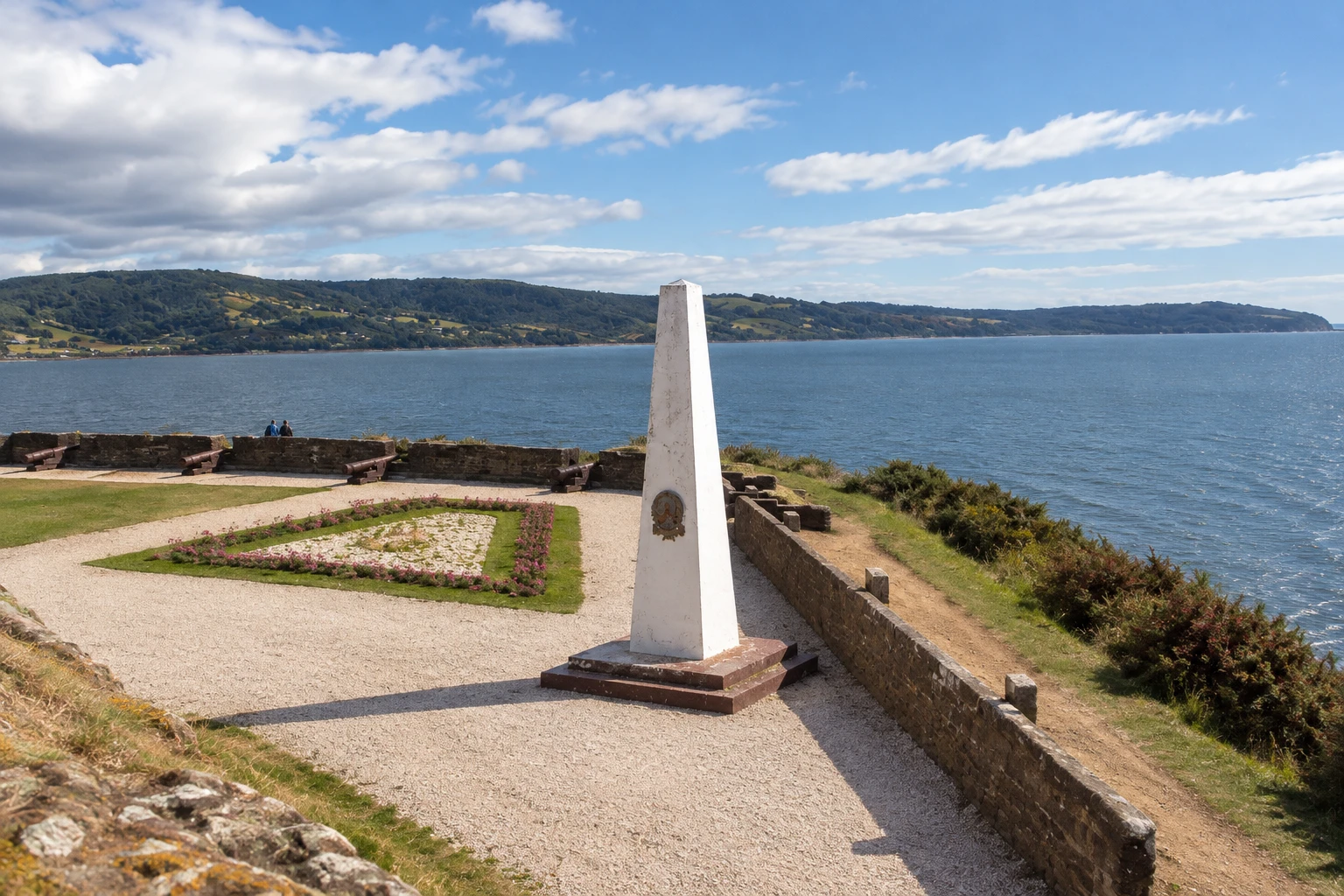
In the photo: Fuerte San Antonio and the bay of Ancud
Illustrative images. The pictures in this guide are illustrations based on the real place, not photographs, and may differ from it.

The city
Ancud is the first town for those arriving in Chiloé by the Canal de Chacao ferry. Founded in 1768 as San Carlos de Chiloé, it was the archipelago's capital and the last Spanish stronghold in Chile. Fuerte San Antonio and the Museo Regional de Ancud tell that story, and the town is a base for seeing the penguins of the Puñihuil islets and the Chepu wetlands.
There's no accommodation in the guide yet in Ancud.
Tem hotel, pousada ou casa de temporada aqui? Cadastre a suaThere are no restaurants in the guide yet in Ancud.
Know a good one? Recommend it to usHotéis e restaurantes da cidade no mapa.
how to get there · how many days · itinerary · questions
The local experience
Three islets on the northwest coast of Chiloé where Humboldt and Magellanic penguins nest. Community boats depart from Puñihuil beach and circle the islands.
An 18th-century Spanish battery atop Ancud, with cannons facing the bay. It was Spain's last stronghold in Chile until the surrender of 1826.
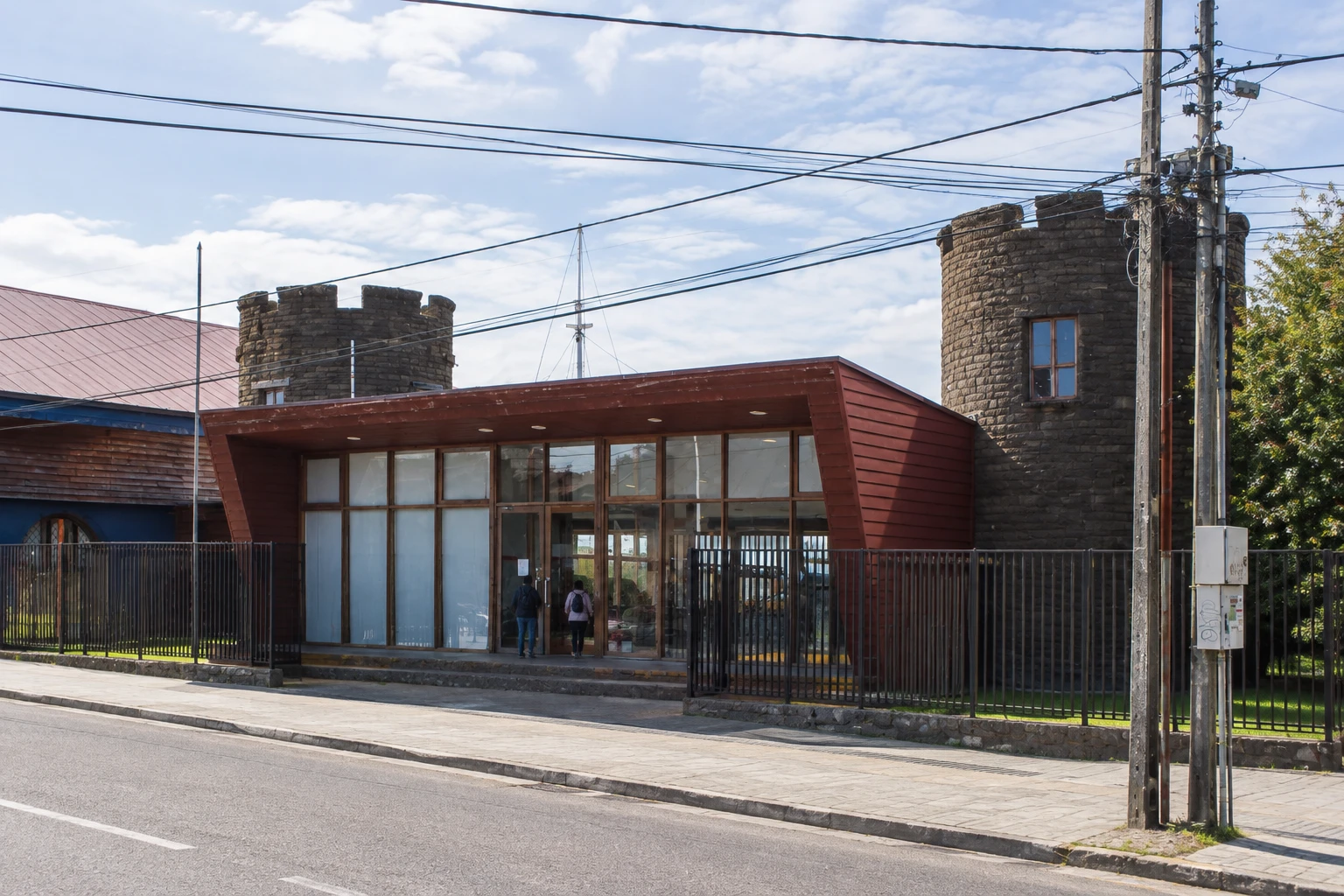
Museum on the Plaza de Armas in Ancud with collections of archaeology, basketry and textiles from Chiloé, the skeleton of a large whale and the replica of the schooner Ancud in the courtyard.
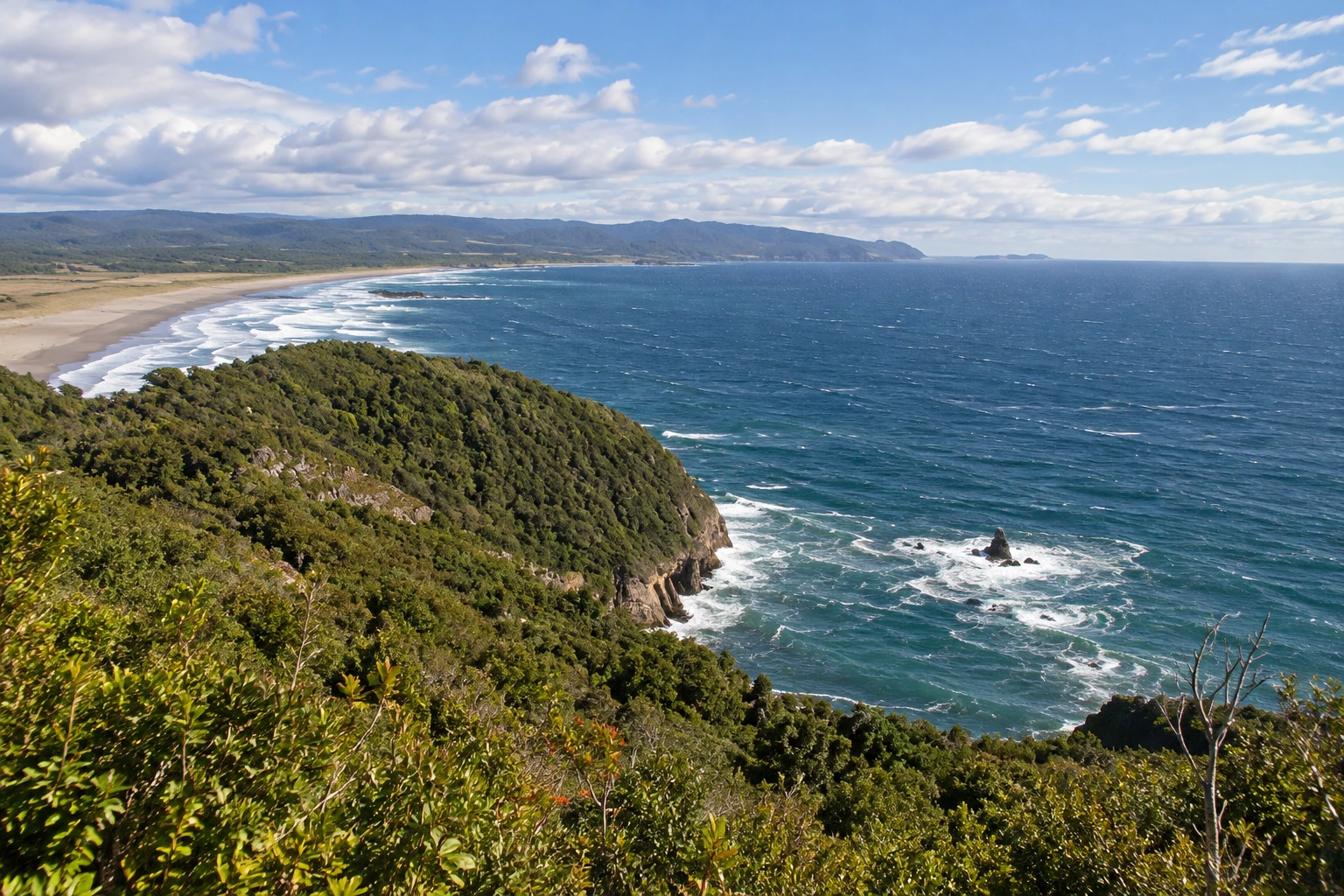
Valley of rivers and wetlands south of Ancud, formed when the 1960 earthquake sank the coastal forest. Kayak and boat trips take you to Muelle de la Luz and Parque Nacional Chiloé.
Before you go
Ancud – Chile Destination Chiloé about 90 km from Puerto Montt
Approximate distances. Check flights and bus, train or boat schedules before you travel.
It is about 30 km from the Chacao ferry quay and about 90 km from Puerto Montt via Ruta 5. Buses connect Ancud to Puerto Montt and to Castro, which is 85 km to the south. The nearest airport is Puerto Montt.
A full day is enough for Puñihuil in the morning and the fort and the museum in the afternoon. With two days you can include Chepu and the Muelle de la Luz.
From September to March, when there are usually penguins at Puñihuil. Summer, from December to March, brings more daylight hours and less cold on the boat.
The seasons shown are the most usual ones; nature doesn't always follow the calendar.
In the center, no: the museum, the square and the fort are close to each other. For Puñihuil and Chepu, a car or a booked tour makes it easier, because public transport is rare.
Suggested itinerary
Built with the places on this page. No rush: it's paced so you have time to see them.
Leave early for the caleta de Puñihuil, about 26 km away, and embark on the boat trip around the islets. In season, from September to March, the penguins are usually on the rocks.
Have seafood for lunch in Ancud and visit the Museo Regional de Ancud, on the Plaza de Armas, with the skeleton of a whale and the schooner in the courtyard.
Climb up to the Fuerte San Antonio to see the cannons and Ancud Bay in the low light.
Order a curanto in a pot in the town center or at the city market and have it with a chapalele.
Day 2
Go to Puerto Anguay, travel up the Chepu River by boat or kayak among the trunks of the sunken forest, and walk to the Muelle de la Luz.
Follow Ruta 5 to Castro, 85 km away, and arrive in time to see the palafitos of Gamboa.
Check before you go. Opening hours and days change, and places may close for renovations, holidays or events. This itinerary is a suggestion from Cidade Turismo, not a commitment: plan yours by checking directly with each place you intend to visit.
Before you go
From Puerto Montt, take Ruta 5 to Pargua, ferry across the Canal de Chacao and then about 30 km of road. There are direct buses from Puerto Montt and from Castro.
One day covers Puñihuil, the museum and the fort. Two days also allow you to visit Chepu.
The season in Puñihuil usually runs from September to March. Boats only depart when sea conditions allow.
For the town, no. For Puñihuil and Chepu a car is very helpful, or book a tour with transport in Ancud.
Ancud is more convenient for Puñihuil and Chepu. Castro is in the center of the island and is a better base for the churches and Parque Nacional Chiloé. Many travelers spend one night in each.