State
Get to know Zacatecas
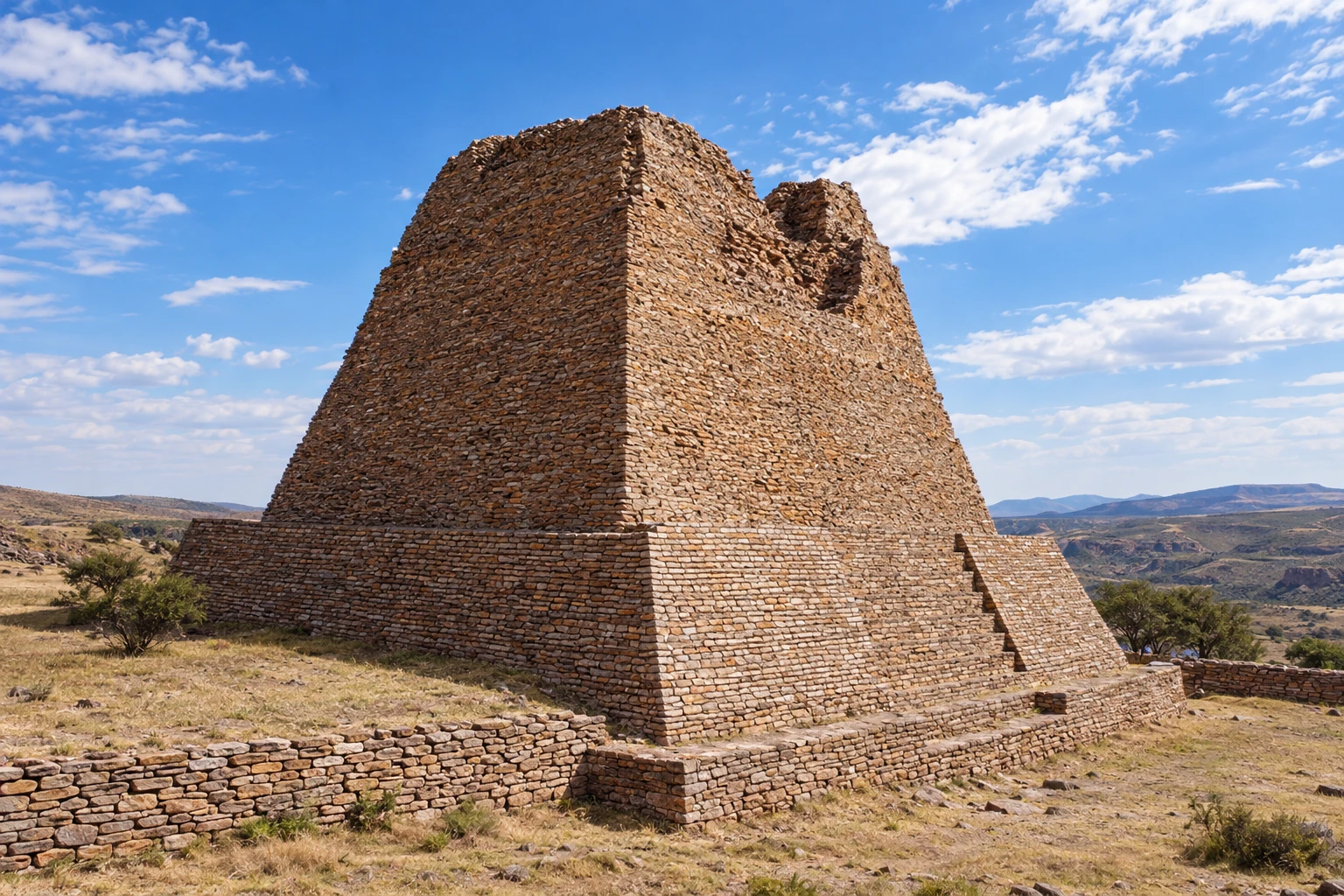
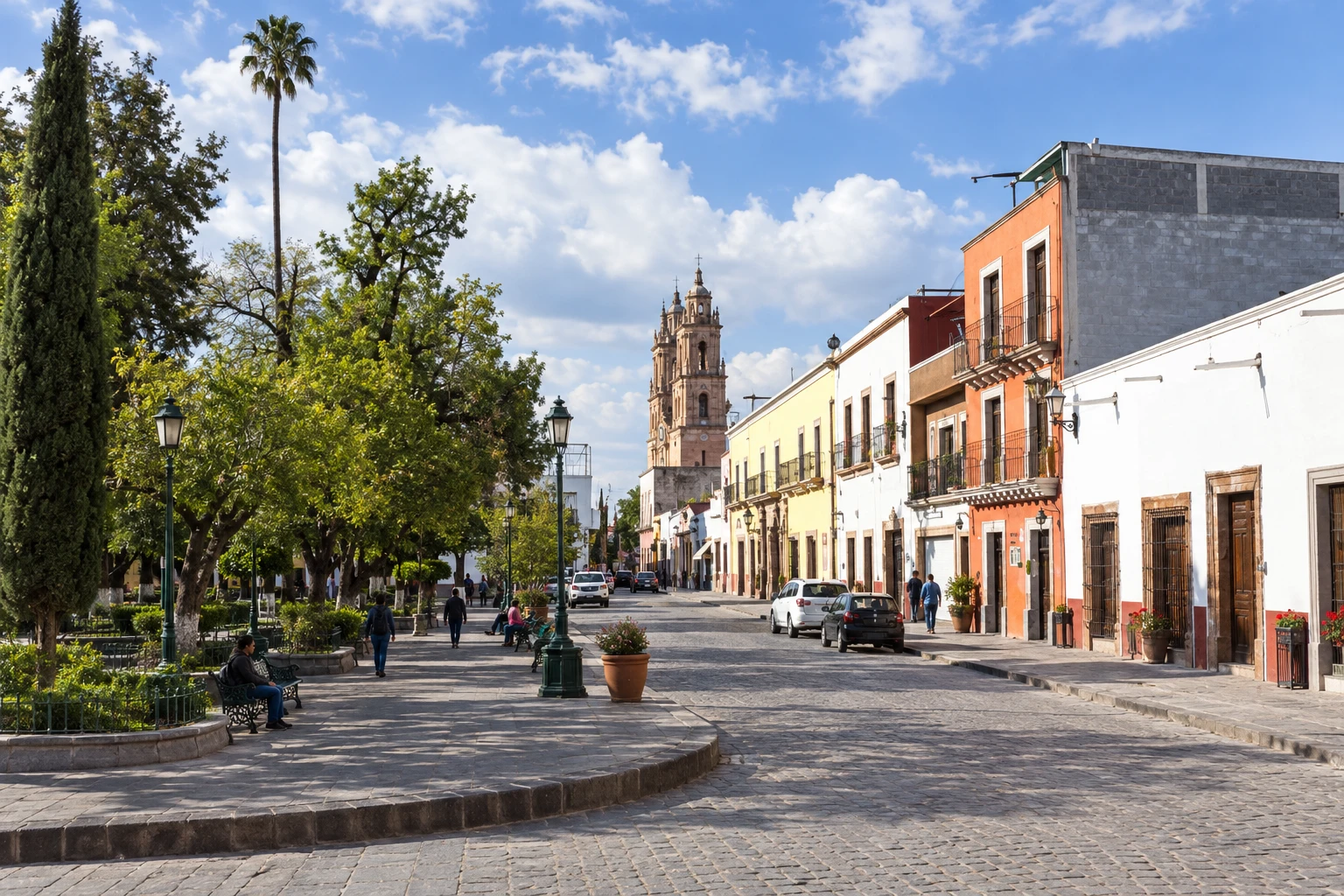
Zacatecas is in north-central Mexico, on a dry, high plateau. The capital, at about 2,400 metres, was founded in the 16th century with the discovery of silver in the hills and for a long time was one of the richest cities of New Spain. The state is part of the Camino Real de Tierra Adentro, the old silver road, a World Heritage Site.
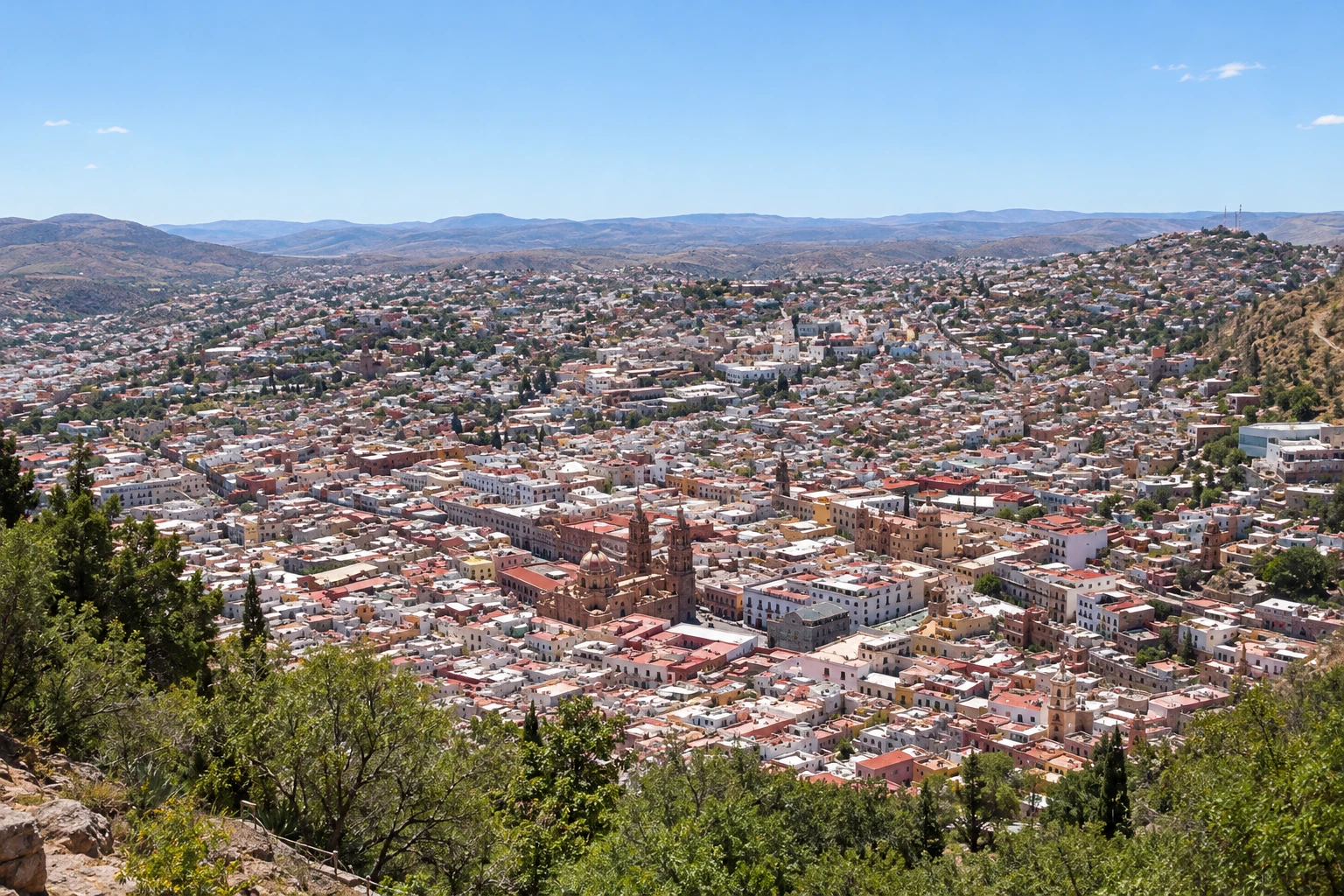
The historic centre of the capital, also a World Heritage Site, is built of cantera rosa, a pink stone that gives colour to the baroque cathedral, whose façade is covered with carved figures, and to the surrounding palaces. The streets climb and descend the slopes, between plazas and alleys.
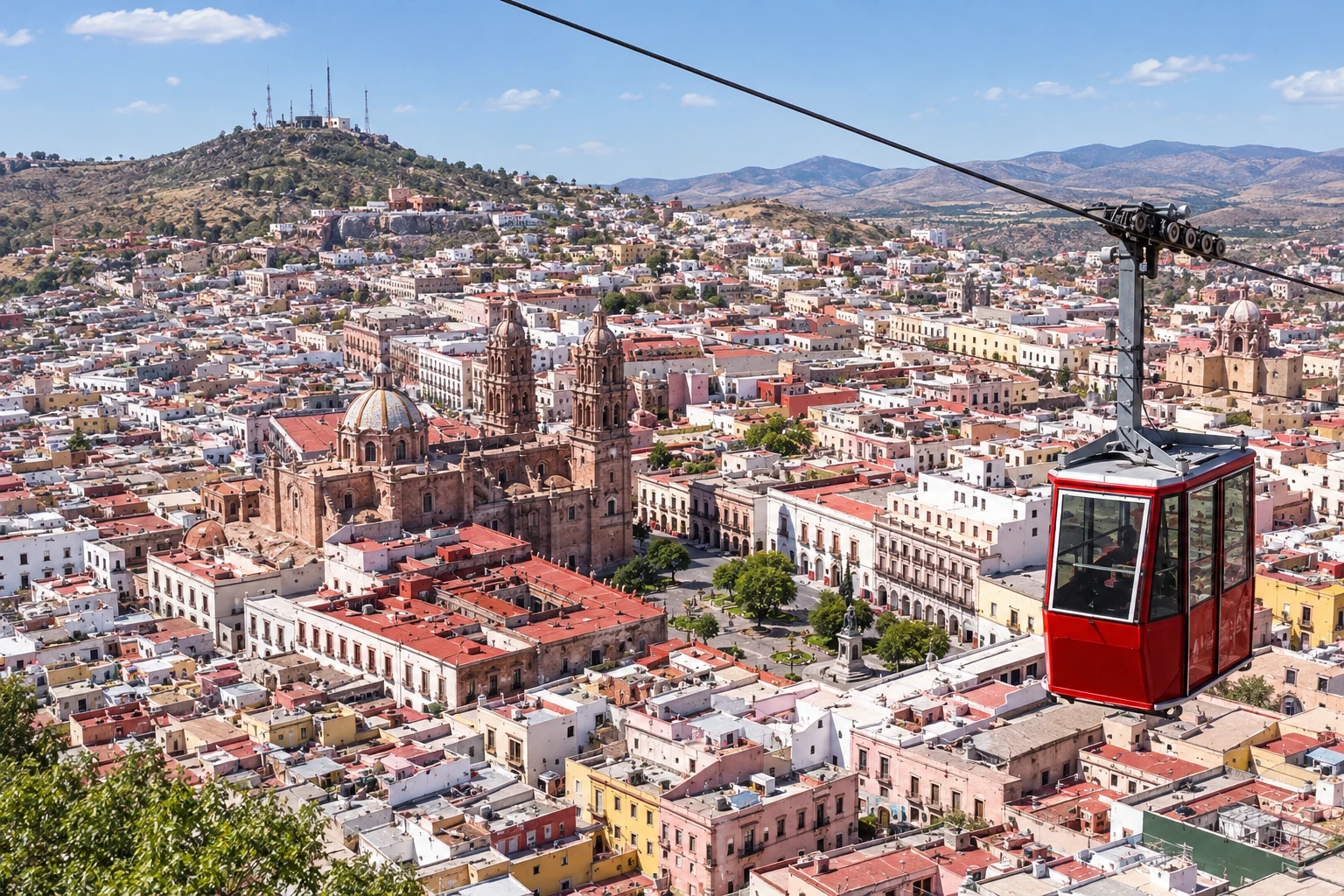
The cable car crosses the city up to Cerro de la Bufa, where the sanctuary of Nuestra Señora del Patrocinio and a lookout over the centre are located. The El Edén mine, which operated for more than three centuries, can be visited on a small train that enters the tunnels. The Rafael Coronel Museum, with thousands of Mexican masks, and the Pedro Coronel Museum, with art from around the world, occupy former convents.
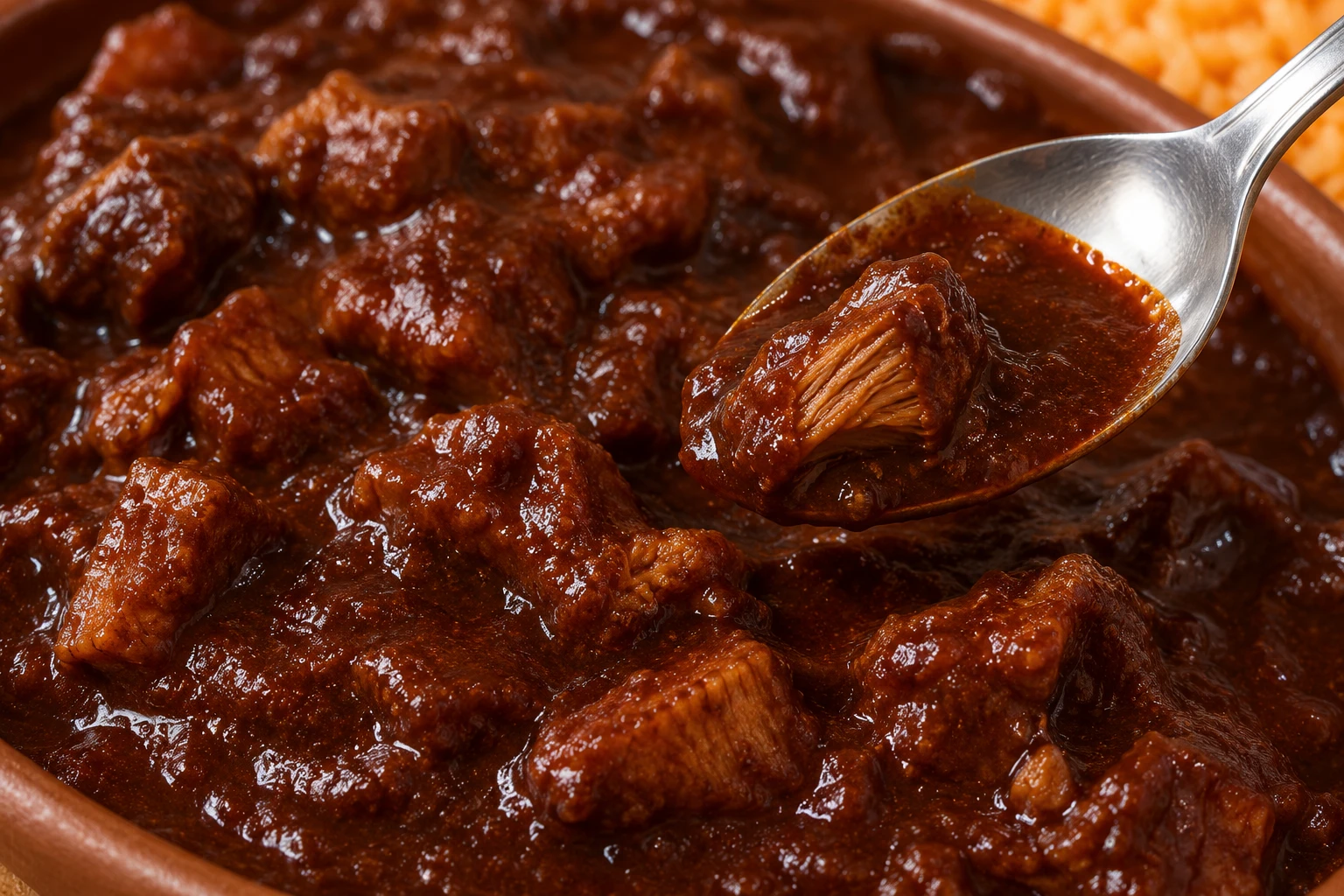
Jerez, about 55 km away, is a village of 19th-century houses and theatres. On the table, asado de boda, a pork stew with chili, and milk-based sweets.


 Brazil
 Antarctica
 Argentina
 Bolivia
 Chile
 Colombia
 Ecuador
 Falkland Islands (Malvinas)
 French Guiana
 Guyana
 Paraguay
 Peru
 Suriname
 Uruguay
 Venezuela
 Austria
 Belgium
 Croatia
 Denmark
 Finland
 France
 Germany
 Greece
 Hungary
 Iceland
 Ireland
 Italy
 Luxembourg
 Norway
 Poland
 Portugal
 Slovakia
 Slovenia
 Spain
 Sweden
 Switzerland
 the Czech Republic
 the Netherlands
 the United Kingdom
 Turkey
 Bermuda
 Canada
 Greenland
 Saint Pierre and Miquelon
 the United States
 the Dominican Republic
 Japan
 Egypt
 South Africa
 Australia
 Fiji
 New Zealand
 Papua New Guinea