Campeche
Campeche and Calakmul
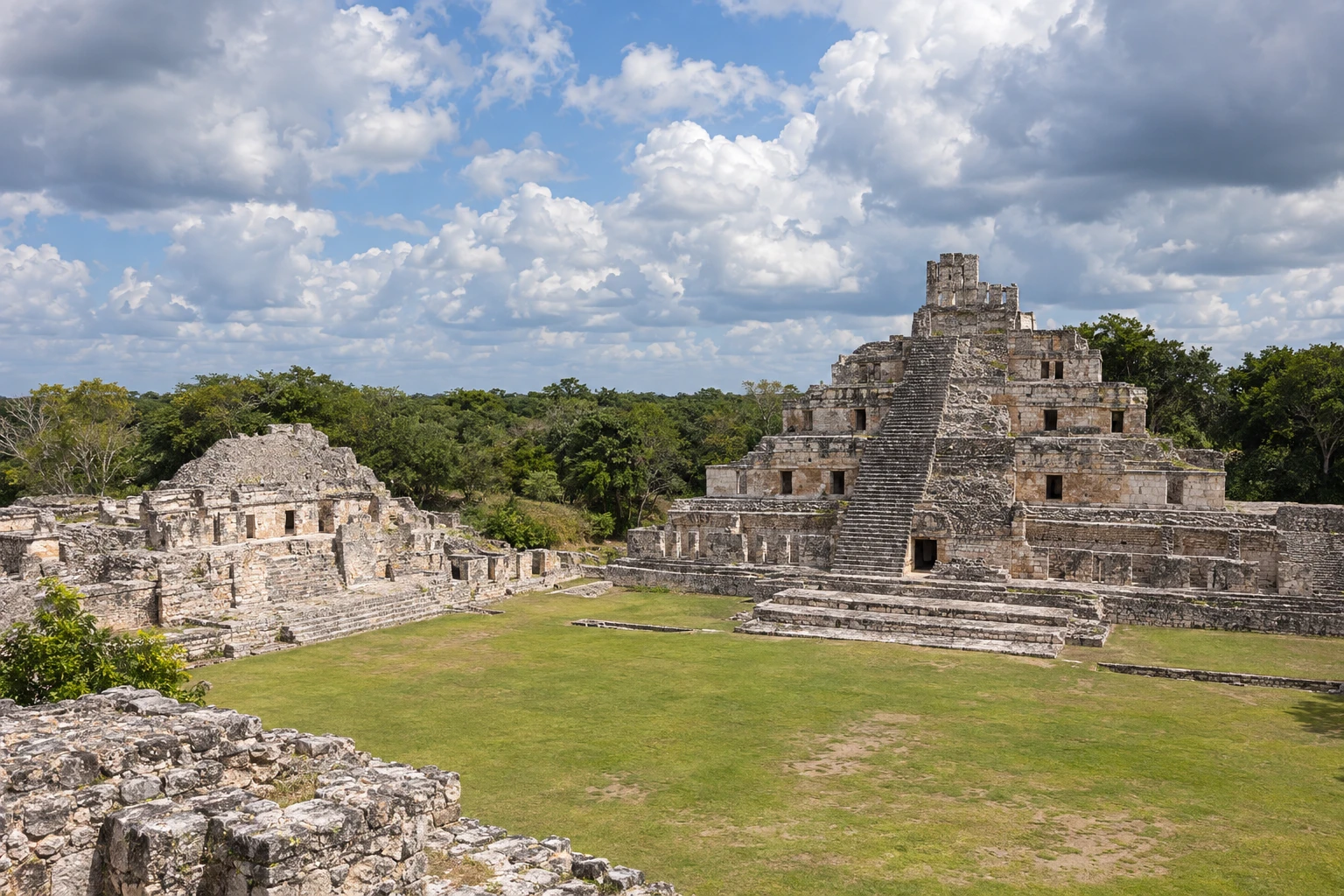
The walled city of Campeche on the shore of the Gulf of Mexico, the ruins of Edzná and the large Maya city of Calakmul, in the middle of the jungle.

 Search
 Brazil
 Antarctica
 Argentina
 Bolivia
 Chile
 Colombia
 Ecuador
 Falkland Islands (Malvinas)
 French Guiana
 Guyana
 Paraguay
 Peru
 Suriname
 Uruguay
 Venezuela
 Austria
 Belgium
 Croatia
 Denmark
 Finland
 France
 Germany
 Greece
 Hungary
 Iceland
 Ireland
 Italy
 Luxembourg
 Norway
 Poland
 Portugal
 Slovakia
 Slovenia
 Spain
 Sweden
 Switzerland
 the Czech Republic
 the Netherlands
 the United Kingdom
 Turkey
 Bermuda
 Canada
 GreenlandMexico
 Saint Pierre and Miquelon
 the United States
 the Dominican Republic
 JapanTurkey
 Egypt
 South Africa
 Australia
 Fiji
 New Zealand
 Papua New Guinea
Mexico travel guide
What to do, when to go and how to get there, destination by destination.
38 destinations · 110 citiesin Mexico
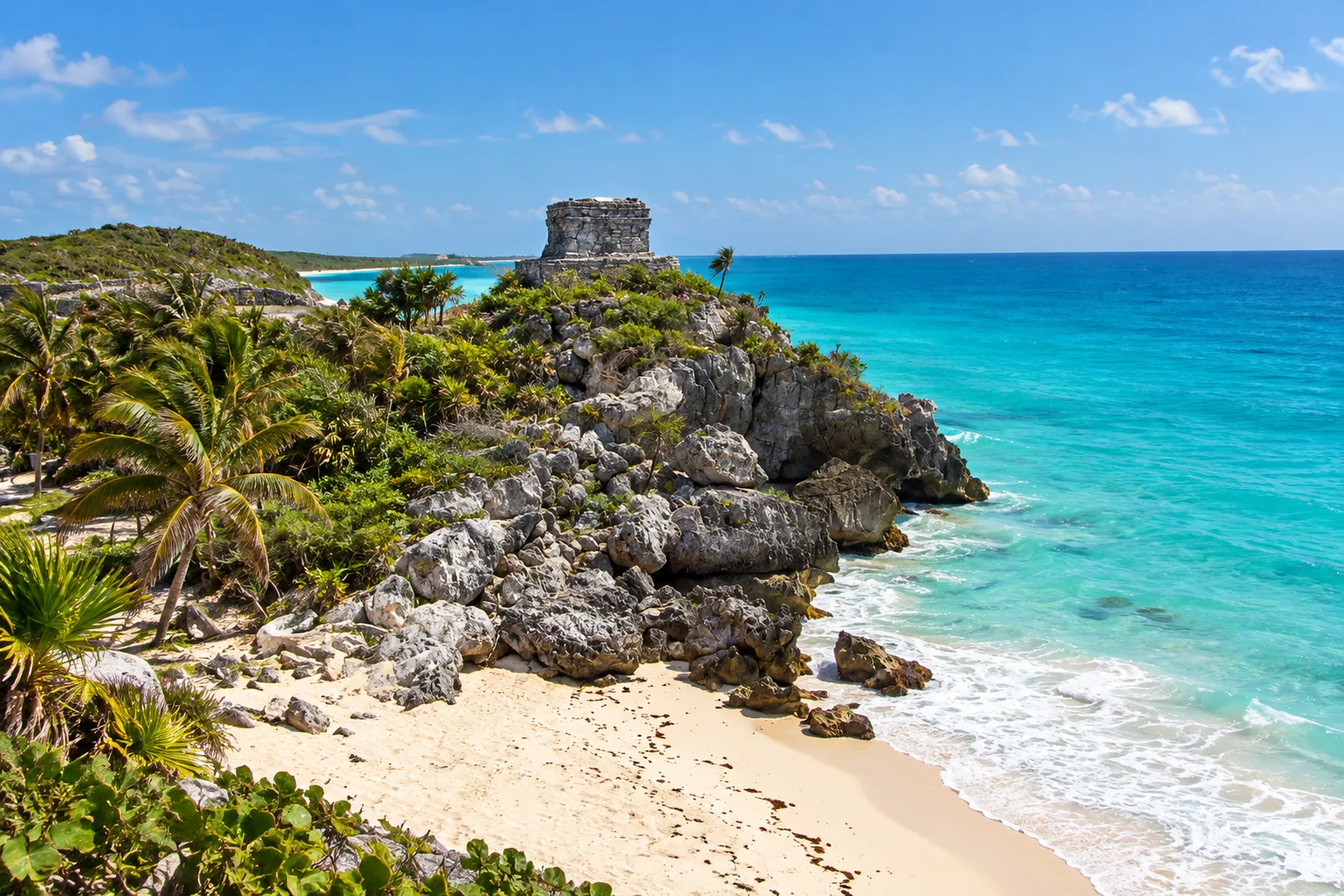
In the photo: Tulum Ruins — Tulum
Illustrative images. The pictures in this guide are illustrations based on the real place, not photographs, and may differ from it.

A destination is a region you visit as a single trip: it can bring together several cities or be a large city with everything it offers. Each destination has the tours, the itineraries, the best time to go month by month and how to get there.
The guide currently has 38 destinations, with 110 cities in 31 states.
Today's highlights
A destination is more than a city: it's everything you can experience there.
The walled city of Campeche on the shore of the Gulf of Mexico, the ruins of Edzná and the large Maya city of Calakmul, in the middle of the jungle.
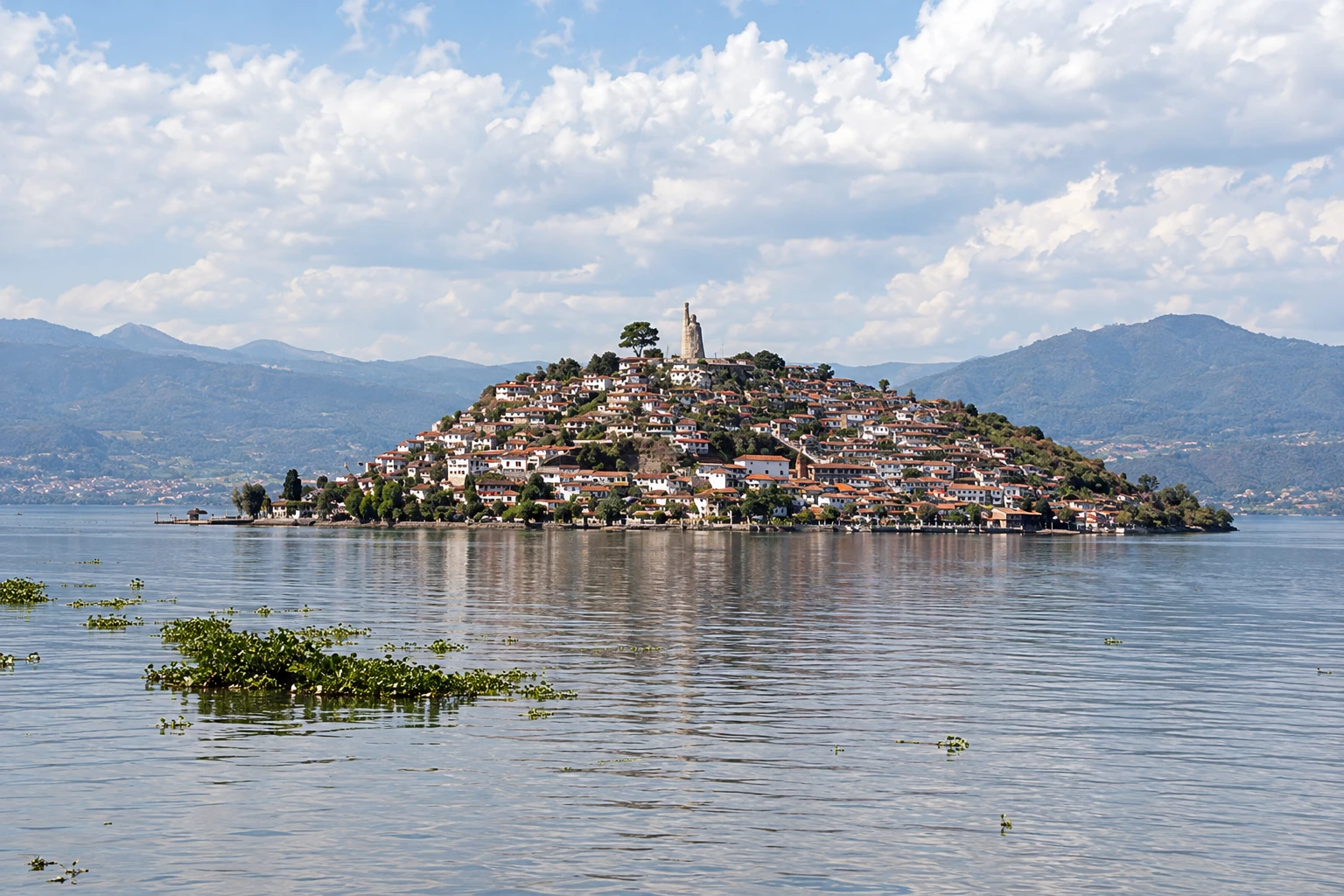
Colonial and purépecha Michoacán: the pink cathedral of Morelia, Lake Pátzcuaro and Janitzio Island on the Day of the Dead, the yácatas of Tzintzuntzan and the monarch butterfly sanctuaries.
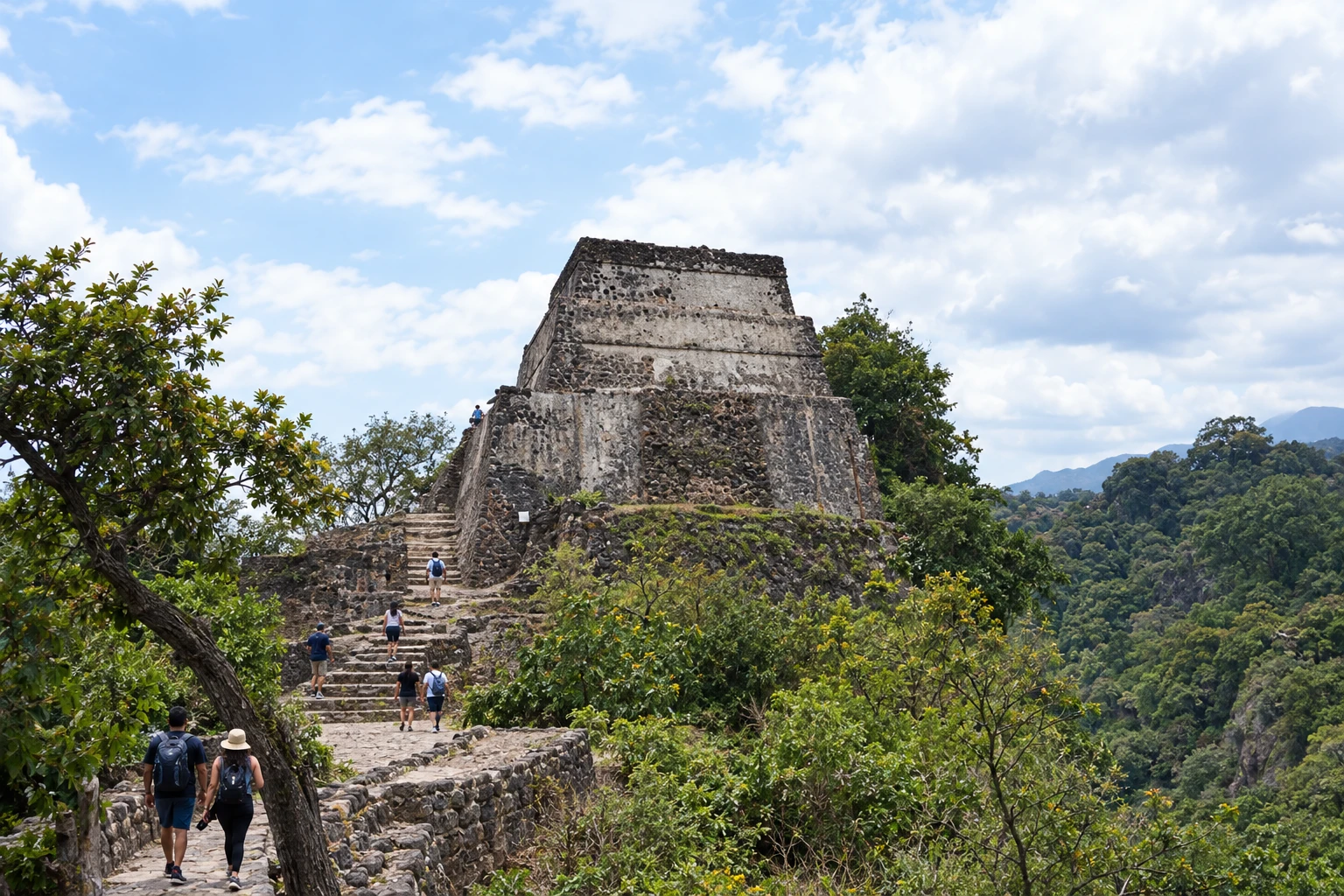
The city of eternal spring, near the capital: the Palacio de Cortés with murals by Diego Rivera, the Franciscan cathedral, Xochicalco and, in Tepoztlán, the Tepozteco and the convent.
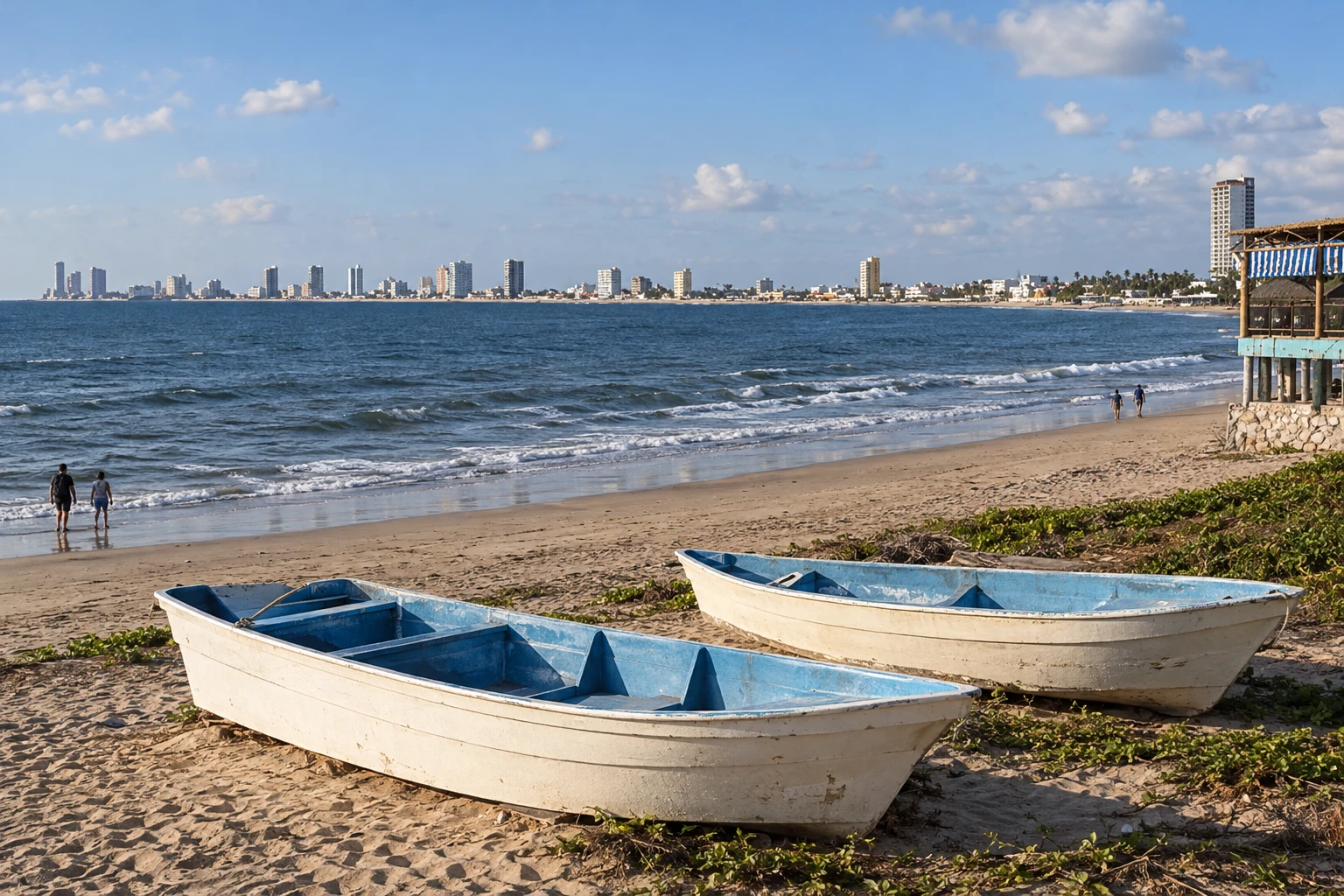
The Pacific port in Sinaloa: restored historic center with the Teatro Ángela Peralta, a boardwalk (malecón) over 20 km long, the Cerro del Crestón lighthouse, the cliff divers and Carnival.
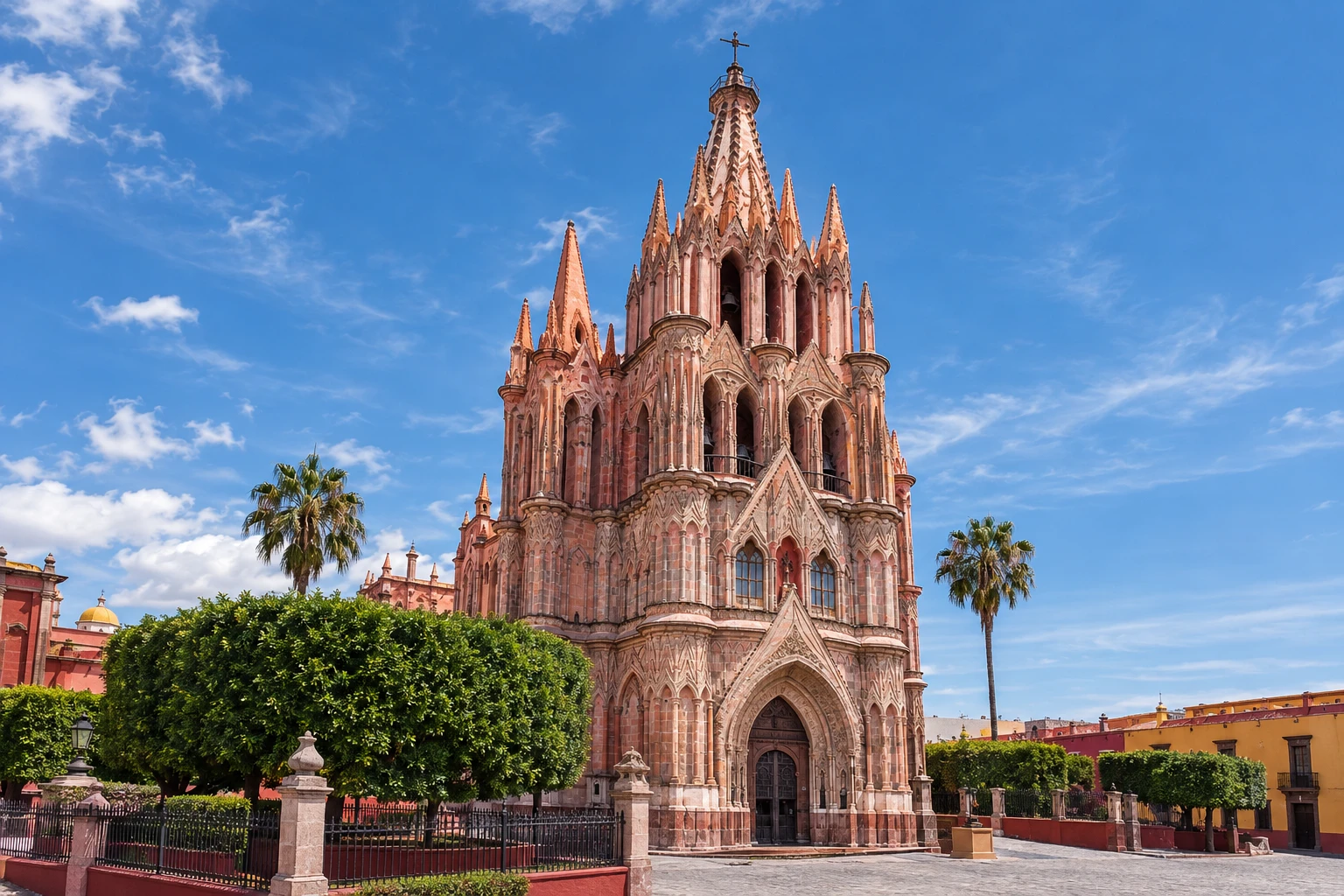
The colonial cities of the Bajío: San Miguel de Allende and its pink church, Guanajuato between tunnels and alleys, the sanctuary of Atotonilco and Dolores Hidalgo, birthplace of independence.
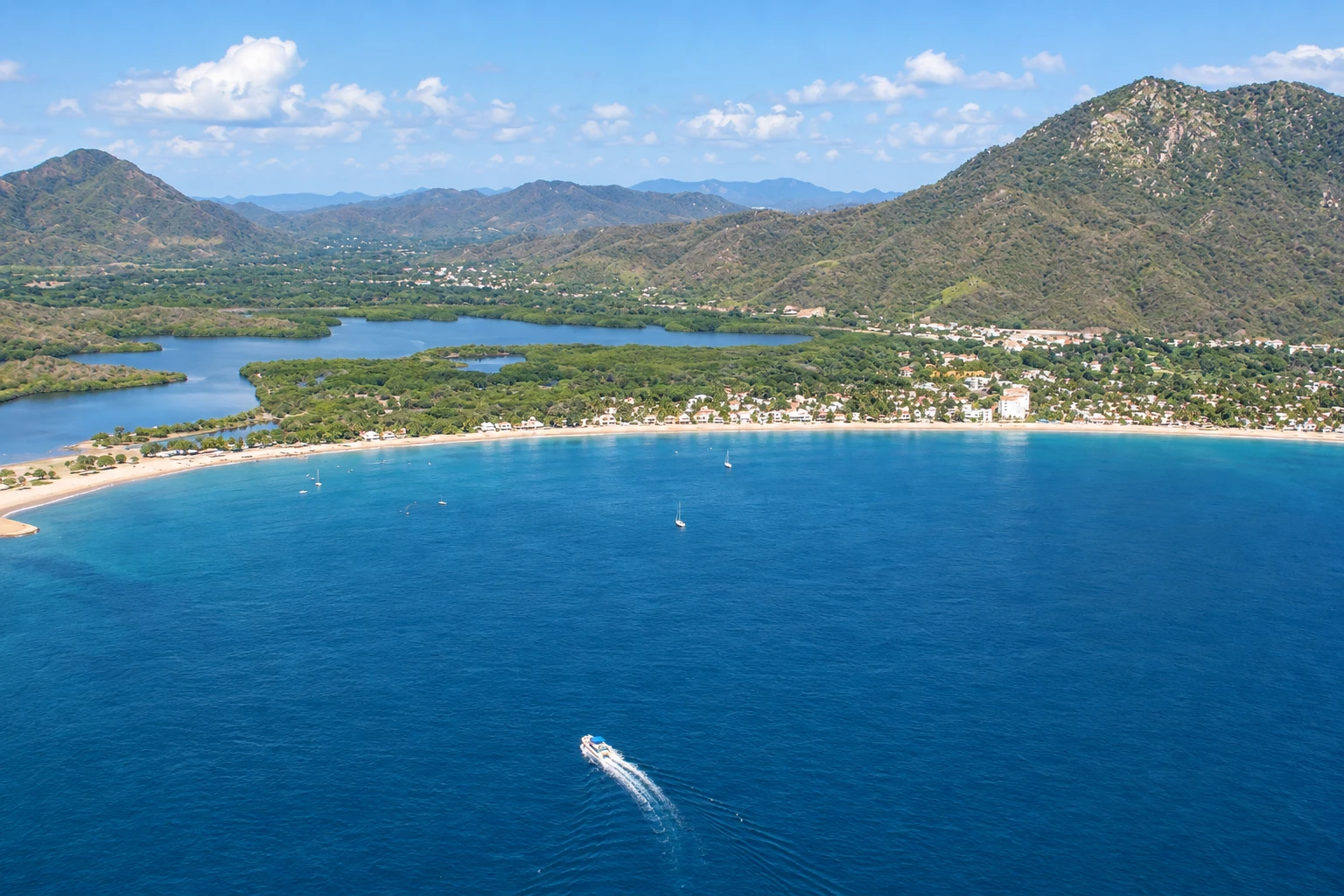
The port and beaches of Manzanillo on the Pacific, the capital Colima with the La Campana archaeological zone, and the white village of Comala at the foot of the Fire Volcano.
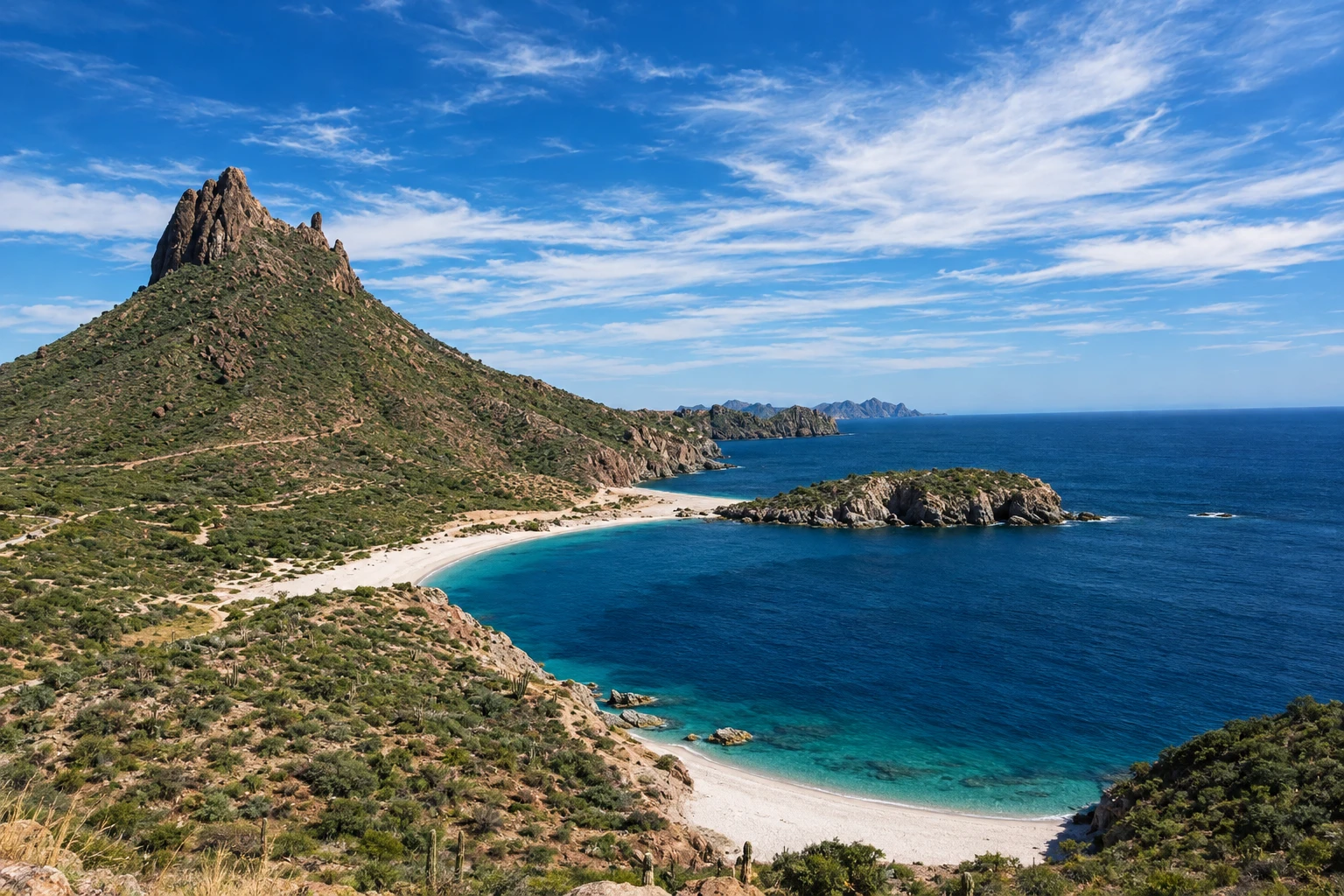
The volcanic mountains over the Sea of Cortez: Cerro Tetakawi, the Mirador Escénico, Los Algodones beach and the coves of San Carlos, next to the port of Guaymas.
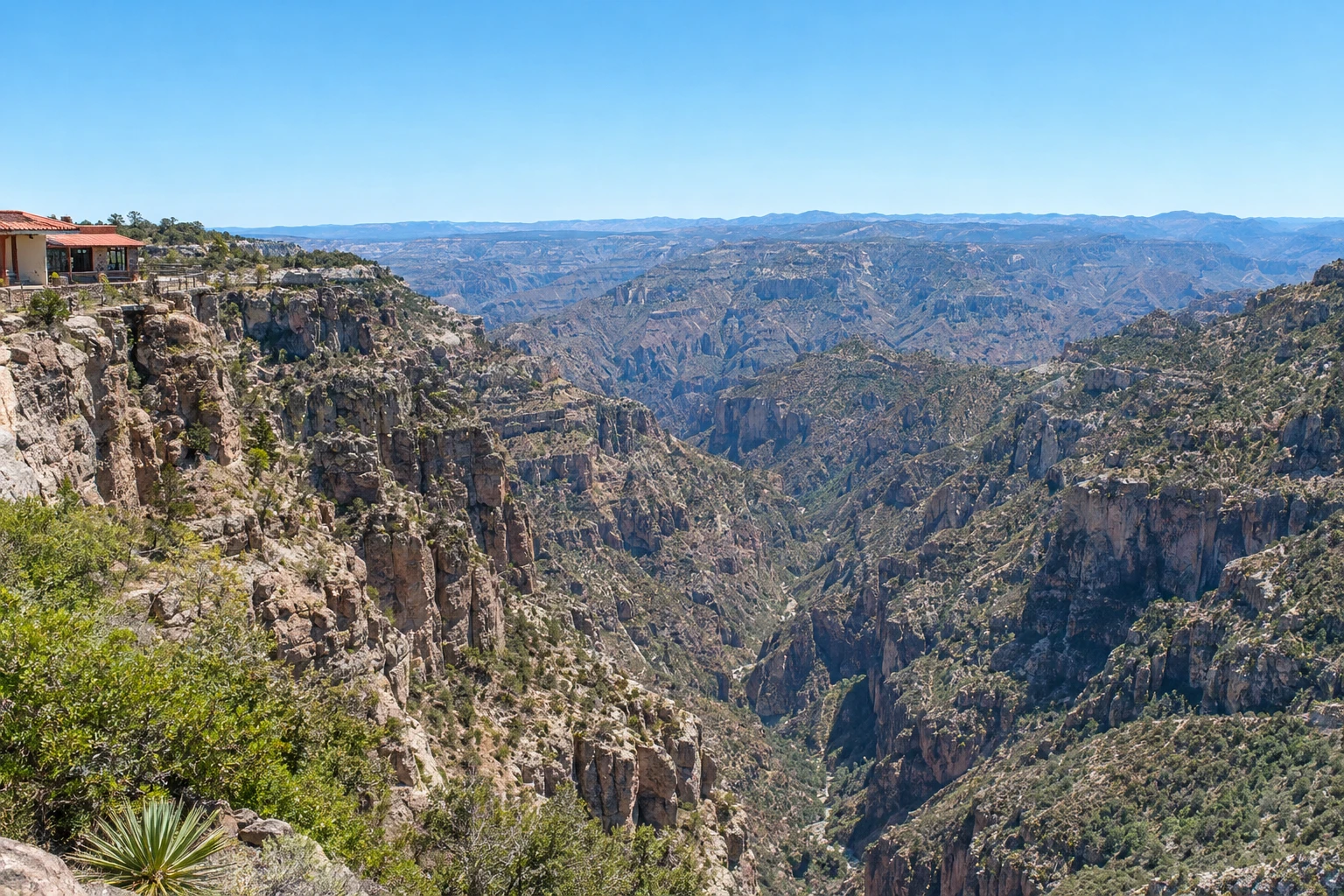
The canyons of the Sierra Tarahumara, larger than the Grand Canyon, crossed by the Chepe train: Creel, the viewpoints at Divisadero, the rarámuri culture, El Fuerte and Los Mochis.
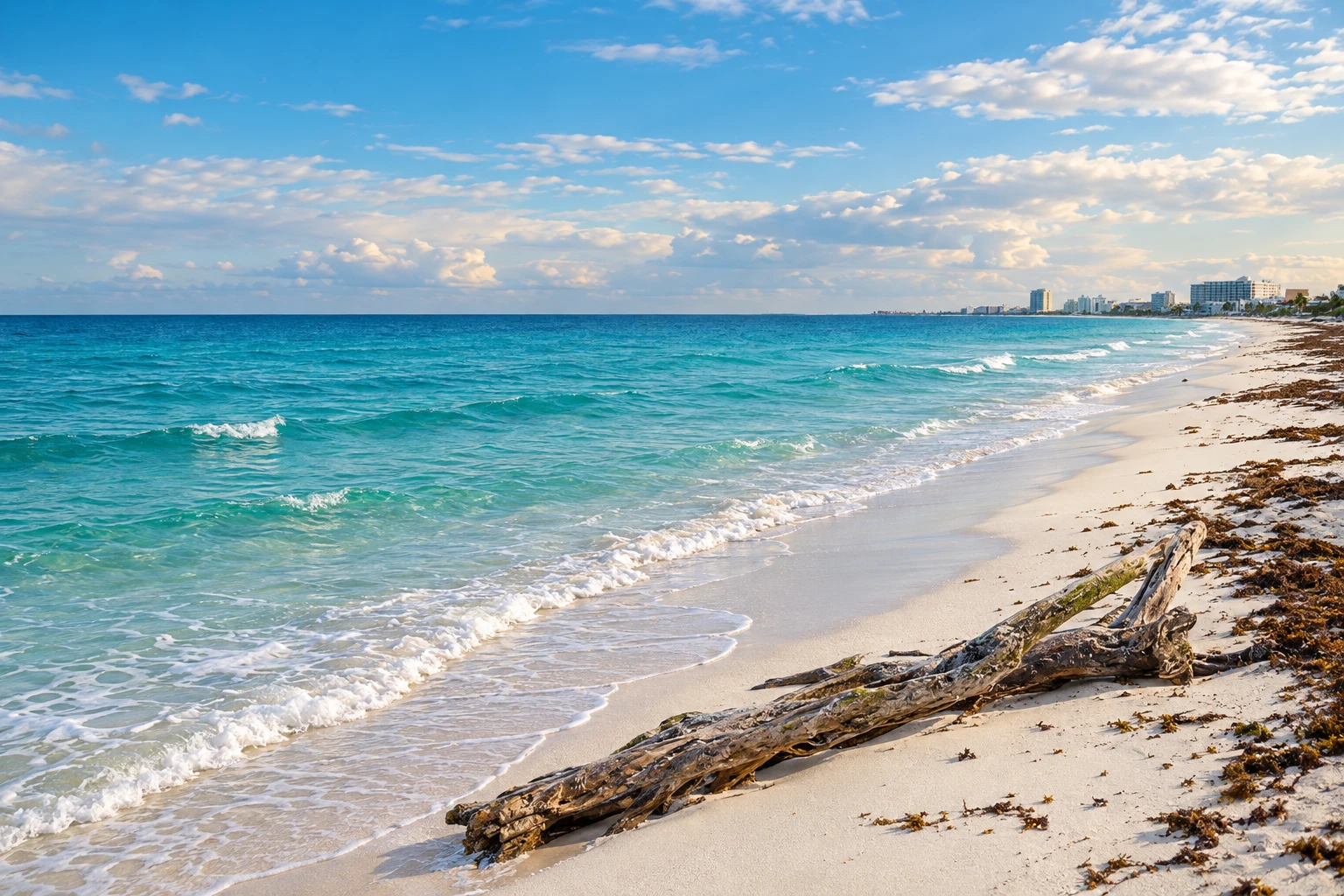
Hotel zone of 22 km between the Caribbean Sea and the Nichupté lagoon, Mayan ruins inside the city, Isla Mujeres in front and Holbox to the north: the main gateway to Mexico.
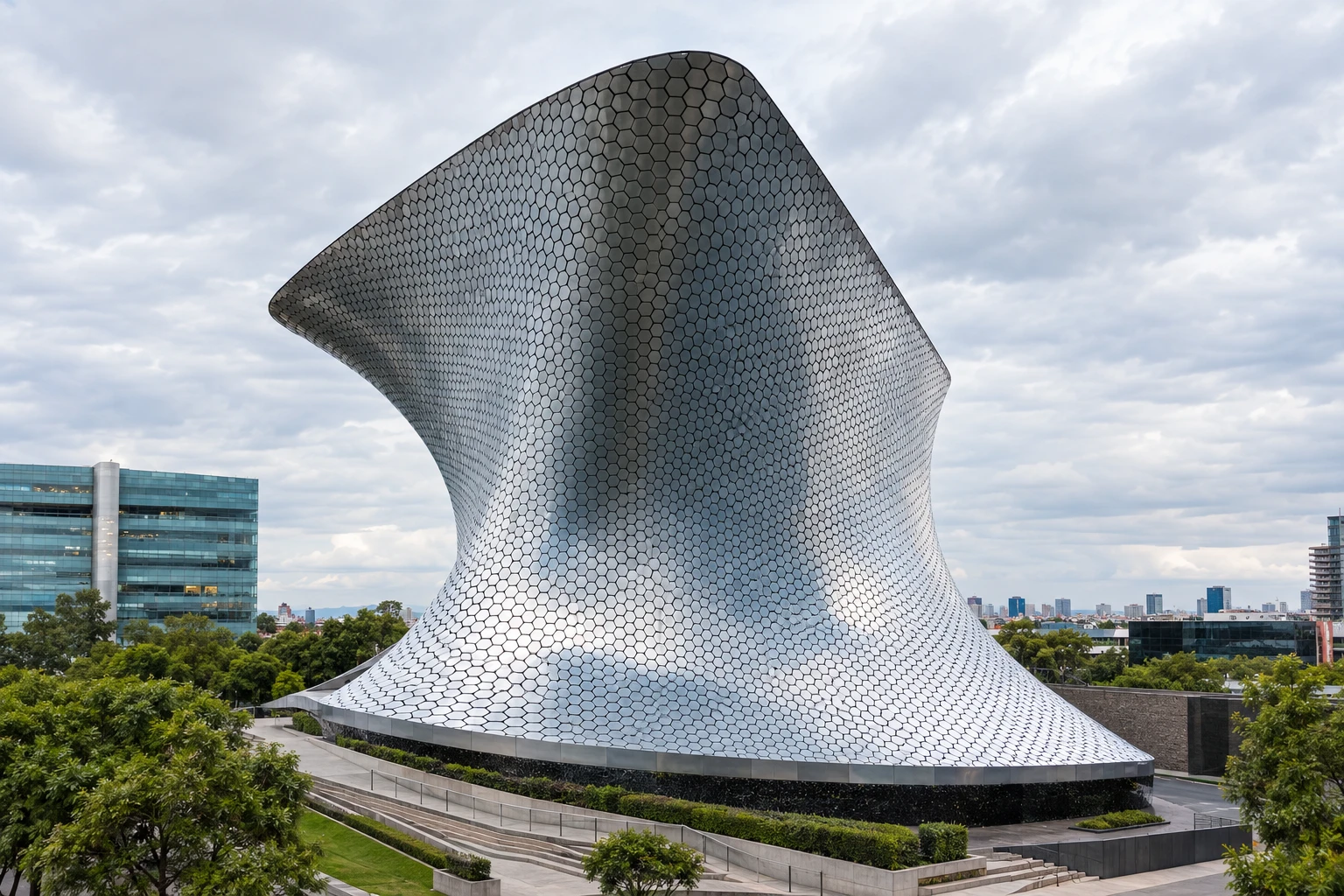
The capital of Mexico, with the Zócalo, the Templo Mayor, Rivera’s murals, the National Museum of Anthropology, the canals of Xochimilco and the pyramids of Teotihuacan.
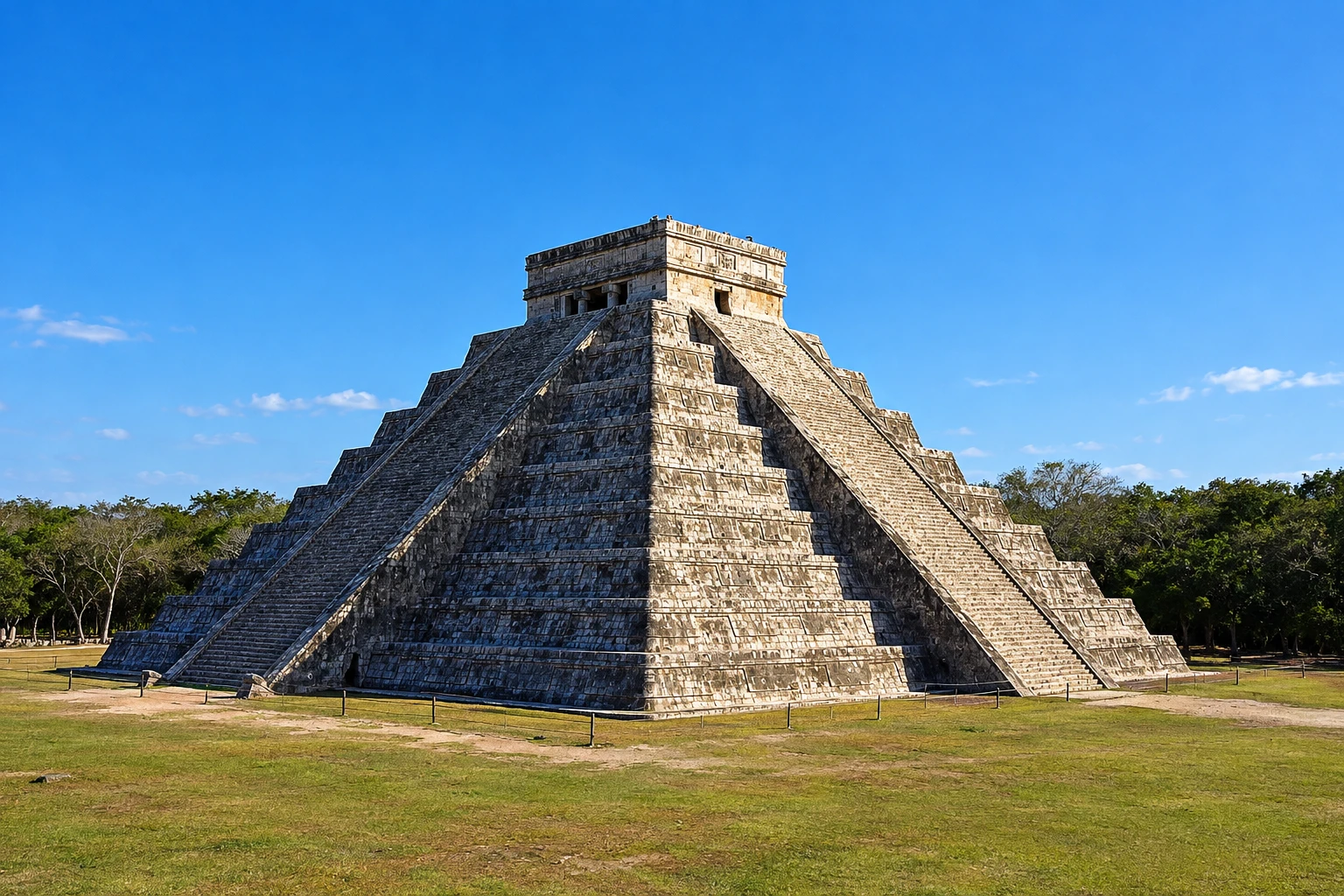
The pyramid of Kukulcán, one of the new seven wonders, the colonial city of Valladolid, the cenotes of eastern Yucatán and the ruins of Ek Balam.
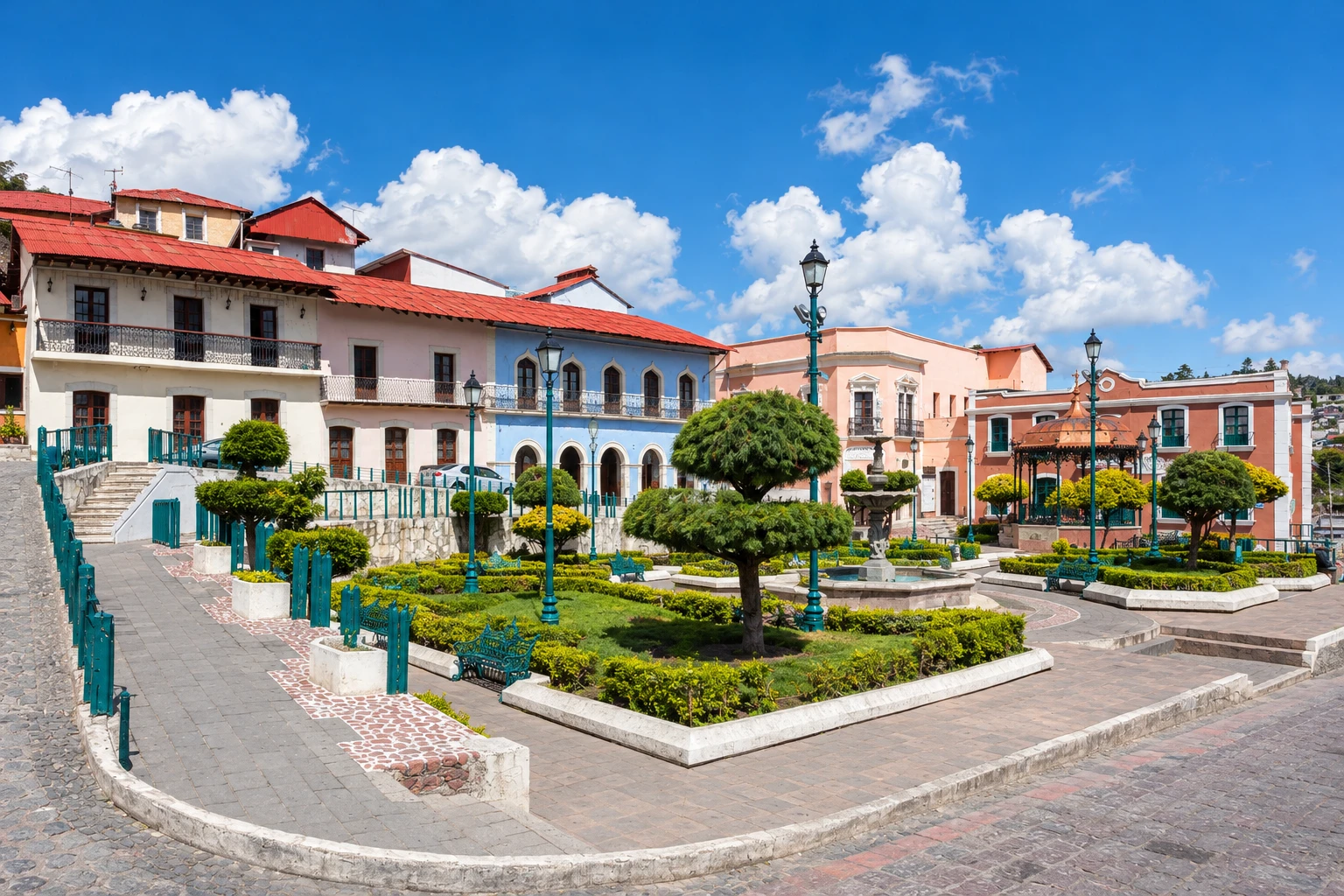
The mining towns of the Pachuca mountain range: the Monumental Clock, the Acosta Mine and the English Cemetery of Real del Monte, and the Basaltic Prisms of Huasca de Ocampo.
Cities to start with
Each city has a page with what to do there.
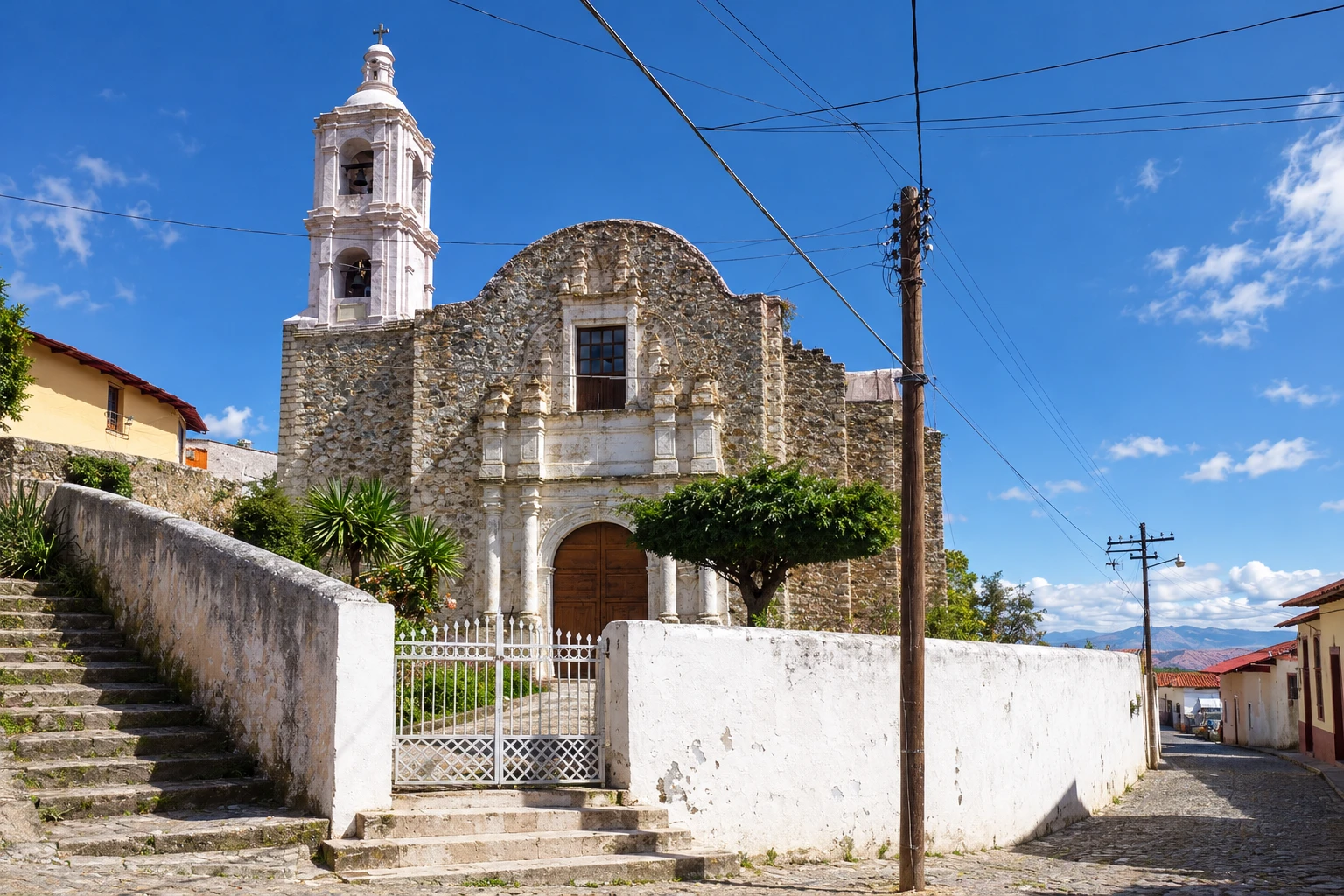
Real del Monte is the highest mining town in the Pachuca range, 12 km from the state capital, with steep streets, red-roofed houses and misty afternoons. The municipality’s official name is Mineral del Monte. From the Cornish miners remain the English Cemetery and the paste, and two old mines have become museums. It is a Pueblo Mágico.
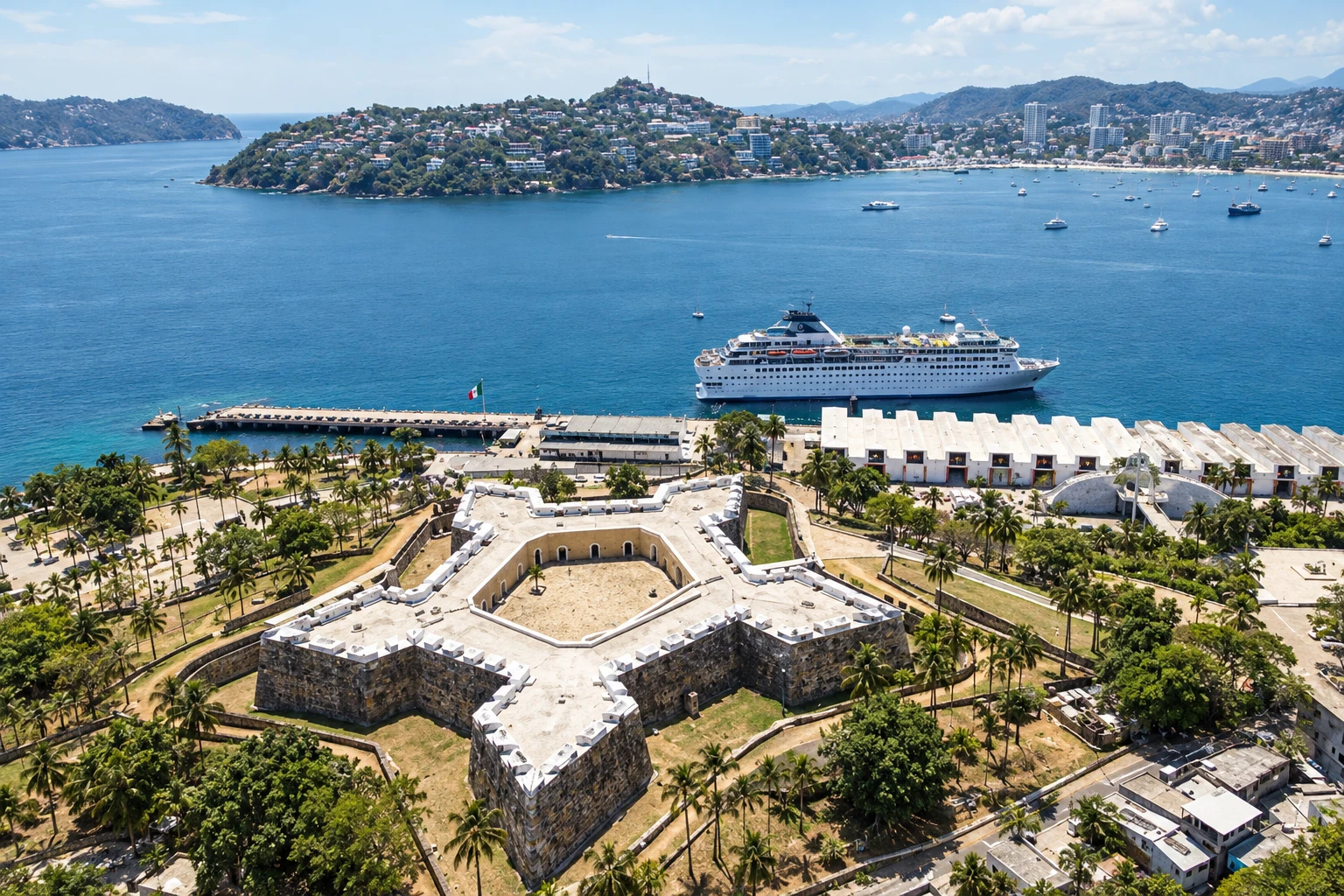
Acapulco is a beach city on the Pacific coast, around a deep bay surrounded by hills, in the state of Guerrero. It was the port of the Manila Galleon in the colonial period and one of Mexico’s first major resorts. Traditional Acapulco has the Zócalo, the Fort of San Diego and the La Quebrada divers; the Costera avenue concentrates beaches and hotels, and the island La Roqueta sits at the bay’s entrance.
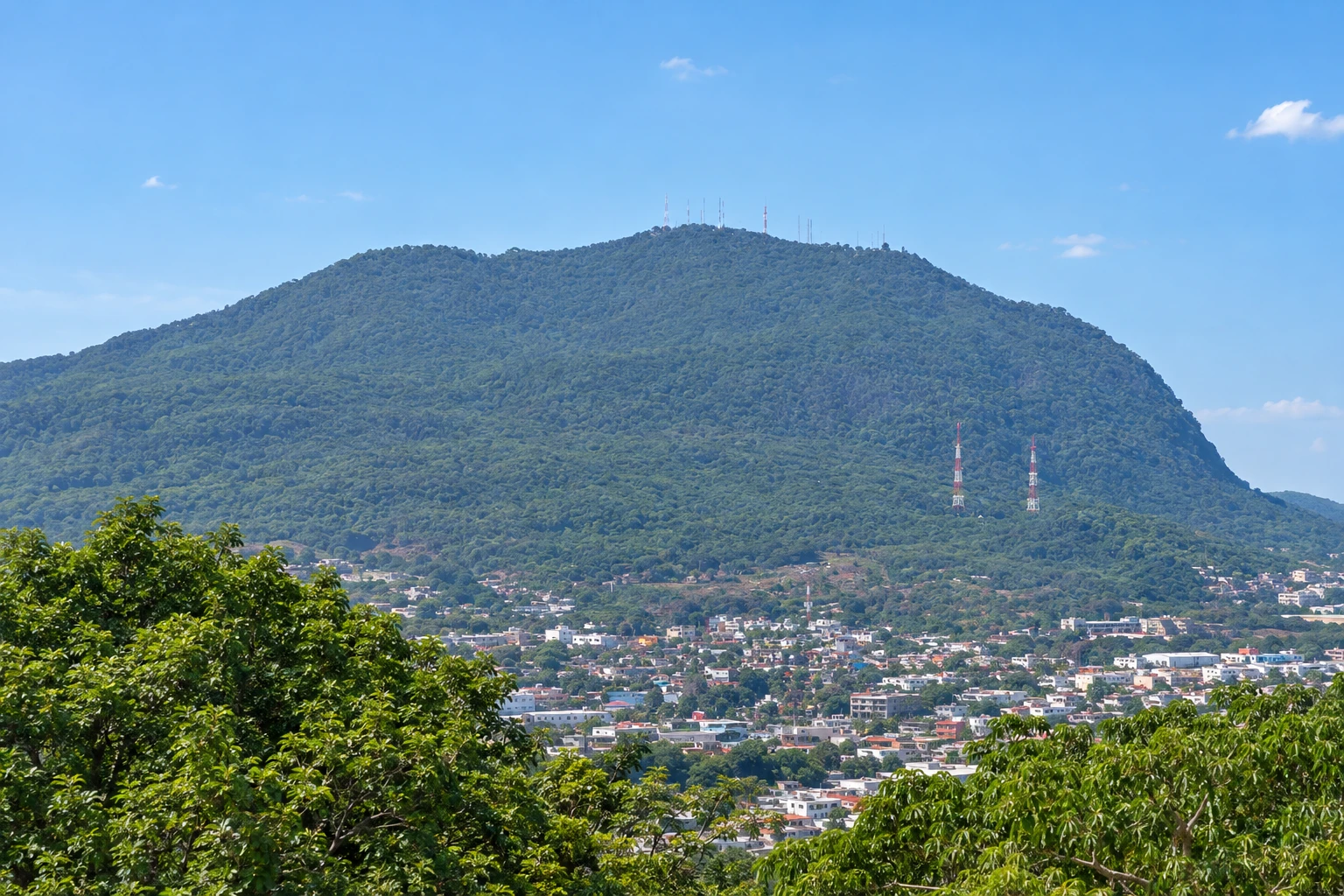
Tuxtla Gutiérrez is the capital of Chiapas, a modern, warm city in a valley about 500 meters above sea level, and the main gateway to the state. To the north is Parque Nacional Cañón del Sumidero, with viewpoints over the Grijalva River gorge, and to the south is ZooMAT, a zoo dedicated to Chiapas wildlife. It is the starting point for Chiapa de Corzo and San Cristóbal de las Casas.
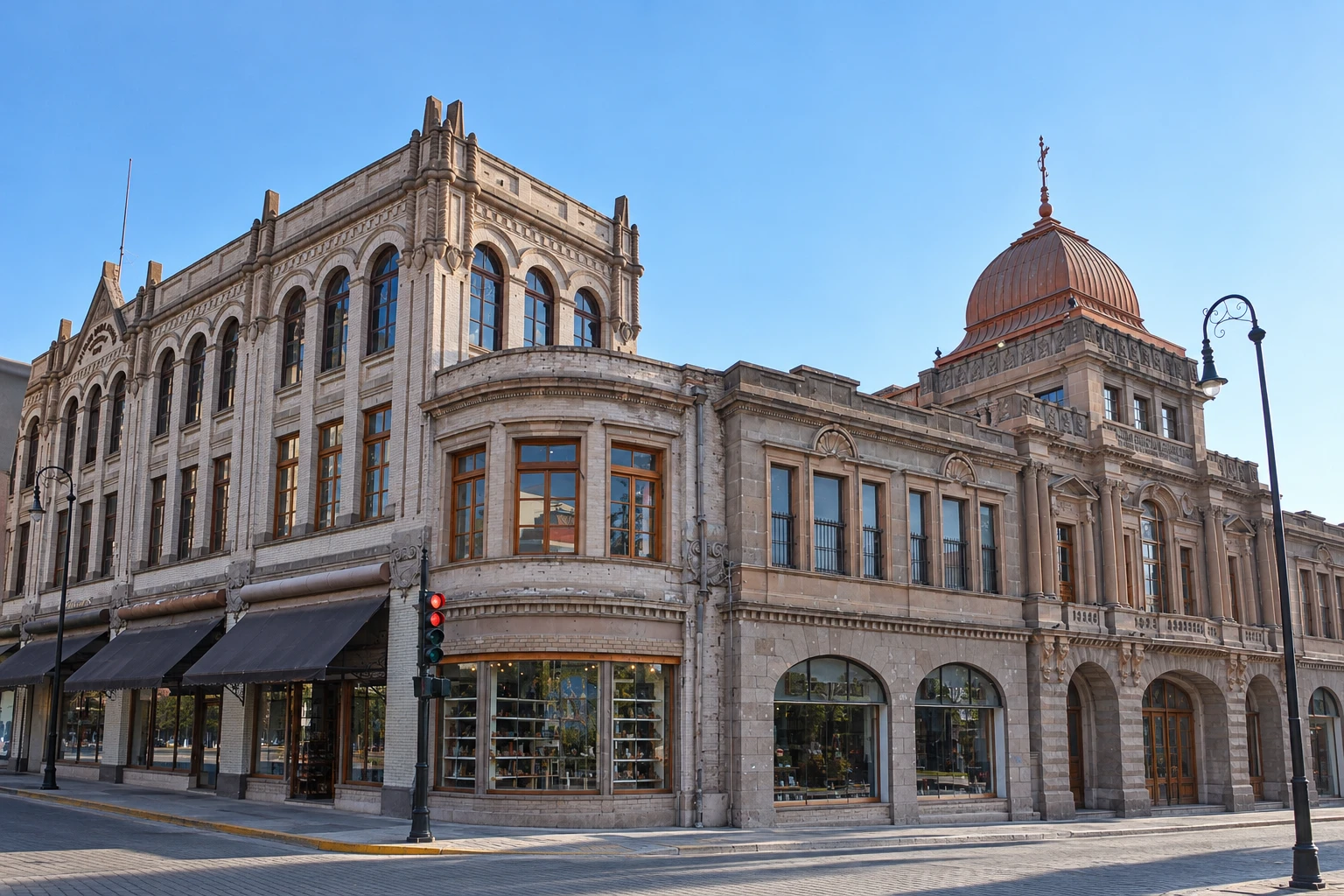
Saltillo is the capital of Coahuila, founded in 1577 in a valley more than 1,500 meters above sea level, about 85 km from Monterrey. The downtown area has the Cathedral of Santiago, with a stone Baroque façade, the Plaza de Armas and the Government Palace. The city is known for its wool sarapes and pulque bread, and it has the Museo del Desierto and the Museo de las Aves de México.
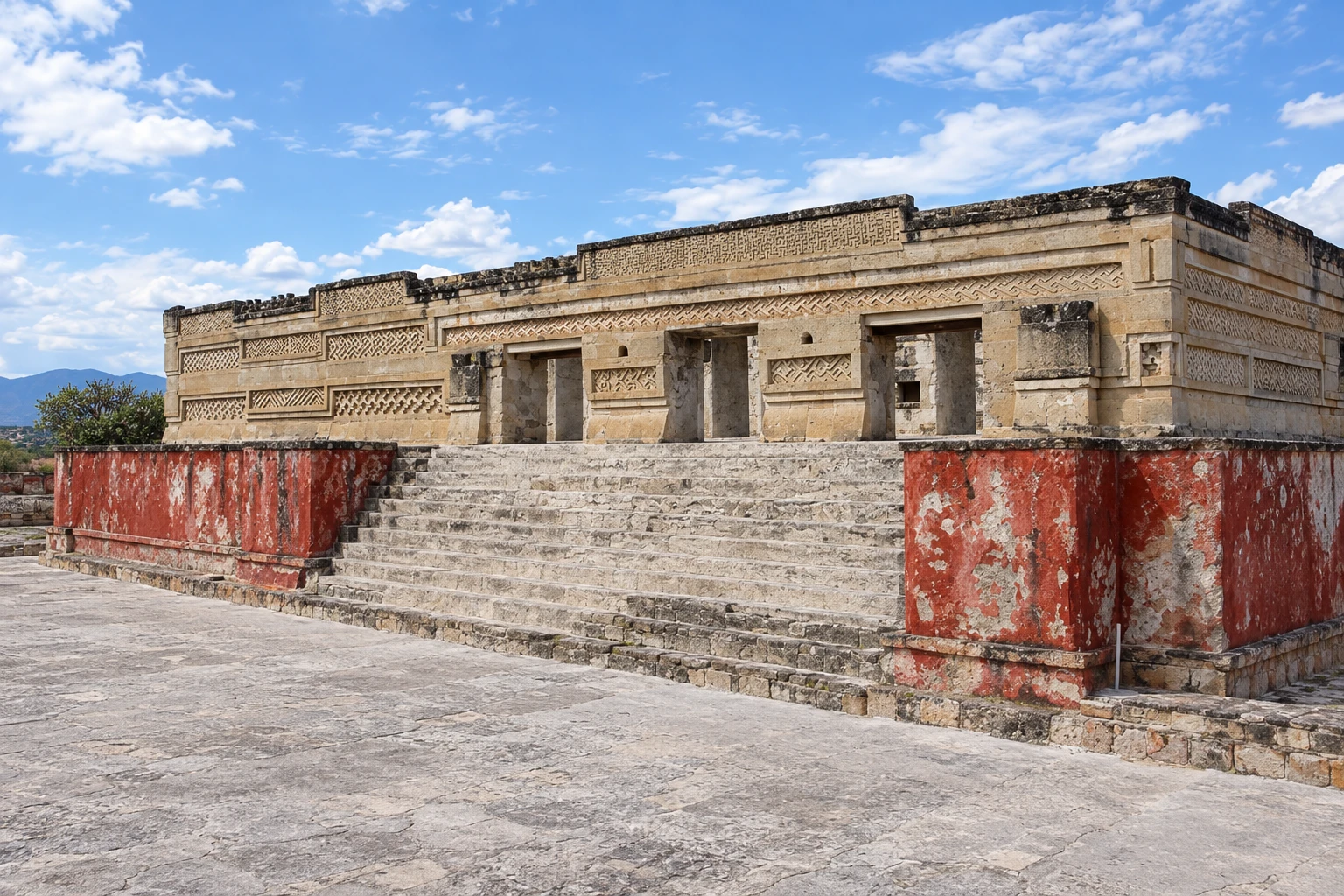
San Pablo Villa de Mitla is a town in the Tlacolula valley, about 45 km east of Oaxaca, known for the Mitla archaeological site, with palaces decorated with stone mosaics in geometric patterns. Next to the ruins is the church of San Pablo, built over one of the palaces. Mitla is also a center for mezcal and textiles production, and the base for Hierve el Agua, about 25 km away.
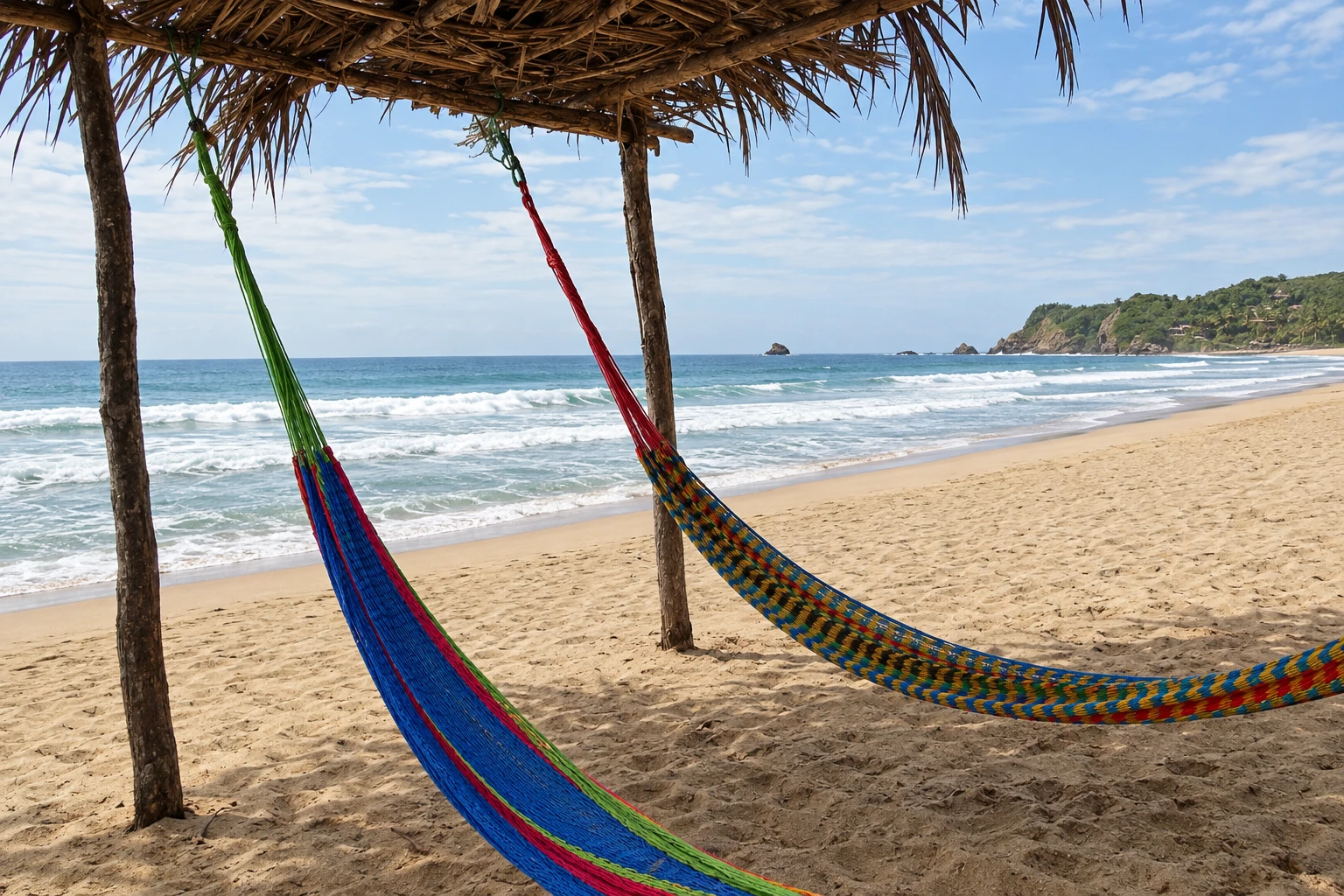
Zipolite is a beach village on the coast of Oaxaca, about 4 km from Mazunte, with a long golden-sand beach open to the Pacific. It is known for its laid-back atmosphere, its inns and beachfront cabins, and its tolerance of naturism. The sea often has strong waves and currents.
The map
Tap a region to see the names. Use two fingers to zoom in.
Boundaries: INEGI / geoBoundaries (CC BY 3.0 IGO). Adapted by Cidade Turismo.
Mexico
Another way into the same trip
Choose the state and the city to find your place in the guide.
Beyond the guide


