State
Get to know Tlaxcala
Tlaxcala is the smallest state in Mexico, in a high valley between Puebla and Mexico City. The Tlaxcaltecas were enemies of the Aztecs and allied with the Spanish in the conquest, which gave the region a particular place in colonial history.
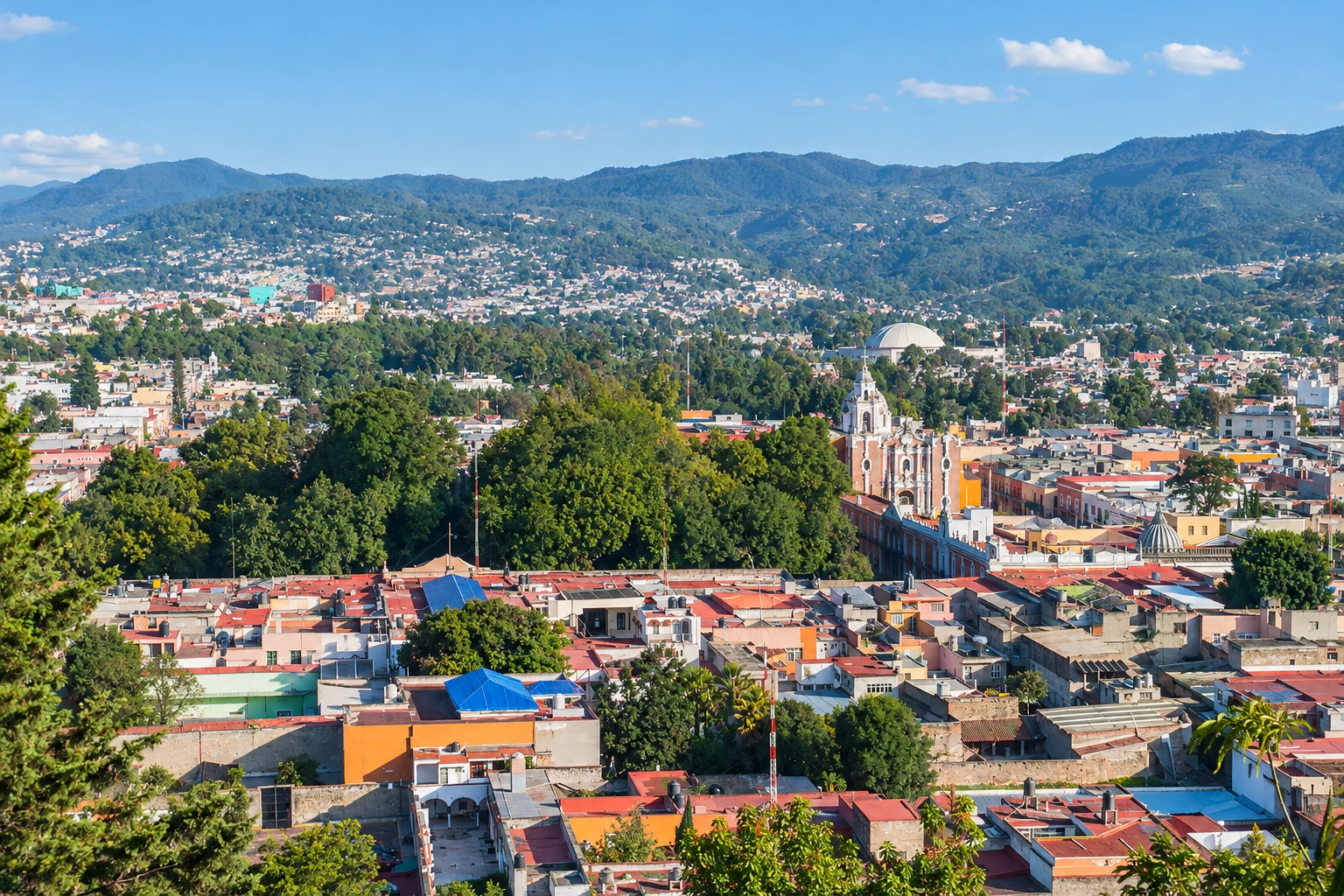
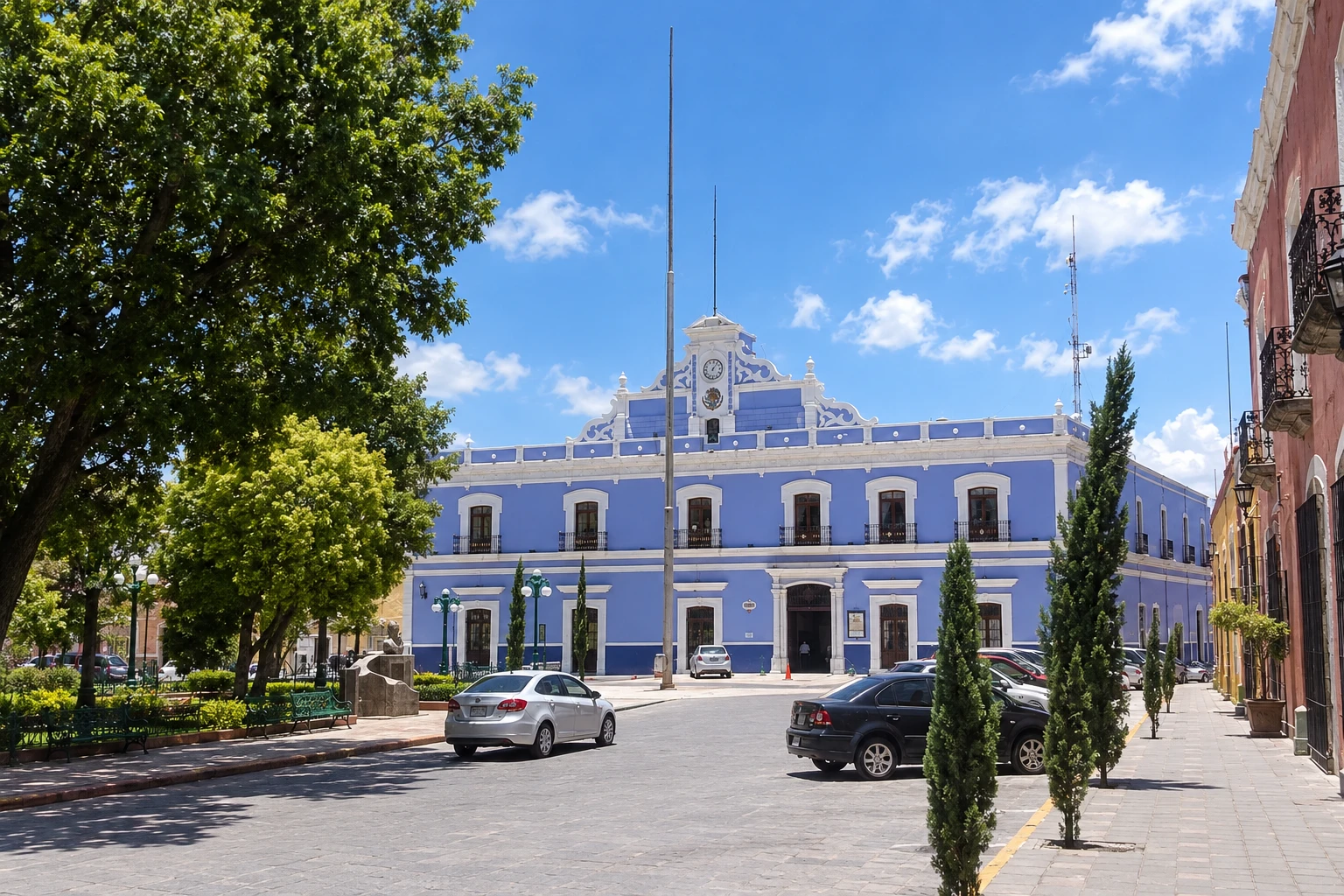
The capital, Tlaxcala, is a small, peaceful city of houses in orange tones, with the Government Palace, covered in murals about the region's history, and the former Franciscan convent with the Cathedral of Our Lady of the Assumption, which are part of the 16th-century monasteries on the World Heritage list. On top of a hill, the Basilica of Ocotlán has a white stucco façade and red-tiled towers.
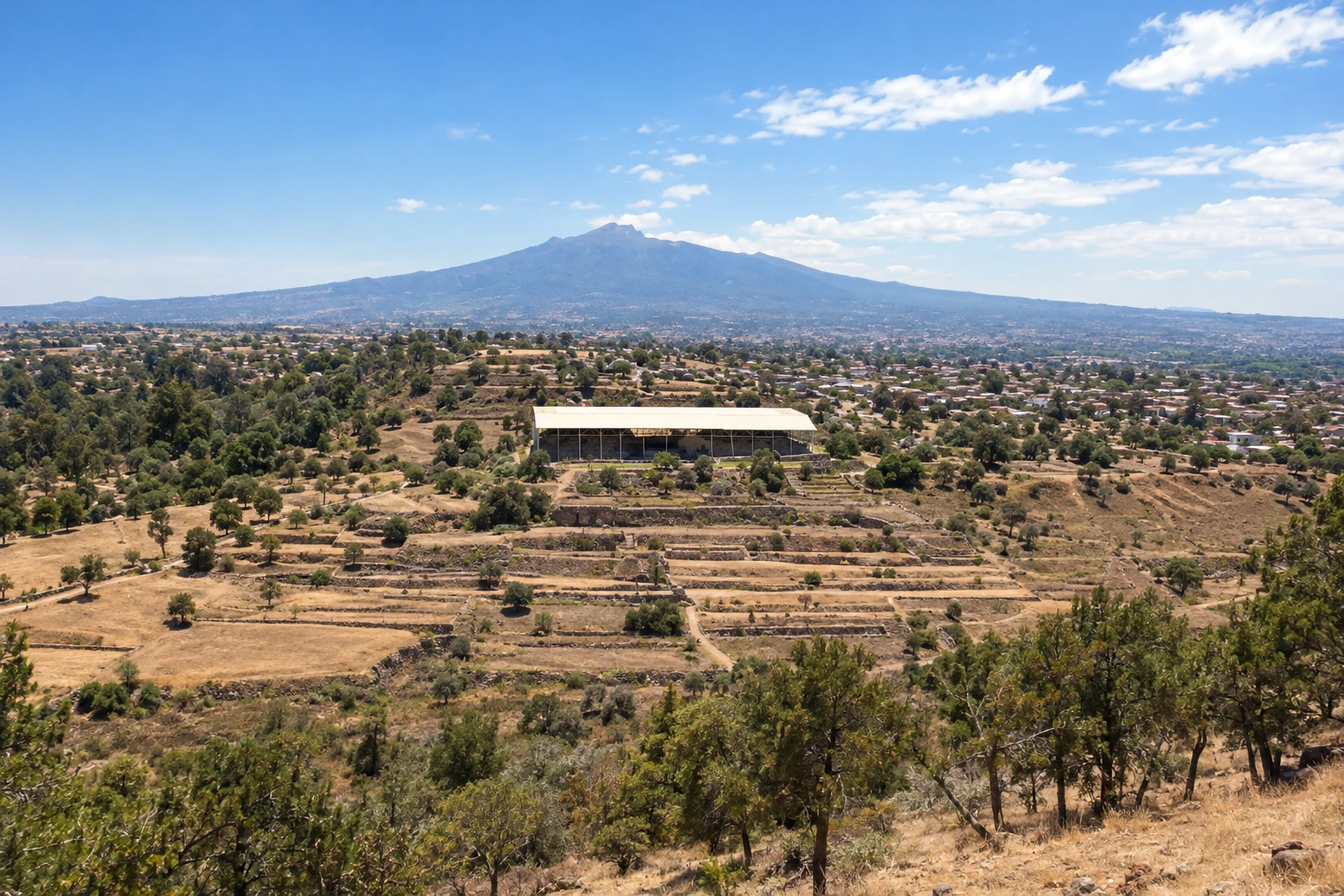
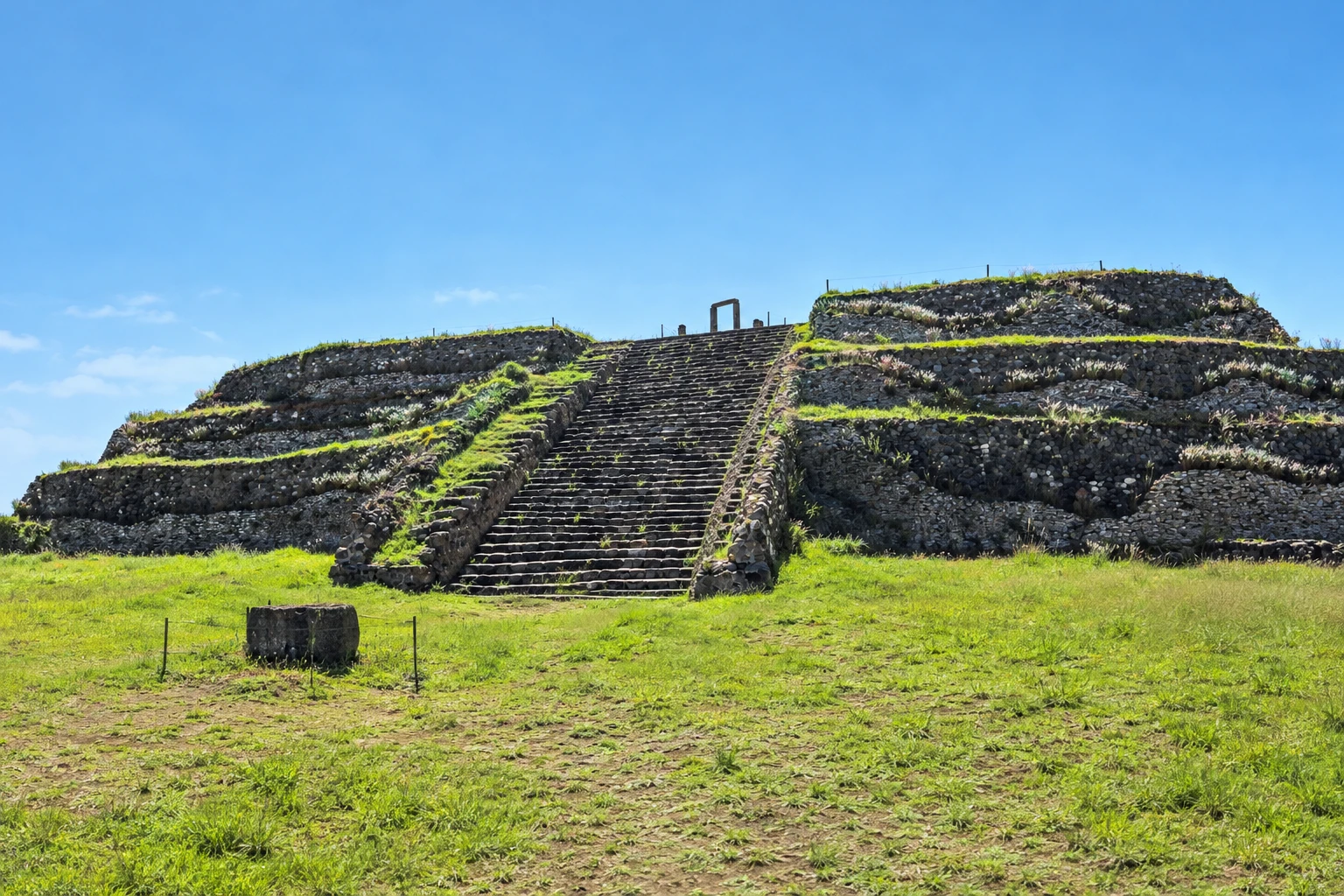
About 20 km away, Cacaxtla preserves pre-Hispanic murals in vivid colors, protected by a large shelter, and Xochitécatl, next to it, has pyramids with views of the volcanoes. The La Malinche volcano, over 4,000 meters high, has trails and a mountain center.
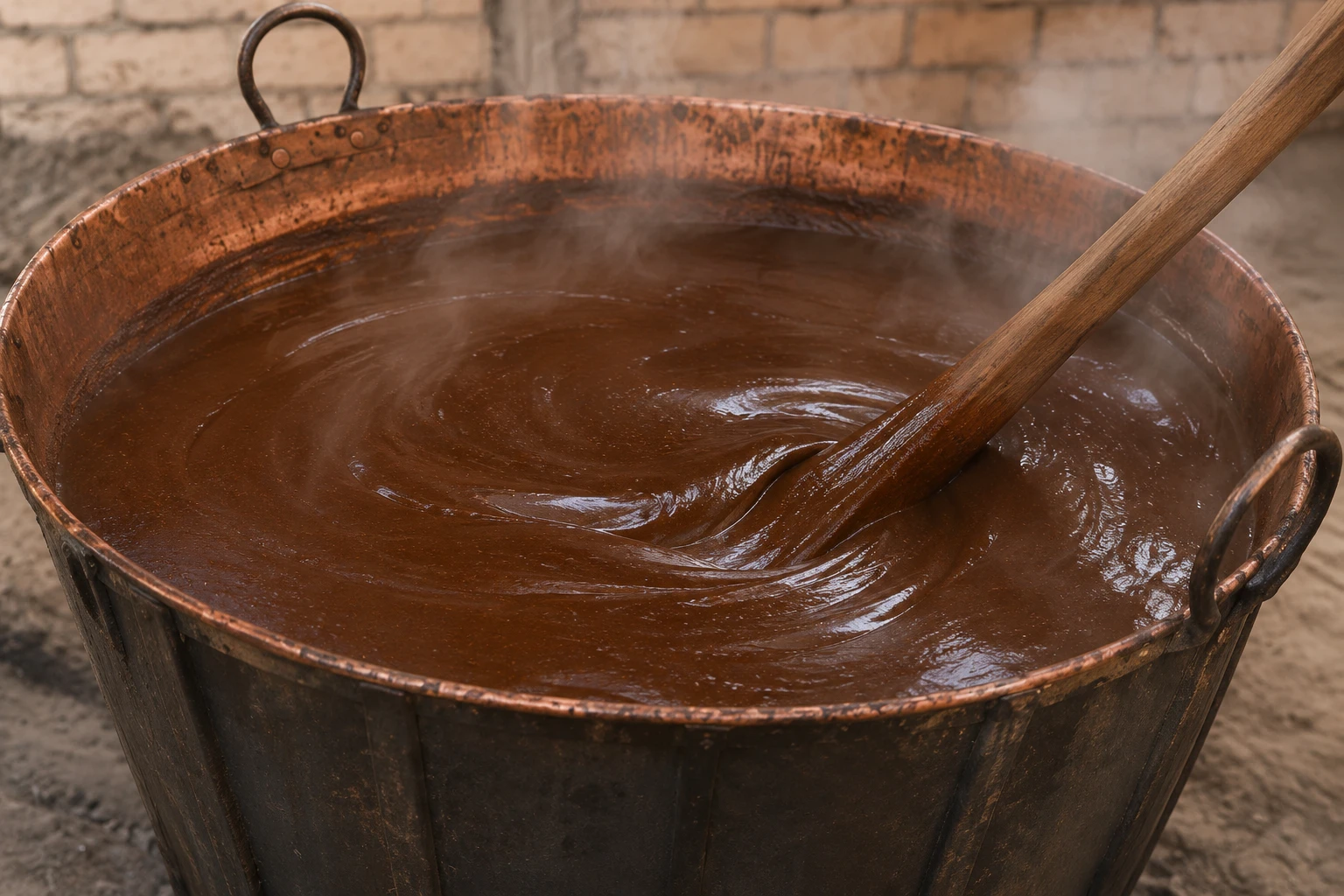
In Nanacamilpa, the forests typically host millions of fireflies on nights at the start of the rainy season, between June and August. In Huamantla, in August, the Night When No One Sleeps covers the streets with carpets of colored sawdust and flowers. On the table, tlacoyos and pulque.


 Brazil
 Antarctica
 Argentina
 Bolivia
 Chile
 Colombia
 Ecuador
 Falkland Islands (Malvinas)
 French Guiana
 Guyana
 Paraguay
 Peru
 Suriname
 Uruguay
 Venezuela
 Austria
 Belgium
 Croatia
 Denmark
 Finland
 France
 Germany
 Greece
 Hungary
 Iceland
 Ireland
 Italy
 Luxembourg
 Norway
 Poland
 Portugal
 Slovakia
 Slovenia
 Spain
 Sweden
 Switzerland
 the Czech Republic
 the Netherlands
 the United Kingdom
 Turkey
 Bermuda
 Canada
 Greenland
 Saint Pierre and Miquelon
 the United States
 the Dominican Republic
 Japan
 Egypt
 South Africa
 Australia
 Fiji
 New Zealand
 Papua New Guinea