3 cities

 Search
 Brazil
 Antarctica
 Argentina
 Bolivia
 Chile
 Colombia
 Ecuador
 Falkland Islands (Malvinas)
 French Guiana
 Guyana
 Paraguay
 Peru
 Suriname
 Uruguay
 Venezuela
 Austria
 Belgium
 Croatia
 Denmark
 Finland
 France
 Germany
 Greece
 Hungary
 Iceland
 Ireland
 Italy
 Luxembourg
 Norway
 Poland
 Portugal
 Slovakia
 Slovenia
 Spain
 Sweden
 Switzerland
 the Czech Republic
 the Netherlands
 the United Kingdom
 Turkey
 Bermuda
 Canada
 GreenlandMexico
 Saint Pierre and Miquelon
 the United States
 the Dominican Republic
 JapanTurkey
 Egypt
 South Africa
 Australia
 Fiji
 New Zealand
 Papua New Guinea
State · Bajío and the Colonial Cities
Guanajuato: San Miguel de Allende and the city of Guanajuato, World Heritage sites, the colorful tunnels and alleys, the silver mines and Dolores Hidalgo, birthplace of independence.
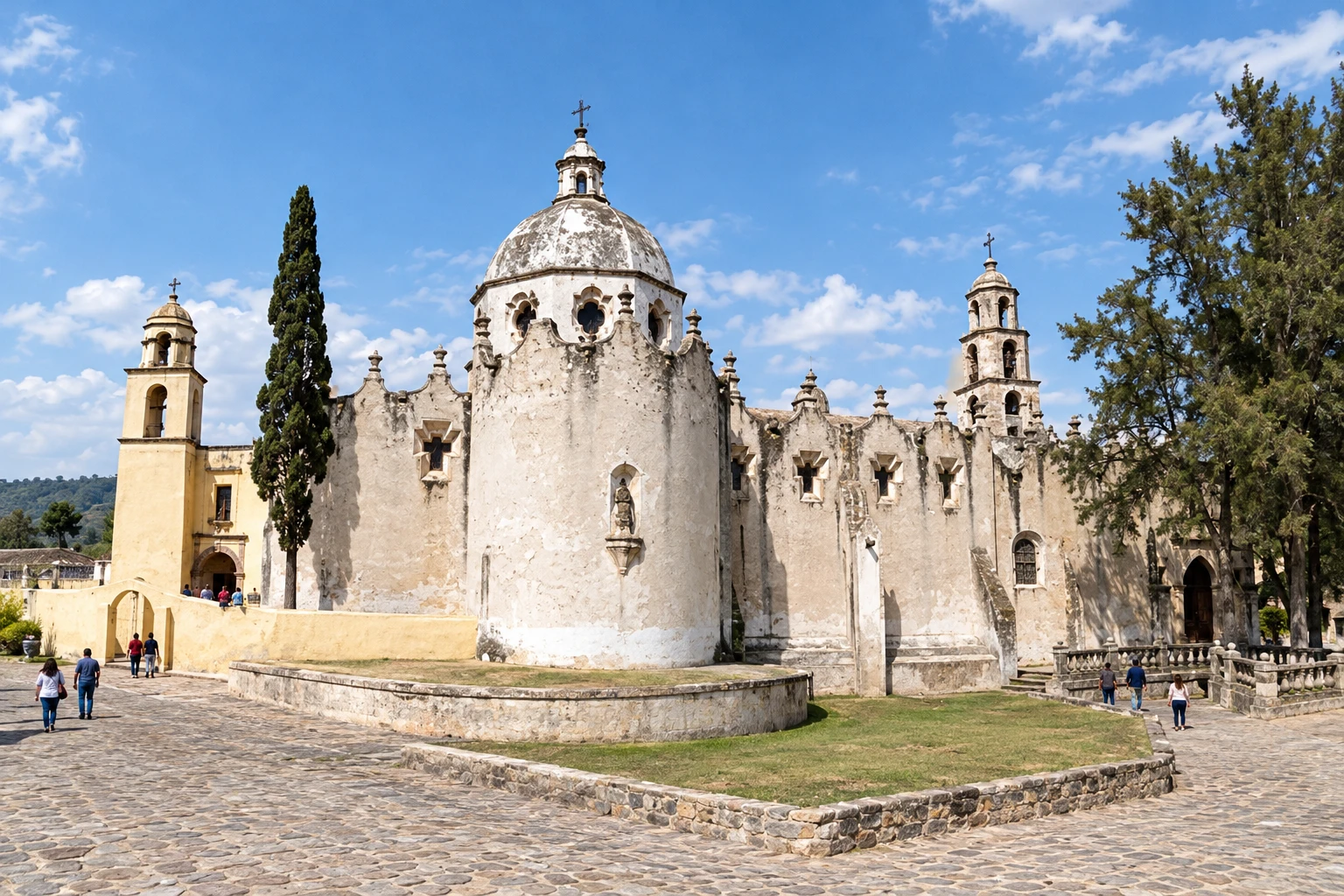
In the photo: Sanctuary of Atotonilco
Illustrative images. The pictures in this guide are illustrations based on the real place, not photographs, and may differ from it.

State
Guanajuato lies in the Bajío, the fertile plateau of central Mexico. In the 17th and 18th centuries the region’s silver mines were among the richest in the world and paid for the churches and palaces that today make the state one of the country’s most sought-after colonial destinations. It was also where the war of independence began, in 1810.
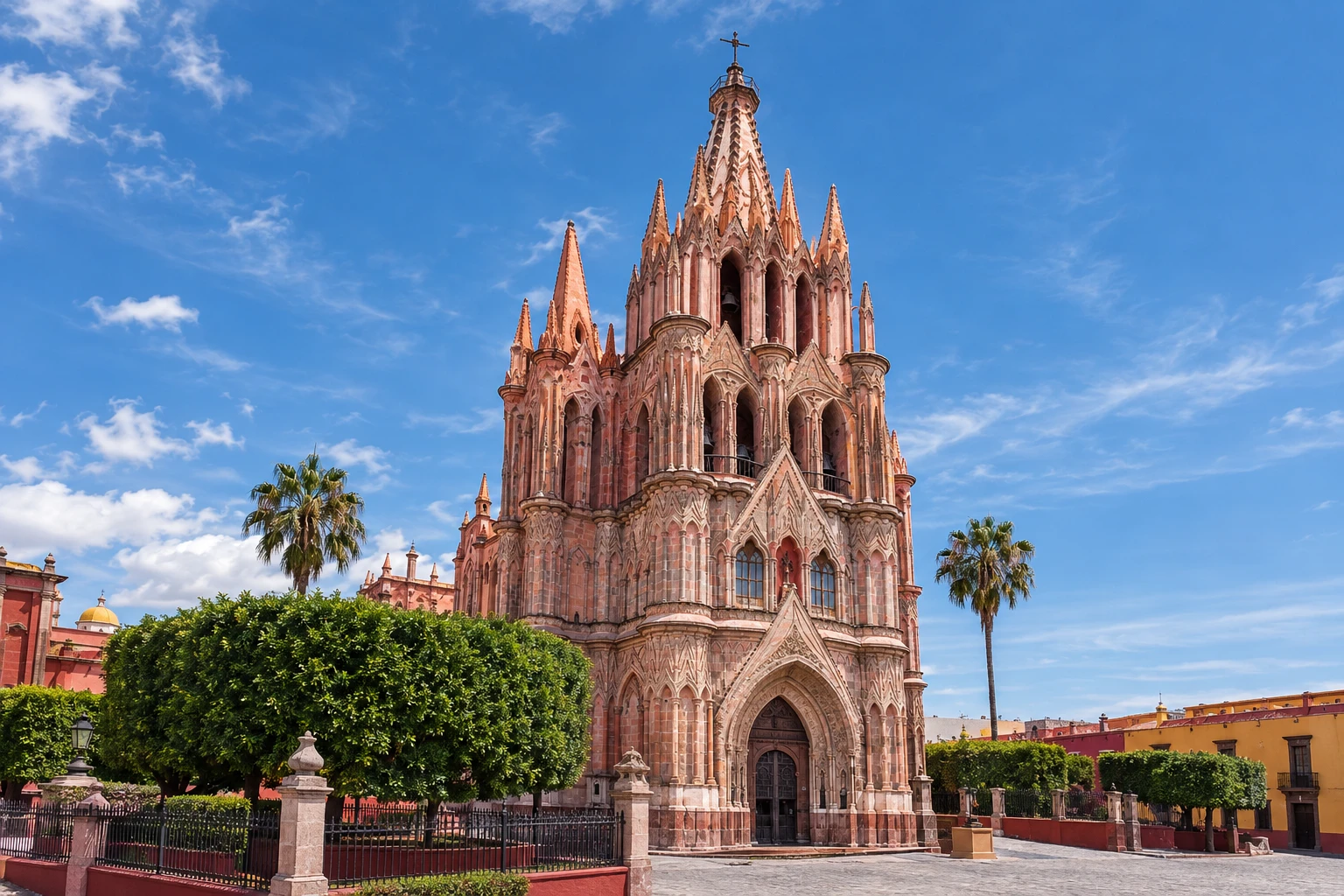
San Miguel de Allende has cobbled streets, houses in ochre and red tones and the parish church of San Miguel Arcángel, with neo-Gothic towers of pink stone. Together with the sanctuary of Jesús Nazareno de Atotonilco, on the outskirts, it is a World Heritage Site, and hosts galleries, art schools and a large community of artists.
The city of Guanajuato, also a World Heritage Site, squeezes into a narrow valley, with colorful houses on the hillsides, underground streets that run along former riverbeds and alleys like the Callejón del Beso. Teatro Juárez, the Alhóndiga de Granaditas, Mercado Hidalgo and the Mummy Museum are among the visits, and the mines and the funicular show the city from above. In October, the Festival Internacional Cervantino fills theaters and plazas.
Dolores Hidalgo is the town where Father Miguel Hidalgo called the people to revolt on 16 September 1810, the Cry of Independence; it is also known for pottery and for ice creams with unusual flavors. León, the state’s largest city, is the center of the leather industry.
Destinations
Cities
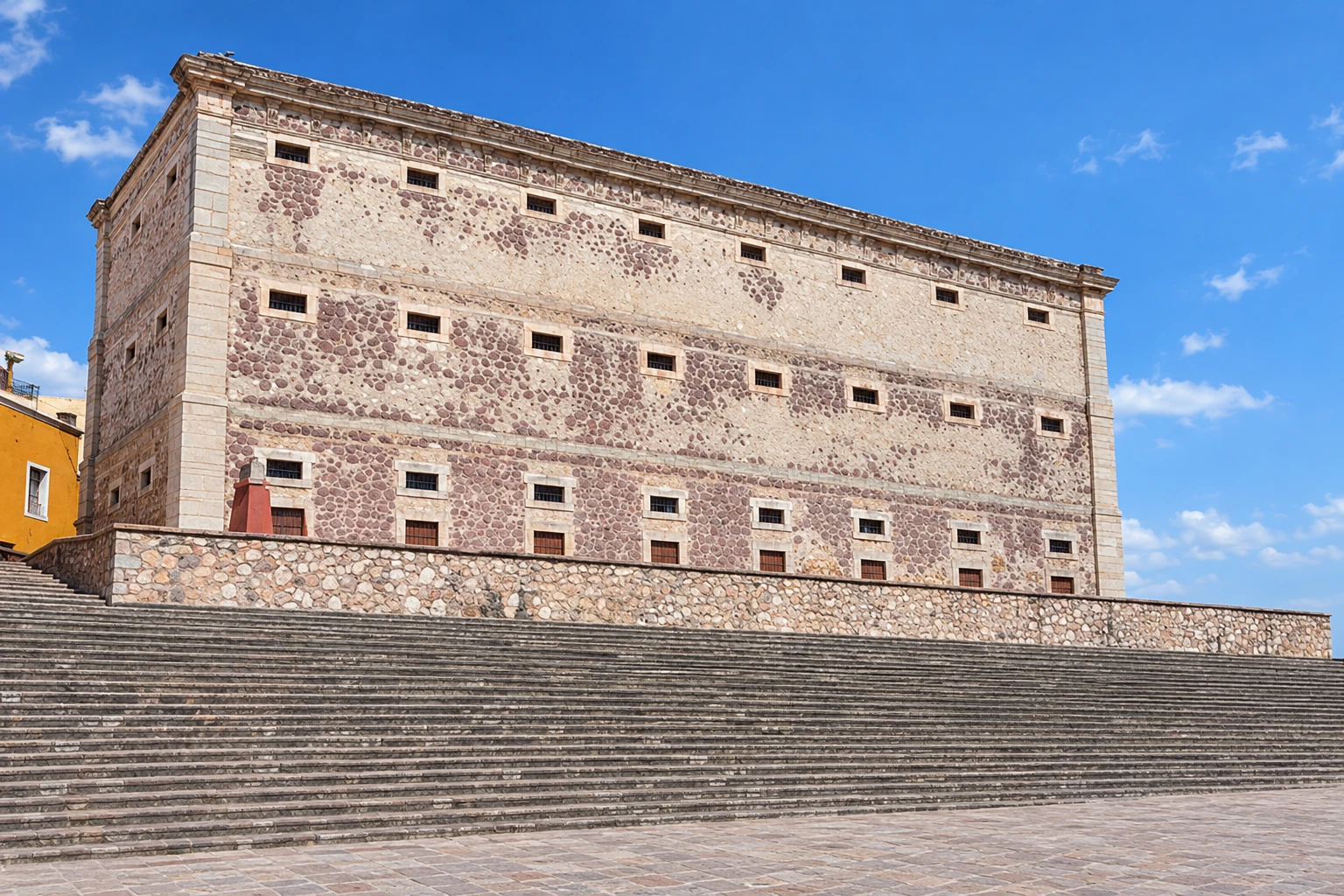
Guanajuato is the capital of the state of the same name, in a narrow gorge between mountains, a UNESCO World Heritage Site since 1988. It grew from silver mines in the 16th century and preserves baroque churches, the Teatro Juárez, small plazas, alleys like the Callejón del Beso and streets that run in tunnels beneath the city. It is a university city and hosts the Festival Internacional Cervantino in October.
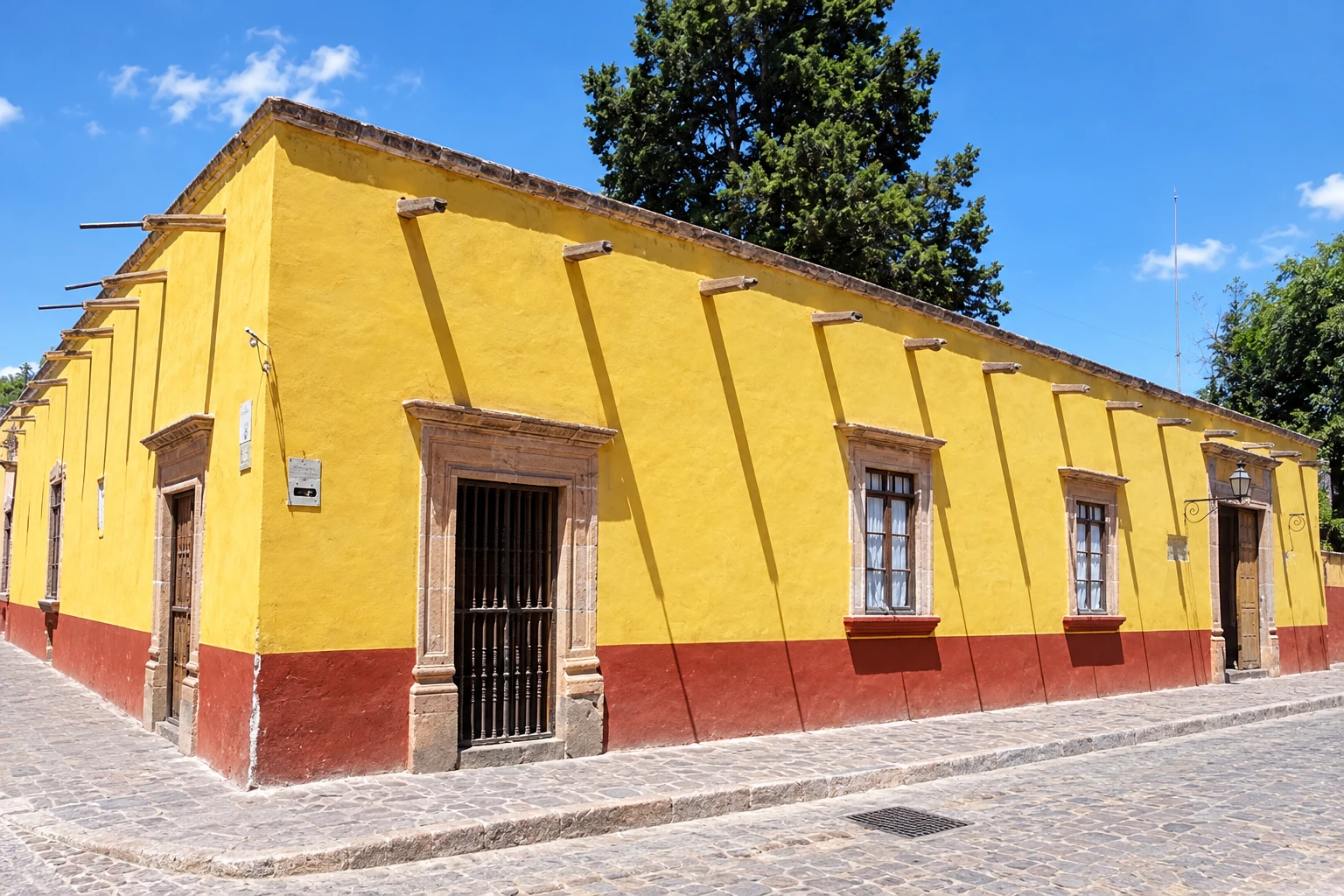
Dolores Hidalgo is the town where Father Miguel Hidalgo called the people to independence in the early hours of 16 September 1810, in the event known as the Grito de Dolores. It preserves the parish of the Grito, the house where Hidalgo lived and a tree-lined plaza famous for ice creams of unusual flavors. It is also a center of talavera ceramics and the birthplace of composer José Alfredo Jiménez.
San Miguel de Allende is a colonial town in the state of Guanajuato, at about 1,900 meters altitude, a UNESCO World Heritage site. The center has cobblestone streets, colorful mansions, the Parroquia de San Miguel Arcángel with its pink neo-Gothic façade, and the Jardín Principal in front. It has attracted artists and foreigners since the 1930s and has galleries, art schools, restaurants and terraces.
From October to May days are usually sunny and dry, with cold nights from December to February. From June to September it rains in the afternoons. The Cervantino Festival usually takes up much of October, and independence is celebrated on 15 and 16 September. Guanajuato is 3 hours behind Brasília.
Del Bajío International Airport (BJX), in León, is about 30 km from Guanajuato and roughly an hour and a half from San Miguel de Allende; Querétaro airport (QRO) is another option for San Miguel. From Mexico City, San Miguel is about 4 hours by bus. There are buses and vans between San Miguel, Guanajuato and Dolores Hidalgo.
Beyond the guide
Your questions
San Miguel is smaller, with flat streets in the center, galleries and the neo-Gothic parish. Guanajuato sits in a narrow valley, with tunnels, alleys and a university town atmosphere. The two are about an hour and a half apart.
Two days in each city, with a stop in Dolores Hidalgo or Atotonilco along the way.
It usually takes place in October, with theater, music and dance in Guanajuato. Accommodations fill up; book in advance.
León (BJX) or Querétaro (QRO), both about an hour and a half by road. It’s also possible to go by bus from Mexico City.


