Santiago de Compostela

Galicia Capital

Santiago de Compostela

In the destination Santiago de Compostela and Galicia.

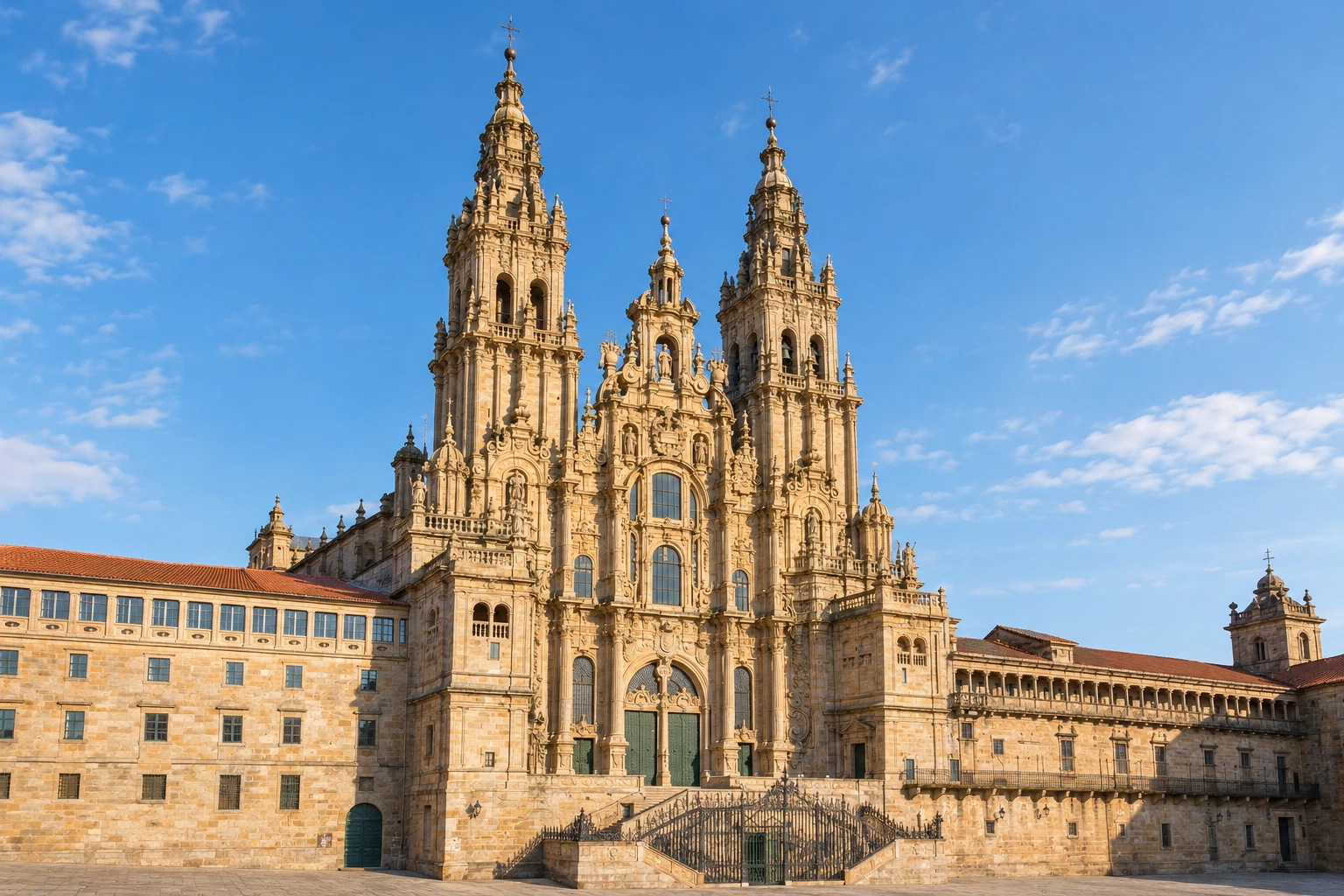
In the photo: Catedral de Santiago de Compostela

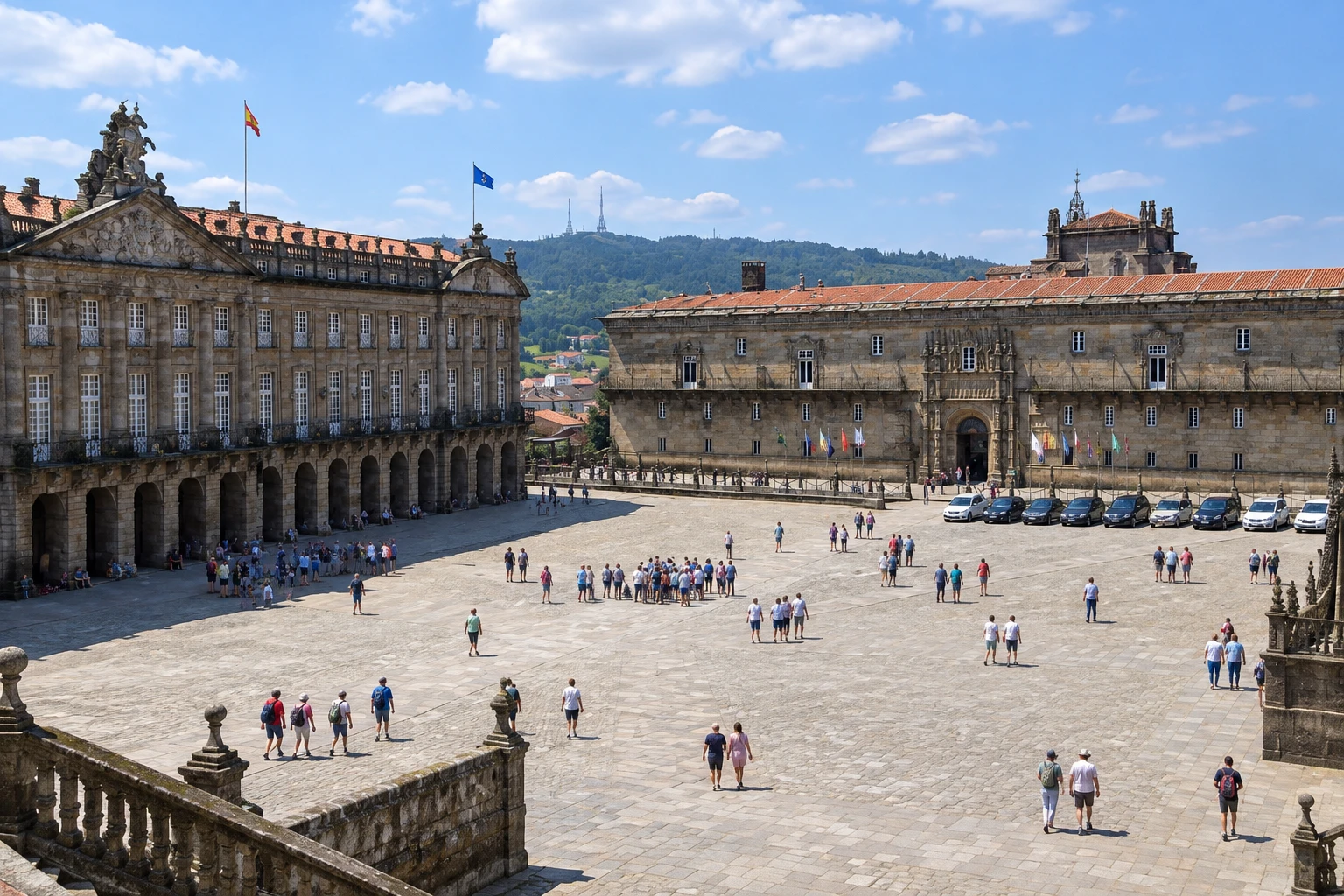
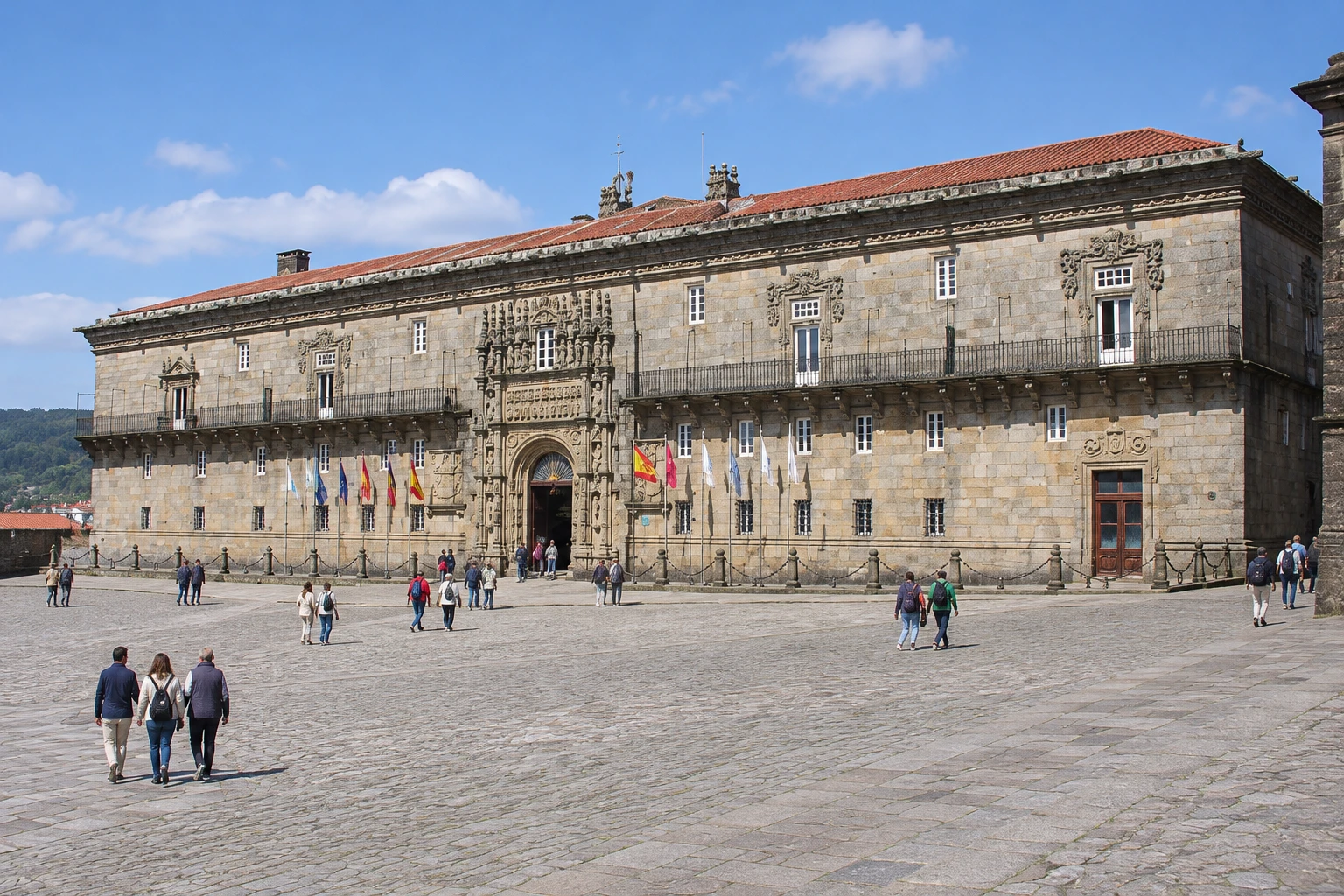
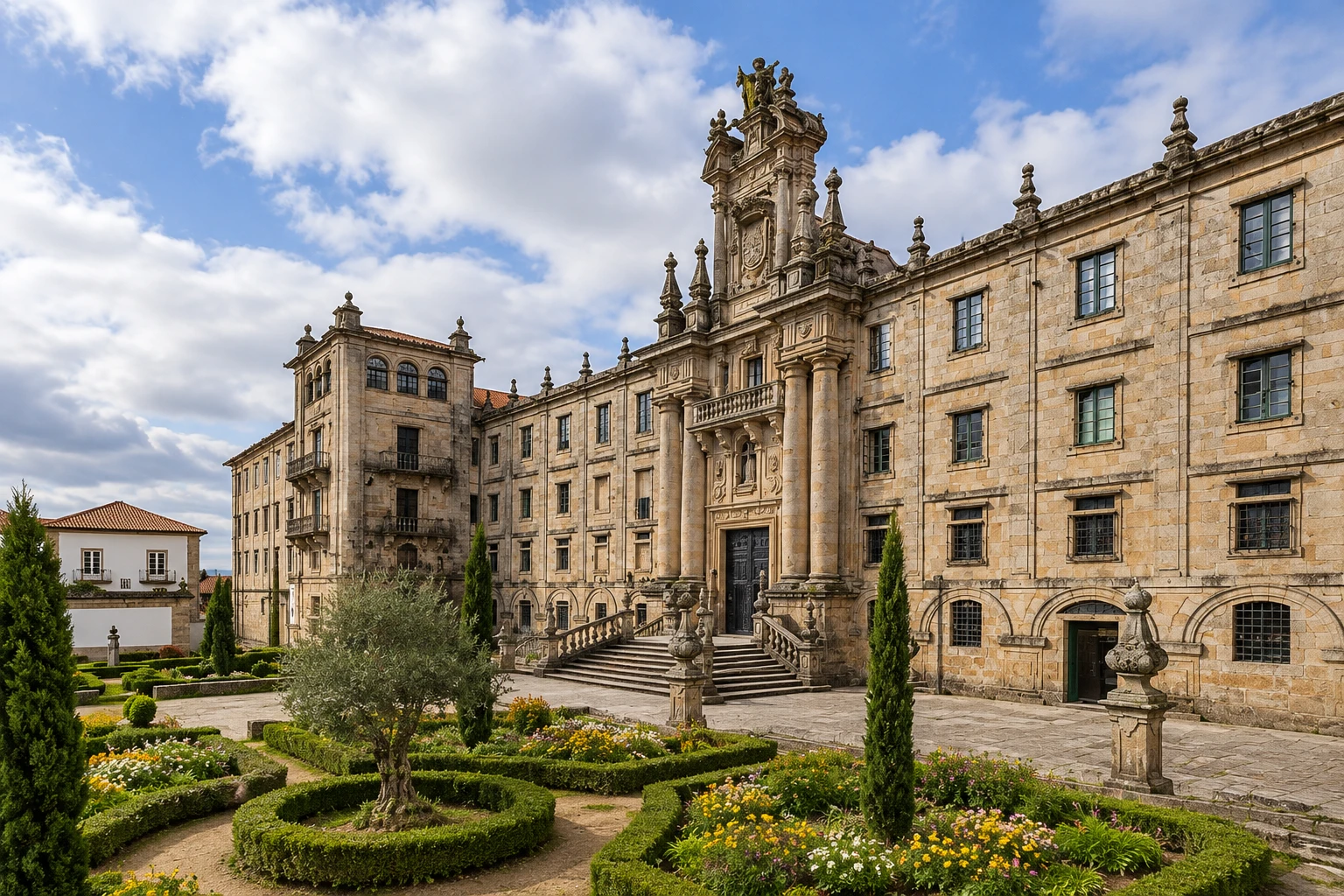
Illustrative images. The pictures in this guide are illustrations based on the real place, not photographs, and may differ from it.

Get it on Google Play

The city

What to expect from Santiago de Compostela.

Santiago de Compostela is the capital of Galícia and the endpoint of the Camino de Santiago. The cathedral, with the tomb attributed to the apostle James, the Pórtico da Glória and the Botafumeiro, dominates the Praza do Obradoiro. The granite historic center, with arcades, monasteries and the Mercado de Abastos, is a UNESCO World Heritage Site. Galician, a sibling of Portuguese, is heard everywhere.

Share: WhatsApp

Where to stay

There's no accommodation in the guide yet in Santiago de Compostela.

Do you run a hotel, guesthouse or vacation rental here? List it

Where to eat

There are no restaurants in the guide yet in Santiago de Compostela.

Know a good one? Recommend it to us

Map of Santiago de Compostela

The city's hotels and restaurants on the map.

Your trip

how to get there · how many days · itinerary · questions

Flavors of Spain

To try Santiago de Compostela

Discover other flavors of Spain

Festivals and events

Festivals Santiago de Compostela

Dates change every year: check this year's date before you travel.

Festival calendar in Spain

The local experience

Things to do in Santiago de Compostela

Santiago de Compostela · Spain · Square

Obradoiro Square

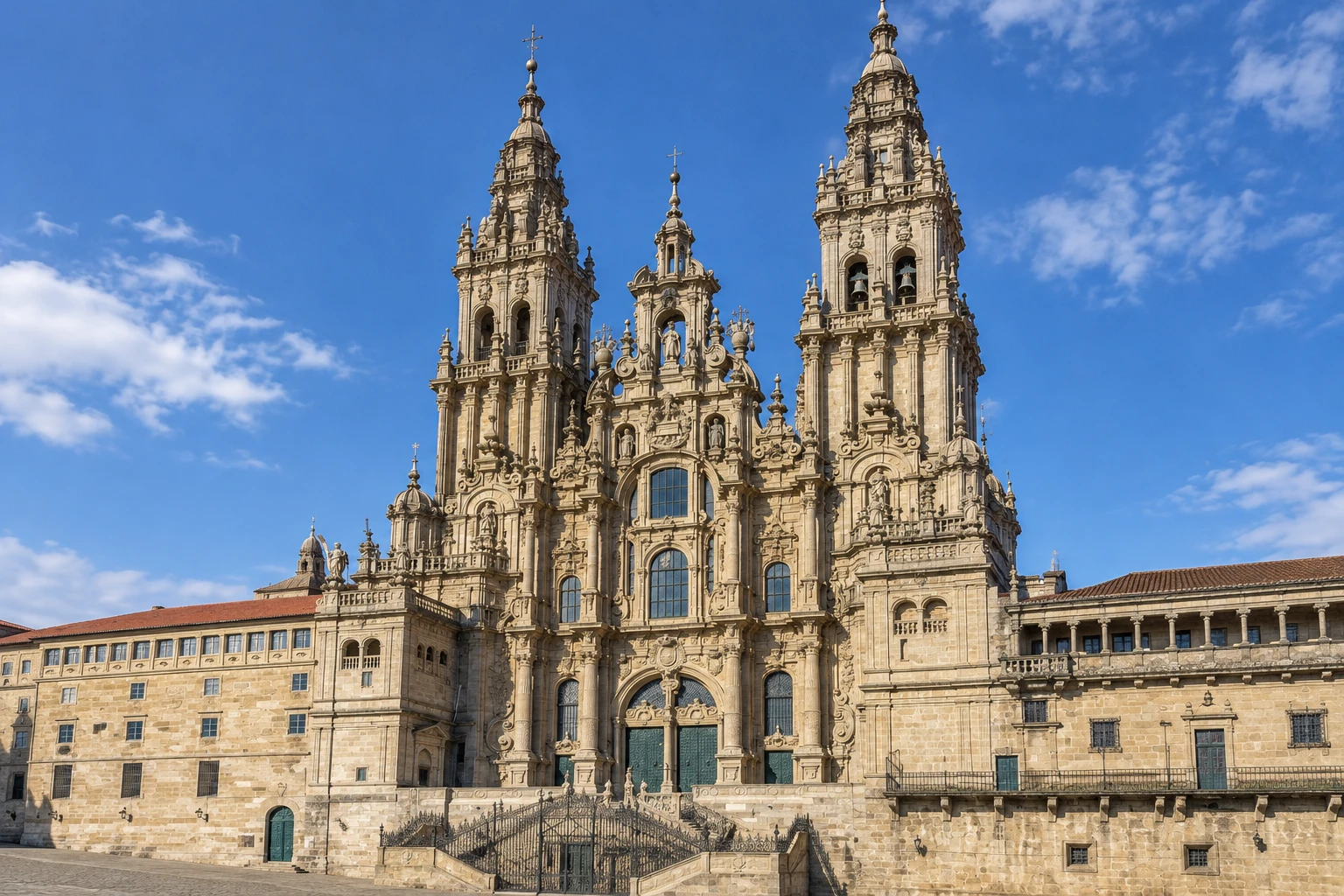
Square in front of the cathedral's Baroque façade, flanked by the Hostal dos Reis Católicos, the Pazo de Raxoi and the Colexio de San Xerome. It is where pilgrims finish the Way.

Explore Obradoiro Square

See 6 more places in Santiago de Compostela

Before you go

Your trip to Santiago de Compostela

Santiago de Compostela – Spain Destination Santiago de Compostela and Galicia Capital

How to get there

  • Aeropuerto de Santiago-Rosalía de Castro (SCQ) Lavacolla · 12 km
  • Estación de Santiago de Compostela-Daniel Castelao 1 km
  • Estación de Autobuses de Santiago de Compostela 2 km

Approximate distances. Check flights and bus, train or boat schedules before you travel.

Connections with Brazil usually involve a stopover in another city. Confirm before buying. Rosalía de Castro airport is 12 km away, with a bus to the center in about 30 minutes. From Madri, the high-speed train takes about 3h30; from Vigo, about 1 hour; from Corunha, about 30 minutes. The train station is 1 km from the cathedral.

How many days

Two days are enough for the cathedral with the museum and the roofs, the old quarter, the Mercado de Abastos, the Alameda and the Museo do Pobo Galego. With a third day you can include the Cidade da Cultura and an excursion to Finisterra or the Rías Baixas.

When to go

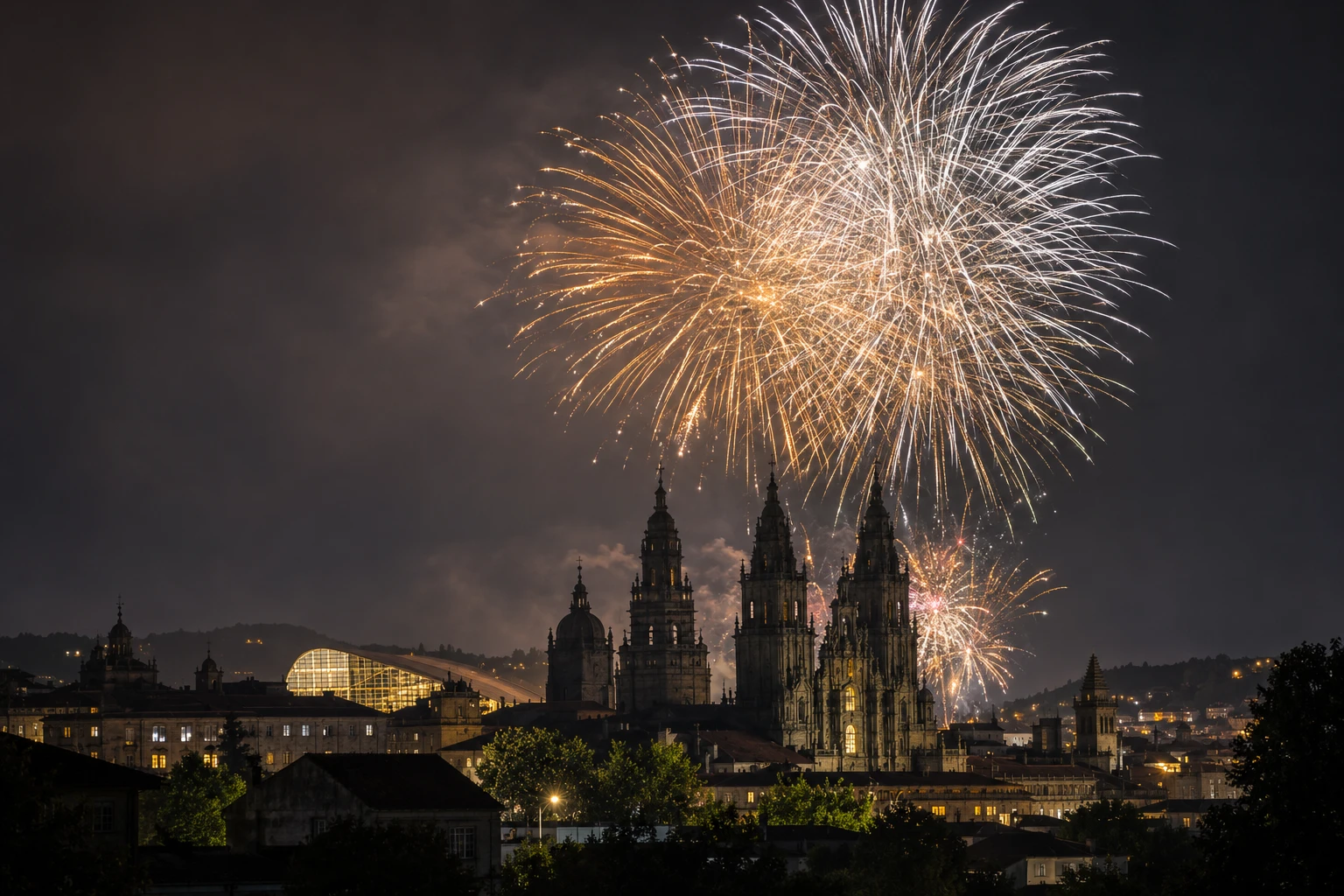
From June to September it usually rains less, and July brings the Feast of the Apostle, with the city crowded. May and October are good to avoid crowds, with more rain. In winter, it rains frequently and it is cold. The cathedral holds pilgrim masses year-round.

The seasons shown are the most usual ones; nature doesn't always follow the calendar.

Do you need a car?

No. The old quarter is pedestrian and is explored on foot, and city buses connect the station, the airport and the Cidade da Cultura. A car is only useful for Finisterra and the rias; parking near the center is difficult.

Suggested itinerary

An order that works

Built with the places on this page. No rush: it's paced so you have time to see them.

One day in Santiago de Compostela
  1. manhã
    Cathedral

    Enter the cathedral early, see the Pórtico da Glória by timed visit, the tomb of the apostle and the embrace of the image of Santiago.

  2. tarde
    Market and old quarter

    Have lunch near the Mercado de Abastos and walk through the streets do Franco, Nova and Vilar, with granite arcades.

  3. fim de tarde
    Obradoiro

    Late afternoon at the Praza do Obradoiro, watching the pilgrims arrive and the light on the baroque façade.

  4. noite
    Alameda

    Walk to the Paseo da Ferradura, in the Alameda, to see the cathedral lit up, and have dinner on the Rúa do Franco.

2 days in Santiago de Compostela

Day 1

  1. manhã
    Cathedral and Pórtico

    Cathedral with the Pórtico da Glória and the pilgrim mass, if you want to see the Botafumeiro on days when it is used.

  2. tarde
    Mercado de Abastos

    Have lunch at the market, where some counters prepare on the spot what is bought at the stalls.

  3. fim de tarde
    San Martiño Pinario

    Mosteiro de San Martiño Pinario and the plazas of Inmaculada and Quintana.

  4. noite
    Rúa do Franco

    Octopus and wine in the taverns of Rúa do Franco.

Day 2

  1. manhã
    Rooftops

    Guided visit to the cathedral's rooftops, walking on the stone roof.

  2. tarde
    Pobo Galego

    Museo do Pobo Galego, with the triple staircase by Domingo de Andrade, and the Bonaval park beside it.

  3. fim de tarde
    Cidade da Cultura

    Bus to Monte Gaiás to see the buildings by Peter Eisenman and the view over the city.

  4. noite
    Alameda and farewell

    Sunset at Paseo da Ferradura and dinner in the old town.

Check before you go. Opening hours and days change, and places may close for renovations, holidays or events. This itinerary is a suggestion from Cidade Turismo, not a commitment: plan yours by checking directly with each place you intend to visit.

Before you go

Frequently asked questions

How to get from Santiago airport to the city center?

There are buses from the airport to the old town and the train station in about 30 minutes, with frequent departures. Taxis wait at the terminal exit.

When is the Botafumeiro used?

At masses for religious feasts and on dates set by the cathedral, as well as at ceremonies arranged by groups. There is no guarantee of seeing it on an ordinary day; check the cathedral's calendar.

What is the Compostela?

The certificate issued by the Pilgrim's Office to those who walk at least the last 100 km of the Way, or 200 km by bicycle, with their credential stamped.

Where to eat in Santiago?

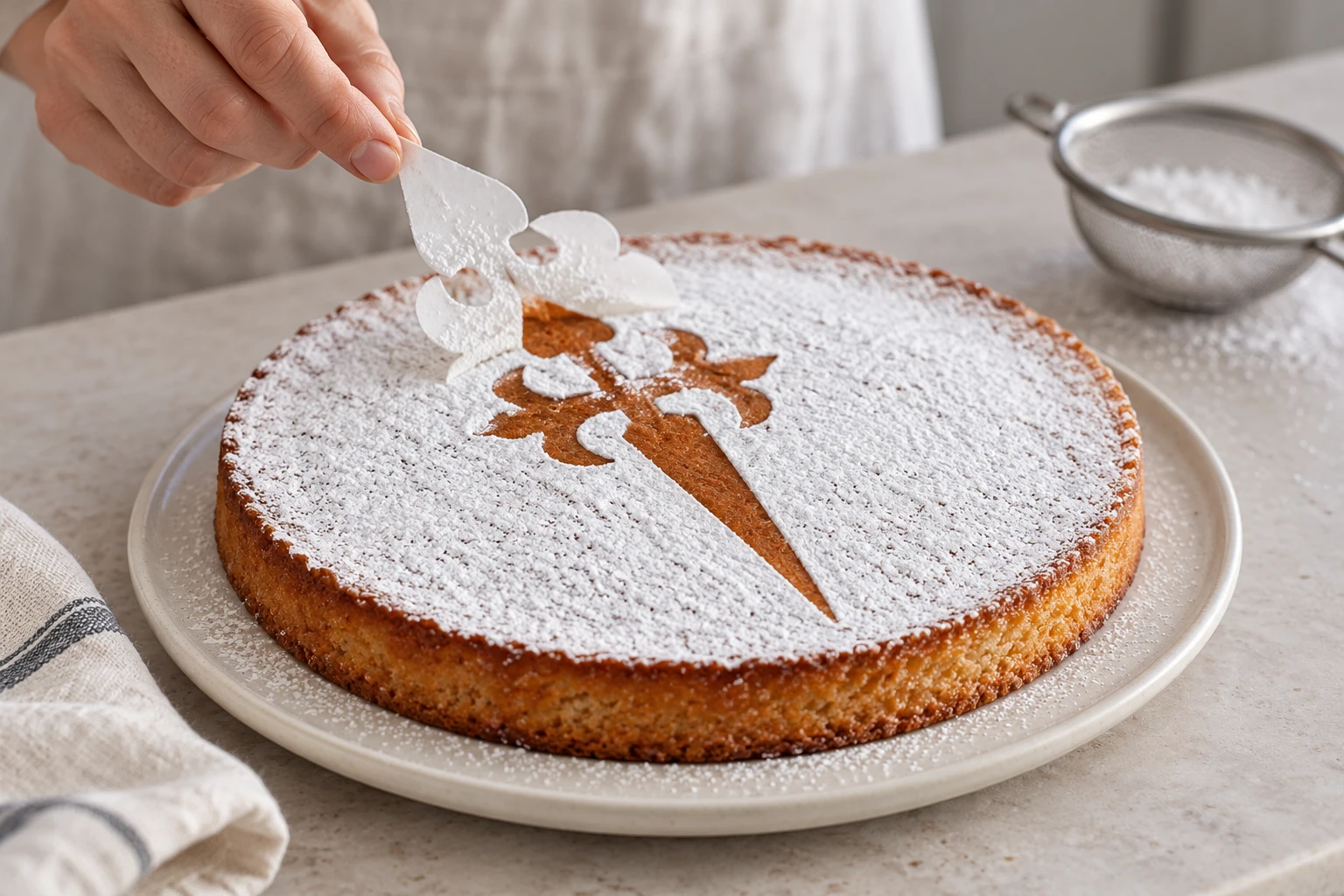
On Rúa do Franco and Rúa da Raíña, with taverns serving octopus and seafood, and at the Mercado de Abastos. The Torta de Santiago, made with almonds, is the city's signature dessert.

Is Santiago good to visit if you're not a pilgrim?

Yes. The cathedral, the historic center, the museums, the market and the student nightlife appeal to any traveler.

Traveler, share your experiences through photos Up to 5 photos of each place you visited.

Cross-border routes

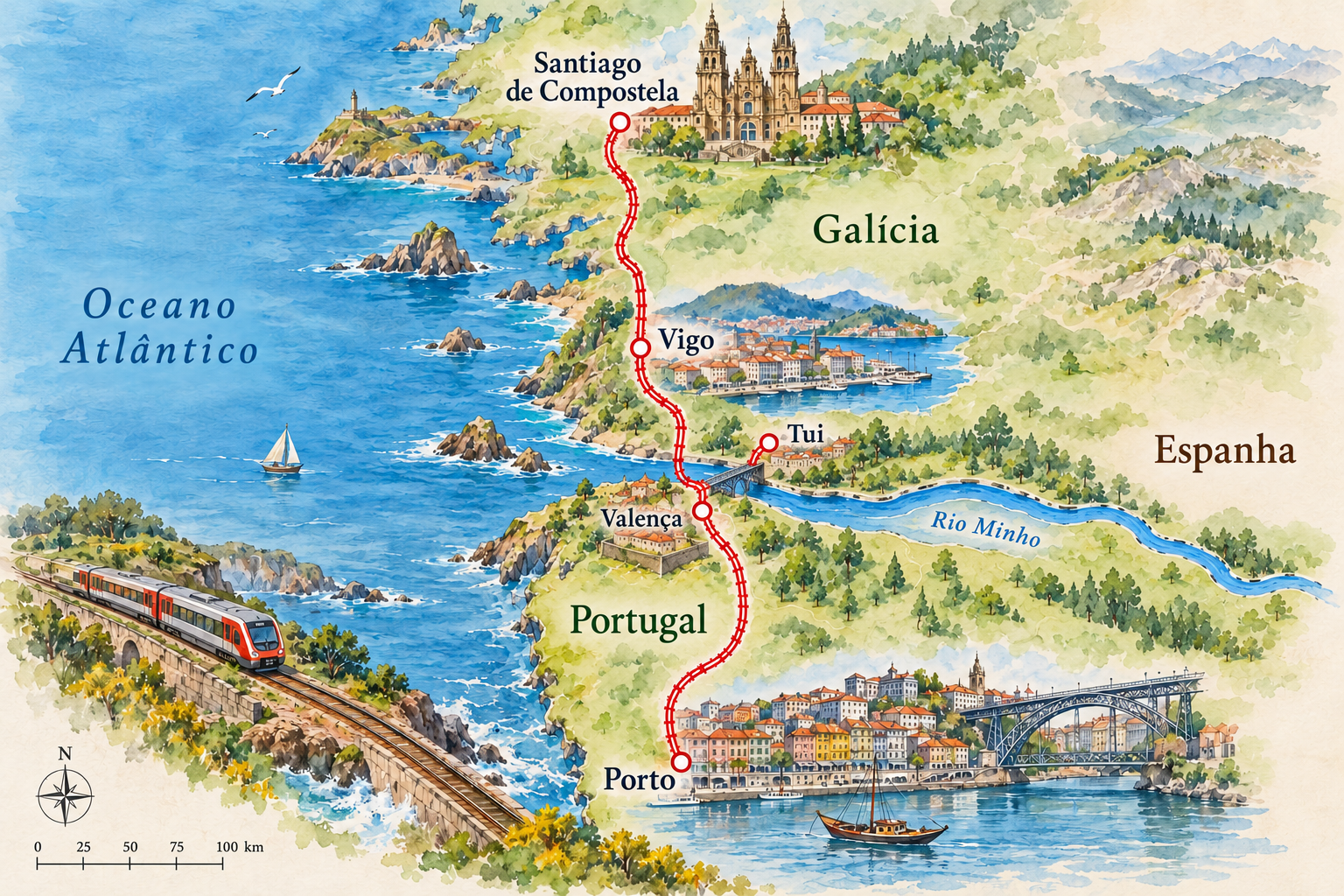
Santiago de Compostela is part of the Porto–Vigo–Santiago de Compostela by train

From Porto to Galicia by train: the Celta crosses the Minho to Vigo, and a regional train takes you to Santiago de Compostela in about an hour.

Illustrative map, not to scale. Tap a city to open its page.
Illustrated map of Porto–Vigo–Santiago de Compostela by train

Cross-border routes

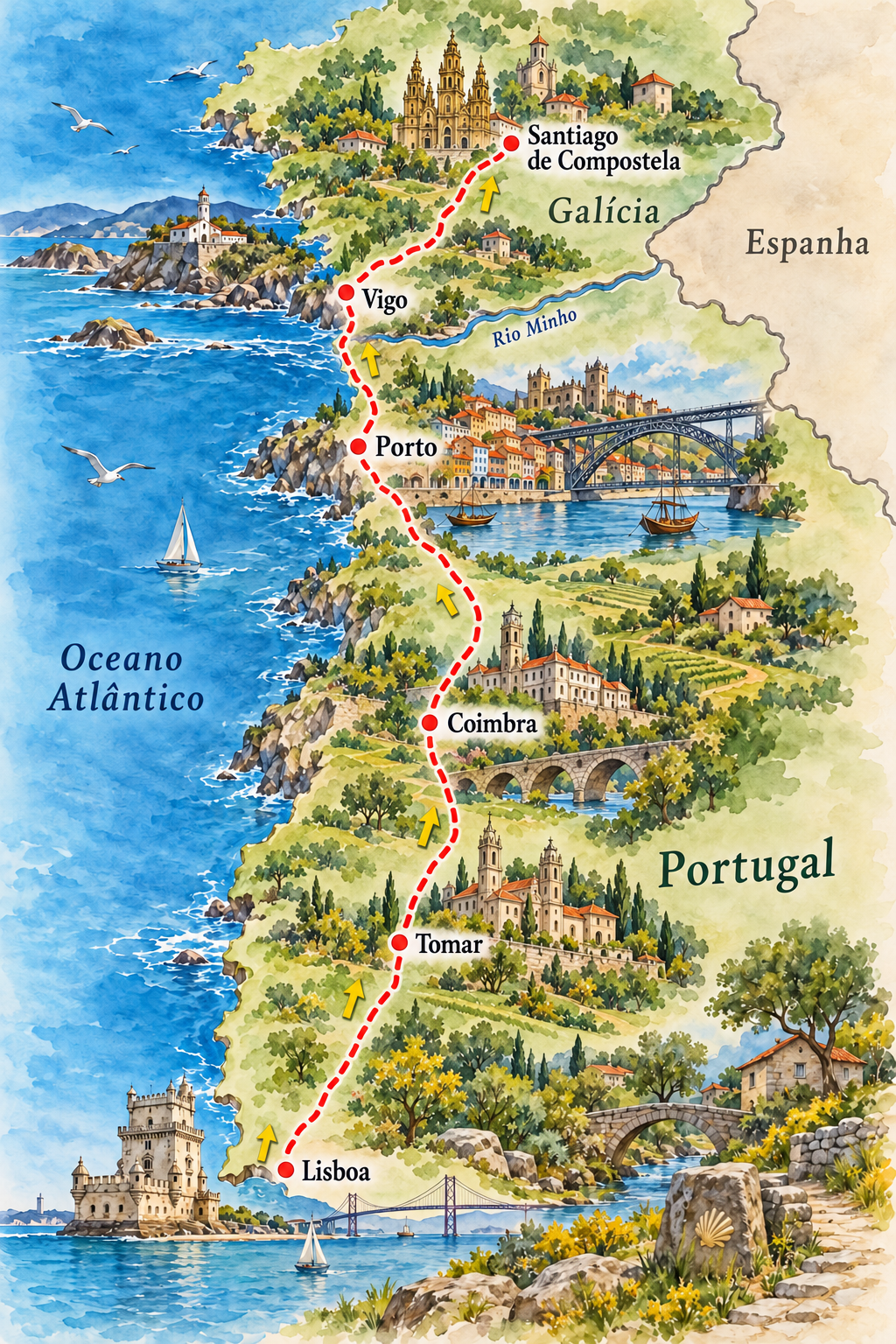
Santiago de Compostela is part of the Portuguese Way to Santiago on foot

On foot from Portugal to Santiago de Compostela: the pilgrimage route that starts in Lisbon or Porto, follows yellow arrows and ends at Obradoiro Square.

Illustrative map, not to scale. Tap a city to open its page.
Illustrated map of Portuguese Way to Santiago on foot

Cross-border routes

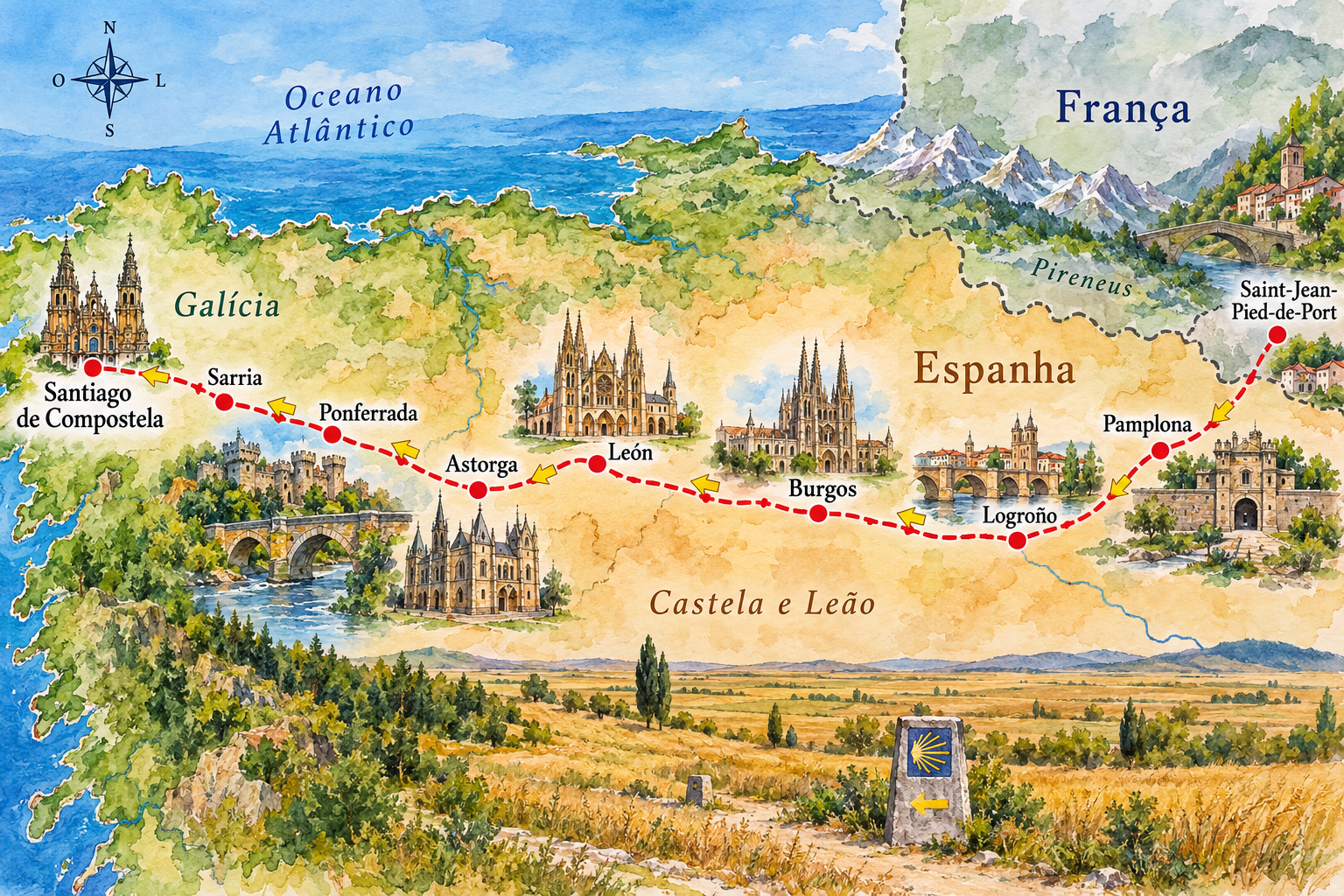
Santiago de Compostela is part of the French Way (Camino Francés) to Santiago on foot

The most travelled pilgrimage route to Santiago de Compostela: from the French Pyrenees to Galicia, on foot, via Pamplona, Burgos and León, following the yellow arrows.

Illustrative map, not to scale. Tap a city to open its page.
Illustrated map of French Way (Camino Francés) to Santiago on foot

Cross-border routes

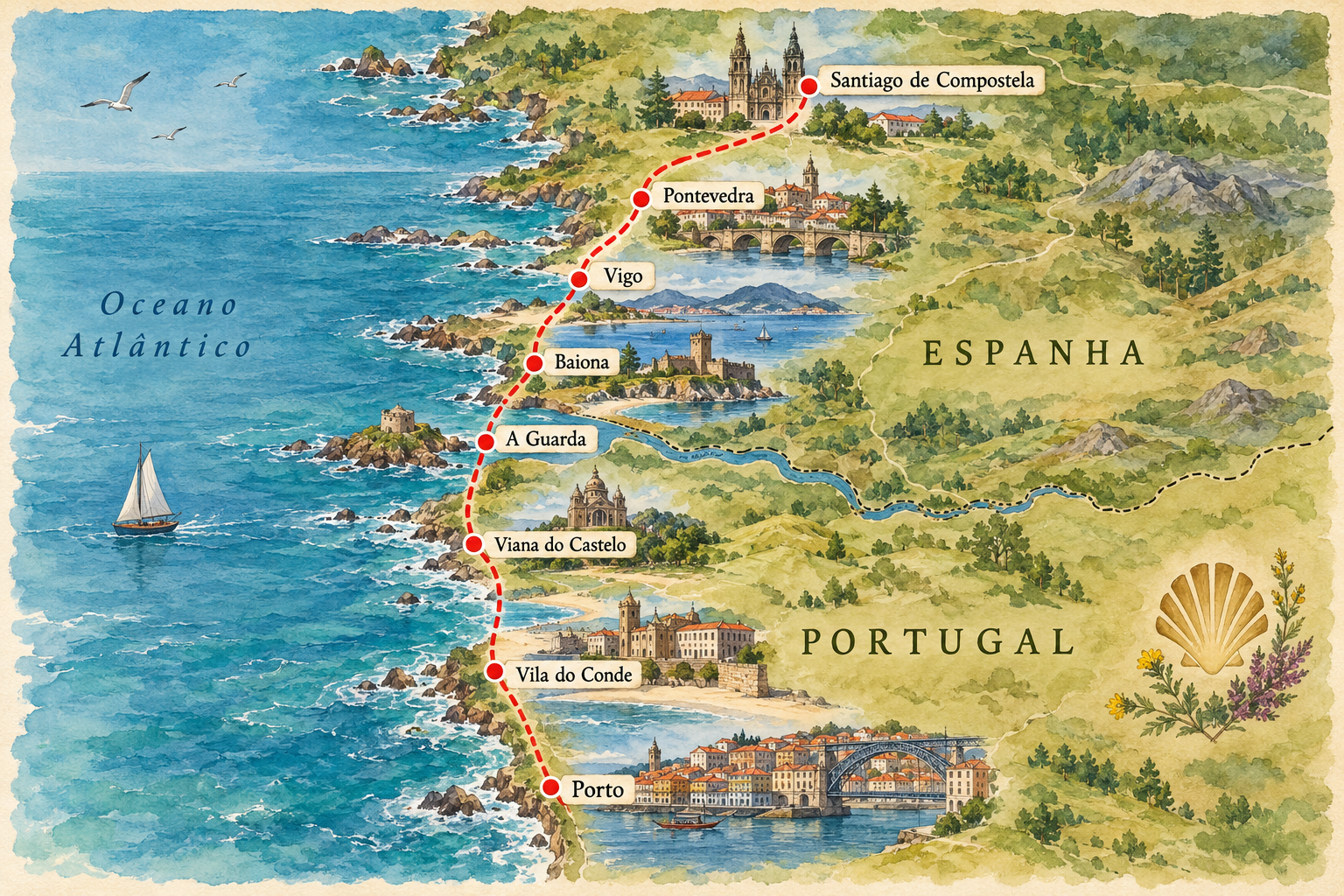
Santiago de Compostela is part of the Portuguese Coastal Way on foot

The Camino de Santiago along the Atlantic: from Porto to Galicia via the coast, through Vila do Conde, Viana do Castelo, A Guarda, Baiona and Vigo, ending at Santiago Cathedral.

Illustrative map, not to scale. Tap a city to open its page.
Illustrated map of Portuguese Coastal Way on foot

Routes in Spain

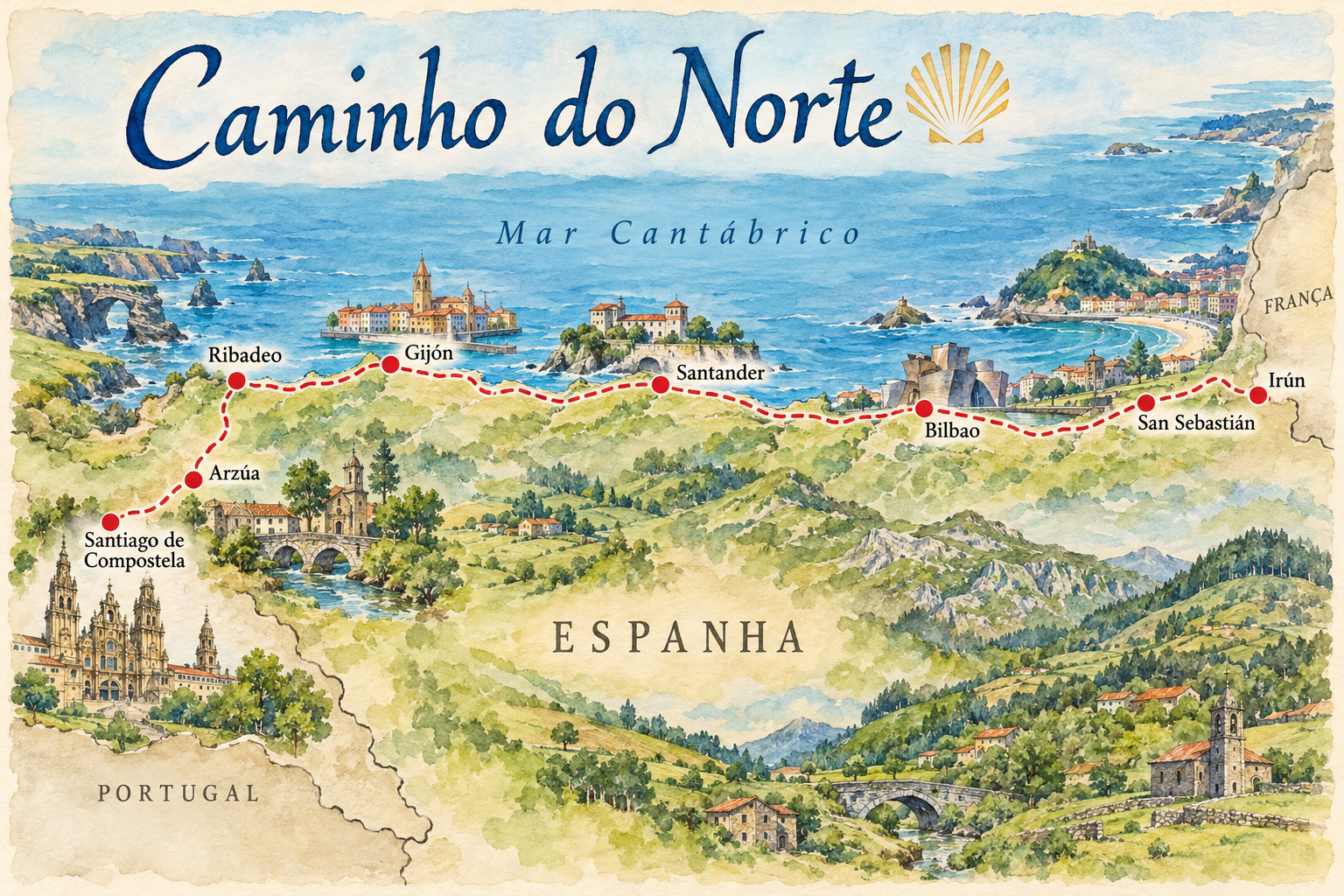
Santiago de Compostela is part of the Northern Way (Camino del Norte) to Santiago on foot

The Camino de Santiago along the Cantabrian coast: from the Basque Country to Galicia on foot, via San Sebastián, Bilbao, Santander and Gijón, between the sea and the green mountains.

Illustrative map, not to scale. Tap a city to open its page.
Illustrated map of Northern Way (Camino del Norte) to Santiago on foot
Explore the Northern Way (Camino del Norte) to Santiago on foot

Routes in Spain

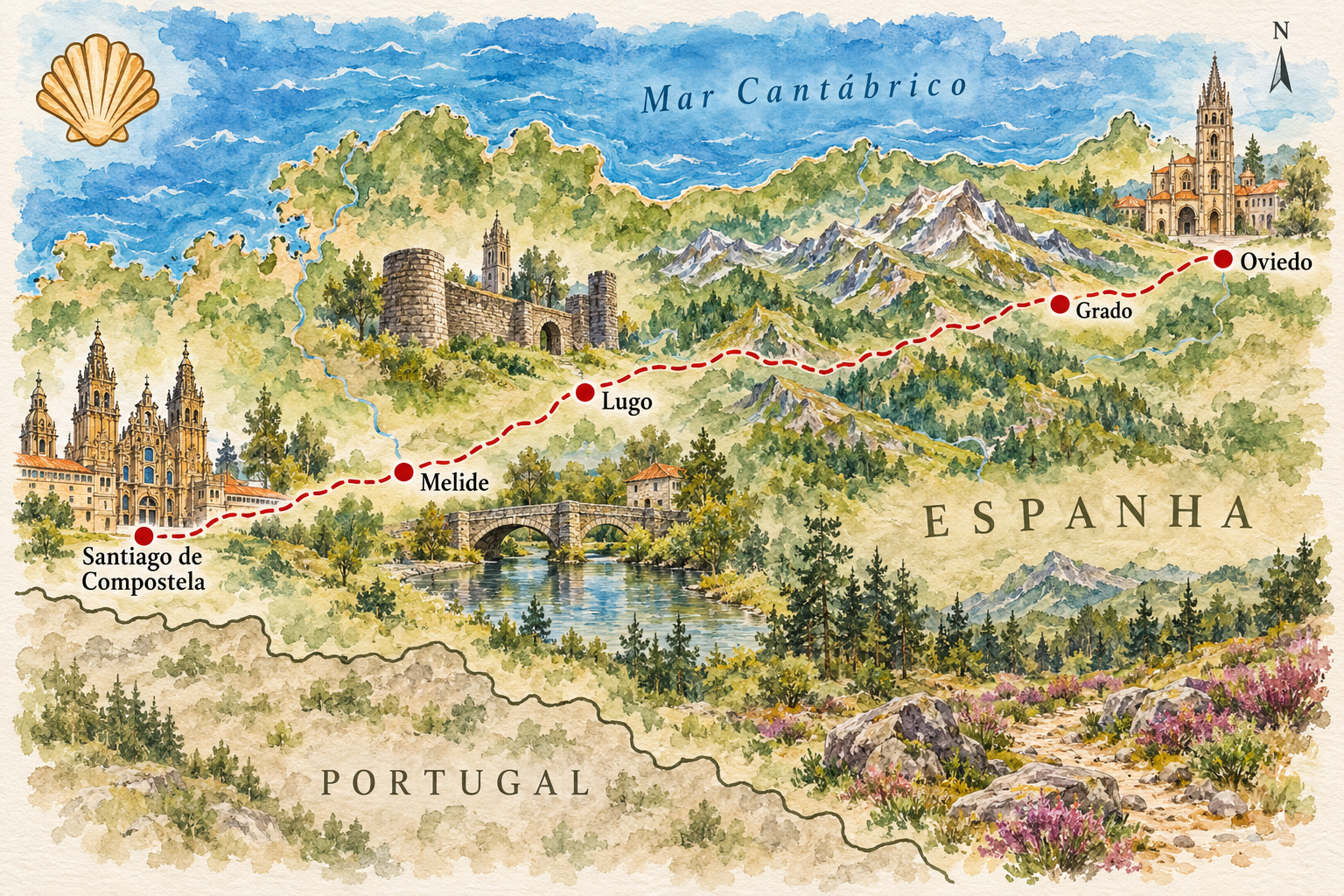
Santiago de Compostela is part of the Caminho Primitivo de Santiago on foot

The oldest route to Santiago: from Oviedo, through the mountains of Asturias and via Lugo and its Roman walls, on foot to the cathedral of Compostela.

Illustrative map, not to scale. Tap a city to open its page.
Illustrated map of Caminho Primitivo de Santiago on foot
Explore the Caminho Primitivo de Santiago on foot

Routes in Spain

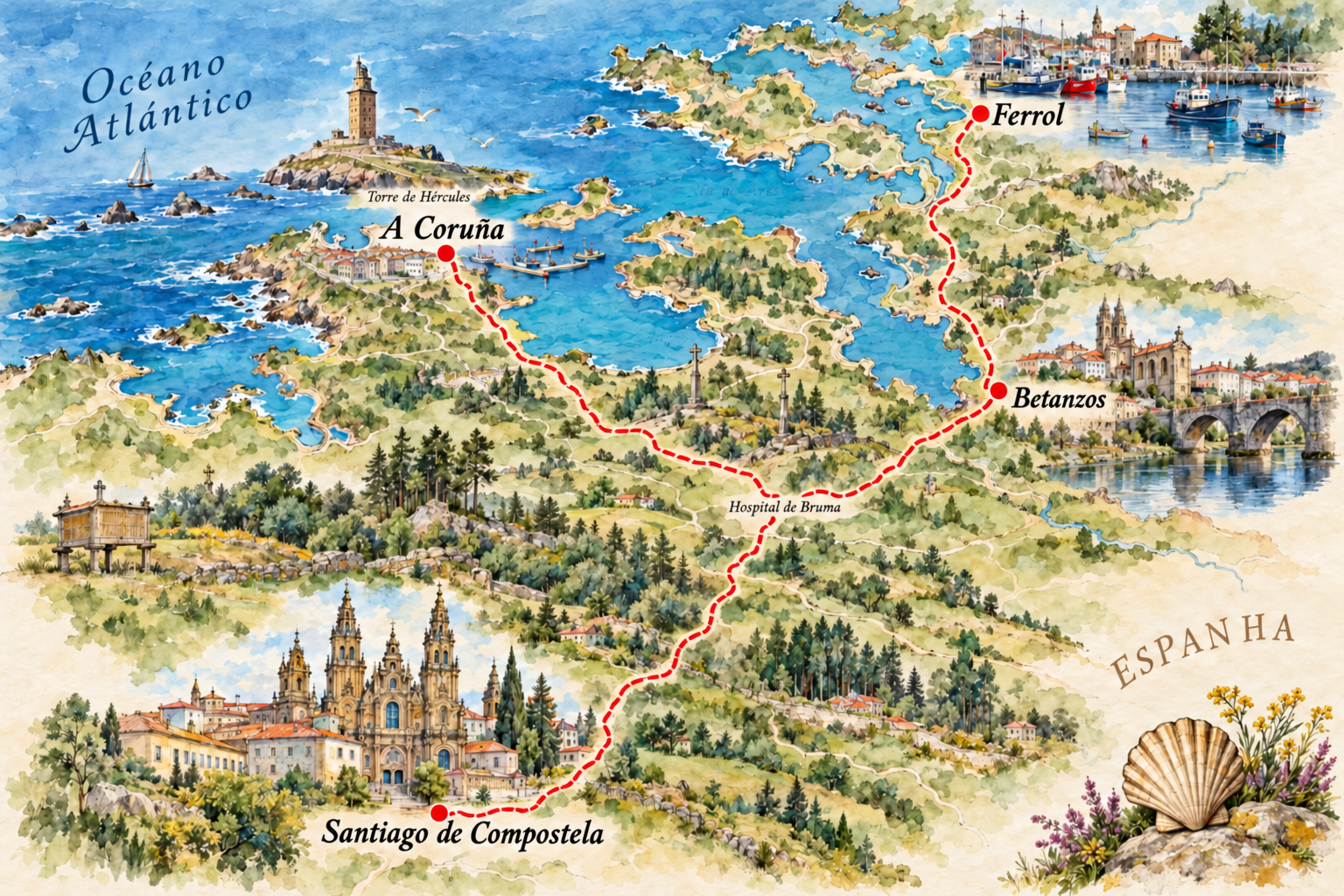
Santiago de Compostela is part of the English Way (Camino Inglés) to Santiago on foot

The route taken by pilgrims who arrived by sea: from Ferrol or A Coruña to Santiago de Compostela in under a week, along Galicia’s northern coast.

Illustrative map, not to scale. Tap a city to open its page.
Illustrated map of English Way (Camino Inglés) to Santiago on foot
Explore the English Way (Camino Inglés) to Santiago on foot

Routes in Spain

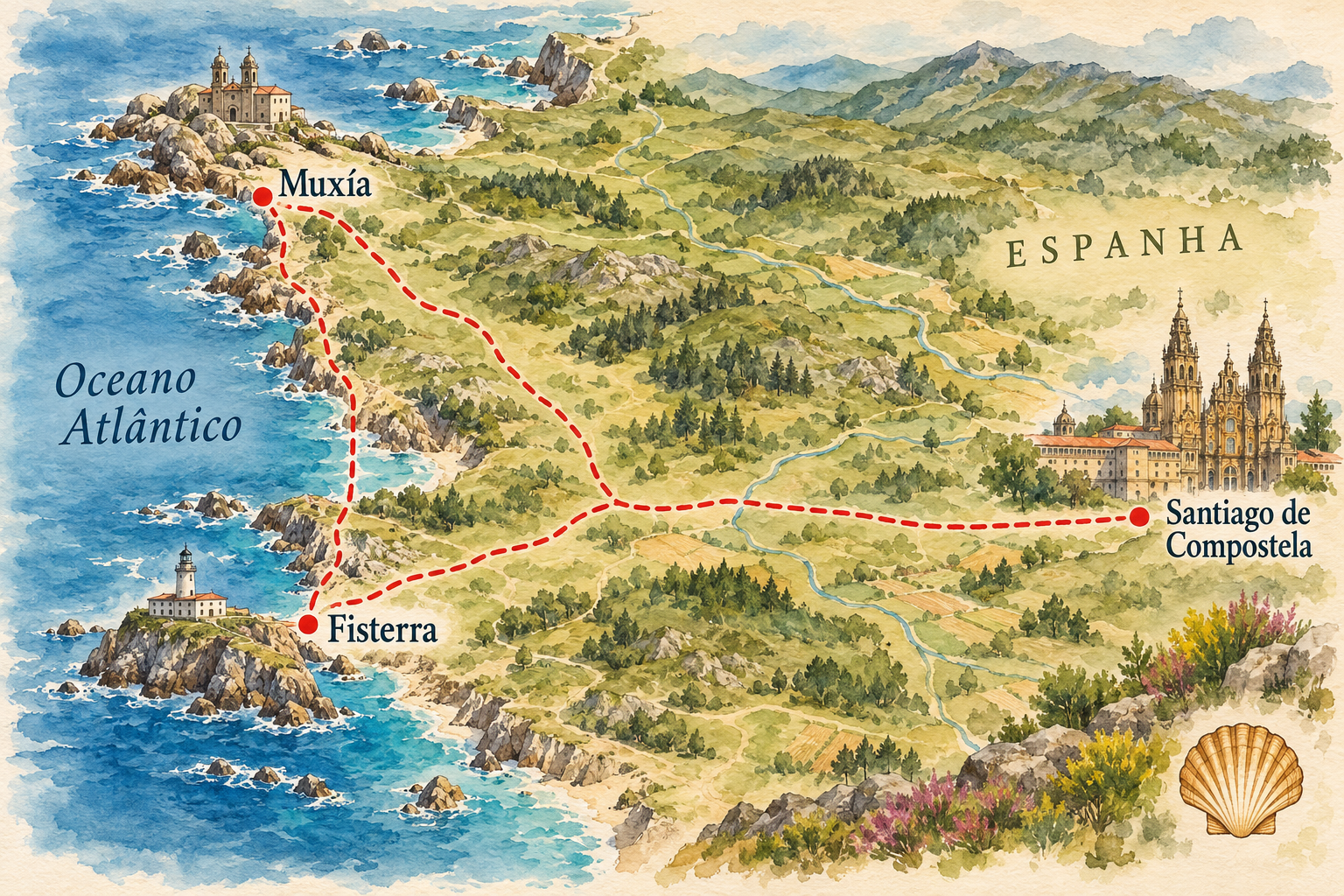
Santiago de Compostela is part of the Finisterre and Muxía walk

After the cathedral, the sea: on foot from Santiago de Compostela to Cape Finisterre, the old end of the world, and to the sanctuary of Muxía, on the Costa da Morte.

Illustrative map, not to scale. Tap a city to open its page.
Illustrated map of Finisterre and Muxía walk
Explore the Finisterre and Muxía walk

Routes in Spain

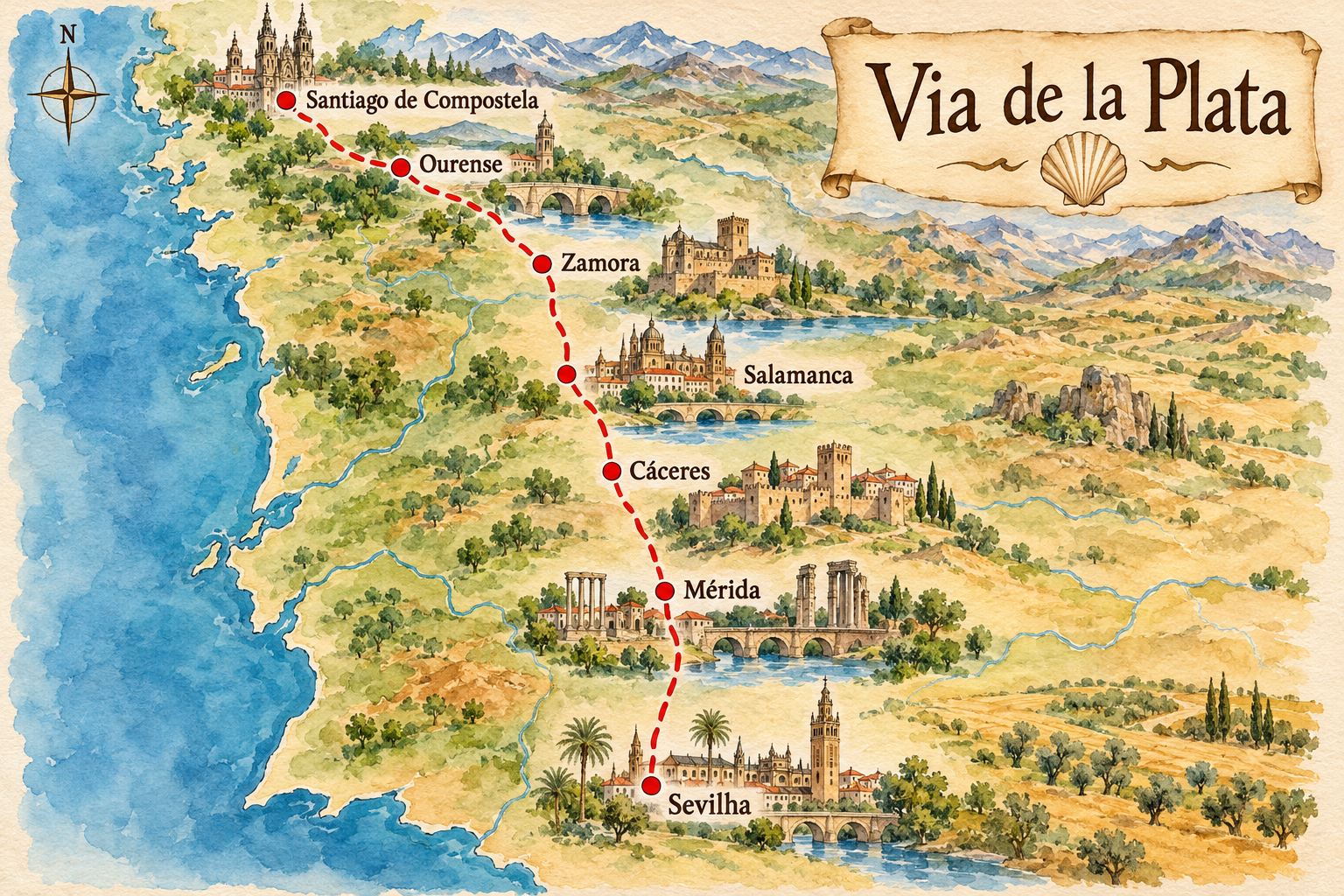
Santiago de Compostela is part of the Vía de la Plata from Seville to Santiago on foot

The longest Camino de Santiago in Spain: from Seville to Santiago de Compostela along the country’s west, following the old Roman road, via Mérida, Cáceres, Salamanca, Zamora and Ourense.

Illustrative map, not to scale. Tap a city to open its page.
Illustrated map of Vía de la Plata from Seville to Santiago on foot
Explore the Vía de la Plata from Seville to Santiago on foot
See the destination Santiago de Compostela and Galicia Find another city