Zakopane
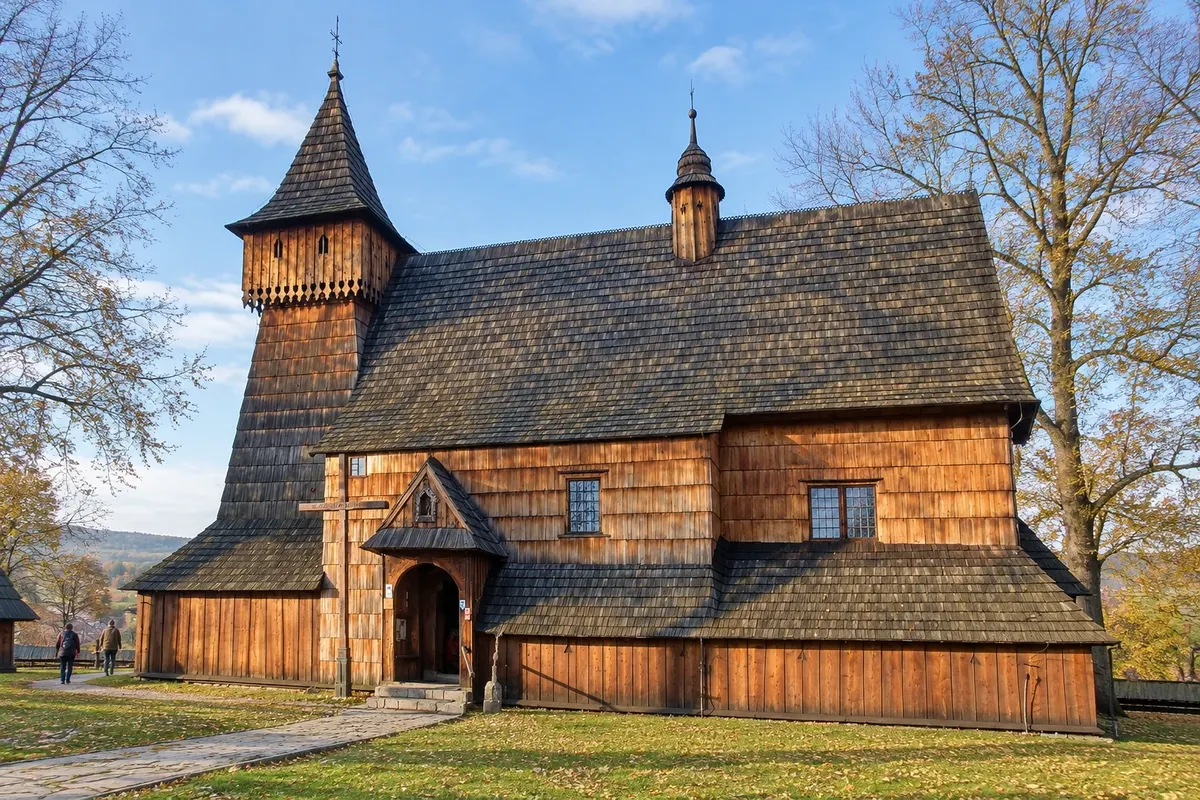
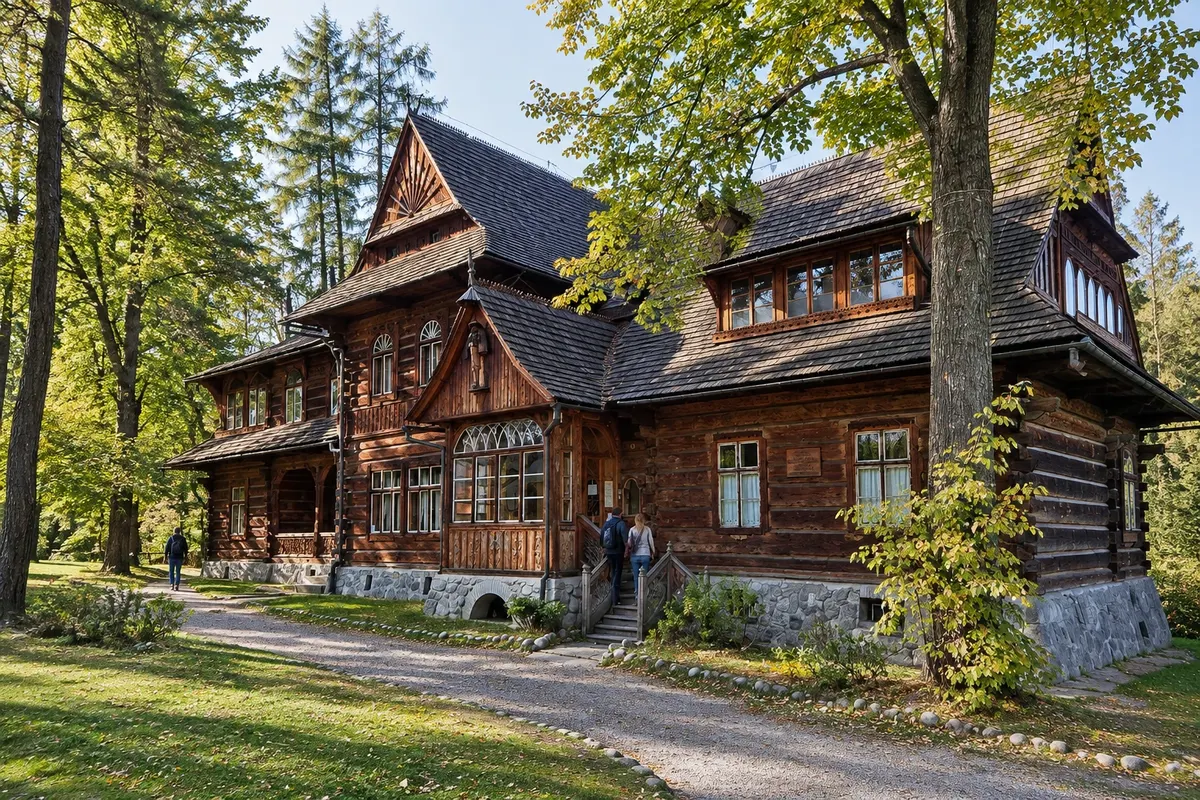
Zakopane is the urban base for the Tatras. The wooden architecture of Willa Koliba contrasts with outings to Kasprowy Wierch and Morskie Oko. The circuit can include Dębno, with a historic wooden church outside the town.
Pequena Polônia · Poland
Base of the country’s best-known mountains and wooden architecture.
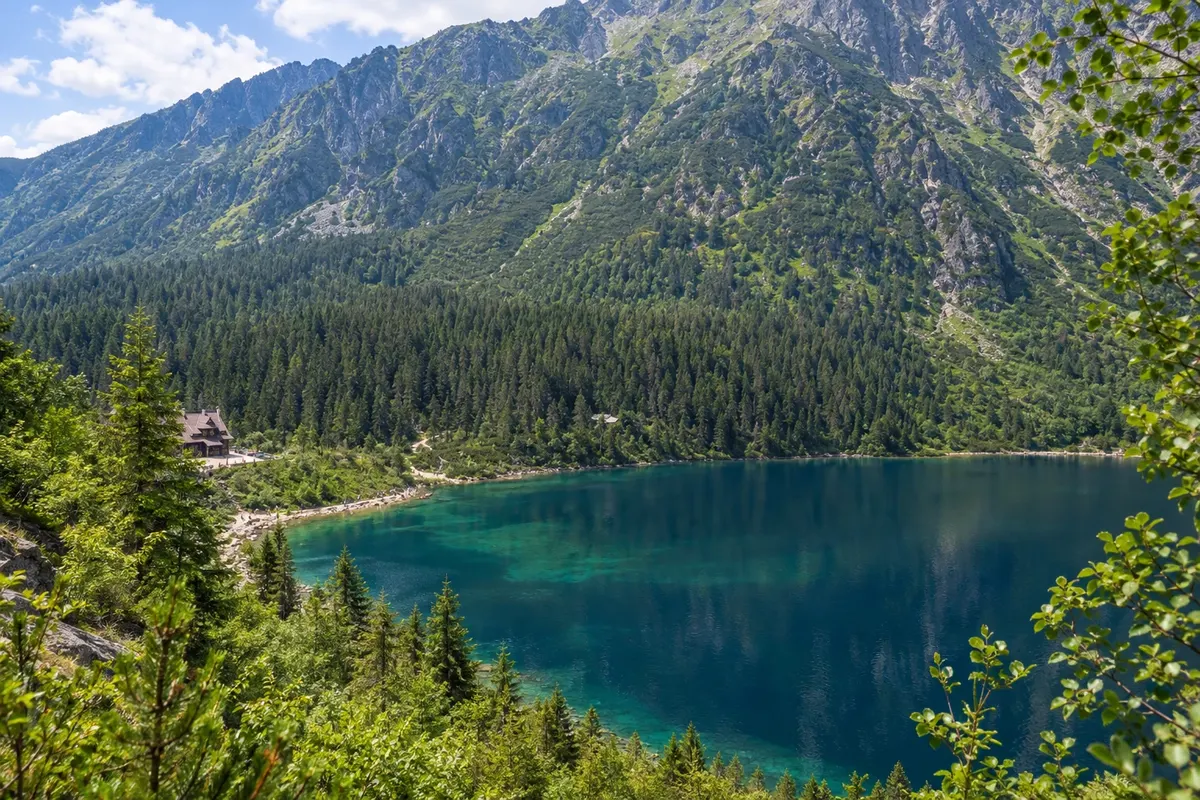
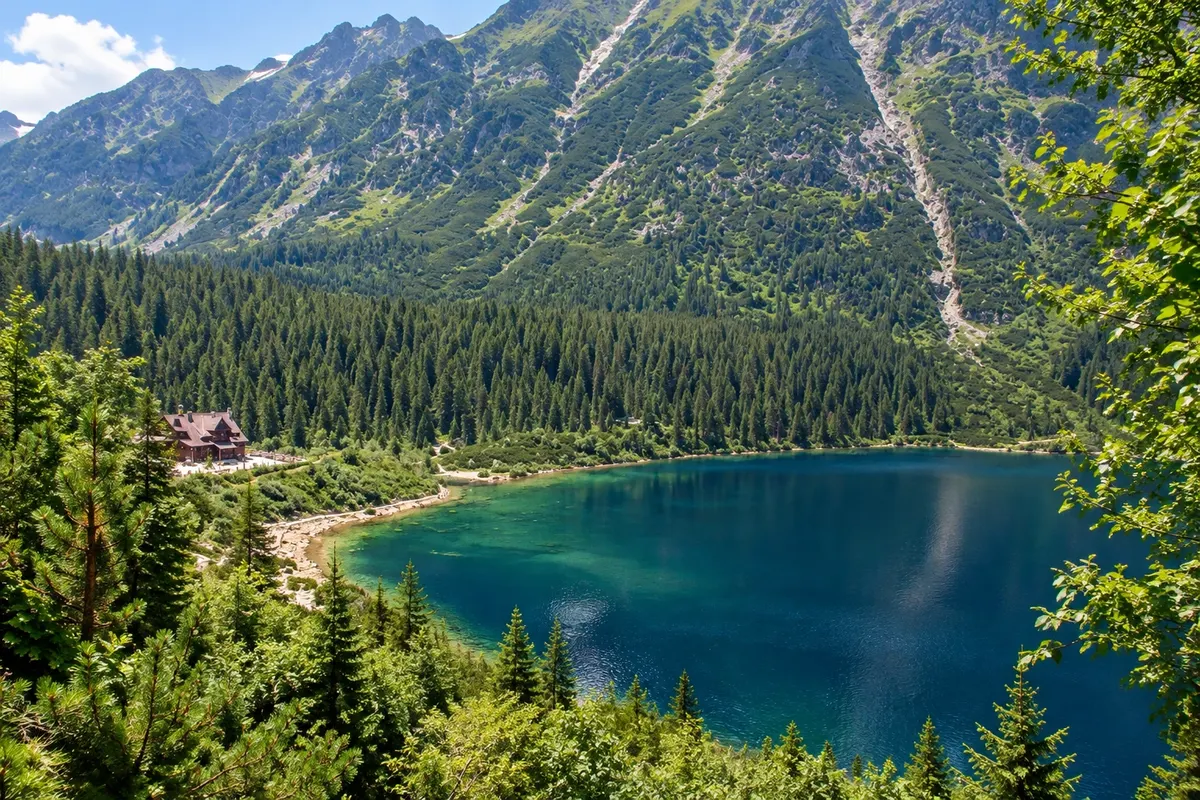
In the photo: Morskie Oko
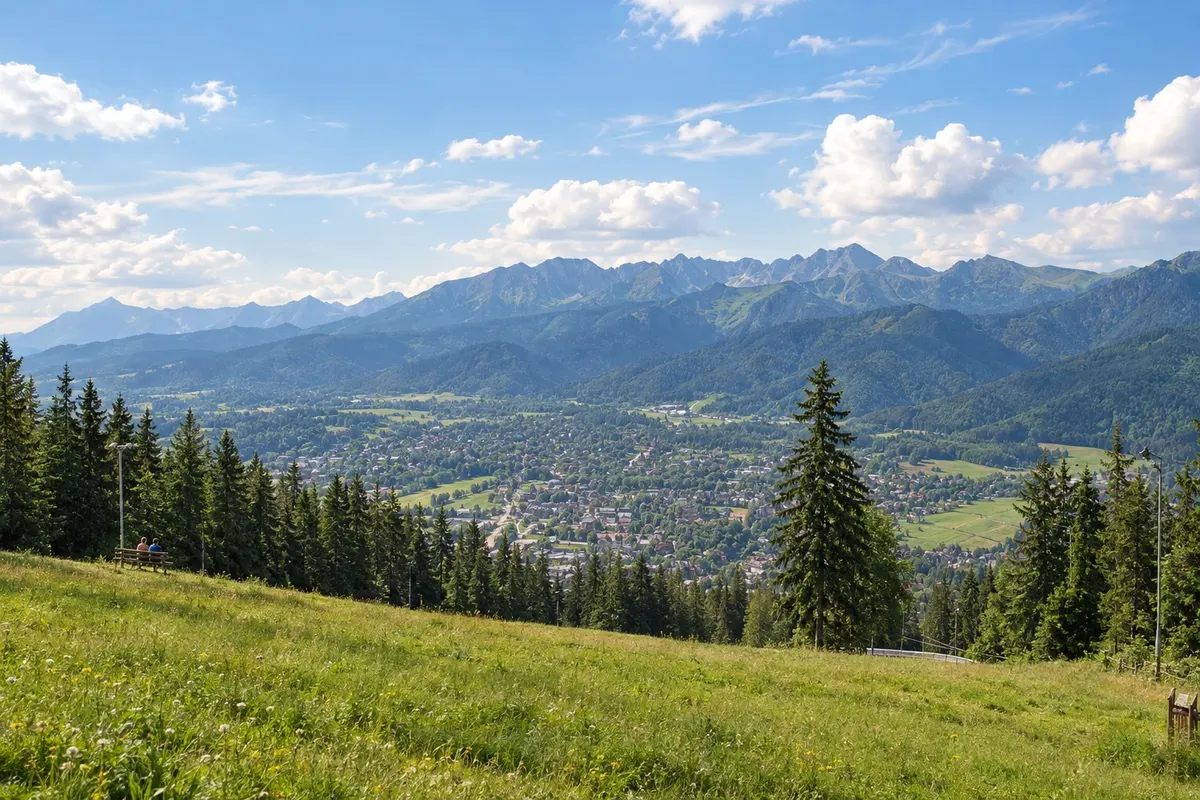
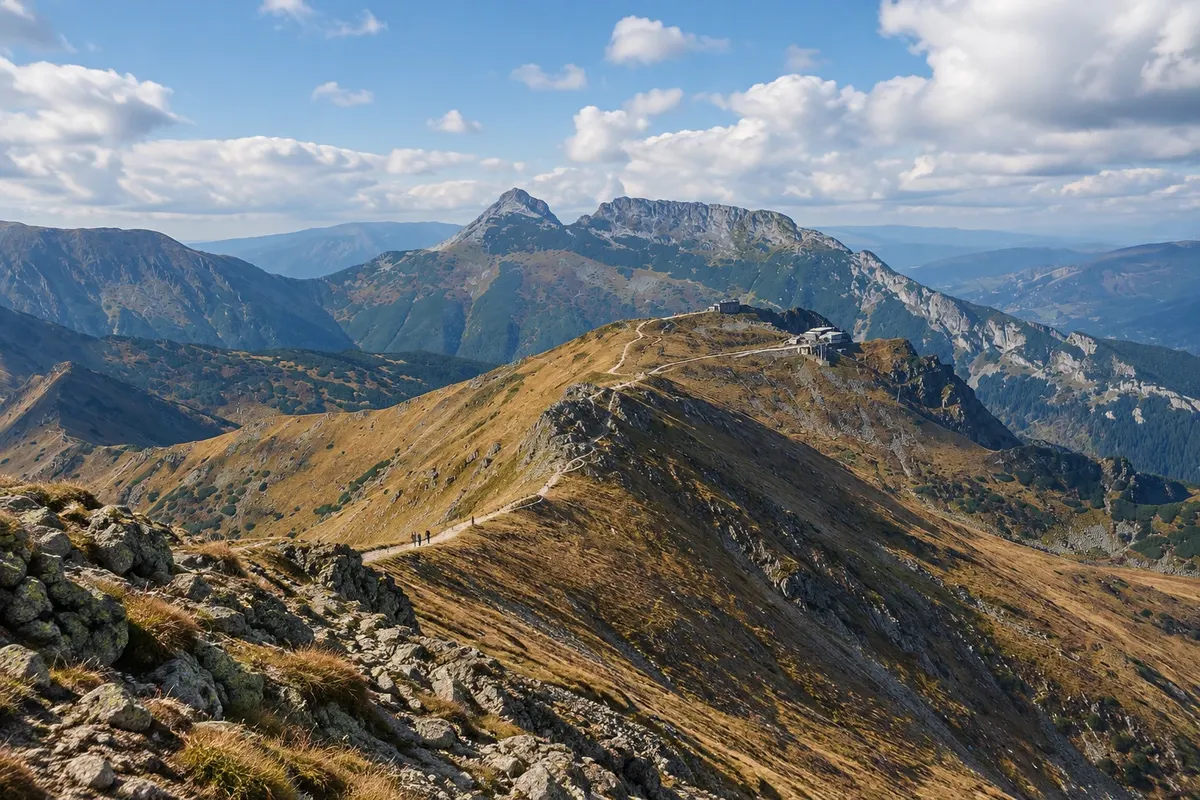
Illustrative images. The pictures in this guide are illustrations based on the real place, not photographs, and may differ from it.
Get to know the place
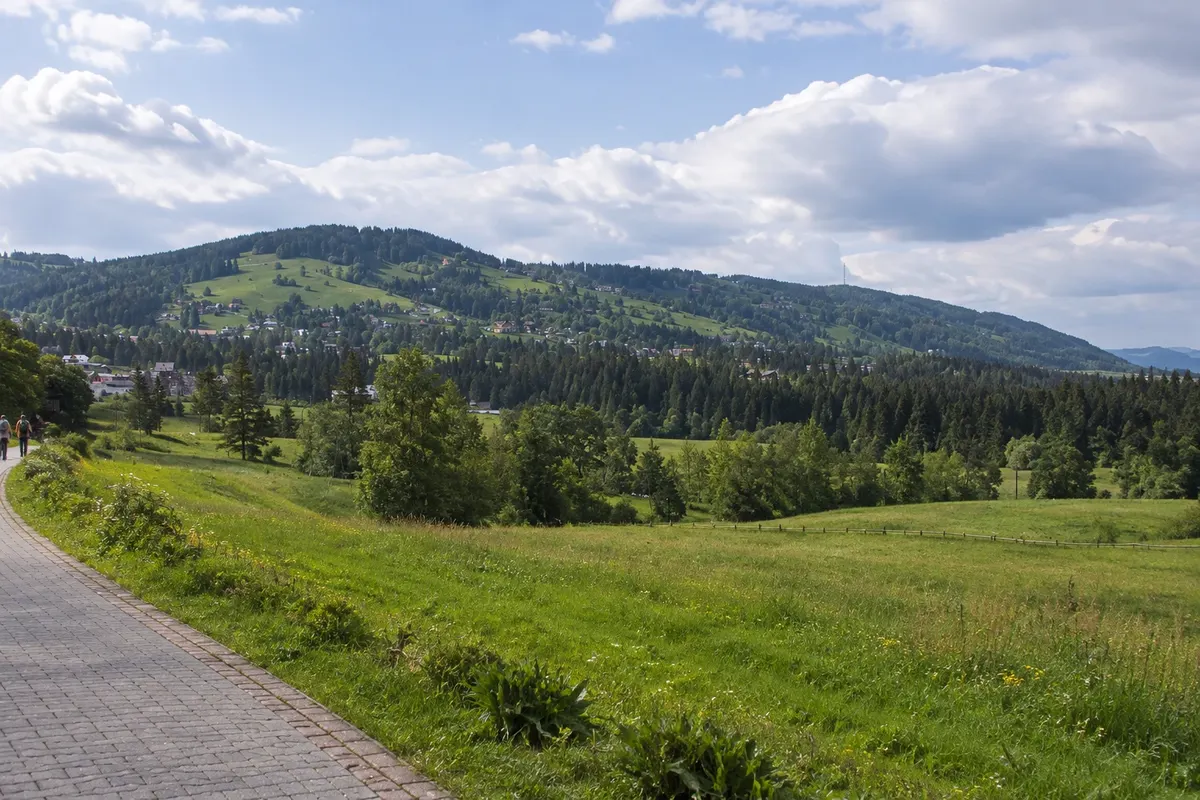
Zakopane sits at the foot of the Tatras and welcomes those looking for hikes, valleys and wooden architecture. Krupówki Street concentrates urban activity, but the local character also appears in the houses of the Zakopane style and in crafts tied to the mountain culture.
Access to Kasprowy Wierch starts from Kuźnice, while Morskie Oko requires travel to the trailhead. These are outings with different logistics and should not be treated as two quick stops in the same day. Visiting the wooden churches can expand the region’s itinerary.
Snow commonly appears in the cold months, without a guaranteed schedule for each trail. In summer, long days do not eliminate rain and thunderstorms; the plan should follow the park’s guidance.
This destination brings together 1 city: Zakopane.
One destination, many paths
Start with one city or combine several in your itinerary.
Contornos: Natural Earth (domínio público). Adaptação do Cidade Turismo.
Confirm before booking. Kraków is the main connection hub. Trains and buses run to Zakopane; after that, local transport serves Kuźnice and the trailheads. Compare total travel time, including connections.
The local experience
Willa Koliba showcases the Zakopane style in a wooden house associated with the work of Stanisław Witkiewicz. The building allows recognition of roofs, joints and decoration that transformed references of regional architecture into a distinctive residential language.
Kasprowy Wierch is a mountain of the Tatras reached from the Kuźnice sector. The summit offers views of the region's ridges and valleys when visibility allows, but the experience depends on mountain conditions, which can differ greatly from Zakopane's streets.
Morskie Oko is a lake surrounded by cliffs and slopes of the Tatras, inside the national park. The usual access requires travel from Zakopane to the trailhead and a long walk, so the visit should not be treated as a roadside viewpoint.
The church of São Miguel Arcanjo is located in Dębno, on the rural circuit north of Zakopane. The wooden building is part of the World Heritage group of churches of southern Little Poland and displays a community-built scale different from that of large urban churches.
Gubałówka is a rise adjacent to Zakopane that allows views of the town and the Tatra ridgeline when visibility permits. Access by mountain transport departs from the urban sector, creating a program different from long hikes within the national park valleys.
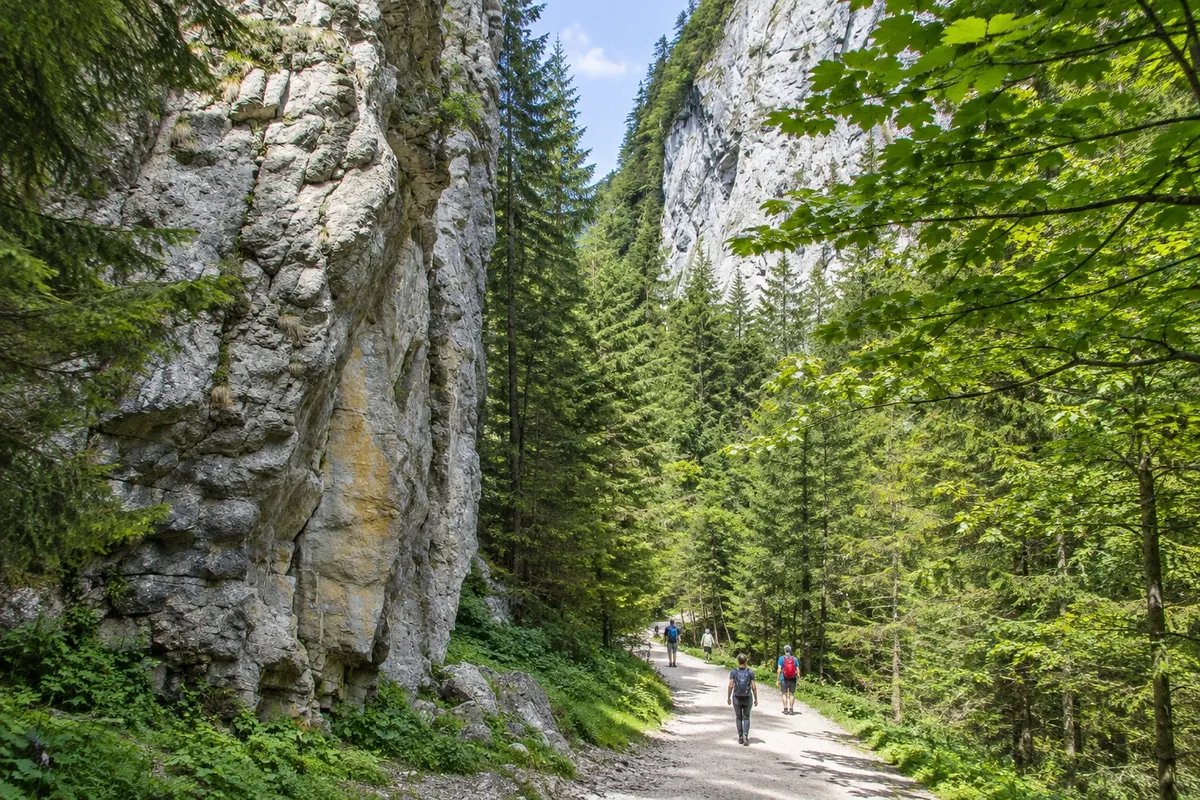
The Kościeliska valley lies in the Western Tatras and offers a walking route among slopes, forest and rock formations. Entering via the Kiry sector requires travel from Zakopane, so the outing should be organized as a standalone nature program.
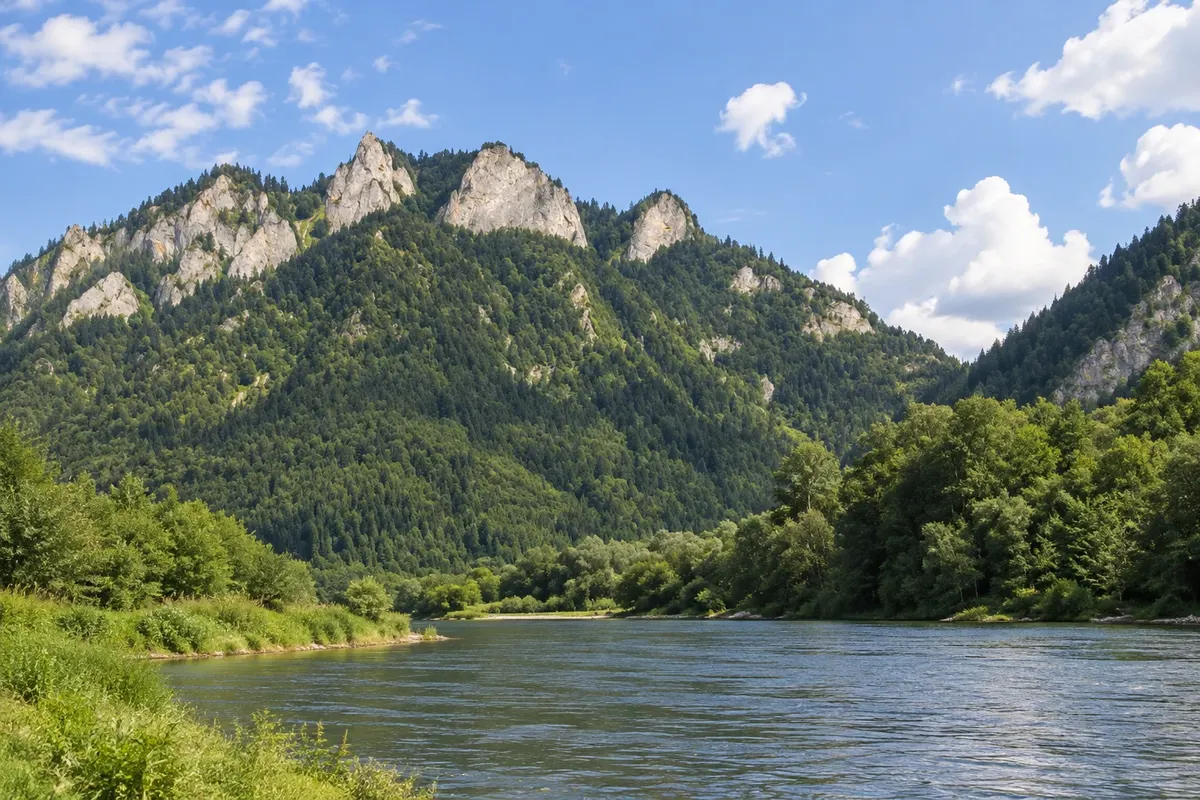
Pieniny National Park protects a landscape of limestone mountains along the Dunajec River, east of Zakopane. The gorge offers a different form of Carpathian relief, distinct from the ridges and high lakes of the Tatras.
Before you go
A little planning leaves more time to enjoy the journey.
June to September usually sees most summer hikes, with variable conditions at higher elevations. December to March typically brings cold and possible snow; winter activities depend on local conditions.
The seasons shown are the most usual ones; nature doesn't always follow the calendar.
Three to four days allow for the urban architecture, one valley and one mountain outing. Allow flexibility to change the order of excursions depending on the weather, without promising to reach a summit or see snow.
The center near Krupówki makes dining and transport easy. The Kuźnice area brings some mountain departures closer, but not all. Check bus access and the distance to the chosen trailhead.
Take your trash with you, follow the signs and support local businesses. In natural areas, follow the visiting guidelines.
Get your questions answered
Kraków is the main connection hub. Trains and buses go to Zakopane; afterward, local transport serves Kuźnice and the trailheads. Compare total travel time, including connections.
Three to four days allow for the urban architecture, one valley and one mountain outing. Leave room to change the order of hikes according to the weather, without promising to reach a summit or see snow.
June to September typically concentrates summer trails, with variable conditions at higher altitudes. December to March usually brings cold and possible snow; winter activities depend on local conditions.
The center near Krupówki makes dining and transport convenient. The Kuźnice area brings some mountain departures closer, but not all. Check bus access and the distance to the start of your chosen route.