Wrocław and Lower Silesia

Baixa Silésia · Poland

Wrocław and Lower Silesia

Squares of the Oder, Centennial Hall, Churches of Peace and Książ Castle.

Silésia e Oeste

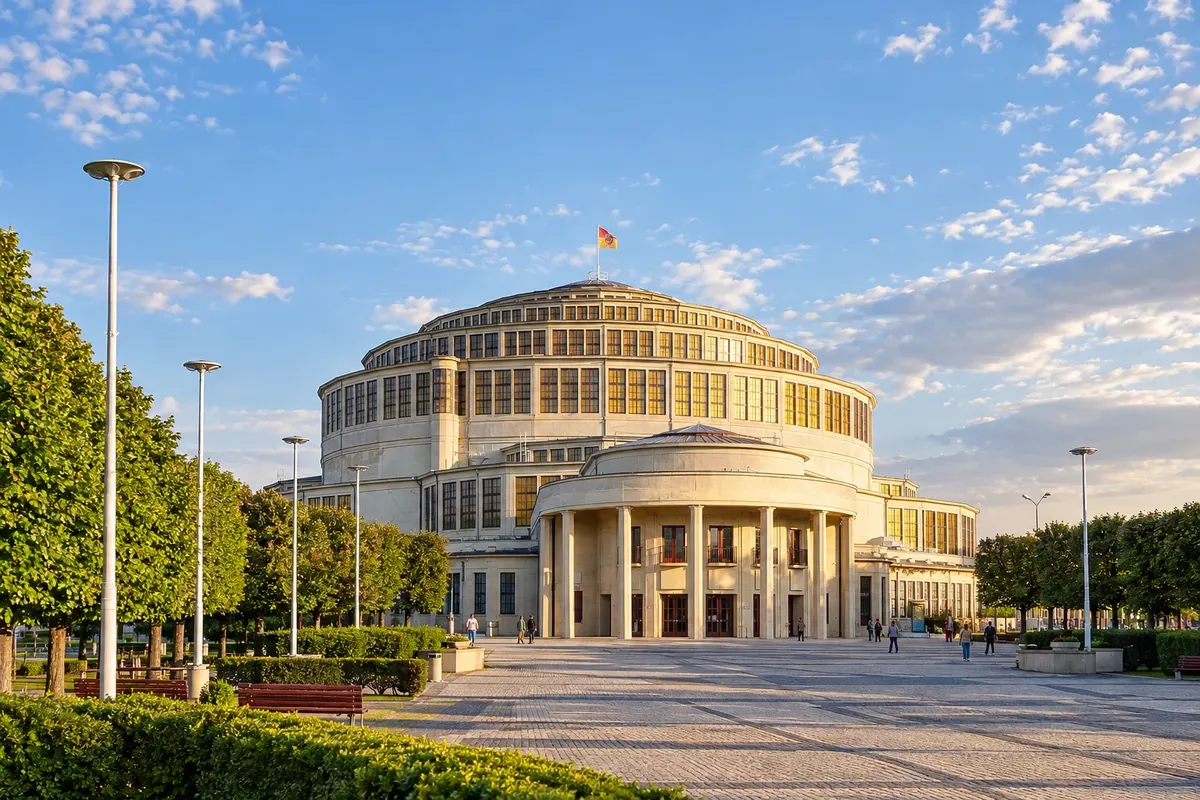
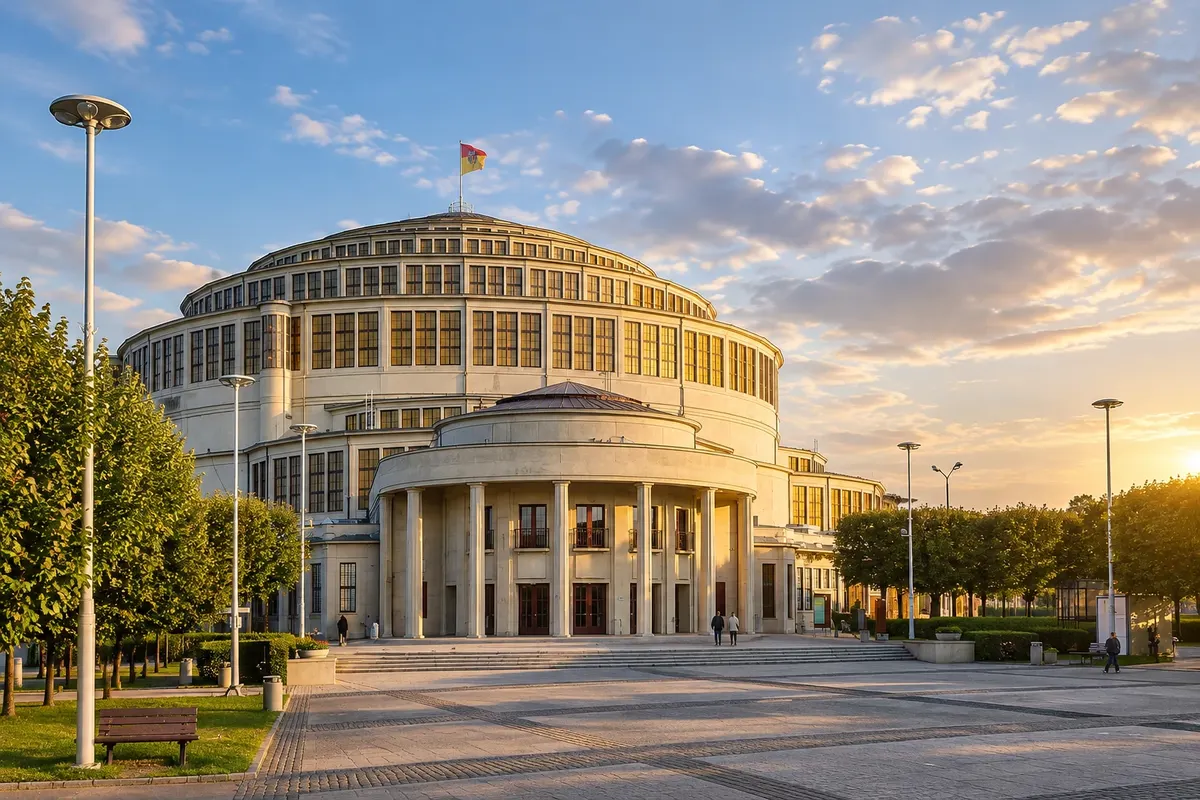
In the photo: Hala Stulecia

Illustrative images. The pictures in this guide are illustrations based on the real place, not photographs, and may differ from it.

Get it on Google Play Send your photos

Get to know the place

A region to enjoy
at your own pace.

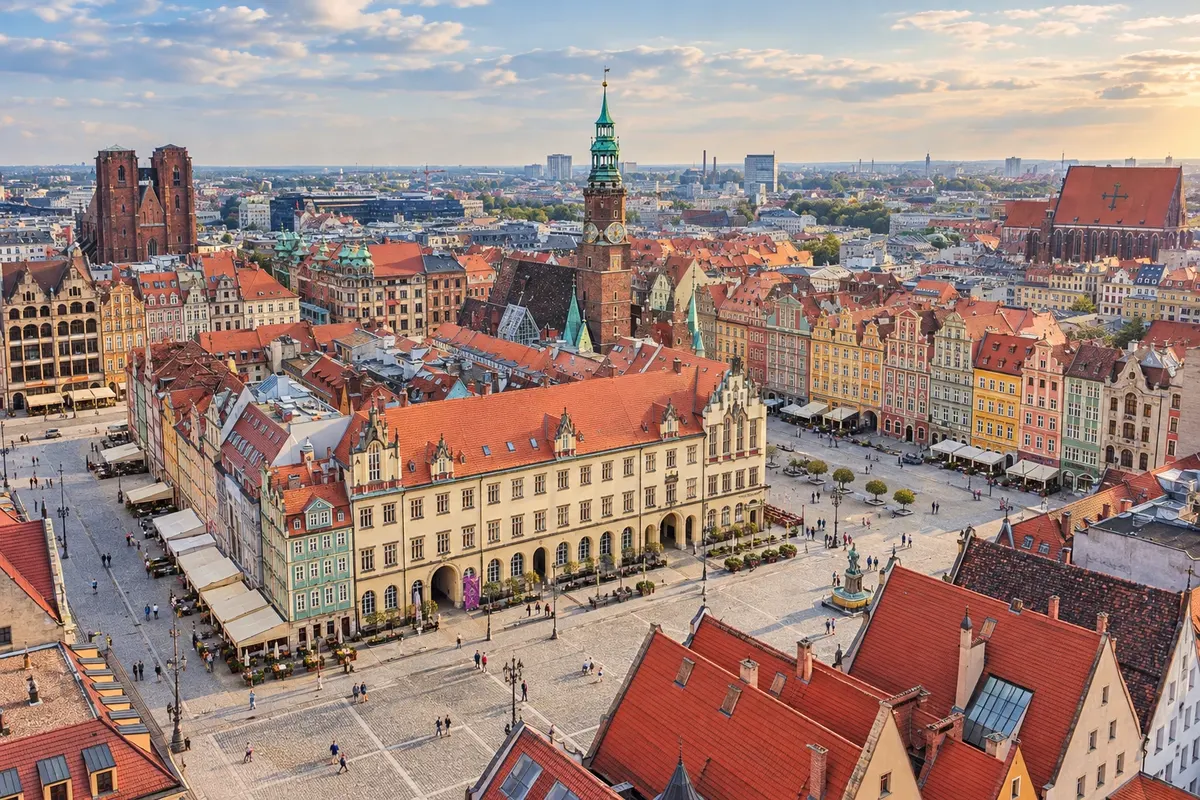
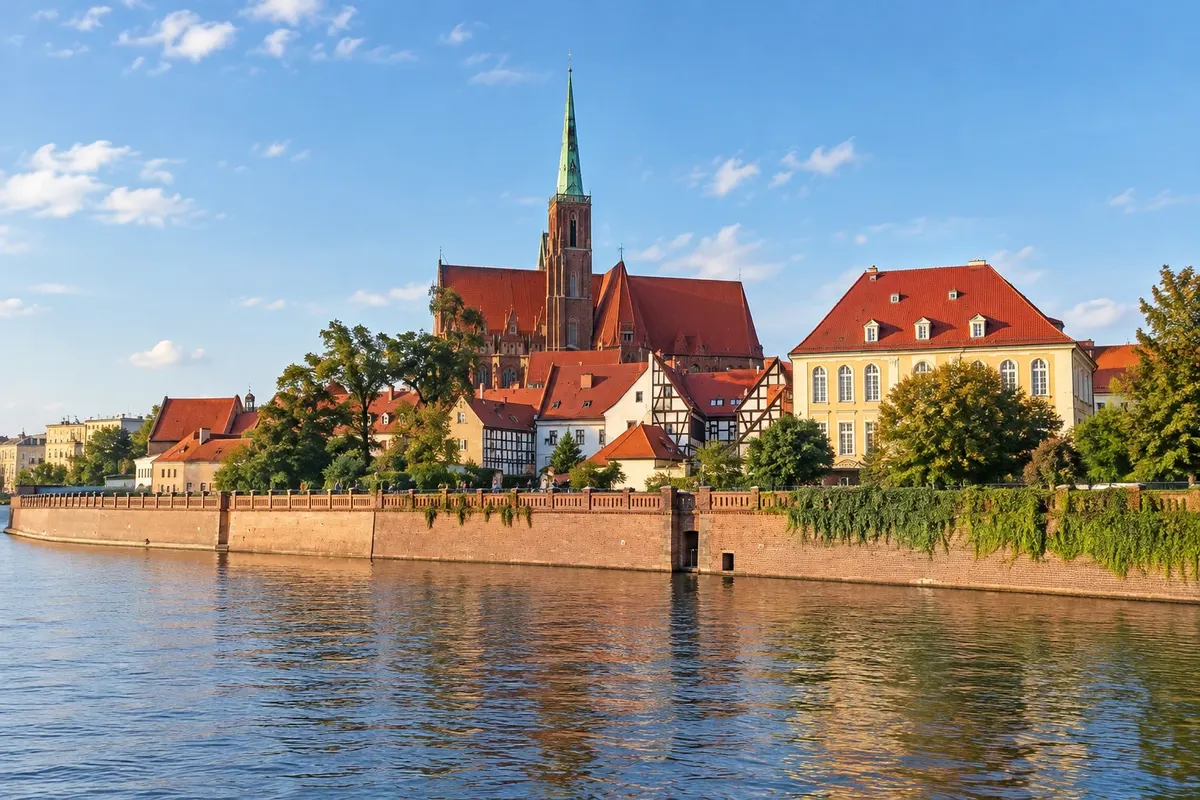
Wrocław spreads its urban landscape across branches of the Oder, bridges and islands. The market and the old town hall form a walking core, while the Ostrów Tumski area brings the visit closer to the city’s religious origins.

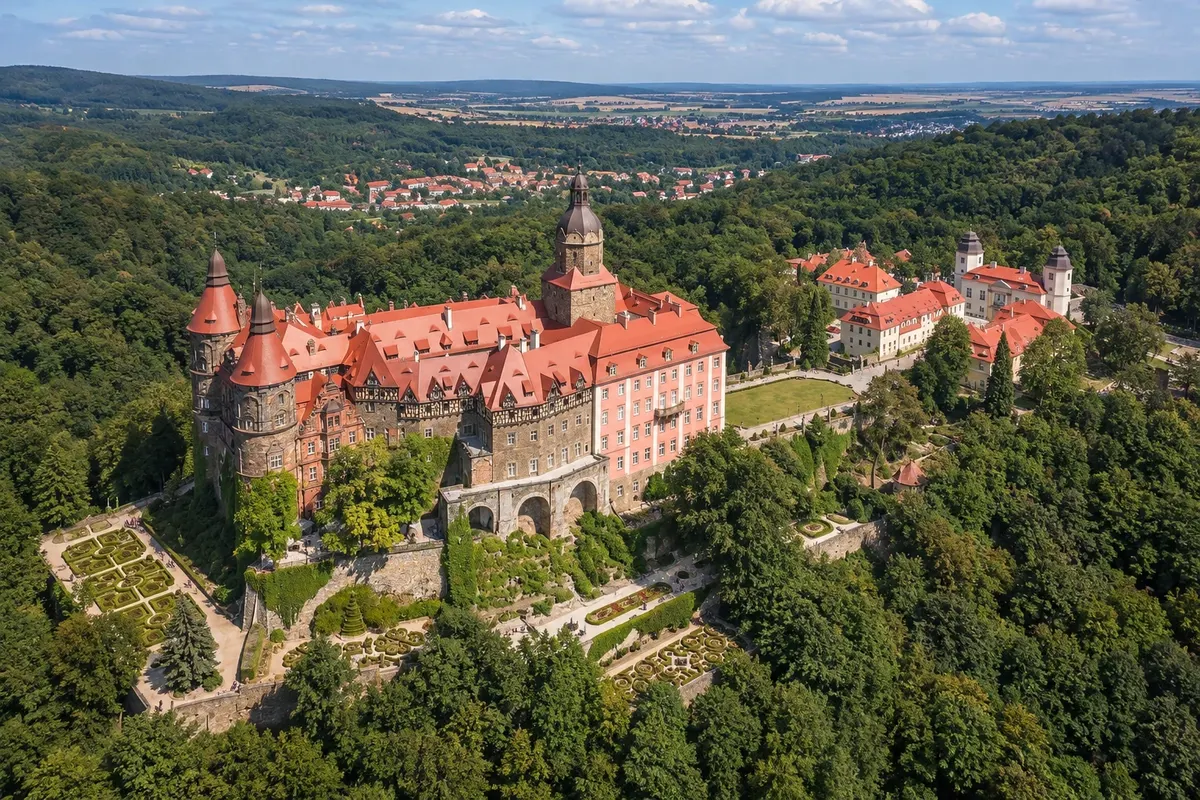
The Centennial Hall adds concrete architecture to the itinerary. Outside the regional capital, the Churches of Peace in Świdnica and Jawor feature large wooden interiors. Wałbrzych lets you visit Książ Castle and the mining heritage.

Lower Silesia requires combining urban transport with regional outings. Trains serve the towns, but the castle is not next to Wałbrzych station.

This destination brings together 4 cities: Wrocław, Świdnica, Jawor, Wałbrzych.

Share: WhatsApp
Traveler, share your experiences through photos Up to 5 photos of each place you visited.

One destination, many paths

The cities on this trip

Start with one city or combine several in your itinerary.

Where Wrocław and Lower Silesia is
WrocławŚwidnicaJaworWałbrzych

Contornos: Natural Earth (domínio público). Adaptação do Cidade Turismo.

How to get there: Wrocław and Lower Silesia

✈ Port Lotniczy Wrocław (WRO) · 12 km to Wrocław

Confirm before booking. Wrocław Główny is the main rail hub of the base; the airport lies west of the center. Other towns can be reached by train and bus, with attention to connections and the final access to Książ.

Suggested arrival point: Wrocław

The local experience

Things to do in Wrocław and Lower Silesia

Kościół Pokoju w Jaworze
Jawor · Baixa Silésia · Church

Kościół Pokoju w Jaworze

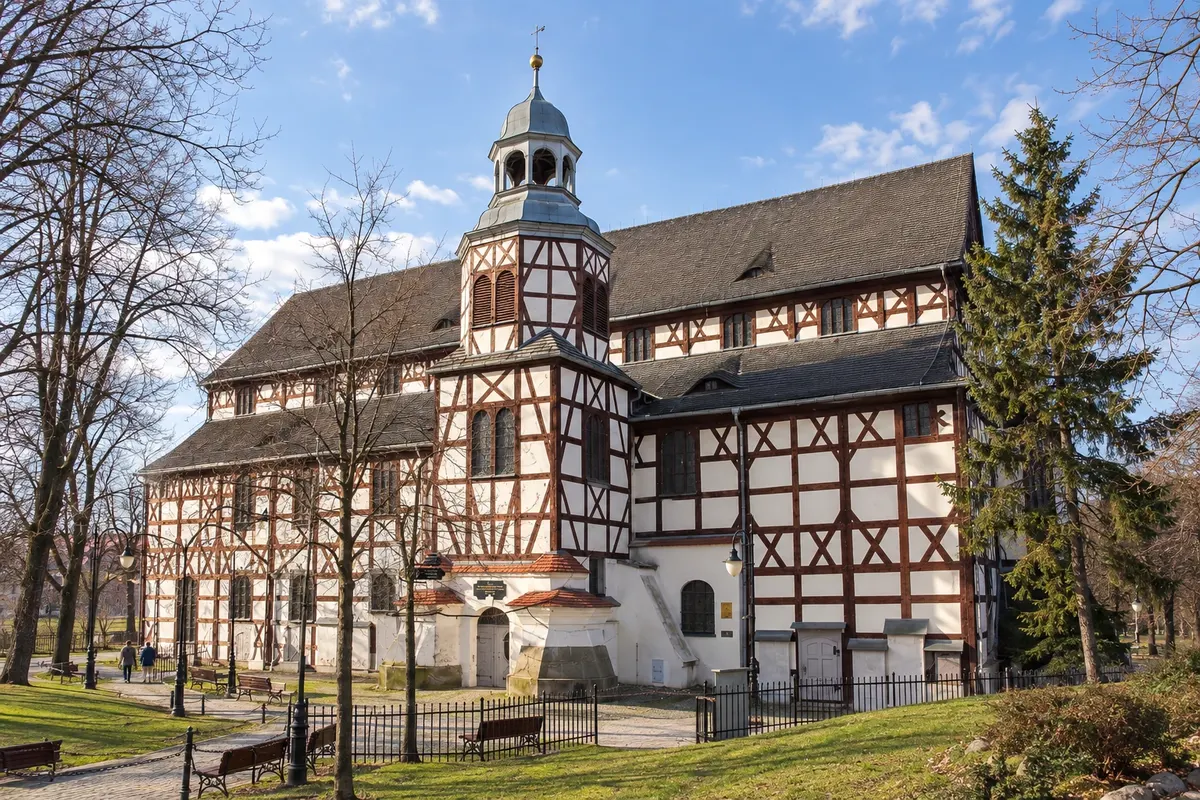
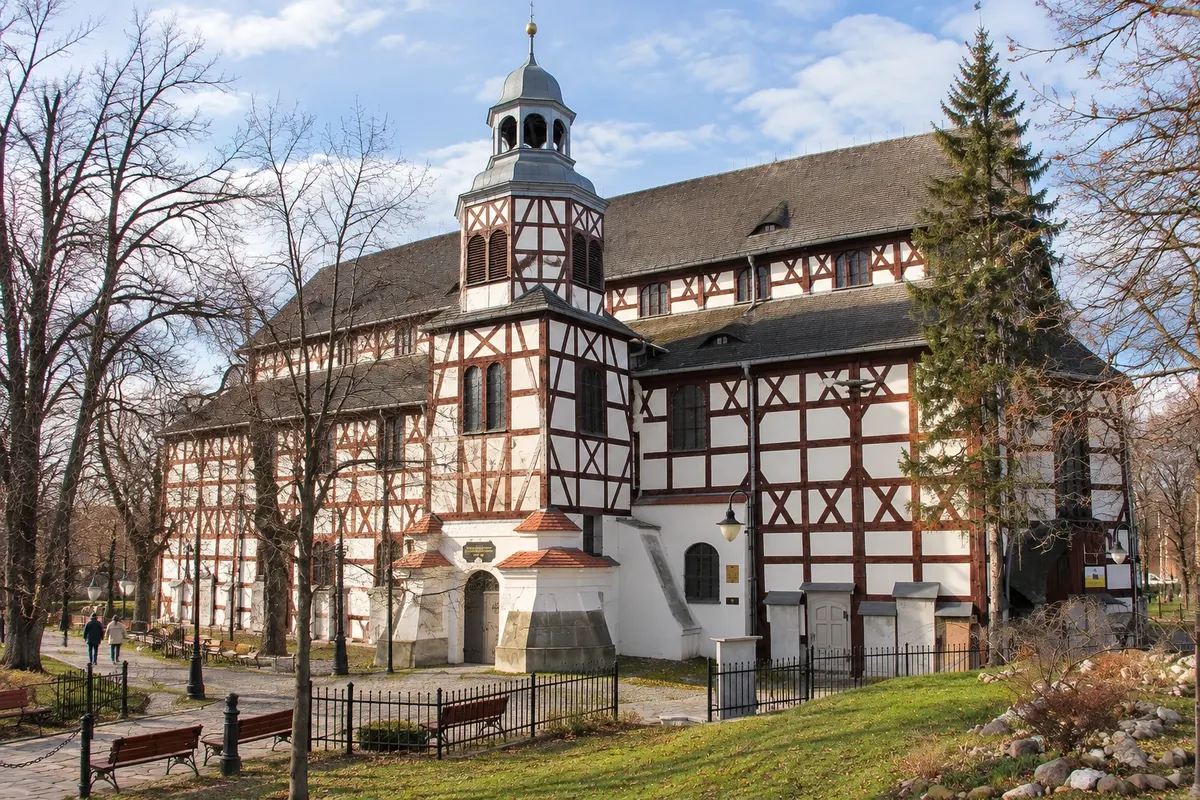
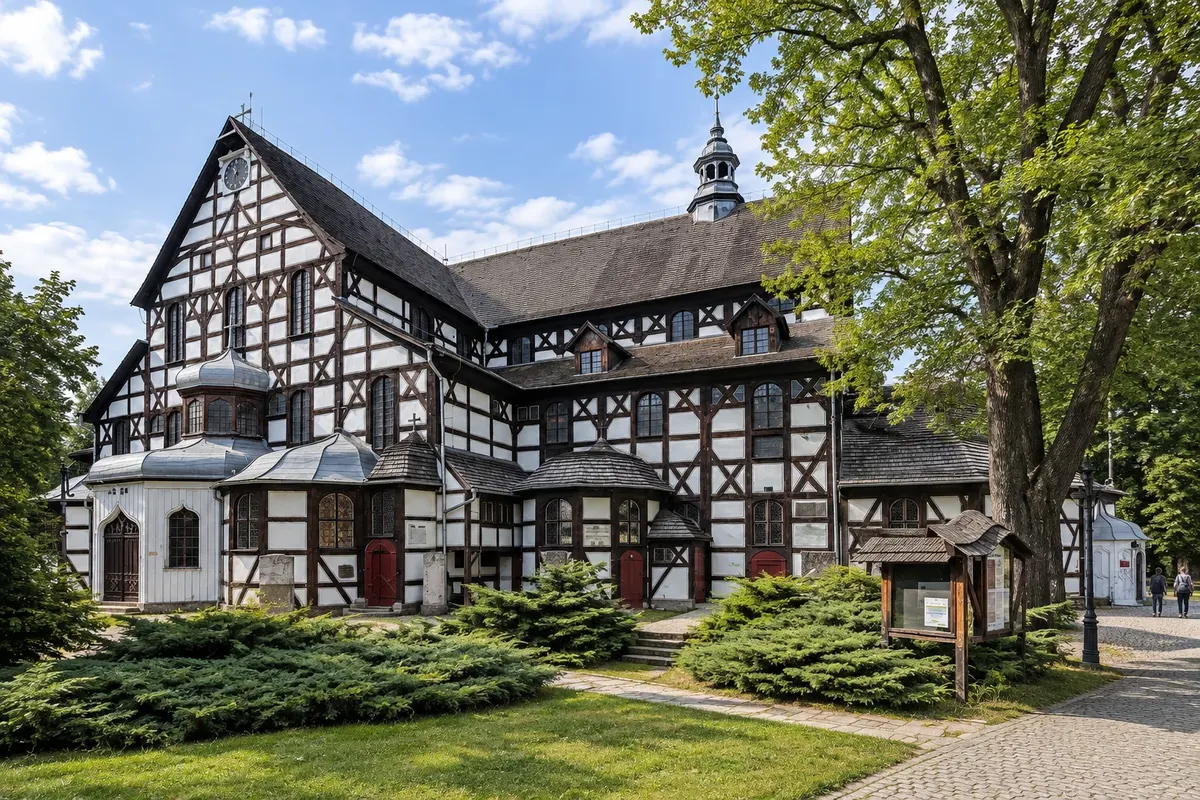
The Church of Peace in Jawor is part of a group of wooden-structured temples recognized as World Heritage. The building preserves an interior of overlapping galleries, where painting, furnishings and the spatial arrangement help to understand its use.

Kościół Pokoju w Świdnicy
Świdnica · Baixa Silésia · Church

Kościół Pokoju w Świdnicy

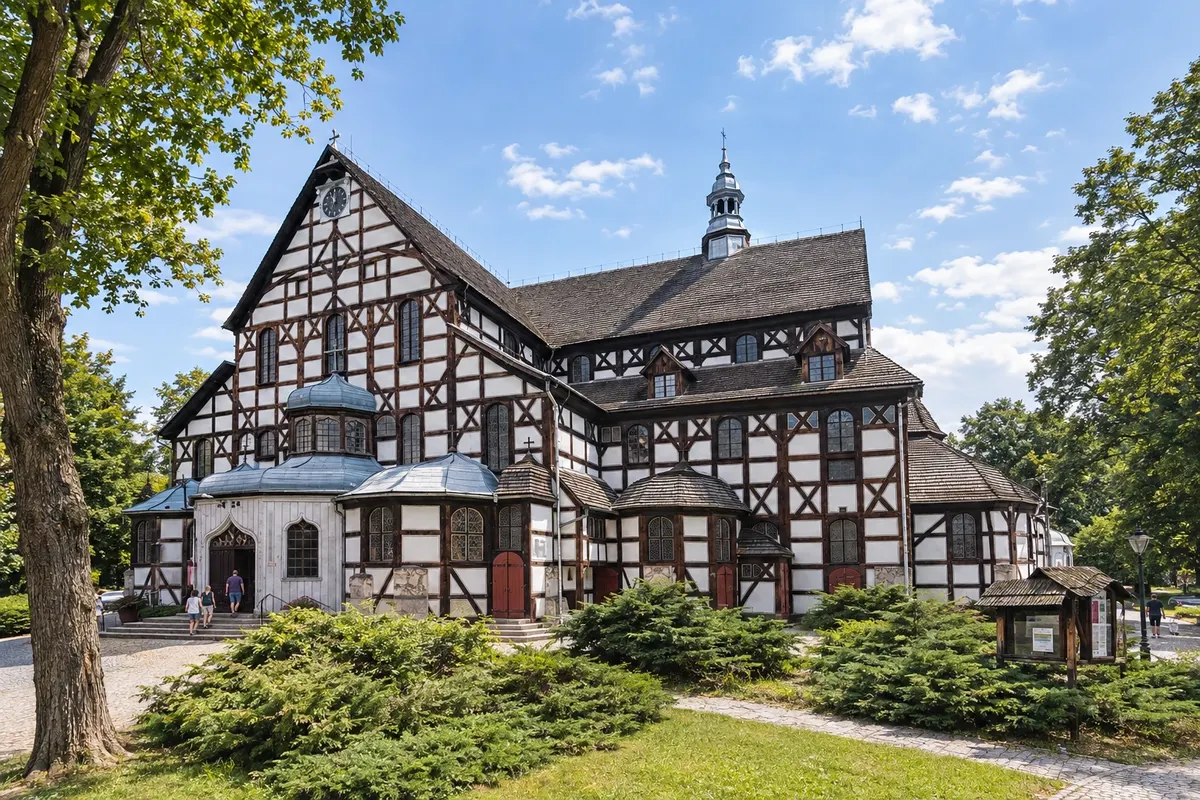
The Church of Peace in Świdnica features a wooden structure whose external appearance does not foreshadow the full interior decoration. The building is part of the World Heritage together with the church in Jawor and retains an arrangement of galleries, pulpit and painted elements.

Rynek we Wrocławiu
Wrocław · Baixa Silésia · Square

Rynek we Wrocławiu

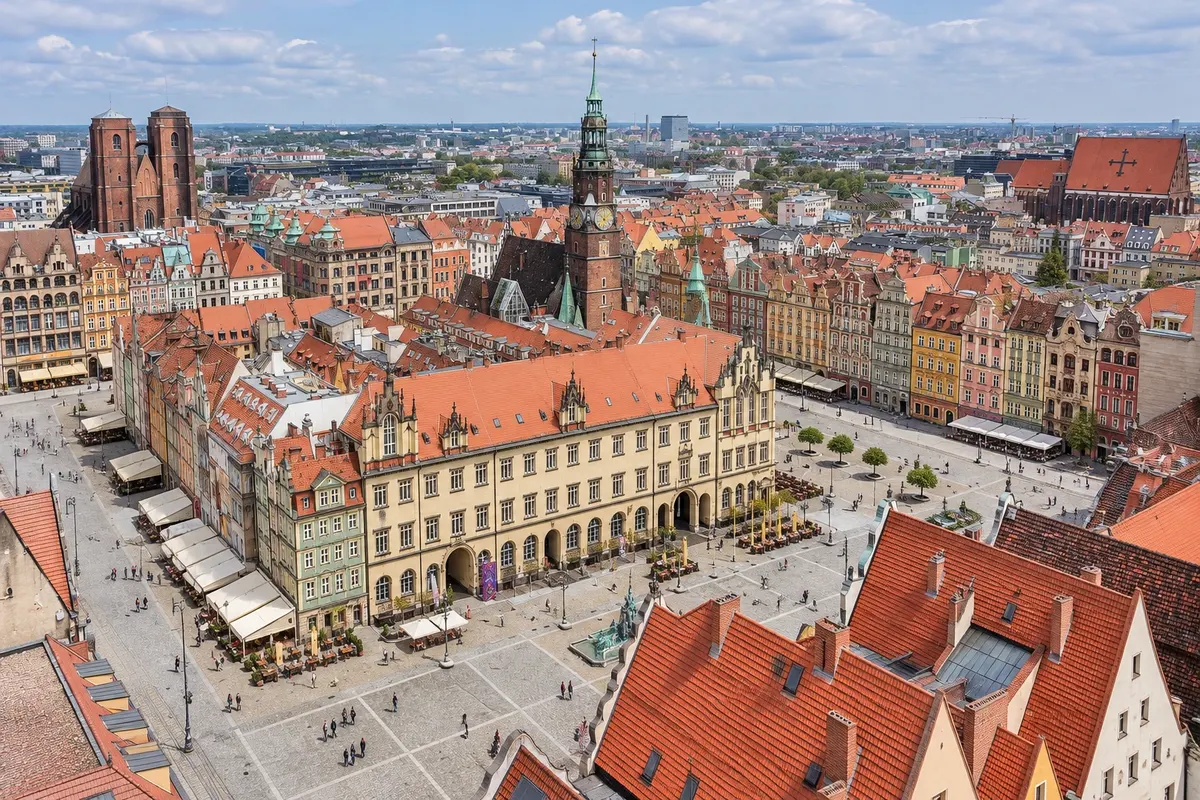
The Rynek of Wrocław structures the old town around the town hall and a set of façades from different periods. The square serves as a starting point for routes among the shopping streets, the former municipal building and the surrounding passages.

Zamek Książ
Wałbrzych · Baixa Silésia · Castle

Zamek Książ

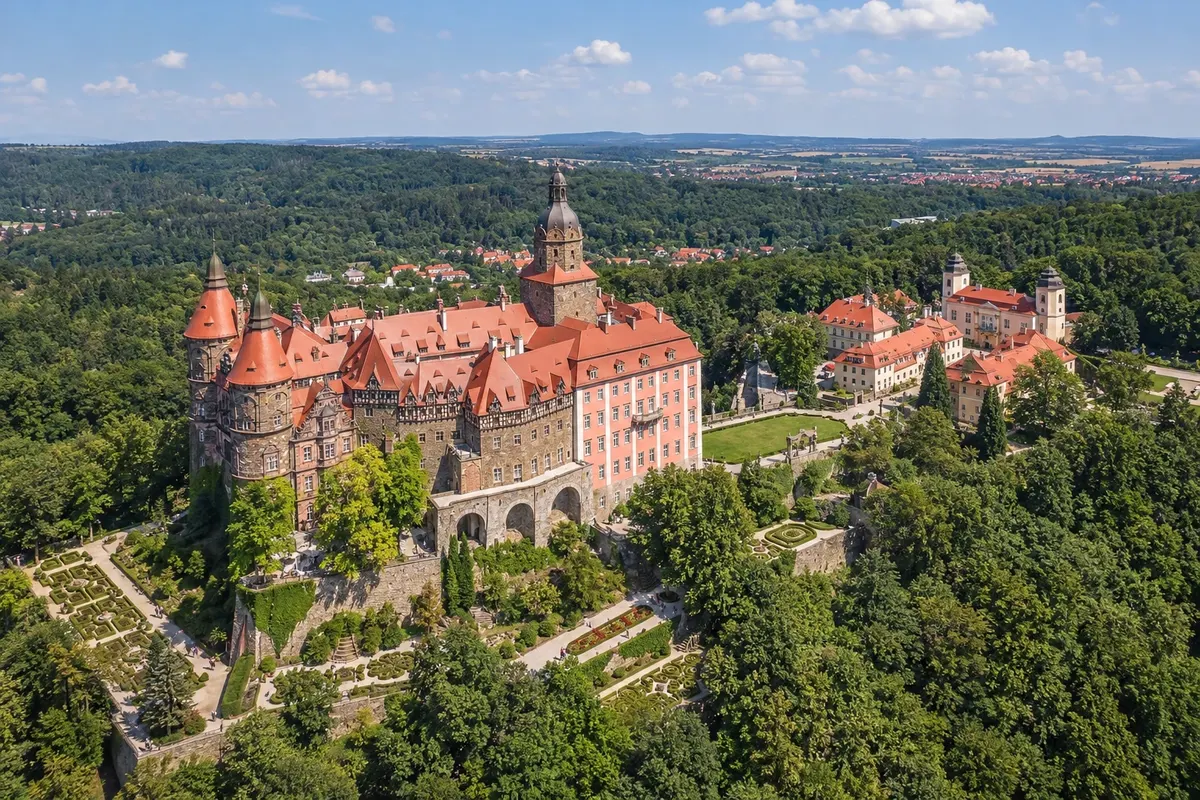
Książ Castle occupies a rise surrounded by woodland within the territory of Wałbrzych. The complex brings together wings and façades from different periods, with a layout that needs to be seen from the outside to understand the relationship between the residence and the terrain.

See 7 more places in Wrocław and Lower Silesia
Ostrów Tumski
Wrocław · Baixa Silésia · Historic ensemble

Ostrów Tumski

Ostrów Tumski brings together churches and streets linked to Wrocław's origins, along the branches of the Oder. Although the name refers to an island, the urban configuration has changed over time; the area retains a visual and historical relationship with the water and the bridges.

Stara Kopalnia
Wałbrzych · Baixa Silésia · Industrial heritage

Stara Kopalnia

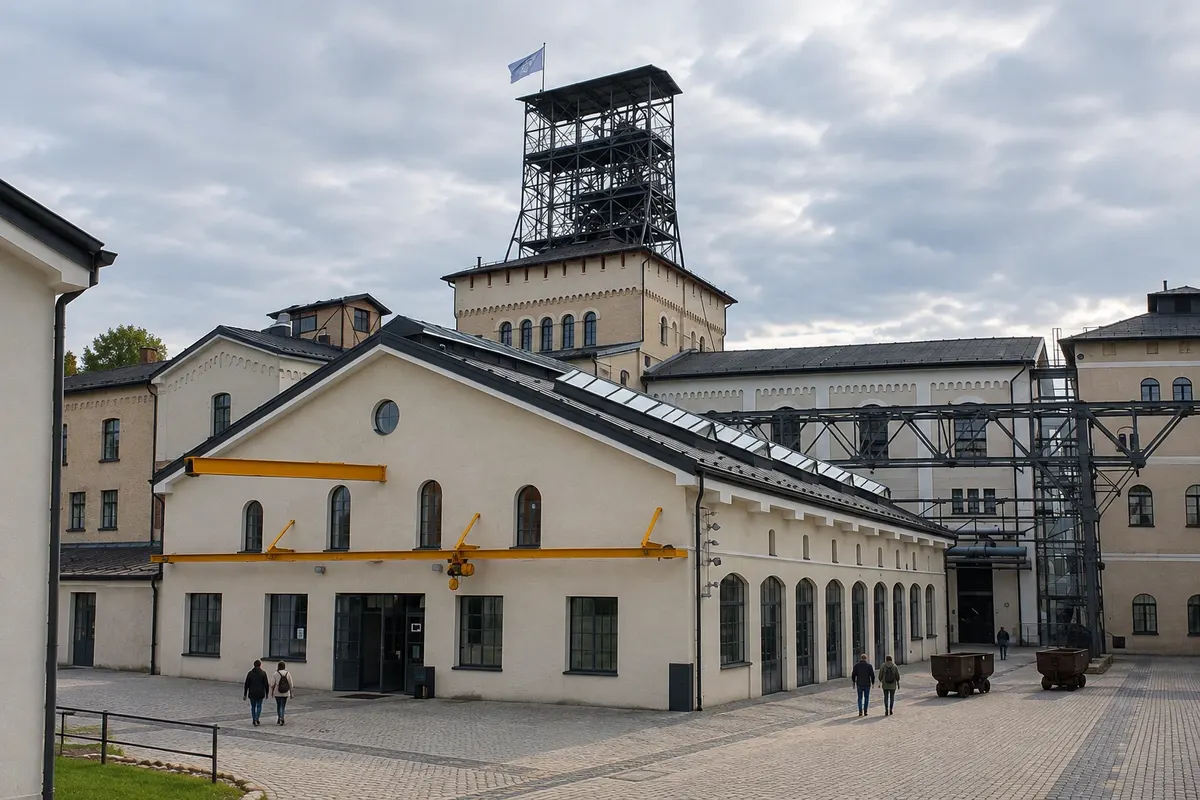
Stara Kopalnia occupies the facilities of a former coal mine in Wałbrzych. Towers, technical buildings and exhibition spaces allow visitors to observe the scale of the industrial activity and the transformation of a workplace into a cultural and interpretation center.

Hala Stulecia
Wrocław · Baixa Silésia · Architectural heritage

Hala Stulecia

The Centennial Hall is located east of Wrocław’s center and features a reinforced concrete dome associated with early 20th-century architecture. Max Berg’s work is part of the World Heritage and should be observed both for its external volume and for the space it covers.

Karkonoski Park Narodowy
Wałbrzych · Baixa Silésia · National park

Karkonoski Park Narodowy

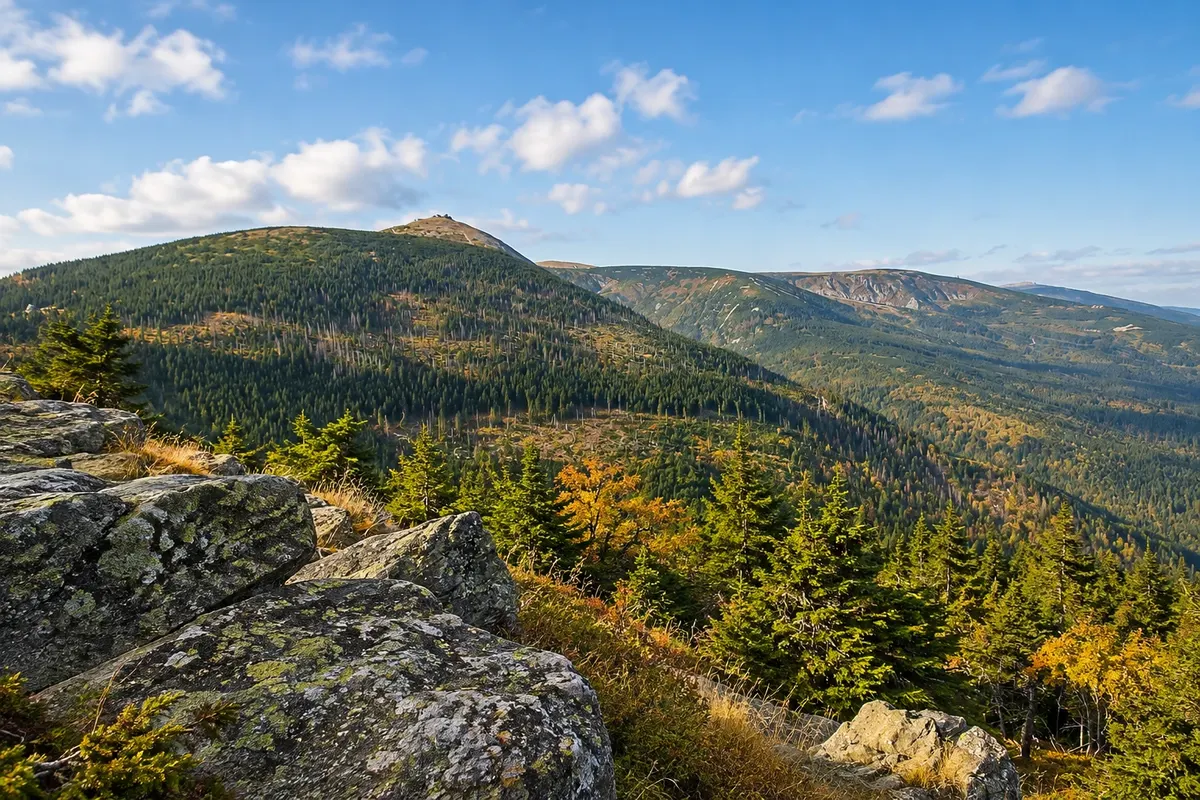
Karkonosze National Park protects mountains on the southern border of Lower Silesia. The Karpacz sector allows planning hikes and approaches toward the Śnieżka area, presenting a landscape of ridges, slopes and forest different from the urban complexes of Wałbrzych.

Muzeum Panorama Racławicka
Wrocław · Baixa Silésia · Museum

Muzeum Panorama Racławicka

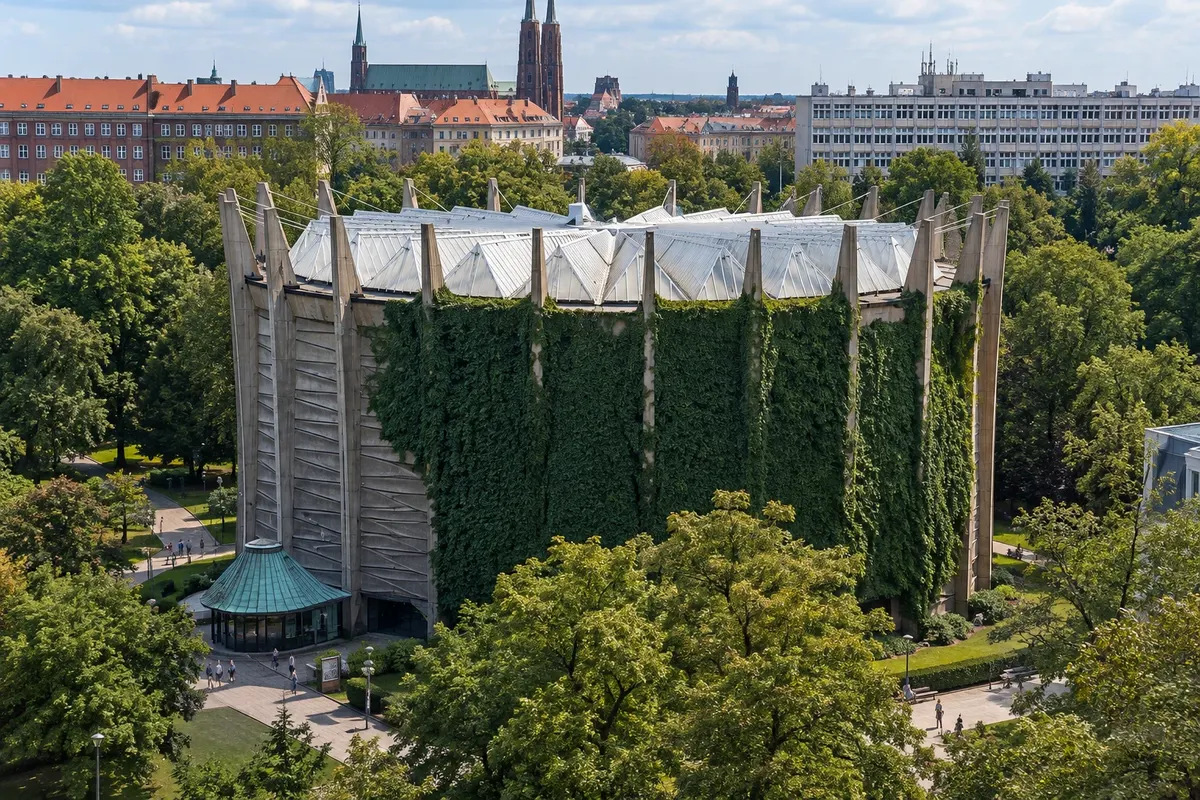
The Panorama Racławicka museum displays a panoramic painting in a circular-plan building in Wrocław. The work surrounds the viewing space and uses a composition that brings the painted image close to scenic elements, creating a visit experience of its own.

Muzeum Narodowe we Wrocławiu
Wrocław · Baixa Silésia · Museum

Muzeum Narodowe we Wrocławiu

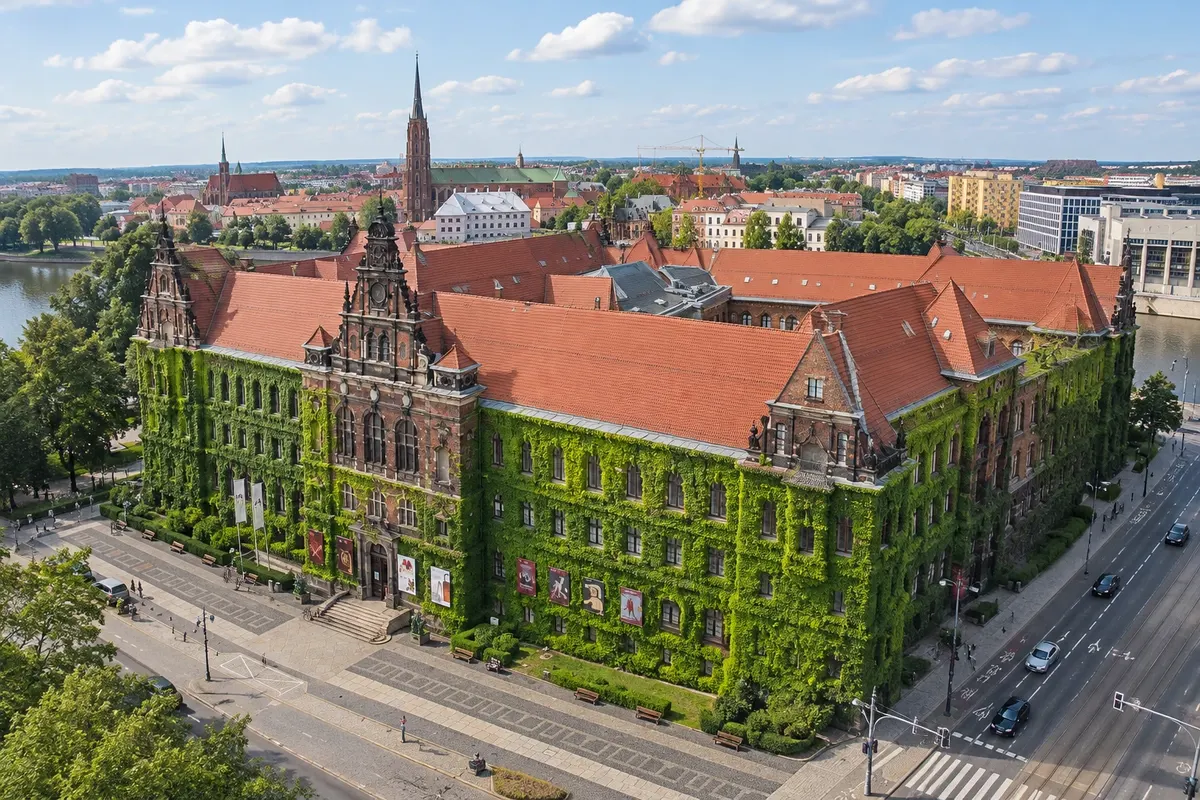
The National Museum in Wrocław occupies a building by the Oder and brings together art collections related to Silesia and other traditions. The visit offers a gallery program distinct from the walk through the center’s bridges, squares and churches.

Zoo Wrocław
Wrocław · Baixa Silésia · Zoo

Zoo Wrocław

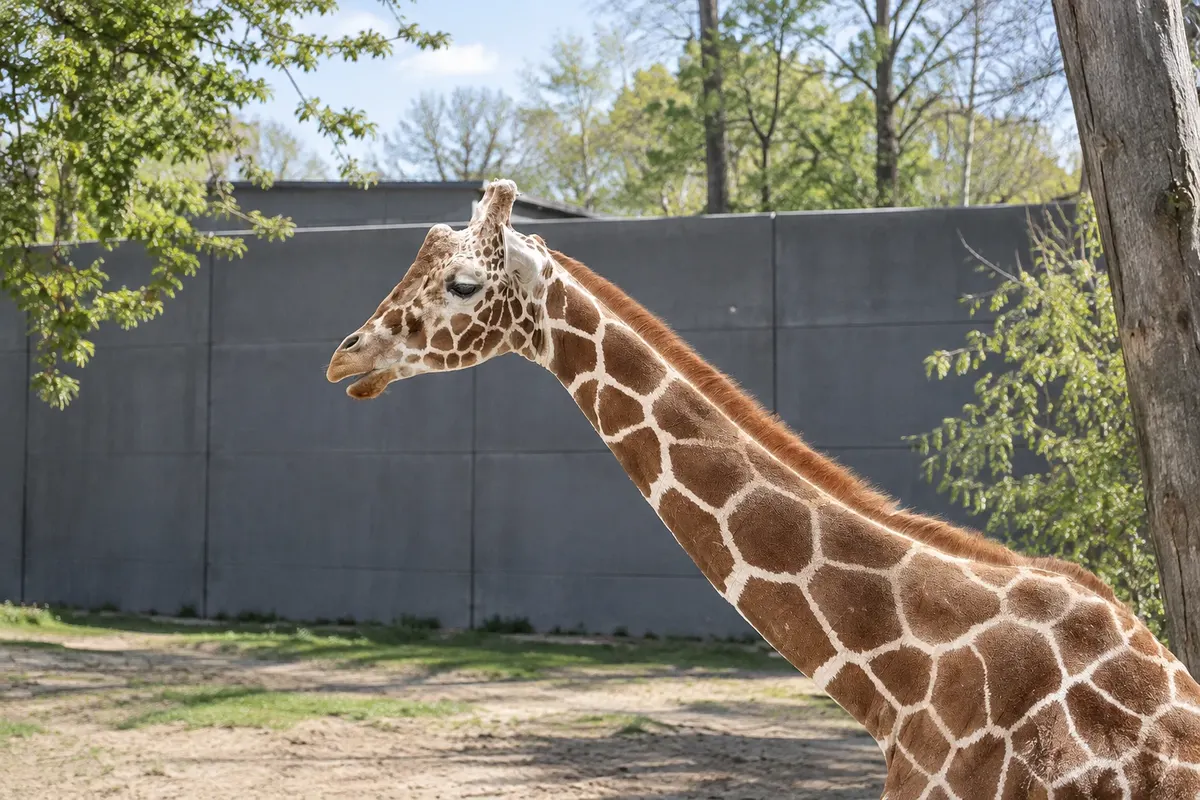
Wrocław Zoo occupies an area east of the center, near the Hala Stulecia complex. The visit combines outdoor areas and pavilions, including the Afrykarium, dedicated to aquatic and terrestrial environments from different African regions.

Before you go

Practical information

A little planning leaves more time to enjoy the journey.

When to go

From May to September days usually favor walks among bridges and gardens. October can have variable temperatures; December to February is generally cold, with short days and possible snow.

The seasons shown are the most usual ones; nature doesn't always follow the calendar.

How many days to stay

Allow five to six days: two or three in Wrocław, one for Świdnica, one for Jawor and one for Książ and Wałbrzych. By car you can combine outings without cutting into time for interiors.

Which city to stay in

Stare Miasto concentrates many of Wrocław’s visits. The Wrocław Główny area makes train access easy. Those staying overnight in Świdnica, Jawor or Wałbrzych should choose accommodation based on the main square, the station or the route to the castle.

Respect the place

Take your trash with you, follow the signs and support local businesses. In natural areas, follow the visiting guidelines.

Get your questions answered

Frequently asked questions about Wrocław and Lower Silesia

How to get to Wrocław and Lower Silesia?

Wrocław Główny is the main rail hub of the base; the airport lies west of the center. Other towns can be reached by train and bus, with attention to connections and the final access to Książ.

How many days to allocate for Wrocław and Lower Silesia?

Allow five to six days: two or three in Wrocław, one for Świdnica, one for Jawor and one for Książ and Wałbrzych. By car you can combine outings without cutting into time for interiors.

What time of year typically favors travel to Wrocław and Lower Silesia?

From May to September days usually favor walks among bridges and gardens. October can have variable temperatures; December to February is generally cold, with short days and possible snow.

Where to choose a base in Wrocław and Lower Silesia?

Stare Miasto concentrates many of Wrocław’s visits. The Wrocław Główny area makes train access easy. Those staying overnight in Świdnica, Jawor or Wałbrzych should choose accommodation based on the main square, the station or the route to the castle.

Explore other destinations Search by state and city
Back