Rzeszów
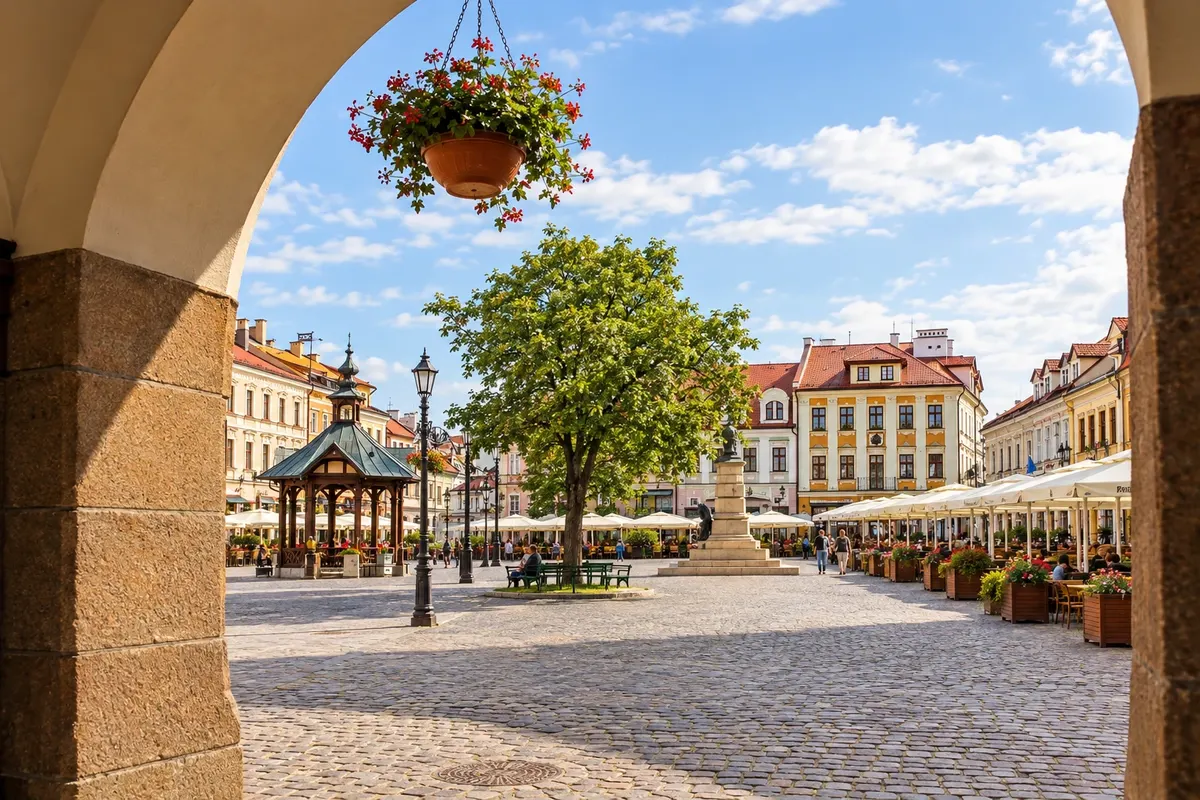
Rzeszów organises the first contact with Subcarpathia from its square and the network of old underground cellars. The castle of Łańcut, outside the regional capital, offers an outing focused on architecture and collections.
Subcarpácia · Poland
Wooden architecture, Sanok museums and access to the Carpathians.
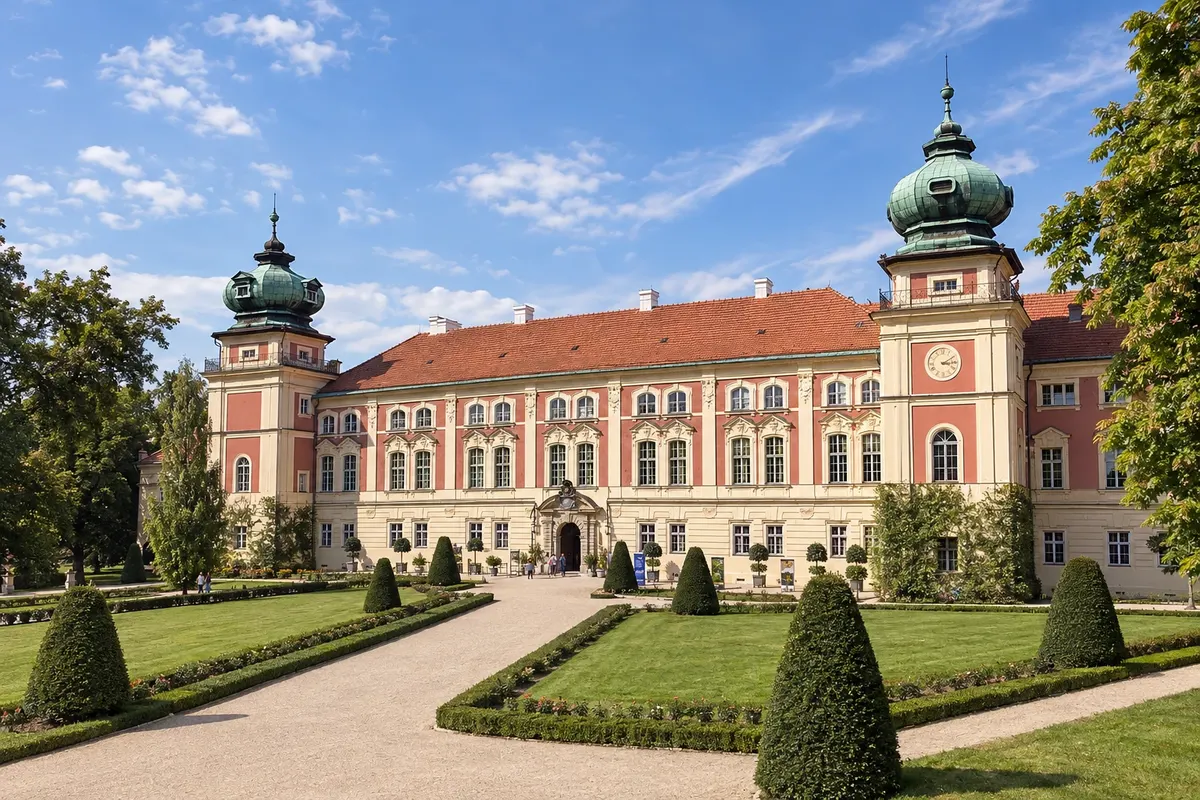
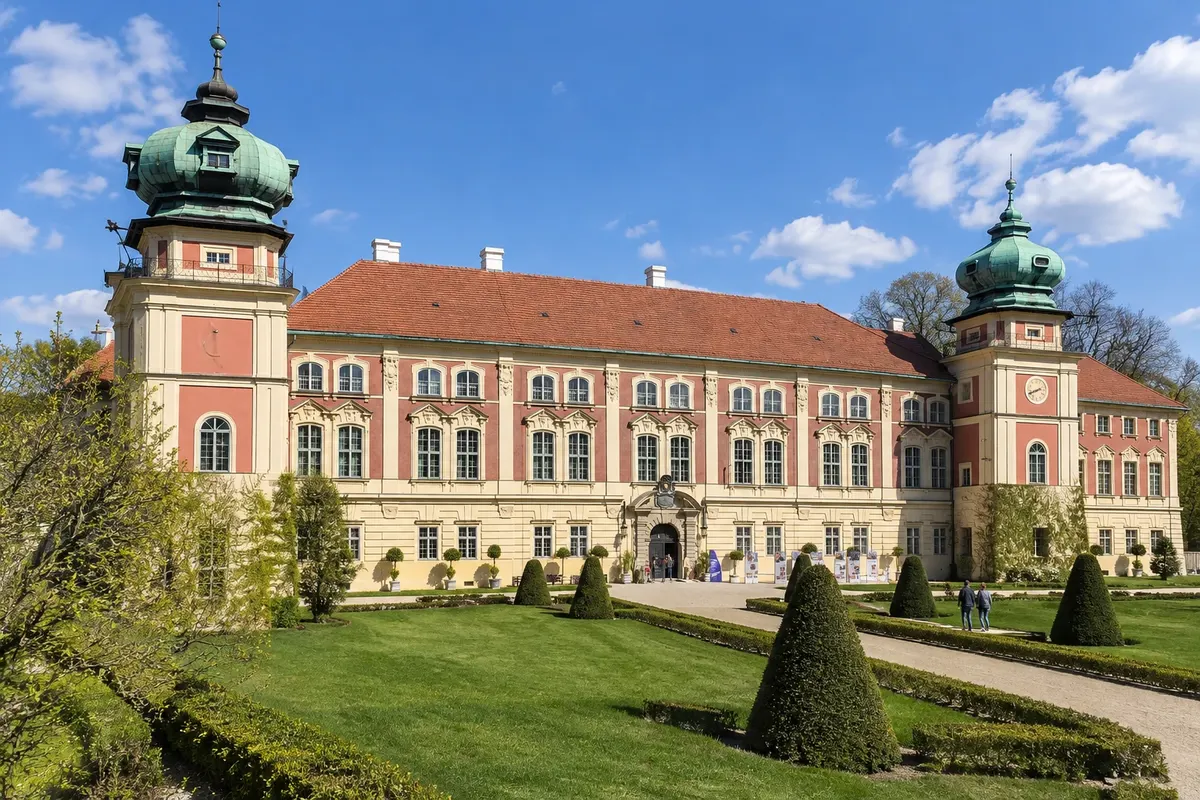
In the photo: Zamek w Łańcucie
Illustrative images. The pictures in this guide are illustrations based on the real place, not photographs, and may differ from it.
Get to know the place
Rzeszów is a gateway to Subcarpathia, offering regional-capital services and a centre organised around the market square. The network of old cellars beneath the town allows you to start the visit with an underground route.
Sanok brings the traveller close to wooden architecture and the traditions of the San valley. Its open-air museum gathers rural buildings, while the castle houses collections of icons and works by Zdzisław Beksiński. Historic churches in the surroundings broaden the regional circuit.
The route involves more driving than a trip between Poland’s major capitals. Trails in the Carpathians require their own time and conditions appropriate to the season.
This destination brings together 2 cities: Rzeszów, Sanok.
One destination, many paths
Start with one city or combine several in your itinerary.
Contornos: Natural Earth (domínio público). Adaptação do Cidade Turismo.
✈ Port Lotniczy Rzeszów-Jasionka (RZE) · 10 km to Rzeszów
Confirm before booking. Rzeszów has an airport in Jasionka and a station on the line that runs through Kraków. For Sanok, compare bus and train options and confirm connections. The rural churches circuit may require a car or private transport.
Suggested arrival point: Rzeszów
Rzeszów organises the first contact with Subcarpathia from its square and the network of old underground cellars. The castle of Łańcut, outside the regional capital, offers an outing focused on architecture and collections.
Sanok brings together a castle with collections of icons and of Zdzisław Beksiński and an open-air museum of rural architecture. Historic churches in the surroundings extend the visit into the traditions of Subcarpathia.
The local experience
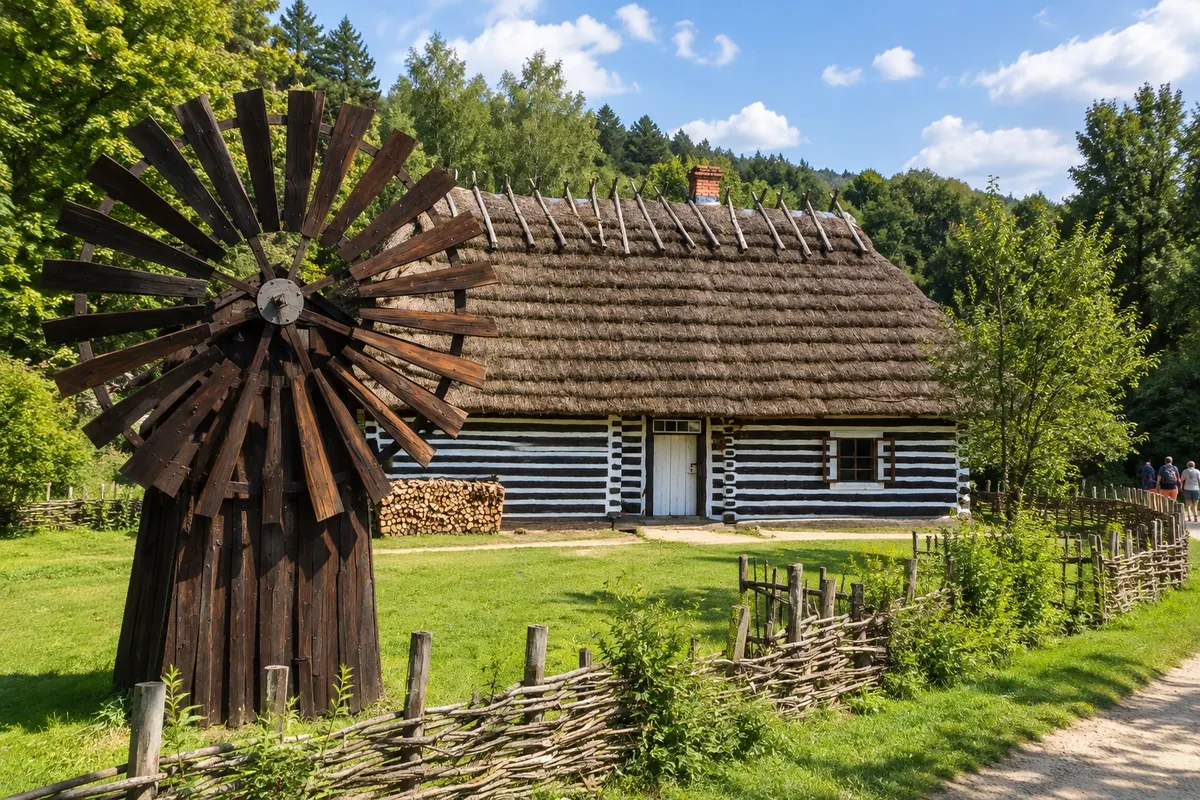
The open-air museum of folk architecture in Sanok brings together rural buildings and structures linked to communities of the Carpathian region. The outdoor route allows observation of houses, workspaces and churches in a presentation that connects architecture with ways of life.
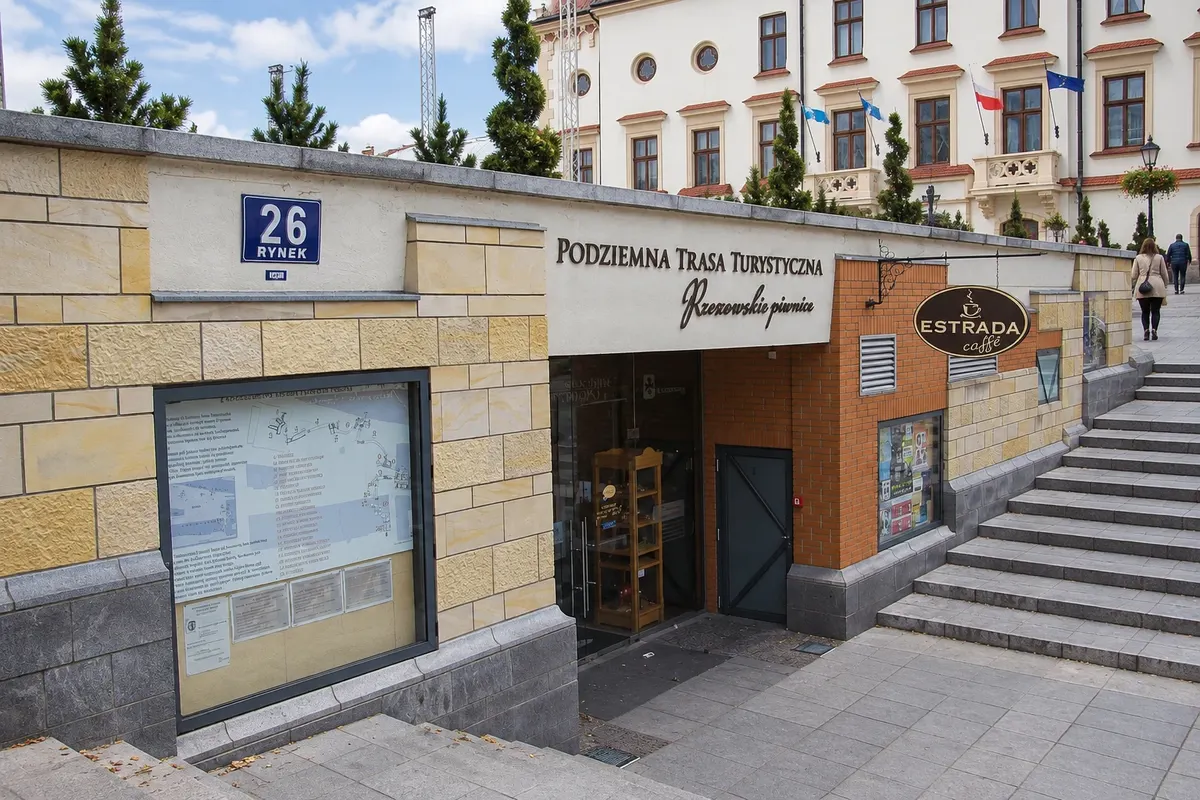
The Rzeszowskie Piwnice feature a circuit beneath the square and the central houses of Rzeszów. The set of old cellars lets you experience an underground dimension of the market town, in contrast to the open market space on the surface.
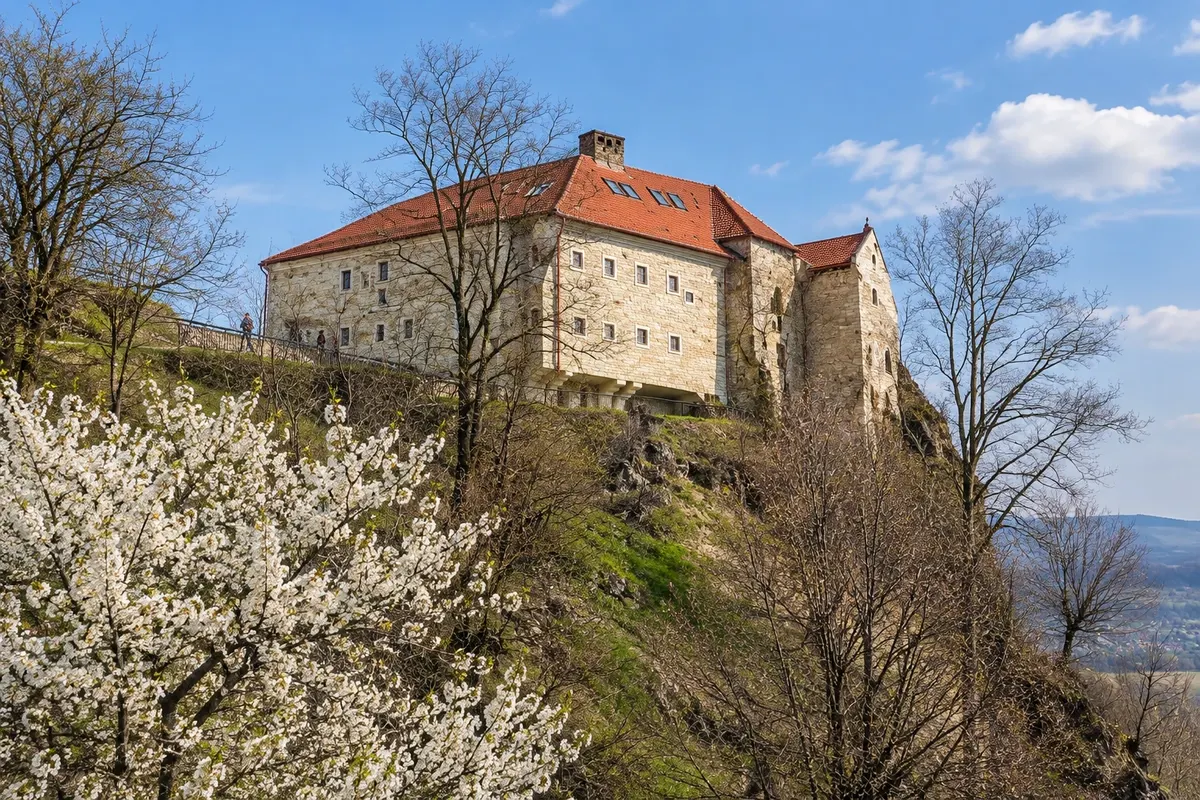
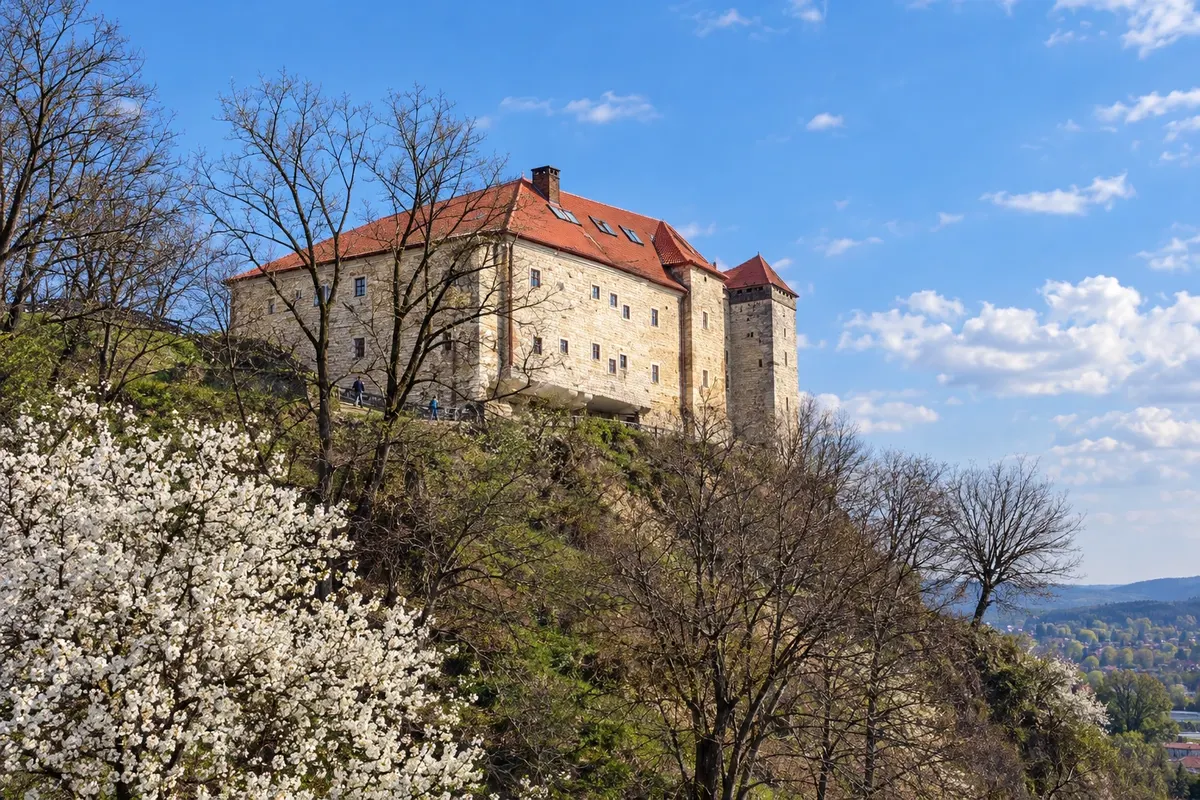
Sanok’s castle houses a museum in an elevated position near the historic center. The building allows combining the reading of an old residential seat with art collections, offering an indoor program of a different character than the rural open-air museum.
Łańcut Castle lies east of Rzeszów and features an aristocratic residence with interiors, a park and supporting buildings. Its palatial appearance and the arrangement of the complex offer a different perspective from brick medieval fortifications.
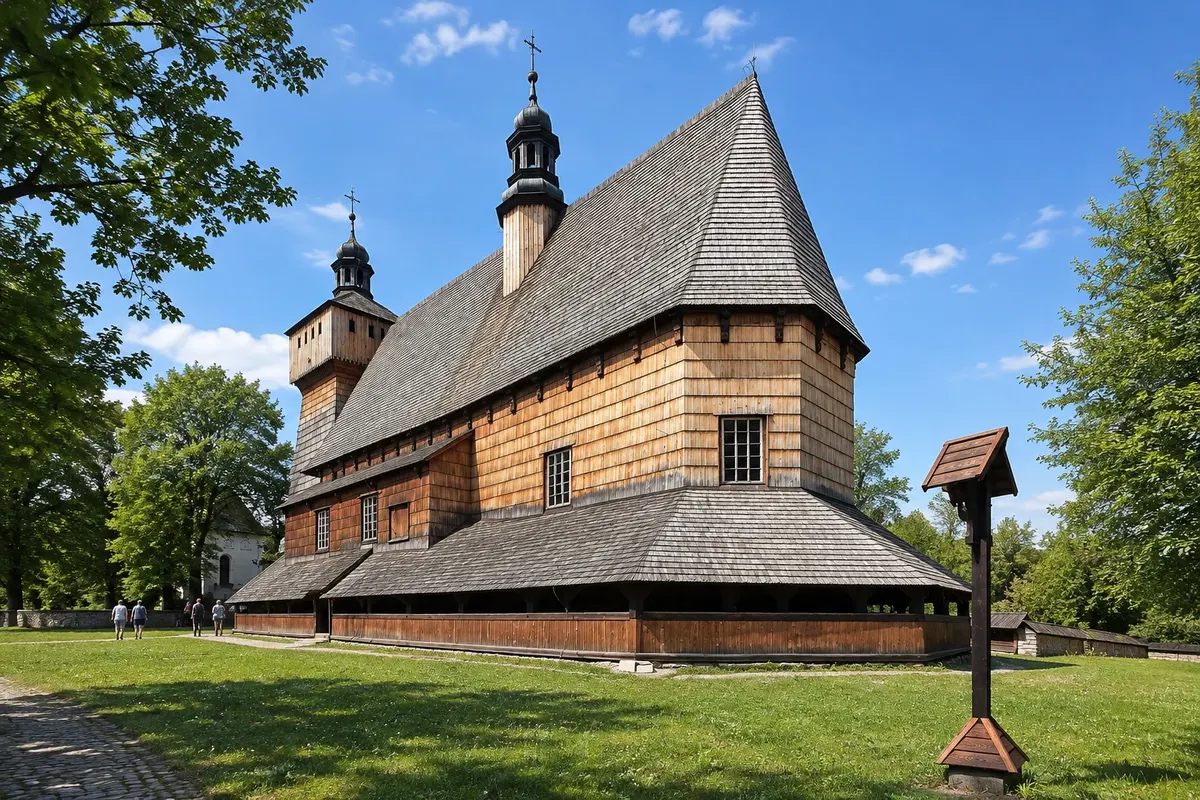
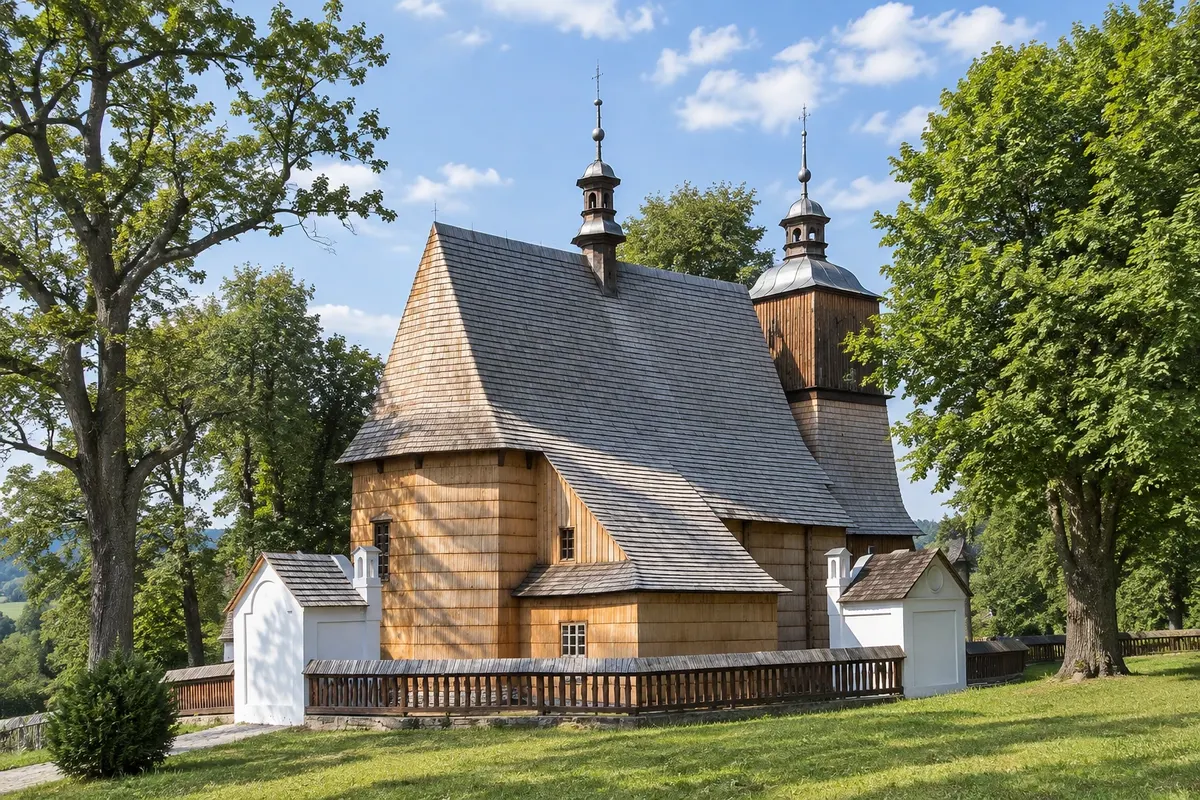
The wooden church of Haczów is on the Subcarpathian rural circuit and is part of the World Heritage of the churches of southern Lesser Poland. The large roof volume and the timber construction reveal a religious tradition tied to local building techniques.
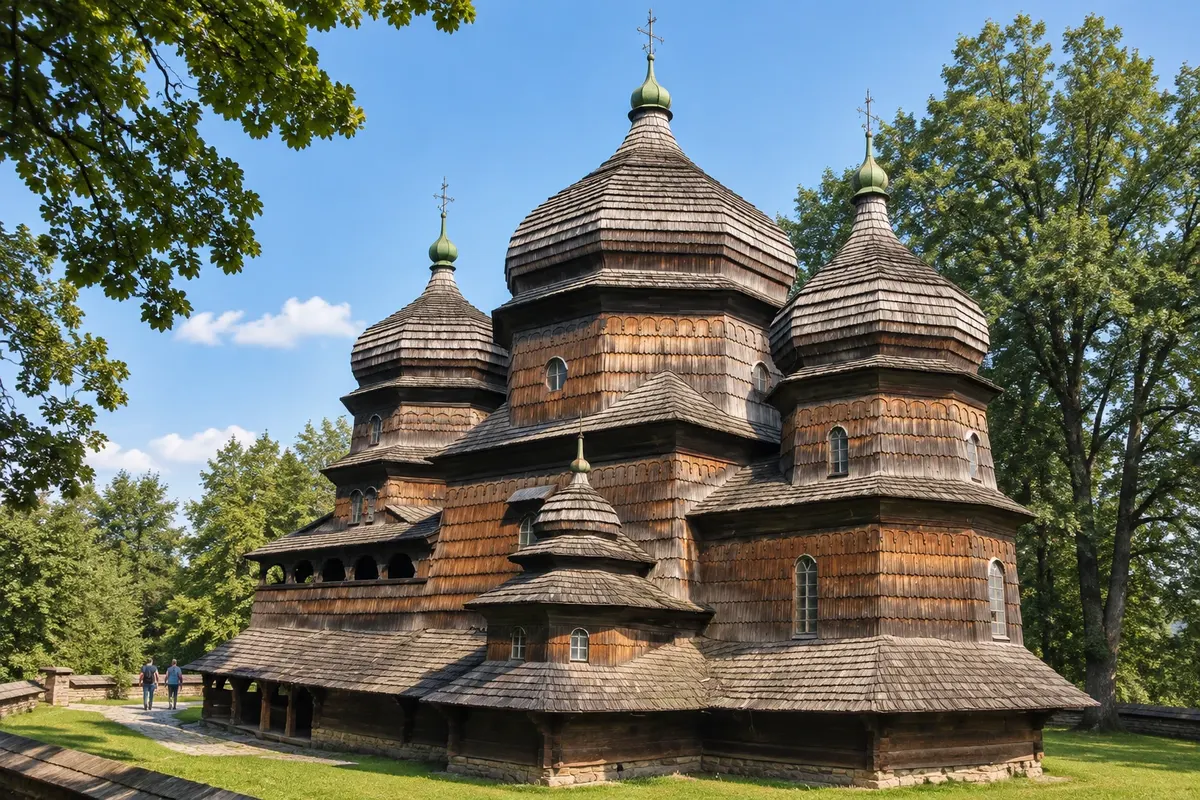
The Church of St. Michael the Archangel in Turzańsk is part of the group of wooden tserkvas of the Carpathians recognized as World Heritage. Its roofs and volumes reflect an eastern temple tradition different from the Latin wooden churches of other locations.
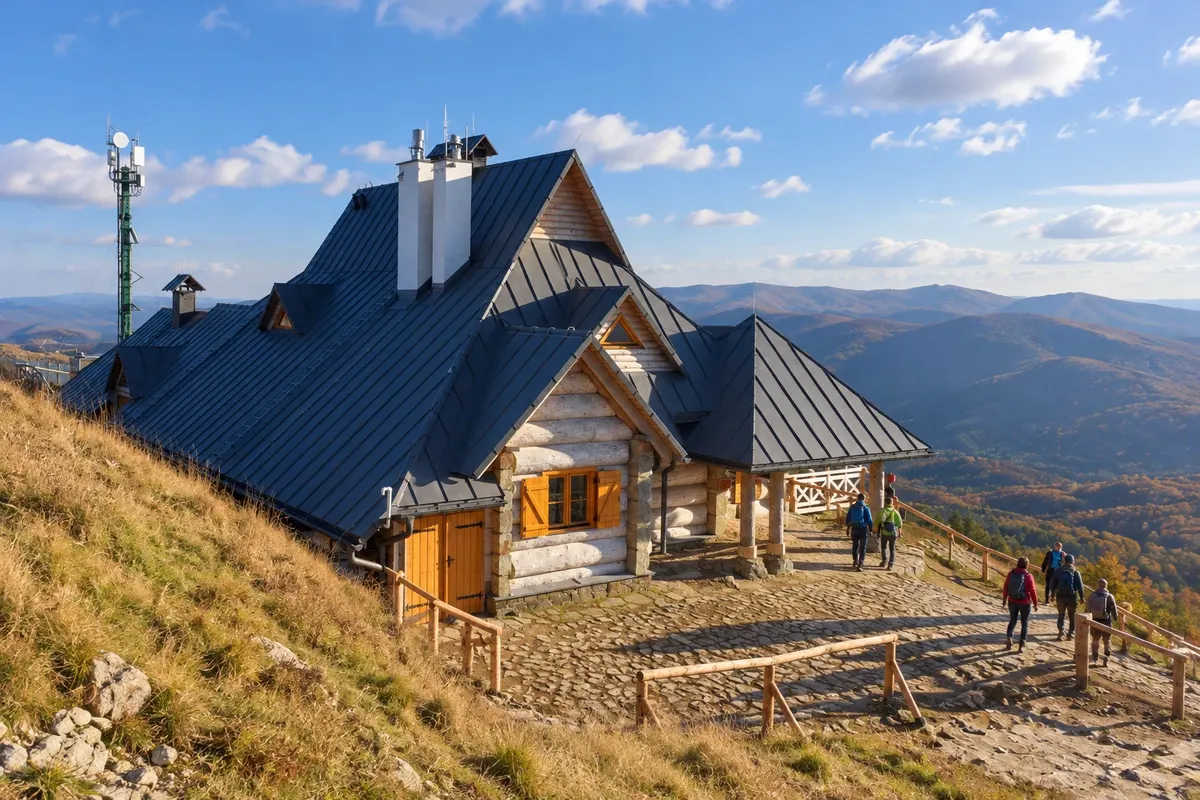
Bieszczady National Park protects Carpathian landscapes in southeastern Poland, with forests and high-altitude meadows known as połoniny. The region offers hikes that present terrain and a scale of visit different from Sanok's urban routes.
The Church of All Saints in Blizne is part of the wooden churches heritage of southern Lesser Poland. The complex lies on the rural circuit of Subcarpathia and features a church whose structure and decoration are linked to regional construction techniques.
Before you go
A little planning leaves more time to enjoy the journey.
May to September usually makes visiting the rural ensembles easier. From December to February the cold and short days limit outings; in higher areas snow can persist beyond the urban calendar.
The seasons shown are the most usual ones; nature doesn't always follow the calendar.
Four days allow for Rzeszów, Sanok’s museums and an outing to the wooden churches. For hikes in the Bieszczady add extra days and a base near the park access points.
In Rzeszów, the centre near the Rynek makes urban visits easy. In Sanok, the market area brings you close to the castle, while the open-air museum requires an additional journey.
Take your trash with you, follow the signs and support local businesses. In natural areas, follow the visiting guidelines.
Get your questions answered
Rzeszów has an airport in Jasionka and a station on the line that runs through Kraków. For Sanok, compare bus and train options and confirm connections. The rural churches circuit may require a car or private transport.
Four days allow for Rzeszów, Sanok’s museums and an outing to the wooden churches. For hikes in the Bieszczady add extra days and a base near the park access points.
May to September usually makes visiting the rural ensembles easier. From December to February the cold and short days limit outings; in higher areas, snow can persist beyond the urban calendar.
In Rzeszów, the centre close to the Rynek facilitates urban visits. In Sanok, the market area brings you near the castle, while the open-air museum requires a further journey.