Katowice
Katowice combines the Muzeum Śląskie, on the site of a former mine, with the working-class district Nikiszowiec. The regional capital lets you see how industrial spaces and workers' housing became part of a cultural route.
Silésia · Poland
Industrial heritage, UNESCO mines and the Jasna Góra sanctuary.
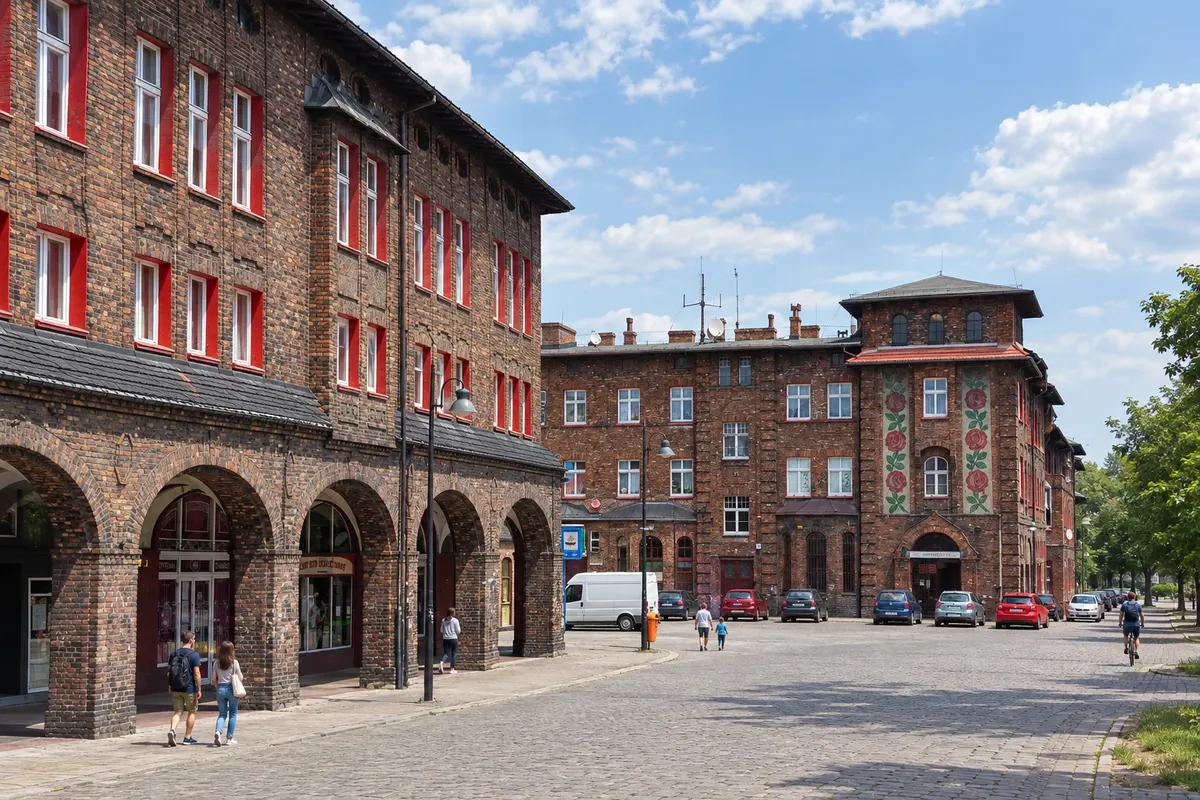
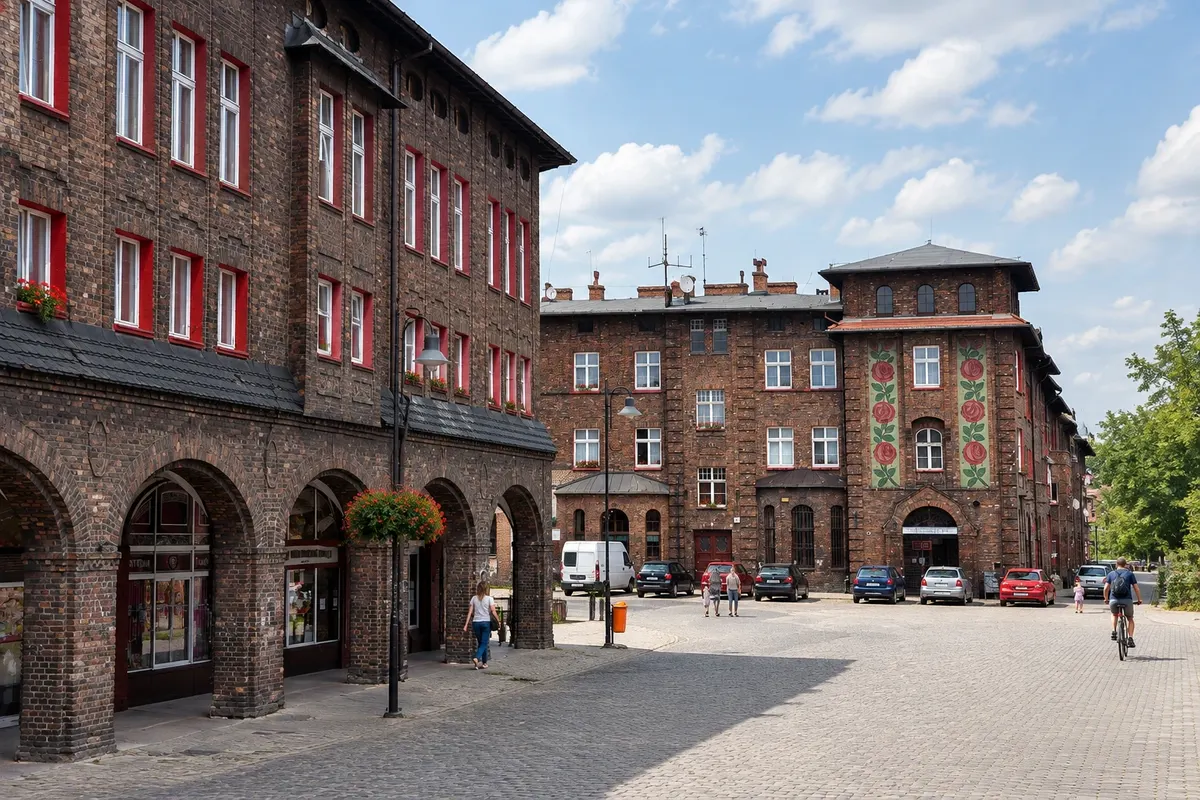
In the photo: Nikiszowiec
Illustrative images. The pictures in this guide are illustrations based on the real place, not photographs, and may differ from it.
Get to know the place
Katowice presents a Poland shaped by mining and urban transformation. The Silesian Museum occupies part of an old mine, and Nikiszowiec preserves a brick workers' quarter organized around courtyards.
Tarnowskie Góry continues the underground theme with historic silver mining and water management systems recognized as a World Heritage Site. Częstochowa shifts the focus to Jasna Góra, one of the pilgrimage centers associated with the image of the Black Madonna.
The three cities require travel between bases and do not form a single walkable center. Katowice concentrates the rail connections, while underground and religious visits each have their own pace.
This destination brings together 3 cities: Katowice, Częstochowa, Tarnowskie Góry.
One destination, many paths
Start with one city or combine several in your itinerary.
Contornos: Natural Earth (domínio público). Adaptação do Cidade Turismo.
✈ Katowice Airport (KTW) · 30 km to Katowice
Confirm before booking. Katowice has a central station and an airport in Pyrzowice. Trains and buses serve Częstochowa and Tarnowskie Góry; entrances to mines and sanctuaries may require an additional urban leg.
Suggested arrival point: Katowice
Katowice combines the Muzeum Śląskie, on the site of a former mine, with the working-class district Nikiszowiec. The regional capital lets you see how industrial spaces and workers' housing became part of a cultural route.
Częstochowa hosts pilgrims heading to the Jasna Góra monastery and the image of the Black Madonna. The visit involves a religious site in active use and should take into account times of worship as well as the time for walking around the city.
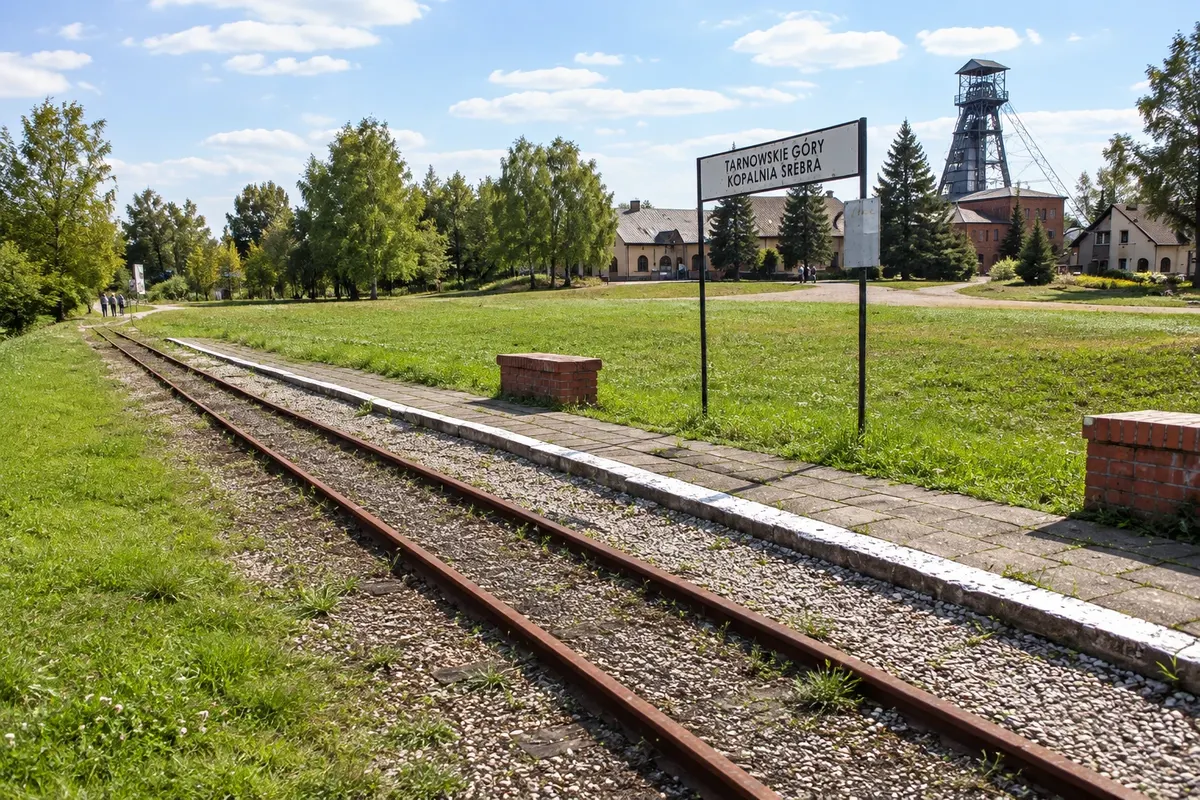
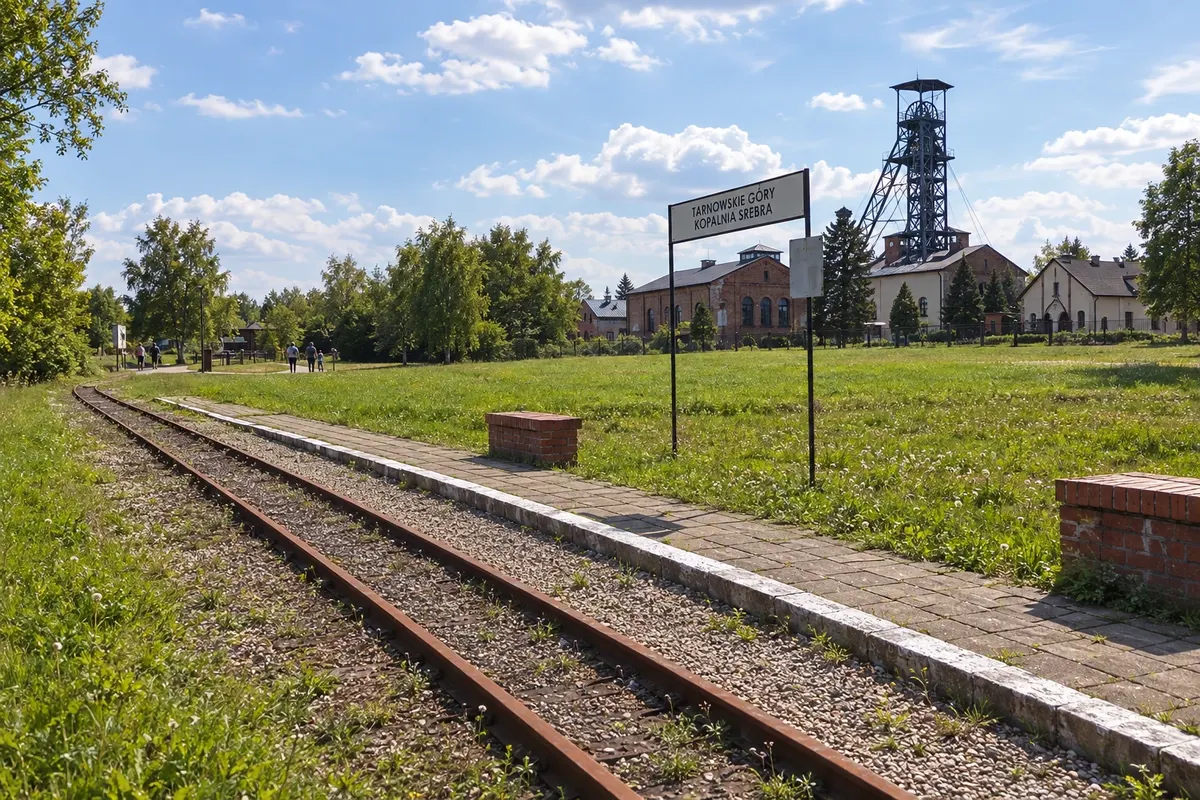
Tarnowskie Góry brings together remains of silver mining and historic drainage systems recognized by UNESCO. The visitable mine and the Sztolnia Czarnego Pstrąga feature different underground circuits.
The local experience
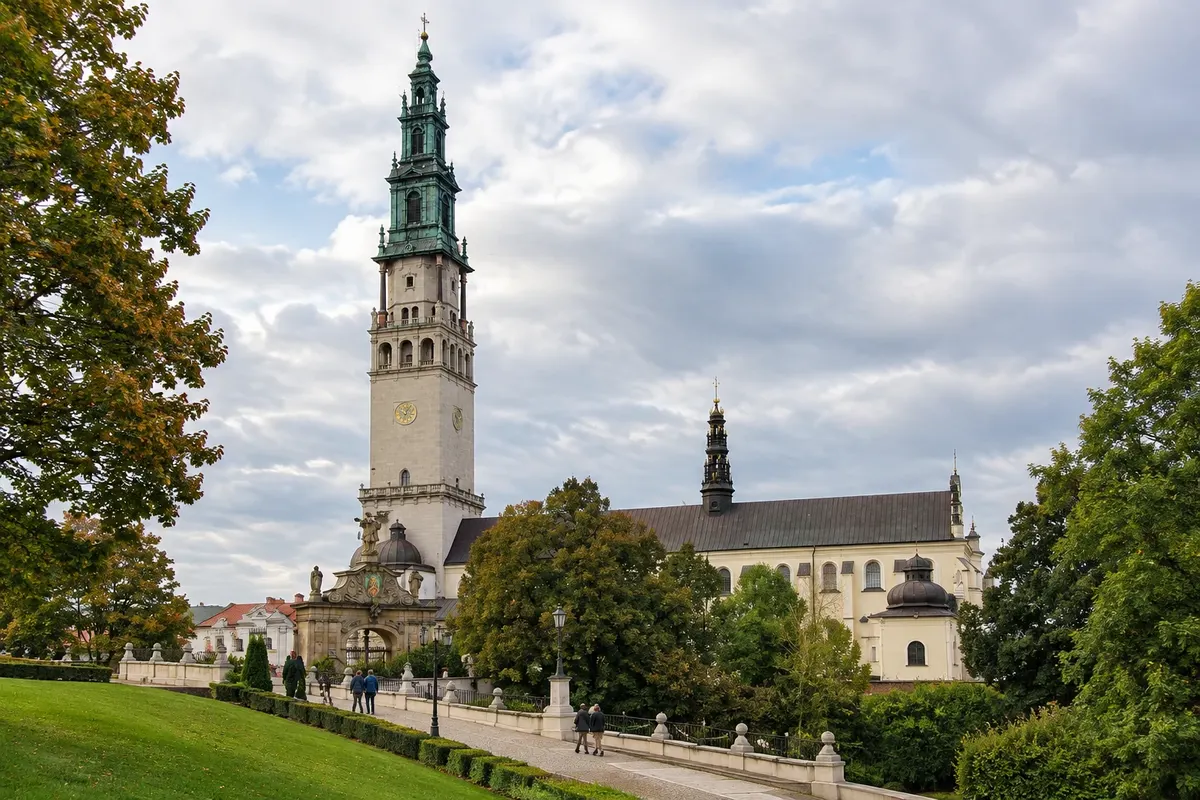
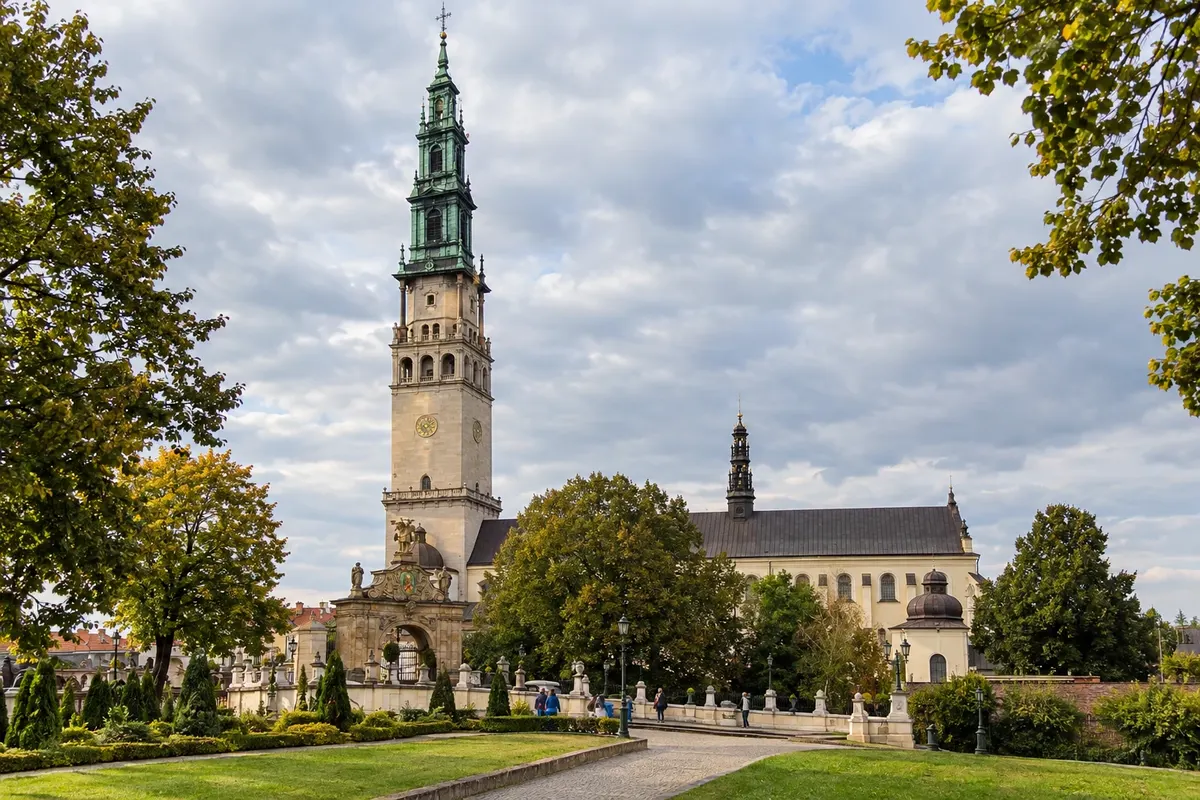
Jasna Góra is an active religious complex in Częstochowa associated with the image of the Black Madonna. The monastery comprises a church, a chapel and other visitor spaces, in a route that follows both the architecture and the presence of pilgrims.
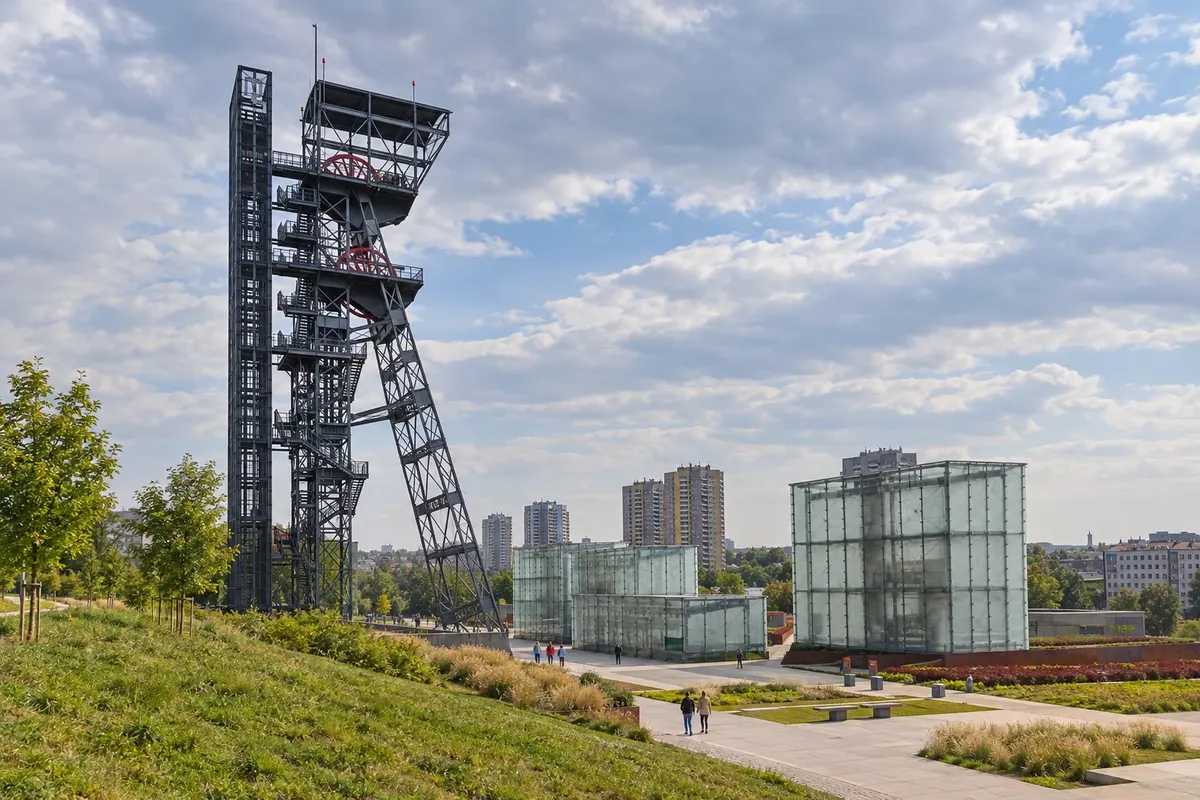
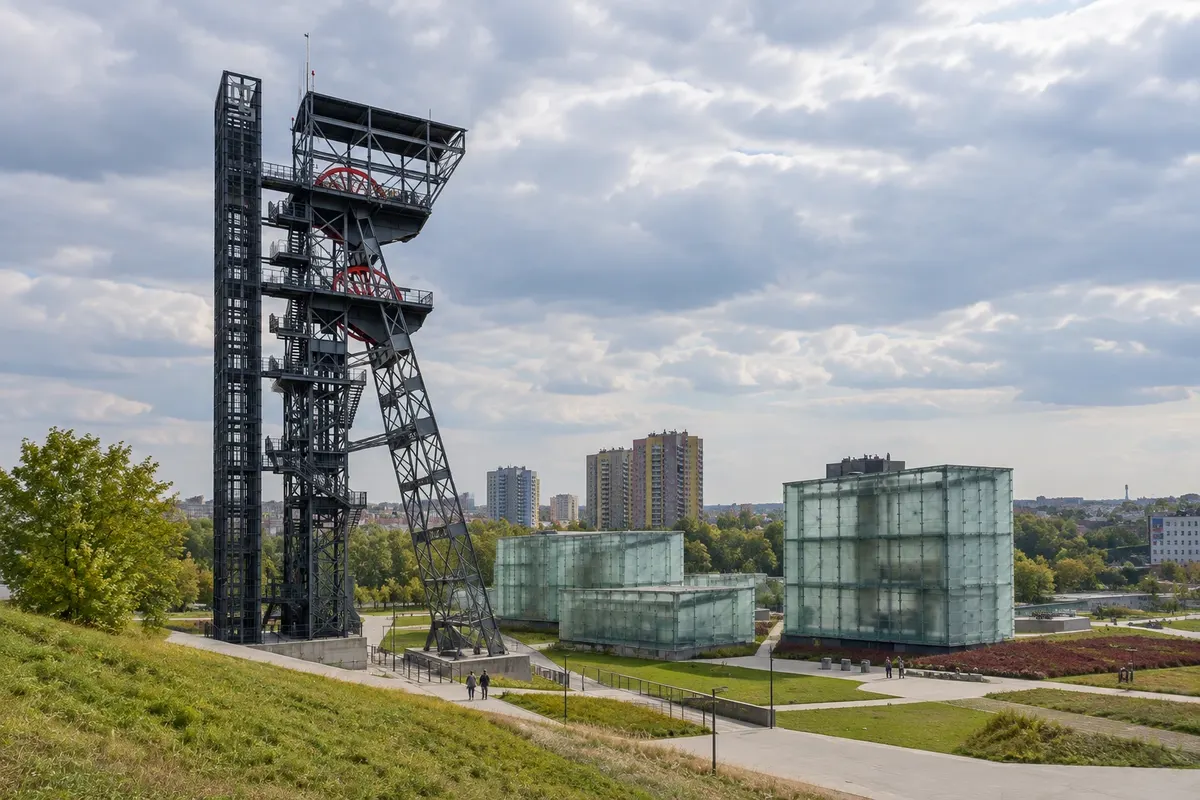
The Muzeum Śląskie occupies the site of a former mine in Katowice and combines preserved industrial structures with contemporary architecture. The layout allows you to see how a place of production came to host exhibitions and cultural activities under a different spatial organization.
The Historic Silver Mine of Tarnowskie Góry displays part of the underground works related to ore extraction and water management. The complex is part of a World Heritage site that involves structures broader than the single tourist entrance to the mine.
Nikiszowiec is a working-class district of Katowice built with brick blocks arranged around courtyards. The repetition of forms and access routes between buildings reveal a housing layout tied to the industrial history of Upper Silesia.
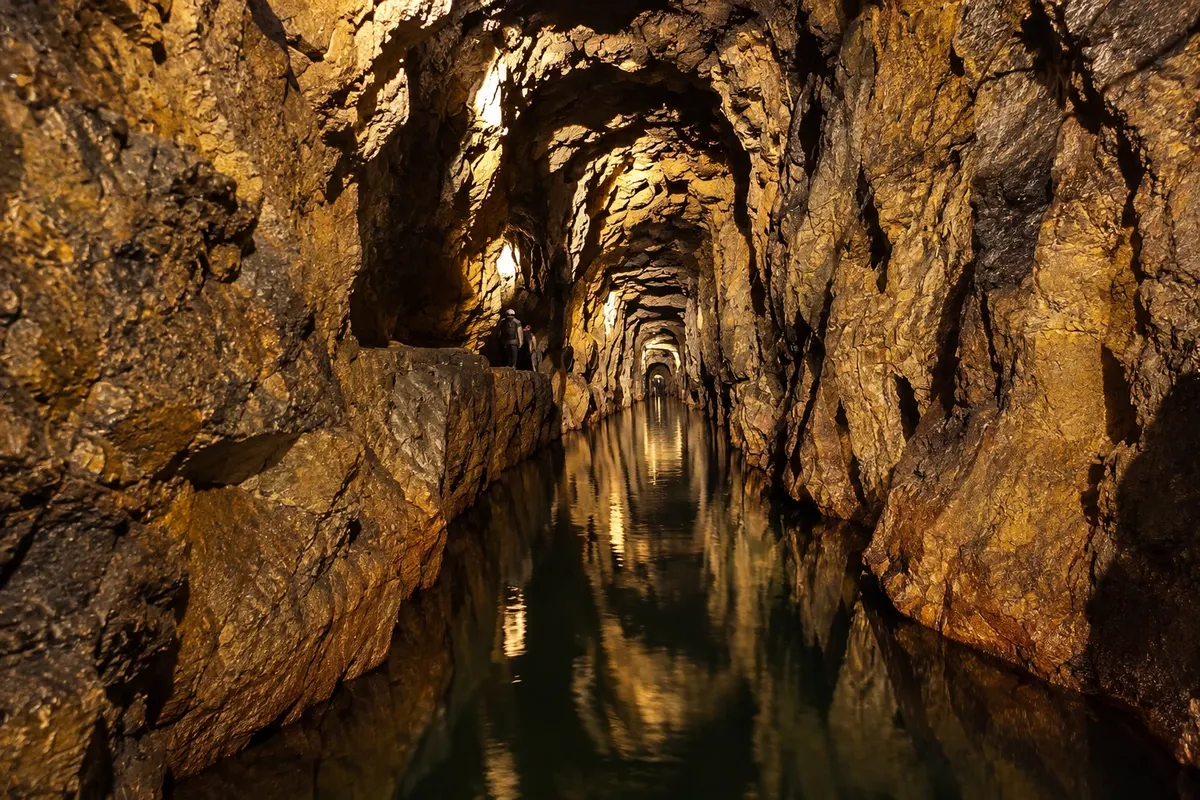
The Sztolnia Czarnego Pstrąga presents part of Tarnowskie Góry’s historic drainage system. The access is in the Repty Park area and allows visitors to see a gallery linked to water control, an essential function for mining activity in the region.
Before you go
A little planning leaves more time to enjoy the journey.
From May to September there is usually more daylight for neighborhoods and transfers. From December to February, indoor visits help offset the cold; churches and mines require appropriate clothing for staying in cool environments.
The seasons shown are the most usual ones; nature doesn't always follow the calendar.
Four days allow two in Katowice, one in Tarnowskie Góry and another in Częstochowa. A trip focused on mining can reduce the religious portion and expand industrial visits.
Śródmieście in Katowice eases access to trains and services. In Częstochowa, the axis of Aleja Najświętszej Maryi Panny brings the walk closer to the sanctuary. In Tarnowskie Góry, compare the town center with the distance to the mine.
Take your trash with you, follow the signs and support local businesses. In natural areas, follow the visiting guidelines.
Get your questions answered
Katowice has a central station and an airport in Pyrzowice. Trains and buses serve Częstochowa and Tarnowskie Góry; entrances to mines and sanctuaries may require an additional urban leg.
Four days allow two in Katowice, one in Tarnowskie Góry and another in Częstochowa. A trip focused on mining can reduce the religious portion and expand industrial visits.
From May to September there is usually more daylight for neighborhoods and transfers. From December to February, indoor visits help offset the cold; churches and mines require appropriate clothing for staying in cool environments.
Śródmieście in Katowice eases access to trains and services. In Częstochowa, the axis of Aleja Najświętszej Maryi Panny brings the walk closer to the sanctuary. In Tarnowskie Góry, compare the town center with the distance to the mine.