Höfn
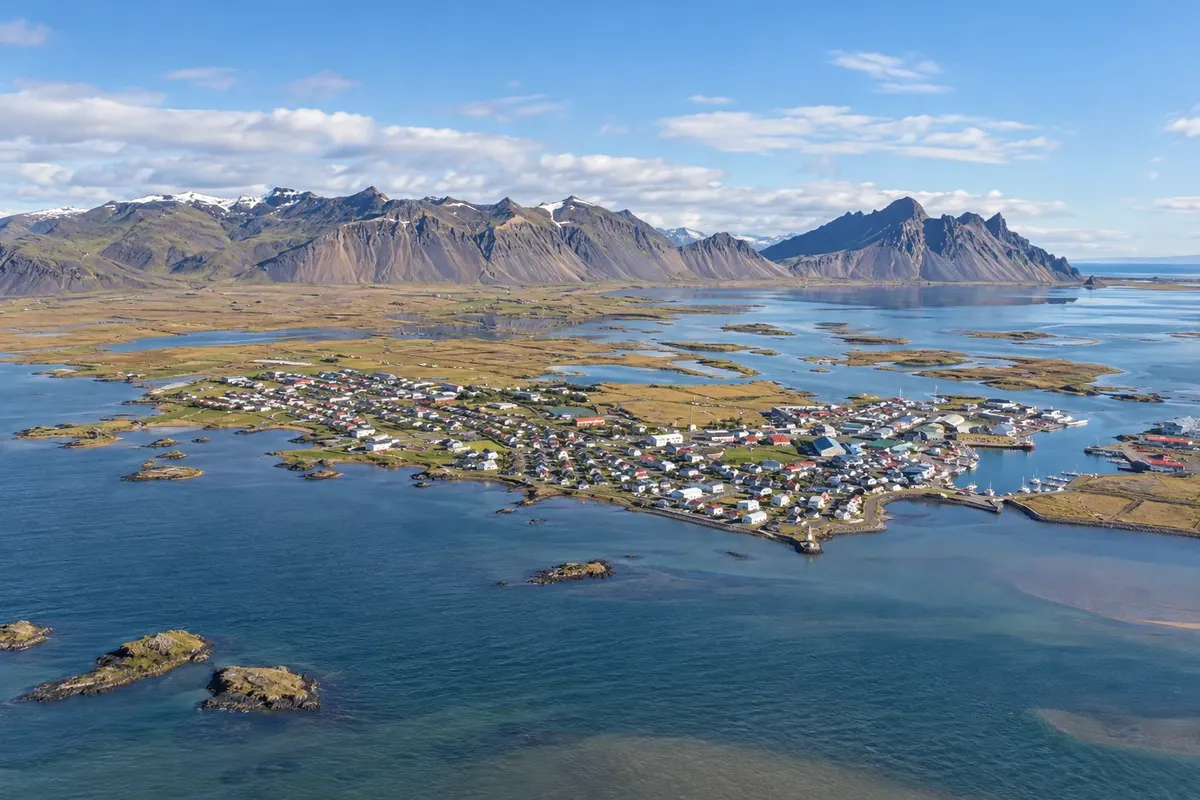
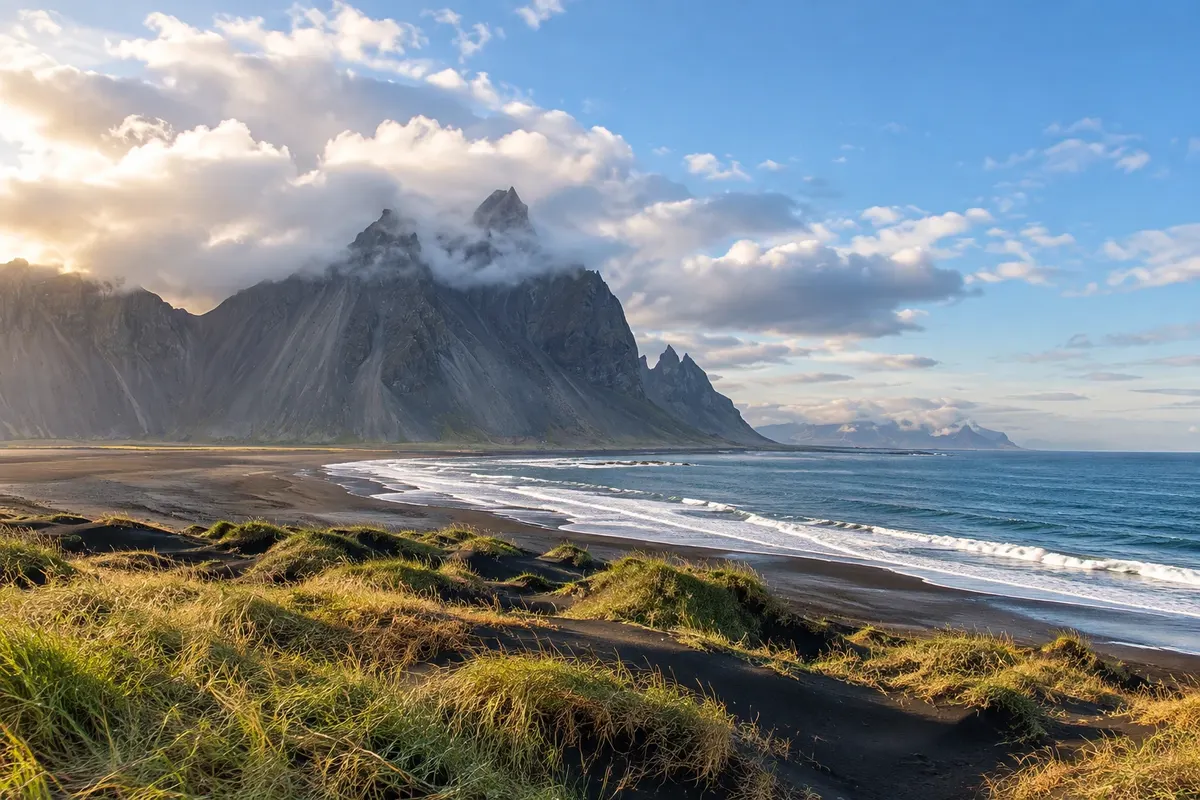
Höfn sits on a headland by coastal lagoons and serves as a base in the southeast. Jökulsárlón and Fellsfjara lie to the west along Route 1; Stokksnes offers a different landscape, with dunes and the Vestrahorn massif to the east.
Sul · Iceland
Floating ice, trails among basalt and glaciers, and coastal dunes in southeast Iceland.
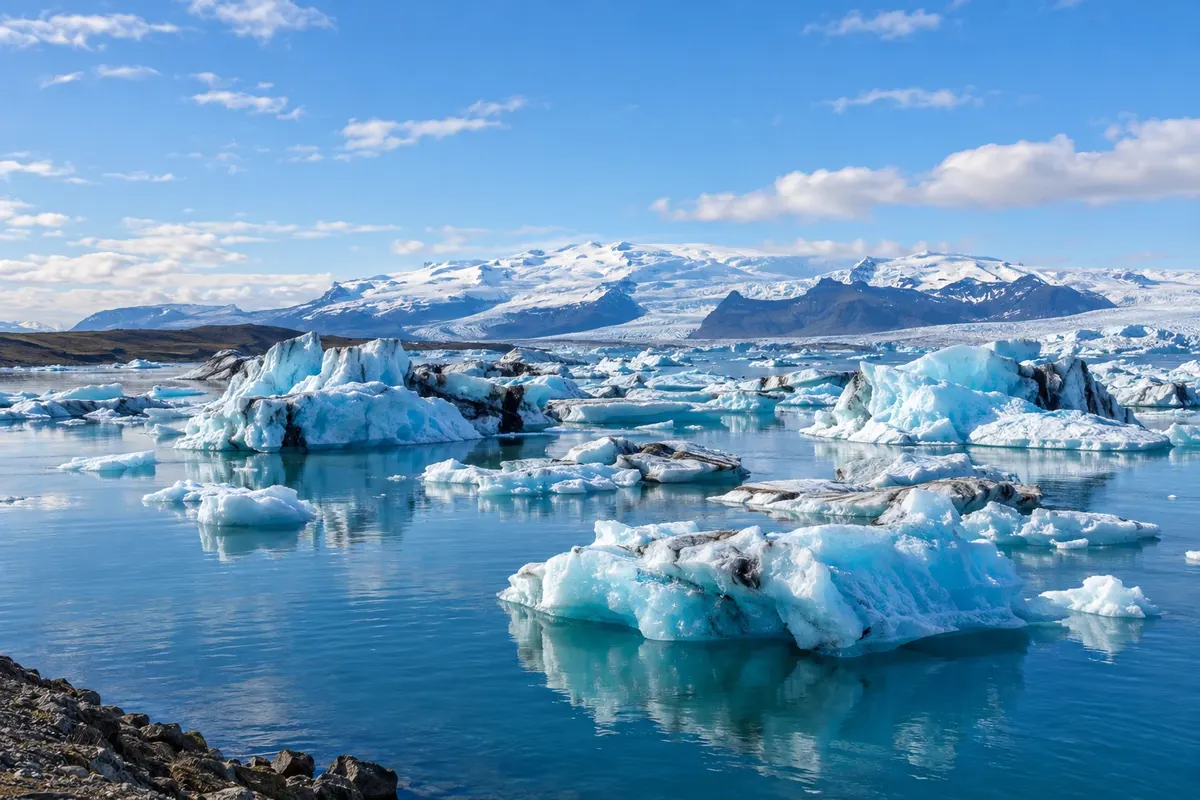
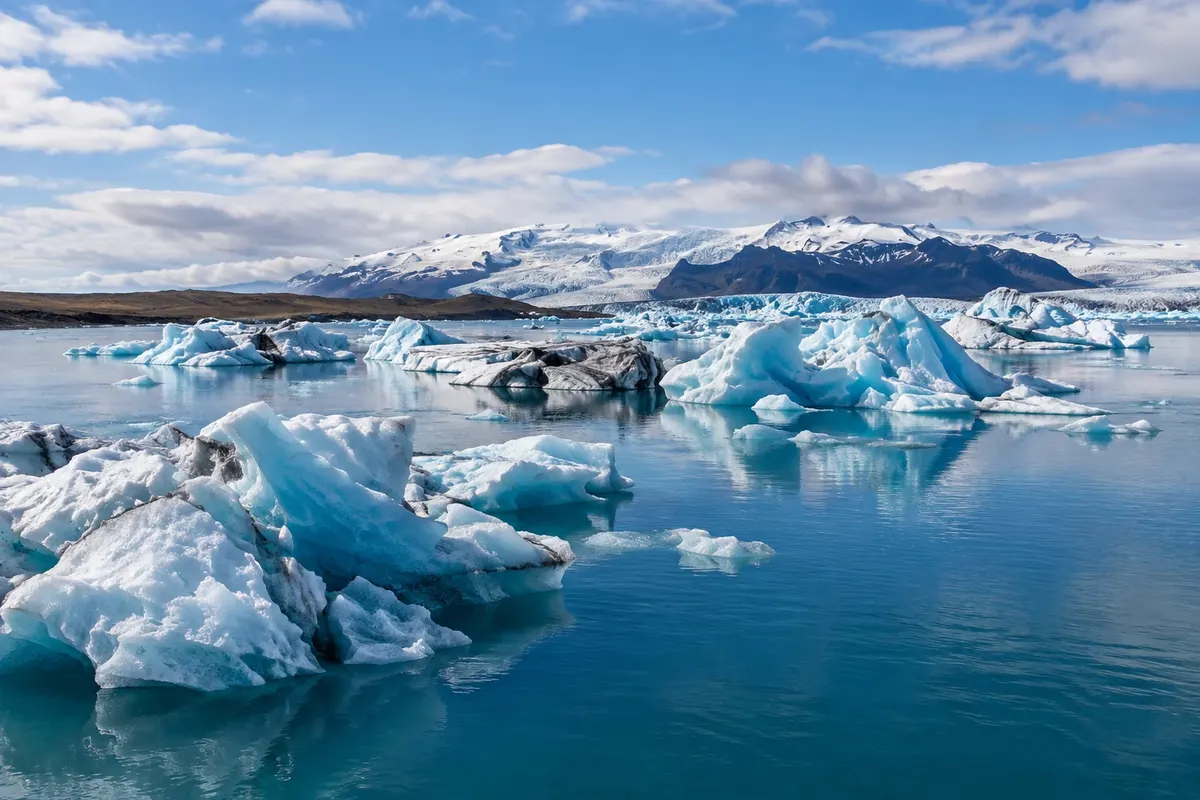
In the photo: Jökulsárlón
Illustrative images. The pictures in this guide are illustrations based on the real place, not photographs, and may differ from it.
Get to know the place
The southern sector of Vatnajökull places the trip before the glaciers and their effects on the landscape. Route 1 crosses sediment plains and offers turnoffs to lagoons, trails and viewpoints. Hof and Höfn split the rural and urban logistics of this stretch.
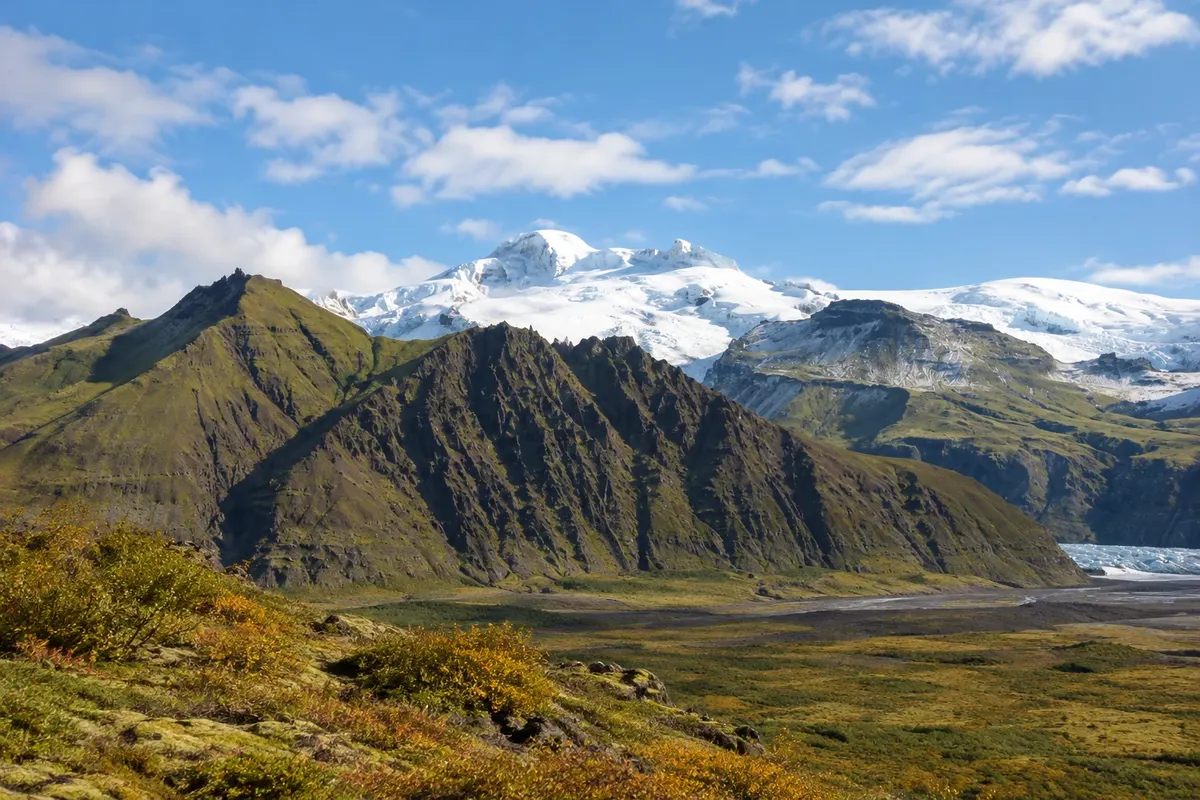
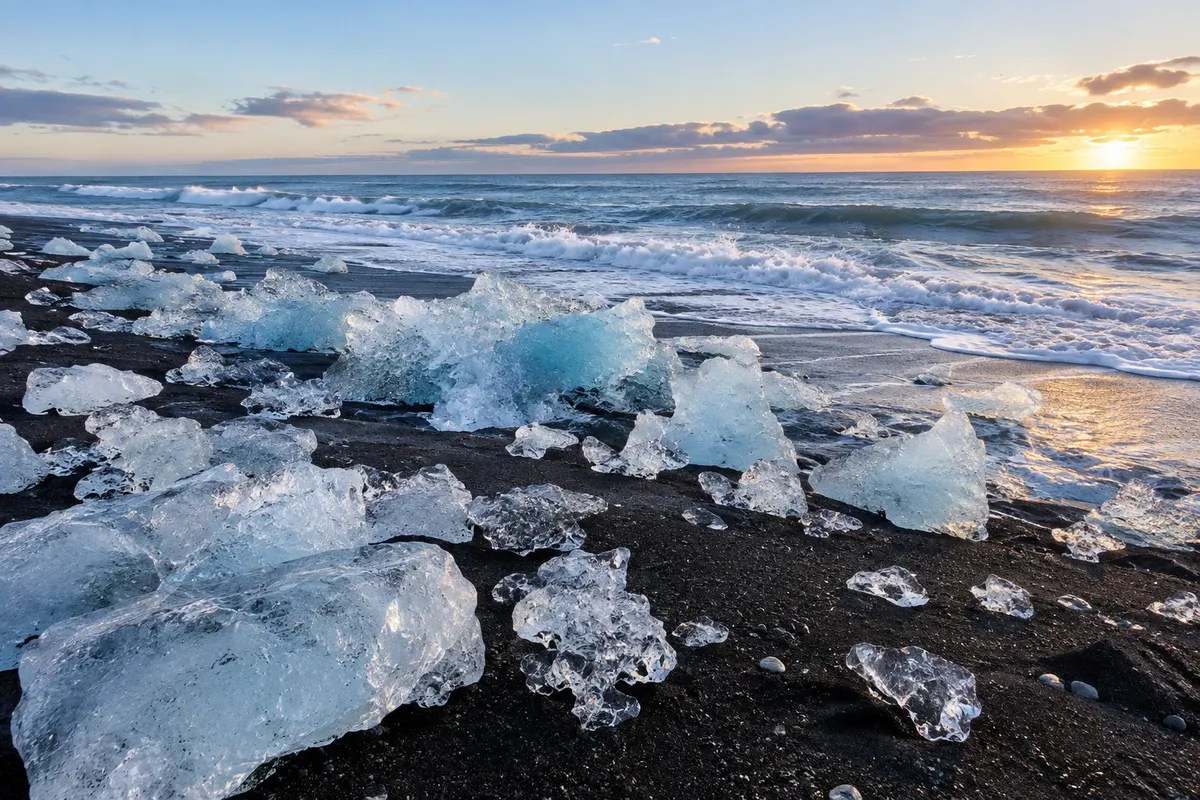
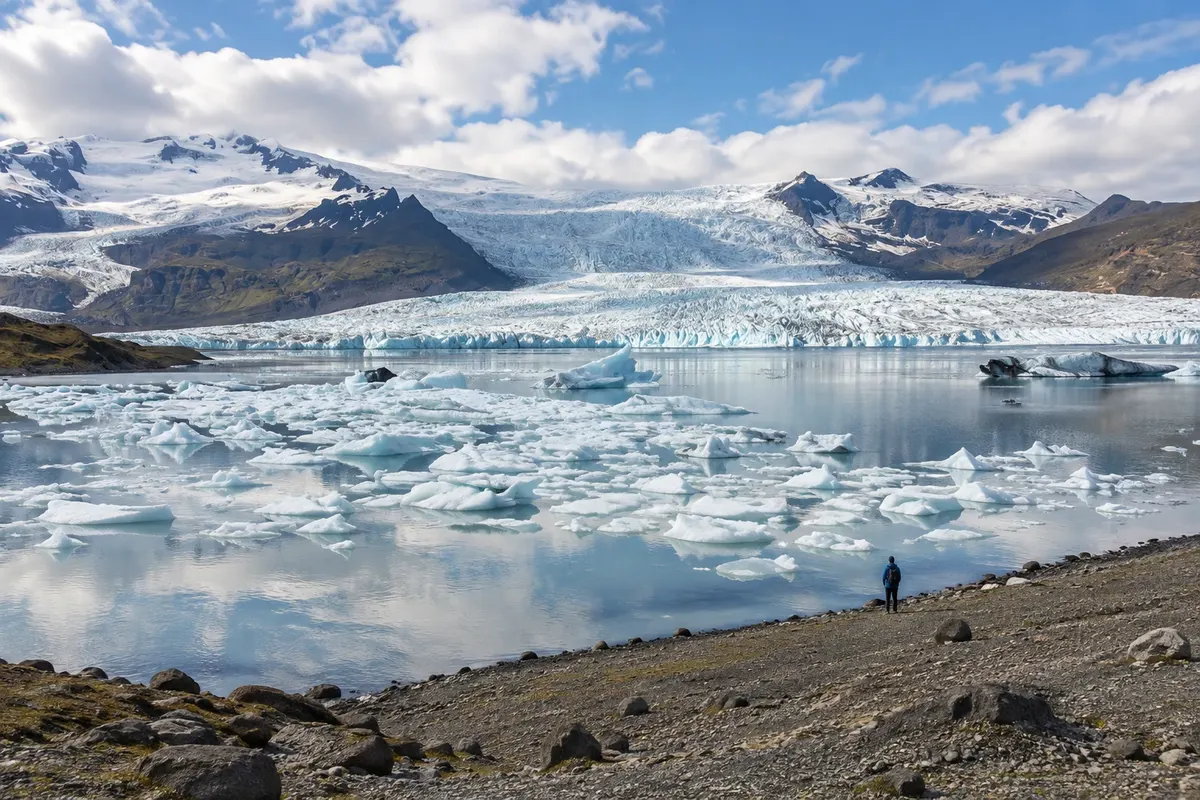
Skaftafell gathers paths to Svartifoss and to glacier viewing. Fjallsárlón and Jökulsárlón show lagoons fed by ice tongues. On Fellsfjara, ice fragments often reach the black sand depending on sea conditions. Stokksnes adds dunes and the relief of Vestrahorn, without repeating the lagoon scenery.
The national park is part of the world heritage for the relationship between volcanism and ice. To visit, choose specific sectors and allow time for walking. glacier activities and boat trips are separate excursions, with their own operators and booking.
This destination brings together 2 cities: Höfn, Hof.
One destination, many paths
Start with one city or combine several in your itinerary.
Contornos: National Land Survey of Iceland, via geoBoundaries (CC BY 4.0). Adaptação do Cidade Turismo.
Confirm before purchasing. The main land access follows Route 1, with intermediate nights from Keflavík.
Suggested arrival point: Höfn
Höfn sits on a headland by coastal lagoons and serves as a base in the southeast. Jökulsárlón and Fellsfjara lie to the west along Route 1; Stokksnes offers a different landscape, with dunes and the Vestrahorn massif to the east.
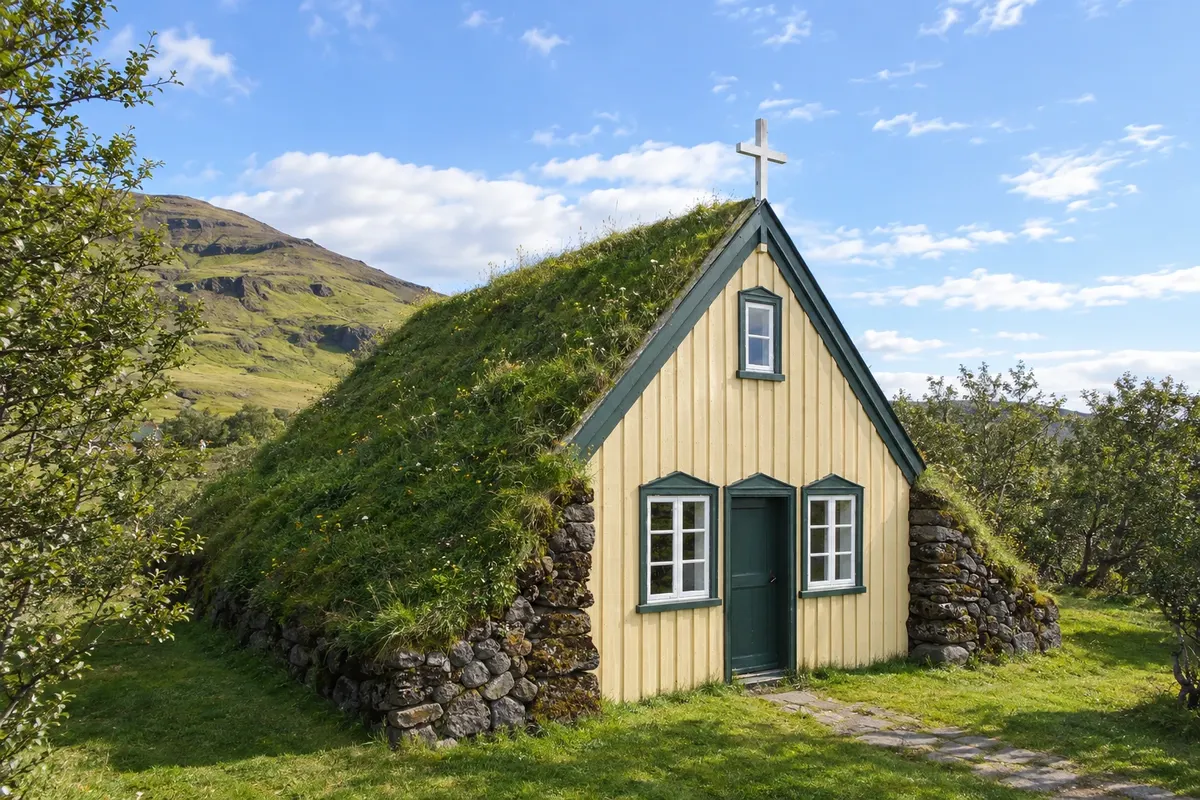
Hof is a small rural base in the southern sector of Vatnajökull. Its location allows organizing Skaftafell trails and viewing Fjallsárlón without returning to Vík or relying on a single night in Höfn.
The local experience
Lagoon fed by the Breiðamerkurjökull, with icebergs that head toward the sea.
Sector of Vatnajökull National Park with trails to a waterfall, woodlands and glacier viewing.
Black sand beach where chunks from the glacial lagoon often reach the shore.
Lagoon in front of Fjallsjökull, with ice, sediments and mountains in the southern sector of Vatnajökull.
Peninsula with dunes, dark sand and views of the Vestrahorn massif.
Before you go
A little planning leaves more time to enjoy the journey.
From June to August, long days usually make hiking and sightseeing easier. Ice activities and boat trips are run independently; check the operating months before booking.
The seasons shown are the most usual ones; nature doesn't always follow the calendar.
Three to four days between Hof and Höfn allow you to separate trails, lagoons and Stokksnes. Book extra time for guided activities.
Hof and its rural surroundings bring Skaftafell and Fjallsárlón closer. Höfn provides an urban base for meals and continuing along the eastern fjords. Compare distances before choosing to spend every night in a single place.
Take your trash with you, follow the signs and support local businesses. In natural areas, follow the visiting guidelines.
Get your questions answered
Visits are concentrated in the accessible southern sectors; the park extends over a much larger area.
No. Land trails and lagoon shores allow you to view the landscape without taking part in glacier activities.
Hof brings you closer to Skaftafell; Höfn concentrates urban services and access to Stokksnes.
No. The lagoons and the beach change with the movement of the ice, the wind and the sea.