

 Brazil
 Chile
Chile Colombia
 Peru
Peru Uruguay
 Germany
 Belgium
 Spain
Spain France
 Greece
 the Netherlands
 Ireland
 Italy
Italy Portugal
 the United Kingdom
 Switzerland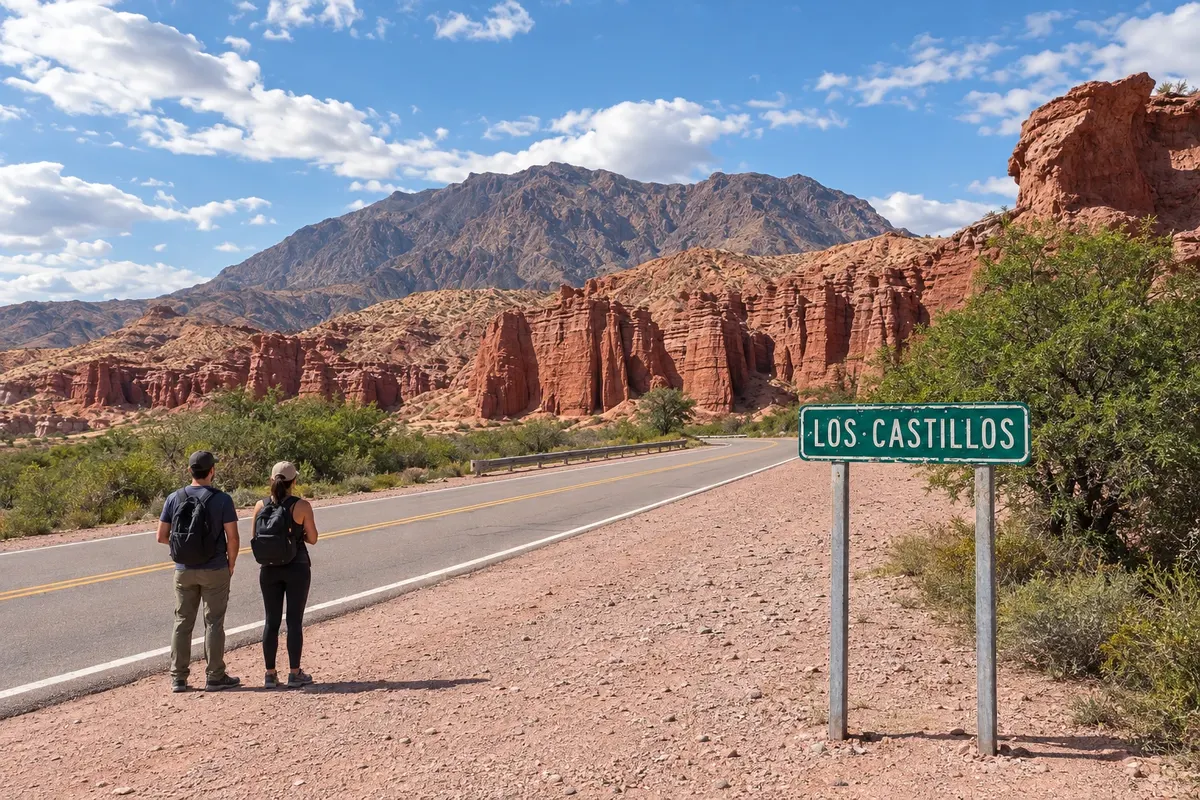
3 cities
Province · North
Salta links the capital's historic architecture with the wines of Cafayate, the traditional houses of Cachi, and the mountains of the Valles Calchaquíes.
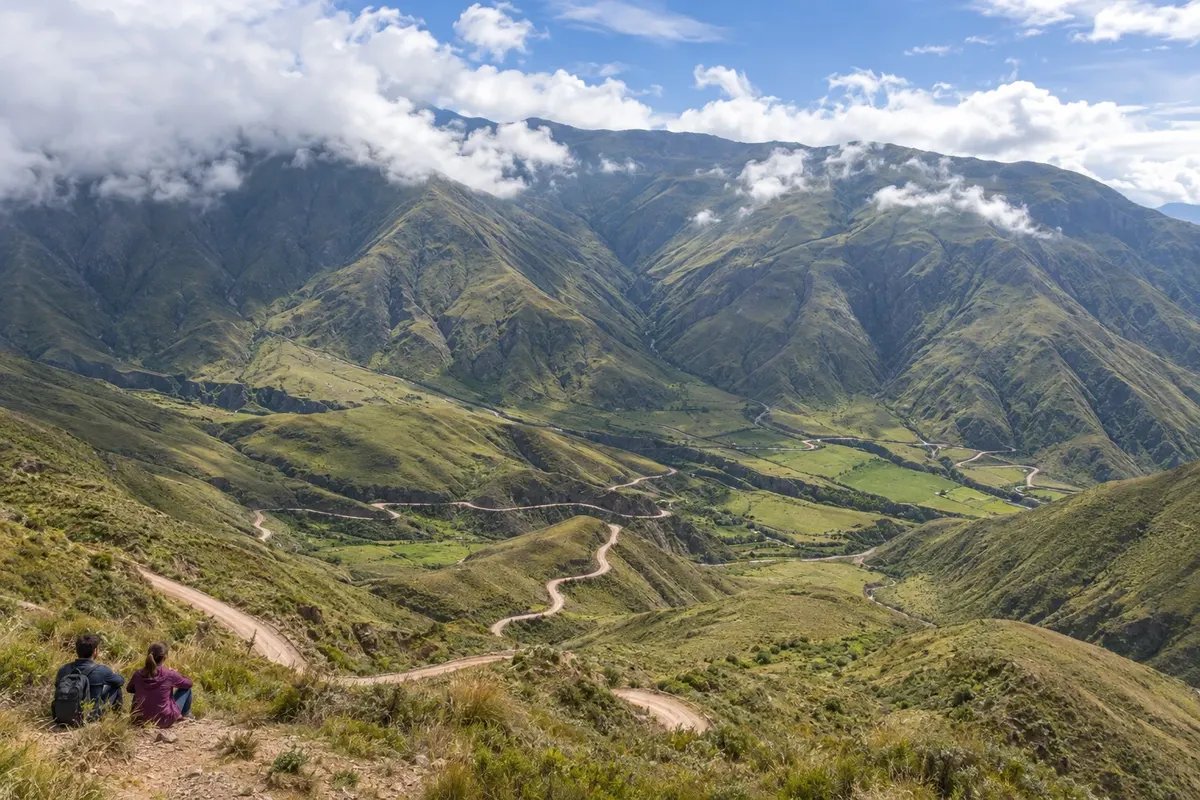
In the photo: Cuesta del Obispo, RP 33 road, Salta
Illustrative images. The pictures in this guide are illustrations based on the real place, not photographs, and may differ from it.

The province
Salta occupies a strip of northern Argentina that stretches from the forests of the Yungas to the high, dry areas of the Puna. Between these environments lie agricultural valleys, ranges and gorges of exposed rock. Changes in altitude are part of travel here and alter both vegetation and temperature.
Salta, Cafayate and Cachi combine urban heritage, vineyards and villages of the Valles Calchaquíes. In the provincial capital, the Plaza 9 de Julio, the cathedral, the Cabildo and the Museu de Arqueologia de Alta Montanha help tell the region's history. The peñas bring together folk music and dance in venues linked to Salta's cultural life.
RN 68 continues to Cafayate through the Quebrada de las Conchas, between cliffs and shapes carved by erosion. In Cafayate, high-altitude wine production has Torrontés as one of its signatures. Cachi preserves white buildings and small-scale streets; the route via the Cuesta del Obispo and the Parque Nacional Los Cardones adds high plains and cacti to the journey.
Empanadas salteñas, humitas, tamales and locro make up the regional table. The wines of the Valles Calchaquíes accompany both visits to bodegas and meals in the villages. The celebrations of the Señor y Virgen del Milagro, in September, fill the capital with pilgrimages and religious events. Spending nights in Cafayate and Cachi prevents every outing from becoming a long round trip to Salta.
Destinations
Cities
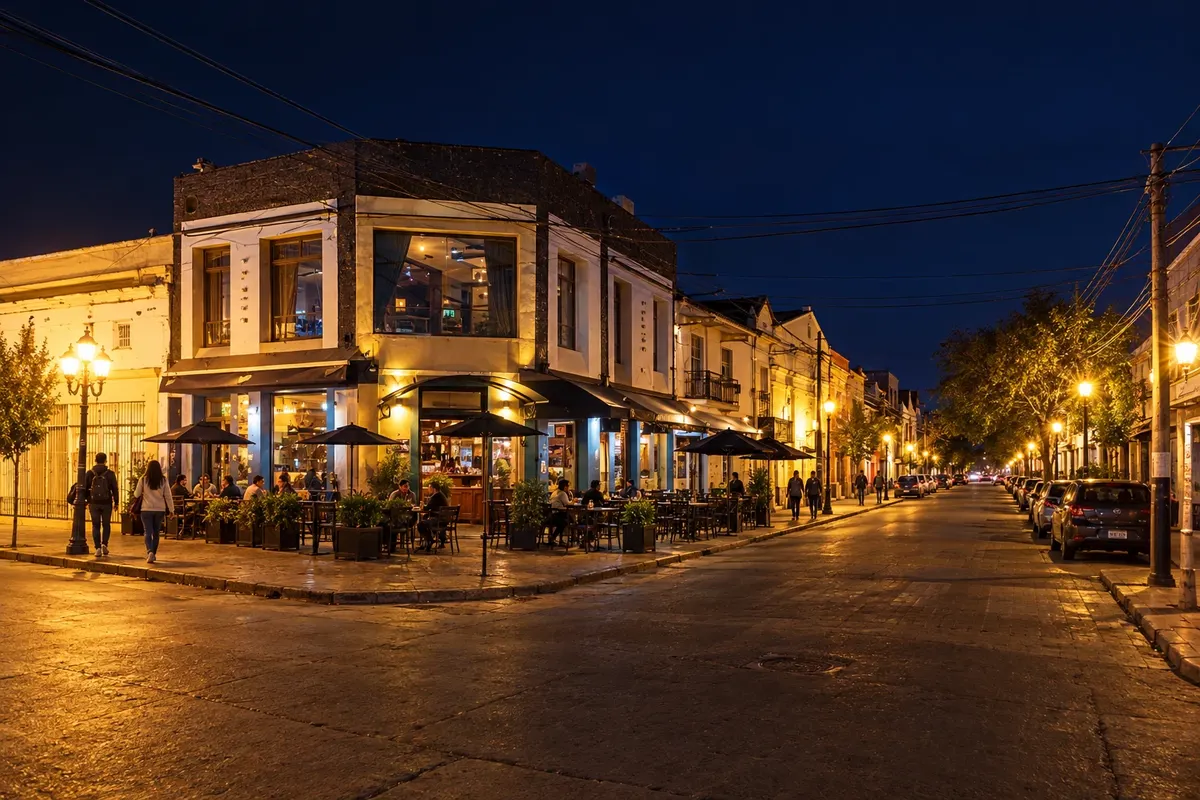
Salta is the capital of the province, in the Lerma Valley. Plaza 9 de Julio brings together the cathedral, the Cabildo and the Museo de Arqueología de Alta Montaña. The Museo Güemes and the Basílica de San Francisco broaden the historical circuit. Cerro San Bernardo offers a view of the city, and the Quebrada de San Lorenzo brings the walk close to the yungas vegetation.
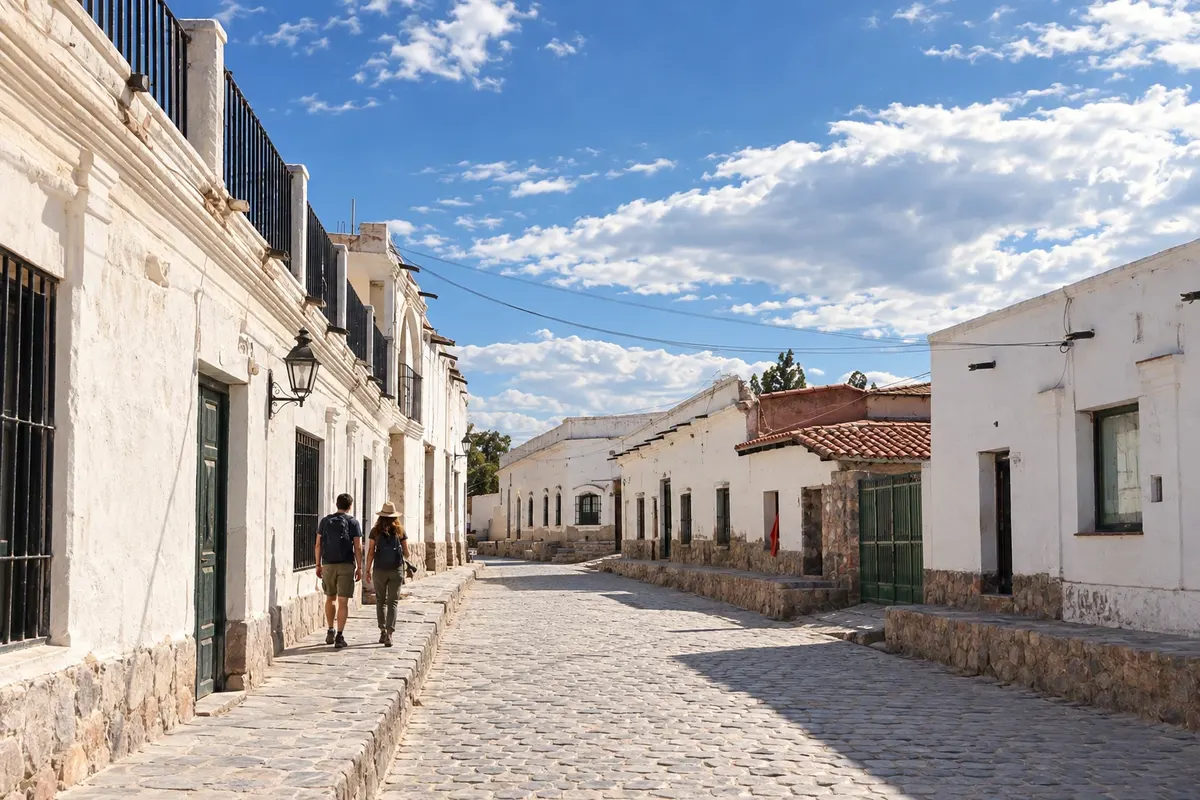
Cachi is a village in the Valles Calchaquíes, with adobe houses and streets near the Plaza 9 de Julio. The Iglesia San José and the Museo Arqueológico Pío Pablo Díaz are next to that core. On the way along Ruta Provincial 33, the Parque Nacional Los Cardones features columnar cacti and interpretive trails in high-altitude landscapes.
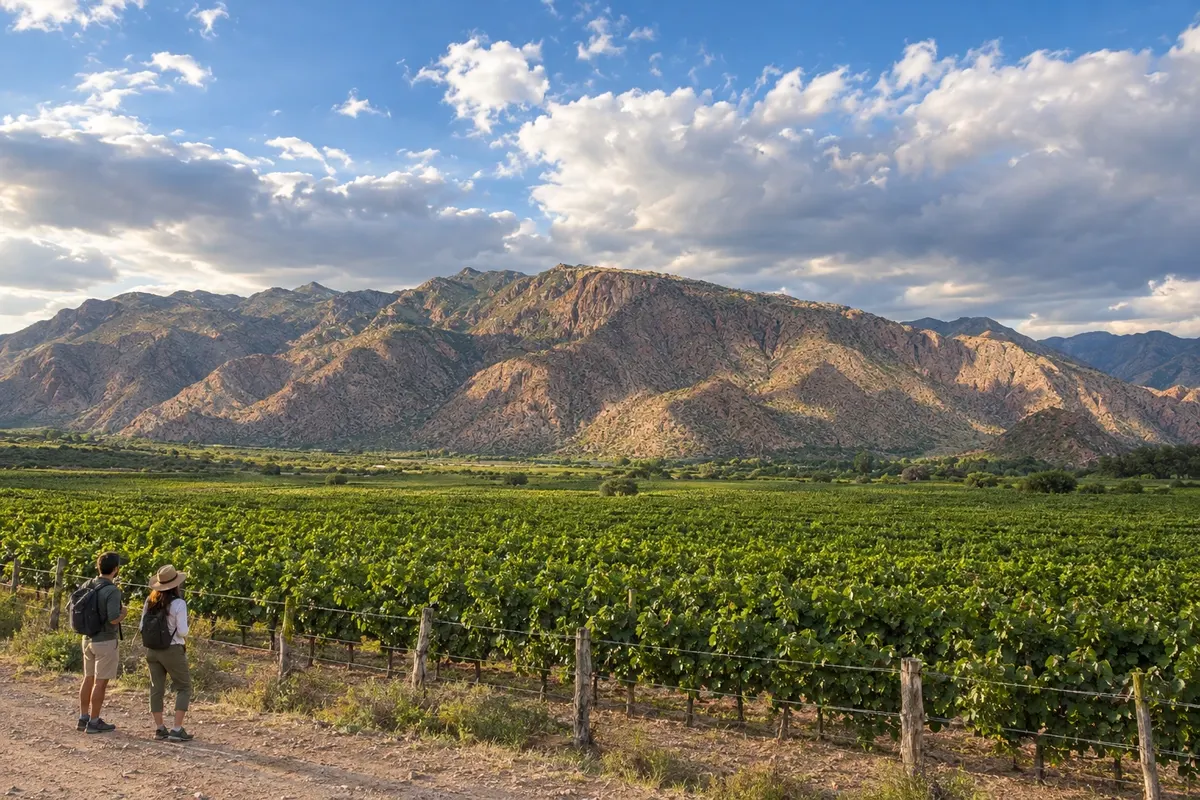
Cafayate is located in the Valles Calchaquíes and its tourist routine is tied to high-altitude wines. The Museo de la Vid y el Vino showcases that production, and the wineries El Esteco and Vasija Secreta welcome visitors. The Catedral Nuestra Señora del Rosario marks the town center. In the Quebrada de las Conchas, El Anfiteatro and the Garganta del Diablo have reddish cliff faces close to the road.
April to May and September to November usually bring mild conditions in the valleys. Rains are more frequent from December to March, especially in the Yungas and the Lerma valley; in the Puna, the altitude keeps nights cold even then. June to August is typically dry, with cold nights and a greater temperature swing between morning and afternoon. Cafayate's harvest takes place between February and March. In September, Salta hosts the Milagro celebrations, with pilgrim activity in the capital.
Aeroporto Internacional Martín Miguel de Güemes serves the city of Salta. Traveling from Brazil, the trip can be made with a connection in Buenos Aires; check flight combinations for your intended dates. RN 9 is part of regional access, and RN 68 connects Salta to Cafayate. To reach Cachi from the Lerma valley you follow RN 68 and RP 33, with access to RN 40. The section of RN 40 between Cachi and Cafayate includes gravel stretches.
Your questions
Plan six to eight days to split the trip among the three bases. This allows time for the historic center, the scenery along the routes and the bodegas, with nights in the valleys instead of daily returns to the capital.
Excursions depart from Salta for different routes, and buses link some of the villages. To spend nights in Cafayate and Cachi, arrange transport and tours from each base; return schedules should not be assumed.
The connection via RN 40 includes gravel sections and passes through the Quebrada de las Flechas. Choose your vehicle and allow travel time according to that type of road; going via Salta follows a different route and adds distance.
Cafayate is known for Torrontés and also produces reds. For meals, empanadas salteñas, tamales and humitas let you sample regional recipes; the peñas add music to the dining experience.