Huancayo and the Mantaro Valley
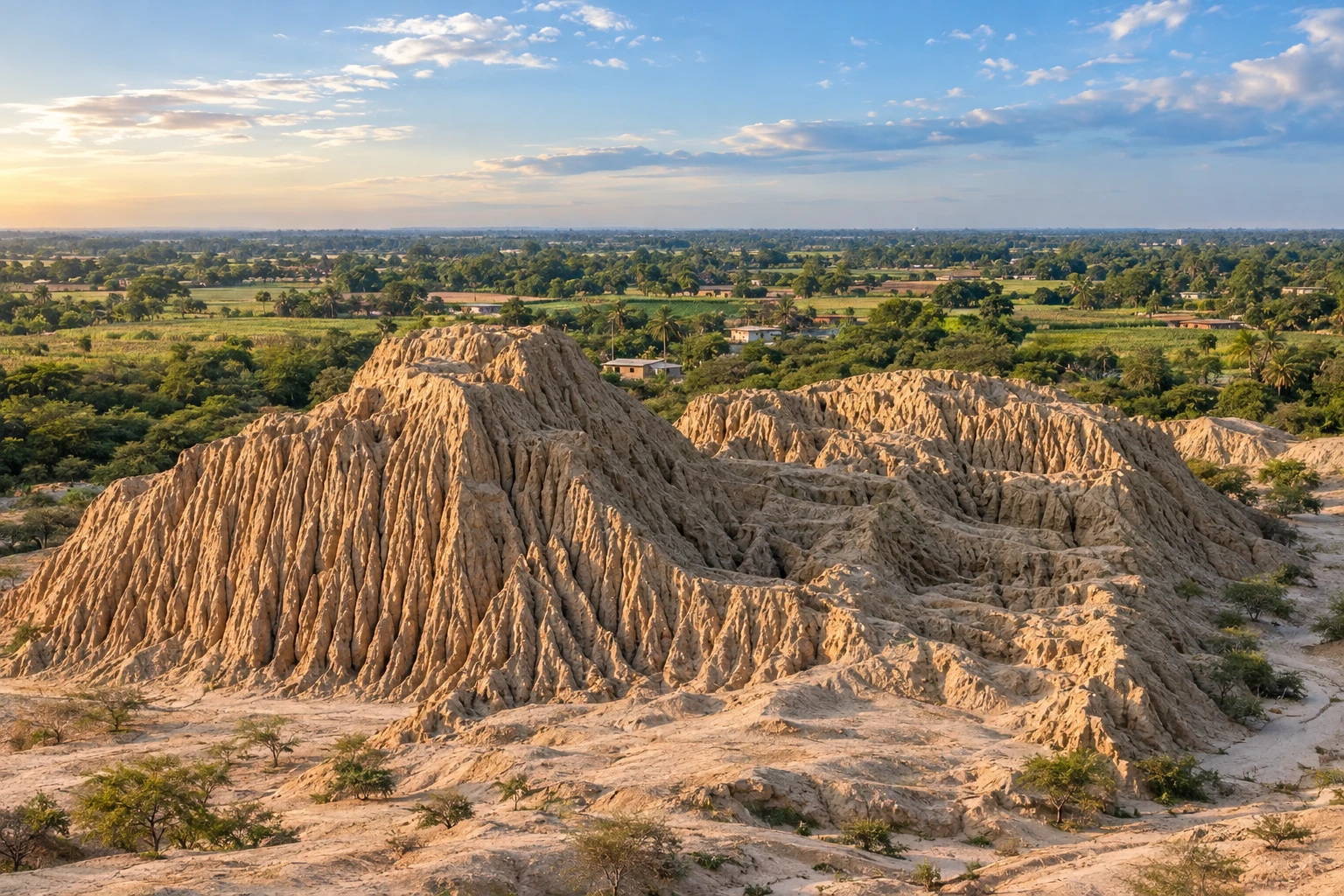
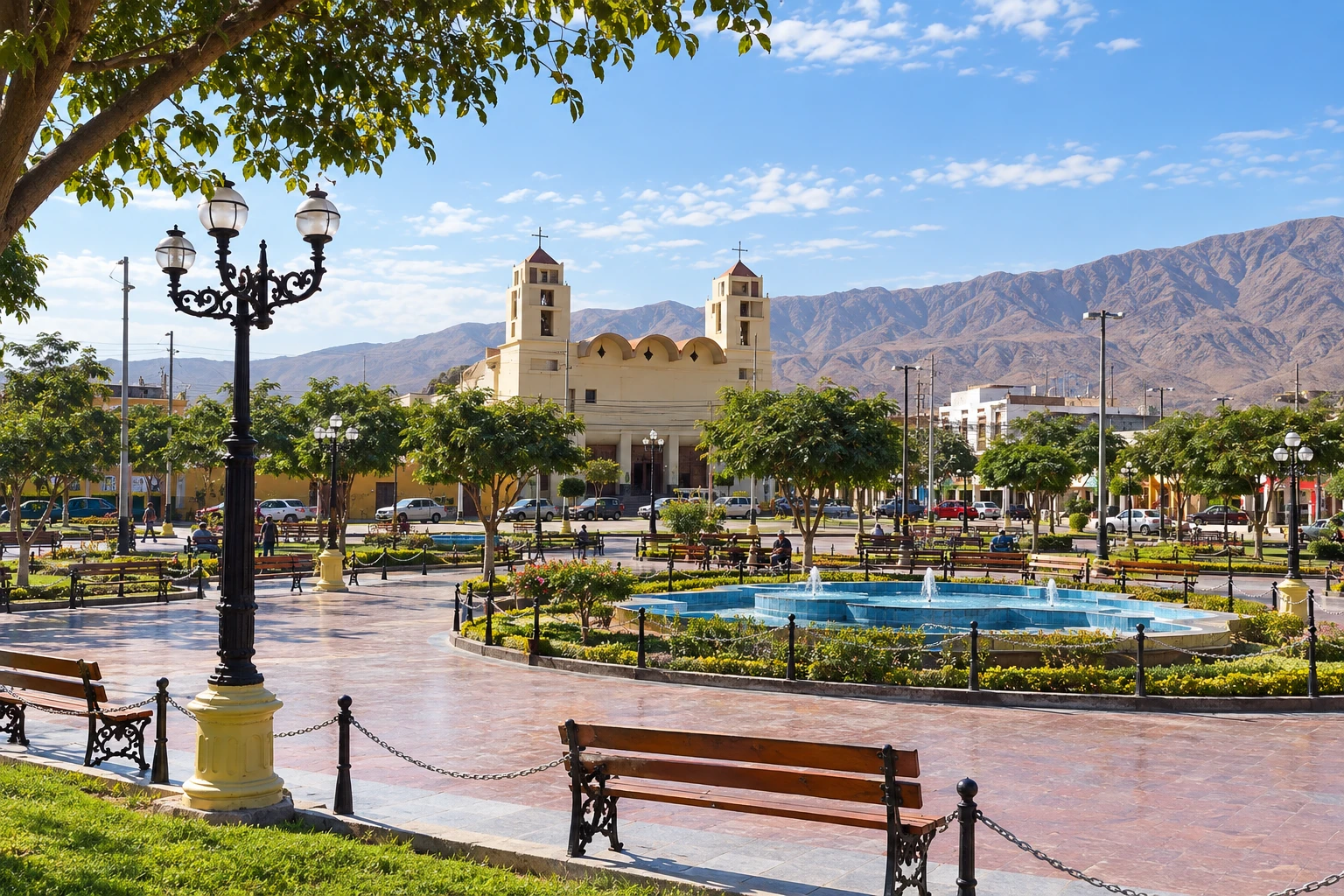
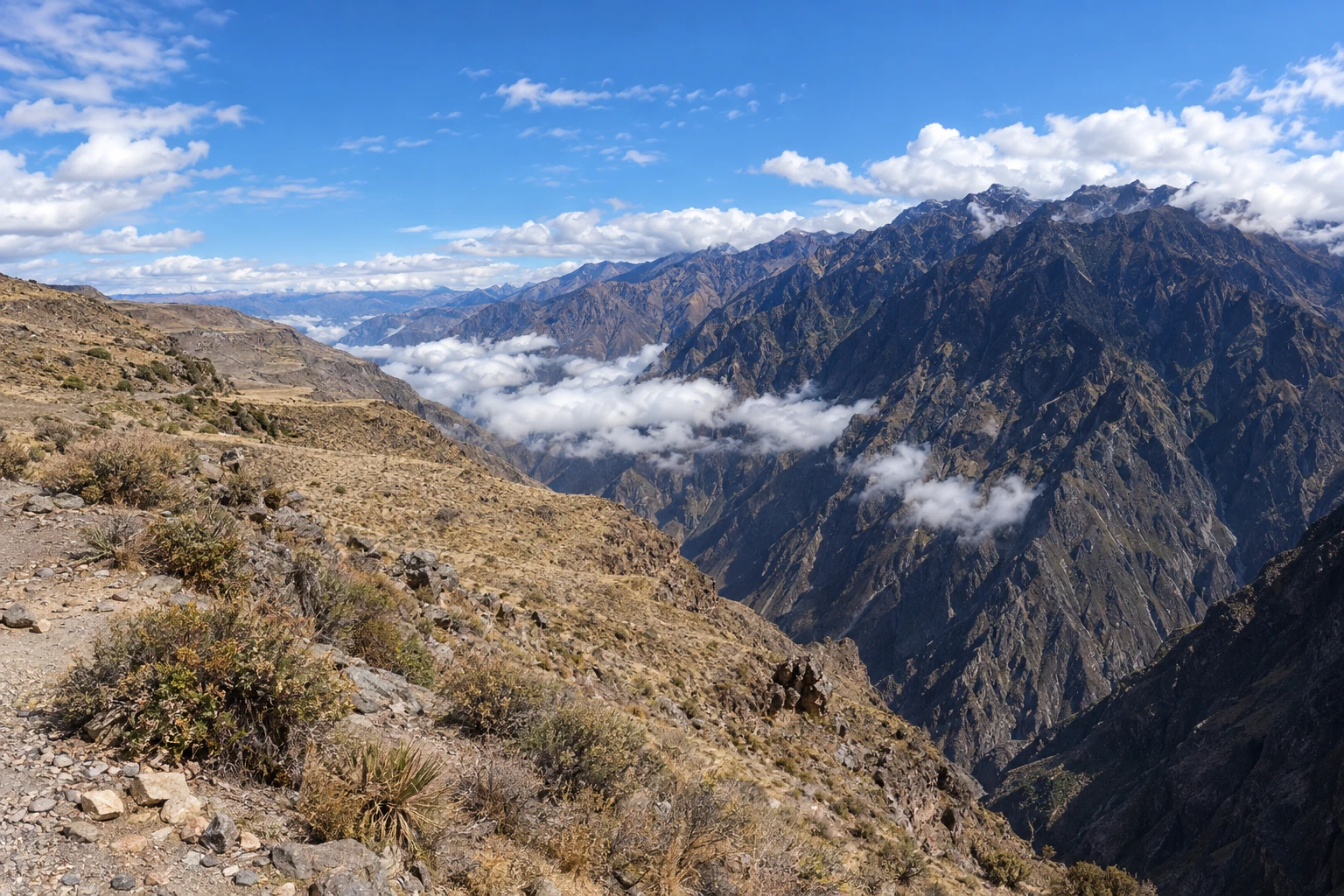
The largest city in Peru’s central highlands, at 3,250 meters, with historic plazas, a Wanka sanctuary, clay formations and the Franciscan Convent of Ocopa in the Mantaro Valley.
Antarctica
Peru travel guide
What to do, when to go and how to get there, destination by destination.
11 destinations · 19 citiesin Peru
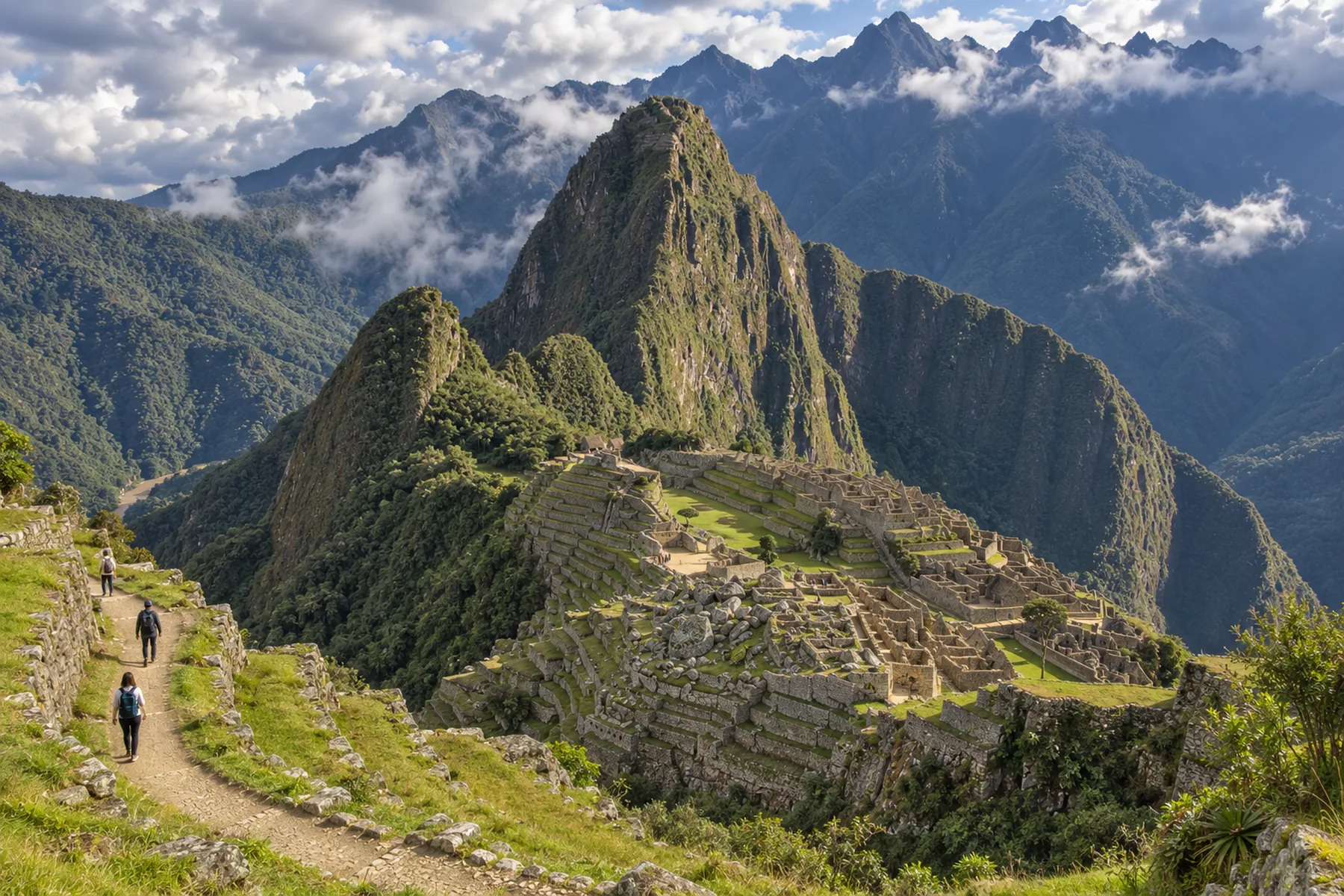
In the photo: Machu Picchu — Cusco
Illustrative images. The pictures in this guide are illustrations based on the real place, not photographs, and may differ from it.
A destination is a region you visit as a single trip: it can bring together several cities or be a large city with everything it offers. Each destination has the tours, the itineraries, the best time to go month by month and how to get there.
The guide currently has 11 destinations, with 19 cities in 11 departments.
Today's highlights
A destination is more than a city: it's everything you can experience there.
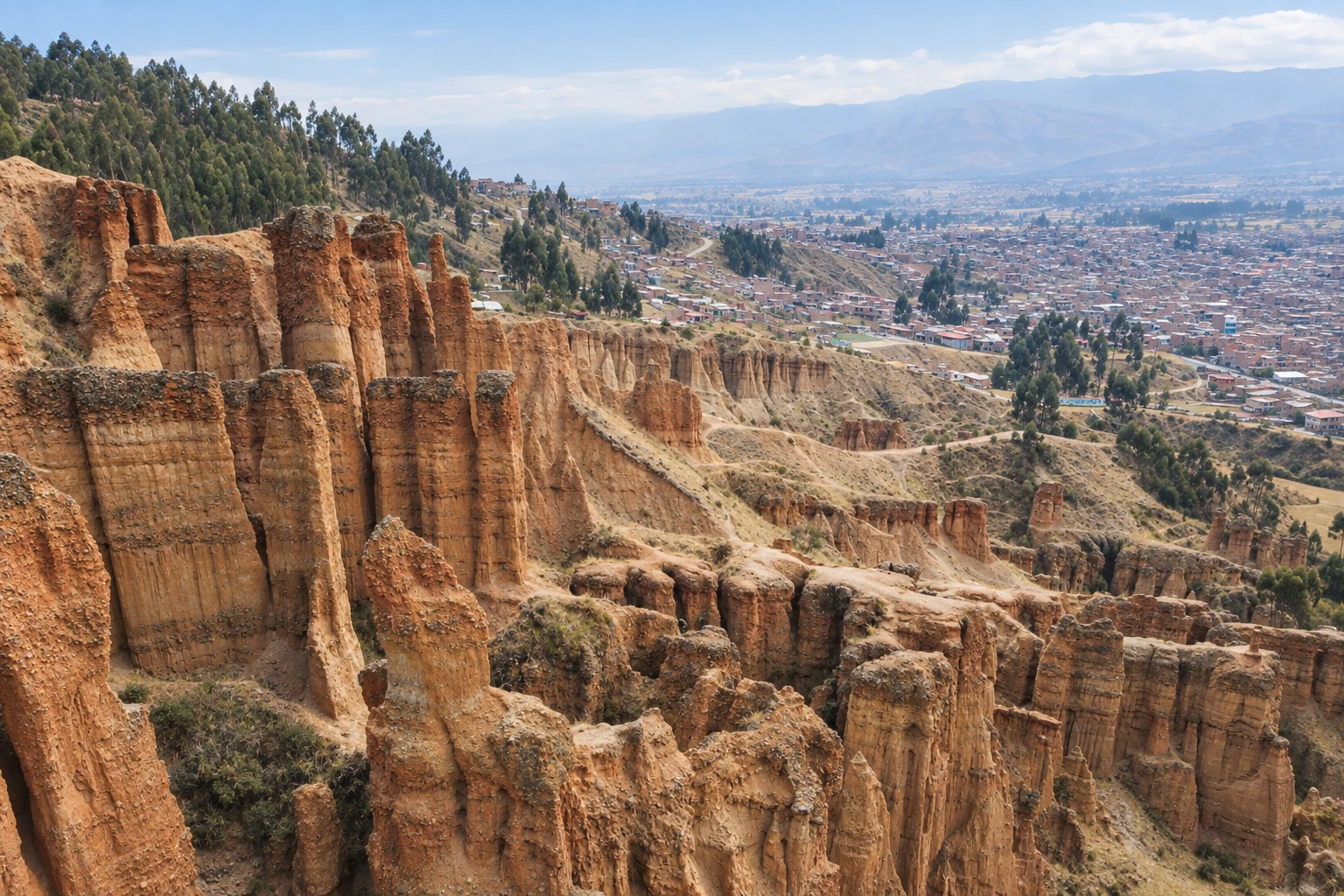
The largest city in Peru’s central highlands, at 3,250 meters, with historic plazas, a Wanka sanctuary, clay formations and the Franciscan Convent of Ocopa in the Mantaro Valley.
The White City of mansions of volcanic stone at the foot of Misti, with the Monasterio de Santa Catalina, and the Colca valley, with Inca terraces, colonial villages and the canyon's condors.
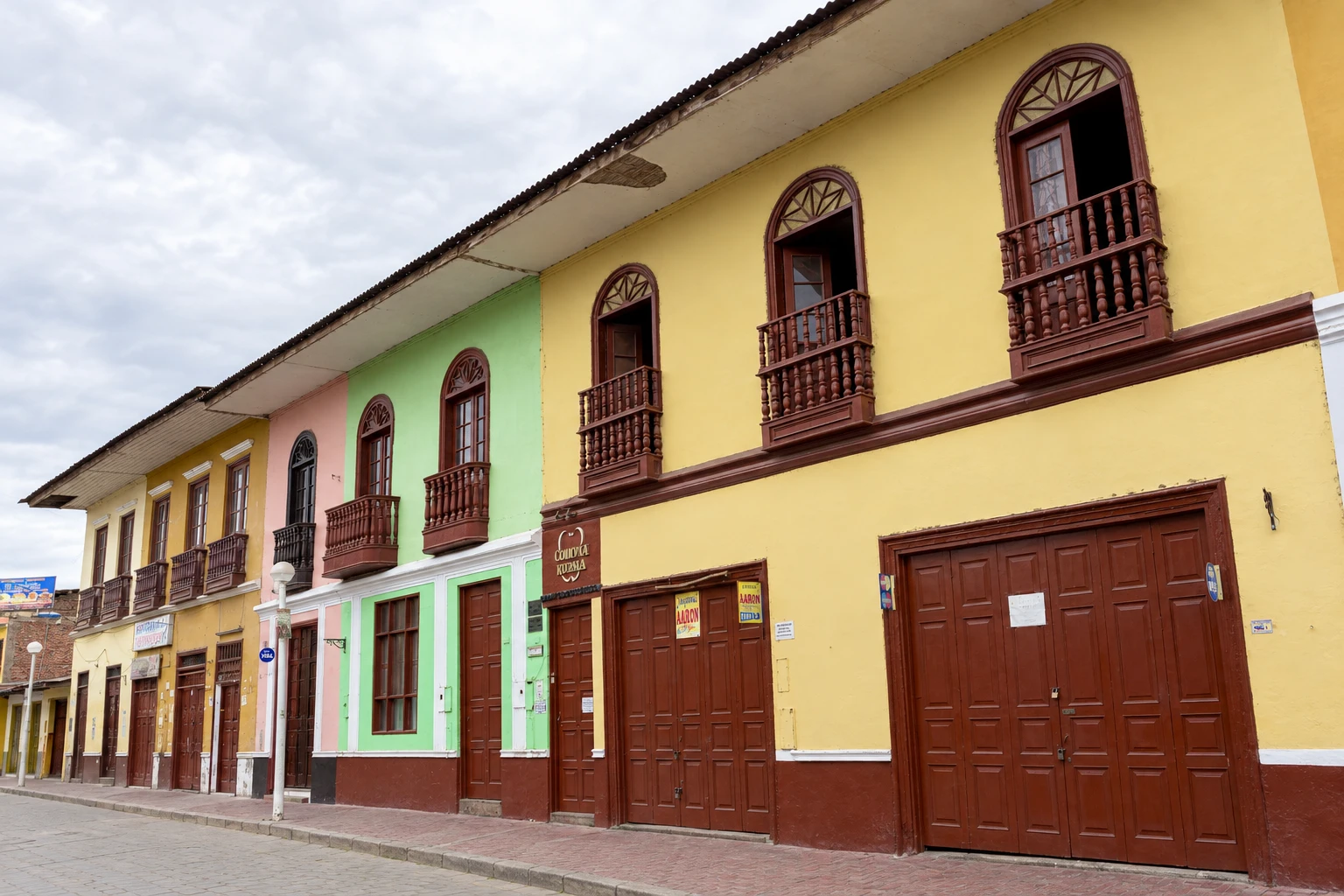
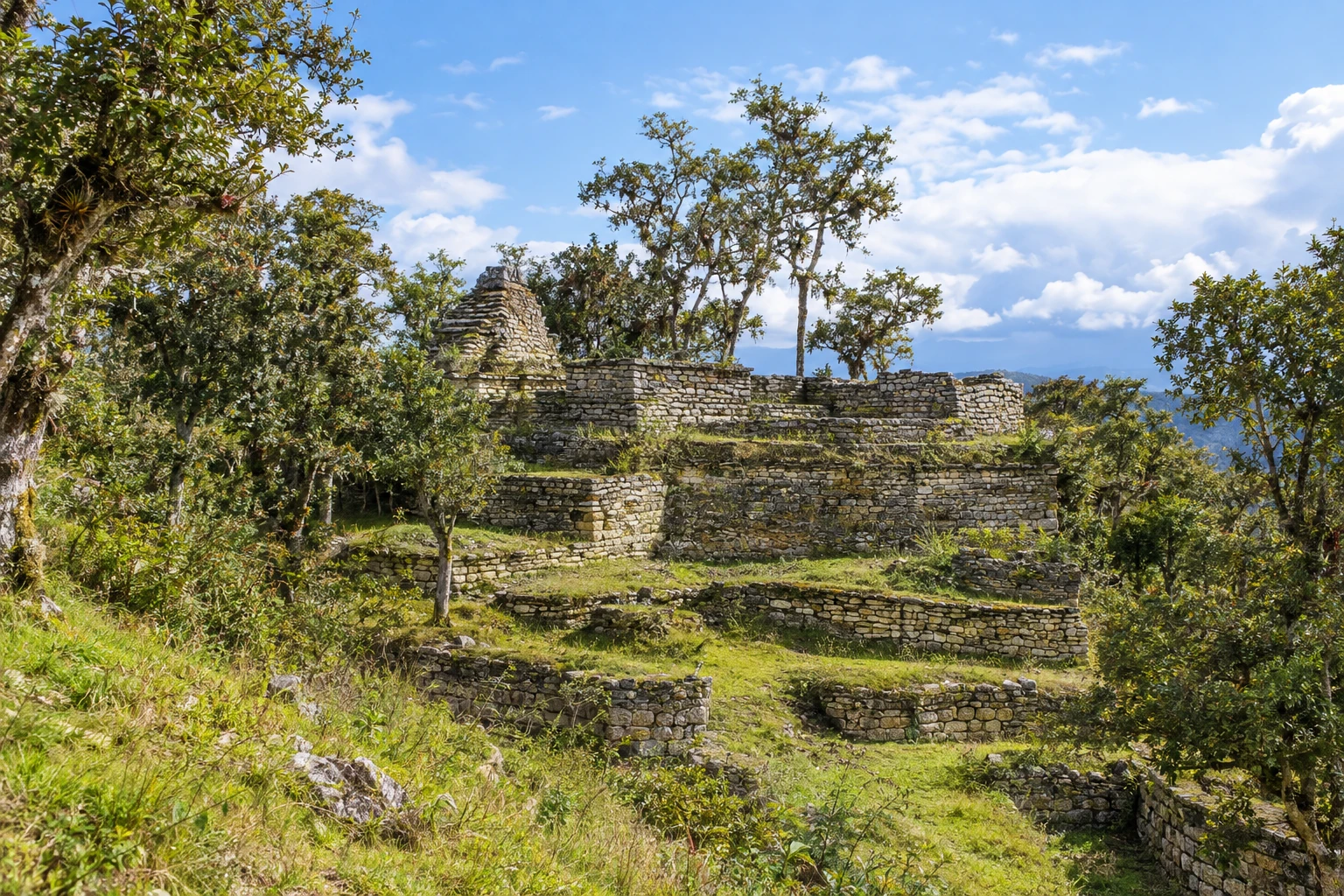
The colonial city of the Amazonas highlands, base for the stone fortress of Kuélap, the Gocta waterfall, the Karajía sarcophagi and the Revash mausoleums, of the chachapoya culture.
The first city founded by the Spanish in Peru, warm year‑round, home to Miguel Grau’s birthplace, Vicús gold, and, to the south, the handicrafts of Catacaos and the Tallán huaca of Narihualá.
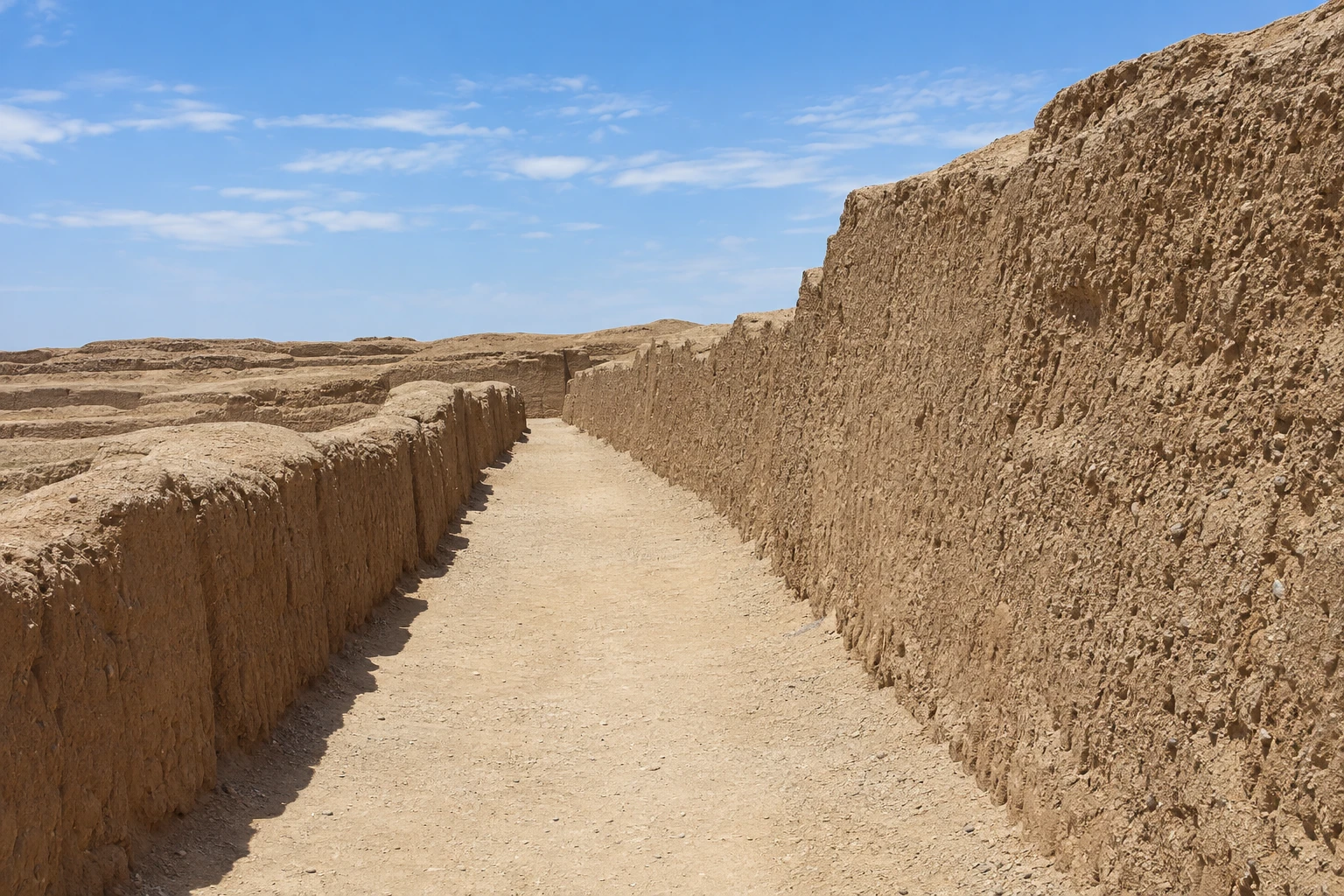
The colonial city on the north coast of Peru, with Chan Chan, the adobe capital of the chimú, the Moche huacas of the Sun and the Moon, El Brujo and the beach of Huanchaco with the caballitos de totora.
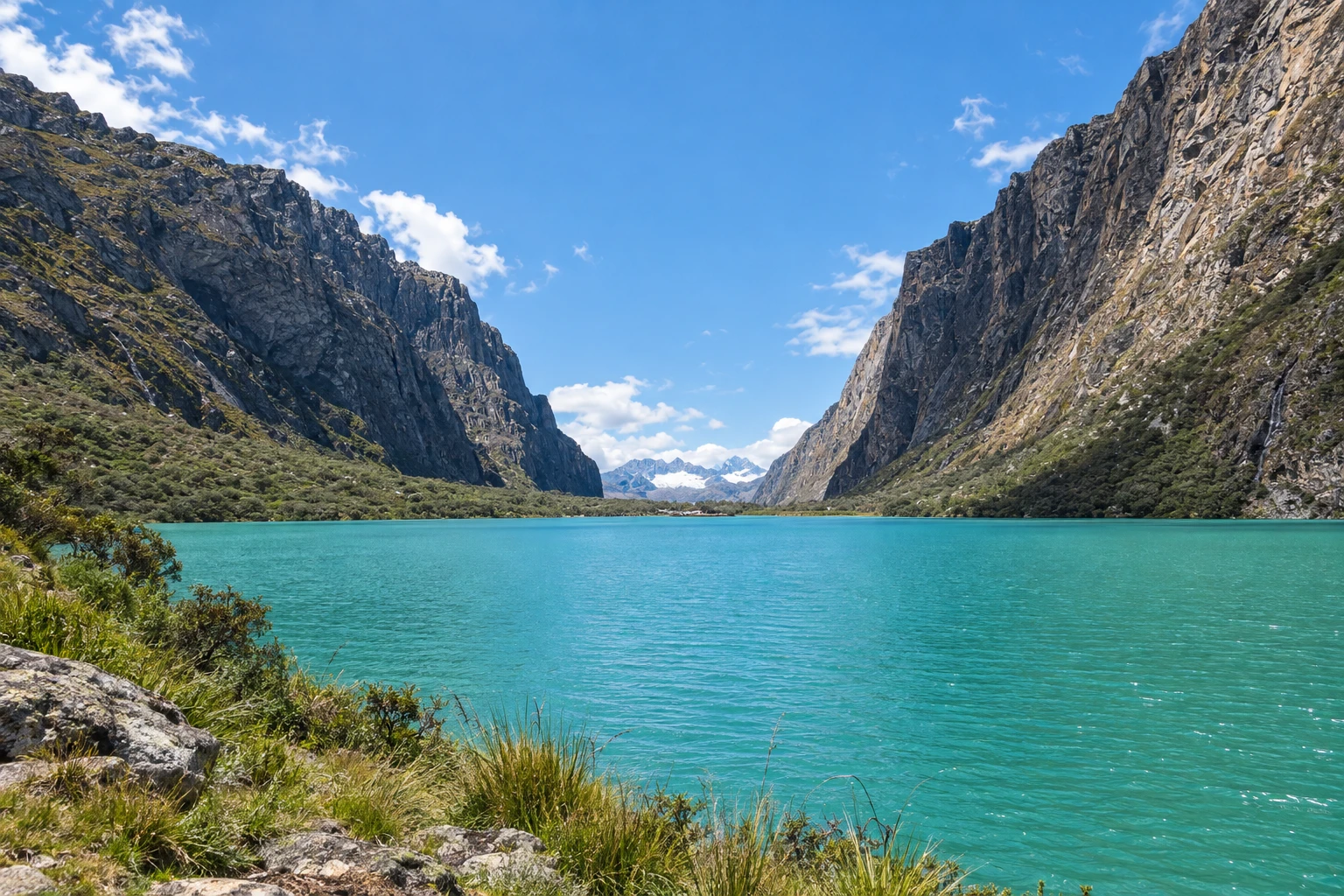
The city of the mountains in the Callejón de Huaylas, at the foot of the Cordillera Blanca: turquoise lagoons, the Pastoruri glacier, high-altitude trails in Parque Nacional Huascarán and the temple of Chavín de Huántar.
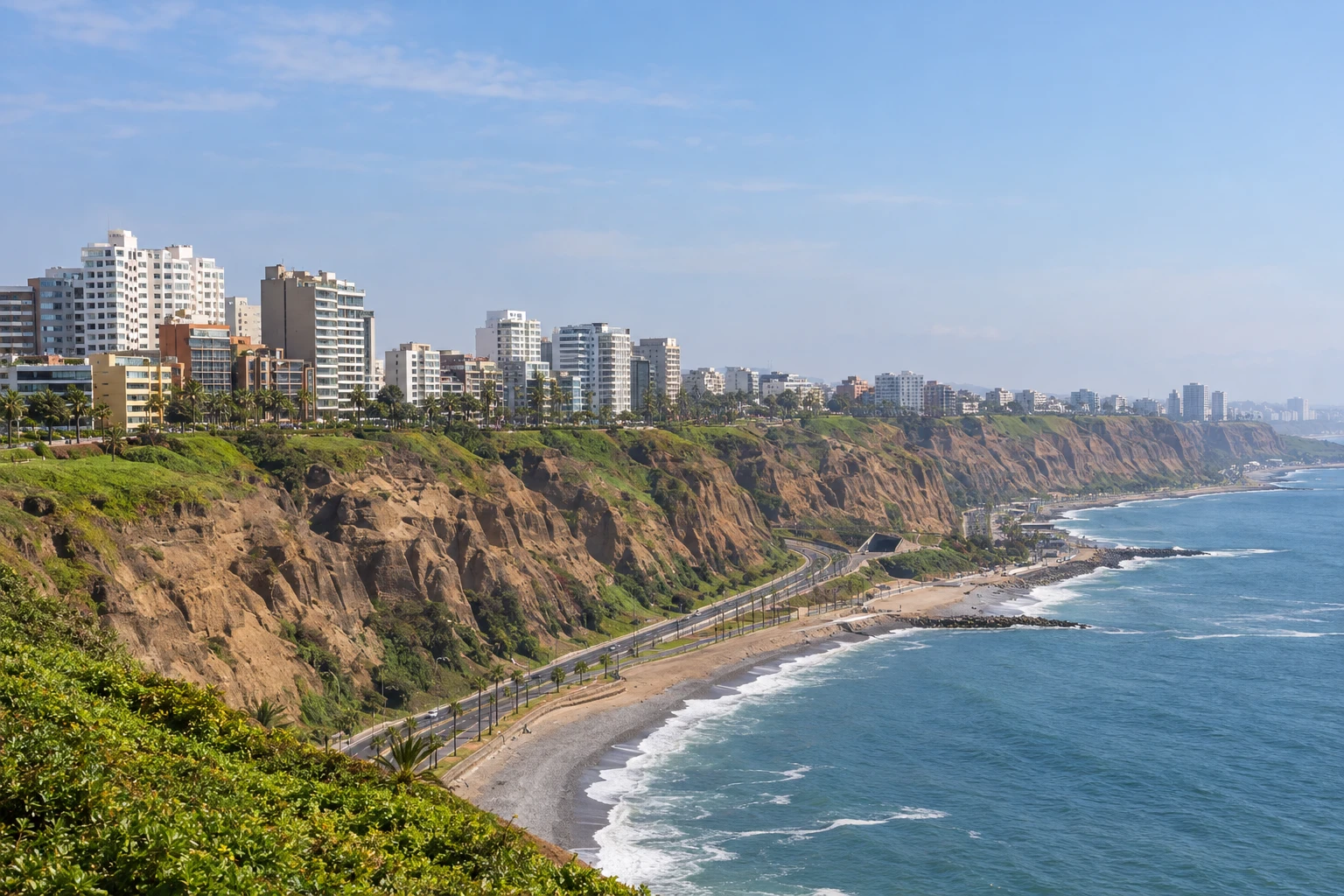
The capital of Peru on the Pacific coast: a colonial historic center, adobe pyramids amid the neighborhoods, the Malecón on the cliffs of Miraflores, and the cuisine that made ceviche famous worldwide.
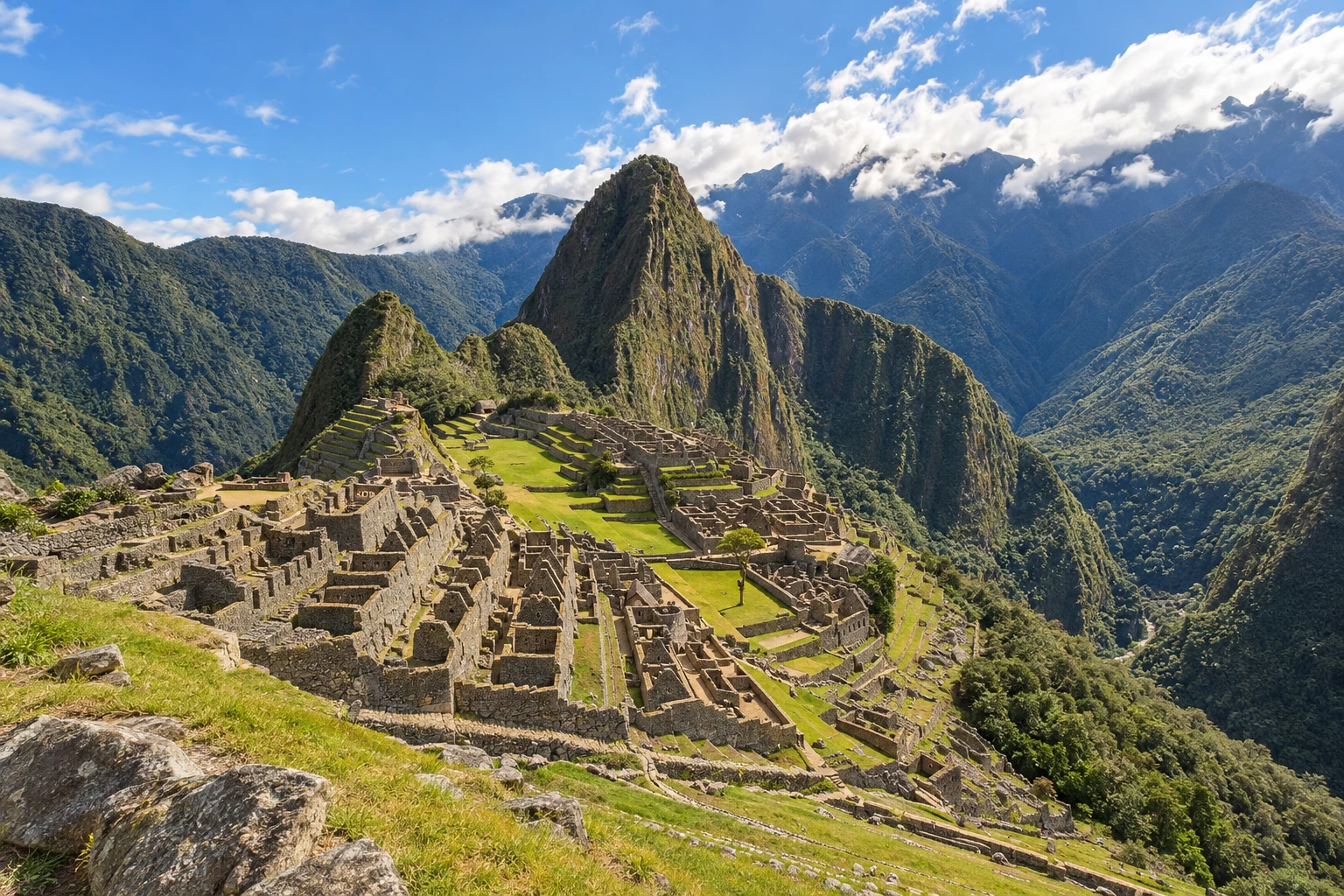
The ancient capital of the Incas in the Andes, at about 3,400 m, the Vale Sagrado of the Urubamba River with Pisac and Ollantaytambo, and the citadel of Machu Picchu among the high jungle mountains.
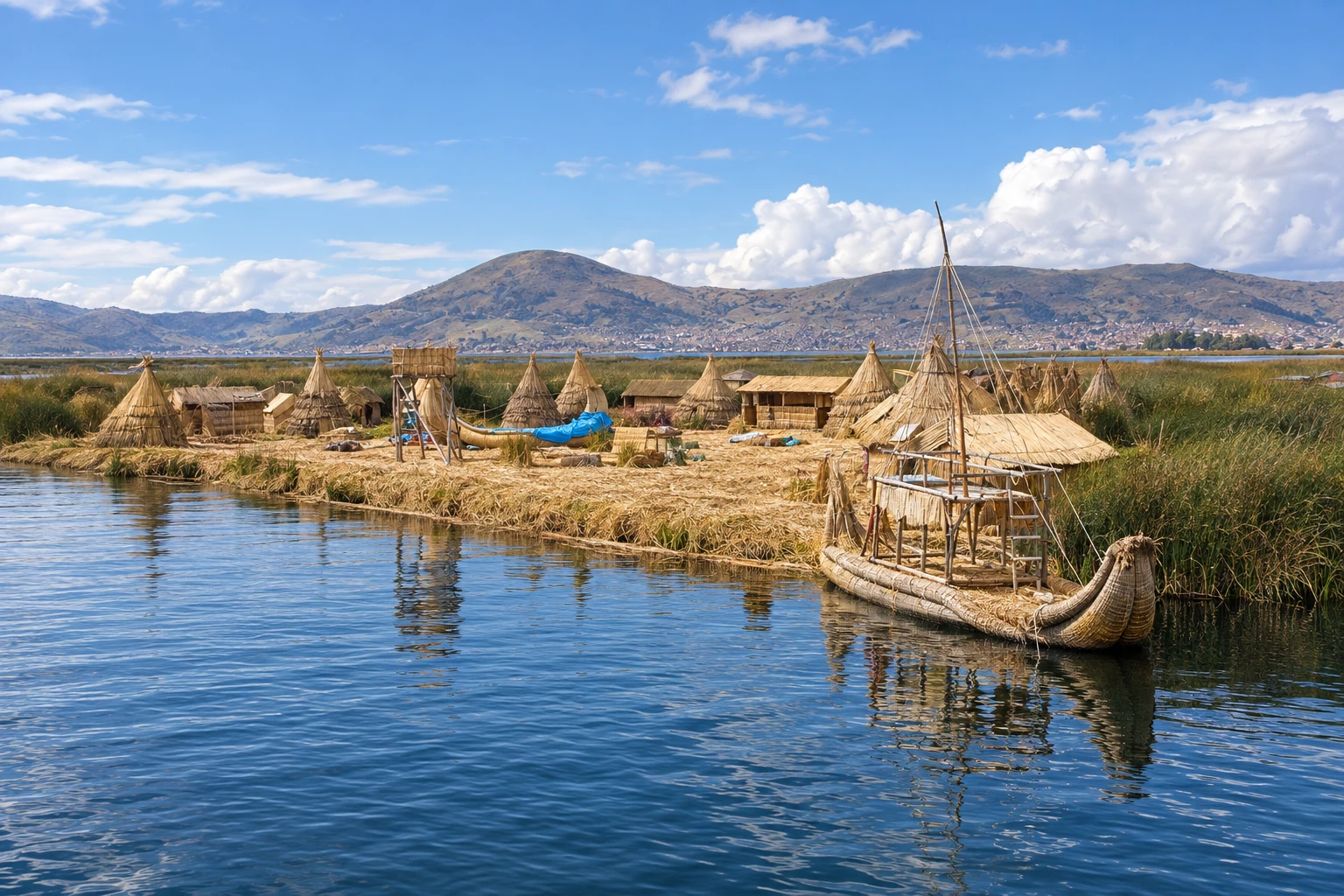
Lake Titicaca at about 3,800 m, with the Uros' floating totora islands, the Quechua communities of Taquile and Amantaní, the funerary towers of Sillustani, and Puno, the capital of Peruvian folklore.
The northern coast of royal tombs: the Lord of Sipán and the gold of the Moche in the museums of Lambayeque, the pyramids of Túcume, the Bosque de Pómac and the beach of Pimentel, with Chiclayo as a base.
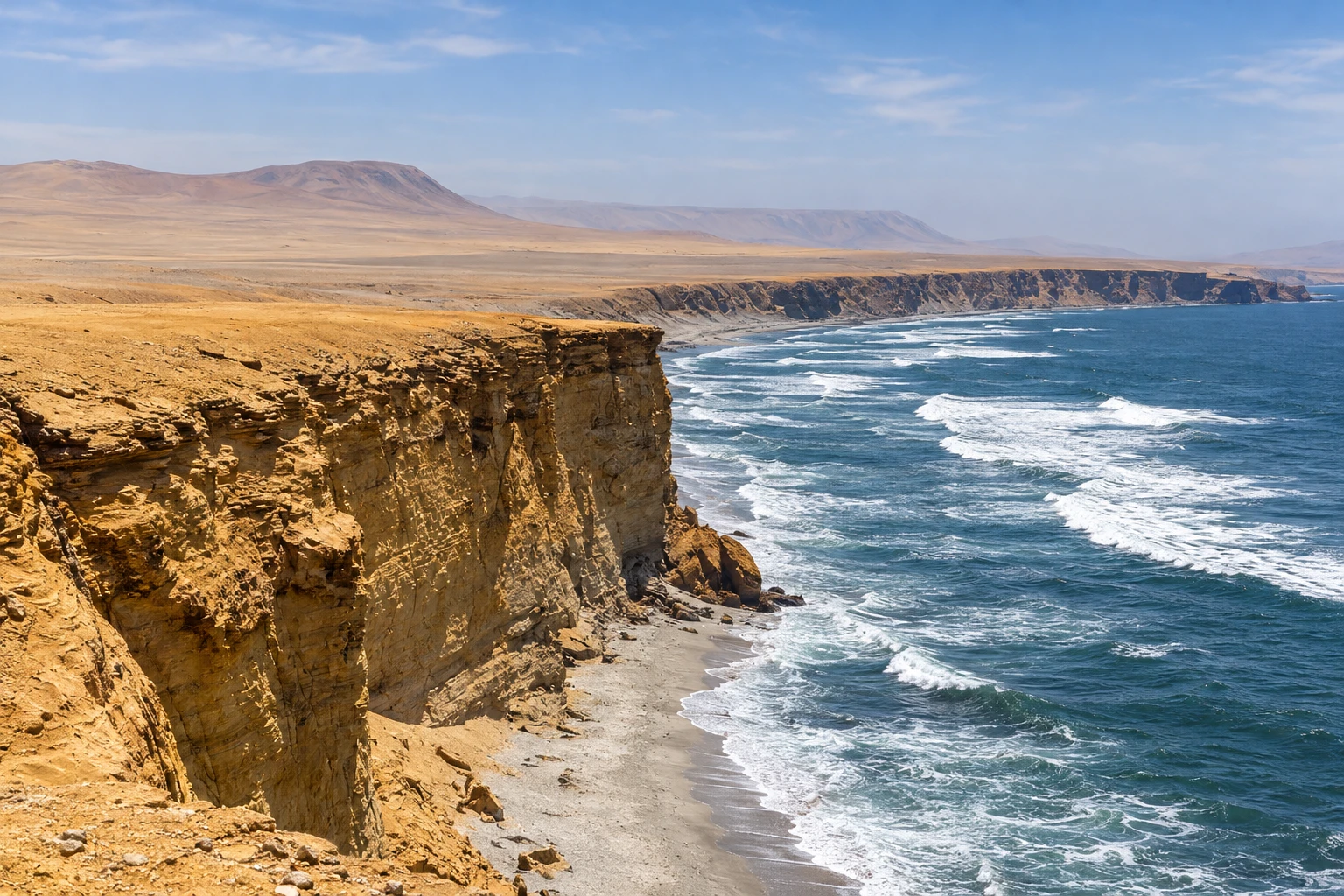
The desert south of Lima: the Reserva Nacional de Paracas and the sea lions of the Ilhas Ballestas, the oasis of Huacachina among dunes, the pisco valley in Ica and the Linhas de Nazca seen from above.
Cities to start with
Each city has a page with what to do there.

Nazca is a desert town in the southern part of the Ica region, at about 520 meters elevation and 145 km from Ica, known for the Nazca Lines — giant figures engraved in the desert floor around 2,000 years ago. Overflights depart from the aerodrome, and there are viewpoints along the Panamericana. Nearby are the Chauchilla Cemetery and the Cantalloc aqueducts.

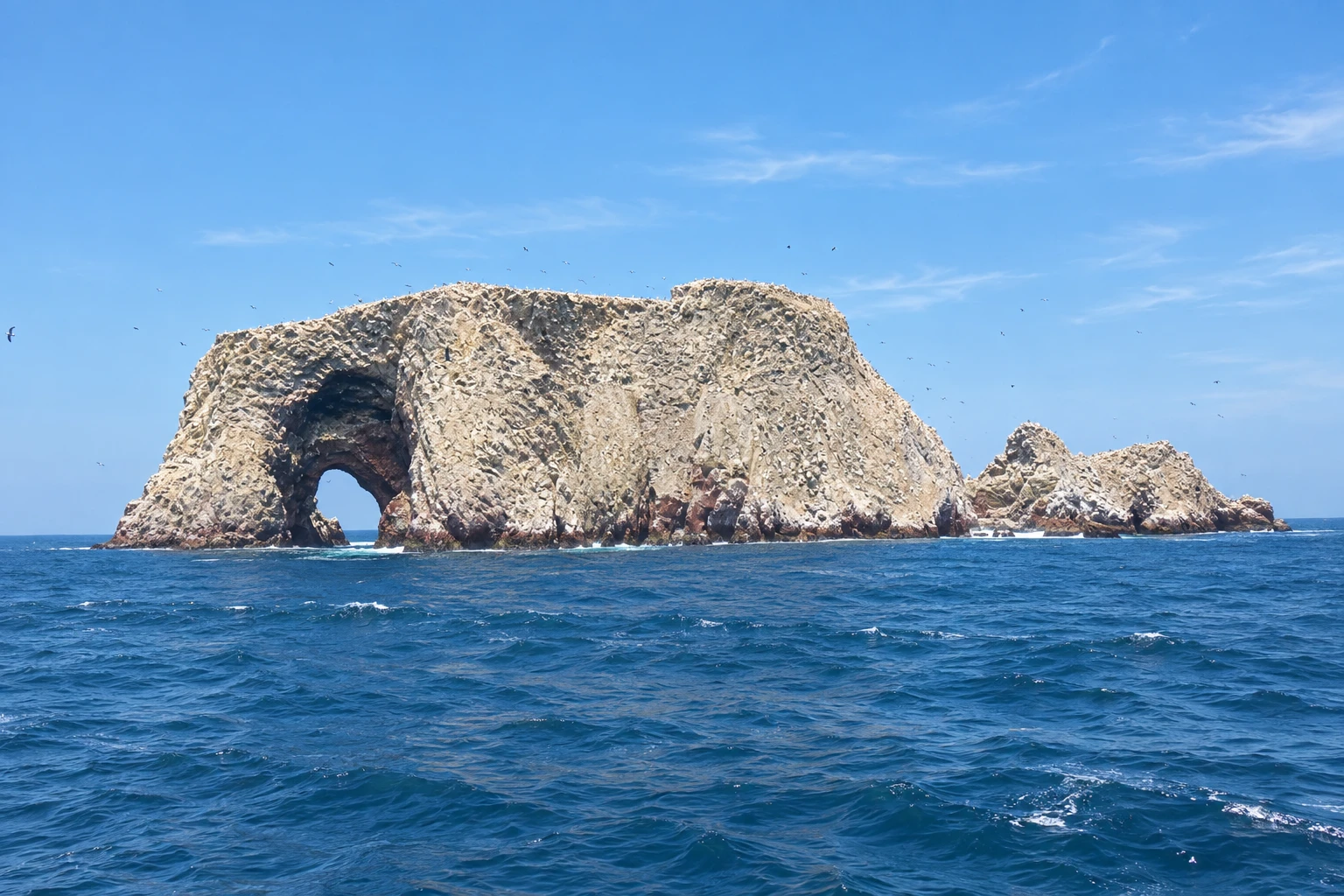
Paracas is a fishing village and hotel town on the bay of the same name, about 250 km south of Lima, at the entrance to the Reserva Nacional de Paracas. From the pier of El Chaco boats depart for the Ilhas Ballestas, with sea lions and Humboldt penguins. The reserve has cliffs, red-sand beaches and the museum of the Paracas culture. It is at sea level, with sun most of the year.

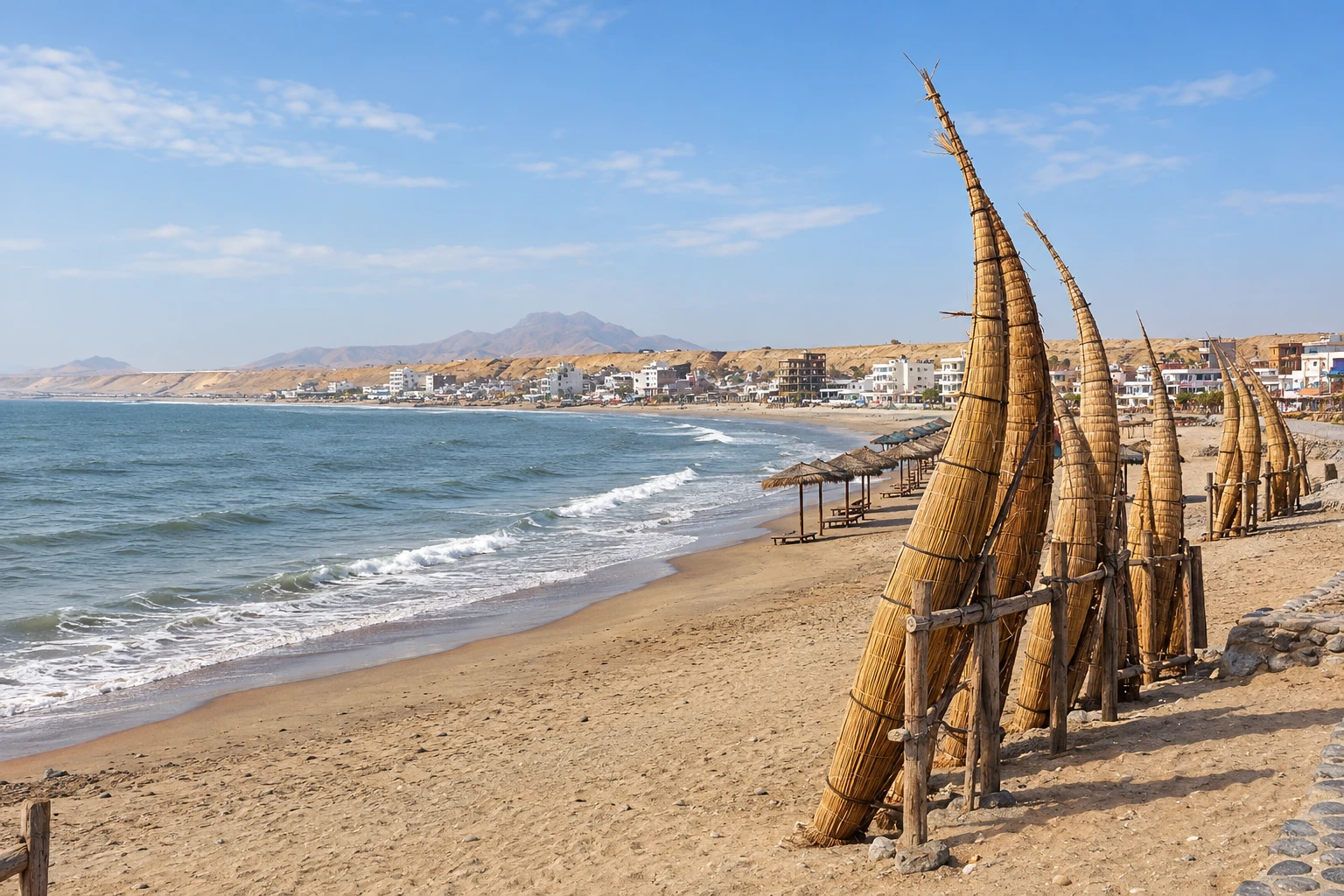
Huanchaco is Trujillo’s seaside resort, 14 km from the center, and was Chan Chan’s port in chimú times. Fishermen still go out to sea in caballitos de totora, made from reed cultivated in the lagoons by the shore, and the beach is a World Surfing Reserve. There is a boardwalk, a wooden pier, ceviche restaurants and sunsets over the Pacific.

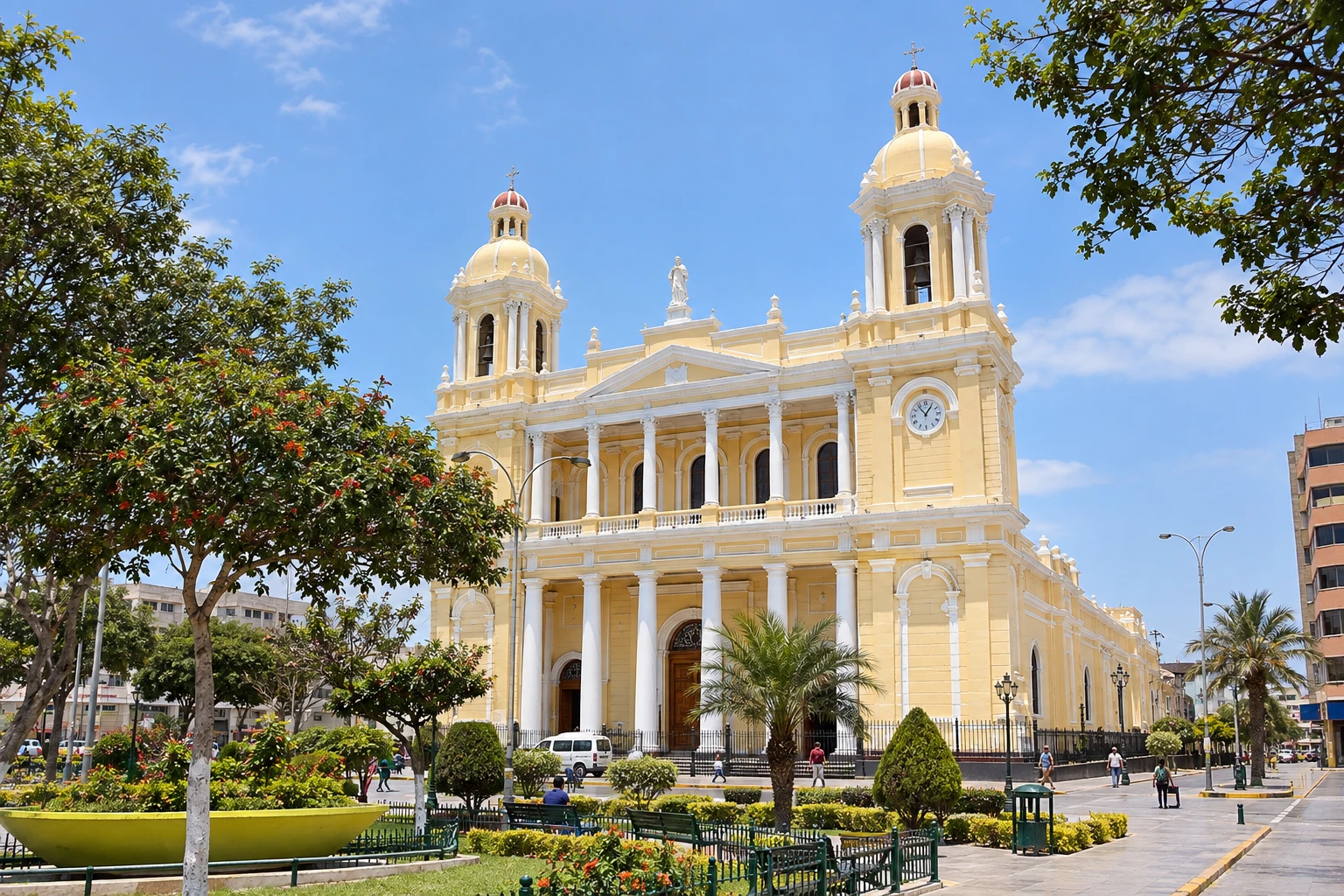
Chiclayo, the capital of Lambayeque, is on the northern coast of Peru, 14 km from the Pacific. It is a commercial city, with the Plaza de Armas, the Catedral and the Mercado Modelo, known for its herb stalls. It is the base for Huaca Rajada–Sipán, the pyramids of Túcume, the Bosque de Pómac, the Museo Nacional Sicán, the ruins of Zaña and the beach of Pimentel, as well as the museums of neighboring Lambayeque.

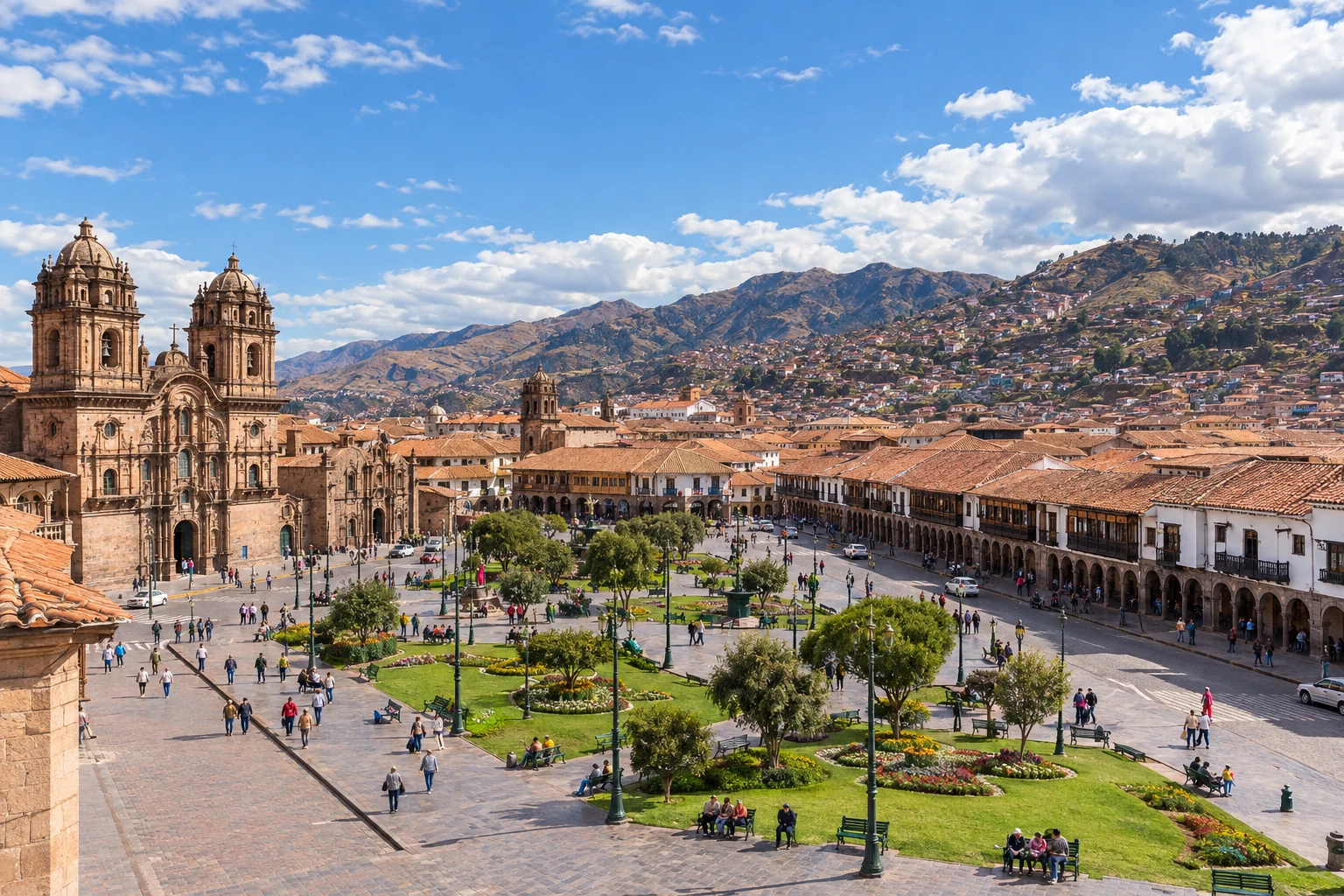
Ancient capital of the Incas, Cusco sits at about 3,400 metres in an Andean valley. Colonial churches and manor houses were built on top of Inca stone walls, and the historic centre, a World Heritage site, is walked from the Plaza de Armas: Catedral, Qorikancha, San Blas, the Mercado de San Pedro and, above, Sacsayhuamán. It is the base for the Vale Sagrado, for Machu Picchu and for day trips into the mountains.

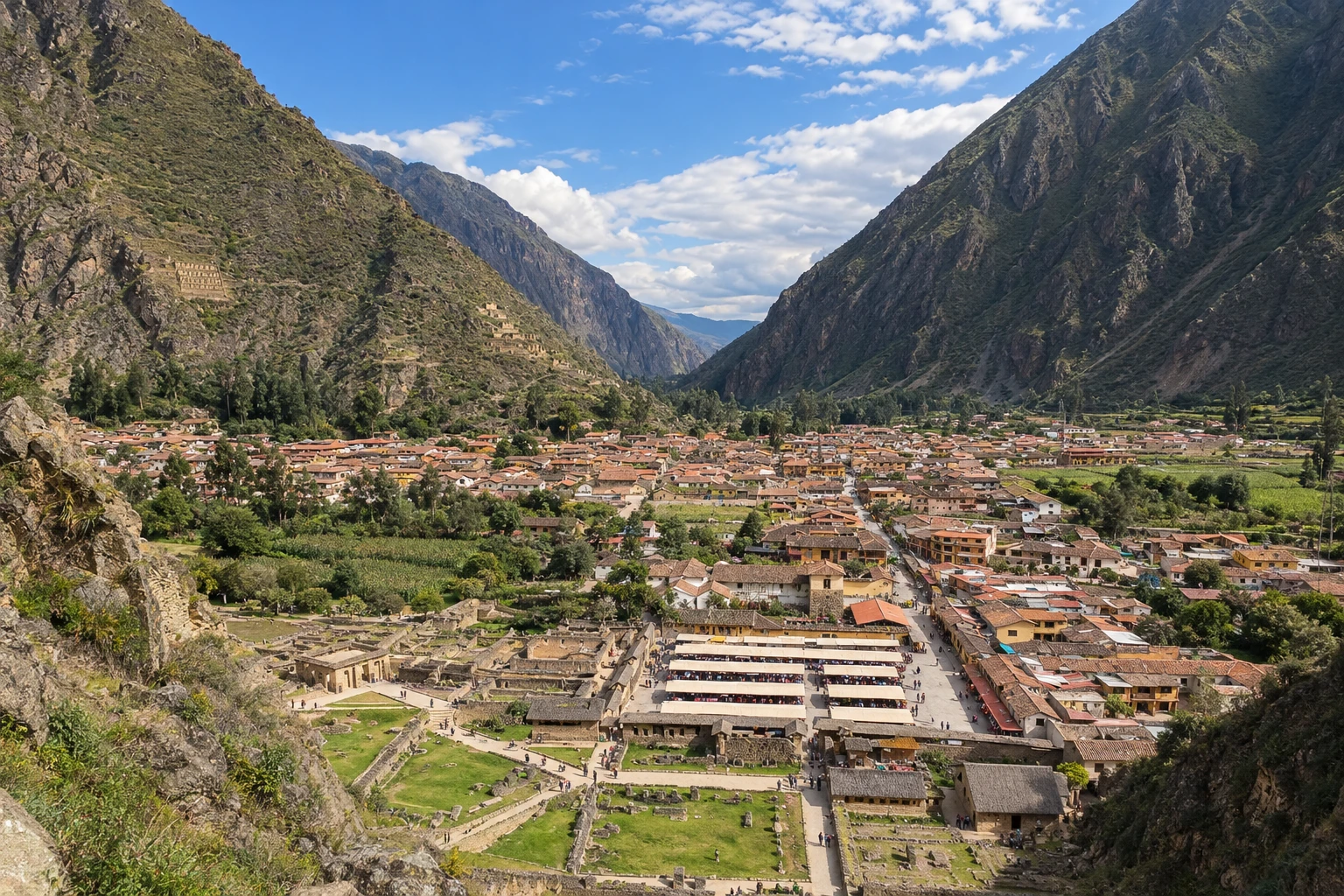
Ollantaytambo is an inhabited Inca village at the end of the Sacred Valley, about 2,790 metres above sea level and 72 km from Cusco. The houses follow the Inca layout, with water channels in the streets, and the fortress rises in terraces above the village. The train to Machu Picchu departs from the station, and nearby are the circular terraces of Moray and the Salineras de Maras.
The map
Tap a region to see the names. Use two fingers to zoom in.
Outlines: Natural Earth (public domain). Adapted by Cidade Turismo.
Peru
Another way into the same trip
Choose the department and the city to find your place in the guide.
Beyond the guide