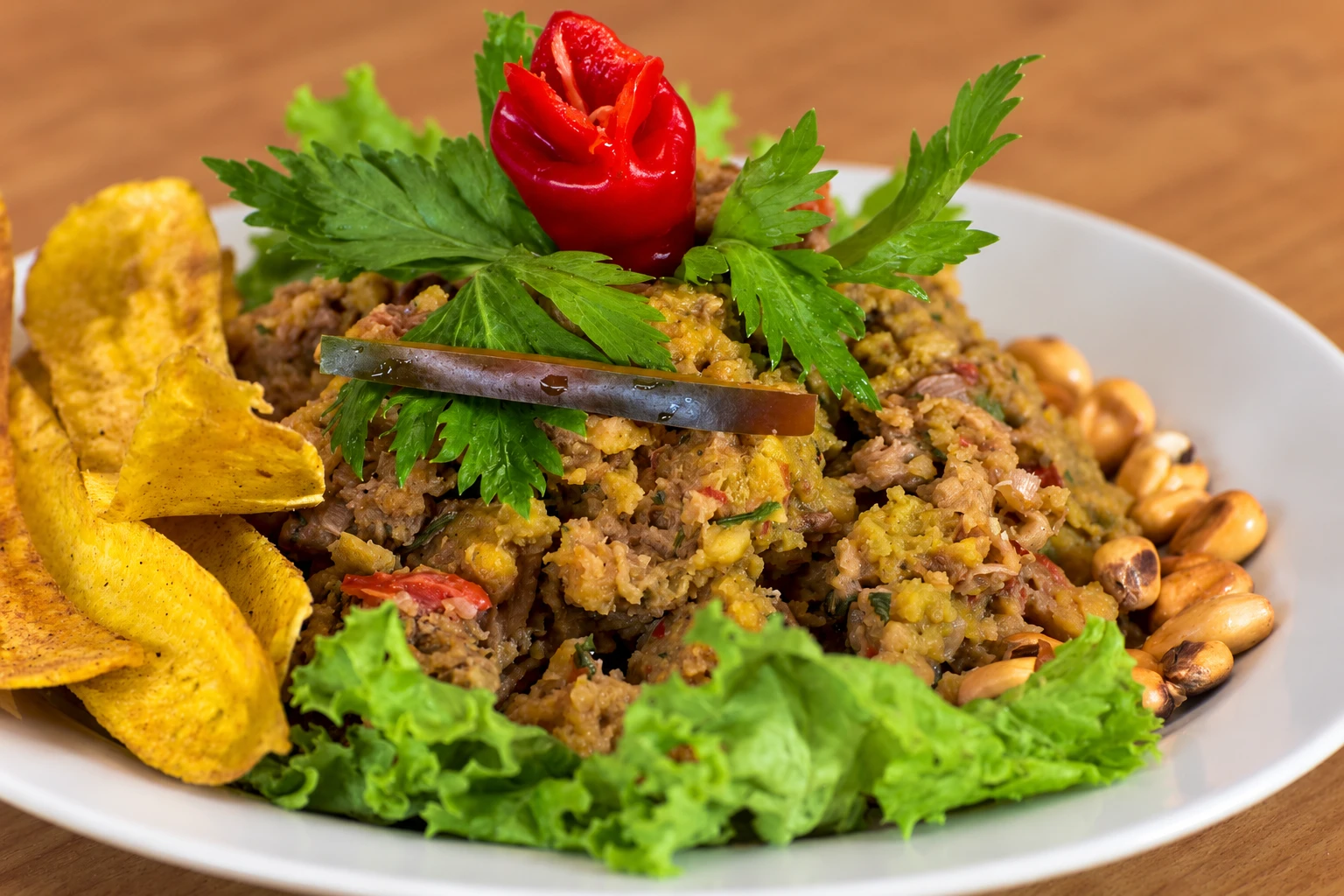
Seco de chabelo
Fried, mashed green banana with dried beef, chicha de jora, ají panca and cilantro. It is one of Piura’s most representative dishes, recognized by Indecopi as a Traditional Guaranteed Specialty in 2026.
Antarctica
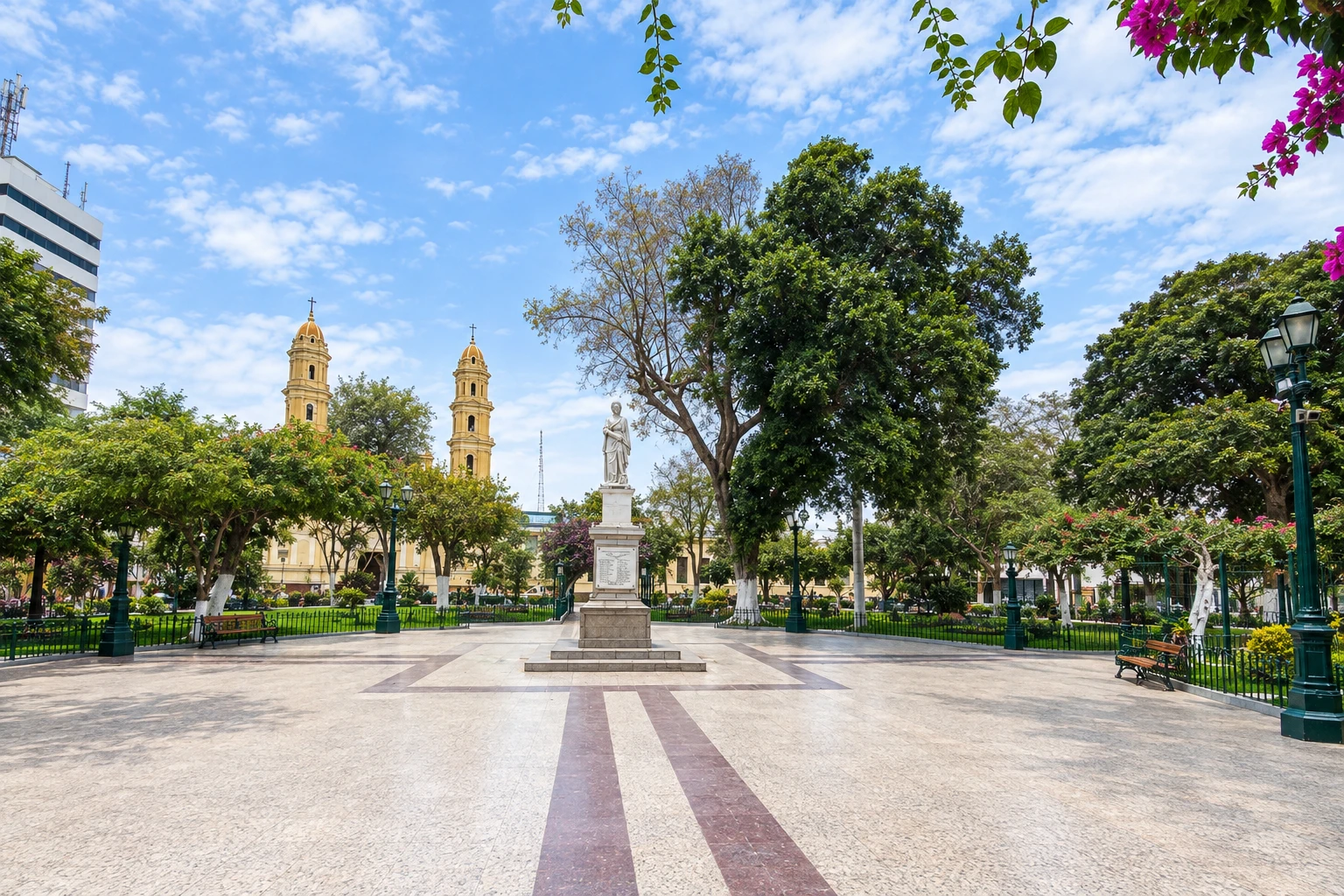
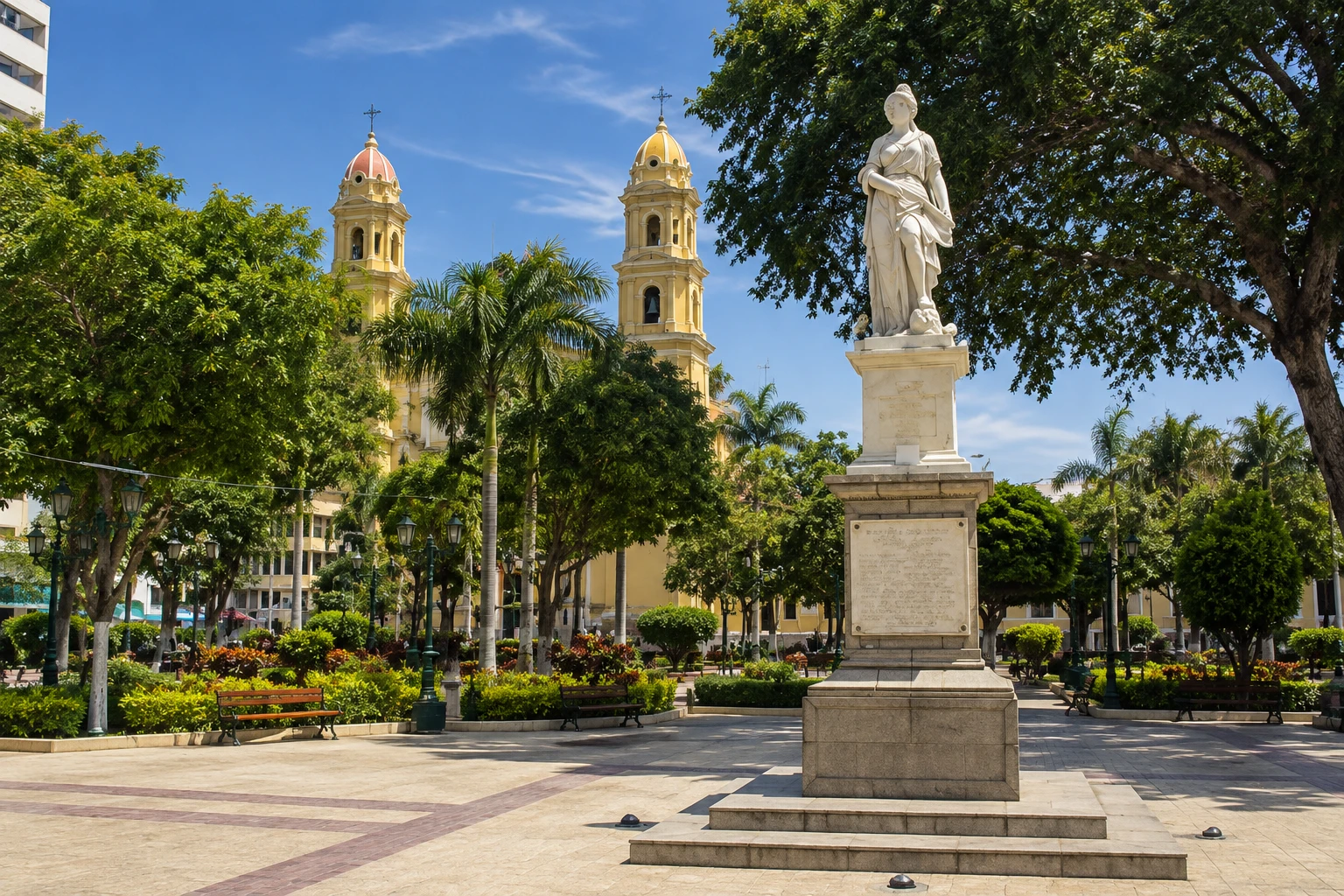
In the photo: Plaza de Armas of Piura, Peru.
Illustrative images. The pictures in this guide are illustrations based on the real place, not photographs, and may differ from it.
The city
Capital of the Piura region in northern Peru, founded in 1532 as San Miguel, the country’s first Spanish city. Around the Plaza de Armas, with La Pola and the cathedral, are the birthplace of Admiral Miguel Grau, the church of San Francisco where Piura swore independence in 1821, and the Vicús Museum with pre‑Hispanic gold pieces. To the south, Catacaos has Calle Comercio of the artisans and the Tallán site of Narihualá. It is the city of seco de chabelo.
There's no accommodation in the guide yet in Piura.
Tem hotel, pousada ou casa de temporada aqui? Cadastre a suaThere are no restaurants in the guide yet in Piura.
Know a good one? Recommend it to usHotéis e restaurantes da cidade no mapa.
how to get there · how many days · itinerary · questions
Flavors of Peru
The local experience
Piura's main square, shaded by century-old tamarind trees, with the statue of Liberty known as La Pola, a gift from President José Balta in 1870, and the cathedral, originating at the end of the 16th century.
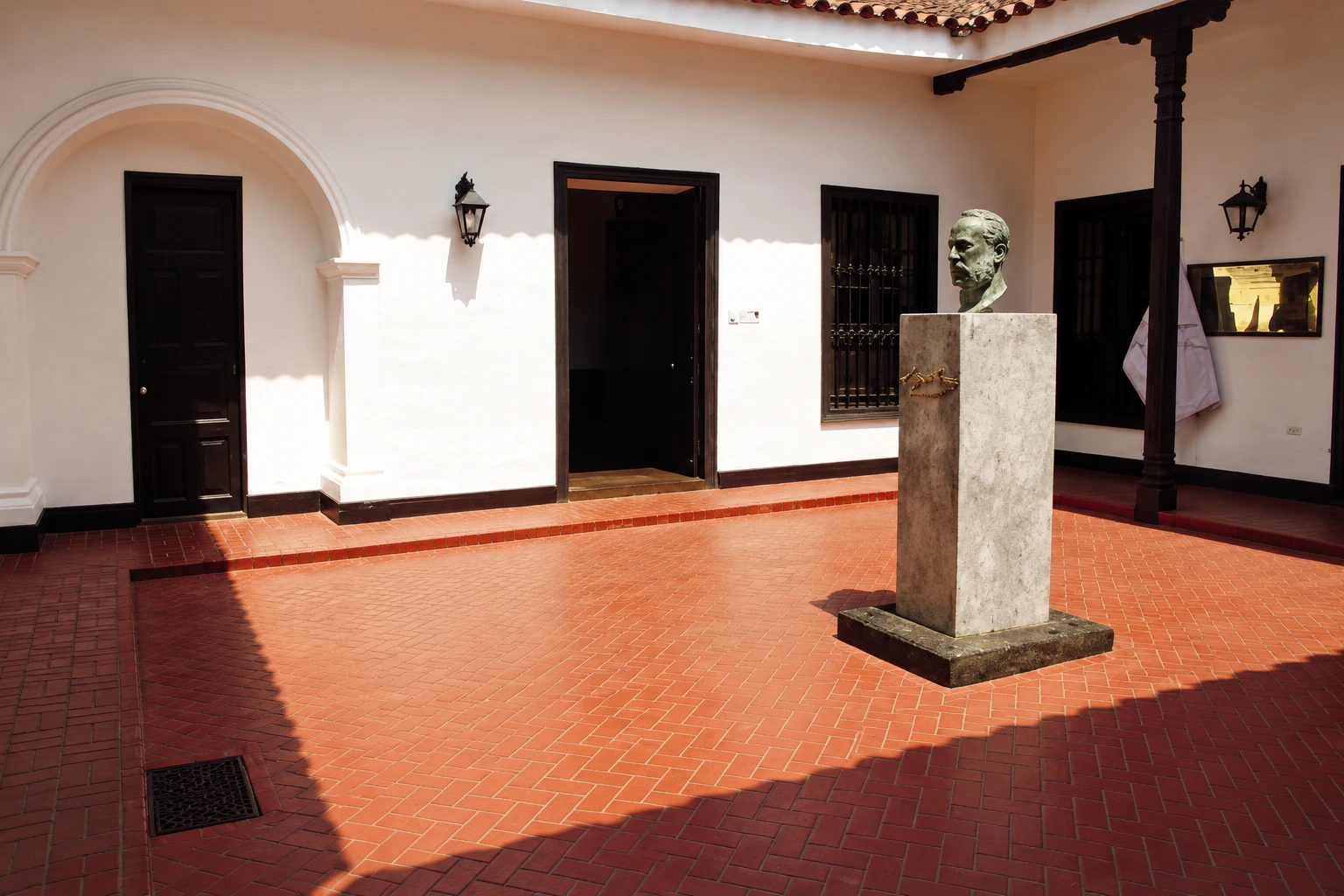
The house on calle Tacna where Admiral Miguel Grau was born and lived, a hero of the War of the Pacific. A quincha and adobe building from the late 18th century, a museum since 1964.
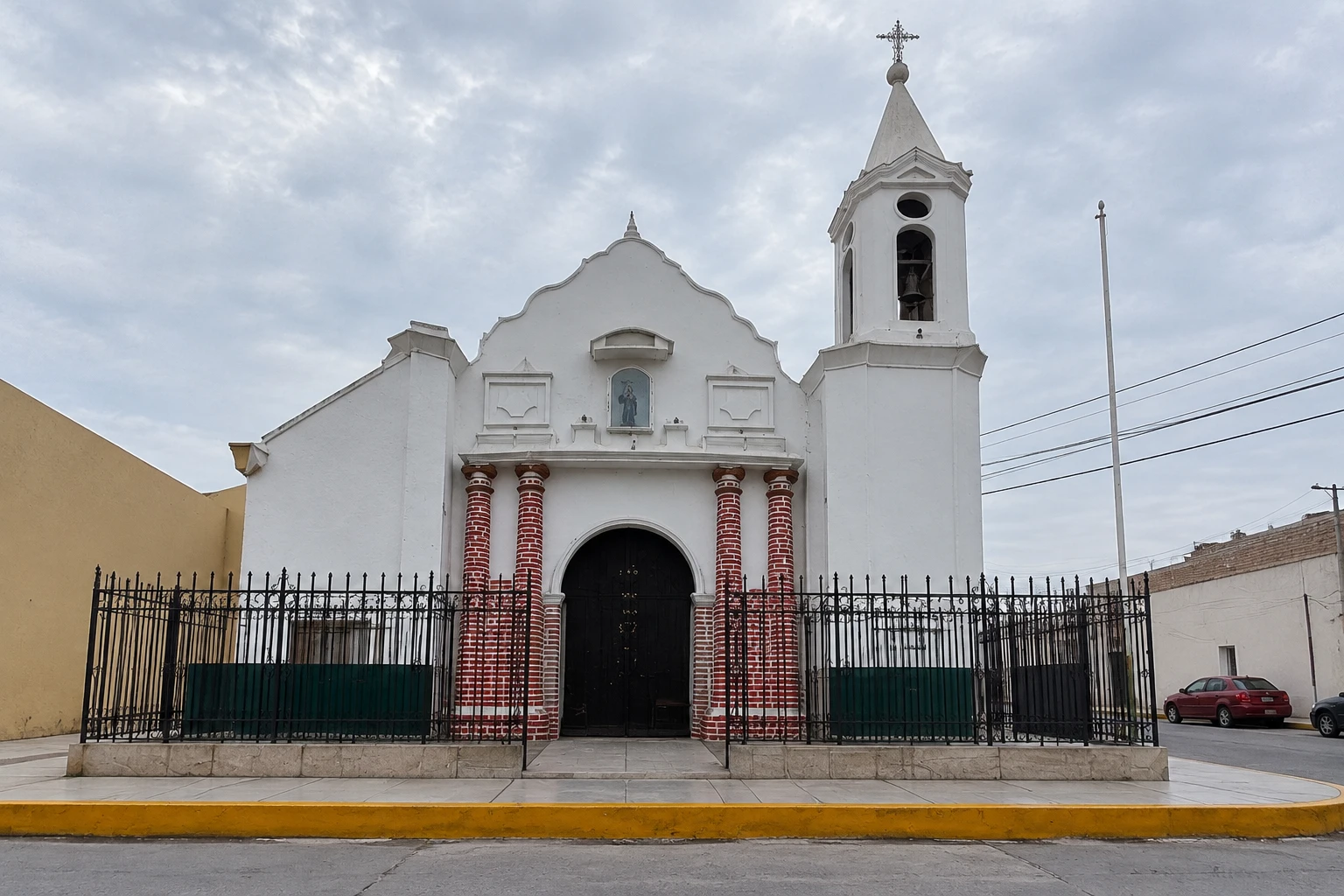
Church of the former Franciscan cloister, next to the malecón Eguiguren, in whose atrium Piura swore independence on January 4, 1821. A national monument with a neoclassical altar.
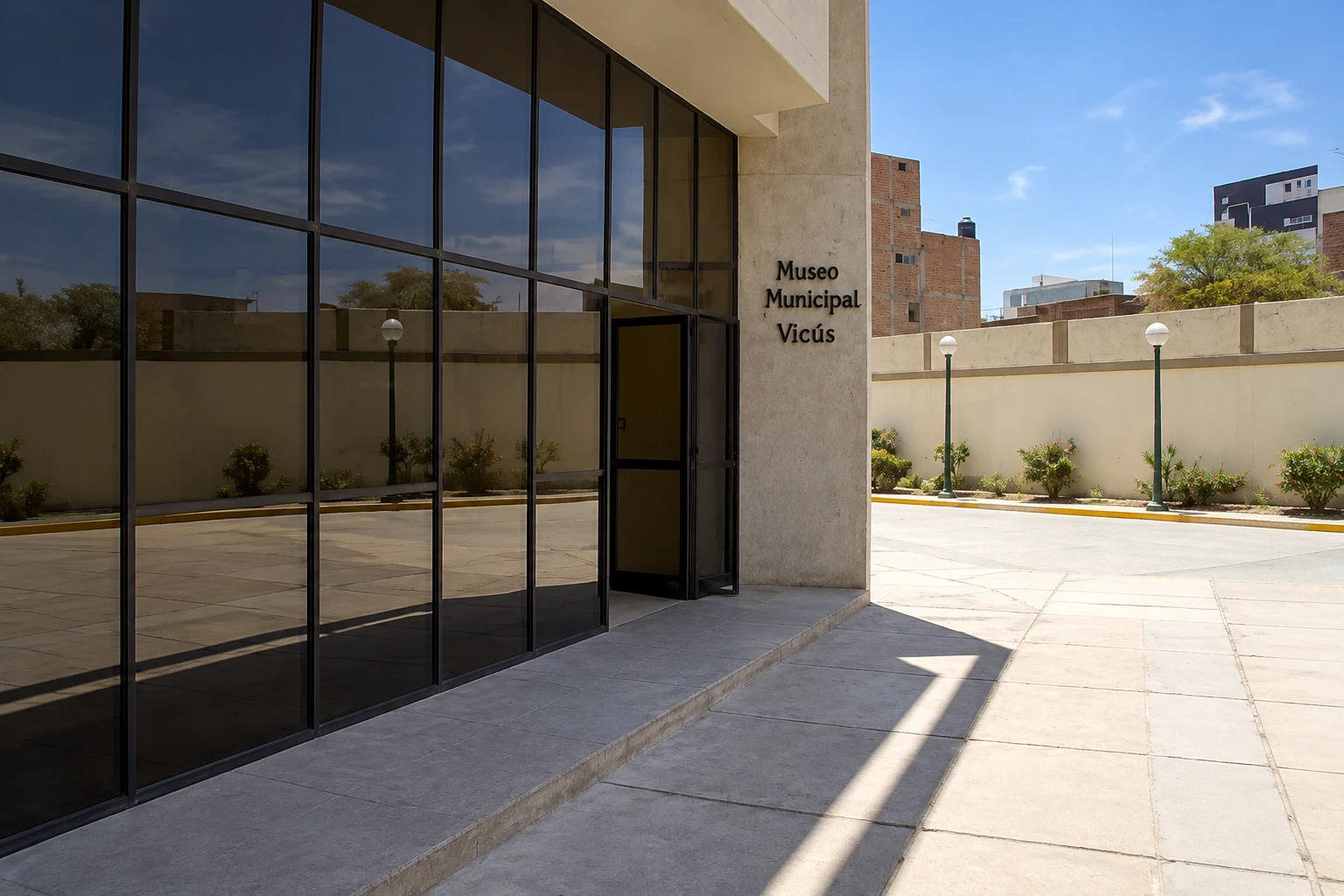
Piura's municipal museum, with archaeology and Piuran identity galleries and the Gold Room, which brings together gold pieces of the Vicús culture.
Before you go
Piura – Peru Capital
Approximate distances. Check flights and bus, train or boat schedules before you travel.
Piura’s international airport, in the Castilla district, is about 2 km from the Plaza de Armas and has daily flights from Lima. By road, the city is on the Panamericana Norte, with buses from Lima, Trujillo and Chiclayo. From the airport to the center you go by taxi.
Two days. On the first day, the center: Plaza de Armas, cathedral, Casa Museo Grau, church of San Francisco and the Vicús Museum. On the second day, Catacaos, about 12 km to the south, with Calle Comercio, the church of San Juan Bautista and Narihualá.
It is warm year‑round, with highs above 30 °C for most months. From June to November it is usually a bit less hot and it almost never rains. From January to April is the hottest period and concentrates the few annual rains. At Holy Week, Catacaos receives many visitors.
The seasons shown are the most usual ones; nature doesn't always follow the calendar.
No. The historic center is walkable. For Catacaos and Narihualá there are taxis, mototaxis and local buses, as well as organized tours by local agencies.
Suggested itinerary
Built with the places on this page. No rush: it's paced so you have time to see them.
Start at the Plaza de Armas, shaded by tamarinds, with the statue of Liberty that Piurans call La Pola. Enter the cathedral to see the gilded altarpiece of the Virgin of Fátima and the main altar rebuilt after the 1912 earthquake.
Follow Tacna Street to the house where Miguel Grau was born, a quincha and adobe building from the late 18th century. Then go to the church of San Francisco, next to the Eguiguren malecón, in whose atrium Piura swore independence on January 4, 1821.
Visit the municipal Vicús Museum and the Gold Room, with gold pieces from the Vicús culture. In the late afternoon, walk along the malecón on the banks of the Piura River, when the heat eases.
Have dinner downtown and try the seco de chabelo or a fish ceviche from the Piuran coast.
Day 1
Plaza de Armas, cathedral and Casa Museo Grau.
The church of San Francisco, where the city swore independence, and the Vicús Museum, with the Gold Room.
Day 2
Go to the Narihualá site, about 17 km south of Piura, to see the large adobe huaca of the Tallán people and the site museum.
In Catacaos, walk through the arcades of Calle Comercio, with filigree, straw hats and pottery, and go into the church of San Juan Bautista by the square. Have lunch at a village picantería.
Check before you go. Opening hours and days change, and places may close for renovations, holidays or events. This itinerary is a suggestion from Cidade Turismo, not a commitment: plan yours by checking directly with each place you intend to visit.
Before you go
Visit the Plaza de Armas and the cathedral, the Casa Museo Grau, the church of San Francisco and the Vicús Museum in the center. To the south, Catacaos, with Calle Comercio of the artisans, and the archaeological site of Narihualá.
Because it is hot year-round: highs exceed 30 °C for most months and approach 35 °C between January and March.
The seco de chabelo, green plantain fried and mashed with dried meat, chicha de jora and ají, whose recipe is recognized as an Officially Guaranteed Traditional Specialty in Peru.
In Piura, in the house on calle Tacna that today is the Casa Museo Grau, with family objects, documents and a replica of the monitor Huáscar.
About 12 km to the south. By taxi or local bus, the trip takes around 15 to 20 minutes.