Chiclayo and Lambayeque

Lambayeque

Chiclayo and Lambayeque

The northern coast of royal tombs: the Lord of Sipán and the gold of the Moche in the museums of Lambayeque, the pyramids of Túcume, the Bosque de Pómac and the beach of Pimentel, with Chiclayo as a base.

North

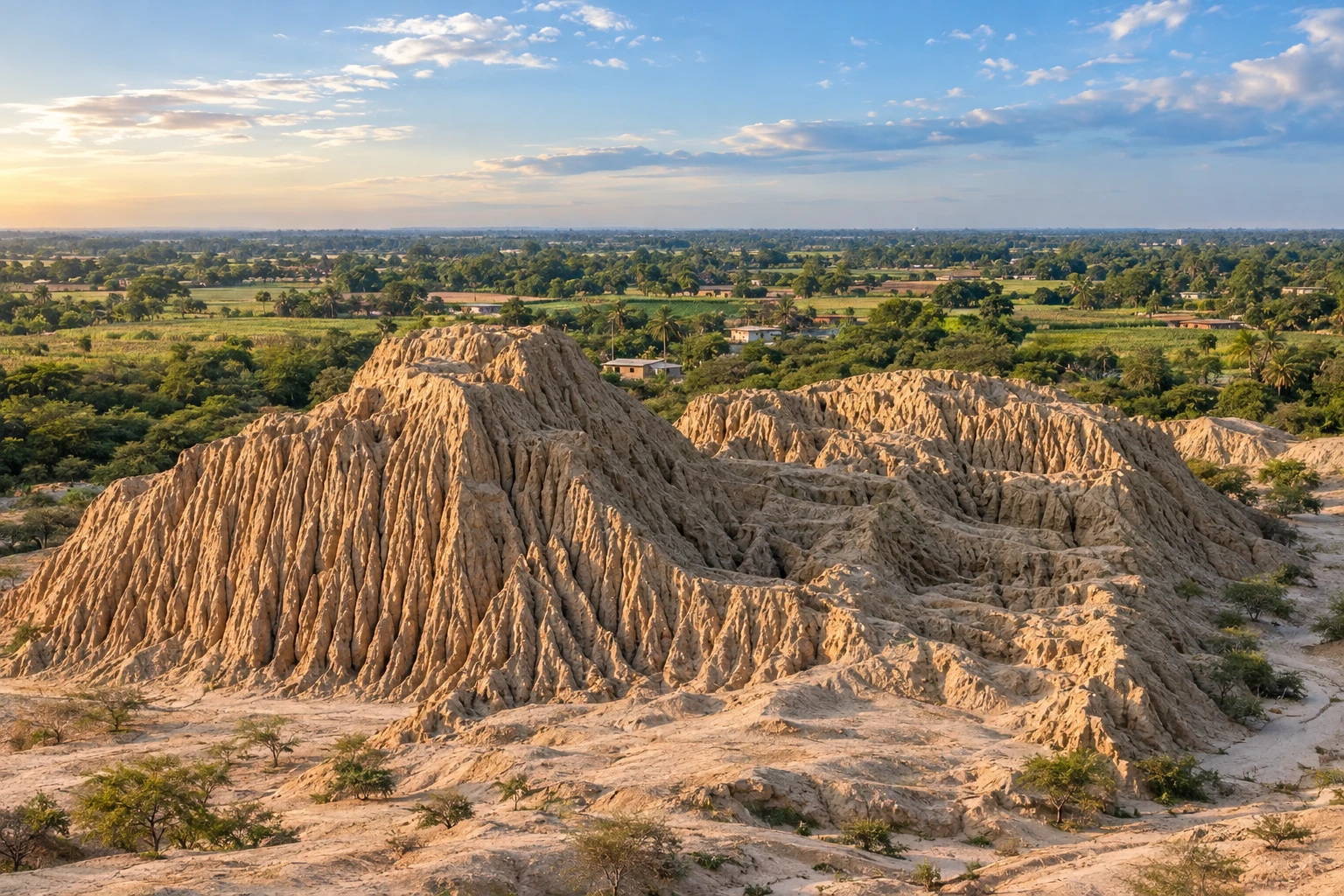
In the photo: Pyramids of Túcume

Illustrative images. The pictures in this guide are illustrations based on the real place, not photographs, and may differ from it.

Get it on Google Play

Get to know the place

A region to enjoy
at your own pace.

Chiclayo is located on the northern coast of Peru, 14 km from the Pacific, about 770 km north of Lima and 208 km north of Trujillo. It is the capital of the Lambayeque department and one of the country's largest cities, a commercial center known as the city of friendship. 12 km to the north lies Lambayeque, the colonial city that gives the department its name and houses the region's main museums.

The valley was the territory of the Moche and, later, of the Lambayeque culture, also called Sicán. In 1987, archaeologist Walter Alva found at Huaca Rajada, near the village of Sipán, the intact tomb of the Lord of Sipán, a Moche ruler buried with gold, silver and shells. The pieces are in the Museo Tumbas Reales de Sipán in Lambayeque, which reproduces the tomb. In the same city, the Museo Brüning brings together goldsmithing and ceramics from various cultures, and the Chotuna-Chornancap complex preserves the legend of Ñaimlap, the mythical founder of the Lambayeque dynasty.

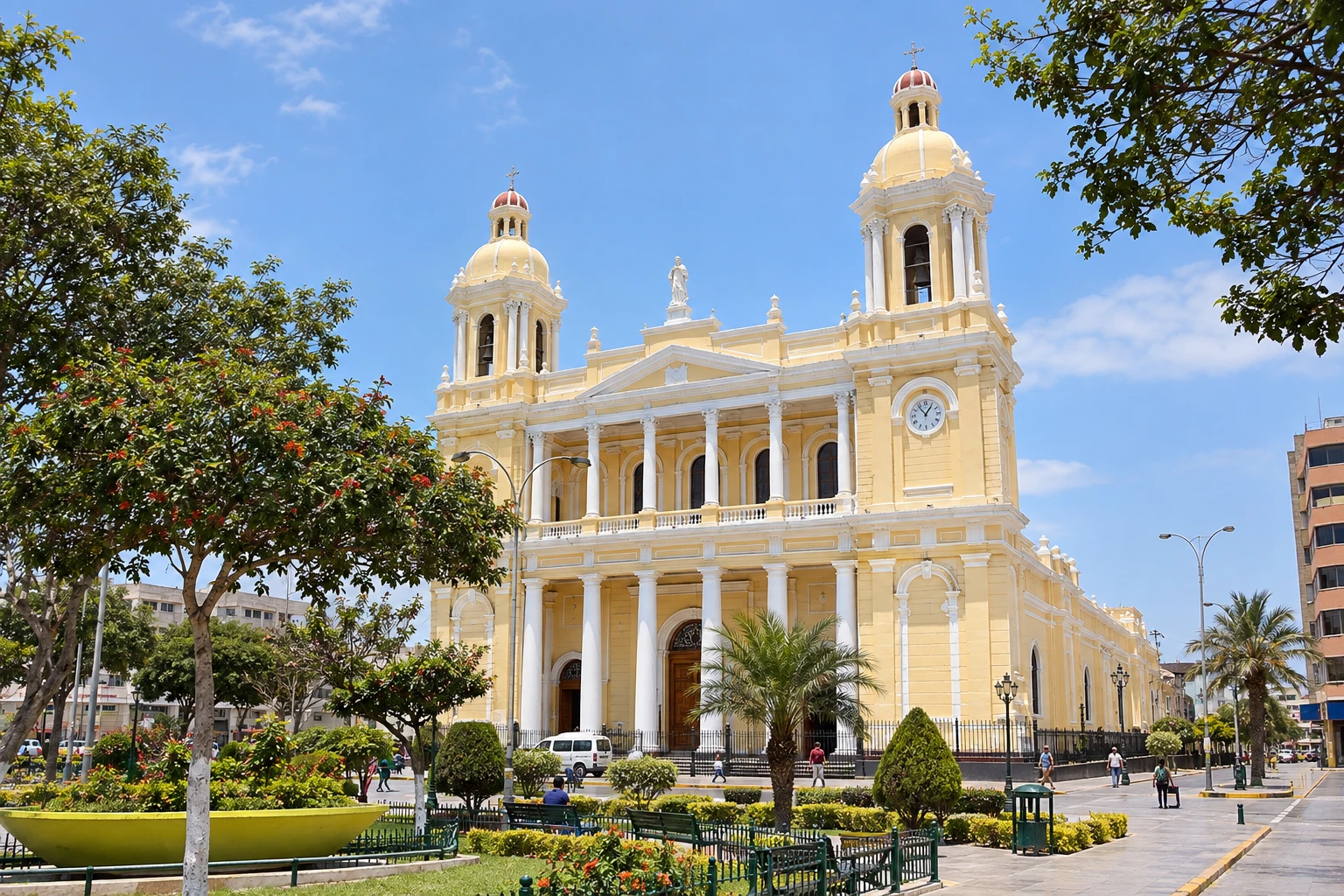
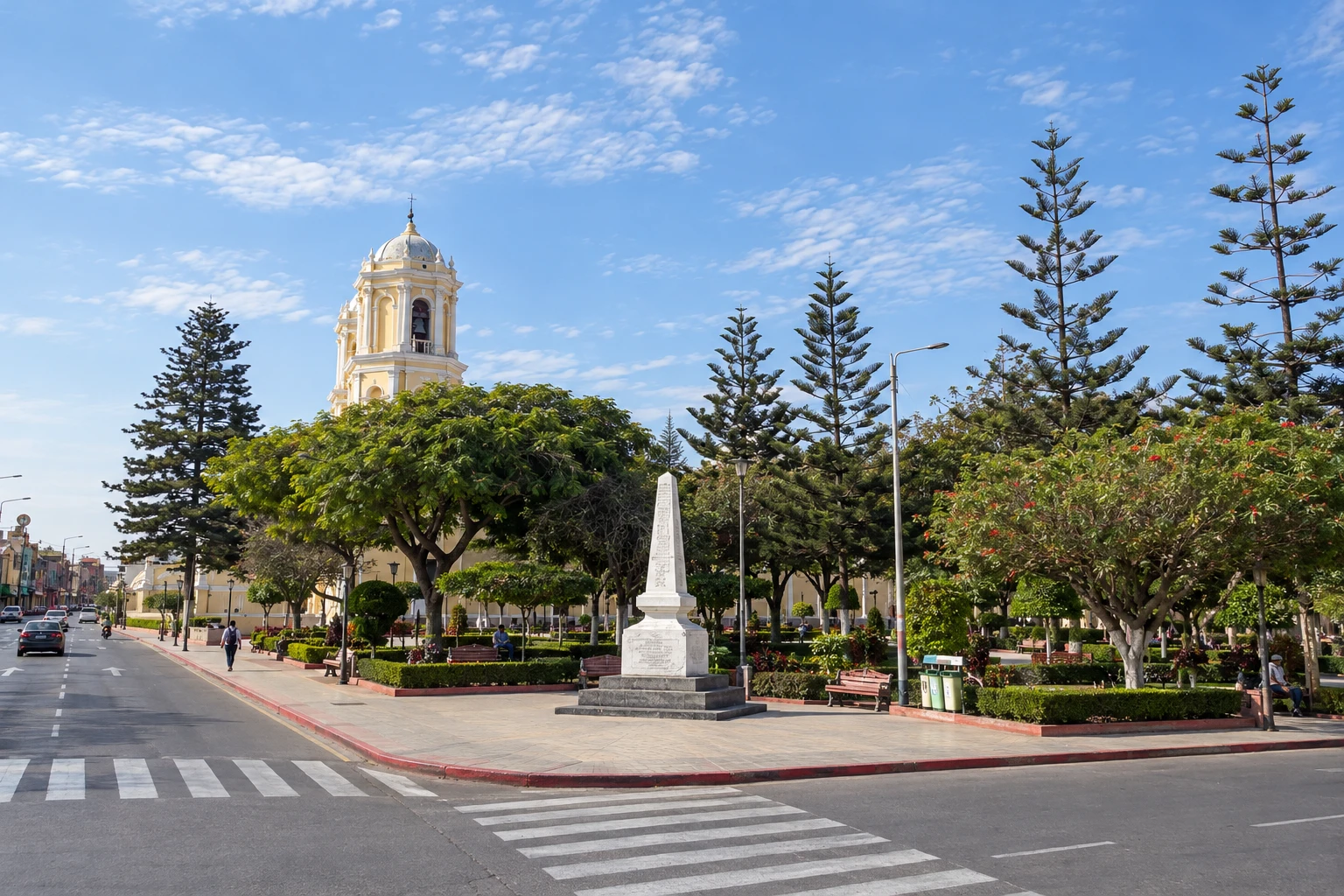
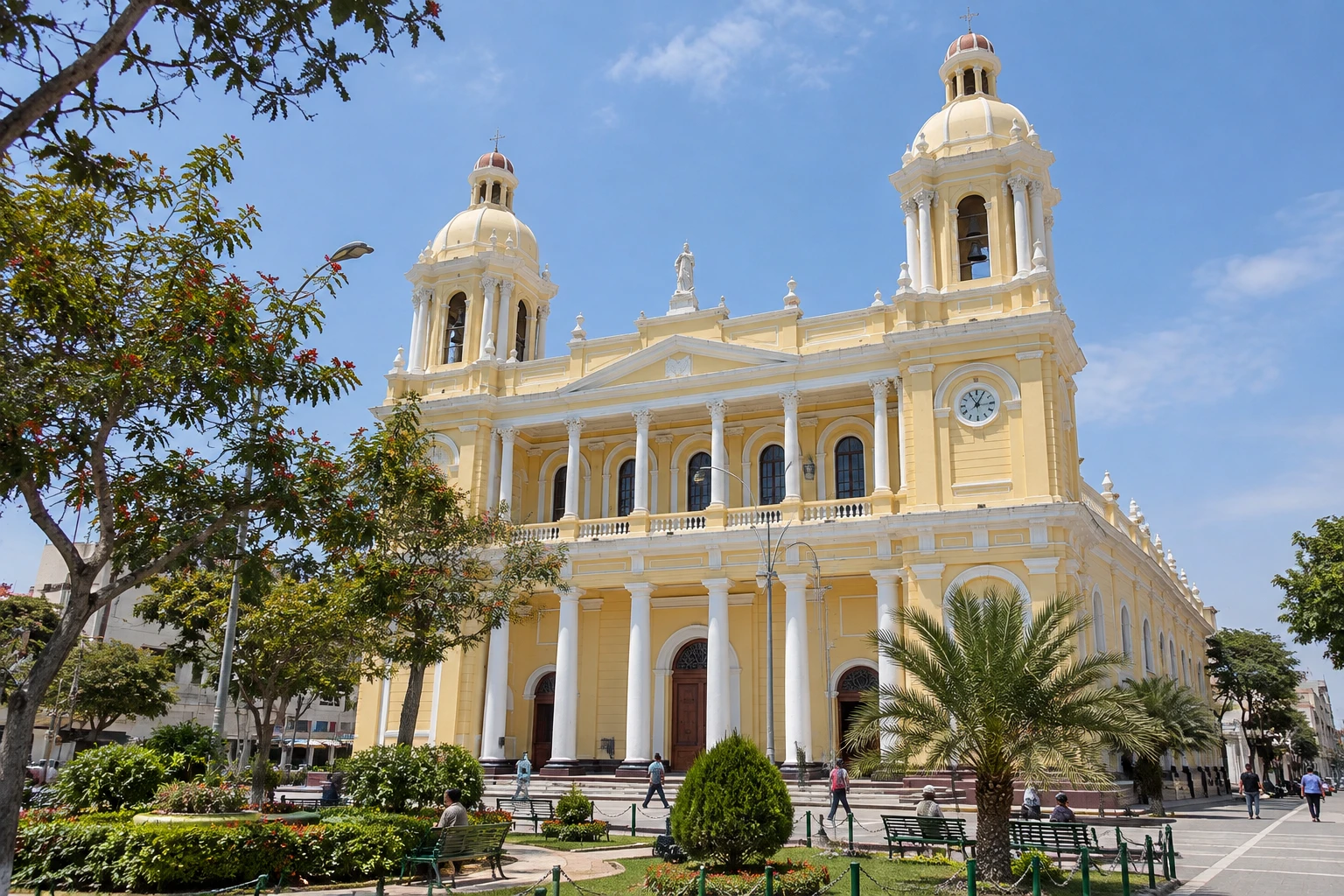
Around Chiclayo there is more to see: the 26 adobe pyramids of Túcume, around Cerro Purgatorio; the Santuario Histórico Bosque de Pómac, a dry forest of carob trees with the pyramids of Batán Grande; the Museo Nacional Sicán in Ferreñafe, with the gold masks of the Sicán culture; and the colonial ruins of Zaña. In the city, the Plaza de Armas, the Catedral and the Mercado Modelo, with herb stalls. On the seafront, Pimentel has a beach, a pier and fishermen with caballitos de totora.

For Brazilians, Chiclayo is a destination for archaeology and cuisine, with arroz con pato and northern ceviche. It is on the coast, at no altitude, and the climate is dry, with sun from December to April. The time is two hours behind Brasília.

This destination brings together 2 cities: Chiclayo, Lambayeque.

Share: WhatsApp
Traveler, share your experiences through photos Up to 5 photos of each place you visited.

One destination, many paths

The cities on this trip

Start with one city or combine several in your itinerary.

Where Chiclayo and Lambayeque is The star marks the capital, Chiclayo.
ChiclayoLambayeque

Outlines: Natural Earth (public domain). Adapted by Cidade Turismo.

How to get there: Chiclayo and Lambayeque

Aeropuerto Internacional Capitán FAP José Abelardo Quiñones Gonzales (CIX), in Chiclayo · 2 km to Chiclayo

Connections with Brazil may be direct or with a stop, depending on the season and airline. Check before buying. The most common route is via Lima, with a flight of about 1h30 to Chiclayo; the airport is about 2 km from the center. By bus, Lima is about 12 hours and Trujillo about 3 to 4 hours via the Pan-American North.

Suggested arrival point: Chiclayo

The local experience

Things to do in Chiclayo and Lambayeque

Lambayeque · Lambayeque · Museum

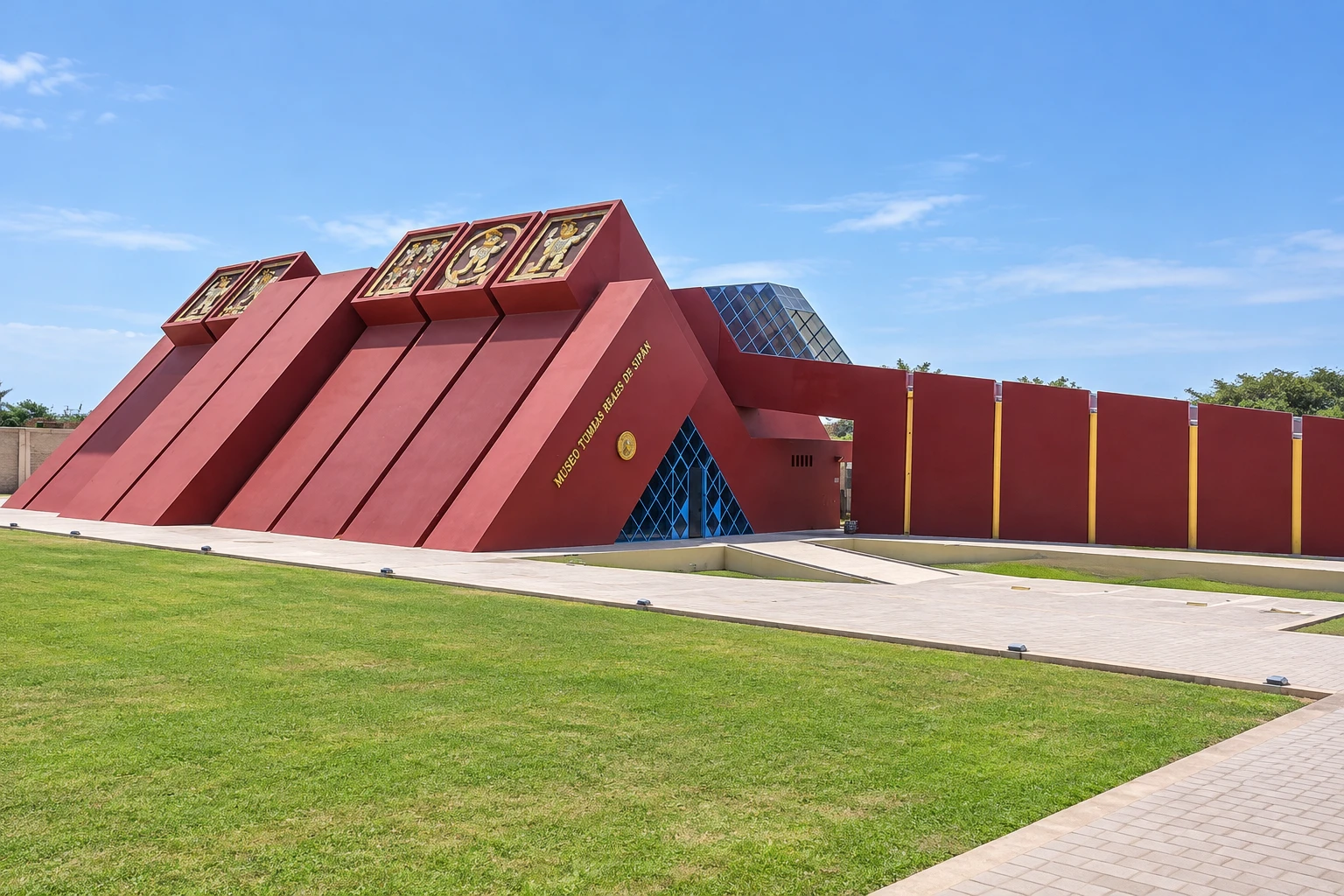
Royal Tombs of Sipán Museum

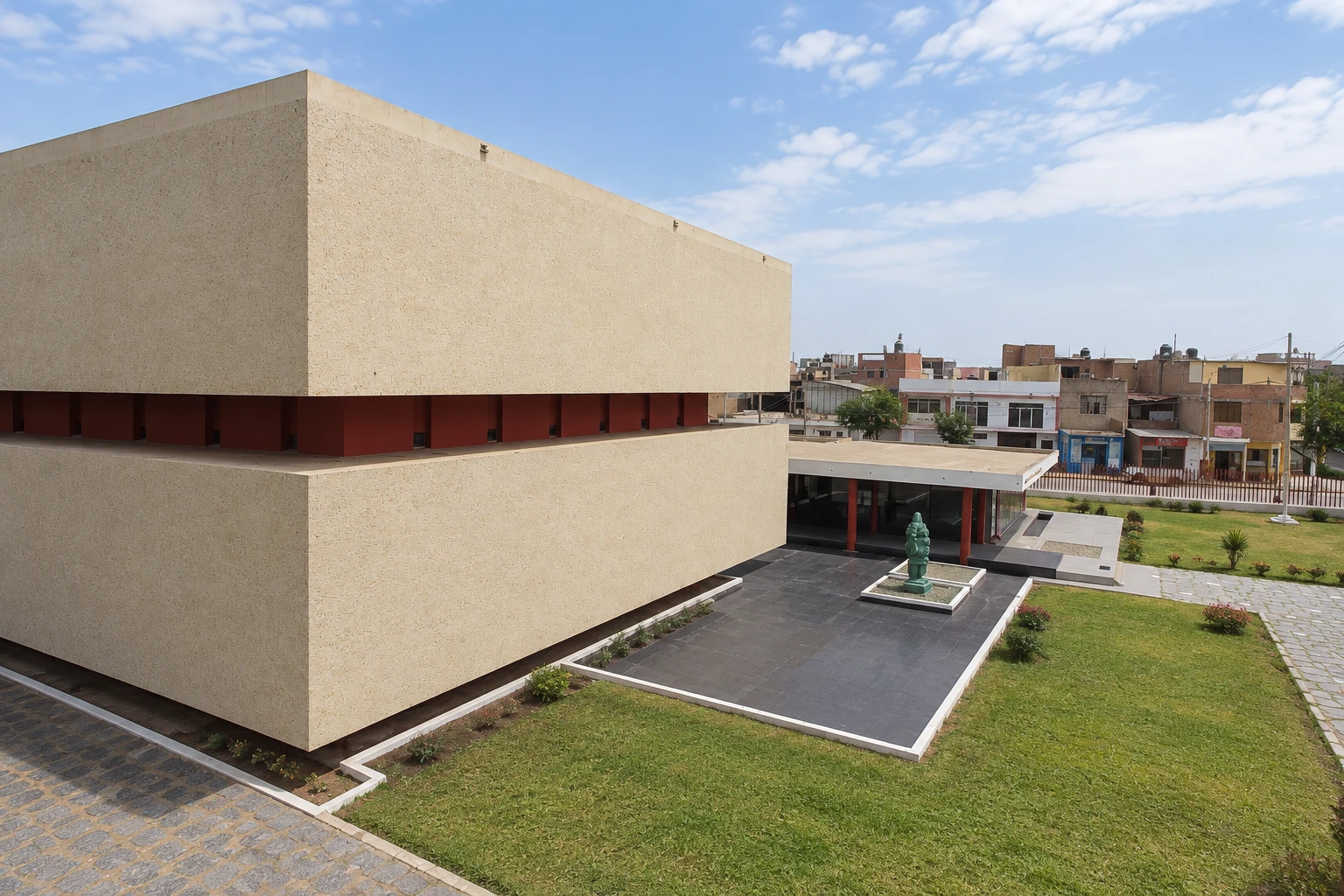
The museum shaped like a Moche pyramid that houses the gold and the tomb of the Lord of Sipán, found in 1987 at Huaca Rajada, with more than 2,000 pieces of gold, silver and shells and a reconstruction of the funerary chamber.

Explore Royal Tombs of Sipán Museum

See 8 more places in Chiclayo and Lambayeque

Before you go

Practical information

A little planning leaves more time to enjoy the journey.

When to go

Chiclayo hardly has rain. From December to April it's usually sunny and hot, the beach season in Pimentel. From June to October the sky is usually more overcast, with milder temperatures. Museums and archaeological sites can be visited year-round.

The seasons shown are the most usual ones; nature doesn't always follow the calendar.

How many days to stay

Three days: one for Lambayeque, with the Museo Tumbas Reales and the Museo Brüning; another for Túcume, the Bosque de Pómac and the Museo Sicán; and a third for Huaca Rajada–Sipán, the town and the late afternoon in Pimentel.

Which city to stay in

In Chiclayo, the center, around the Plaza de Armas and avenida Balta, concentrates hotels, restaurants and shops, and places the Lambayeque museums about 20 minutes by car. The Santa Victoria neighborhood, south of the center, has quieter hotels and restaurants. Those who prefer the sea can stay in Pimentel, 11 km away, with hotels and guesthouses on the seafront.

Respect the place

Take your trash with you, follow the signs and support local businesses. In natural areas, follow the visiting guidelines.

Beyond the guide

Your questions

Frequently asked questions about Chiclayo and Lambayeque

Where to see the Lord of Sipán's gold?

At the Museo Tumbas Reales de Sipán in Lambayeque, 12 km from Chiclayo. At Huaca Rajada, where the tomb was found, there is a site museum and the excavated tombs.

What is the distance between Chiclayo and Trujillo?

About 208 km via the Pan-American North, 3 to 4 hours by bus. You can combine both cities in the same trip through northern Peru.

Can you go from Chiclayo to Chachapoyas?

Yes, by bus, in a journey of about 9 to 10 hours through the highlands, with night departures. It's a common route for those combining the northern coast with Kuélap.

Do I need a car?

No. The museums in Lambayeque are 20 minutes by taxi, and for Túcume, Pómac, Sicán and Sipán there are agency tours and hired taxis. There are also shared vans to the villages.

What document does a Brazilian need?

Brazilians enter Peru with a valid passport or with a national ID card in good condition, under Mercosur agreements. Requirements can change: confirm before traveling.

Explore other destinations Search by state and city