12 lugares para conhecer, escolhidos pelo guia Cidade Turismo.
Illustrative images. The pictures in this guide are illustrations based on the real place, not photographs, and may differ from it.
Para começar
Os 10 principais lugares Chiclayo and Lambayeque
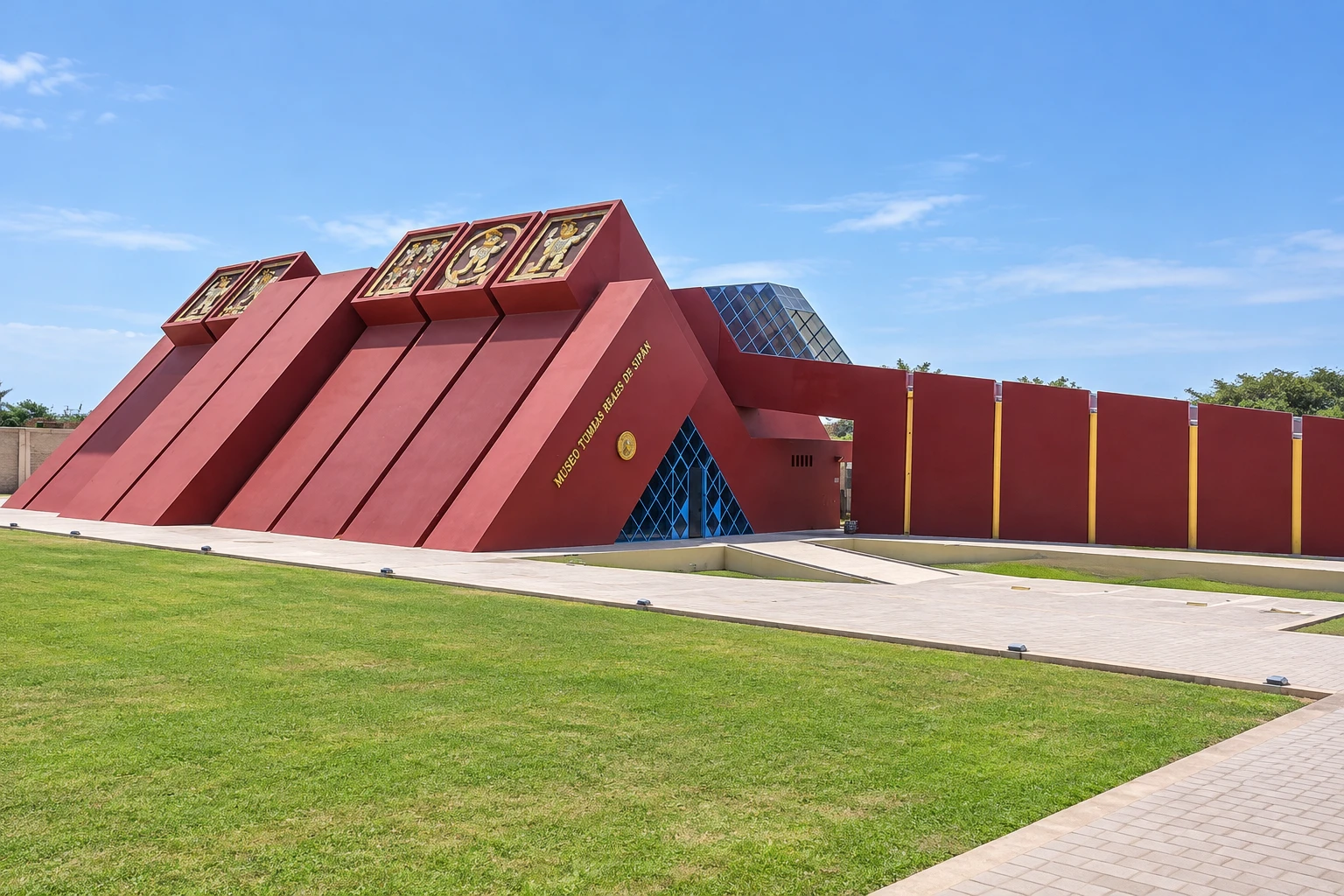
Royal Tombs of Sipán Museum · LambayequeThe museum shaped like a Moche pyramid that houses the gold and the tomb of the Lord of Sipán, found in 1987 at Huaca Rajada, with more than 2,000 pieces of gold, silver and she...
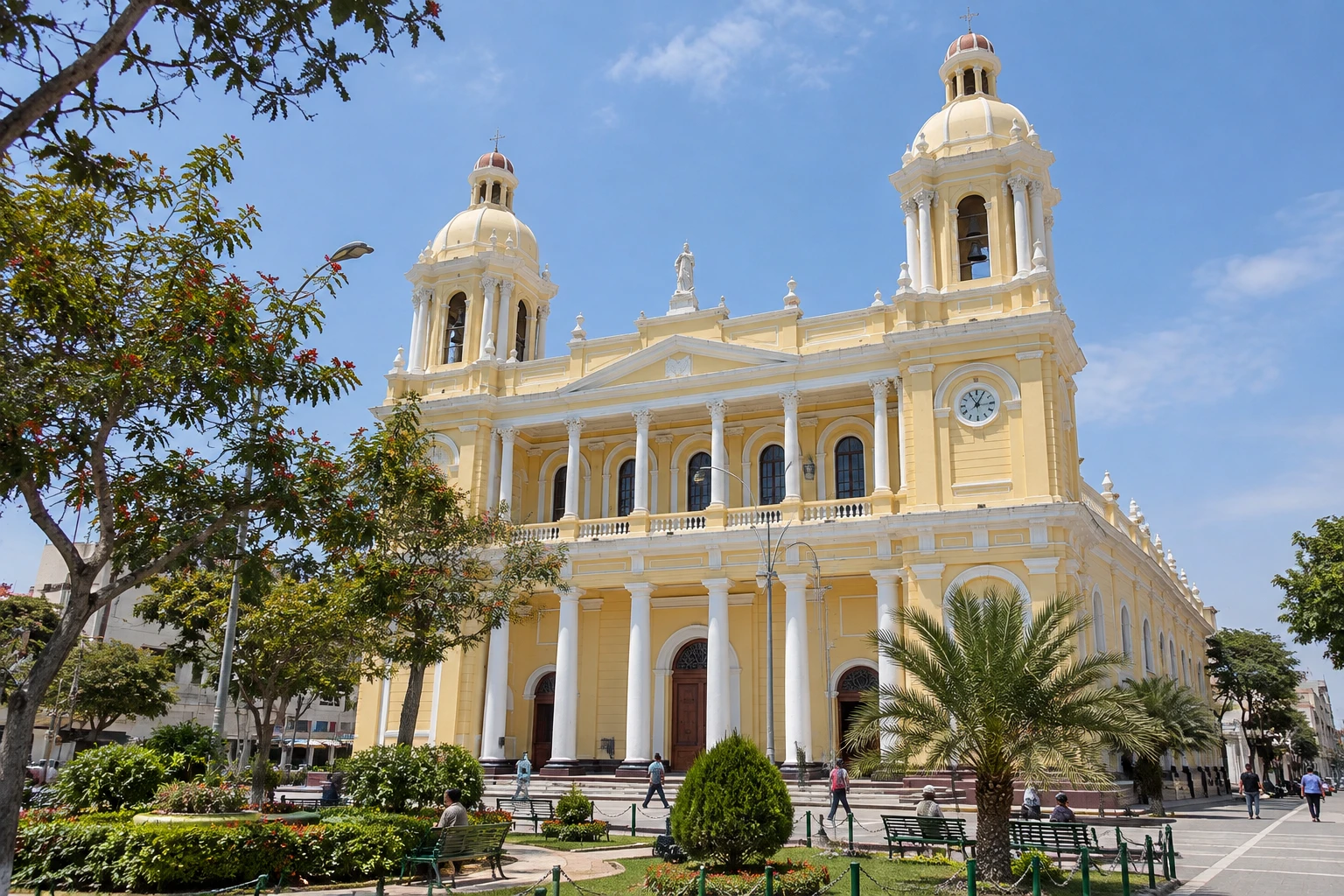
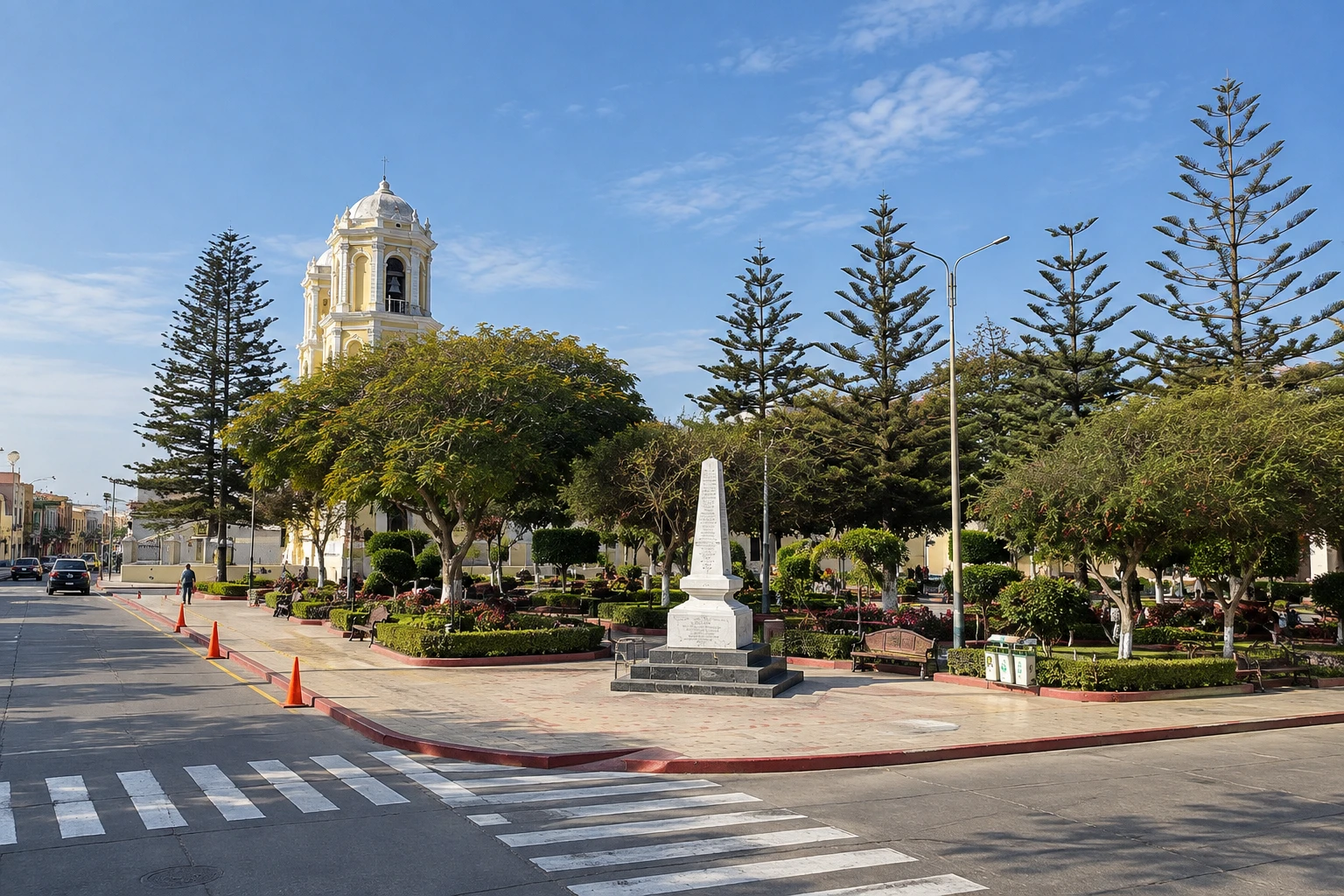
Plaza de Armas de Chiclayo · ChiclayoChiclayo's main square, with the neoclassical Cathedral of Santa María, a columned façade and two towers, the Municipal Palace, and the bustle of the surrounding downtown.
Mercado Modelo de Chiclayo · ChiclayoChiclayo's main market, known for stalls selling medicinal plants, roots, amulets and objects used in traditional rituals, as well as fruit, food and the surrounding downtown co...
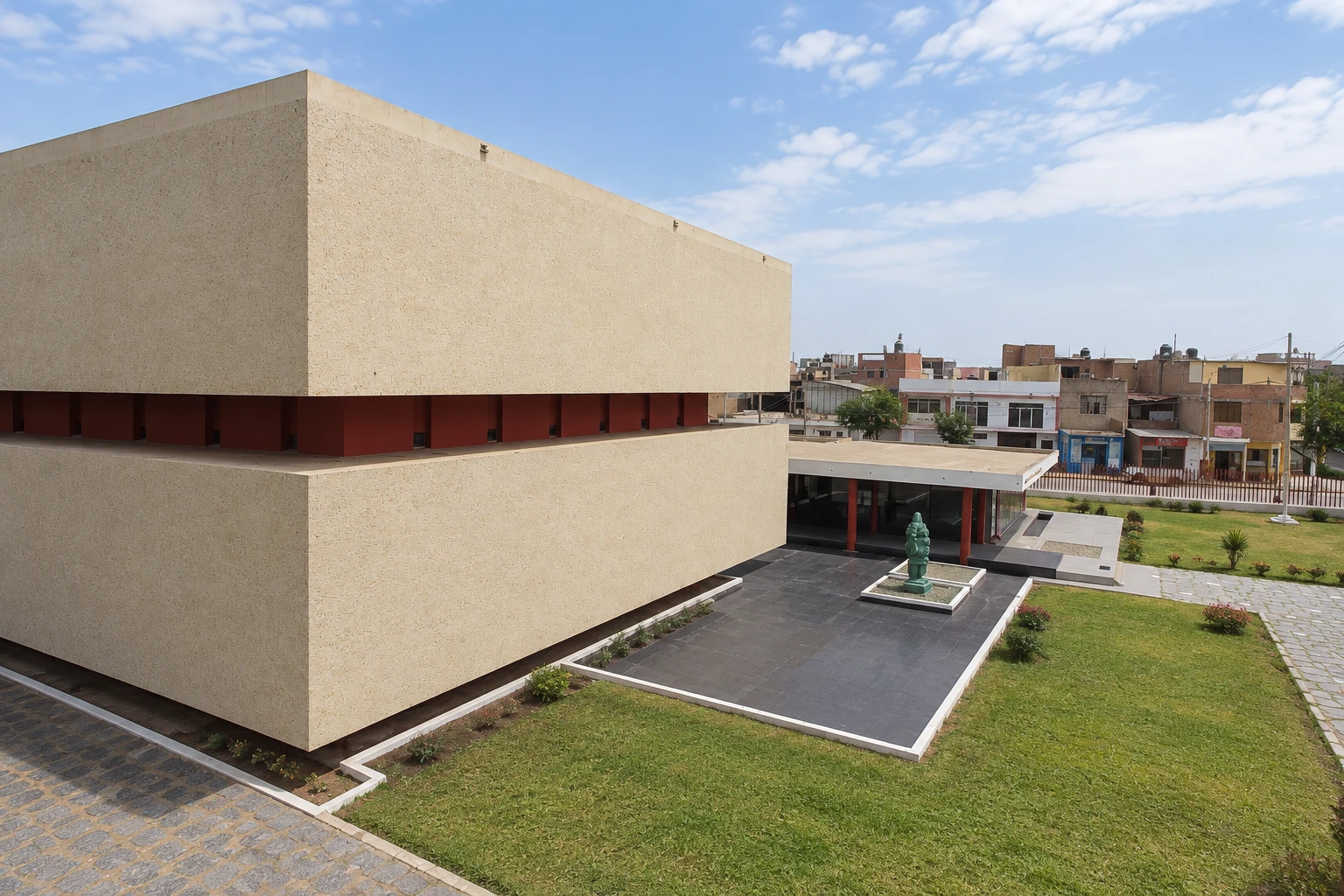
Brüning National Archaeological Museum · LambayequeThe archaeological museum of Lambayeque, created in 1921 from the collections of Hans Heinrich Brüning, with more than 1,400 pieces from the Lambayeque, Moche, Chavín, Vicús and...
Historic Center of Lambayeque · LambayequeThe center of the old San Pedro de Lambayeque, with the church of San Pedro, the main square and colonial mansions such as the Casa de la Logia, with a long wooden balcony overl...
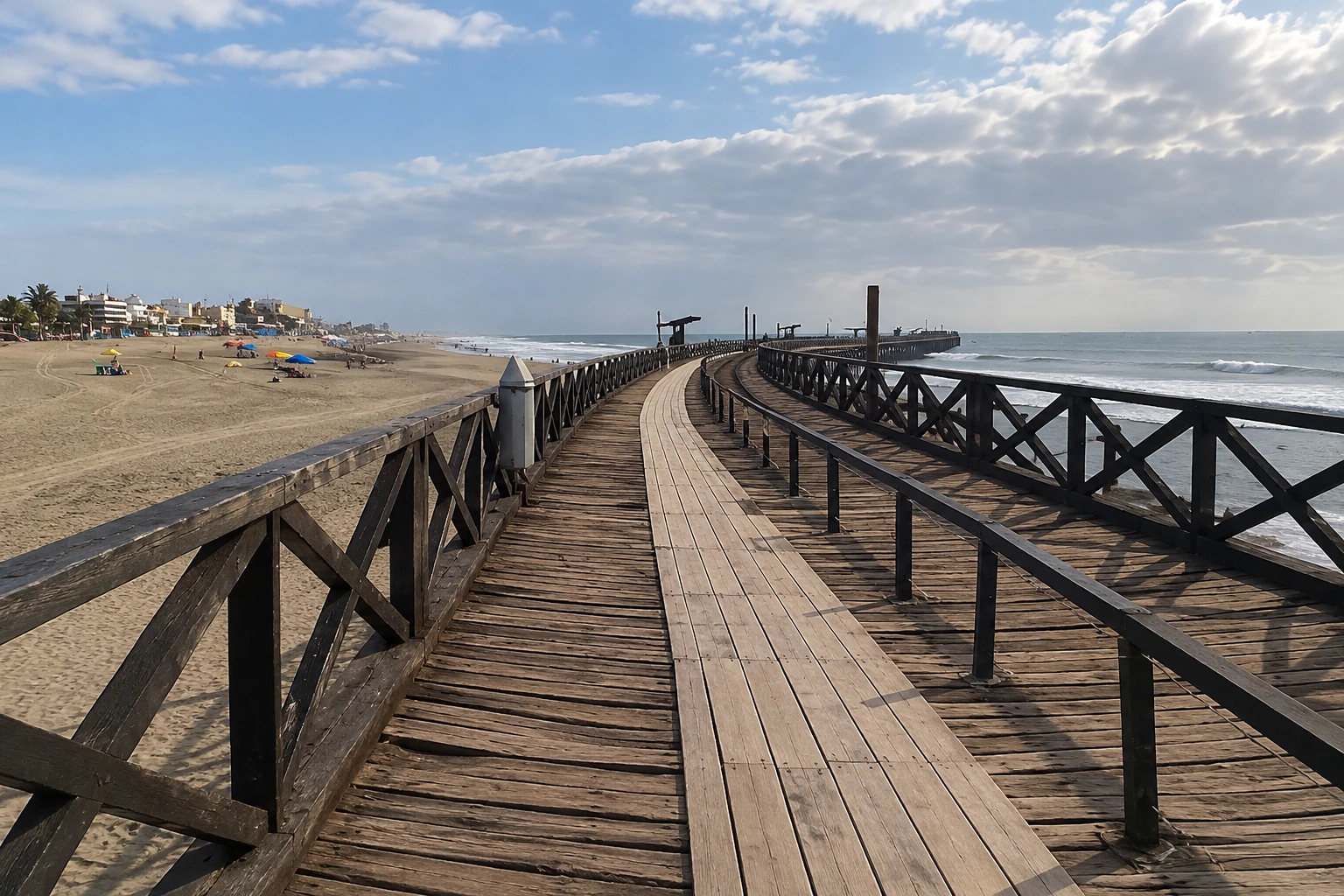
Pimentel Beach · ChiclayoThe beach of Pimentel, 11 km from Chiclayo, with a wooden pier about 700 meters over the Pacific, a promenade, summer mansions and fishermen who still use caballitos de totora.
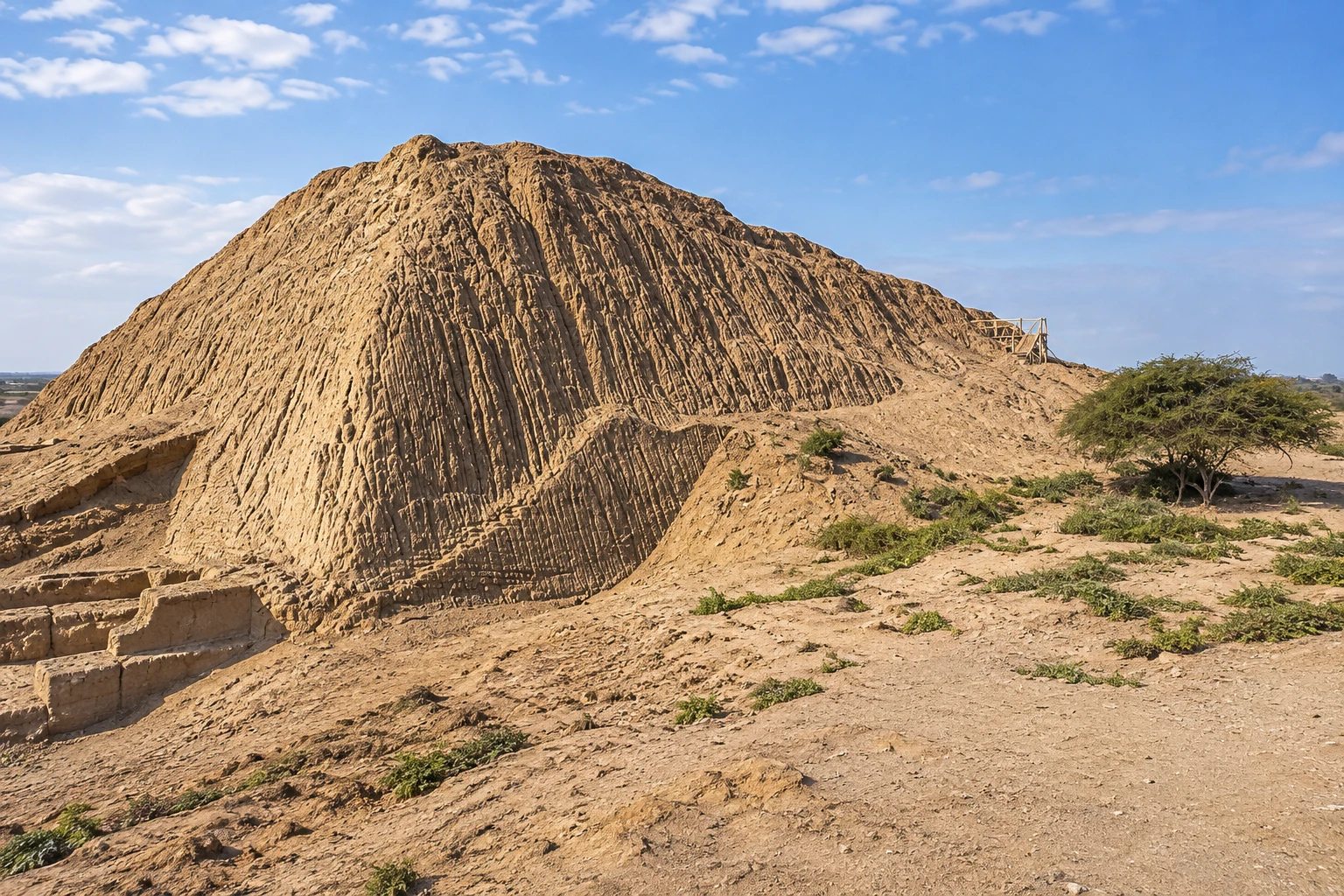
Chotuna-Chornancap Archaeological Complex · LambayequeA ceremonial center of the Lambayeque culture west of the city, with the adobe pyramids of Chotuna and Chornancap, linked to the legend of Ñaimlap, where the tomb of the prieste...
Huaca Rajada–Sipán · ChiclayoThe Moche site near the village of Sipán, where in 1987 the intact tomb of the Lord of Sipán was found.
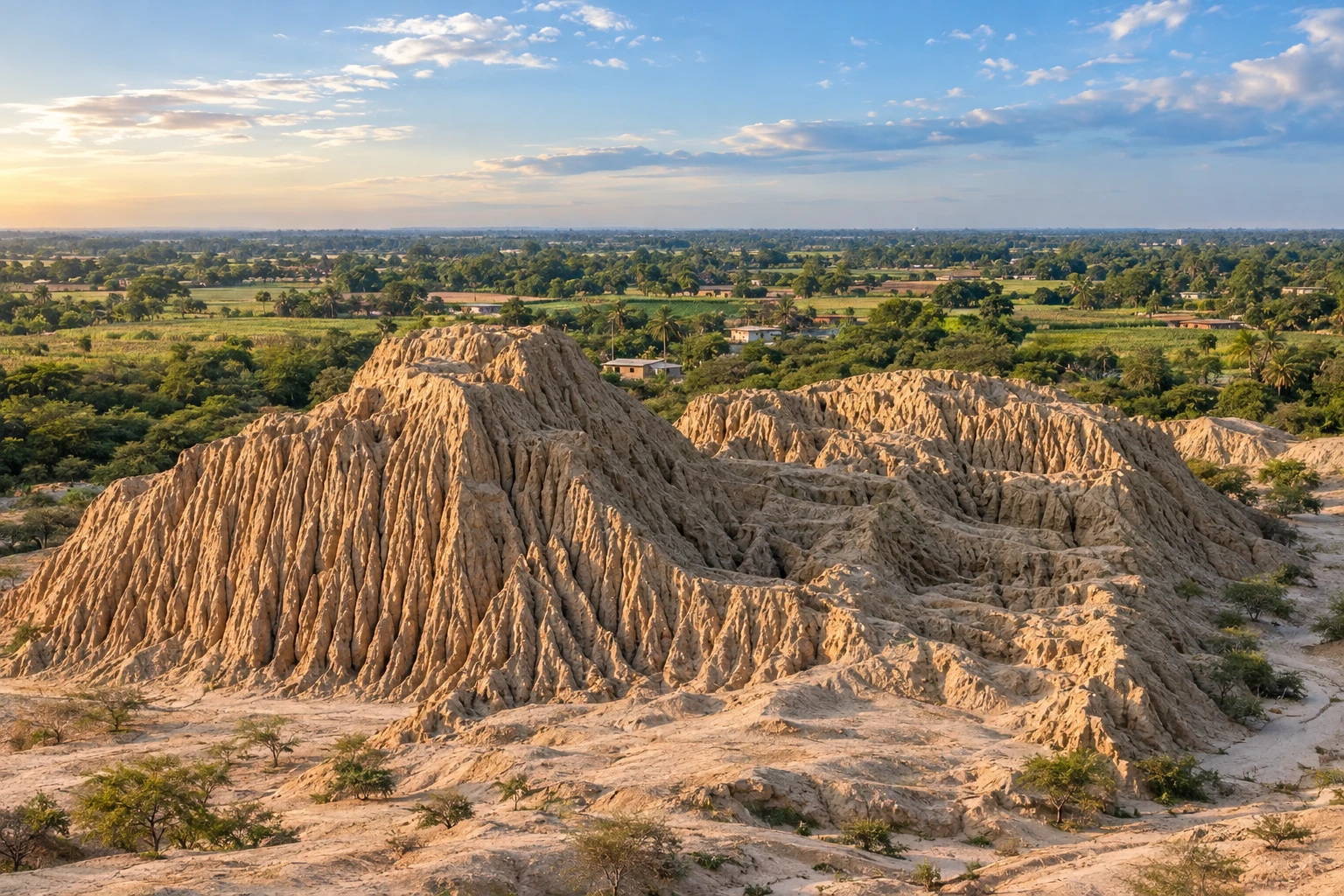
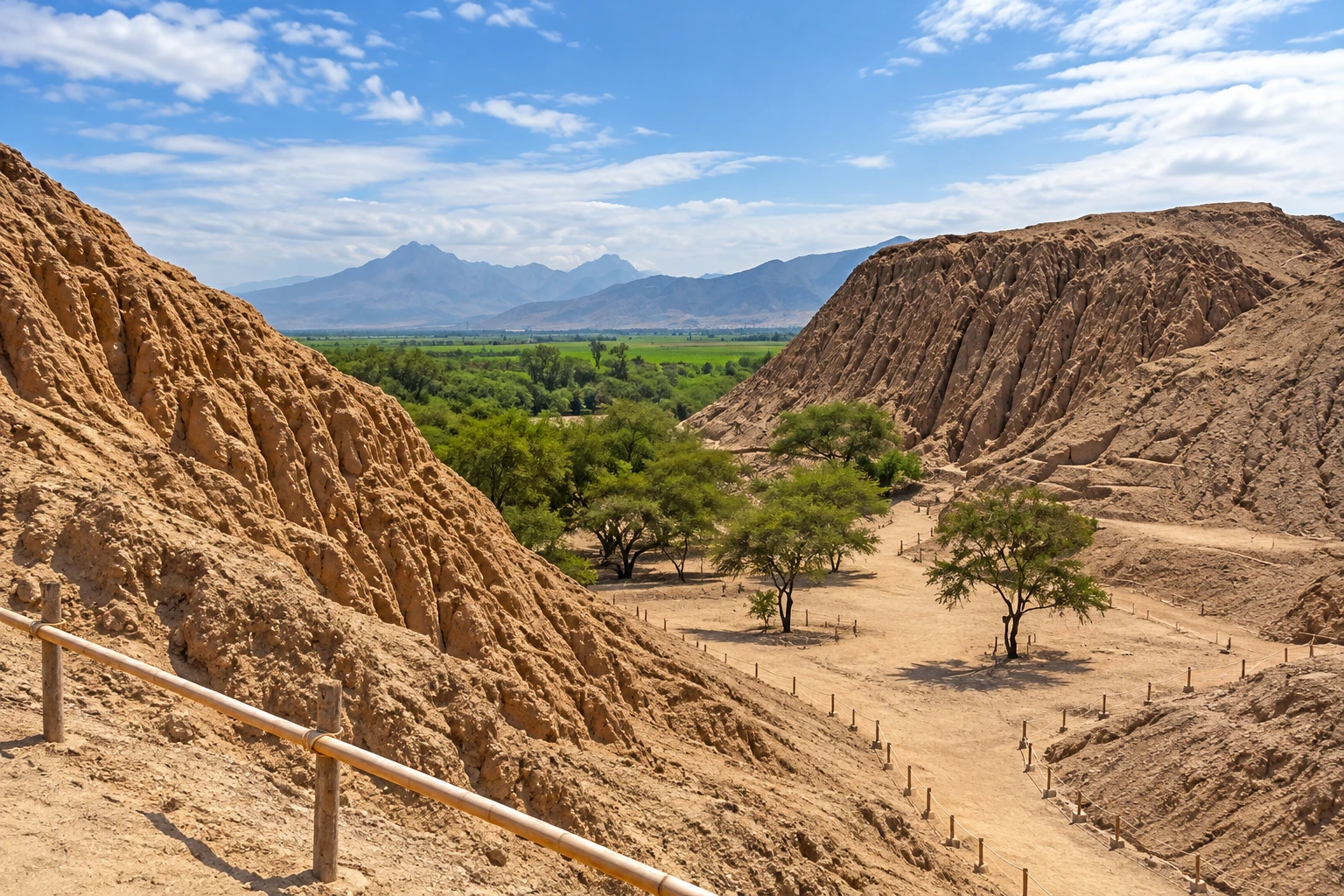
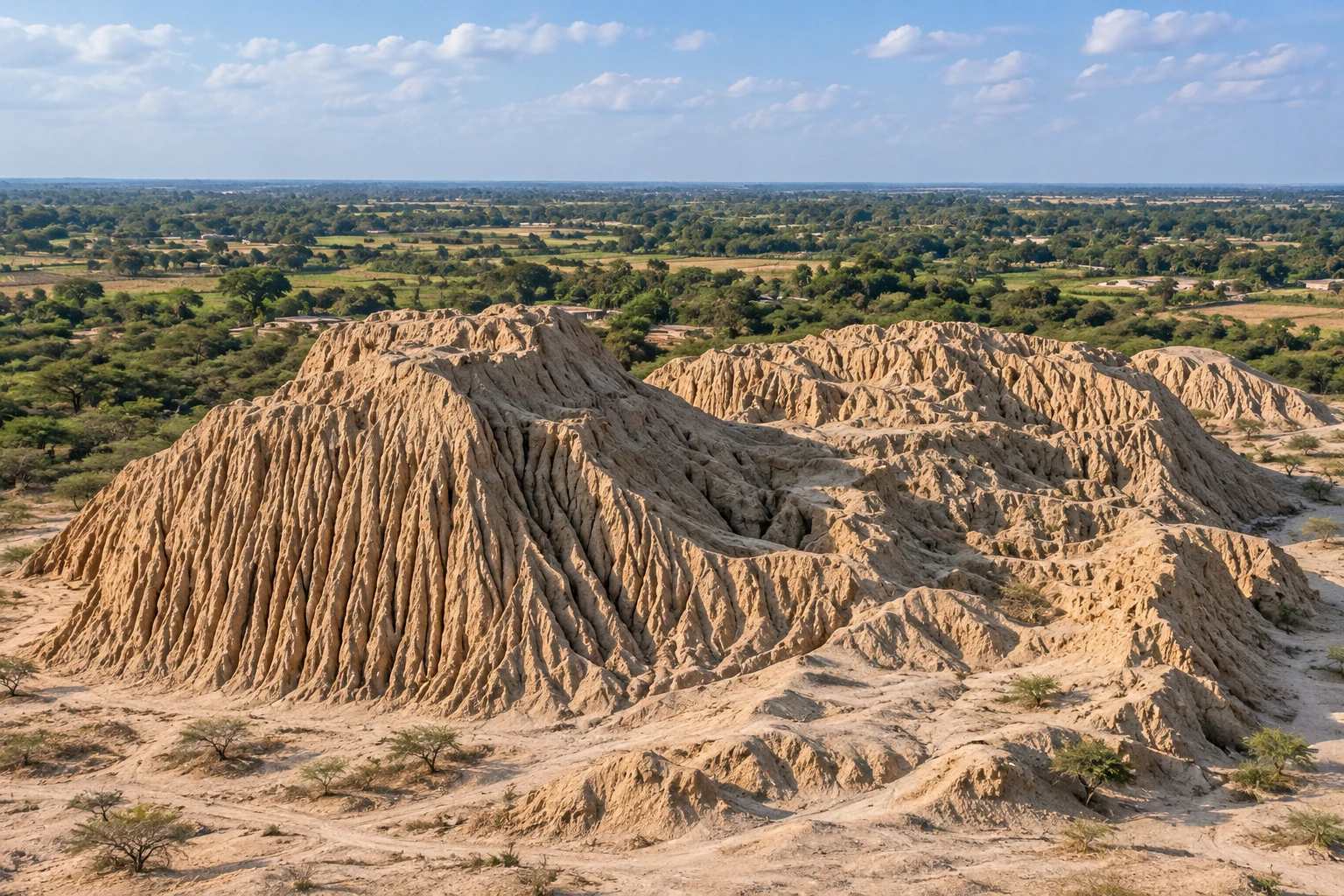
Túcume Archaeological Complex · ChiclayoThe valley of the pyramids of Túcume, with 26 large adobe pyramids around Cerro Purgatorio, a late capital of the Lambayeque culture, later occupied by the Chimú and the Inca, w...
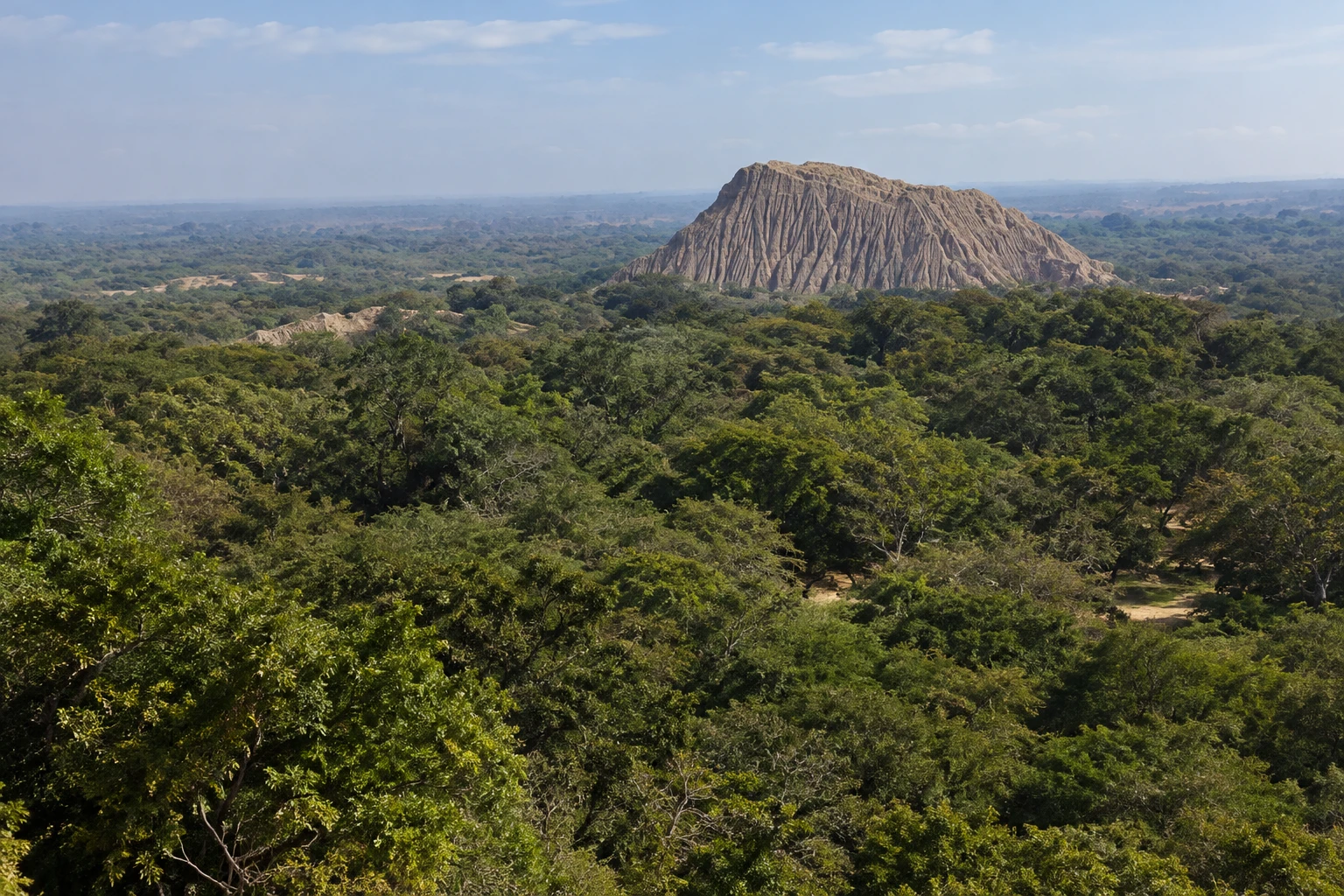
Pómac Forest Historical Sanctuary · ChiclayoA protected area of dry algarrobo woodland, with over 5,800 hectares, that preserves the adobe pyramids of Batán Grande, the center of the Sicán culture, northern coastal bird s...
The museum shaped like a Moche pyramid that houses the gold and the tomb of the Lord of Sipán, found in 1987 at Huaca Rajada, with more than 2,000 pieces of gold, silver and shells and a reconstruction of the funerary chamber.
Chiclayo's main square, with the neoclassical Cathedral of Santa María, a columned façade and two towers, the Municipal Palace, and the bustle of the surrounding downtown.
Chiclayo's main market, known for stalls selling medicinal plants, roots, amulets and objects used in traditional rituals, as well as fruit, food and the surrounding downtown commerce.
The archaeological museum of Lambayeque, created in 1921 from the collections of Hans Heinrich Brüning, with more than 1,400 pieces from the Lambayeque, Moche, Chavín, Vicús and Inca cultures and a goldsmithing room.
The center of the old San Pedro de Lambayeque, with the church of San Pedro, the main square and colonial mansions such as the Casa de la Logia, with a long wooden balcony overlooking the street.
The beach of Pimentel, 11 km from Chiclayo, with a wooden pier about 700 meters over the Pacific, a promenade, summer mansions and fishermen who still use caballitos de totora.
A ceremonial center of the Lambayeque culture west of the city, with the adobe pyramids of Chotuna and Chornancap, linked to the legend of Ñaimlap, where the tomb of the priestess of Chornancap was found. It has a site museum.
The Moche site near the village of Sipán, where in 1987 the intact tomb of the Lord of Sipán was found. It has the excavated tombs, with replicas of the burials, and a site museum.
The valley of the pyramids of Túcume, with 26 large adobe pyramids around Cerro Purgatorio, a late capital of the Lambayeque culture, later occupied by the Chimú and the Inca, with a viewpoint and a site museum.
A protected area of dry algarrobo woodland, with over 5,800 hectares, that preserves the adobe pyramids of Batán Grande, the center of the Sicán culture, northern coastal bird species and an algarrobo known as the millenary tree.
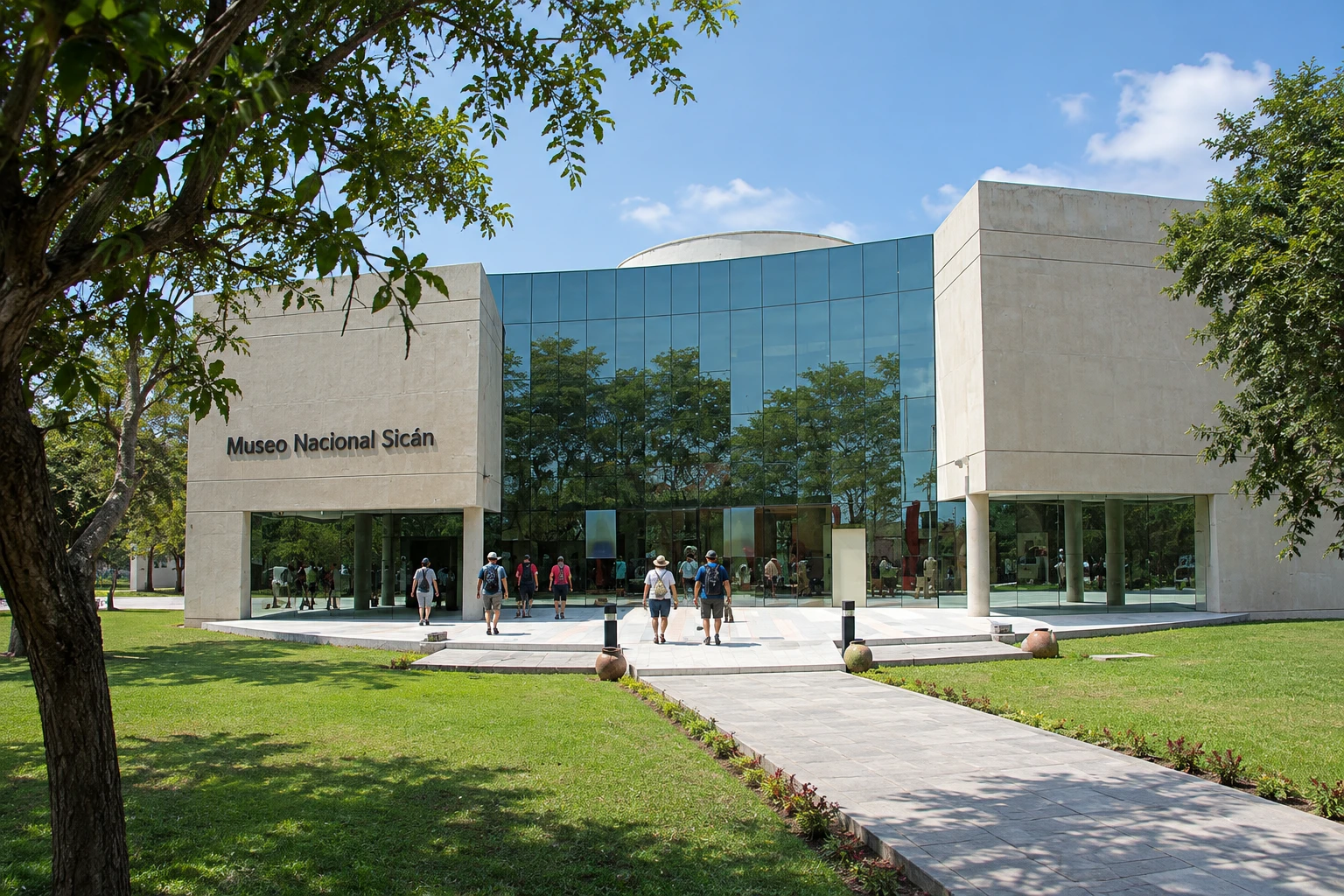
The Ferreñafe museum dedicated to the Sicán or Lambayeque culture, with the reconstruction of the tomb of the Lord of Sicán, found in Batán Grande, funerary gold masks and tumis, the ceremonial knives.
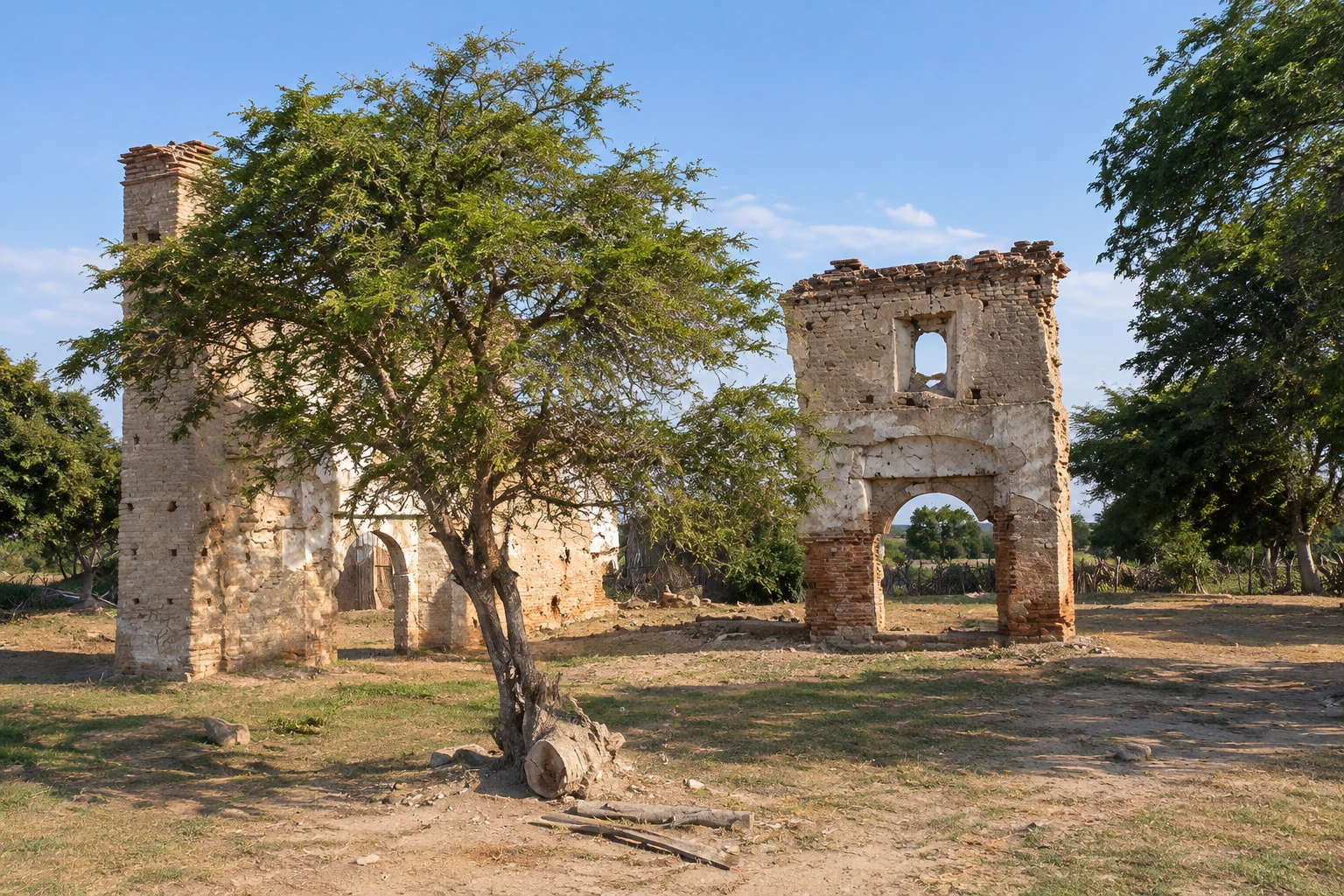
The ruins of the old Spanish town of Zaña, founded in 1563 and abandoned after a pirate raid in 1686 and the floods of 1720, featuring arches and walls of the churches of San Agustín, San Francisco and La Merced. A place of memory for Afro-Peruvian culture.


 Brazil
 Antarctica
 Argentina
 Bolivia
 Chile
 Colombia
 Ecuador
 Falkland Islands (Malvinas)
 French Guiana
 Guyana
 Paraguay
 Suriname
 Uruguay
 Venezuela
 Austria
 Belgium
 Croatia
 Denmark
 Finland
 France
 Germany
 Greece
 Hungary
 Iceland
 Ireland
 Italy
 Luxembourg
 Norway
 Poland
 Portugal
 Slovakia
 Slovenia
 Spain
 Sweden
 Switzerland
 the Czech Republic
 the Netherlands
 the United Kingdom
 Turkey
 Bermuda
 Canada
 Greenland
 Mexico
 Saint Pierre and Miquelon
 the United States
 the Dominican Republic
 Japan
 Egypt
 South Africa
 Australia
 Fiji
 New Zealand
 Papua New Guinea