Cusco, the Sacred Valley, and Machu Picchu

Cusco

Cusco, the Sacred Valley, and Machu Picchu

The ancient capital of the Incas in the Andes, at about 3,400 m, the Vale Sagrado of the Urubamba River with Pisac and Ollantaytambo, and the citadel of Machu Picchu among the high jungle mountains.

South

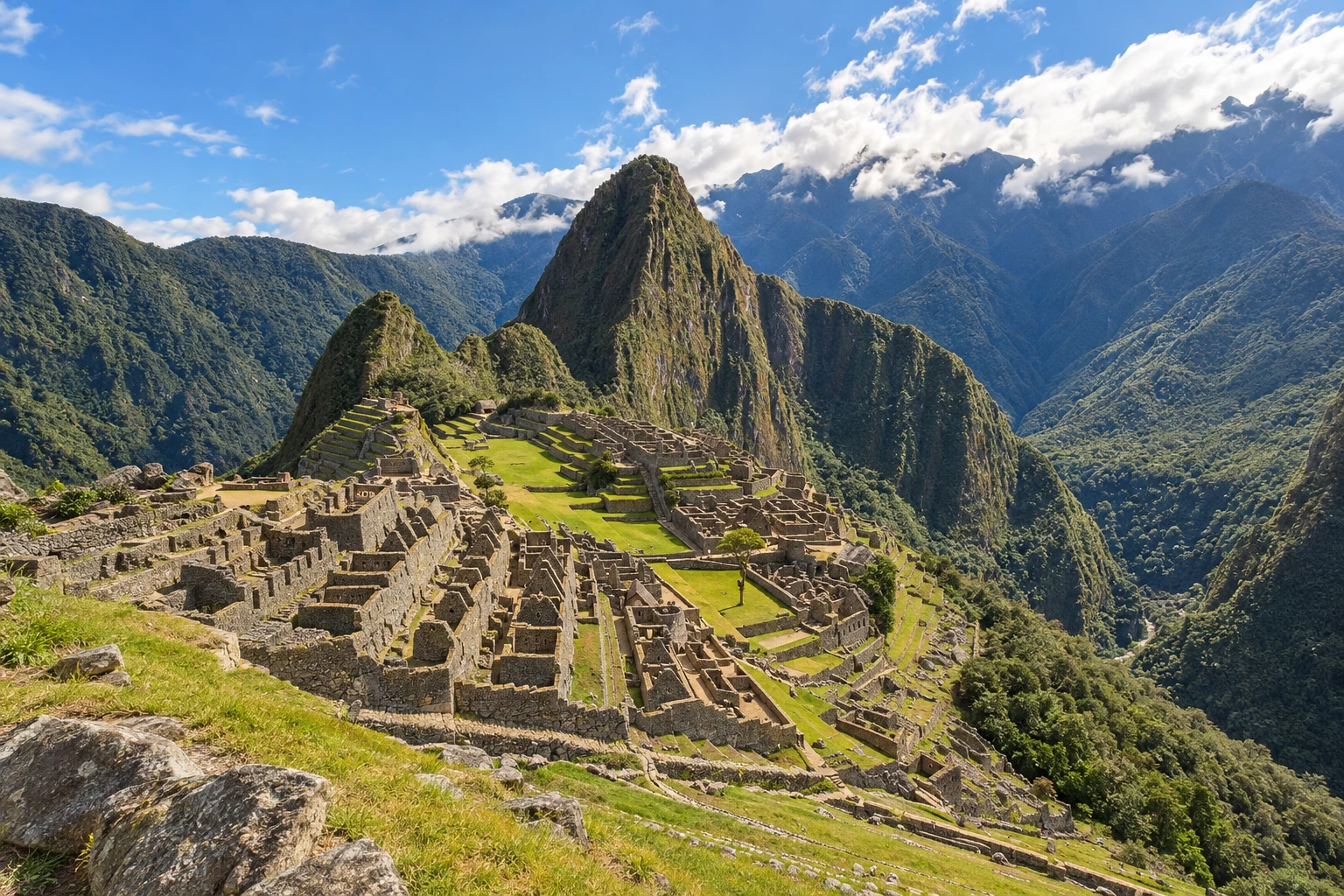
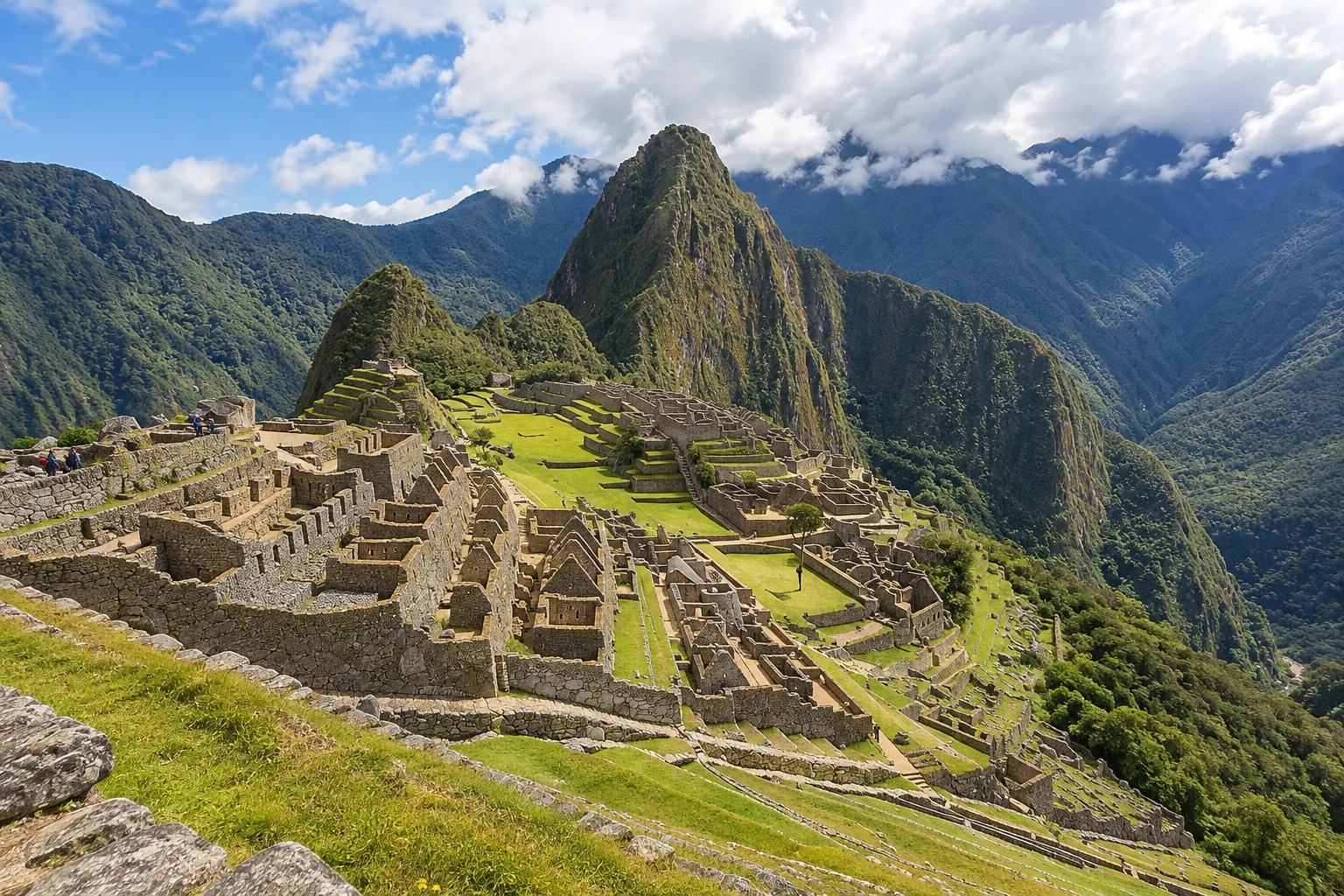
In the photo: Santuario Histórico de Machu Picchu.

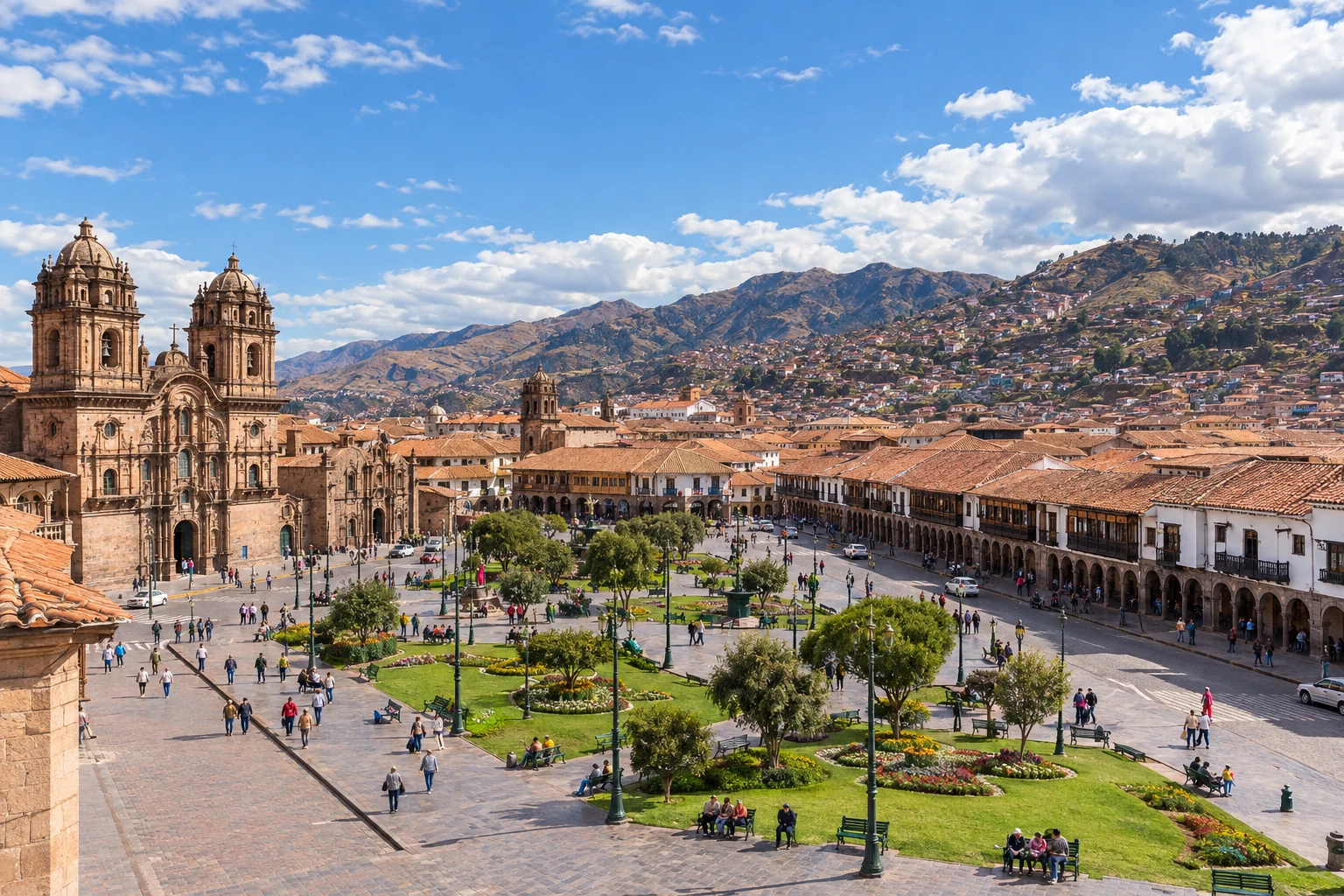
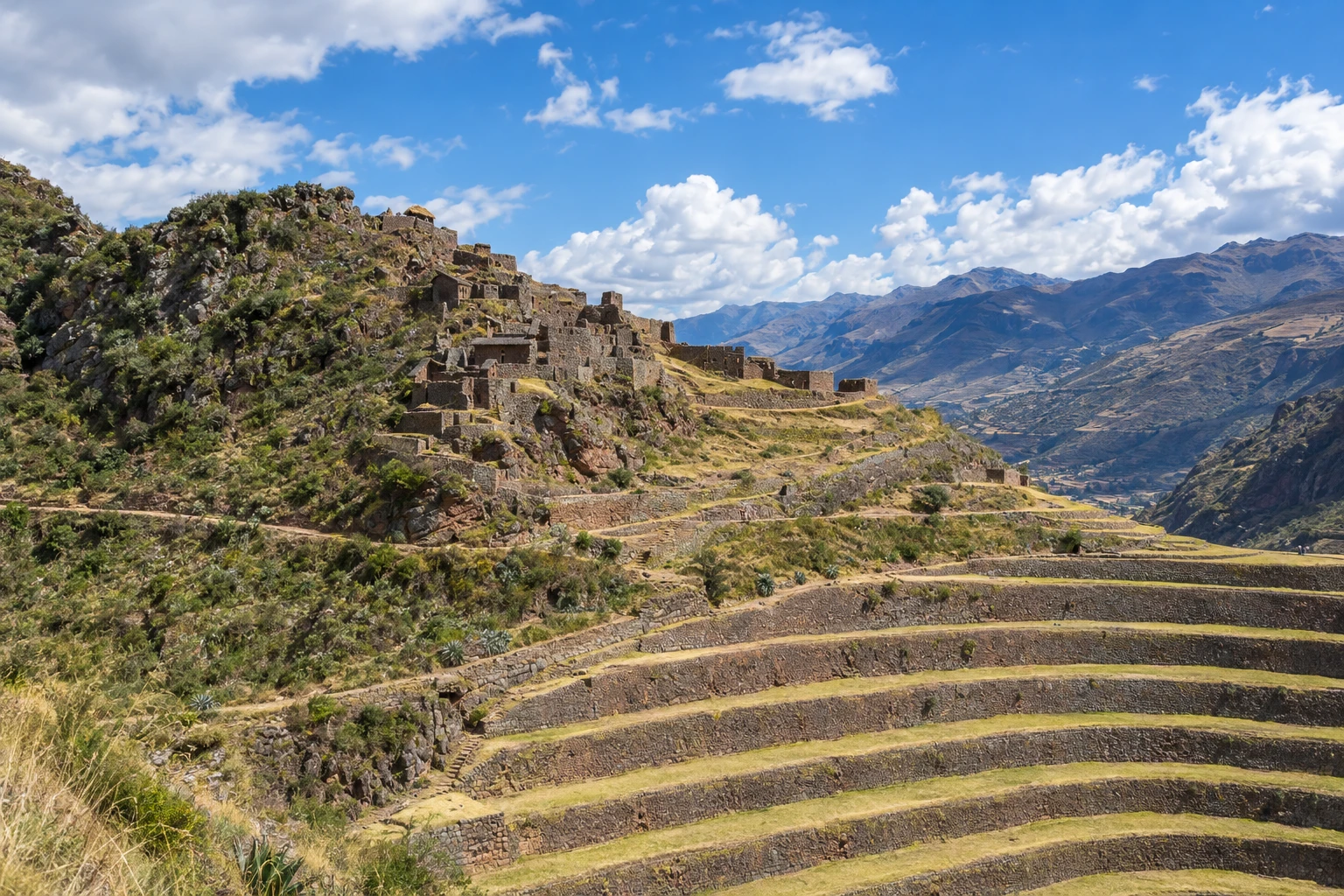
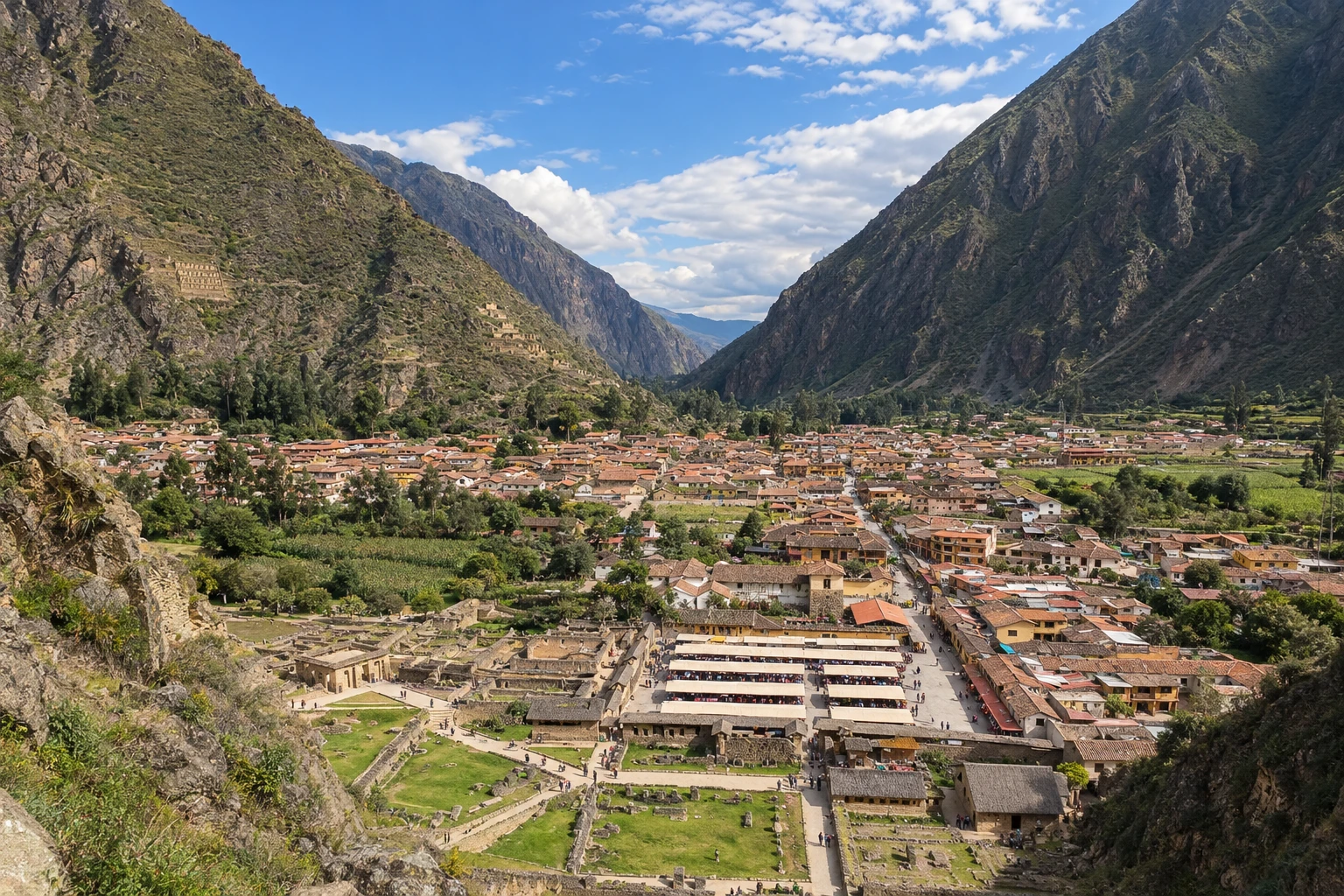
Illustrative images. The pictures in this guide are illustrations based on the real place, not photographs, and may differ from it.

Get it on Google Play

Get to know the place

A region to enjoy
at your own pace.

Cusco was the capital of the Inca Empire, the Tawantinsuyu, which in the 15th century stretched from southern Colombia to central Chile. The city sits in a valley of the southern Peruvian Andes, at about 3,400 meters altitude, and preserves Inca stone walls beneath churches and colonial mansions built by the Spanish after 1534. The historic center has been a UNESCO World Heritage Site since 1983.

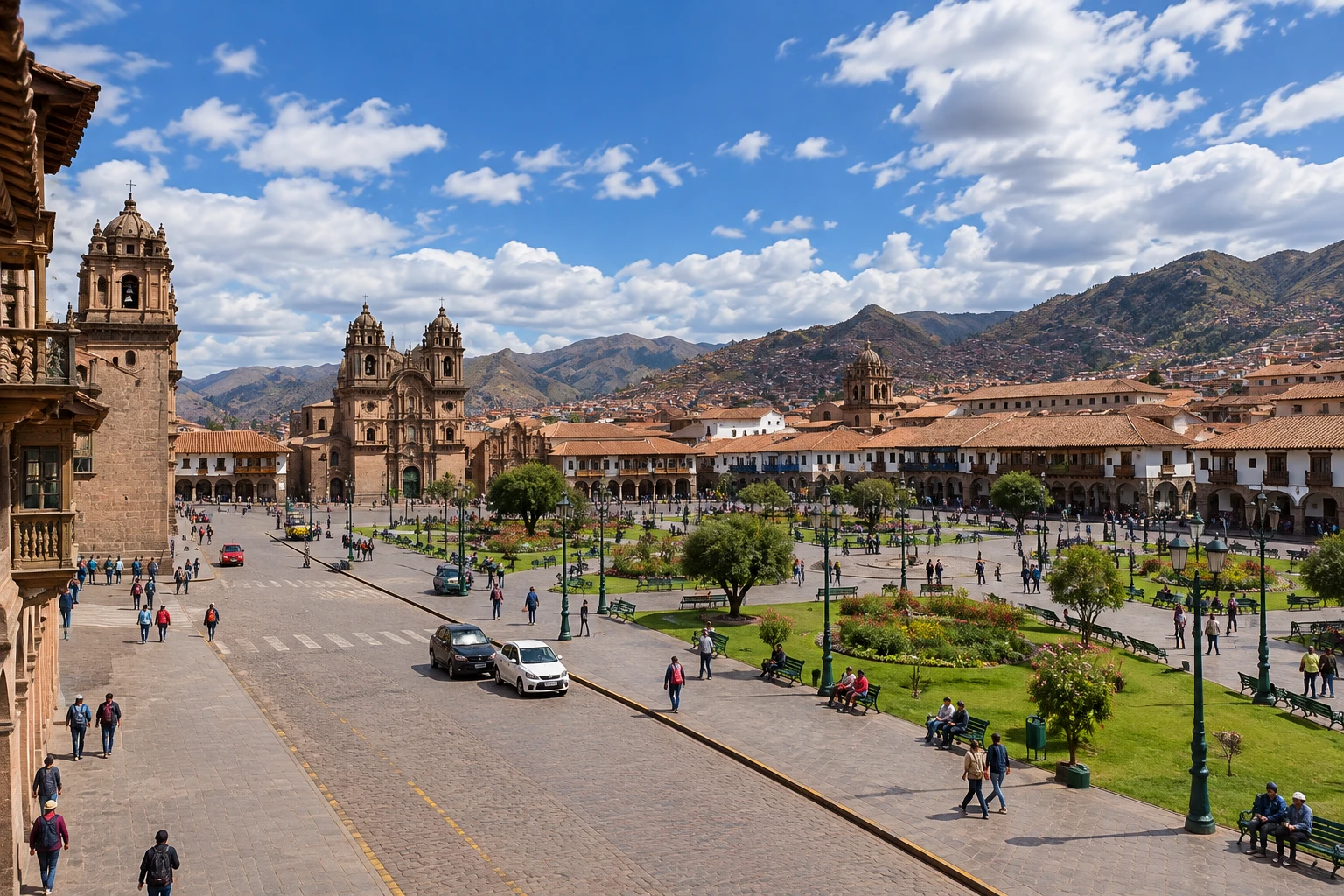
The Plaza de Armas, with the Cathedral and the church of La Compañía, is the starting point. From there you can walk to Qorikancha, the Inca Temple of the Sun, the San Blas neighborhood, the San Pedro Market and the museums. Above the city, the fortress of Sacsayhuamán has stone walls of more than 100 tons fitted together without mortar. Cusco is also the base for high-altitude day trips, such as Vinicunca, the Rainbow Mountain, and Laguna Humantay.

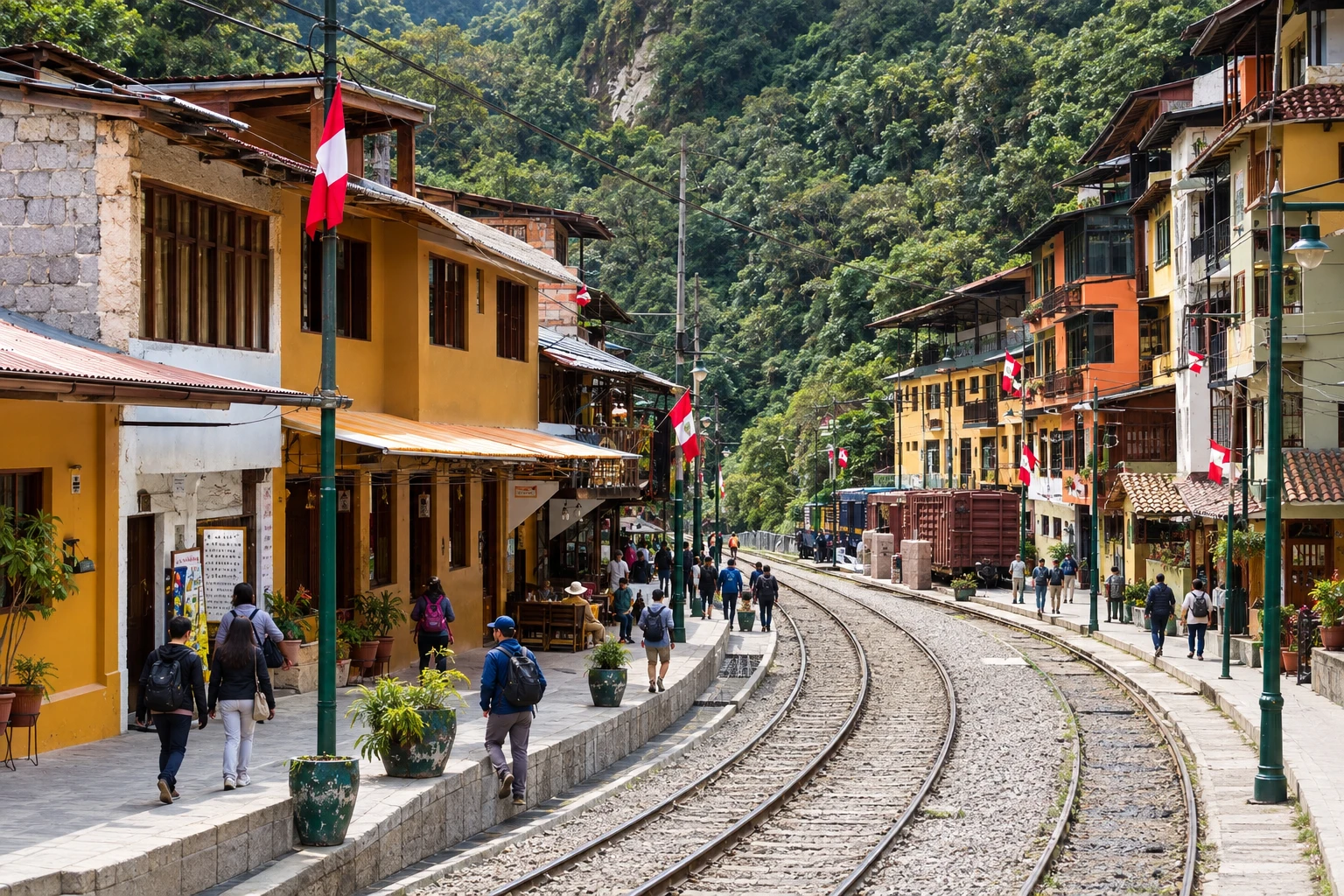
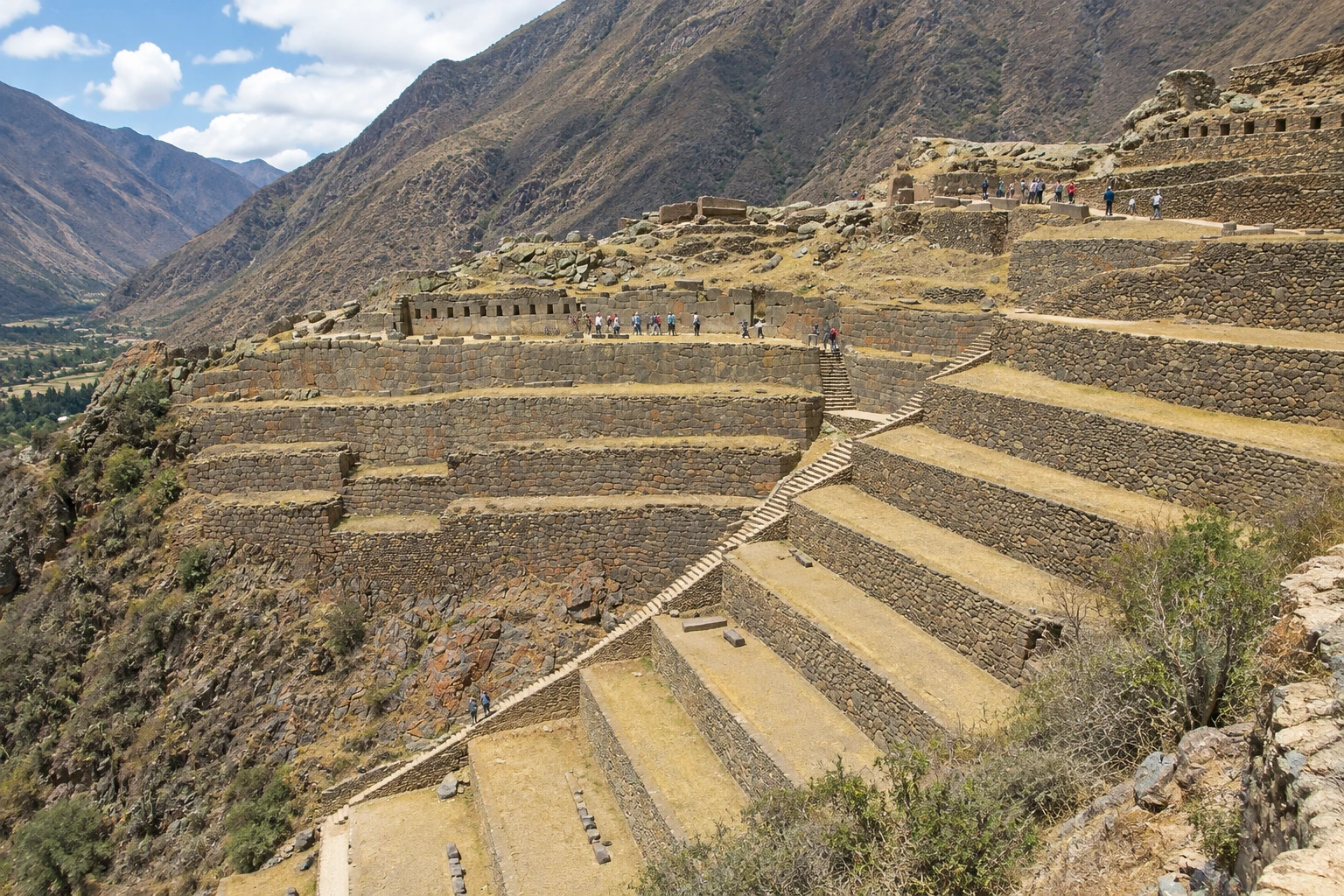
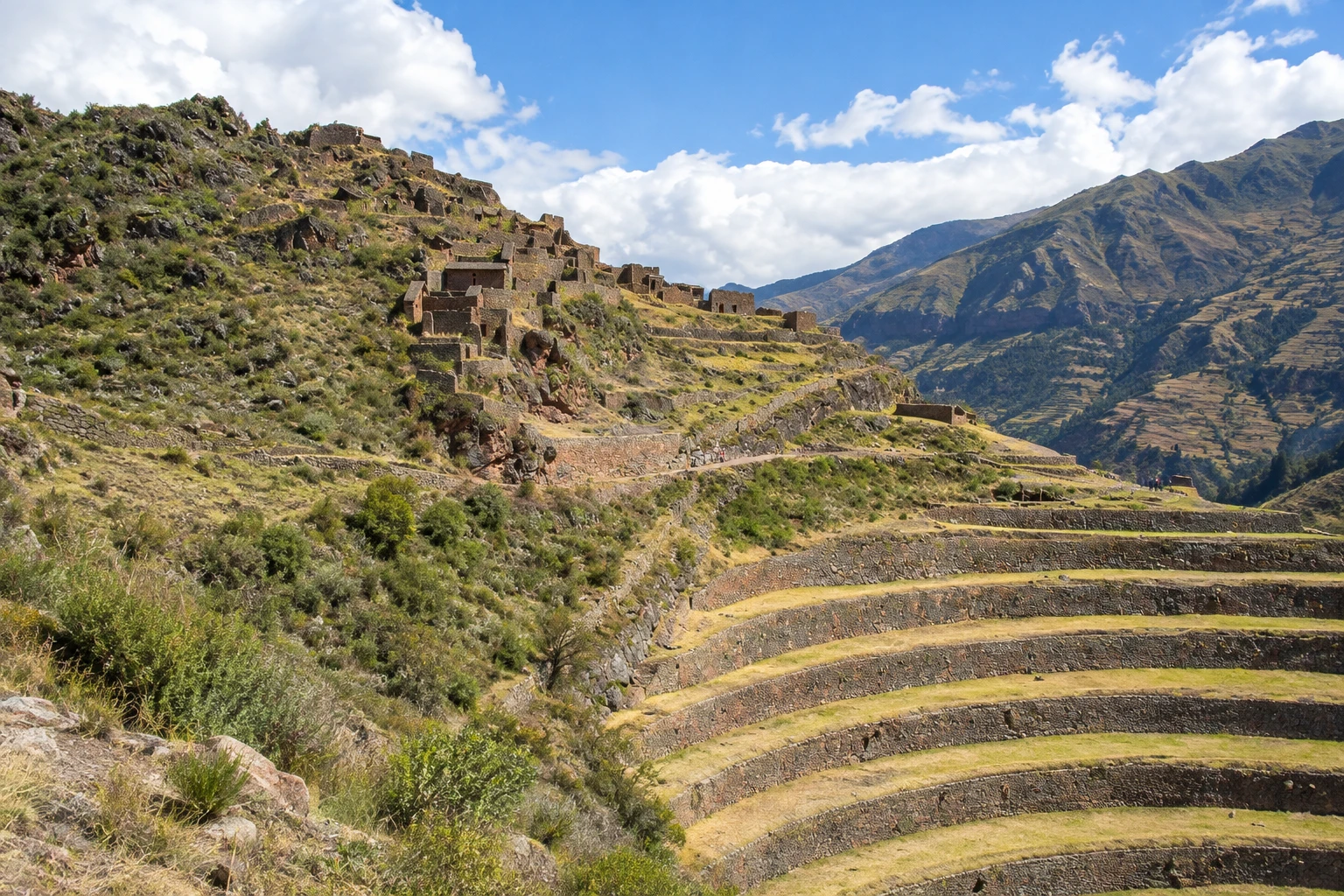
The Sacred Valley of the Incas, which the Urubamba River runs through north of Cusco, is lower, between 2,800 and 3,000 meters. In Pisac, the archaeological site occupies a terraced mountain above the village and the market. Ollantaytambo is an inhabited Inca village, with the fortress over the terraces, and is near Moray and the Maras Salt Mines. From the valley a train departs to Aguas Calientes, the village at the foot of Machu Picchu.

Machu Picchu, the citadel built in the 15th century on a ridge between forested mountains, is Peru’s most sought-after visit. Tickets are limited by date, time and circuit, and there is no road to Aguas Calientes: you reach it by train or on foot. For Brazilians, altitude is the factor that most affects the trip: many travelers feel it in the first days, and starting in the lower Sacred Valley helps you acclimatize gradually.

This destination brings together 4 cities: Cusco, Pisac, Ollantaytambo, Aguas Calientes.

Share: WhatsApp
Traveler, share your experiences through photos Up to 5 photos of each place you visited.

One destination, many paths

The cities on this trip

Start with one city or combine several in your itinerary.

Where Cusco, the Sacred Valley, and Machu Picchu is The star marks the capital, Cusco.
CuscoPisacOllantaytamboAguas Calientes

Outlines: Natural Earth (public domain). Adapted by Cidade Turismo.

How to get there: Cusco, the Sacred Valley, and Machu Picchu

Aeropuerto Internacional Alejandro Velasco Astete (CUZ), in Cusco · 4 km to Cusco

Connections with Brazil may be direct flights or with connections, depending on the season and airline. Confirm before booking. The most common route is to fly to Lima and continue to Cusco, about a 1h20 flight. Cusco airport is 4 km from the Plaza de Armas. From the Vale Sagrado to Machu Picchu, trains depart from Ollantaytambo or from Poroy, near Cusco.

Suggested arrival point: Cusco

Cusco
Cusco · Cusco, the Sacred Valley, and Machu Picchu Capital Suggested arrival point

Cusco

Ancient capital of the Incas, Cusco sits at about 3,400 metres in an Andean valley. Colonial churches and manor houses were built on top of Inca stone walls, and the historic centre, a World Heritage site, is walked from the Plaza de Armas: Catedral, Qorikancha, San Blas, the Mercado de San Pedro and, above, Sacsayhuamán. It is the base for the Vale Sagrado, for Machu Picchu and for day trips into the mountains.

The local experience

Things to do in Cusco, the Sacred Valley, and Machu Picchu

Pisac · Cusco · Archaeological site

Pisac Archaeological Park

An Inca complex high on the mountain above the village, with curved terraces, the Intihuatana temple of fitted stone, residential neighborhoods and the largest known Inca cemetery, set in the cliffs.

Explore Pisac Archaeological Park

Cusco · Cusco · Square

Cusco's Plaza de Armas

The old Huacaypata of the Incas, the heart of Cusco, with the Catedral, the iglesia de la Compañía de Jesús and manor houses with arcades and wooden balconies around it, and the mountains in the background.

Explore Cusco's Plaza de Armas

See 13 more places in Cusco, the Sacred Valley, and Machu Picchu

Before you go

Practical information

A little planning leaves more time to enjoy the journey.

When to go

The dry season usually runs from May to September, with clear skies by day and cold nights near freezing. Rain typically concentrates from December to March, with rainy afternoons and muddy trails; the Trilha Inca usually closes in February for maintenance. April, October and November fall between the two. The seasons are the same as in Brazil.

The seasons shown are the most usual ones; nature doesn't always follow the calendar.

How many days to stay

Five to seven days. Two in Cusco, taking it easy the first day because of the altitude; one or two in the Vale Sagrado, covering Pisac, Ollantaytambo, Moray and Maras; and one or two for Machu Picchu, with an overnight in Aguas Calientes. Those planning to visit Vinicunca or Humantay should add an extra day for each, after spending a few days at altitude.

Which city to stay in

In Cusco, the historic center around the Plaza de Armas and the uphill neighborhood of San Blas concentrate hotels and guesthouses in old mansions; the San Pedro neighborhood, near the market, is more basic. In the Vale Sagrado, Urubamba and Ollantaytambo are the most used bases, lower than Cusco, and Pisac has guesthouses near the market. In Aguas Calientes hotels line the river and the train tracks, a few minutes from the bus to Machu Picchu.

Respect the place

Take your trash with you, follow the signs and support local businesses. In natural areas, follow the visiting guidelines.

Beyond the guide

Your questions

Frequently asked questions about Cusco, the Sacred Valley, and Machu Picchu

How to deal with altitude in Cusco?

Cusco sits at about 3,400 meters, and many travelers feel the effects of altitude in the first days, with fatigue, shortness of breath or headache. One option is to ascend gradually, starting in the Vale Sagrado, which is lower, and leaving Cusco for later. On the first day, take it easy and avoid strenuous outings. Consult your doctor before traveling.

How to buy the Machu Picchu ticket?

The ticket has a specific date, entry time and circuit, in limited numbers, and sells out in advance during the dry season. Buy ahead and confirm rules on the official channel. Huayna Picchu and Montaña Machu Picchu require separate tickets.

Can you reach Machu Picchu by car?

There is no road to Aguas Calientes, the village at the foot of Machu Picchu. You reach it by train from Cusco (Poroy station) or from Ollantaytambo, or on foot via the Trilha Inca or by walking along the tracks. From the village to the sanctuary you go up by bus or on foot.

What is the best time to go to Cusco and Machu Picchu?

The dry season, usually from May to September, has clearer skies and is the most sought-after. From December to March it usually rains in the afternoons. April, October and November have less crowding and variable weather.

Do I need an agency for the Trilha Inca?

Yes. The Trilha Inca can only be done with an authorized agency, with limited spots that sell out months in advance. It typically closes in February for maintenance; confirm before planning.

Do I need a car in the Vale Sagrado?

It is not necessary. Taxis, vans and buses connect Cusco with Pisac, Urubamba and Ollantaytambo, and agencies sell day tours in the valley. A car with a driver gives more freedom to combine Moray, Maras and Chinchero.

Explore other destinations Search by state and city