Things to do in Cusco, the Sacred Valley, and Machu Picchu
17 places to visit, chosen by the Cidade Turismo guide.
Illustrative images. The pictures in this guide are illustrations based on the real place, not photographs, and may differ from it.
To start
The 10 main places Cusco, the Sacred Valley, and Machu Picchu
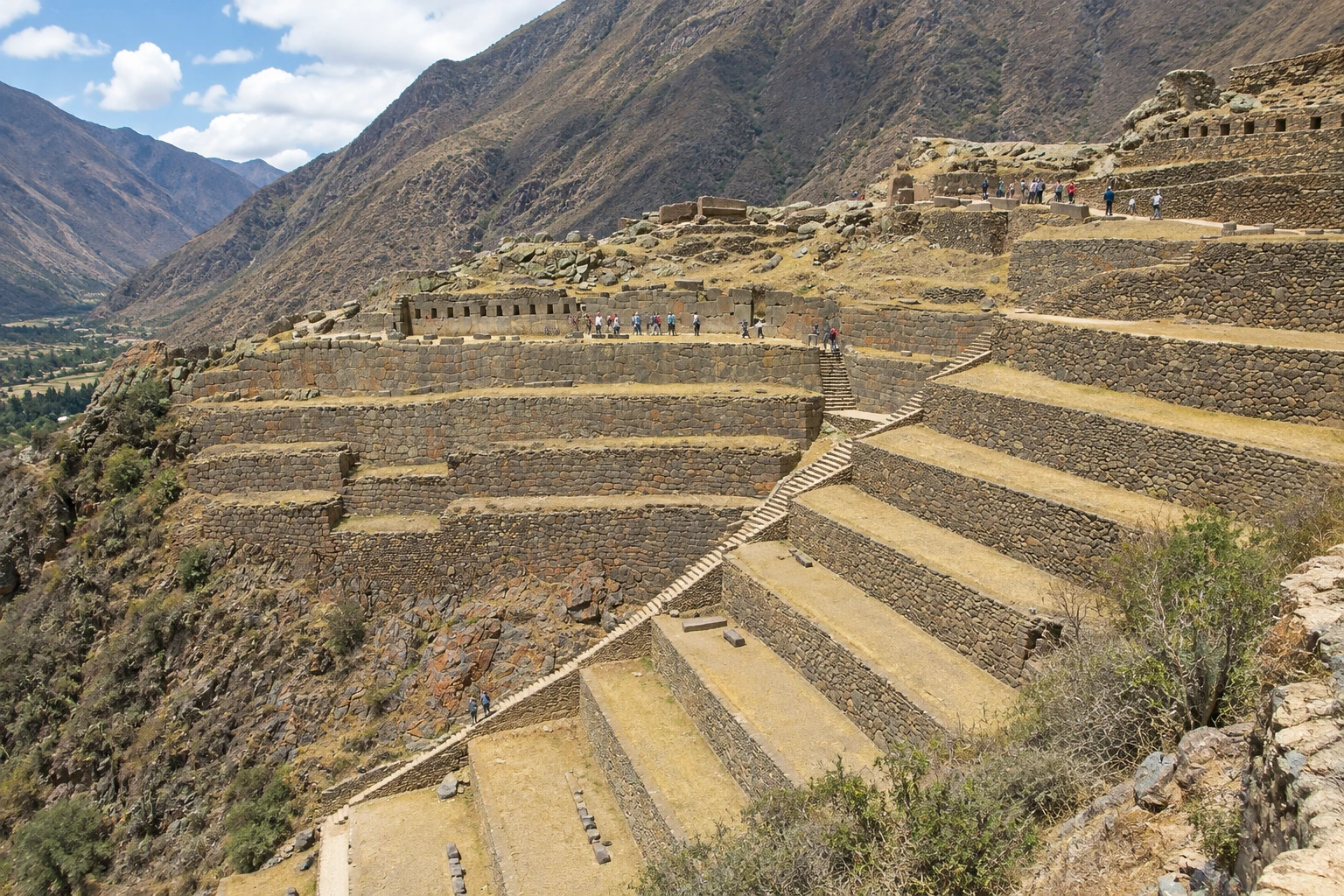
Ollantaytambo Archaeological Park · OllantaytamboThe terraces and the Temple of the Sun above the village, with six pink stone monoliths brought from a quarry on the other side of the river.
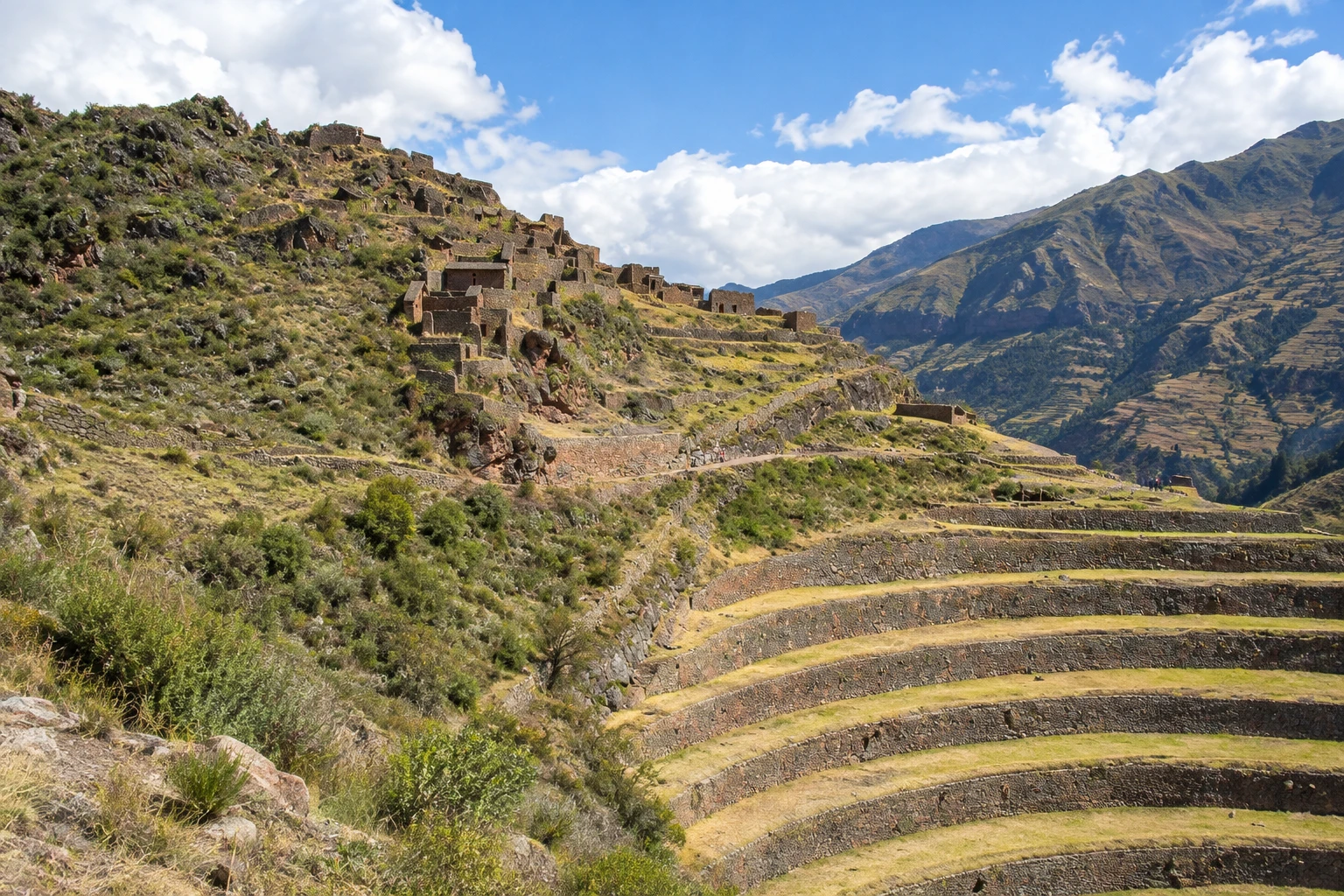
Pisac Archaeological Park · PisacAn Inca complex high on the mountain above the village, with curved terraces, the Intihuatana temple of fitted stone, residential neighborhoods and the largest known Inca cemete...
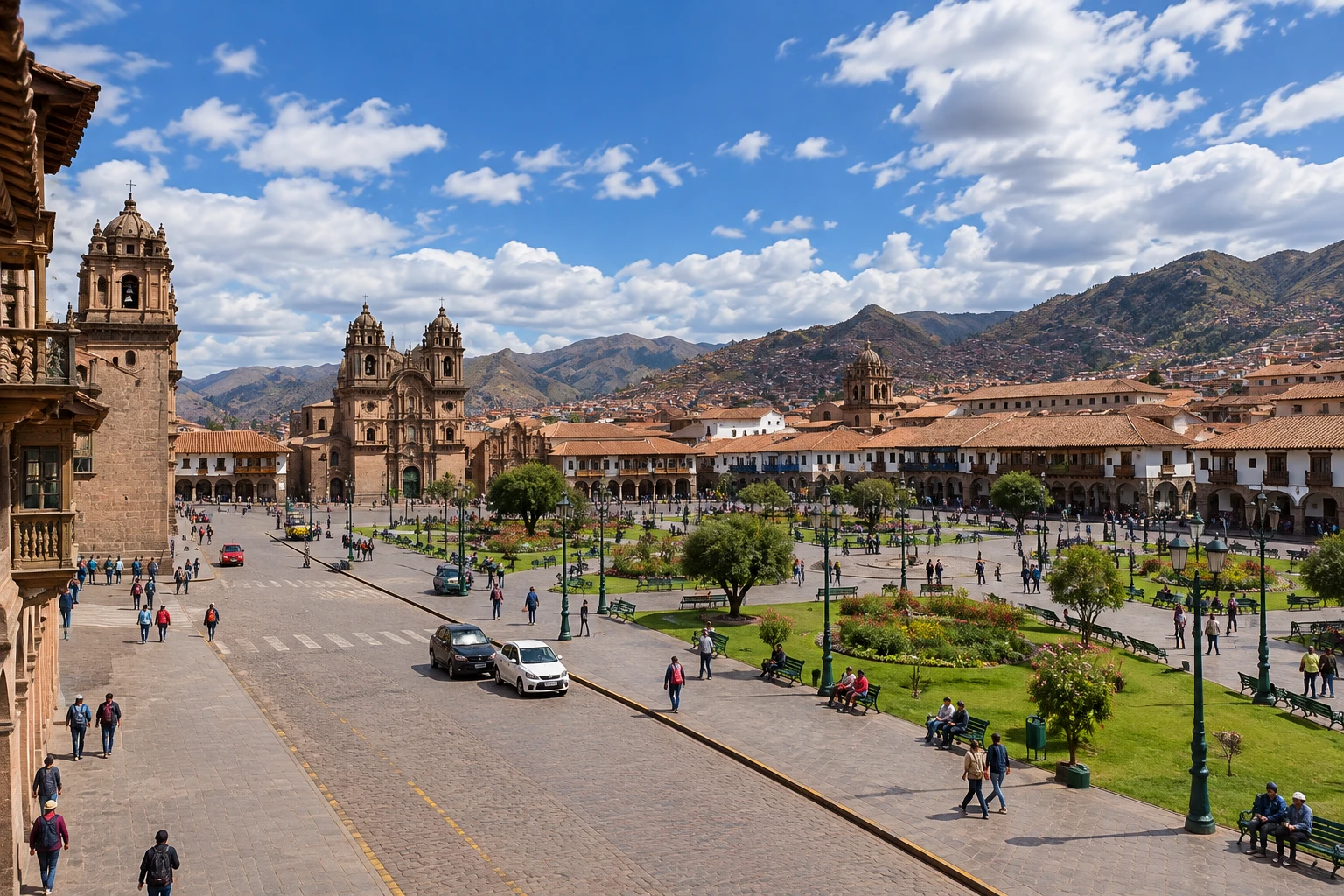
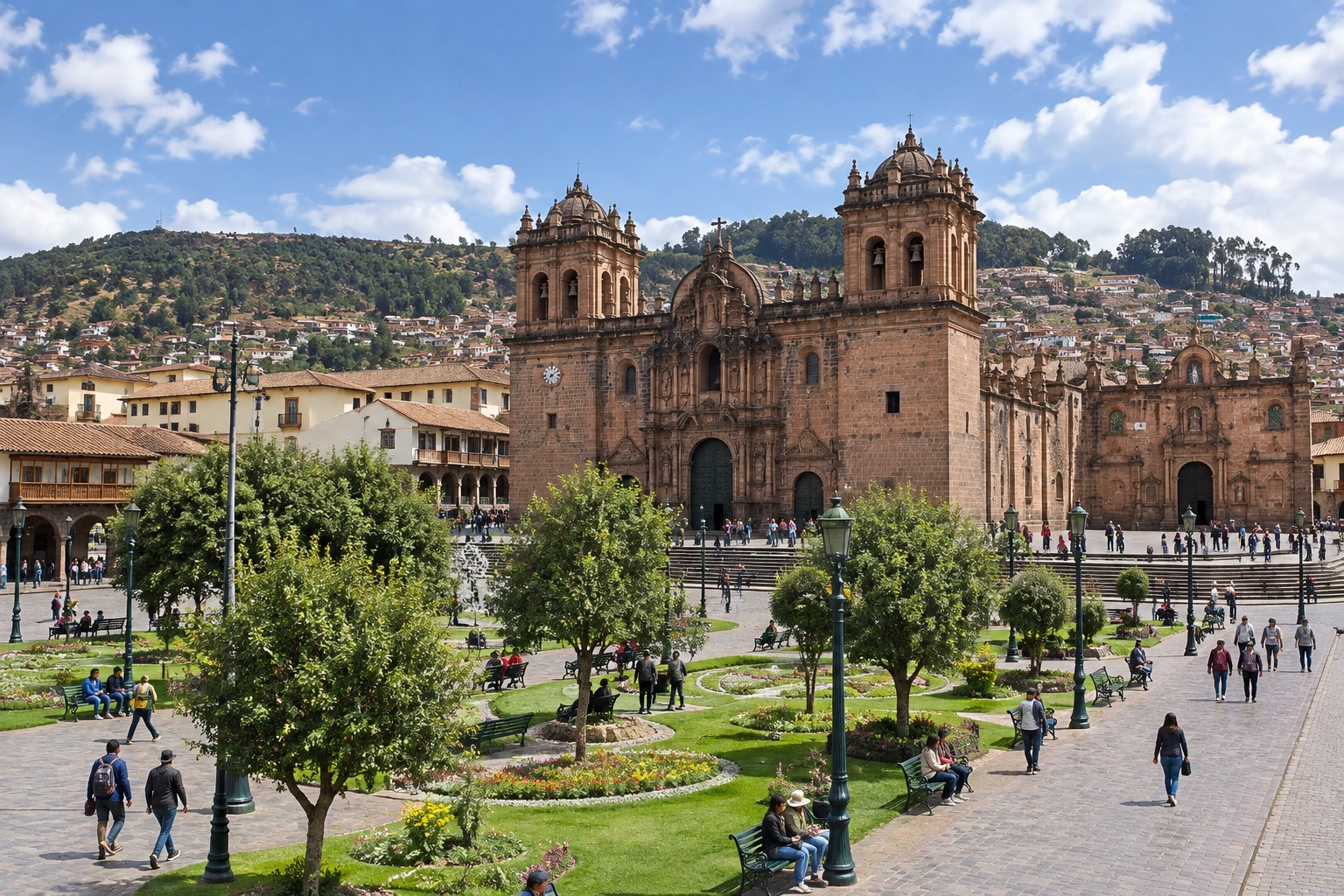
Cusco's Plaza de Armas · CuscoThe old Huacaypata of the Incas, the heart of Cusco, with the Catedral, the iglesia de la Compañía de Jesús and manor houses with arcades and wooden balconies around it, and the...
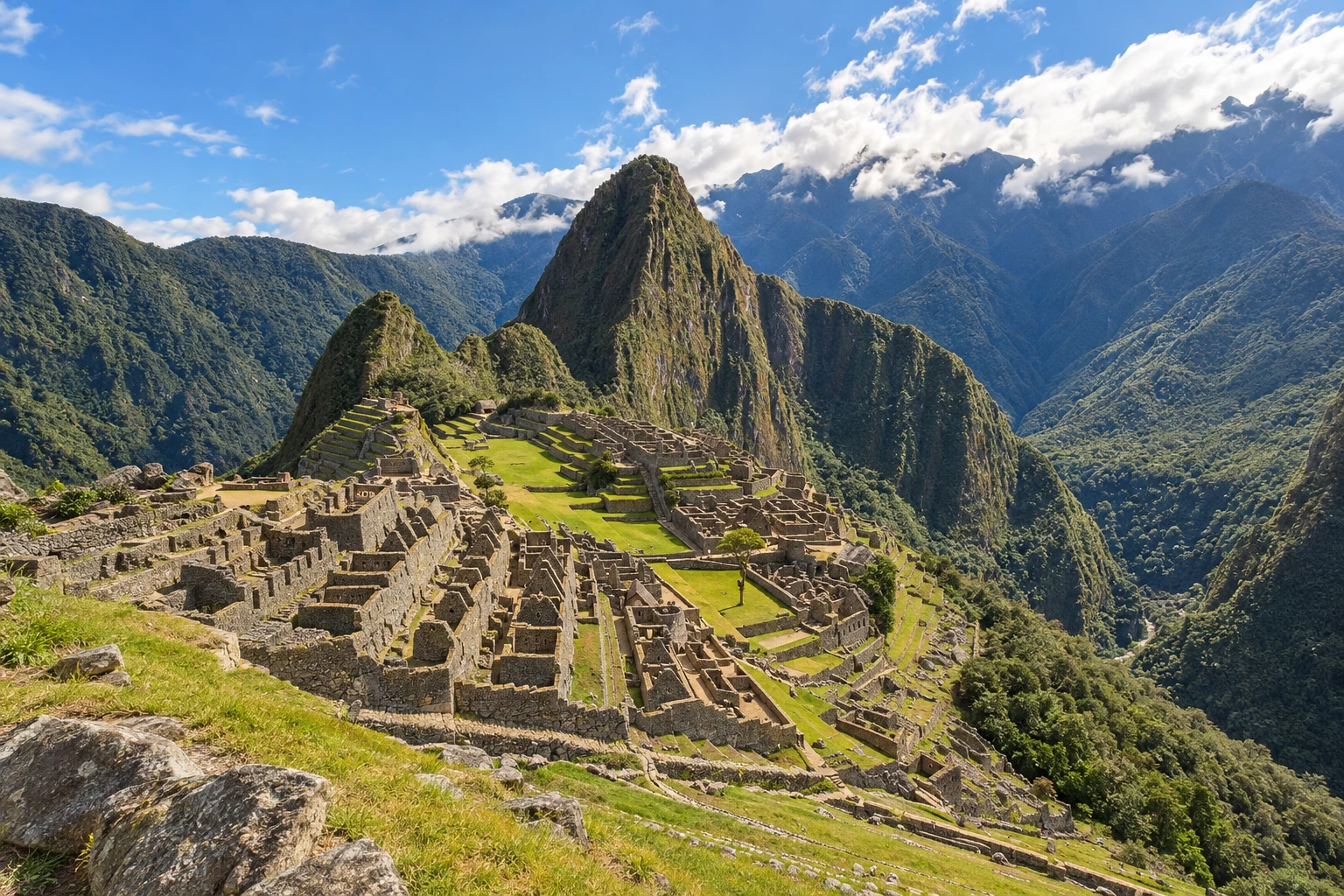
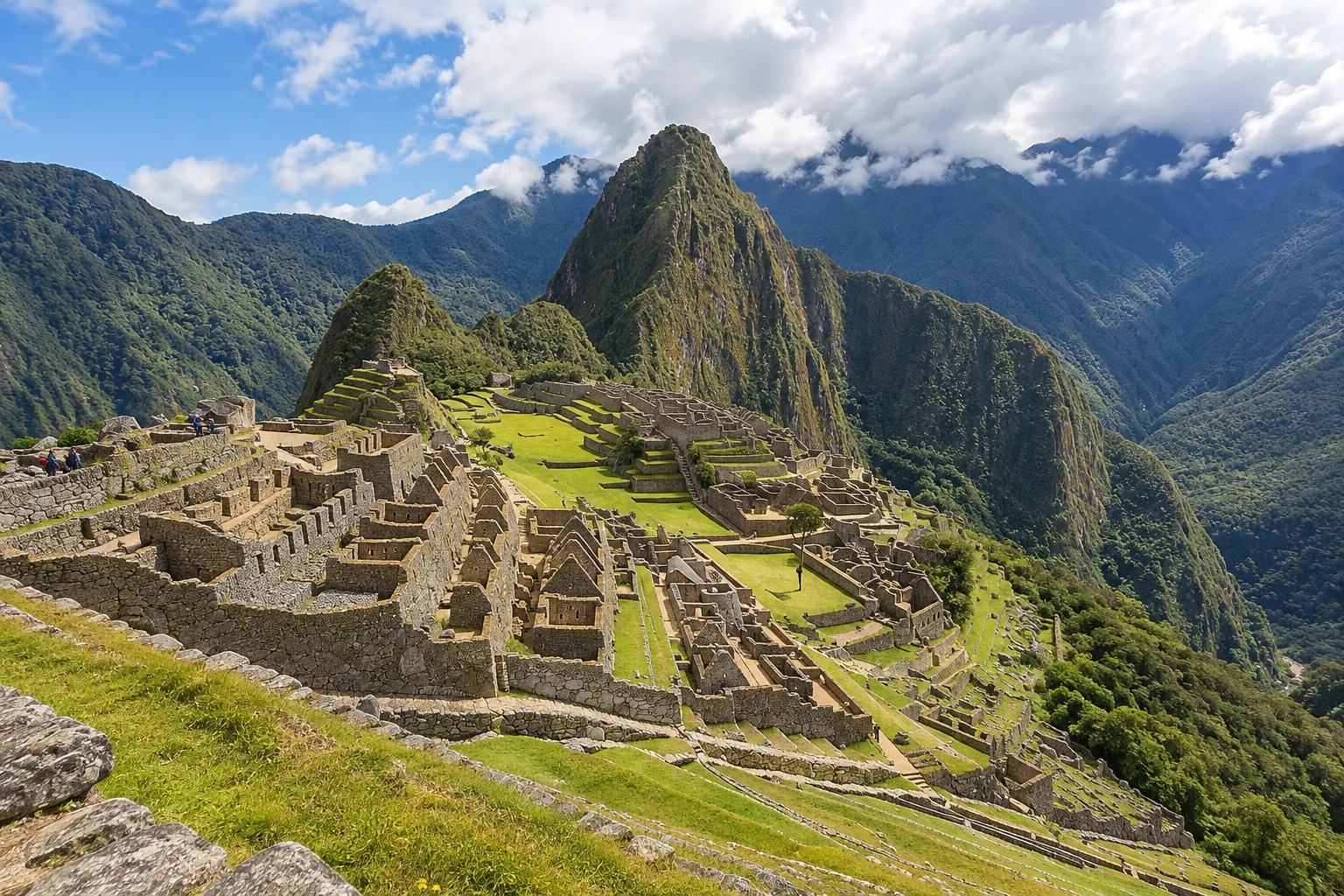
Historic Sanctuary of Machu Picchu · Aguas CalientesThe 15th-century Inca citadel on a ridge between forested mountains, at about 2,430 m, with temples, plazas, terraces and stone houses.
Cusco Cathedral · CuscoCathedral built from 1560 to the mid-17th century on top of an Inca palace, with hundreds of paintings of the Cusco school, the Last Supper featuring a cuy on the plate, and the...
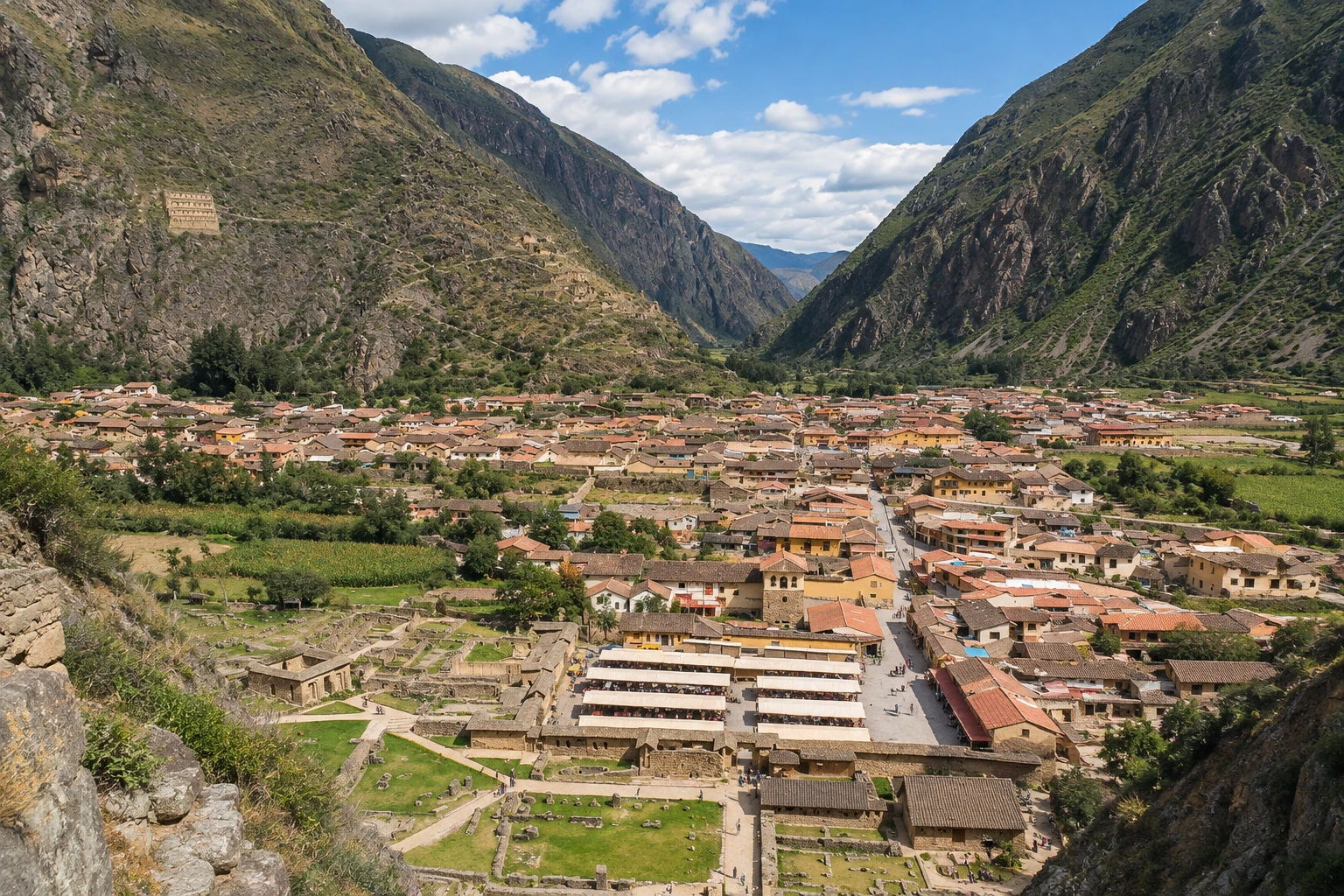
Ollantaytambo Old Town · OllantaytamboThe best-preserved inhabited Inca village in Peru, with blocks of stone walls, communal courtyards and water channels running through the streets, and the Pinkuylluna storehouse...
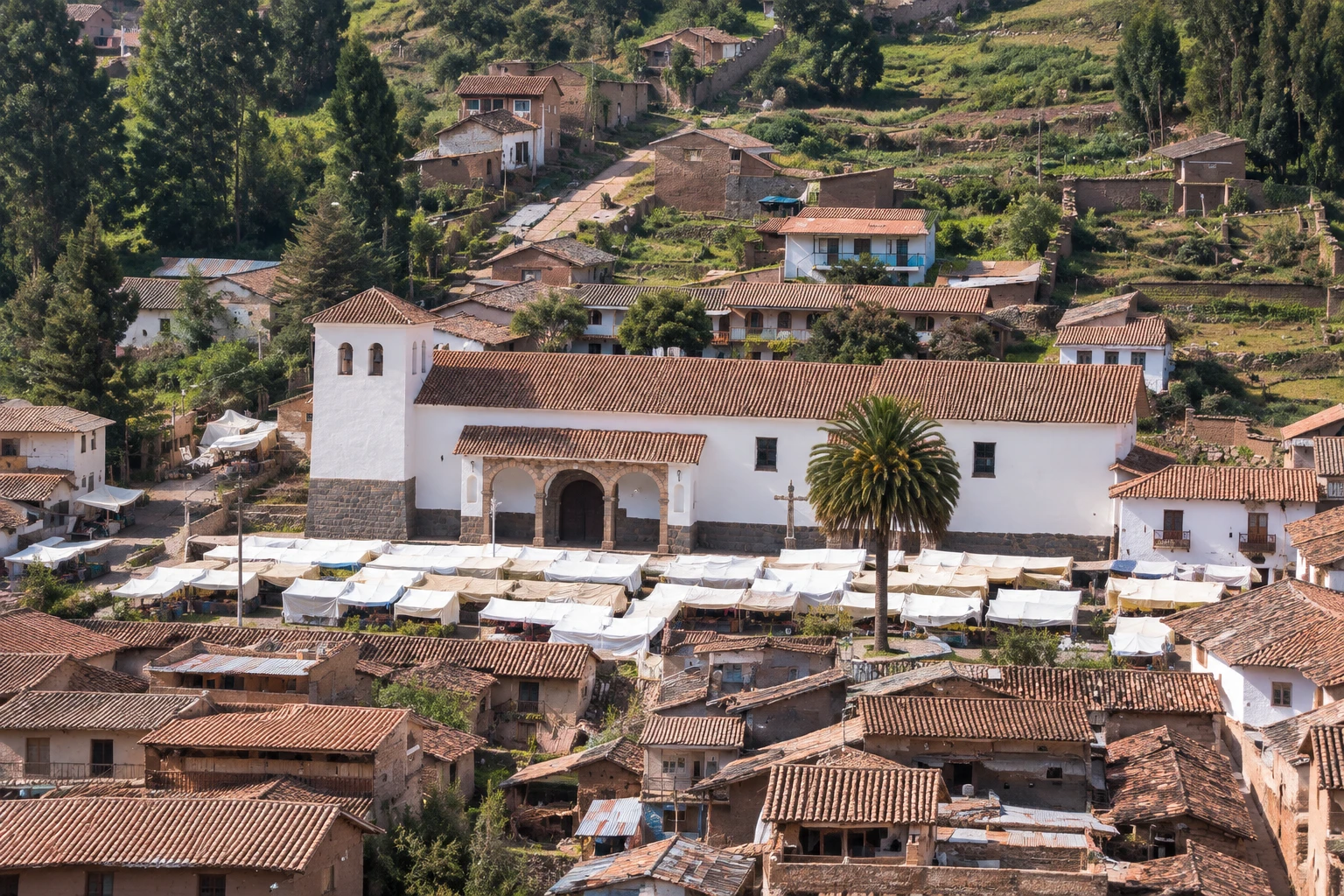
Pisac Market · PisacThe plaza market of Pisac, with stalls selling textiles, ceramics, silver and alpaca goods, and the communities’ fair on Sundays, offering potatoes, corn and fruits that are sti...
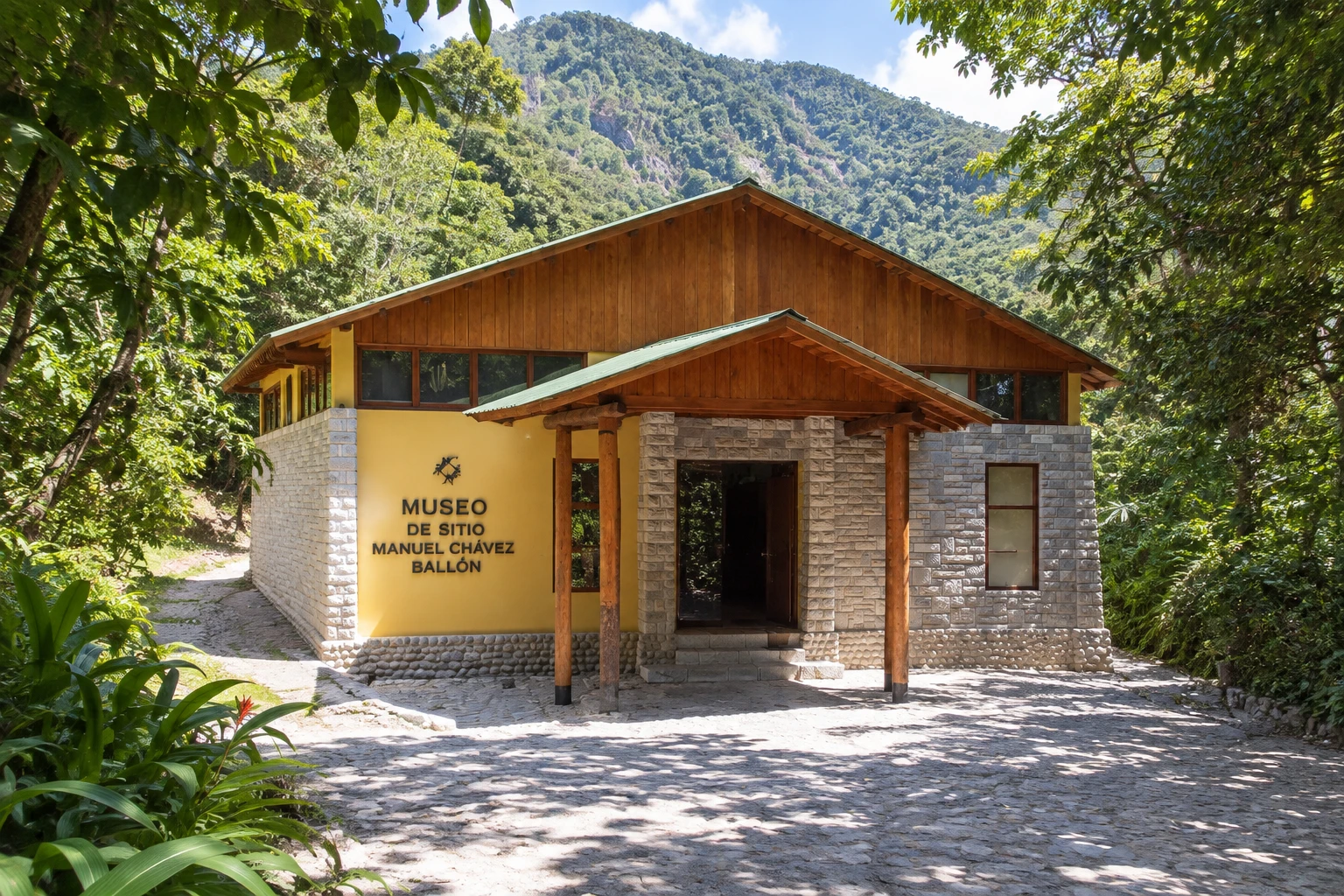
Manuel Chávez Ballón Site Museum · Aguas CalientesThe Machu Picchu site museum, next to Puente Ruinas at the foot of the mountain, with excavation finds, models of the citadel and a botanical garden of high-jungle plants.
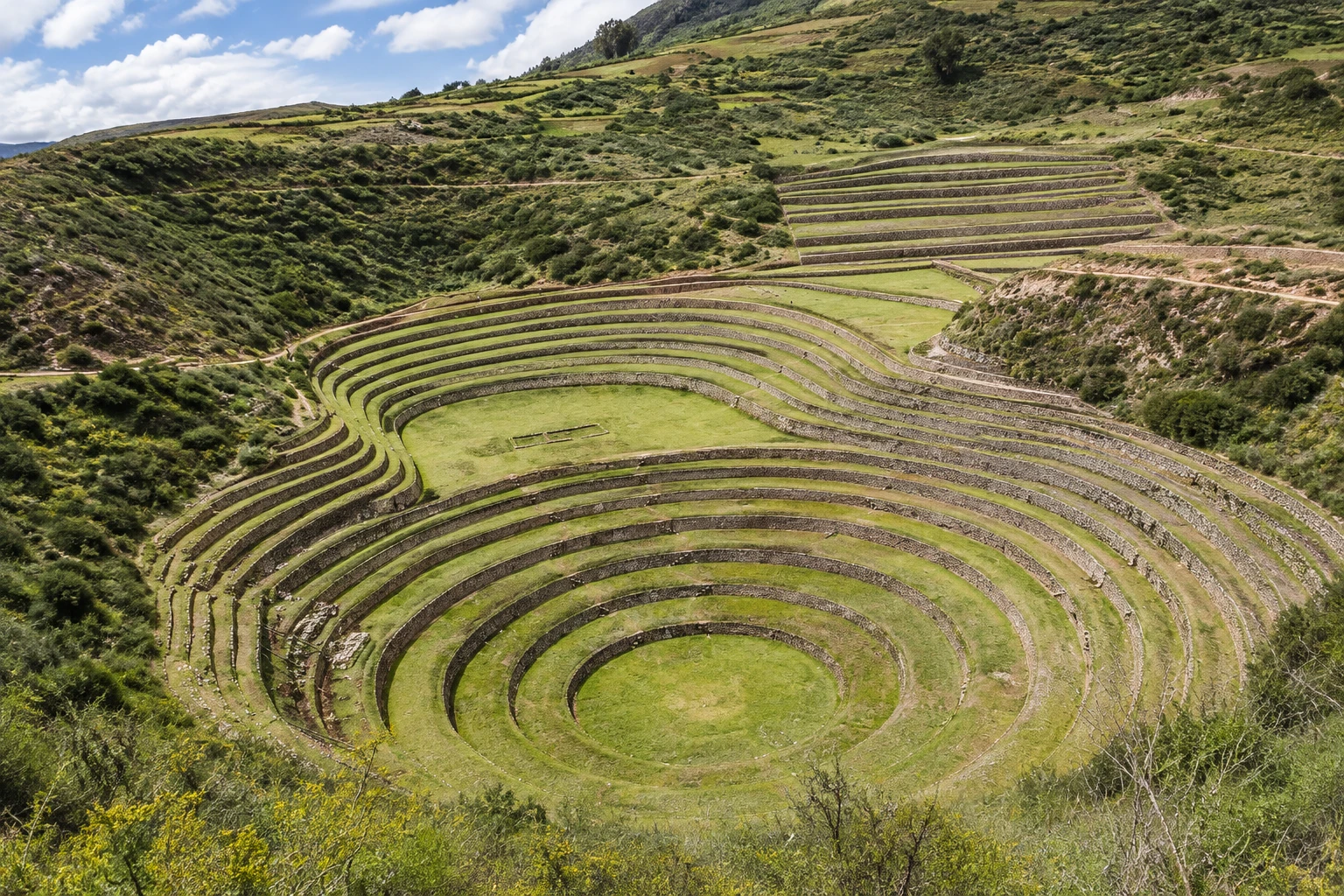
Moray · OllantaytamboInca terraces in concentric circles within natural depressions of the high plateau, at about 3,500 m, with up to 30 m of depth.
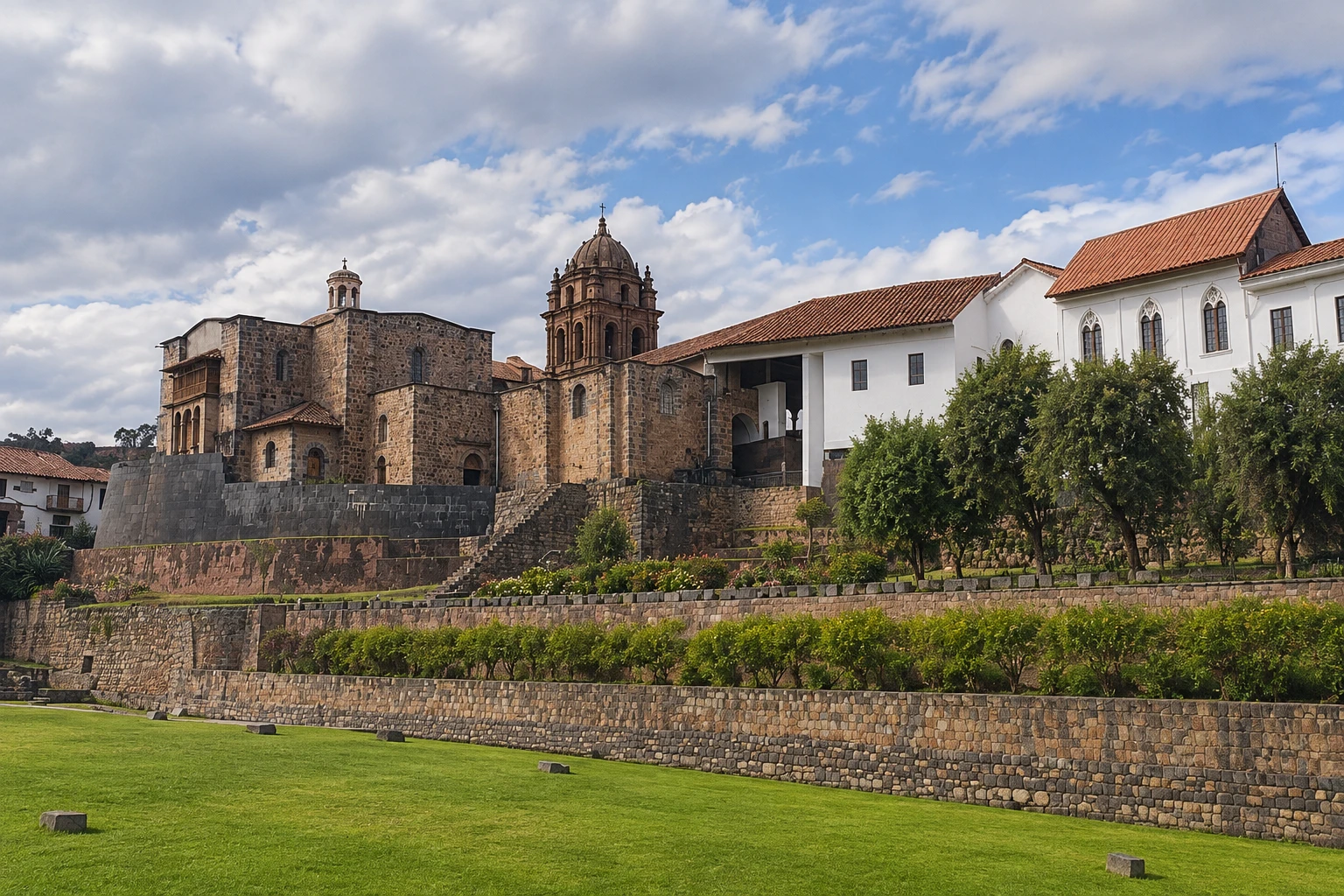
Qorikancha · CuscoThe Inca Temple of the Sun, once covered in gold during the empire, with fitted stone walls beneath the Dominican convent of Santo Domingo.
The terraces and the Temple of the Sun above the village, with six pink stone monoliths brought from a quarry on the other side of the river. It was there that Manco Inca resisted the Spanish in 1537.
An Inca complex high on the mountain above the village, with curved terraces, the Intihuatana temple of fitted stone, residential neighborhoods and the largest known Inca cemetery, set in the cliffs.
The old Huacaypata of the Incas, the heart of Cusco, with the Catedral, the iglesia de la Compañía de Jesús and manor houses with arcades and wooden balconies around it, and the mountains in the background.
The 15th-century Inca citadel on a ridge between forested mountains, at about 2,430 m, with temples, plazas, terraces and stone houses. World Heritage since 1983; the ticket has a date, time and circuit.
Cathedral built from 1560 to the mid-17th century on top of an Inca palace, with hundreds of paintings of the Cusco school, the Last Supper featuring a cuy on the plate, and the Christ of the Tremors.
The best-preserved inhabited Inca village in Peru, with blocks of stone walls, communal courtyards and water channels running through the streets, and the Pinkuylluna storehouses on the hillside.
The plaza market of Pisac, with stalls selling textiles, ceramics, silver and alpaca goods, and the communities’ fair on Sundays, offering potatoes, corn and fruits that are still partly exchanged by barter.
The Machu Picchu site museum, next to Puente Ruinas at the foot of the mountain, with excavation finds, models of the citadel and a botanical garden of high-jungle plants.
Inca terraces in concentric circles within natural depressions of the high plateau, at about 3,500 m, with up to 30 m of depth. The temperature difference between levels suggests an agricultural testing center.
The Inca Temple of the Sun, once covered in gold during the empire, with fitted stone walls beneath the Dominican convent of Santo Domingo. It has terraced gardens and a site museum.
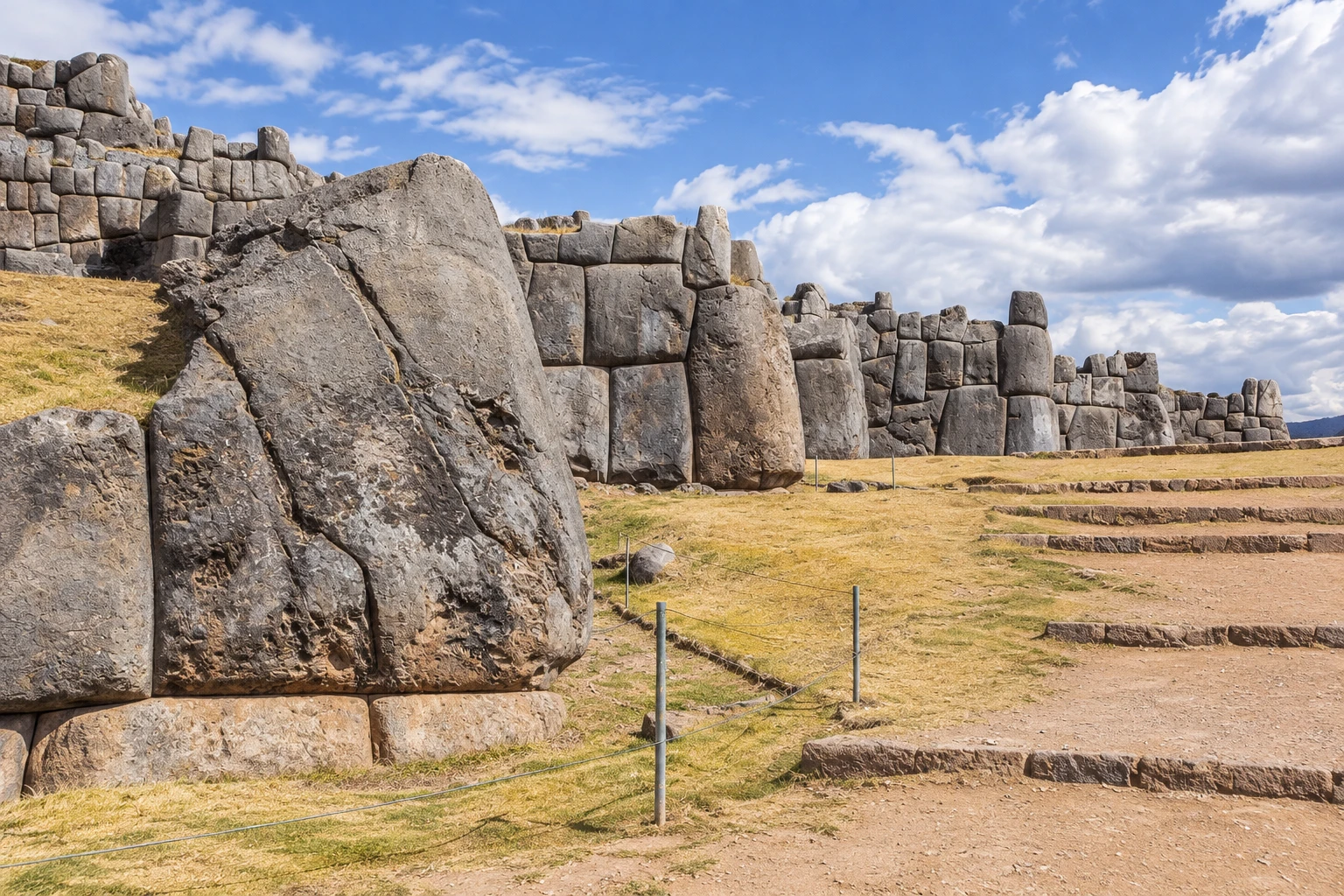
The Inca fortress high above Cusco, at about 3,700 m, with three zigzag walls of stones weighing over 100 tons fitted without mortar and offering a view over the entire city.
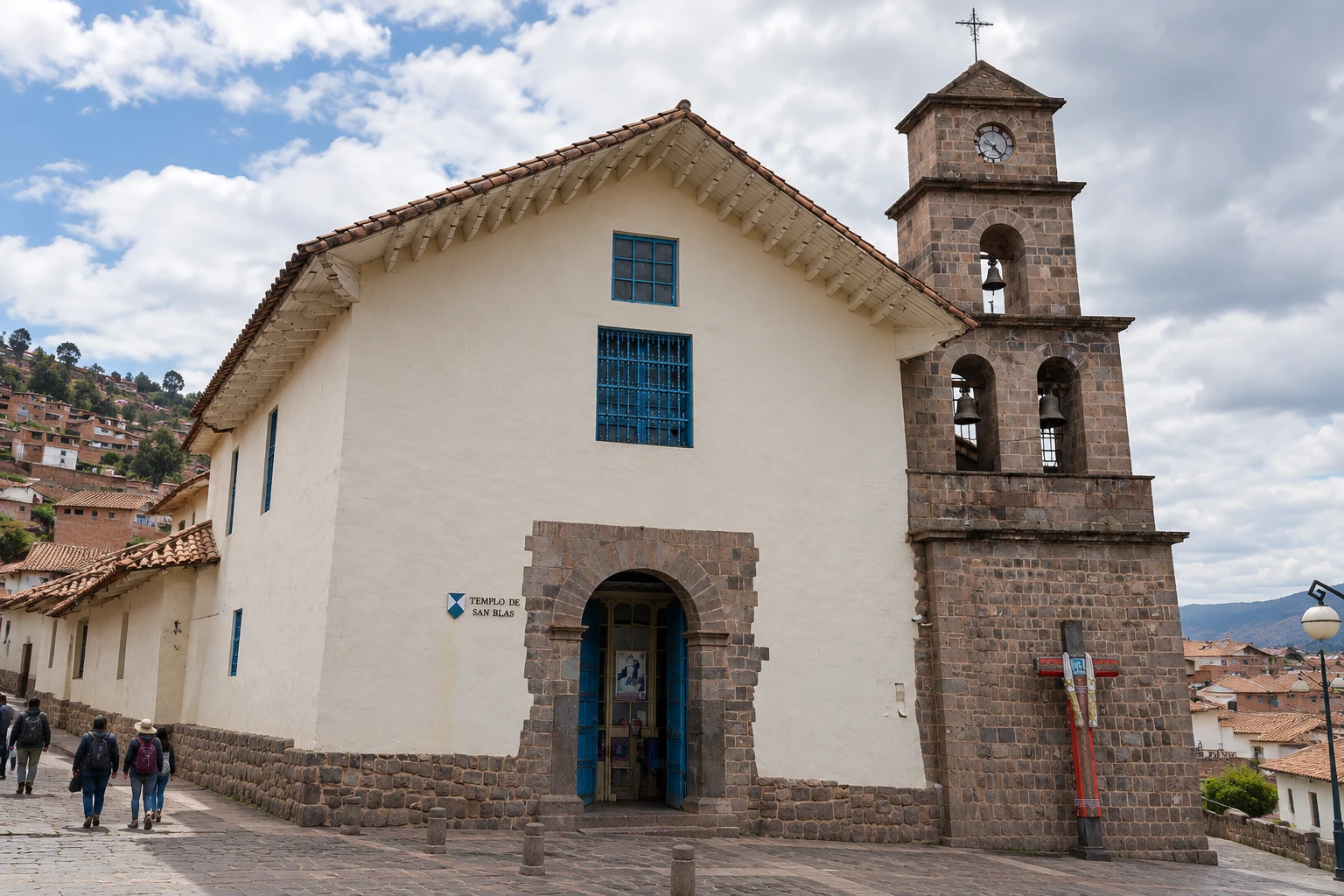
The artisan neighborhood of Cusco, on stone slopes above the Plaza de Armas, with workshops, the church of San Blas and its carved cedar pulpit, and the street Hatun Rumiyoq with the famous 12-angle stone.
The central market of Cusco, under an iron structure from the early 20th century, with stalls selling fruits, potatoes, cheeses, breads, juices and Andean cooked lunches.
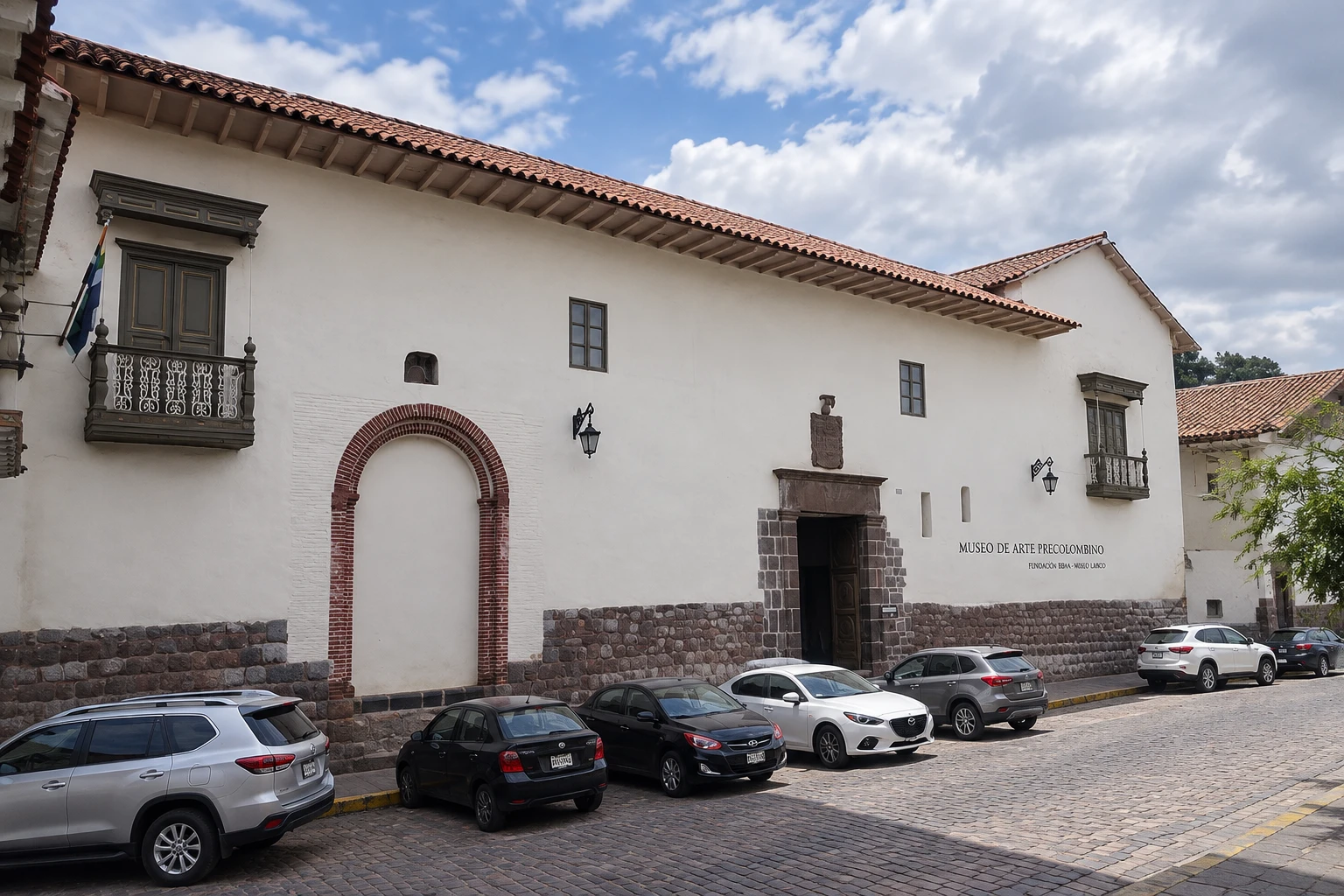
The MAP, in a colonial mansion on the Plazoleta de las Nazarenas, displays about 450 selected pieces from the Museo Larco collection: ceramics, gold, silver and wood from cultures spanning more than three millennia.
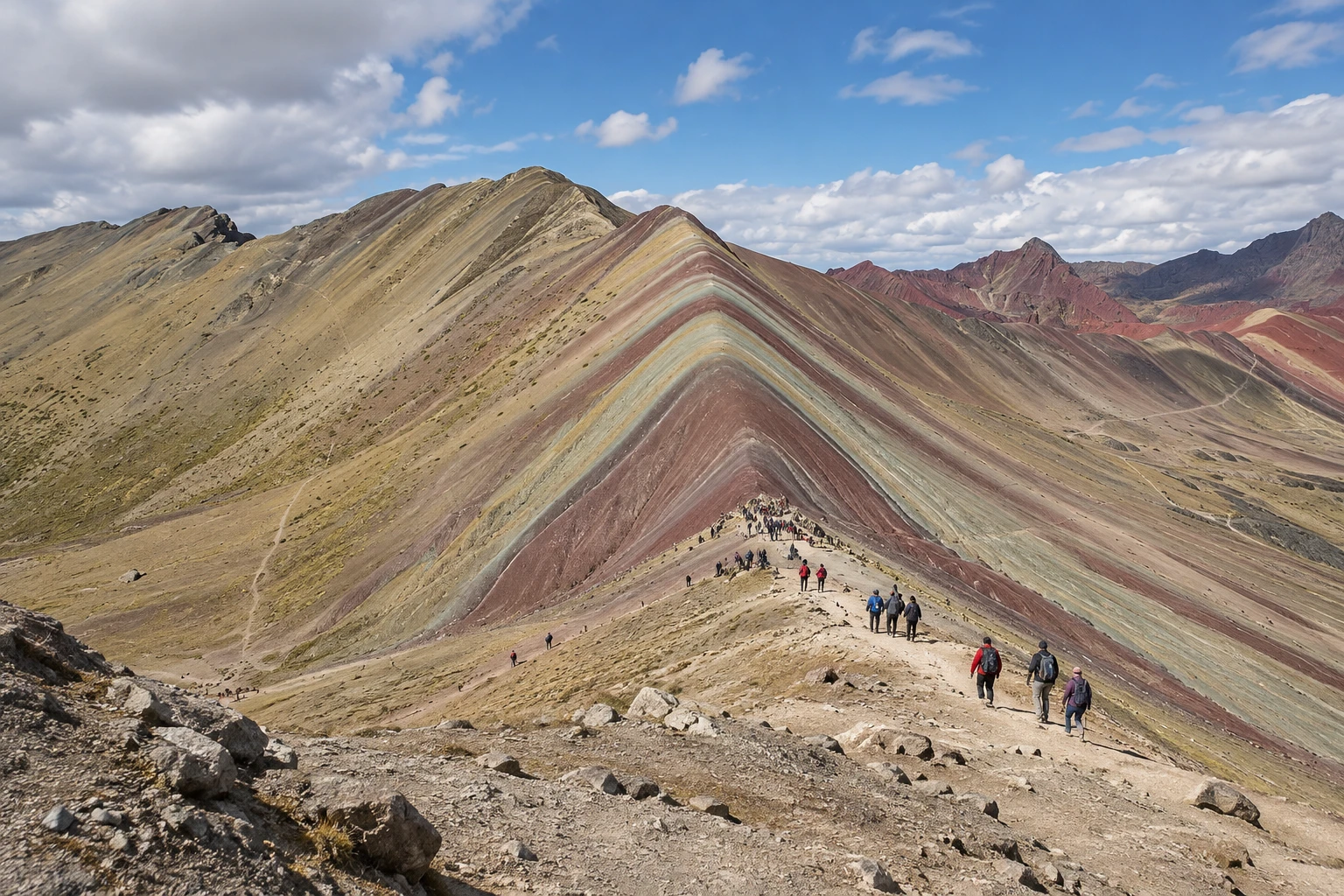
The Montanha Colorida, at 5,036 m, with bands of red, yellow and green minerals, about a 3-hour drive from Cusco. The day tour includes a high-altitude hike.
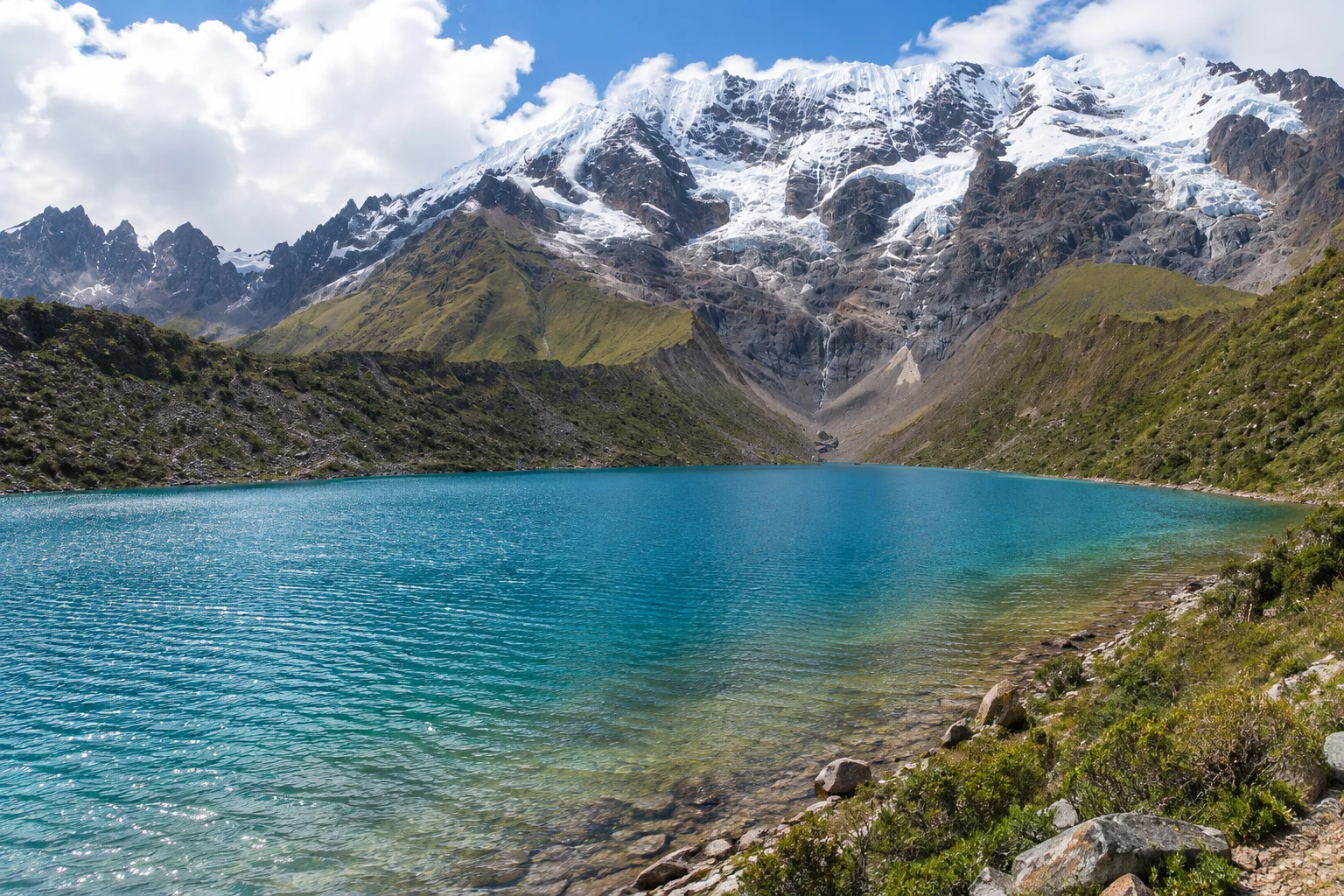
Turquoise-water lagoon at about 4,200 m, at the foot of the Humantay snow peak, in the Vilcabamba range. The day tour leaves Cusco at dawn and includes a hike of about 1½ hours.


 Brazil
 Antarctica
 Argentina
 Bolivia
 Chile
 Colombia
 Ecuador
 Falkland Islands (Malvinas)
 French Guiana
 Guyana
 Paraguay
 Suriname
 Uruguay
 Venezuela
 Austria
 Belgium
 Croatia
 Denmark
 Finland
 France
 Germany
 Greece
 Hungary
 Iceland
 Ireland
 Italy
 Luxembourg
 Norway
 Poland
 Portugal
 Slovakia
 Slovenia
 Spain
 Sweden
 Switzerland
 the Czech Republic
 the Netherlands
 the United Kingdom
 Turkey
 Bermuda
 Canada
 Greenland
 Mexico
 Saint Pierre and Miquelon
 the United States
 the Dominican Republic
 Japan
 Egypt
 South Africa
 Australia
 Fiji
 New Zealand
 Papua New Guinea