Alta
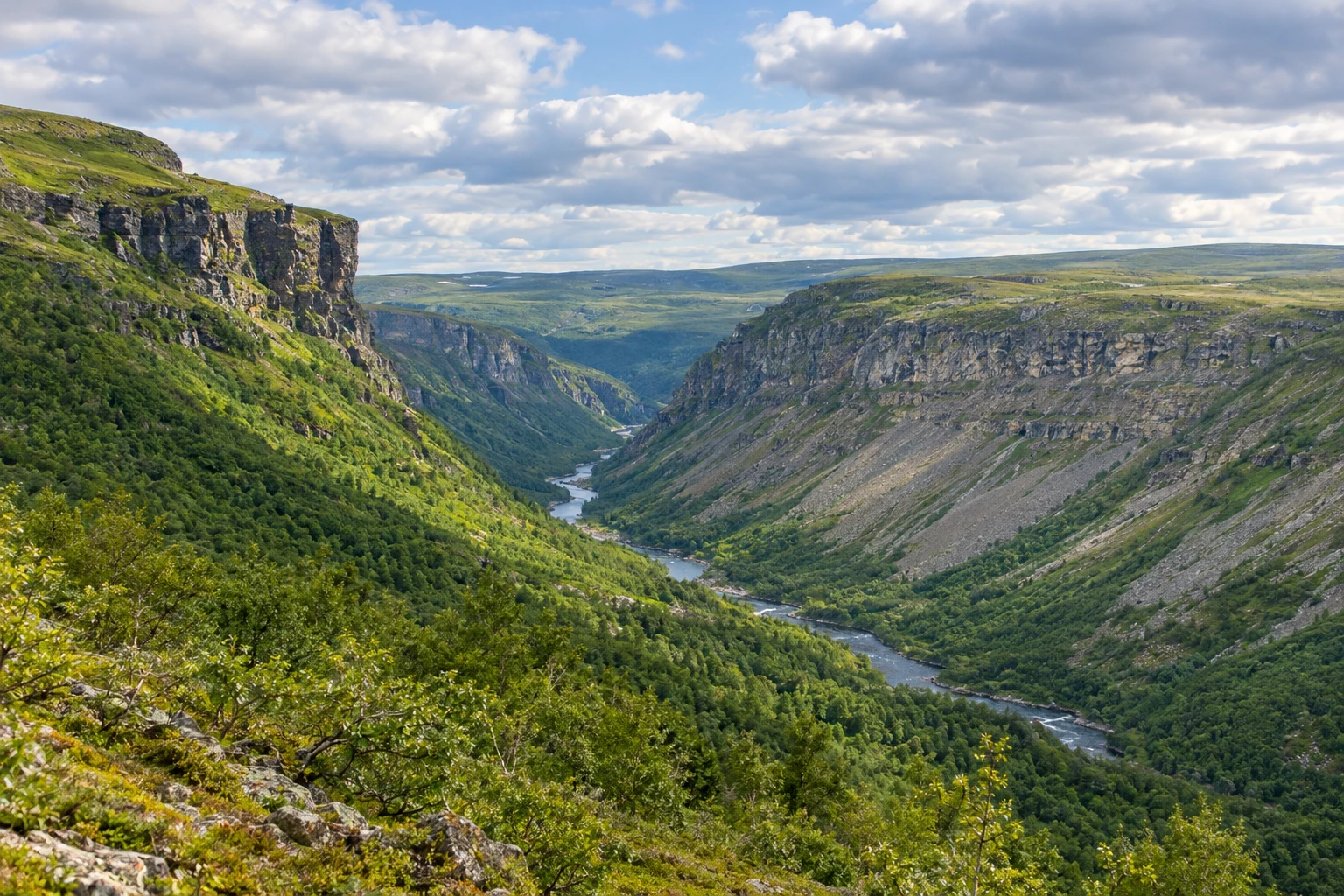
The aurora borealis city in Finnmark: the rock carvings of Hjemmeluft, a World Heritage Site, the Catedral da Aurora Boreal in spiral form, and the Sautso canyon on the way to Cabo Norte.
Antarctica
Norway travel guide
What to do, when to go and how to get there, destination by destination.
21 destinations · 27 citiesin Norway
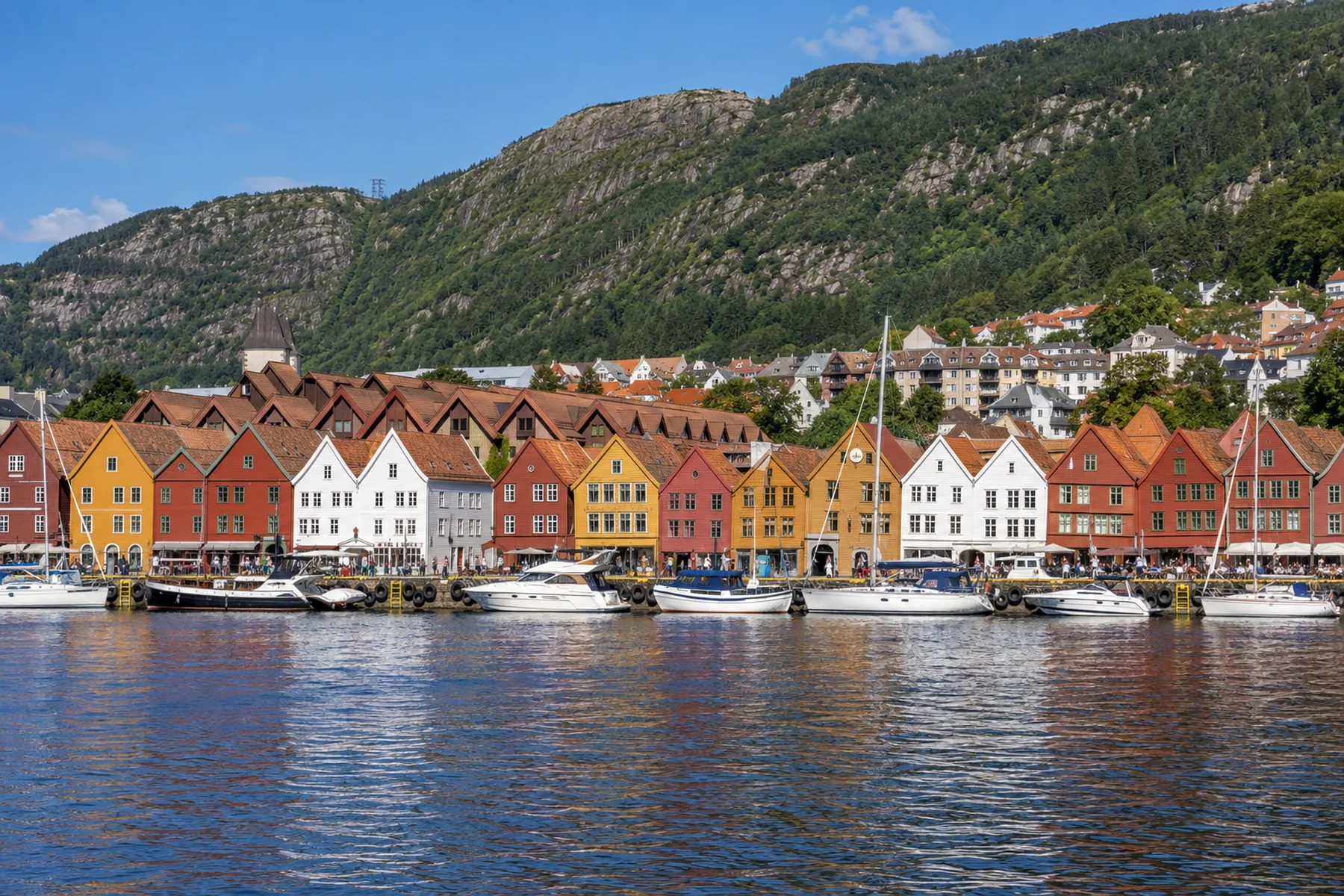
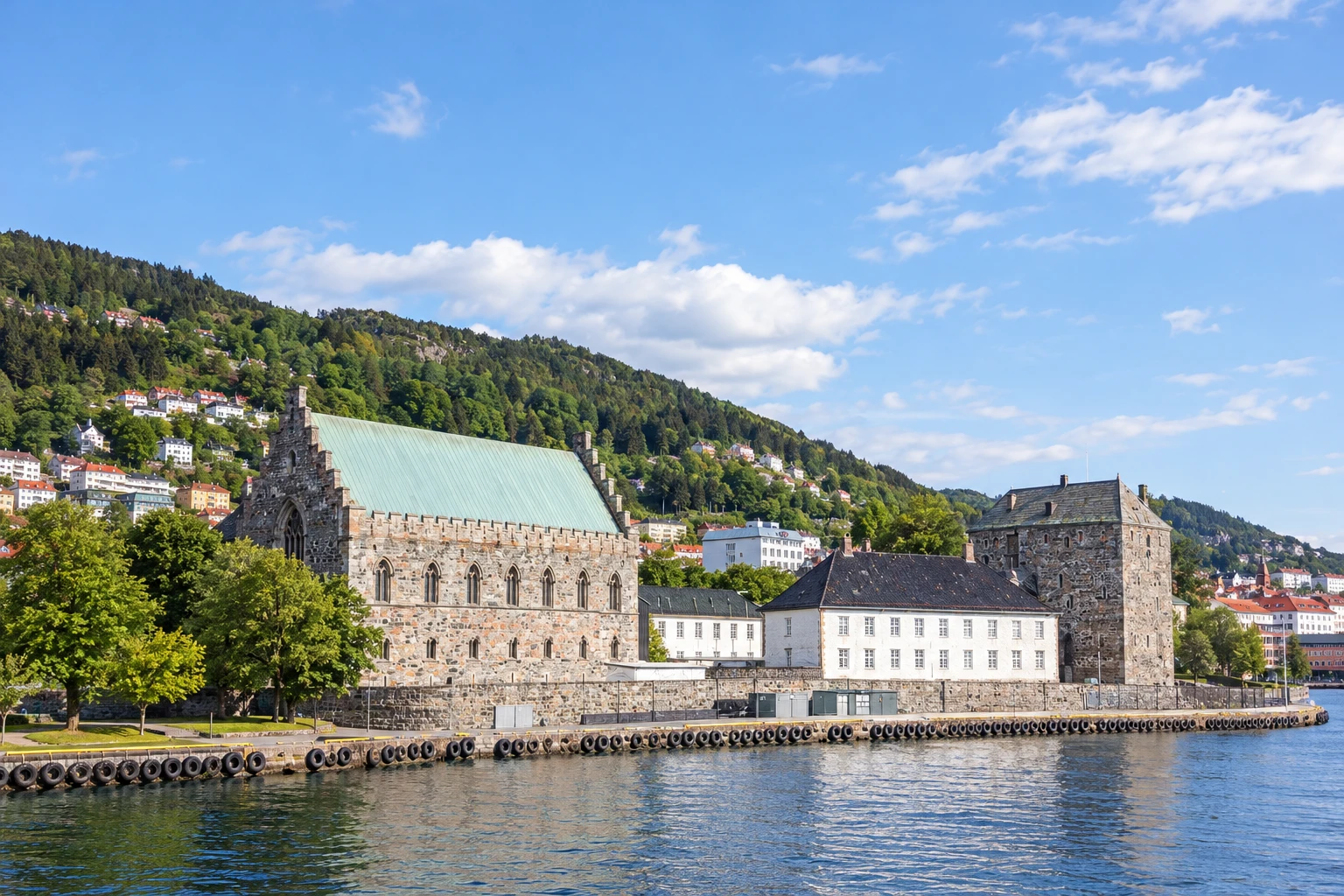
In the photo: Bryggen — Bergen
Illustrative images. The pictures in this guide are illustrations based on the real place, not photographs, and may differ from it.
A destination is a region you visit as a single trip: it can bring together several cities or be a large city with everything it offers. Each destination has the tours, the itineraries, the best time to go month by month and how to get there.
The guide currently has 21 destinations, with 27 cities in 11 counties.
Today's highlights
A destination is more than a city: it's everything you can experience there.
The aurora borealis city in Finnmark: the rock carvings of Hjemmeluft, a World Heritage Site, the Catedral da Aurora Boreal in spiral form, and the Sautso canyon on the way to Cabo Norte.
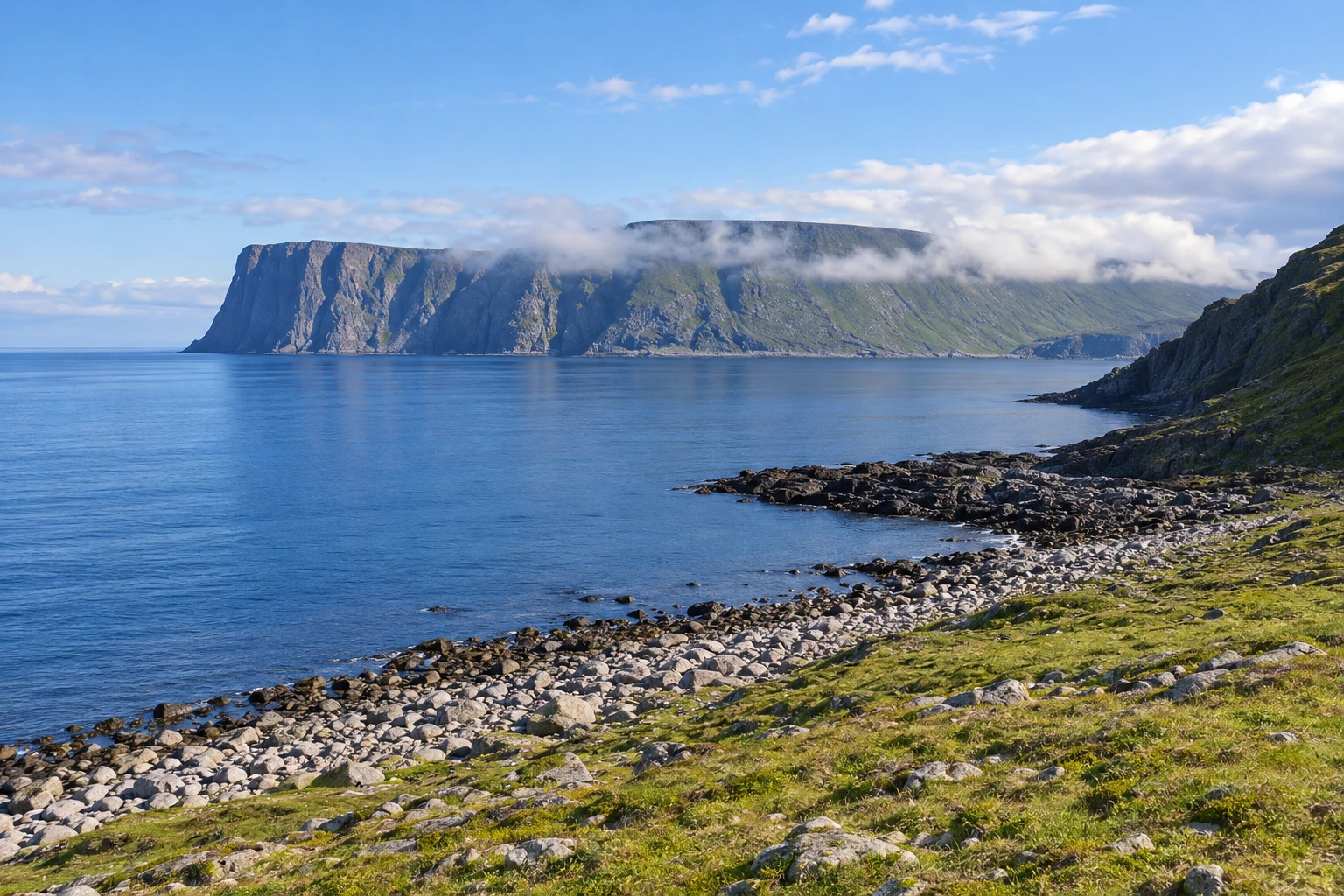
The 307-meter cliff above the Barents Sea on the island of Magerøya: the metal globe, the visitor centre, the midnight sun and the birds of Gjesværstappan.
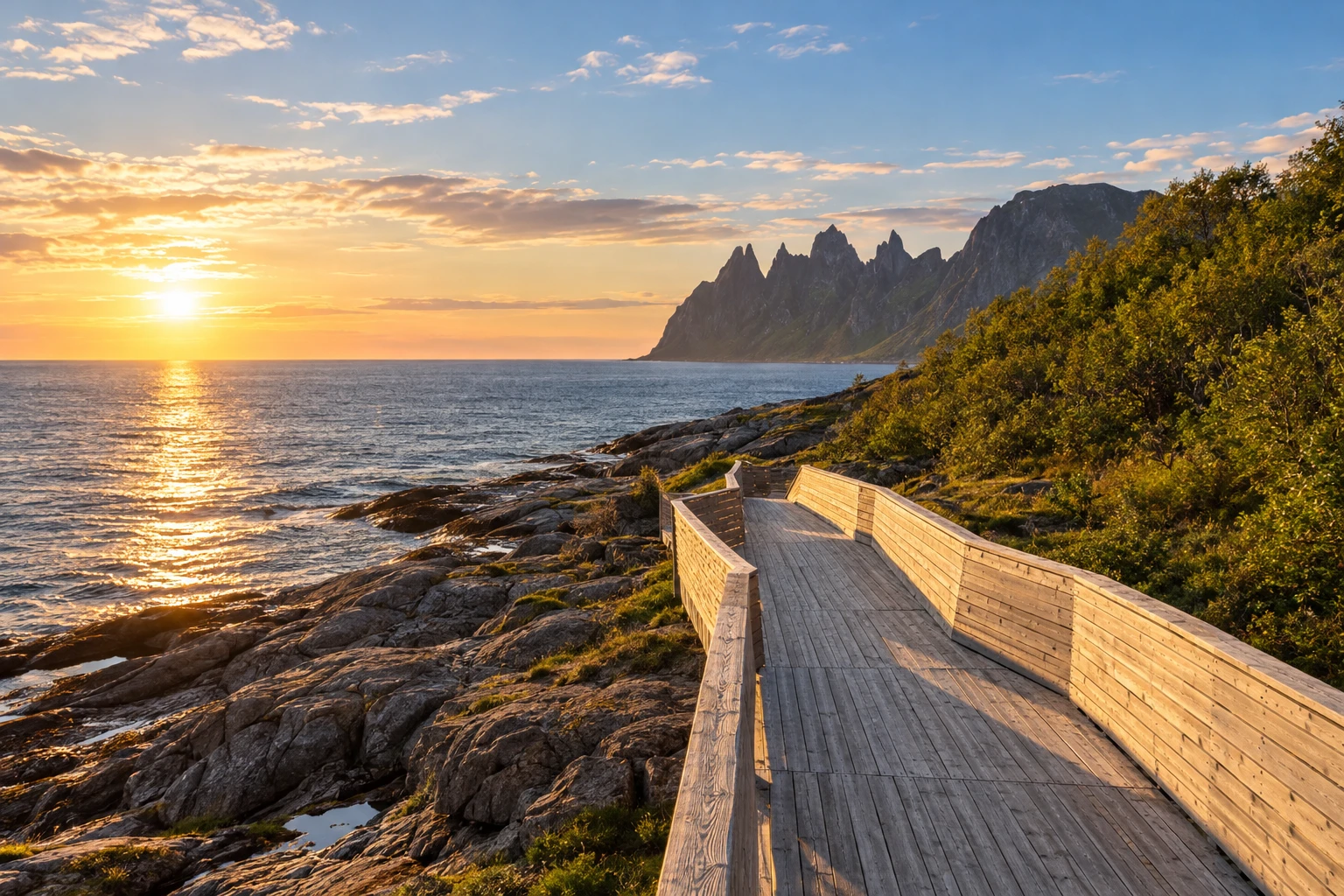
The island's outer coast between fjords and mountains: the walkways of Tungeneset, the Bergsbotn viewing platform and the sand of Ersfjordstranda.
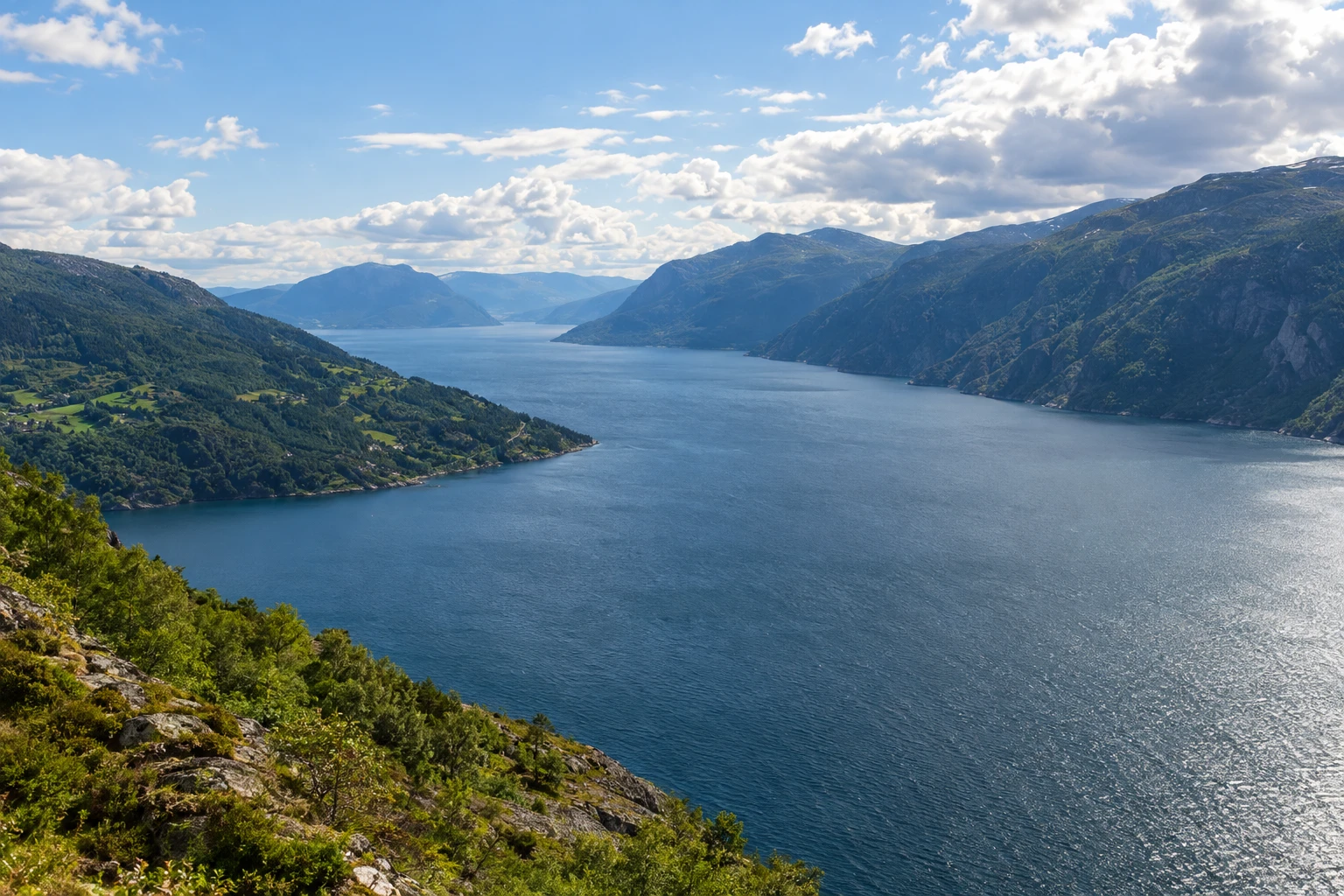
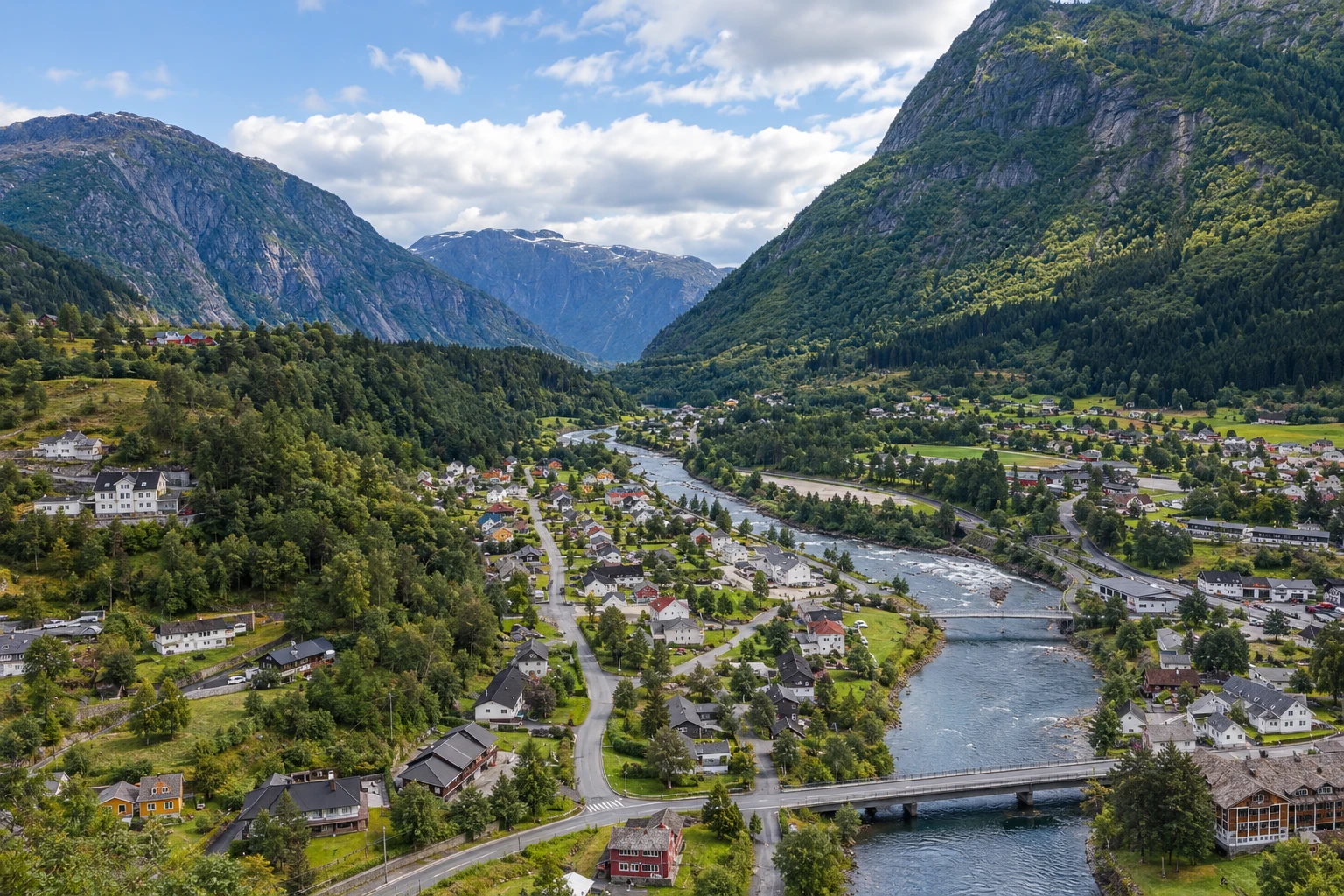
The orchard fjord, between the Folgefonna glacier and the Hardangervidda plateau: the Trolltunga trail, the Vøringsfossen waterfall, the Hardanger Bridge and the apple trees of Lofthus.
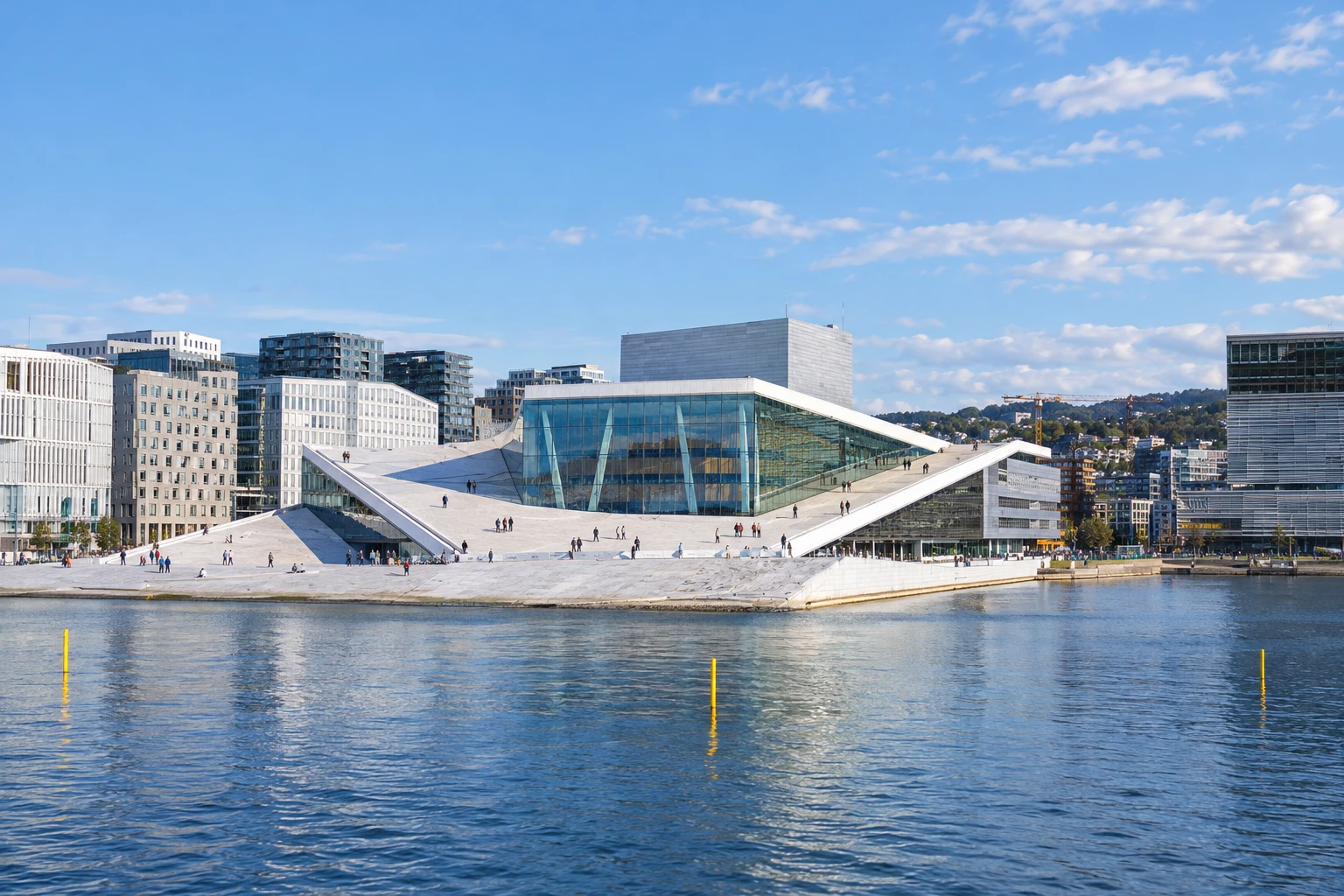
The capital of Norway at the end of the Oslofjord: the Ópera with a marble roof, the Munch, Parque Vigeland, the ship museums of Bygdøy and the Holmenkollen forest half an hour from the center.
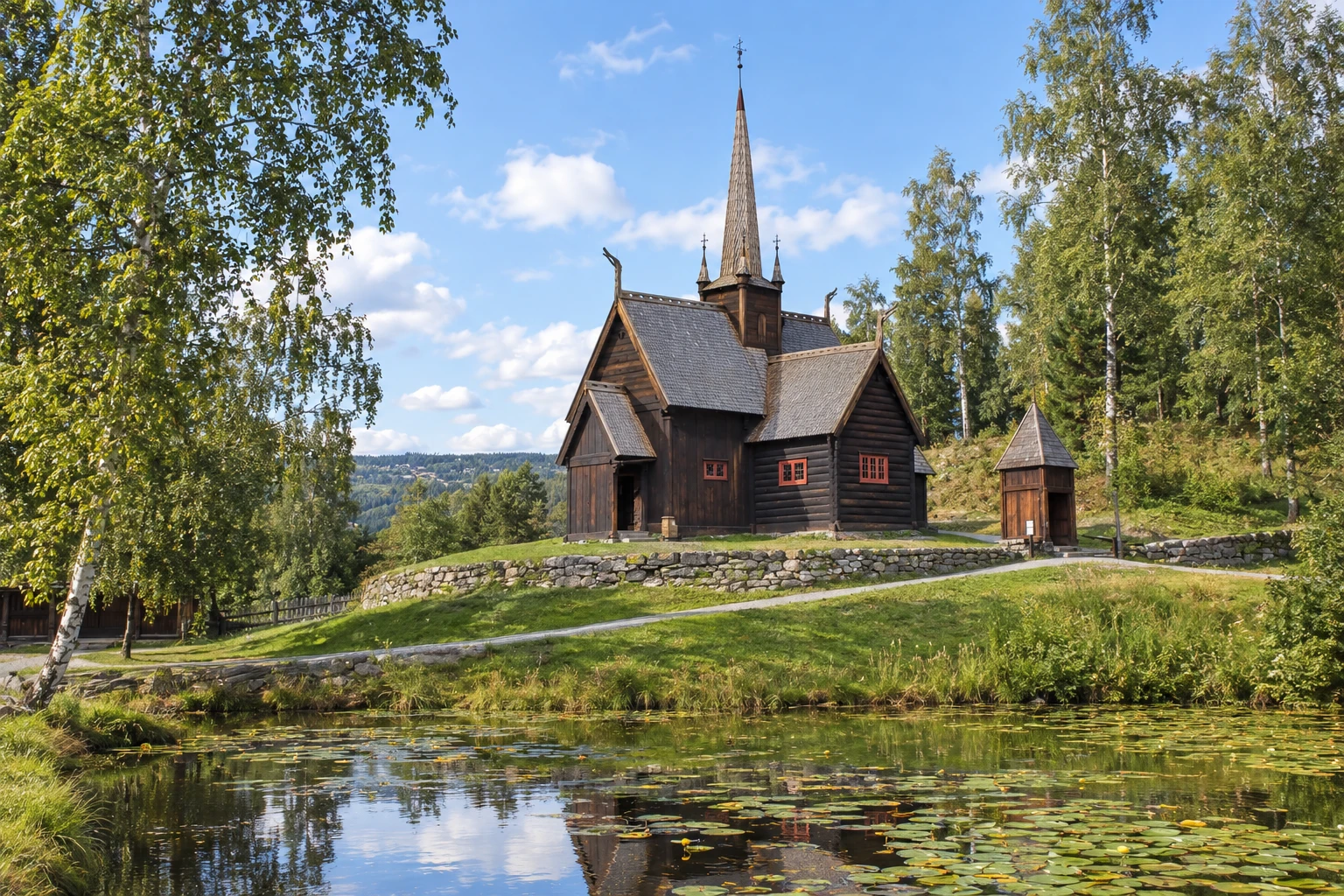
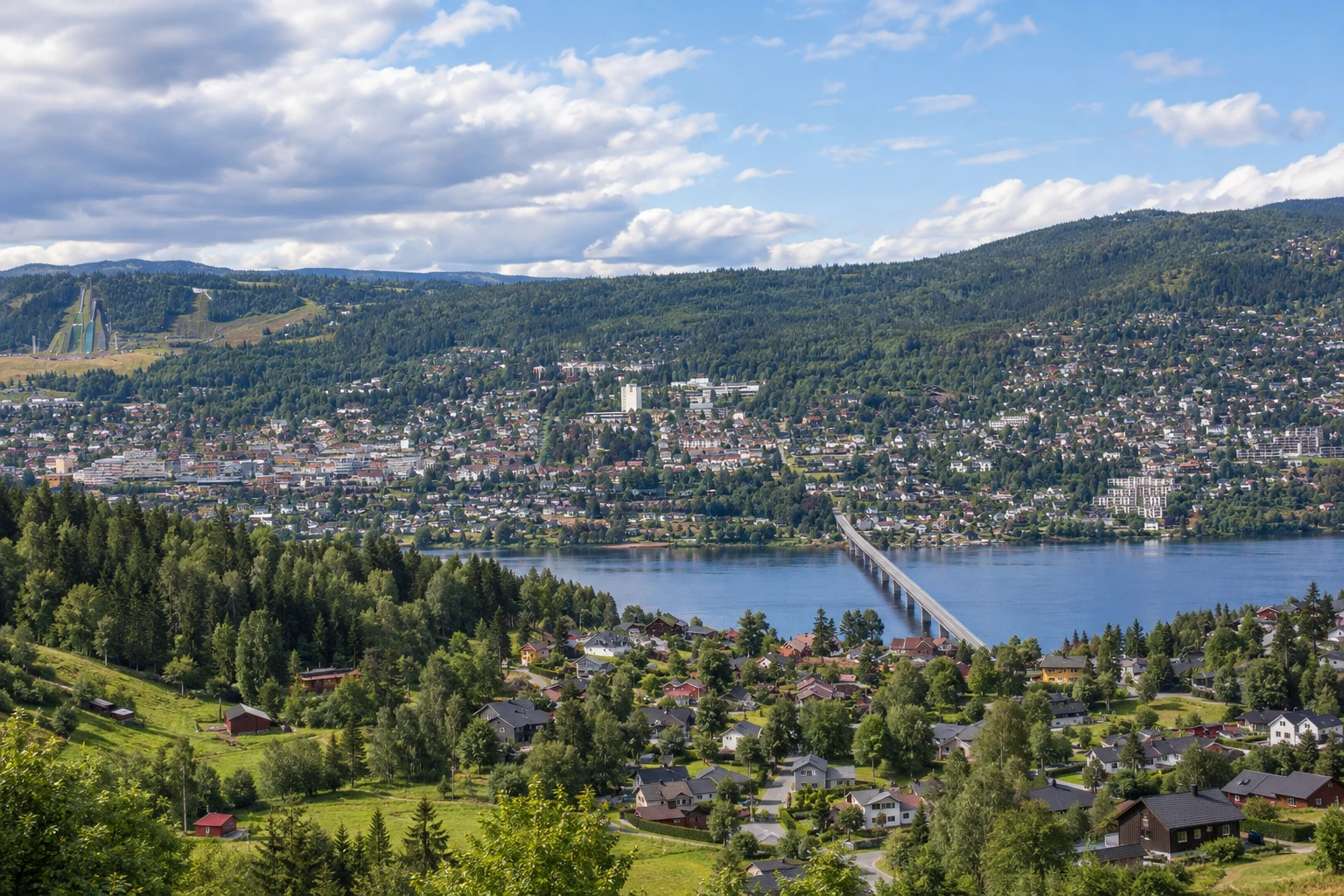
Wooden houses, the Maihaugen open-air museum, Norwegian art and the Winter Games facilities in the Mjøsa valley.
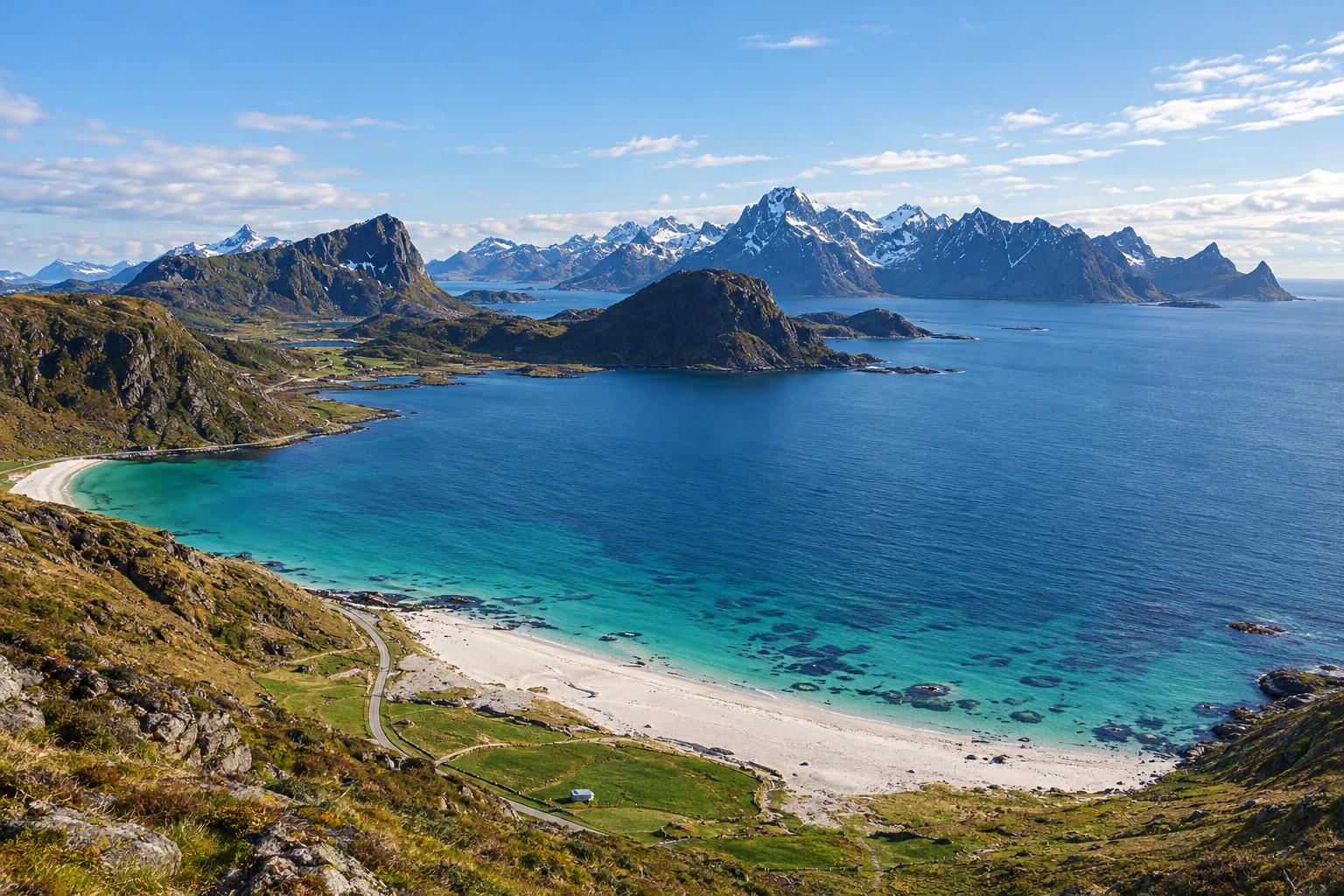
The archipelago of mountains rising from the sea above the Polar Circle: fishing villages with red stilt houses, racks of dried cod, white sand beaches and the Viking museum at Borg.
The city of seven hills on the west coast, gateway to the fjords: the Hanseatic quay of Bryggen, the Fløyen funicular, the fish market and Grieg's house on the lakeshore.
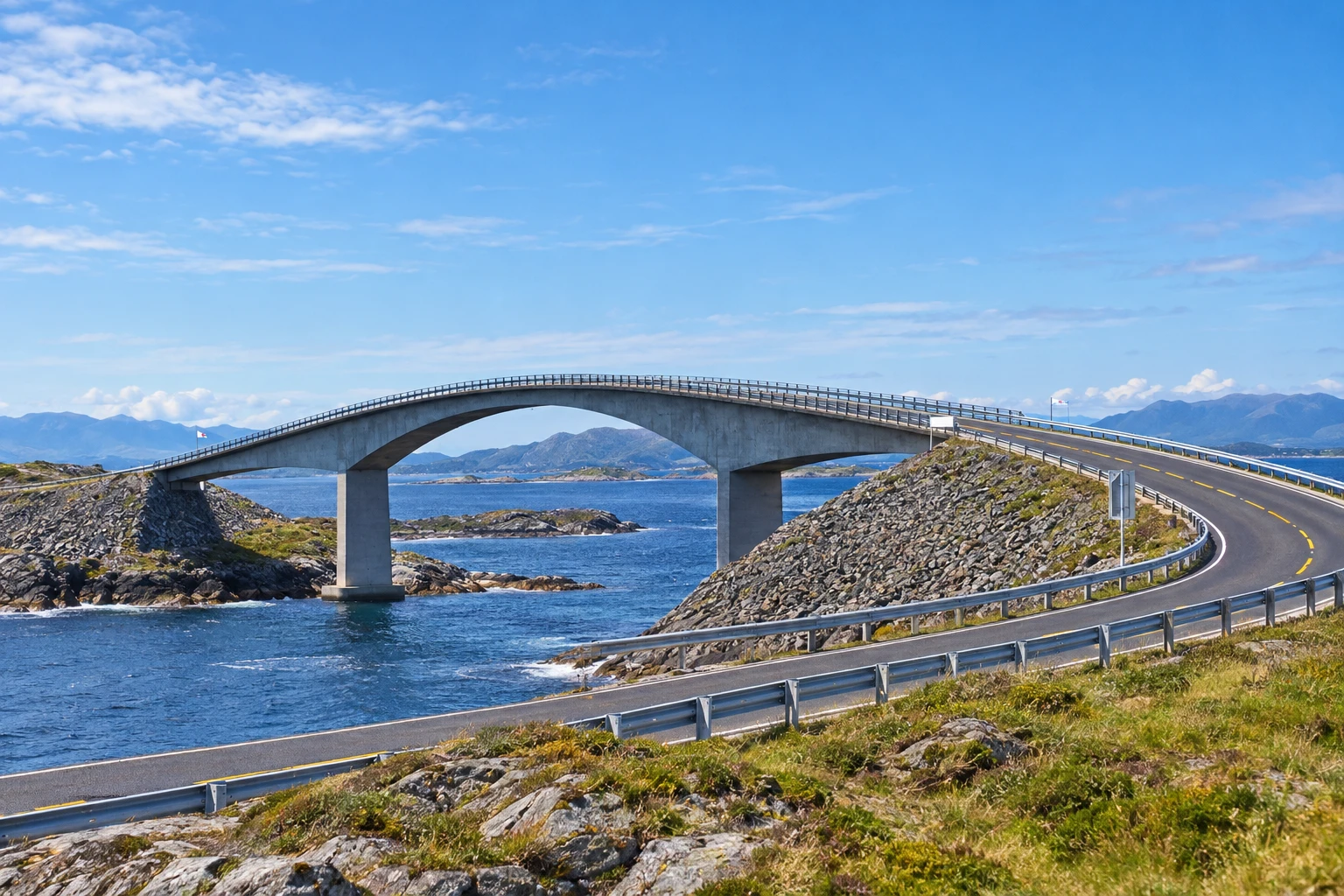
The city of roses facing 222 peaks of Romsdal and the Estrada do Atlântico, which leaps from islet to islet over eight bridges, with the Storseisundet curve and the village of Bud.
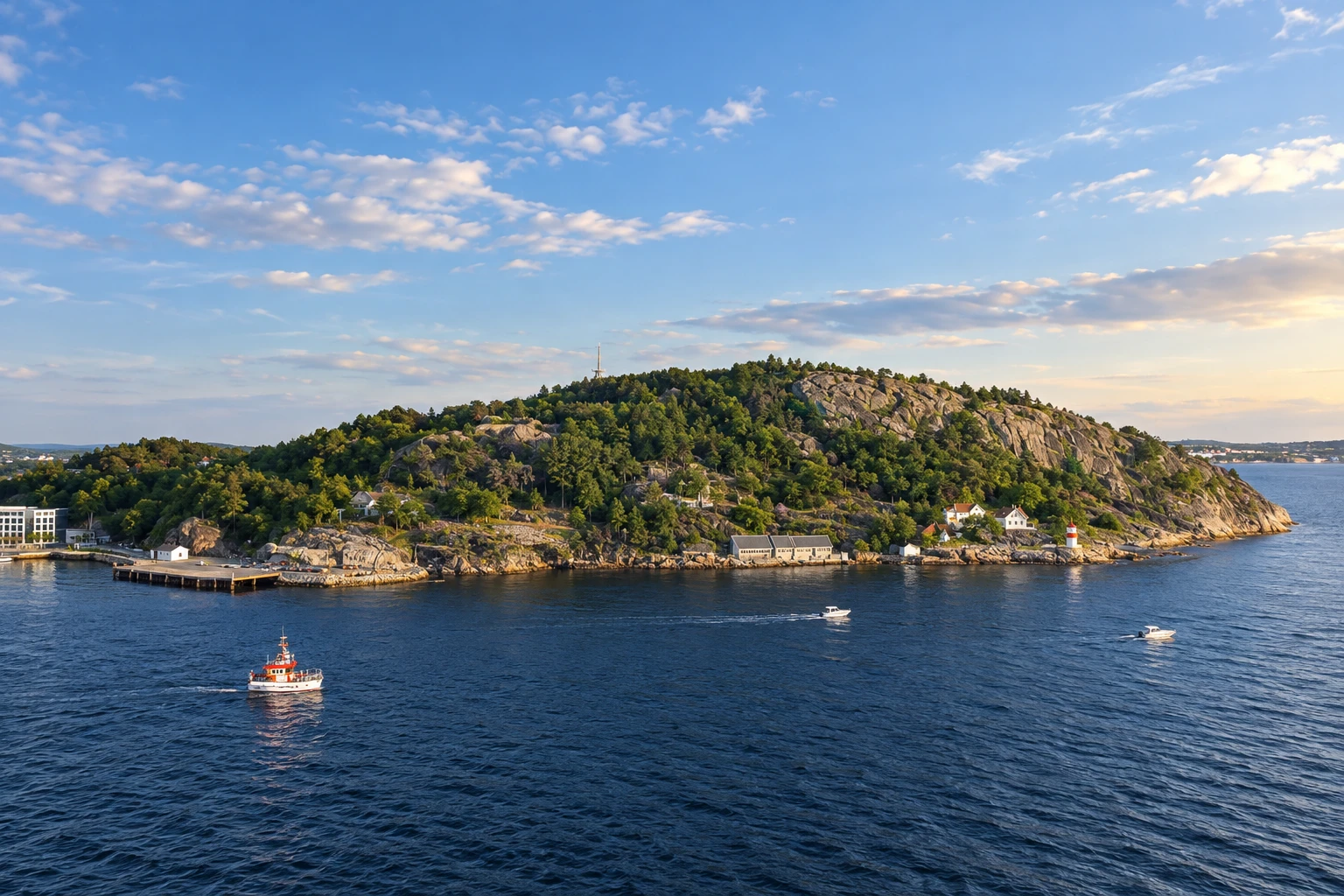
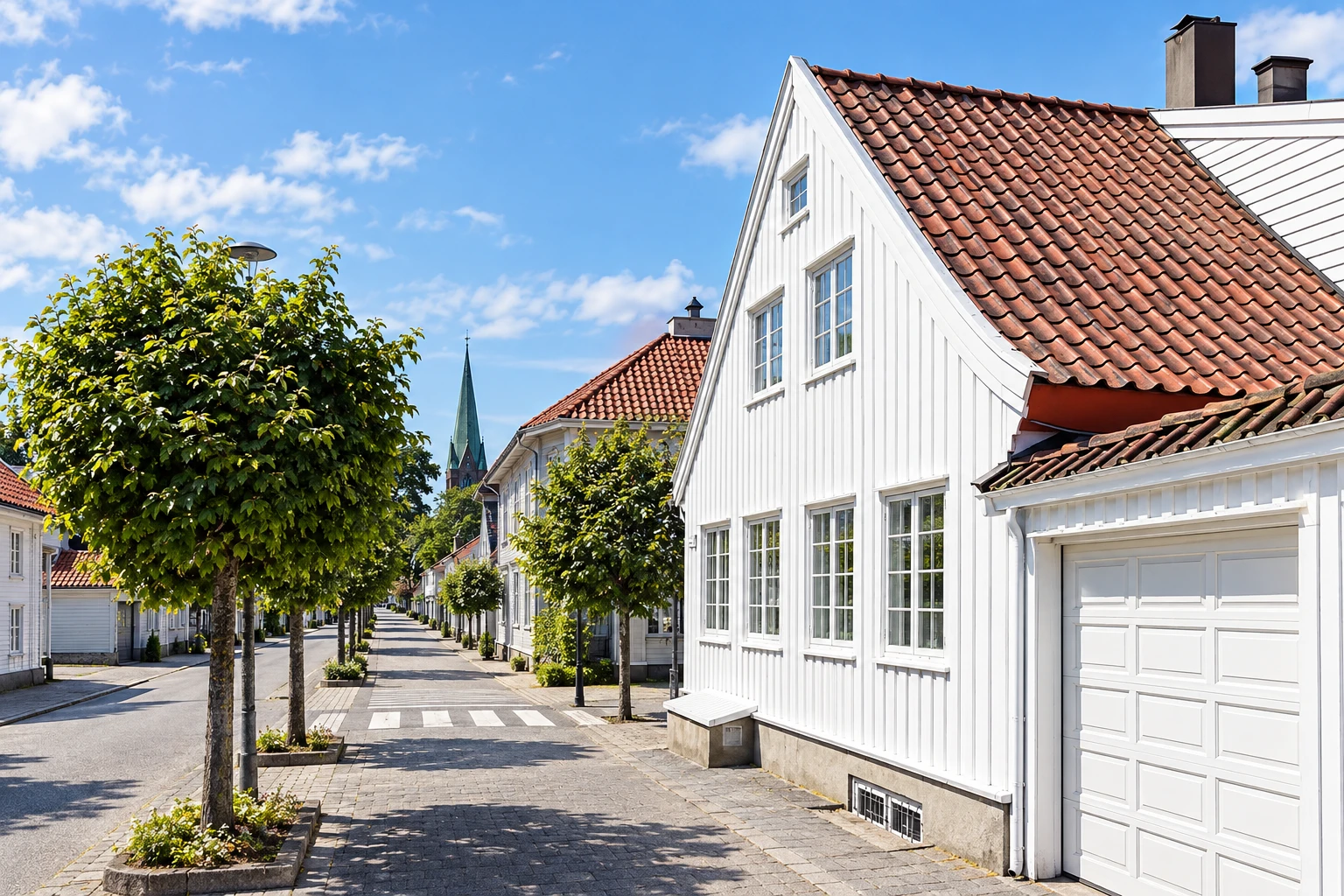
The southern coast with the wooden houses of Posebyen, the walks of Odderøya, the art at Kunstsilo and a leisure day at Dyreparken.
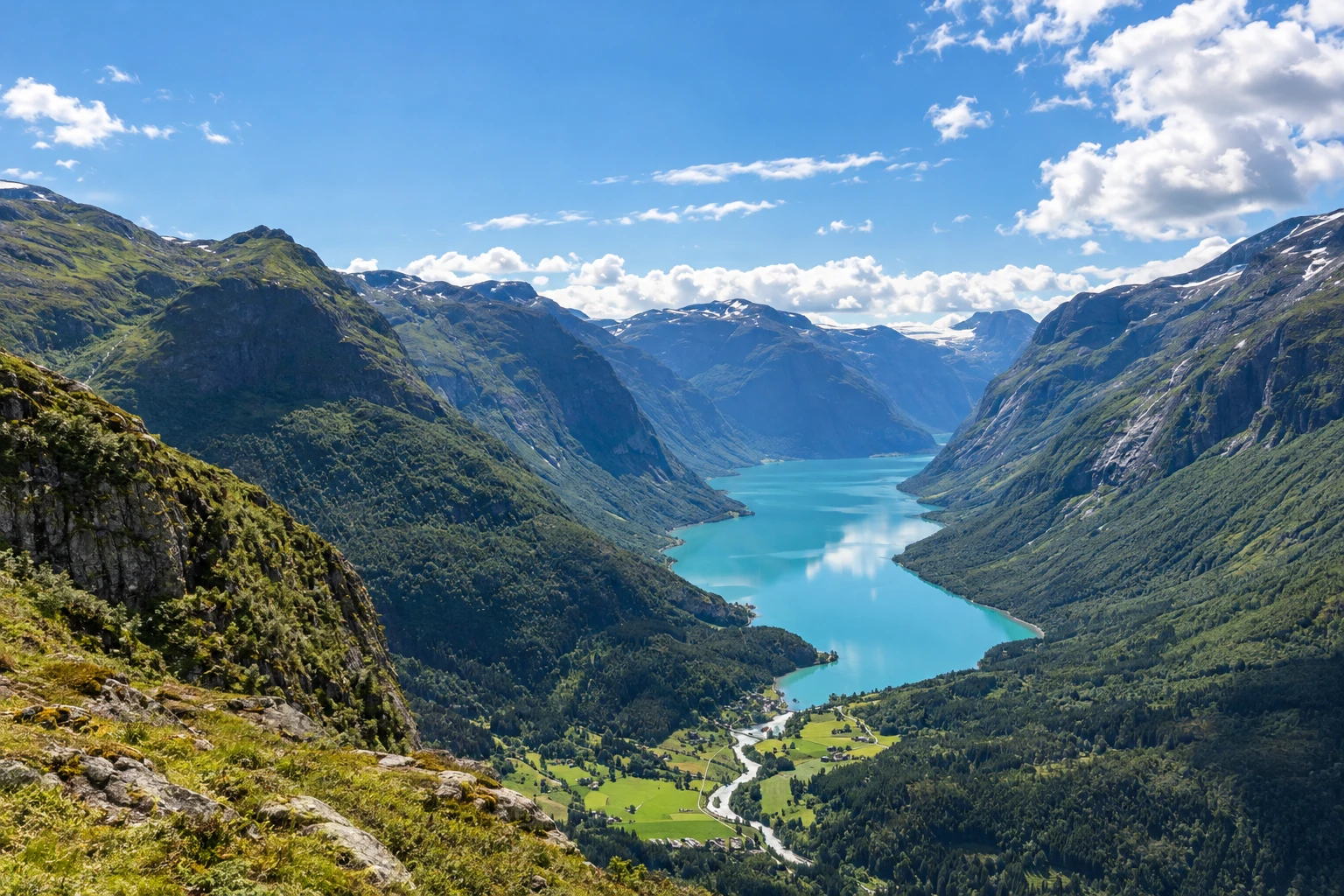
The valleys of Loen and Olden, in the Nordfjord, beneath the Jostedalsbreen glacier: the Loen Skylift cable car to Mount Hoven, the greenish lakes and the Briksdal and Kjenndal glacial tongues.
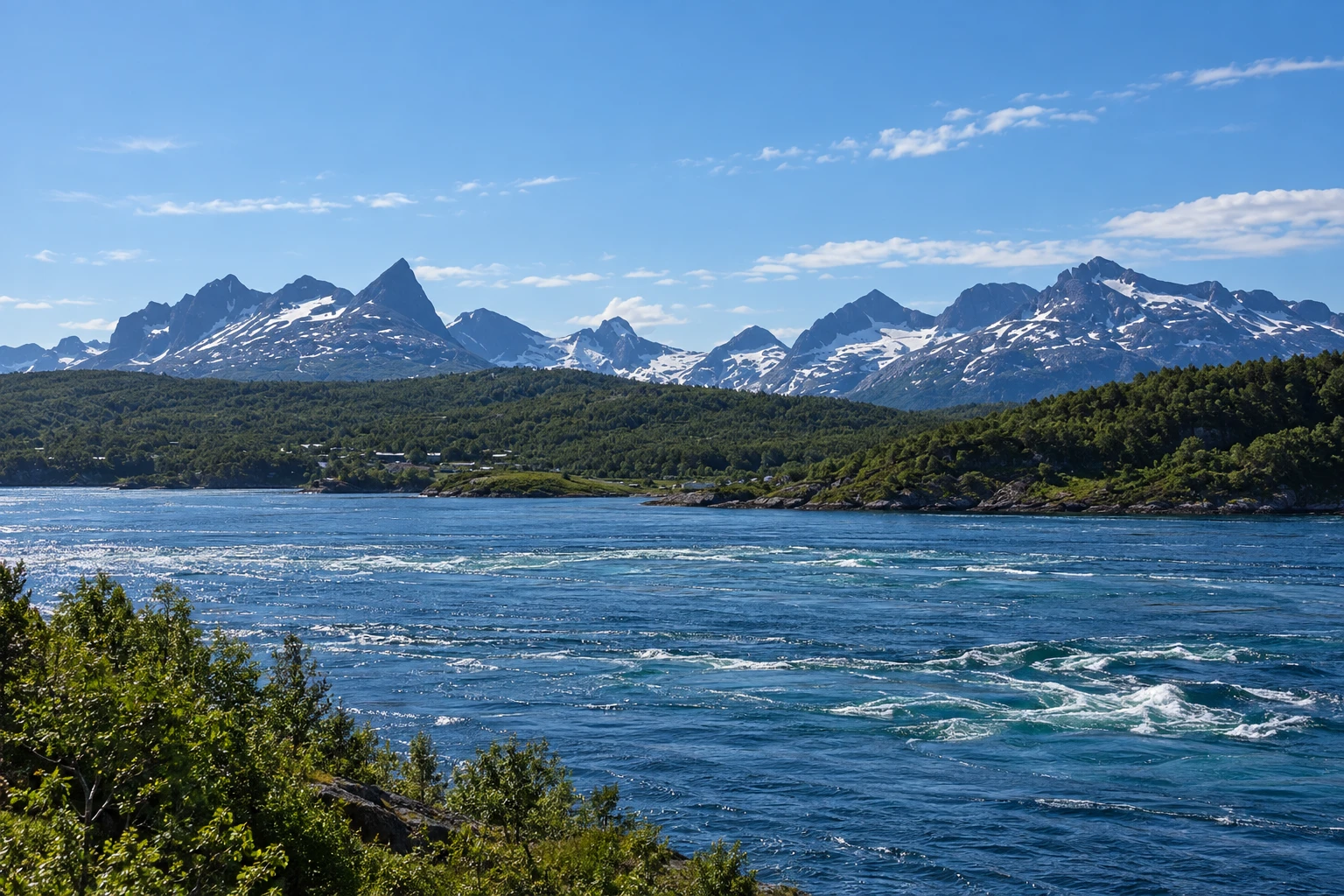
The coastal base of Nordland, the tidal current of Saltstraumen, and the museums that present aviation and maritime trade.
Cities to start with
Each city has a page with what to do there.

Kristiansand is a base on Norway’s southern coast, with a center laid out in blocks beside the port. Posebyen preserves wooden houses; Odderøya offers trails and the Kunstsilo museum. Dyreparken is outside the center and requires its own day.

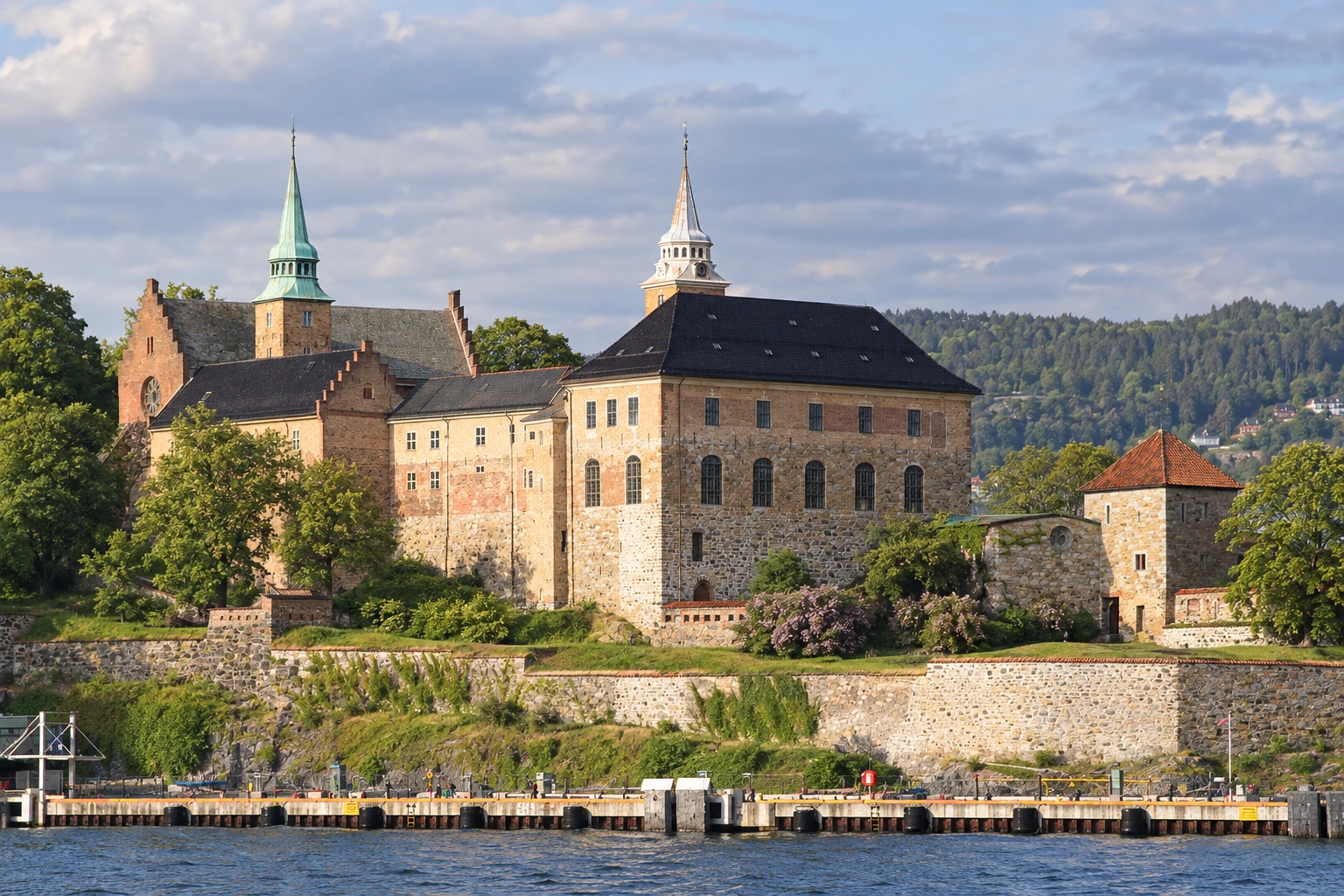
Oslo is the capital of Norway, at the end of the Oslofjord, with a compact center between the central station, Karl Johans gate and the harbor. It brings together the Ópera with a walkable roof, the MUNCH, the Museu Nacional, the fortress of Akershus, Parque Vigeland and, in Bygdøy, the Fram, Kon-Tiki and Folklore museums. It is the country's main gateway.

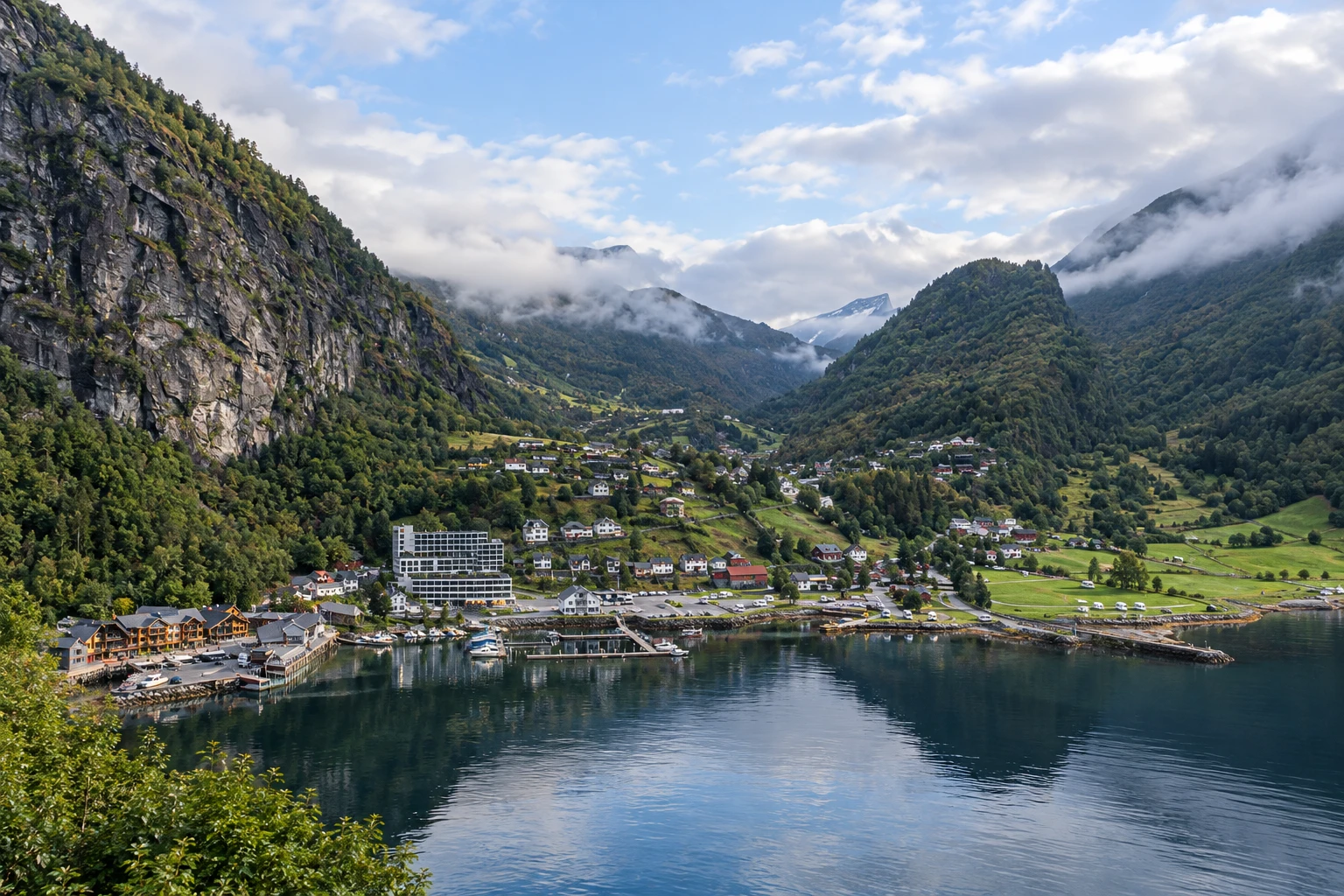
Geiranger is the village at the head of the Geirangerfjord, a World Heritage Site, with a pier, hotels and roads that descend in hairpin bends down the mountains. From there the ferry to Hellesylt and boat trips past the Sete Irmãs depart, and you can go up to the viewpoints of Flydalsjuvet, Dalsnibba and Ørnesvingen. Trollstigen is about an hour and a half away.

Eidfjord is the village at the end of the innermost branch of the Hardangerfjord, at the foot of the Hardangervidda plateau. From there road 7 climbs the Måbødalen valley to the Vøringsfossen waterfall and the national park center. The Hardanger Bridge, 15 km away, connects the village to Bergen.

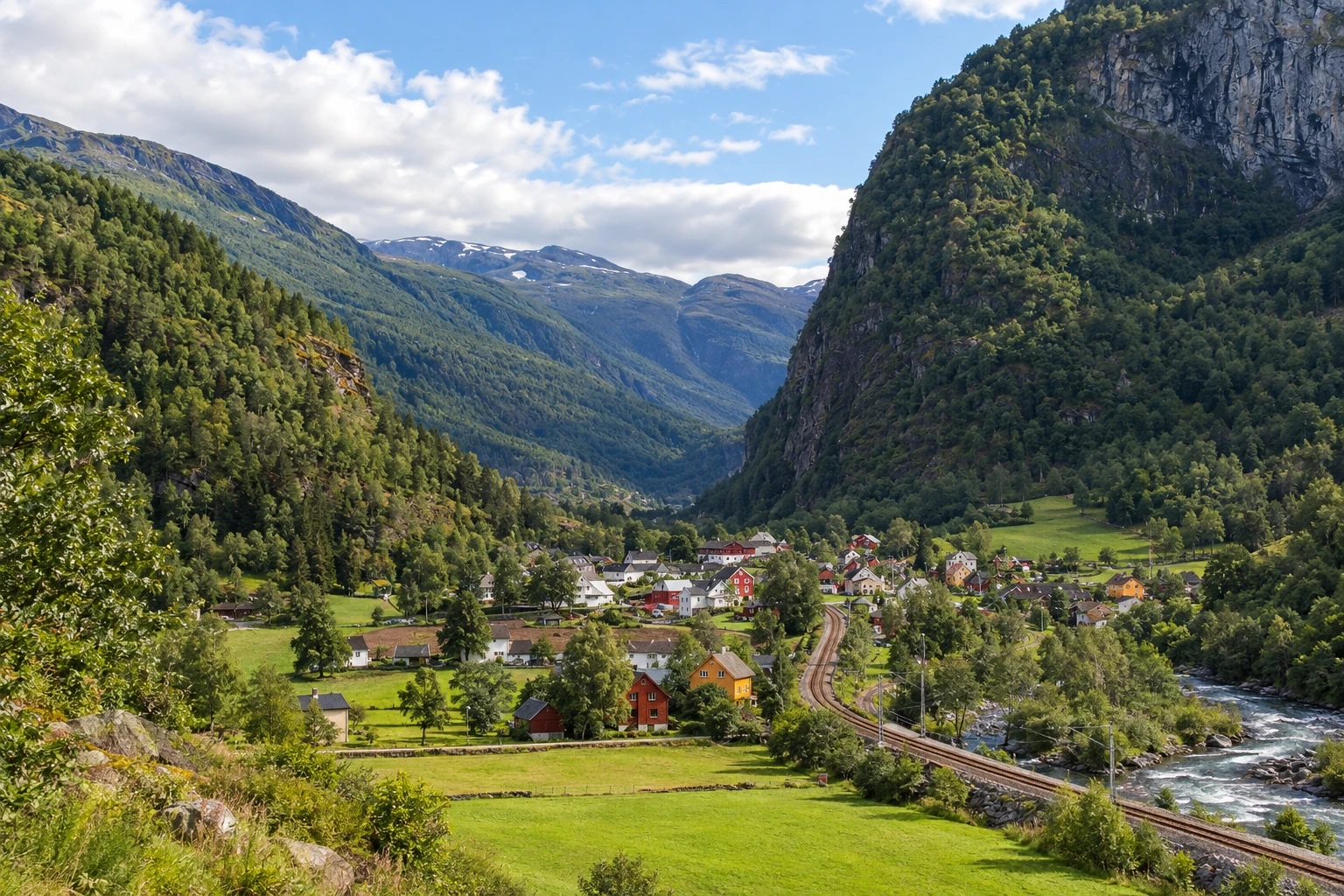
Flåm is a village at the head of the Aurlandsfjord, an arm of the Sognefjord, where the Flåmsbana ends after descending from Myrdal through the mountains. Boats depart from the quay for the Nærøyfjord, a World Heritage site. Flåm is the base for the Stegastein viewpoint, the Aurlandsfjellet road and the medieval wooden churches of Borgund and Urnes.

Lillehammer sits beside Lake Mjøsa and in the Gudbrandsdalen valley. The centre features wooden houses and an art museum; Maihaugen gathers historic architecture and the Olympic Museum. The Lysgårdsbakkene ski jumps are on the slope above the town.
The map
Tap a region to see the names. Use two fingers to zoom in.
Outlines: © Kartverket (CC BY 4.0), 2024 boundaries; coastline via geoBoundaries. Adapted by Cidade Turismo.
Norway
Another way into the same trip
Choose the county and the city to find your place in the guide.
Beyond the guide