4 cities

 Search
 Brazil
 Antarctica
 Argentina
 Bolivia
 Chile
 Colombia
 Ecuador
 Falkland Islands (Malvinas)
 French Guiana
 Guyana
 Paraguay
 Peru
 Suriname
 Uruguay
 Venezuela
 Austria
 Belgium
 Croatia
 Denmark
 Finland
 France
 Germany
 Greece
 Hungary
 Iceland
 IrelandItaly
 Luxembourg
 Norway
 Poland
 Portugal
 Slovakia
 Slovenia
 Spain
 Sweden
 Switzerland
 the Czech Republic
 the Netherlands
 the United Kingdom
 Turkey
 Bermuda
 Canada
 Greenland
 Mexico
 Saint Pierre and Miquelon
 the United States
 the Dominican Republic
 JapanTurkey
 Egypt
 South Africa
 Australia
 Fiji
 New Zealand
 Papua New Guinea
Region · Central
Illustrative images. The pictures in this guide are illustrations based on the real place, not photographs, and may differ from it.

Destinations
Cities
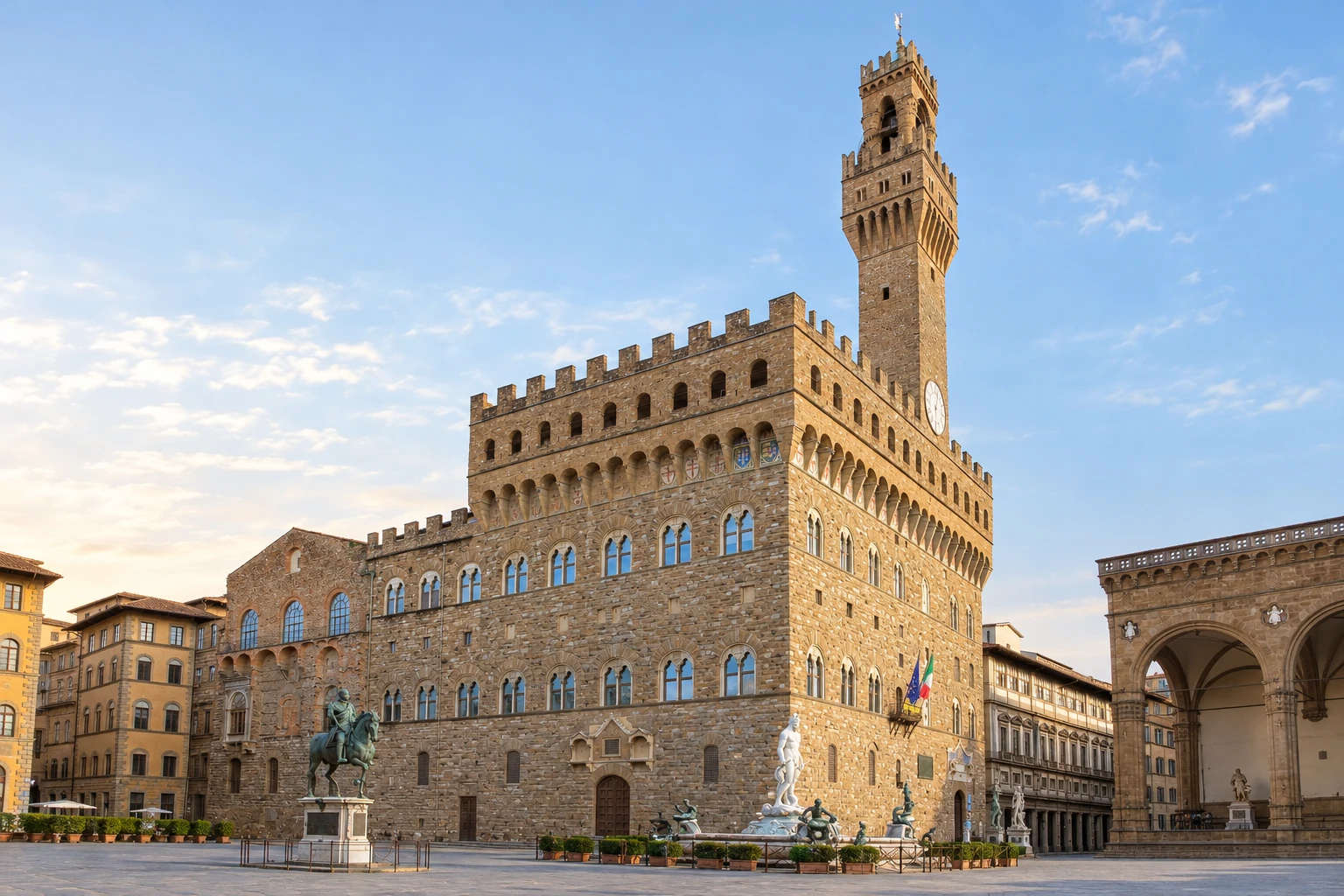
Capital of Tuscany and birthplace of the Renaissance, Florença concentrates in a small historic center the Duomo with Brunelleschi's dome, the Galleria degli Uffizi, the Davi of the Galleria dell'Accademia, the Palazzo Vecchio and the Ponte Vecchio. On the other side of the Arno are the Palazzo Pitti, the Giardino di Boboli and the viewpoints of the Piazzale Michelangelo and San Miniato al Monte.
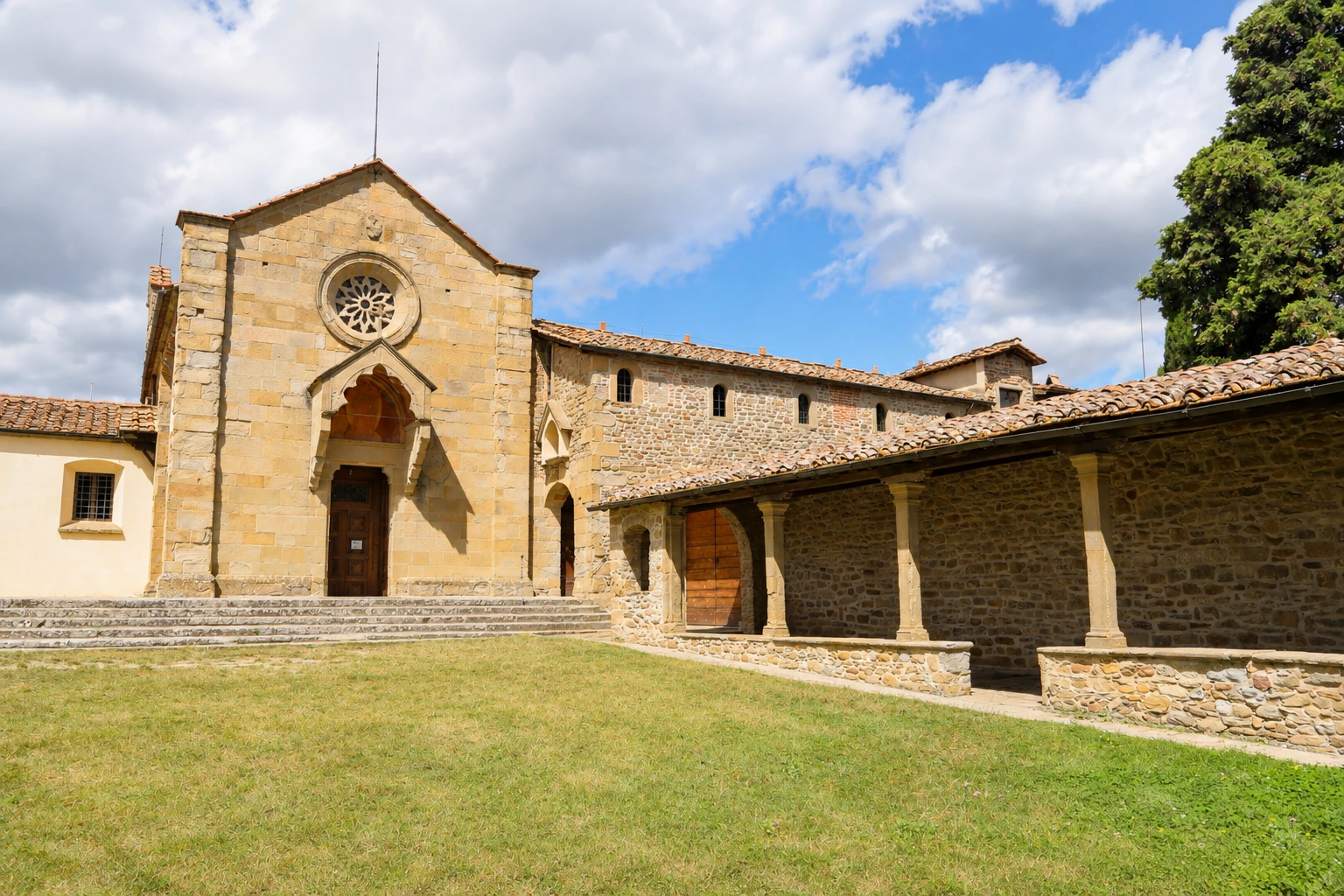
Fiesole sits on a hill above Florence. Piazza Mino concentrates the accesses to the old center, and the Archaeological Area preserves the Roman theater and baths, as well as a temple of Etruscan origin. The slope that leaves the square toward San Francesco opens views over the plain.
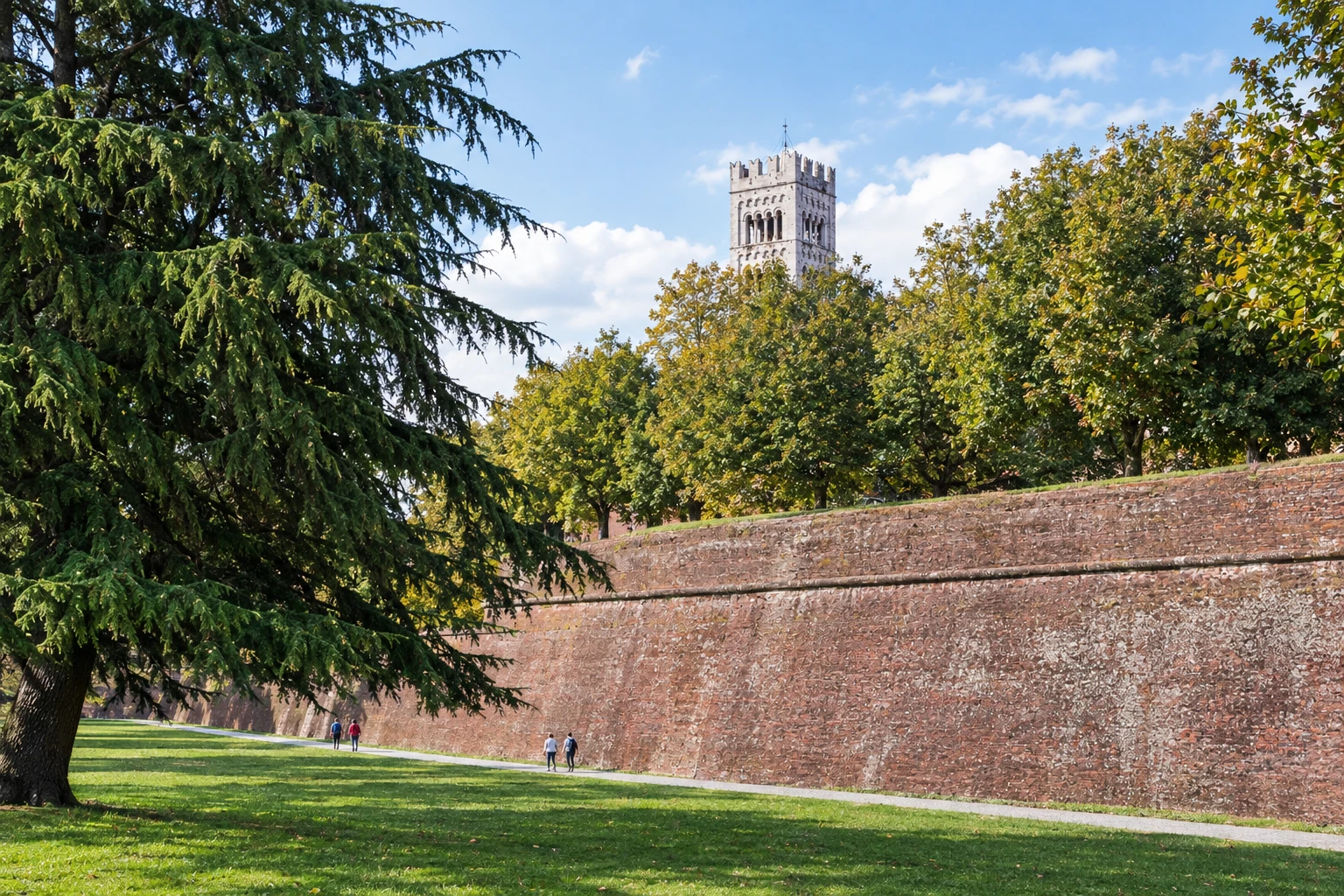
Lucca is a flat town entirely surrounded by Renaissance walls, a half-hour by train from Pisa. On the walls runs a tree-lined promenade of about 4 km, suitable for walking or cycling. Inside them are the Piazza dell'Anfiteatro, an oval square over the ruins of a Roman amphitheatre, the Torre Guinigi with trees on top, the churches of San Michele in Foro and the Duomo di San Martino, and the house where the composer Giacomo Puccini was born.
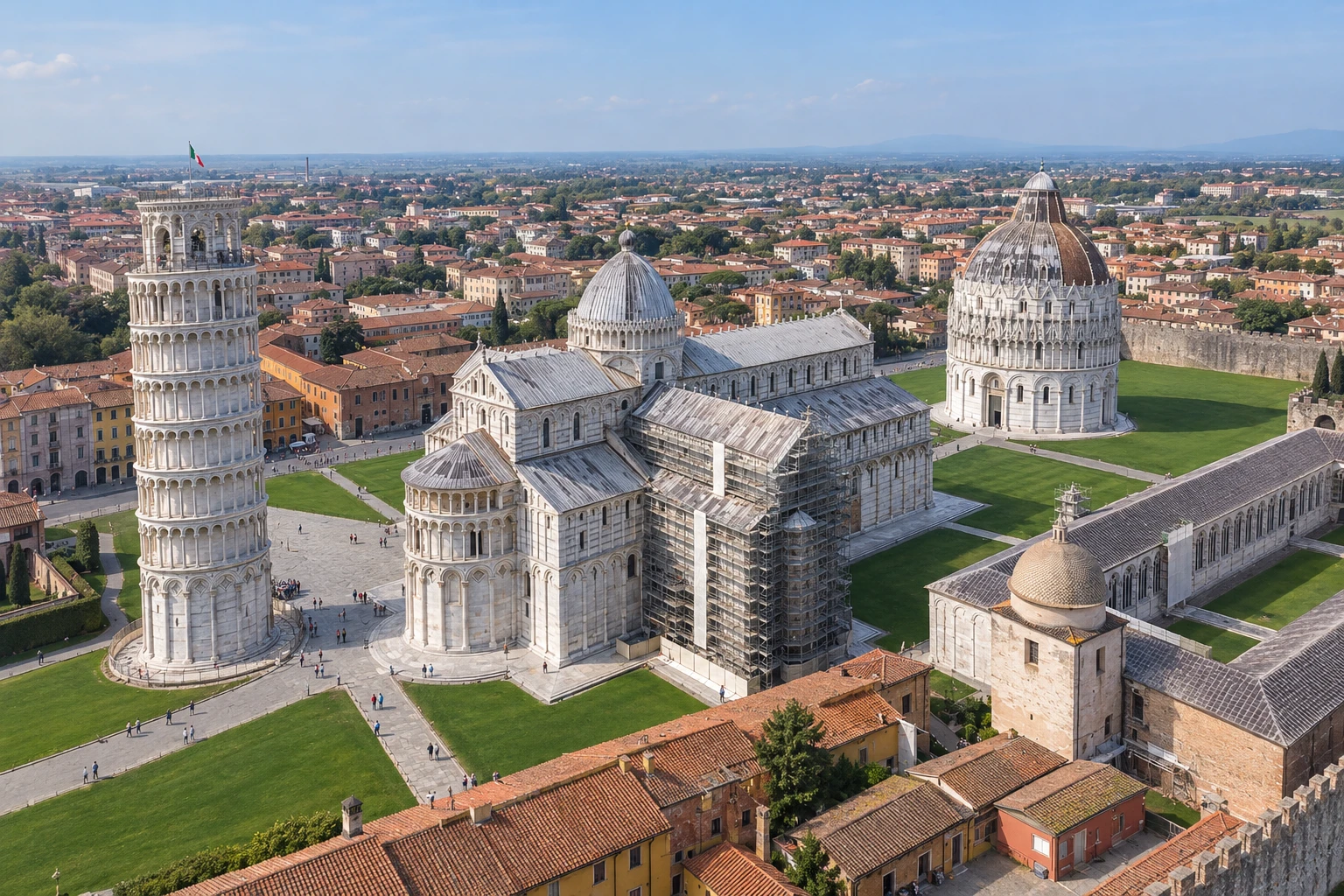
Pisa, on the banks of the Arno, is known worldwide for the leaning tower, which stands in the Piazza dei Miracoli next to the cathedral, the baptistery and the Camposanto, a complex that is a UNESCO World Heritage Site. Beyond the square, the university city has the Piazza dei Cavalieri and the lungarni, the riverside avenues. With an airport a few minutes from the center and trains to all over Tuscany, it is often the region's gateway.
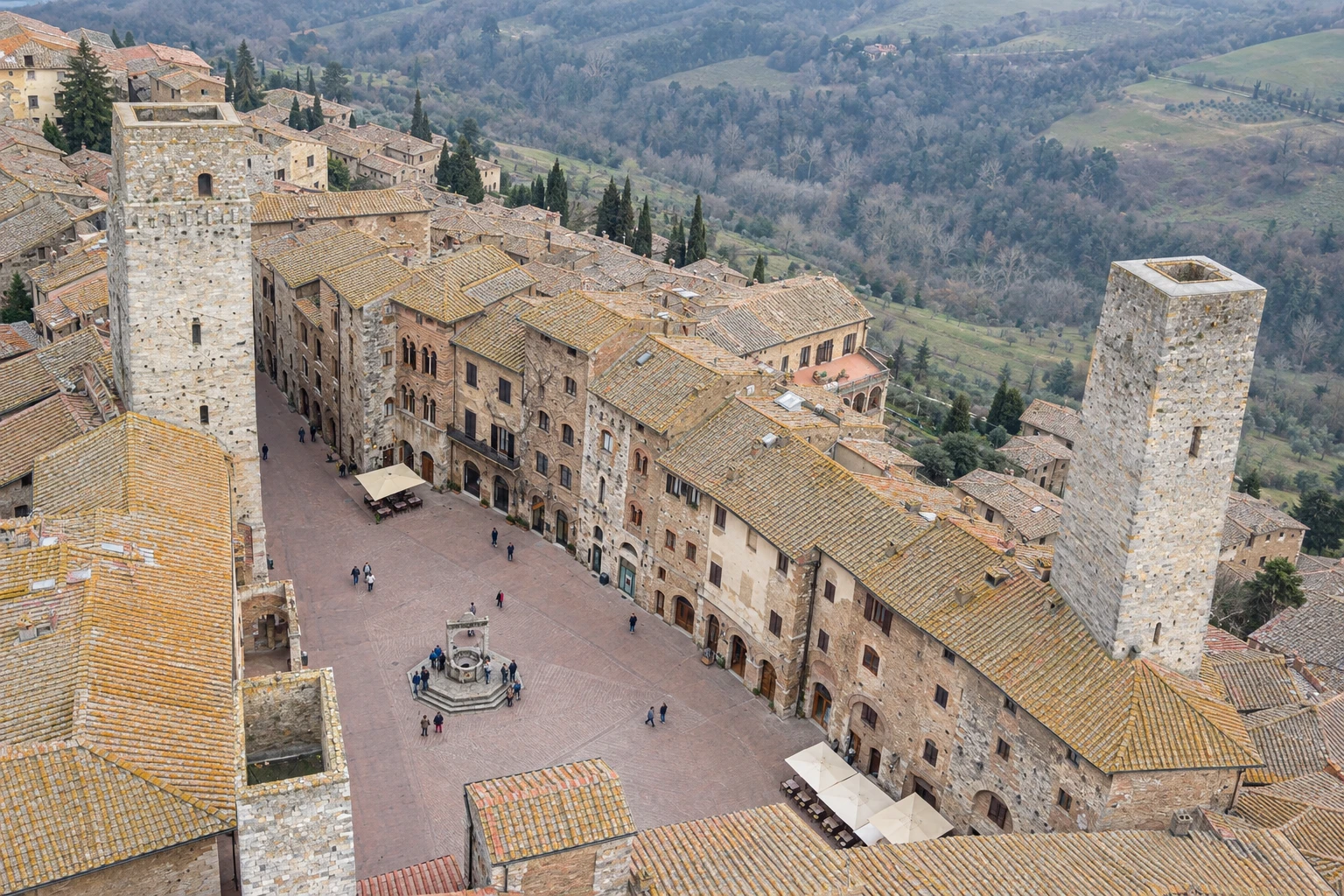
San Gimignano is a walled village atop a hill between Florence and Siena, known for the medieval towers that still mark the skyline: about fourteen remain standing. The historic centre is a UNESCO World Heritage site. The two neighbouring squares, the Piazza della Cisterna and the Piazza del Duomo, contain the Collegiata, covered in frescoes, and the Palazzo Comunale, from which you can climb the Torre Grossa. Around the village, vineyards produce Vernaccia di San Gimignano.
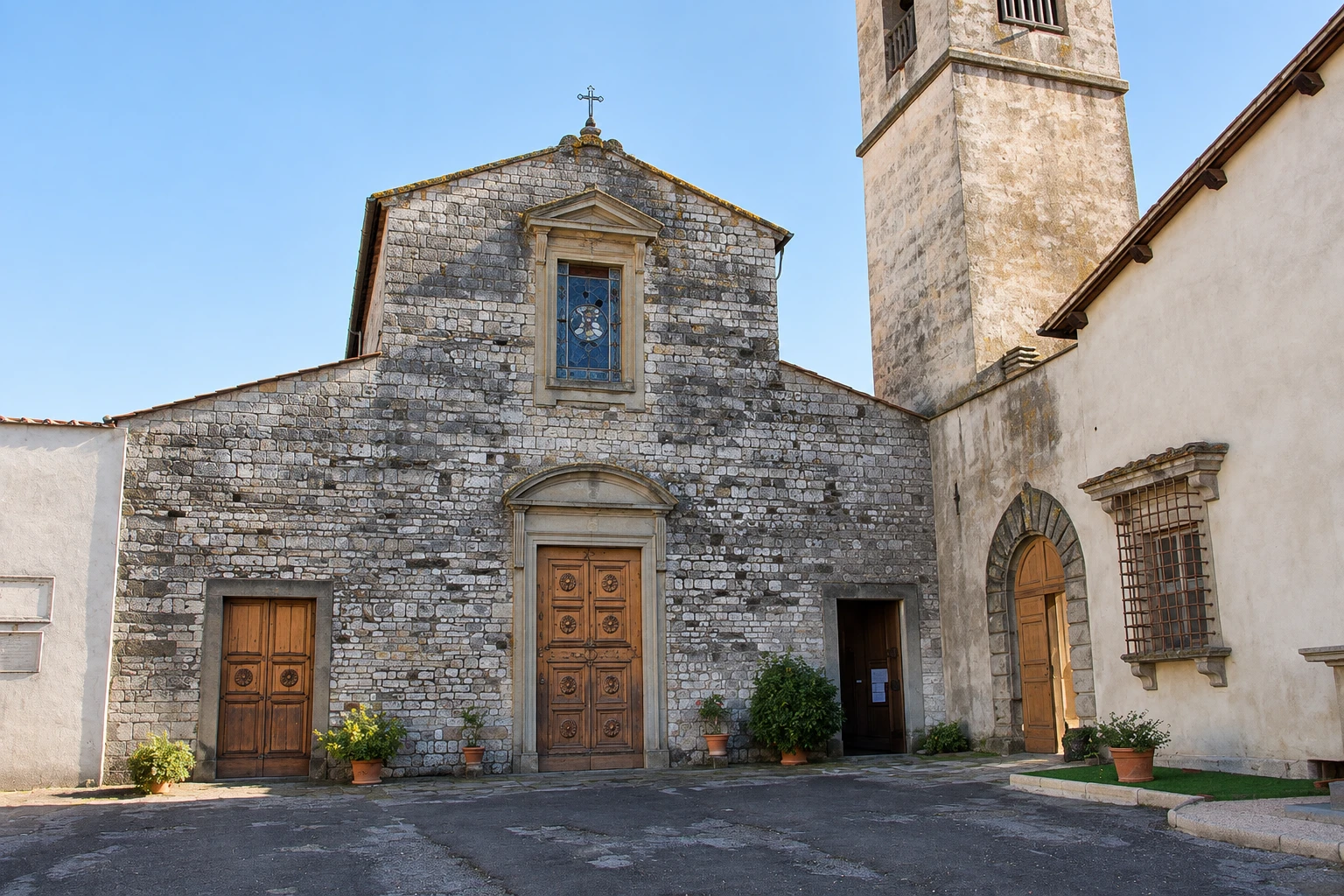
Scarperia e San Piero brings together two historic centers in the Mugello. In Scarperia, the façade of the Palazzo dei Vicari still shows the coats of arms of former administrators, and the palace museum displays the local tradition of blade making. The Via degli Dei crosses the municipality along the Sieve valley, in San Piero a Sieve.
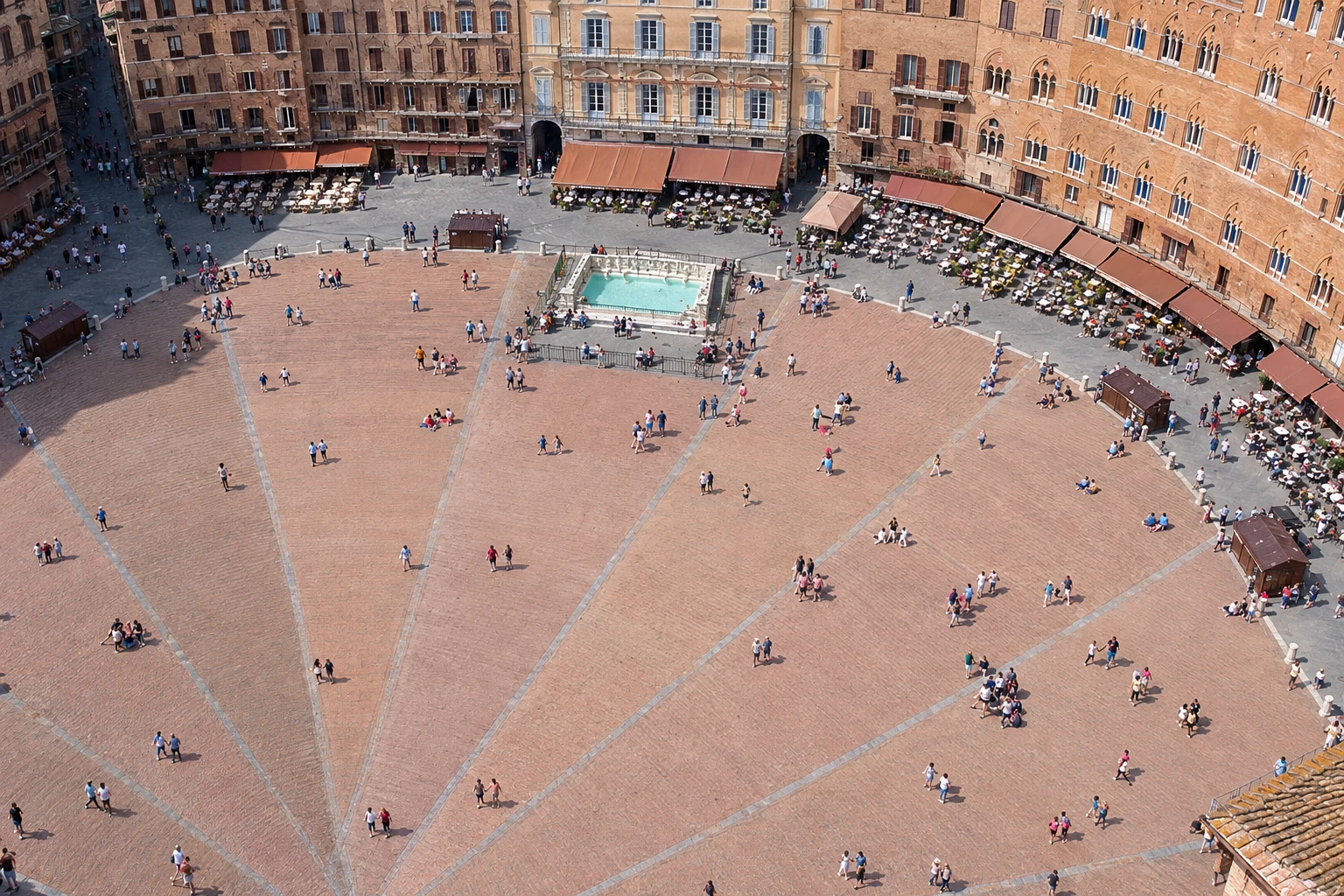
Siena is a medieval city of earth-colored brick on three hills, south of Florence. The center is the Piazza del Campo, shell-shaped, with the Palazzo Pubblico and the Torre del Mangia, where the Palio is run twice a year. A few minutes away are the Duomo, with striped marble, and the former hospital of Santa Maria della Scala. It is also a base for Monteriggioni and for the hills of the Val d'Orcia, including Pienza, Montalcino and Montepulciano.
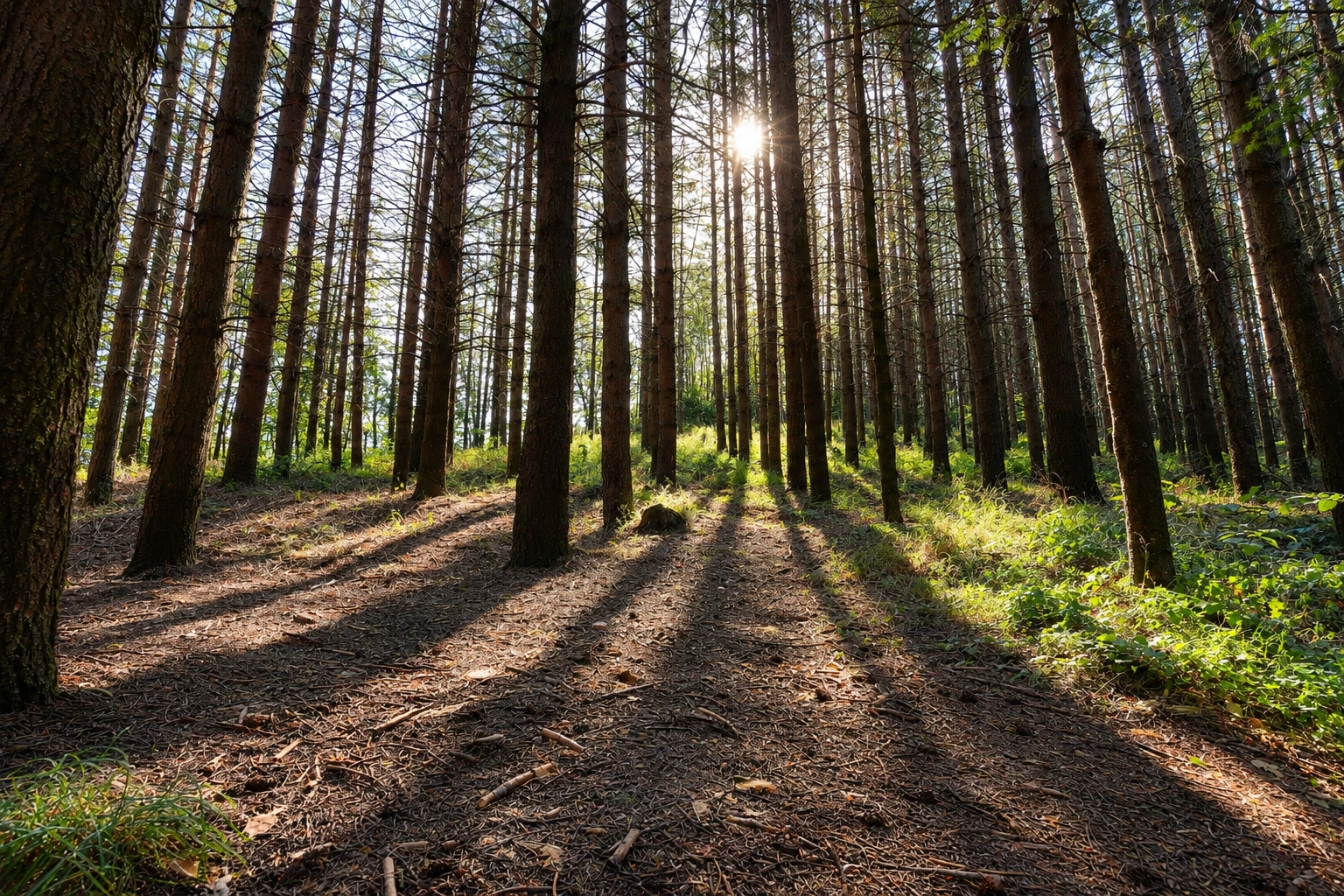
Vaglia is arranged along the valley of the Carza stream. Above the valley, near Bivigliano, the Sanctuary of Monte Senario includes stone stairways, buildings of the Order of the Servants of Mary, and views over the Mugello. The Via degli Dei crosses this upper part of the municipality.
Routes
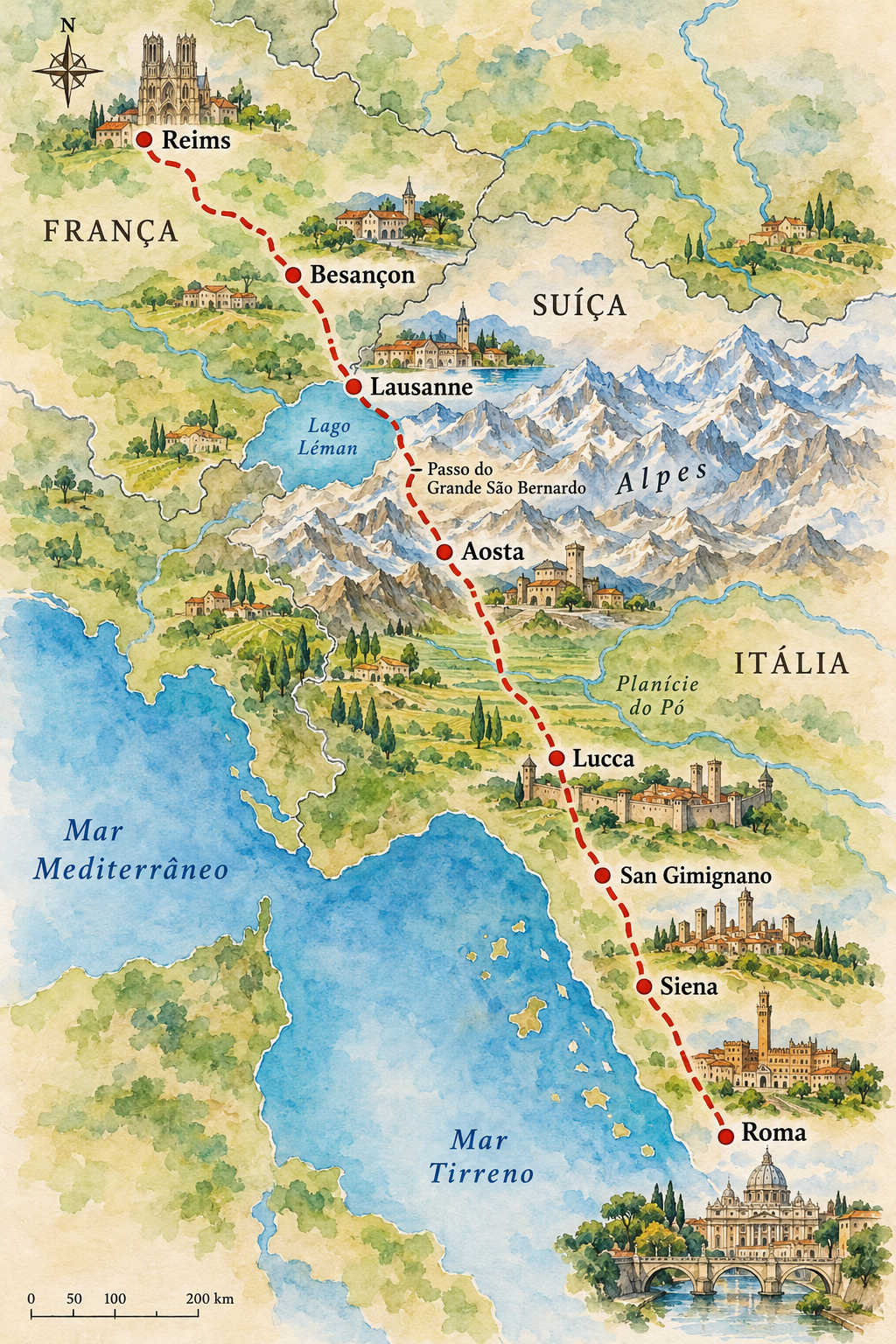
The ancient pilgrims’ route to Rome: from Canterbury Cathedral, through France and Switzerland, over the Alps via the Great St Bernard Pass and through Tuscany to St. Peter’s Square.
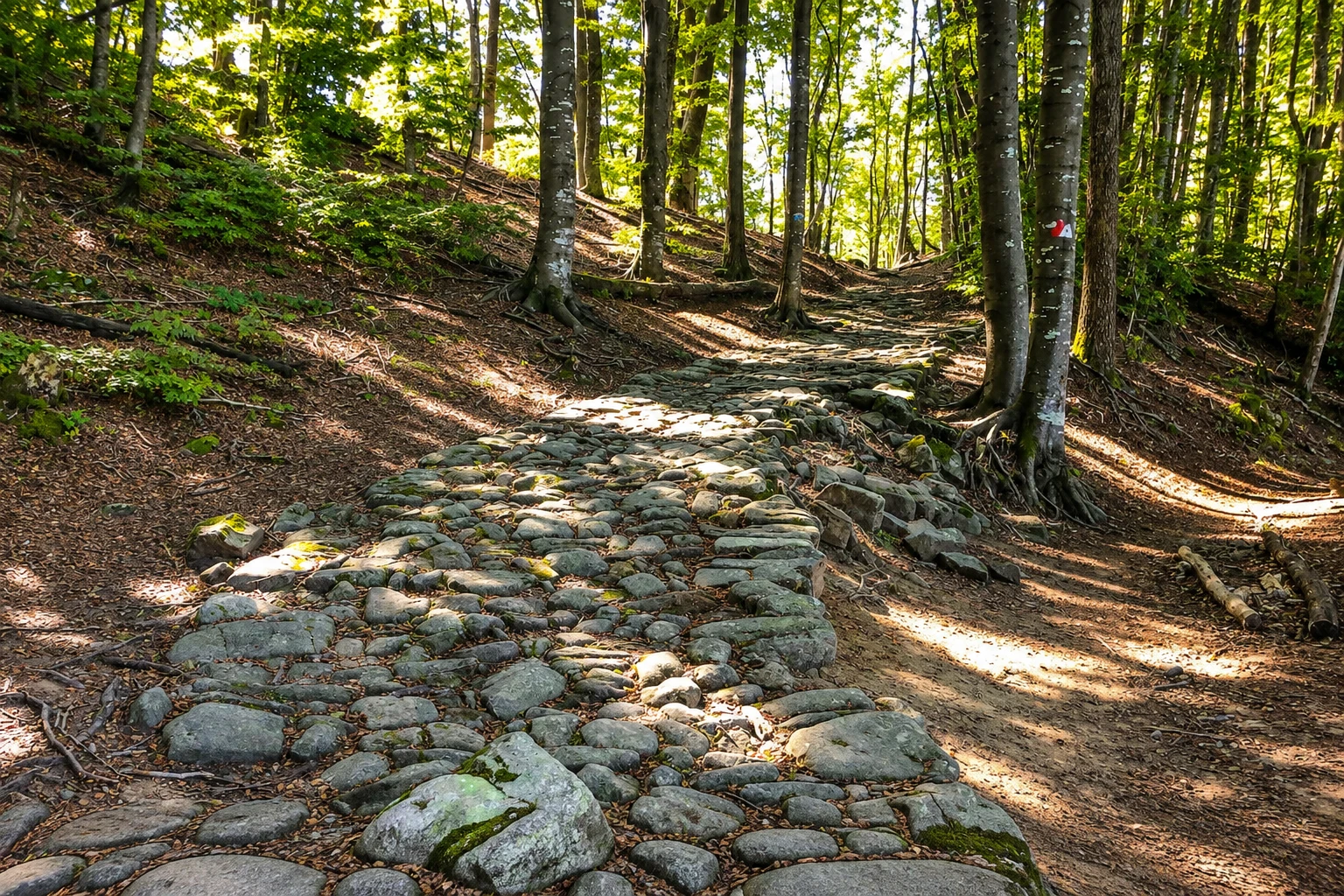
About 130 km on foot across the Apennines, from Bologna’s porticoes to Florence’s city centre, passing through woodlands, ancient paved sections and villages of the Mugello.
Beyond the guide