

 Brazil
 Antarctica
 Argentina
 Bolivia
 Chile
 Colombia
 Ecuador
 Falkland Islands (Malvinas)
 French Guiana
 Guyana
 Paraguay
 Peru
 Suriname
 Uruguay
 Venezuela
 Albania
 Austria
 Belgium
 Croatia
 Denmark
 Finland
 France
 Germany
 Greece
 Iceland
 Ireland
 Italy
 Luxembourg
 Norway
 Poland
 Portugal
 Slovakia
 Slovenia
 Spain
 Sweden
 Switzerland
 the Czech Republic
 the Netherlands
 the United Kingdom
 Turkey
 Bermuda
 Canada
 Greenland
 Mexico
 Saint Pierre and Miquelon
 the United States
 the Dominican Republic
 Japan
 Egypt
 South Africa
 Australia
 Fiji
 New Zealand
 Papua New Guinea
Travel for your moment in life · Culture and history
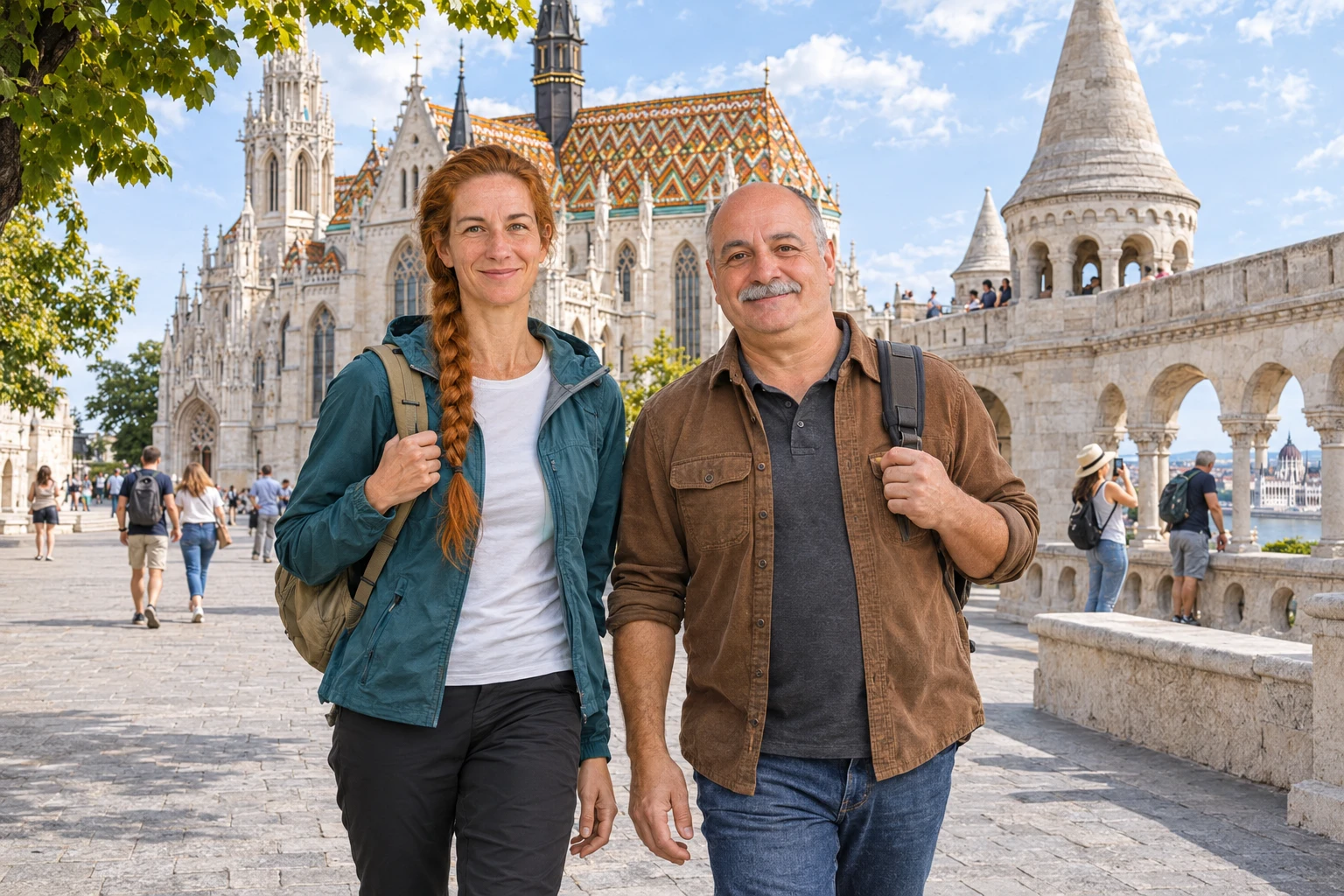
Types of travel
Culture and history
In central Győr, Széchenyi Square is a good place to start exploring the Baroque city on foot. Cross the square and look back. From the far side, it’s easier to tell the facades apart; up close, they seemed to form a single facade. In Sopron, the Fire Tower helps you find your way as you explore the old streets around the main square. Both walks leave room for breaks, detours, and a cup of coffee when your eye for detail starts to fade.
History in a single square
Castles tell another side of the story of city life. In Eger, the walls help you picture how a city was defended. In Gyula, what stands out is the brickwork of the fortress itself. If your group needs to limit the walking, look for the route to the rooms you most want to see and check whether it involves hills or stairs. One stretch of wall and a good exhibit can give you more to talk about than a hurried circuit of the entire site.
Hungary through the eyes of those who work with their hands
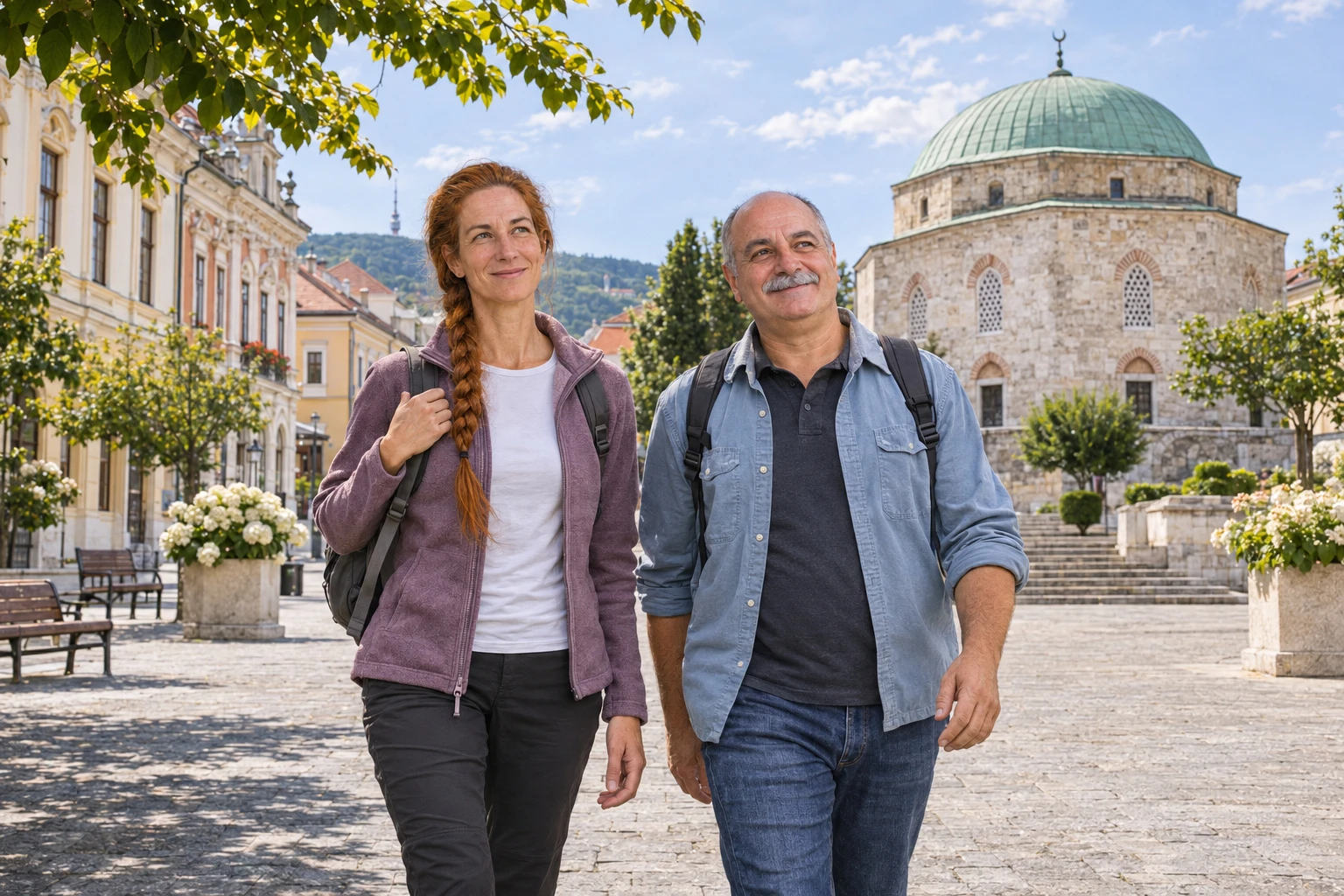
In Pécs, you can explore ceramics at the former Zsolnay factory complex, where generations of artisans learned their craft. Start by looking closely at a single piece, noting the color and sheen of its glaze. Then look for ceramic details on the buildings. Moving between the rooms and courtyards lets you see the same craft at two scales: a piece that fits on a table and decoration you can see from the street.
In Szentendre, you can plan two different routes. The city’s museums introduce you to artists such as ceramicist Margit Kovács. The Skanzen, on the other hand, is an open-air museum with rural homes from different regions of Hungary. Choose a cluster of buildings and look at where people cooked, where they kept their tools, and how they laid out their yards. Allow time for the walk between houses, especially if you’re visiting with children.
When a festival changes the visit
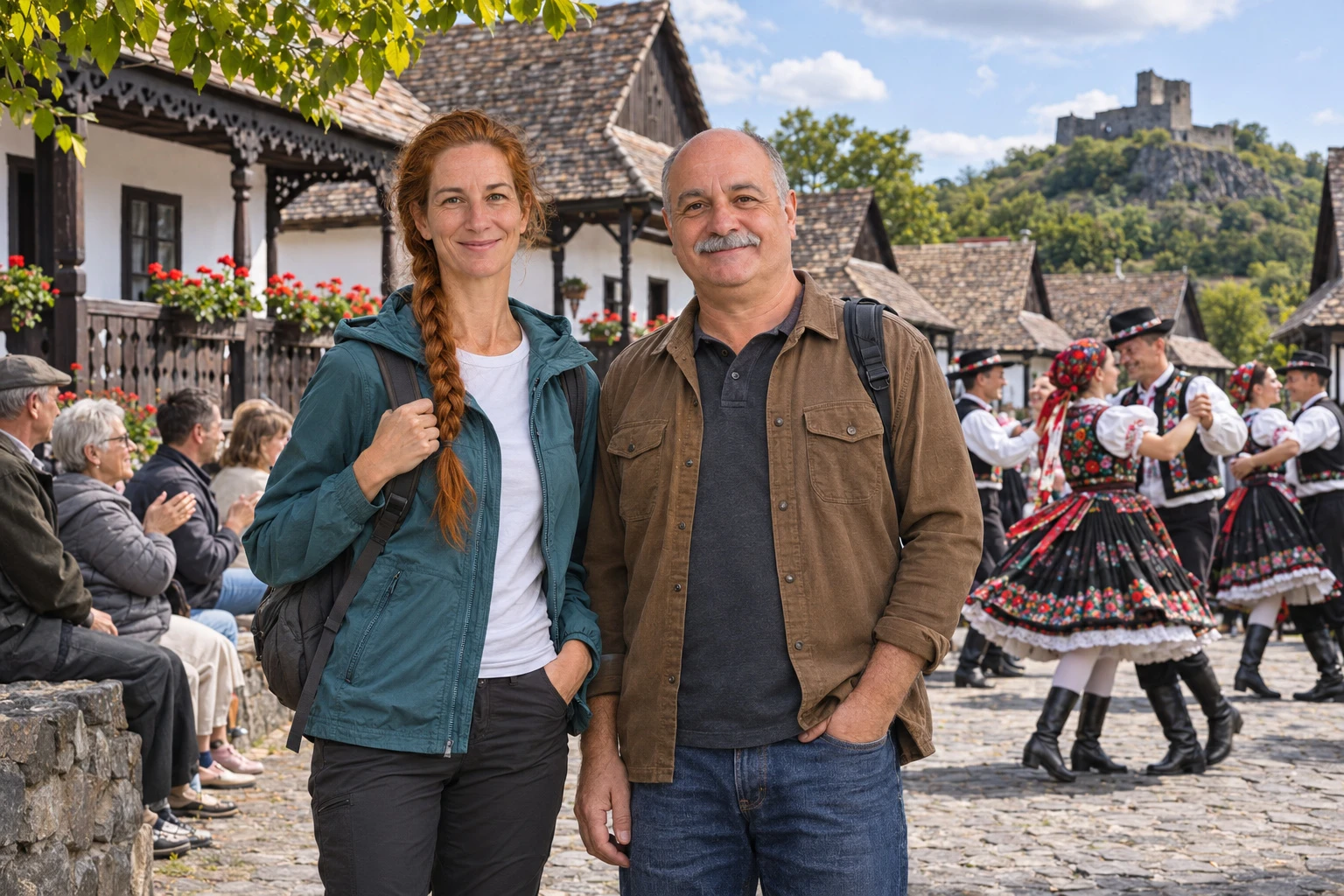
At Easter in Hollókő, Palóc costumes, music, and the custom of sprinkling water are all part of the celebration. In Debrecen, floats decorated with flowers draw crowds into the streets. The work behind what you see in a few hours of parade begins long beforehand. Check the program for the year of your visit to see which stretch of the route is open to the public, and choose a spot where your group can stay until the part you want to see goes by.
In Pécs, the light festival draws you back into the streets after dark to see images projected onto building facades. In Szeged, Cathedral Square hosts open-air performances. When planning, distinguish between a route you explore on foot and a show with reserved seating. Your choice shapes both your dinner time and your route back. Outside the festival dates, you can see the buildings that serve as backdrops as the city goes about its daily life.
Beyond the guide


