Hévíz
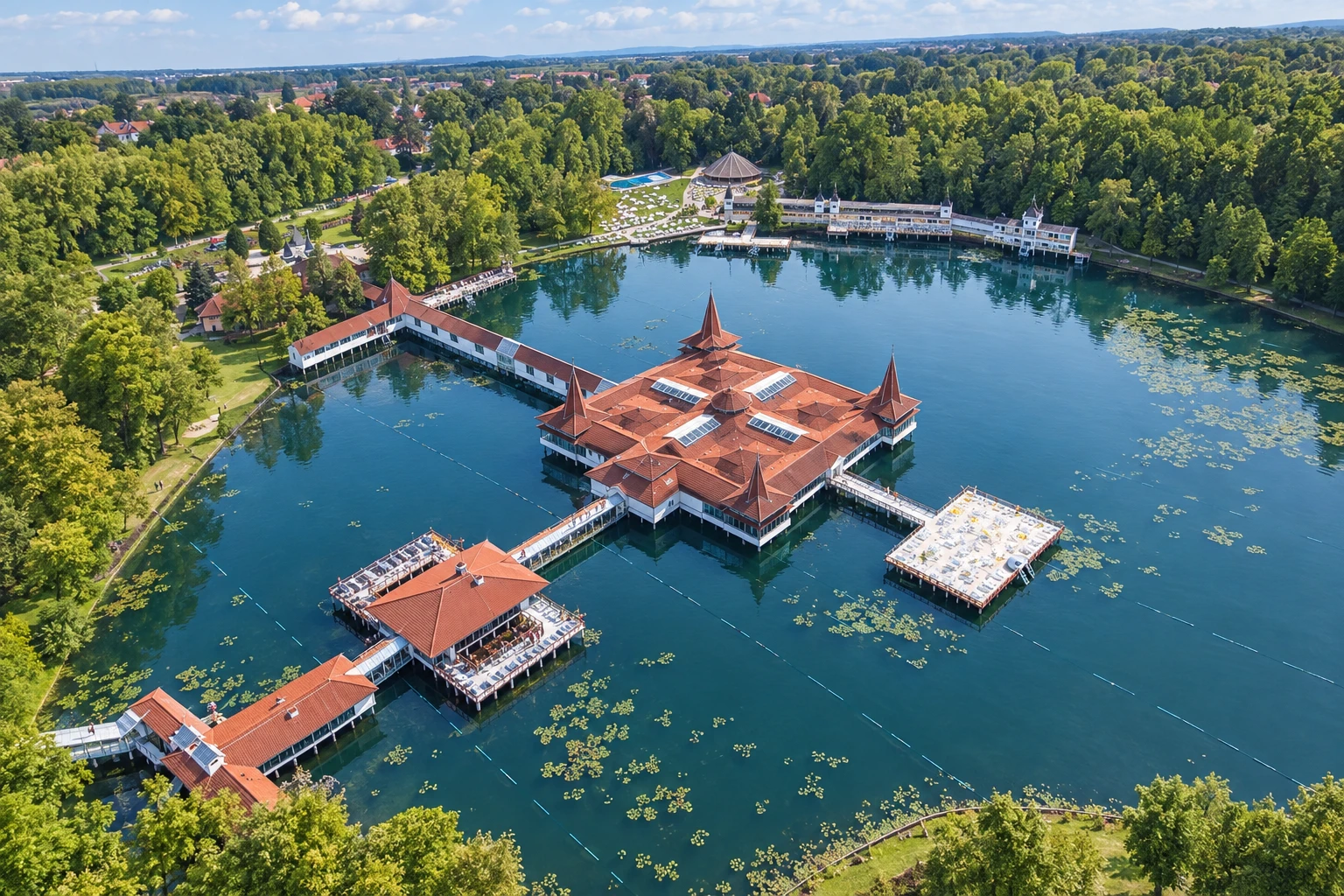
Hévíz is centered around a natural thermal lake in a wooded area west of the Balaton. Outdoor bathing is the main activity. Proximity to Keszthely allows you to combine time in the water with a cultural stop in another town.
AntarcticaYour place in the guide
A direct path for those who have already chosen the next stop of the trip. 4 routes, 13 destinations and 41 cities in Hungary.
Explore by destination
New roads, good stories.
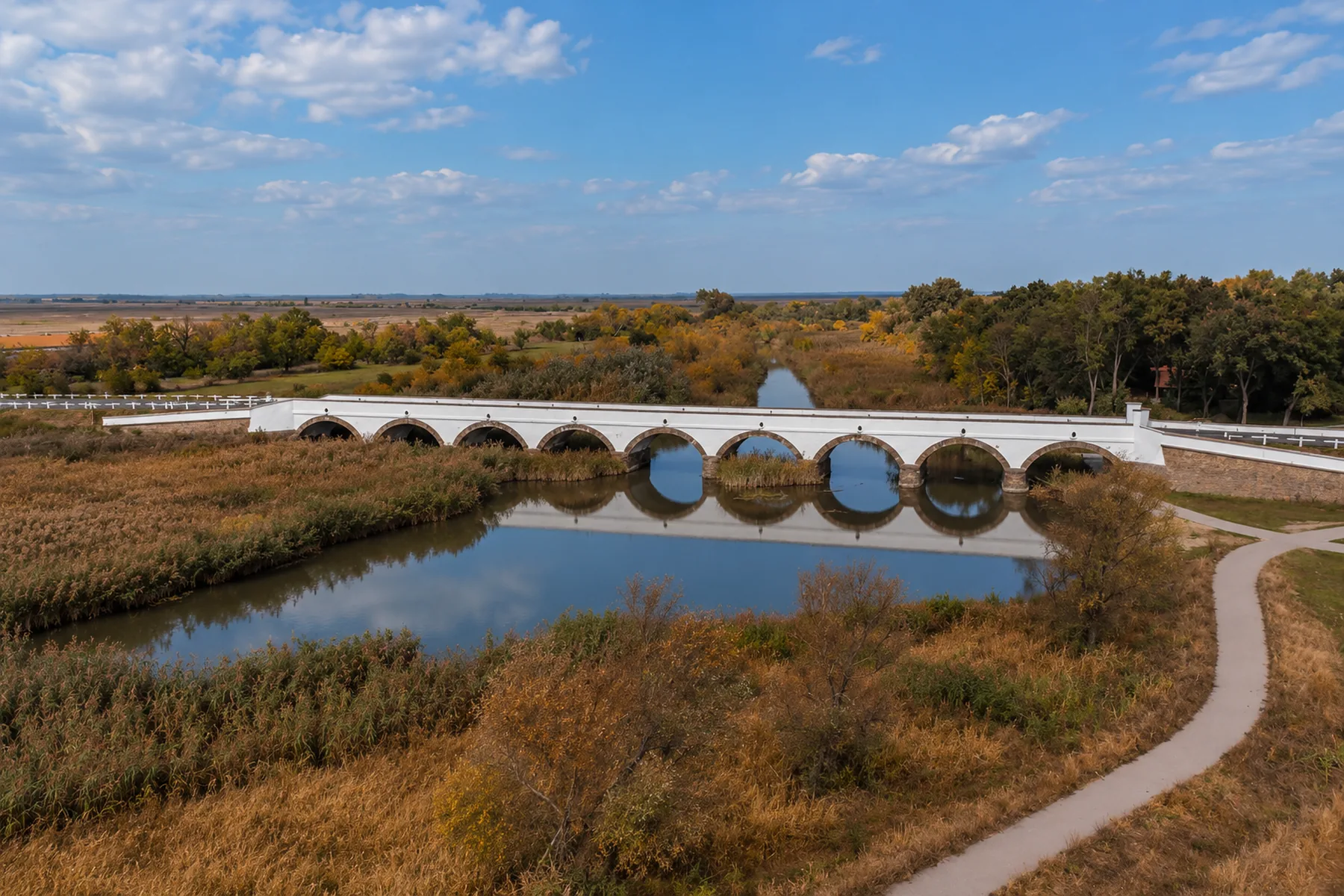
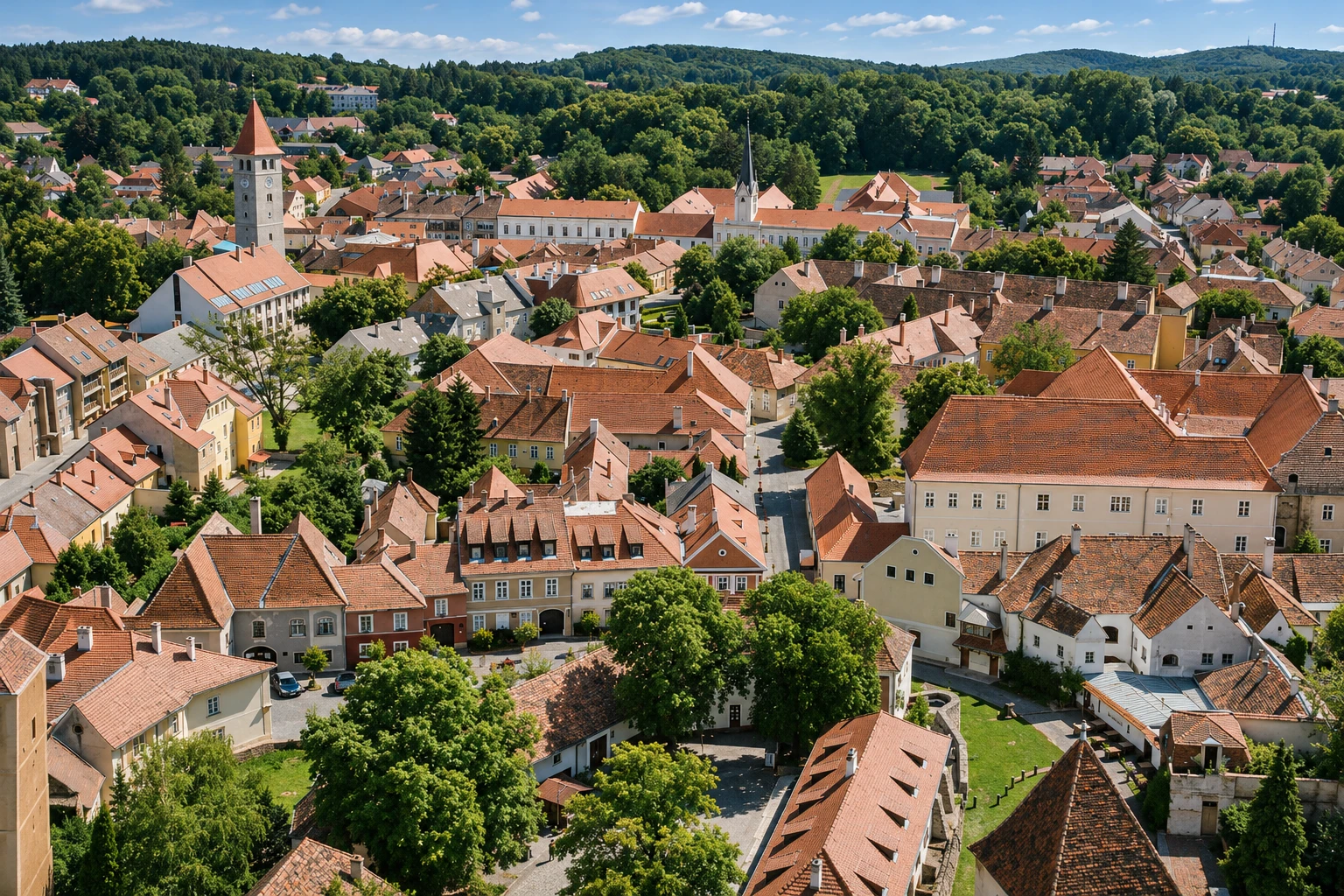
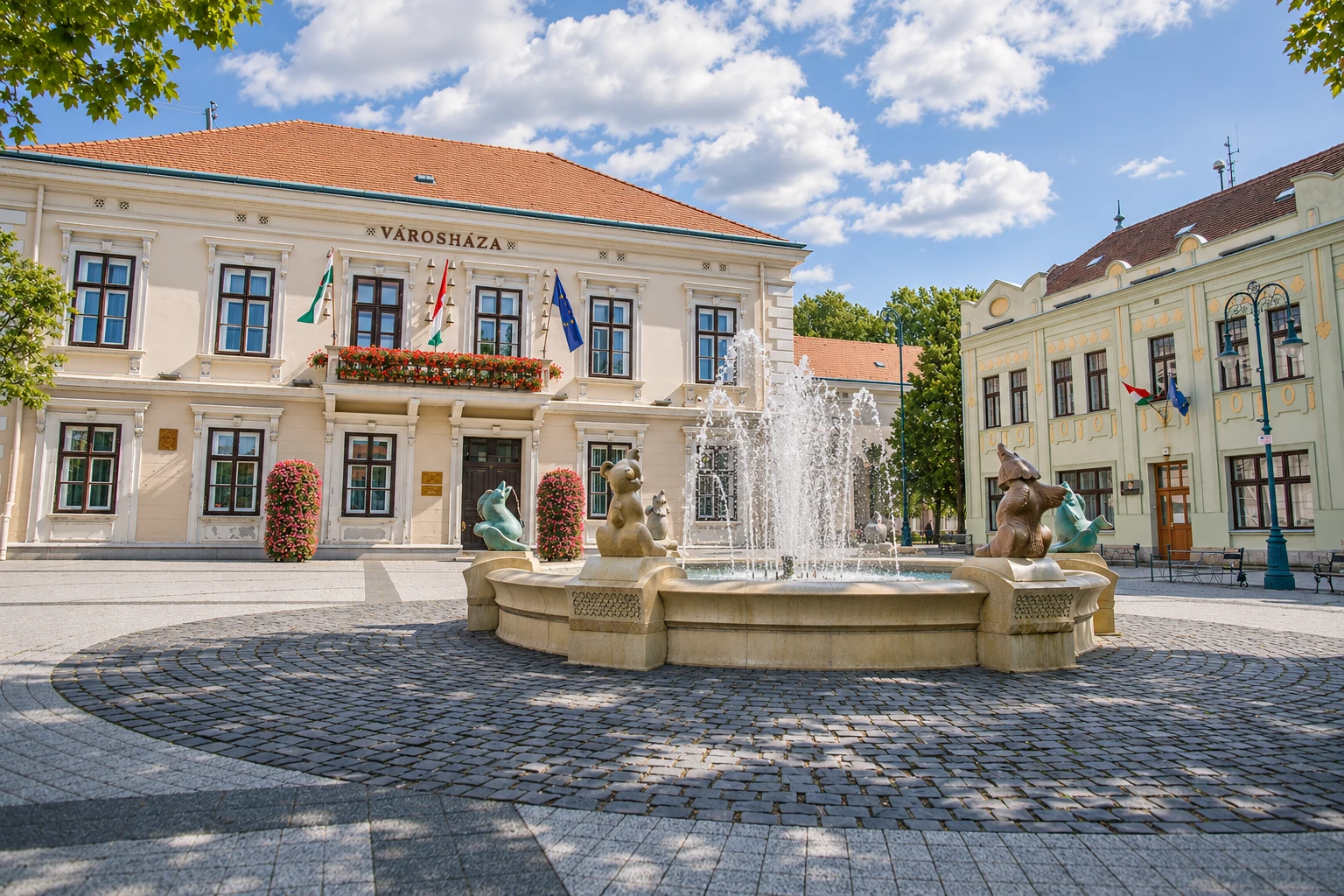
Illustrative images. The pictures in this guide are illustrations based on the real place, not photographs, and may differ from it.
Today's highlights
Hévíz is centered around a natural thermal lake in a wooded area west of the Balaton. Outdoor bathing is the main activity. Proximity to Keszthely allows you to combine time in the water with a cultural stop in another town.
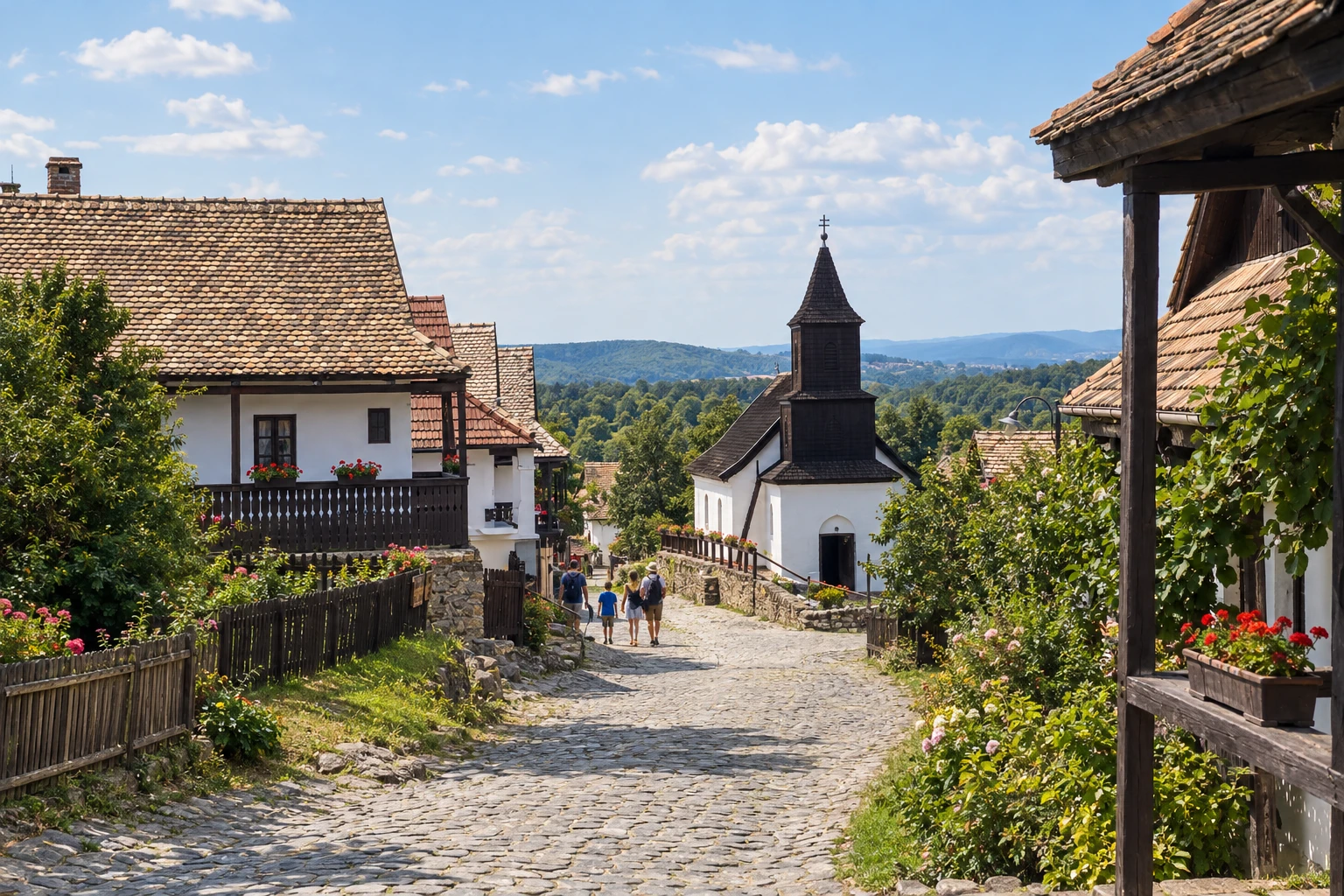
Hollókő brings together an old core of palóc houses and a stone castle on the hill. Visiting the village shows the layout of the homes and plots; climbing the fortification adds a view of the valley. The ensemble is a cultural side trip from the Eger route, not dependent on traditional festivals.
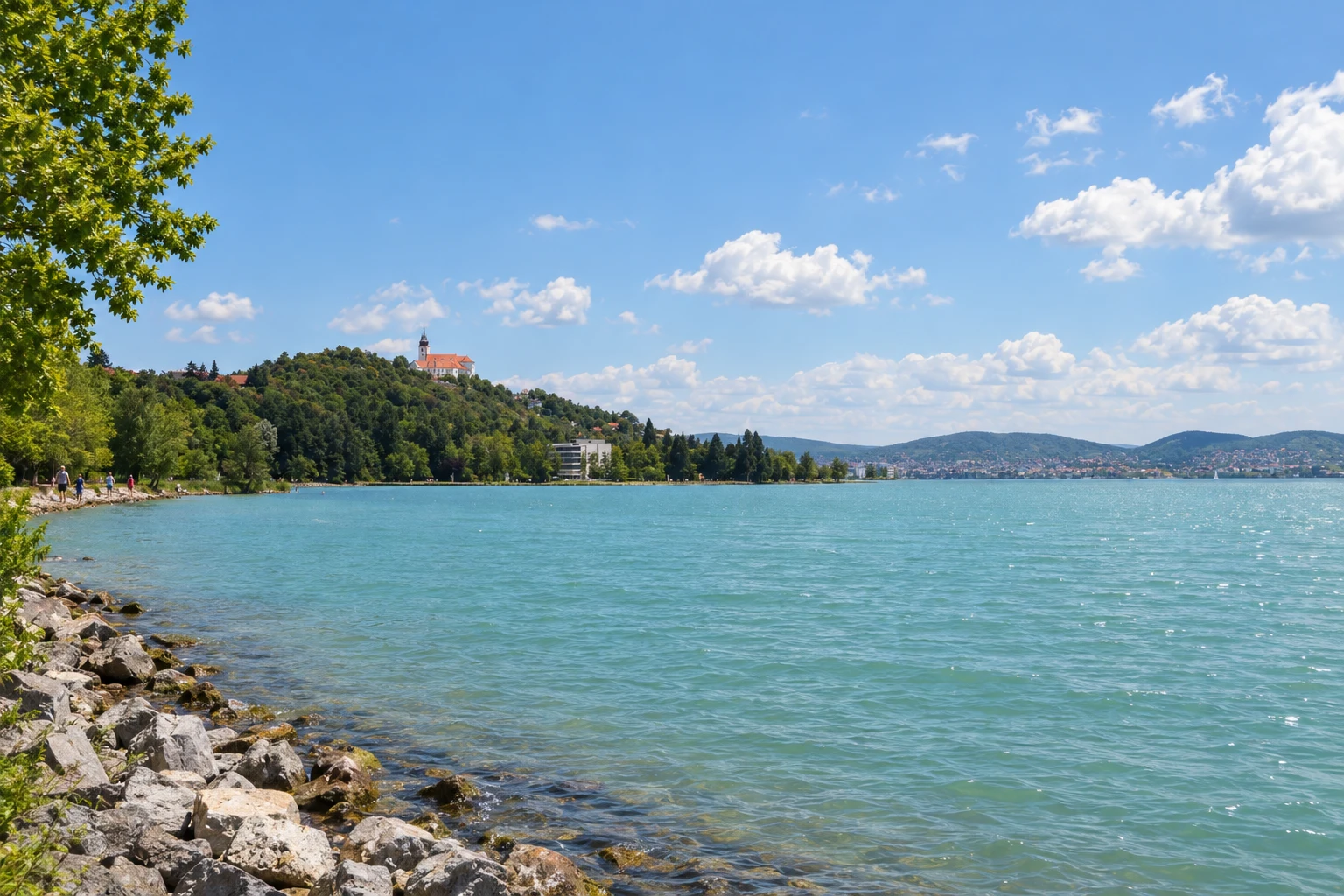
Tihany occupies a peninsula on the north shore of Lake Balaton. The Benedictine abbey rises above the water, with a Baroque church and a medieval crypt. The small center and surroundings allow combining the religious visit with scenic walks.
Tiszafüred sits on the eastern shore of Lake Tisza, a reservoir with channels, islands, and patches of aquatic vegetation. The town beach is on the Kistisza branch of the lake. On the opposite shore, in Poroszló, the Lake Tisza Ecocentre introduces visitors to the lake’s habitats and offers a place to take in the scenery.
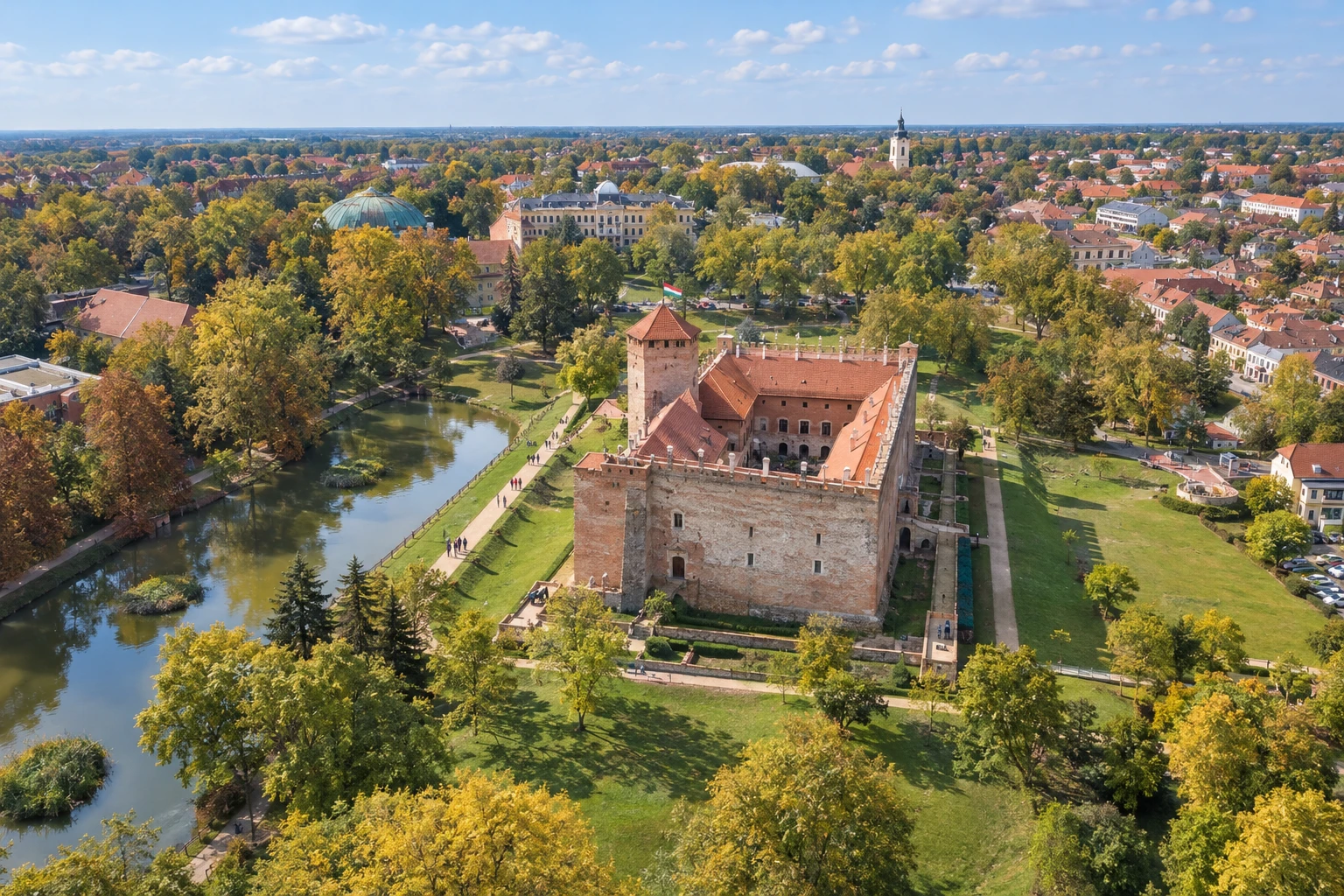
Gyula combines a Gothic brick castle, the Almásy Palace and a thermal bath complex around the park. The three programs have different access and pacing. The town is a stop in southeastern Hungary, close to the county seat of Békés.
Kőszeg lies at the foot of wooded hills in western Hungary. Its old town retains its narrow streets and Jurisics Square, with its stone well and historic facades. At the edge of the old walled town, Jurisics Castle houses exhibitions about the castle and the town.
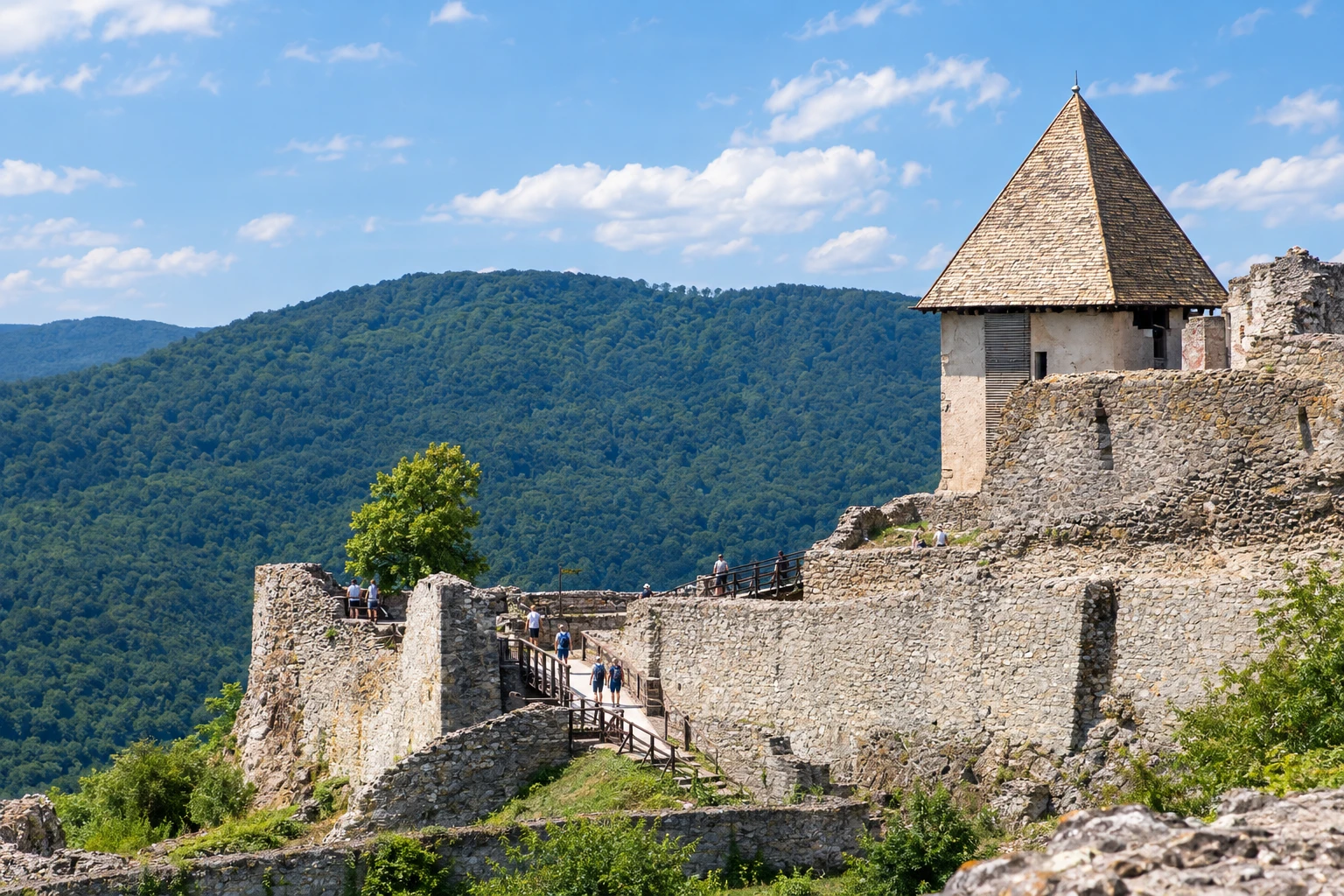
Visegrád is split between the Danube’s bank and the citadel hill. The Királyi Palota, in the lower part, combines remains and reconstructions of the royal residence. Above, the Visegrádi fellegvár opens views over the river’s bend and the tree‑covered slopes.
In Sárvár, Nádasdy Castle and the Sárvár Arboretum are both near Kossuth Square. The castle houses a museum with historic halls. Farther east, the pools at Sárvári Gyógy- és Wellnessfürdő make it easy to combine a walk through the town center with a soak in the thermal baths.
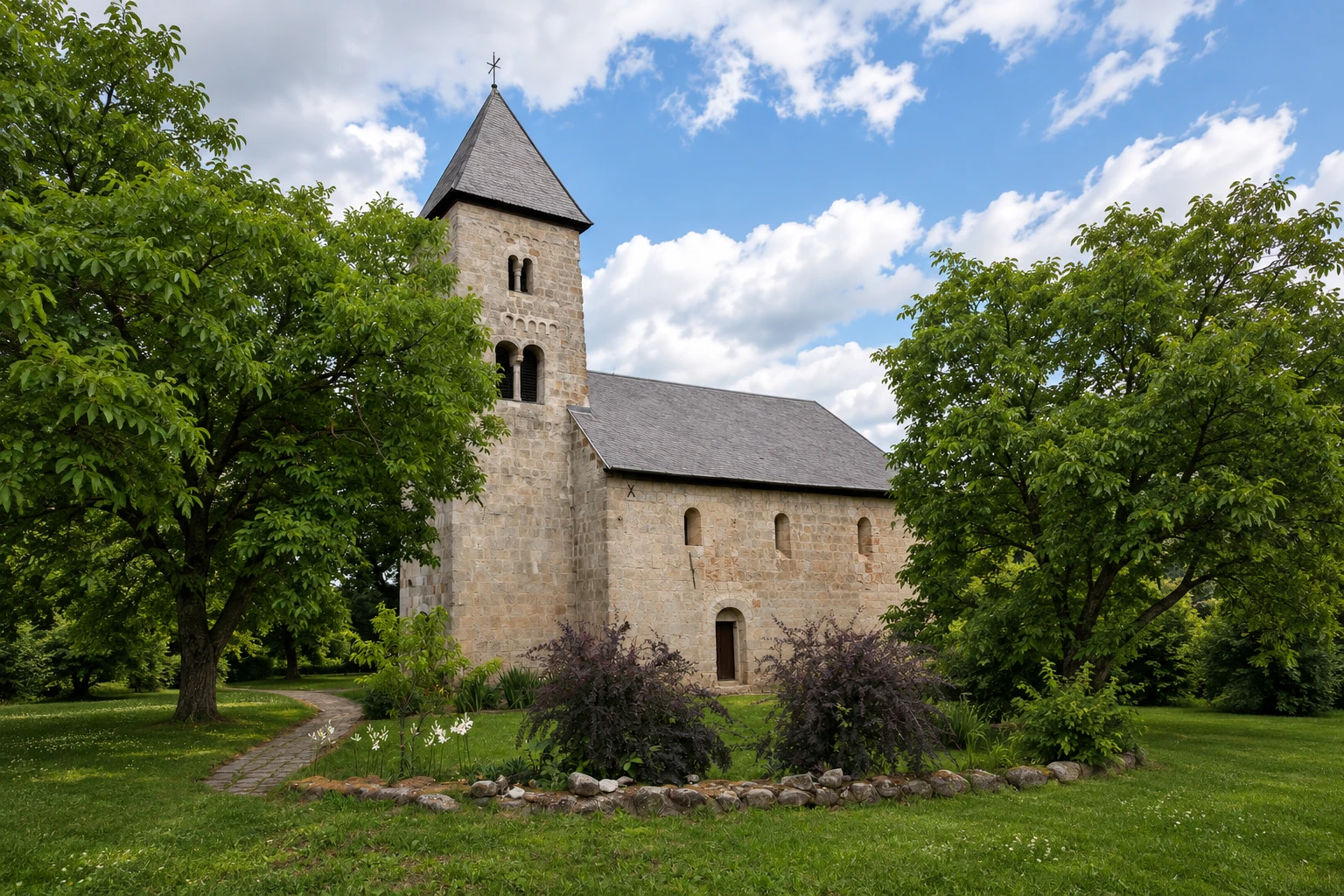
Bodrogolaszi lies on the right bank of the Bodrog, near the mouth of the Ketel stream. The Romanesque church occupies ground above the former ford and the crossing to Bodrogköz. The square-plan tower and the arched windows stand out on the exterior of stone.
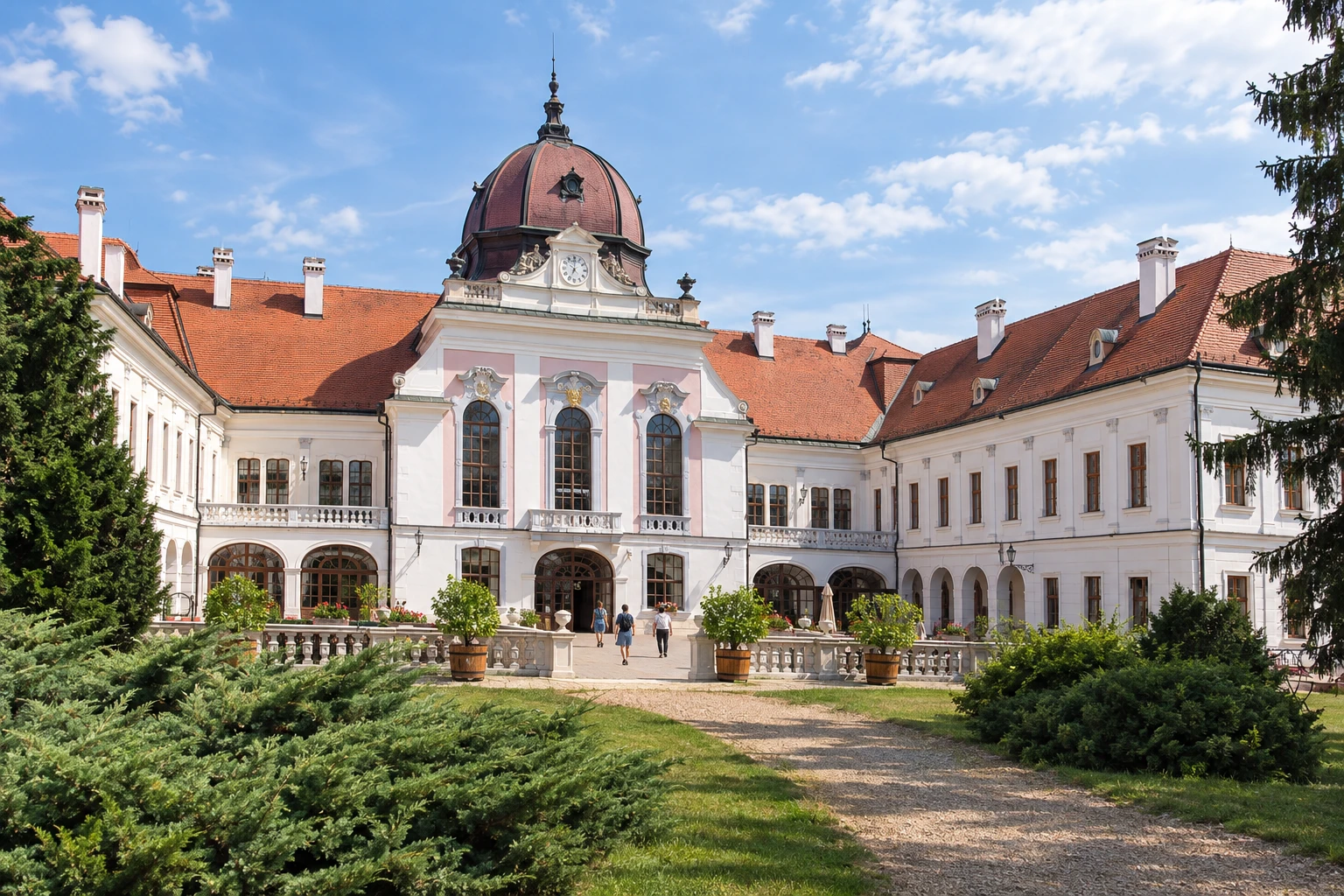
Gödöllő can be visited on an excursion from Budapest to see the royal palace associated with Elisabeth, Sissi. The baroque residence and its gardens make up the main itinerary. The town centre is nearby, but the station you choose changes the final stretch of the arrival.
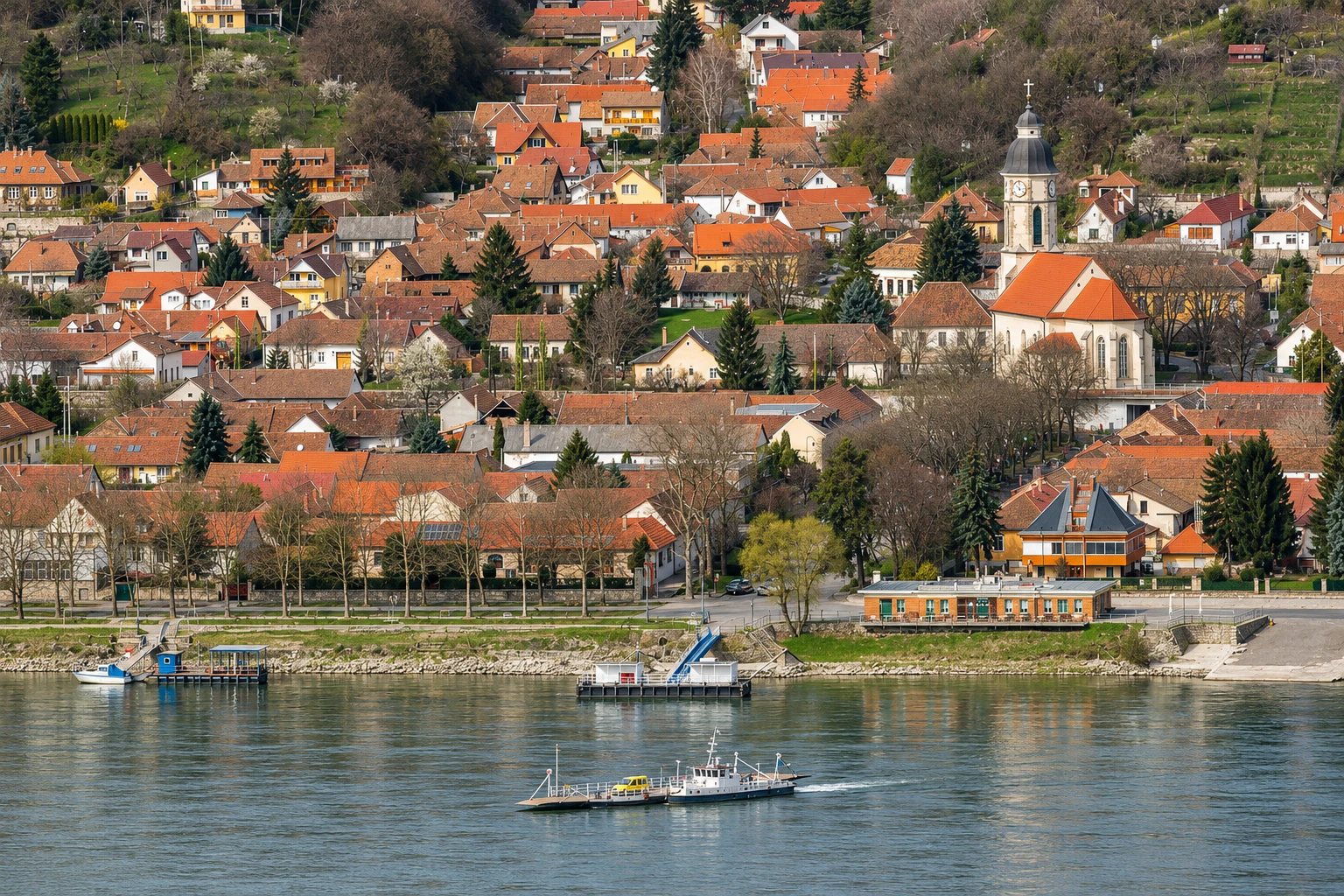
Nagymaros is on the left bank of the Danube, facing the Visegrád hill. The ferry pier is next to Fő tér square. The municipal beach is on Hunyadi sétány, which is also crossed by the EuroVelo 6 cycle route.
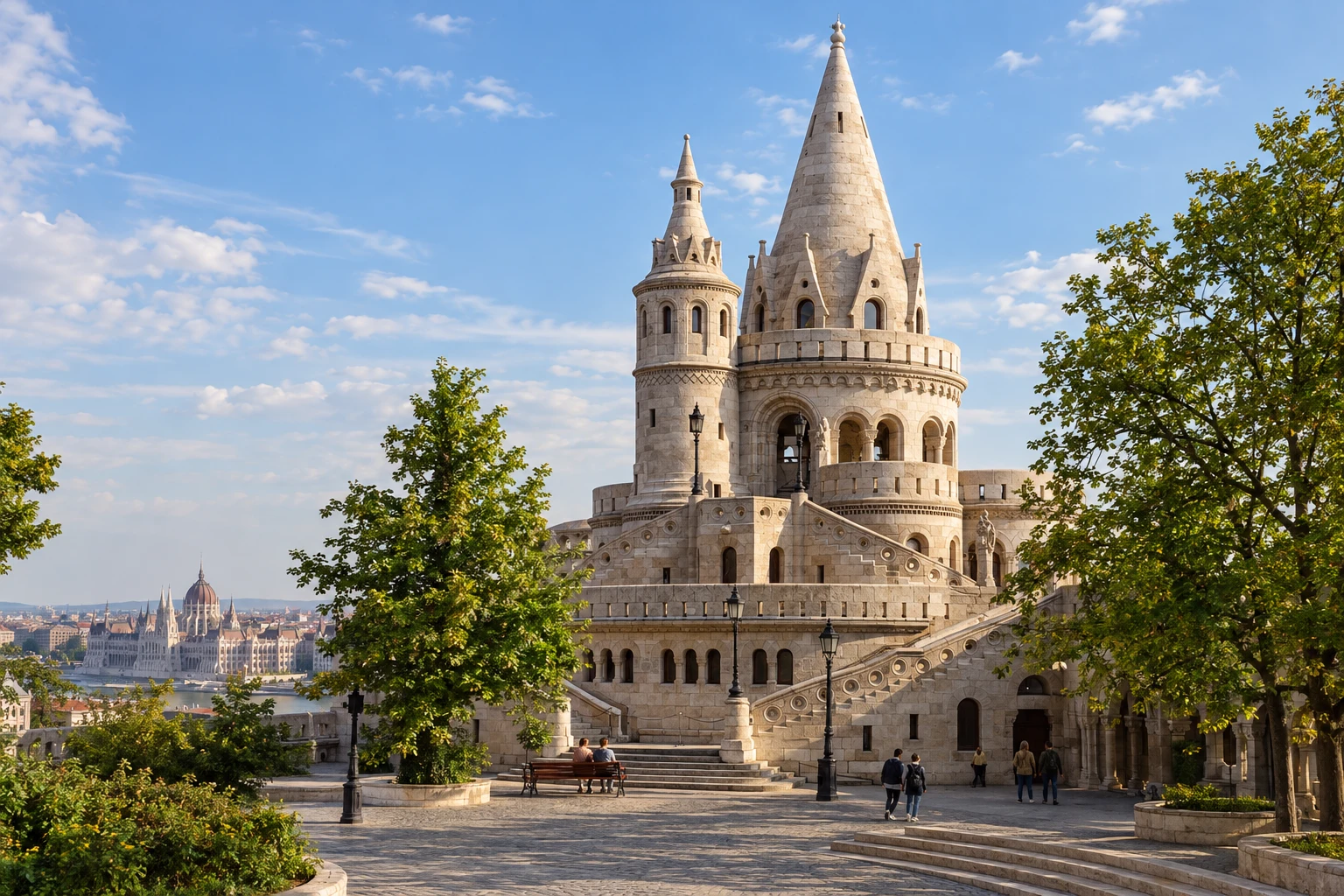
The Danube separates Buda’s hills from Pest’s plain. The Parliament, the Chain Bridge and the Fisherman’s Bastion orient the route. Matthias Church, St. Stephen’s Basilica, the Great Synagogue and the Opera display distinct interiors. the National Museum and the Museum of Fine Arts and the Széchenyi baths round out the visit.
Or browse by county
Still deciding?
Get to know the regions and discover everything they bring together.
Beyond the guide