

 Brazil
 Antarctica
 Argentina
 Bolivia
 Chile
 Colombia
 Ecuador
 Falkland Islands (Malvinas)
 French Guiana
 Guyana
 Paraguay
 Peru
 Suriname
 Uruguay
 Venezuela
 Austria
 Belgium
 Croatia
 Denmark
 Finland
 France
 Germany
 Greece
 Iceland
 Ireland
 Italy
 Luxembourg
 Norway
 Poland
 Portugal
 Slovakia
 Slovenia
 Spain
 Sweden
 Switzerland
 the Czech Republic
 the Netherlands
 the United Kingdom
 Turkey
 Bermuda
 Canada
 Greenland
 Mexico
 Saint Pierre and Miquelon
 the United States
 the Dominican Republic
 Japan
 Egypt
 South Africa
 Australia
 Fiji
 New Zealand
 Papua New Guinea
Culture and history
Cultural and historical travel in Hungary
From the painted chambers of Pécs to the Palóc houses of Hollókő, discover which part of Hungary’s history you’d like to explore up close.
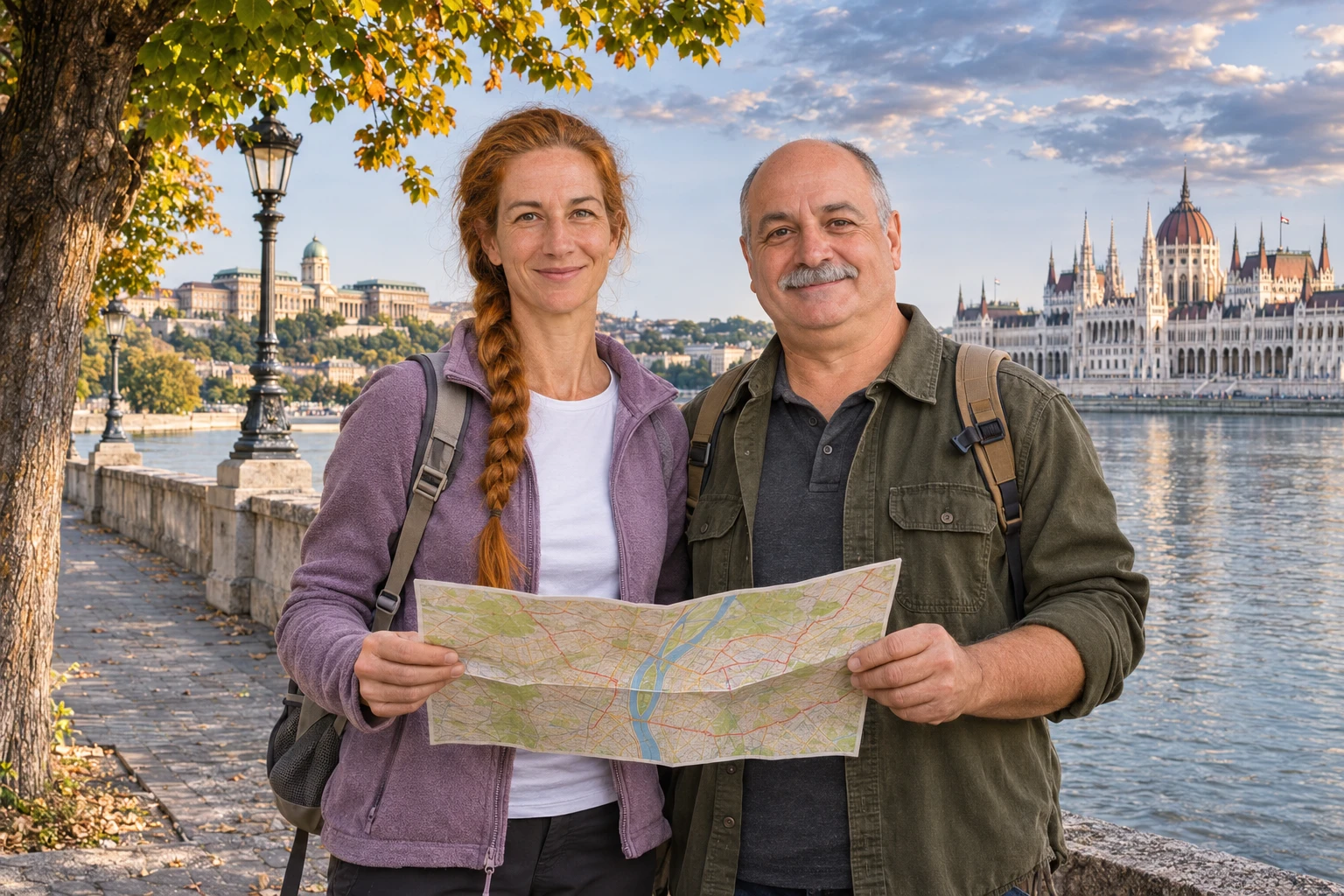
In Budapest, you can begin a journey through Hungarian history simply by looking across the Danube from one bank to the other. On the Buda side, the former royal palace stands out on the hill. One of its doors leads into the Hungarian National Gallery. In just a few hours, you can go from taking in the capital’s skyline to looking closely at a detail in a painting. Exploring the streets and then stepping inside to see what lies behind the facades makes for rewarding outings throughout the country.
Where to go in Brazil
Pick a region or type what you are looking for to see the cities and who offers each activity.
- Budapest BU
- Gödöllő PE
-
Szentendre PE
Conhecer aldeias e tradições populares · Museus · Centros históricos
- Visegrád PE
- Tihany VE
- Keszthely ZA
- Fertőd GS
- Győr GS
- Pannonhalma GS
- Sopron GS
- Miskolc BZ
- Sárospatak BZ
- Eger HE
-
Hollókő NO
Conhecer aldeias e tradições populares · Castelos e cidadelas
- Pécs BA
- Gyula BE
- Szeged CS
The story you discover depends on the destination you choose. In Pécs, it begins underground, in the tombs of a Roman city. In Hollókő, it takes you along the street of a village where people still live. In Fertőd, it leads into the halls of the family for whom the composer Joseph Haydn worked. Start with the subject that sparks your curiosity and let it guide your choice of where to spend more time.
Five ways to explore a historic city
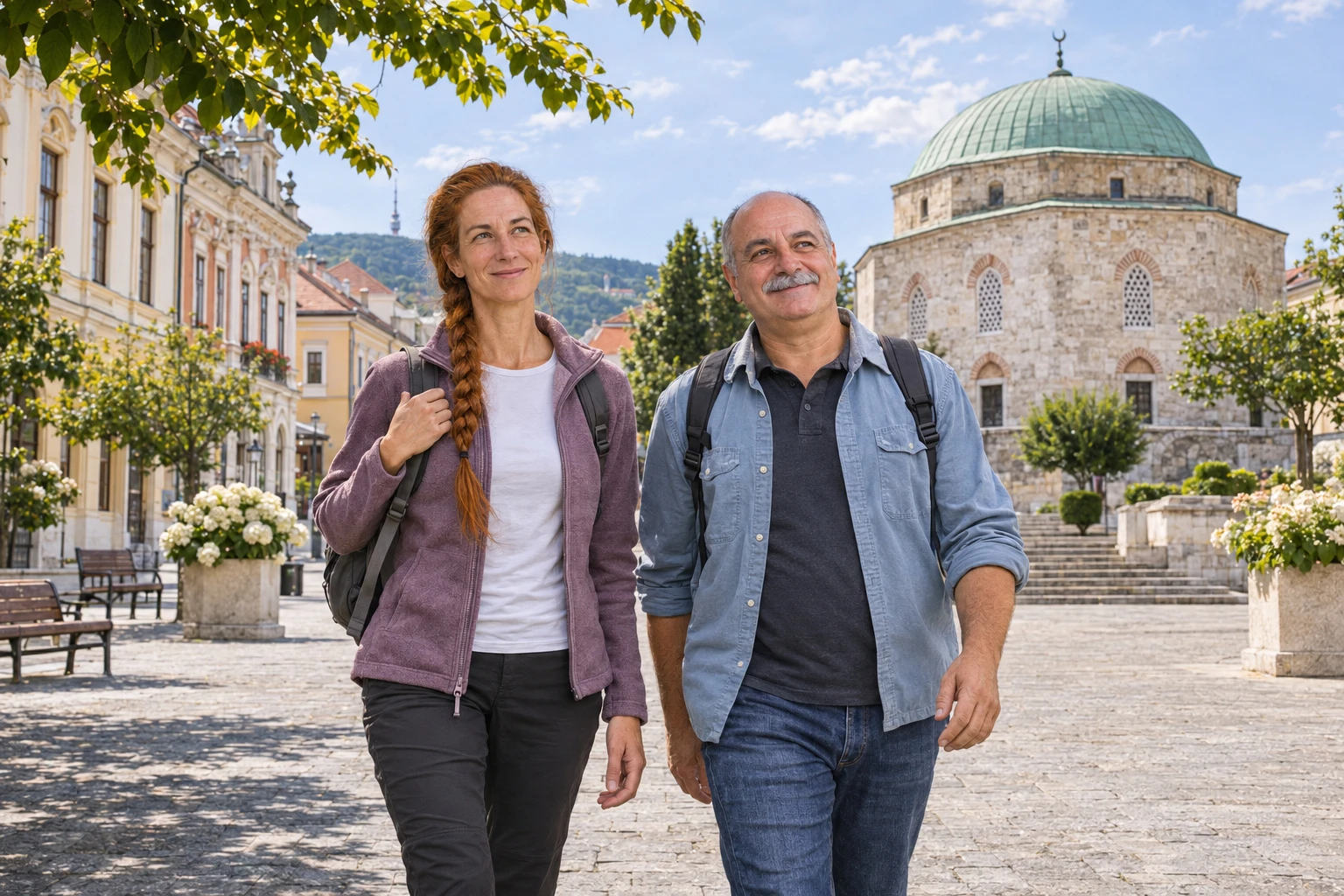
In Budapest, the banks of the Danube, the Castle District, and Andrássy Avenue are all part of the World Heritage Site. Exploring them one at a time makes it easier to notice the changes in scale. Facing the river, you can take in an entire riverbank. In the Castle District, your attention shifts to the streets and passageways. On Andrássy Avenue, the long sweep of the boulevard guides your walk.
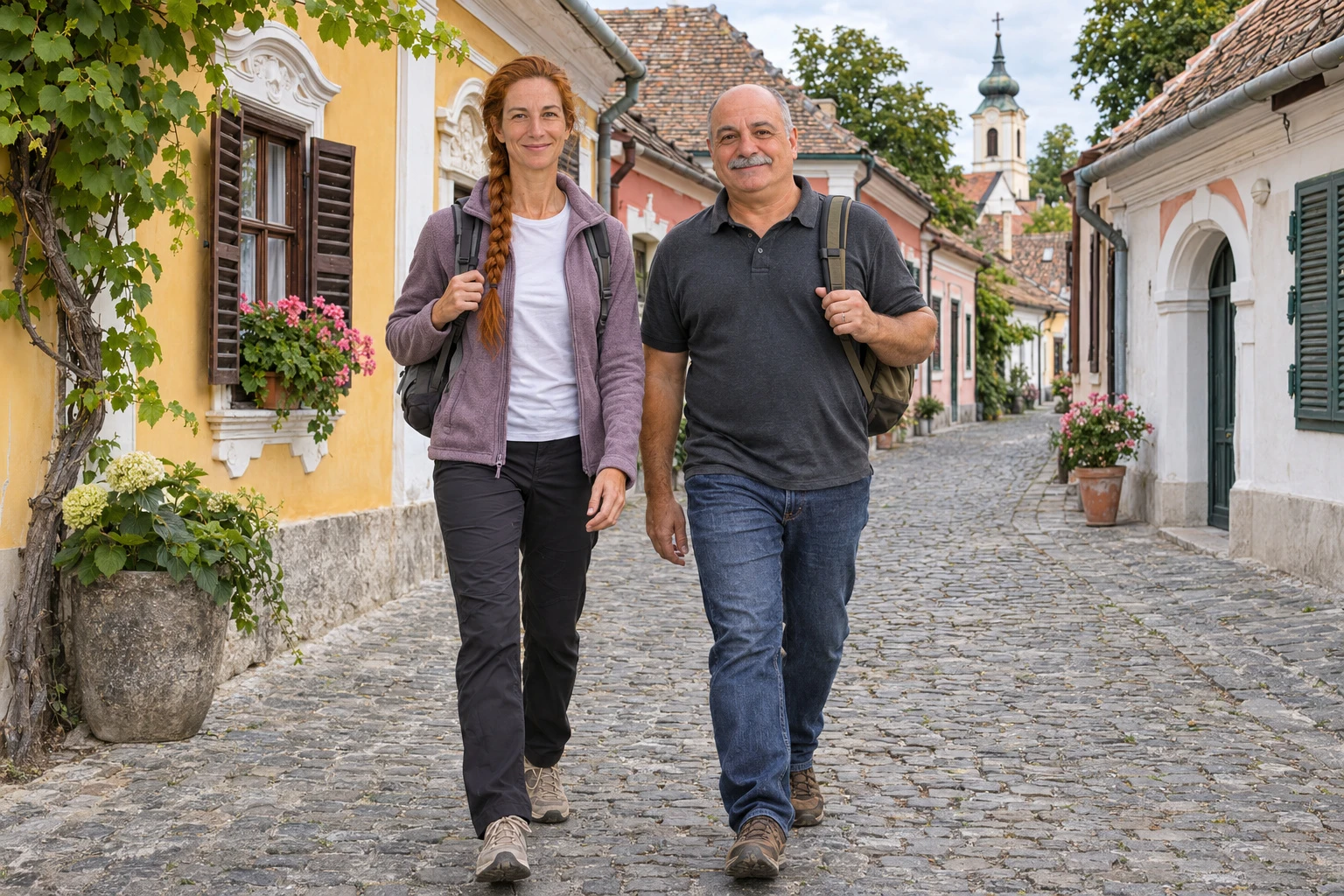
In Győr, Széchenyi Square feels like an open-air room enclosed by Baroque buildings. In Sopron, the Firewatch Tower marks the entrance to the main square, where the old townhouses offer a glimpse of who once lived in the heart of the city. In Szentendre, it’s worth leaving the Danube riverbank to explore the streets of the old town. In Szeged, step back in the square in front of the cathedral until you can see both the towers and the buildings that frame them.
Beneath the streets of Pécs
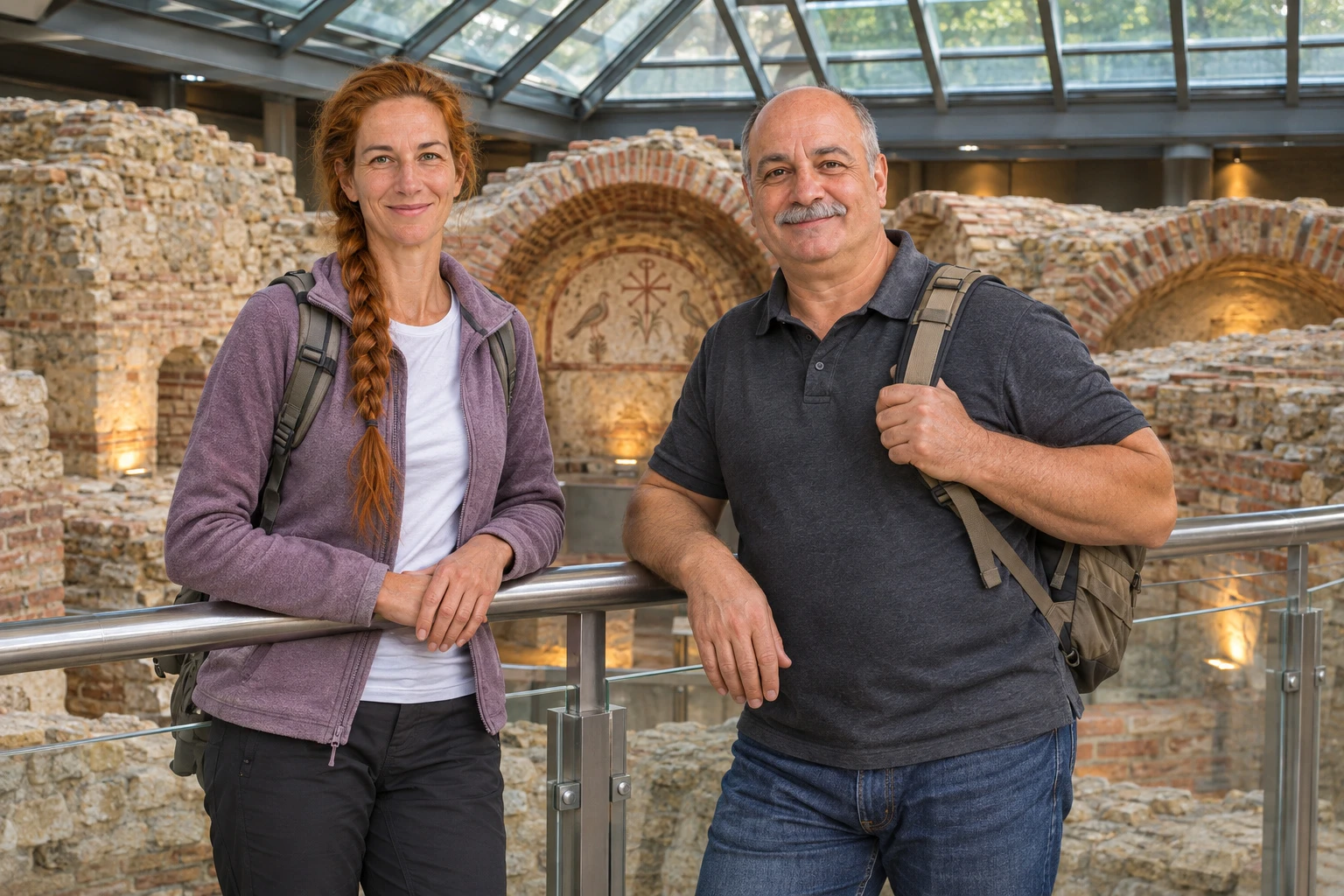
Sopianae was the name of the Roman city that stood where Pécs is today. In the fourth century, its Christian community built tombs with underground chambers. Some still have paintings on their walls. A site plan is worth keeping handy as you explore the necropolis: it helps you see how the burials below relate to the spaces above where people came to remember the dead.
If you enjoy archaeology, set aside the quietest part of your day for this visit. A wall seen in cross section or a fragment of a painting calls for a closer look than an entire facade. Start by finding the original ground level. It’s easier then to picture how someone would have approached a tomb to pay their respects. As you leave, see if you can place the remains in relation to the city around you.
Fortresses seen from the river and the village
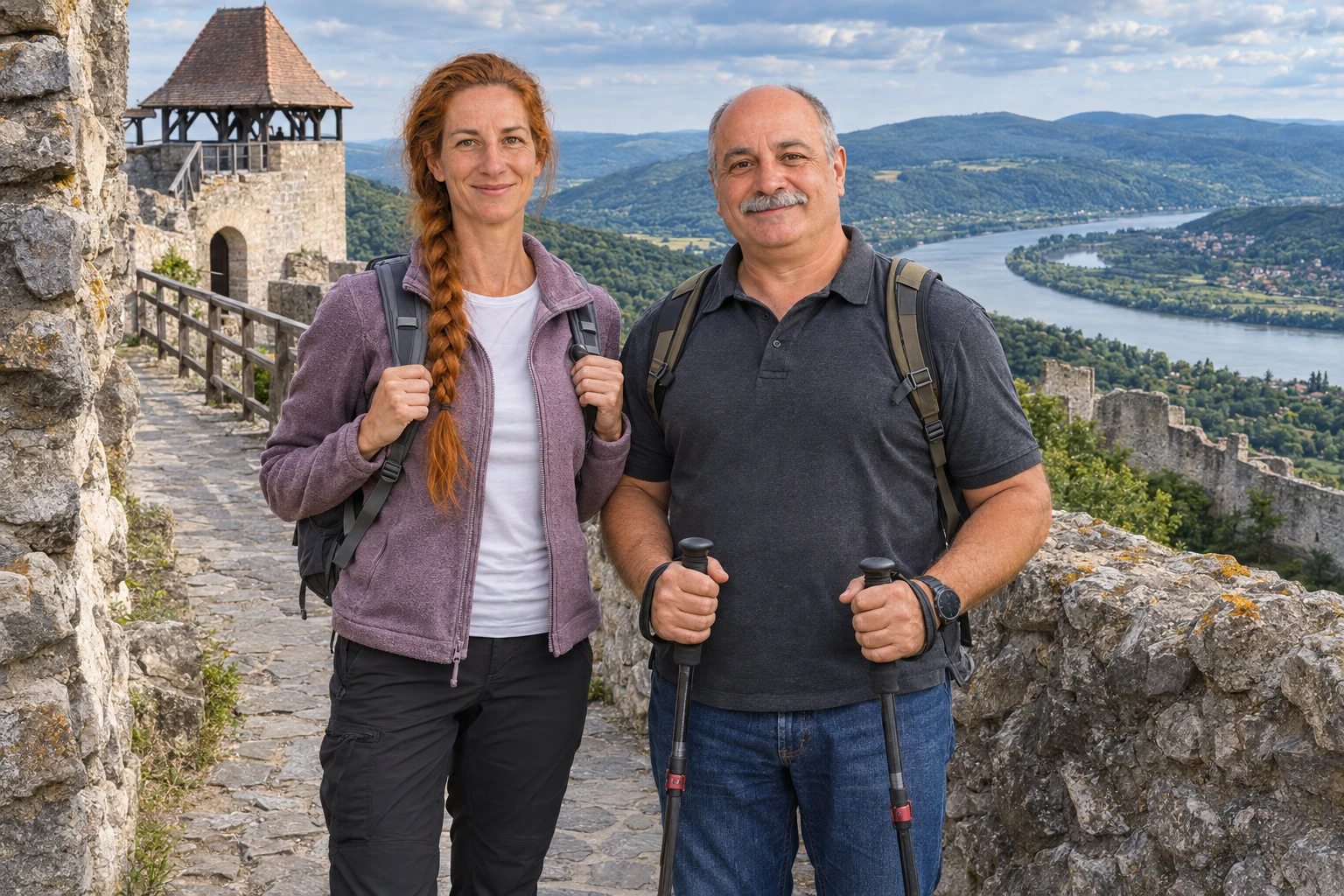
At the Danube Bend, the Visegrád Citadel dominates the landscape from above, while Solomon’s Tower helps explain how the lower ground was defended. These are two distinct sites. Locate both before setting out so you don’t underestimate the change in elevation. In Eger, the city’s defense during the Ottoman siege of 1552 gives you a different starting point for exploring the castle. Notice which way the walls face and how they protect the approaches.
The Red Tower is part of Rákóczi Castle in Sárospatak. In Gyula, one striking feature of the medieval fortress is its brick construction. In Hollókő, you can see the relationship between the villagers and the castle from two perspectives: first, look up at the ruins from the village streets, then back down at the houses from the hill. The walk is rewarding even if you know little about military architecture.
Three places to explore palace life
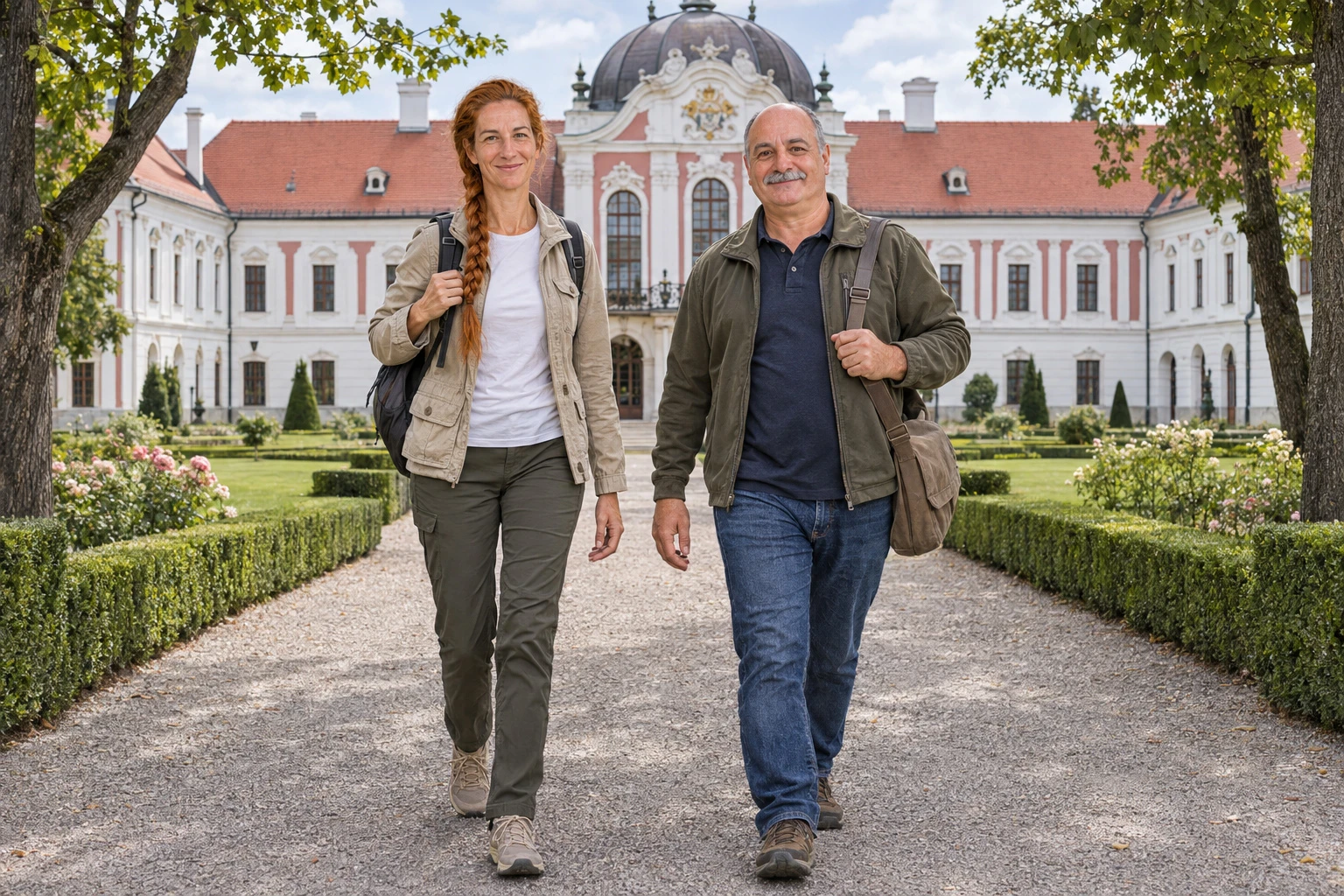
Gödöllő is home to the Grassalkovich family residence, where the royal family later stayed. The rooms associated with Empress Elisabeth give the building’s history a human face. In Fertőd, Esterházy Palace also appeals to travelers with an interest in music. Haydn worked for the family, and the sheer scale of the reception rooms gives you a sense of the audience for whom music was performed at court.
In Keszthely, on Lake Balaton, Festetics Palace tells the family’s story through its books, furniture, and personal belongings. As you explore a residence, choose two rooms that served very different purposes. Notice how you reach the room where guests were received and how much farther you have to go to reach a more private room. The route from one door to the next tells you as much about the house as its decoration does.
A museum for every interest
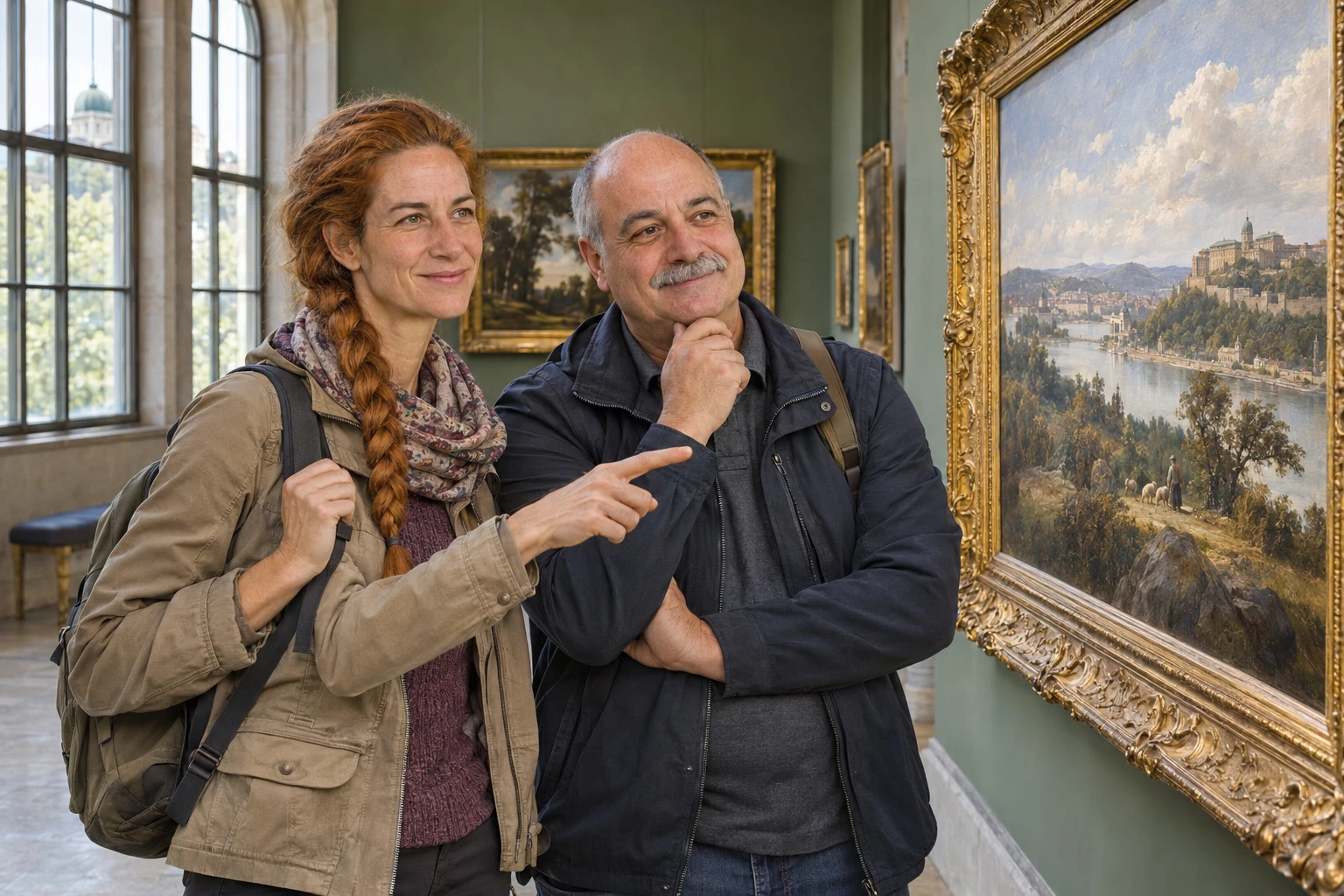
In Budapest, the Hungarian National Gallery offers a way to explore the former royal palace through art history. In Pécs, the starting point is ceramic production. The Zsolnay Cultural Quarter occupies the former factory, so a visit to the exhibitions also takes you through the spaces where the pieces were made. Both are good reasons to spend some of your time in a city exploring a collection.
In Szentendre, choose between the ceramics of Margit Kovács and the paintings of Béla Czóbel, or see how the two artists worked with very different materials. In Miskolc, the collections at the Herman Ottó Museum put art in the context of the region’s history. Before planning your day, check the address of the collection you want to see. A museum may house its collections in more than one building.
Palóc houses and rural ways of life
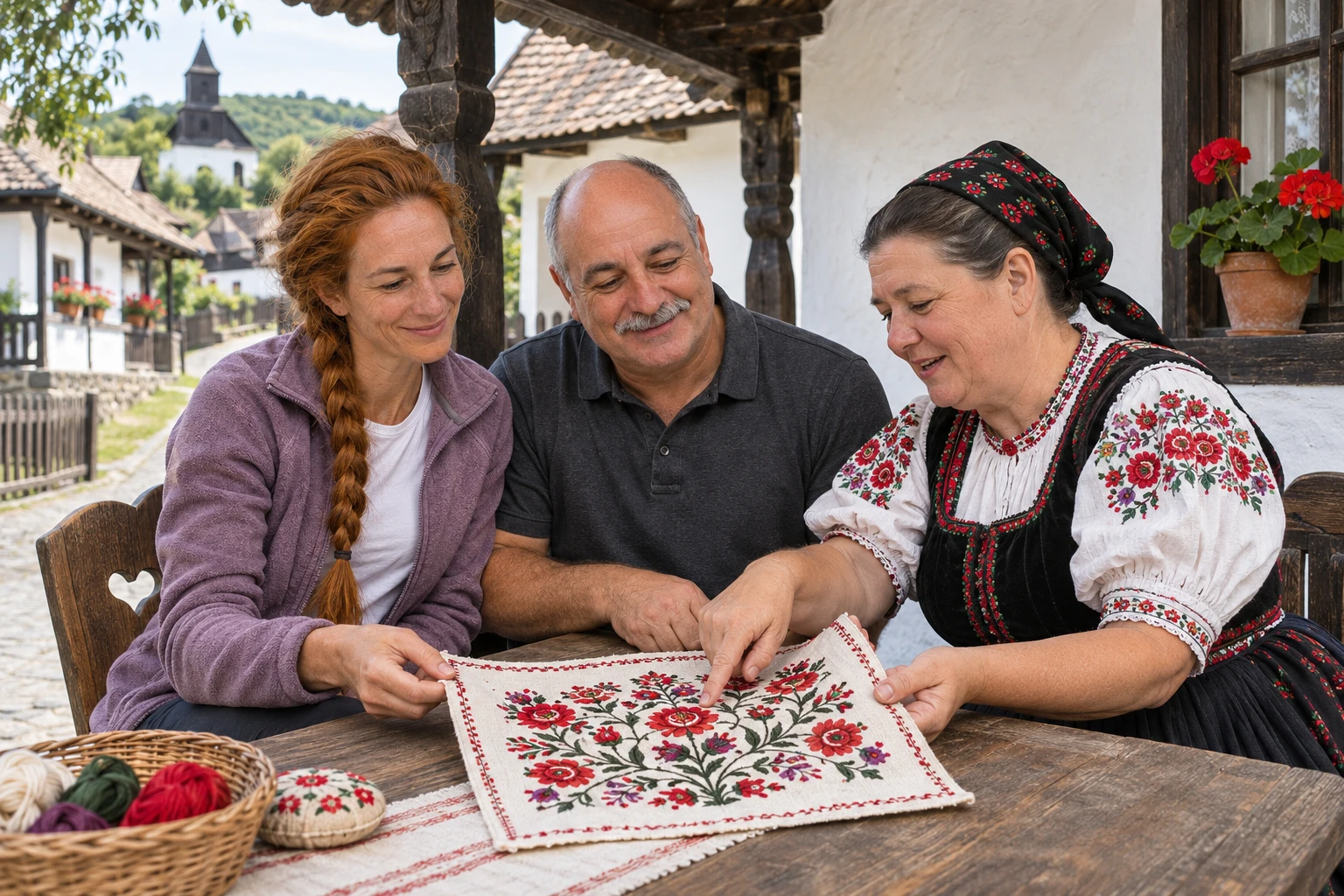
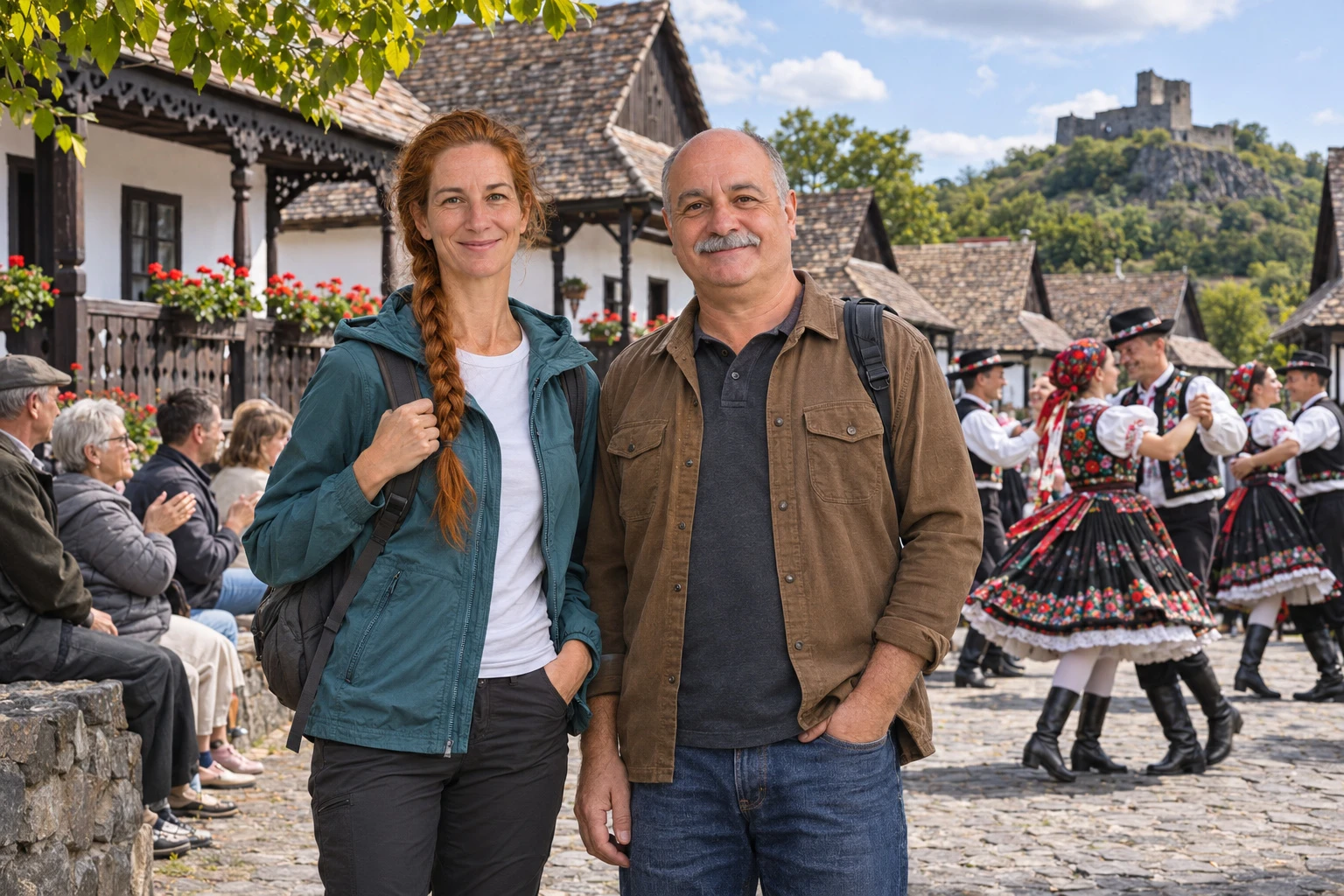
In the old village of Hollókő, the rows of Palóc houses are part of the village’s heritage, as is the way the individual plots meet the street. Look along the sides of the houses, beyond the street-facing facades, to see how the work areas extend back through each plot. People live here. Only enter properties marked as open to visitors, and ask permission before taking a close-up photo of someone or photographing the inside of a home.
The Skanzen in Szentendre invites a different question: how does a house change when the region, the materials, and the way people work are different? At this open-air museum, groups of rural buildings let you compare kitchens, workshops, and farm outbuildings. With children, following a simple theme like breadmaking is usually more rewarding than trying to cover the entire museum.
The abbeys of Pannonhalma and Tihany
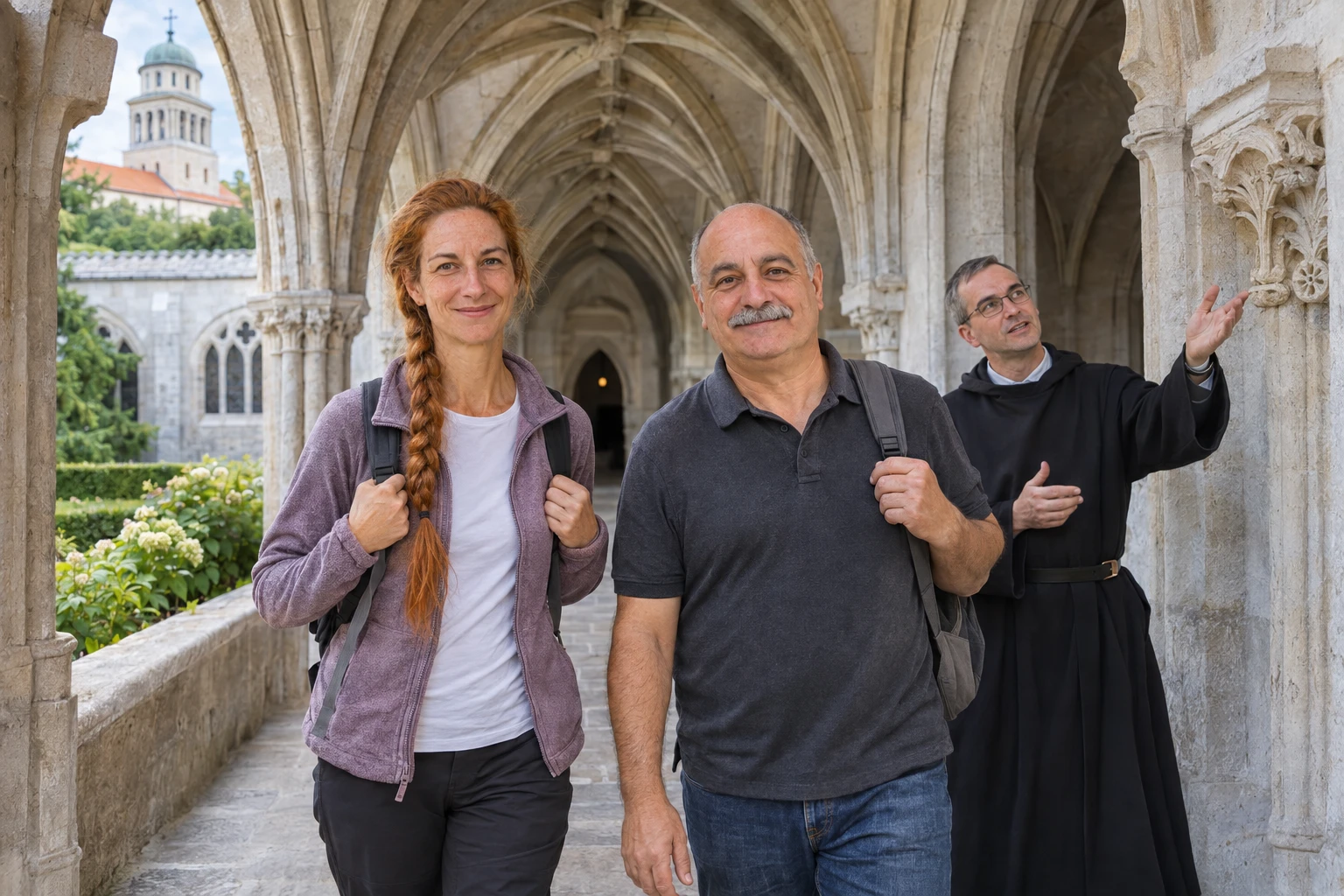
At Pannonhalma Abbey, the basilica, cloister, and library reveal the different functions of a Benedictine monastery. The walkways around the courtyard show how the community moves from one space to another. In Tihany, the abbey church rises above Lake Balaton. You can combine a look at the community’s history with a walk overlooking the lake.
If you’d like to attend a service, check the service schedule separately. If you’re visiting for the history and architecture, find out when you can walk around the church and which parts of the abbey are included on the visitor route. If anyone in your group has difficulty with climbs or stairs, check both the approach to the entrance and the routes between rooms. There may be more than one way to reach a hilltop abbey.
Frequently asked questions
Where should you start a cultural tour of Hungary?
Budapest’s Castle District combines city views and art. If you prefer a smaller city, you can explore Sopron on foot around the main square and the Firewatch Tower.
Where can you combine history and music?
At Esterházy Palace in Fertőd, you can get a sense of the court where Joseph Haydn worked. If you’d like to hear music during your visit, check the event schedule separately.
Where can you visit both a castle and a historic village?
Hollókő has castle ruins and a historic village center with traditional Palóc houses. Allow time for the uphill walk from the village to the castle.
What can you visit on a rainy day?
In Pécs, choose between the ceramics exhibitions in the Zsolnay Cultural Quarter and the early Christian necropolis. Check which parts of the route from the entrance to the areas you want to visit are outdoors.
Can you combine cultural heritage with relaxation at Lake Balaton?
Keszthely is home to Festetics Palace. In Tihany, the Benedictine abbey overlooks the lake. Choose which to visit based on the shore where you plan to spend the day.
More in Culture and history
Beyond the guide


