

 Brazil
 Antarctica
 Argentina
 Bolivia
 Chile
 Colombia
 Ecuador
 Falkland Islands (Malvinas)
 French Guiana
 Guyana
 Paraguay
 Peru
 Suriname
 Uruguay
 Venezuela
 Albania
 Austria
 Belgium
 Croatia
 Denmark
 Finland
 France
 Germany
 Greece
 Iceland
 Ireland
 Italy
 Luxembourg
 Norway
 Poland
 Portugal
 Slovakia
 Slovenia
 Spain
 Sweden
 Switzerland
 the Czech Republic
 the Netherlands
 the United Kingdom
 Turkey
 Bermuda
 Canada
 Greenland
 Mexico
 Saint Pierre and Miquelon
 the United States
 the Dominican Republic
 Japan
 Egypt
 South Africa
 Australia
 Fiji
 New Zealand
 Papua New Guinea
Culture and history
Festivals in Hungary
In Hollókő, music and buckets of water announce the arrival of Easter. In Debrecen, flowers take to the streets on wheels. Find out which festival to mark on your travel calendar.
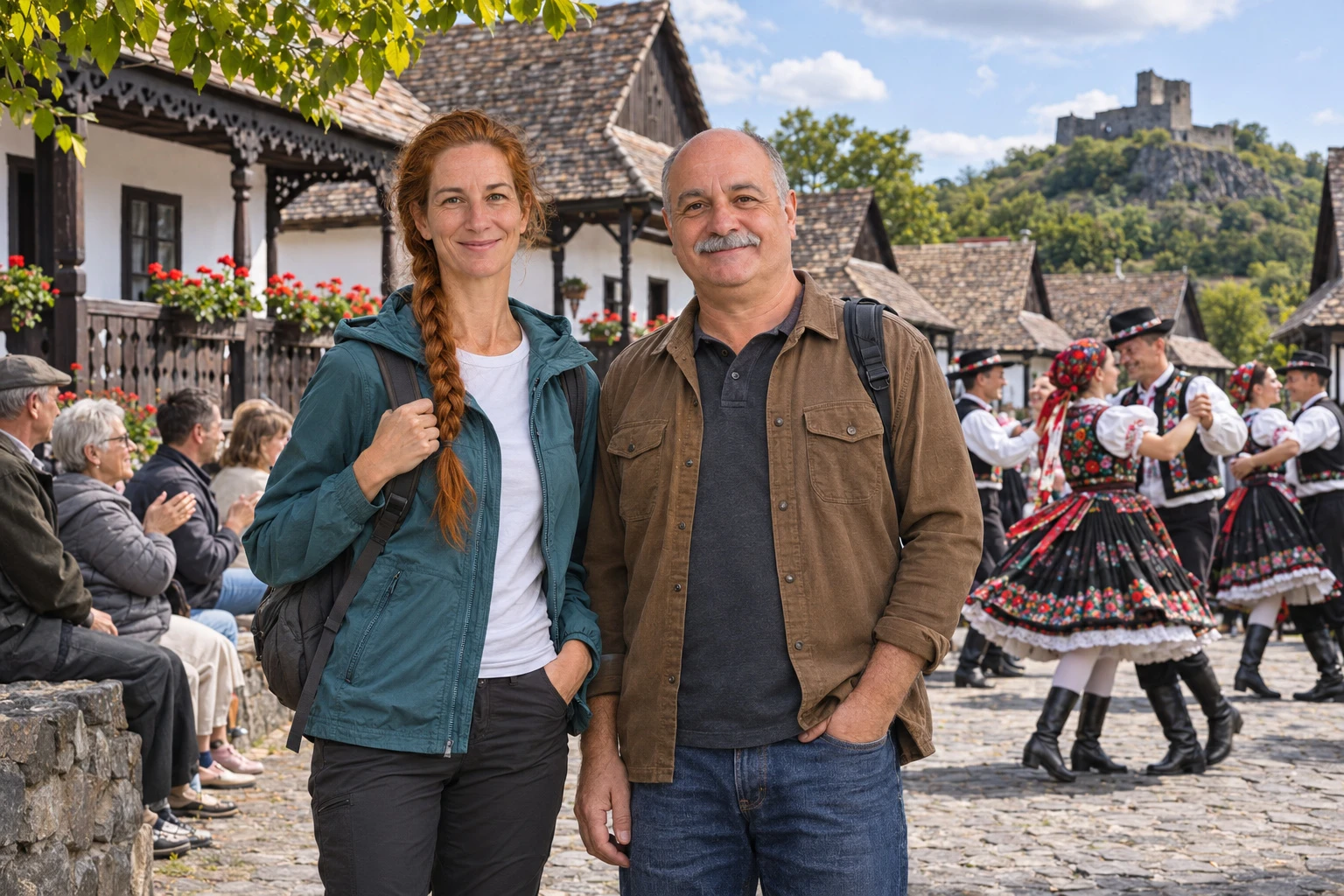
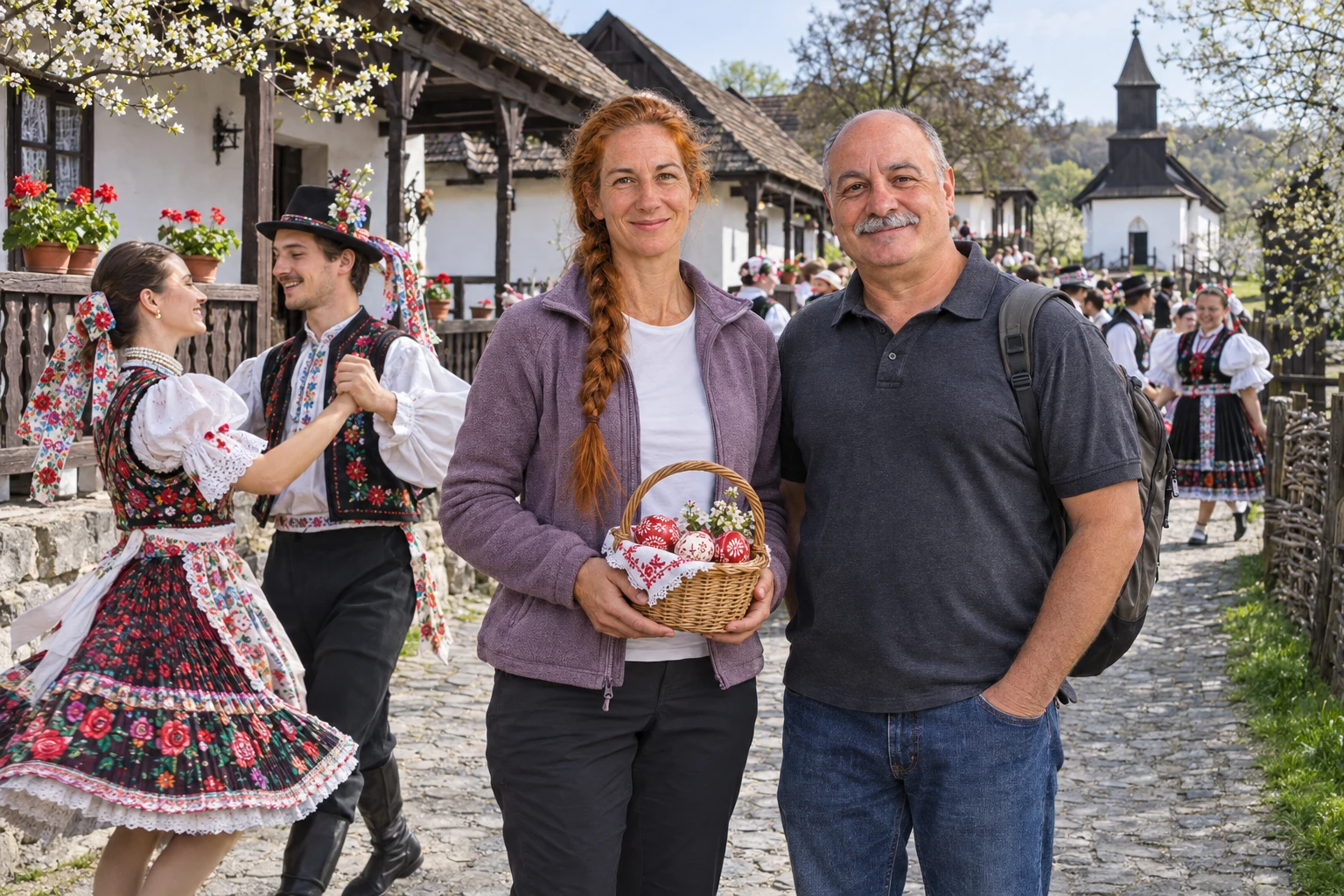
At Easter in Hollókő, a bucket in a young man’s hands and the young women’s full skirts hint at what’s about to happen. Playfully splashing the women with water is part of the Palóc tradition that residents celebrate in the village. In Debrecen, the scene is different. First you hear the music of the procession. Then figures made of flowers come into view, large enough to be seen over the heads of the people waiting on the sidewalk.
Where to go in Brazil
Pick a region or type what you are looking for to see the cities and who offers each activity.
- Budapest BU
- Hollókő NO
- Debrecen HB
- Pécs BA
- Szeged CS
Hungary also has festivals where art changes the way you see a familiar place. In Pécs, the cathedral’s reliefs become part of the design of the light projections. In Szeged, Cathedral Square becomes both stage and auditorium. In Budapest, you have to make your way to Óbuda Island to discover what else is on between Sziget concerts. The length of a visit varies as much as the setting.
An island, a square, and a city lit up at night
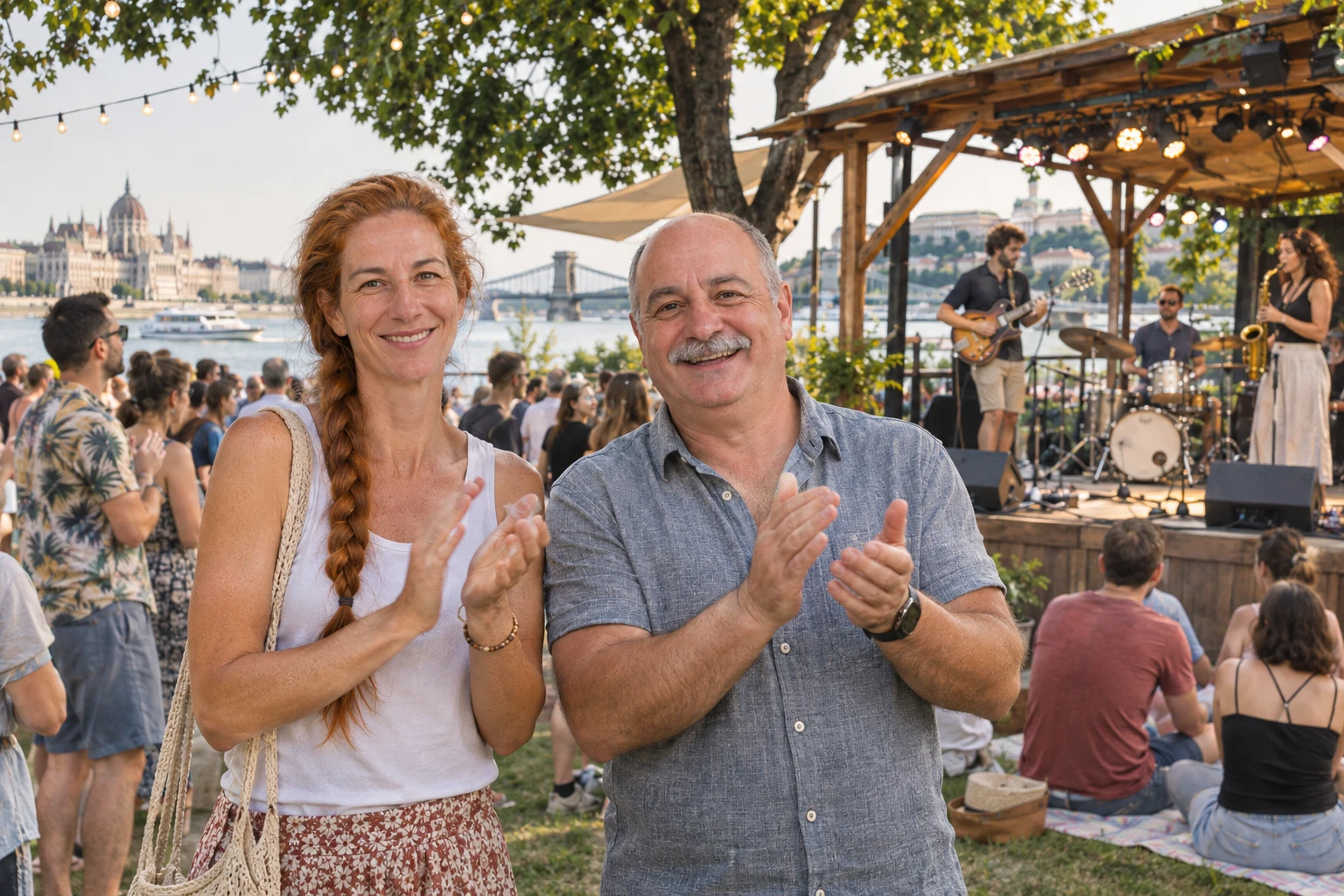
When choosing among the music and arts festivals, think about what you’d like to see from start to finish. At the Sziget Festival in Budapest, the lineup can help you decide which day to visit Óbuda Island on the Danube. Once you’ve picked a show, see what’s happening nearby in the hours before it starts. Leave some time for a stage or a performance you might not discover until you get there.
At the Szeged Open-Air Festival, the performance you choose shapes your evening. Look for Cathedral Square, or Dóm tér in Hungarian, among the venues on the program. Arrive while it’s still light to see the architecture around the seating area before the stage lights draw your attention to the performance.
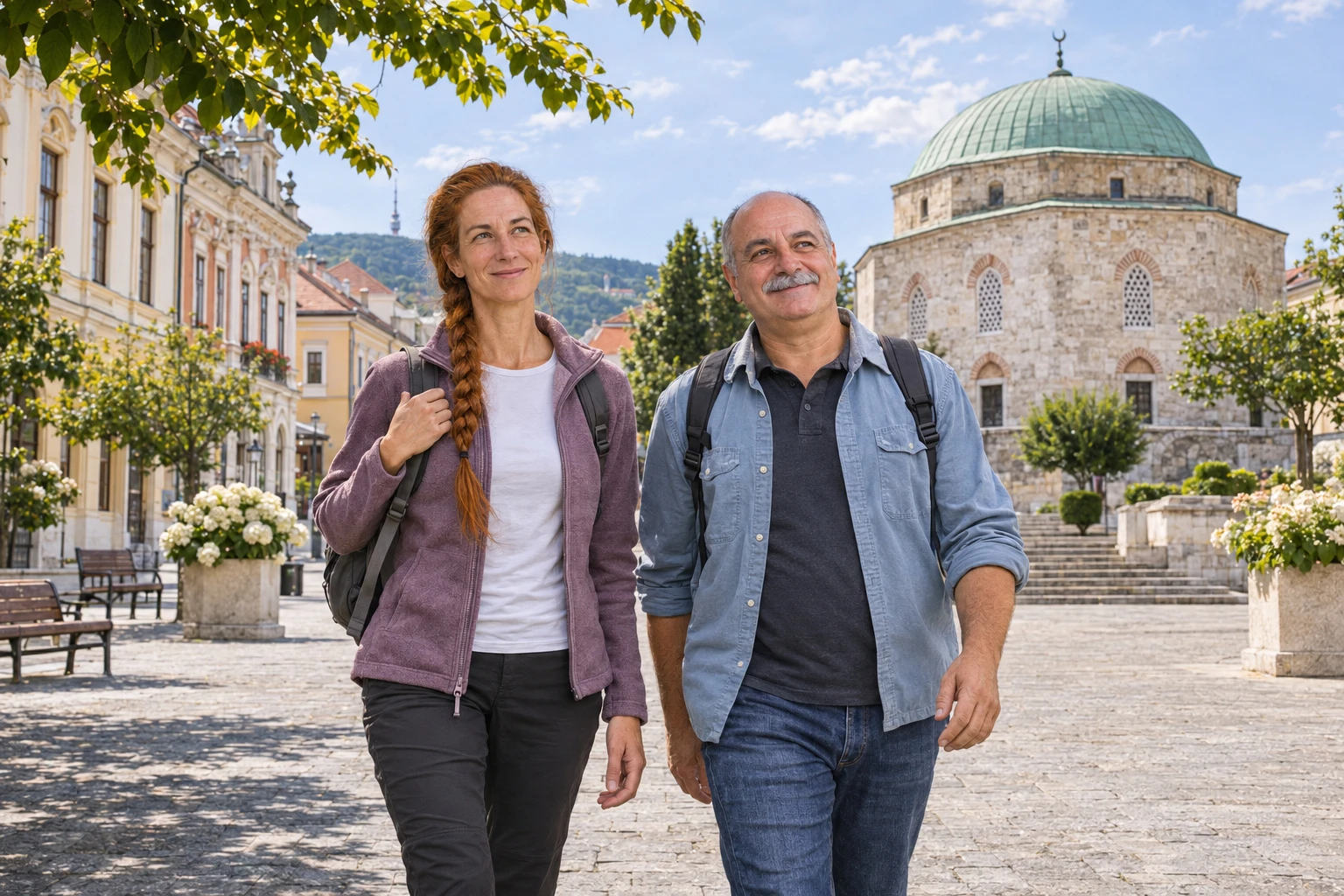
The Zsolnay Light Festival in Pécs invites you to explore on foot. Works are spread across building facades and public spaces, and the projection on the cathedral uses the shape of the building itself to create the illusion of movement. A good way to start is to get to know the facade in daylight, then return after dark to see what the artists have done with it.
Two celebrations on the Hungarian calendar
At Easter in the village of Hollókő, you can see people in the streets wearing traditional Palóc festive dress. Look at the skirts, aprons, and embroidery as people gather for music and dancing. The traditional sprinkling of water is one of the sights visitors most want to see. If you’d like to see it, look for it on the village program before deciding which day of the holiday to arrive.
In Debrecen, the main Flower Carnival parade takes place on August 20, during the Hungarian summer. Flower-covered floats share the route with musicians and dance groups. From a distance, the first thing you see is the outline of each figure. As a float passes close by, you can make out the colors and see how the flowers form an outfit, a face, or another detail on the float.
If you’re more interested in the floral figures than in the procession, check whether this year’s program lists a display of the floats after the parade. Each offers a different experience. During the parade, music and choreography accompany each float as it moves. At the display, you have time to see how flowers are fitted around a curved surface.
Which festival fits your travel dates?
Easter falls on a different date each year. Start planning your visit to Hollókő by checking the festival dates and reading the program day by day. If you’re hoping to see the water-sprinkling tradition, you may want to choose a different day than someone coming for the music. If your group has only a few hours in the village, a performance and a walk through the old streets are enough for a rewarding visit.
For the summer festivals, look at the calendar a little differently. In Szeged, look for the title of the production and the nights it will be onstage. In Budapest, check which day of Sziget the artist you’re traveling to see will perform. In Pécs, plan to spend an evening in the city to see the projections. If you need to leave before dark to catch a connection, you’ll miss the very thing you came for.
To fit two festivals into one trip, mark the dates of both before choosing where to stay. An August trip to Debrecen hinges on the parade date, while an evening in Szeged depends on the performance you choose. Even two summer events can be far apart on the calendar. If the dates don’t line up, consider spending the second part of your trip getting to know one of the cities at its everyday pace.
Where to watch
In Szeged, check the seating chart before choosing your seat. From farther back, it’s easier to see how the set fills the square. If you prefer to see the performers’ gestures up close, look for a section nearer the stage. For a sung or spoken production, check the language and whether your performance offers surtitles.
Choosing a spot works differently for a parade in Debrecen. Use the map to find a stretch of the route where both the dancers and the floats you want to see will pass. If you’re with children, think about what they’ll be able to see at their height. A spot right along the route may be better than a well-known viewpoint where they’d only see the tops of the floats.
In Pécs, the best viewpoint varies from one work to the next. For a large projection, stand far enough back to see the whole facade and watch until the sequence ends. Before walking to the next installation, check the map for that year’s festival. A short route with time at each stop lets you notice color changes and patterns you’d miss if you hurried past.
Getting there, taking breaks, and heading back
At Sziget, mark both the stage for your chosen show and the island entrance you’ll use on the map. Allow time to get from the festival entrance to the stage, especially when many people are heading in the same direction. If your friends want to see different acts, choose a meeting point that’s easy to recognize and agree on a time before you split up.
In Hollókő or Debrecen, map the route from your arrival point to the part of the celebration you want to see. During a procession, the sidewalk with a good view may be across the street from the exit you want to use. If you use a wheelchair or need breaks, check with the organizers about access to your viewing spot and the location of the nearest accessible restroom.
When planning your return, factor in the time it takes the crowd to leave. After the last chord in Budapest, the end of the show in Szeged, or the last projection you’ve chosen in Pécs, you’ll still have a walk to reach your transportation. Check the options for that day and allow time to leave with the rest of the audience.
Frequently asked questions
When is the Debrecen Flower Carnival?
The main parade takes place on August 20. Check the schedule for the year you plan to visit to choose between watching the floral floats go by and joining activities on the surrounding days.
Where can you see traditional Palóc clothing at Easter?
In Hollókő. Residents wear traditional festive clothing for the celebration, which brings together music, dance, and the custom of sprinkling water.
Which Budapest festival takes place on an island?
Sziget takes over Óbuda Island on the Danube. Browse the lineup by day to decide when to visit and by stage to plan your time on the island.
What’s the difference between the festivals in Szeged and Pécs?
In Szeged, you choose a time to see an open-air performance. In Pécs, the Zsolnay Light Festival lets you plan your own walk from one projection or installation to the next.
Which festival is a good choice if you only have one night in town?
A performance in Szeged’s Cathedral Square has set start and end times. In Pécs, you can spend the evening exploring just one section of the light festival route, stopping at the works that interest you most.
More in Culture and history
Beyond the guide


