19 places to visit Seville (Spain), chosen by the Cidade Turismo guide.
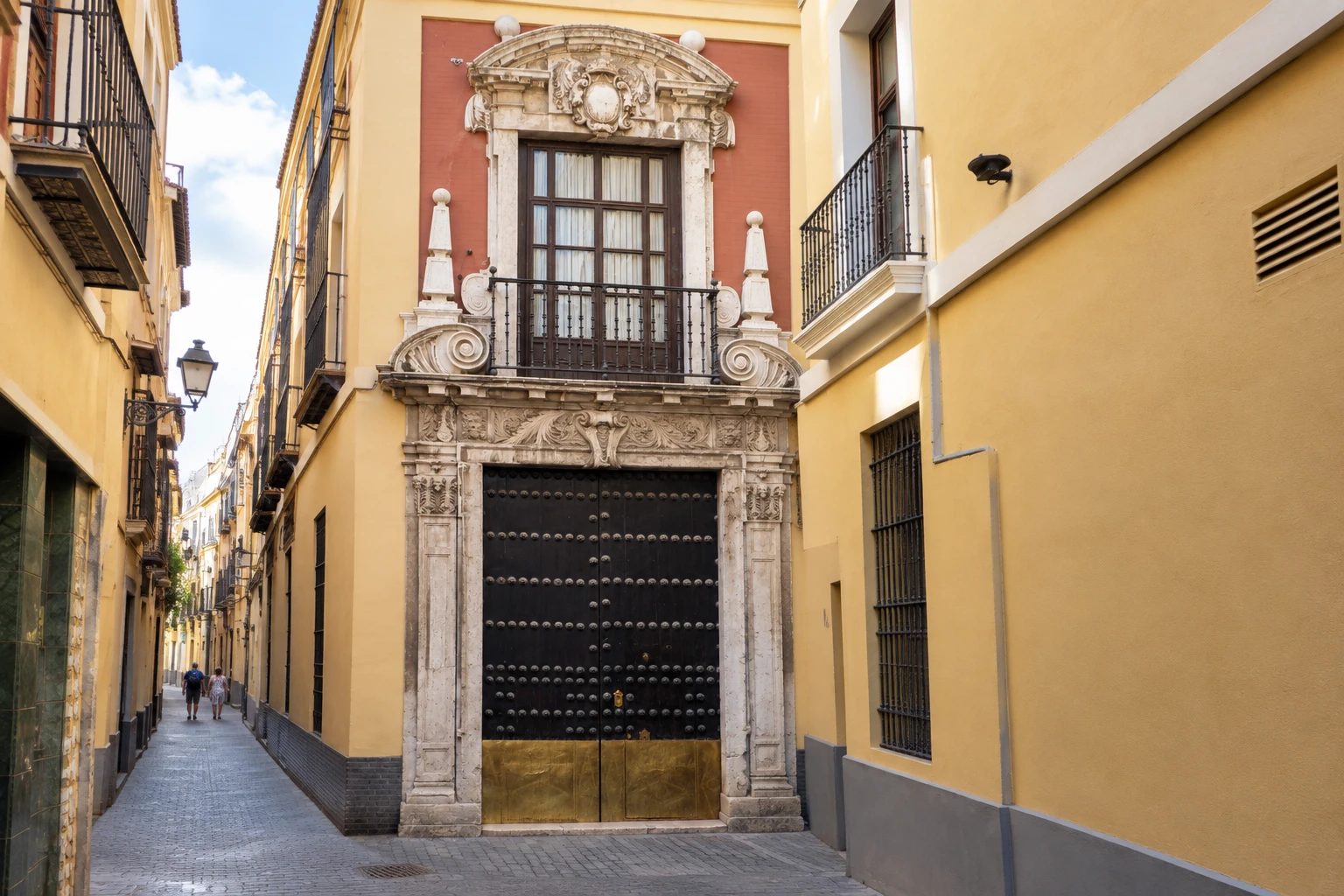
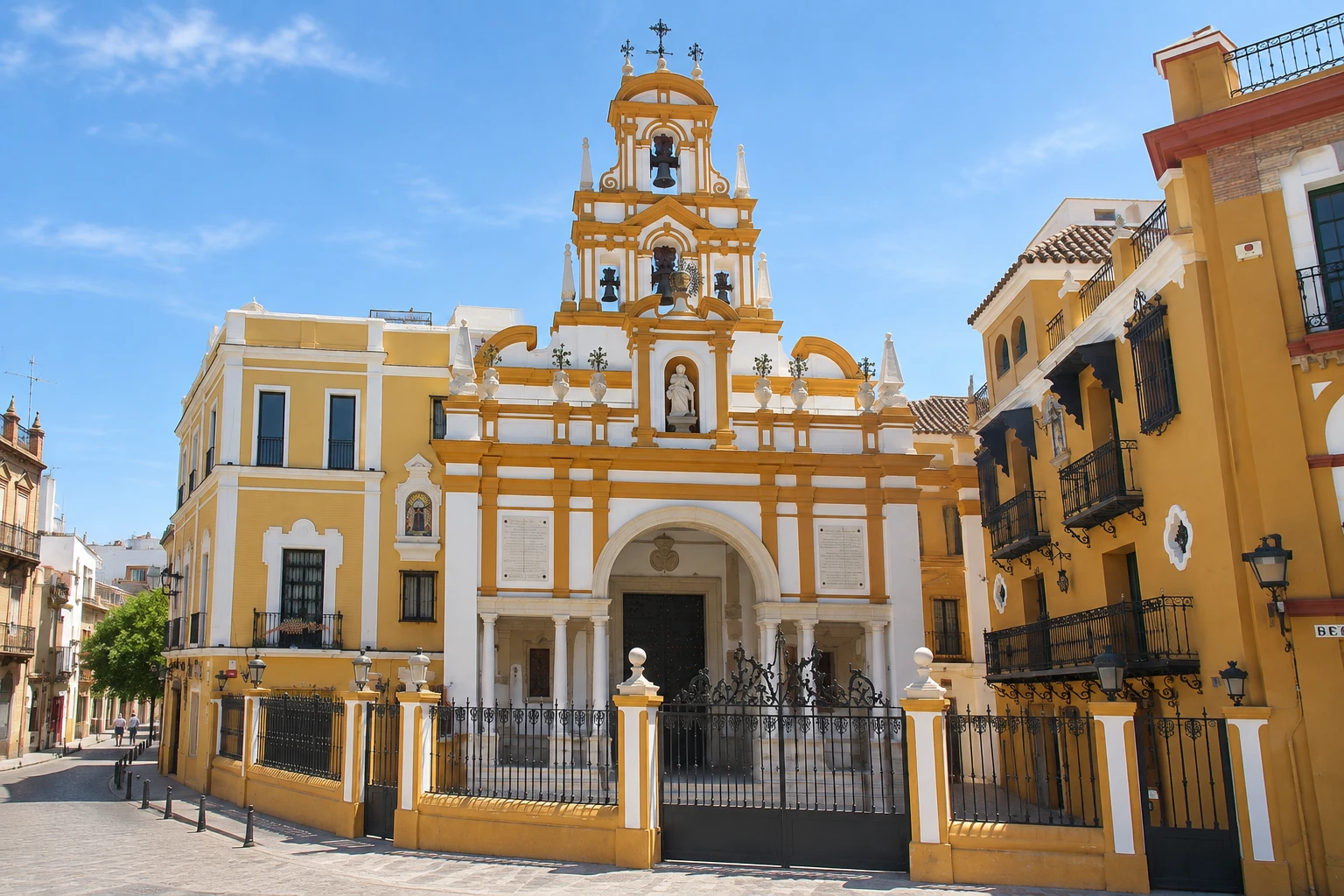
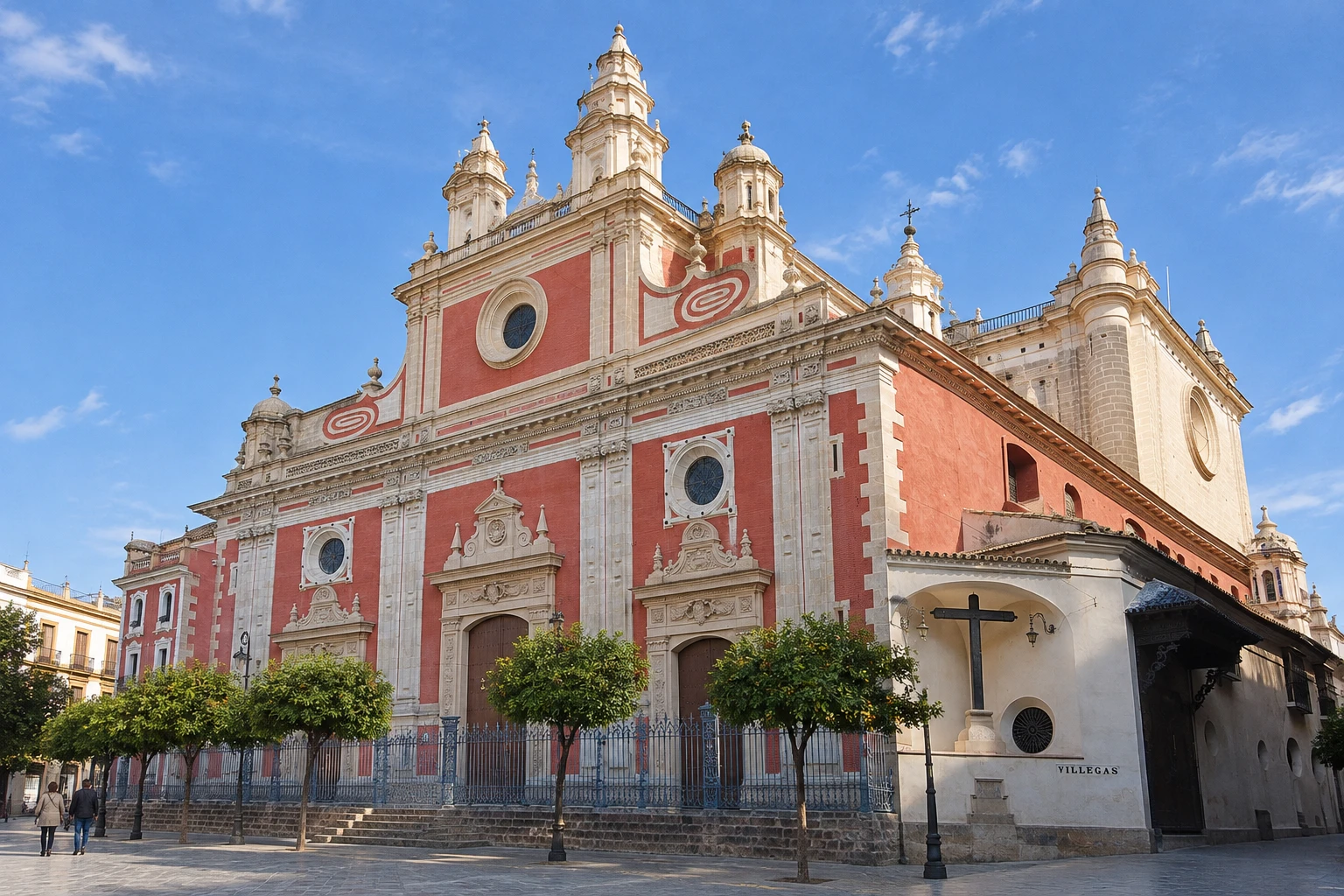
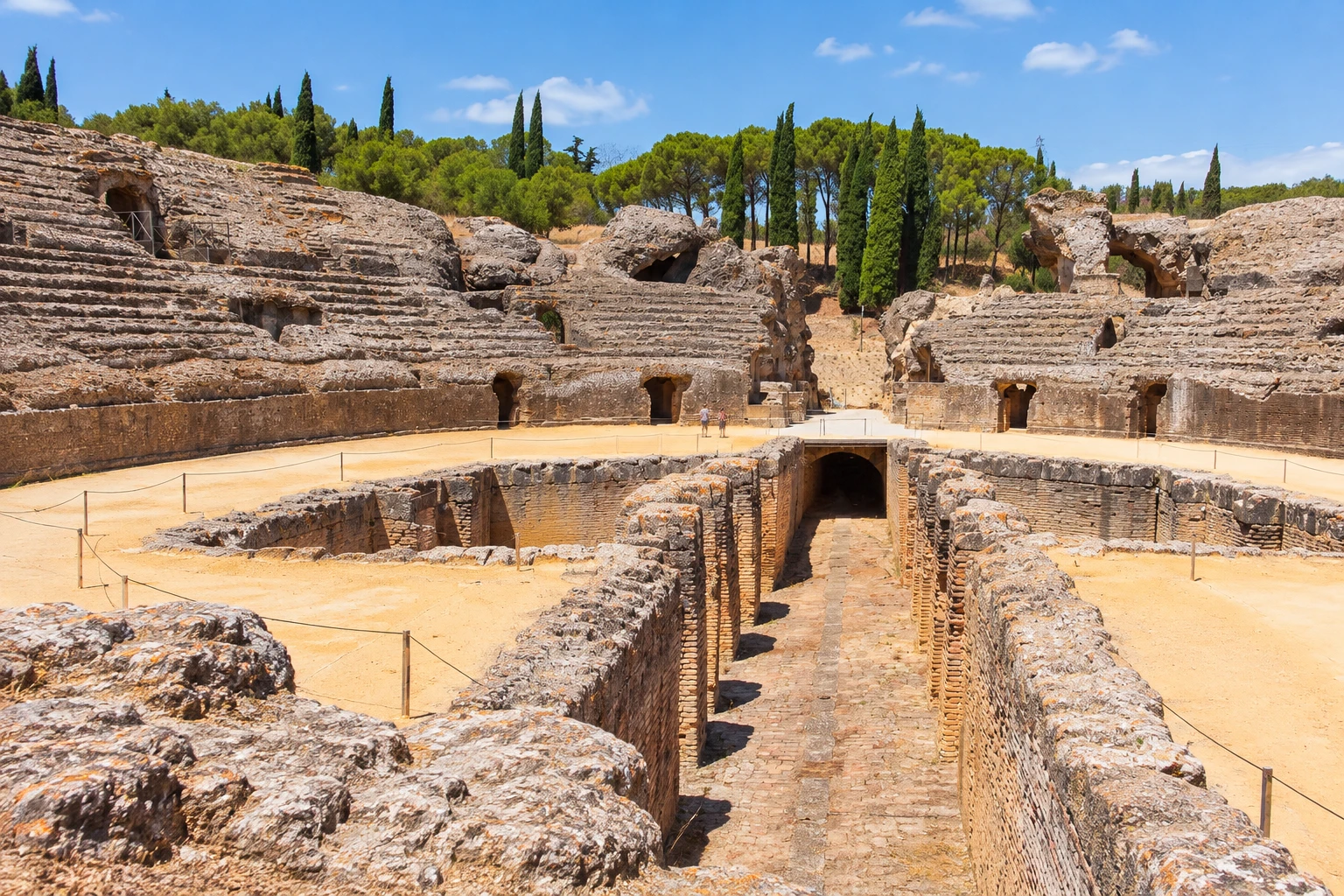
Illustrative images. The pictures in this guide are illustrations based on the real place, not photographs, and may differ from it.
To start
The 10 main places Seville
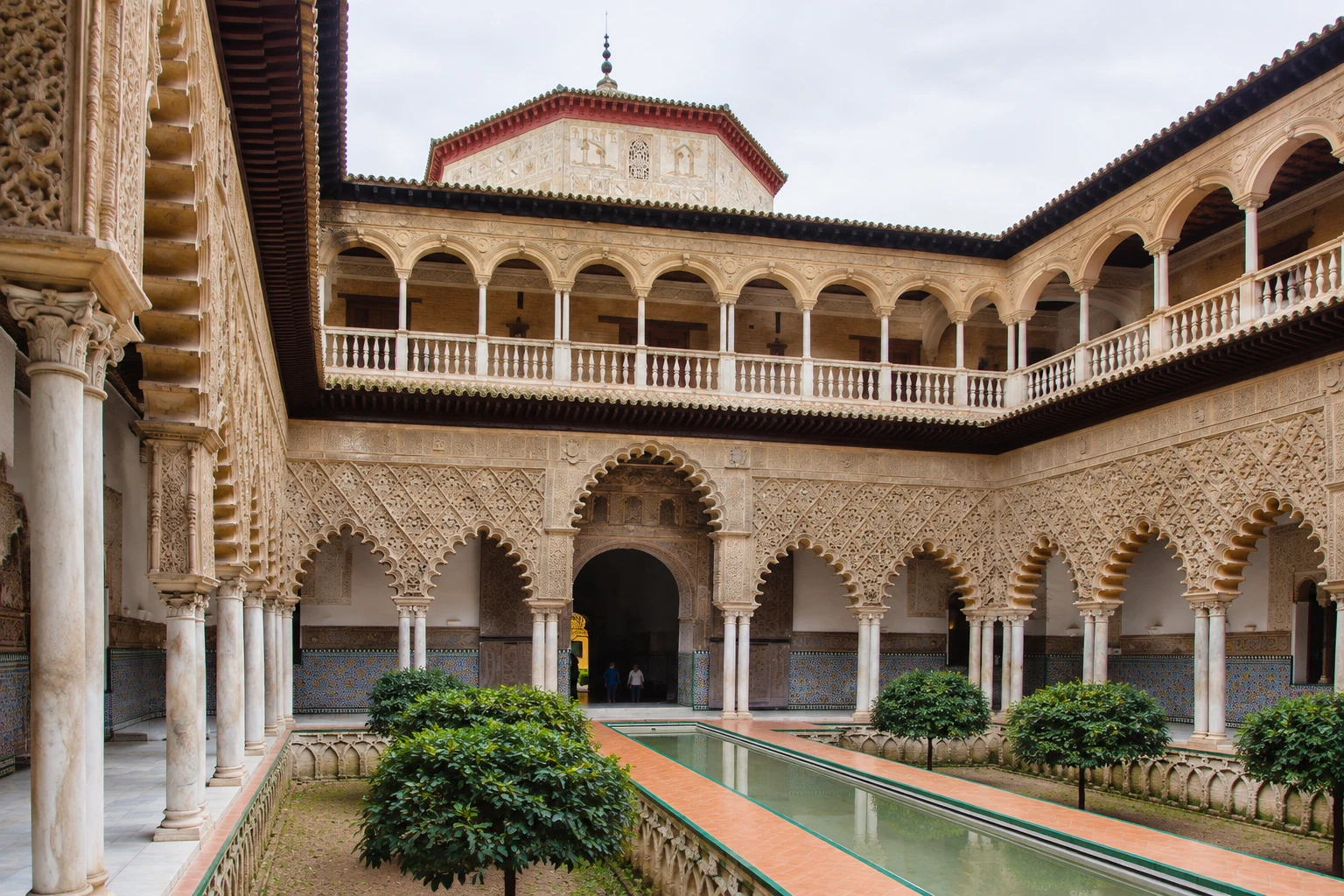
Royal Alcázar of SevilleA complex of walled palaces with Islamic elements, the Gothic Palace of Afonso X and the Mudéjar Palace of Pedro I, surrounded by gardens.
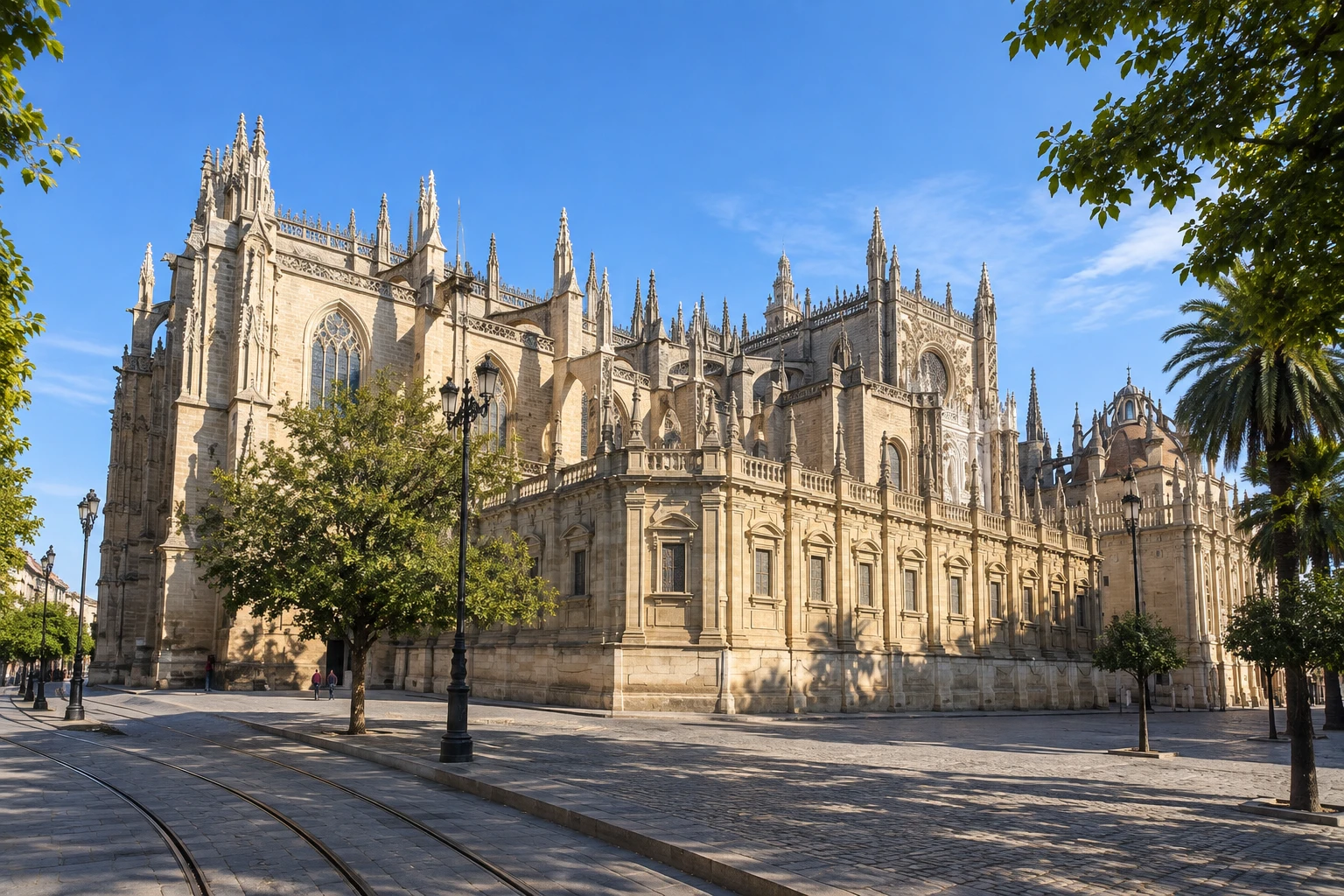
Seville CathedralThe largest Gothic cathedral in the world, built on the site of the former Almohad mosque, from which it inherited the Giralda and the Patio de los Naranjos.
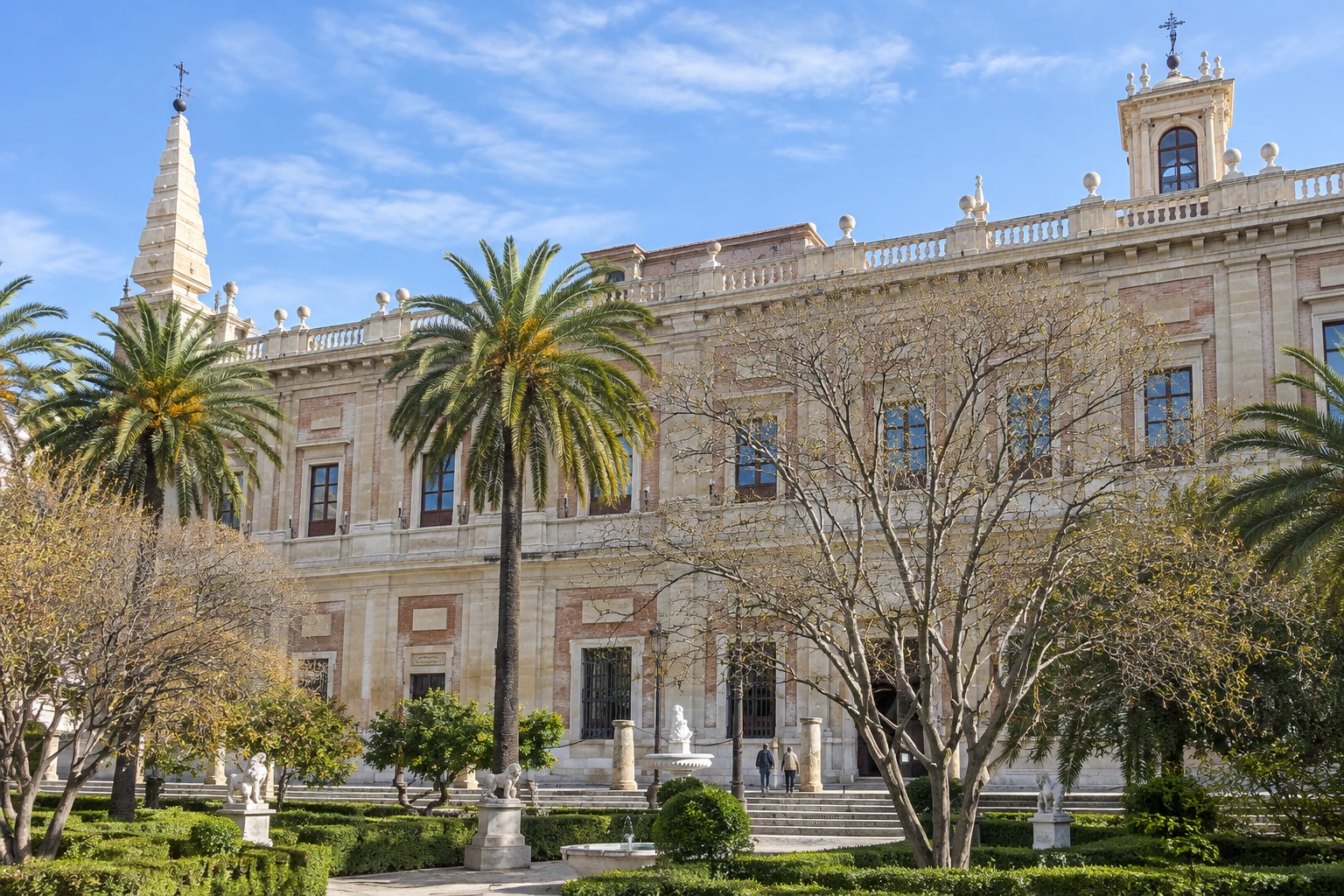
General Archive of the IndiesFormer merchants' exchange from the 16th century that since 1785 has housed the documents of the Spanish administration in the Americas and the Philippines.
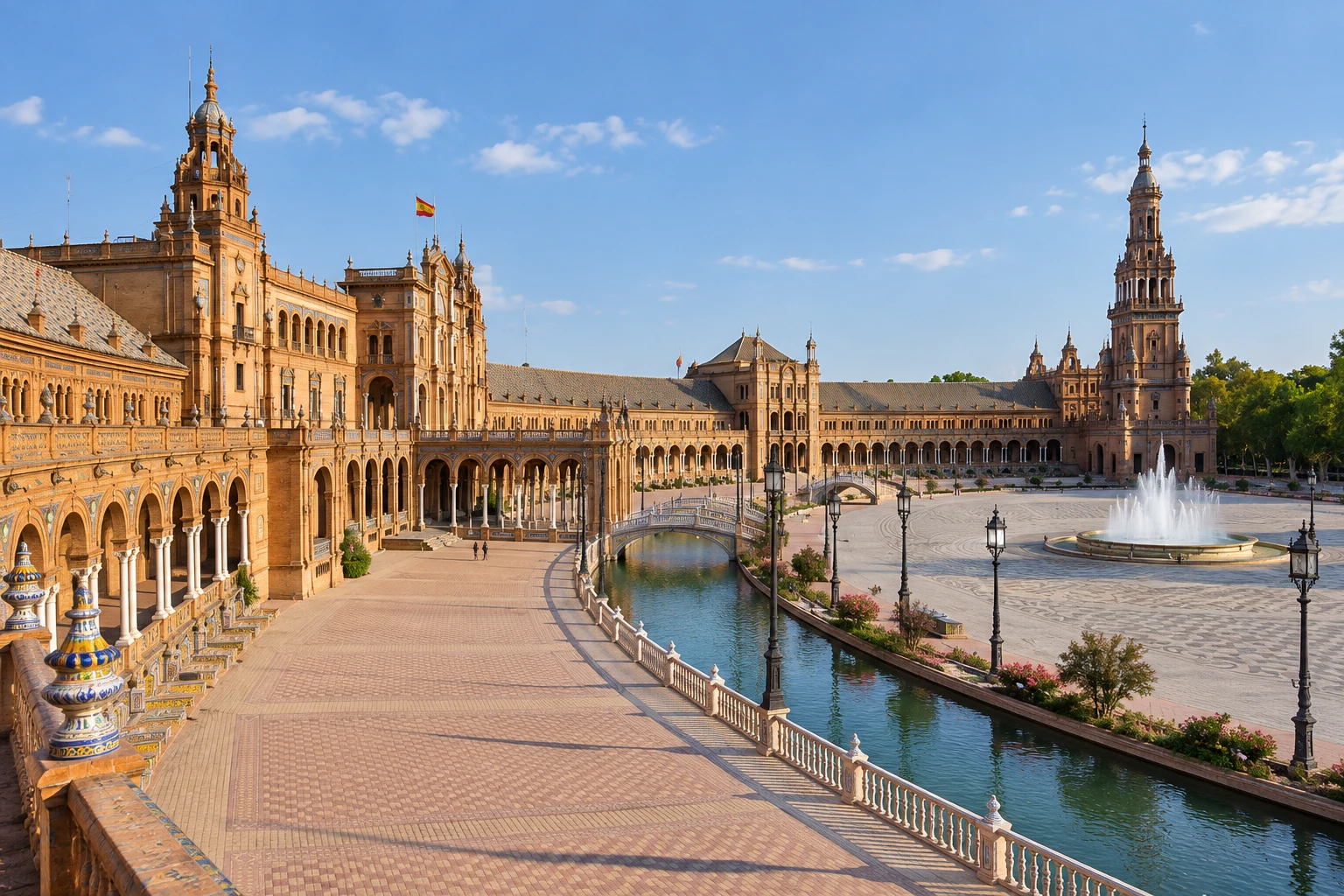
Plaza de EspañaSemicircular plaza designed by Aníbal González for the Ibero-American Exposition of 1929, with a canal, bridges, towers and tiled benches dedicated to the Spanish provinces.
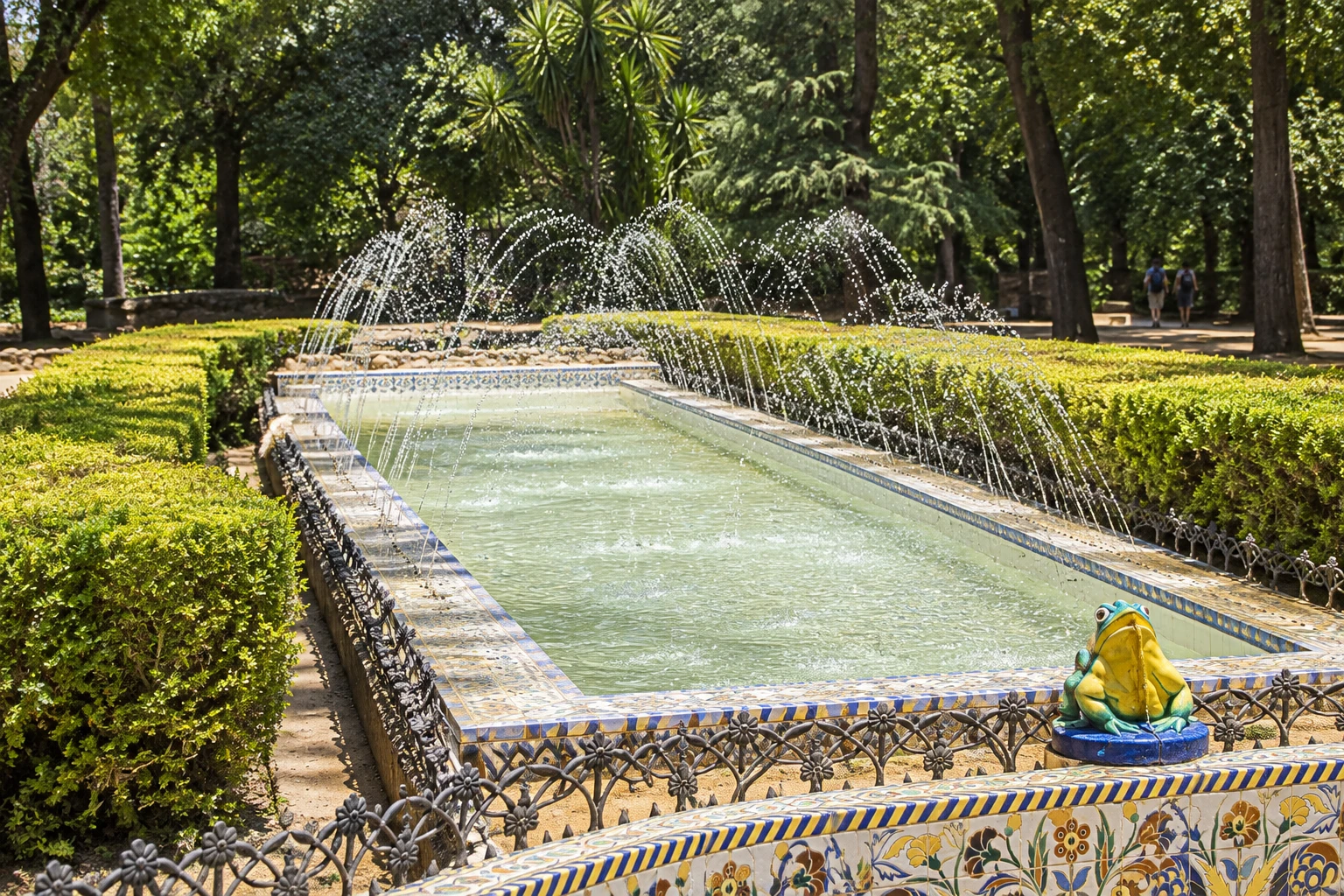
María Luisa ParkSeville's first urban park, opened in 1914 on land donated by Infanta María Luisa Fernanda, with tree-lined avenues, fountains, the Plaza de España and the Plaza de América.
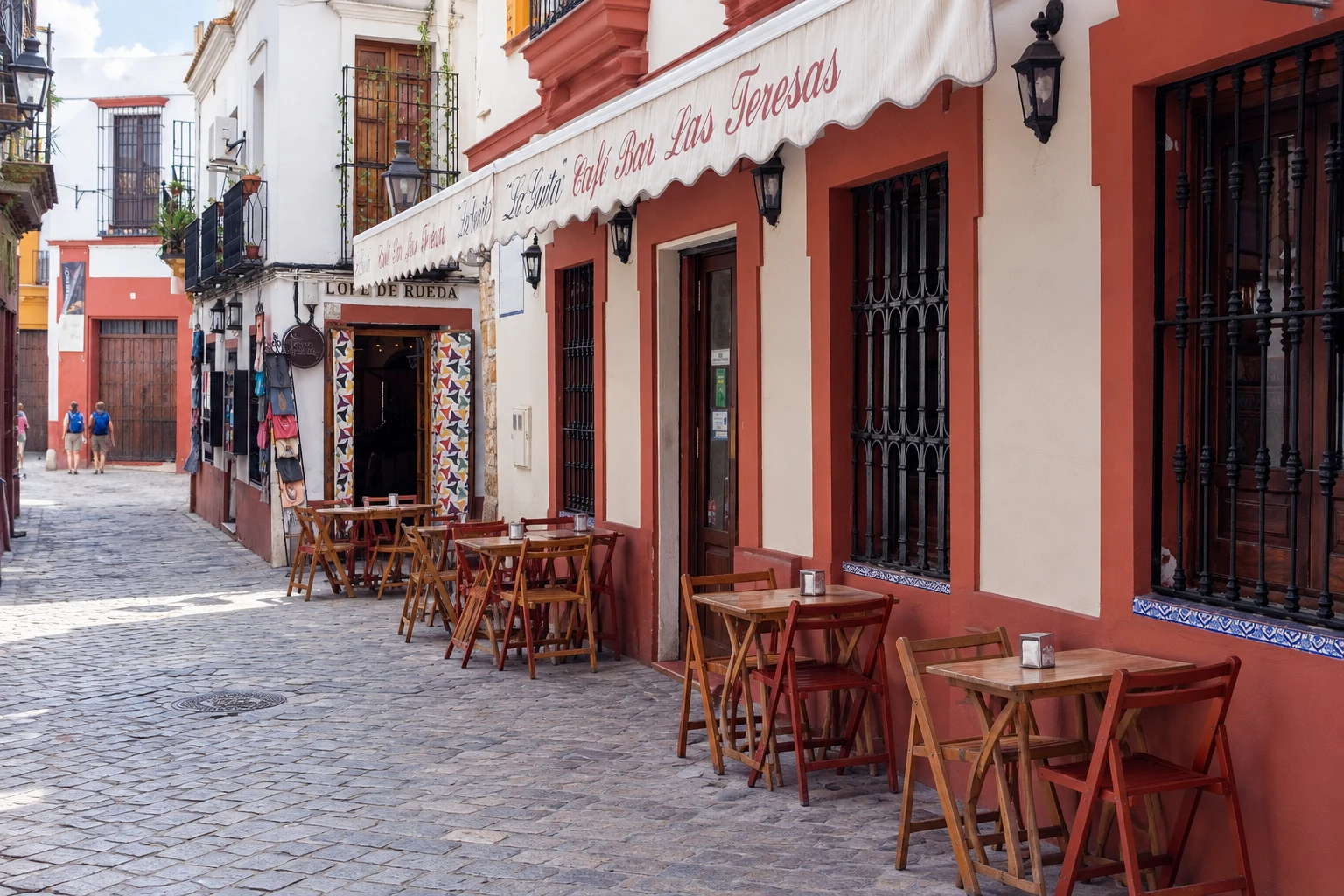
Santa Cruz QuarterFormer Jewish quarter of Seville, with narrow alleys, courtyards, small squares with orange trees and whitewashed houses, adjacent to the Alcázar and the Cathedral.
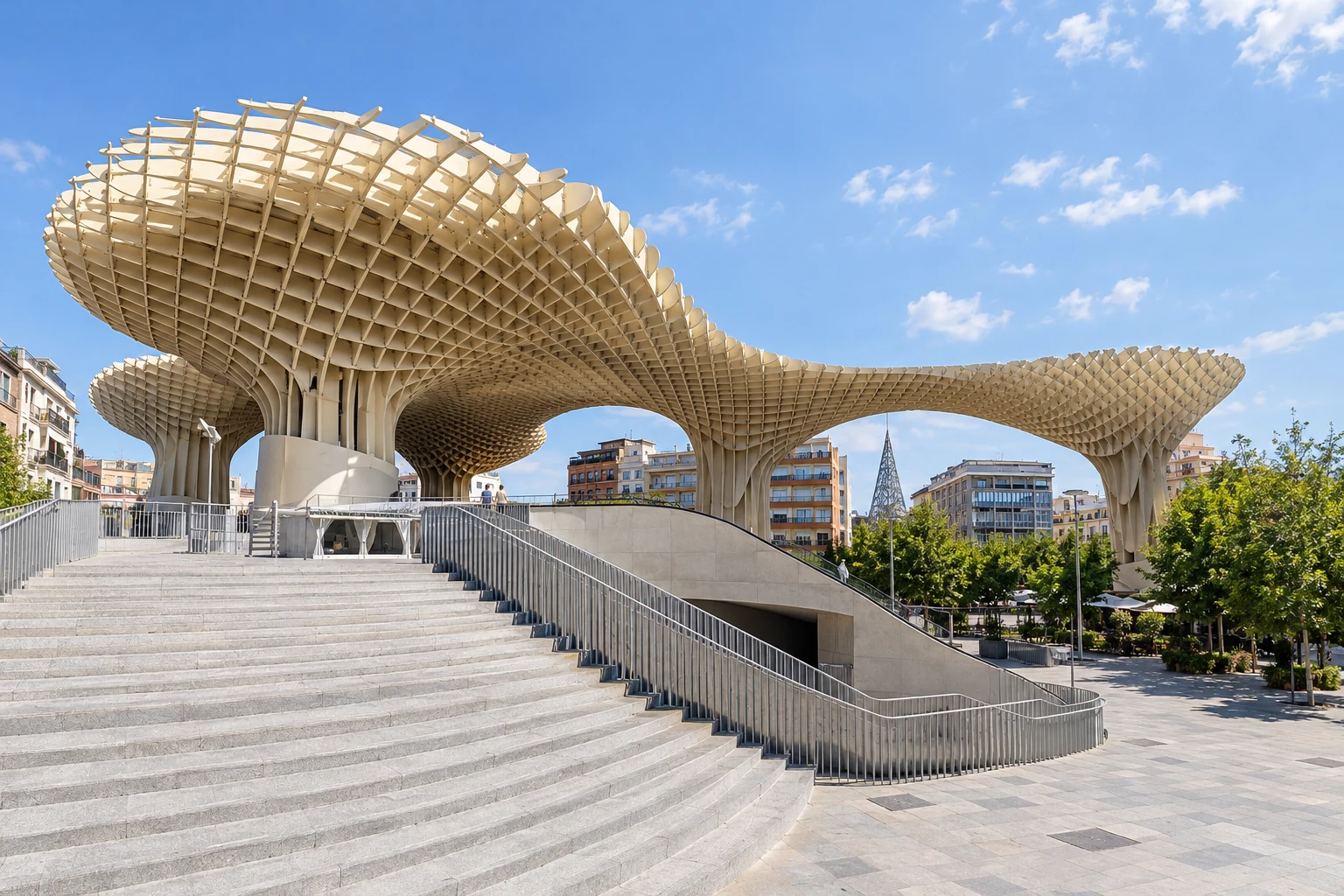
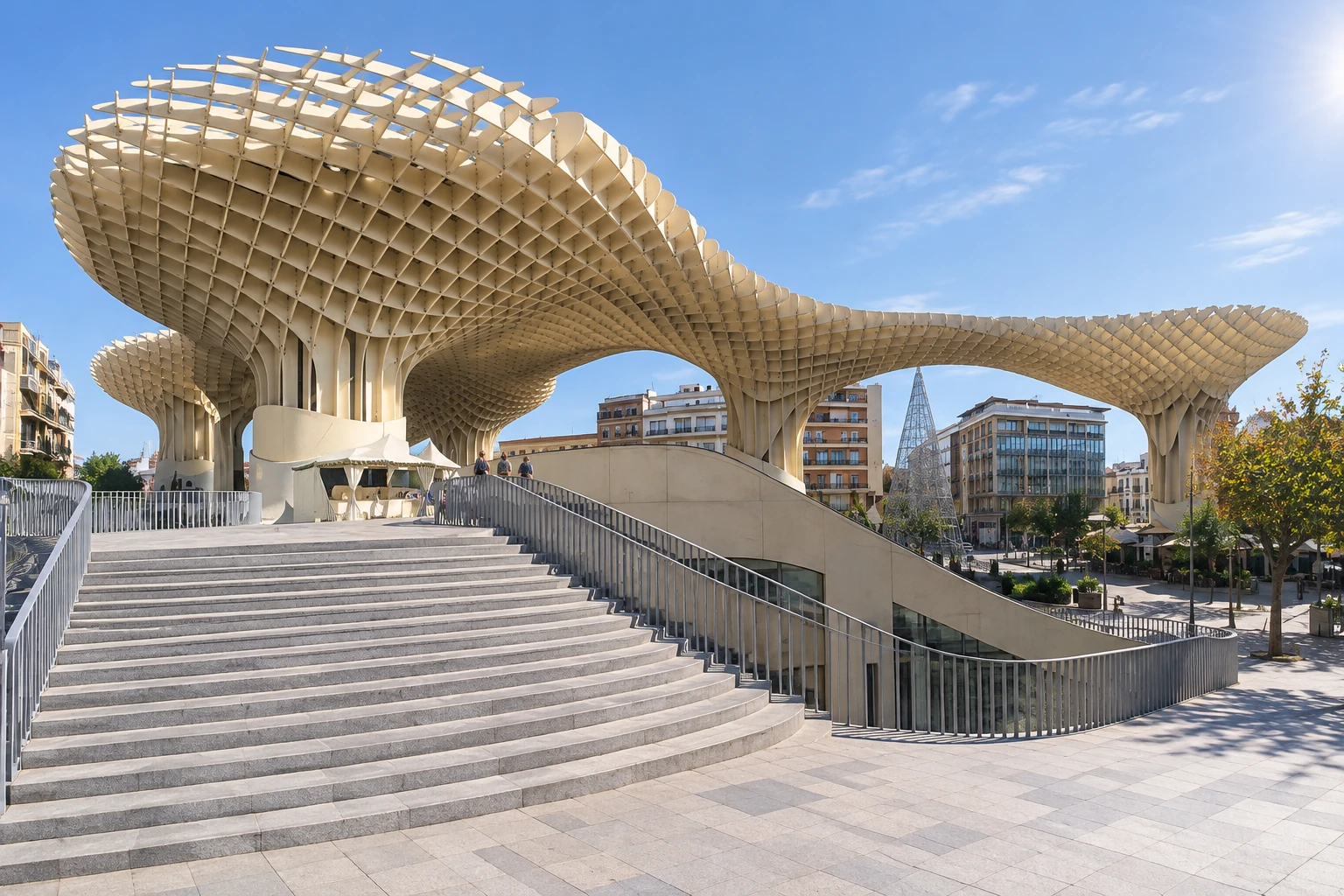
Metropol ParasolLarge laminated wood structure shaped like mushrooms over the Plaza de la Encarnación, with a market, an underground museum of Roman ruins and a rooftop walkway and viewpoint.
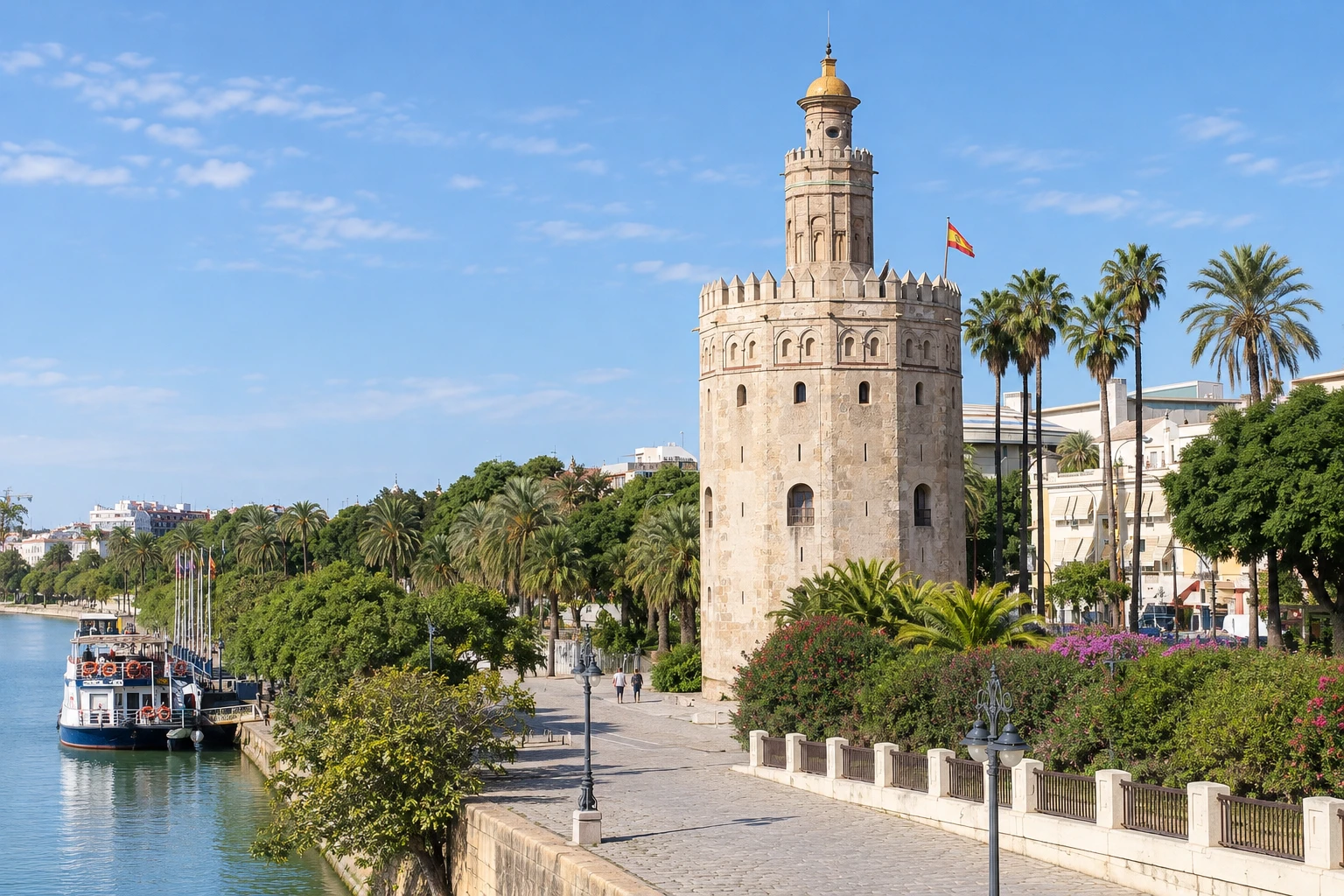
Torre del OroAlmohad tower from 1220–1221 on the banks of the Guadalquivir, which watched over the city's port and today houses a small naval museum of the Spanish Navy.
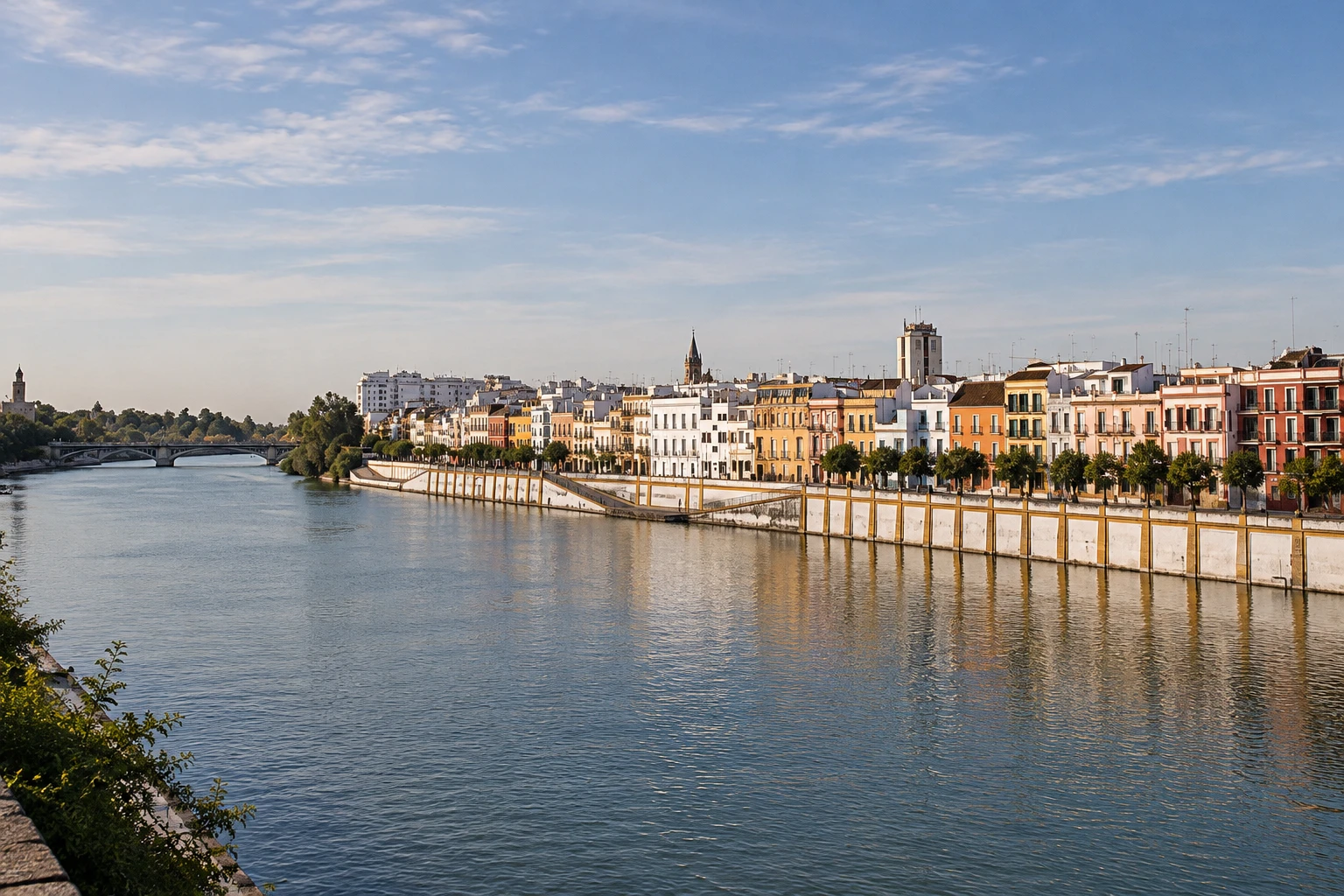
TrianaNeighborhood on the other side of the Guadalquivir, linked to the center by the Isabel II bridge, with a tradition of potters, sailors and flamenco, the riverside Calle Betis an...
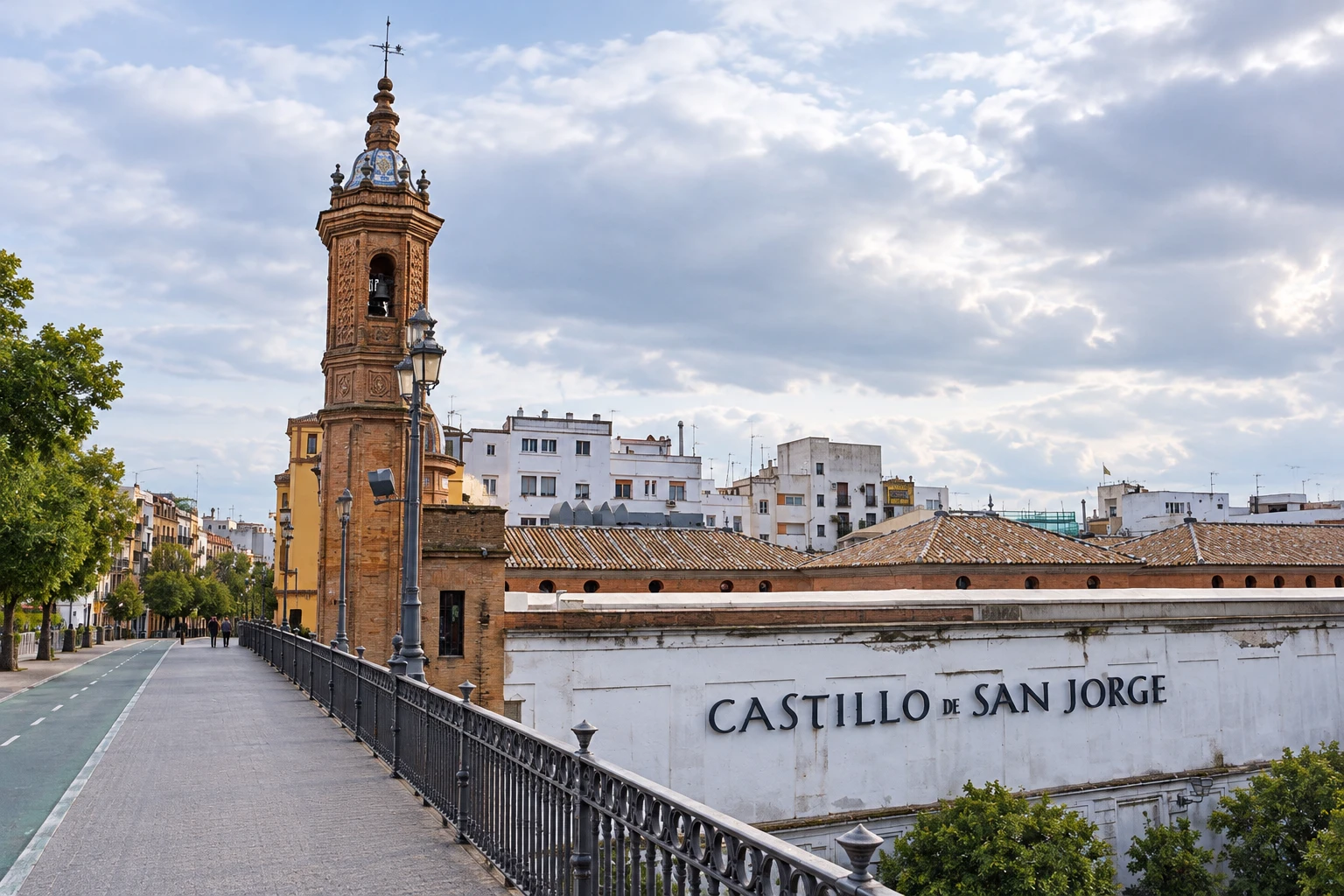
Castillo de San JorgeSubterranean ruins of a medieval fortress in Triana that served as a seat and prison of the Spanish Inquisition, now an interpretation center beneath the Mercado de Triana.
A complex of walled palaces with Islamic elements, the Gothic Palace of Afonso X and the Mudéjar Palace of Pedro I, surrounded by gardens. It is still the official residence of the Spanish royal family in Seville.
The largest Gothic cathedral in the world, built on the site of the former Almohad mosque, from which it inherited the Giralda and the Patio de los Naranjos. It houses the tomb of Christopher Columbus and a huge gilded altarpiece.
Former merchants' exchange from the 16th century that since 1785 has housed the documents of the Spanish administration in the Americas and the Philippines. World Heritage Site since 1987.
Semicircular plaza designed by Aníbal González for the Ibero-American Exposition of 1929, with a canal, bridges, towers and tiled benches dedicated to the Spanish provinces.
Seville's first urban park, opened in 1914 on land donated by Infanta María Luisa Fernanda, with tree-lined avenues, fountains, the Plaza de España and the Plaza de América.
Former Jewish quarter of Seville, with narrow alleys, courtyards, small squares with orange trees and whitewashed houses, adjacent to the Alcázar and the Cathedral.
Large laminated wood structure shaped like mushrooms over the Plaza de la Encarnación, with a market, an underground museum of Roman ruins and a rooftop walkway and viewpoint.
Almohad tower from 1220–1221 on the banks of the Guadalquivir, which watched over the city's port and today houses a small naval museum of the Spanish Navy.
Neighborhood on the other side of the Guadalquivir, linked to the center by the Isabel II bridge, with a tradition of potters, sailors and flamenco, the riverside Calle Betis and the Mercado de Triana.
Subterranean ruins of a medieval fortress in Triana that served as a seat and prison of the Spanish Inquisition, now an interpretation center beneath the Mercado de Triana.
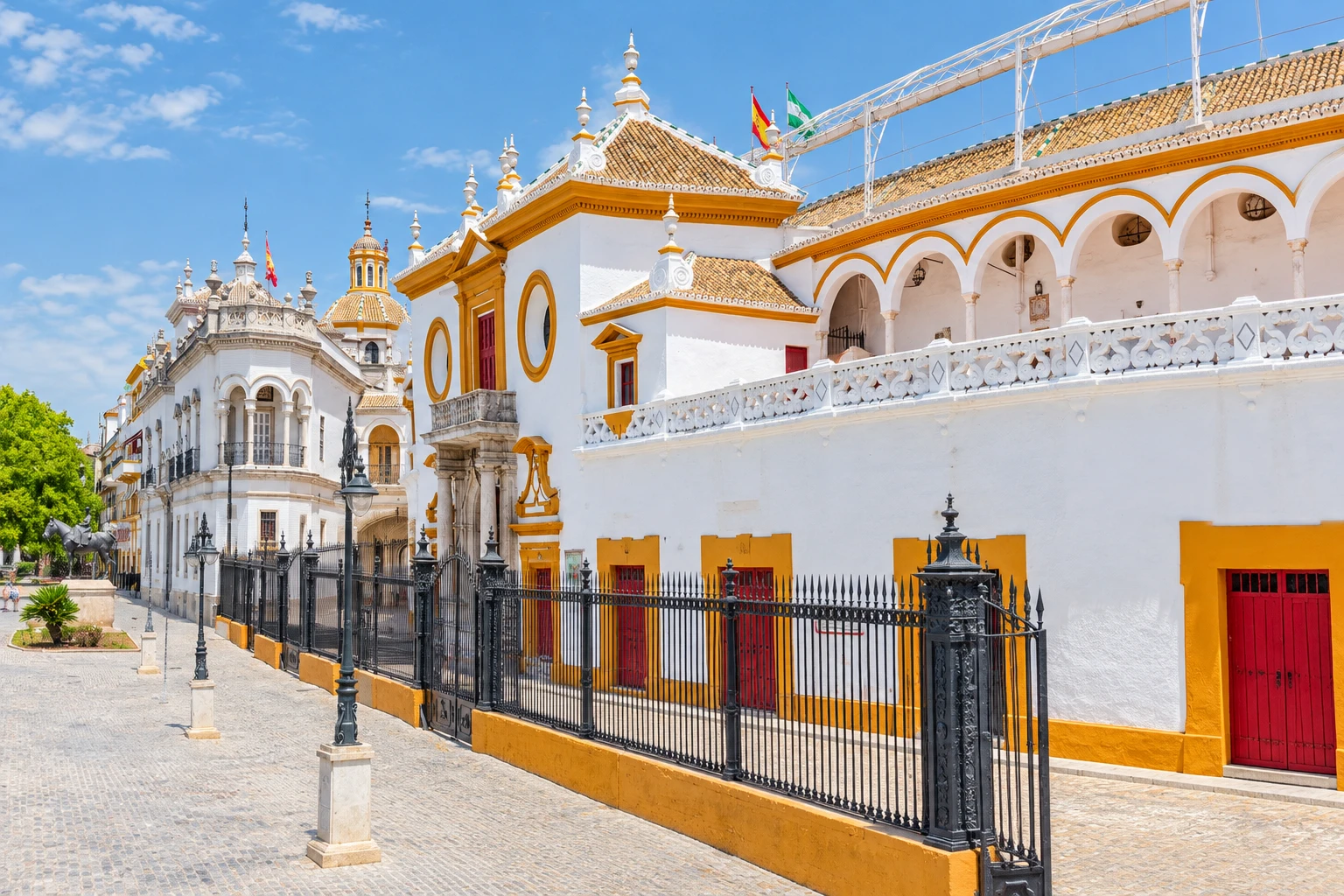
18th-century bullring in the Arenal neighborhood, home of the Real Maestranza de Caballería, with a visit to the arena, the stands and the exhibition rooms.
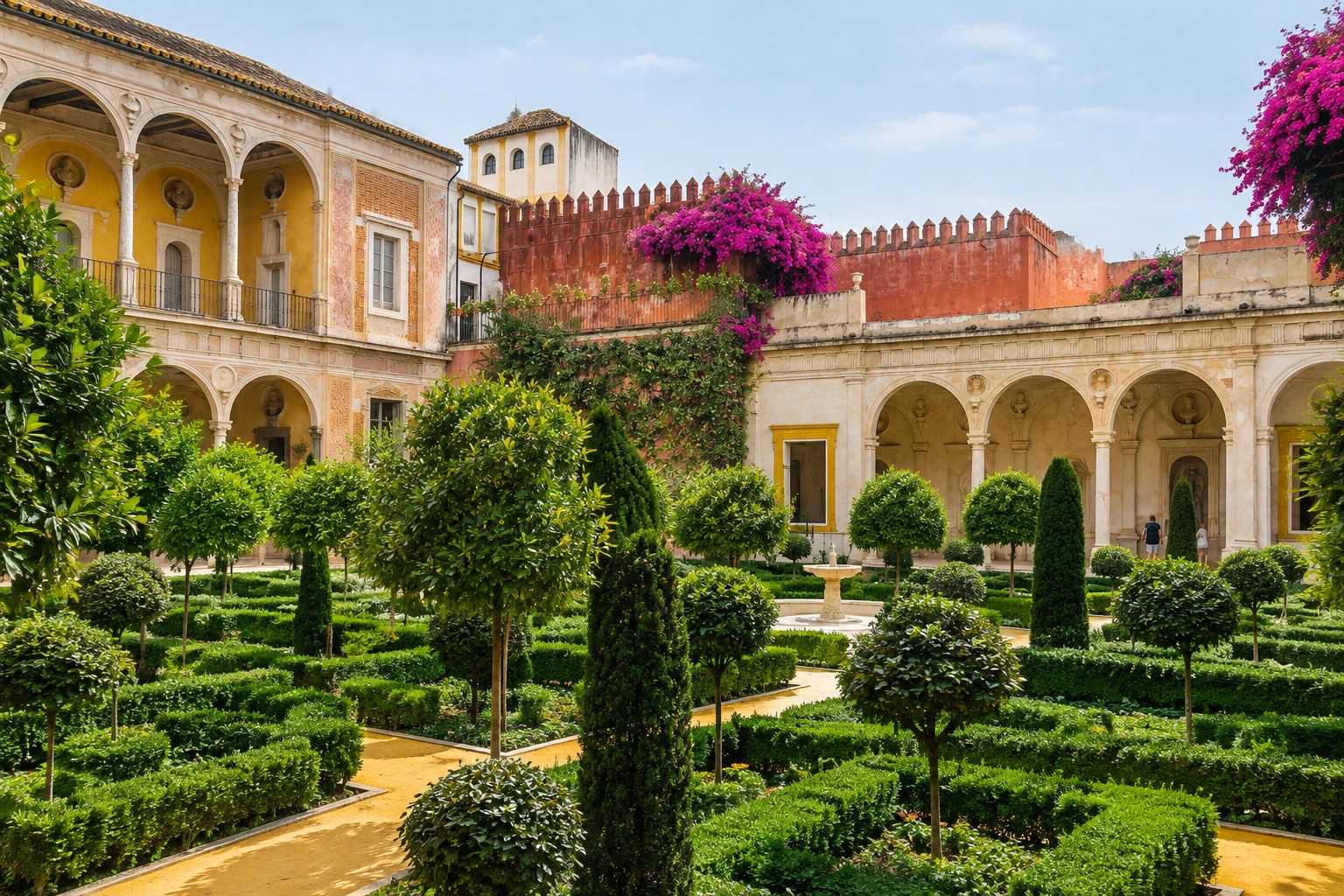
Palace from the 15th and 16th centuries that blends Gothic, Mudéjar and Italian Renaissance styles, with tiled courtyards, ancient sculptures and gardens. It belongs to the Casa Ducal de Medinaceli.
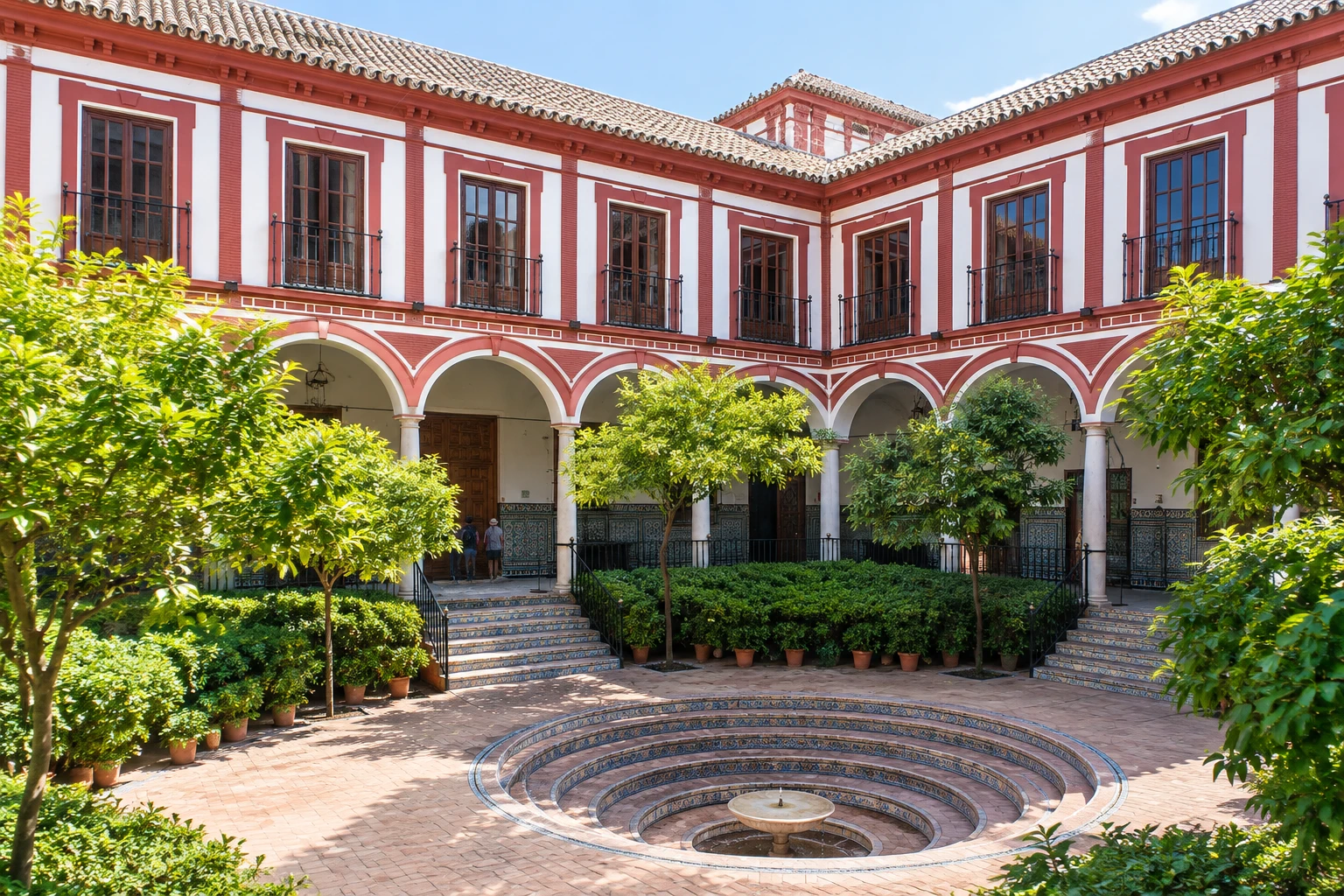
Former Baroque asylum for elderly priests, in the heart of Santa Cruz, with a tiled courtyard and a church painted by Valdés Leal. It houses the Centro Velázquez.
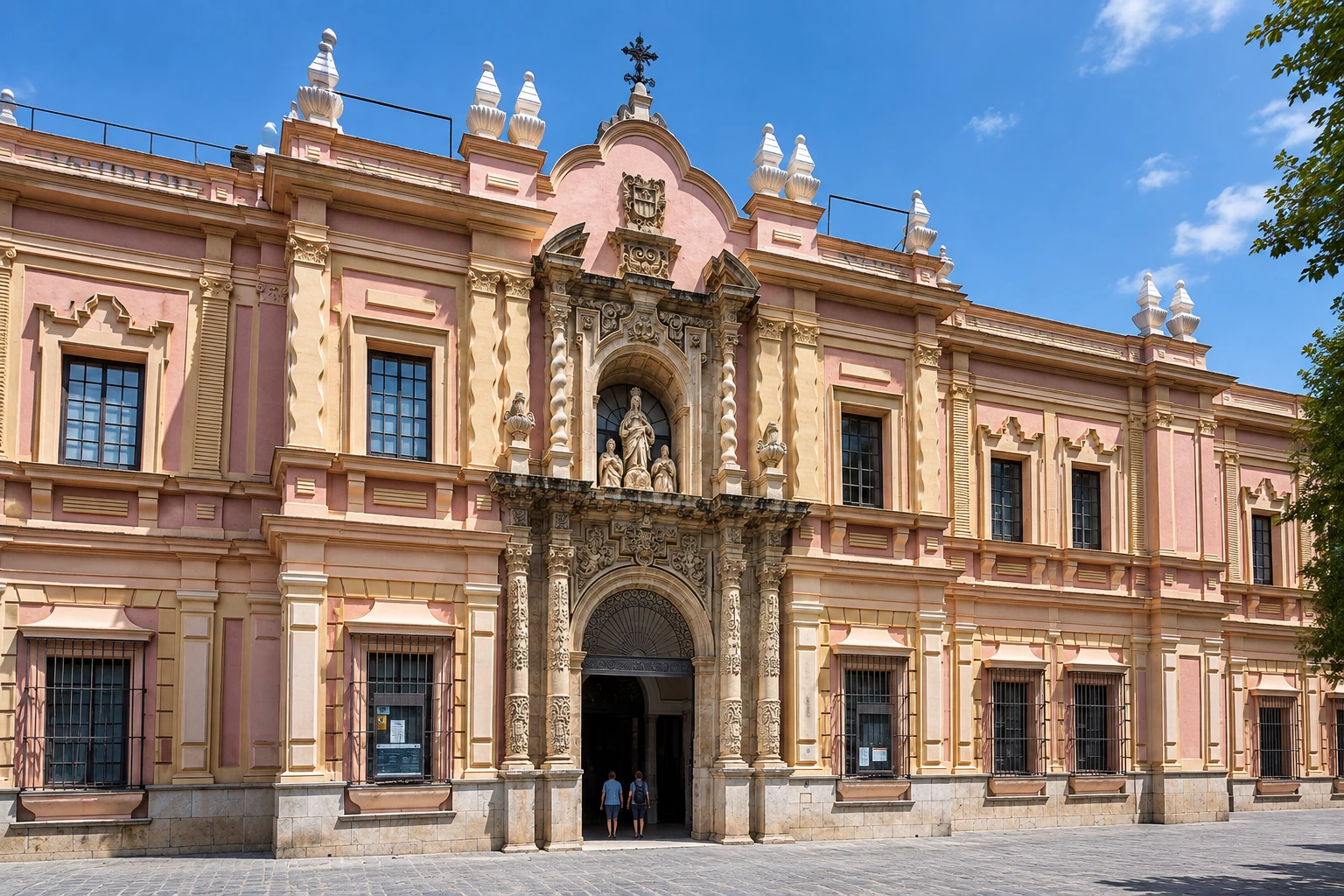
One of Spain's main art galleries, housed in the former convent of la Merced, with the largest collection of Murillo, Zurbarán and Valdés Leal and Andalusian painting of the 19th century.
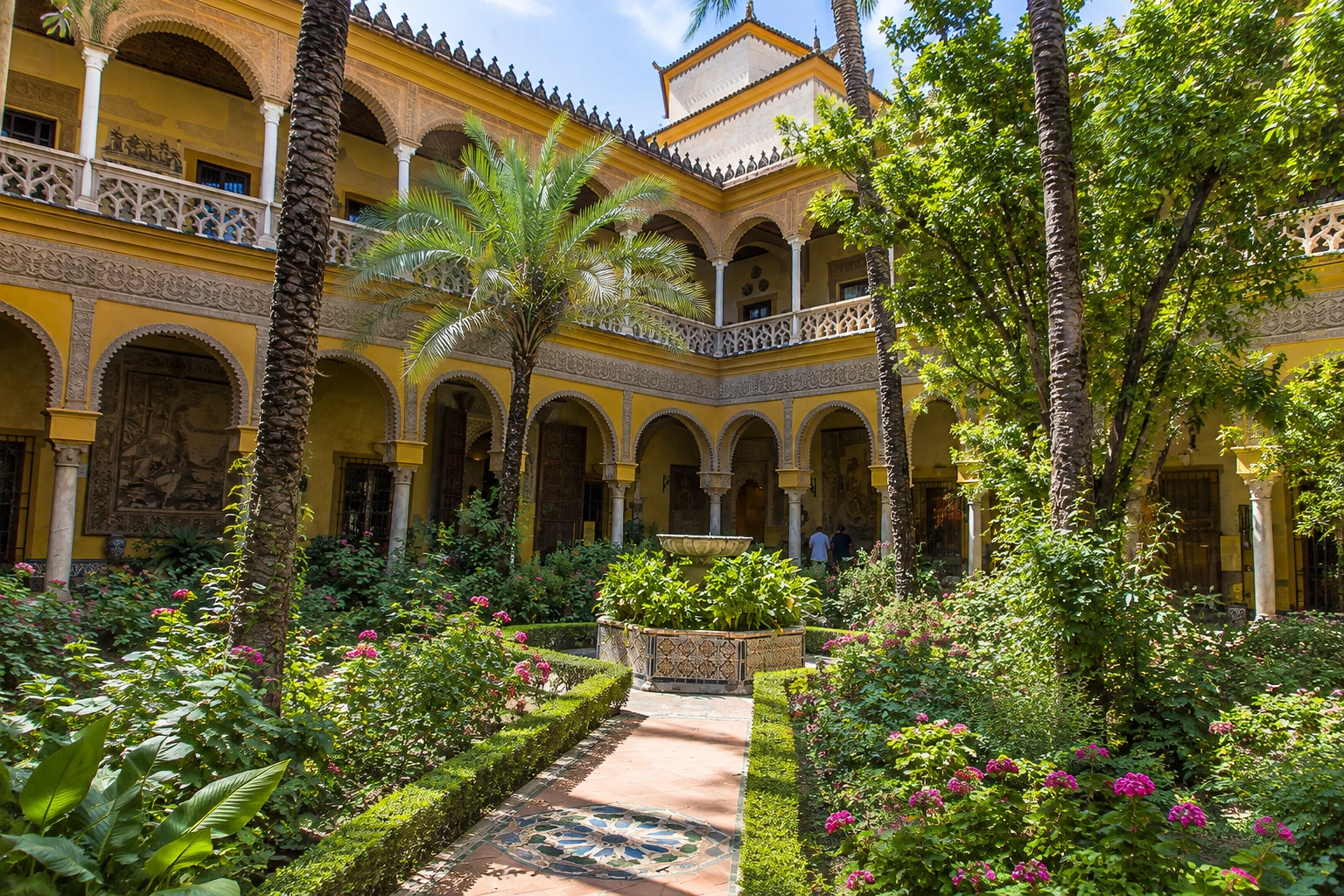
Gothic-Mudejar and Renaissance palace of the Casa de Alba, with courtyards, gardens and a collection of more than 1,400 works of art. The poet Antonio Machado was born there.
Basilica in the Macarena neighbourhood that houses the image of the Esperanza Macarena, one of the most venerated during Holy Week, and a museum with embroidered cloaks and processional floats of the brotherhood.
Large Baroque church on the site of Sevilha's first main mosque, with gilded altarpieces and Holy Week images. Admission is included in the Cathedral ticket.
Ruins of the Roman city founded in 206 BC at Santiponce, about 9 km from Sevilha, the birthplace of emperors Trajan and Hadrian, with an amphitheatre for 25,000 spectators.


 Brazil
 Antarctica
 Argentina
 Bolivia
 Chile
 Colombia
 Ecuador
 Falkland Islands (Malvinas)
 French Guiana
 Guyana
 Paraguay
 Peru
 Suriname
 Uruguay
 Venezuela
 Austria
 Belgium
 Croatia
 Denmark
 Finland
 France
 Germany
 Greece
 Hungary
 Iceland
 Ireland
 Italy
 Luxembourg
 Norway
 Poland
 Portugal
 Slovakia
 Slovenia
 Sweden
 Switzerland
 the Czech Republic
 the Netherlands
 the United Kingdom
 Turkey
 Bermuda
 Canada
 Greenland
 Mexico
 Saint Pierre and Miquelon
 the United States
 the Dominican Republic
 Japan
 Egypt
 South Africa
 Australia
 Fiji
 New Zealand
 Papua New Guinea