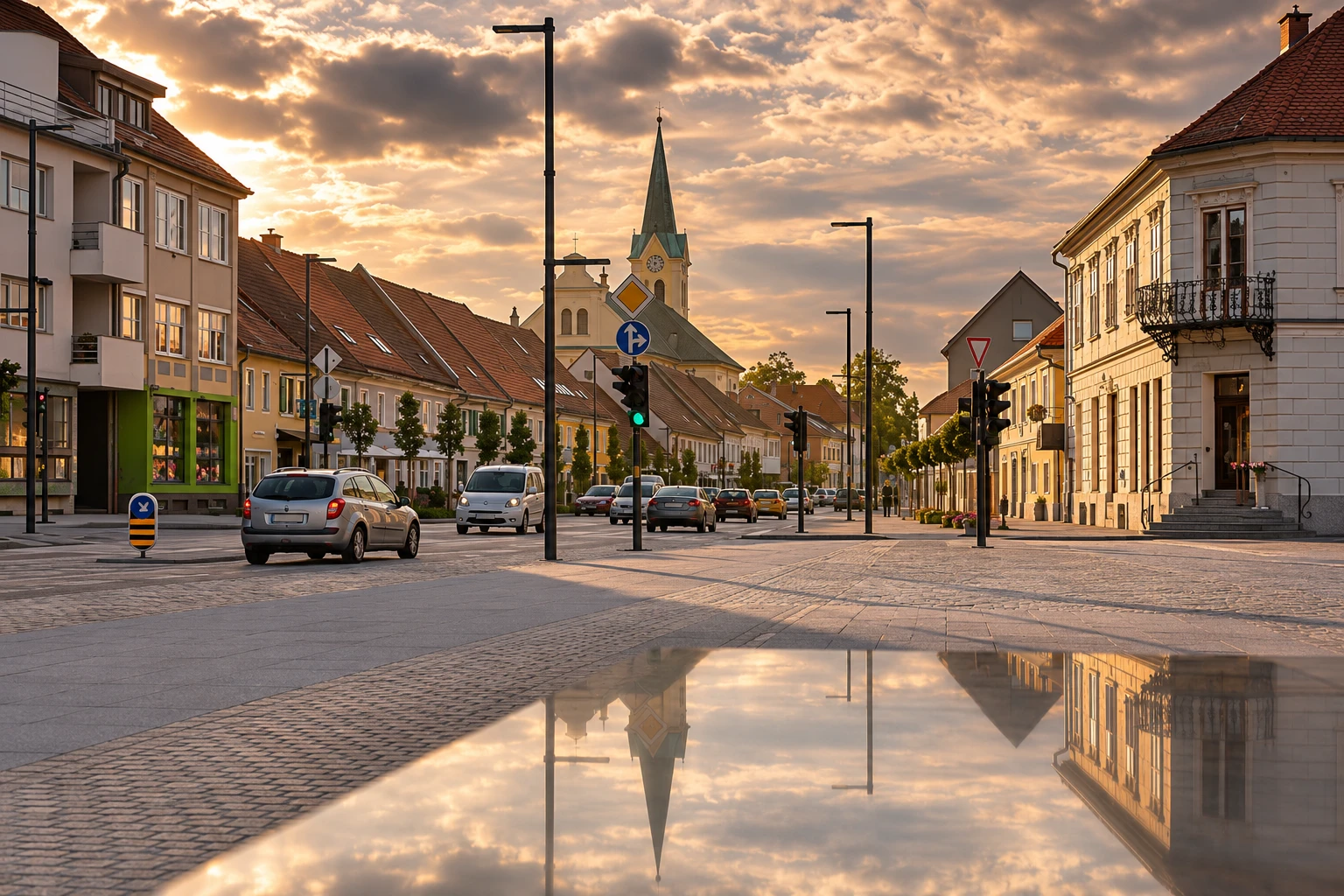
Pohorski lonec
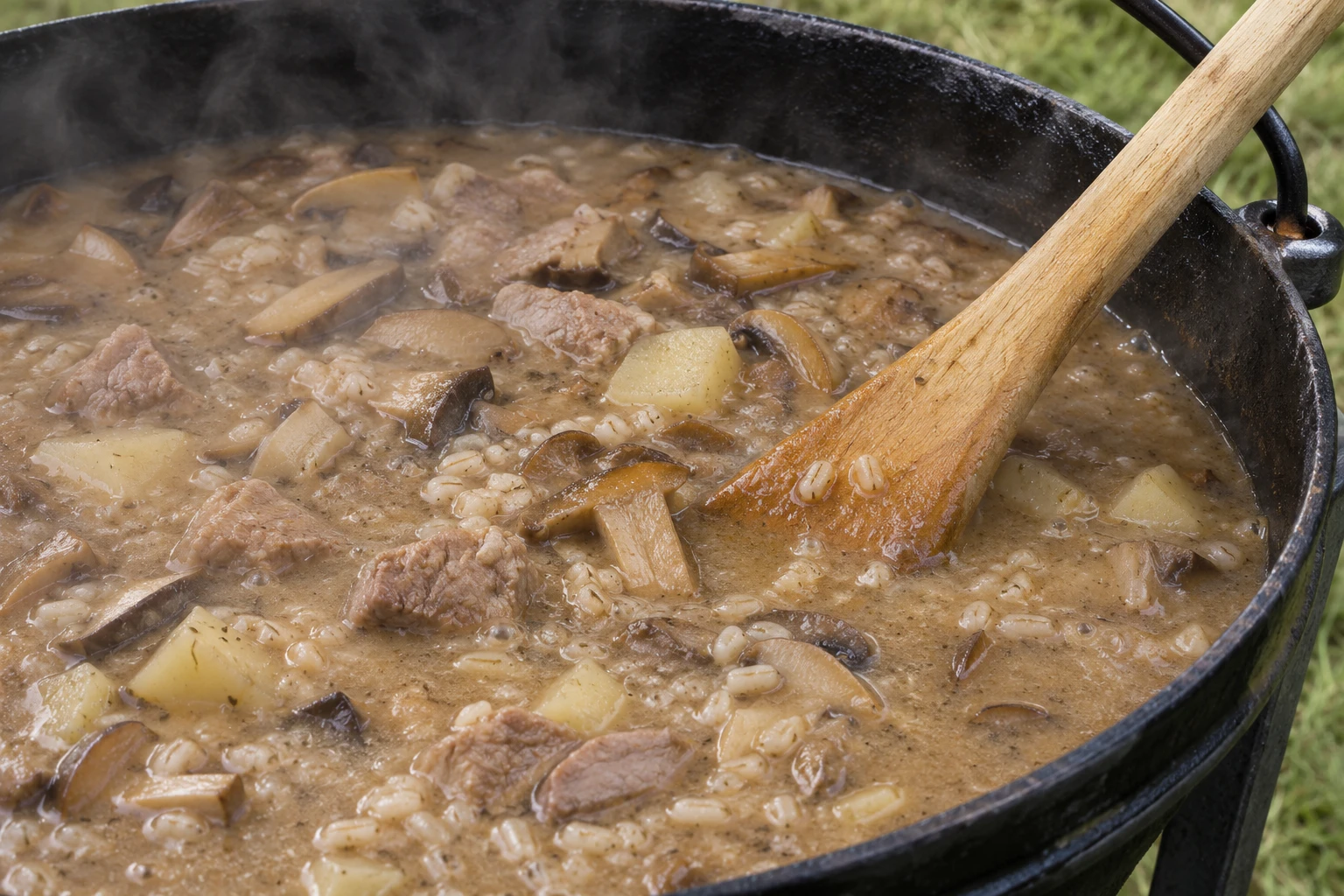
A hearty stew of three meats, potatoes, wild mushrooms, and pearl barley. The version created by Darinka Orlačnik, the cook at the hotel in Rogla, became a specialty of the Zreče Pohorje region.
Antarctica
Region · Thermal Pannonian Slovenia
Celje and the Counts of Celje Castle, the Logar Valley and the Kamnik–Savinja Alps, and the thermal spas of Laško and Rogaška Slatina.
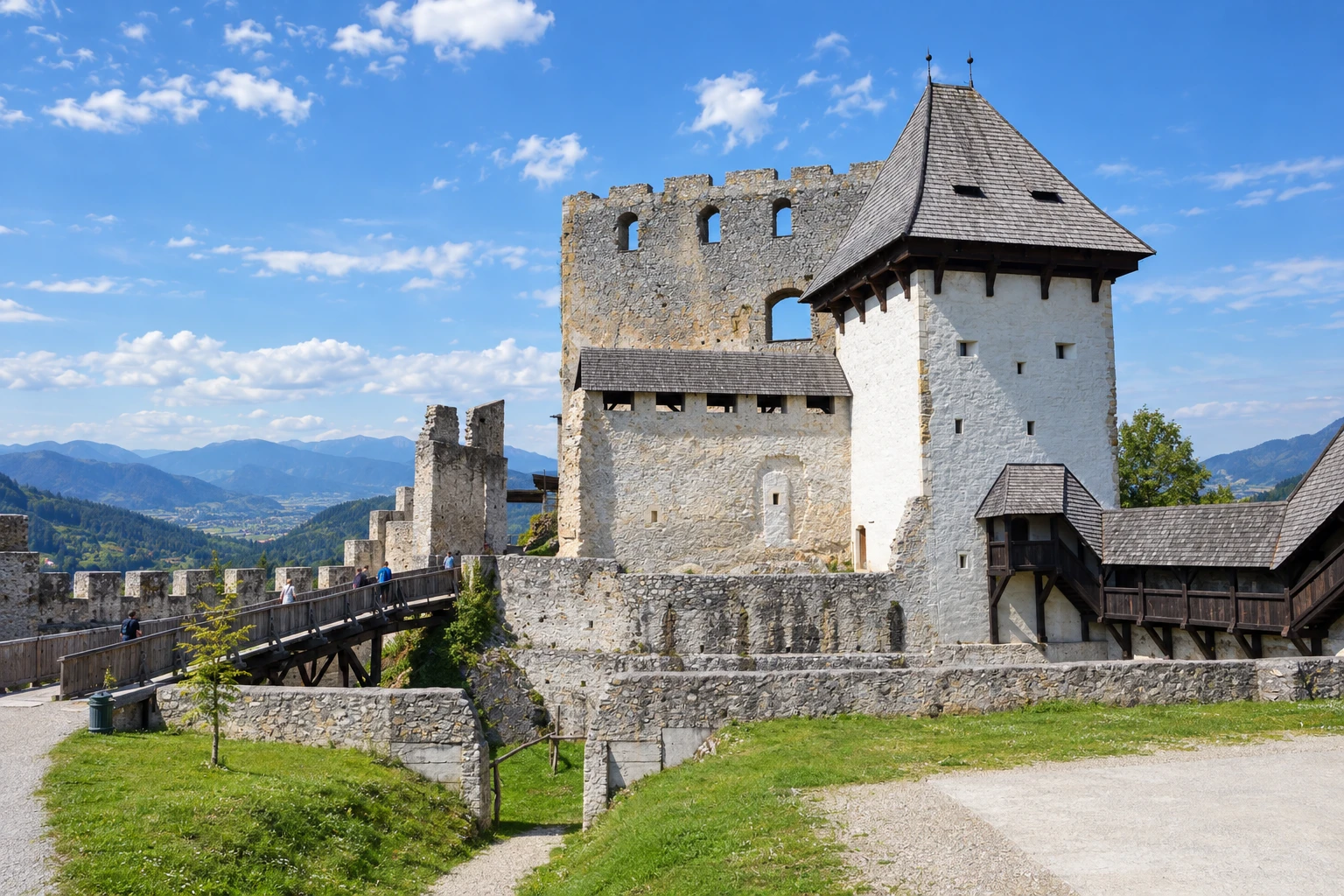
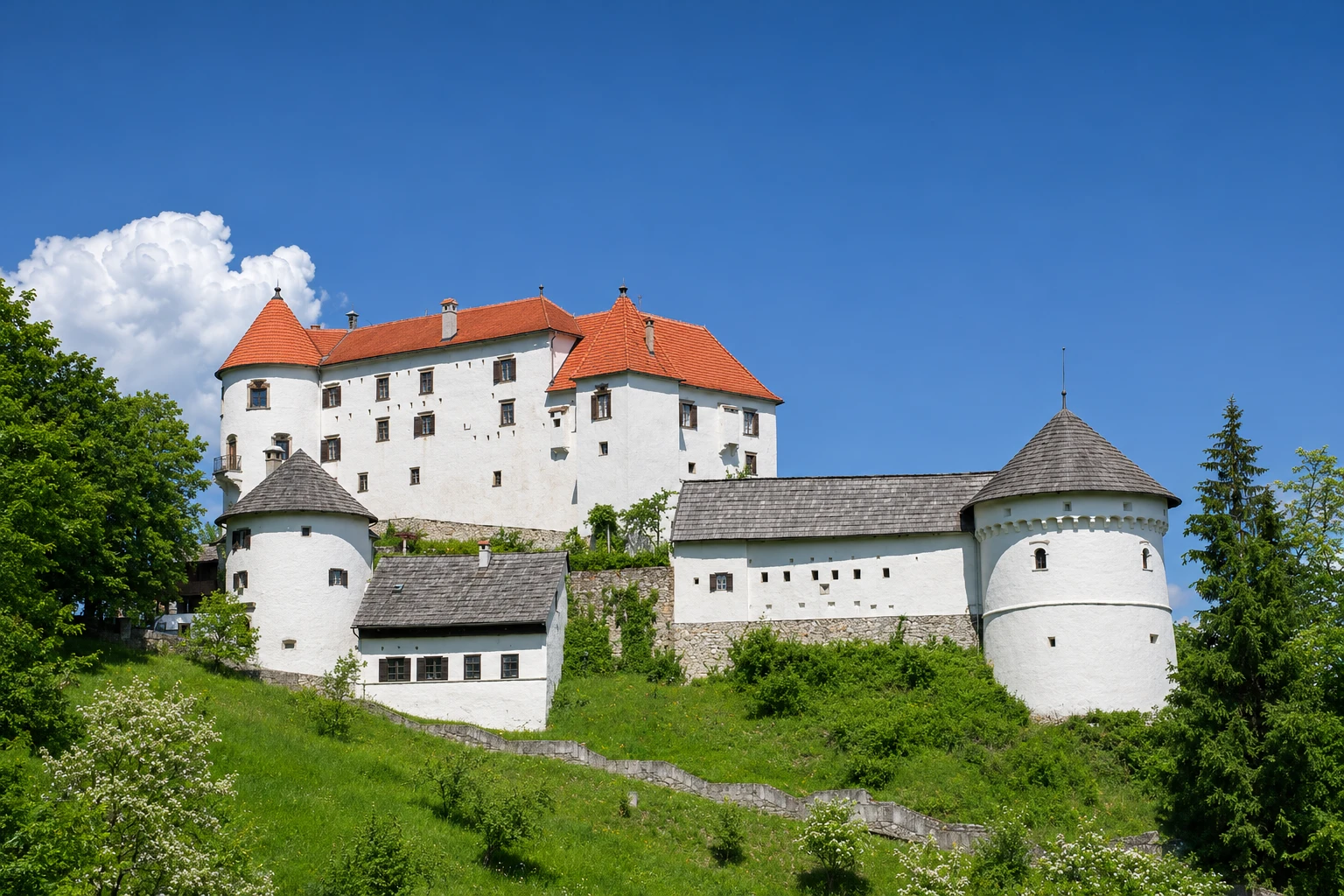
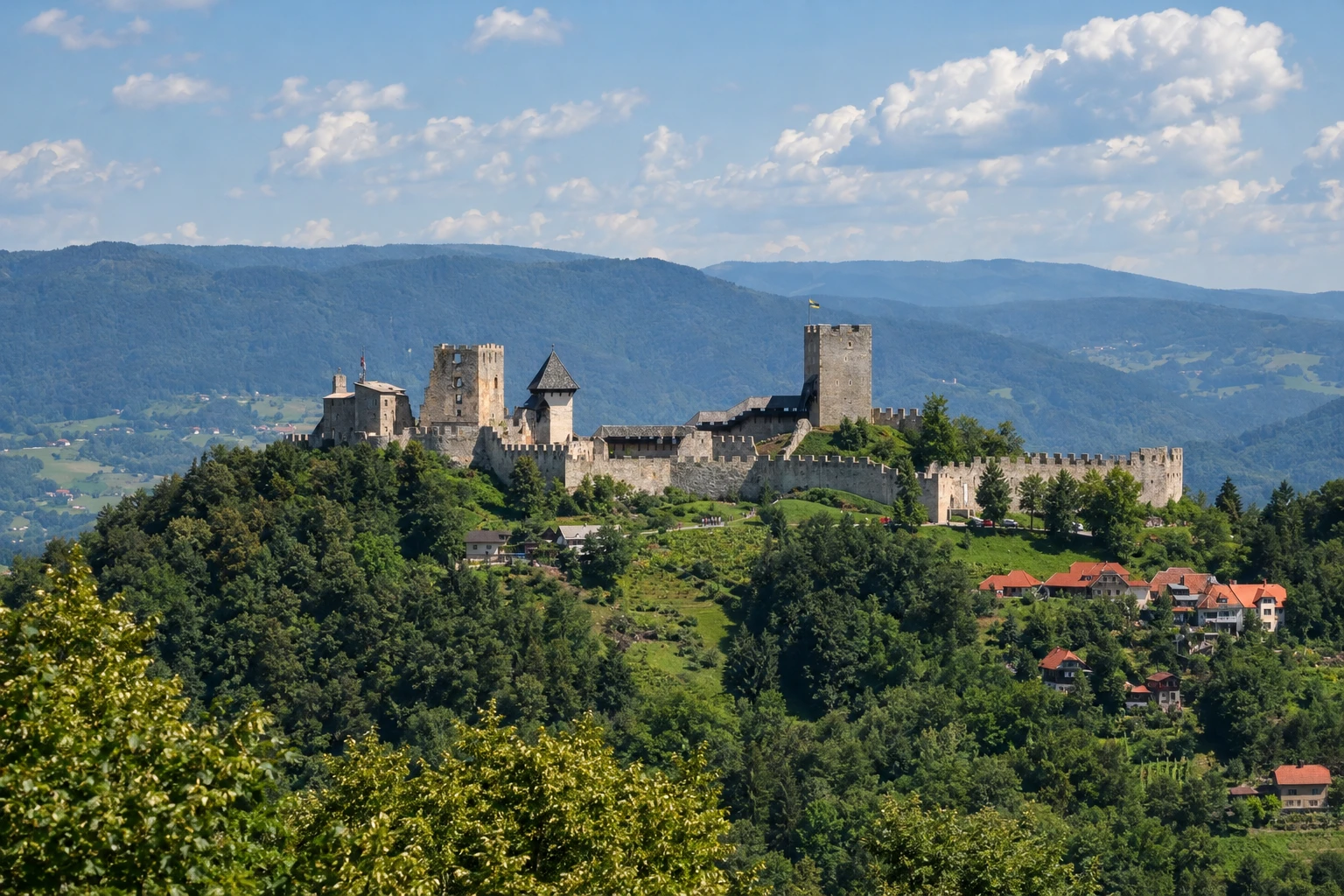
In the photo: Old Castle of Celje, in Savinjska.
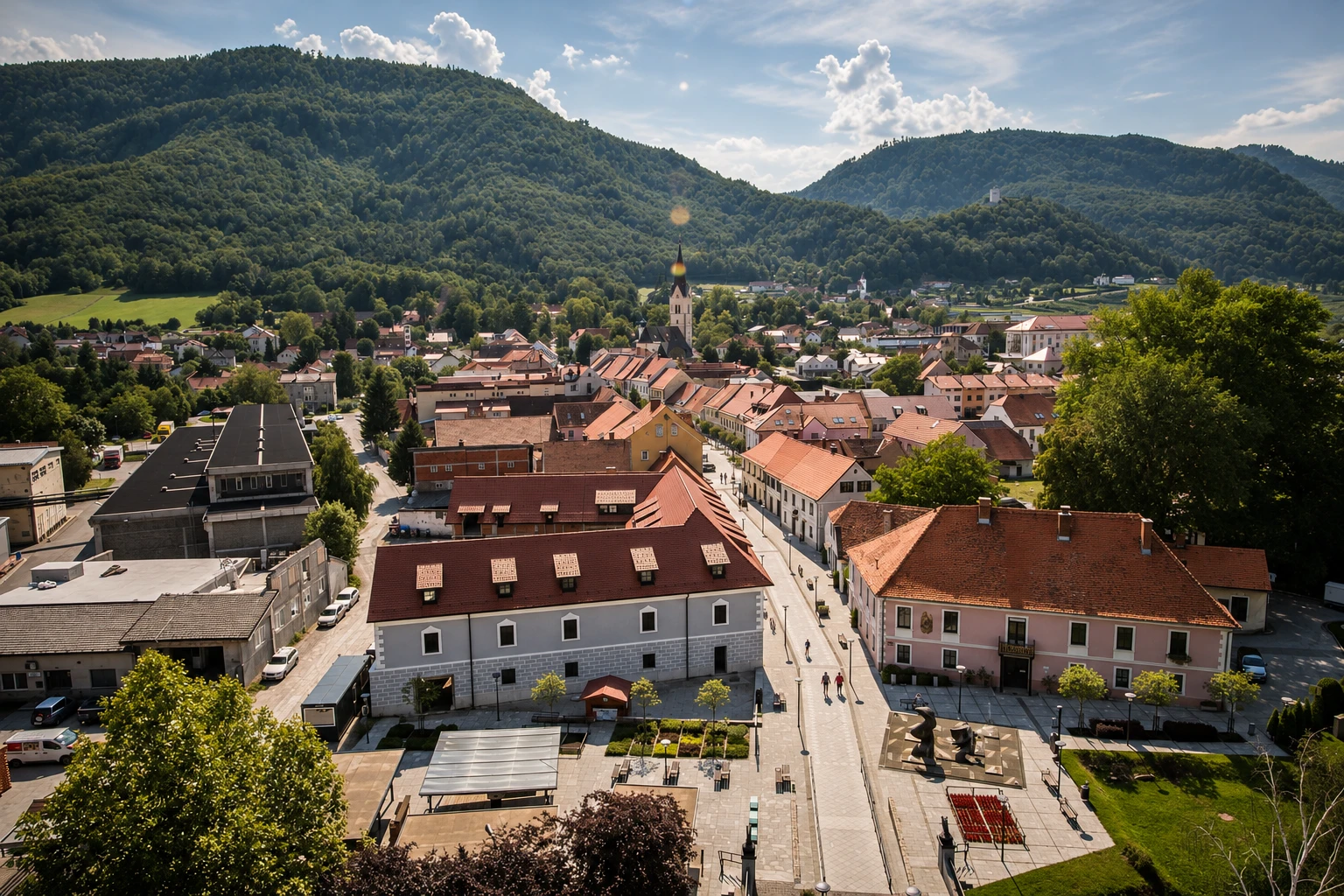
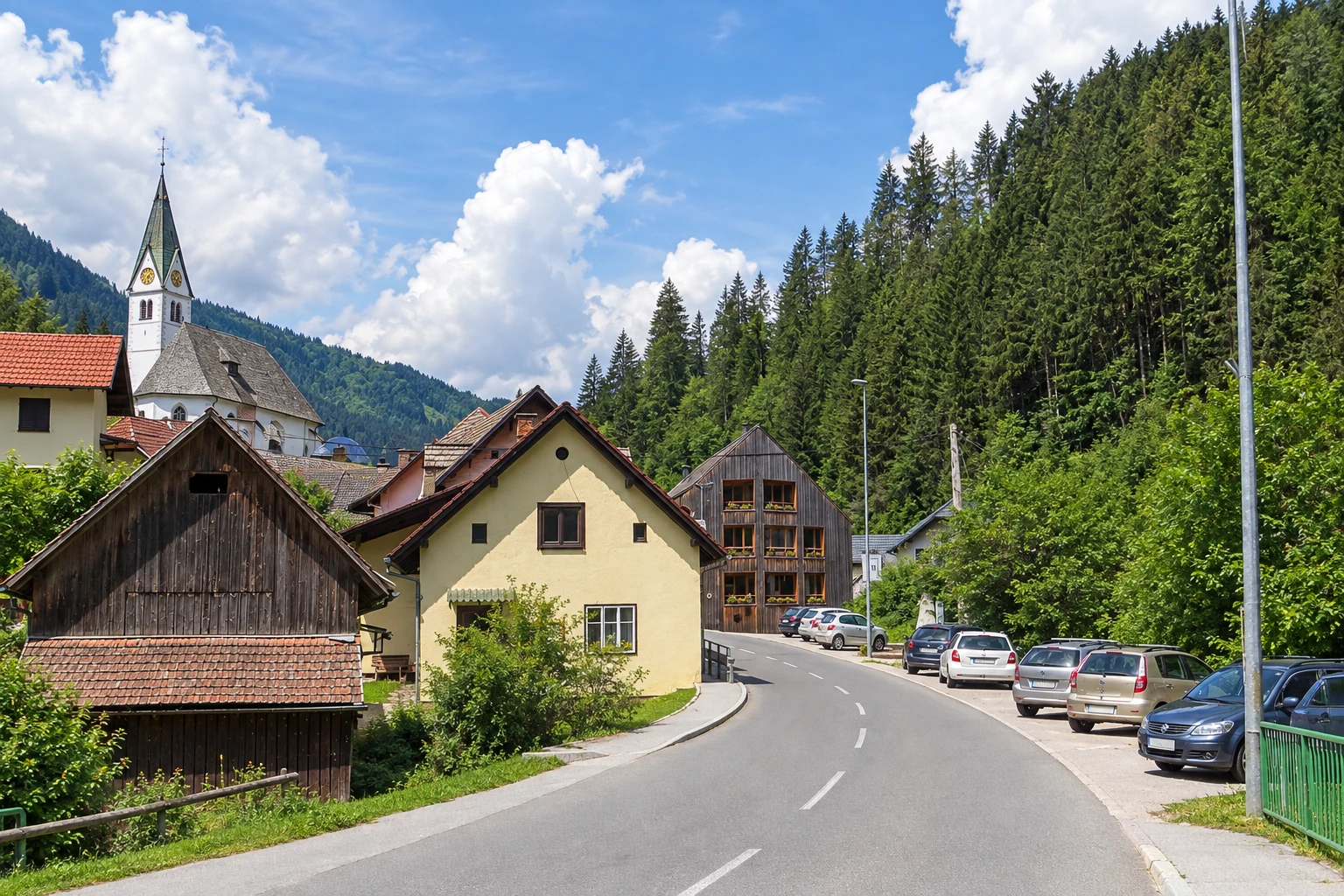
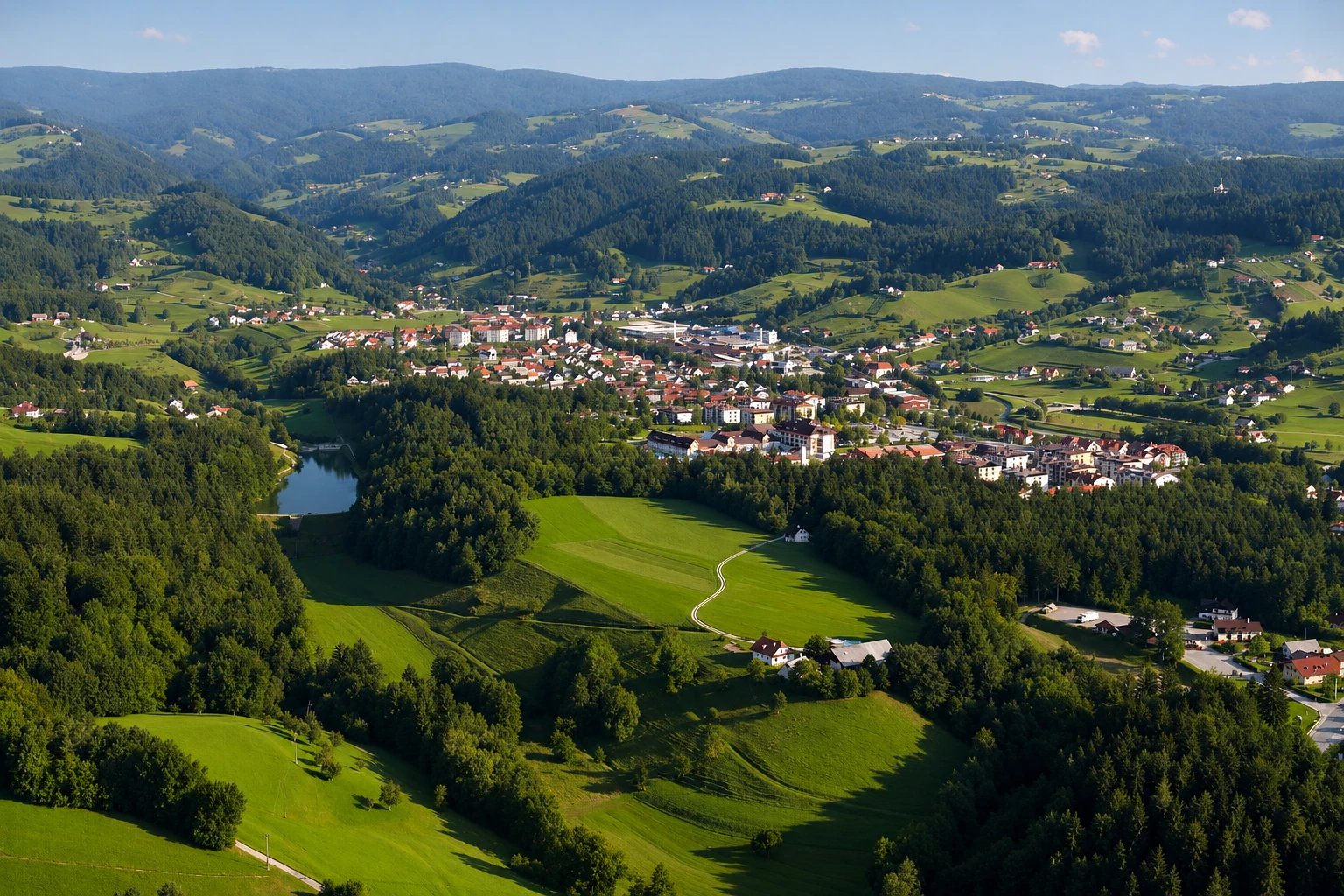
Illustrative images. The pictures in this guide are illustrations based on the real place, not photographs, and may differ from it.
Region
Savinjska is in central-eastern Slovenia and is named after the Savinja River, which descends from the Kamnik–Savinja Alps to Celje. To the north are mountain valleys; in the center, the Žalec valley with hop fields; to the south and east, hills with thermal spas and vineyards, reaching the Croatian border. Celje is the largest city.
Celje was the Roman Celeia and, in the Middle Ages, the seat of the Counts of Celje, whose lineage once rivaled the Habsburgs. The three golden stars from the counts’ coat of arms appear on Slovenia’s coat of arms. Old Castle of Celje, on a hill above the Savinja, is the country’s largest castle complex, and the town center has museums and the main square.
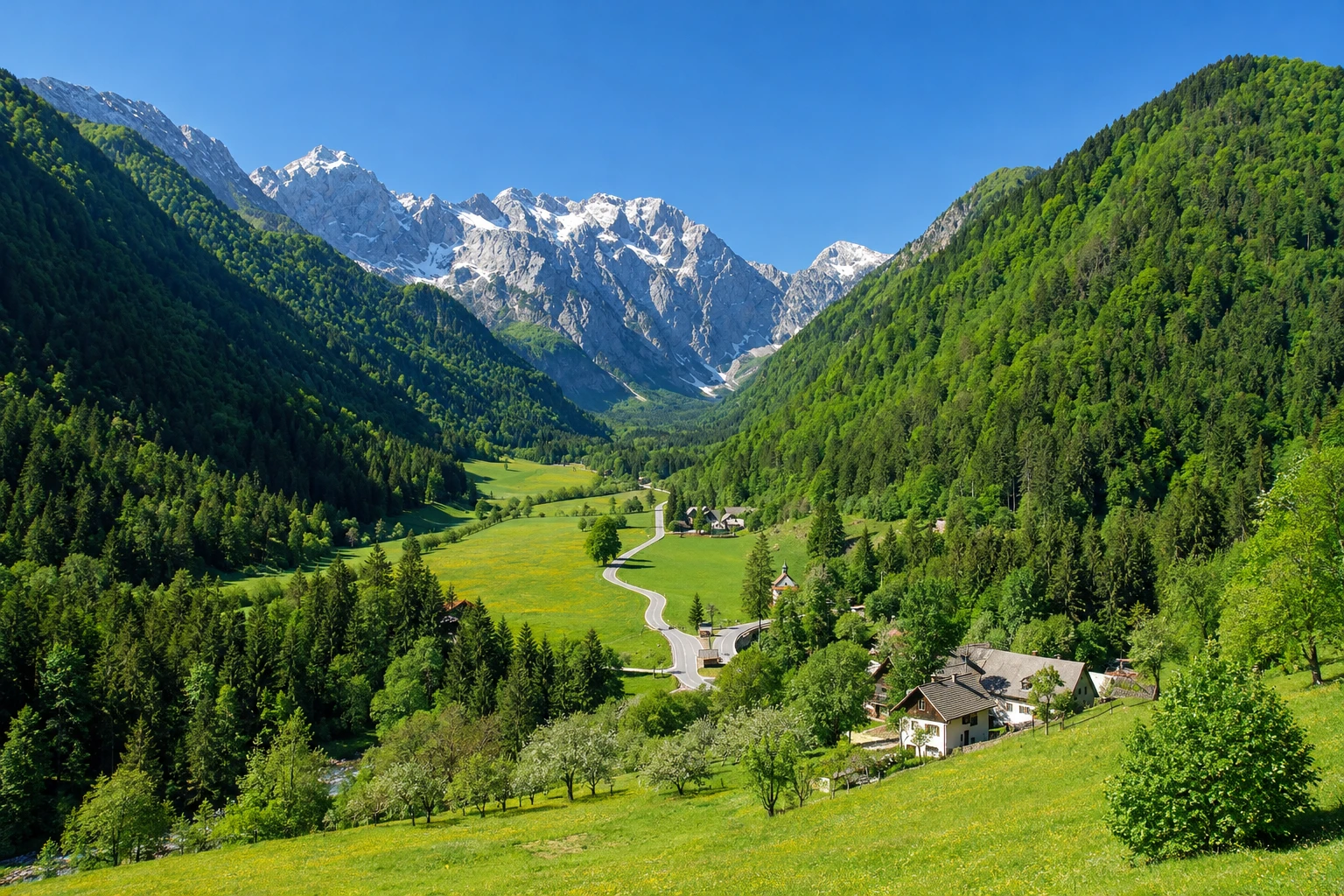
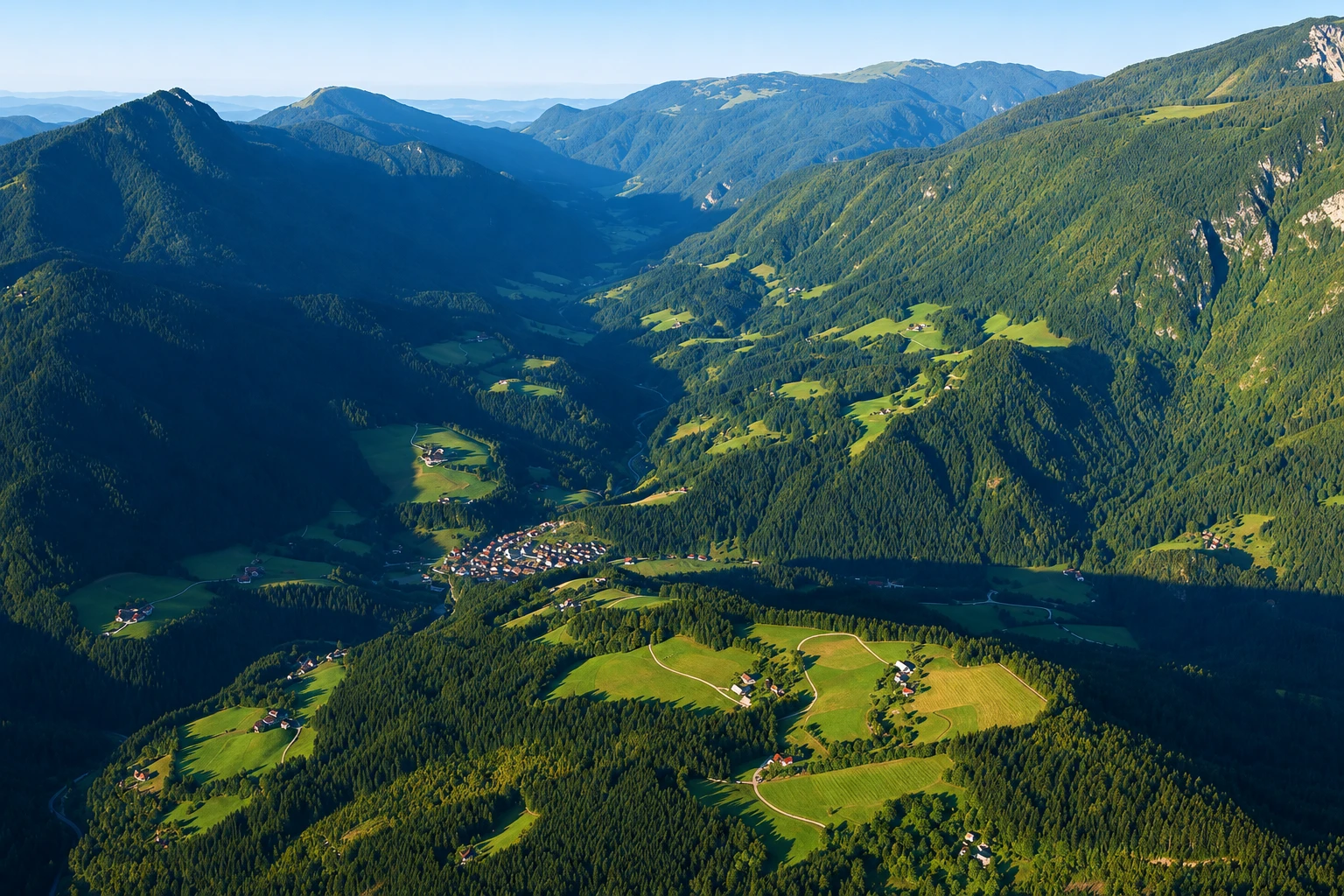
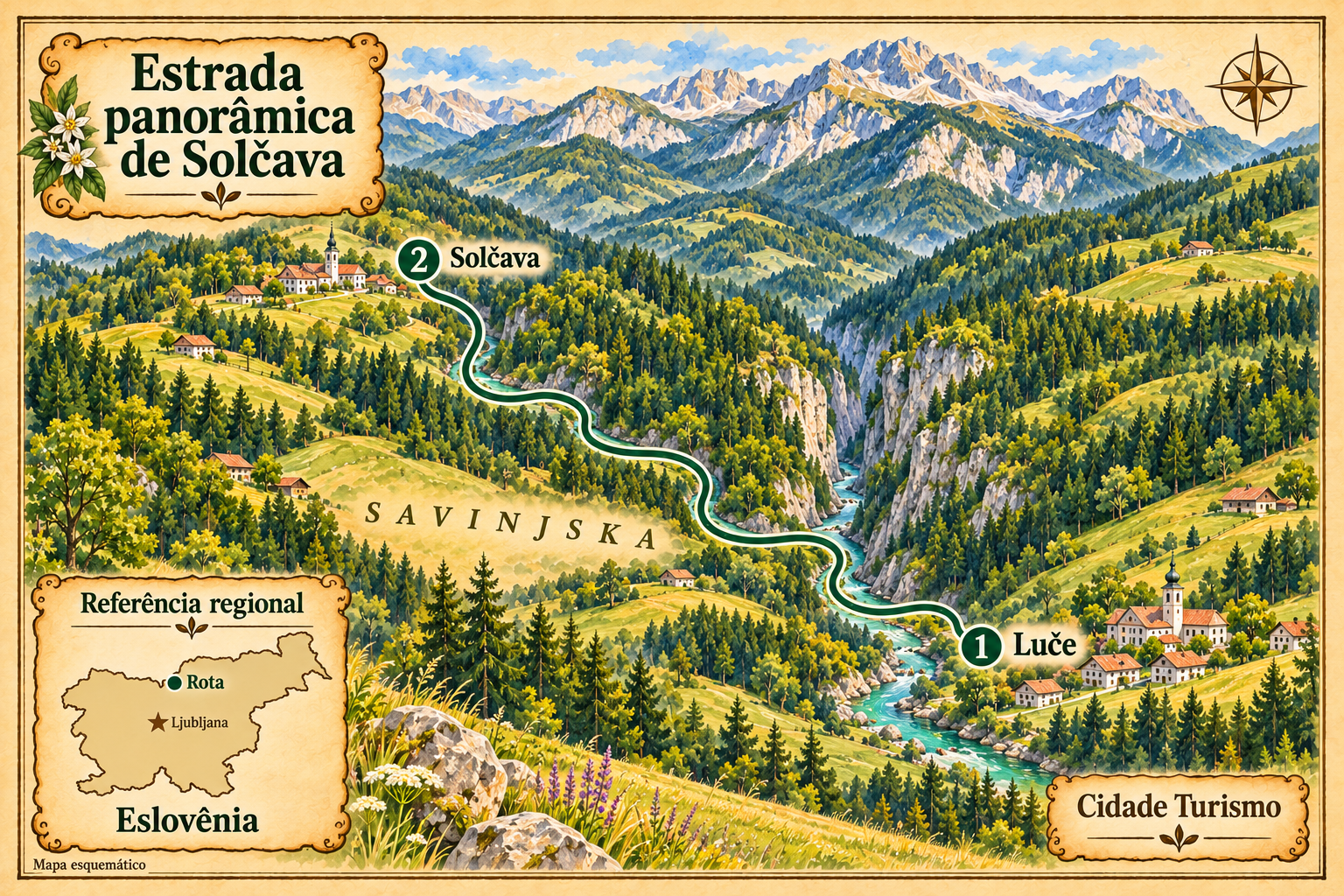
To the north, the Logar Valley (Logarska dolina) is a glacial valley surrounded by cliffs, with the Rinka waterfall at its end. It is part of a landscape park, and the Solčava Panoramic Road runs along the surrounding slopes, with views of the Kamnik–Savinja Alps. Further south, Velenje has a castle and a lake formed over former mining areas.
The region has several spa towns. Laško, on the Savinja’s banks, has thermal baths and a brewing tradition. Rogaška Slatina is known for mineral water rich in magnesium and for its crystal production. In Podčetrtek, near Croatia, are the thermal baths and the Olimje monastery, with an old frescoed pharmacy. Near Slovenske Konjice, the ruins of the Žiče Charterhouse sit in a forested valley.
Flavors of Slovenia
Destinations
Cities

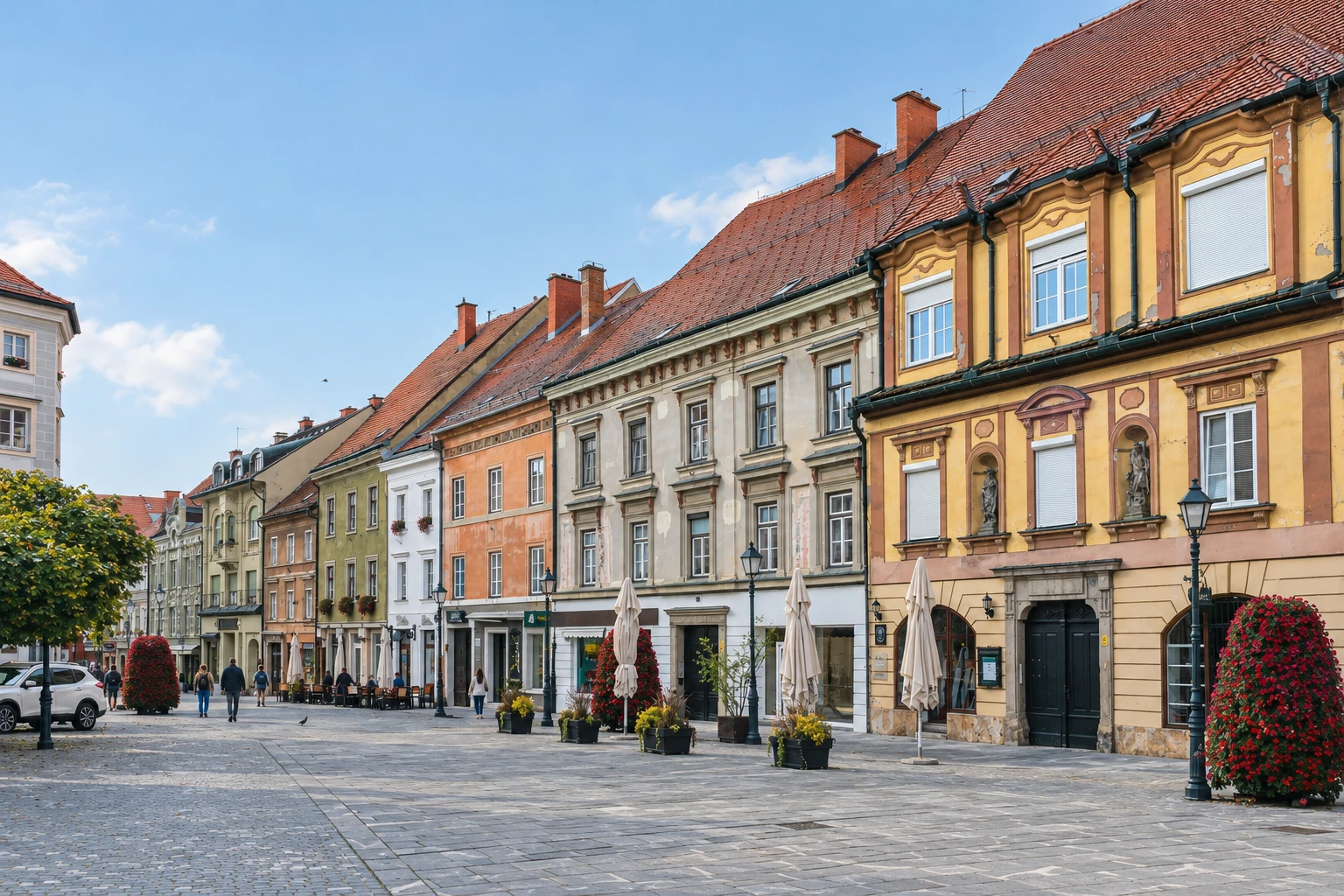
Slovenia’s third-largest city, in the Savinja valley. It was the Roman Celeia and the seat of the Counts of Celje, who ruled much of the Slovenian lands in the 14th and 15th centuries. The family castle, on a hill to the southeast, is the country’s largest medieval fortification. In the old town, the Princes’ Palace preserves the skulls of the counts and the Roman ruins beneath the ground, and the Stara grofija features Celje’s painted ceiling.

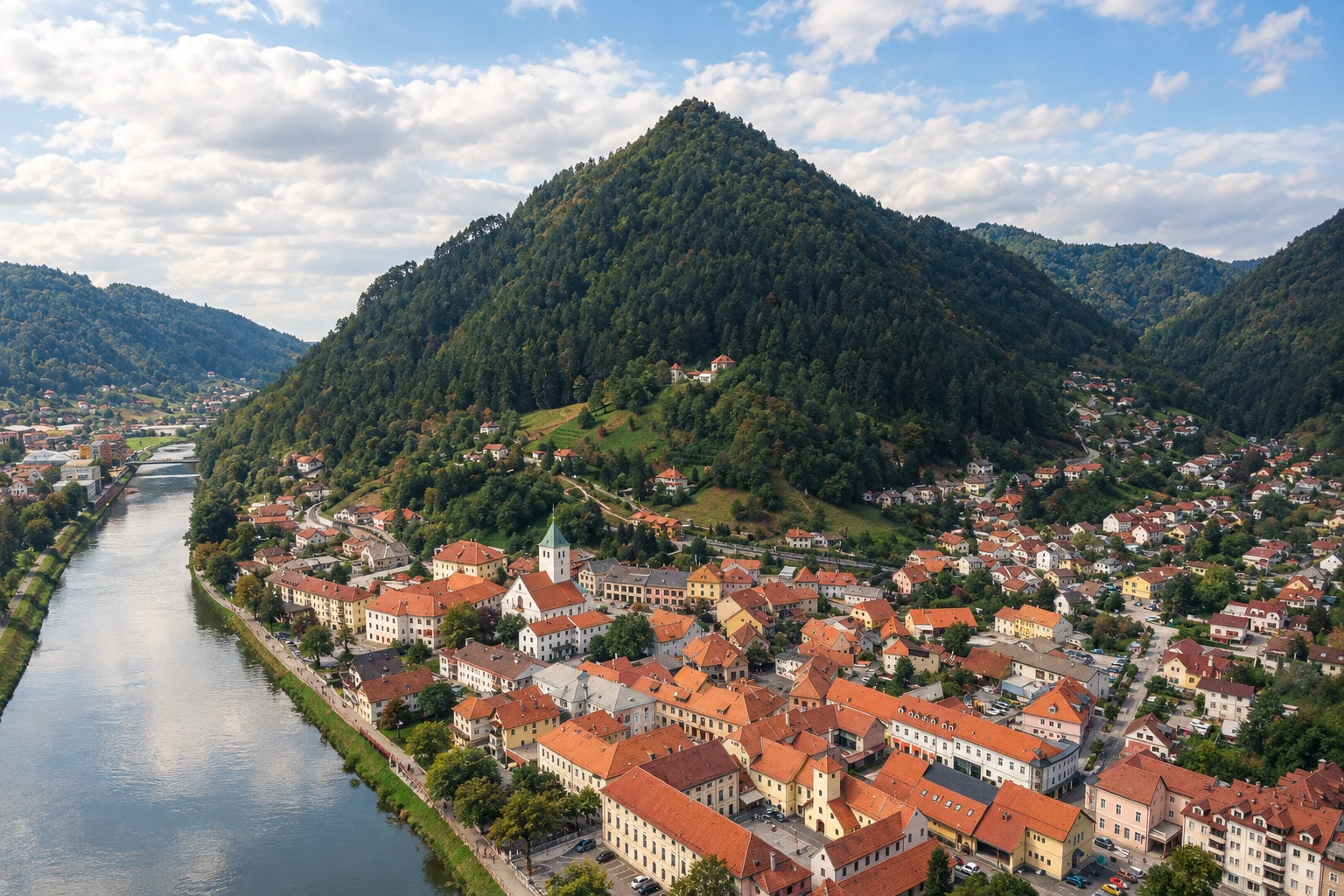
Small town on the banks of the Savinja River, at the foot of Mount Hum, known for its thermal waters and for the brewery founded in 1825, the largest in the country. The Church of Saint Martin, of Romanesque origin, dominates the center. Every July the town hosts Pivo in cvetje, a beer-and-flowers festival. Trails climb Mount Hum, with views over the valley.

Luče sits on a terrace above the confluence of the Savinja and Lučnica rivers, in the upper Savinja Valley. The old settlement grew around the Church of Saint Lawrence. The village is the gateway to the Solčavsko region via the valley: the road follows the Savinja to Solčava, where the Panoramic Road begins.

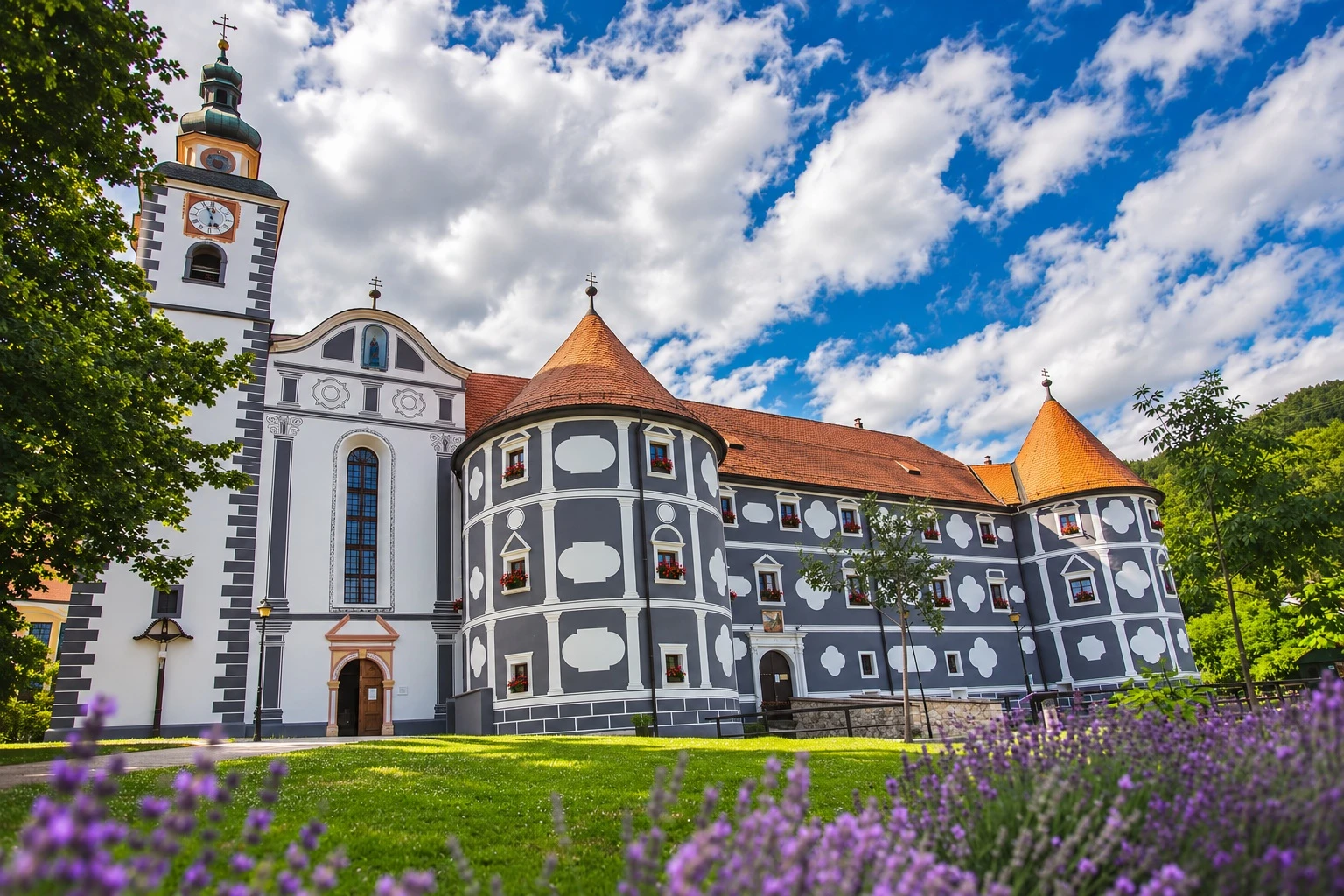
Podčetrtek is in the Sotla Valley, on the border with Croatia. At Terme Olimia there are thermal pools for relaxation and water play areas for children. The castle dominates the hillside above the town center. In the village of Olimje, the monastery combines a baroque church and the old Pauline pharmacy, and the Jelenov Greben farm welcomes visitors to observe deer.

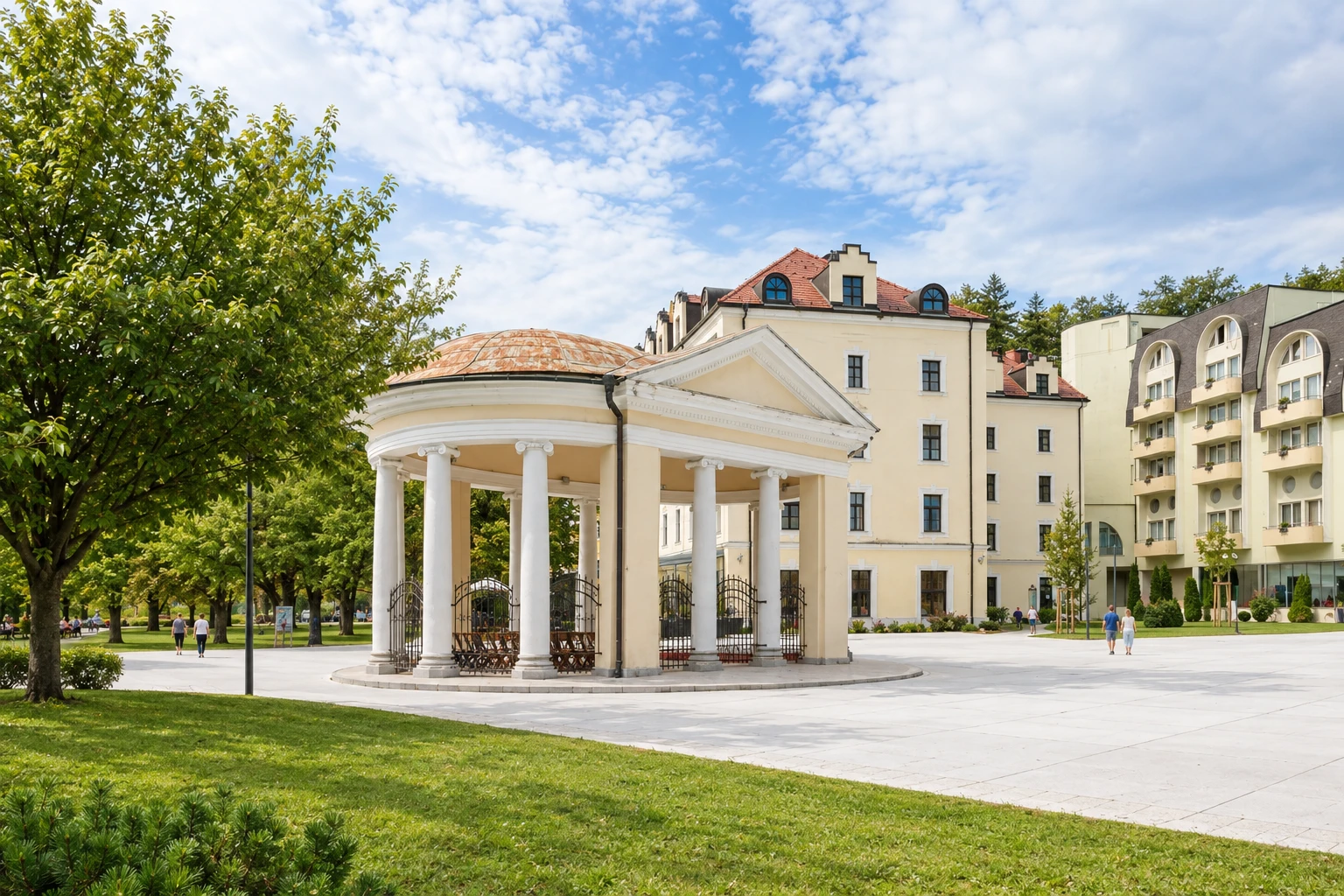
Spa town in eastern Slovenia, near the border with Croatia, with centuries of treatment traditions. It is known for Donat water, high in magnesium, which is drunk in the Pivnica water hall, for the spa park with 19th-century buildings, and for its crystal tradition. The Anin dvor museum tells the town’s history.

Slovenske Konjice grew at the foot of Mount Konjice in the Dravinja Valley. In the town center, historic houses line Stari trg and its small canal. On the other side of the mountain, the grounds of Žiče Charterhouse preserve the remains of a Carthusian monastery between wooded slopes.

A small village in the upper Savinja valley, seat of a municipality of about 500 inhabitants, at the entrance to three glacial valleys: Logar, Robanov kot and Matkov kot. It has the Gothic church of Mary of the Snows and the Rinka visitor center. It is the base for the Logar Valley, the Rinka waterfall and the Solčava Panoramic Road, which runs along the slopes among mountain farms.

Velenje lies in the Šalek Valley in northern Slovenia. Velenje Castle stands high on a hillside and houses a museum of local history. West of the city center, Lake Velenje occupies a former mining area and has a beach where people swim during the warmer months.

Zreče lies at the foot of the Pohorje Mountains. In the valley, thermal springs supply the indoor and outdoor pools at Terme Zreče. The road climbs to Rogla, where the elevated Pohorje Treetop Walk takes you through the forest canopy.

Žalec is in the Savinja Valley, where hop farming shapes the landscape. The local ecomuseum shows how people work in the hop fields and how they dry the flowers. At the Green Gold Beer Fountain, a public space in the town center, you can explore the connection between hops and beer.
Routes
The Logar Valley and the Kamnik–Savinja Alps are busiest in summer; on the high trails, snow often stays into early season. In autumn, the forests turn color and the southern hills harvest grapes. The region’s thermal baths operate year-round. The northern valleys typically have snow in winter.
Celje is about an hour from Ljubljana via the A1, which continues to Maribor. Trains between the capital and Maribor stop at Laško and Celje, and from Celje trains run to Rogaška Slatina and Velenje. Ljubljana Airport is the closest; Graz Airport in Austria also serves the region. For the Logar Valley, a car is convenient because there are few buses from Celje.
Beyond the guide
Your questions
By car, along the road that climbs the Savinja valley from Celje and Mozirje, a drive of about 1½ hours from Celje. There are buses from Celje, with limited departures. At the entrance to the landscape park, cars pay to enter: check in advance.
Old Castle of Celje on the hill, the historic center with the main square and St. Daniel’s Church, the Regional Museum and the Roman Celeia ruins exposed beneath the town. The city is about an hour from the capital by train or car.
The best-known are in Laško, on the Savinja, in Rogaška Slatina, near Croatia, and in Podčetrtek, by the Olimje monastery. There are also spas in Dobrna and Topolšica. They operate year-round.
For Celje, Laško and Rogaška Slatina, no: trains connect these towns with Ljubljana and Maribor. For the Logar Valley, the Solčava Panoramic Road, Olimje and the hill villages, a car is very helpful.