Nuremberg and Bamberg
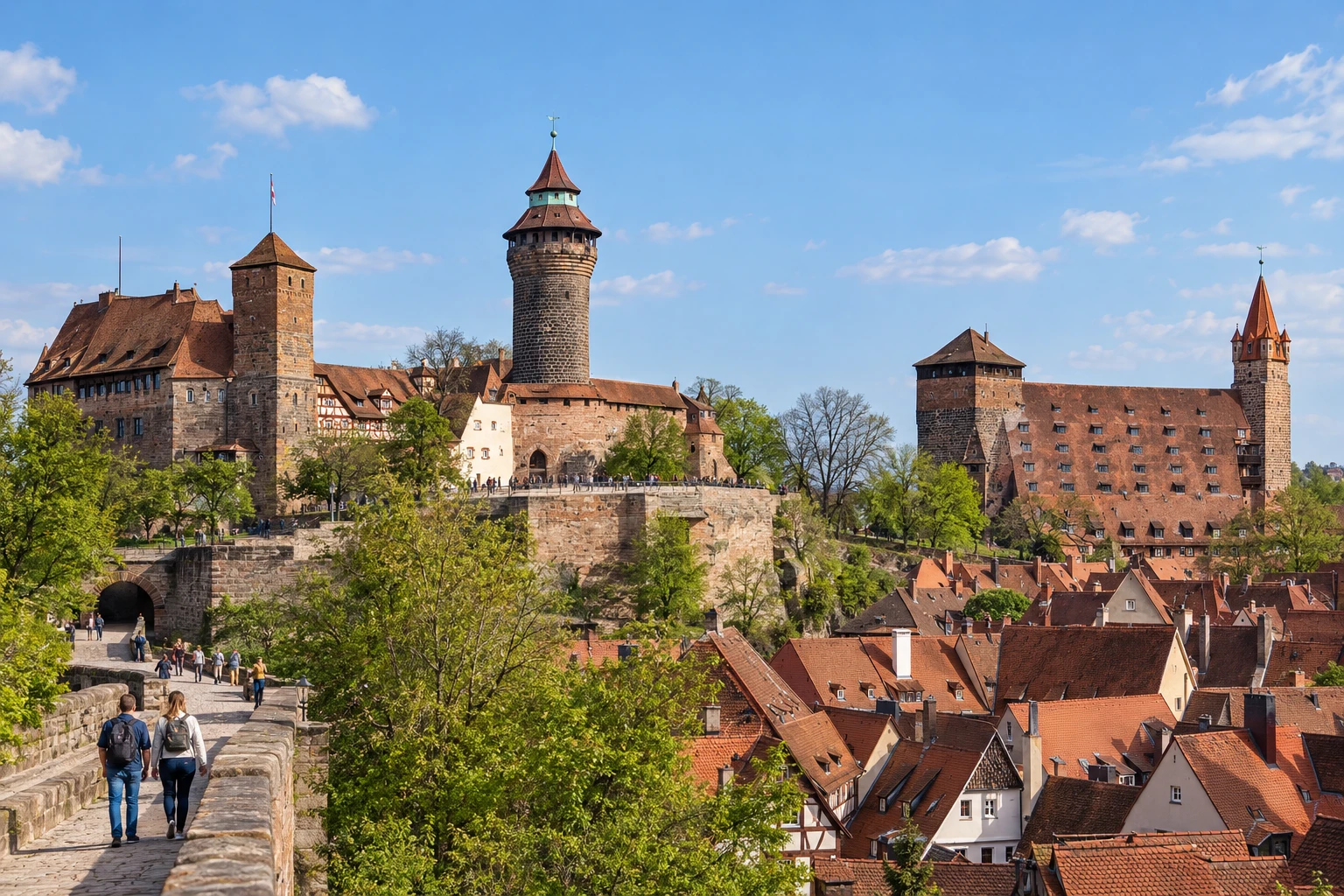
Two cities in Francônia less than an hour by train: the imperial castle and the history of Nuremberg, and Bamberg's town hall on the river, a World Heritage Site.
Antarctica
Germany travel guide
What to do, when to go and how to get there, destination by destination.
17 destinations · 35 citiesin Germany
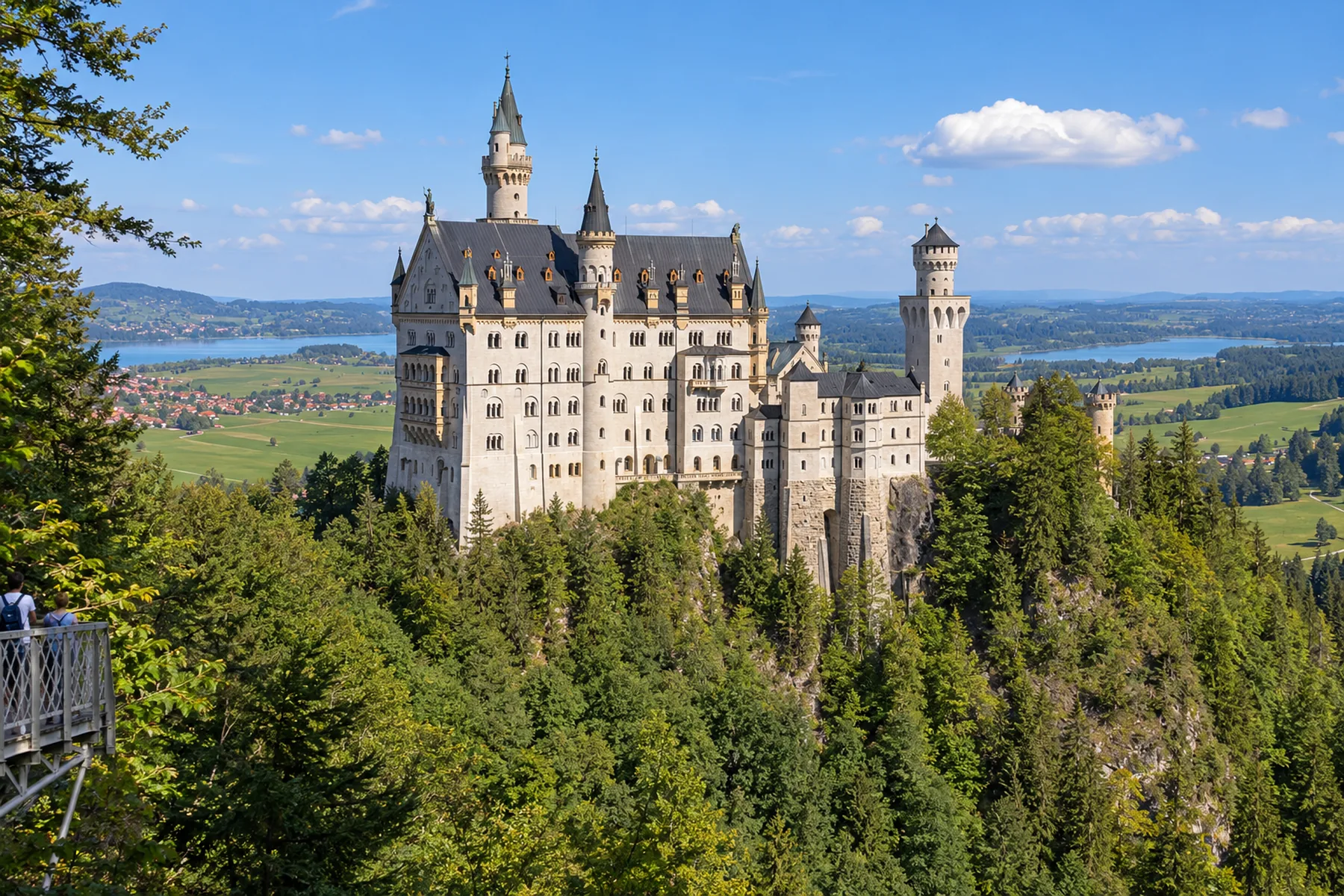
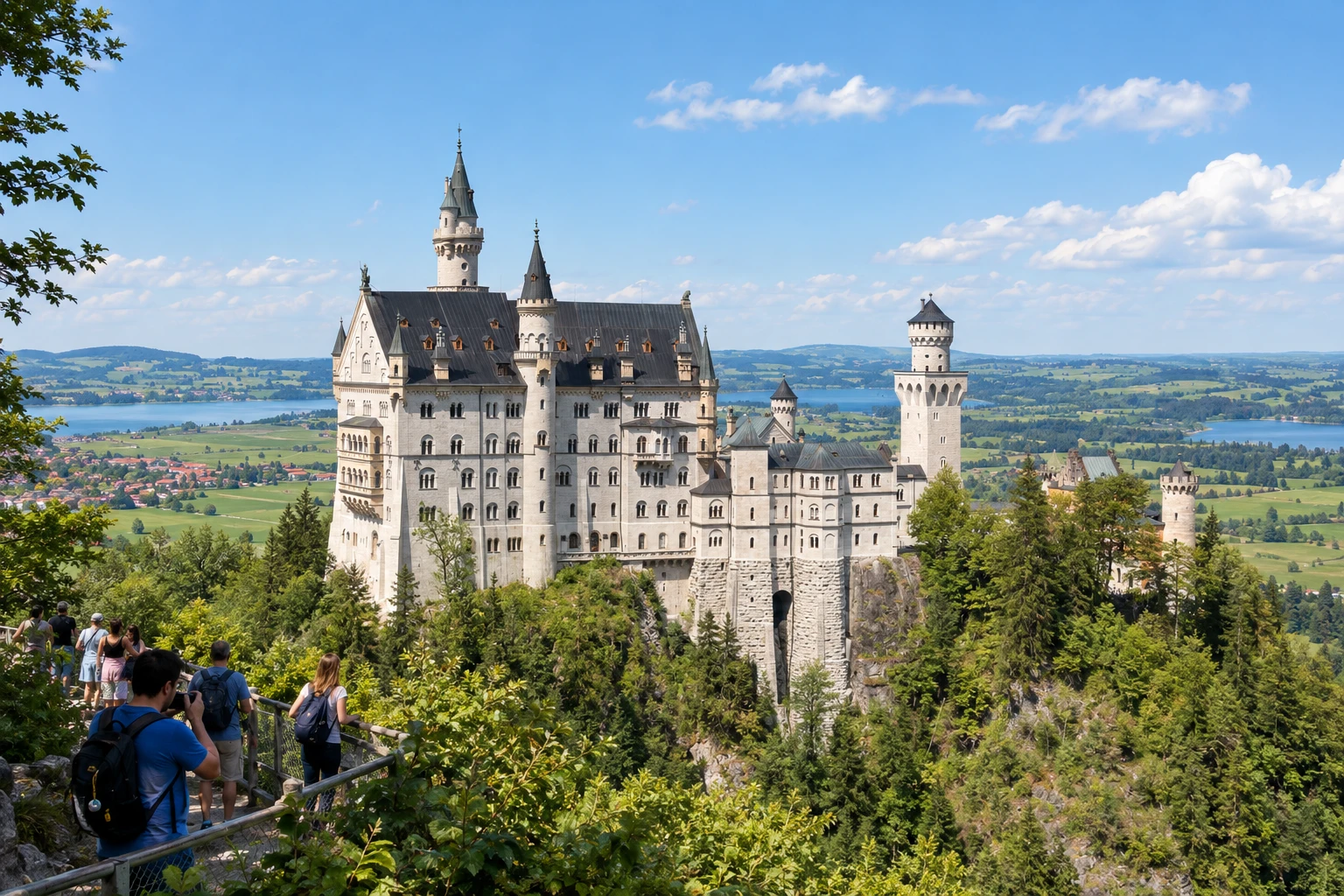
In the photo: Neuschwanstein Castle — Schwangau (Bavaria)
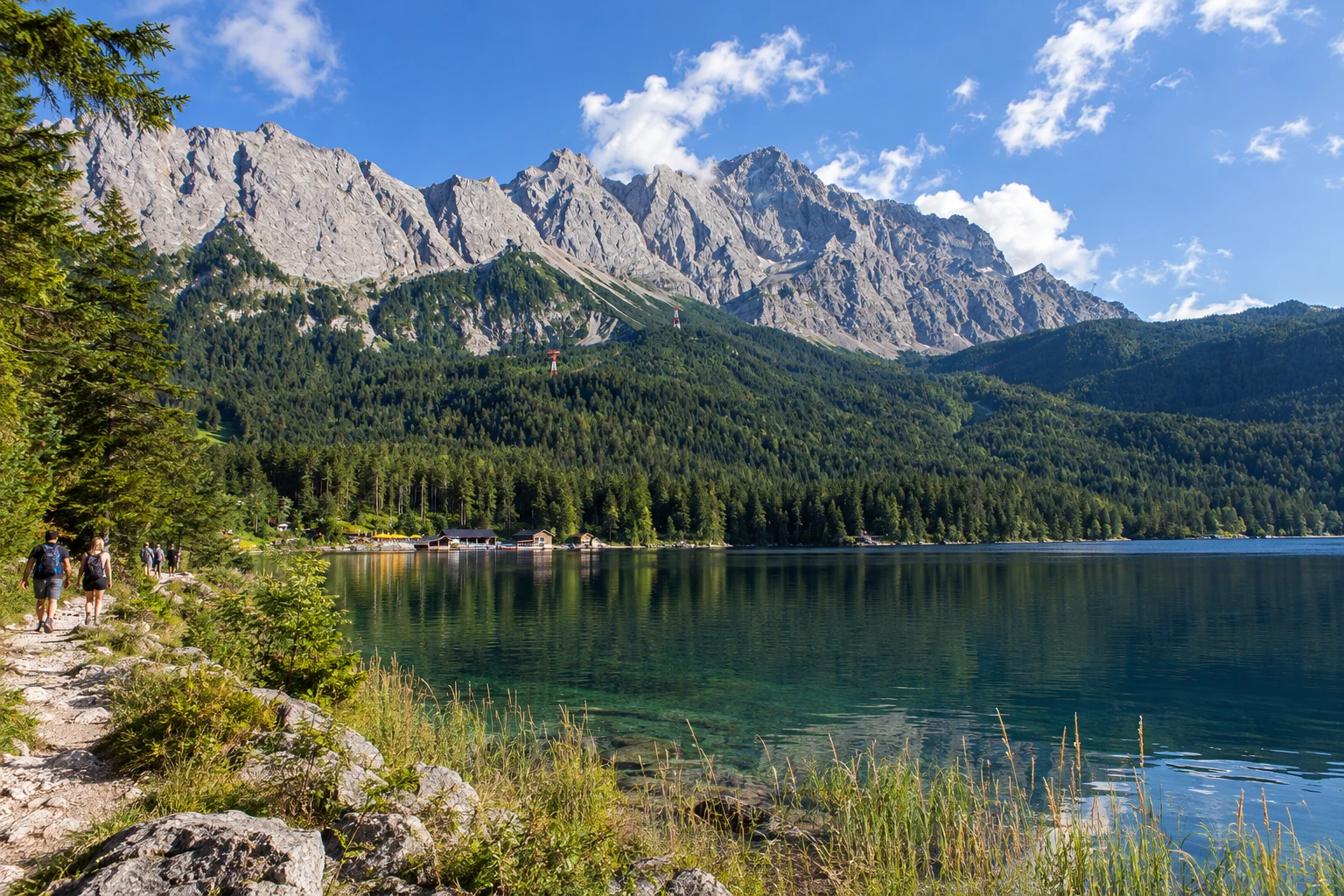
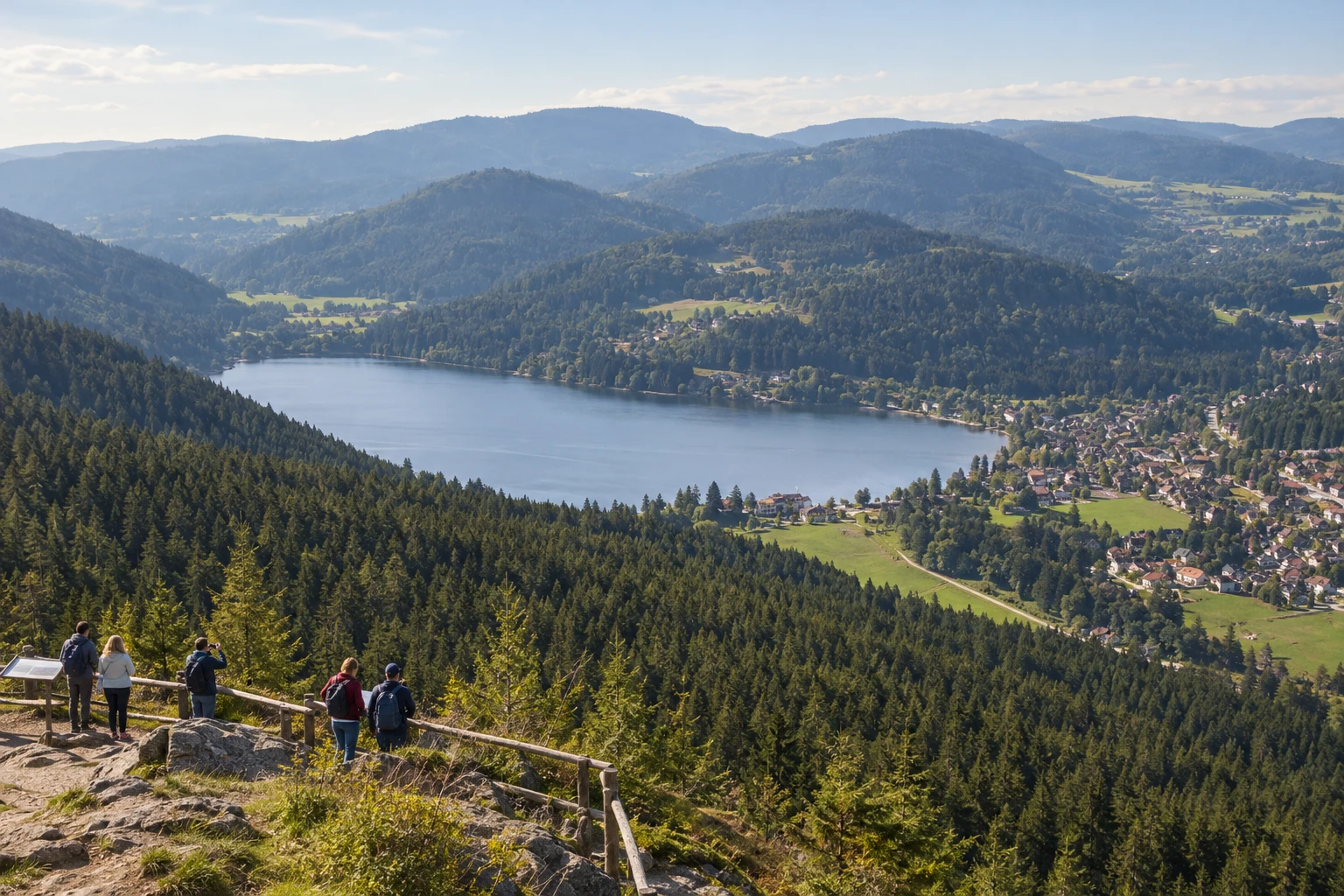
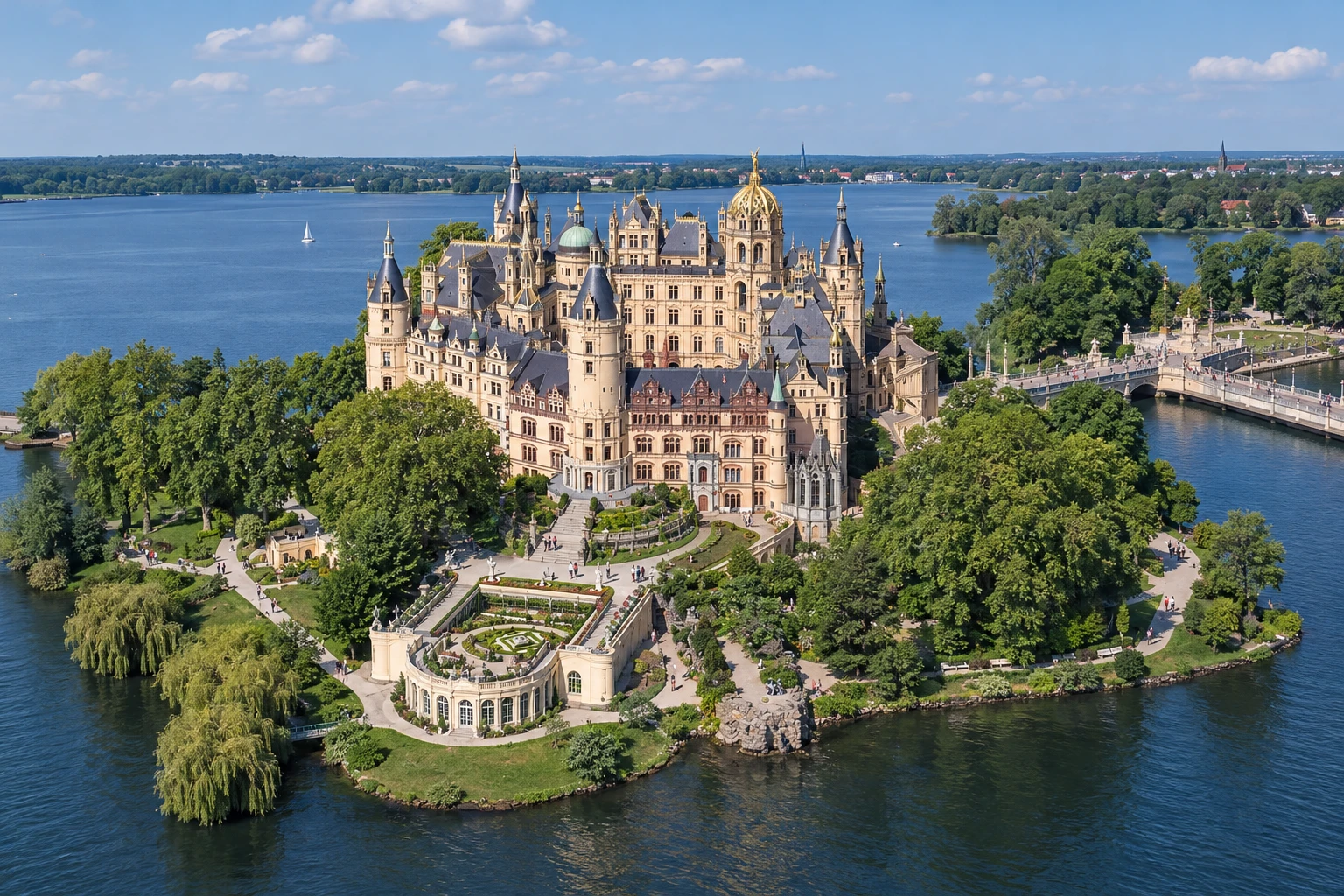
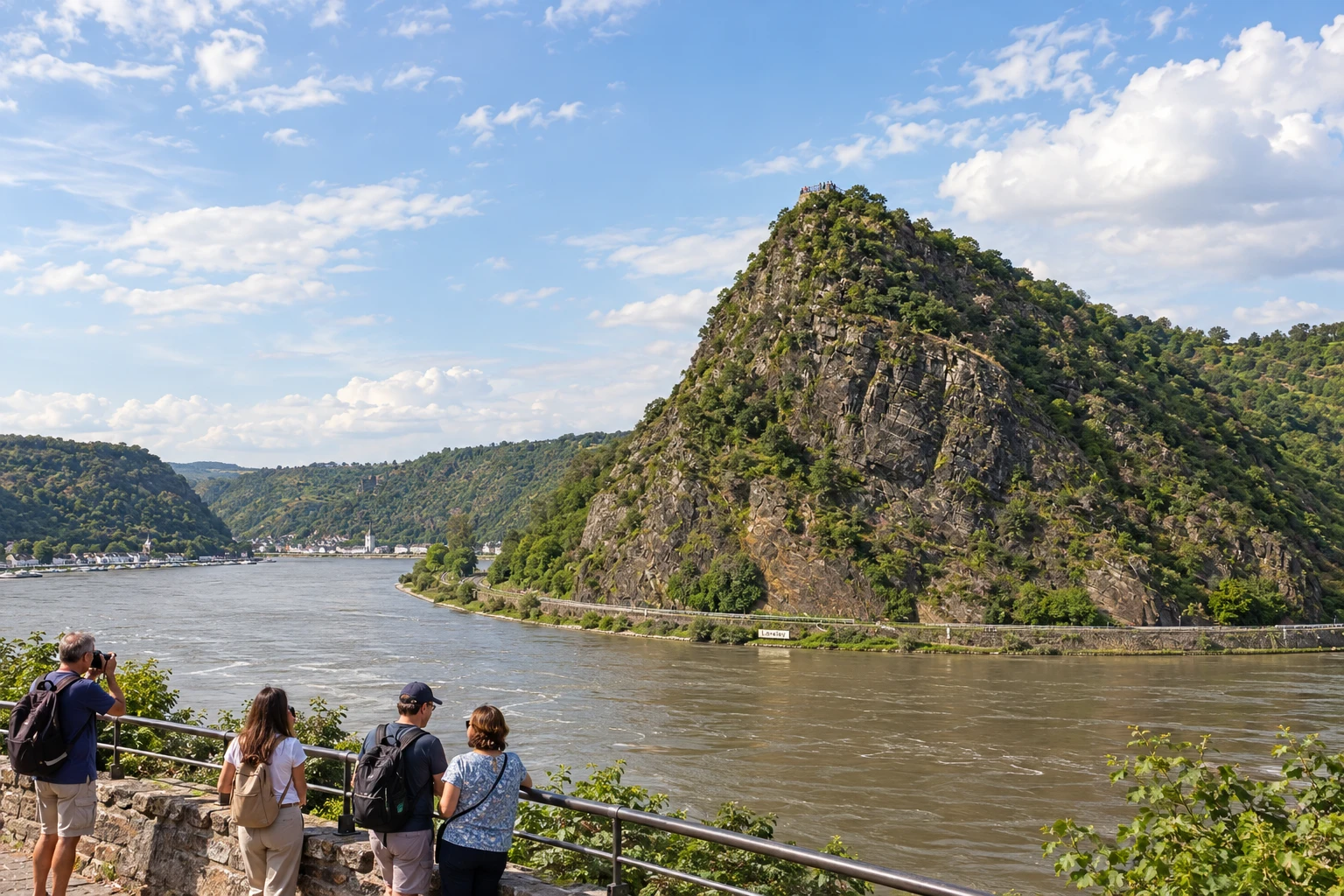
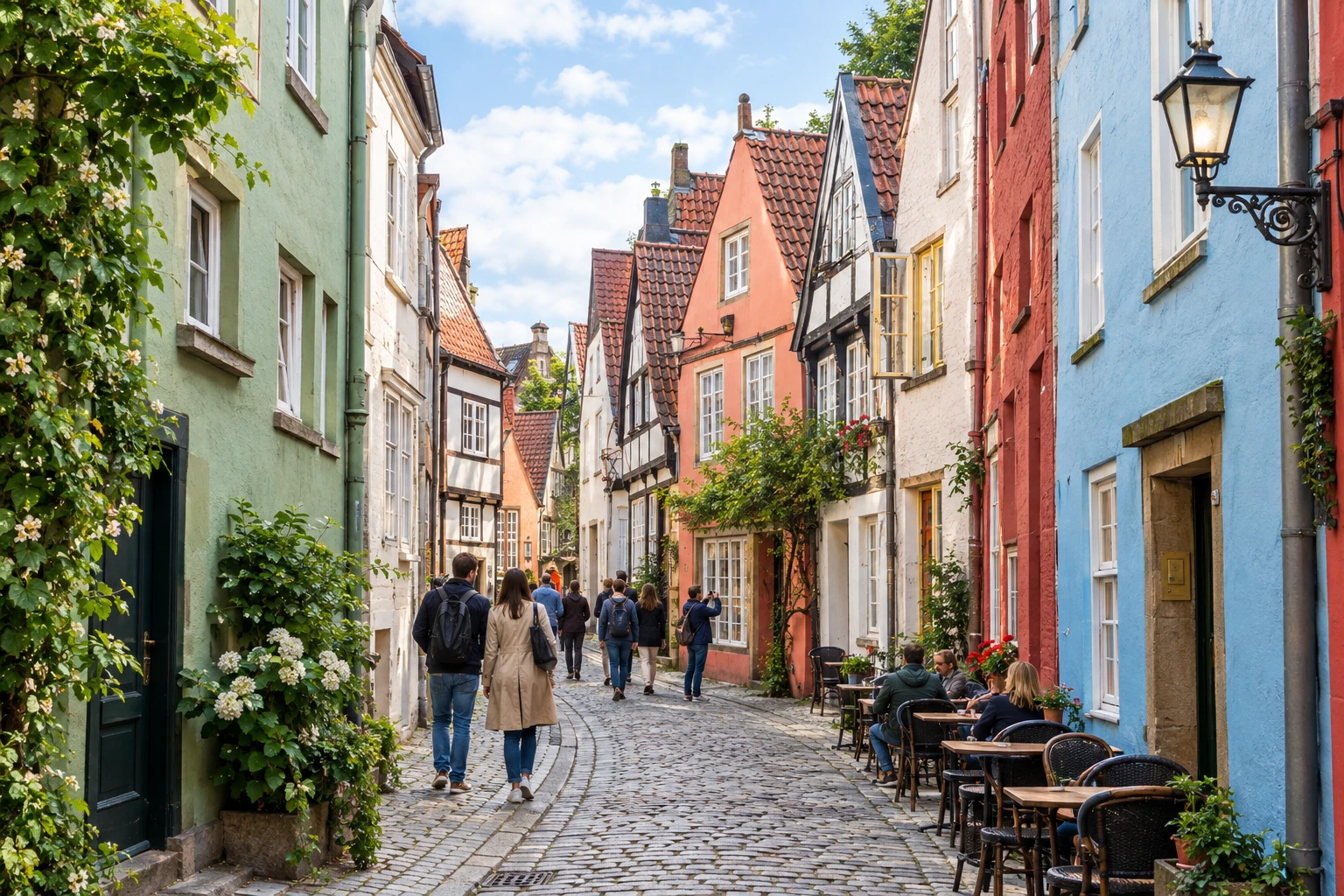
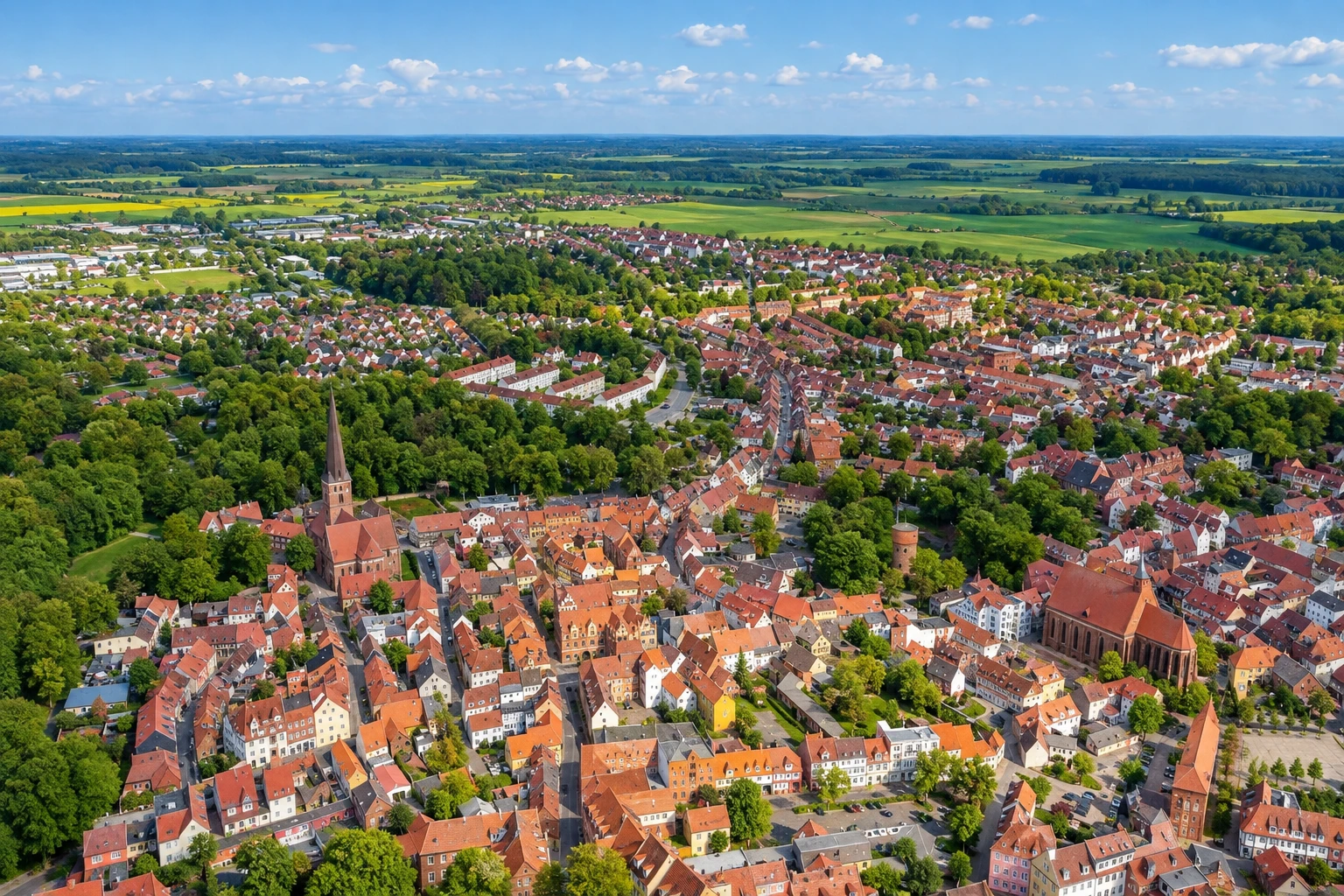
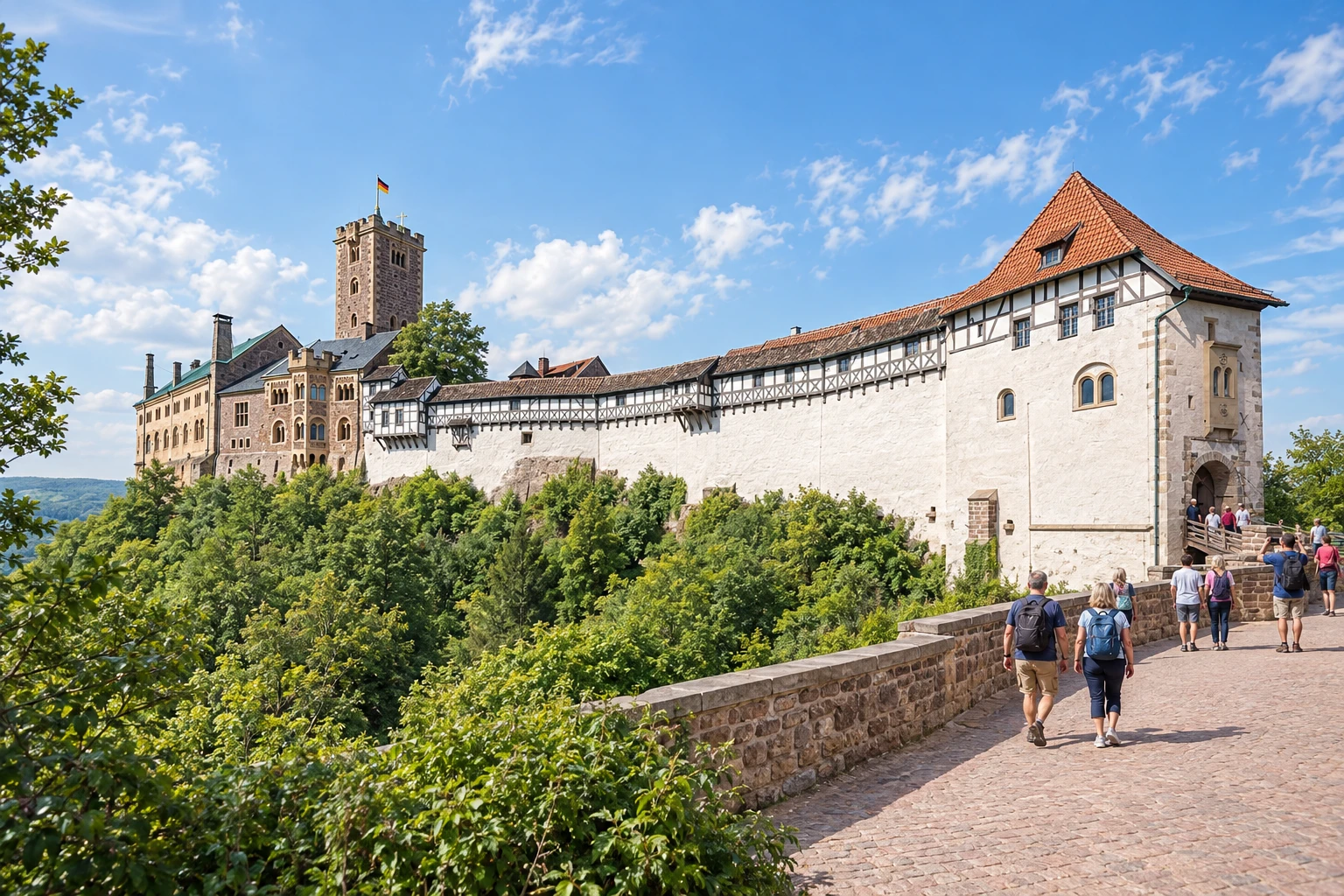
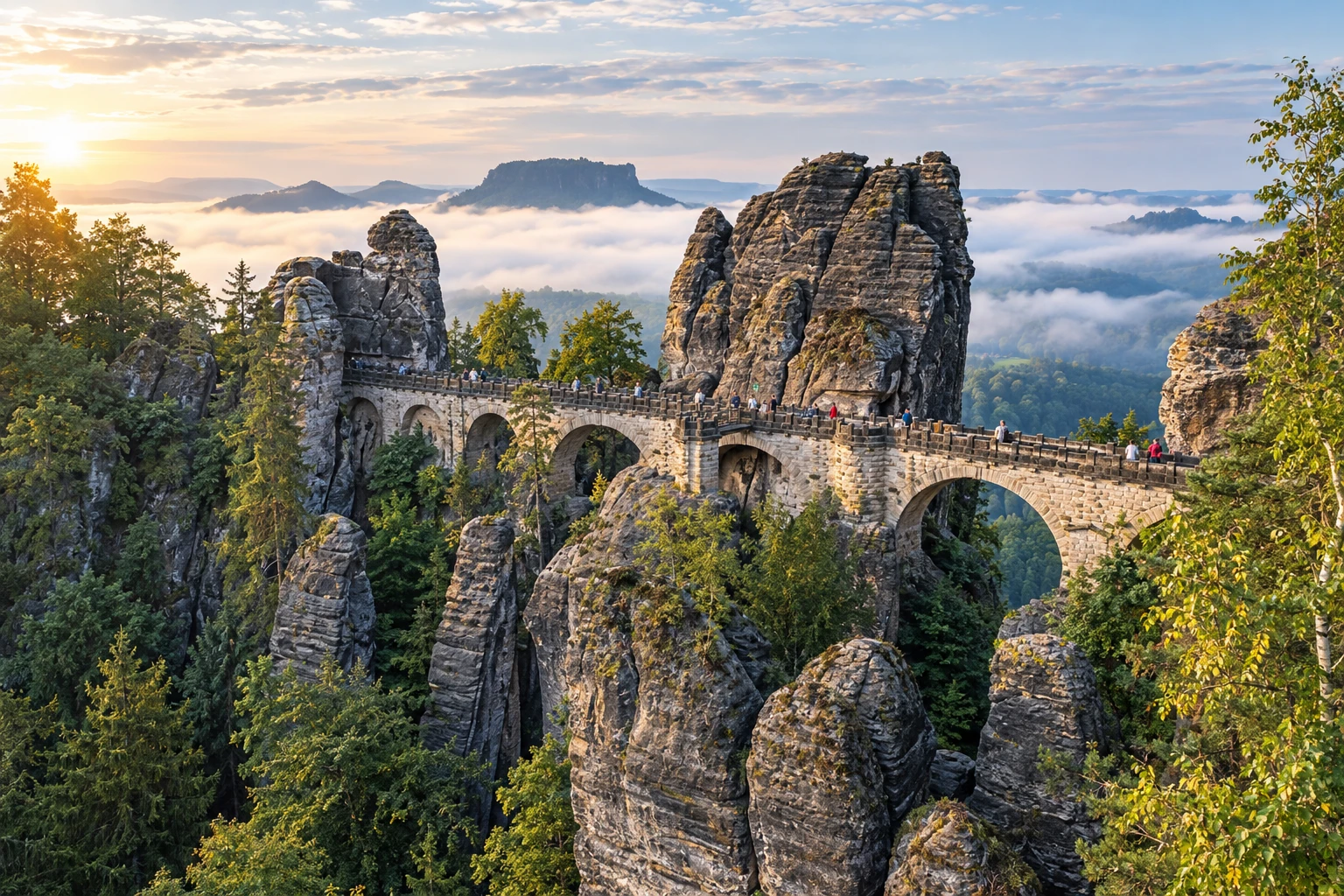
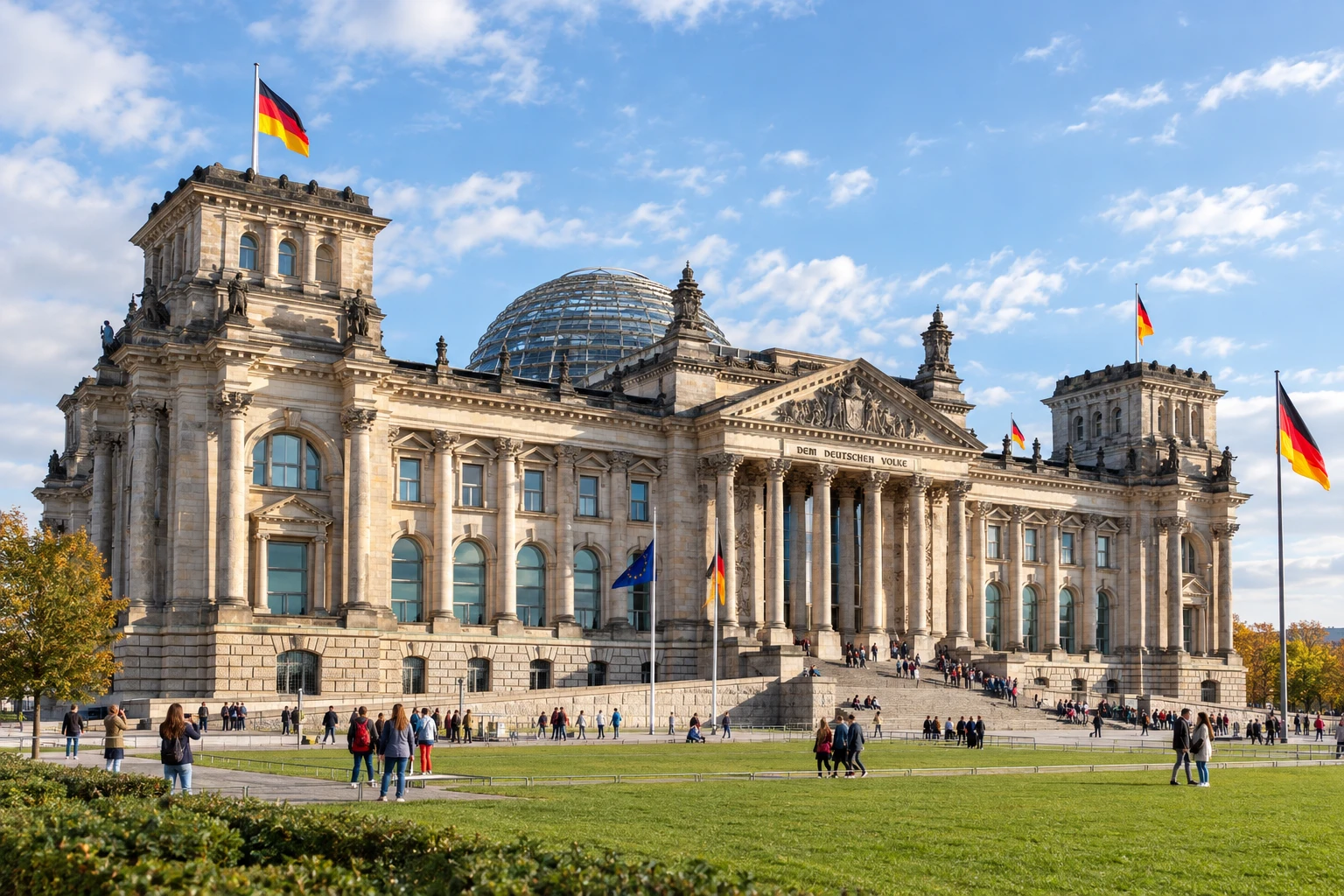
Illustrative images. The pictures in this guide are illustrations based on the real place, not photographs, and may differ from it.
A destination is a region you visit as a single trip: it can bring together several cities or be a large city with everything it offers. Each destination has the tours, the itineraries, the best time to go month by month and how to get there.
The guide currently has 17 destinations, with 35 cities in 14 states.

Today's highlights
A destination is more than a city: it's everything you can experience there.
Two cities in Francônia less than an hour by train: the imperial castle and the history of Nuremberg, and Bamberg's town hall on the river, a World Heritage Site.
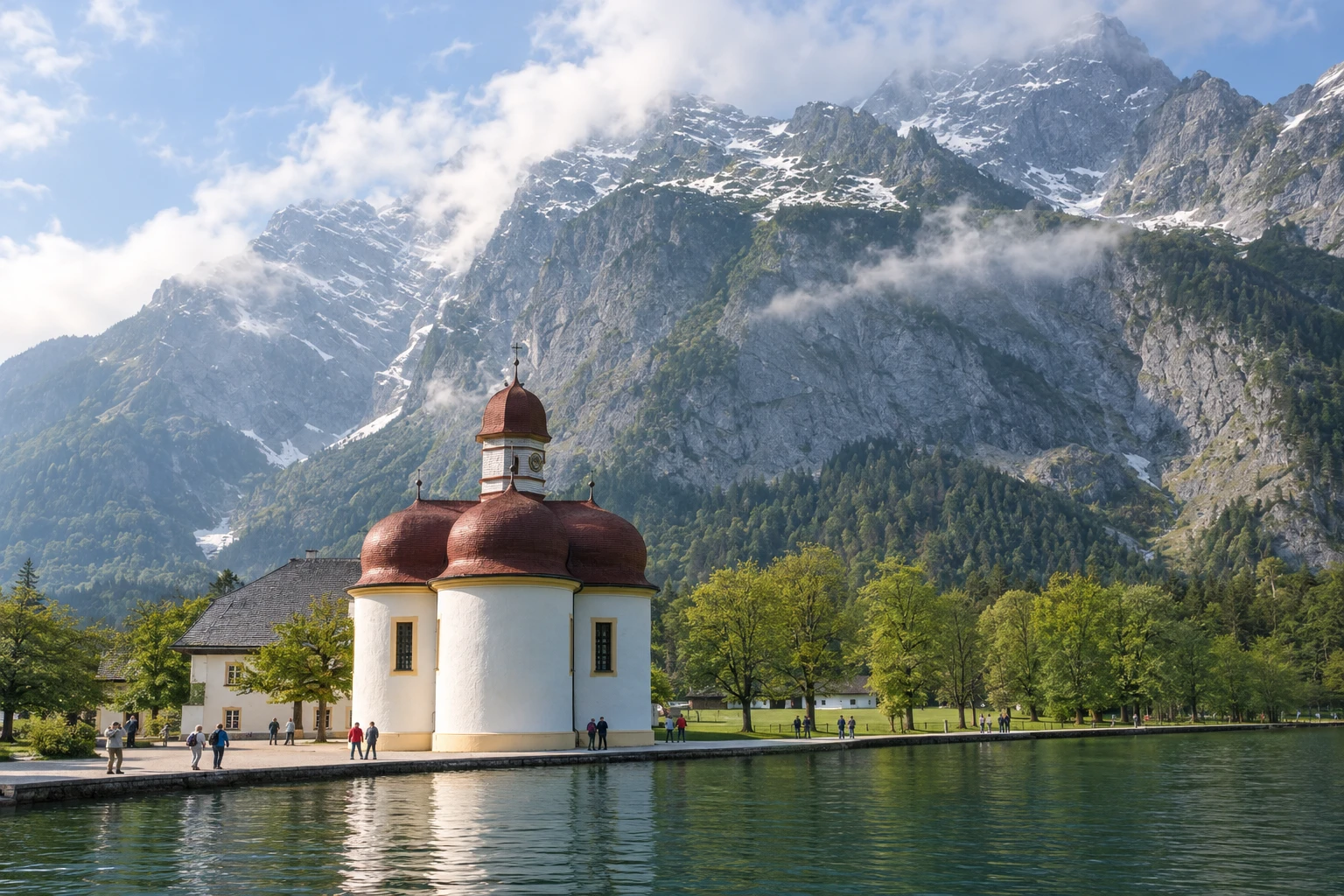
Zugspitze, Partnachklamm, Linderhof, Königssee and Obersalzberg: the alpine side of Germany, between Garmisch-Partenkirchen and Berchtesgaden.
Ruined castle above the Neckar, centuries-old spas in Baden-Baden and Freiburg at the gateway to the Floresta Negra in southwestern Germany.
Lübeck, the former capital of the Hanseatic League, and Rostock with Warnemünde: Gothic brick, ports, marzipan and sandy beaches on the Baltic Sea.
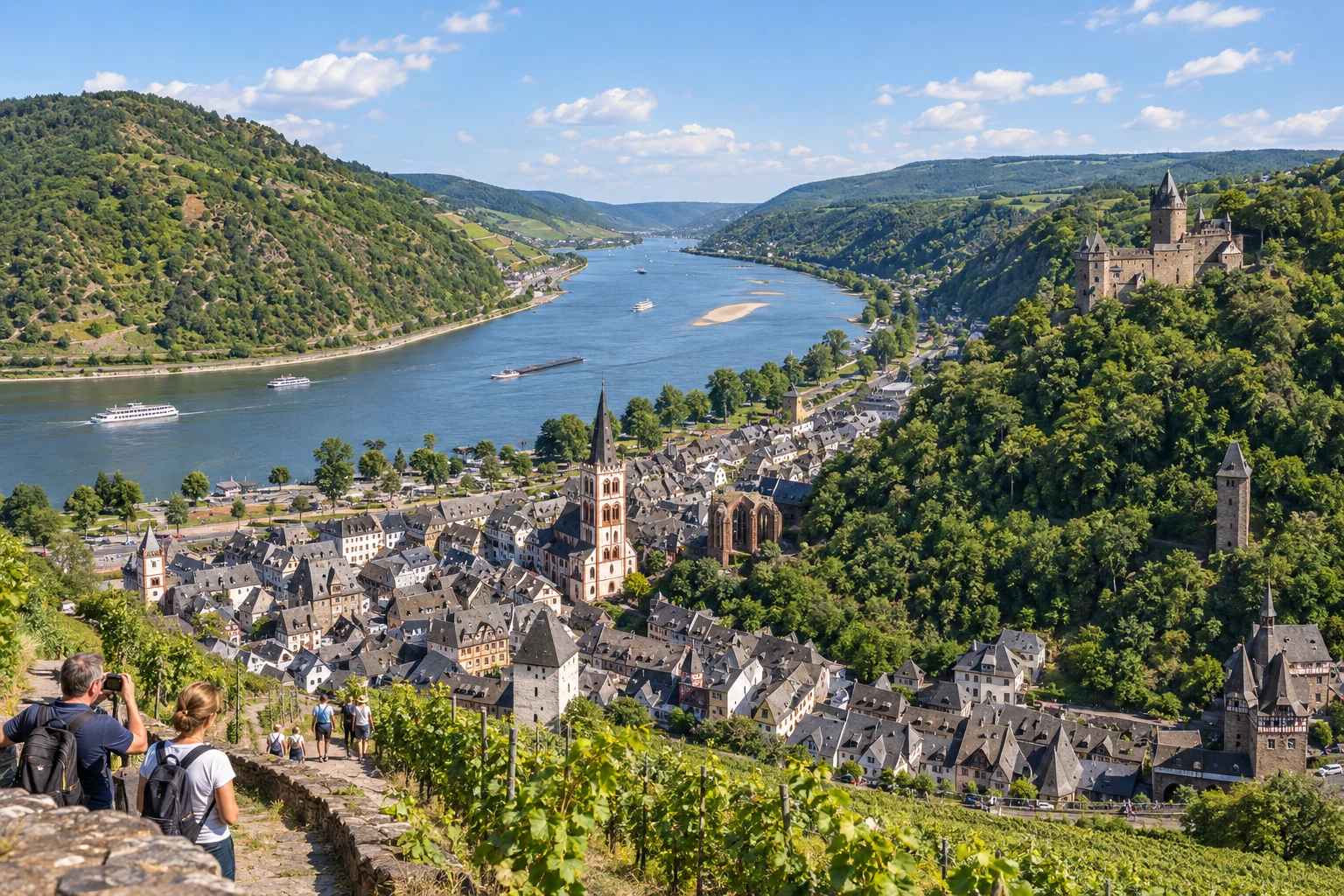
Frankfurt, the gateway to Germany, with a rebuilt old town and museums on the banks of the Main, and the Middle Rhine Valley, of castles and vineyards, just over an hour by train.
Hanseatic city on the banks of the Weser River, with the town hall and the Roland inscribed on the UNESCO World Heritage List, the statue of the Músicos de Bremen and the emigrant port in Bremerhaven.
Hanseatic town in the Altmark, in northern Saxony-Anhalt, with Gothic brick churches, hundreds of half-timbered houses, the remains of the medieval castle and the Baumkuchen tradition.
Neuschwanstein and Hohenschwangau at the foot of the Alps in Füssen, and the walled town of Rothenburg ob der Tauber: the two ends of the Romantic Road in southern Germany.
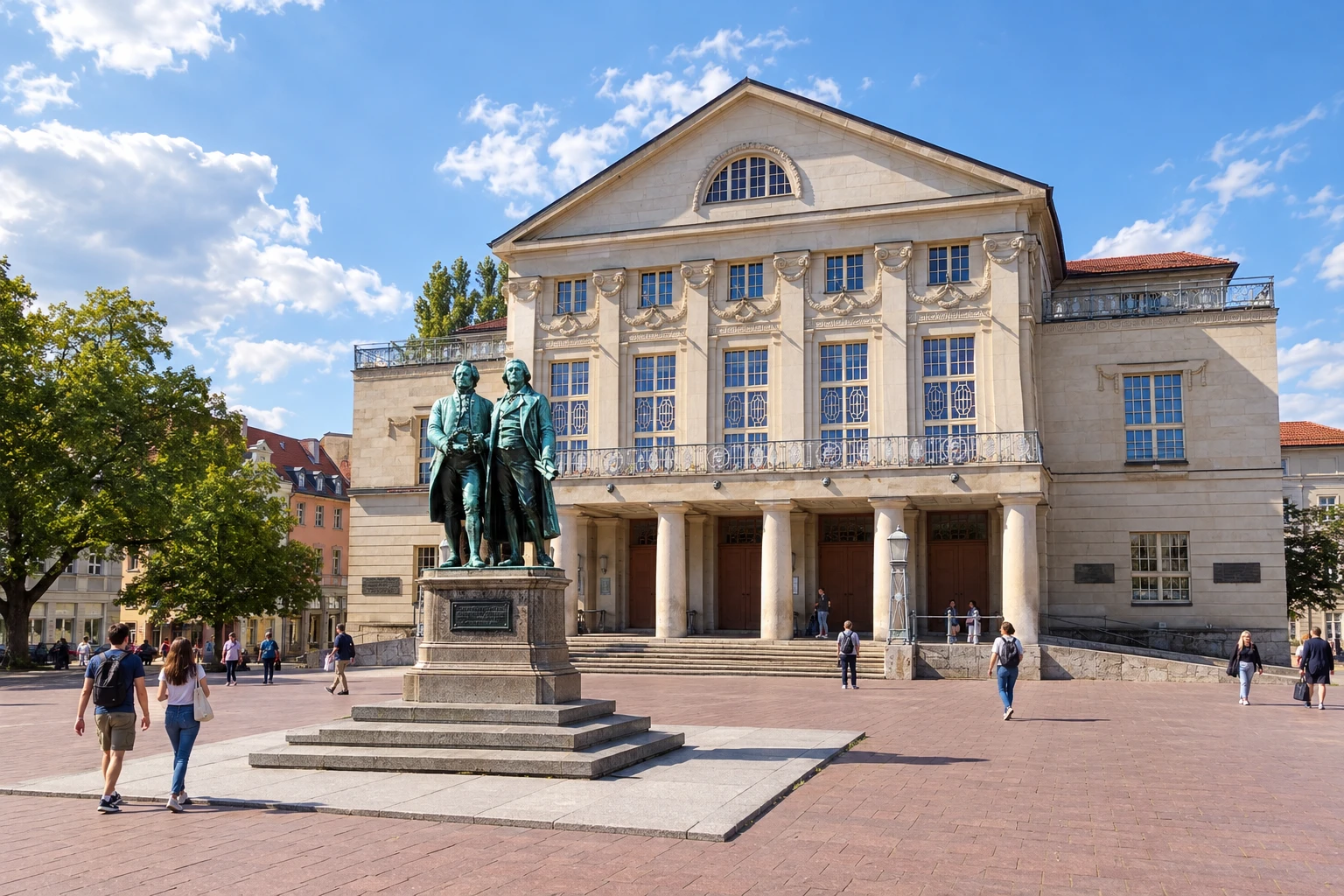
Two neighboring towns in Turíngia: medieval Erfurt with the Krämerbrücke and the Domberg, and Weimar of Goethe, Schiller and the Bauhaus, 12 minutes by train.
The capital of Saxônia, rebuilt on the banks of the Elba, and the sandstone formations of the Parque Nacional Suíça Saxônica, less than an hour by train.
The German capital, with the memory of the Wall and the Second World War, the Museumsinsel and lively neighborhoods, and nearby Potsdam, with the palaces and gardens of the kings of Prússia.
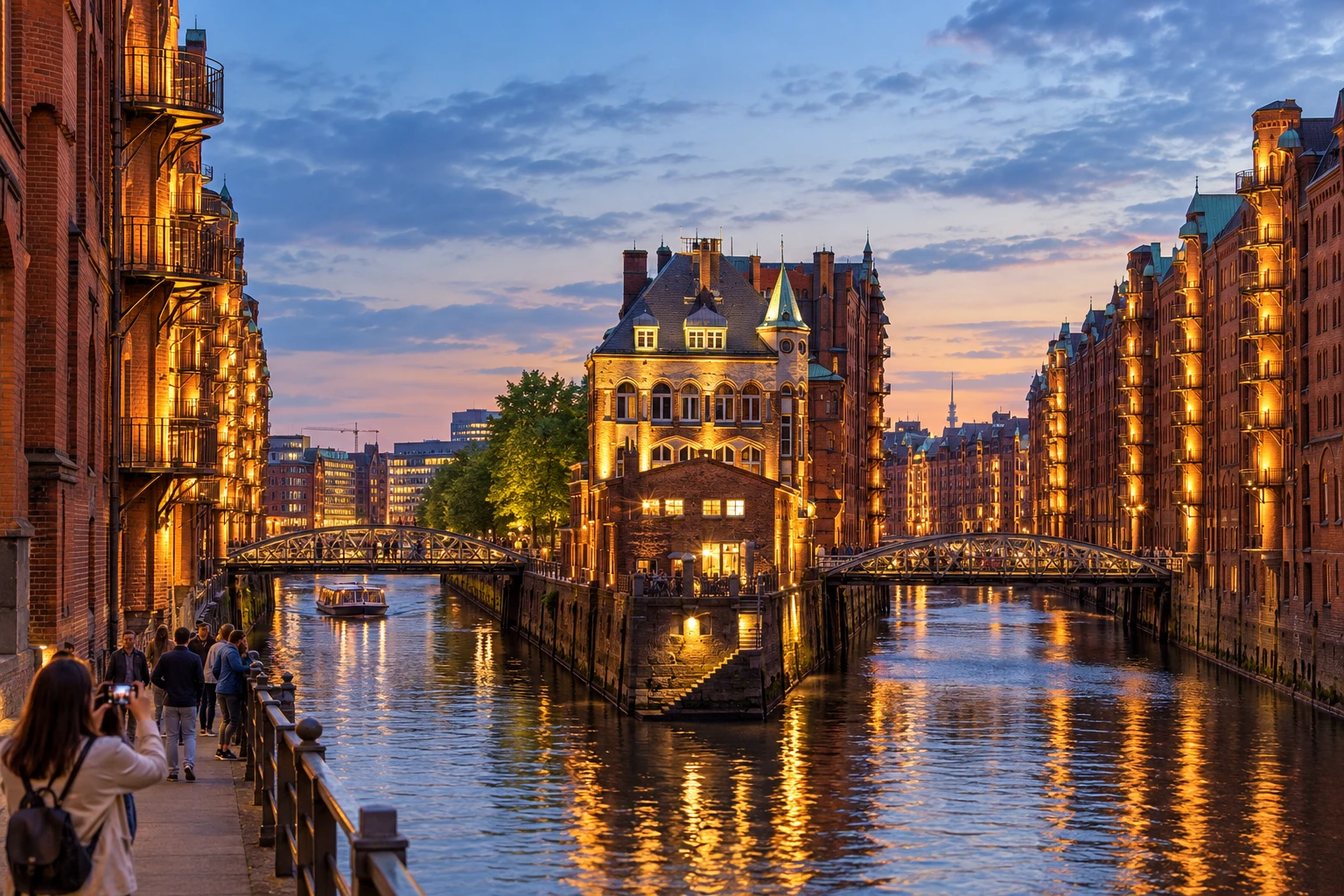
Port city on the Elba river, with the brick warehouses of the Speicherstadt, the Elbphilharmonie, the Alster lakes and boat trips around the harbor.
Cities to start with
Each city has a page with what to do there.

Berchtesgaden sits at the far southeast of Bavaria, surrounded by mountains and the Austrian border; Salzburgo is about 25 km away. The town grew around a monastery and a salt mine active since 1517, the Salzbergwerk. Nearby are the Königssee, with electric boats to St. Bartholomä, the Nationalpark Berchtesgaden and the Obersalzberg, home to the Dokumentation Obersalzberg and the Kehlsteinhaus.

Bacharach is a small walled town on the left bank of the Rhine, in the heart of the Middle Rhine Valley, a UNESCO World Heritage Site. It has half-timbered houses, the church of St. Peter, the ruins of the Wernerkapelle and Burg Stahleck atop the hill. From here you can reach the Loreley, Burg Rheinfels, Burg Pfalzgrafenstein and the Marksburg, the valley's most visited castles.

Small town in Thuringia that was the center of German literature in the time of Goethe and Schiller. The houses of both, the Duchess Anna Amalia Library, the Stadtschloss, the Park an der Ilm with Goethe's garden house and the Goethe-Schiller monument on Theaterplatz form the World Heritage Site of Weimar Classicism. The Bauhaus was founded there in 1919 and has its own museum. In the surroundings lies the Gedenkstätte Buchenwald, a place of remembrance.

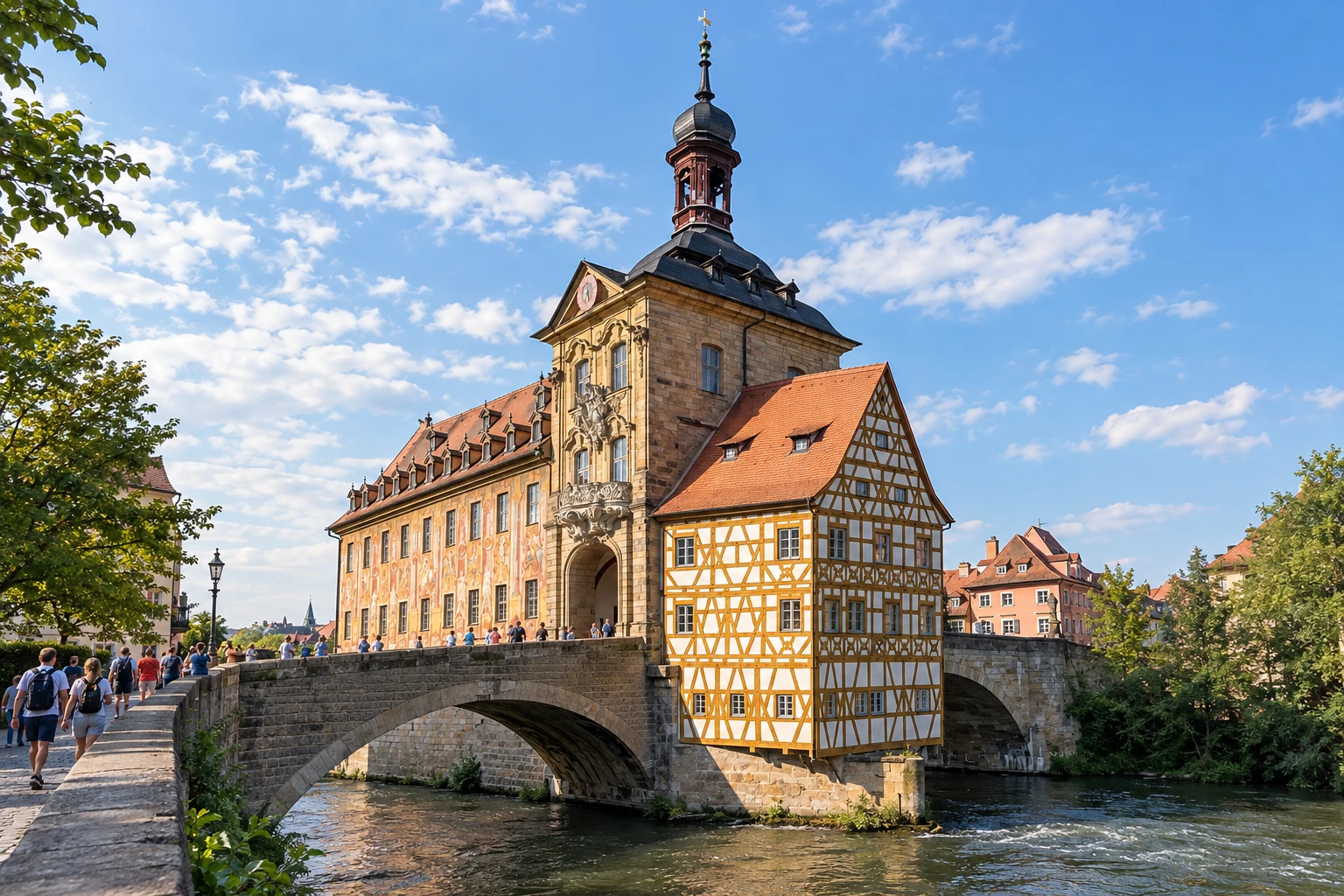
Bamberg, in Upper Francônia, has its old town inscribed as a World Heritage Site by UNESCO since 1993. The city spreads across seven hills and the islands of the Regnitz river. The Altes Rathaus, the town hall built in the middle of the river, links the burghers' town to the bishops' hill, where the Bamberger Dom, the Neue Residenz with its Rosengarten and the Michaelsberg monastery are located. On the riverbank are the fishermen's houses of Klein-Venedig. The smoked beer, Rauchbier, is part of the local culture.

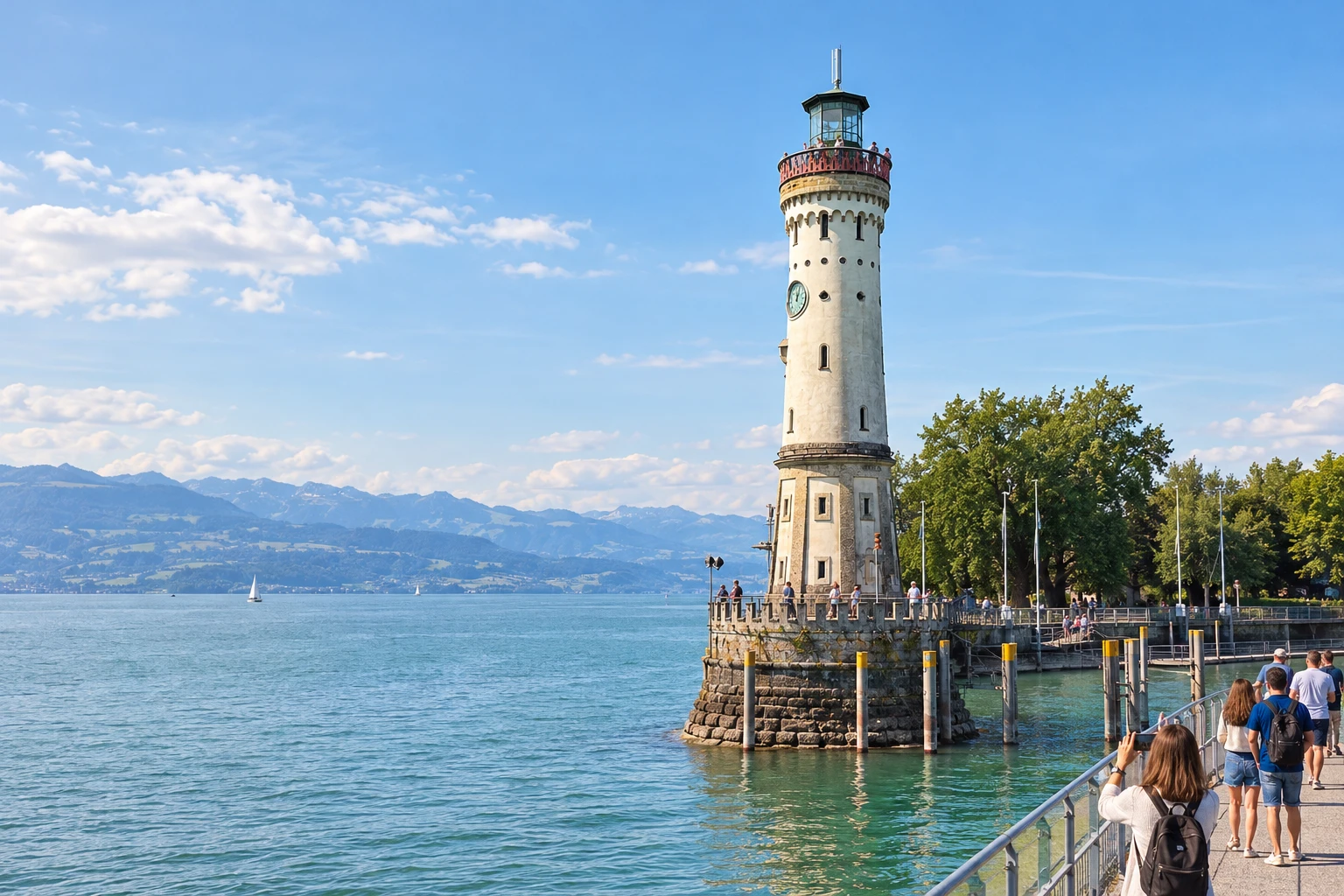
Lindau is the only Bavarian town on Lago de Constança and has its old town on an island of less than 1 km², connected to the mainland by a bridge and a railway causeway. A former Free Imperial City, it preserves the Maximilianstraße with houses from the 16th and 17th centuries, the painted Altes Rathaus, the Mangturm tower and, at the harbor entrance, the Bavarian lion and the lighthouse that can be climbed in season.

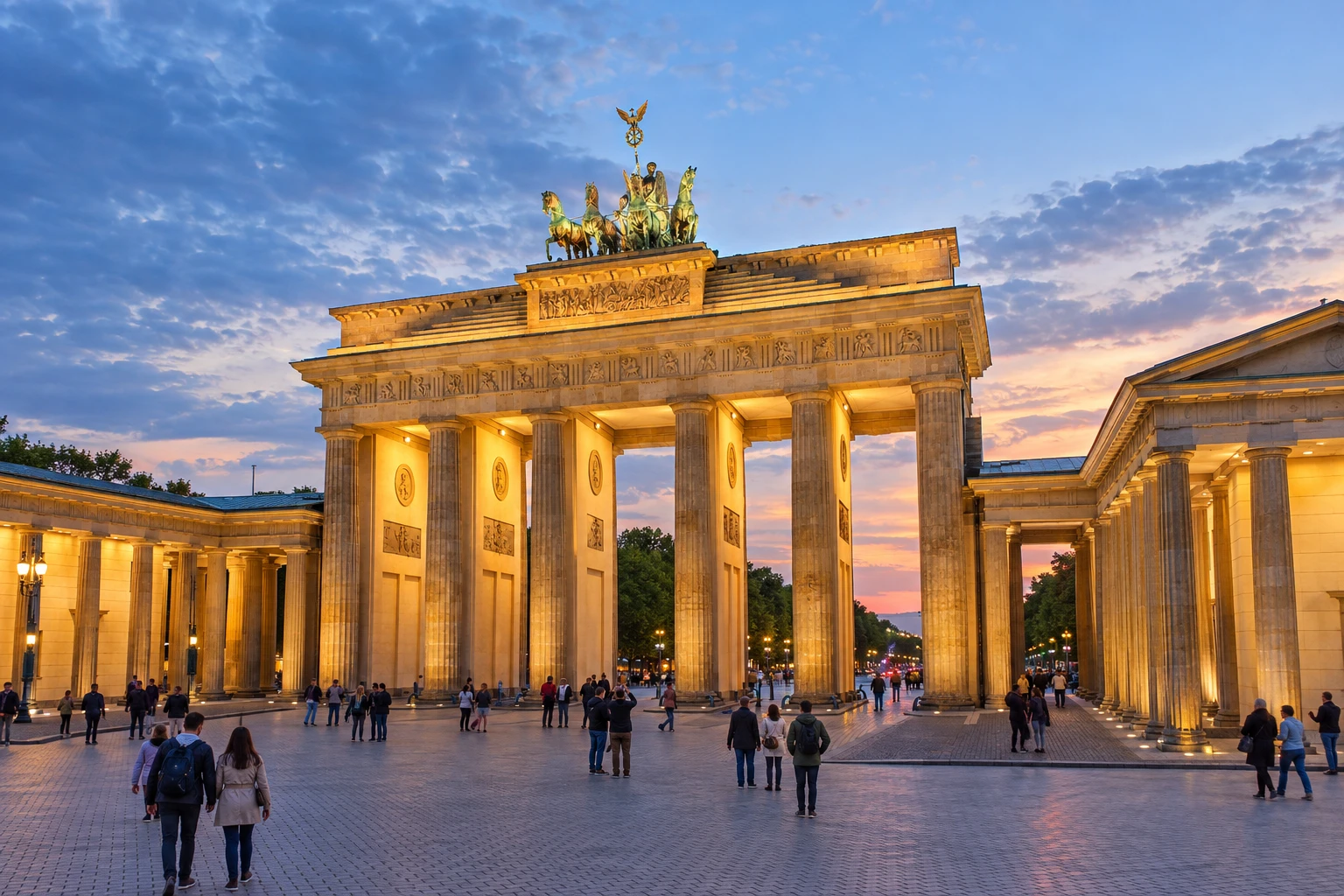
As the capital of Germany, Berlim brings together the memory of division and the Second World War with top-tier museums and neighborhoods with their own character. The Brandenburger Tor, the Reichstag and the Museumsinsel are in the center; the East Side Gallery and Bernauer Straße preserve stretches of the Wall. Kreuzberg, Prenzlauer Berg and Charlottenburg show different sides of the city.
The map
Tap a region to see the names. Use two fingers to zoom in.
Outlines: © BKG (2026), dl-de/by-2-0. Adapted by Cidade Turismo.
Germany
Another way into the same trip
Choose the state and the city to find your place in the guide.
Beyond the guide