Kiruna and Lapland
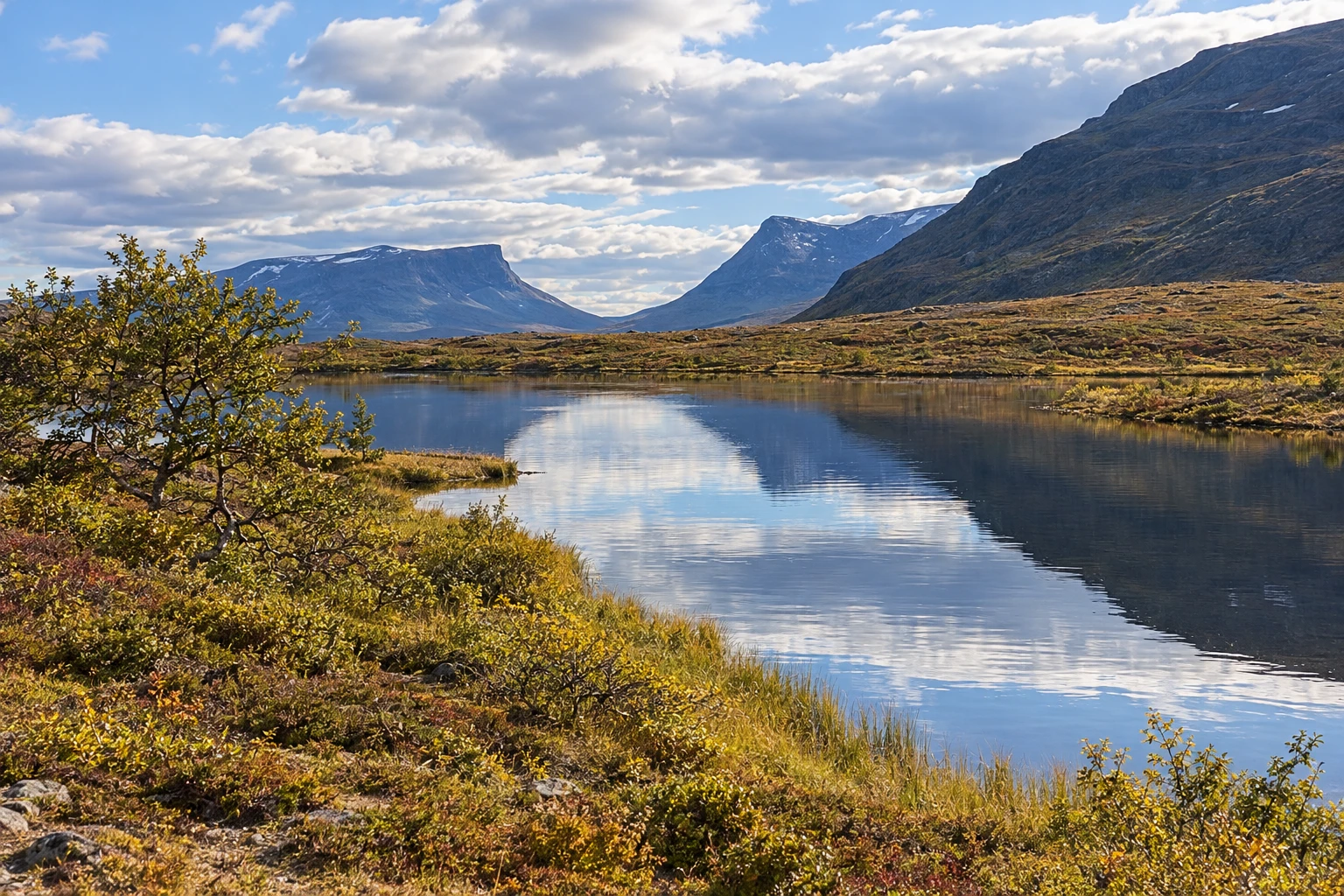
The far north of Sweden, above the Arctic Circle: Kiruna, the mining town, the Icehotel in Jukkasjärvi, sámi culture, Abisko National Park and aurora borealis nights in winter.
Antarctica
Sweden travel guide
What to do, when to go and how to get there, destination by destination.
15 destinations · 27 citiesin Sweden
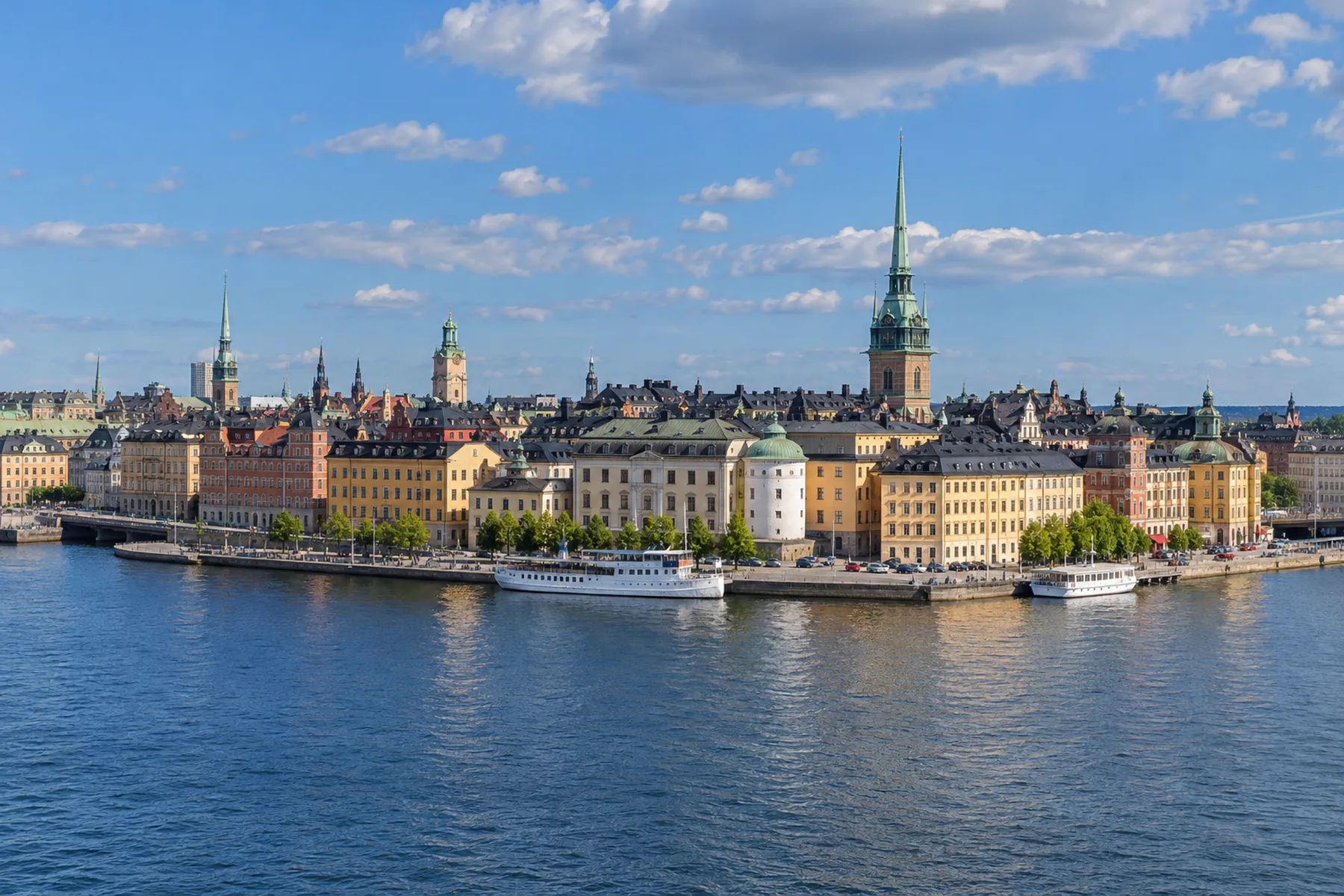
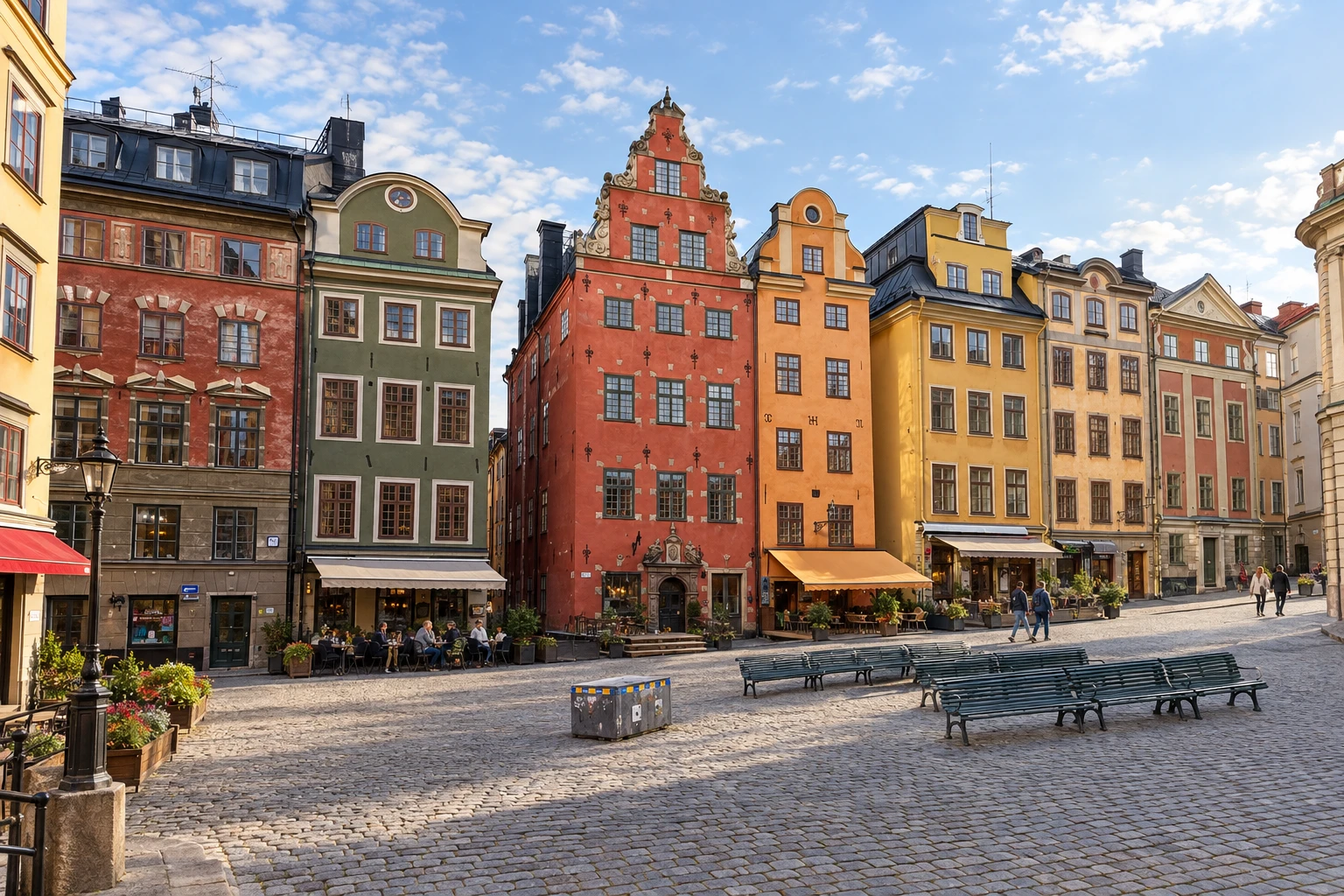
In the photo: Gamla Stan — Stockholm
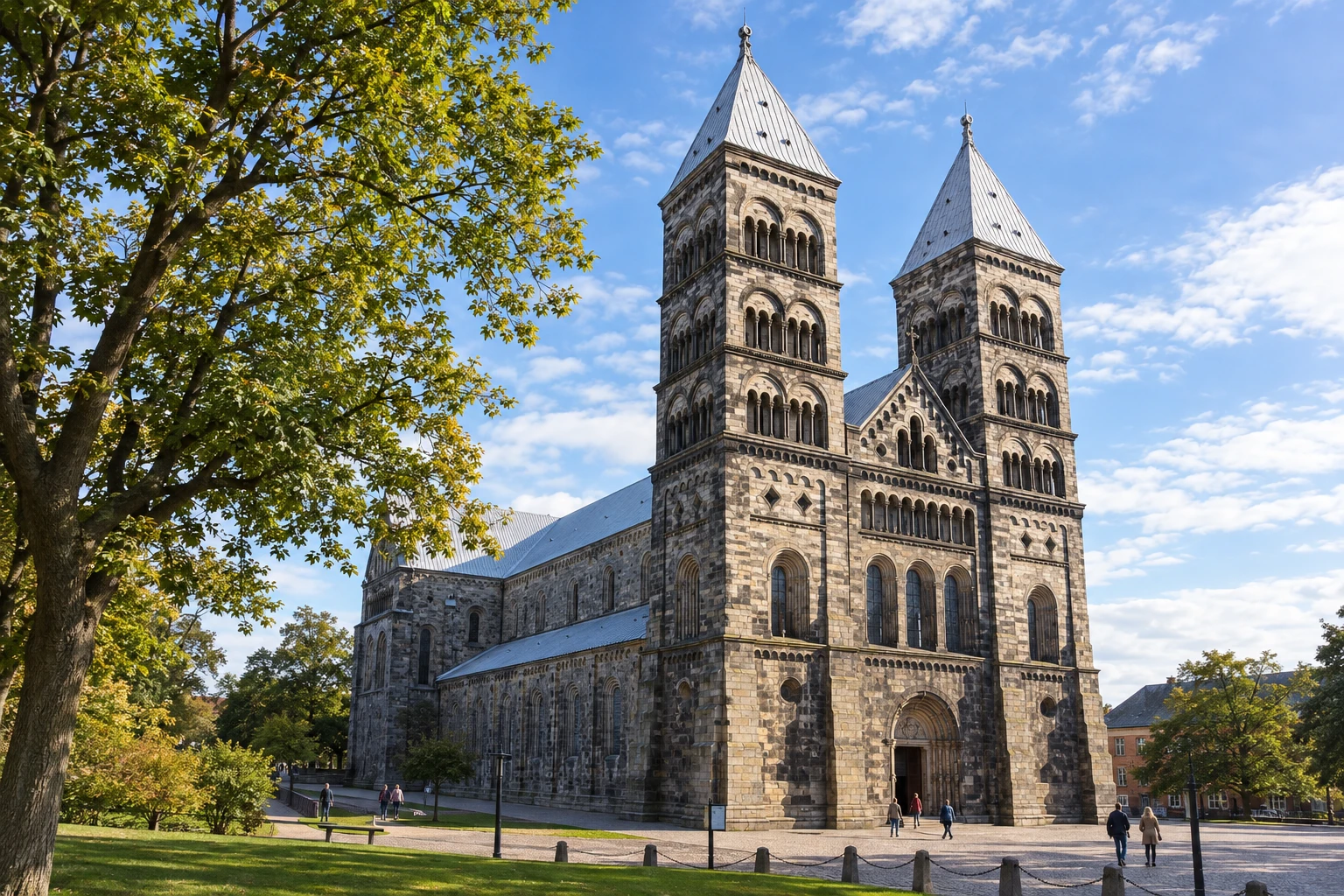
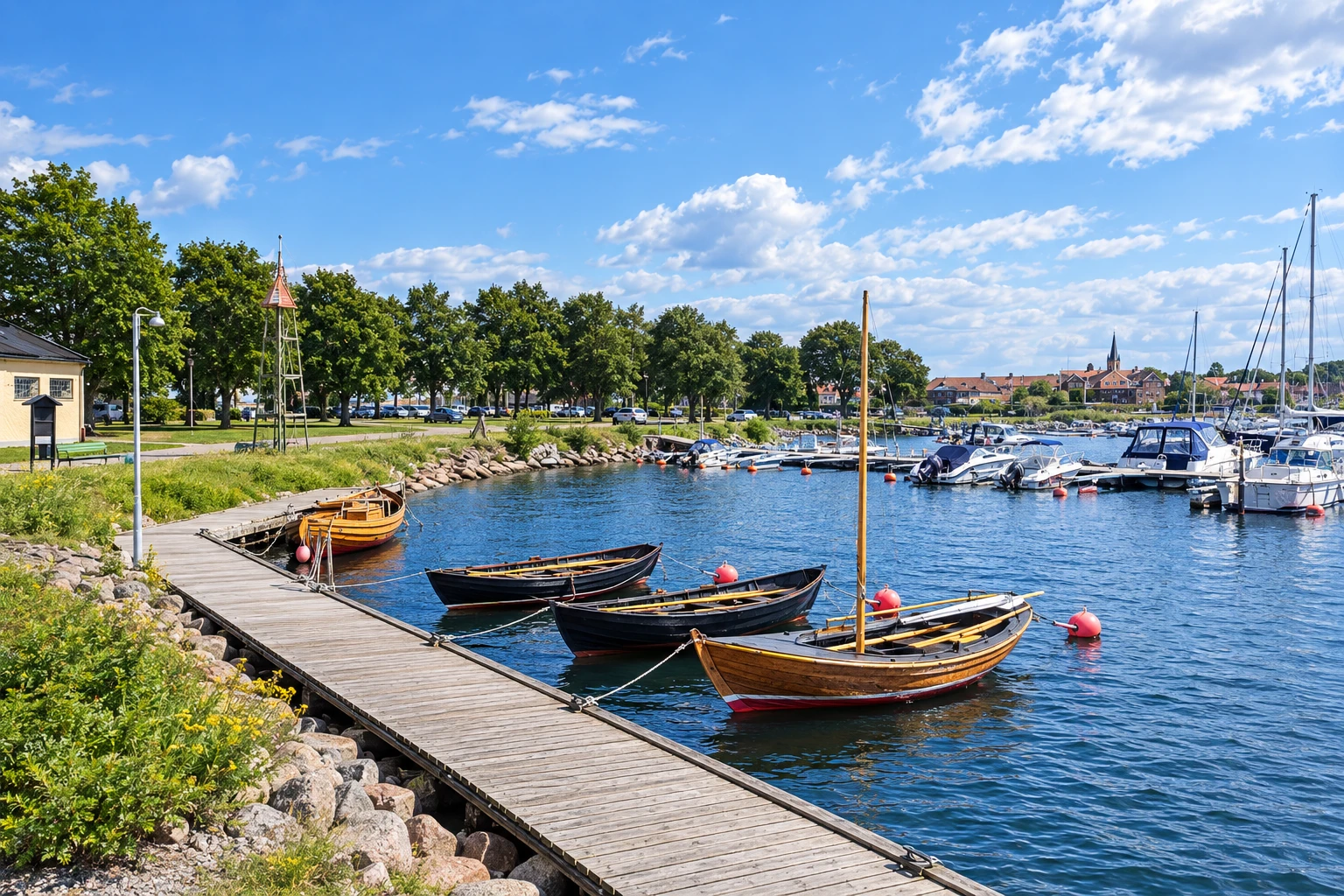
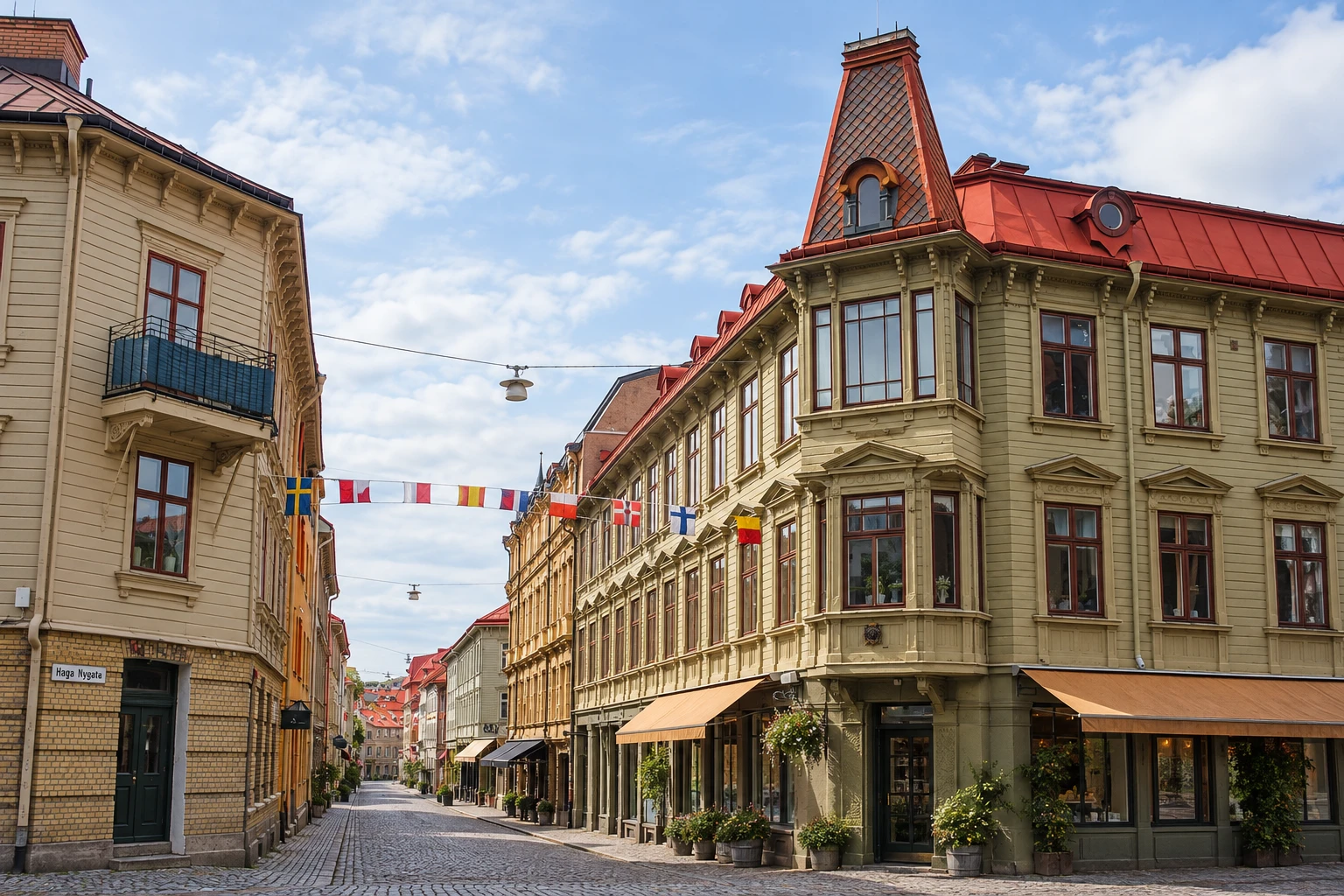
Illustrative images. The pictures in this guide are illustrations based on the real place, not photographs, and may differ from it.
A destination is a region you visit as a single trip: it can bring together several cities or be a large city with everything it offers. Each destination has the tours, the itineraries, the best time to go month by month and how to get there.
The guide currently has 15 destinations, with 27 cities in 13 counties.
Today's highlights
A destination is more than a city: it's everything you can experience there.
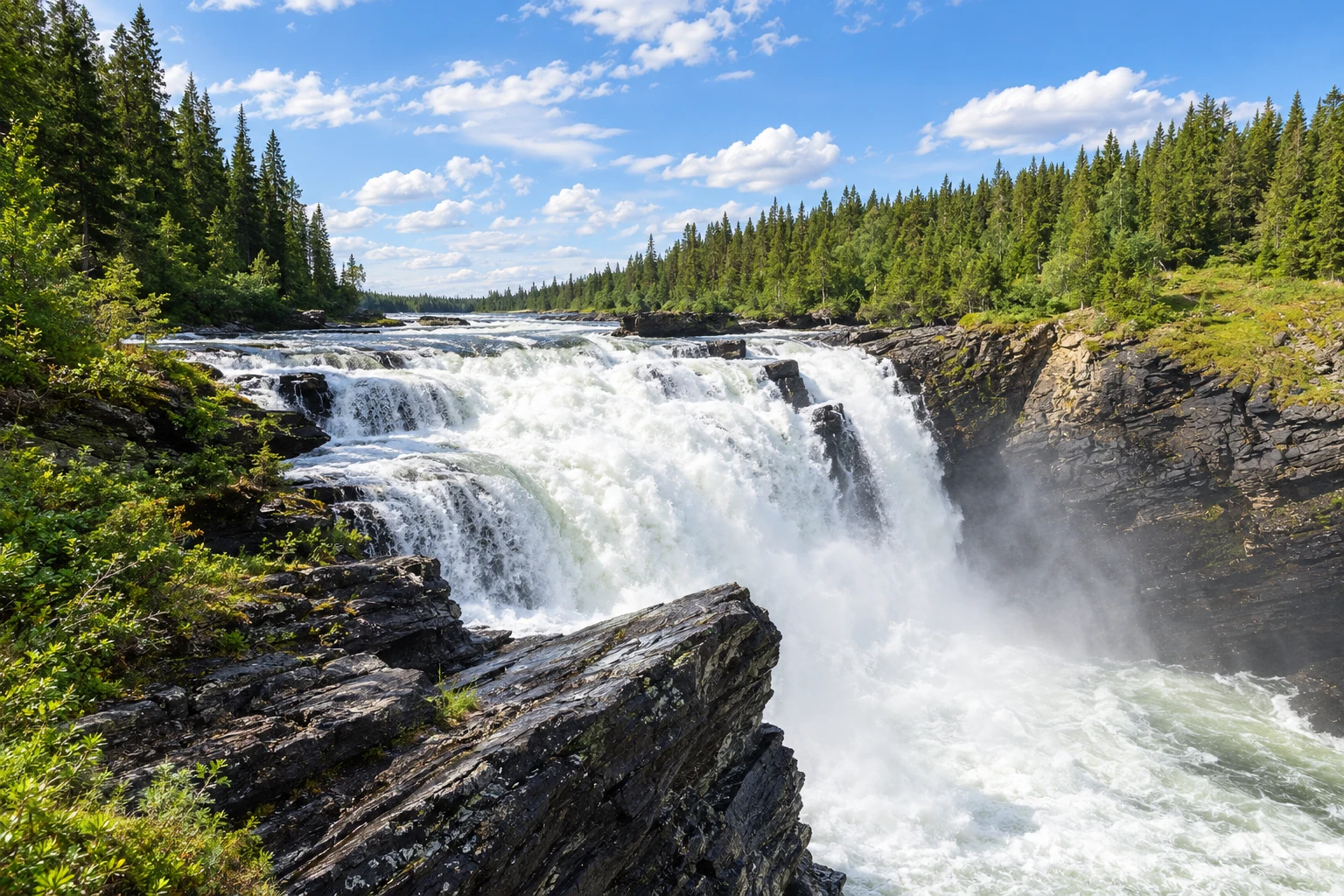
The far north of Sweden, above the Arctic Circle: Kiruna, the mining town, the Icehotel in Jukkasjärvi, sámi culture, Abisko National Park and aurora borealis nights in winter.
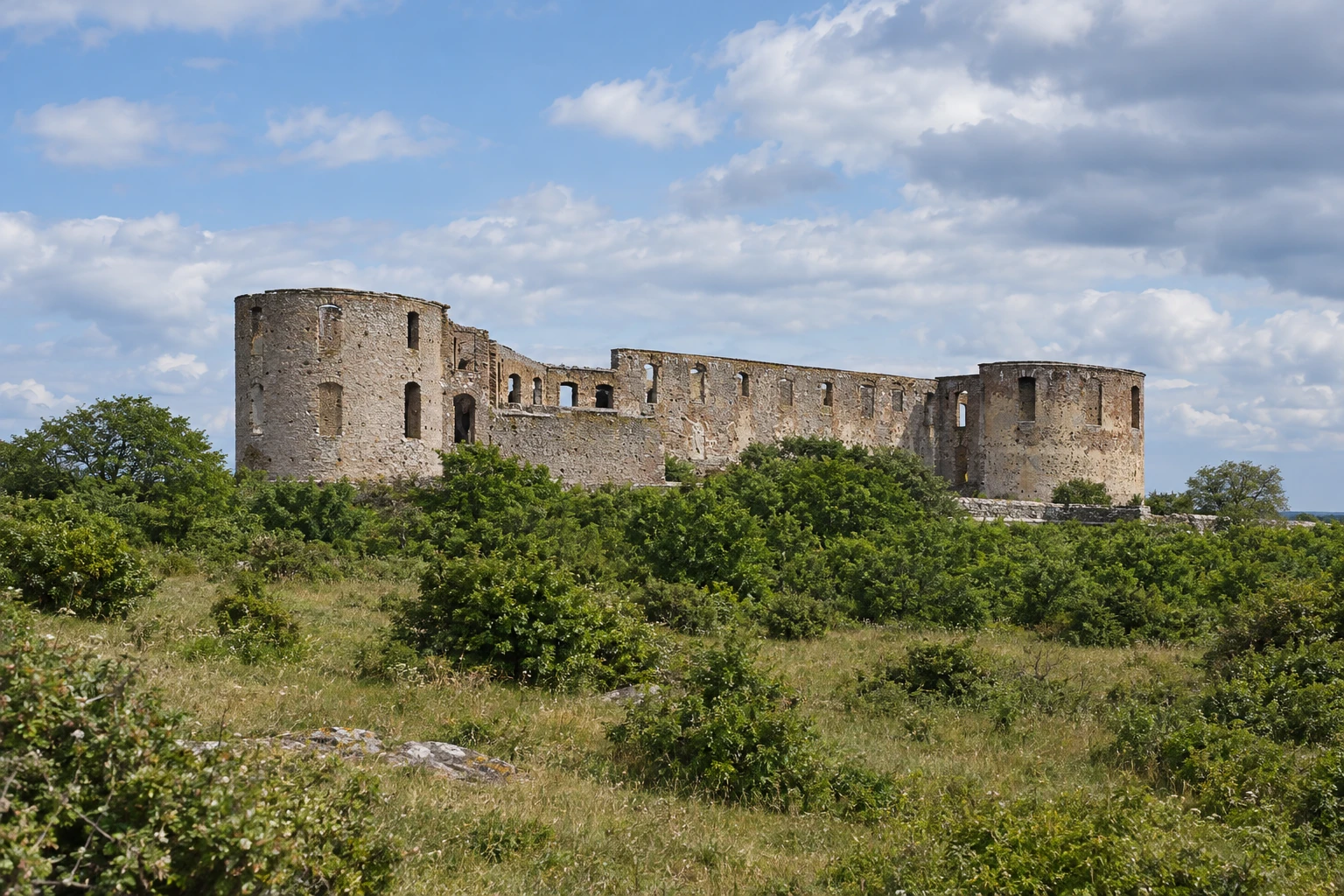
Kalmar, with its seaside Renaissance castle and Baroque cathedral, and the island of Öland, on the other side of the bridge, with windmills, the Borgholm ruin and the UNESCO-listed landscape.
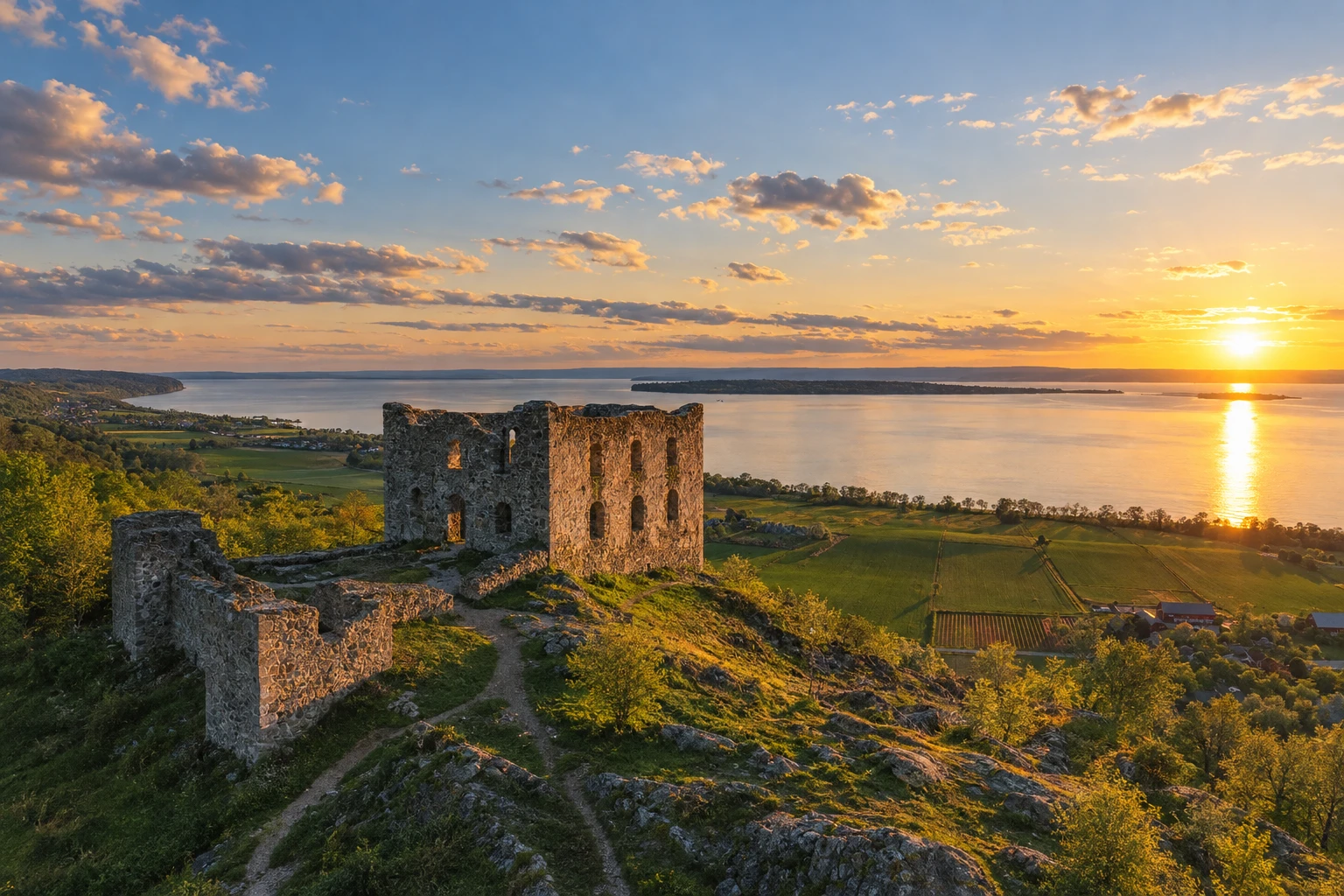
Two towns on Lake Vättern: Jönköping, with the match museum and a beach in the center, and Gränna, of striped candies, the Brahe ruins and the ferry to Visingsö.
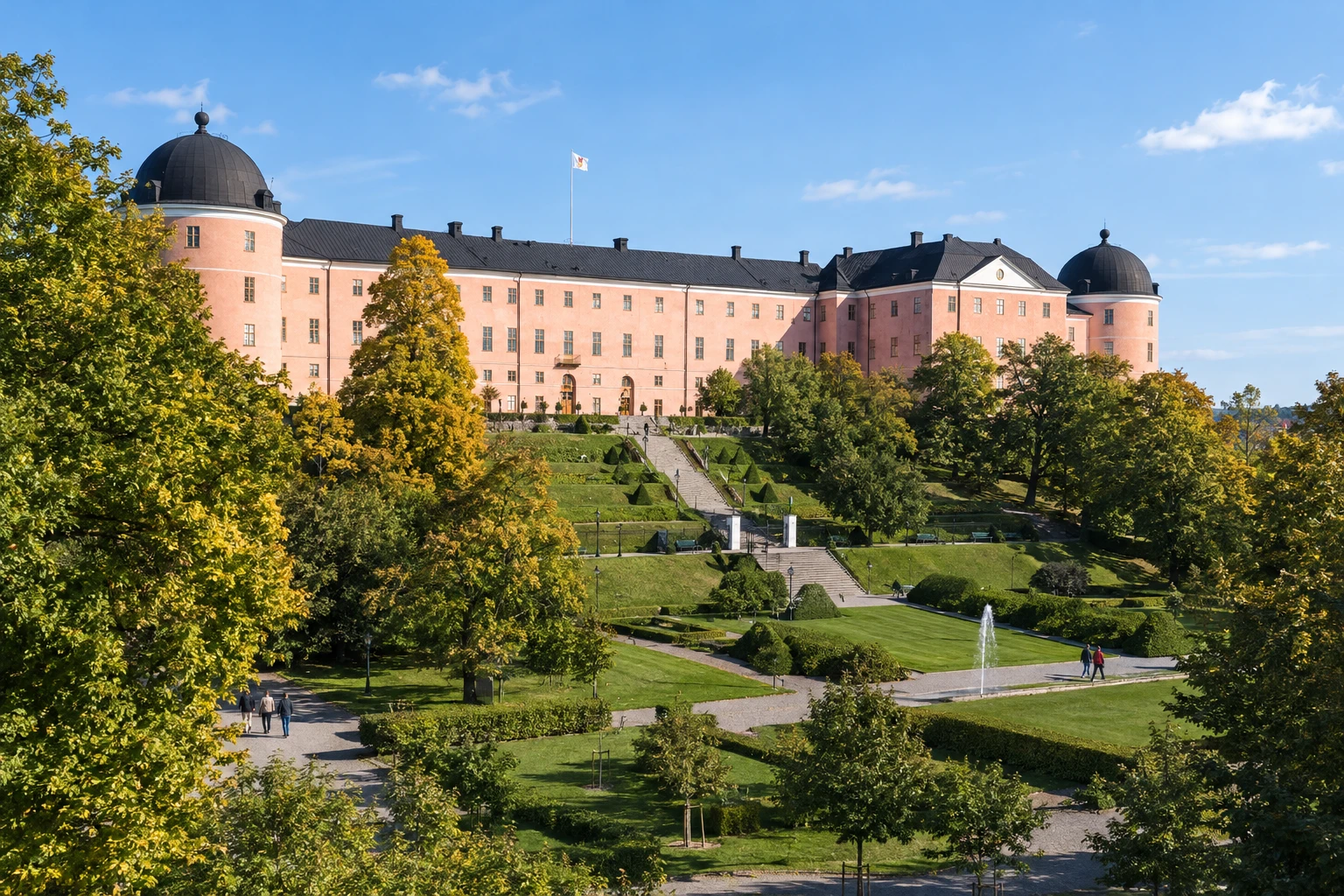
The oldest university city in the Nordic countries, 40 minutes by train from Stockholm: the Gothic cathedral, the pink castle, the Gustavianum, the Jardim de Lineu and the royal tombs of Gamla Uppsala.
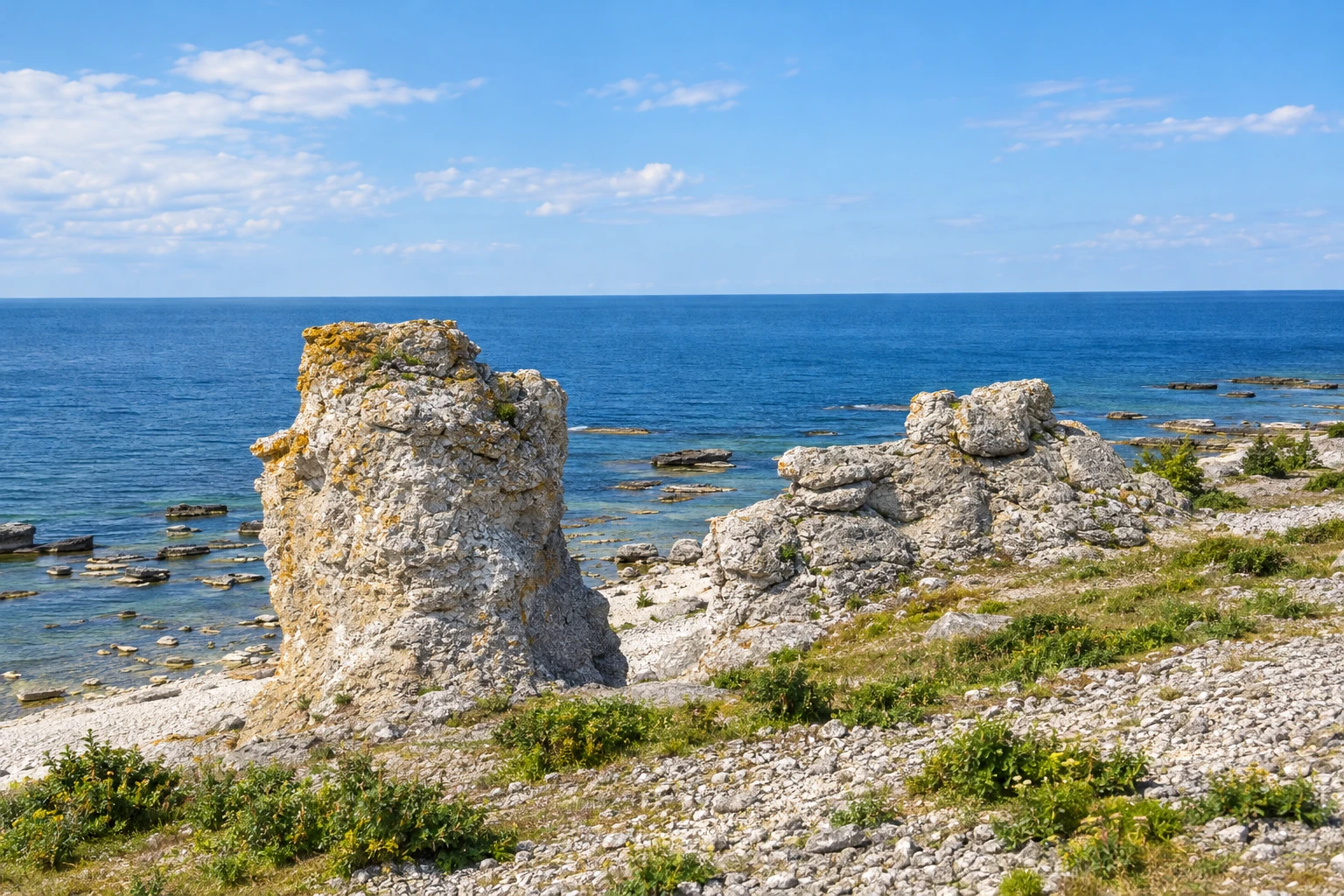
The largest island of Sweden, in the middle of the Baltic: Visby, a walled Hanseatic town and World Heritage Site, ruins of medieval churches, roses in the alleyways and the sea-sculpted rocks on Fårö.
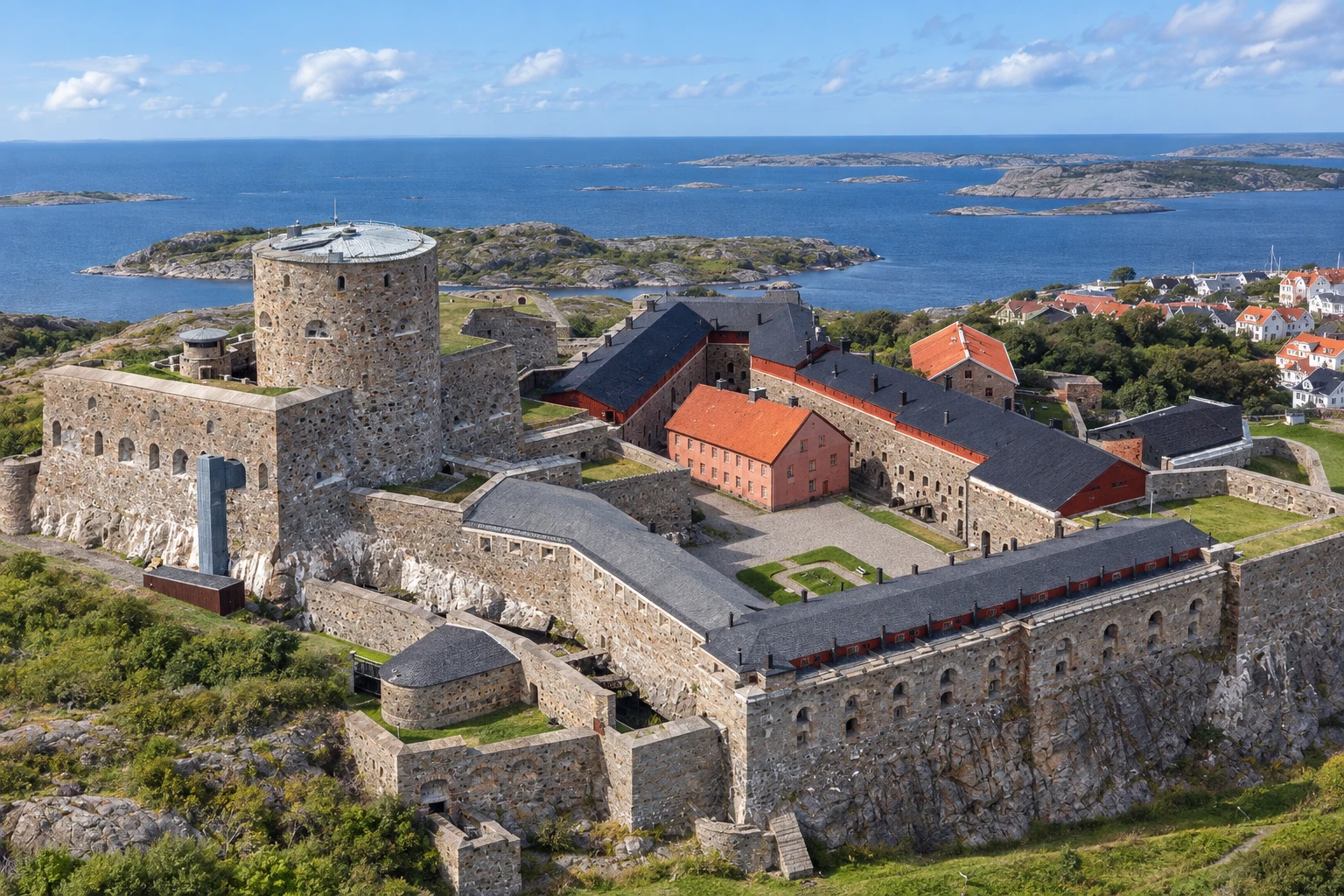
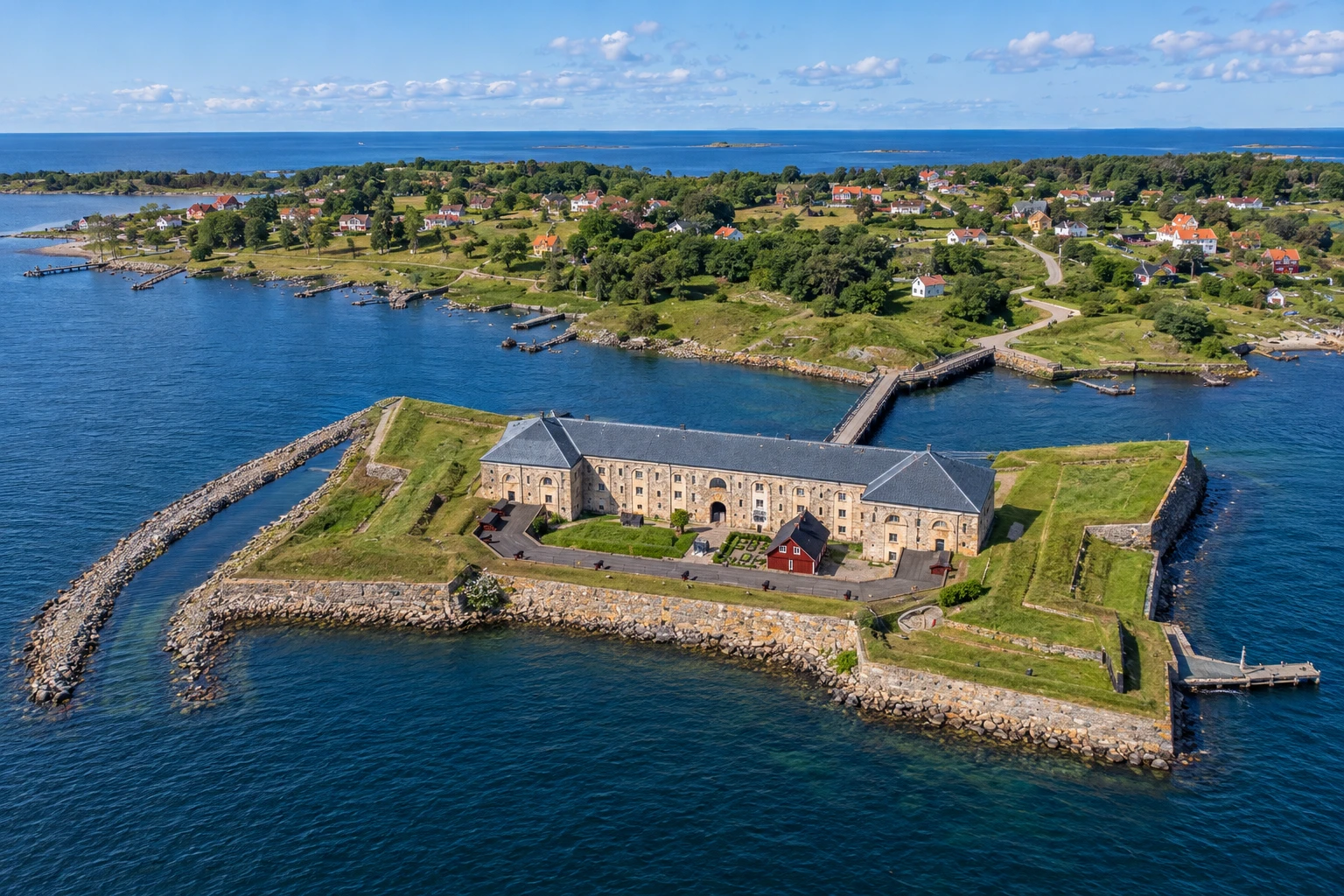
Harbors among granite islands, the fortress of Marstrand and the rock carvings of Tanum form a route along Sweden’s west coast.
Mountain and lakeside village in Åre, regional history at Jamtli and rail access via Östersund make up a trip through Jämtland.
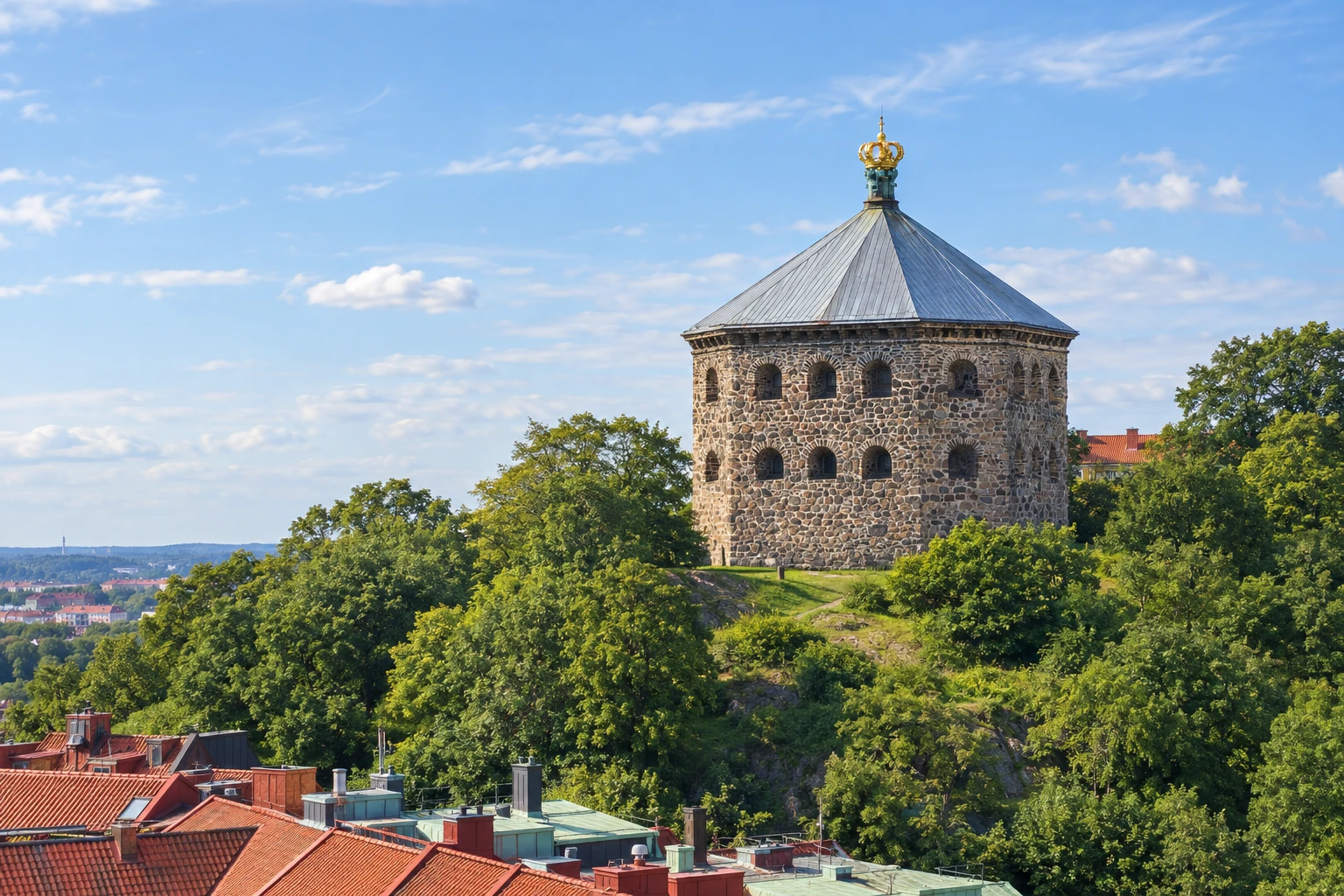
Sweden's second city on the west coast: 17th‑century canals, the wooden Haga district, Liseberg park, museums at Götaplatsen and car‑free islands about half an hour by tram and boat.
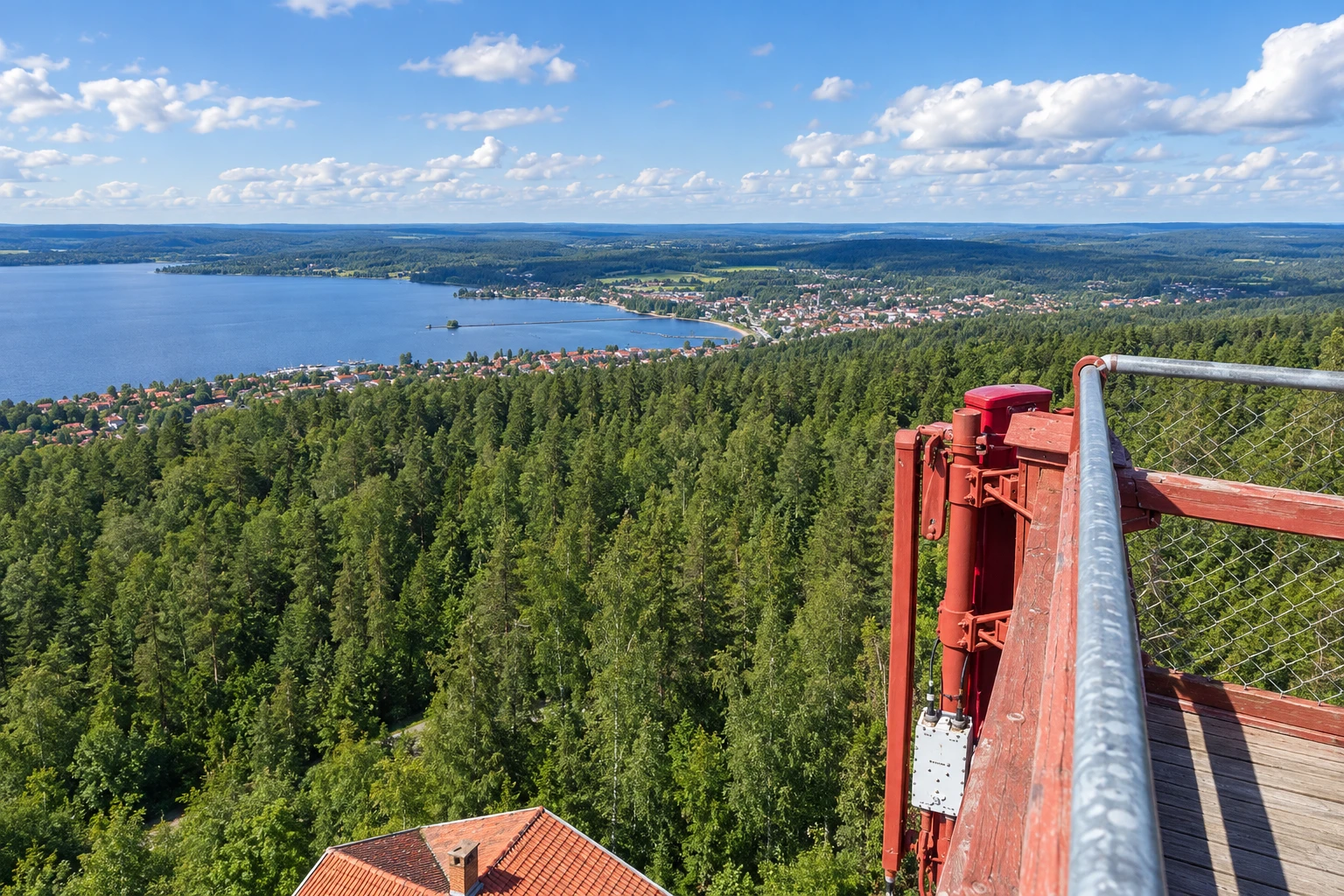
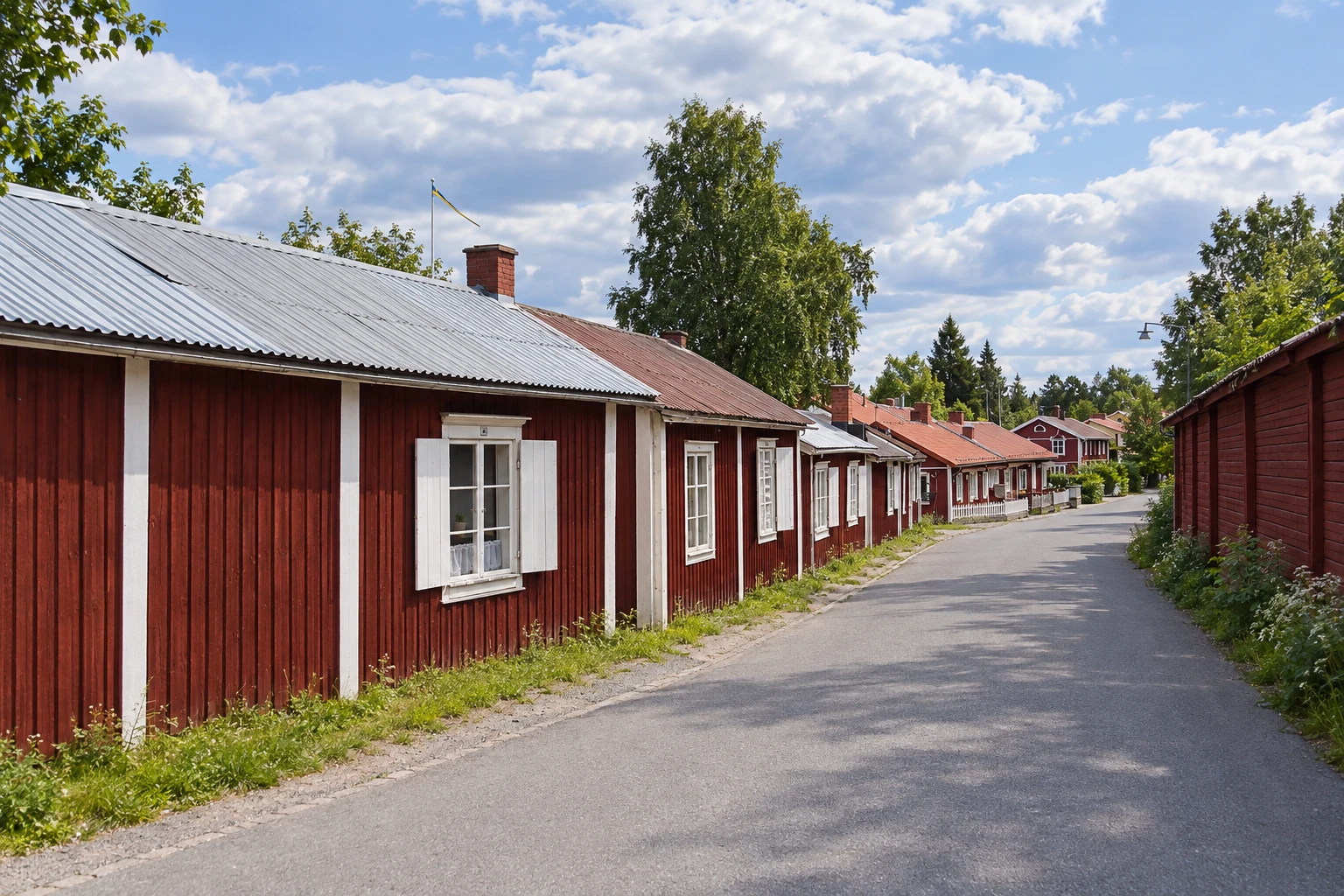
Red houses, lakes and Midsommar: the Falun copper mine, a World Heritage Site, the house of painter Carl Larsson, Mora and the Anders Zorn museum, Lake Siljan and the Dala horses.
The Swedish capital spread over fourteen islands between lake Mälaren and the Baltic: Gamla Stan, the Palácio Real, the ship Vasa, Skansen, museums in Djurgården and the archipelago an hour away by boat.
The naval city of Blekinge combines baroque-laid squares, a maritime museum on Stumholmen and crossings through the archipelago.
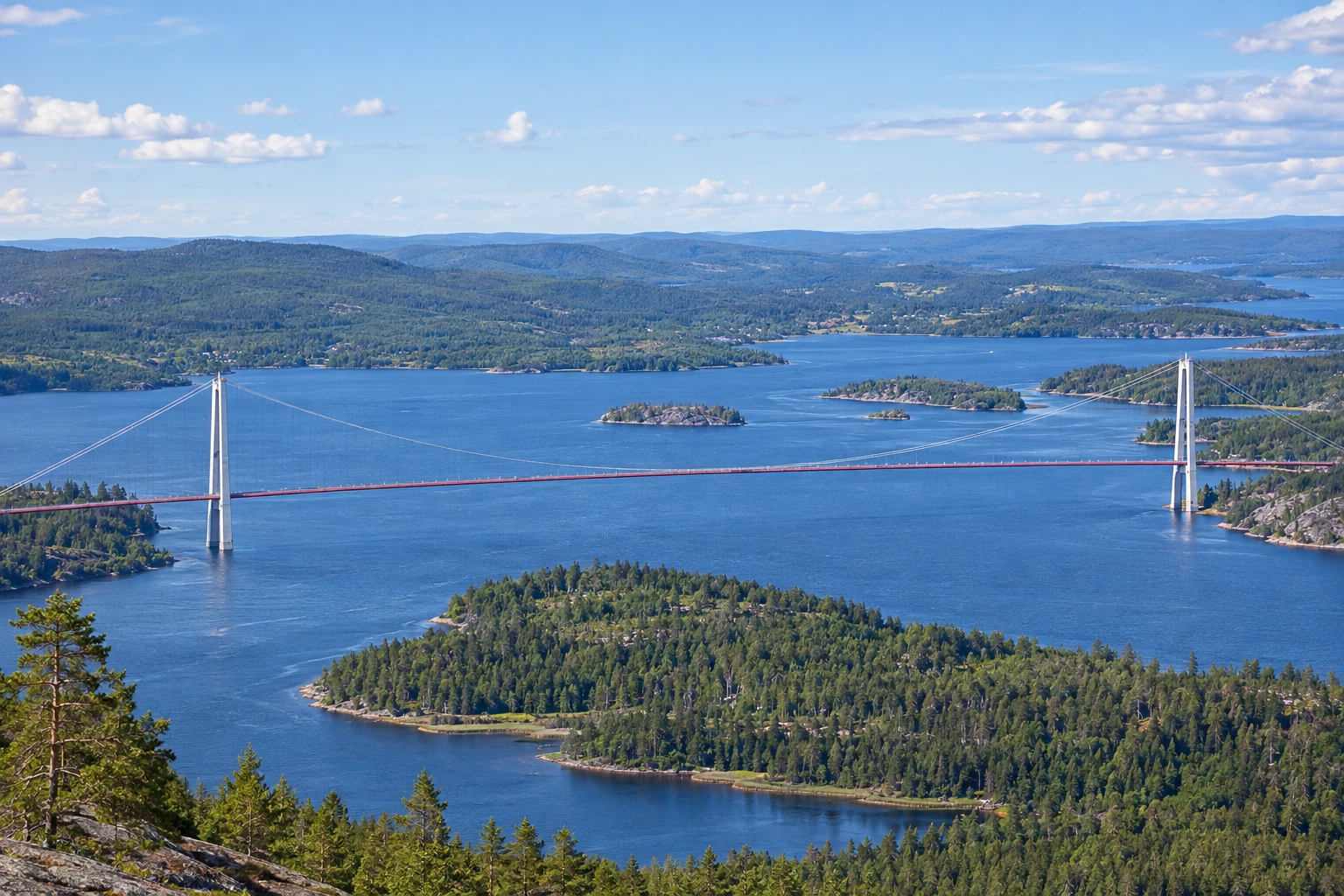
Forests and granite heights by the Gulf of Bothnia: Skuleskogen trails, Skuleberget viewpoints and urban bases in Västernorrland.
Cities to start with
Each city has a page with what to do there.

Luleå is the seat of Norrbotten and a transport hub on the coast of the Gulf of Bothnia. Outside the modern core, Gammelstads kyrkstad preserves support houses for former religious journeys. Hägnan broadens the visit with rural settings in an open-air museum.

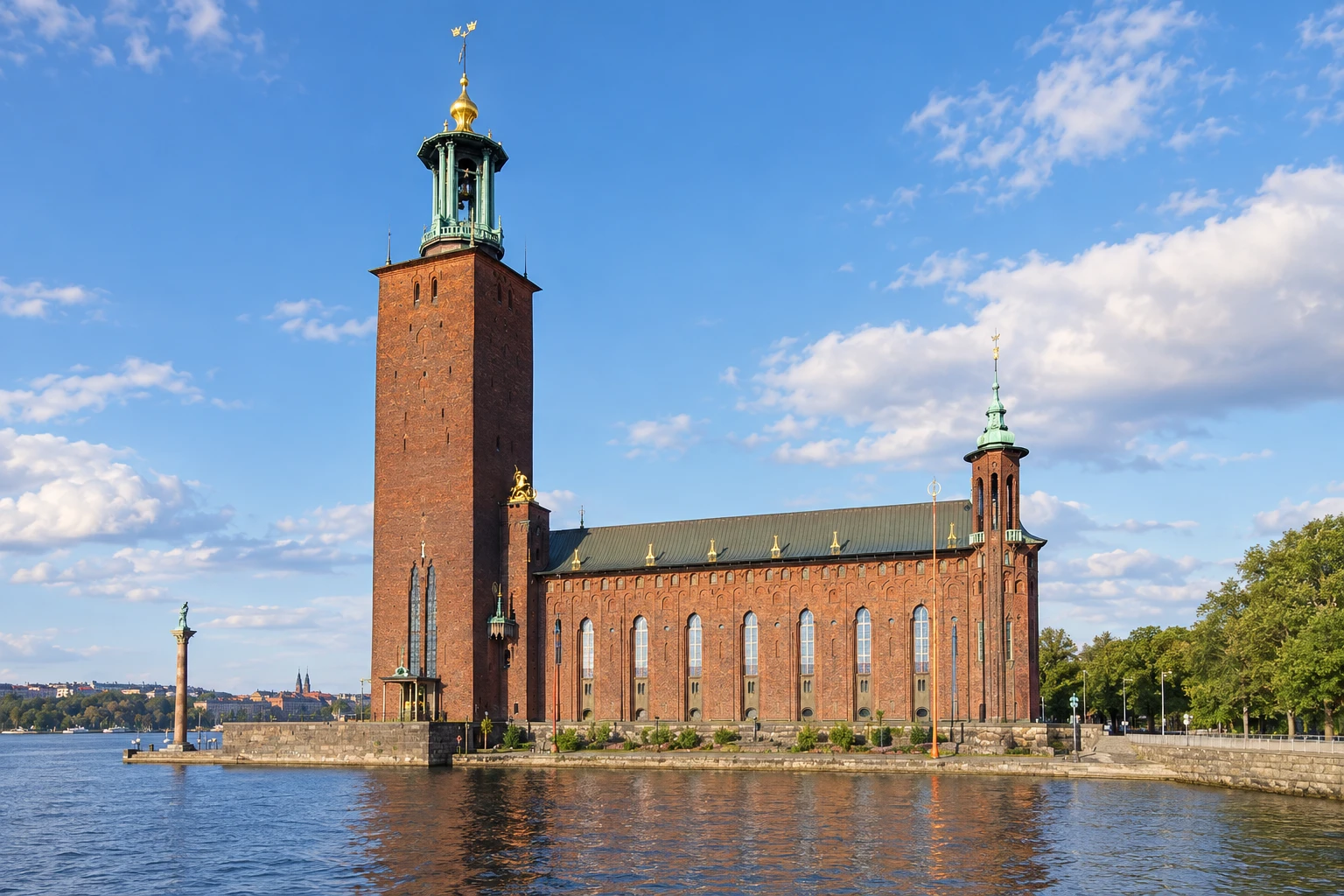
Estocolmo is Sweden’s capital and largest city, spread over fourteen islands between lake Mälaren and the Baltic. The center includes the old town Gamla Stan, the Palácio Real and the Nobel City Hall; the island of Djurgården houses the Vasa Museum, Skansen and the Nordic Museum; Södermalm has viewpoints and Fotografiska. Commuter boats go to the Palácio de Drottningholm and the archipelago, and the metro is an underground art gallery.

Lund is one of Sweden’s oldest cities, founded around 990, a 10‑minute train ride from Malmö. It revolves around the universidade from 1666, with about 40,000 students. It has the Romanesque cathedral with a 15th‑century astronomical clock and the crypt of the giant Finn, the park Lundagård, the open‑air museum Kulturen and the Jardim Botânico, all within a few minutes’ walk of each other.

Borgholm is Öland’s main town, the island across the bridge from Kalmar. Small, with wooden houses and a harbour, it sits next to the ruin of a Baroque castle and Solliden, the royal family’s summer residence, with gardens open in season. It’s the base for exploring the island: the windmills, the Stora Alvaret and the Eketorp fortress in the south.

Gotemburgo is Sweden's second largest city and the main port of Scandinavia on the west coast. The 17th‑century canals, trams and the wooden Haga district characterise the centre. It has Liseberg park, Universeum, the Art Museum at Götaplatsen, the Feskekôrka fish market and Slottsskogen park, and the car‑free southern archipelago is half an hour away by tram and boat.

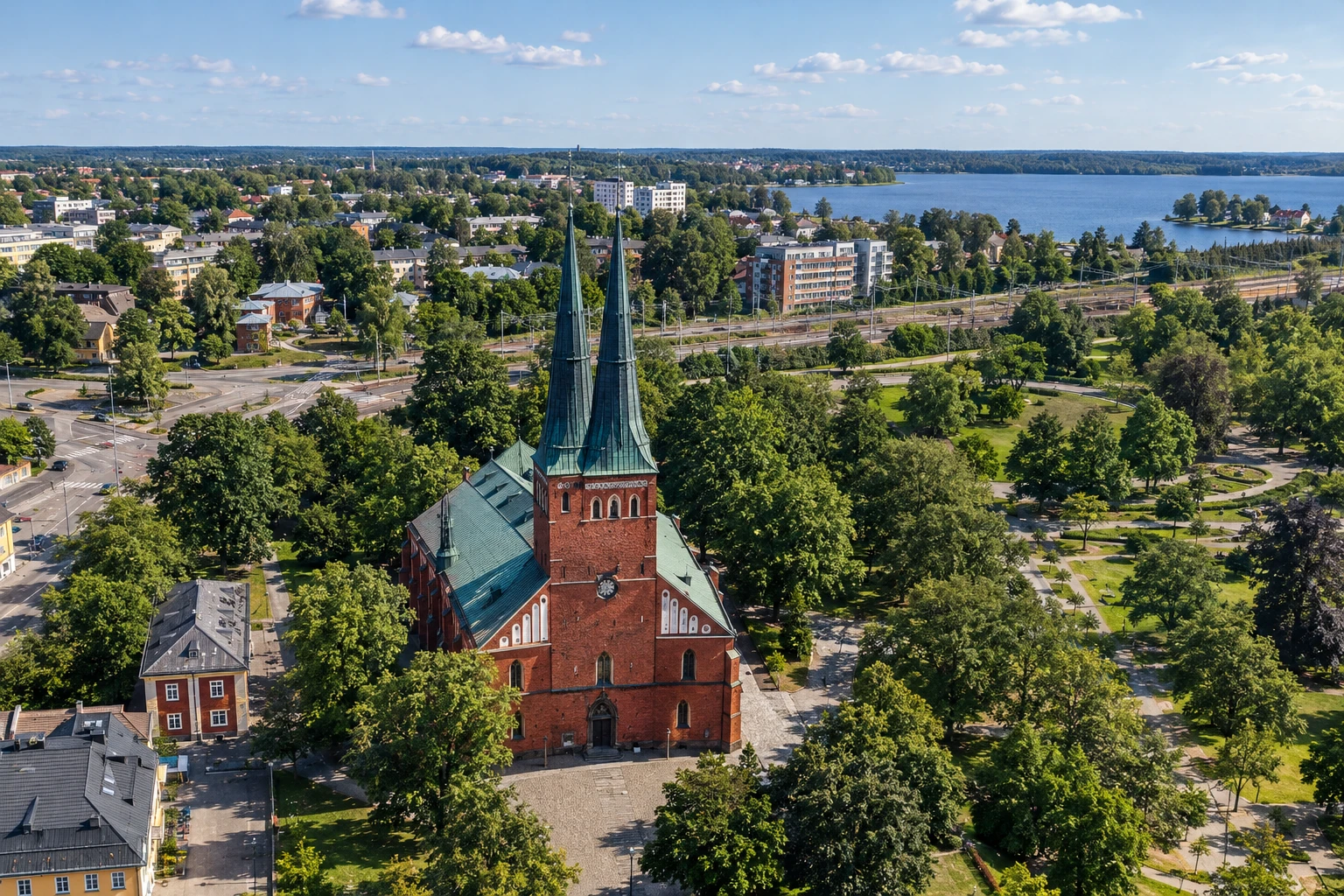
Växjö is the seat of Kronoberg, in the Småland inland, with lakes near the town centre. The cathedral and Sveriges glasmuseum are close to the station. The museum helps understand the glassmaking tradition before continuing to other places in the region.
The map
Tap a region to see the names. Use two fingers to zoom in.
Outlines: Statistics Sweden (SCB), CC0. Adapted by Cidade Turismo.
Sweden
Another way into the same trip
Choose the county and the city to find your place in the guide.
Beyond the guide