Dalarna

Dalarna

Dalarna

Red houses, lakes and Midsommar: the Falun copper mine, a World Heritage Site, the house of painter Carl Larsson, Mora and the Anders Zorn museum, Lake Siljan and the Dala horses.

Svealand

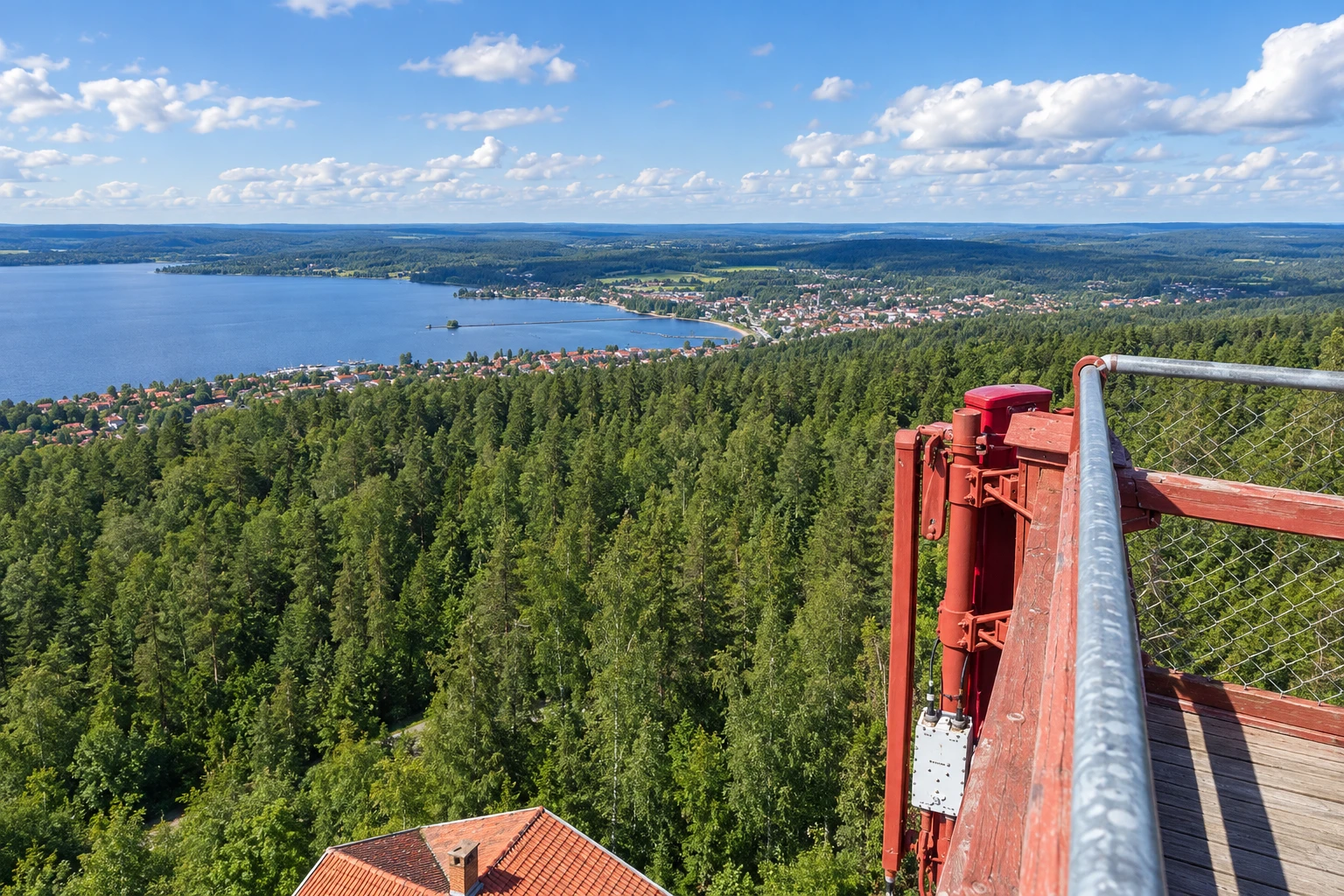
In the photo: Lake Siljan seen from Vidablick

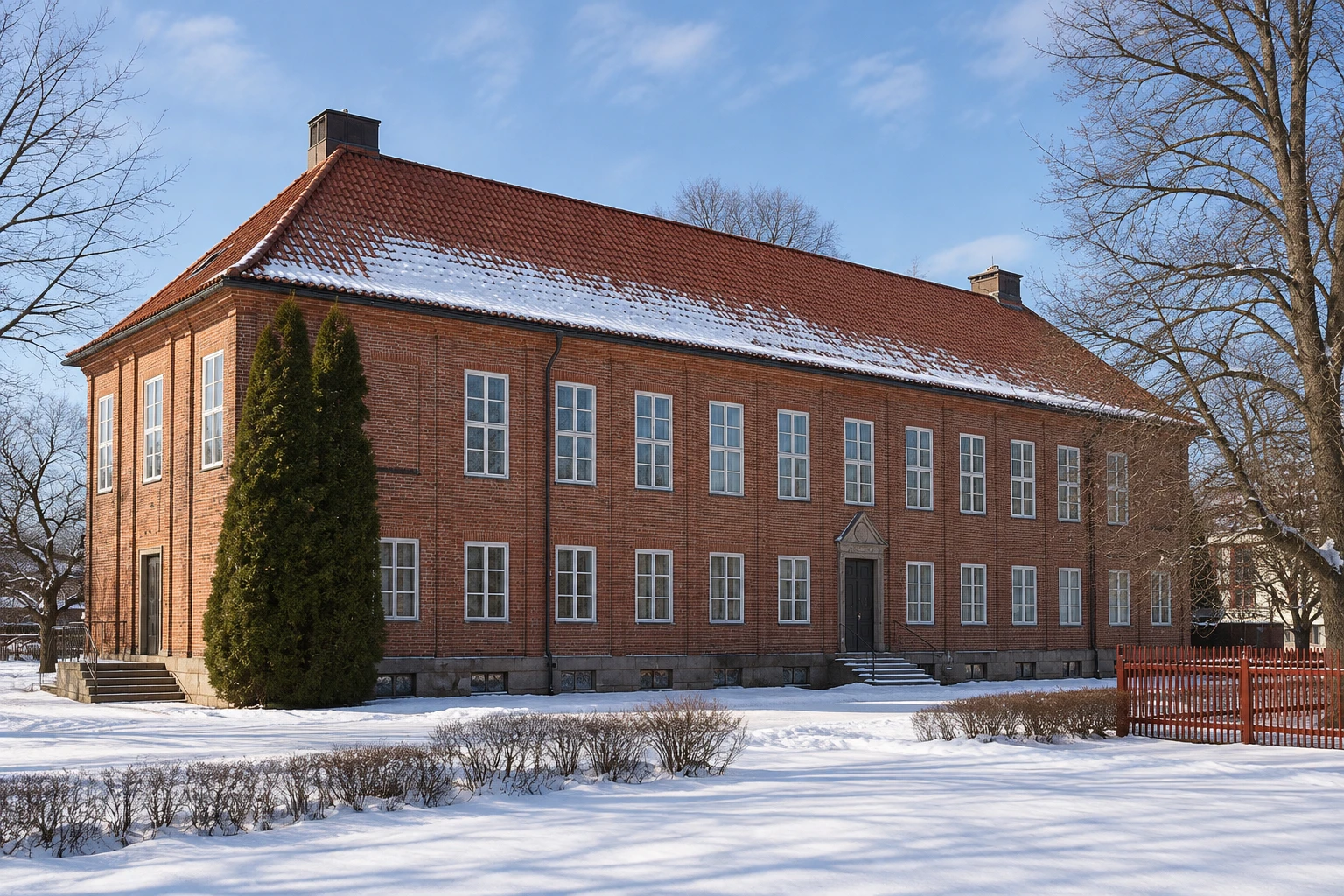
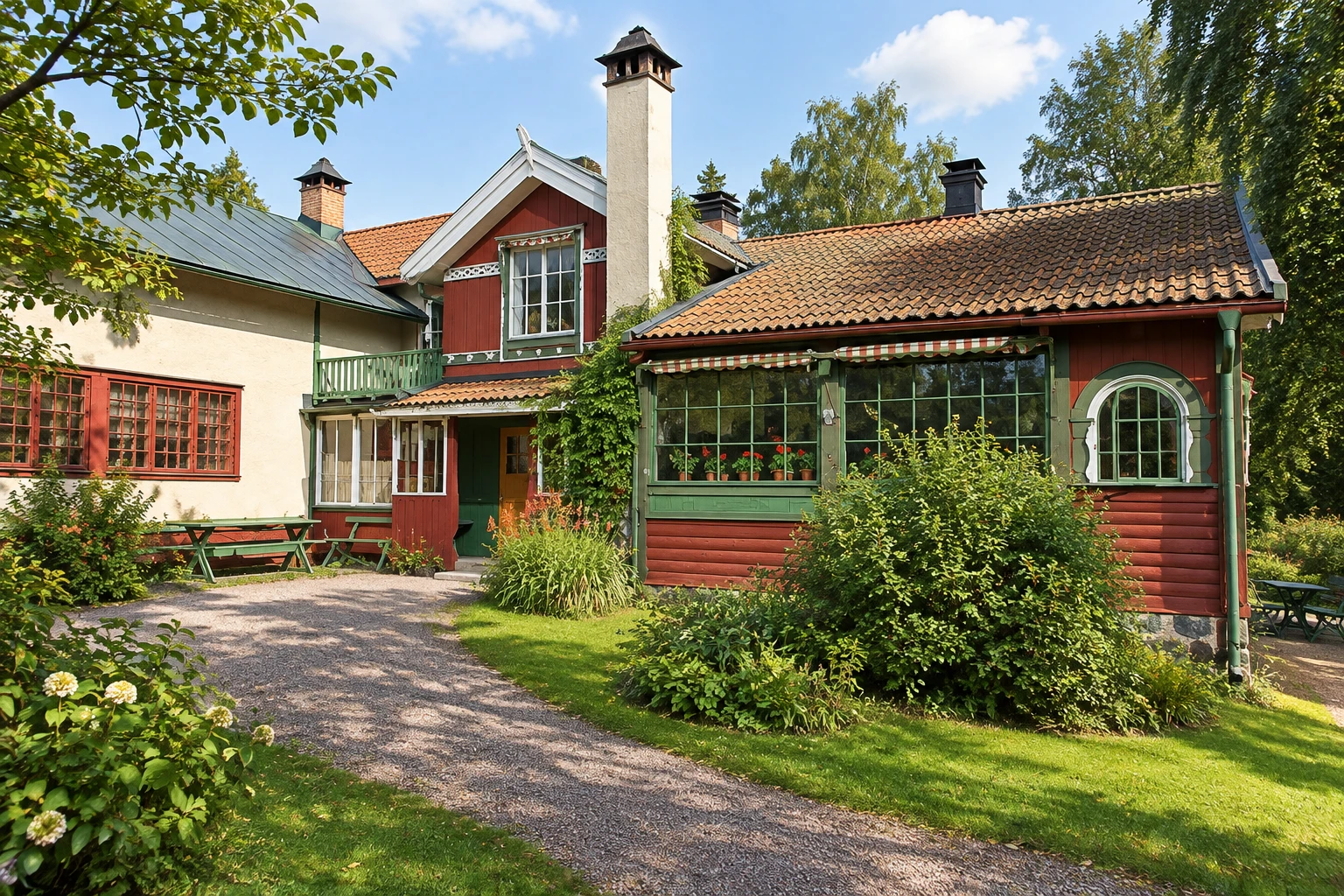
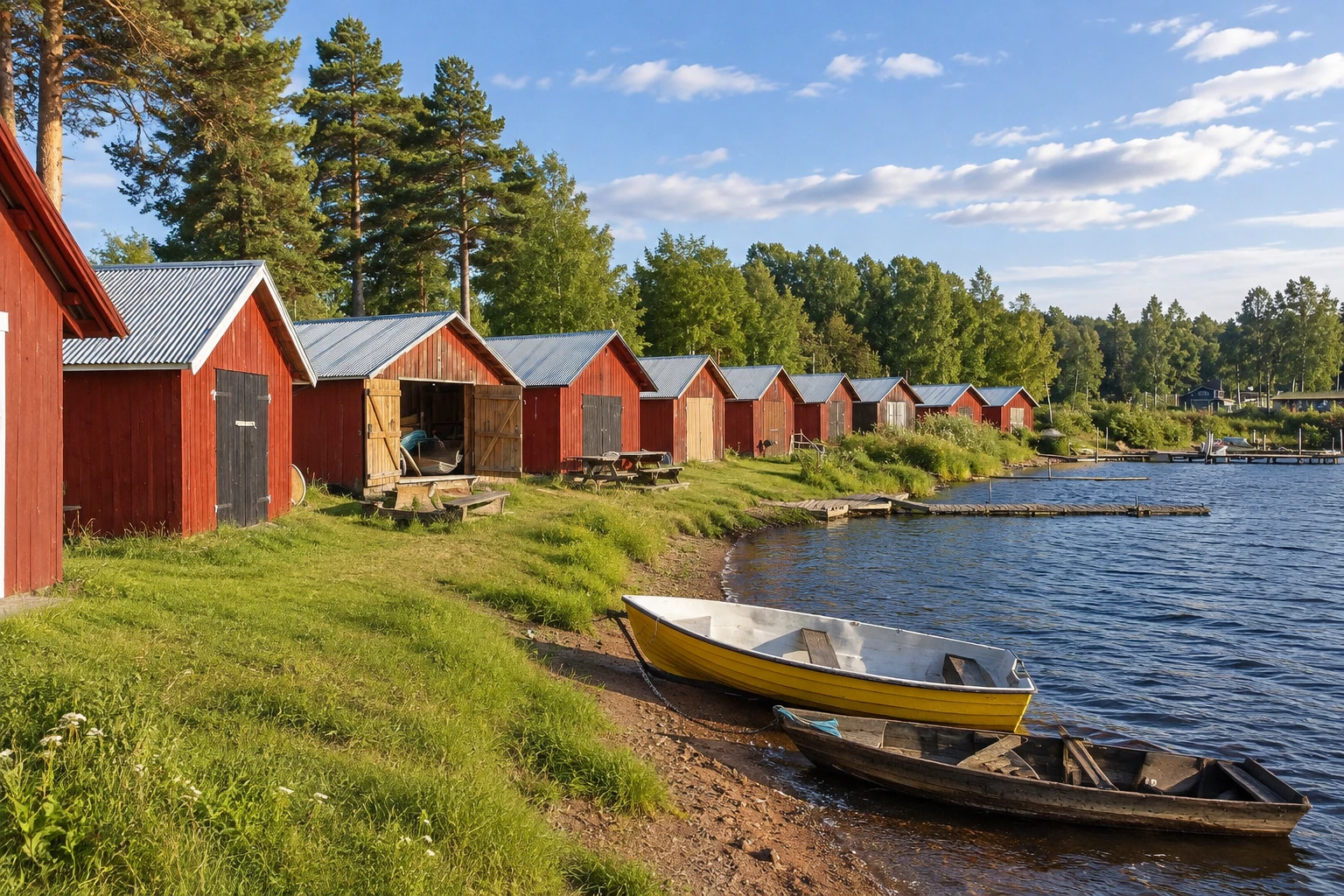
Illustrative images. The pictures in this guide are illustrations based on the real place, not photographs, and may differ from it.

Get it on Google Play

Get to know the place

A region to enjoy
at your own pace.

Dalarna is the central province of Sweden that many Swedes see as the image of traditional Sweden: pine forests, lakes, villages of wooden houses painted red with white window frames, Midsommar celebrations with traditional costumes, and the dalahäst, the painted wooden horse that became a national symbol. It is about 2h30 to 4 hours by train from Stockholm.

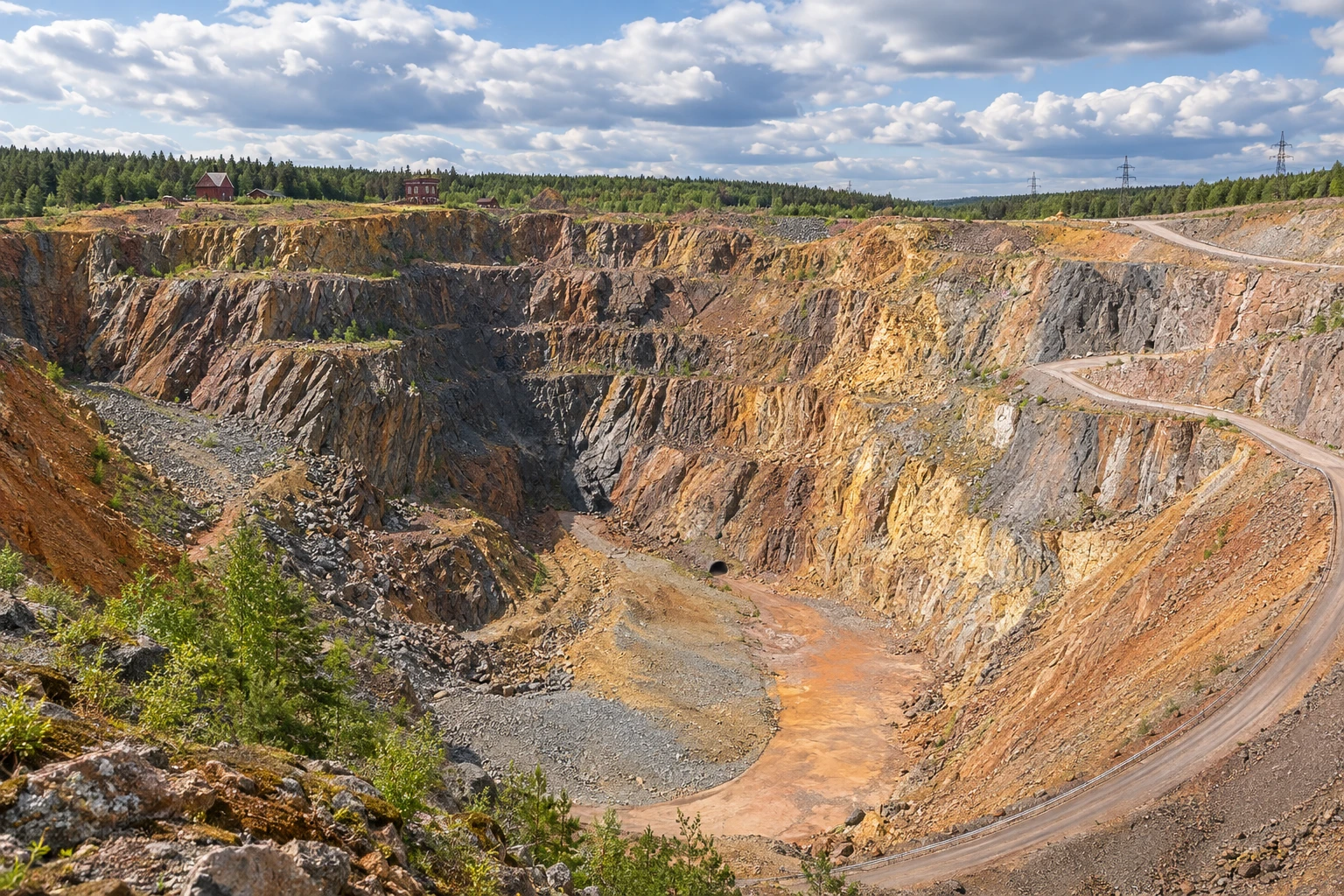
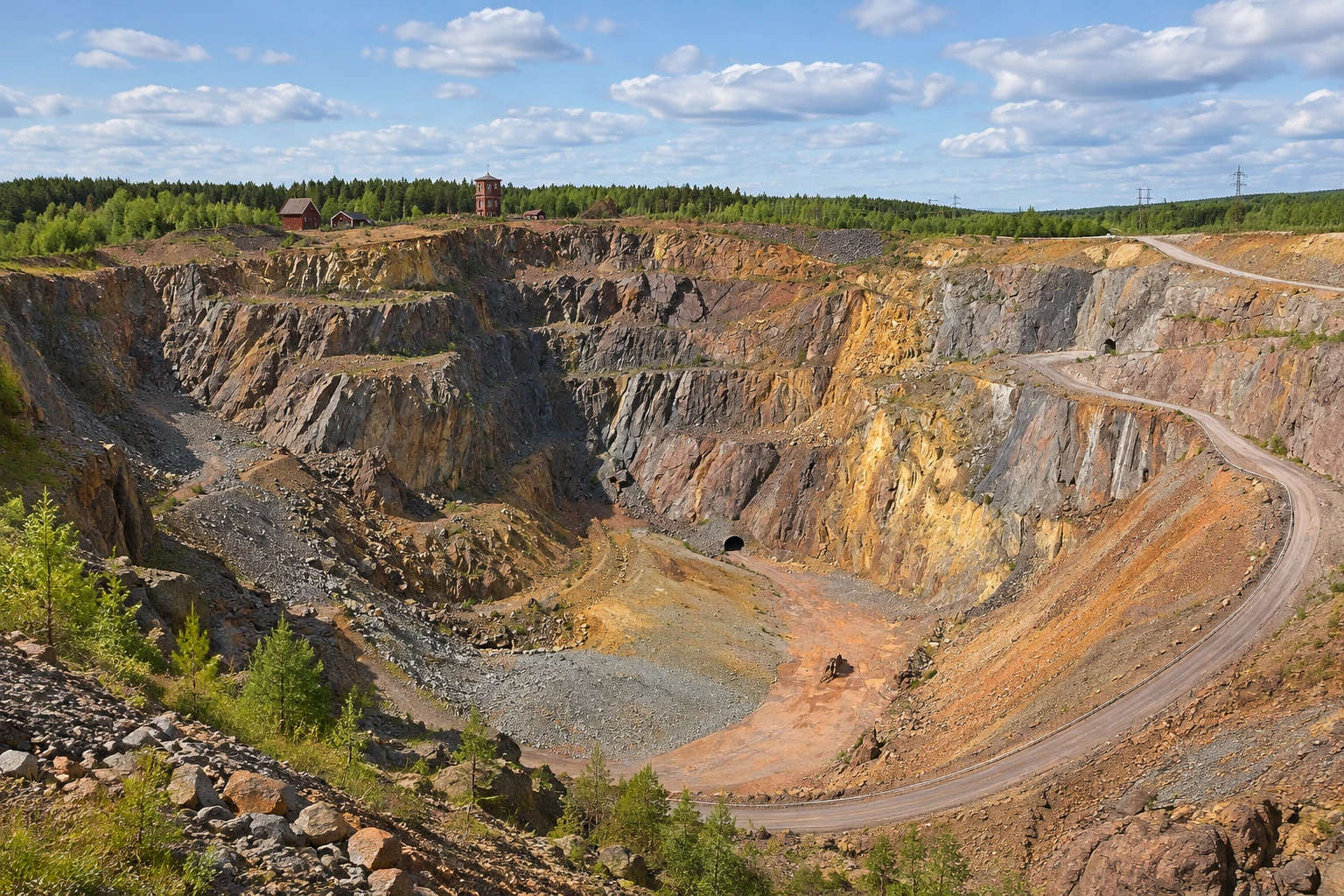
Falun, the provincial capital, grew up around the copper mine that operated for about a thousand years and which, in the 17th century, produced most of Europe's copper, financing Sweden's wars and power. The mine and the surrounding town are a UNESCO World Heritage Site. From the mining waste came the red paint Falu rödfärg, the color of wooden houses across the country. Thirteen kilometers away, in the village of Sundborn, is the house of painter Carl Larsson and textile artist Karin Larsson, whose colorful interior influenced Swedish interior design.

Lake Siljan, formed in the crater of a meteorite that fell about 377 million years ago, is the heart of the province. Around it are Mora, where painter Anders Zorn was born and left his house, studio and museum; Rättvik, with its wooden pier of more than 600 meters over the lake and the Vidablick viewpoint; Leksand and Tällberg, villages of wooden houses on the hillside. In Nusnäs, near Mora, family workshops have carved and hand-painted Dala horses since the 1920s.

Midsommar, on a Friday in June, is the region's big celebration, with decorated maypoles, dancing and folk music in almost every village. In winter, snow usually covers the area, and on the first Sunday in March Mora hosts the finish of the Vasaloppet, the 90 km cross-country ski race that starts in Sälen. For Brazilians, Dalarna is the place to see inland Sweden, by car or train, in two to four days.

This destination brings together 2 cities: Falun, Mora.

Share: WhatsApp
Traveler, share your experiences through photos Up to 5 photos of each place you visited.

One destination, many paths

The cities on this trip

Start with one city or combine several in your itinerary.

Where Dalarna is The star marks the capital, Falun.
FalunMora

Outlines: Statistics Sweden (SCB), CC0. Adapted by Cidade Turismo.

How to get there: Dalarna

Aeroporto de Estocolmo-Arlanda (ARN), in Sigtuna · 200 km to Falun

Connections from Brazil usually require a stopover in another city. Check before buying. Arlanda airport, near Stockholm, is the main gateway. Falun is about 2h30 by train from Stockholm, and Mora about 4 hours; many trains stop at Arlanda and Uppsala. By car, Falun is about 230 km from Stockholm.

Suggested arrival point: Falun

The local experience

Things to do in Dalarna

Falun · Dalarna · Mine

Falun Mine

The Falun copper mine, worked for about a thousand years and closed in 1992: the large Stora Stöten crater, the visit 67 metres underground, the museum and the origin of the red paint used on Swedish houses. UNESCO World Heritage Site.

Explore Falun Mine

Falun · Dalarna · Museum

Carl Larsson House

The house of painter Carl Larsson and artist Karin Larsson in the village of Sundborn, 13 km from Falun: colourful interiors, furniture and textiles created by the couple that influenced Swedish interior design.

Explore Carl Larsson House

Mora · Dalarna · Village

Nusnäs

The village on the shore of Siljan, 10 km from Mora, where family workshops have carved and hand-painted Dala horses since the 1920s, with the painting visible to visitors.

Explore Nusnäs

See 2 more places in Dalarna

To choose before you go

Tours in Dalarna

Where each tour starts, how long it takes, how it is done, what is included and the price range.

Falun and its mine

From Falun and Mora On foot and local transport Allow half a day to a day Depending on the activity

The mine explains the town’s development and its metallurgical activity. Separate the outdoor circuit from the underground visit and allow time for the regional museum in the town centre.

Stops: Falu gruva, Dalarnas museum.

Artists' homes

From Falun and Mora On foot and local transport Allow half a day to a day Depending on the activity

Sundborn and Mora are in different parts of Dalarna. Spread the houses across different days so you don't spend most of the trip on the road. Schedule house visits according to each institution’s calendar.

Stops: Carl Larsson-gården, Zornmuseet, Zorngården.

Day by day

1, 2 and 3-day itinerary in Dalarna

Suggestions to plan the trip. Change the order of the days according to the weather and tour availability.

1 day · 1 day in Falun and Mora

For First visit, allowing time for travel · Based in Falun and Mora
  1. Day 1 · Falun mine

    Start at the Falu gruva and choose the underground tour or the above-ground route depending on how you feel. Continue to the Dalarnas museum to learn about the region’s objects and techniques.

2 days · 2 days in Falun and Mora
For First visit, allowing time for travel · Based in Falun and Mora
  1. Day 1 · Falun mine

    Start at the Falu gruva and choose the underground tour or the above-ground route depending on how you feel. Continue to the Dalarnas museum to learn about the region’s objects and techniques.

  2. Day 2 · Sundborn

    Book travel to Sundborn and a visit to Carl Larsson-gården. The house is visited in an organized way; the trail and gardens do not replace a visit to the interior rooms.

3 days · 3 days in Falun and Mora
For First visit, with time for transfers · Based in Falun and Mora
  1. Day 1 · Falun mine

    Start at the Falu gruva and choose the underground tour or the above-ground route depending on how you feel. Continue to the Dalarnas museum to learn about the region’s objects and techniques.

  2. Day 2 · Sundborn

    Book travel to Sundborn and a visit to Carl Larsson-gården. The house is visited in an organized way; the trail and gardens do not replace a visit to the interior rooms.

  3. Day 3 · Mora and the Siljan

    Head to Mora and combine Zornmuseet with Zorngården. Finish by the Siljan. Nusnäs and Vidablick require additional driving time and are not in the same urban center.

Best time to go

When to go: Dalarna month by month

From June to August days are long, there are lakes for swimming and houses and museums are open; Midsommar in June is the region's main celebration. September usually has autumn colors. In winter, from December to March, there is often snow, with skiing and the Vasaloppet in March, but days are short and some places close. Seasons are opposite to Brazil.

The seasons shown are the most usual ones; nature doesn't always follow the calendar.

January

January · cold winter

January usually has below-freezing temperatures, snow and few hours of daylight. To organize your day, prioritize the falun mine and time outdoor activities to the daylight hours. The seasons are reversed compared with Brazil.

February

February · cold winter

February usually maintains winter cold, with days gaining more daylight. To organize your day, prioritize the falun mine and time outdoor activities to the daylight hours.

March

March · season transition

March is usually still cold, although the days are longer. To organize your day, prioritize Sundborn and time outdoor activities to the daylight hours.

April

April · season transition

April is usually a transition; snow can remain and thawing varies with altitude. To organize your day, prioritize Sundborn and time outdoor activities to the daylight hours.

May

May · season transition

May usually brings thawing and rising temperatures; nights are still commonly cold. To organize your day, prioritize Mora and the Siljan and time outdoor activities to the daylight hours.

June

June · mild summer

June usually has mild temperatures and very long days. To organize your day, prioritize Mora and the Siljan and time outdoor activities to the daylight hours.

July

July · mild summer

July is usually the mildest month, with rain and bright nights. To organize your day, prioritize the falun mine and time outdoor activities to the daylight hours.

August

August · mild summer

August is usually mild during the day, with cooler nights and rain. To organize your day, prioritize the falun mine and time outdoor activities to the daylight hours.

September

September · season transition

September usually brings increasing cold and autumn colors. To organize your day, prioritize Sundborn and time outdoor activities to the daylight hours.

October

October · season transition

October usually has low temperatures and can bring the return of snow. To plan the day, prioritize Sundborn and adjust outdoor activities to the daylight hours.

November

November · season transition

November usually brings winter cold and very short days. To plan the day, prioritize Mora and the Siljan and adjust outdoor activities to the daylight hours.

December

December · cold winter

December usually has snow, persistent cold and little daylight. To organize your day, prioritize Mora and the Siljan and time outdoor activities to the daylight hours.

Plan the journey

How to get there: Dalarna

From Brazil and arrival at the destination

Flights from Brazil typically connect through another city. Confirm before you buy. Falun and Mora are served by trains from the Swedish rail network, with connections that vary depending on origin. Arrange the main leg from Stockholm before touring the inland areas.

Local transfers

Regional trains and buses connect the centers of Dalarna. Sundborn, Nusnäs and the viewpoints by the Siljan require specific connections; a car makes a multi-stop circuit easier.

Before you go

Practical information

A little planning leaves more time to enjoy the journey.

When to go

From June to August days are long, there are lakes for swimming and houses and museums are open; Midsommar in June is the region's main celebration. September usually has autumn colors. In winter, from December to March, there is often snow, with skiing and the Vasaloppet in March, but days are short and some places close. Seasons are opposite to Brazil.

The seasons shown are the most usual ones; nature doesn't always follow the calendar.

How many days to stay

Two days cover Falun, with the mine and Carl Larsson's house, and one day for Mora and Siljan. With three or four days you can include Rättvik, Tällberg, Leksand and Nusnäs at a relaxed pace. At Midsommar, book in advance.

Which city to stay in

Falun has hotels in the centre, near the station and the mine, and serves as a base for Sundborn. Around Siljan, Mora, Rättvik and Leksand offer hotels and guesthouses; Tällberg has hotels in wooden houses on the hillside with lake views. In summer there are many campsites and lakeside rental cottages.

Respect the place

Take your trash with you, follow the signs and support local businesses. In natural areas, follow the visiting guidelines.

Beyond the guide

Your questions

Frequently asked questions about Dalarna

Do I need a car in Dalarna?

It helps a lot. Falun, Rättvik, Leksand and Mora have train stations, but Sundborn, Nusnäs, Tällberg and the viewpoints are off the line. There are regional buses with limited departures.

How many days to stay in Dalarna?

Two days for Falun and Mora; three or four to tour Lake Siljan at a relaxed pace.

What is Midsommar like in Dalarna?

On the Friday nearest the June solstice, villages raise a decorated maypole with leaves and flowers, and there are dances, folk music and traditional costumes. Rättvik, Leksand and Tällberg are among the most popular places.

Can you get to Dalarna by train?

Yes. Trains from Stockholm stop at Falun, Leksand, Rättvik and Mora. For places off the line, use bus or car.

What is the Vasaloppet?

A 90 km cross-country ski race between Sälen and Mora, held since 1922 on the first Sunday in March. The finish is in central Mora.

Can you see the northern lights in Dalarna?

It's rare. The aurora is seen more frequently farther north, in Lapland, from September to March.

Explore other destinations Search by state and city