Kiruna and Lapland

Norrbotten

Kiruna and Lapland

The far north of Sweden, above the Arctic Circle: Kiruna, the mining town, the Icehotel in Jukkasjärvi, sámi culture, Abisko National Park and aurora borealis nights in winter.

Norrland

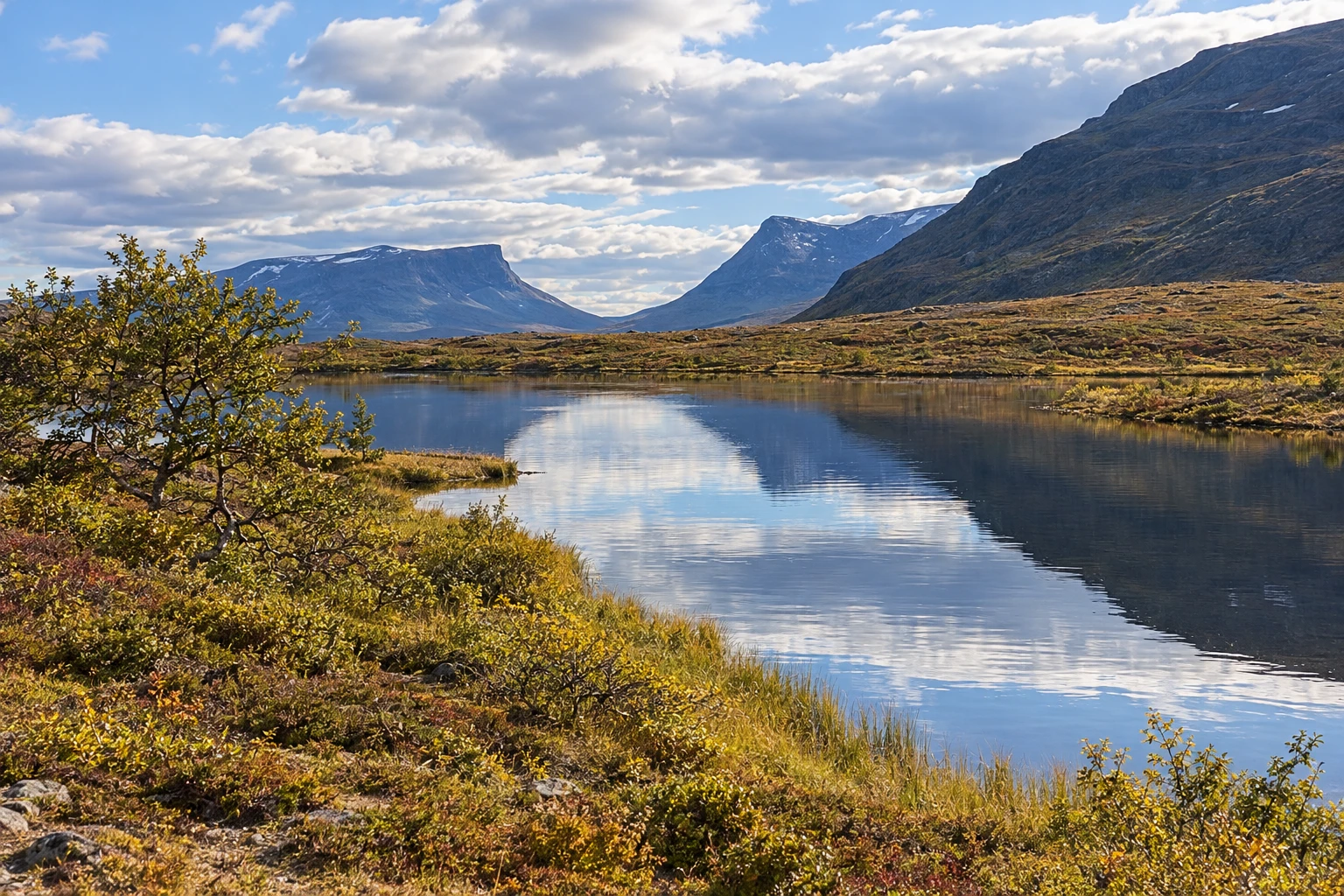
In the photo: Lapporten, Abisko

Illustrative images. The pictures in this guide are illustrations based on the real place, not photographs, and may differ from it.

Get it on Google Play

Get to know the place

A region to enjoy
at your own pace.

Swedish Lapland, Lappland, occupies the far north of the country, above the Arctic Circle. It is a region of low mountains, birch forests, wide rivers and lakes that freeze in winter, sparsely populated and with vast open space. It is also part of Sápmi, the land of the sámi people, the indigenous people of northern Scandinavia and Finland, who have lived there for thousands of years and maintain reindeer herding, the language, the joik (traditional singing), and duodji, the handicrafts.

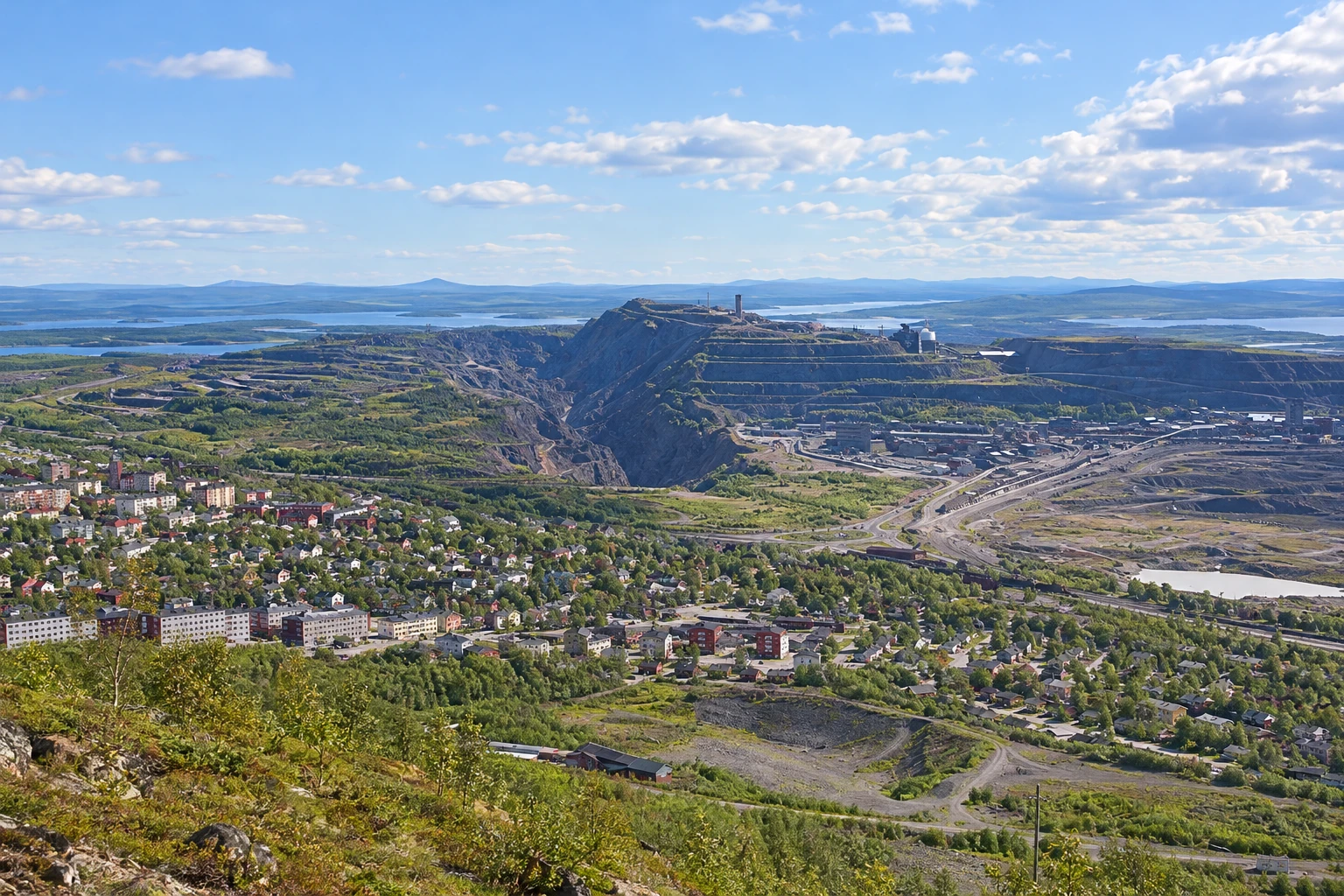
Kiruna, the northernmost town in Sweden, was founded in 1900 around the Kiirunavaara iron mine, one of the largest underground iron mines in the world, which is still in operation. The mine extends beneath the town, and for that reason the center is being moved gradually to the east; historic buildings have been moved whole to the new center. You can visit a mine gallery at 540 meters depth. Seventeen kilometers away, in the village of Jukkasjärvi on the banks of the Torne River, is the Icehotel, the ice hotel rebuilt each winter with blocks taken from the river, and an 18th-century wooden church. In the village, sámi families welcome visitors to show their reindeer and their culture.

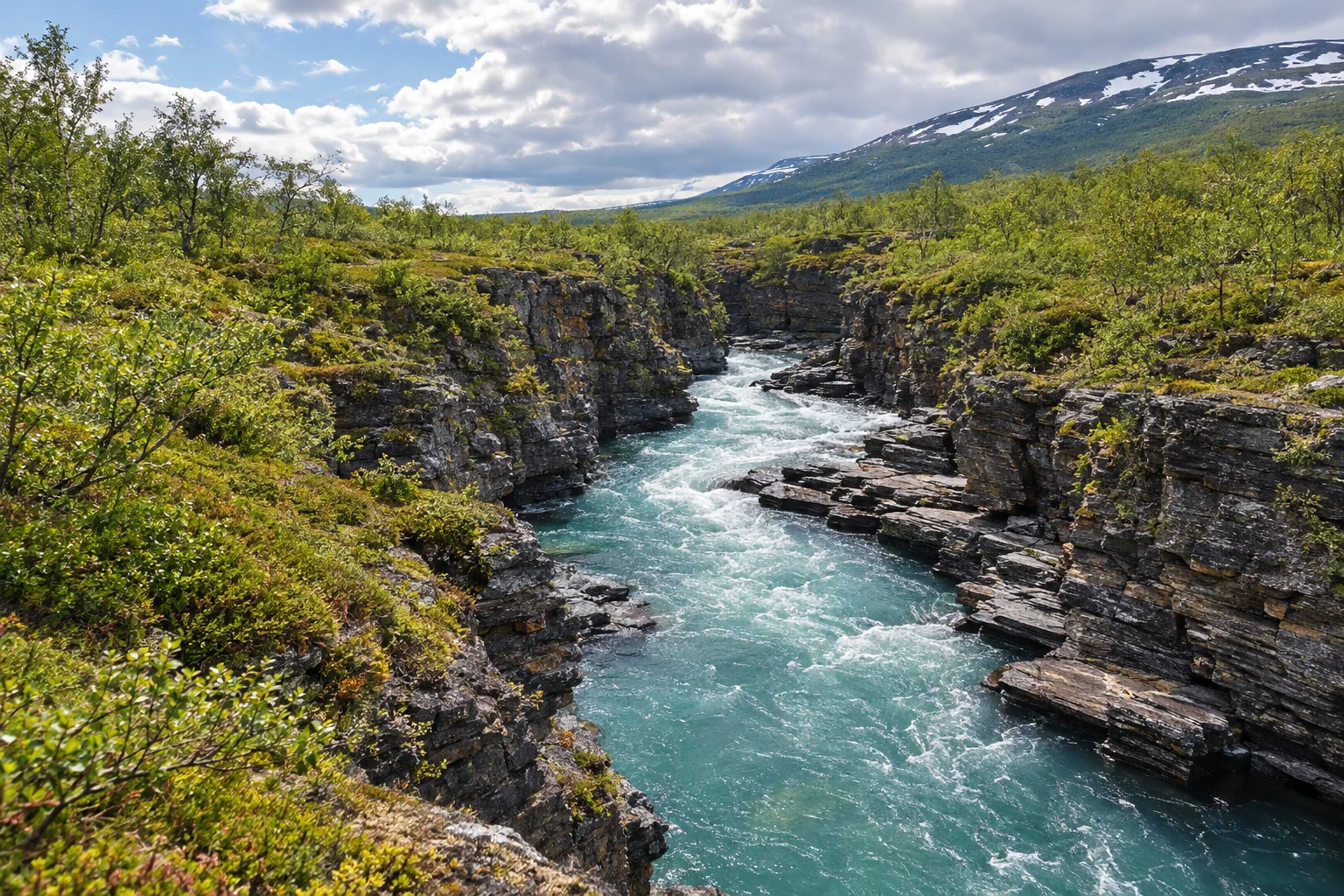
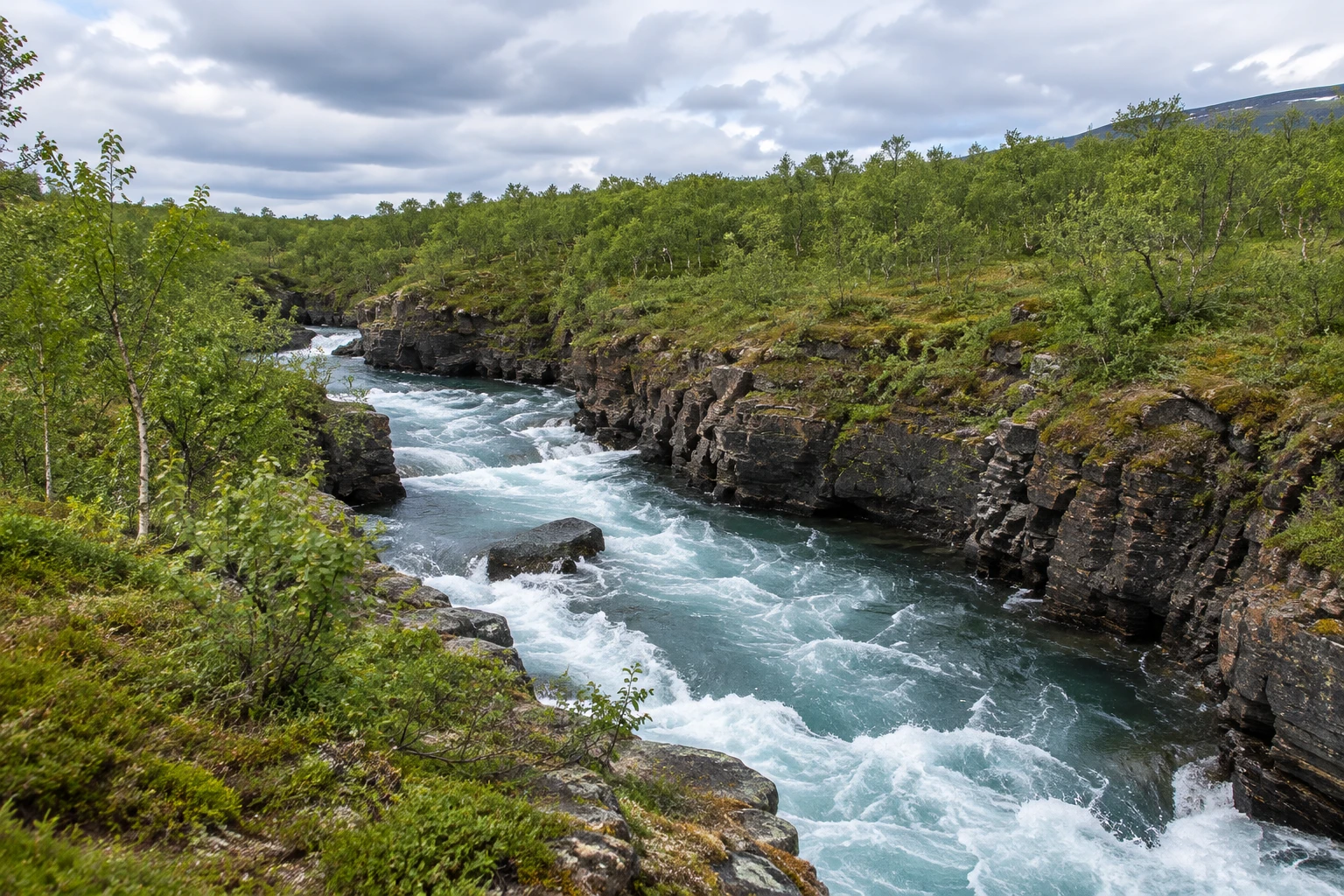
About 95 km to the west, Abisko sits on the shore of lake Torneträsk, facing the mountains that border Norway. Abisko National Park has a canyon, trails, the start of the Kungsleden trail and the U-shaped valley view of Lapporten. Being in a low-precipitation area, Abisko often has clear skies more frequently, and the Aurora Sky Station, high on mount Nuolja, is a popular aurora viewing point.

For Brazilians, Lapland is a trip of extremes: the aurora borealis is usually visible from September to March on clear nights; in mid-winter there is the polar night, when the sun barely appears for a few weeks, and temperatures often drop below -15 °C; in summer, from late May to mid-July, there is the midnight sun, when the sun does not set. The region is reached by plane from Stockholm or by overnight train.

This destination brings together 2 cities: Kiruna, Abisko.

Share: WhatsApp
Traveler, share your experiences through photos Up to 5 photos of each place you visited.

One destination, many paths

The cities on this trip

Start with one city or combine several in your itinerary.

Where Kiruna and Lapland is The star marks the nearest capital, Luleå.
LuleåKirunaAbisko

Outlines: Statistics Sweden (SCB), CC0. Adapted by Cidade Turismo.

How to get there: Kiruna and Lapland

Aeroporto de Kiruna (KRN) · 9 km to Kiruna

Connections from Brazil usually involve a stop in another city. Confirm before booking. Flights from Stockholm reach Kiruna Airport in about 1h30. The overnight train leaves Stockholm and reaches Kiruna in about 17 hours, continuing to Abisko and Narvik in Norway. From Kiruna to Abisko it is about 95 km on the E10 road, or 1h20 by train.

Suggested arrival point: Kiruna

The local experience

Things to do in Kiruna and Lapland

Abisko · Norrbotten · Park

Abisko National Park

National park on the shore of lake Torneträsk, established in 1909, with the Abiskojåkka river canyon, trails through birch forests, mountains and the start of the Kungsleden trail.

Explore Abisko National Park

Kiruna · Norrbotten · Hotel

Icehotel

The ice hotel in Jukkasjärvi, 17 km from Kiruna, rebuilt each winter with ice from the Torne River since 1989, featuring suites sculpted by artists and a permanent section open year-round.

Explore Icehotel

Abisko · Norrbotten · Viewpoint

Aurora Sky Station

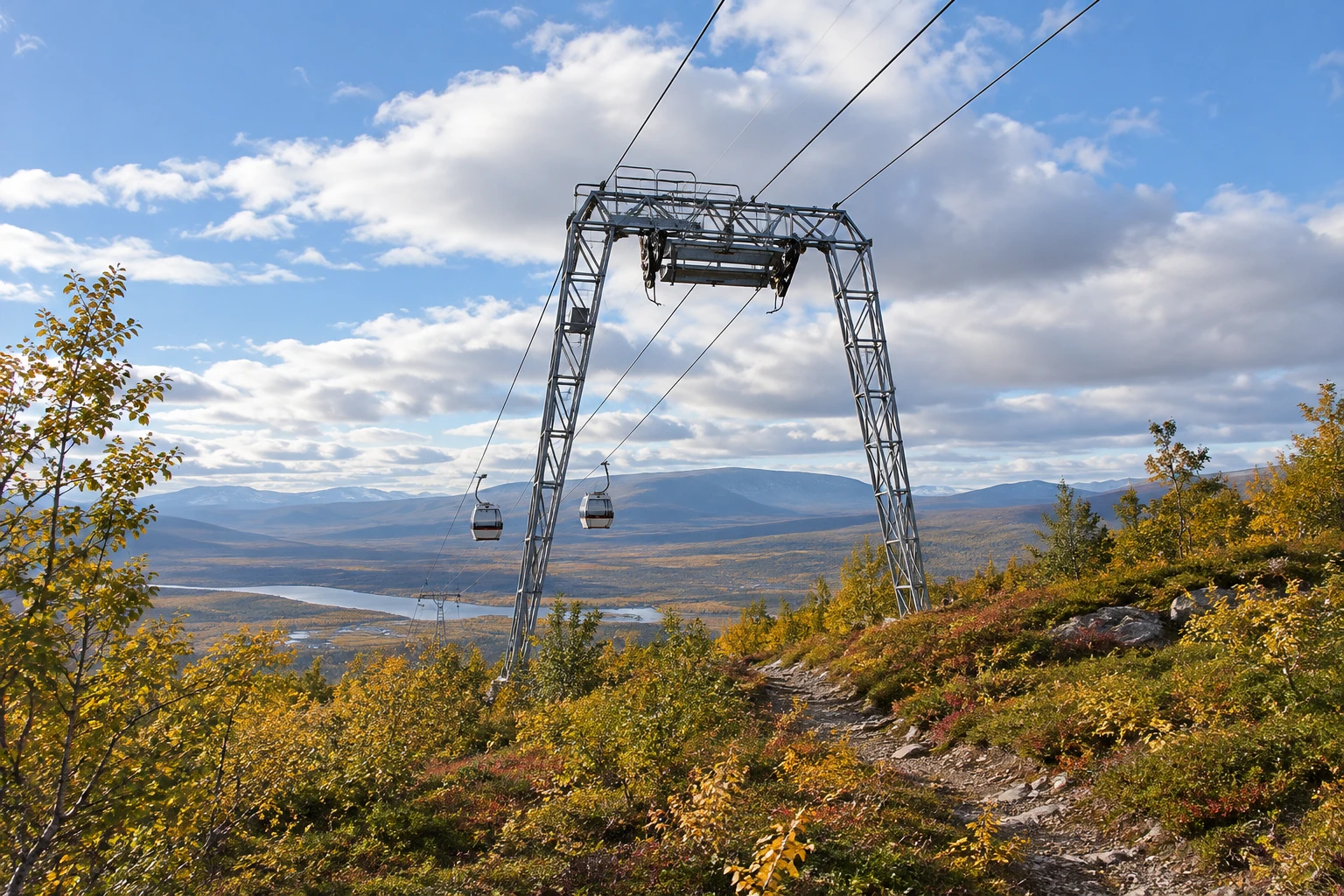
Observation station on Mount Nuolja, at about 900 meters altitude above Abisko, reached by chairlift: aurora nights in winter and the midnight sun in summer.

Explore Aurora Sky Station

Kiruna · Norrbotten · Village

Jukkasjärvi

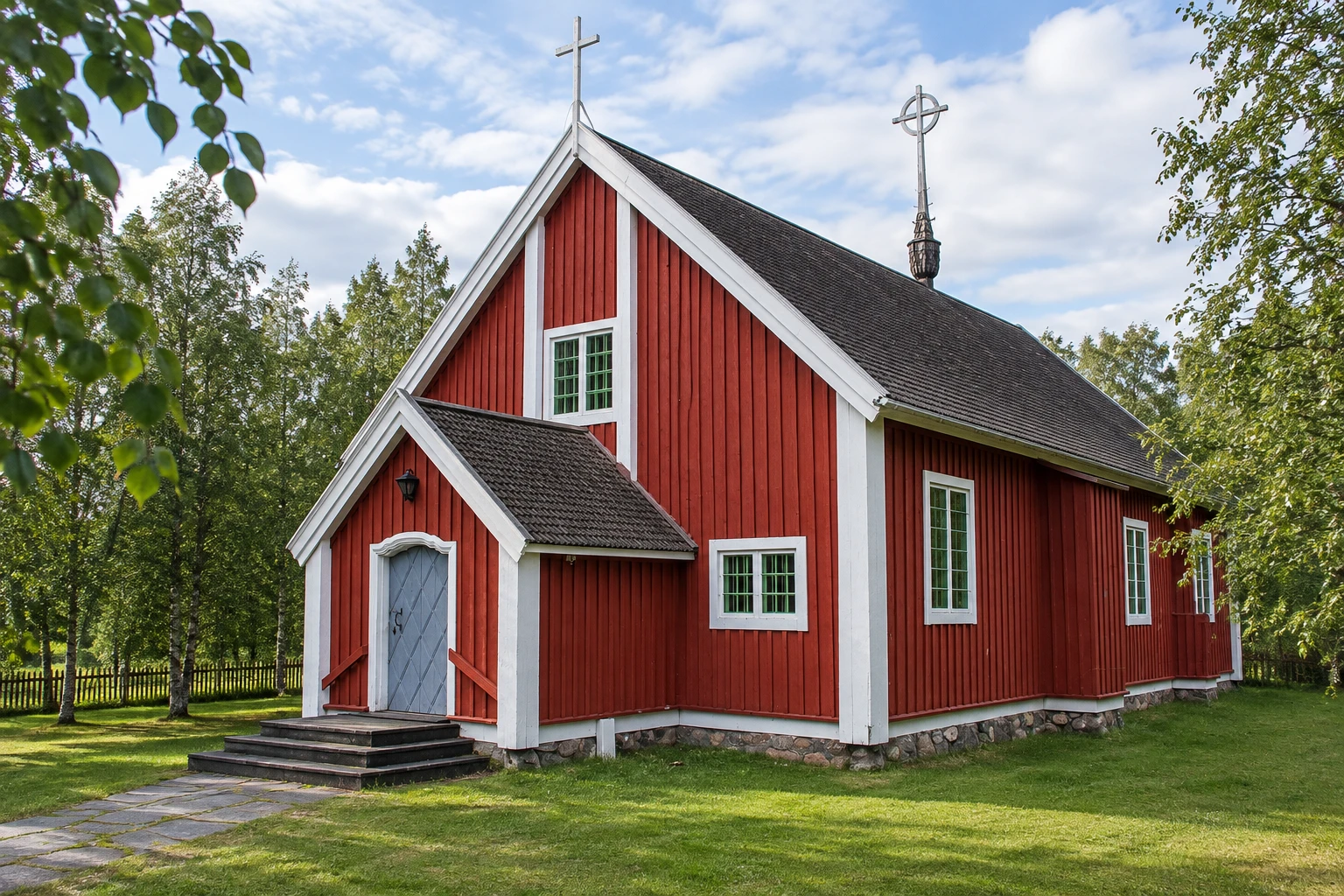
The village on the shore of the Torne River where the Icehotel is located, with a wooden church from 1726, an open-air museum and visits to Sami families who raise reindeer.

Explore Jukkasjärvi

See 4 more places in Kiruna and Lapland

To choose before you go

Tours in Kiruna and Lapland

Where each tour starts, how long it takes, how it is done, what is included and the price range.

Abisko Canyon

From Kiruna and Abisko On foot and local transport Allow half a day to a day Depends on the activity

The trails near the visitor station let you experience part of the park without starting a long trek. The river and the mountain scenery guide the walk. Snow conditions change which routes are possible.

Stops: Abisko National Park, Abiskojåkka.

Night of sky watching

From Kiruna and Abisko On foot and local transport Allow half a day to a day Depends on the activity

Between September and March the northern lights are often visible on dark nights, depending on cloud cover and solar activity. A guided outing can help arrange transport and equipment. Don’t plan your entire trip around a single night.

Stops: Abisko, Aurora Sky Station.

Day by day

1, 2 and 3-day itinerary in Kiruna and Lapland

Suggestions to plan the trip. Change the order of the days according to the weather and tour availability.

1 day · 1 day in Kiruna and Abisko

For First visit, allowing time for travel · Based in Kiruna and Abisko
  1. Day 1 · Kiruna and Jukkasjärvi

    See Kiruna and continue to Jukkasjärvi. To visit the seasonal part of the Icehotel, the season usually runs from December to April; confirm beforehand. The mine visit depends on an organized departure.

2 days · 2 days in Kiruna and Abisko
For First visit, allowing time for travel · Based in Kiruna and Abisko
  1. Day 1 · Kiruna and Jukkasjärvi

    See Kiruna and continue to Jukkasjärvi. To visit the seasonal part of the Icehotel, the season usually runs from December to April; confirm beforehand. The mine visit depends on an organized departure.

  2. Day 2 · Abisko and the canyon

    Travel to Abisko and follow the paths near the Abiskojåkka canyon according to conditions. Choose the length of the hike after checking the local situation.

3 days · 3 days in Kiruna and Abisko
For First visit, with time for transfers · Based in Kiruna and Abisko
  1. Day 1 · Kiruna and Jukkasjärvi

    See Kiruna and continue to Jukkasjärvi. To visit the seasonal part of the Icehotel, the season usually runs from December to April; confirm beforehand. The mine visit depends on an organized departure.

  2. Day 2 · Abisko and the canyon

    Travel to Abisko and follow the paths near the Abiskojåkka canyon according to conditions. Choose the length of the hike after checking the local situation.

  3. Day 3 · Mountain and landscape

    Reserve the day for Nuolja and Aurora Sky Station when they are operating. In summer, a short walk at the start of the Kungsleden is an alternative; in winter, choose an activity compatible with snow.

Best time to go

When to go: Kiruna and Lapland month by month

From September to March the aurora borealis is often seen on clear nights; from December to March there is snow, dog sledding and the Icehotel is open. From late May to mid-July there is usually the midnight sun, good for hiking. In mid-winter there is the polar night and severe cold. Seasons are reversed compared with Brazil.

The seasons shown are the most usual ones; nature doesn't always follow the calendar.

January

January · cold winter

January is usually very cold with very limited daylight. To plan your day, prioritize Kiruna and Jukkasjärvi and adjust outdoor activities to the daylight hours. The seasons are reversed compared with Brazil.

February

February · cold winter

February usually remains very cold; daylight increases. To plan your day, prioritize Kiruna and Jukkasjärvi and adjust outdoor activities to the daylight hours.

March

March · season transition

March usually keeps snow and below-freezing temperatures, with more daylight hours. To plan your day, prioritize Abisko and the canyon and adjust outdoor activities to the daylight hours.

April

April · season transition

April usually has snow and long days; thawing depends on altitude. To plan your day, prioritize Abisko and the canyon and adjust outdoor activities to the daylight hours.

May

May · season transition

May usually brings thawing in low-lying areas, with snow persisting in the mountains. To plan your day, prioritize mountain and landscape activities and adjust outdoor activities to the daylight hours.

June

June · mild summer

June usually has very long days; in Kiruna and Abisko the midnight sun typically occurs between late May and July. To plan your day, prioritize mountain and landscape activities and adjust outdoor activities to the daylight hours.

July

July · mild summer

July is usually mild in low-lying areas, with clear nights; mountains still tend to be cold. To plan your day, prioritize Kiruna and Jukkasjärvi and adjust outdoor activities to the daylight hours.

August

August · mild summer

August usually brings progressively darker nights and falling temperatures. To plan your day, prioritize Kiruna and Jukkasjärvi and adjust outdoor activities to the daylight hours.

September

September · season transition

September usually brings cold, autumn colors and dark nights. To plan your day, prioritize Abisko and the canyon and adjust outdoor activities to the daylight hours.

October

October · season transition

October is usually cold with the return of snow and a rapid shortening of daylight hours. To plan the day, prioritize Abisko and the canyon and adjust outdoor activities to the hours of daylight.

November

November · season transition

November usually brings prolonged winter and few hours of daylight. To plan the day, prioritize mountain and landscape and adjust outdoor activities to the hours of daylight.

December

December · cold winter

December is usually very cold; in Kiruna and Abisko the polar night typically covers part of December and January. To plan your day, prioritize mountain and landscape activities and adjust outdoor time to the daylight hours.

Plan the journey

How to get there: Kiruna and Lapland

From Brazil and arrival at the destination

Connections from Brazil are usually via a transfer in another city. Confirm before purchasing. Kiruna has an airport with domestic connections and access via the northern railway. Abisko is on the rail line toward Narvik. Check connections and any segments that may be replaced by bus.

Local transfers

Kiruna and Abisko require planning involving train, bus and transfers. In the mountain area, choose activities and equipment according to the season and local conditions. Respect the guidelines in Sami-use territories.

Before you go

Practical information

A little planning leaves more time to enjoy the journey.

When to go

From September to March the aurora borealis is often seen on clear nights; from December to March there is snow, dog sledding and the Icehotel is open. From late May to mid-July there is usually the midnight sun, good for hiking. In mid-winter there is the polar night and severe cold. Seasons are reversed compared with Brazil.

The seasons shown are the most usual ones; nature doesn't always follow the calendar.

How many days to stay

Four or five days are enough for Kiruna, Jukkasjärvi and the Icehotel, the mine and two or three nights in Abisko. To see the aurora, plan for several nights: it depends on clear skies and solar activity.

Which city to stay in

Kiruna has hotels in the new center and near the airport, convenient for those arriving by plane. Jukkasjärvi has the Icehotel, with ice rooms in winter and heated rooms year-round, plus riverside cabins. Abisko has the mountain tourist station, hostels and cabins near the national park; the area has little light pollution, which helps aurora viewing.

Respect the place

Take your trash with you, follow the signs and support local businesses. In natural areas, follow the visiting guidelines.

Beyond the guide

Your questions

Frequently asked questions about Kiruna and Lapland

What is the best time to see the aurora borealis?

The aurora is commonly seen from September to March on clear, dark nights. It depends on cloud-free skies and solar activity, so it's worth staying several nights. Abisko tends to have clear skies more often.

How to get to Kiruna?

By plane from Stockholm in about 1h30, or by the overnight train in about 17 hours. The train continues to Abisko and Narvik.

Is it very cold in Lapland?

In winter temperatures typically range from -10 °C to -30 °C, with wind on some days. You need thermal layers, a hat, gloves and snow boots. Many excursions lend winter clothing.

What is the polar night?

For a few weeks in December and early January the sun does not rise in Kiruna. There are a few hours of bluish daylight around midday.

Do I need a car in Lapland?

Not necessarily. Buses connect Kiruna with the airport and Jukkasjärvi, and the train links Kiruna to Abisko. Aurora tours, sledding and snowmobile excursions pick up at hotels. In winter, driving requires experience with snow and ice.

What is sámi culture like?

The sámi are the indigenous people of the north. Many families live by reindeer herding and maintain the language, the joik and the handicrafts. Guided visits led by sámi families are the respectful way to learn about this culture.

Explore other destinations Search by state and city