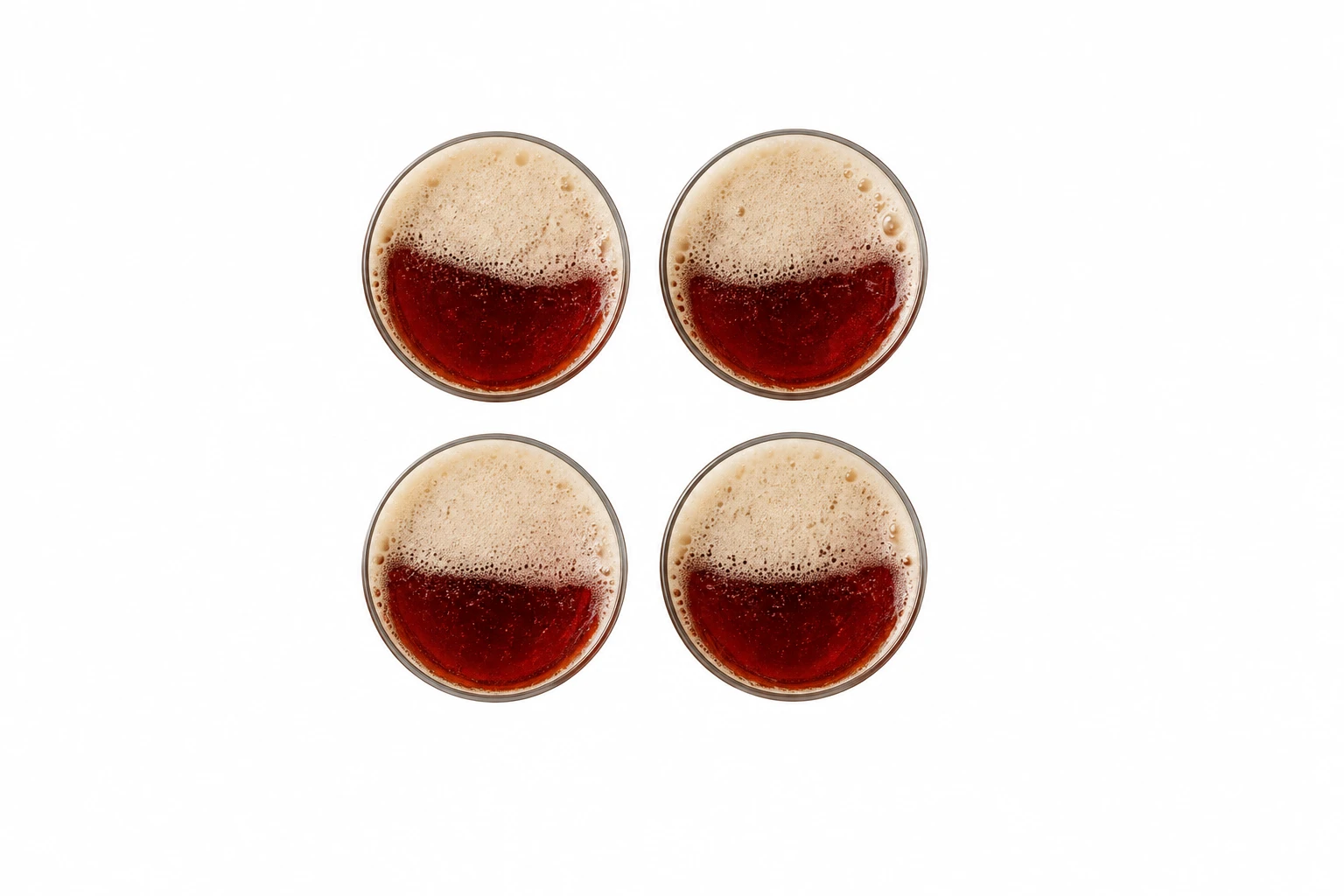
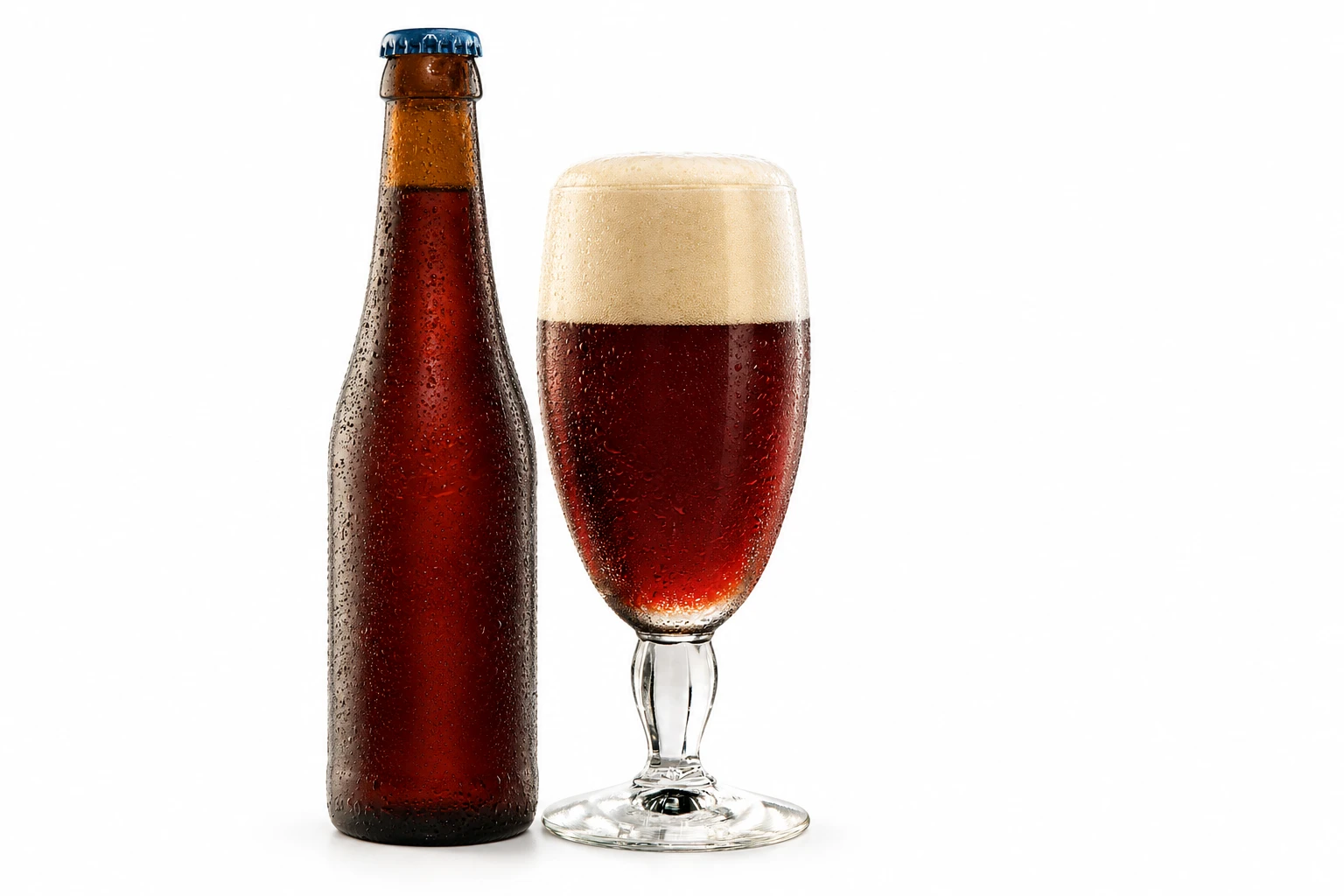
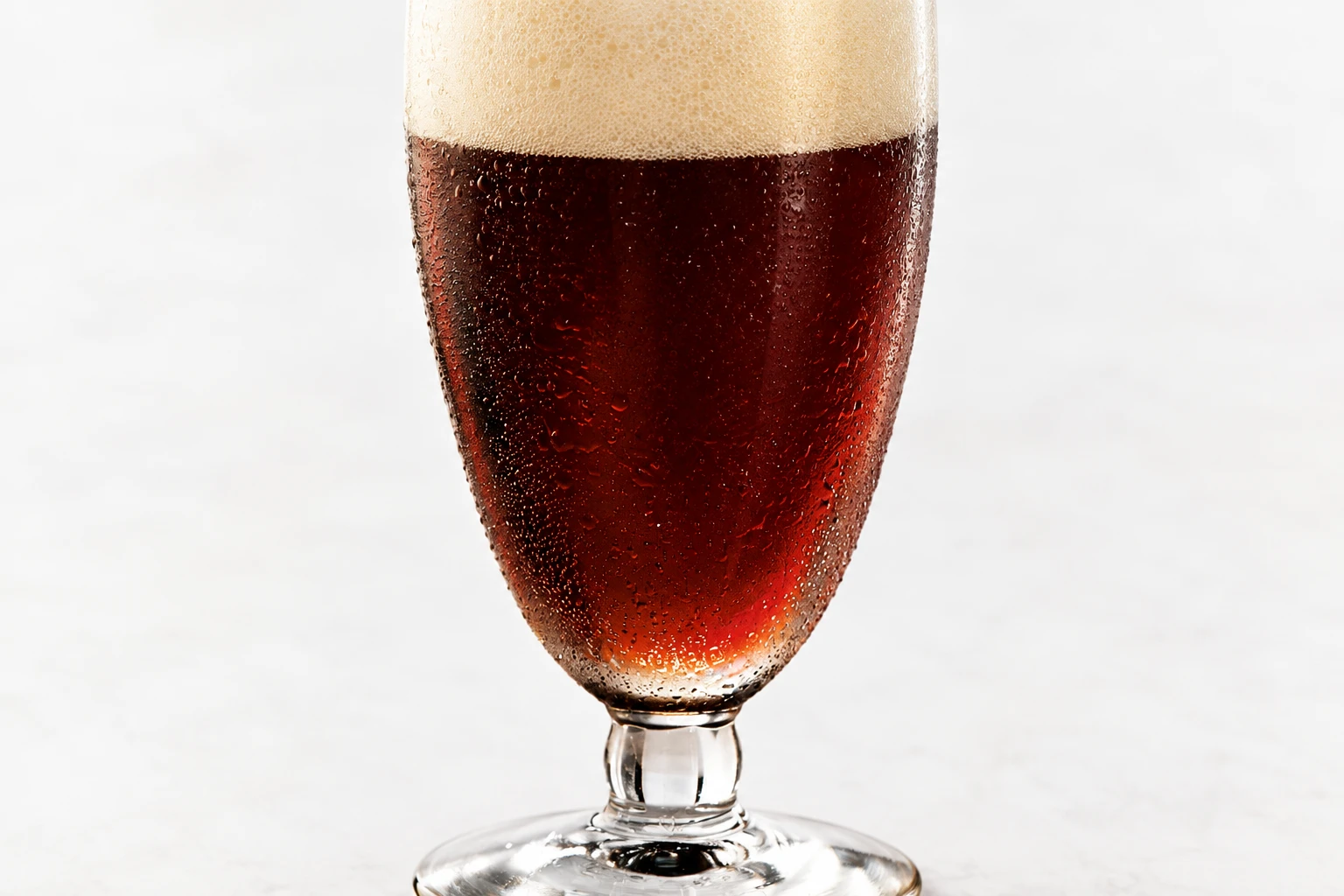
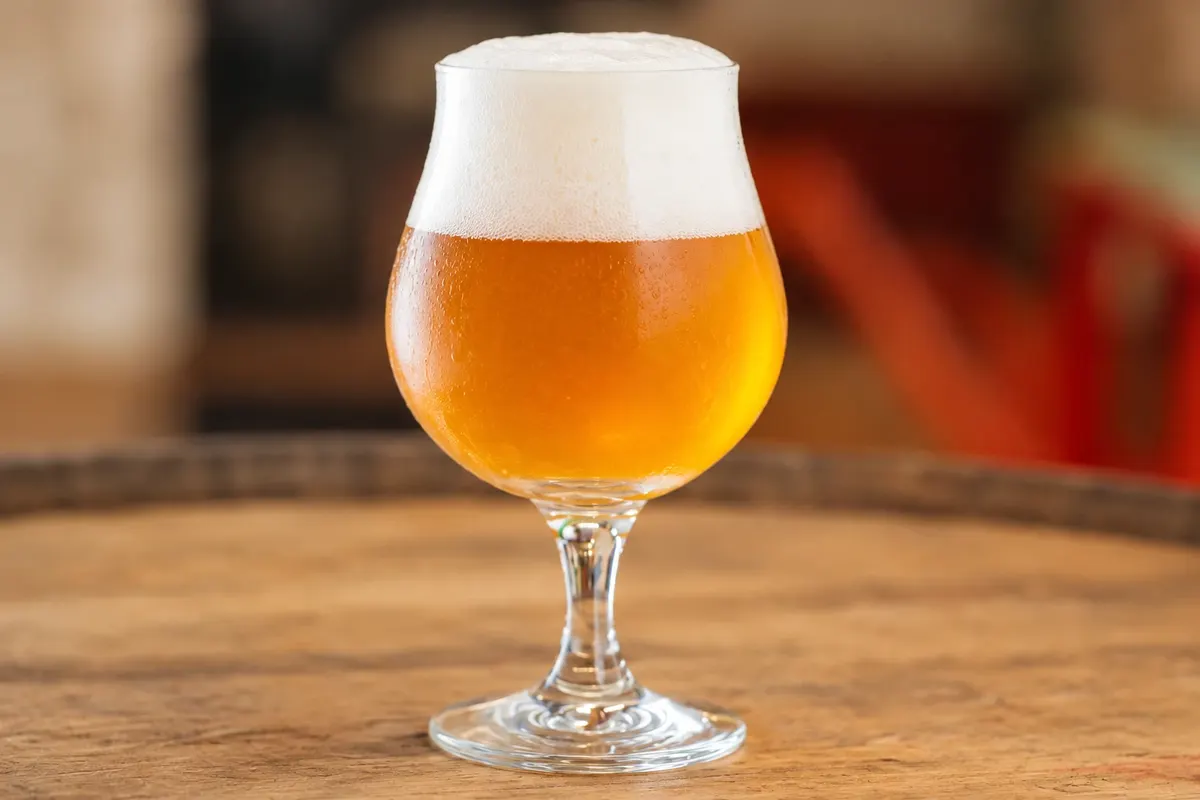
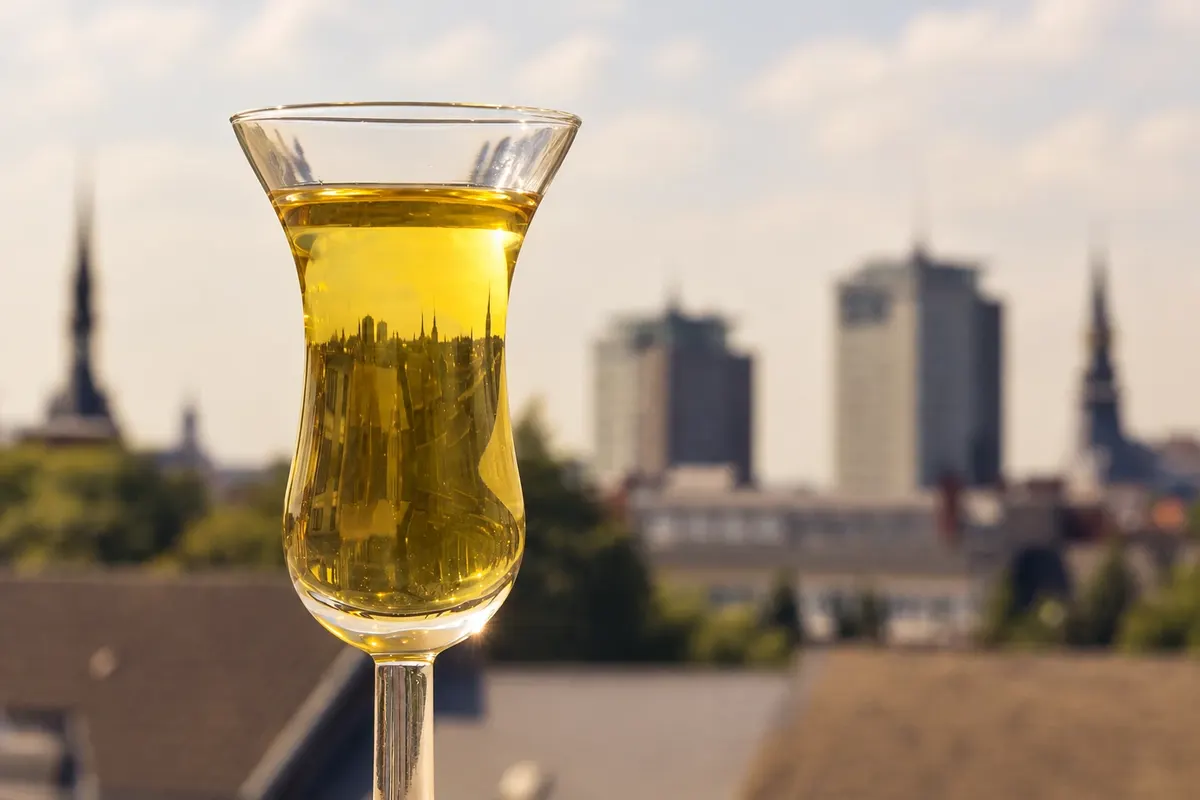
Vlaams roodbruin is a reddish-brown beer with a mildly acidic taste. What defines it is the maturation: all or part of the beer spends a long time in foeders, huge upright oak barrels. There, yeasts and bacteria continue their work and give the beer its acidity and fruity aroma.
Brewing begins like other top-fermented beers. Then, in the wood, mixed fermentation occurs with microorganisms such as Saccharomyces, Lactobacillus and Brettanomyces. Many breweries blend matured beer with young beer to balance the flavor. Hops are used sparingly, because bitterness does not pair well with acidity.
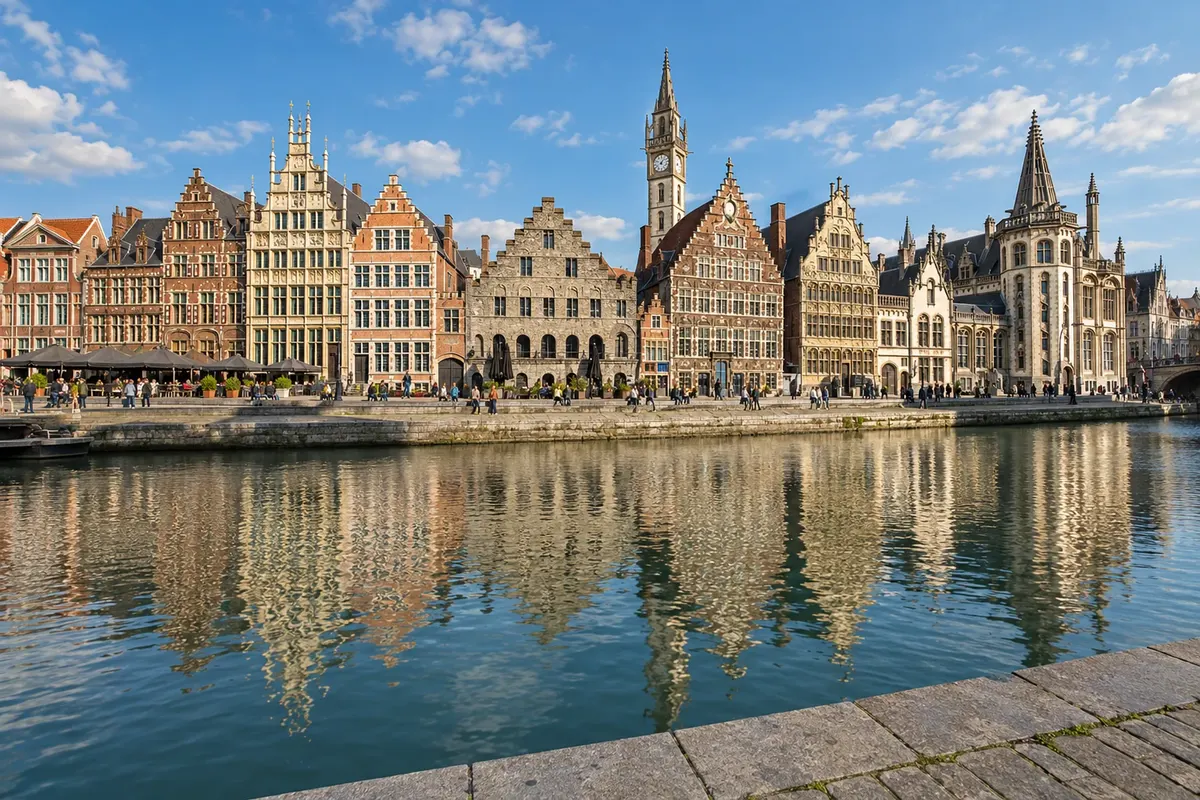
Its origin lies in the Middle Ages, in the former County of Flanders, west of the Scheldt river. Beer was flavored with a mixture of herbs, the gruit, instead of hops, and therefore did not keep well; maturation in wood and slight acidity helped preserve it. Later, the matured beer began to be blended with young beer, a technique that survives today.
The European Union registered the name Vlaams roodbruin bier / Flanders Red Ale as a protected geographical indication. Brewing, maturation in the barrels and blending must take place in defined parts of West Flanders, where breweries in towns such as Roeselare and Vichte maintain whole rooms of foeders.
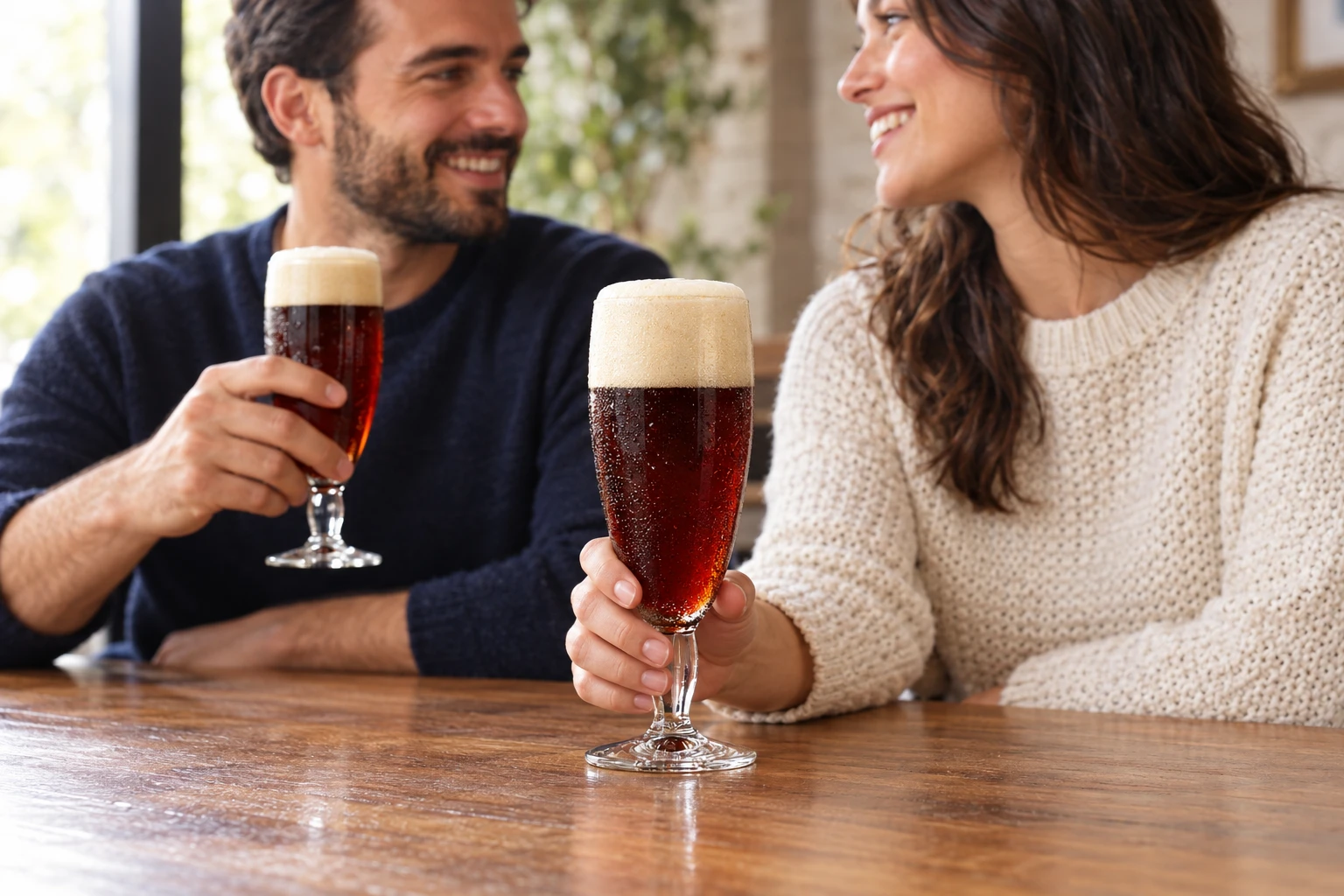
It is served cool, as an aperitif or at the table. Some versions include red fruits, and those with more matured beer are more acidic and complex.


 Brazilija
 Antarktika
 Argentina
 Bolivija
 Čile
 Kolumbija
 Ekvator
 Gvajana
 Francoska Gvajana
 Falklandski otoki (Malvini)
 Paragvaj
 Peru
 Surinam
 Urugvaj
 Venezuela
 Nemčija
 Avstrija
 Hrvaška
 Danska
 Slovaška
 Slovenija
 Španija
 Finska
 Francija
 Grčija
 Nizozemska
 Madžarska
 Irska
 Islandija
 Italija
 Luksemburg
 Norveška
 Poljska
 Portugalska
 Združeno kraljestvo
 Češka
 Švedska
 Švica
 Turčija
 Bermudi
 Kanada
 Združene države Amerike
 Grenlandija
 Mehika
 Sveta Peter in Mihael
 Dominikanska republika
 Japonska
 Južnoafriška republika
 Egipt
 Avstralija
 Fidži
 Nova Zelandija
 Papua Nova Gvineja