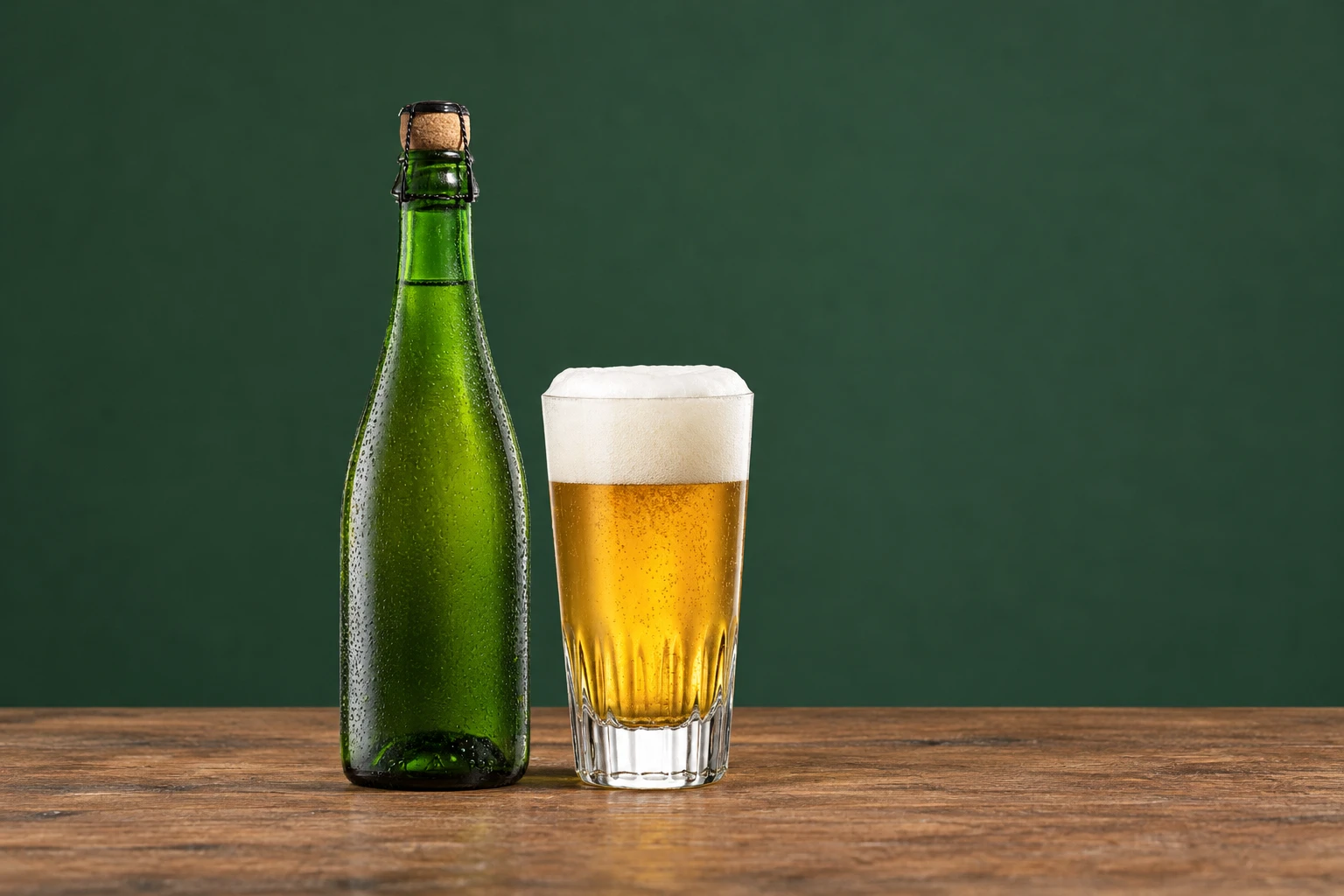
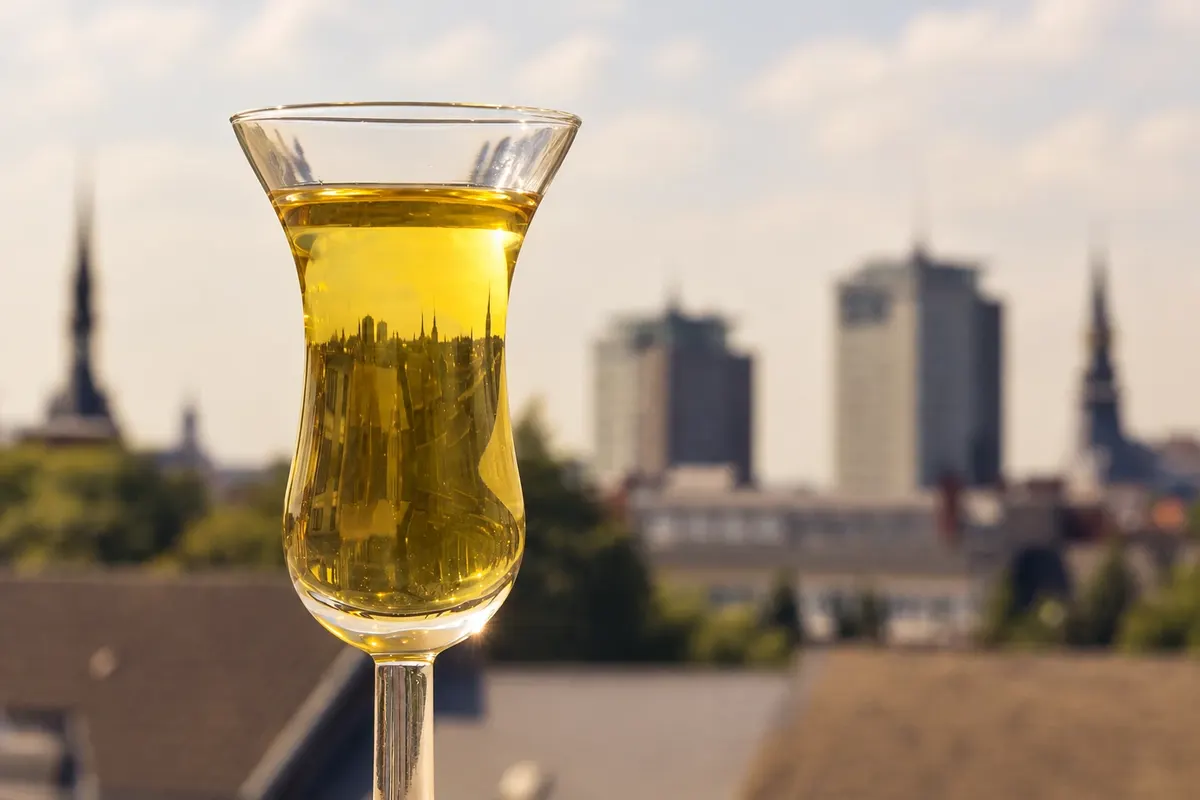
To understand geuze you must start with lambic, the beer it comes from. The wort, after boiling, is left to cool in the cold winter air and ferments by itself, with the yeasts and bacteria present in the environment: this is spontaneous fermentation. Then the lambic matures for a long time in wooden barrels.
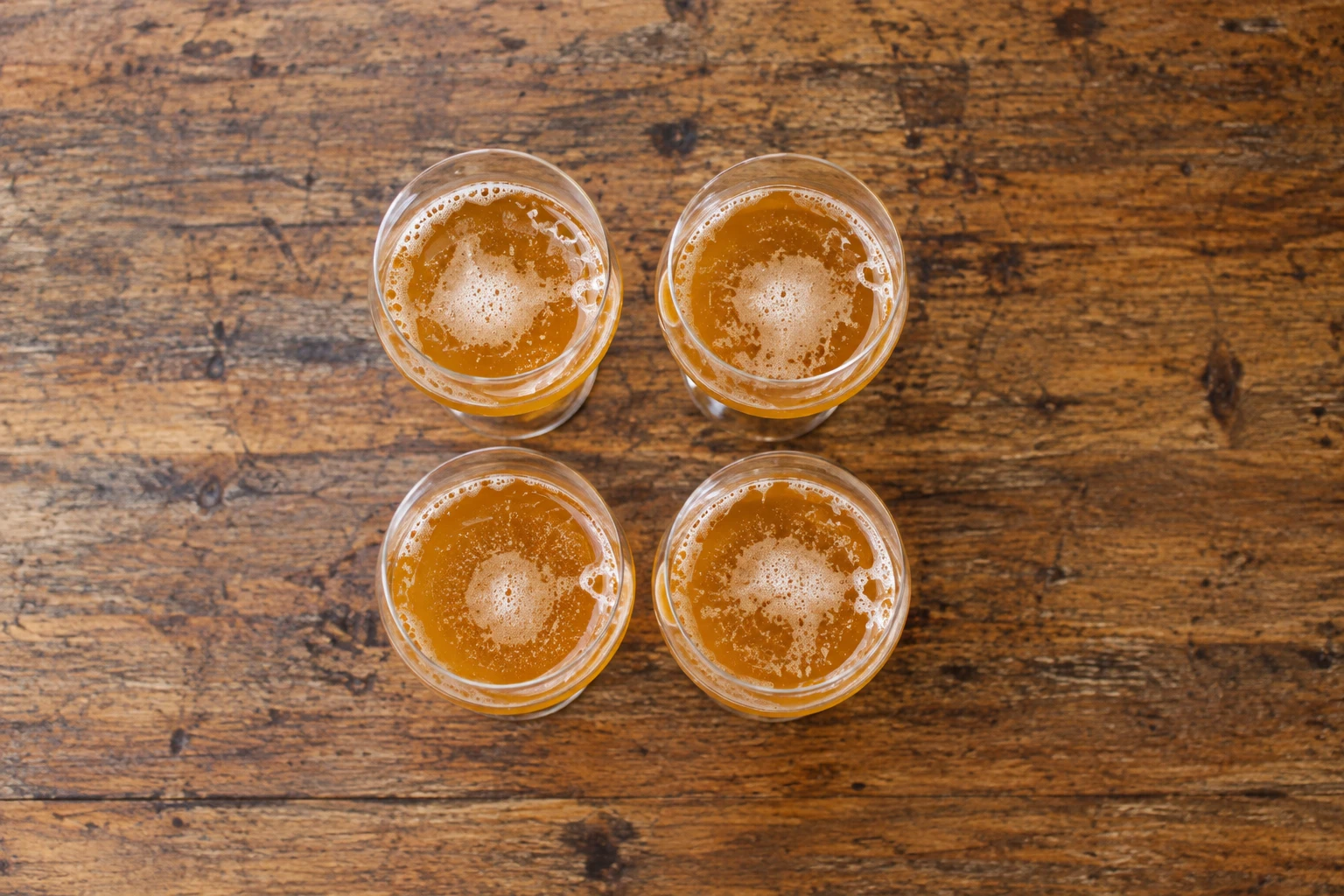
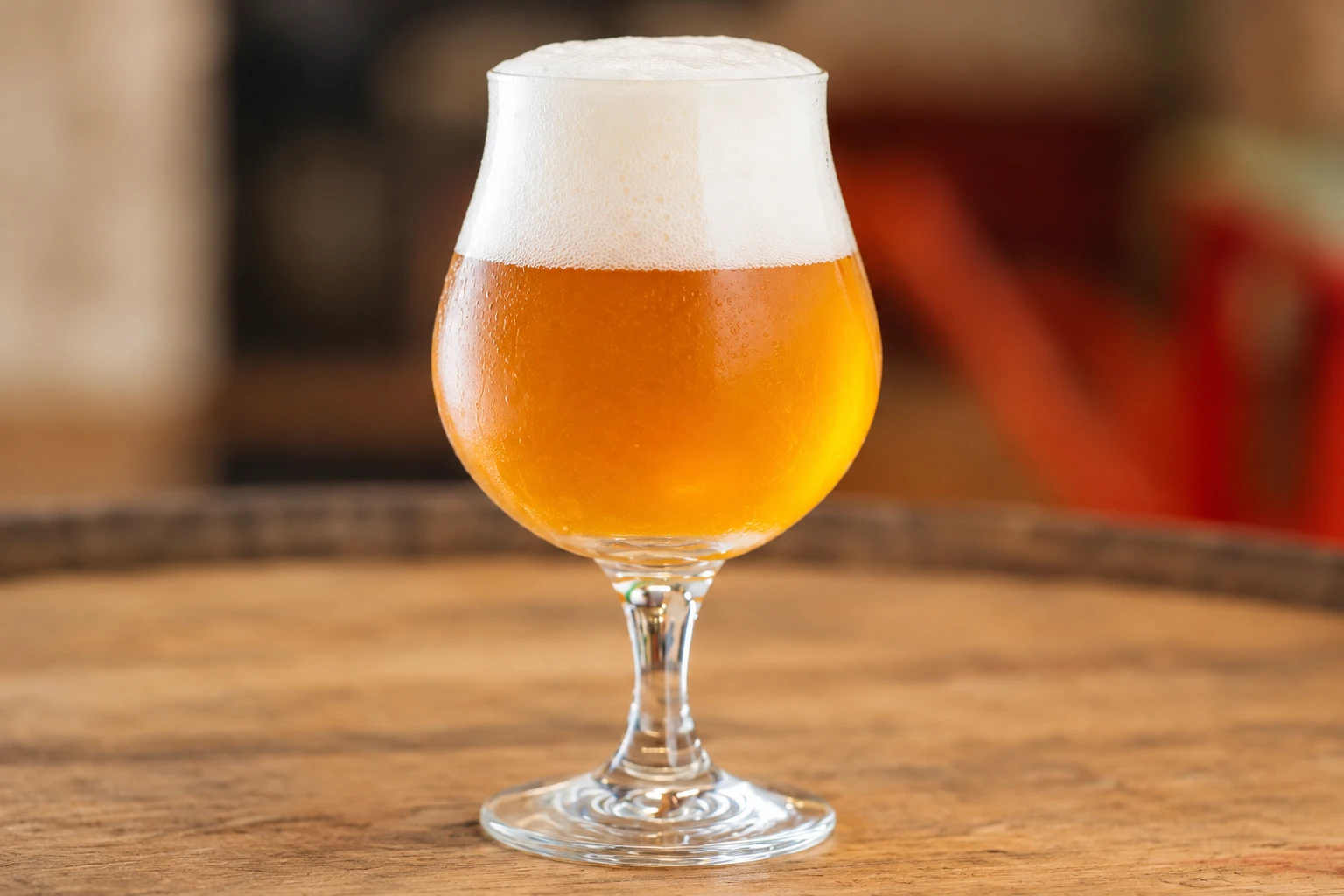
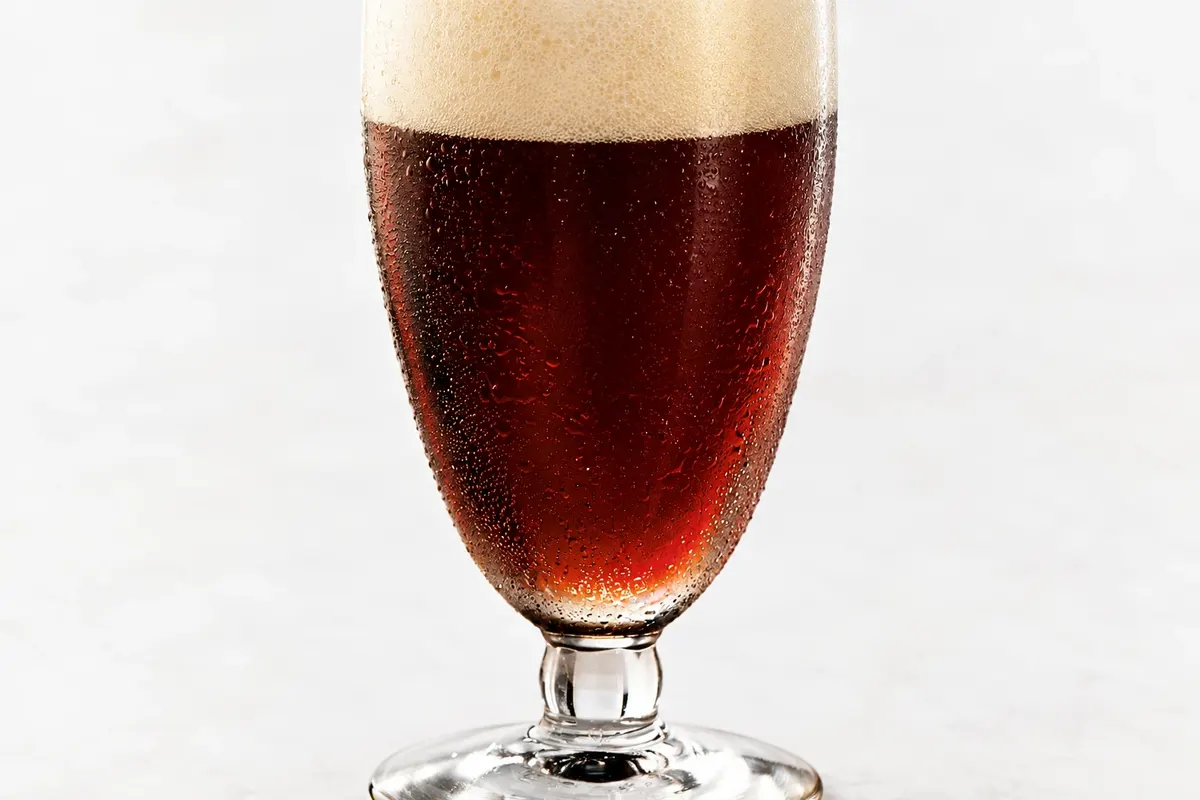
Oude Geuze is a blend of lambics of different ages. After bottling, it ferments again in the bottle and gains natural carbonation. The result is a dry beer with fresh acidity that can be kept for years and changes flavor over time. The art is in the blending: choosing the lambics and the right proportions and predicting how the beer will develop.
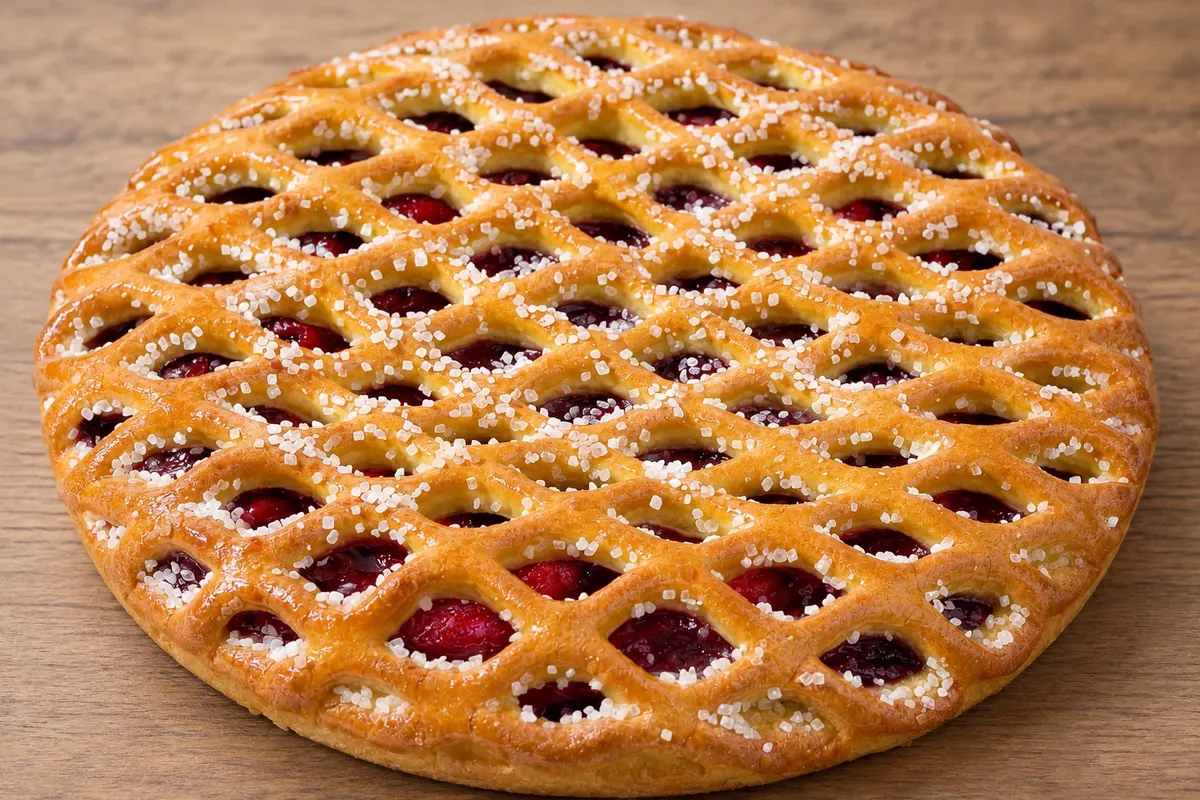
The lambic tradition is old. A decree of 1559 already shows it had been produced for a long time, probably under another name, and the word lambic appears in writing at the end of the 18th century. From the same family comes Oude Kriek, made with cherries macerated in lambic.
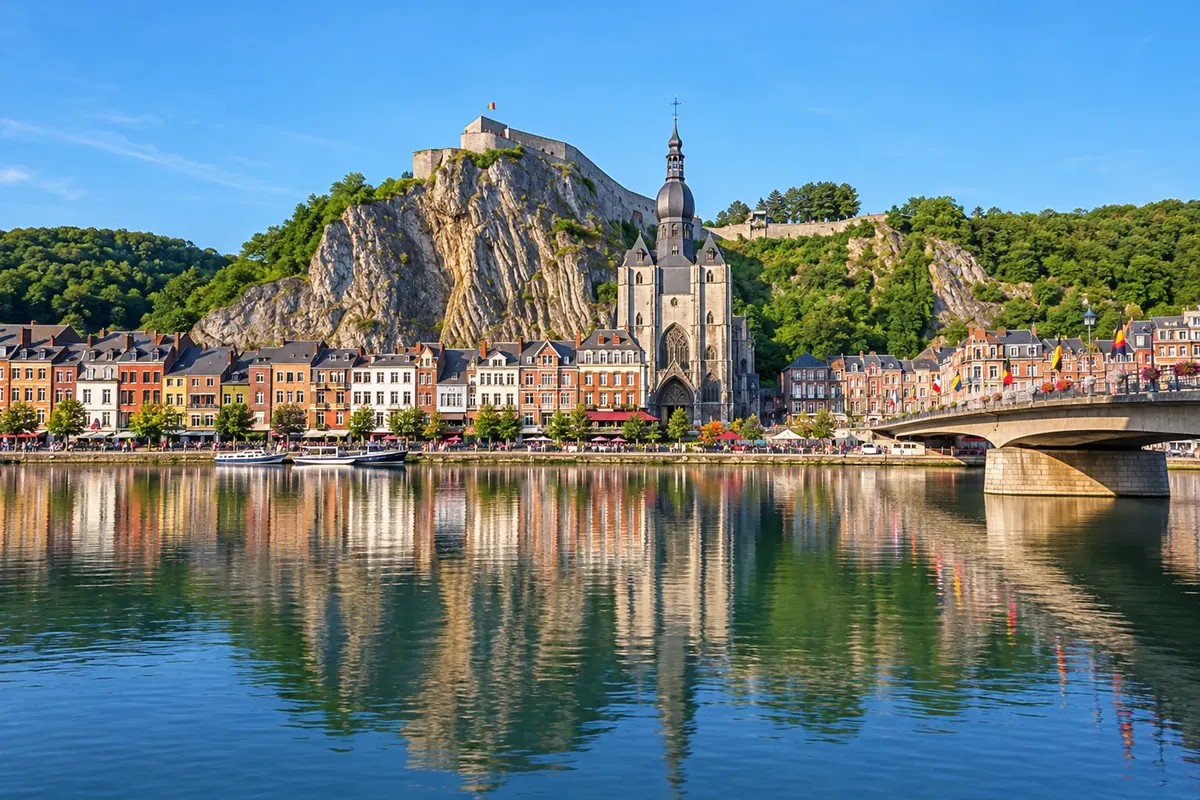
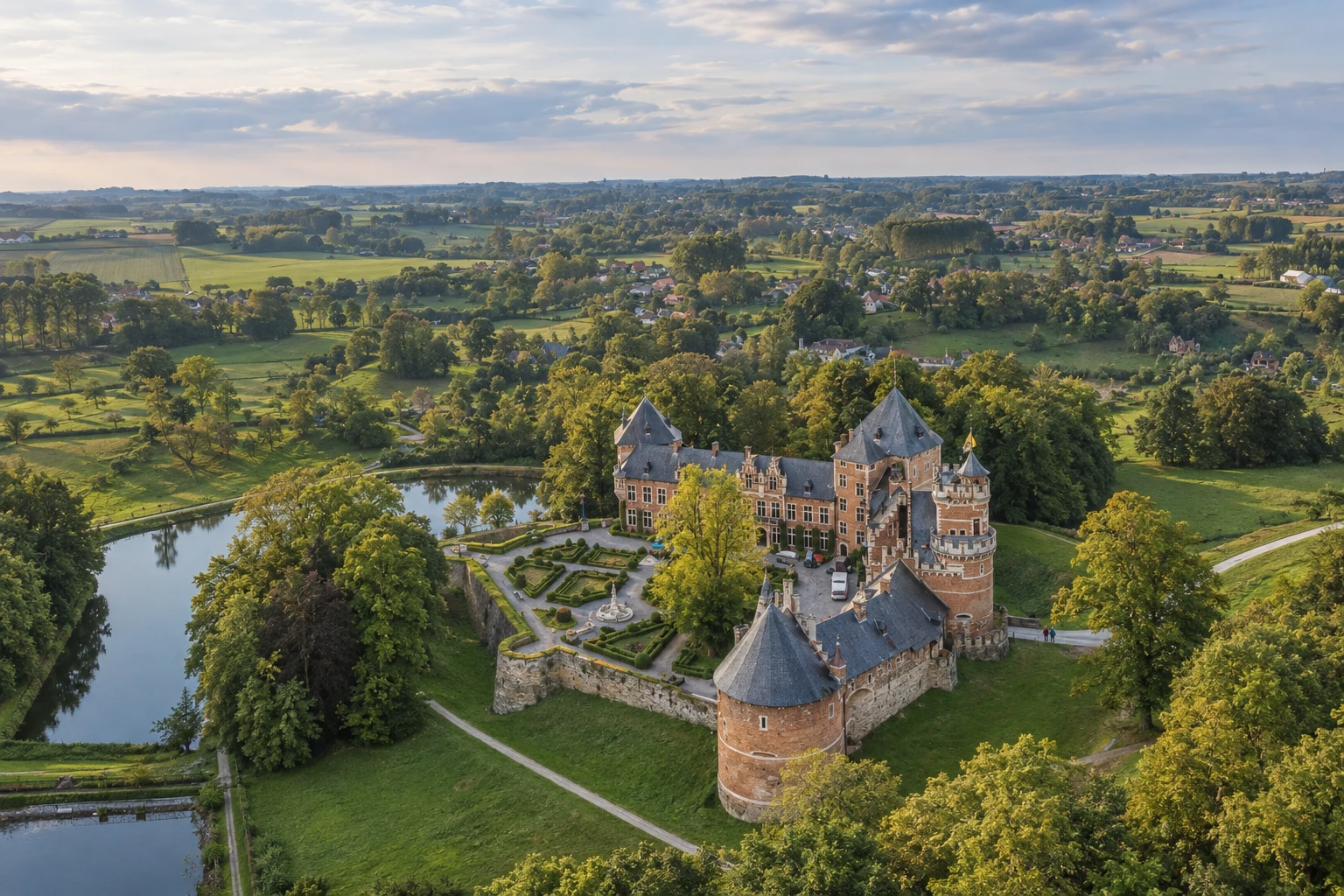
Lambic is a regional beer of the Pajottenland and the Zenne valley, southwest of Brussels, and of the capital itself. Most traditional breweries and blenders are located in Flemish Brabant, in places such as Beersel, Lembeek, Gooik and Wambeek. The EU traditional specialty guaranteed protection covers the production method, not the place; the Flemish recognition as a regional product refers to Oude Geuze of the Pajottenland.
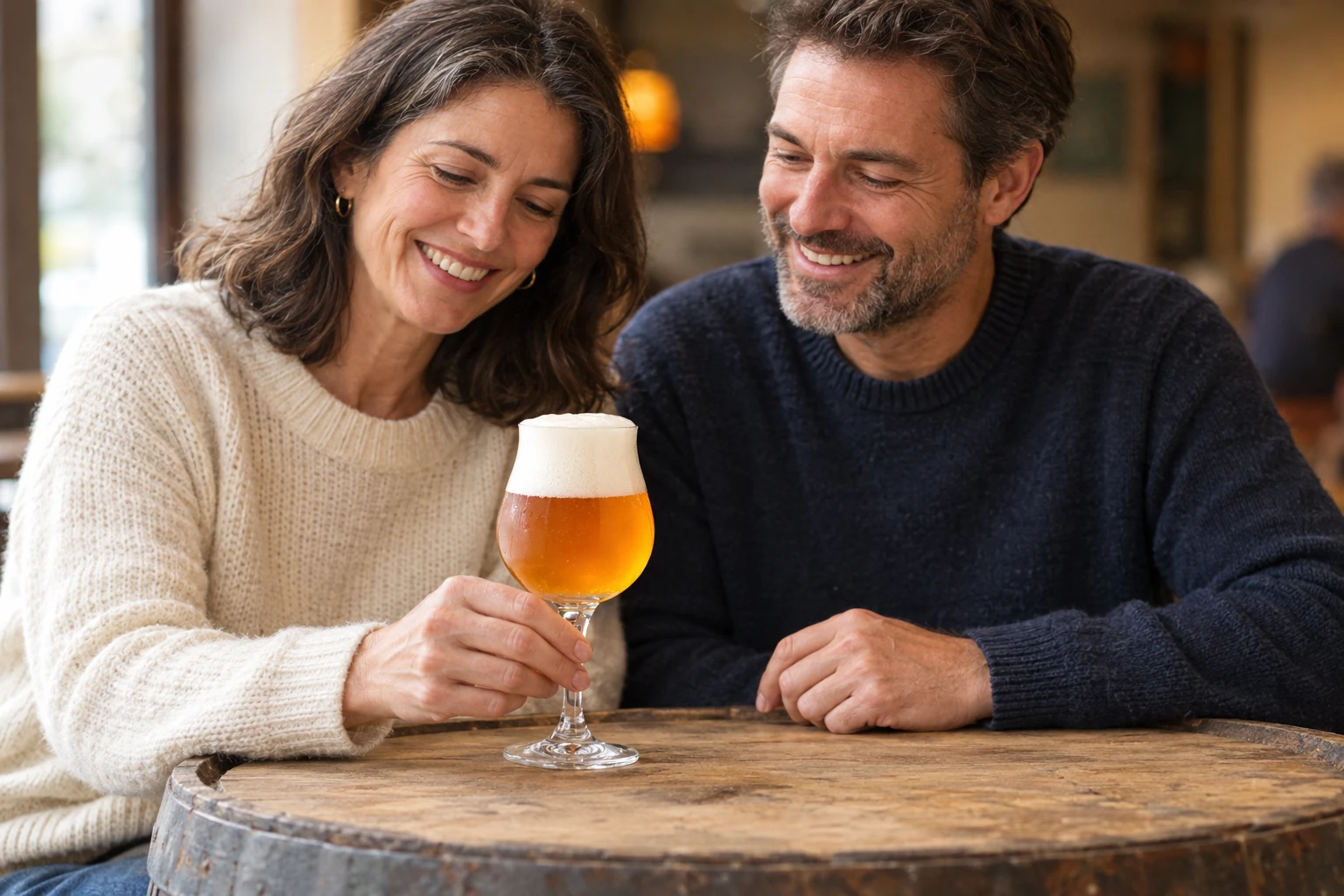
Every two years, usually between April and May, the Toer de Geuze opens the region’s breweries and blenders to the public, with buses between participating sites. Geuze is served chilled, in a glass.


 Brazilija
 Antarktika
 Argentina
 Bolivija
 Čile
 Kolumbija
 Ekvator
 Gvajana
 Francoska Gvajana
 Falklandski otoki (Malvini)
 Paragvaj
 Peru
 Surinam
 Urugvaj
 Venezuela
 Nemčija
 Avstrija
 Hrvaška
 Danska
 Slovaška
 Slovenija
 Španija
 Finska
 Francija
 Grčija
 Nizozemska
 Madžarska
 Irska
 Islandija
 Italija
 Luksemburg
 Norveška
 Poljska
 Portugalska
 Združeno kraljestvo
 Češka
 Švedska
 Švica
 Turčija
 Bermudi
 Kanada
 Združene države Amerike
 Grenlandija
 Mehika
 Sveta Peter in Mihael
 Dominikanska republika
 Japonska
 Južnoafriška republika
 Egipt
 Avstralija
 Fidži
 Nova Zelandija
 Papua Nova Gvineja