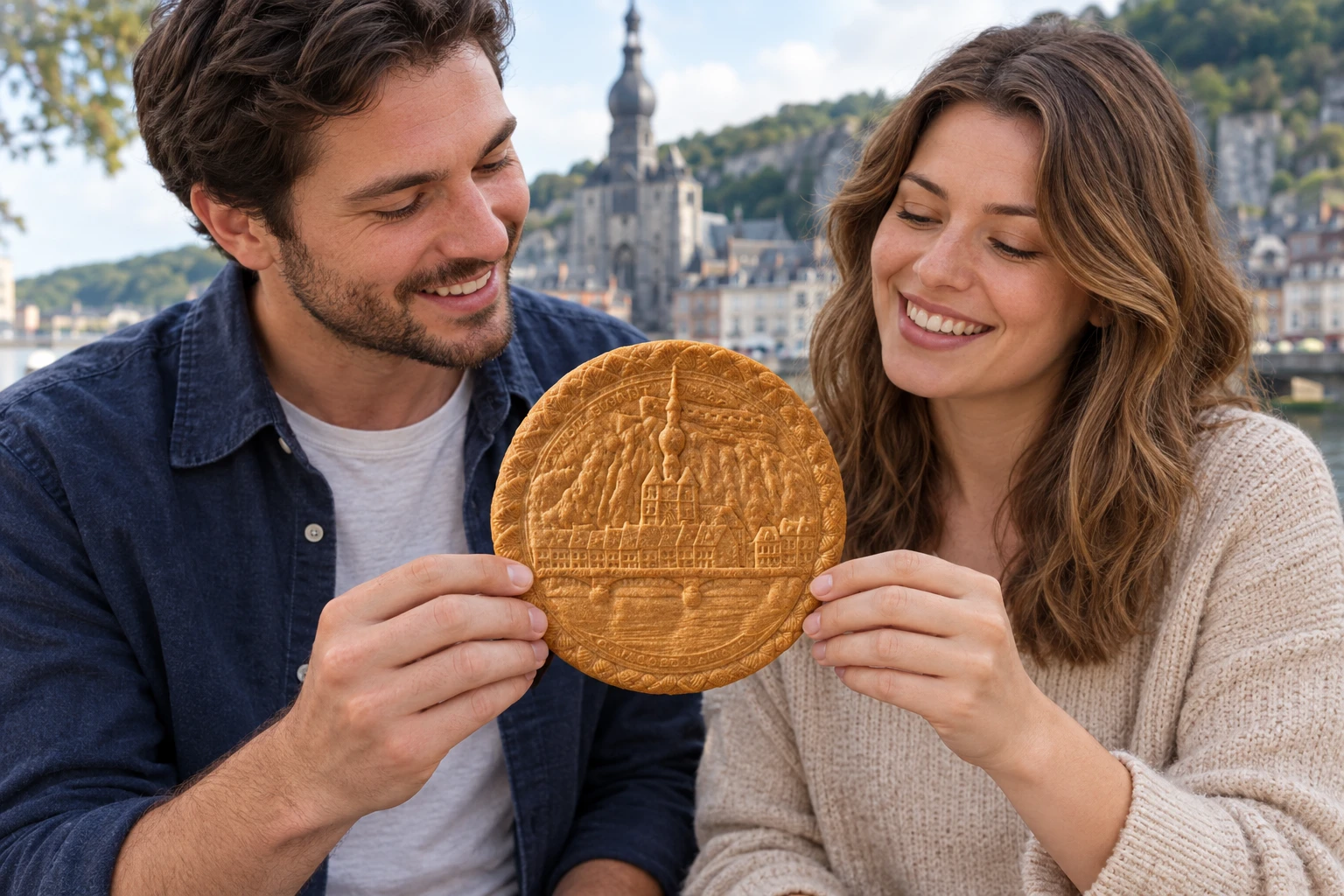
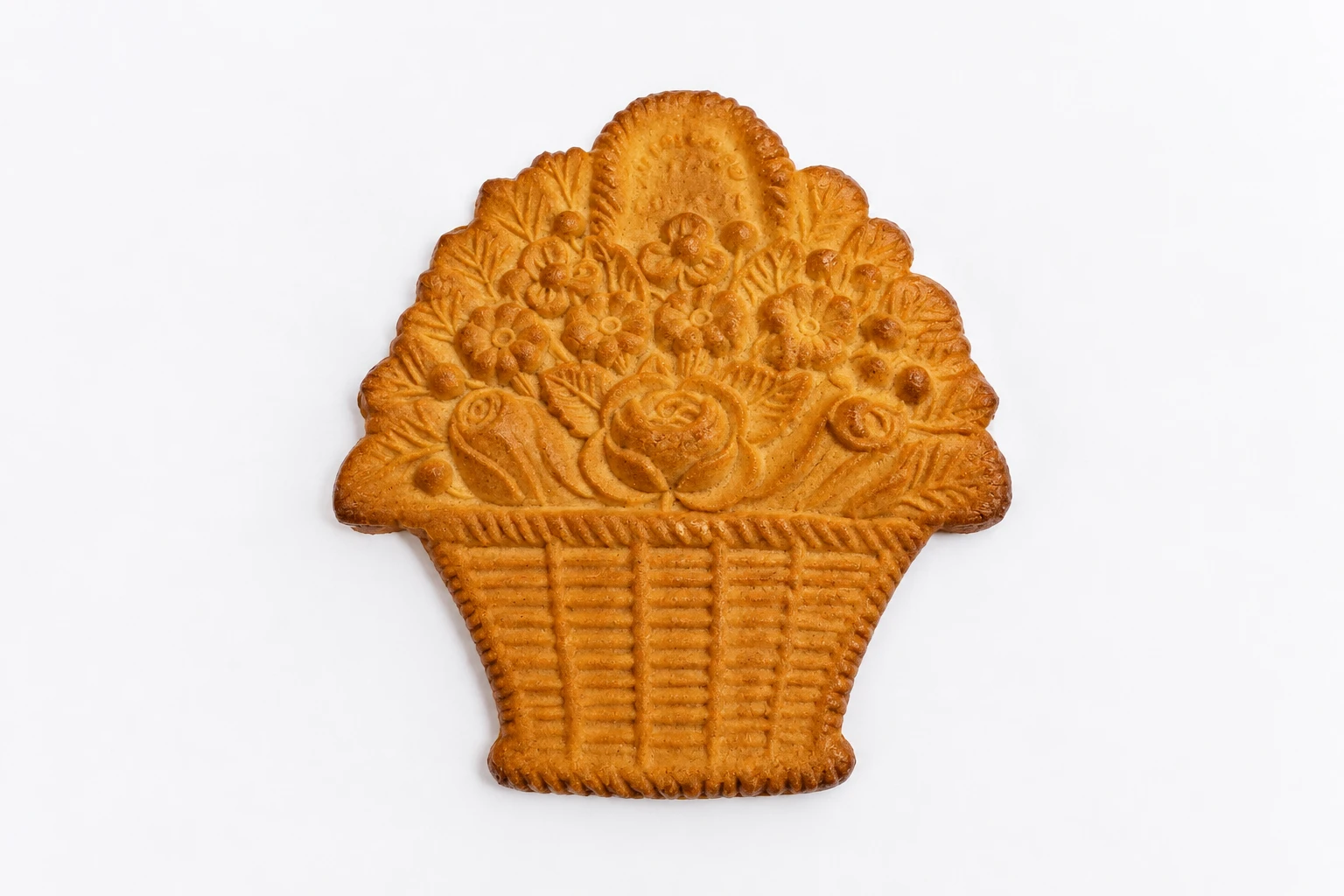
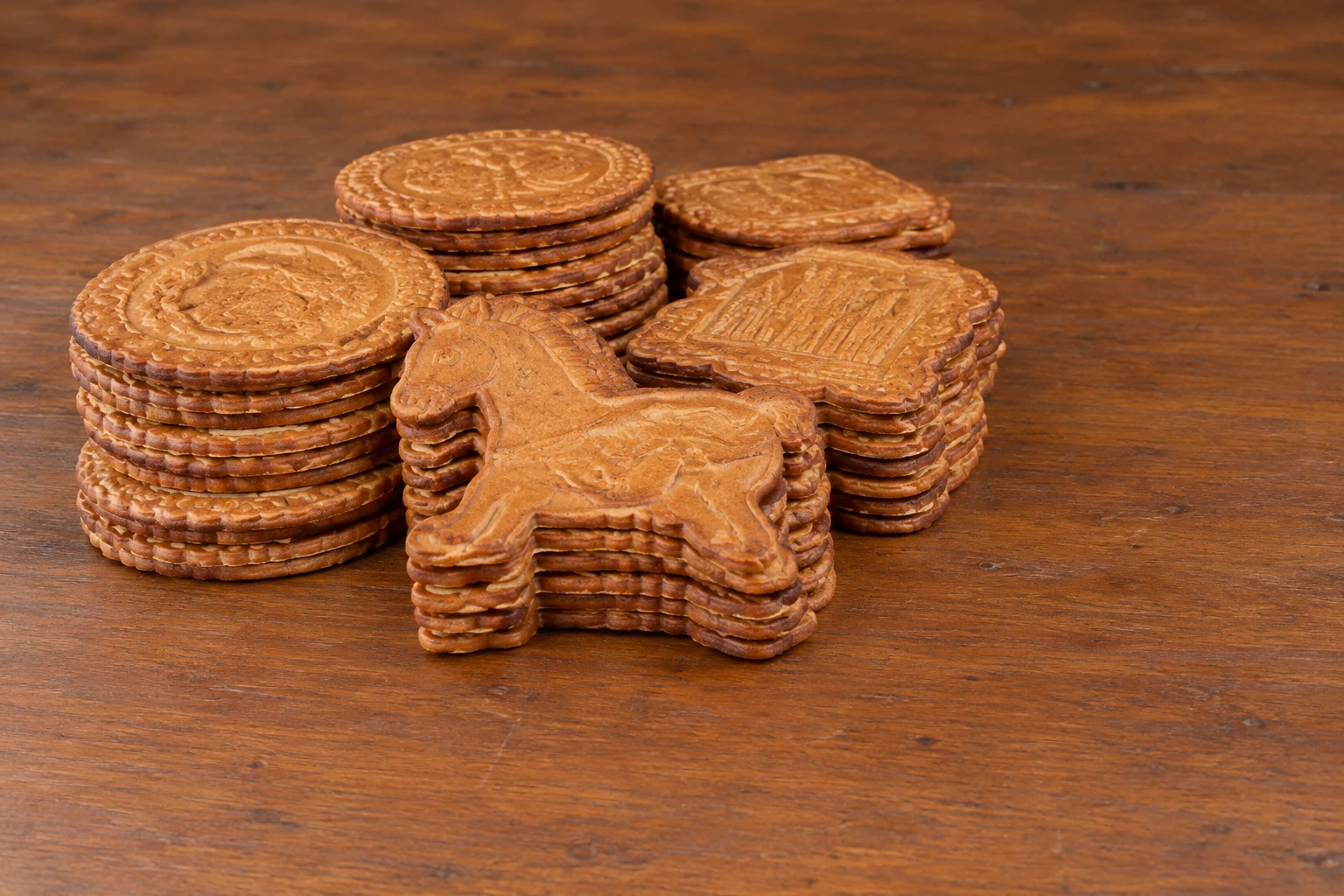
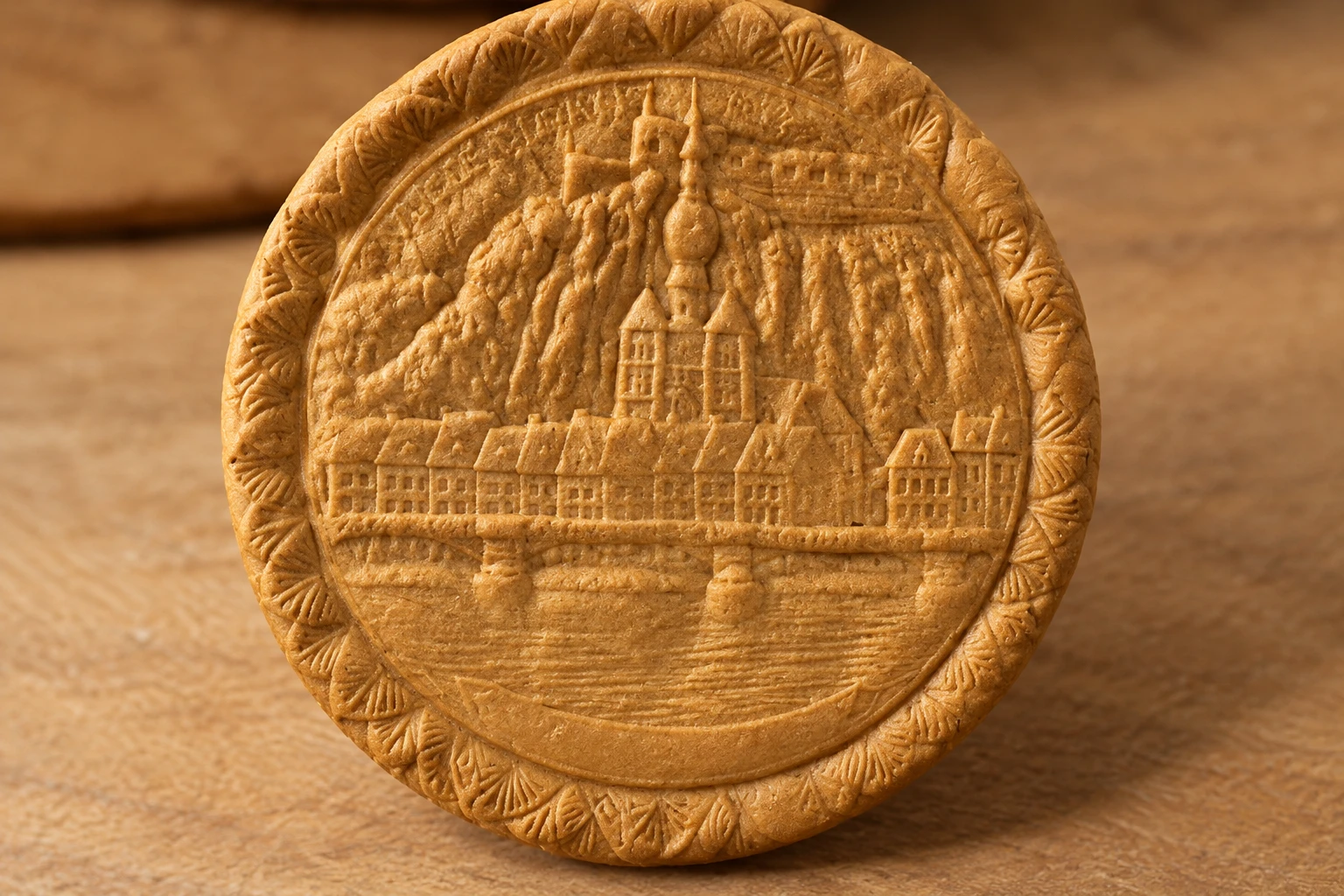
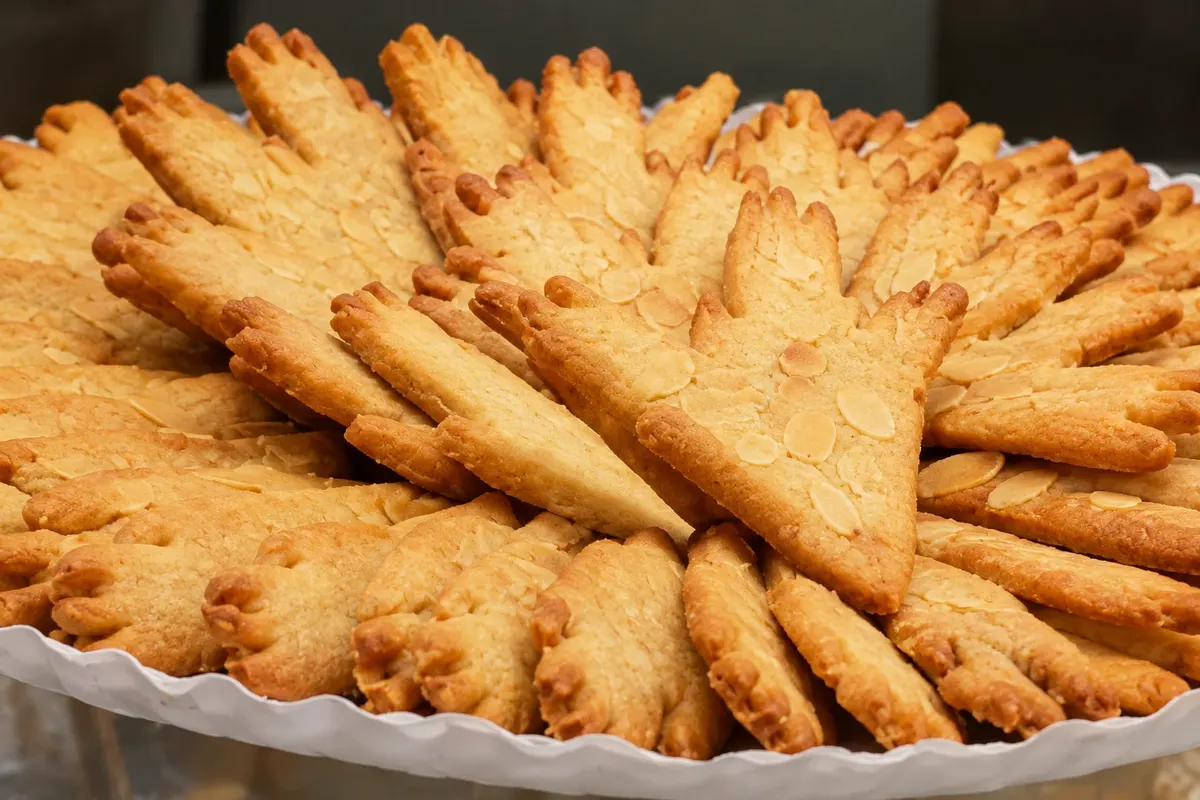
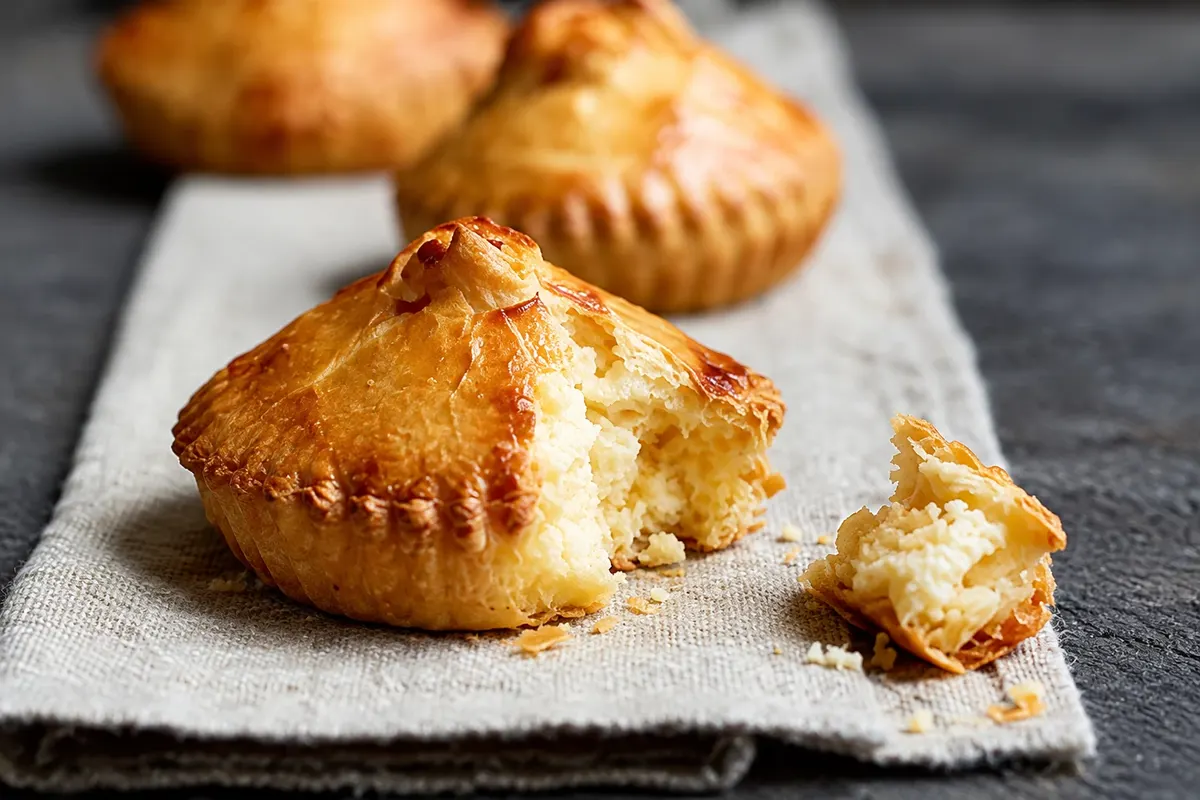
The couque de Dinant contains only two ingredients: honey and wheat flour. The dough is very firm and is pressed into molds of beech, walnut or pear wood, carved by hand, which leave embossed designs on the surface: animals, characters, views of Dinant. It is then baked in a very hot oven until it takes on a caramel color.
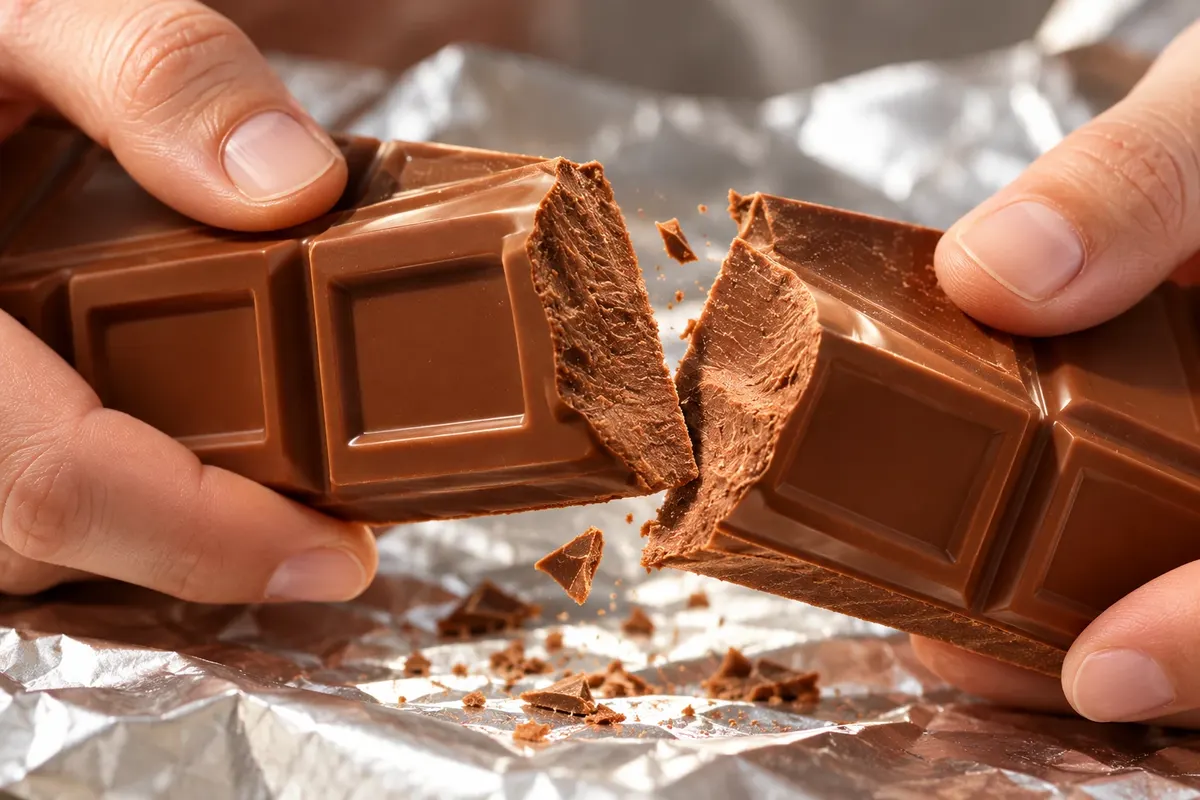
When it cools, the couque hardens and can be stored for a long time. That is why the confectioners themselves advise not to bite it: the custom is to break it into small pieces and let it soften in the mouth.
The origin is unknown. A legend, which the sources themselves call fanciful, says the biscuit was born in 1466 during the siege of Dinant by Charles the Bold: with no food, the residents would have had only honey and flour, and with those they made a dough to bake. In Dinant there are families of confectioners who have made couques since the 19th century.
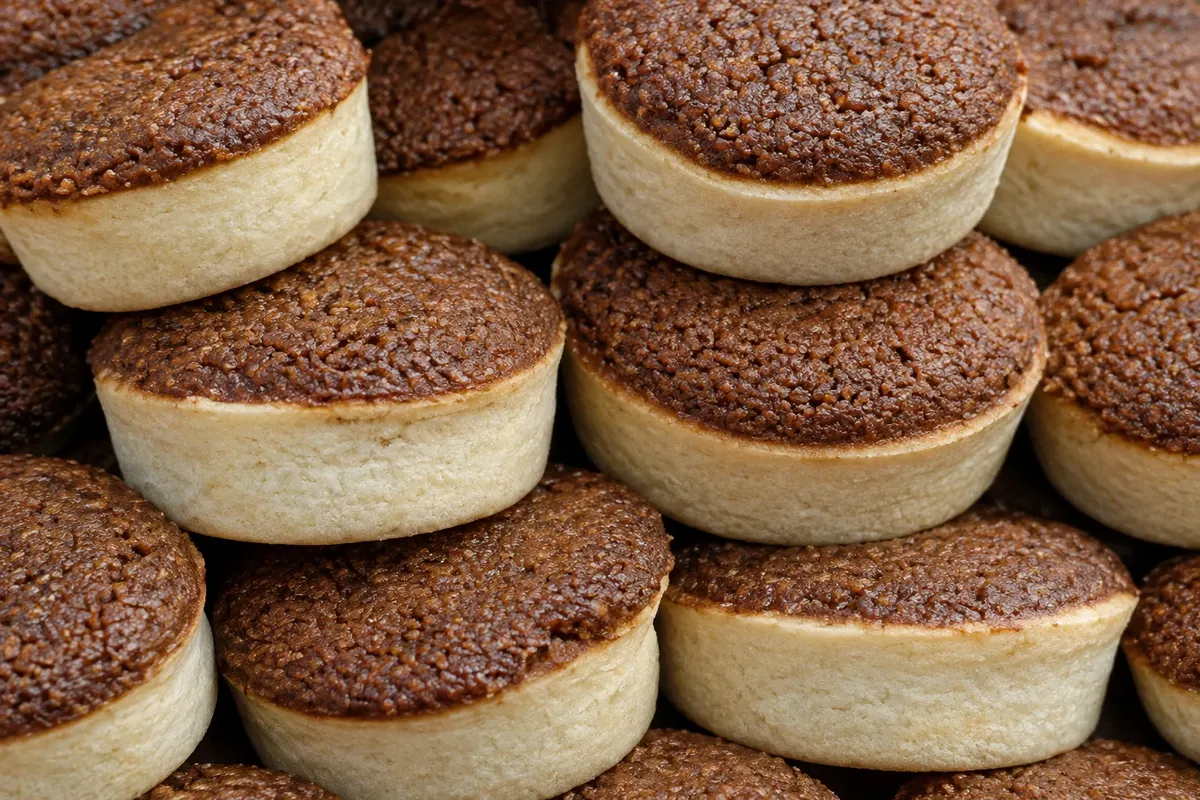
The couque de Rins is the softer variant. It is named after François Rins, a Dinant confectioner who added sugar to the honey-and-flour dough. The name has no relation to the French city of Reims, a common mistake.
Couques, with their designs, are a traditional souvenir of Dinant, sold in the town’s pastry shops, at the foot of the collegiate church and the citadel.


 Brazilija
 Antarktika
 Argentina
 Bolivija
 Čile
 Kolumbija
 Ekvator
 Gvajana
 Francoska Gvajana
 Falklandski otoki (Malvini)
 Paragvaj
 Peru
 Surinam
 Urugvaj
 Venezuela
 Nemčija
 Avstrija
 Hrvaška
 Danska
 Slovaška
 Slovenija
 Španija
 Finska
 Francija
 Grčija
 Nizozemska
 Madžarska
 Irska
 Islandija
 Italija
 Luksemburg
 Norveška
 Poljska
 Portugalska
 Združeno kraljestvo
 Češka
 Švedska
 Švica
 Turčija
 Bermudi
 Kanada
 Združene države Amerike
 Grenlandija
 Mehika
 Sveta Peter in Mihael
 Dominikanska republika
 Japonska
 Južnoafriška republika
 Egipt
 Avstralija
 Fidži
 Nova Zelandija
 Papua Nova Gvineja