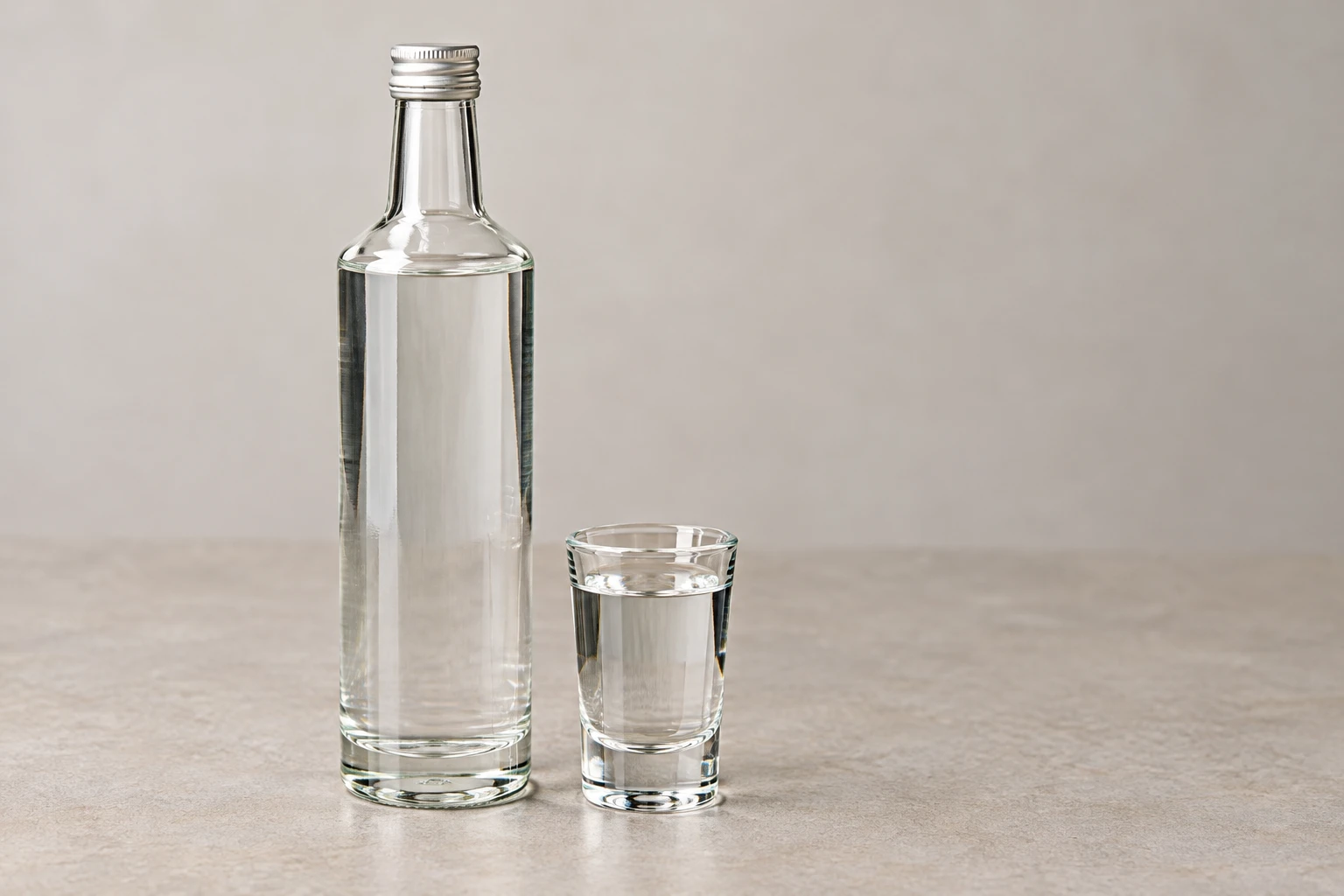
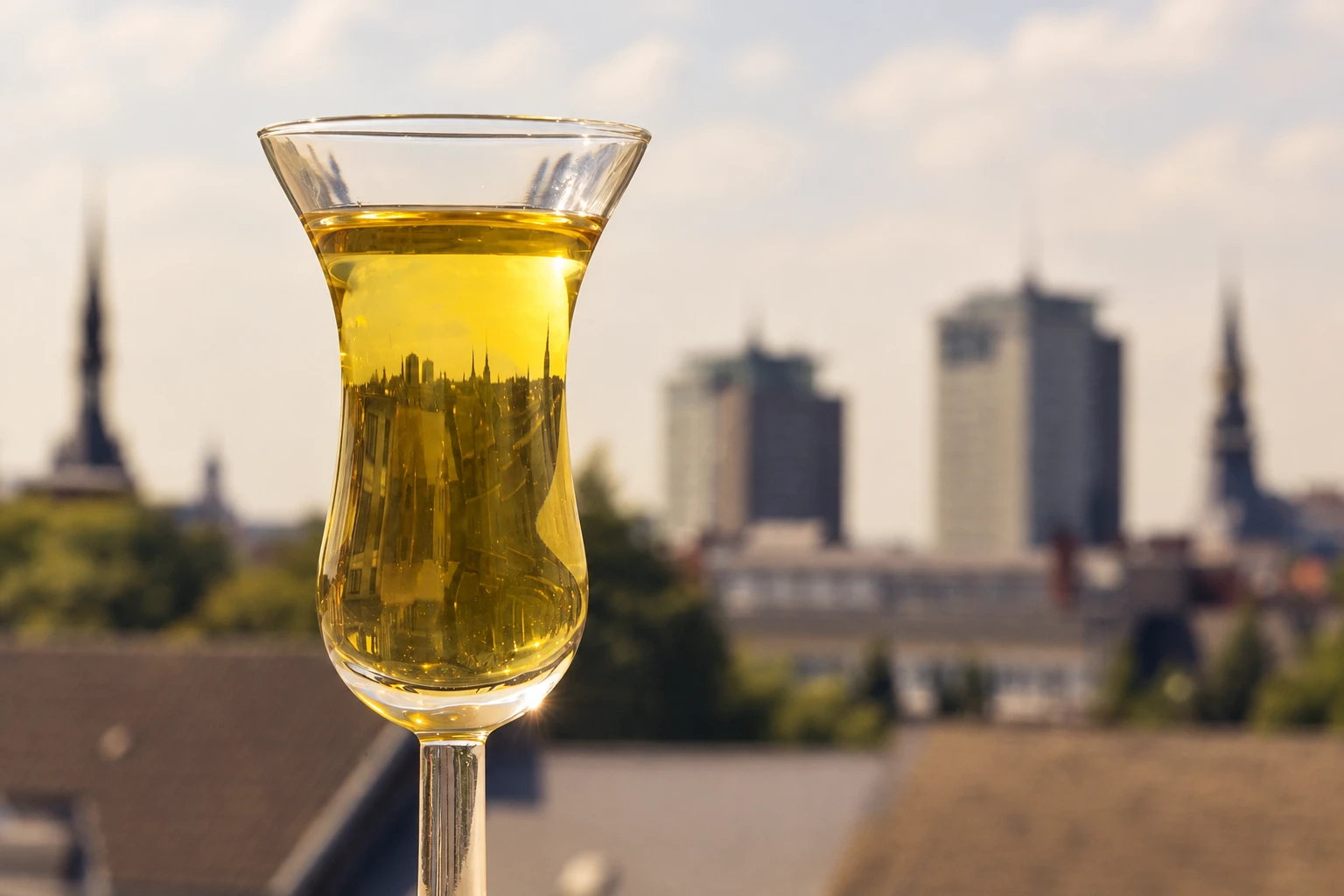
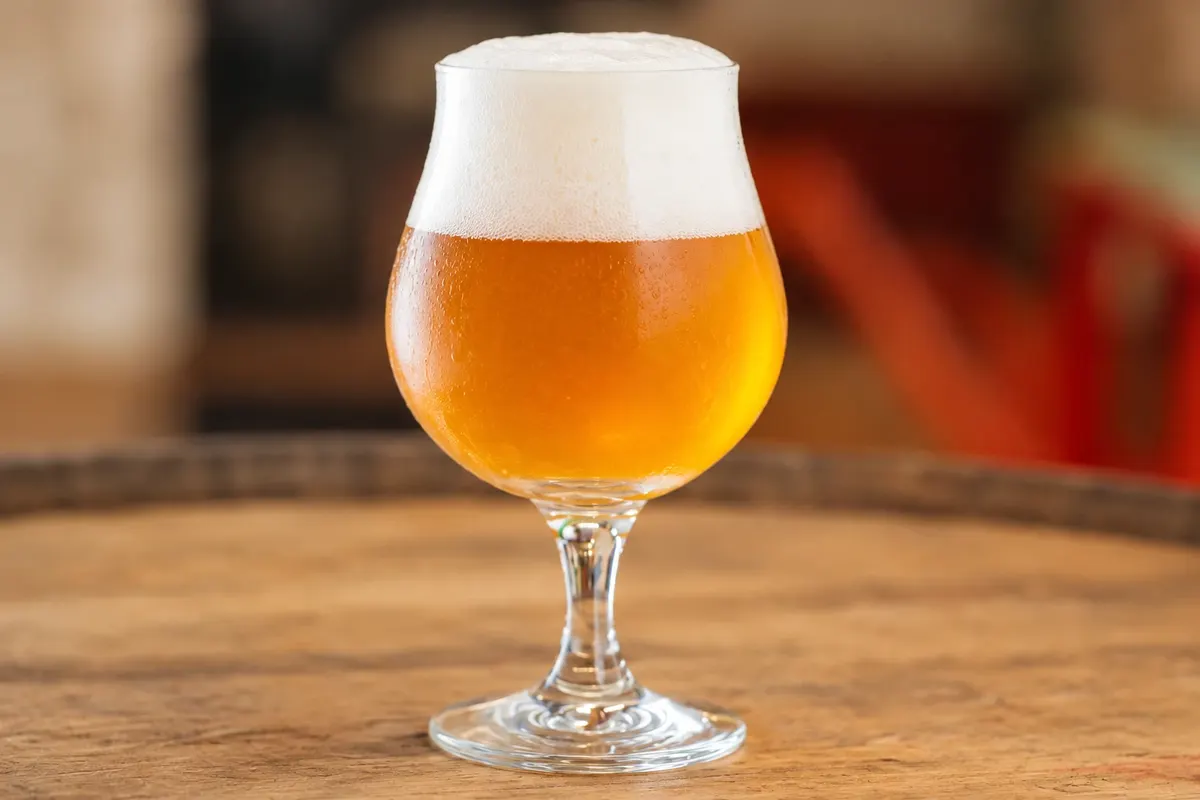
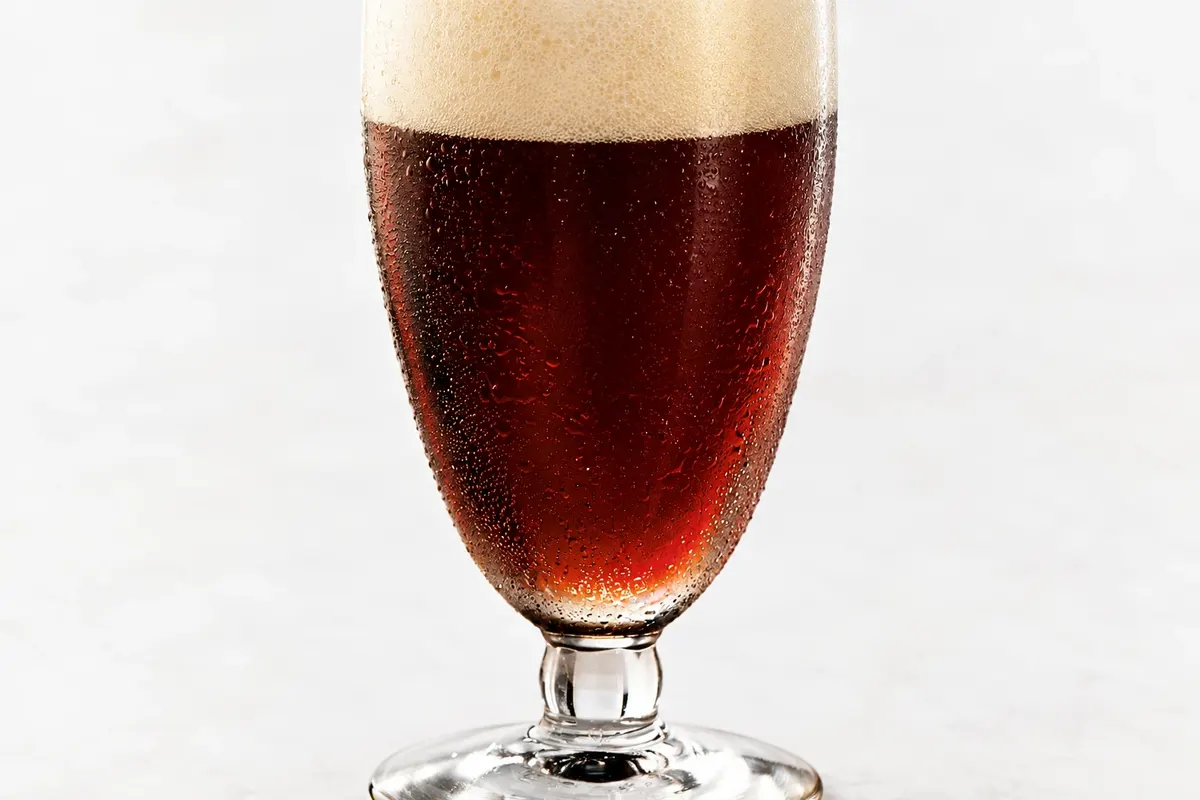
Jenever is a cereal spirit flavored with juniper, considered the ancestor of gin. Hasselt’s version has its own rules: the base is a rye or barley distillate, distilled two or three times, and the cereal spirit matures for at least six months before use. It receives a larger dose of juniper and herbs than other cereal jenevers, giving it a milder, sweeter flavor.
The name is protected. Distillation and flavoring must take place in the administrative canton of Hasselt, made up of Hasselt, Zonhoven and Diepenbeek; dilution, bottling and packaging may be done elsewhere. Belgium recognized the name in 1997, and it is also protected as a European Union geographical indication.
The first written mention of spirit production in Hasselt is from 16 April 1610. Consumption grew at the end of the 17th century, when a Dutch garrison occupied the city, and the number of distilleries rose from 8 in 1774 to 21 in 1791. The heyday came in the 19th century: around 1860 Hasselt produced about 15% of all alcohol in Belgium. From 1880, higher taxes, anti-alcoholism campaigns and competition from larger factories led to decline.
The old Stellingwerff-Theunissen distillery was listed in 1975, the first industrial facility protected as a monument in Belgium. It houses the National Jenever Museum, with a 19th-century still still in use, collections of bottles, glasses and posters, and a tasting bar. On the jenever route through the center, the Borrelmanneke fountain-statue, from 1981, recalls the tradition.
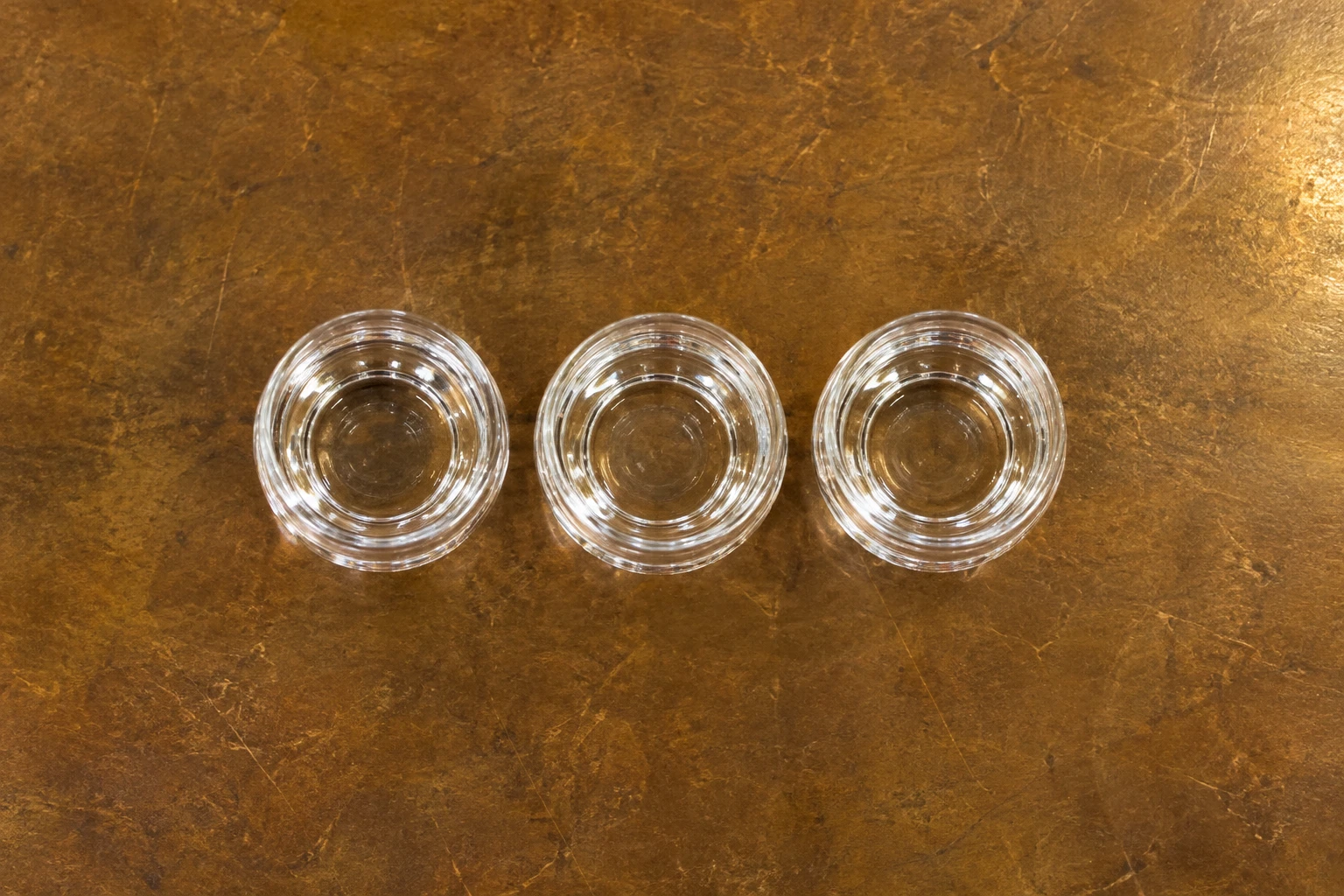
Jenever is drunk neat, in a small glass, in small measures: it is a strong drink, with at least 30% alcohol. In October the city usually holds the jenever festival (Jeneverfeesten), with music and food.


 Brazilija
 Antarktika
 Argentina
 Bolivija
 Čile
 Kolumbija
 Ekvator
 Gvajana
 Francoska Gvajana
 Falklandski otoki (Malvini)
 Paragvaj
 Peru
 Surinam
 Urugvaj
 Venezuela
 Nemčija
 Avstrija
 Hrvaška
 Danska
 Slovaška
 Slovenija
 Španija
 Finska
 Francija
 Grčija
 Nizozemska
 Madžarska
 Irska
 Islandija
 Italija
 Luksemburg
 Norveška
 Poljska
 Portugalska
 Združeno kraljestvo
 Češka
 Švedska
 Švica
 Turčija
 Bermudi
 Kanada
 Združene države Amerike
 Grenlandija
 Mehika
 Sveta Peter in Mihael
 Dominikanska republika
 Japonska
 Južnoafriška republika
 Egipt
 Avstralija
 Fidži
 Nova Zelandija
 Papua Nova Gvineja