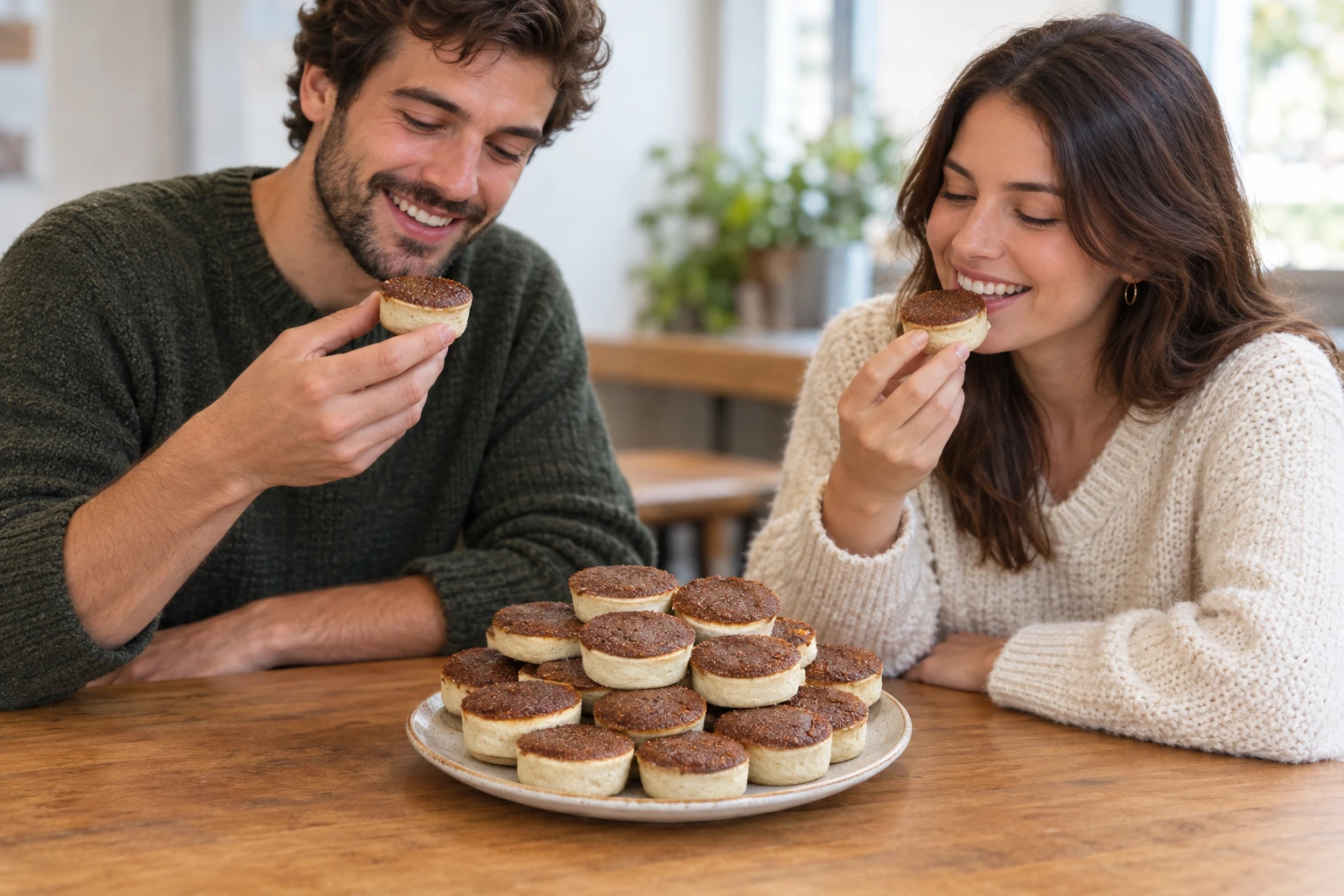
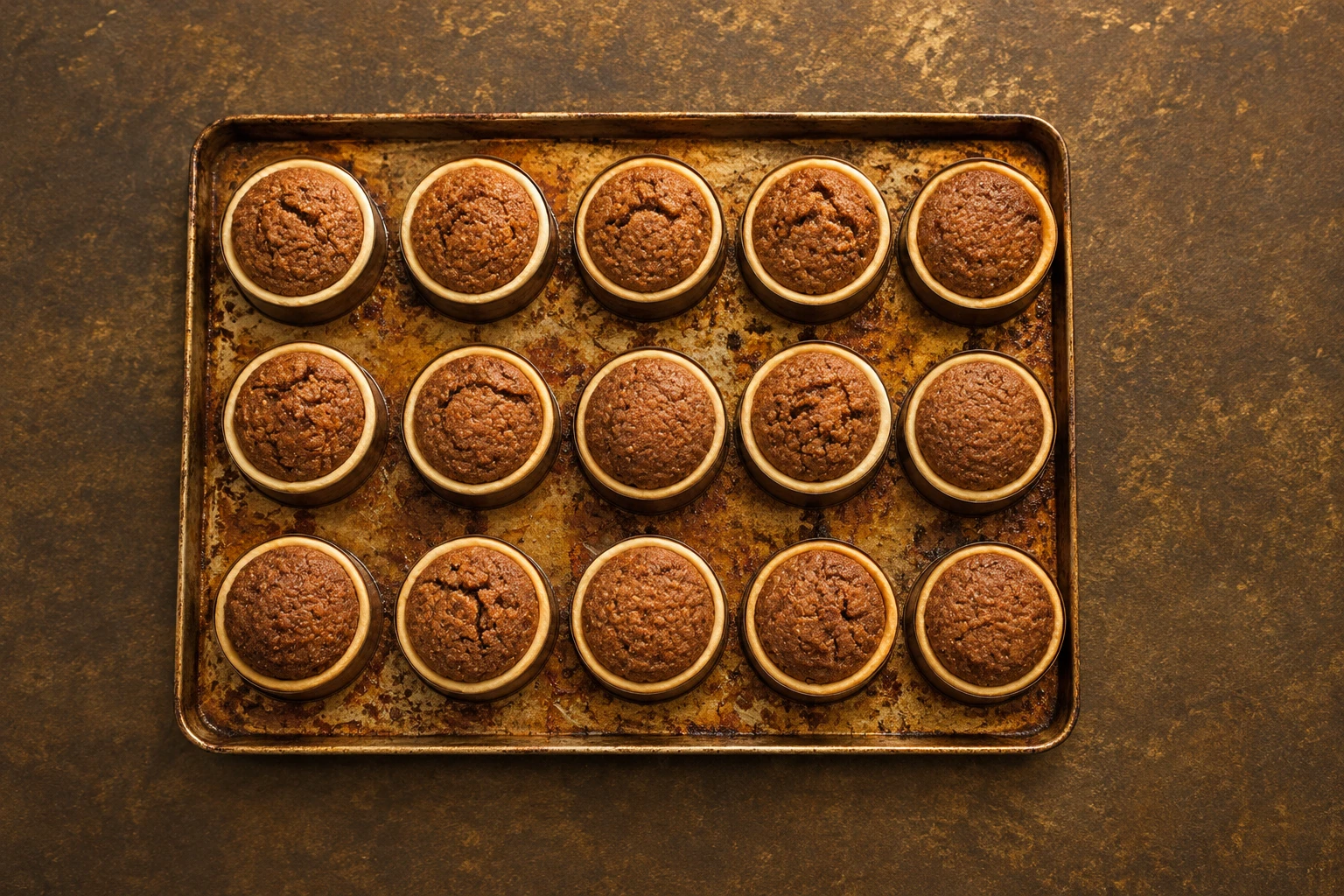
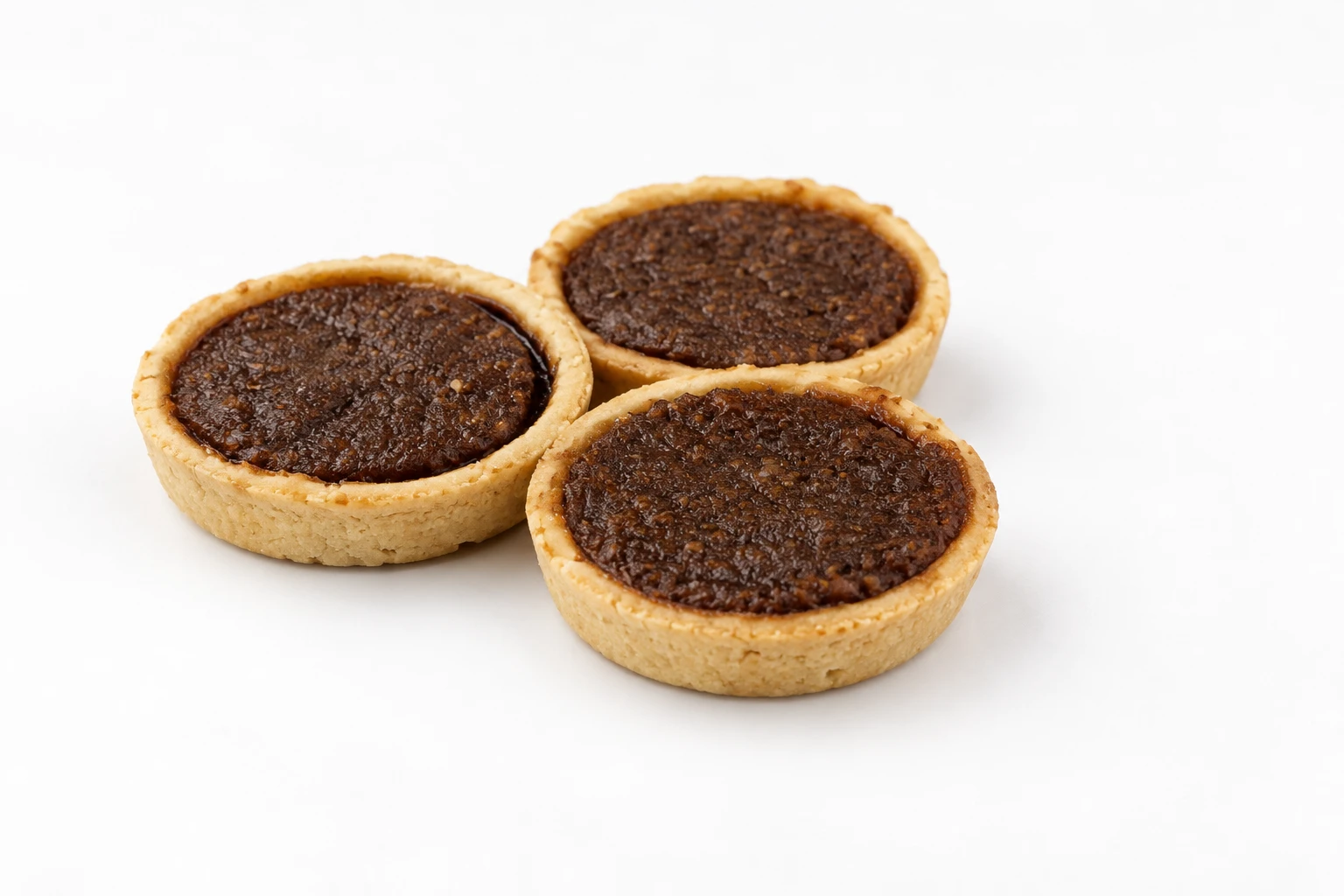
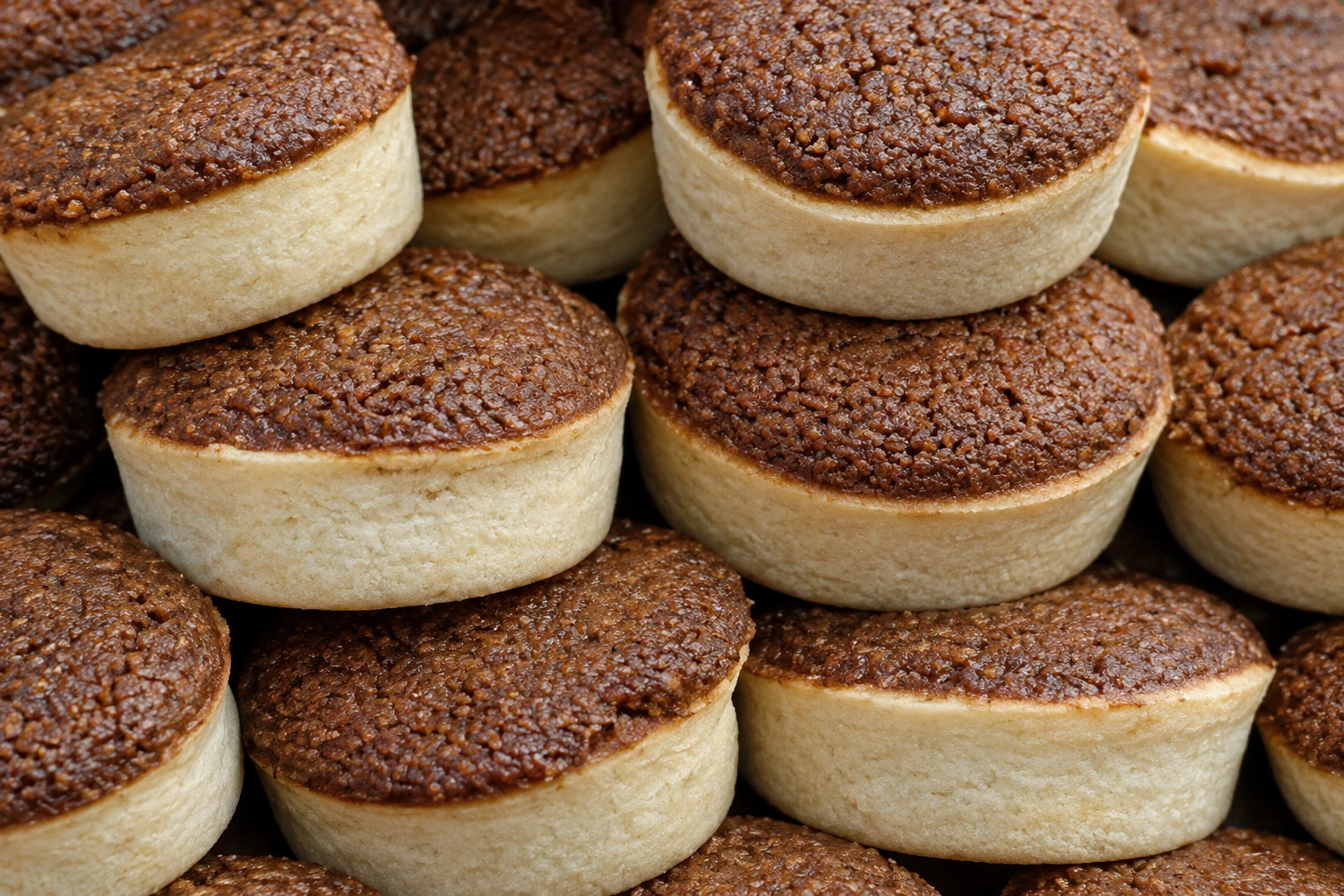
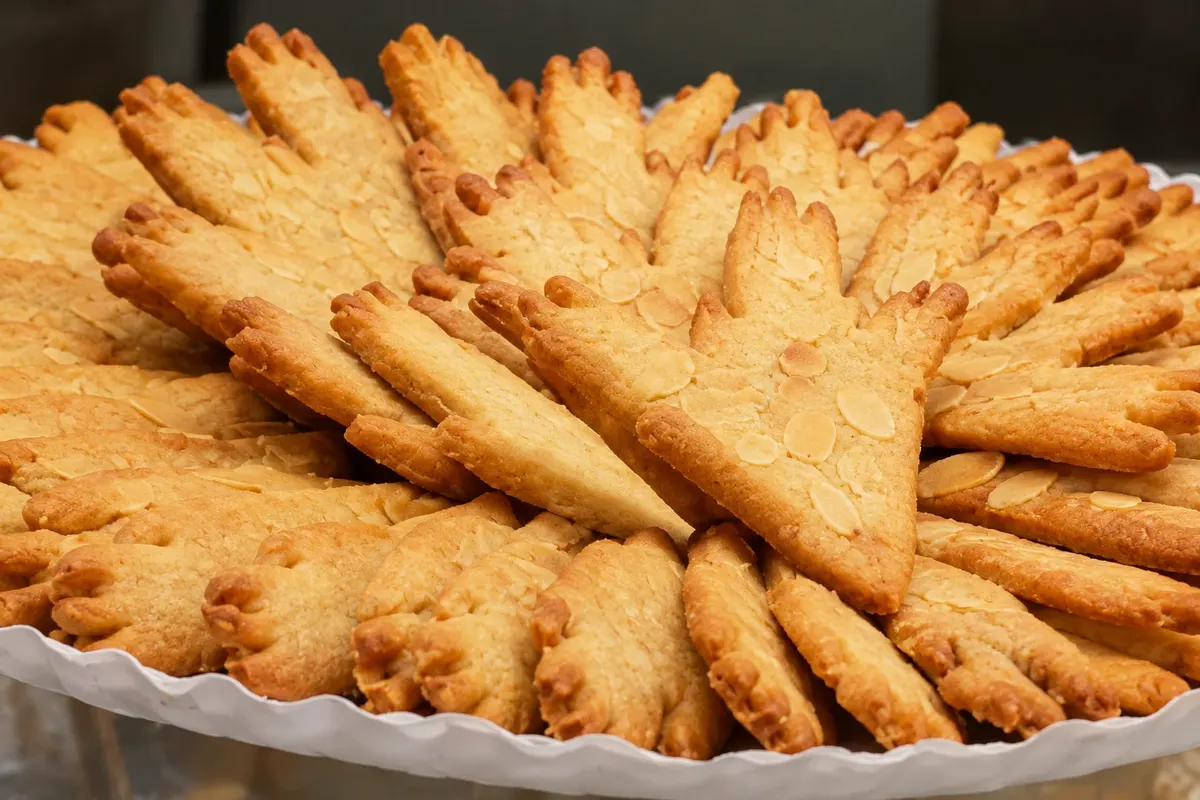
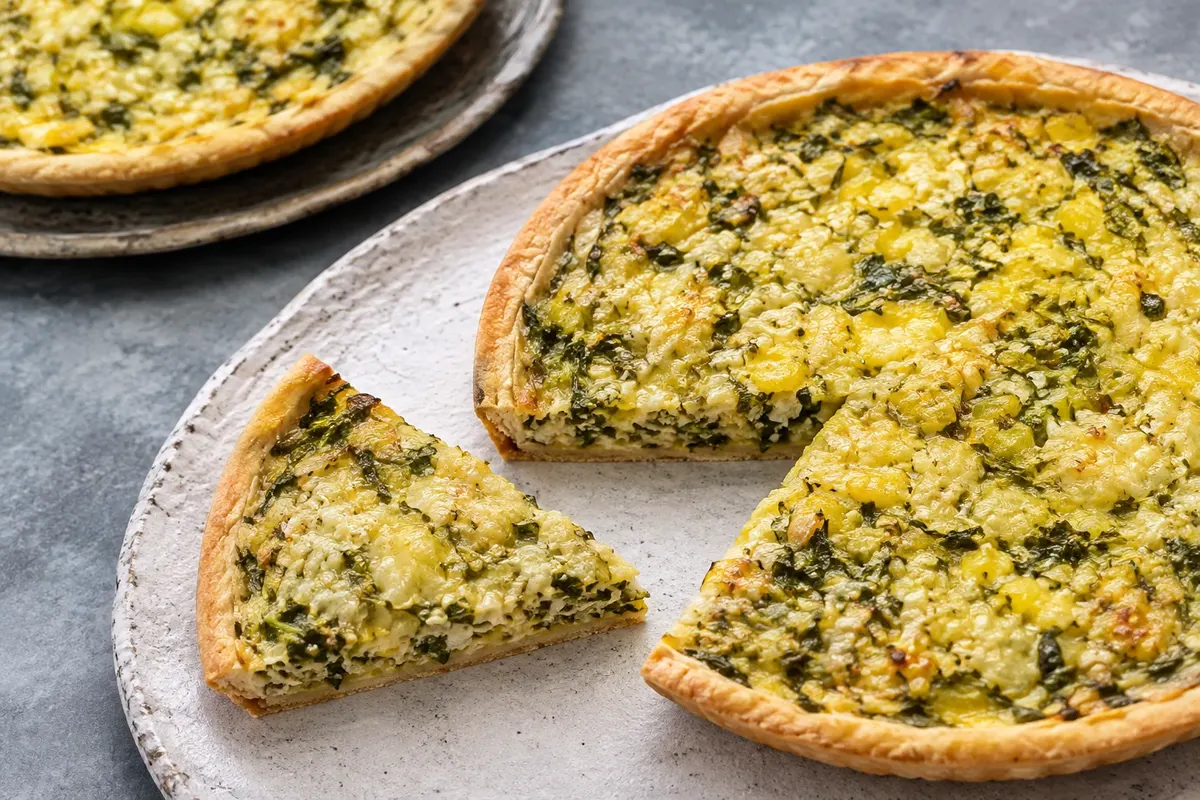
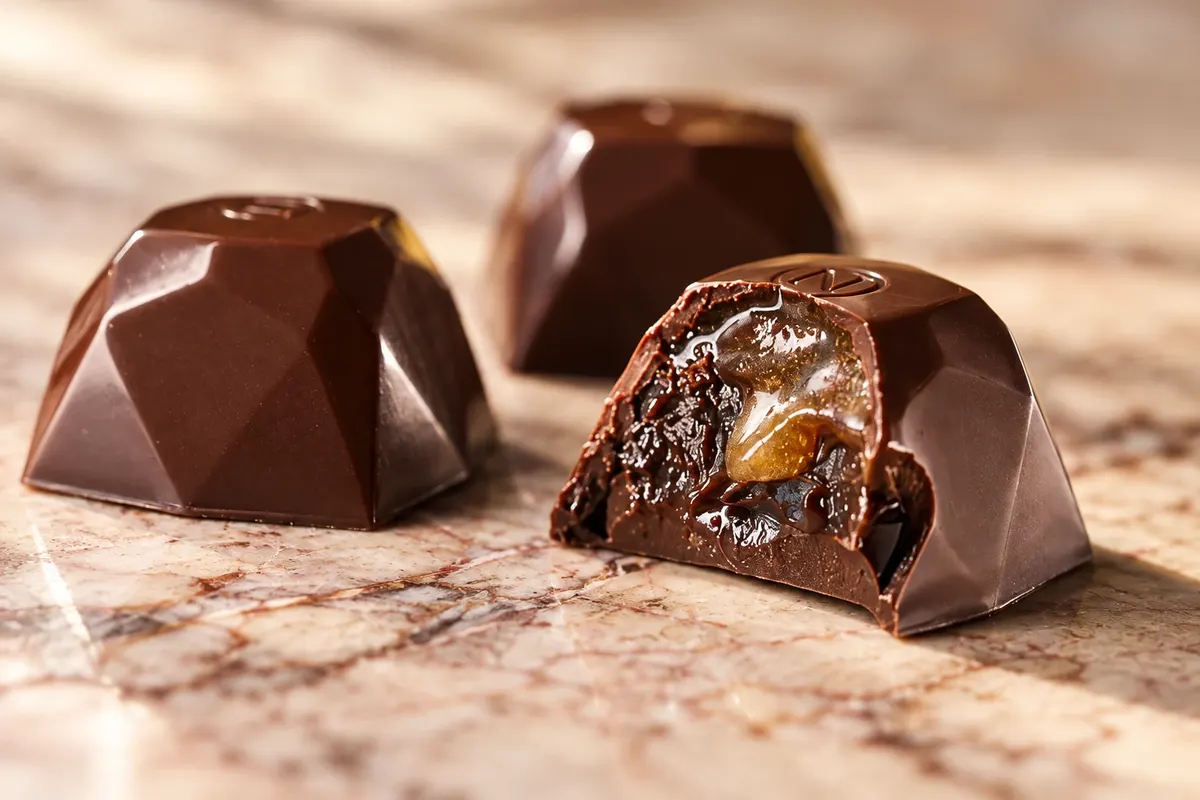
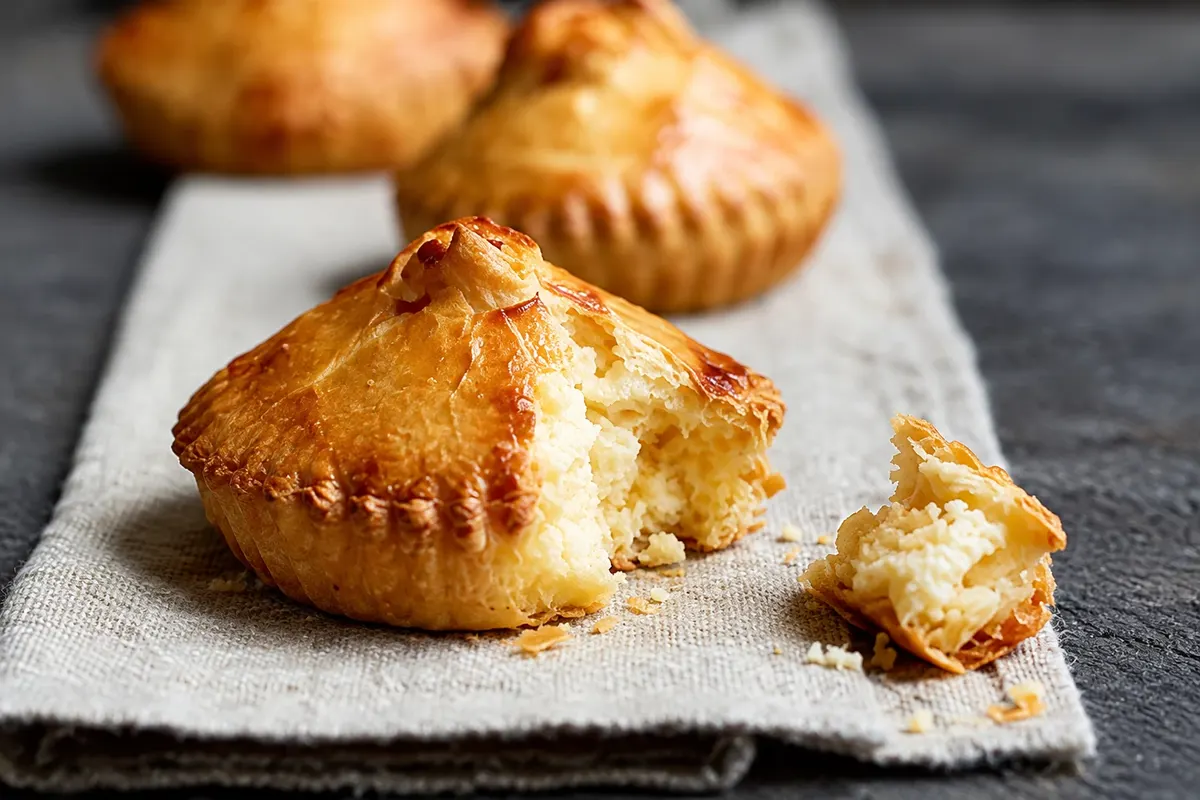
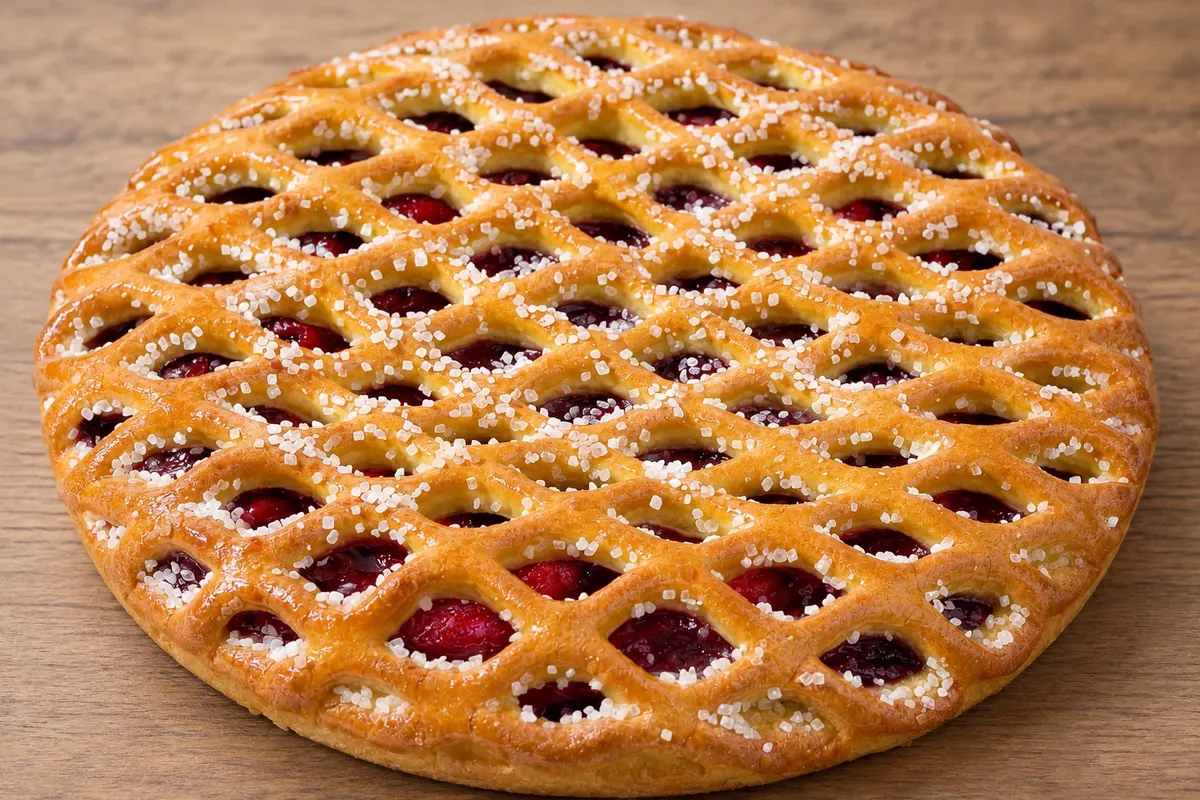
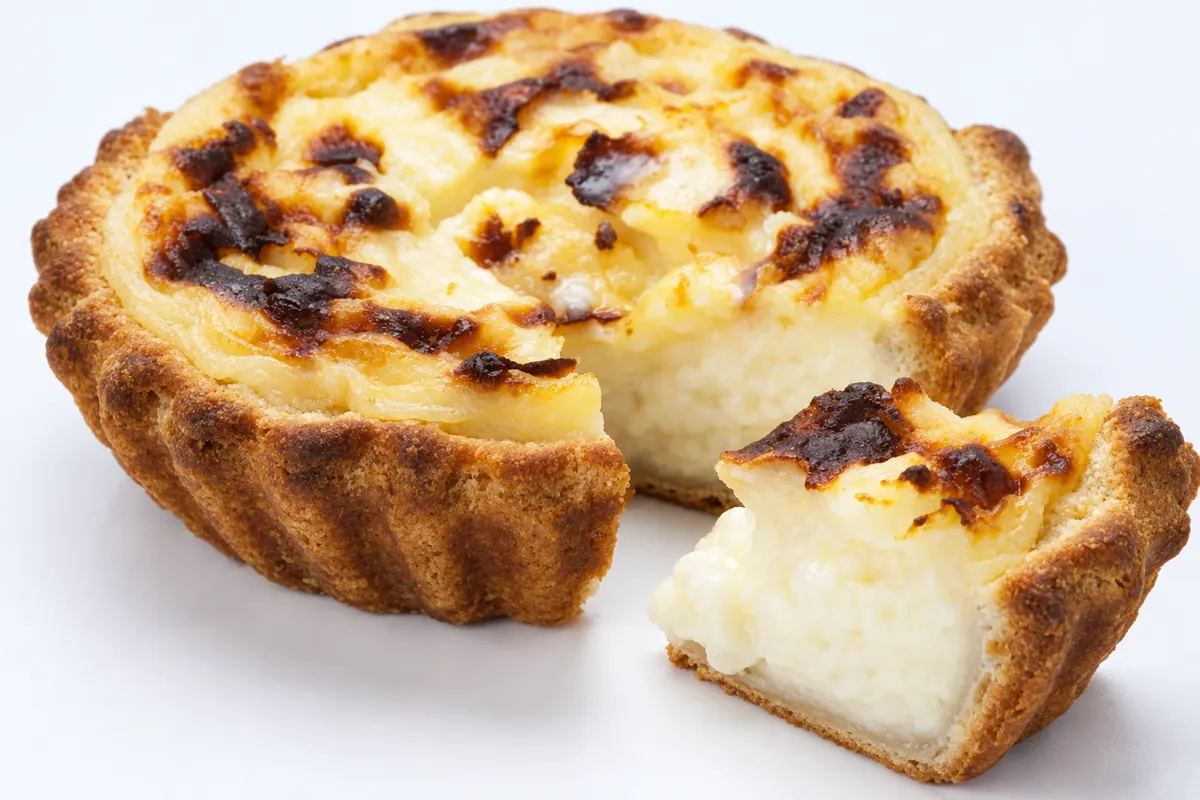
The Liers vlaaike is a small tartlet, about 3 centimetres high and 5 to 6 centimetres in diameter, that fits in the hand. The pastry is thin, tall and sugar-free, and becomes crisp in the oven. The filling, dark and soft, tastes of spices and cane sugar.
The filling is made from breadcrumbs of dried rolls, mixed with light cane sugar syrup, milk, a little flour and a blend of four spices: cinnamon, clove, nutmeg and coriander. The mixture rests for several hours so the bread can absorb the milk. Some bakers keep part of the filling from one batch for the next, to keep the flavour consistent.
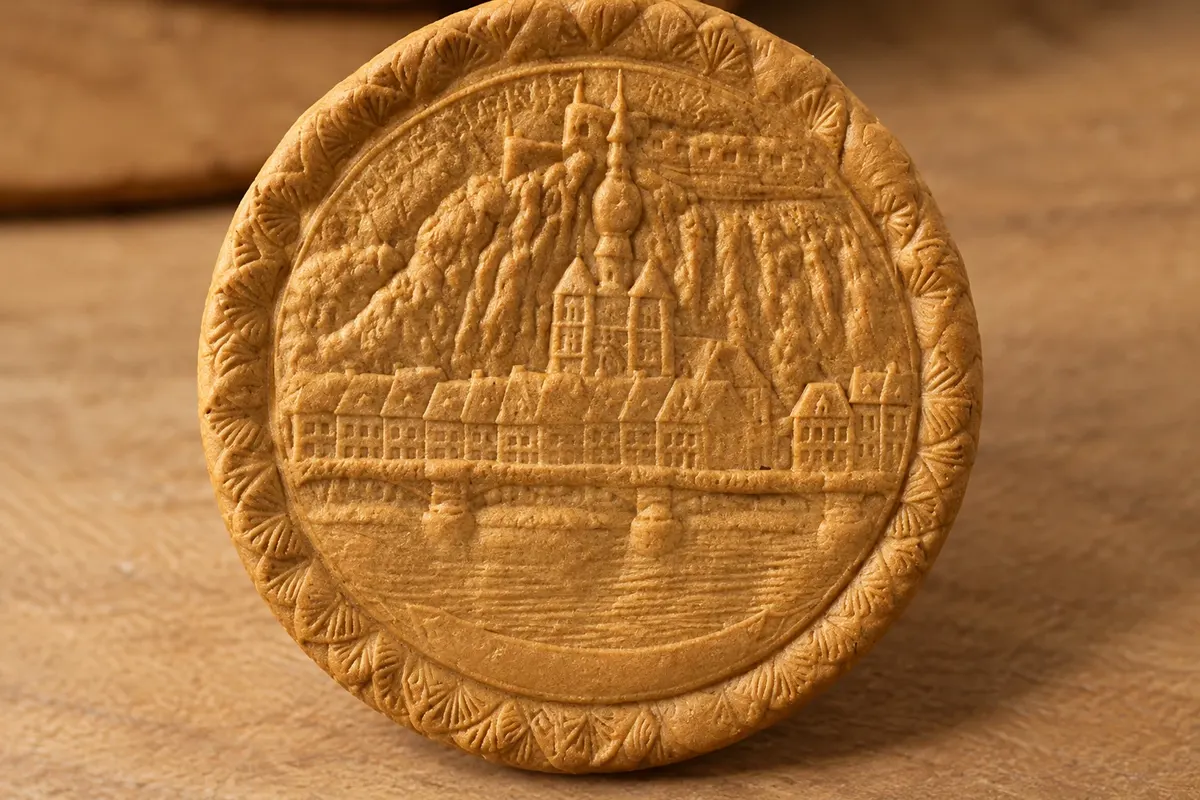
A Liersche vlaai is already mentioned around 1722, and a canon of Ghent noted a recipe before he died in 1800. The writer Felix Timmermans, born in Lier, mentions the vlaaike in 1925. Before World War II, the bases were shaped in small wooden moulds, still kept in the town.
In 1999 bakers created the Orde van het Liers Vlaaike, which oversees quality, on St. Michael’s Day, patron saint of bakers. The vlaaike was recognised as a Flemish regional product in 2007, and the European Union protects the name as a geographical indication: it may only be made in Lier and in Koningshooikt.
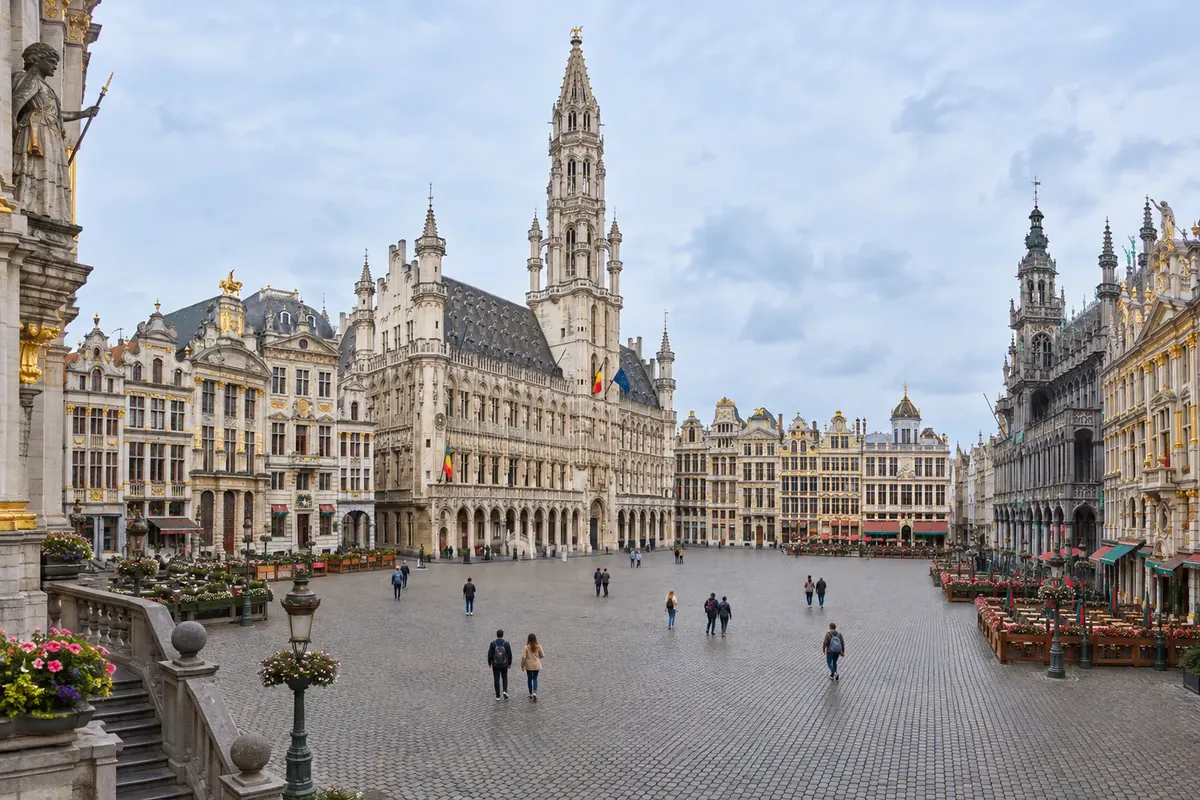
Lier is a town in the province of Antwerp, cut by the river Nete. There, the vlaaike is baked year-round, sold individually or in rolls, served at town festivals and taken as a gift by visitors.


 Brazilija
 Antarktika
 Argentina
 Bolivija
 Čile
 Kolumbija
 Ekvator
 Gvajana
 Francoska Gvajana
 Falklandski otoki (Malvini)
 Paragvaj
 Peru
 Surinam
 Urugvaj
 Venezuela
 Nemčija
 Avstrija
 Hrvaška
 Danska
 Slovaška
 Slovenija
 Španija
 Finska
 Francija
 Grčija
 Nizozemska
 Madžarska
 Irska
 Islandija
 Italija
 Luksemburg
 Norveška
 Poljska
 Portugalska
 Združeno kraljestvo
 Češka
 Švedska
 Švica
 Turčija
 Bermudi
 Kanada
 Združene države Amerike
 Grenlandija
 Mehika
 Sveta Peter in Mihael
 Dominikanska republika
 Japonska
 Južnoafriška republika
 Egipt
 Avstralija
 Fidži
 Nova Zelandija
 Papua Nova Gvineja