Monte Cristi
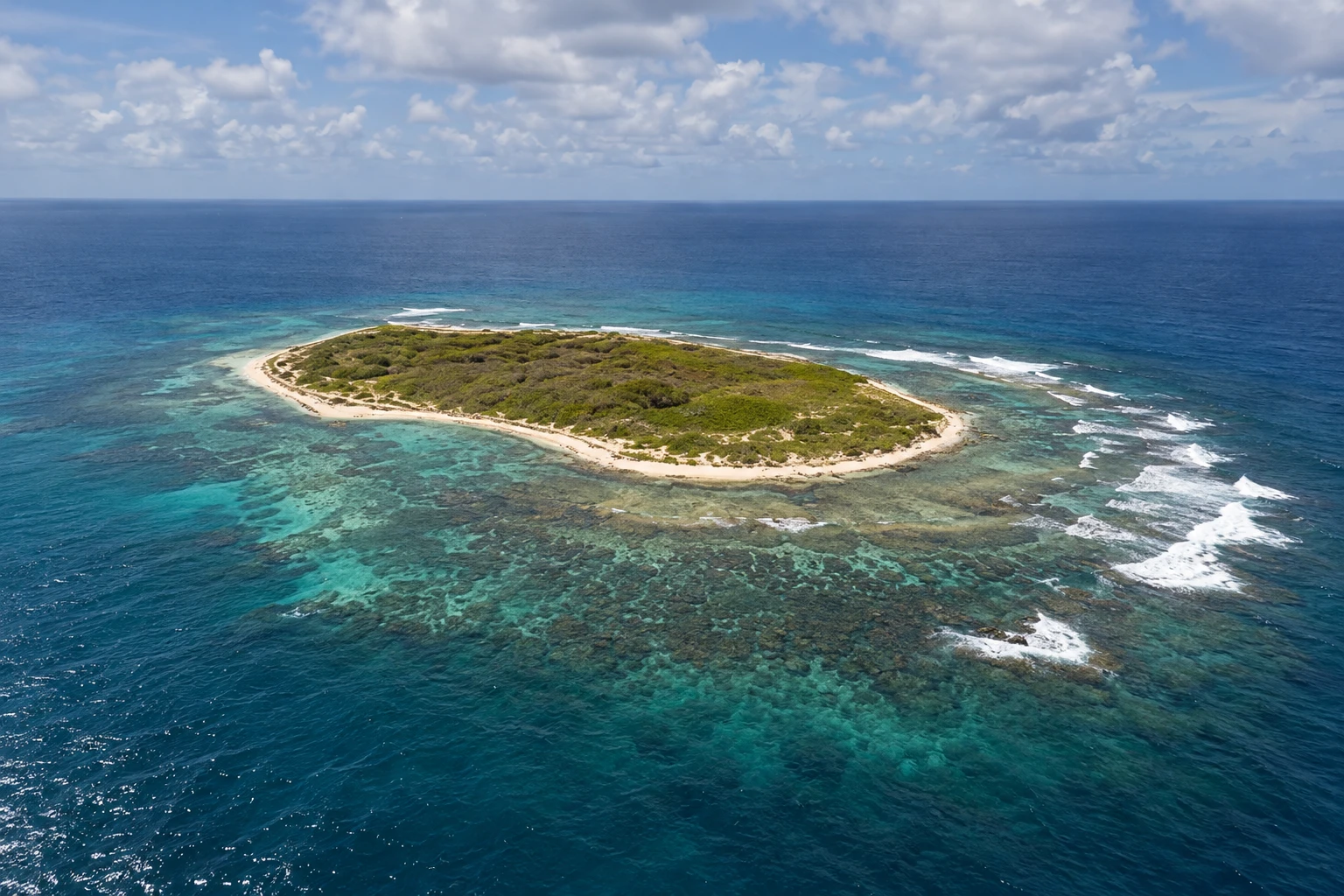
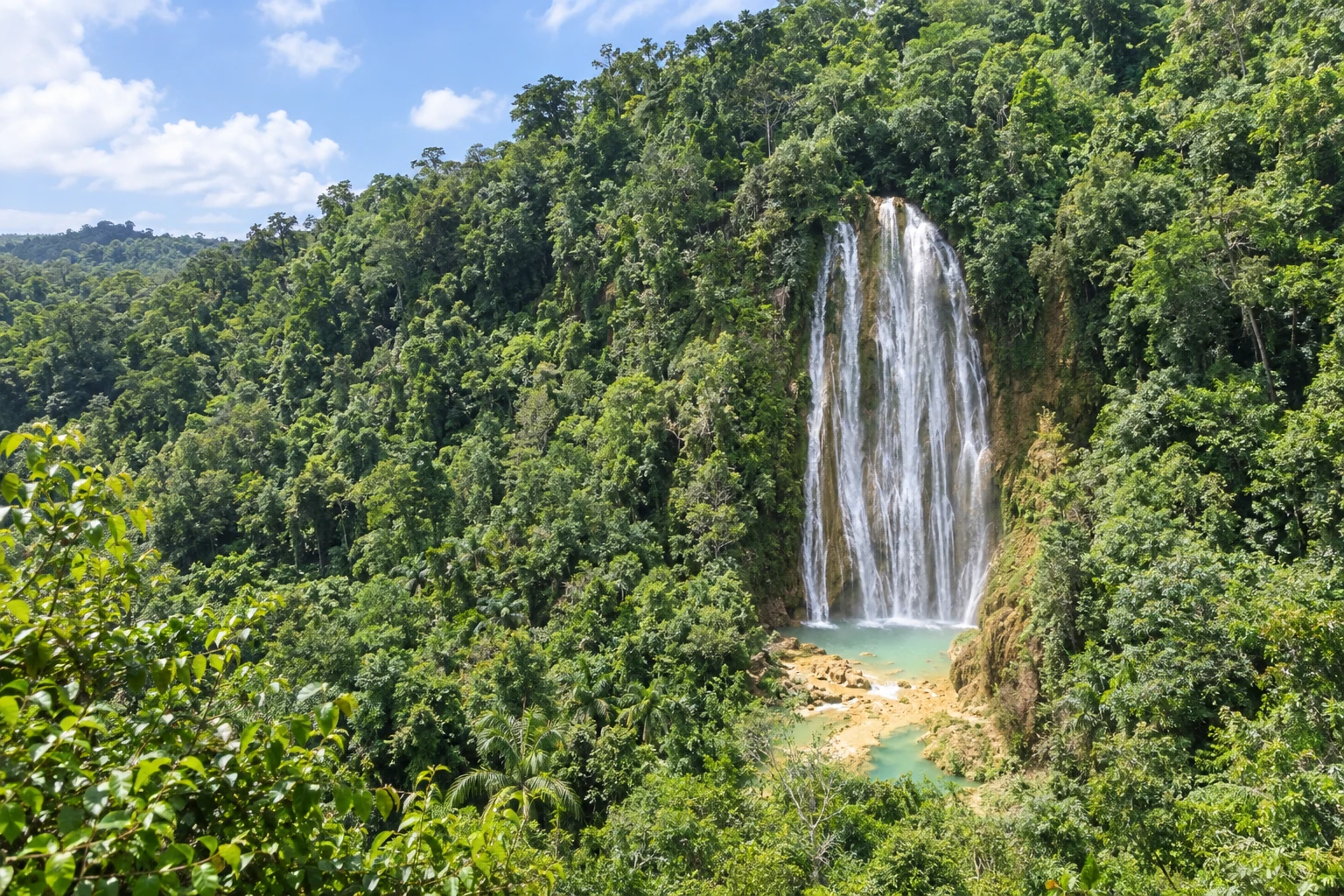
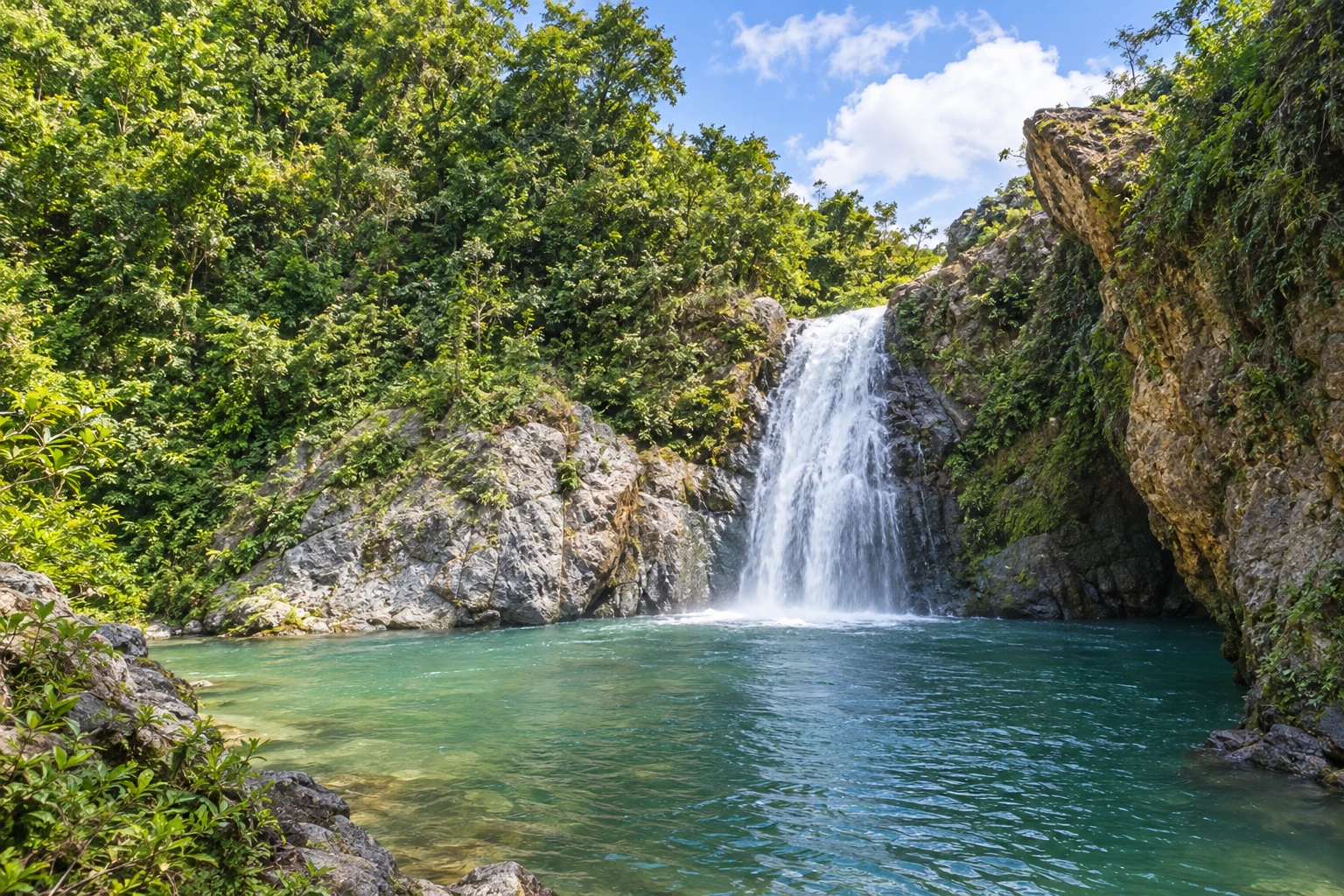
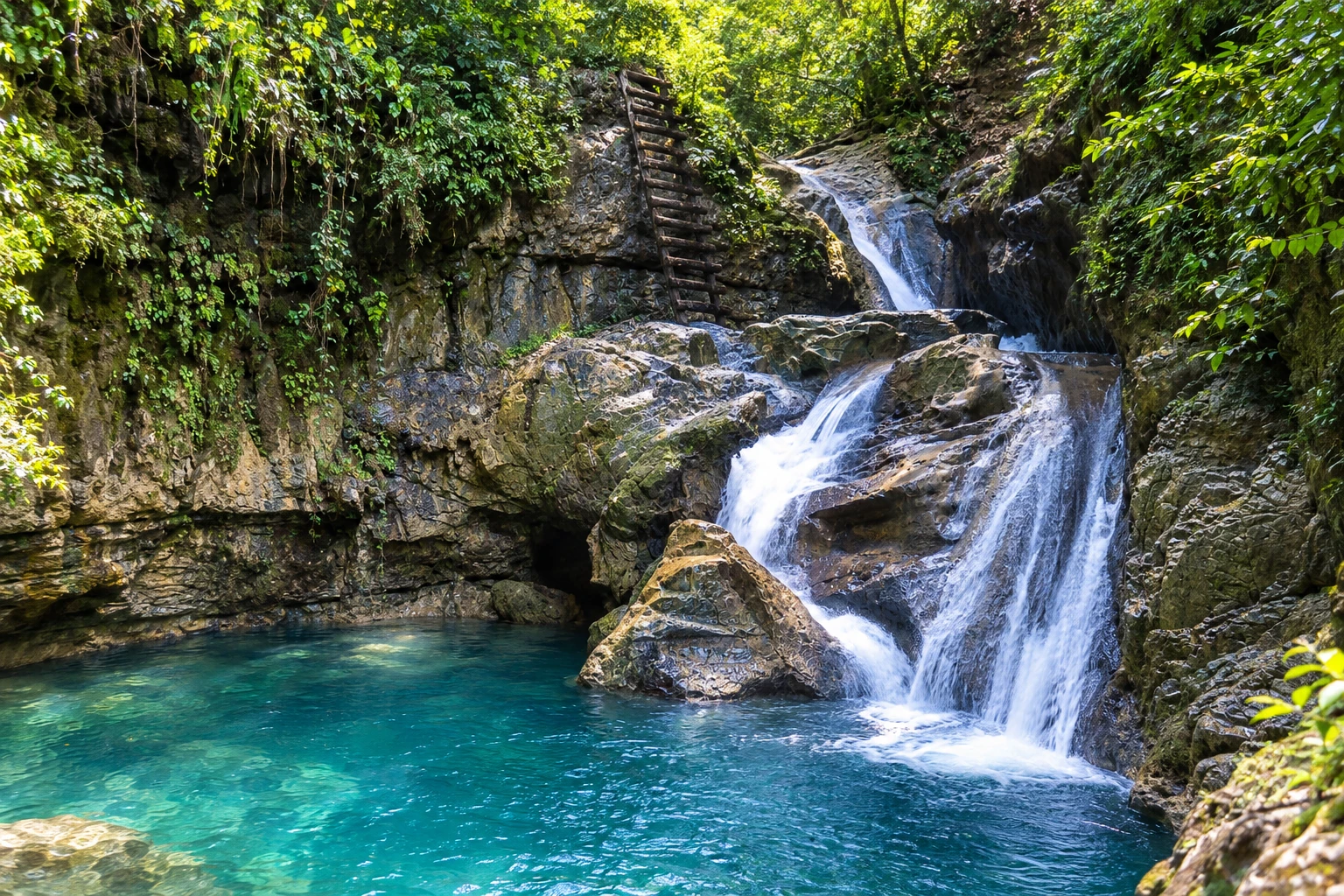
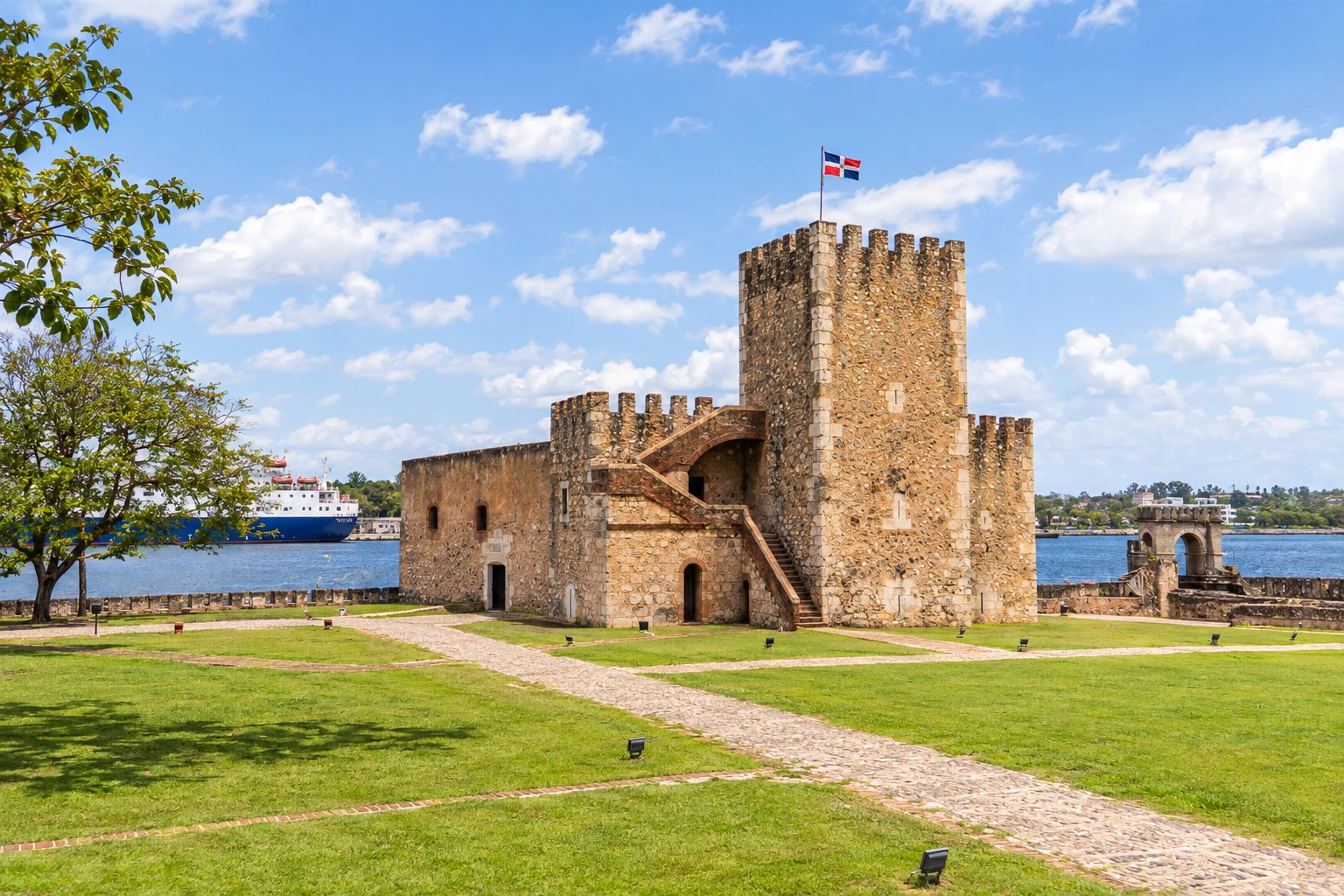
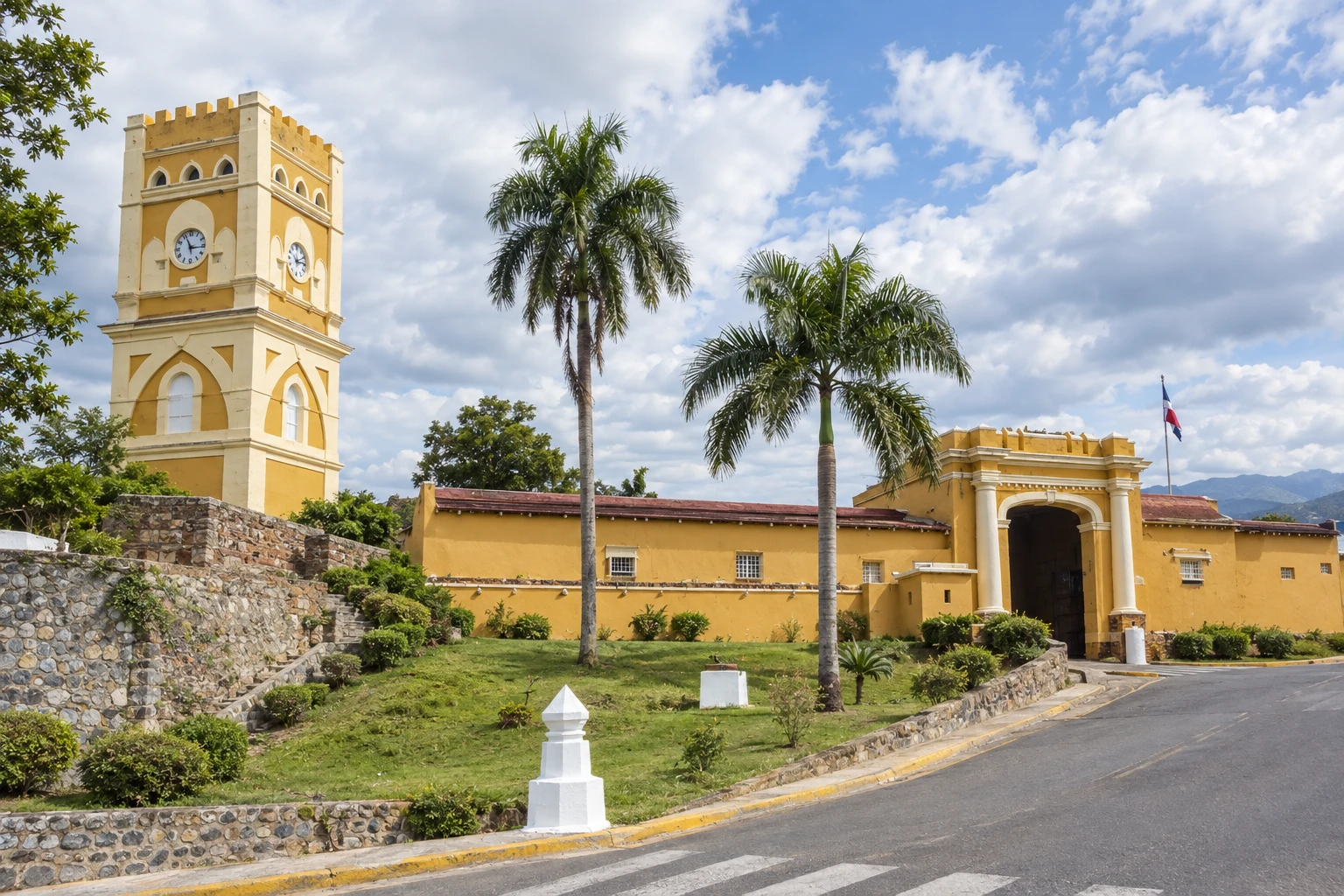
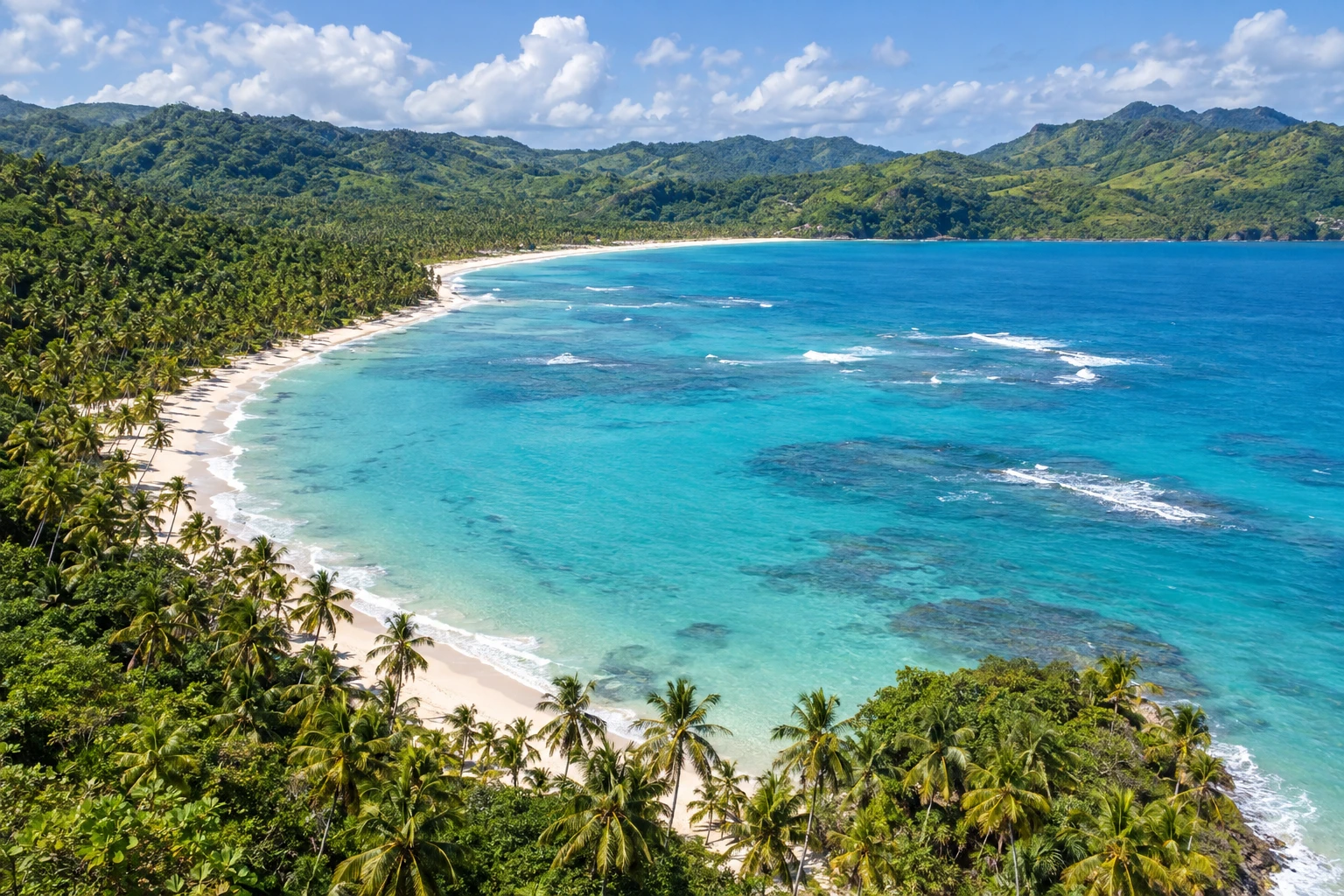
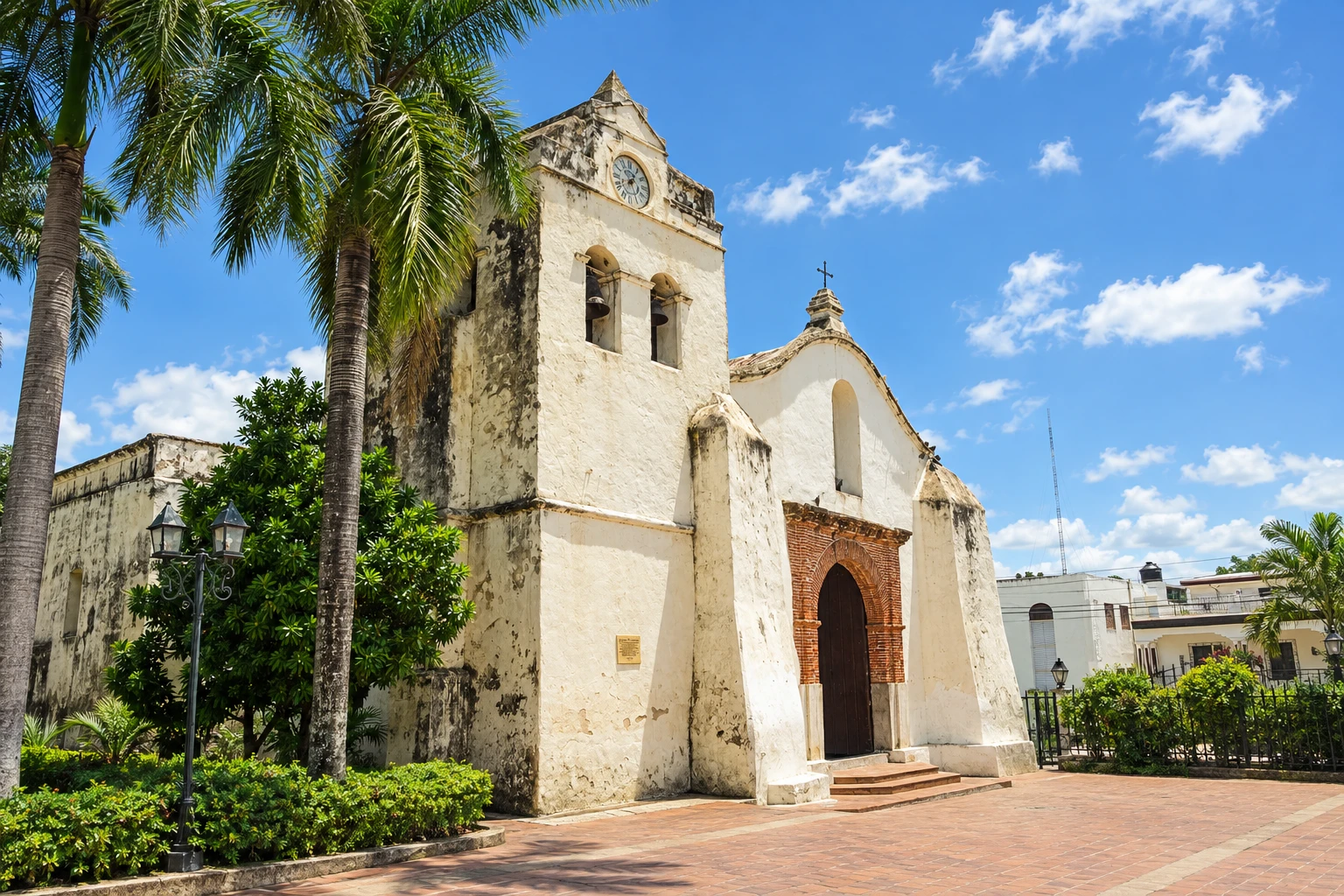
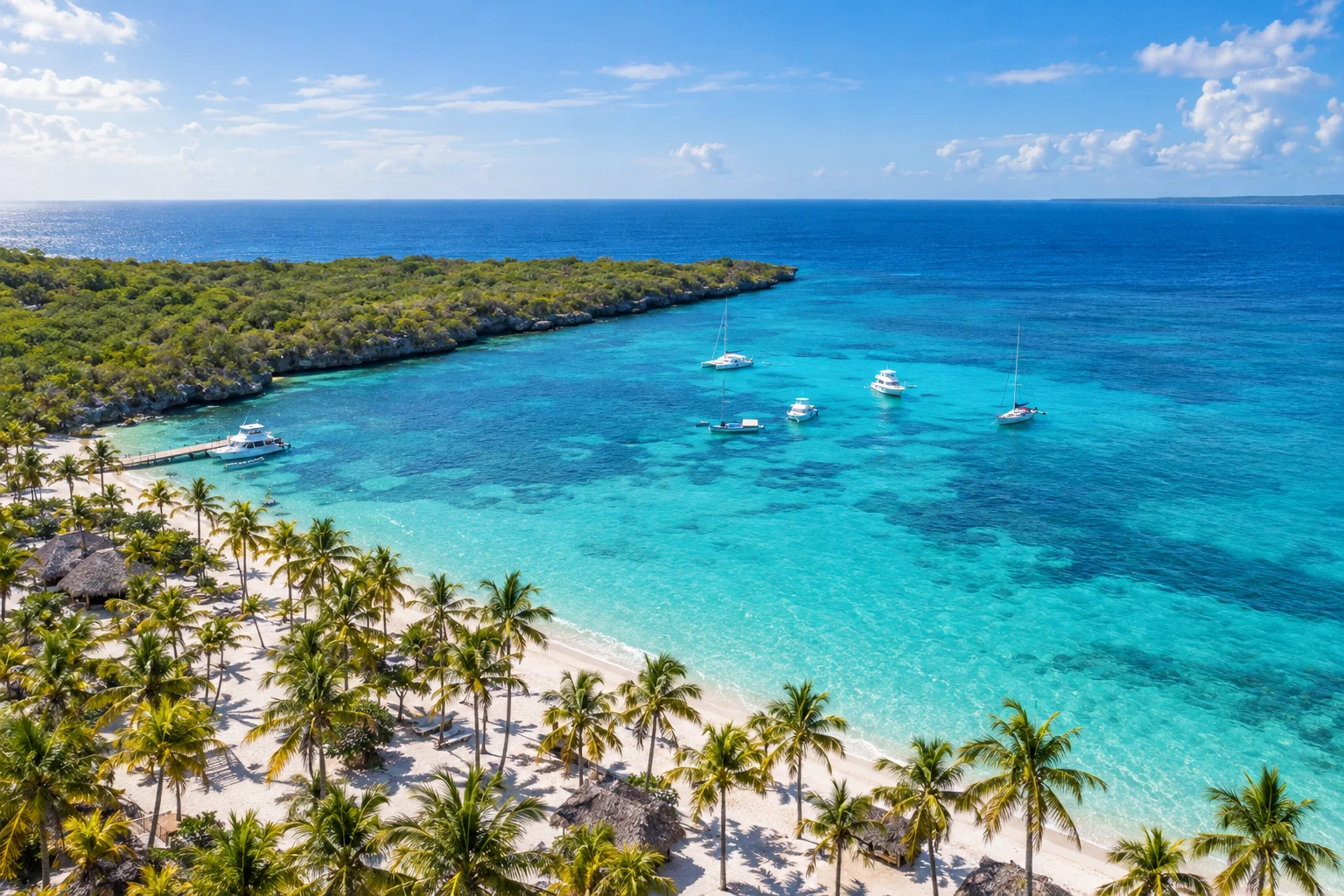
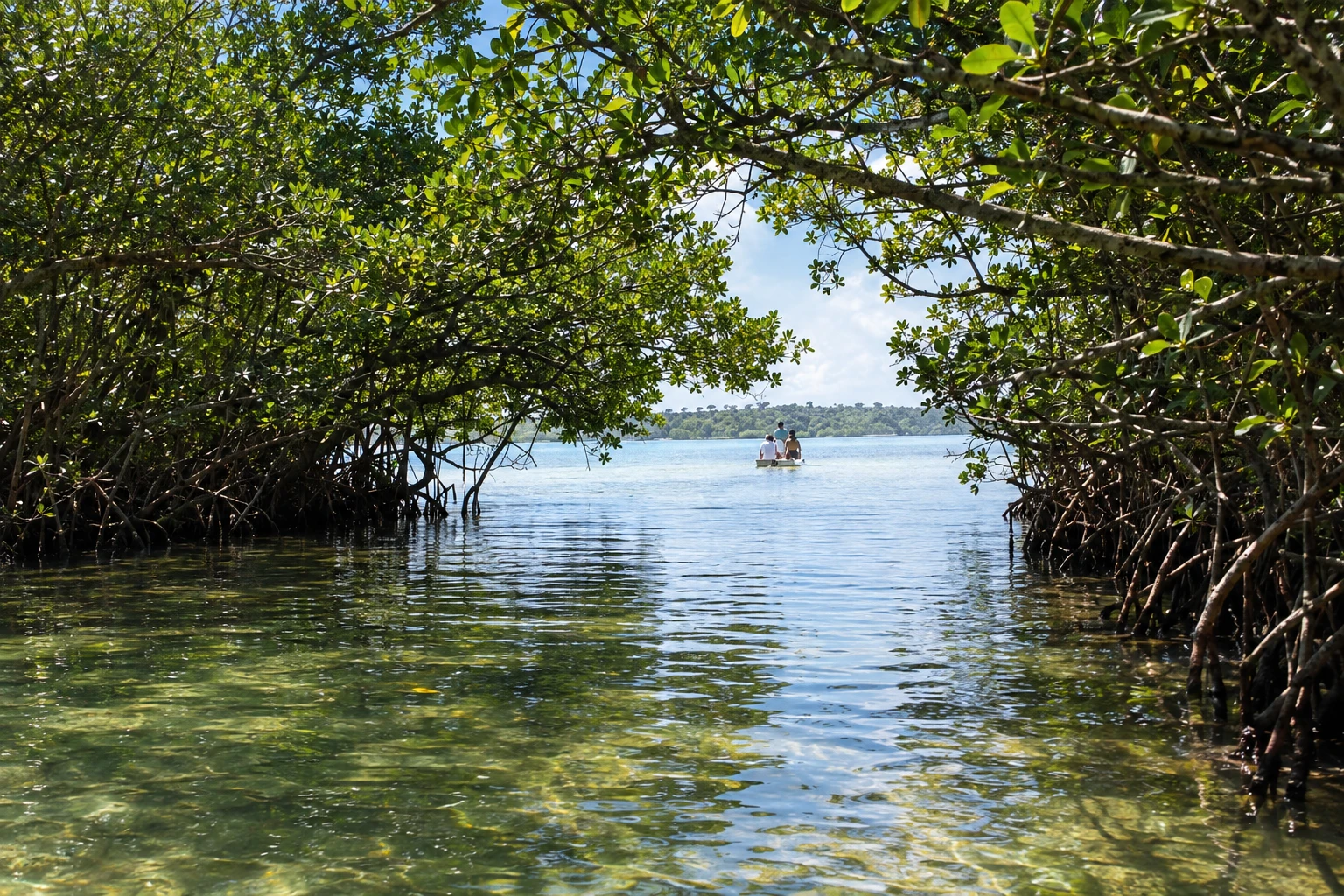
The dry, little-visited northwest: the stone table of El Morro above the sea, the Cayos Siete Hermanos, salt flats, mangroves and a town of Victorian houses tied to Cuba's independence.
Antarctica
The Dominican Republic travel guide
What to do, when to go and how to get there, destination by destination.
10 destinations · 28 citiesin the Dominican Republic
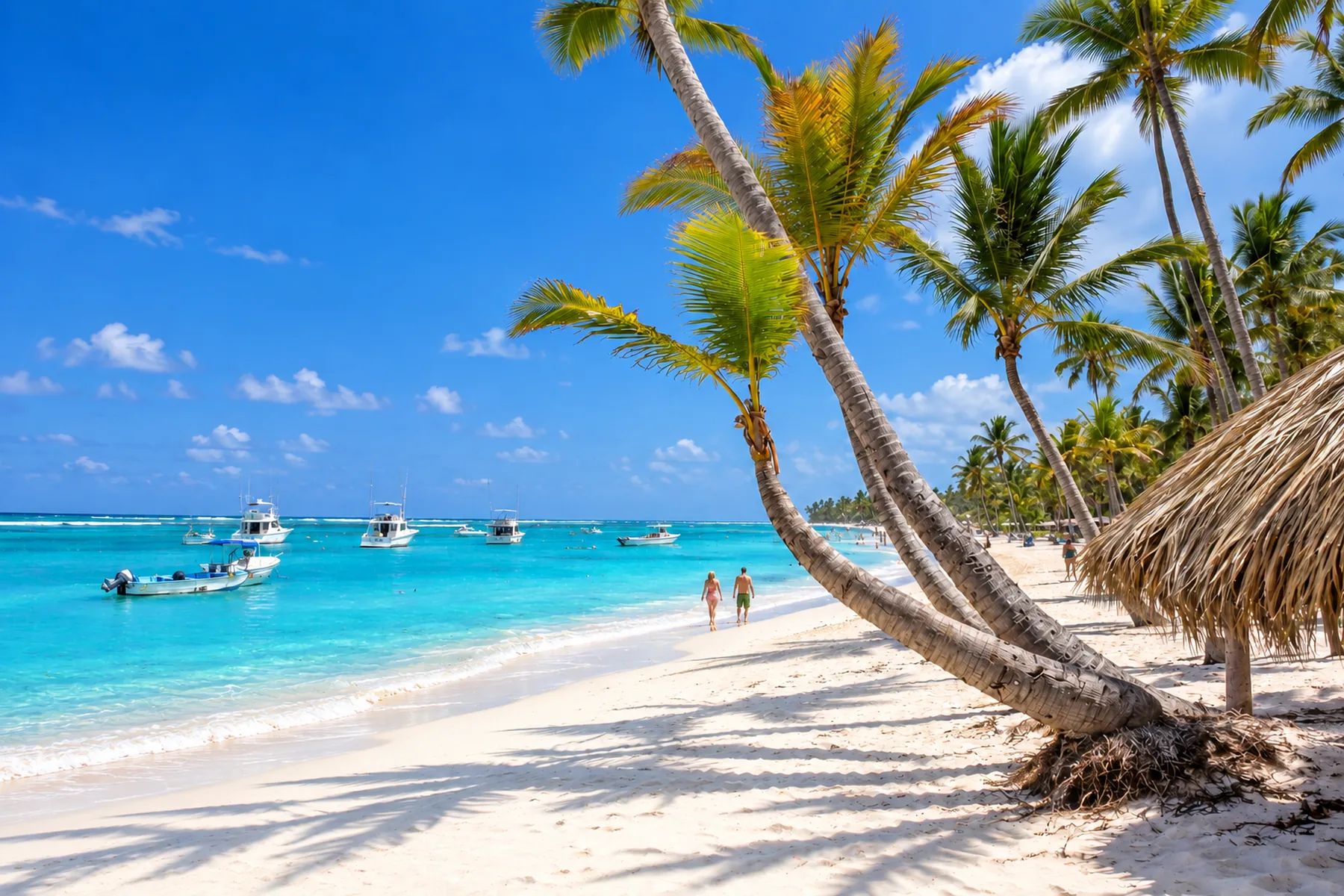
In the photo: Bávaro Beach — Punta Cana
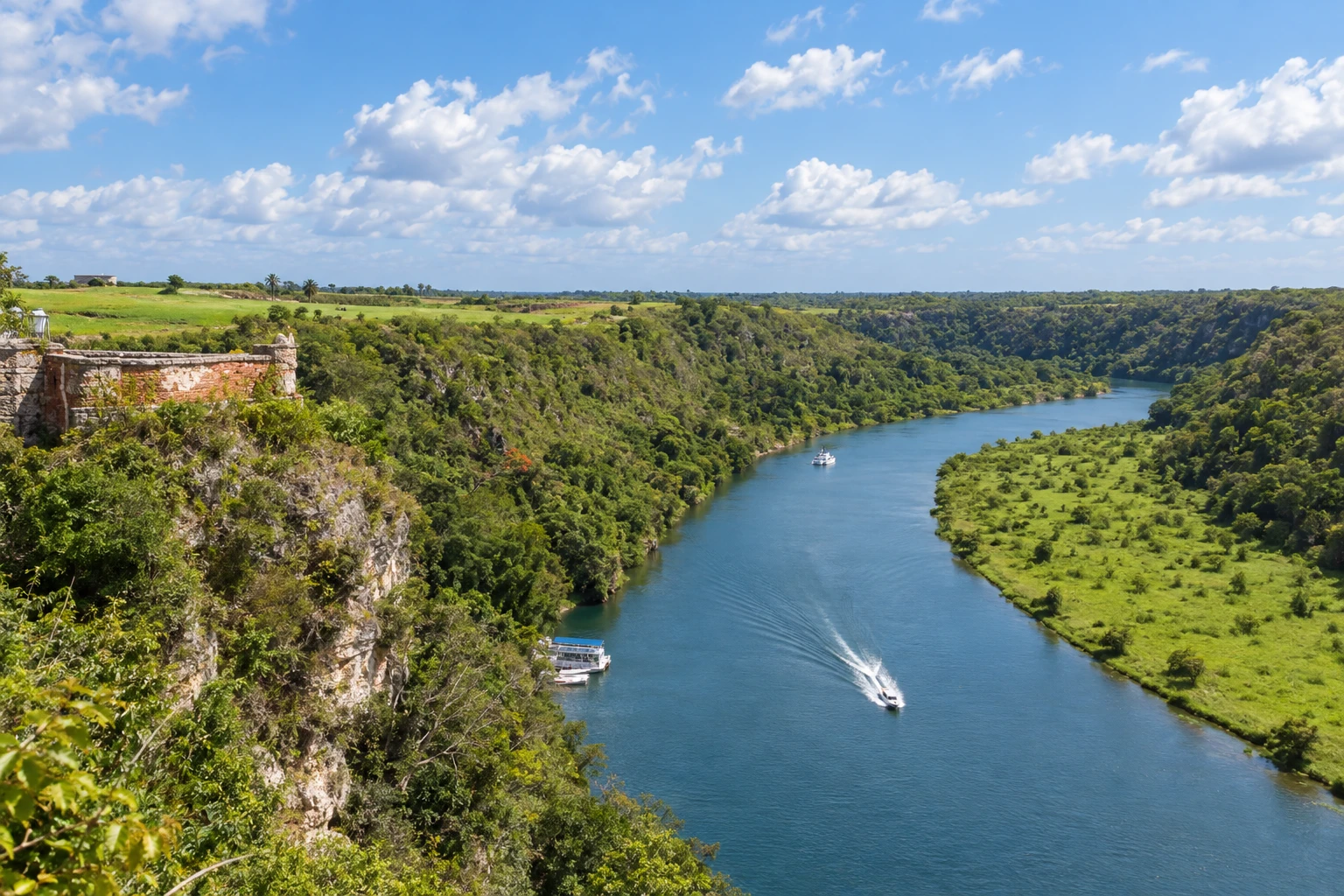
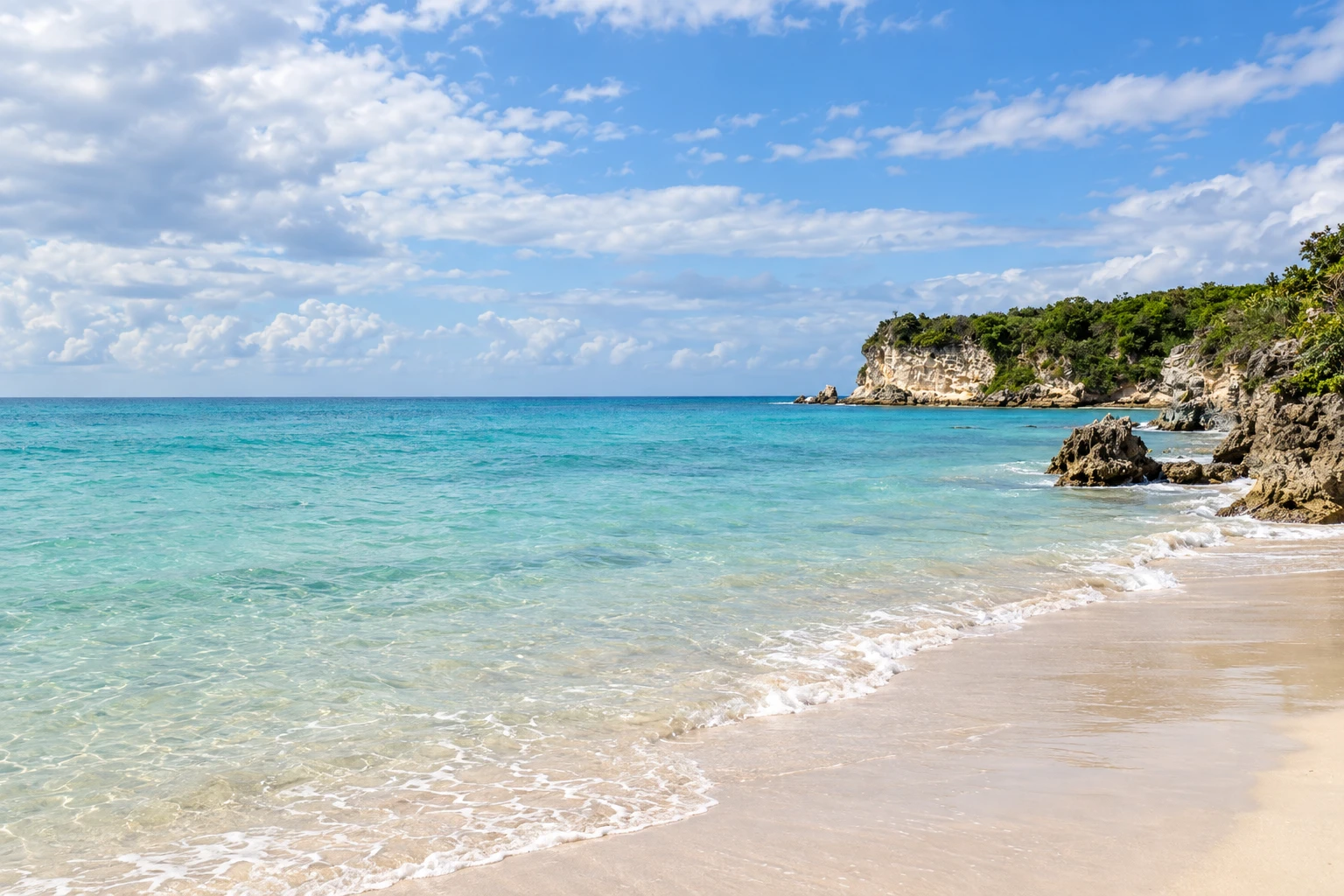
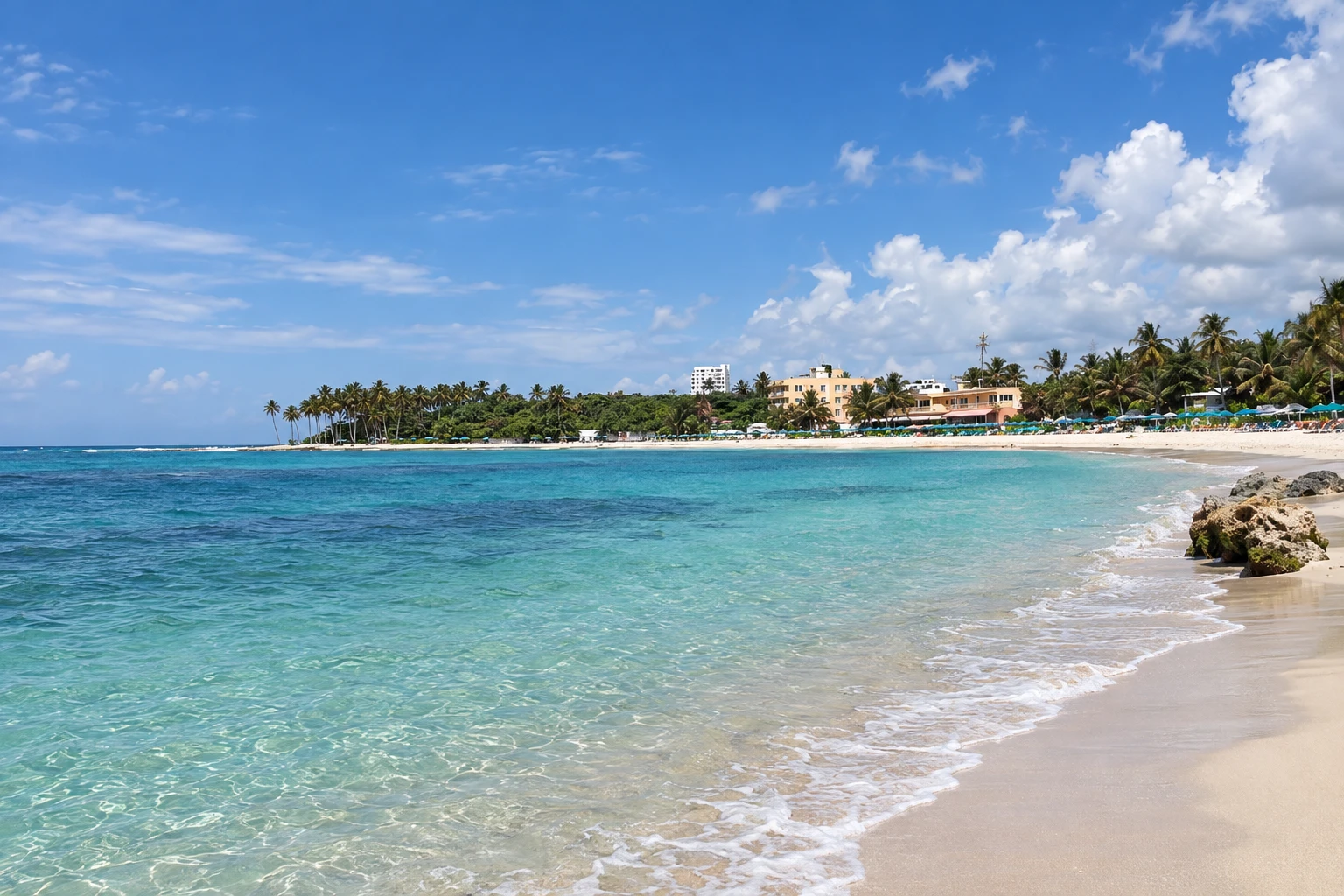
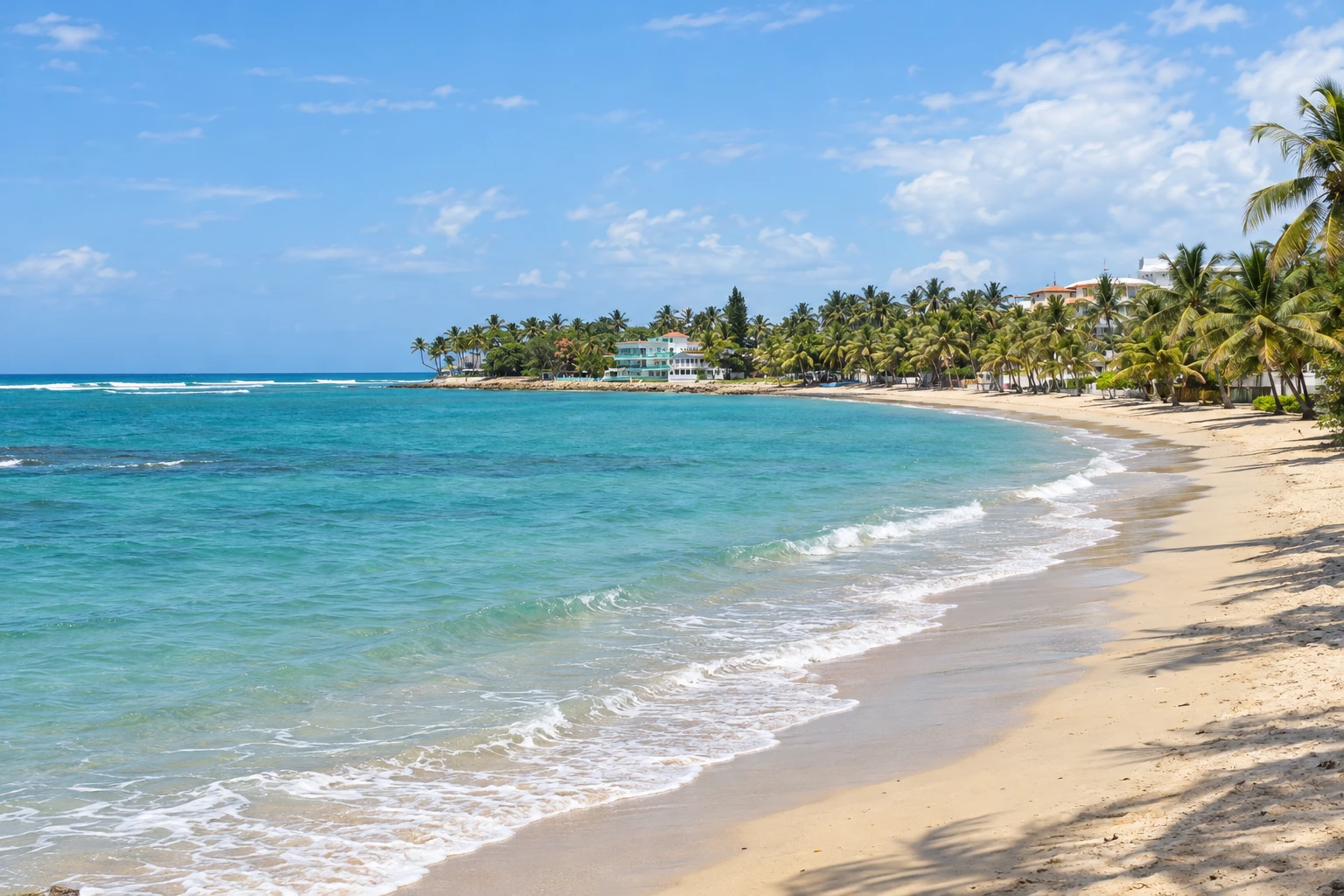
Illustrative images. The pictures in this guide are illustrations based on the real place, not photographs, and may differ from it.
A destination is a region you visit as a single trip: it can bring together several cities or be a large city with everything it offers. Each destination has the tours, the itineraries, the best time to go month by month and how to get there.
The guide currently has 10 destinations, with 28 cities in 15 provinces.
Today's highlights
A destination is more than a city: it's everything you can experience there.
The dry, little-visited northwest: the stone table of El Morro above the sea, the Cayos Siete Hermanos, salt flats, mangroves and a town of Victorian houses tied to Cuba's independence.
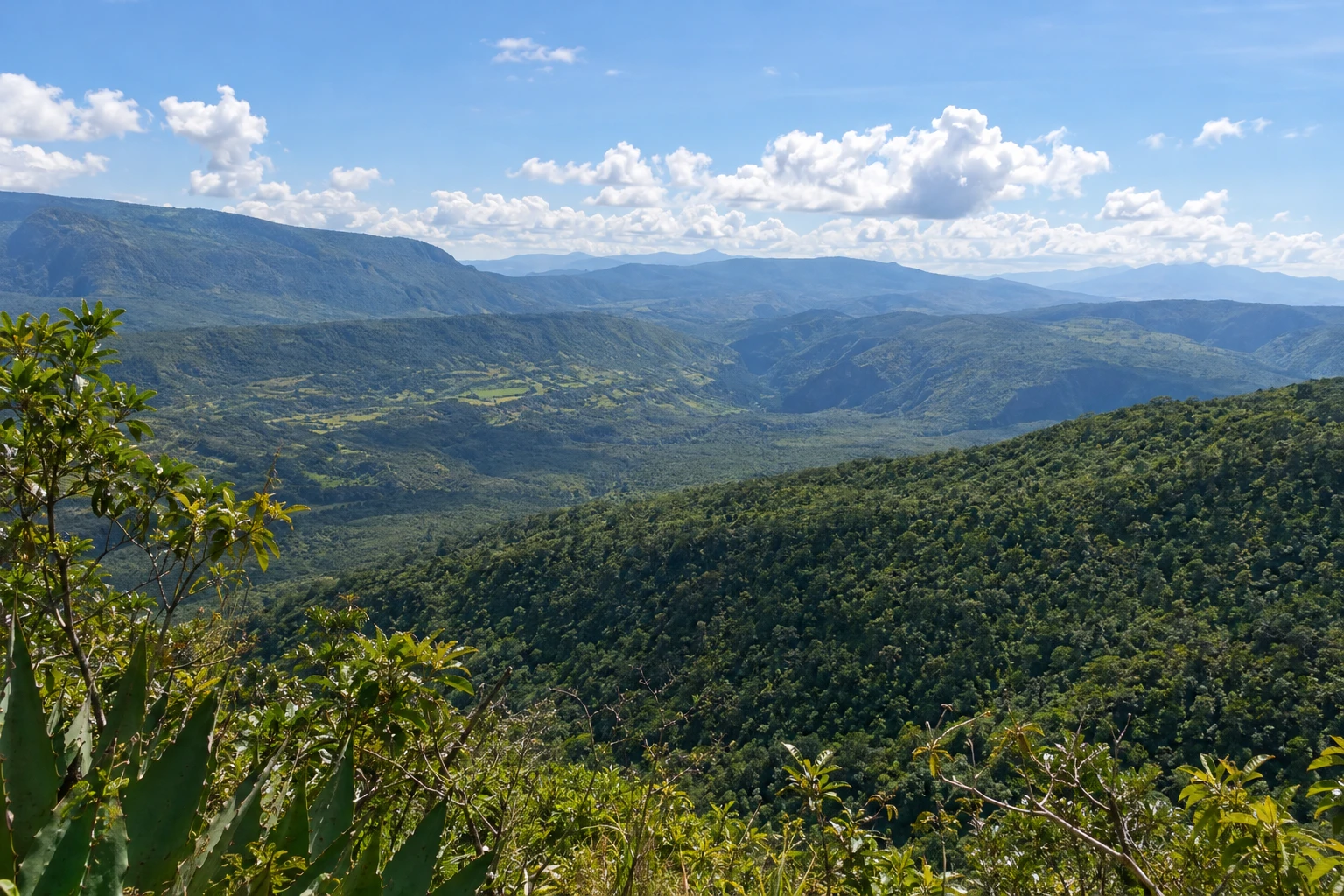
The new eastern Dominican coast, on Samaná Bay: Playa Esmeralda between green hills and sea, the Montaña Redonda viewpoint and Laguna Limón, about an hour and a half from Punta Cana.
The wild southwest: rocky beaches with rivers that flow into the sea, Bahía de las Águilas, Hoyo de Pelempito and Lago Enriquillo, below sea level, with crocodiles and iguanas.
The southern coast of eastern Dominican Republic: Altos de Chavón above the river, the Cueva de las Maravillas, the fishing village of Bayahibe and the boats to Isla Saona and Isla Catalina.
More than 50 km of white sand and coconut palms on the eastern tip of the island: the beaches of Bávaro, Cap Cana and Macao, the Hoyo Azul and the Basilica of Higüey, with the country's busiest airport.
Humpback whales in the bay from January to March, the El Limón waterfall, Cayo Levantado, the beaches of Las Terrenas and Playa Rincón, and the mangroves and caves of Los Haitises.
The Dominican mountains: pine forests, rivers and waterfalls in Jarabacoa, the hike to Pico Duarte, the agricultural valley of Constanza, Valle Nuevo and La Vega's carnival.
The Amber Coast, on the Atlantic: the cable car to Loma Isabel de Torres, the Fortaleza San Felipe, the Amber Museum, the 27 waterfalls of Damajagua, Sosúa bay and Cabarete kitesurfing.
The first European city in the Americas: the Ciudad Colonial with the cathedral, the Alcázar de Colón and the Fortaleza Ozama, the caves of Los Tres Ojos and the beaches of Boca Chica and Juan Dolio.
The country’s second city and the capital of the Cibao: the Monument to the Heroes of the Restoration atop the city, the Centro León, cigars, traditional merengue and the masked carnival.
Cities to start with
Each city has a page with what to do there.

Juan Dolio is a stretch of beach several kilometers long on the south coast, about an hour from Santo Domingo, with apartment buildings, beachfront hotels and a calmer pace than Boca Chica. The sand is narrow in some sections and the sea has reefs close to shore, good for snorkeling. It is quiet during the week; on weekends it draws people from the capital.

Cabarete is a beach village on the Amber Coast and one of the world’s main kitesurfing and windsurfing destinations, with consistent wind and a reef that forms a shallow water lagoon. The main beach is full of bars, restaurants and sport schools. Behind the village, Parque Nacional El Choco has caves with freshwater lagoons.

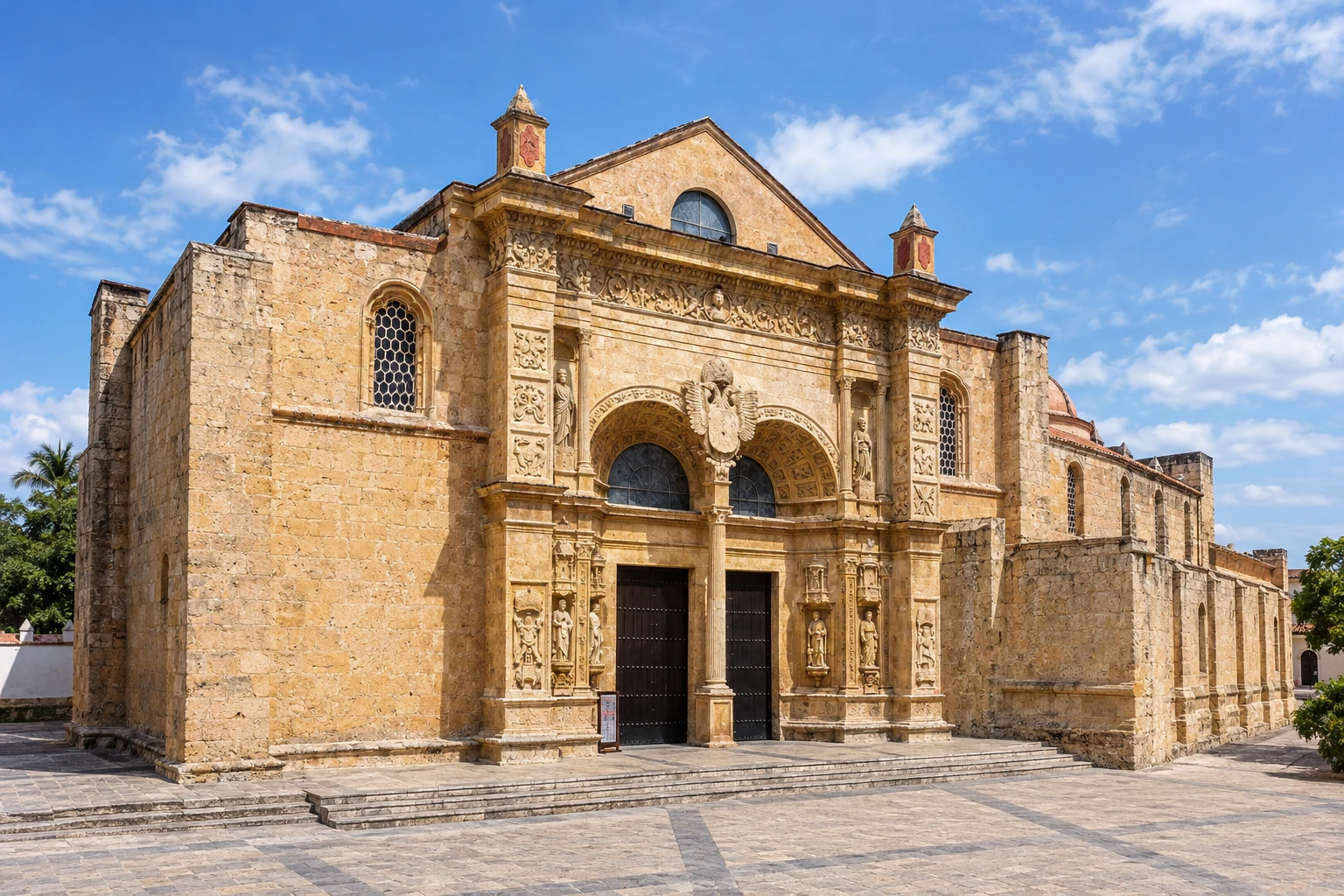
Capital of the Dominican Republic, Santo Domingo has in the Ciudad Colonial, a UNESCO World Heritage site, the first European constructions in the Americas: the Catedral Primada, the Alcázar de Colón, Fortaleza Ozama and the Museo de las Casas Reales, all a few blocks from each other. On the other side of the Ozama River are the Faro a Colón and the underground lagoons of Los Tres Ojos.

Las Galeras is a quiet village at the eastern tip of the Samaná Peninsula, at the end of the road, with a calm beach in the center and access, by boat or trails, to isolated and wild beaches: Playa Rincón, long and lined with coconut palms, and Playa Frontón, with clear waters at the foot of a rock wall.

Higüey is the capital of La Altagracia province and the real city behind the beaches of Punta Cana, with shops, markets and traffic. It is home to the Basílica de Nuestra Señora de la Altagracia, a modern-architecture church with a concrete arch about 80 meters high, a pilgrimage center for the whole country, especially on January 21.

La Romana is the capital of the province of the same name, a sugar-mill town and cruise port on the south coast. To the east is Casa de Campo, with Altos de Chavón, the stone village above the Chavón River; to the west, the Cueva de las Maravillas, with Taíno paintings; and in front of the port, Isla Catalina, with a beach and diving.
The map
Tap a region to see the names. Use two fingers to zoom in.
Boundaries: Oficina Nacional de Estadística / OCHA-HDX / geoBoundaries (CC BY 3.0 IGO). Adapted by Cidade Turismo.
The Dominican Republic
Another way into the same trip
Choose the province and the city to find your place in the guide.
Beyond the guide