Jarabacoa and Constanza

La Vega

Jarabacoa and Constanza

The Dominican mountains: pine forests, rivers and waterfalls in Jarabacoa, the hike to Pico Duarte, the agricultural valley of Constanza, Valle Nuevo and La Vega's carnival.

Santiago and the Cordillera Central

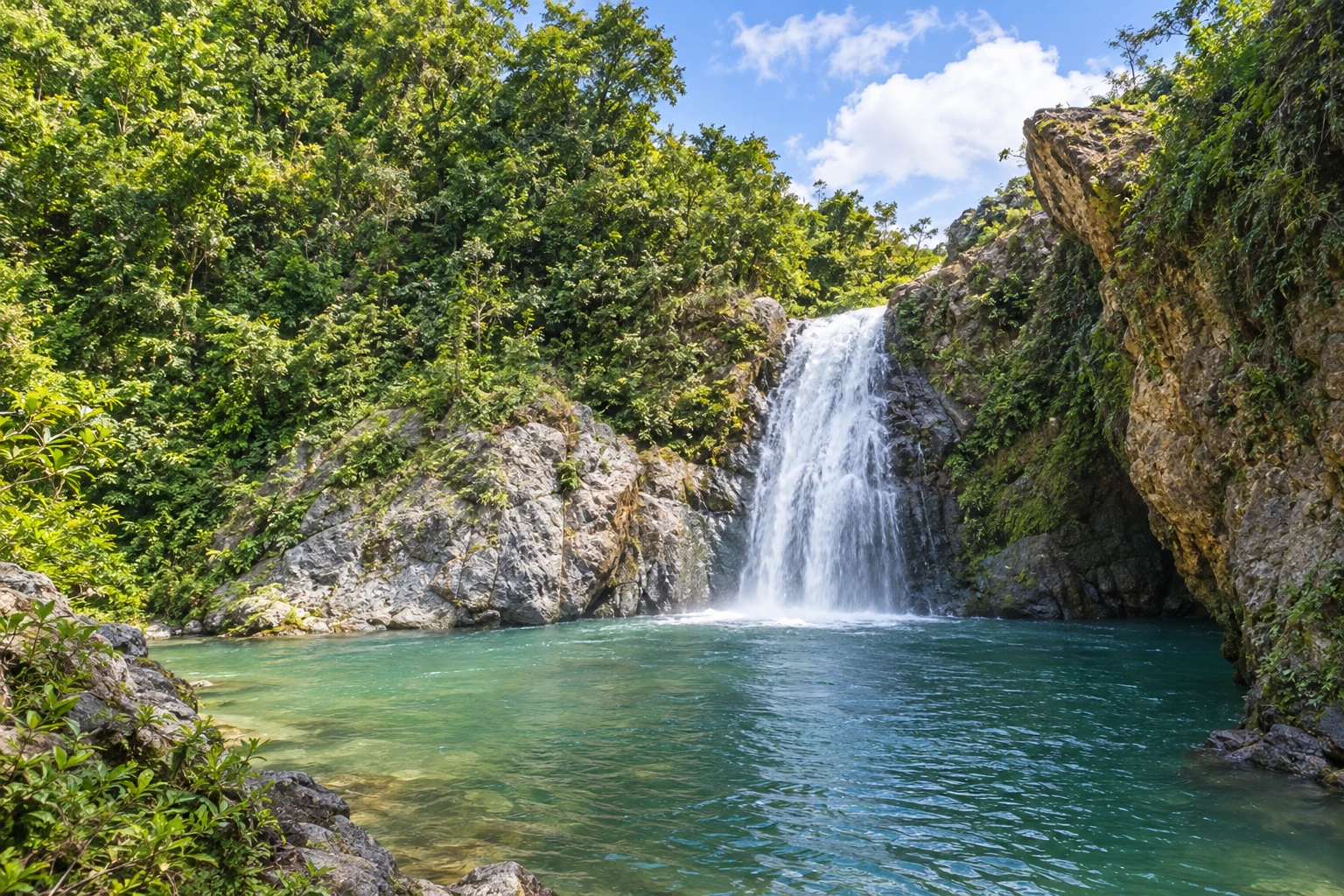
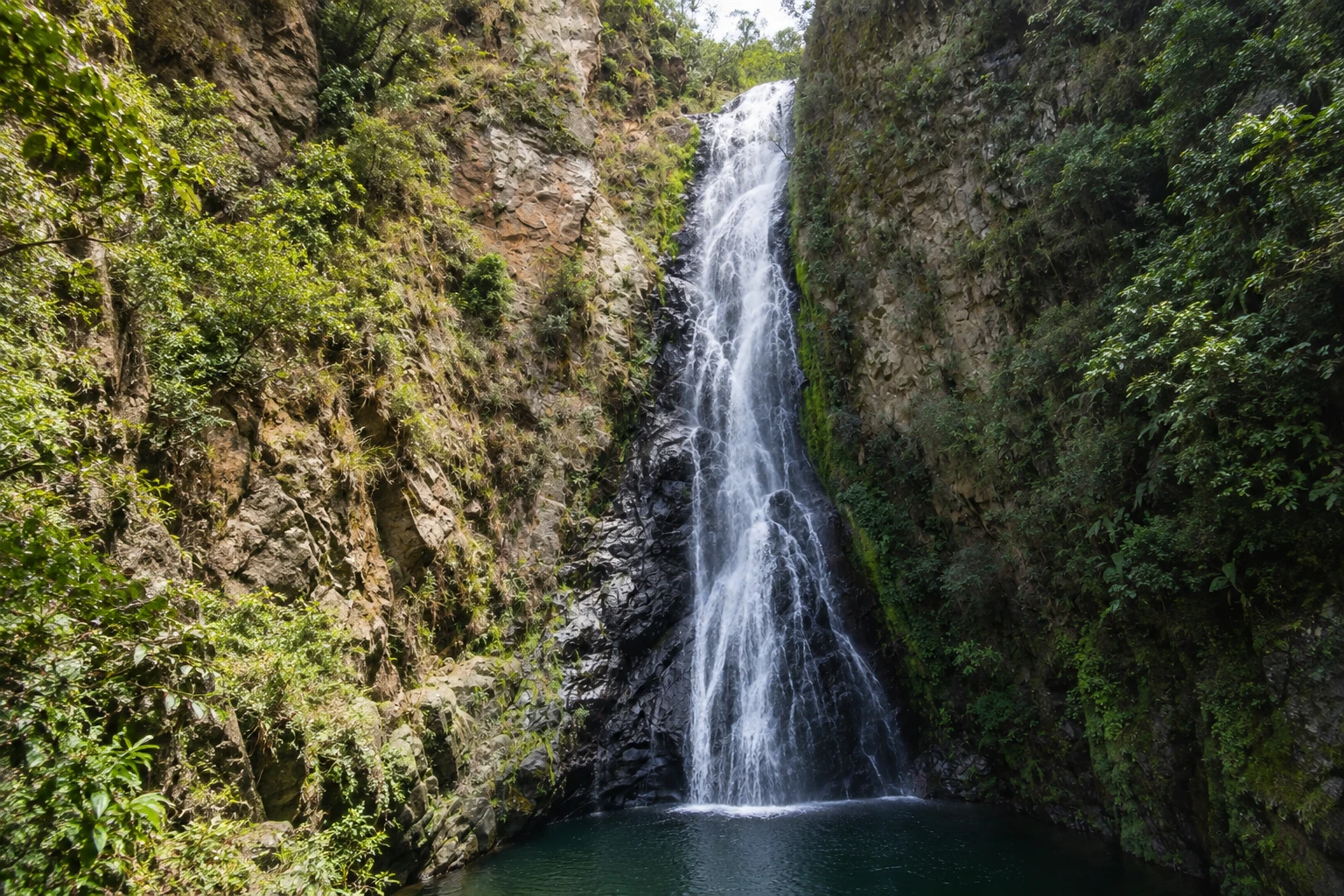
In the photo: Baiguate Waterfall

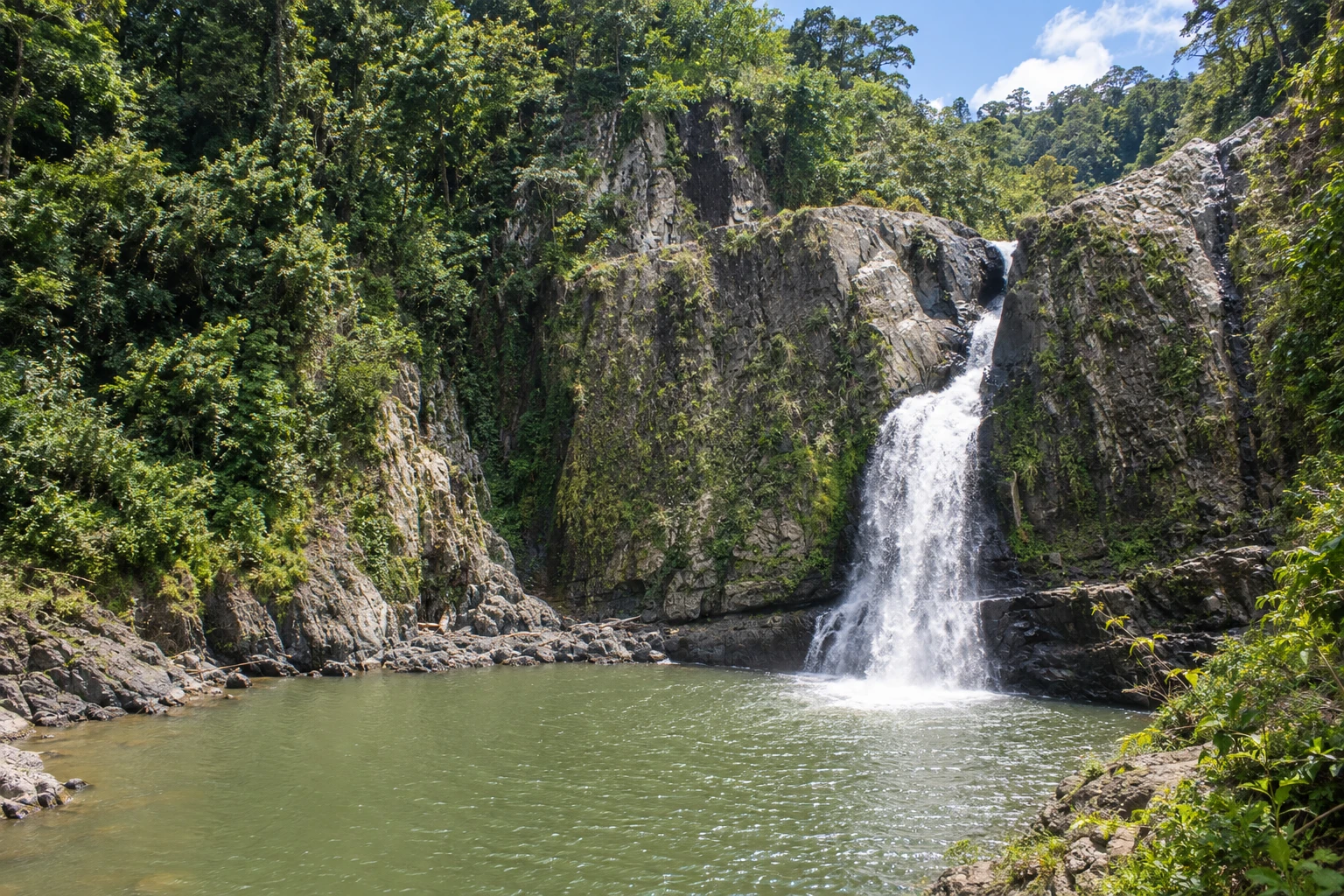
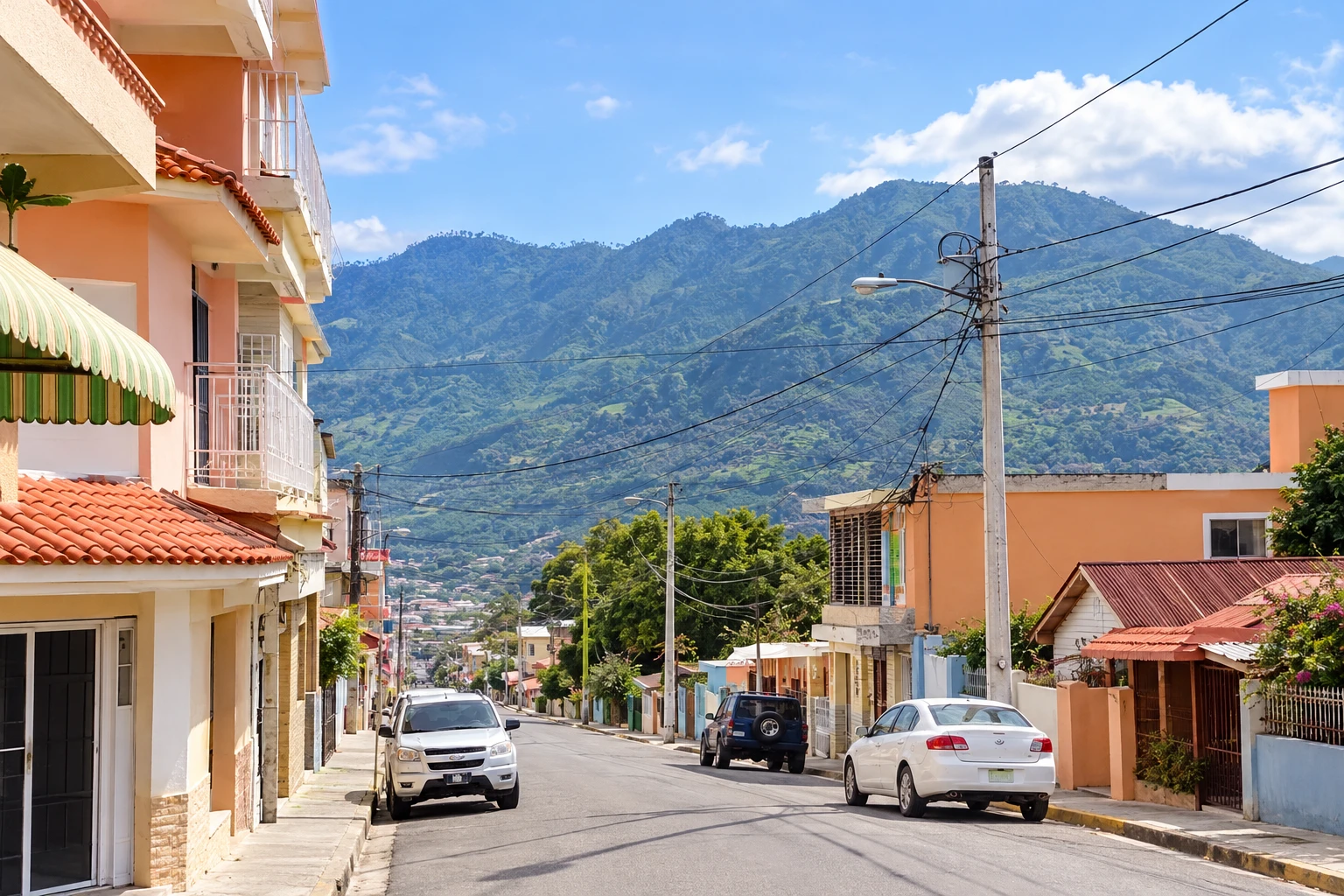
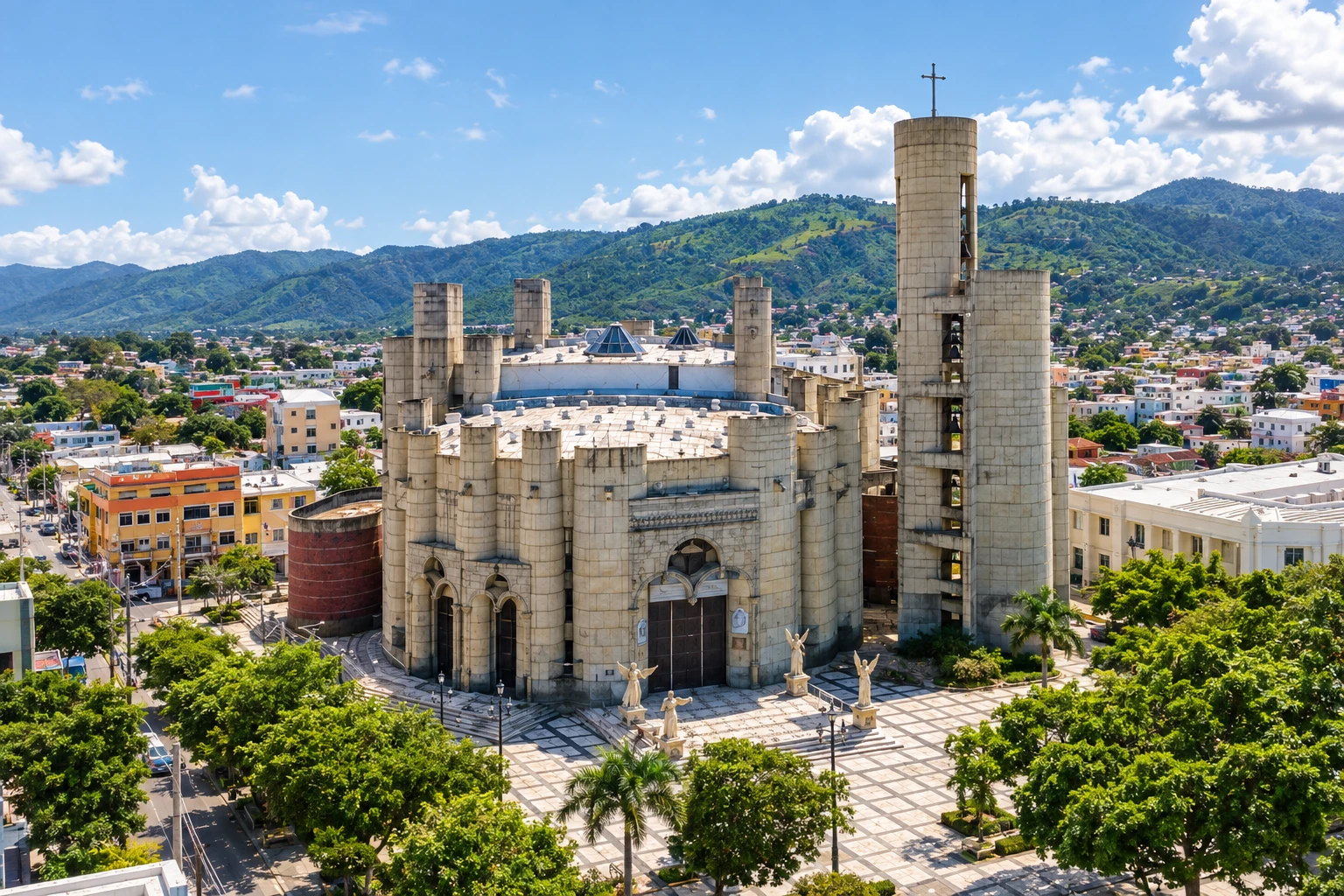
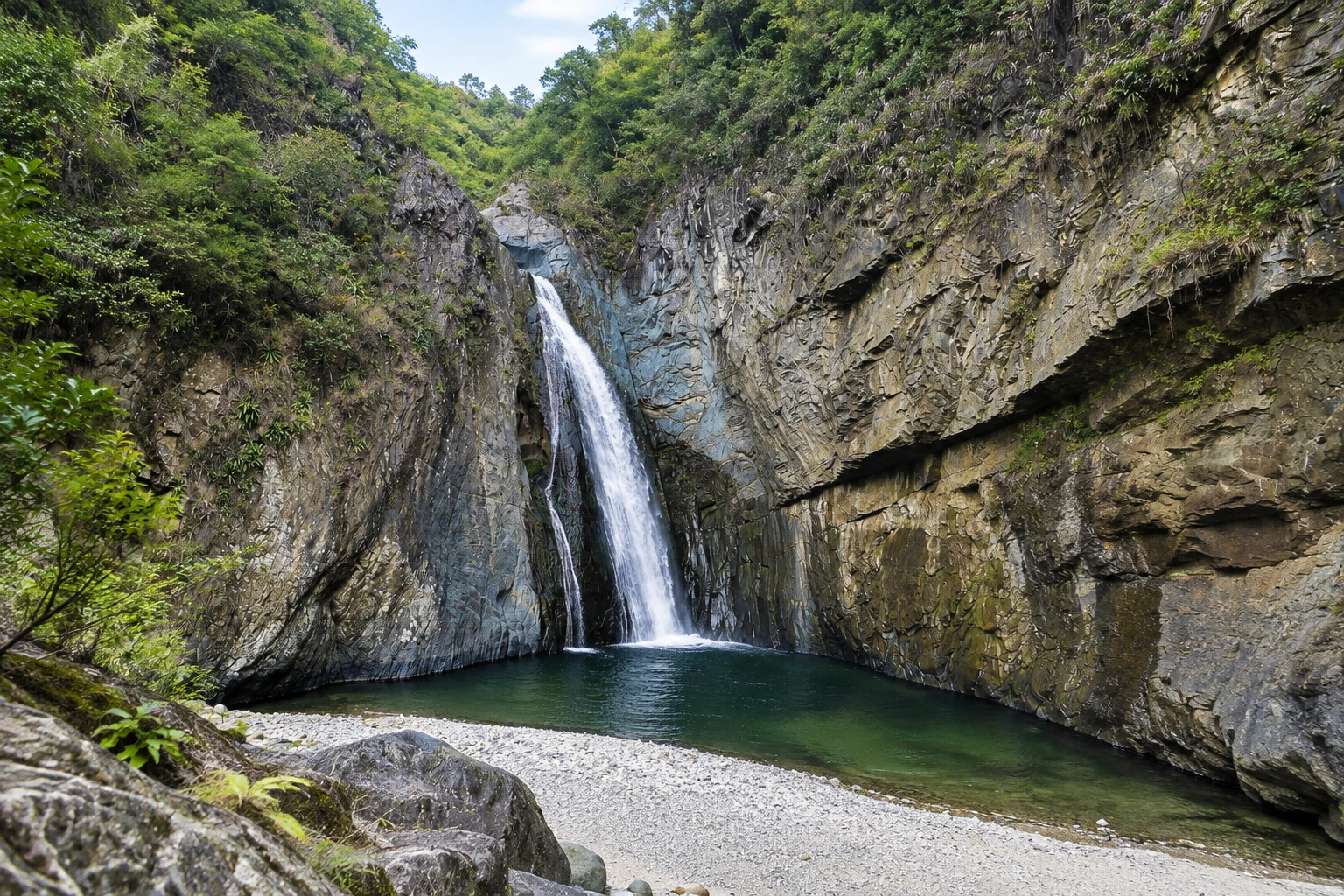
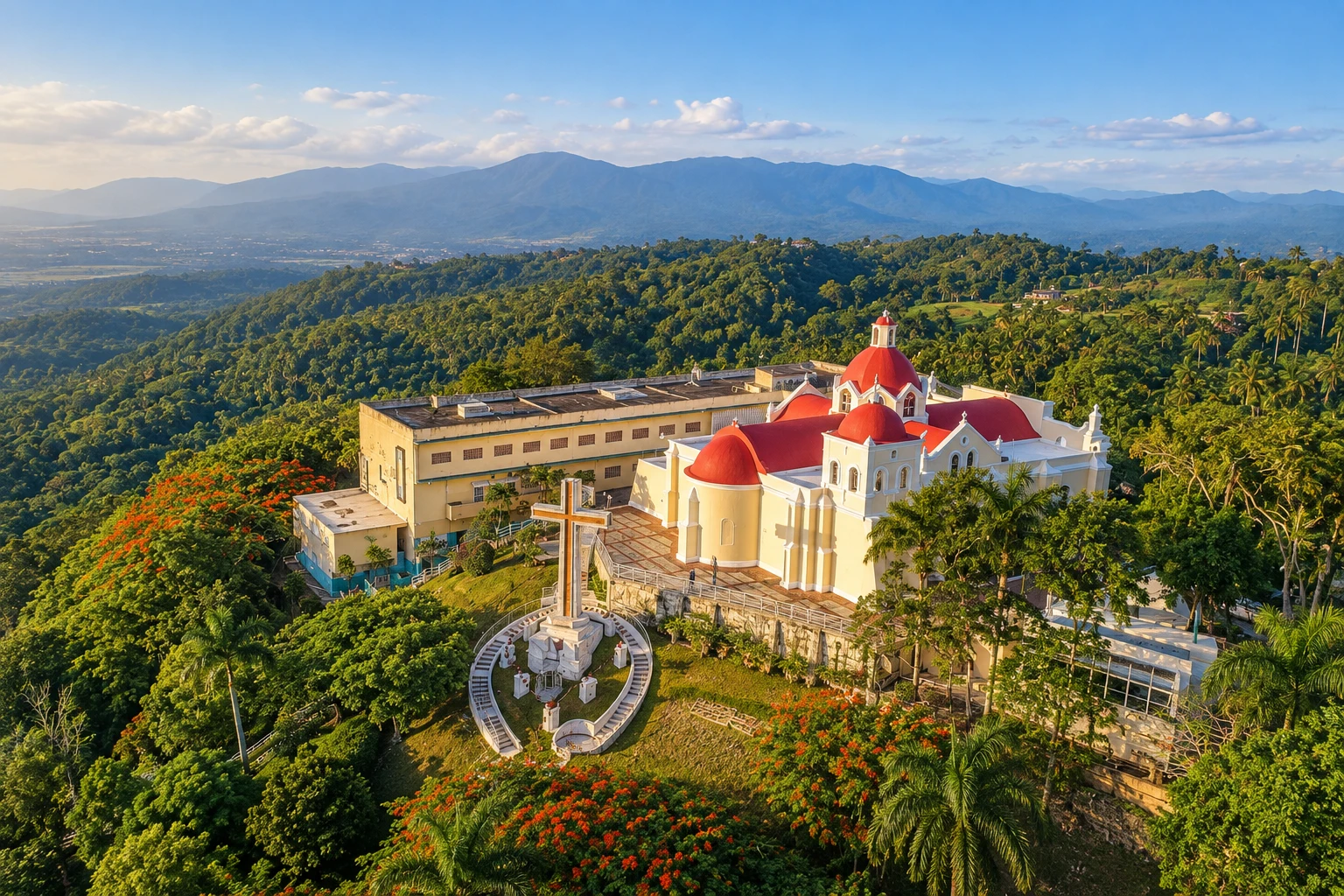
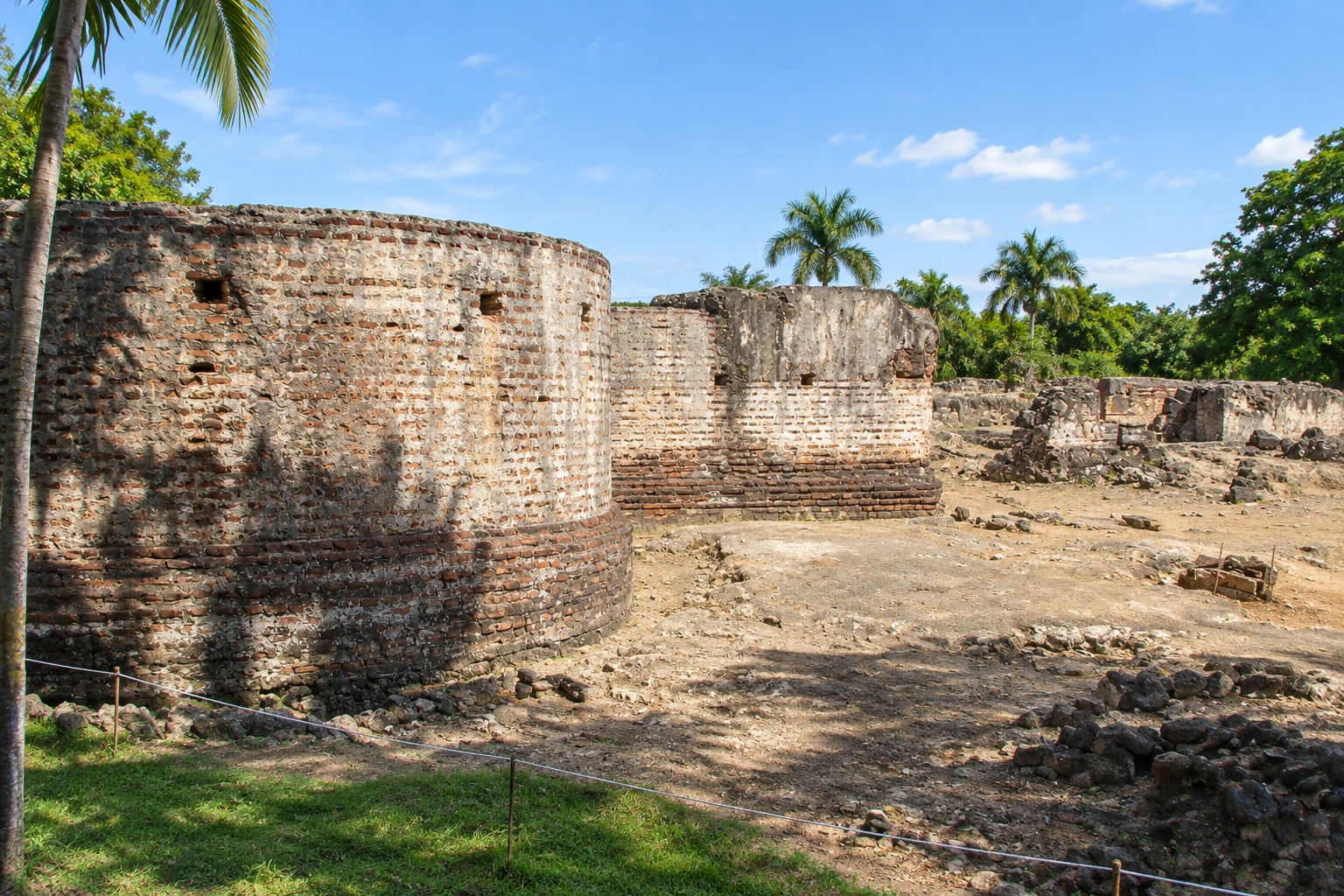
Illustrative images. The pictures in this guide are illustrations based on the real place, not photographs, and may differ from it.

Get it on Google Play

Get to know the place

A region to enjoy
at your own pace.

In the center of the country, the Cordillera Central rises to over 3,000 meters and completely changes the Dominican landscape: instead of coconut palms and beaches, there are pine forests, cold-water rivers, cultivated valleys and cool nights. Jarabacoa and Constanza are the two gateways to this region, sometimes called the Dominican Alps, and La Vega, below in the Cibao valley, is the city that links them to the rest of the country.

Jarabacoa, at about 500 meters elevation, is the city of eternal spring, with mild weather year-round. Around it flow the Yaque del Norte, Jimenoa and Baiguate rivers, with waterfalls such as Jimenoa and Baiguate, and this is where the country's best-known rafting departs. It is also the starting point for the hike to Pico Duarte, the highest point in the Caribbean, at 3,101 meters.

Constanza lies in a valley at about 1,200 meters, surrounded by mountains, and is the country’s vegetable garden: strawberries, garlic, potatoes, flowers and cool-climate vegetables cover the valley. To the south, Valle Nuevo National Park preserves high-elevation plains, pine trees and winter frosts, and the Aguas Blancas waterfall, one of the highest in the Caribbean.

La Vega, the valley city, hosts the country’s most famous carnival, with the diablos cojuelos in masks and colorful capes, and nearby are the Santo Cerro and the ruins of the first Spanish inland town. It is a destination for those seeking nature, hikes and cool weather, away from the heat of the coast.

This destination brings together 3 cities: Jarabacoa, Constanza, La Vega.

Share: WhatsApp
Traveler, share your experiences through photos Up to 5 photos of each place you visited.

One destination, many paths

The cities on this trip

Start with one city or combine several in your itinerary.

Where Jarabacoa and Constanza is The star marks the capital, La Vega.
La VegaJarabacoaConstanza

Boundaries: Oficina Nacional de Estadística / OCHA-HDX / geoBoundaries (CC BY 3.0 IGO). Adapted by Cidade Turismo.

How to get there: Jarabacoa and Constanza

Aeropuerto Internacional del Cibao (STI), in Santiago de los Caballeros · 55 km to Jarabacoa

Connections with Brazil may be direct flights or with a connection, depending on the season and airline. Confirm before booking. The nearest airport is Cibao (STI), in Santiago, about one hour from Jarabacoa. From Santo Domingo, via the Autopista Duarte to La Vega and then the mountain road, it's about two and a half hours to Jarabacoa and three to Constanza.

Suggested arrival point: Jarabacoa

The local experience

Things to do in Jarabacoa and Constanza

Jarabacoa · La Vega · Waterfall

Jimenoa Falls

A waterfall of about 35 meters on the Jimenoa river, near Jarabacoa, reached by walkways and suspension bridges over the river, with a green pool at the base.

Explore Jimenoa Falls

La Vega · La Vega · Church

Santo Cerro

A hill north of La Vega with the sanctuary of Nuestra Señora de las Mercedes and views over the Cibao valley, where, according to tradition, Columbus erected a cross.

Explore Santo Cerro

See 4 more places in Jarabacoa and Constanza

Before you go

Practical information

A little planning leaves more time to enjoy the journey.

When to go

From December to April there is less rain, and it is the season for the hike to Pico Duarte; on nights from December to February Constanza and Valle Nuevo can have temperatures near zero. La Vega's carnival takes place on Sundays in February. From May to October the rivers swell, good for rafting, and there is more afternoon rain.

The seasons shown are the most usual ones; nature doesn't always follow the calendar.

How many days to stay

Three to four days: two in Jarabacoa for the waterfalls and rafting, and one or two in Constanza for the valley and Valle Nuevo. The hike to Pico Duarte takes two to three days by itself. La Vega fits into a stop along the way.

Which city to stay in

Jarabacoa has hotels, inns and cabins on the slopes, with mountain views and fireplaces. Constanza has simple hotels and mountain cabins in the valley and on the slopes. La Vega has city hotels, useful for the carnival. On cold nights, prefer accommodation with hot water and a warm blanket.

Respect the place

Take your trash with you, follow the signs and support local businesses. In natural areas, follow the visiting guidelines.

Beyond the guide

Your questions

Frequently asked questions about Jarabacoa and Constanza

Is it cold in Jarabacoa and Constanza?

Jarabacoa has a mild climate, cool at night. Constanza and Valle Nuevo are cold at night, and from December to February they can approach freezing. Bring a jacket.

How many days are needed to climb Pico Duarte?

Generally two to three days, with overnight stays in mountain shelters, starting from La Ciénaga near Jarabacoa, with a mandatory guide.

Do I need a car for Jarabacoa and Constanza?

It helps a lot, because the waterfalls, Valle Nuevo and the viewpoints are spread out. The road between the two towns is a mountain road with curves; there are buses from Santo Domingo and Santiago to both.

Can you do a day trip to Jarabacoa from Santiago?

Yes, it's about an hour's drive. A day trip to Constanza is tiring.

When is La Vega's carnival?

On Sundays in February, with the main parade at the end of the month, when the diablos cojuelos take over the streets.

Explore other destinations Search by state and city