Monte Cristi · the Dominican Republic · Lookout
El Morro
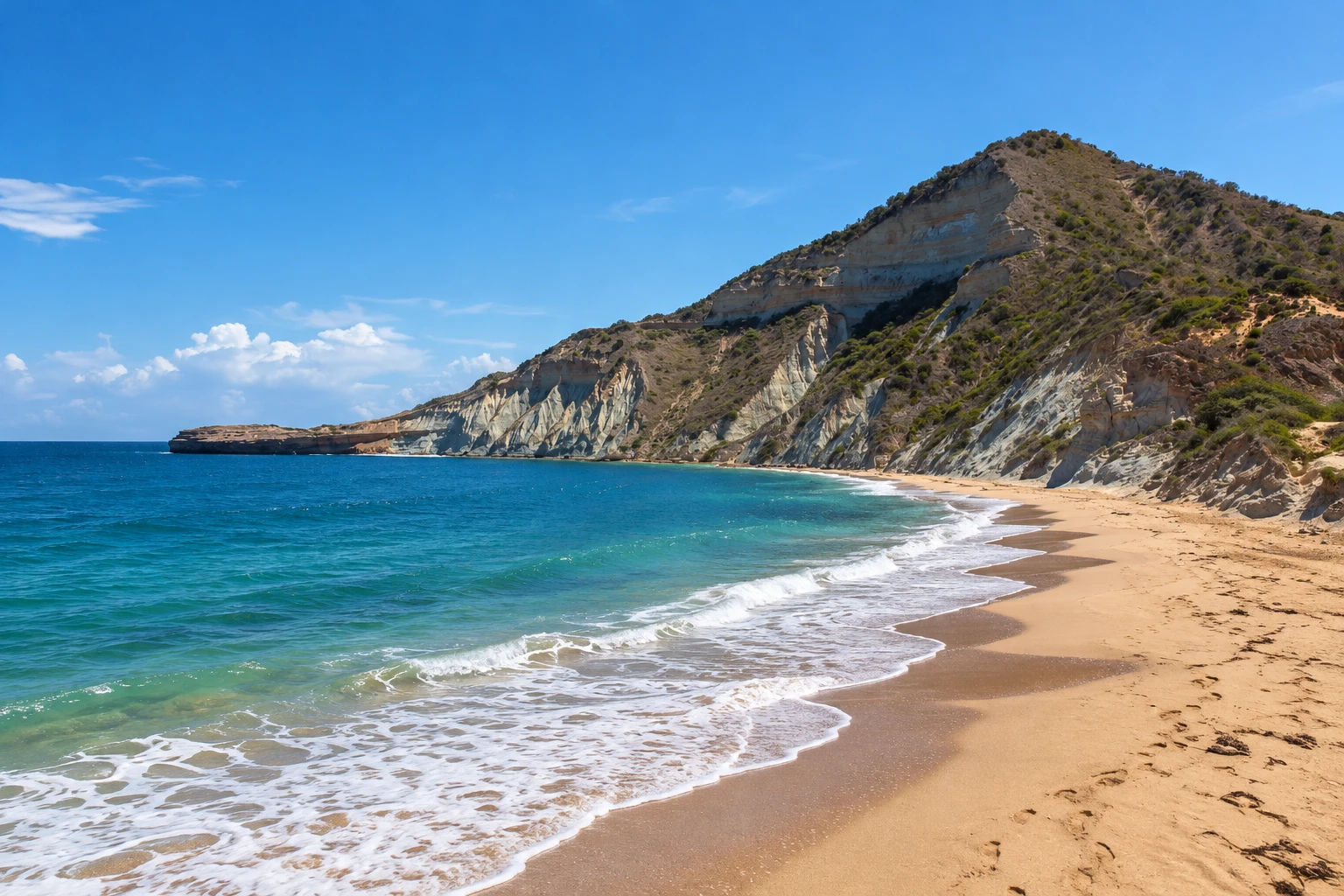
A limestone table about 240 meters high that rises beside the sea in Monte Cristi National Park, with a staircase to a lookout and a beach at its foot.

 Search
 Brazil
 Antarctica
 Argentina
 Bolivia
 Chile
 Colombia
 Ecuador
 Falkland Islands (Malvinas)
 French Guiana
 Guyana
 Paraguay
 Peru
 Suriname
 Uruguay
 Venezuela
 Austria
 Belgium
 Croatia
 Denmark
 Finland
 France
 Germany
 Greece
 Hungary
 Iceland
 Ireland
 Italy
 Luxembourg
 Norway
 Poland
 Portugal
 Slovakia
 Slovenia
 Spain
 Sweden
 Switzerland
 the Czech Republic
 the Netherlands
 the United Kingdom
 Turkey
 Bermuda
 Canada
 Greenland
 Mexico
 Saint Pierre and Miquelon
 the United Statesthe Dominican Republic
 JapanTurkey
 Egypt
 South Africa
 Australia
 Fiji
 New Zealand
 Papua New Guinea
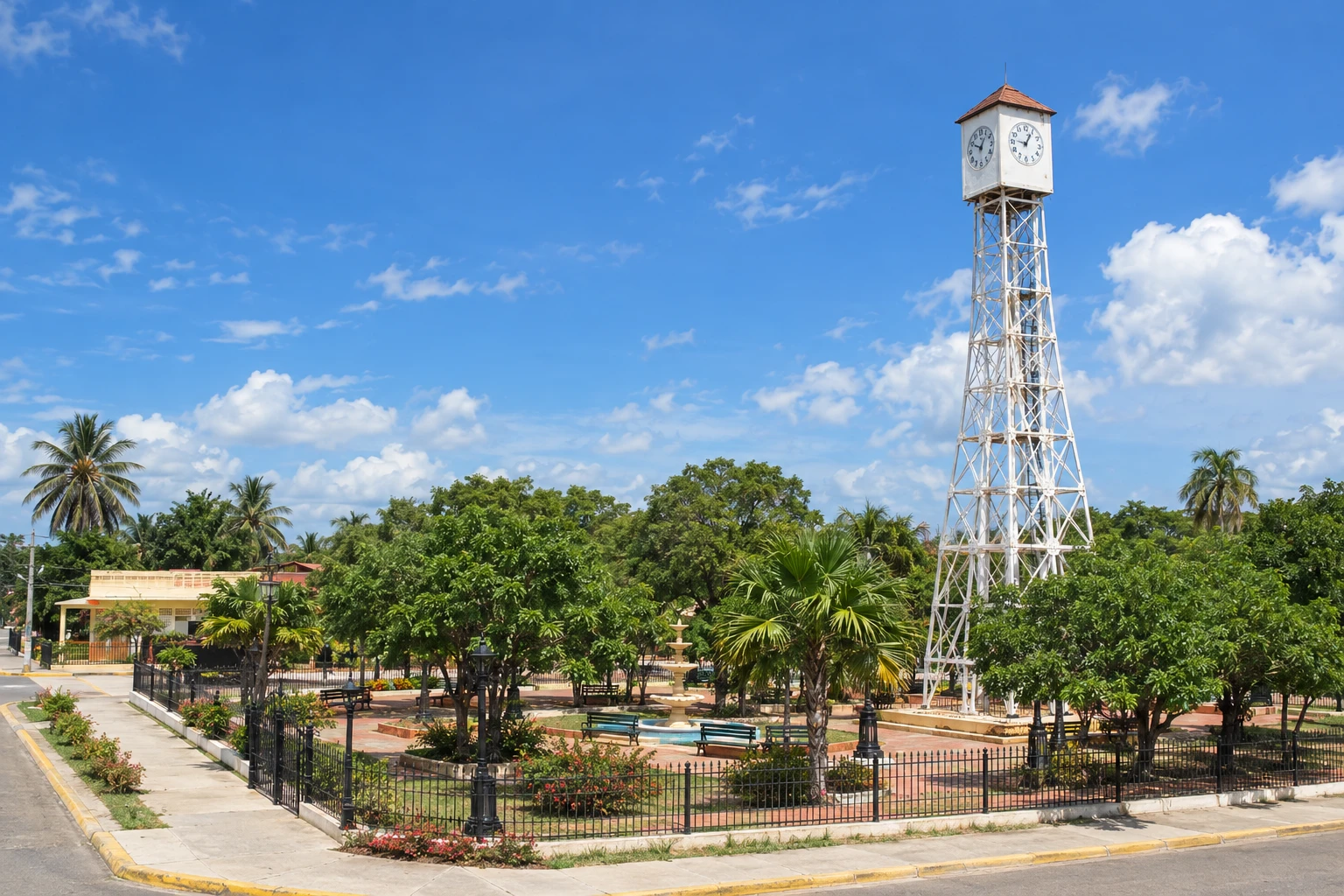
In the photo: Monte Cristi clock
Illustrative images. The pictures in this guide are illustrations based on the real place, not photographs, and may differ from it.

The city
San Fernando de Monte Cristi is a small, quiet town in the country’s northwest, with wooden Victorian houses and a French clock in the central park. A few kilometers away is El Morro, a stone table above the sea in Monte Cristi National Park, and offshore the Cayos Siete Hermanos. In town, the house of Máximo Gómez preserves the history of the Cuban independence manifesto.
There's no accommodation in the guide yet in Monte Cristi.
Do you run a hotel, guesthouse or vacation rental here? List itThere are no restaurants in the guide yet in Monte Cristi.
Know a good one? Recommend it to usThe city's hotels and restaurants on the map.
how to get there · how many days · itinerary · questions
The local experience
A limestone table about 240 meters high that rises beside the sea in Monte Cristi National Park, with a staircase to a lookout and a beach at its foot.
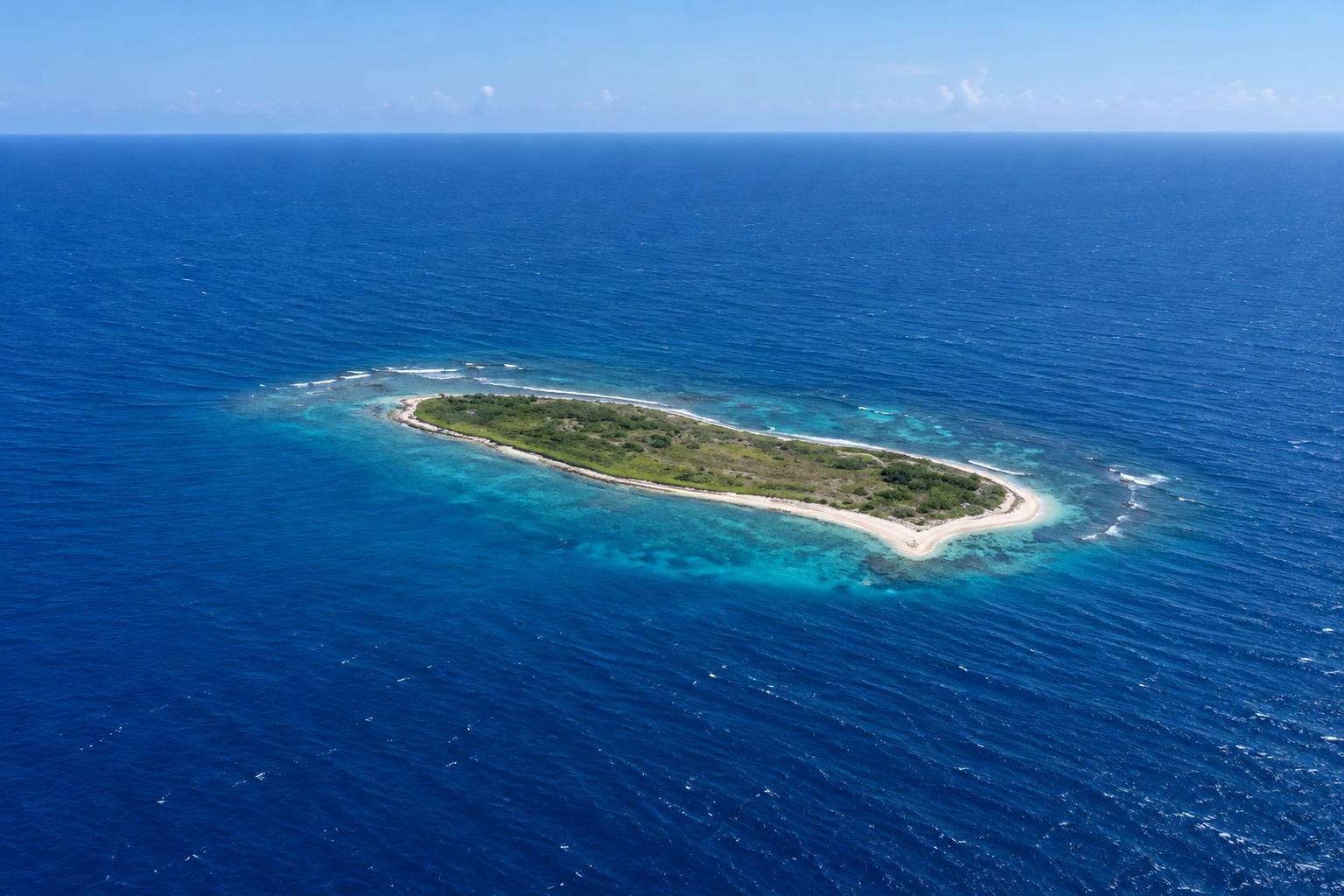
Seven small white-sand islets off Monte Cristi, surrounded by coral reefs and protected as a wildlife refuge, home to seabirds and turtles.
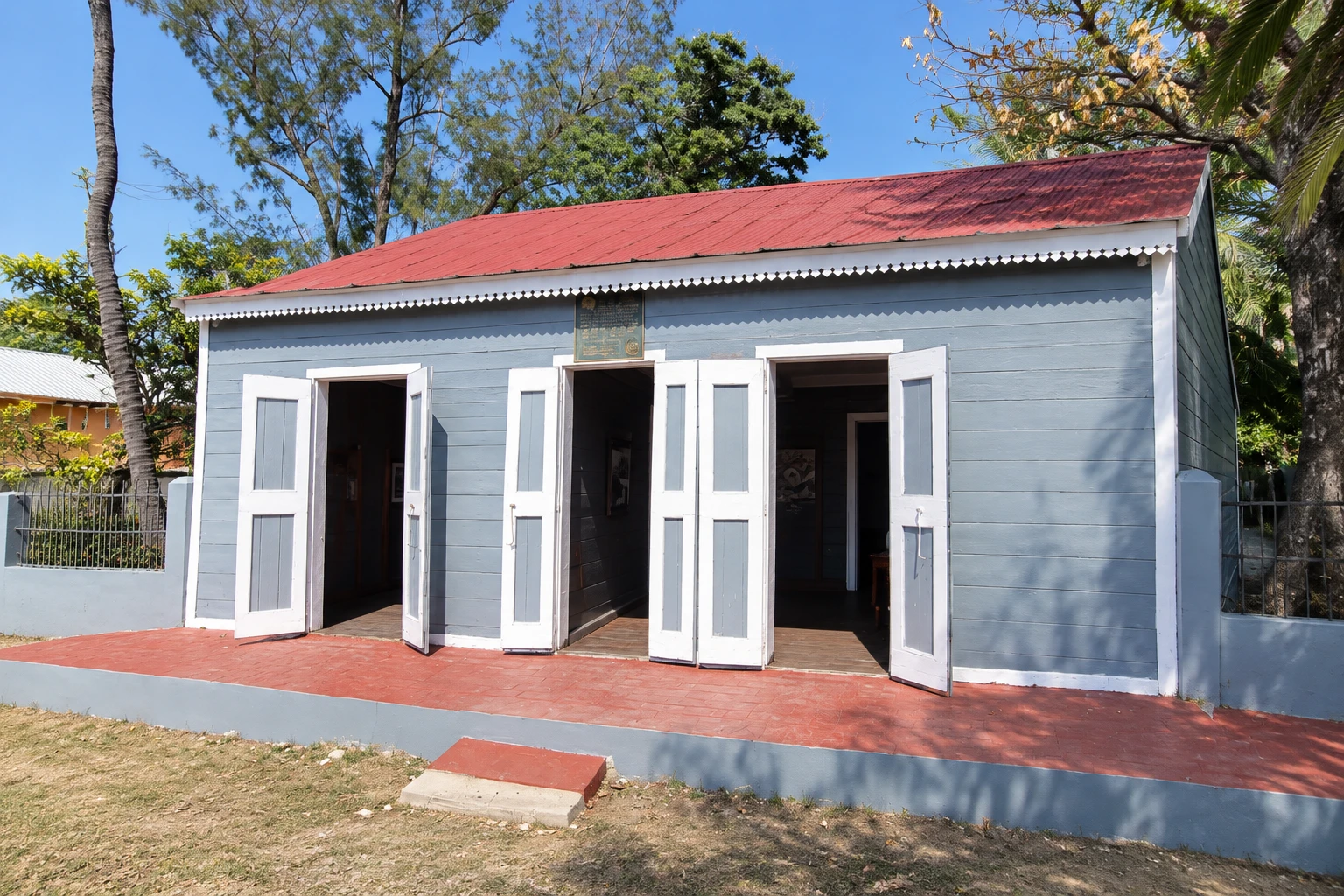
The house where Máximo Gómez lived, a general in Cuba's wars of independence, and where he and José Martí signed the Manifesto of Montecristi in 1895.
Before you go
Monte Cristi – the Dominican Republic Capital
Approximate distances. Check flights and bus, train or boat schedules before you travel.
Connections with Brazil may be direct or with a stopover, depending on season and airline. Confirm before booking. Cibao airport (STI) in Santiago is about a two-hour drive. From Santo Domingo, around four and a half hours, with direct buses.
Two to three days: El Morro and the beaches, the Cayos Siete Hermanos and the town with Máximo Gómez’s house.
From December to April the sea is usually calmer for the cayos and the heat is milder. The region is dry year-round; hurricanes can occur from June to November.
The seasons shown are the most usual ones; nature doesn't always follow the calendar.
Handy for El Morro and the beaches, a few kilometers away. In town everything is walkable, and mototaxis take you to the beaches; for the cayos, boat.
Suggested itinerary
Built with the places on this page. No rush: it's paced so you have time to see them.
Leave early for El Morro and climb the staircase to the lookout, with views of the sea, the salt flats and the mangroves.
Spend the afternoon on the beach at the foot of the stone table, with calm water and pale sand.
In the late afternoon, return to the center, see the Victorian houses and the central park clock, and visit the house of Máximo Gómez.
At night, try chivo picante, the region’s typical spiced goat.
Day 1
El Morro viewpoint.
Beach at the foot of the table.
Clock, Victorian houses and Máximo Gómez’s house.
Chivo picante.
Day 2
Leave early by boat for the Cayos Siete Hermanos, with snorkeling on the reefs.
Lunch and beach on one of the cayos.
On the return, pass through the mangroves at the mouth of the Yaque del Norte.
Sunset on the malecón.
Check before you go. Opening hours and days change, and places may close for renovations, holidays or events. This itinerary is a suggestion from Cidade Turismo, not a commitment: plan yours by checking directly with each place you intend to visit.
Before you go
Climb El Morro, go to the Cayos Siete Hermanos, walk the mangroves and visit Máximo Gómez’s house.
The kid goat raised in the region, which feeds on dry-forest plants and is served spicy; it’s the town’s typical dish.
Yes, at the foot of El Morro and in other stretches of the national park, with calm water.
You can, but it’s two hours on the road each way; it’s worth staying at least one night.