Castelo
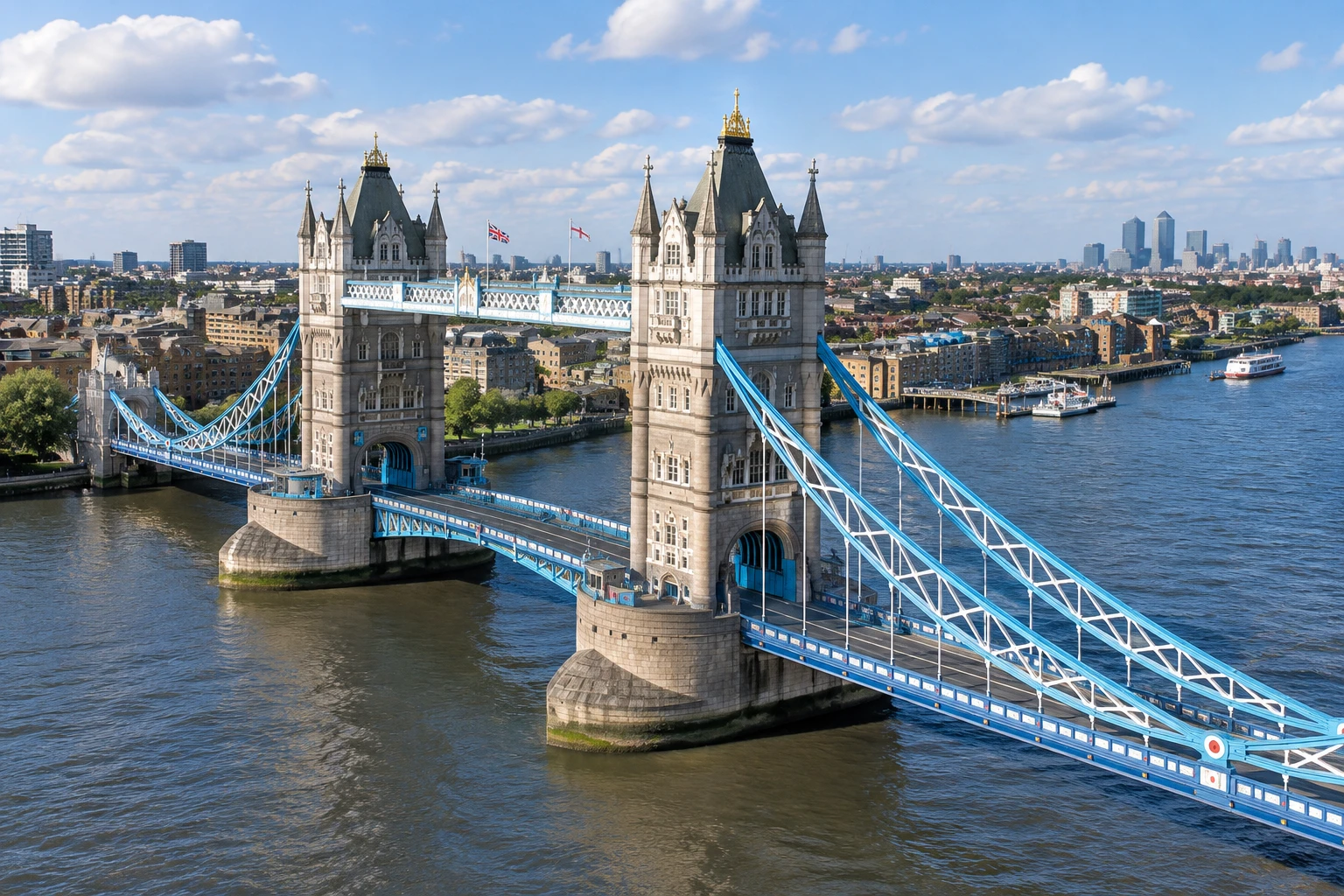
Tower of London
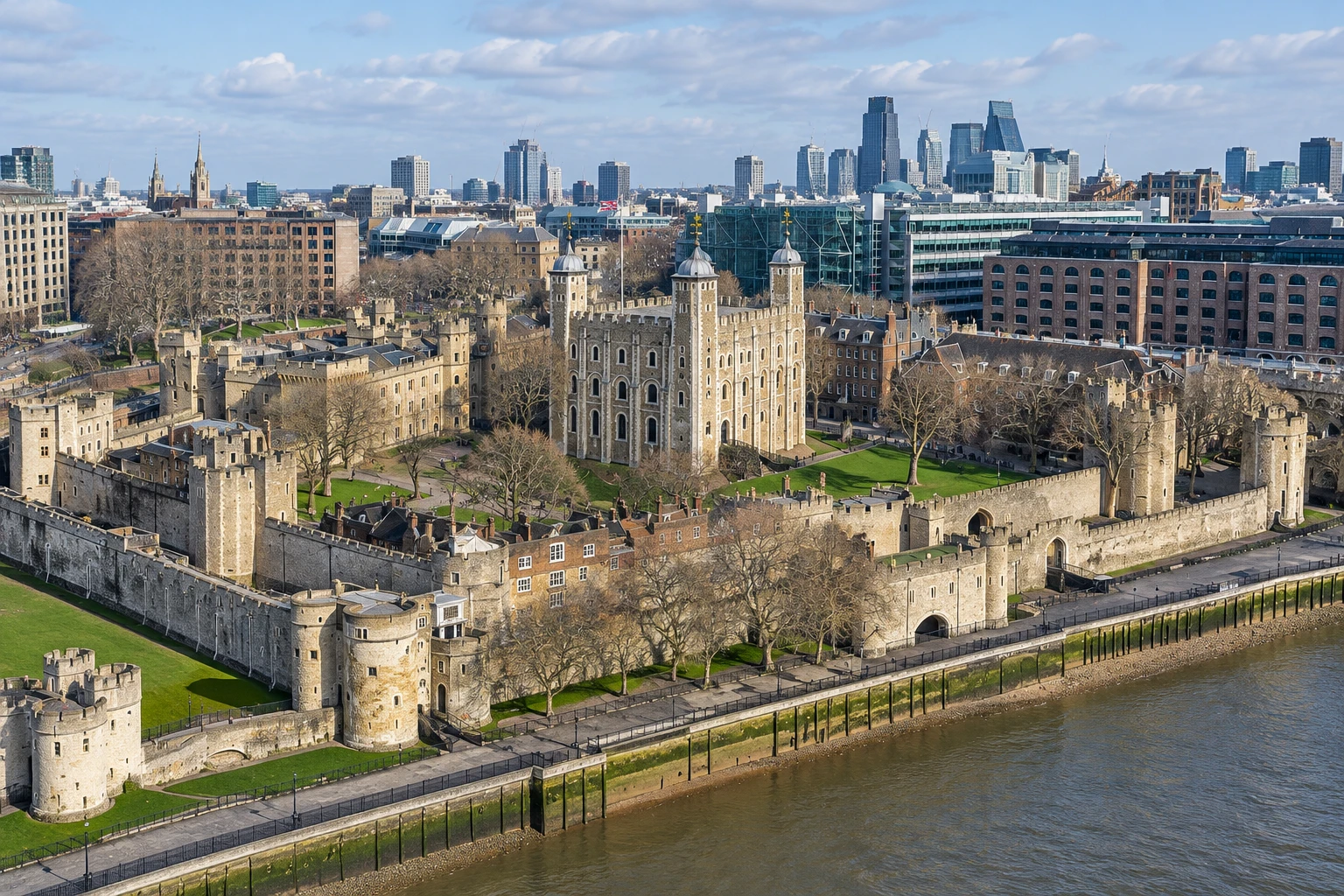
The fortress on the banks of the Thames erected by Guilherme, the Conquistador, after 1066: the Torre Branca, the walls, the ravens, the Yeomen Warders and the Joias da Coroa. UNESCO World Heritage.

 Search
 Brazil
 Antarctica
 Argentina
 Bolivia
 Chile
 Colombia
 Ecuador
 Falkland Islands (Malvinas)
 French Guiana
 Guyana
 Paraguay
 Peru
 Suriname
 Uruguay
 Venezuela
 Austria
 Belgium
 Croatia
 Denmark
 Finland
 France
 Germany
 Greece
 Hungary
 Iceland
 Ireland
 Italy
 Luxembourg
 Norway
 Poland
 Portugal
 Slovakia
 Slovenia
 Spain
 Sweden
 Switzerland
 the Czech Republic
 the Netherlandsthe United Kingdom
 Turkey
 Bermuda
 Canada
 Greenland
 Mexico
 Saint Pierre and Miquelon
 the United States
 the Dominican Republic
 JapanTurkey
 Egypt
 South Africa
 Australia
 Fiji
 New Zealand
 Papua New Guinea
England
18 places to visit London (the United Kingdom), chosen by the Cidade Turismo guide.
Illustrative images. The pictures in this guide are illustrations based on the real place, not photographs, and may differ from it.
To start
One by one
The fortress on the banks of the Thames erected by Guilherme, the Conquistador, after 1066: the Torre Branca, the walls, the ravens, the Yeomen Warders and the Joias da Coroa. UNESCO World Heritage.
The bascule bridge with neo-Gothic towers over the Tâmisa, opened in 1894, next to the Torre de Londres. The high walkways with glass floors and the Victorian engine room can be visited.
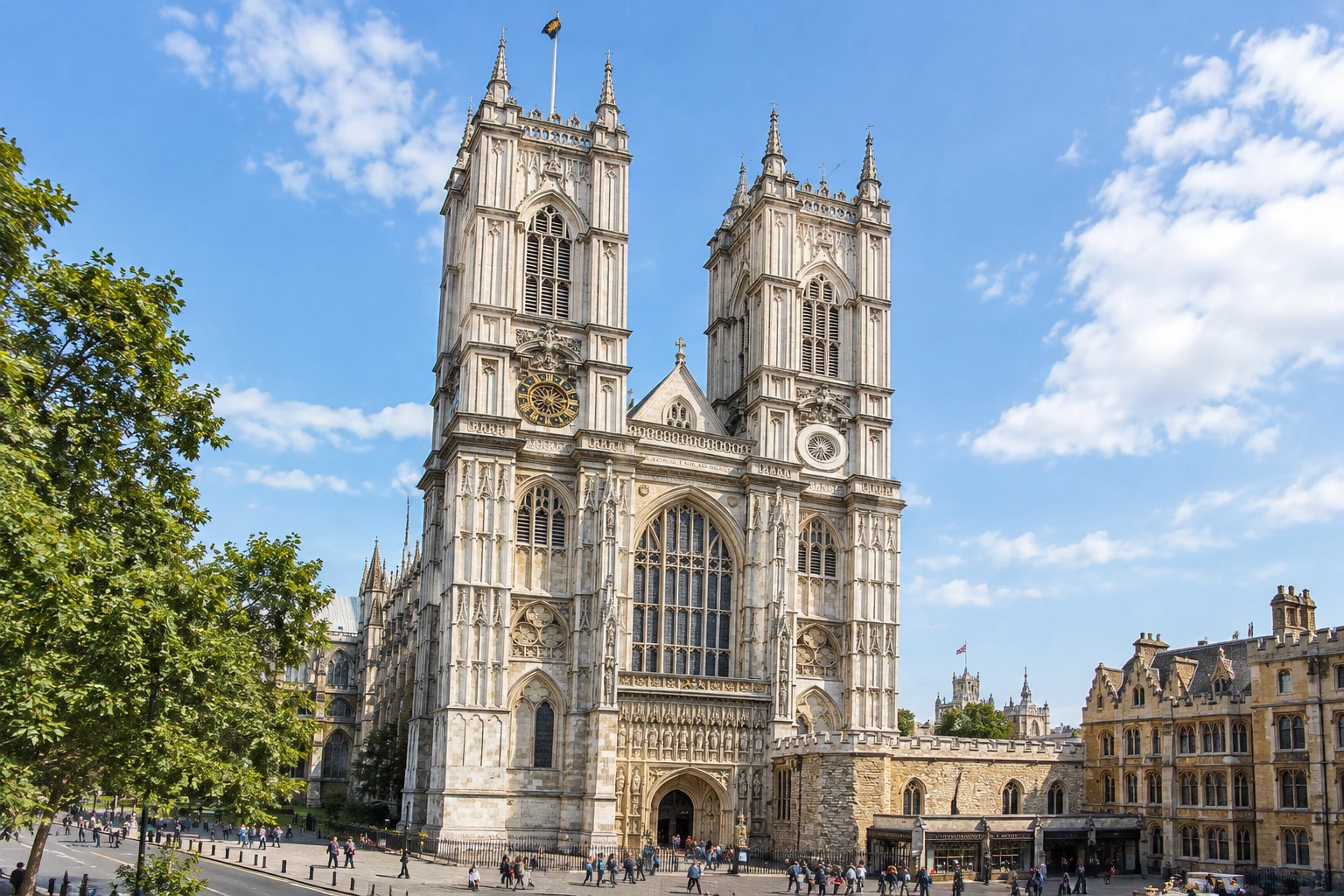
The Gothic church where English monarchs have been crowned since 1066, with tombs of kings and queens, the Canto dos Poetas and the graves of Isaac Newton and Charles Darwin. UNESCO World Heritage Site.
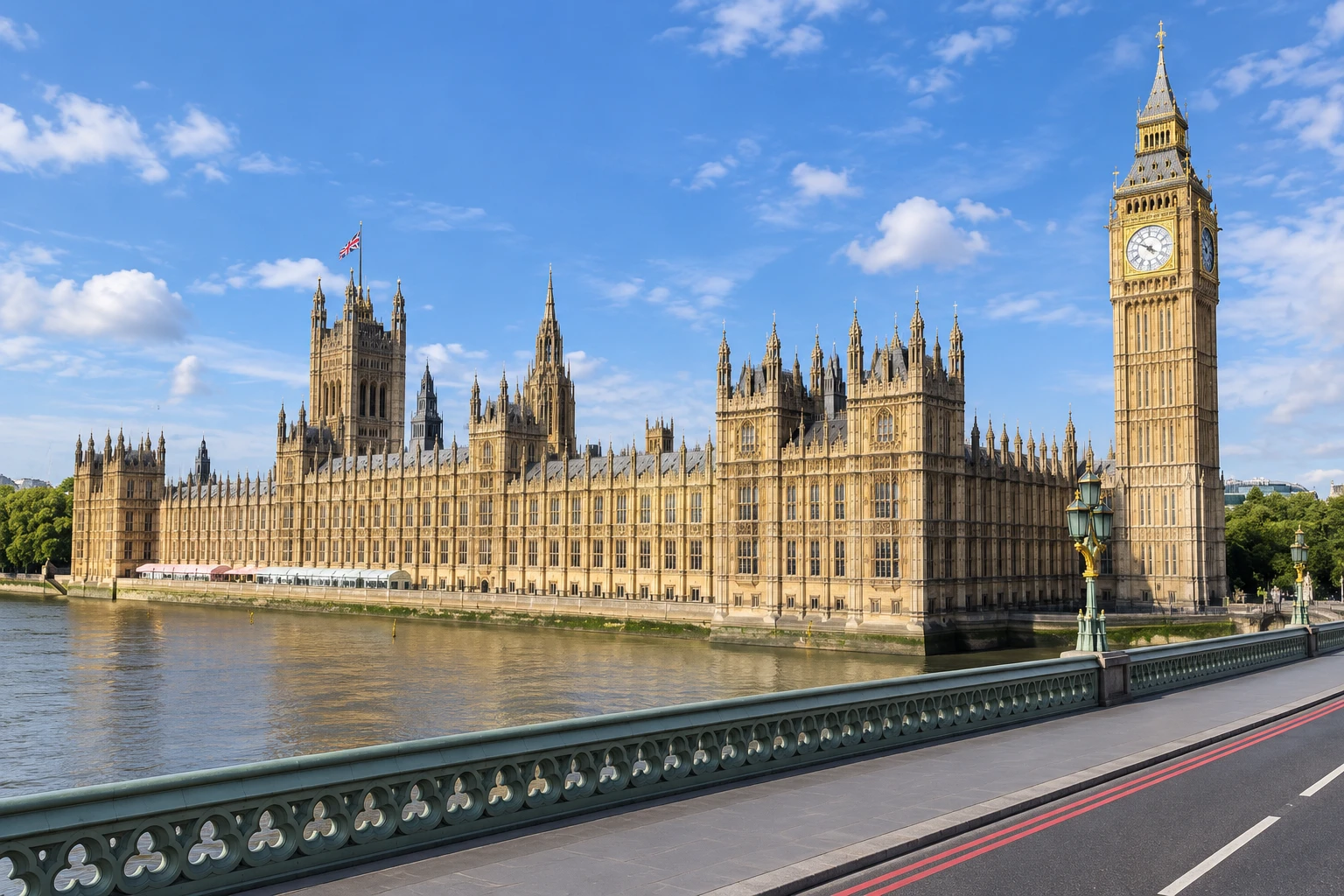
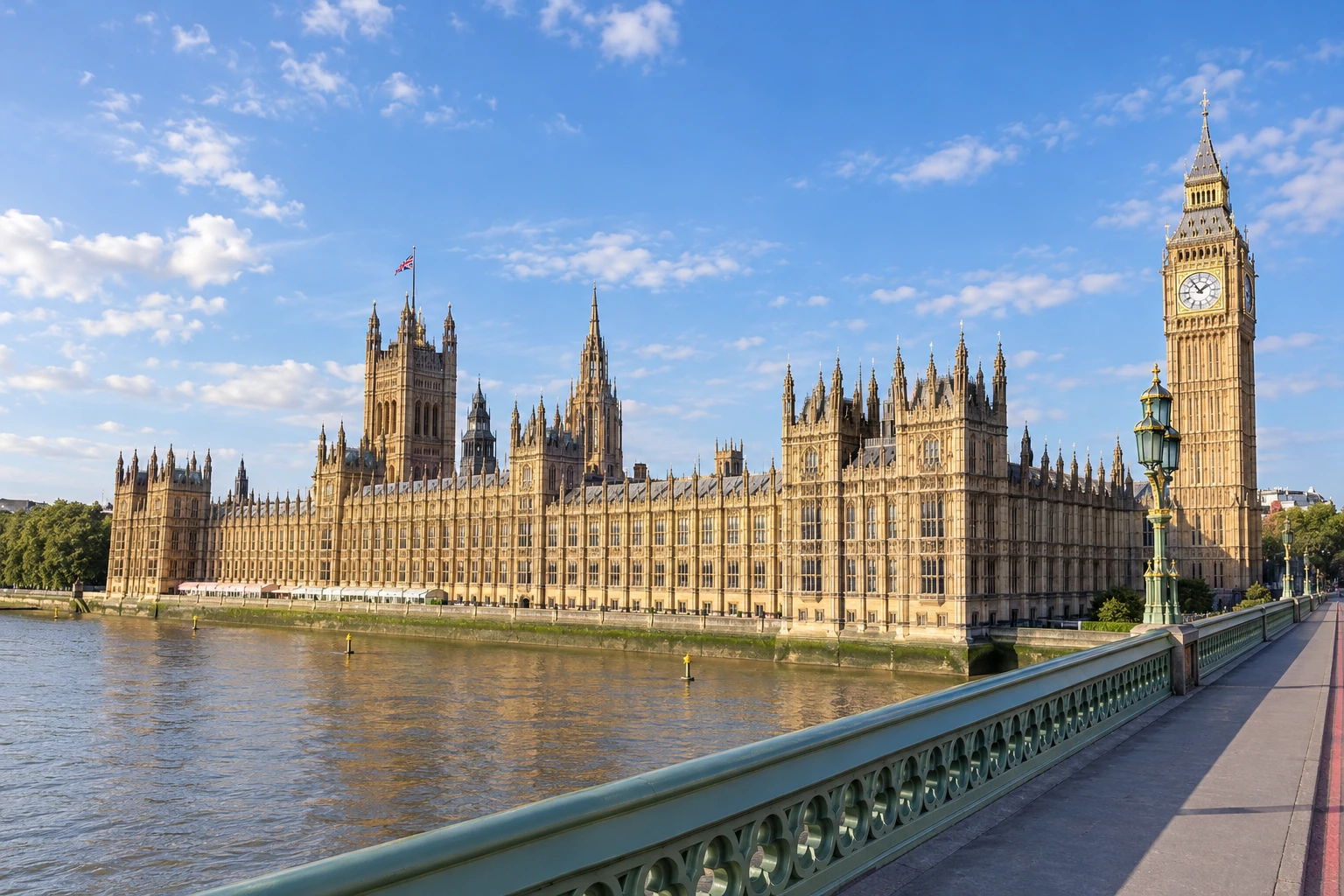
The British Parliament, in neo-Gothic style on the banks of the Tâmisa, with the Elizabeth Tower, the clock tower of Big Ben. There are guided tours of Westminster Hall and the chambers of the Commons and the Lords.
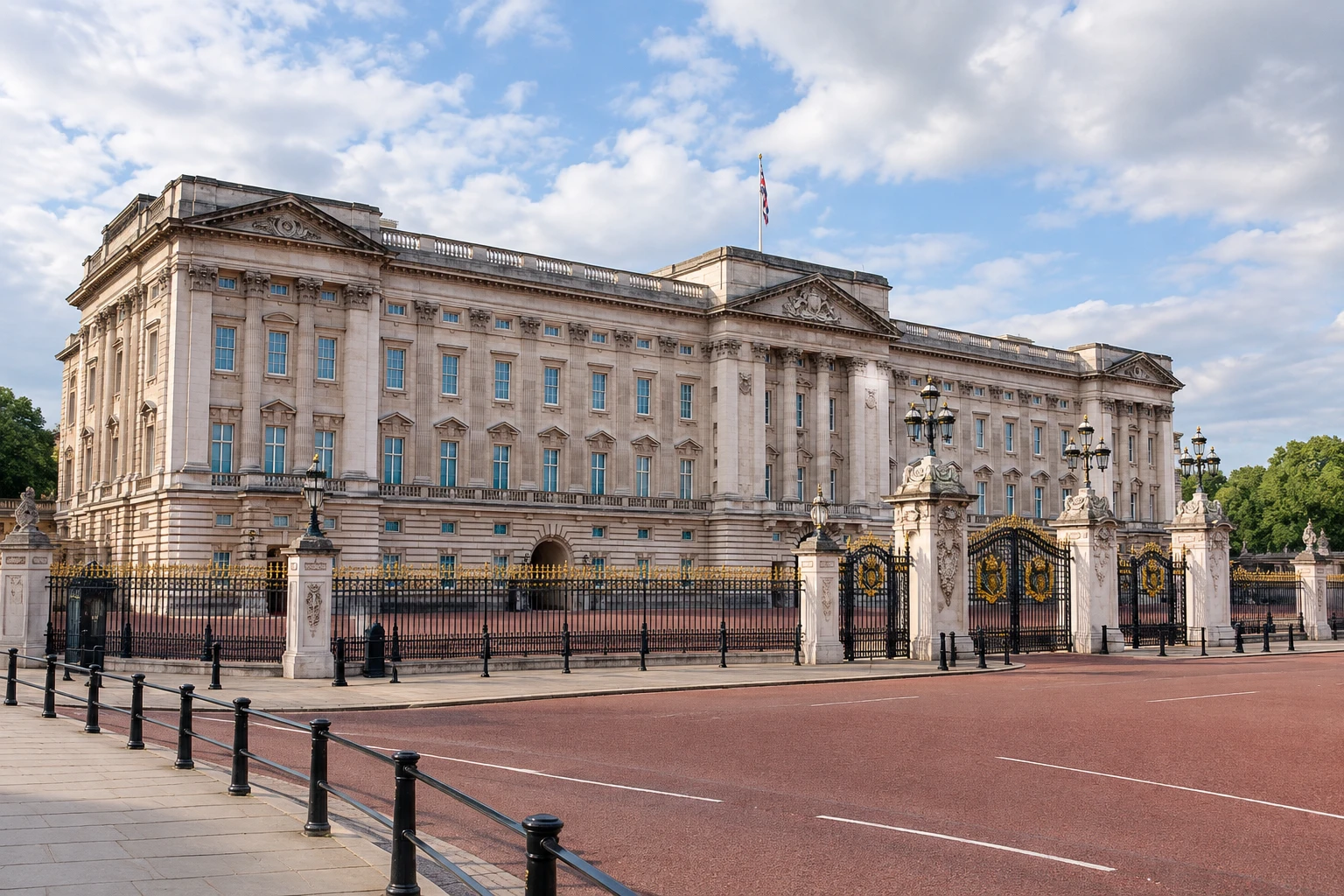
The official residence of the British monarch, facing the Victoria Memorial and St James's Park. The Changing the Guard takes place at the front, and the State Rooms usually open for visits in summer.
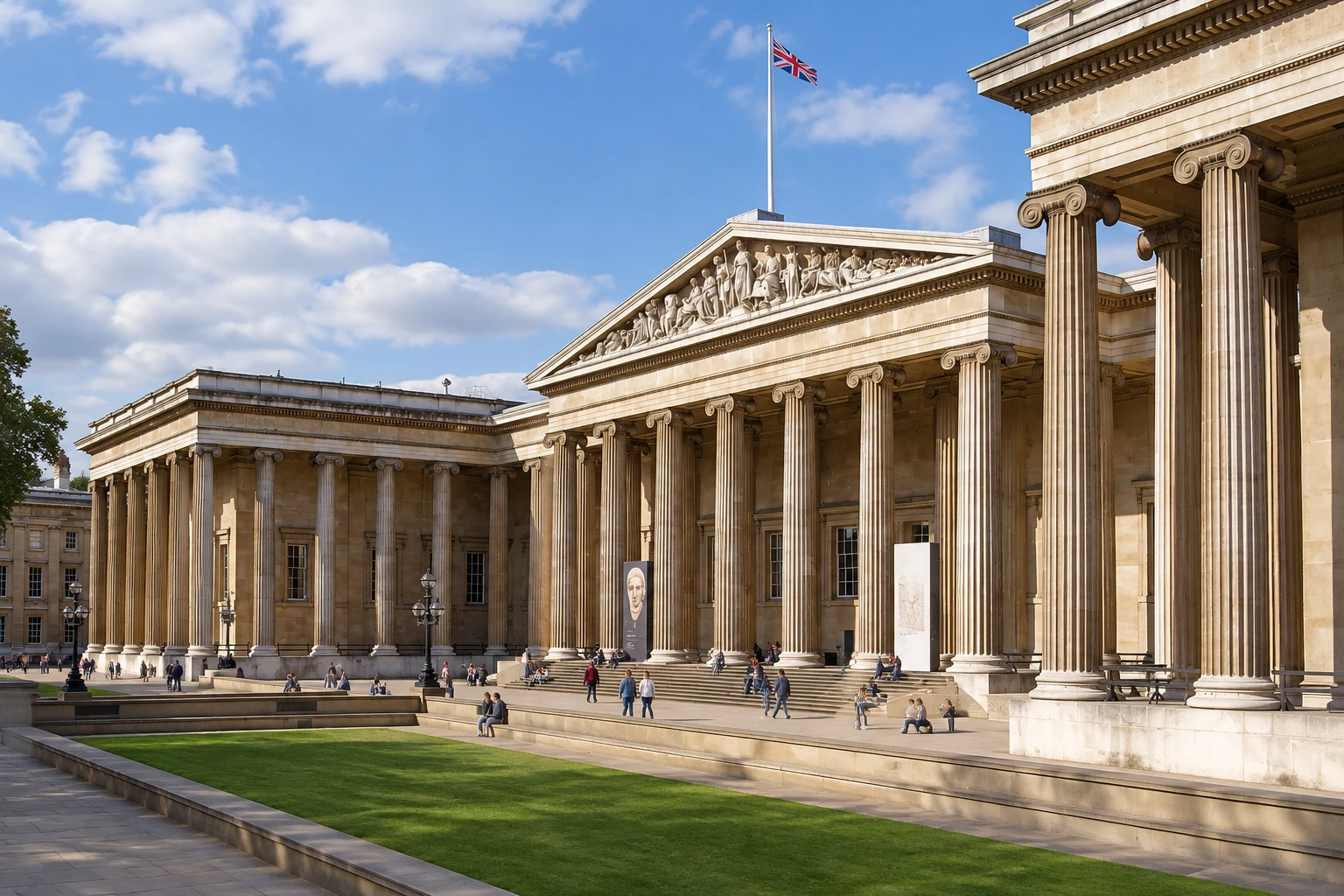
The museum of human history and culture founded in 1753, with the Rosetta Stone, the Parthenon marbles, Egyptian mummies and the Great Court covered with glass. Admission to the permanent collection is usually free; check before you go.
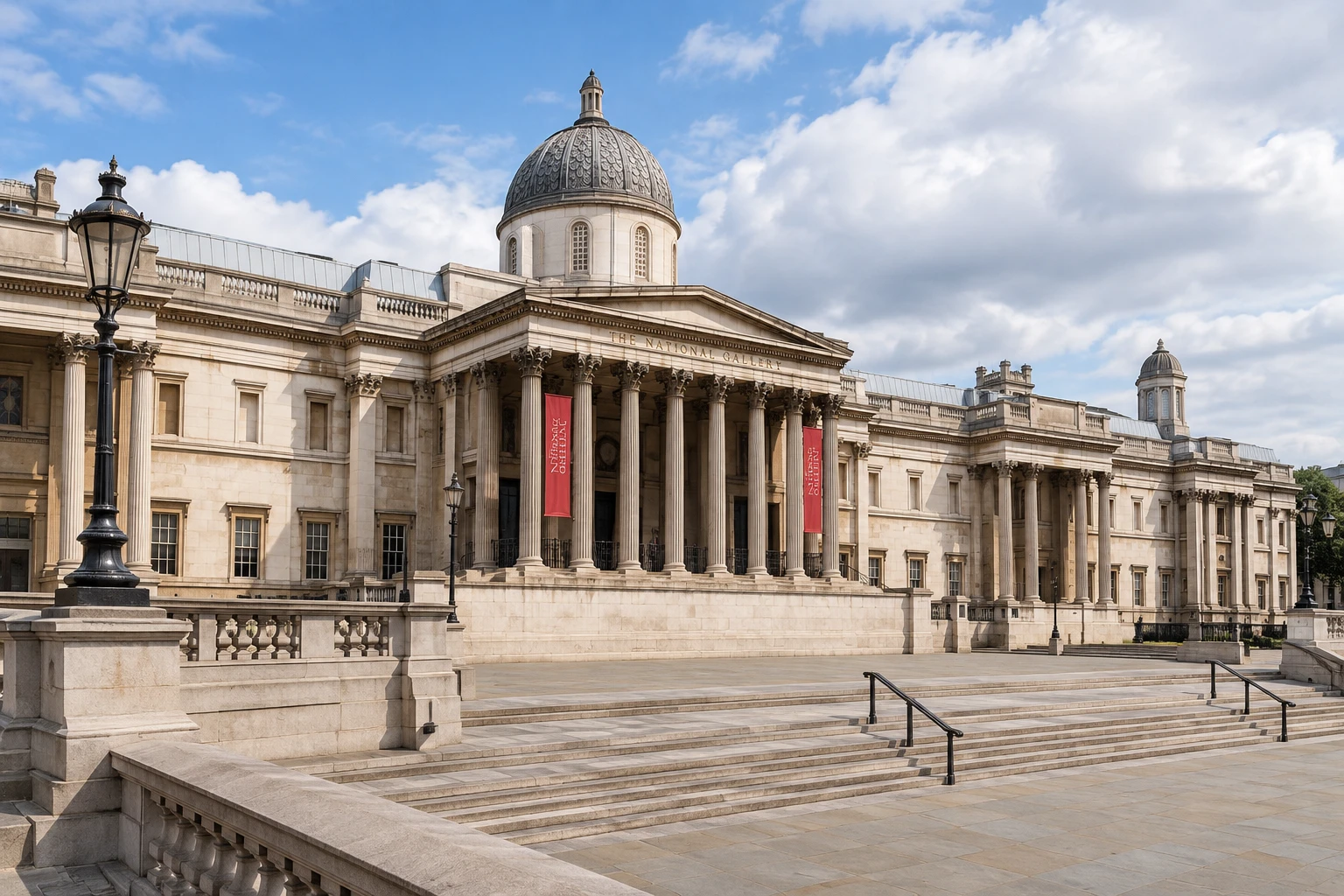
The museum of European painting on Trafalgar Square, with works by Van Eyck, Leonardo, Titian, Rembrandt, Velázquez, Turner, Monet and Van Gogh's Sunflowers. Entry to the permanent collection is usually free; check beforehand.
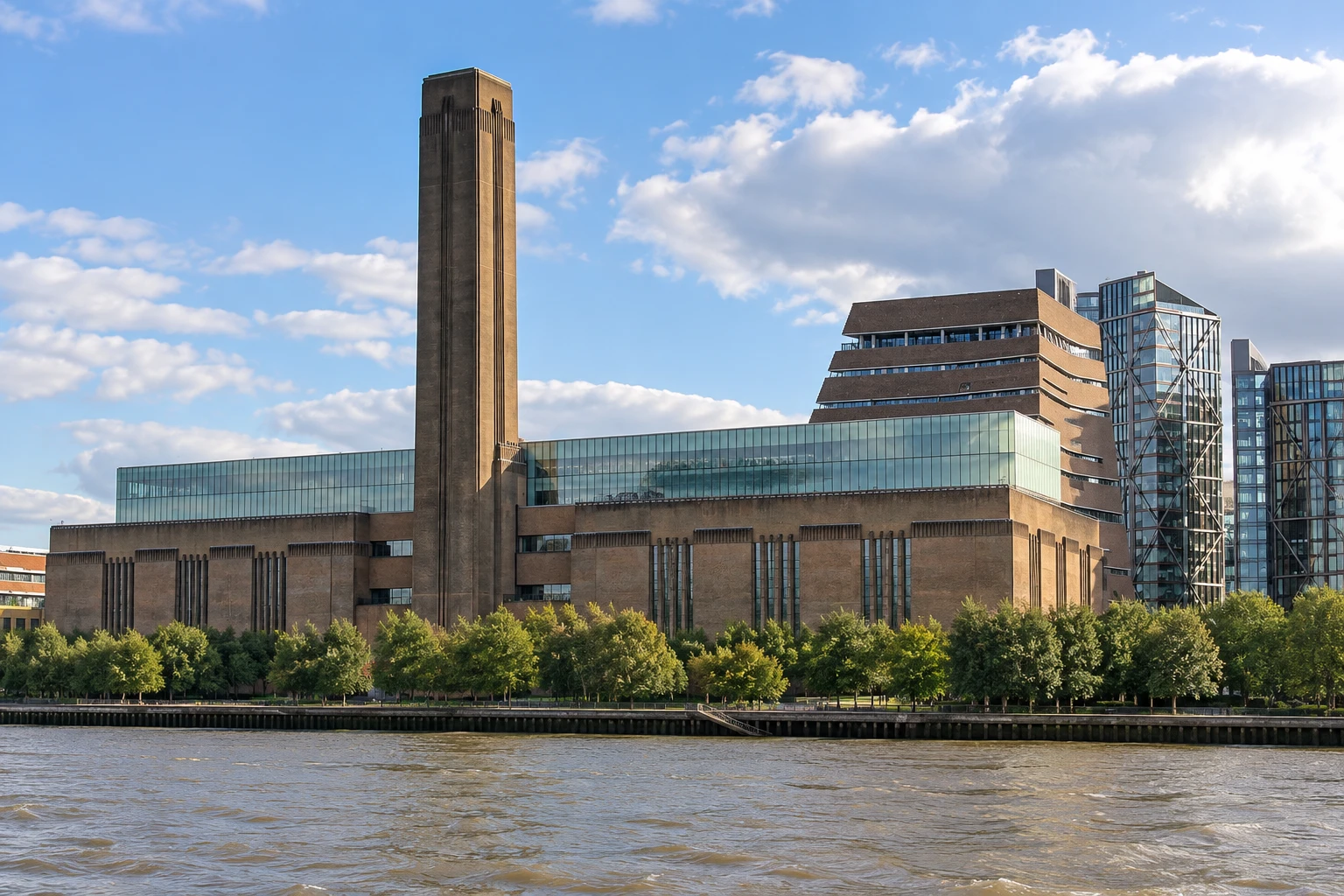
The museum of modern and contemporary art in a former power station on the south bank of the Thames, featuring the Turbine Hall, works by Picasso, Rothko and Warhol, and an observation terrace in the Blavatnik building. Entry to the permanent collection is usually free; check beforehand.
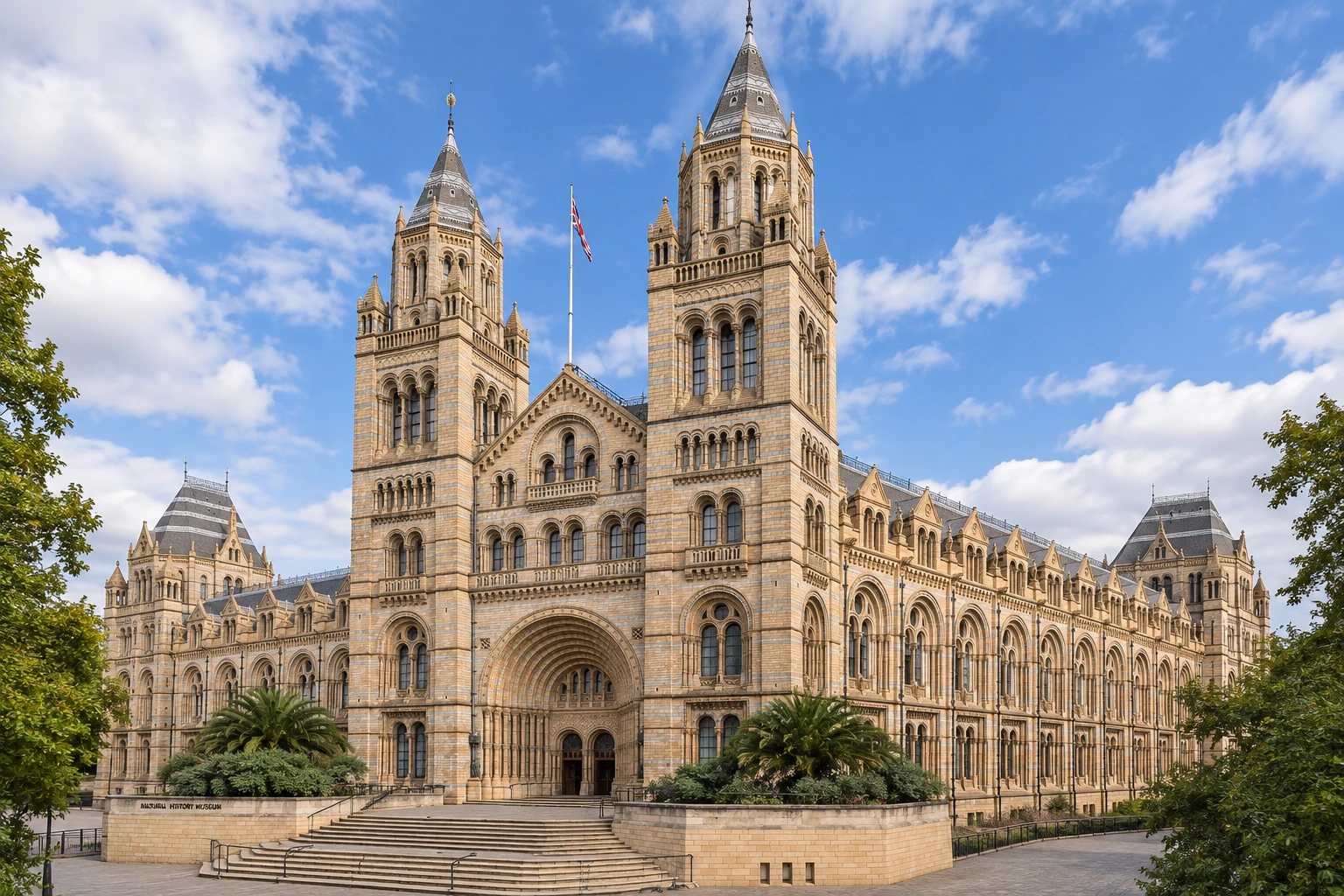
The museum of natural history in South Kensington, in a terracotta Victorian building, with the blue whale skeleton in the Hintze Hall, the dinosaurs and the mineral collection. Entry to the permanent displays is usually free; check beforehand.
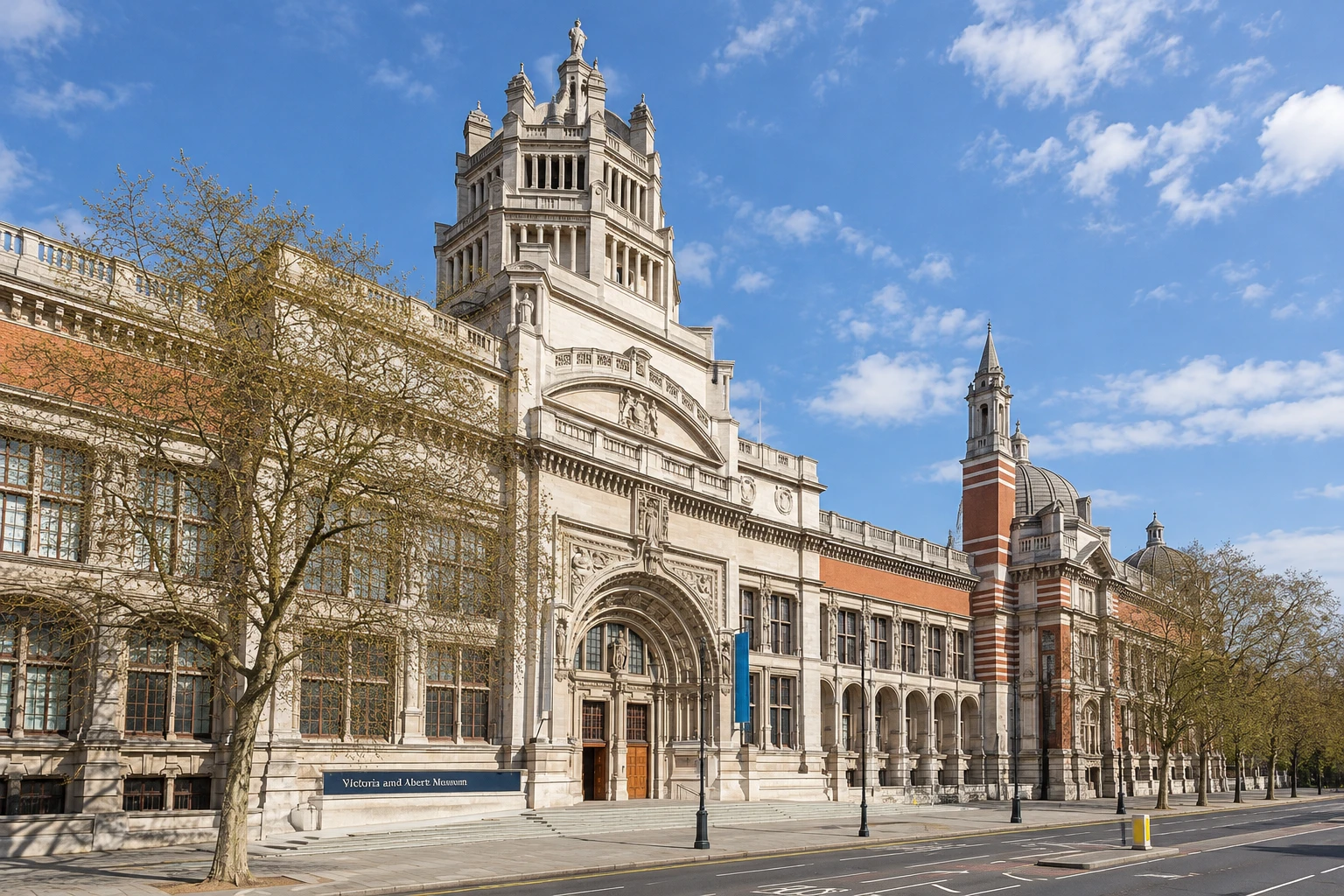
The museum of art, design and decorative arts in South Kensington, founded in 1852, with fashion, jewellery, sculptures, the Cartas de Rafael and a courtyard garden. Admission to the permanent collection is free; check ahead.
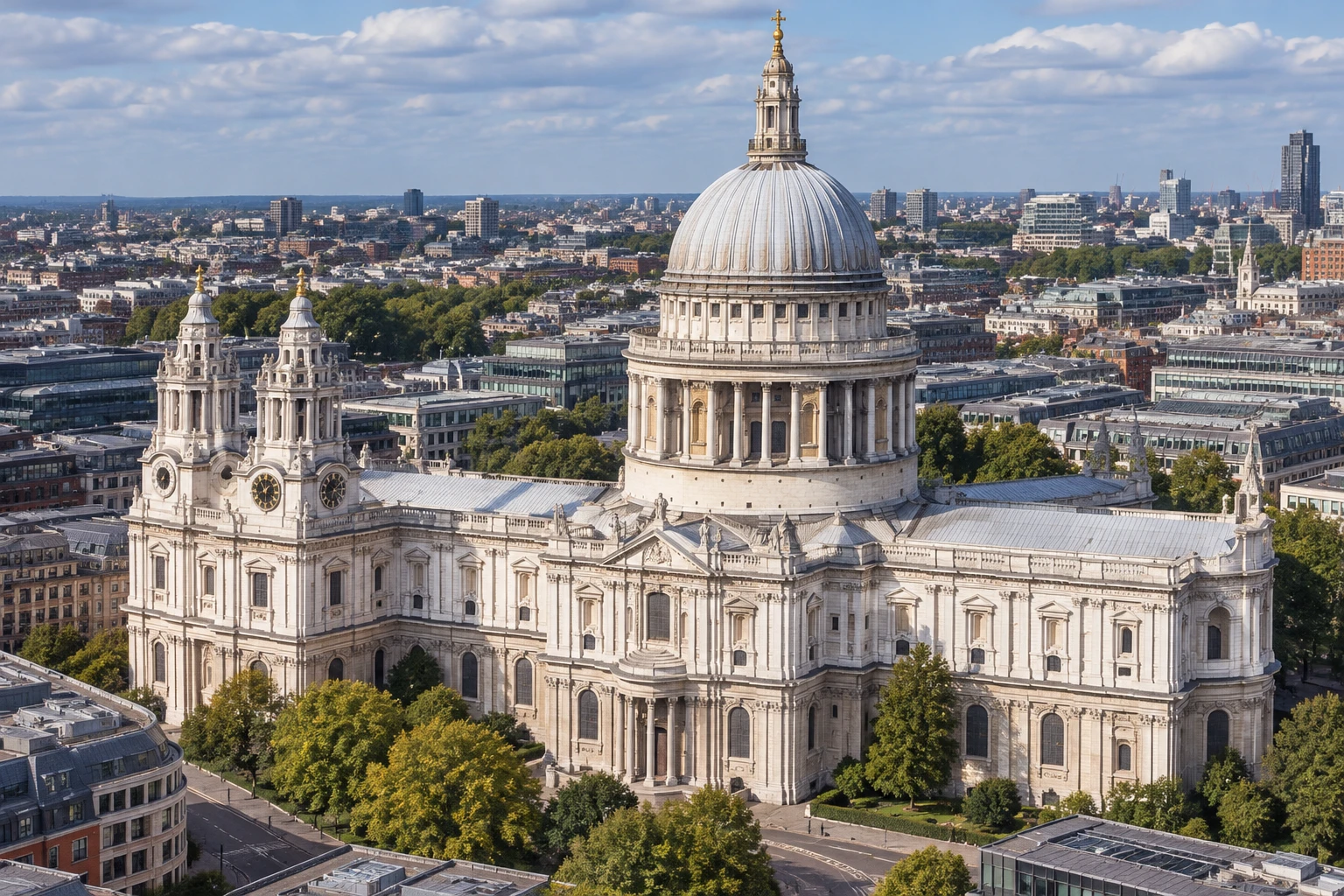
Christopher Wren's Baroque cathedral, completed in 1710 after the Great Fire of London, with its dome, the Whispering Gallery, the upper galleries and the crypt containing the tombs of Nelson and Wellington.
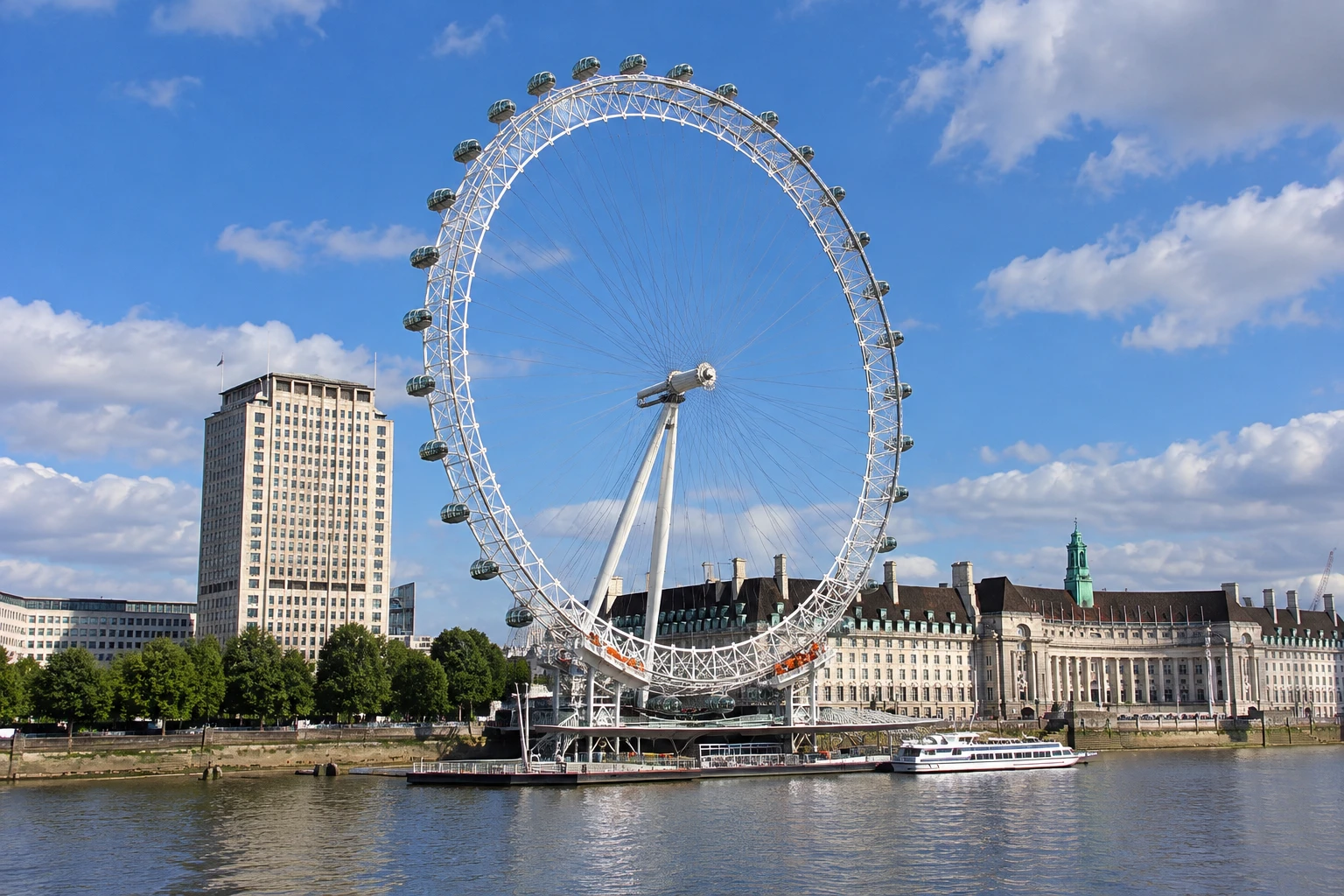
The 135-metre Ferris wheel on the south bank of the Tâmisa, opposite the Parliament, with glass capsules that complete a rotation in about 30 minutes and offer views over Westminster and the river.
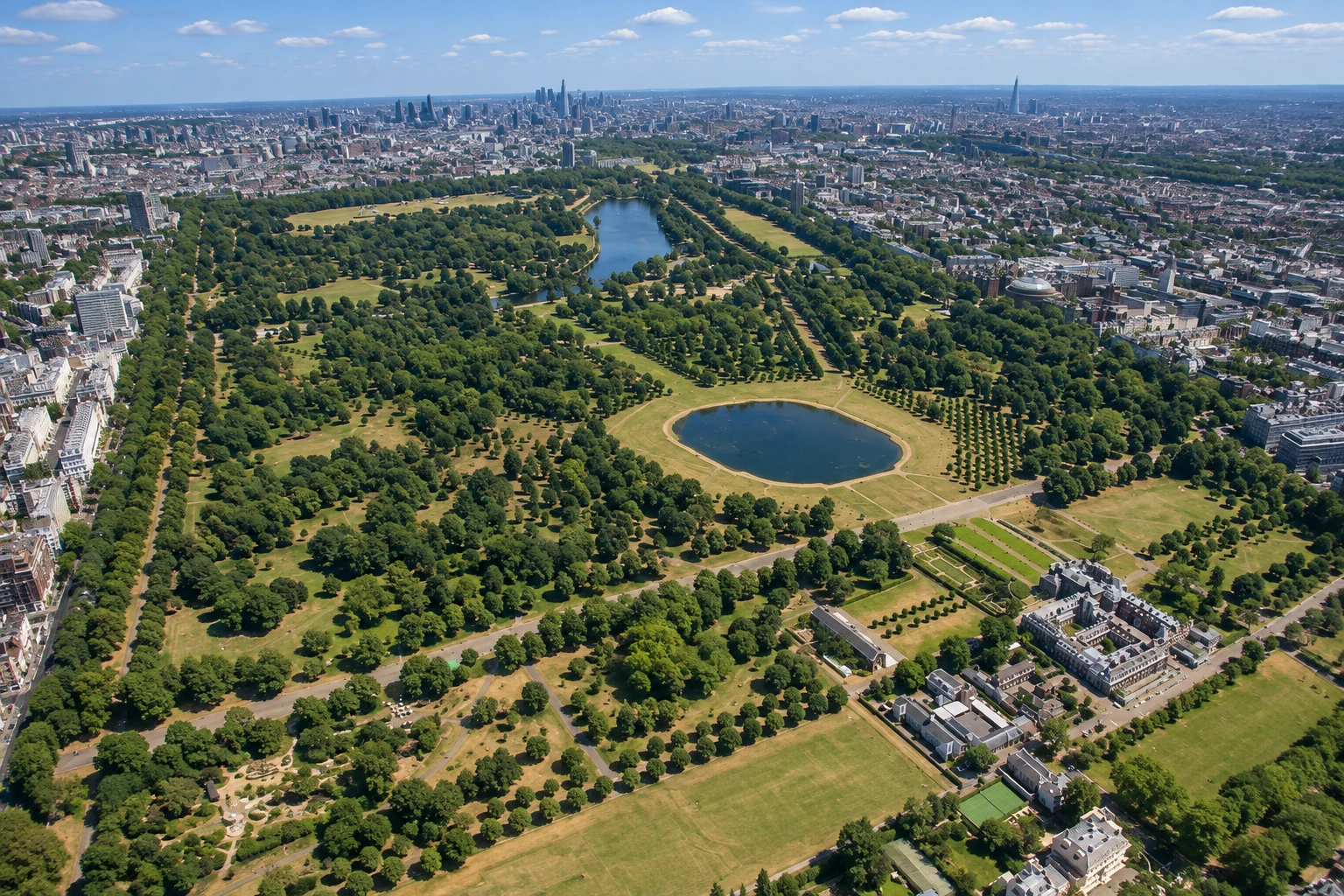
The largest of the royal parks in central London, with the Serpentine lake, Speakers' Corner, the Diana memorial fountain and, adjoining it, the Kensington Gardens with the Palácio de Kensington and the Albert Memorial.
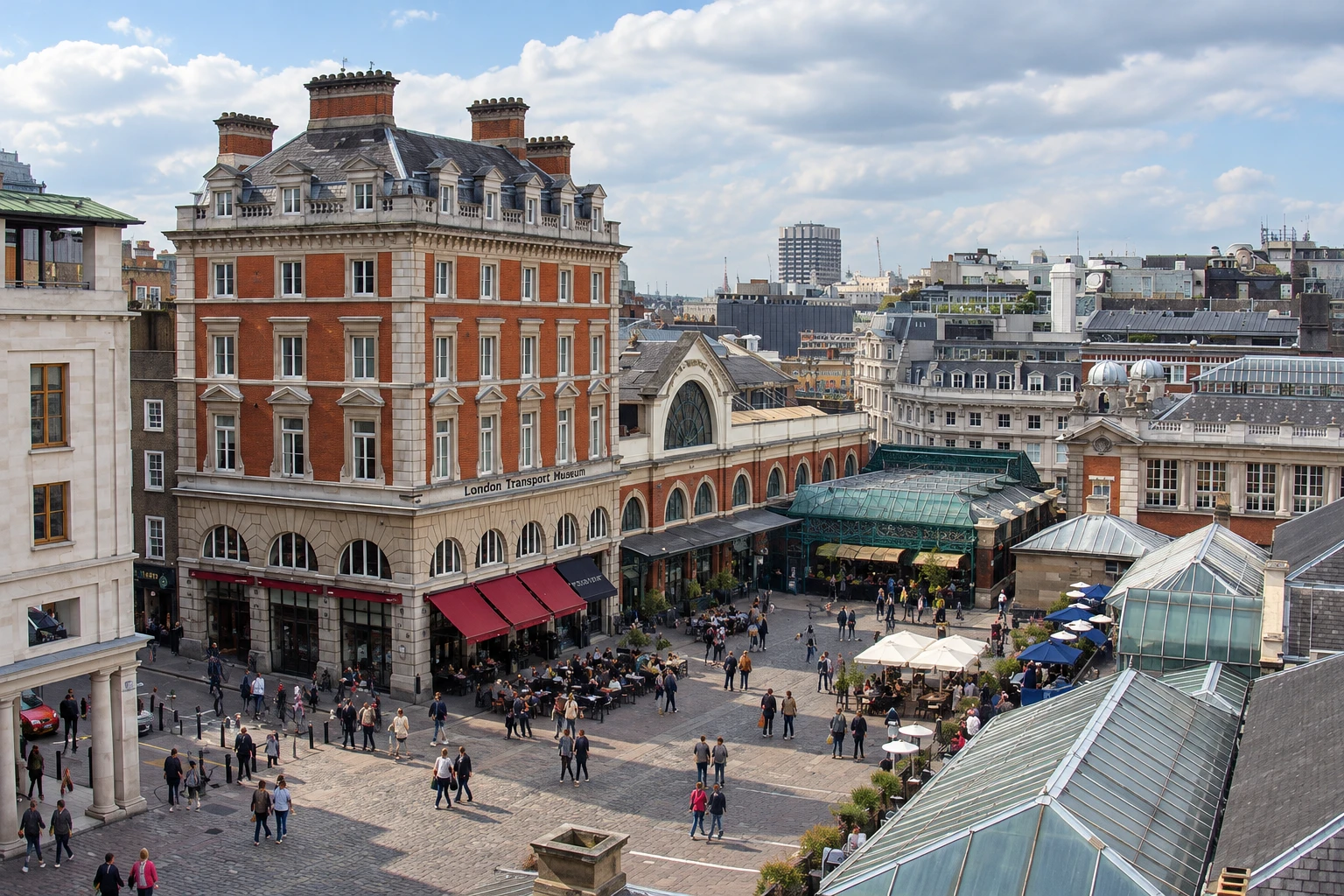
The square of the old flower and vegetable market in the West End, with the covered market from 1830, shops, street performers in front of the church of São Paulo, the Royal Opera House and the surrounding theatres.
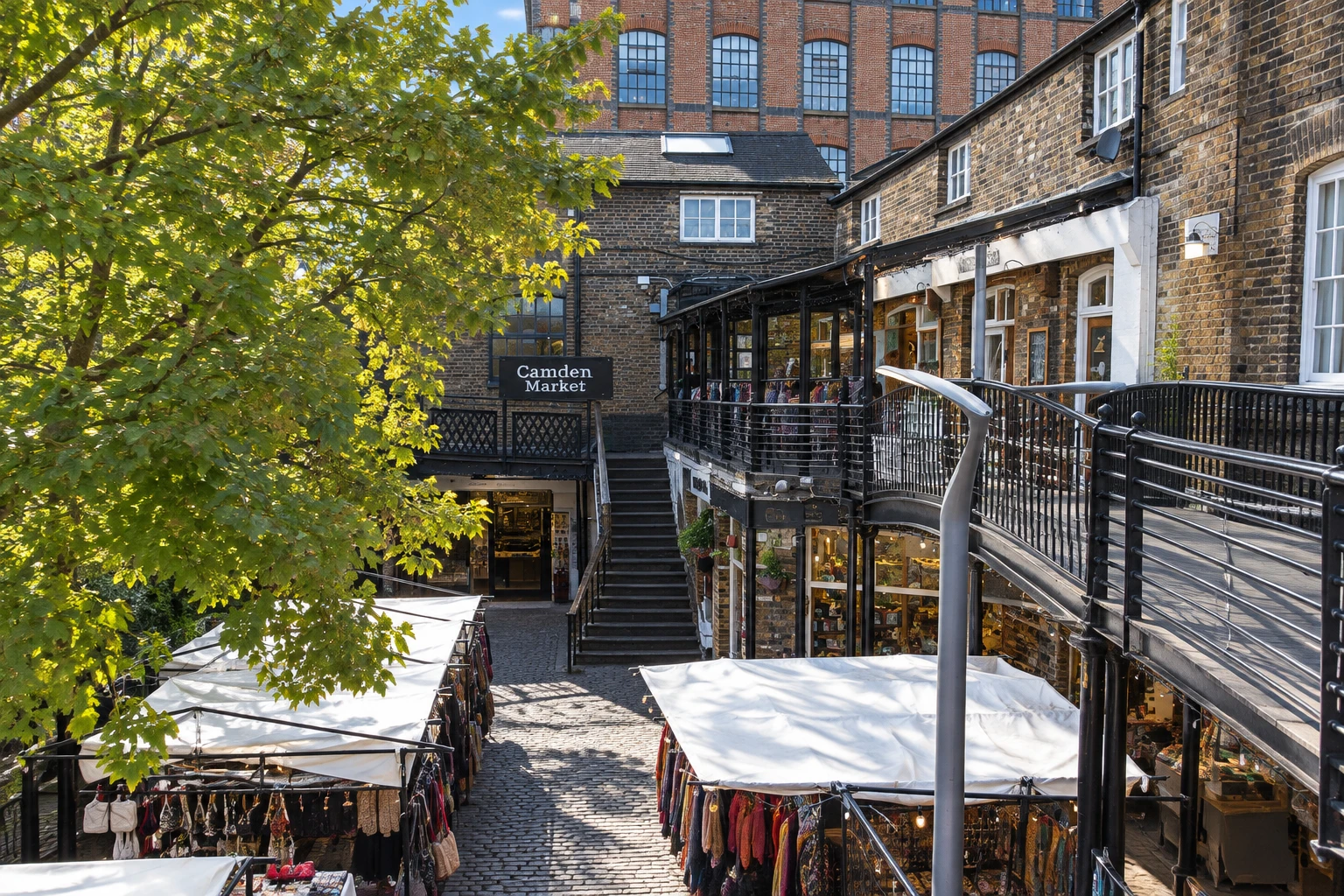
The collection of markets by the Regent's Canal in north London, with hundreds of stalls selling clothes, records, crafts and street food from many countries, set in the canal's former stables and warehouses.
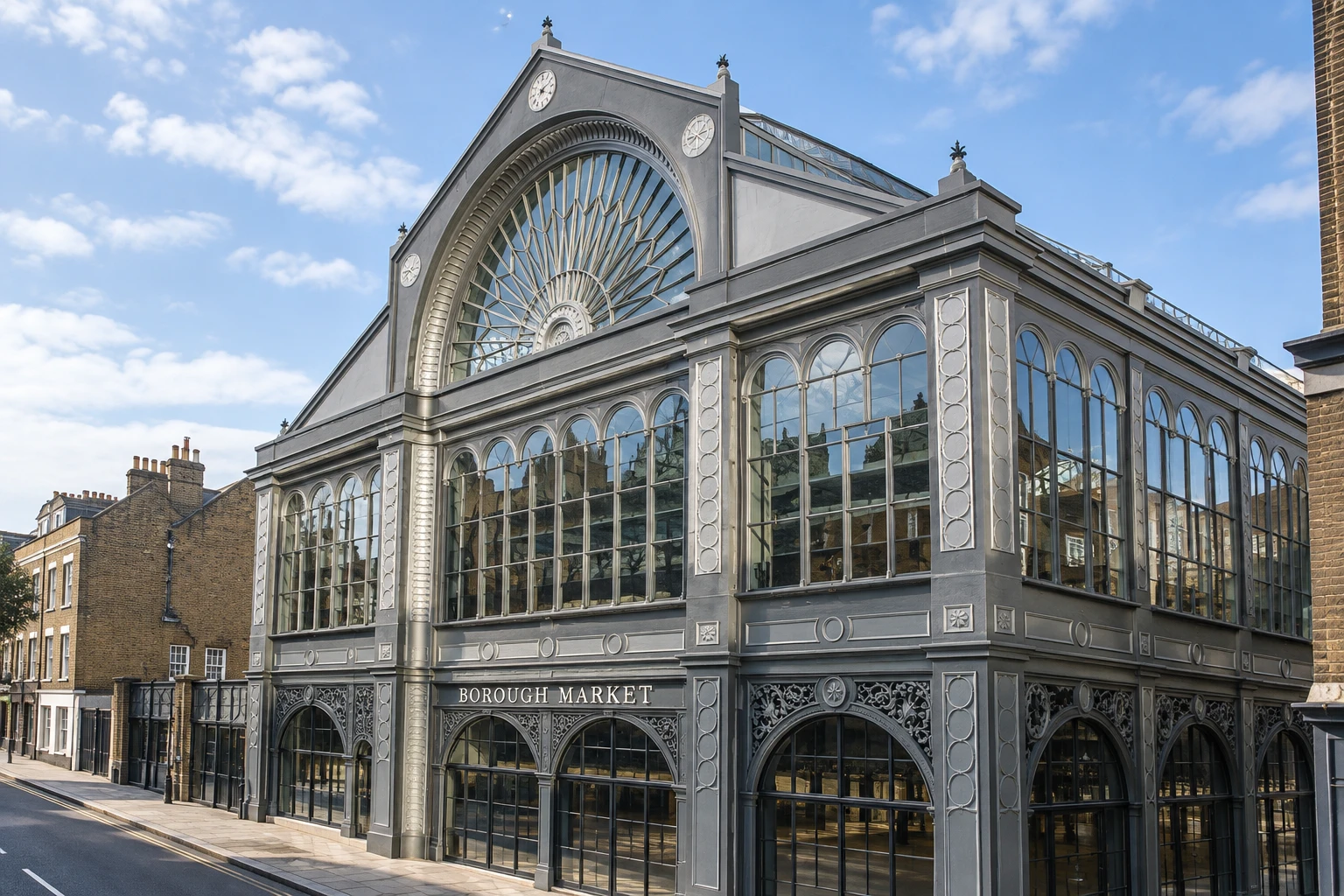
The food market on the south bank, near London Bridge, with medieval origins: stalls selling cheese, bread, meats, fruit and prepared food beneath 19th-century iron structures.
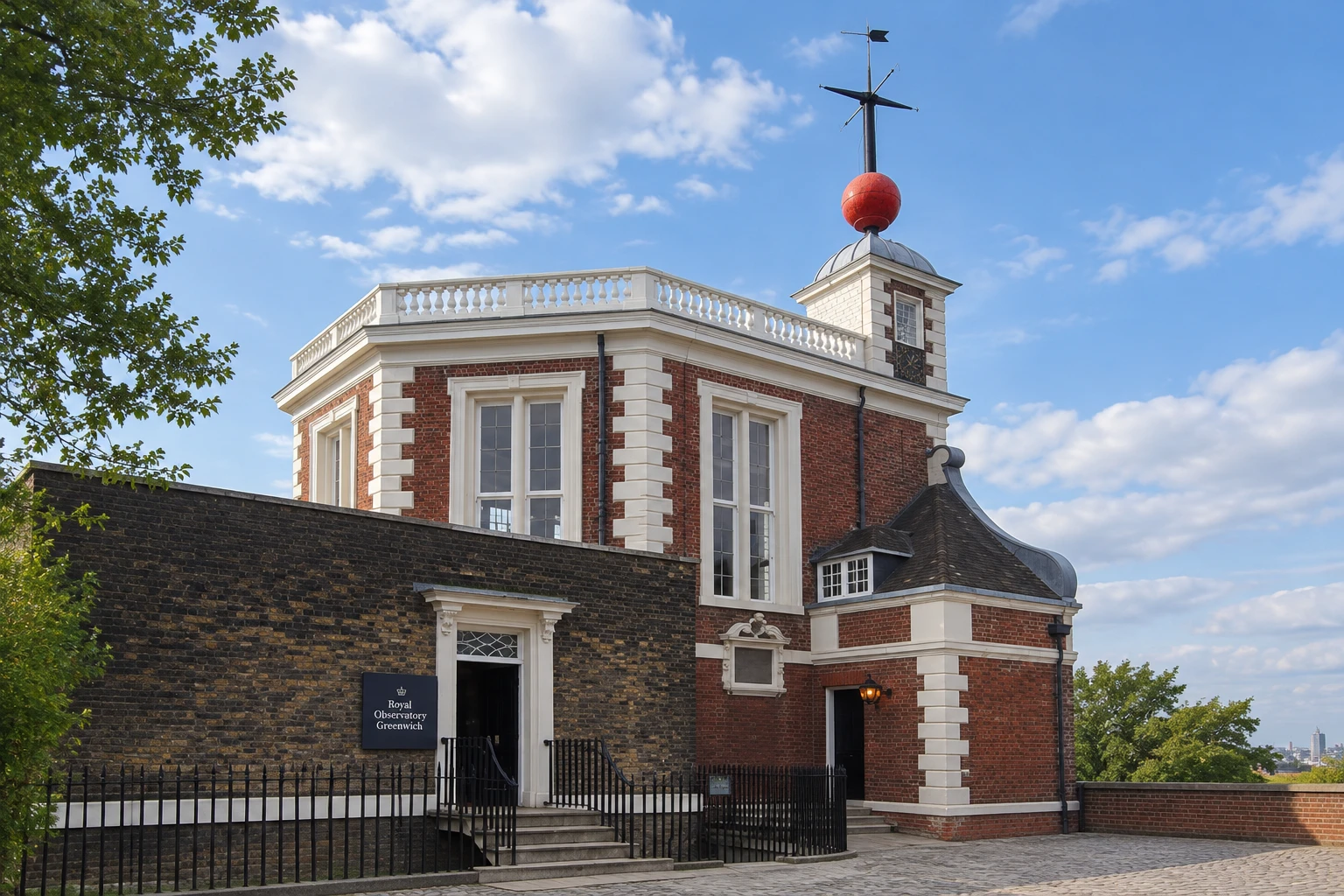
The 17th-century observatory atop Greenwich Park, where the Meridiano de Greenwich (the zero meridian) passes. Around it are the sailing ship Cutty Sark, the Museu Marítimo Nacional and the Old Royal Naval College. A UNESCO World Heritage site.
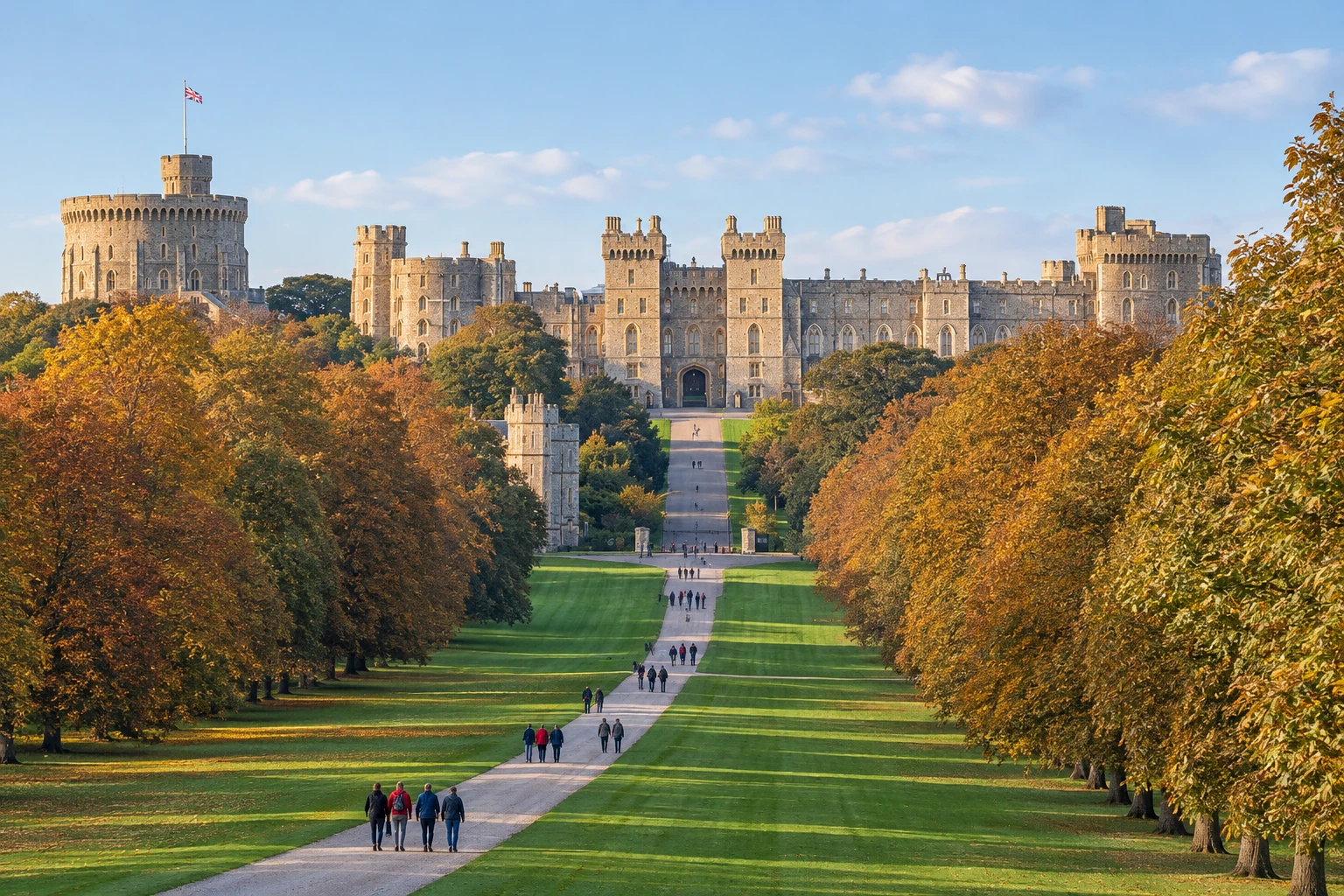
The oldest royal residence in continuous use in the world, 35 km from London, with the State Apartments, the Capela de São Jorge where Queen Elizabeth II is buried, and the Changing of the Guard.
To plan