

 Brazil
 Antarctica
 Argentina
 Bolivia
 Chile
 Colombia
 Ecuador
 Falkland Islands (Malvinas)
 French Guiana
 Guyana
 Paraguay
 Peru
 Suriname
 Uruguay
 Venezuela
 Albania
 Austria
 Belgium
 Croatia
 Denmark
 Finland
 France
 Germany
 Greece
 Hungary
 Iceland
 Ireland
 Italy
 Luxembourg
 Norway
 Poland
 Portugal
 Slovakia
 Slovenia
 Spain
 Sweden
 Switzerland
 the Czech Republic
 the Netherlands
 Turkey
 Bermuda
 Canada
 Greenland
 Mexico
 Saint Pierre and Miquelon
 the United States
 the Dominican Republic
 Japan
 Egypt
 South Africa
 Australia
 Fiji
 New Zealand
 Papua New Guinea
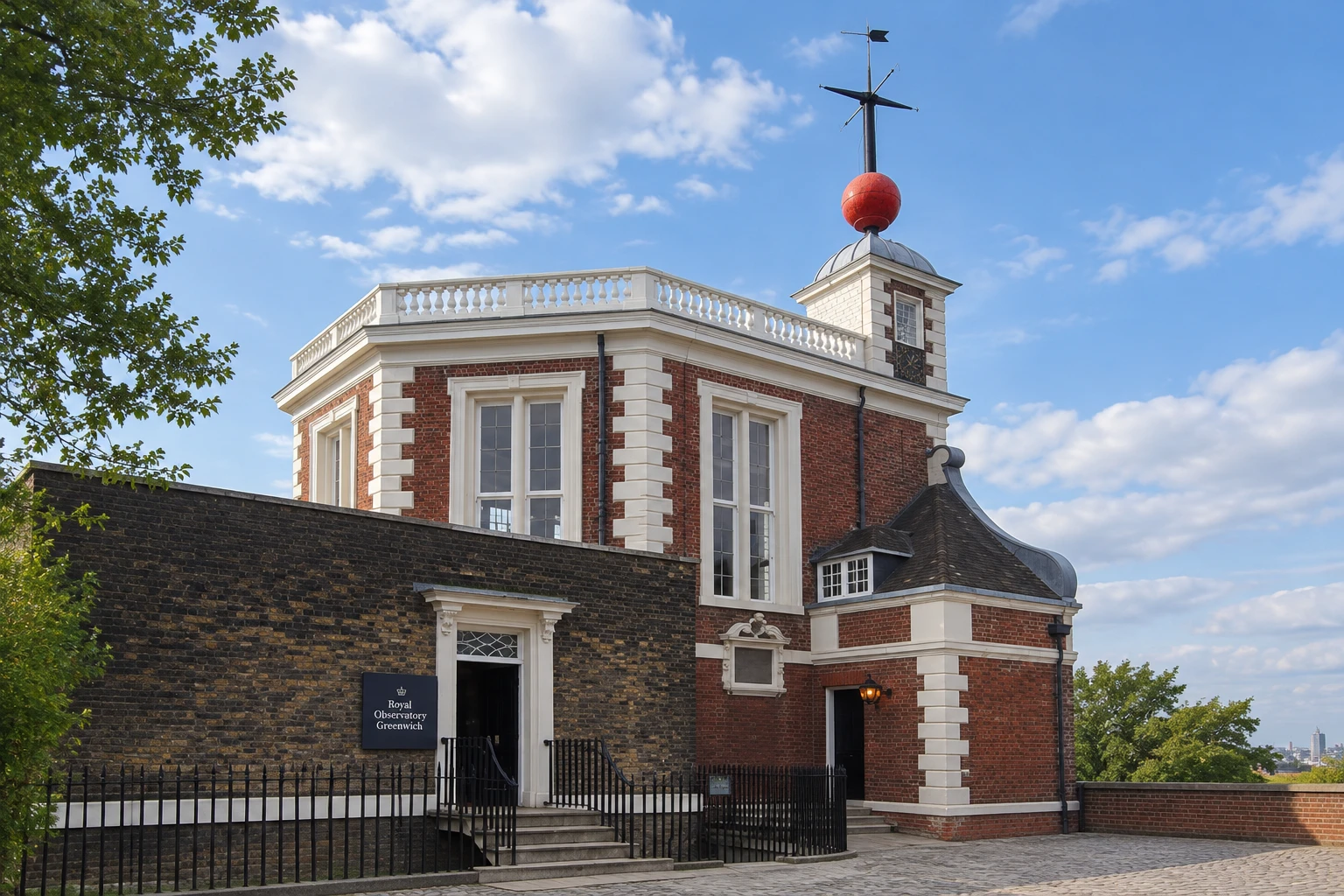
Museum · London, the United Kingdom
Royal Observatory Greenwich
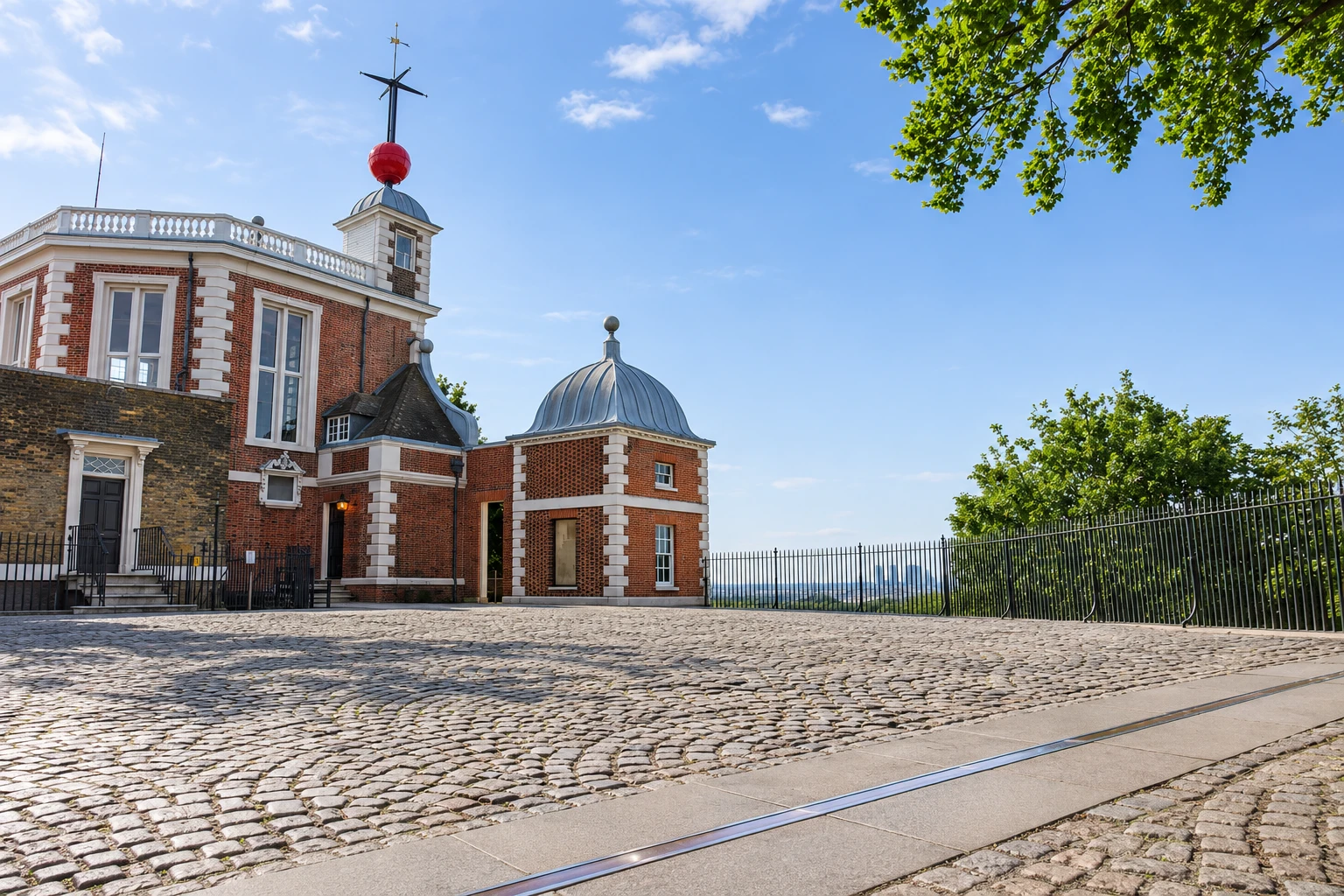
The 17th-century observatory atop Greenwich Park, where the Meridiano de Greenwich (the zero meridian) passes. Around it are the sailing ship Cutty Sark, the Museu Marítimo Nacional and the Old Royal Naval College. A UNESCO World Heritage site.
Illustrative images. The pictures in this guide are illustrations based on the real place, not photographs, and may differ from it.

A look at the place
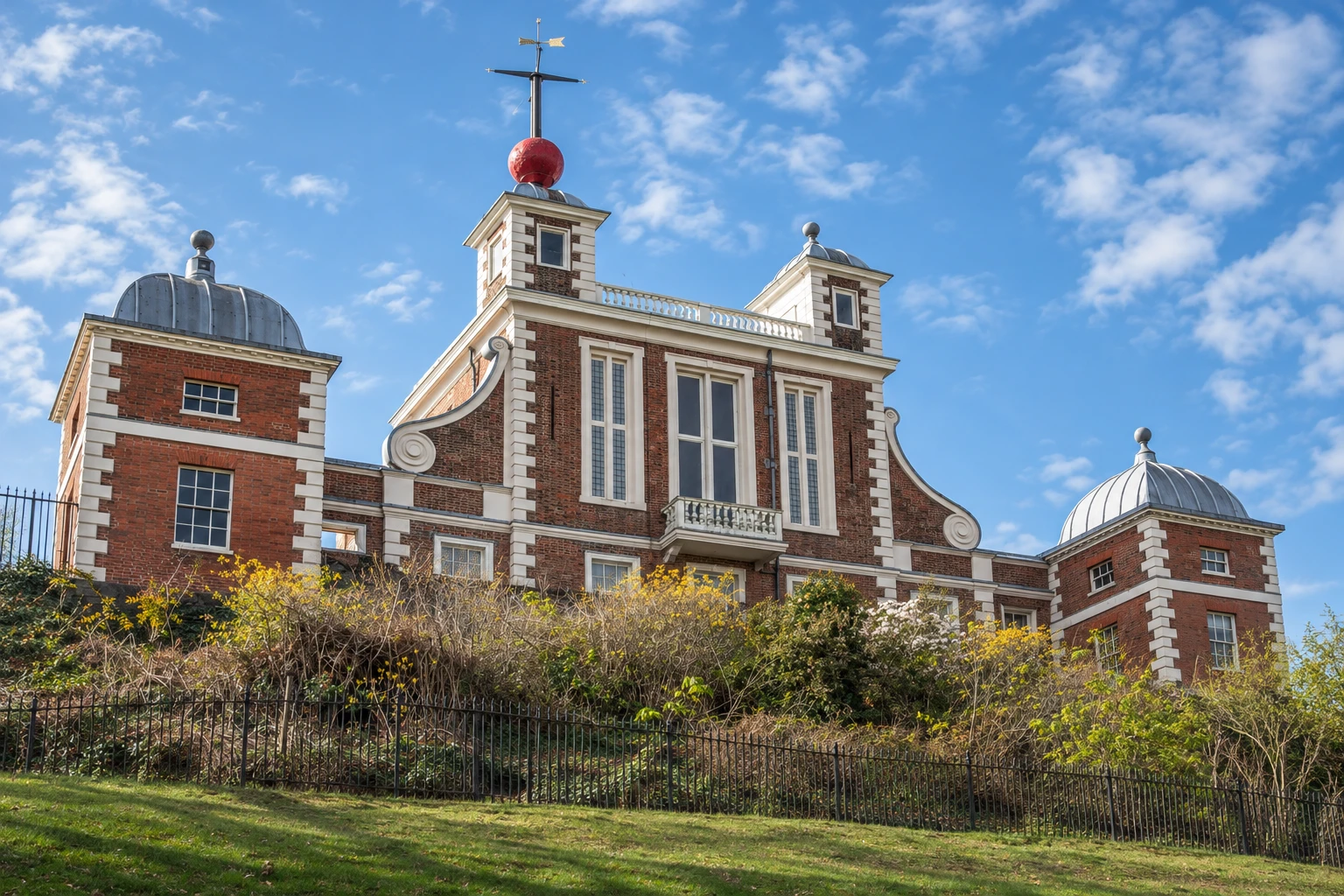
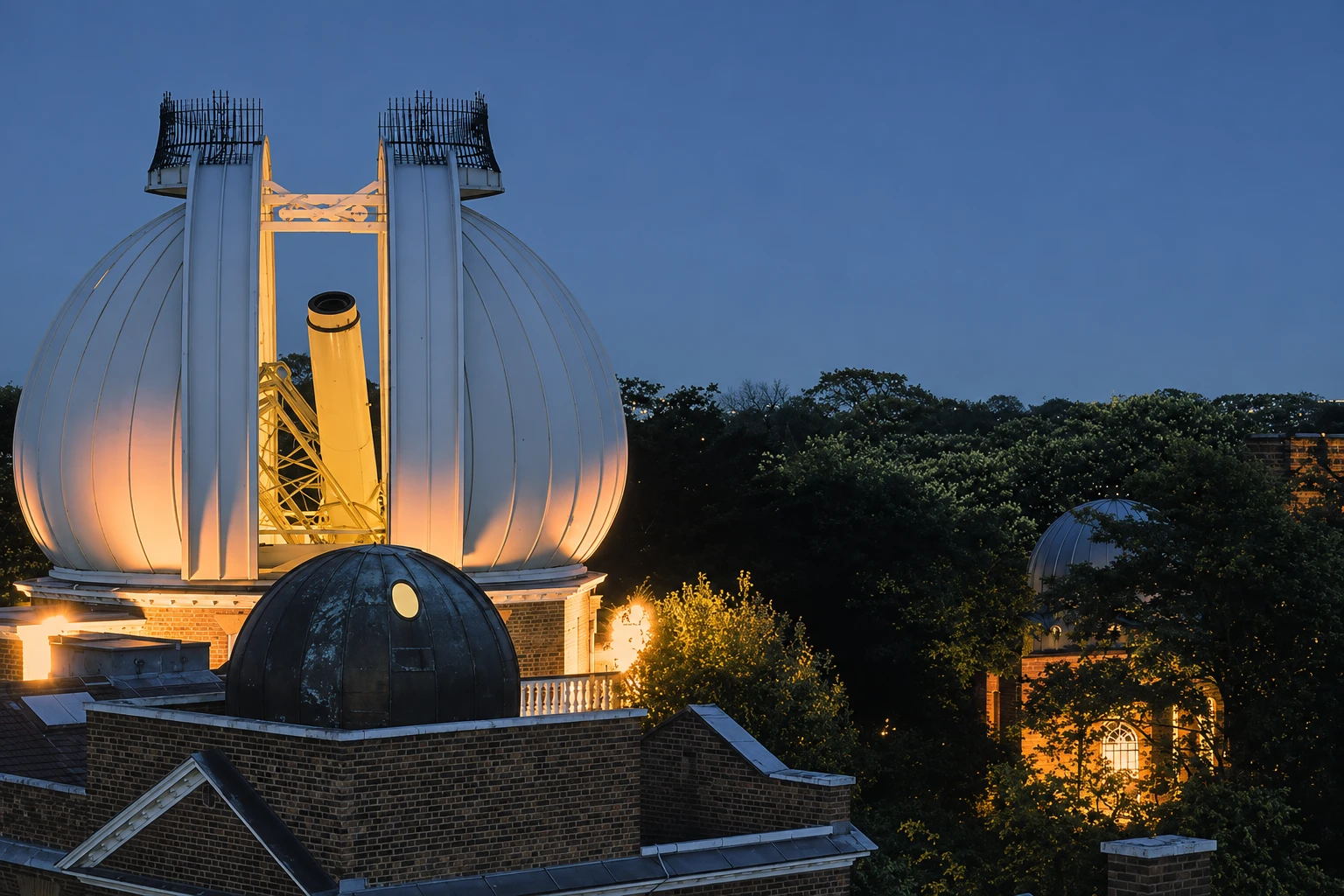
Royal Observatory Greenwich in pictures
These pictures are illustrations based on the real place, not photographs. They may differ from the place.
Click the picture to enlarge it.
Discover
About Royal Observatory Greenwich
The Royal Observatory, Greenwich was founded in 1675 by King Charles II to solve a navigation problem: measuring longitude at sea. The original building, Flamsteed House, was designed by Christopher Wren and sits atop Greenwich Park, overlooking the Tâmisa and the Canary Wharf skyscrapers. In 1884 an international conference chose the meridian that runs there as the zero longitude and the reference for the world’s time zones.
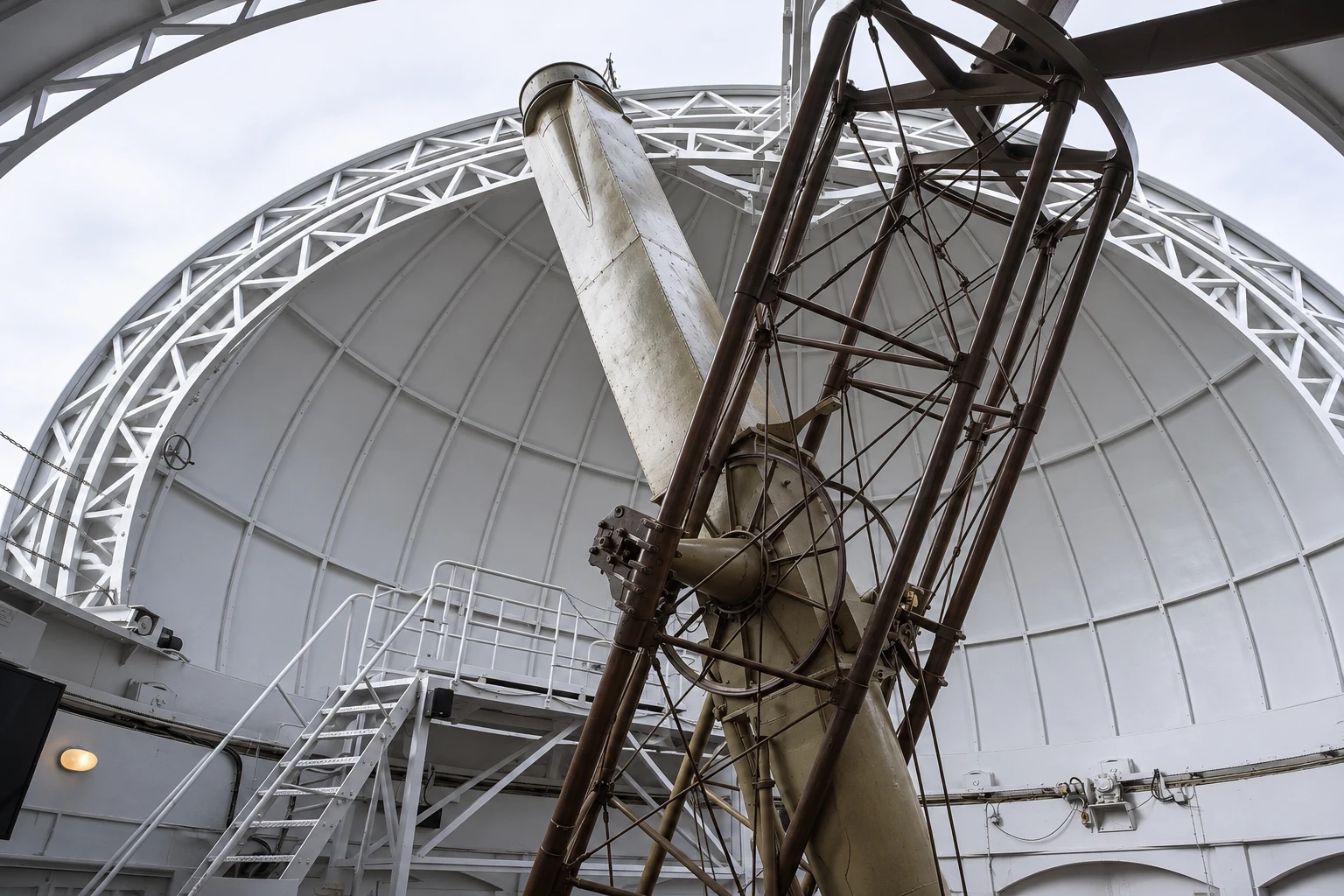
In the courtyard a metal line in the ground marks the Meridiano de Greenwich, and the classic photo is with one foot in each hemisphere. The visit includes the rooms of the royal astronomers, John Harrison’s marine clocks that solved the longitude problem in the 18th century, and the red time ball on the tower, which has dropped every day at 13:00 since 1833 so ships can set their clocks. Nearby are the large refractor telescope and the Planetário Peter Harrison.
Downstream from the centre, Greenwich has other sights: the Cutty Sark, a 19th-century tea clipper in dry dock open to visitors; the Museu Marítimo Nacional, whose permanent collection often has free entry; the Queen's House by Inigo Jones; and the Old Royal Naval College by Wren, with the Painted Hall. The ensemble is a UNESCO World Heritage site listed as Greenwich Marítima.
The covered Greenwich Market offers crafts and food, and the pedestrian tunnel under the Tâmisa, dating from 1902, leads to the Isle of Dogs.
Before you go
Practical information
Cidade Turismo reviews its information regularly, but something may have changed. Check with the place before planning your trip.
How much time to set aside
About 1h30 to 2 hours at the observatory. With the Cutty Sark, the Museu Marítimo Nacional and the park, allow a full day.
Best time
In the morning to photograph the meridian with fewer queues, and around 13:00 to see the tower’s time ball drop. Late afternoon offers a nice view from the top of the park over Canary Wharf and the City. Clear days help.
How to get there
By boat on the Thames Clippers you can travel down the river from central London to Greenwich Pier in about 40 minutes. By DLR to Cutty Sark; by train to Greenwich or Maze Hill. From the pier it’s a roughly 15-minute uphill walk through the park to the observatory.
Tip
Go by boat on the Tâmisa and return by DLR to see the city from two perspectives. If you don't want to pay for observatory entry you can view the meridian line from outside, beside the courtyard wall, and enjoy the view from the top of the park.
Official website
Your questions
Frequently asked questions about Royal Observatory Greenwich
What is the Meridiano de Greenwich?
It is the zero-longitude line, chosen in 1884 as the world reference. It runs through the observatory courtyard, marked by a strip of metal on the ground.
How to get from Londres to Greenwich?
By boat along the Tâmisa, departing from central piers, about 40 minutes, or by DLR train to Cutty Sark station.
What else to see in Greenwich?
The sailing ship Cutty Sark, the Museu Marítimo Nacional, the Queen's House, the Old Royal Naval College with the Painted Hall, and the Greenwich Market.
What is the red ball on the tower for?
It drops every day at 13:00, since 1833, so that ships on the Tâmisa could set their clocks.