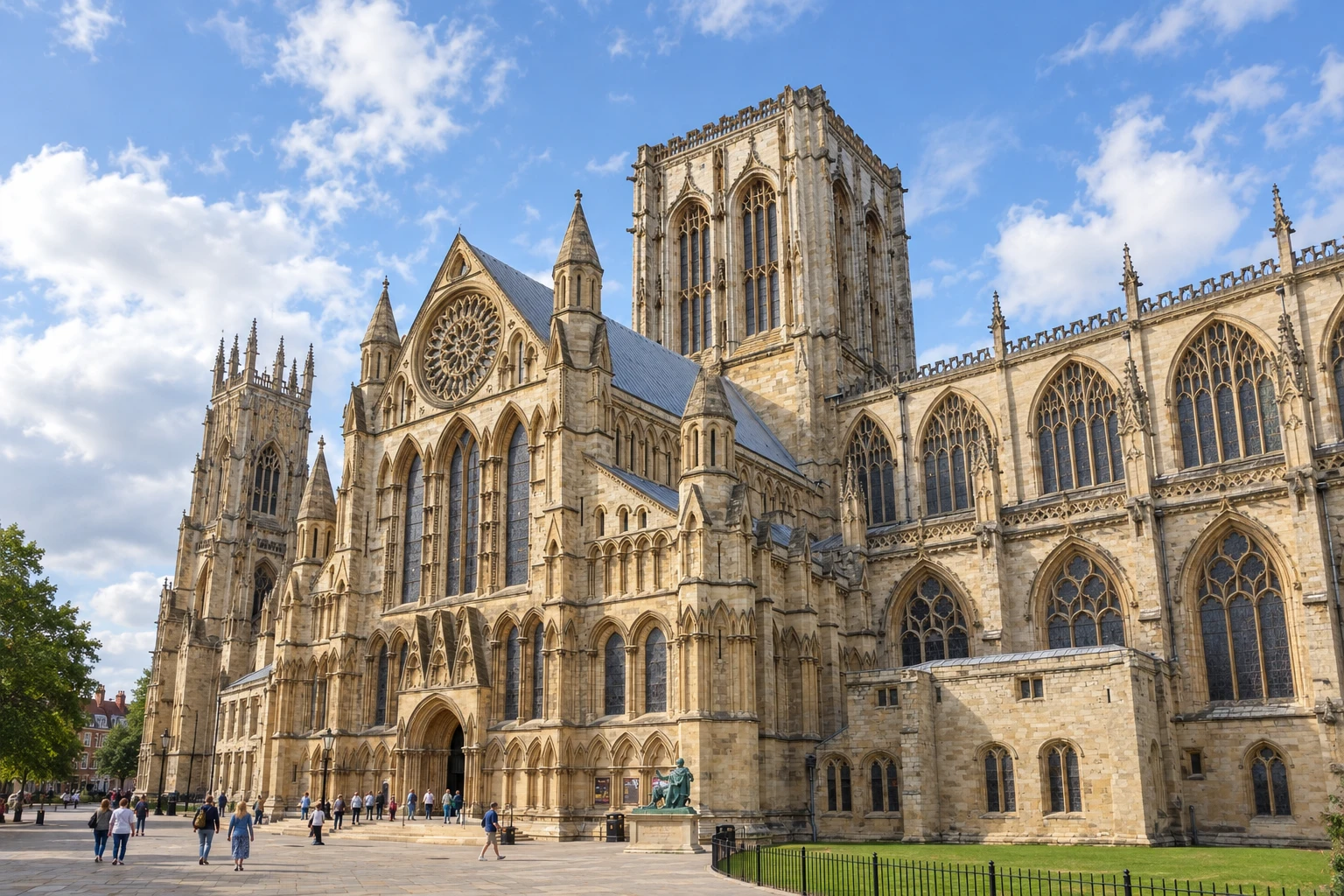
Melton Mowbray and the East Midlands
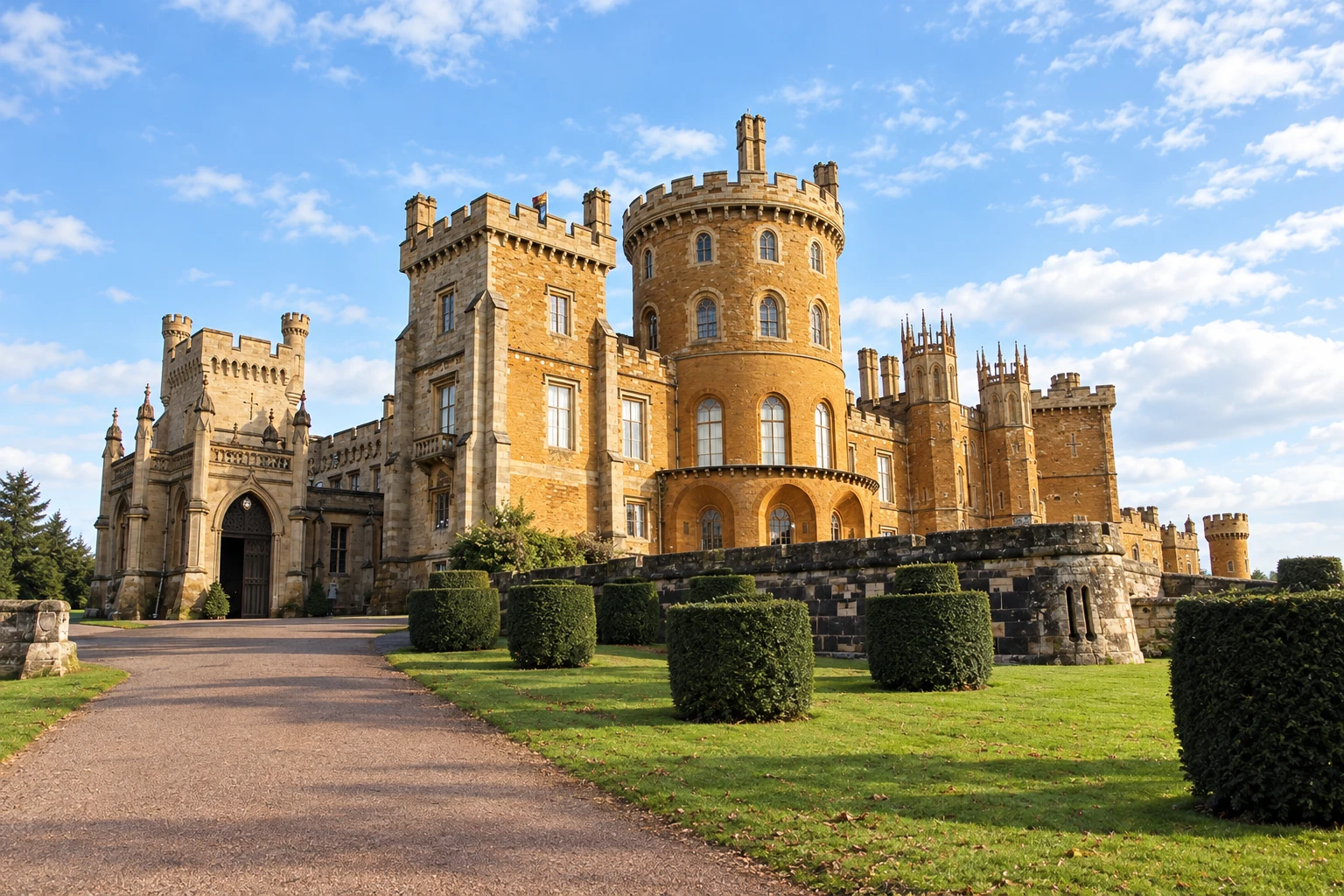
Market town in Leicestershire, birthplace of the Melton Mowbray pork pie, near Belvoir Castle, the hills of the Vale of Belvoir and Rutland Water.
Antarctica
The United Kingdom travel guide
What to do, when to go and how to get there, destination by destination.
15 destinations · 28 citiesin the United Kingdom
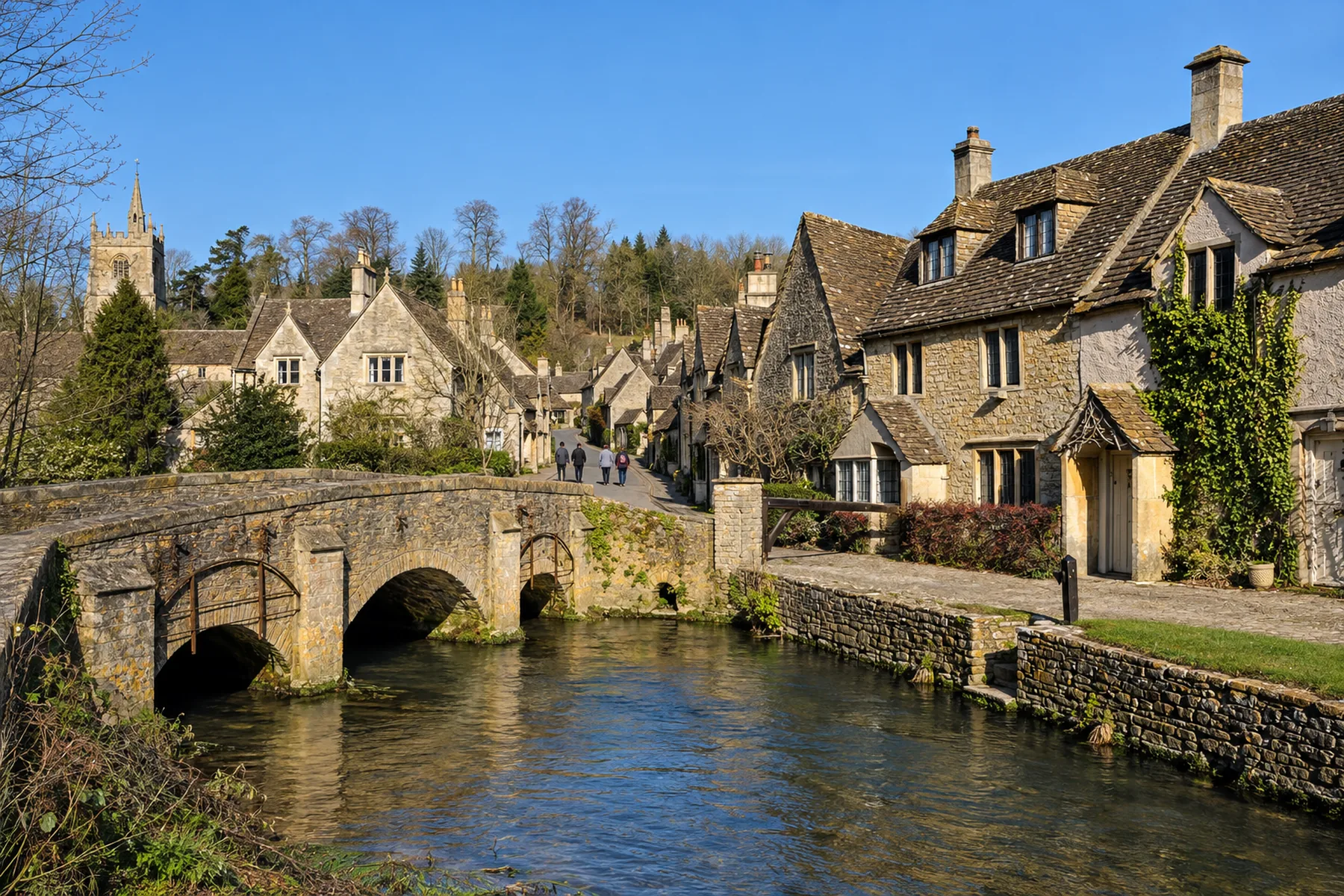
In the photo: Castle Combe — Cotswolds
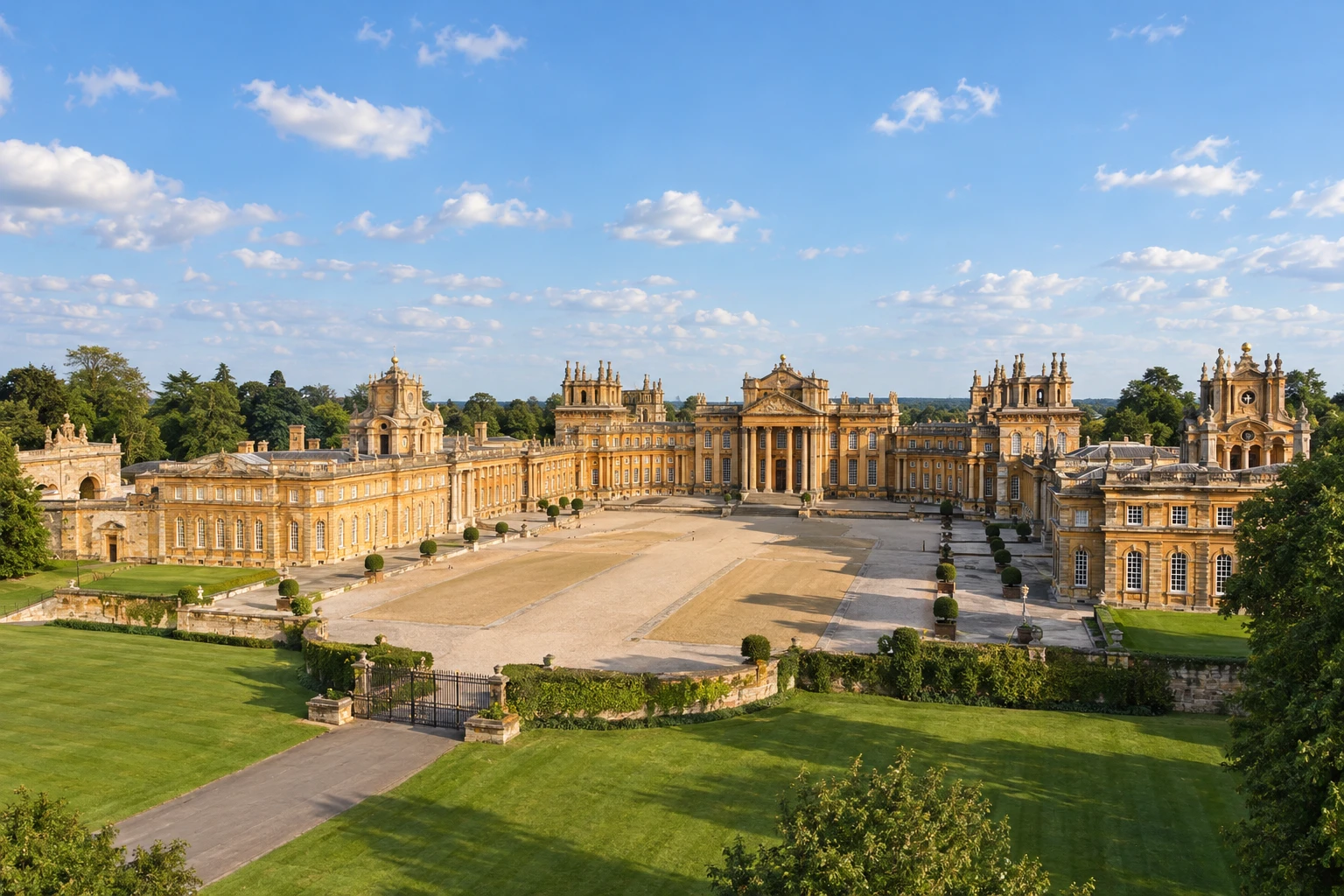
Illustrative images. The pictures in this guide are illustrations based on the real place, not photographs, and may differ from it.
A destination is a region you visit as a single trip: it can bring together several cities or be a large city with everything it offers. Each destination has the tours, the itineraries, the best time to go month by month and how to get there.
The guide currently has 15 destinations, with 28 cities in 4 nations.
Today's highlights
A destination is more than a city: it's everything you can experience there.
Market town in Leicestershire, birthplace of the Melton Mowbray pork pie, near Belvoir Castle, the hills of the Vale of Belvoir and Rutland Water.
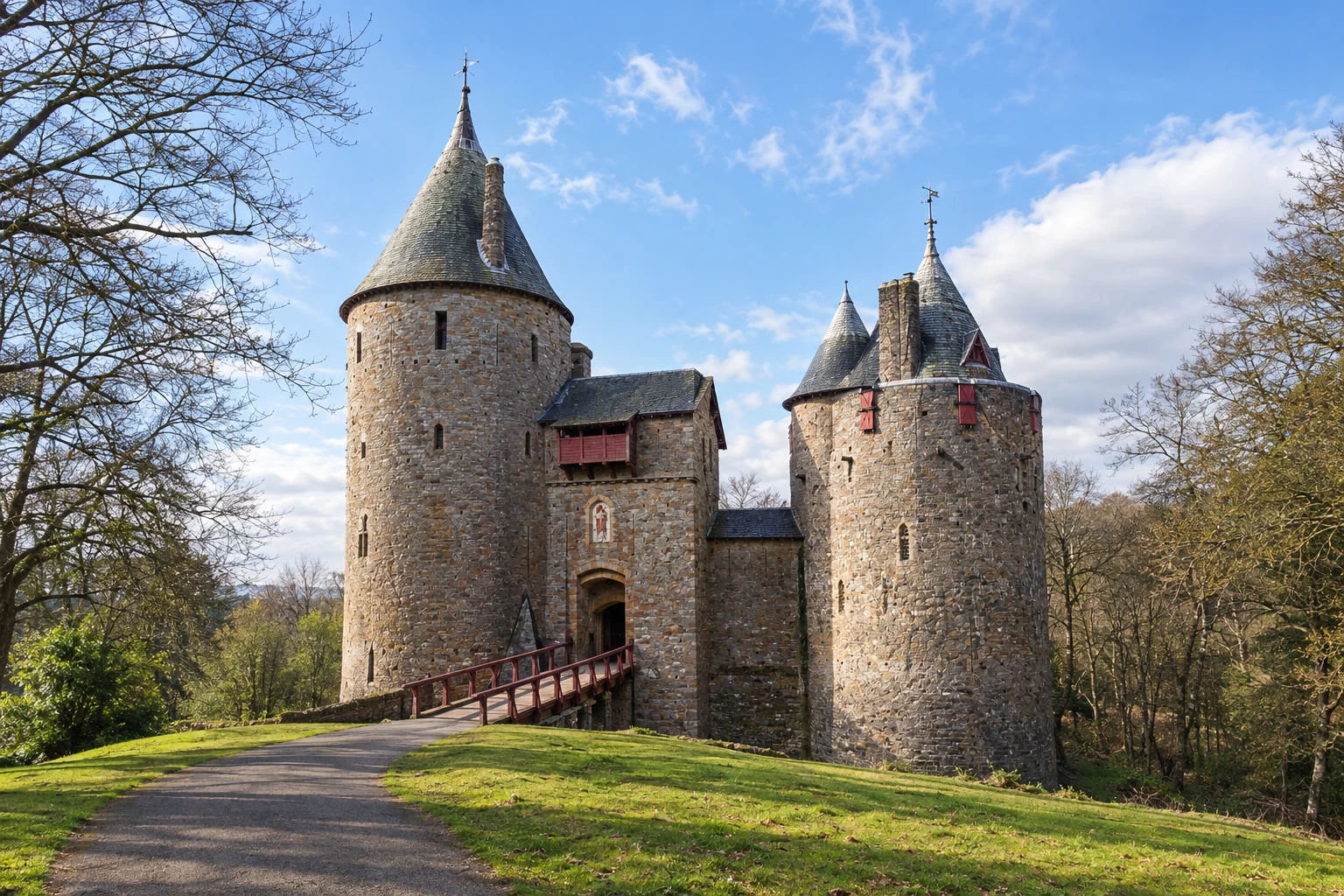
The highlands of northern Scotland: Lago Ness and Castelo de Urquhart, Culloden, the Glencoe valley, Ben Nevis, the Glenfinnan viaduct, Castelo de Eilean Donan and the rock formations of Ilha de Skye.
The Welsh capital, with the castle in the centre, the renovated bay and the open-air museum of St Fagans, and, in the north, the Castle and the medieval walls of Conwy and the mountains of Eryri, with the Snowdon train.
The city of the oldest university in the English‑speaking world, with colleges, the Bodleiana and the Radcliffe Camera, and the honey‑stone villages of the Cotswolds: Bourton-on-the-Water, Bibury and Castle Combe.
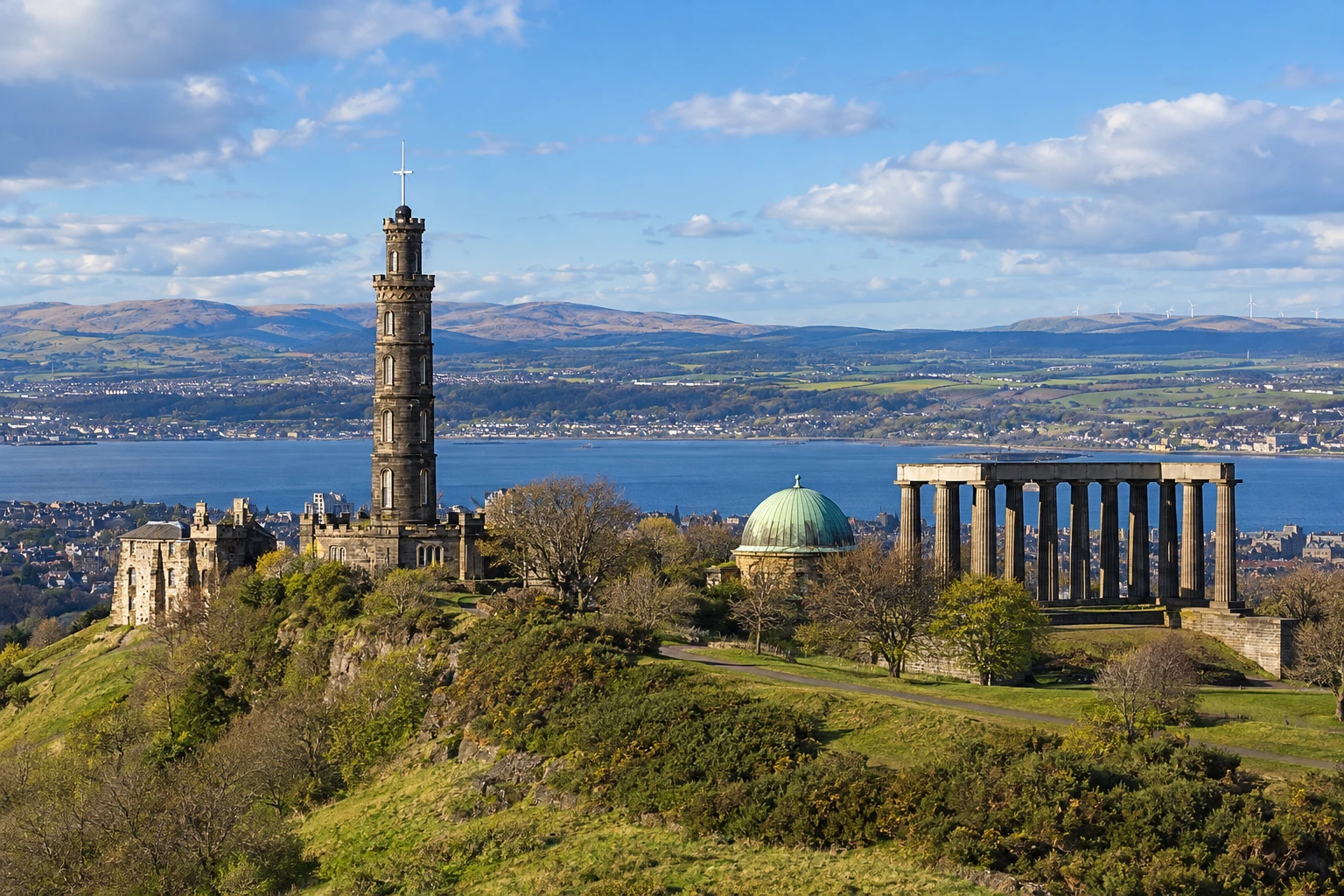
The capital of Scotland between the castle on the volcanic rock and the Palácio de Holyrood: the medieval Royal Mile, the Georgian Cidade Nova, Arthur's Seat, Calton Hill and the August festival.
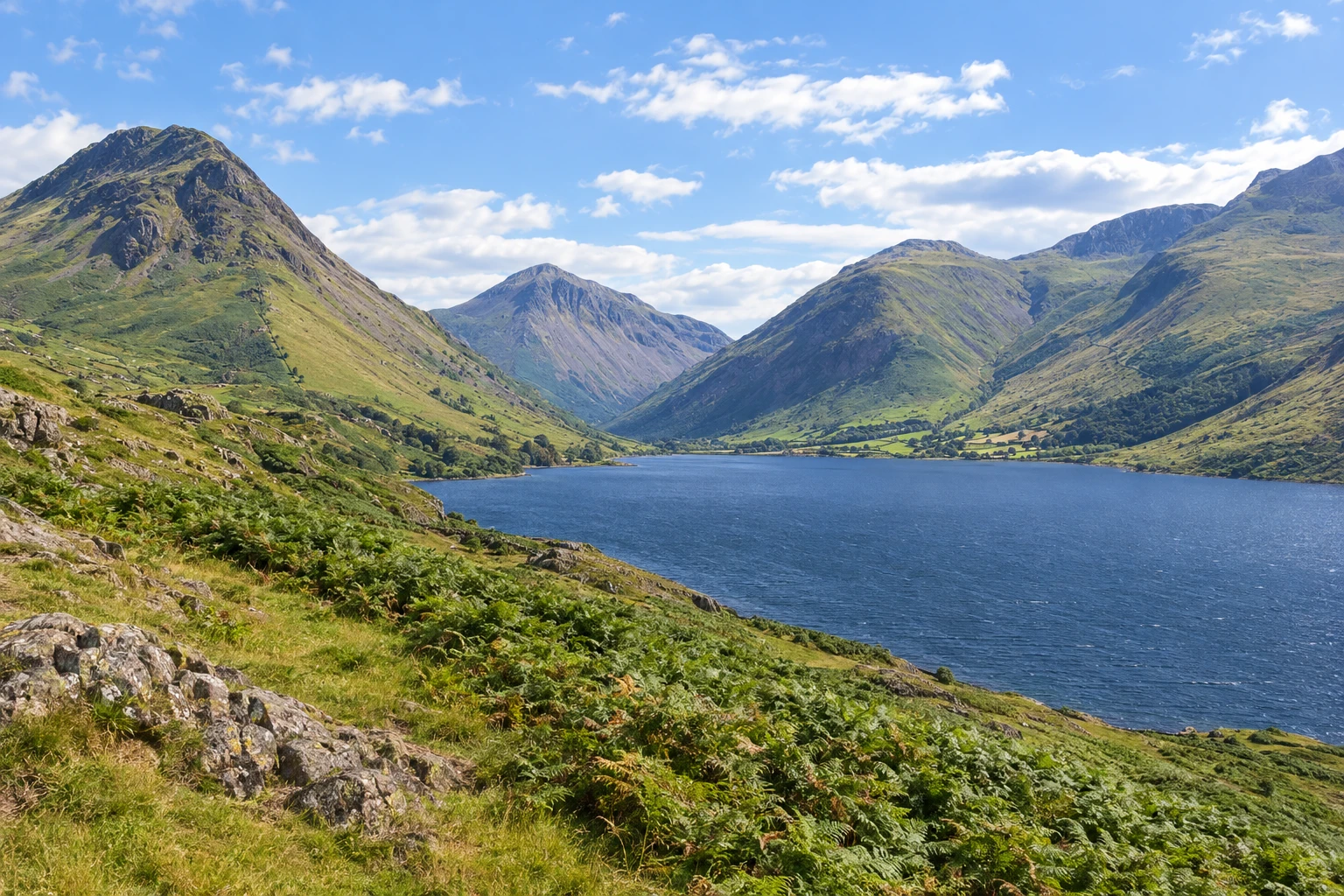
The national park of lakes and mountains in northwest England: Windermere and its boats, Beatrix Potter’s house at Hill Top, Wordsworth in Grasmere, Derwentwater, Castlerigg and the fells.
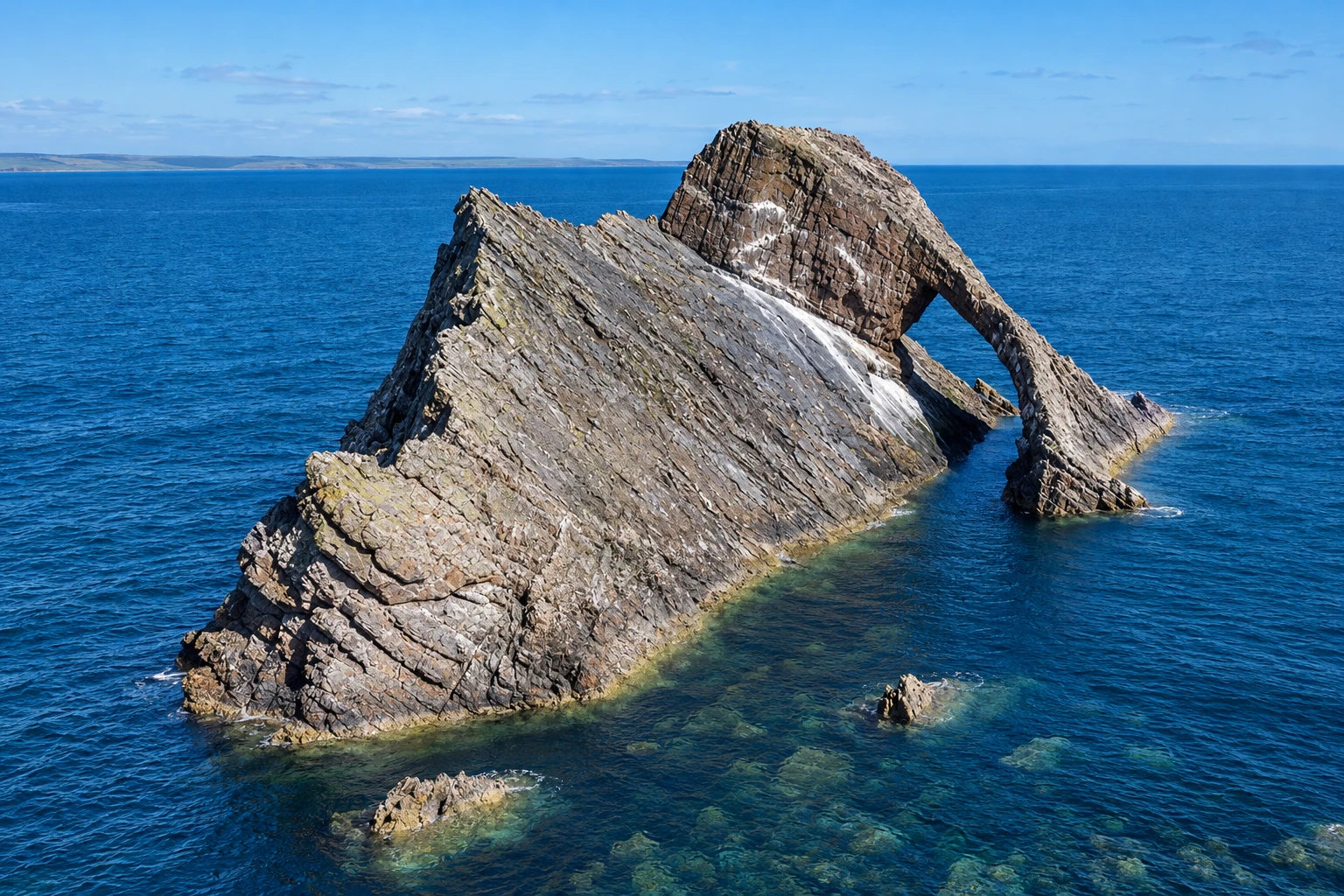
Fishing villages and beaches on the coast of the Moray Firth, medieval ruins and the Spey river valley, in northeast Scotland; Cullen, the home of Cullen skink, is the gateway.
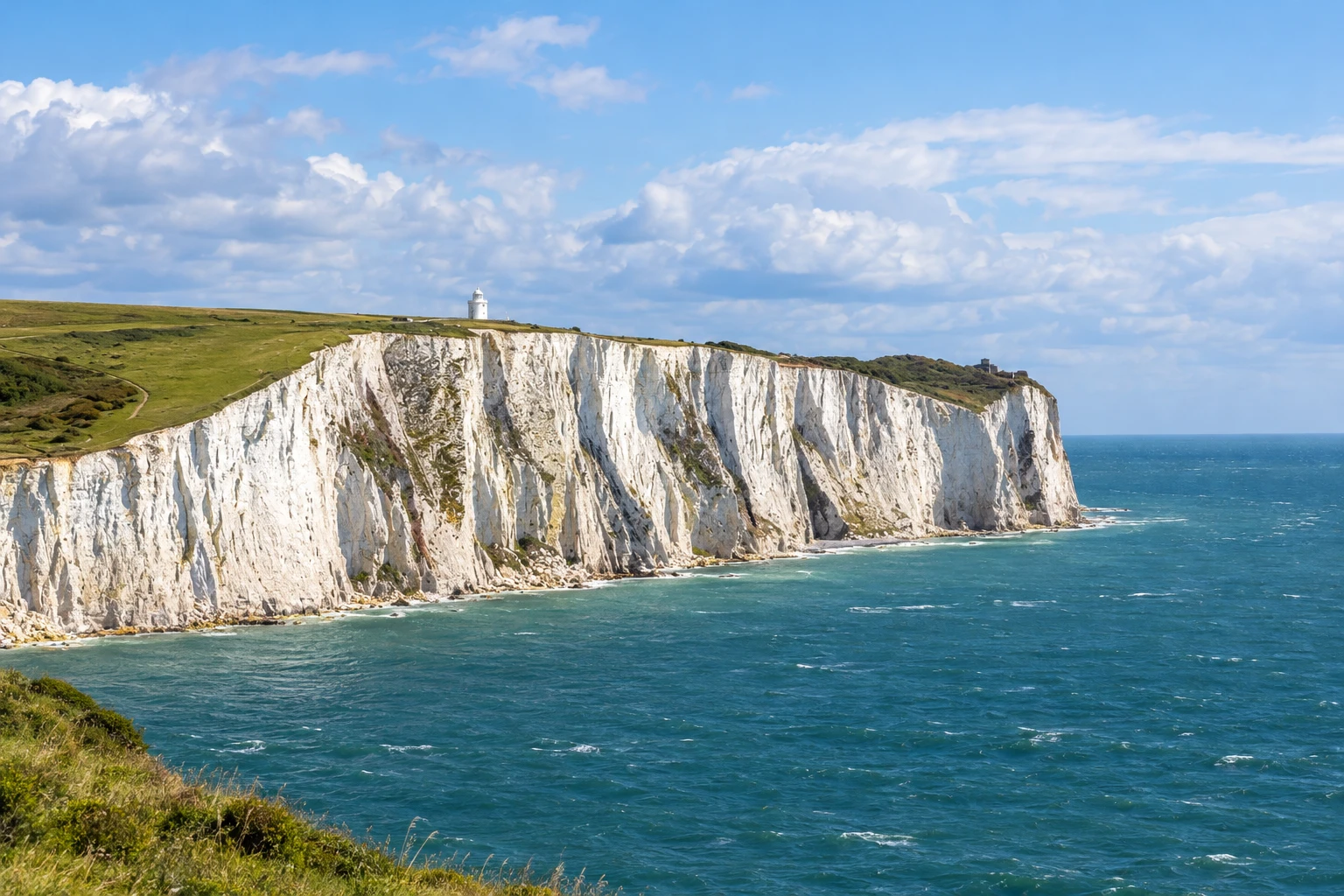
The city of the mother cathedral of the Anglican Church, of Thomas Becket and the Canterbury Tales, the starting point of the Via Francígena, and on the coast, the Castelo de Dover and the Falésias Brancas.
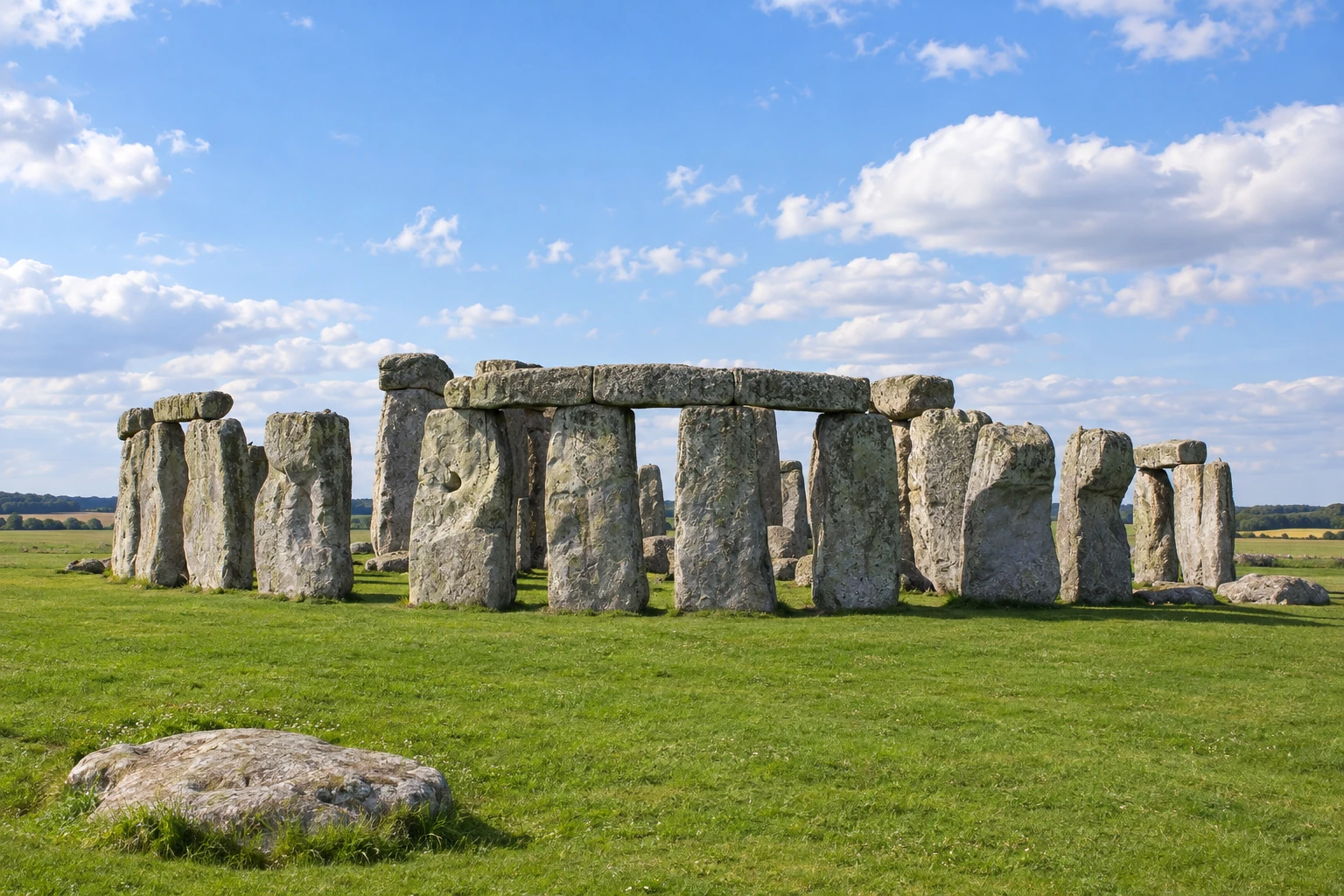
As Termas Romanas and the pale-stone Georgian town of Bath, with the Royal Crescent and the Pulteney Bridge, and, on the Salisbury plain, Stonehenge, the catedral de Salisbury and the Magna Carta.
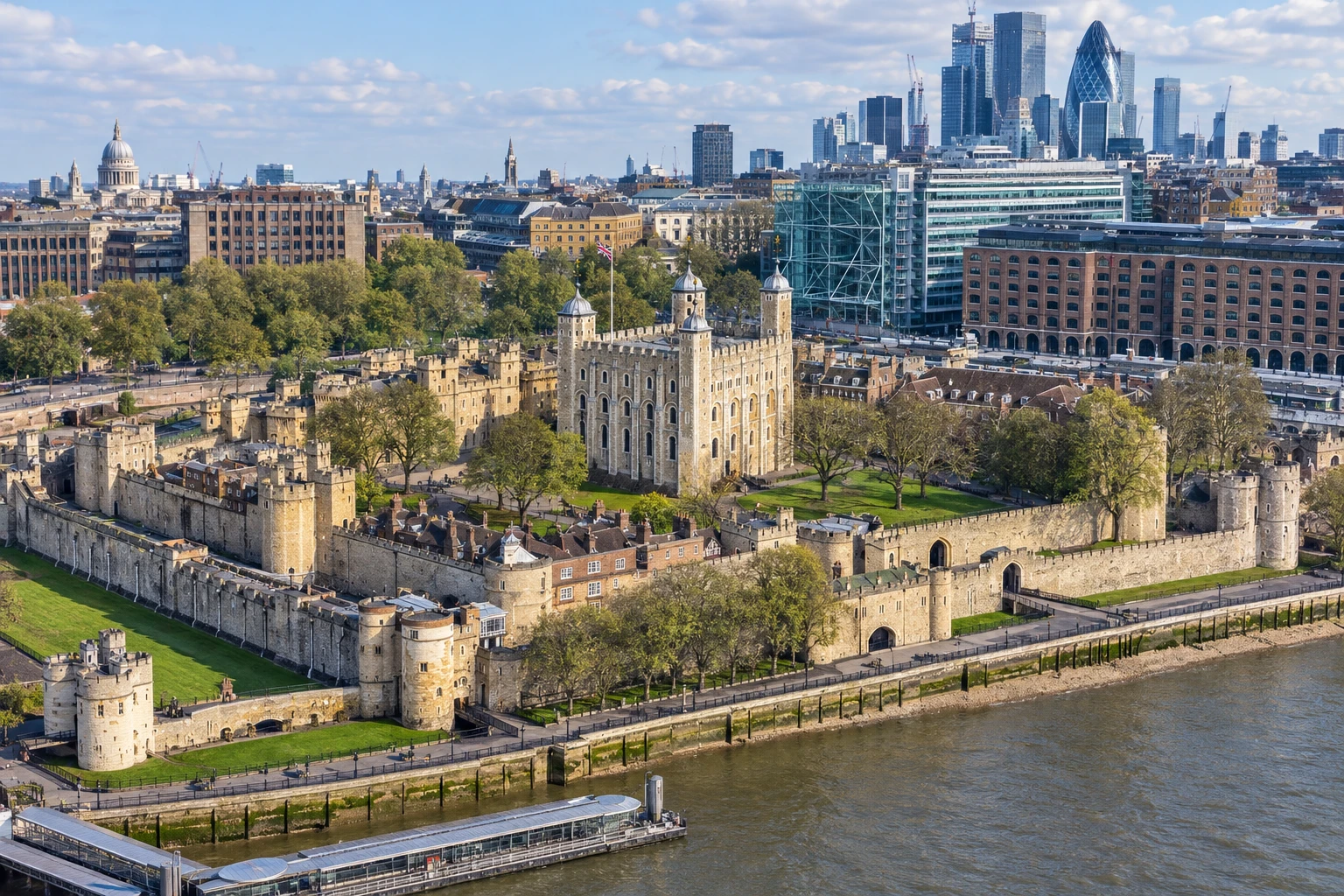
The capital of the United Kingdom on the banks of the Tâmisa: the Torre and the Tower Bridge, Westminster and Big Ben, the Palácio de Buckingham, museums with huge collections, royal parks, markets and Greenwich.
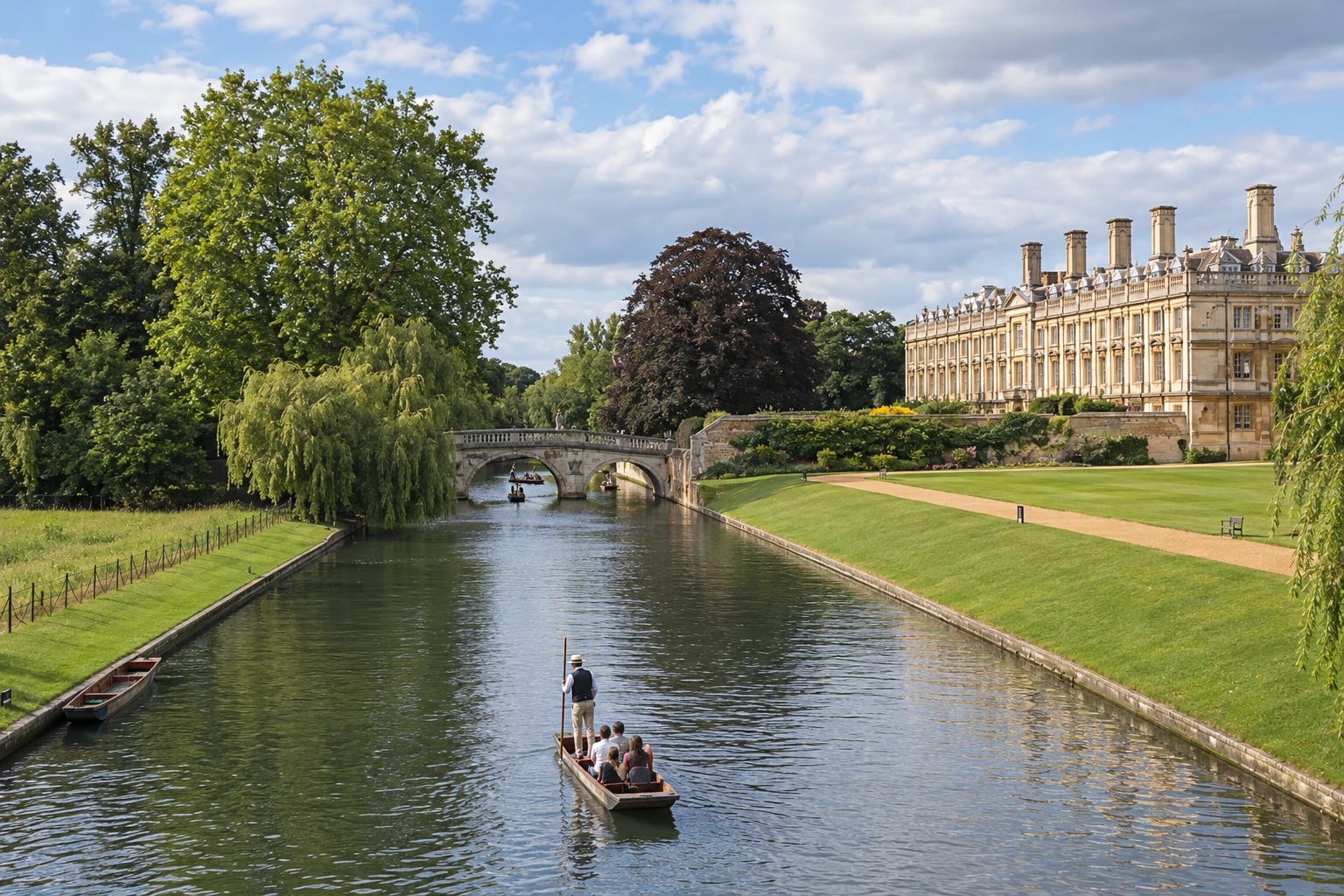
The university town on the banks of the River Cam, with the Gothic chapel of King's College, Trinity, St John's and the Bridge of Sighs, the Backs gardens, punt rides and the Fitzwilliam Museum.
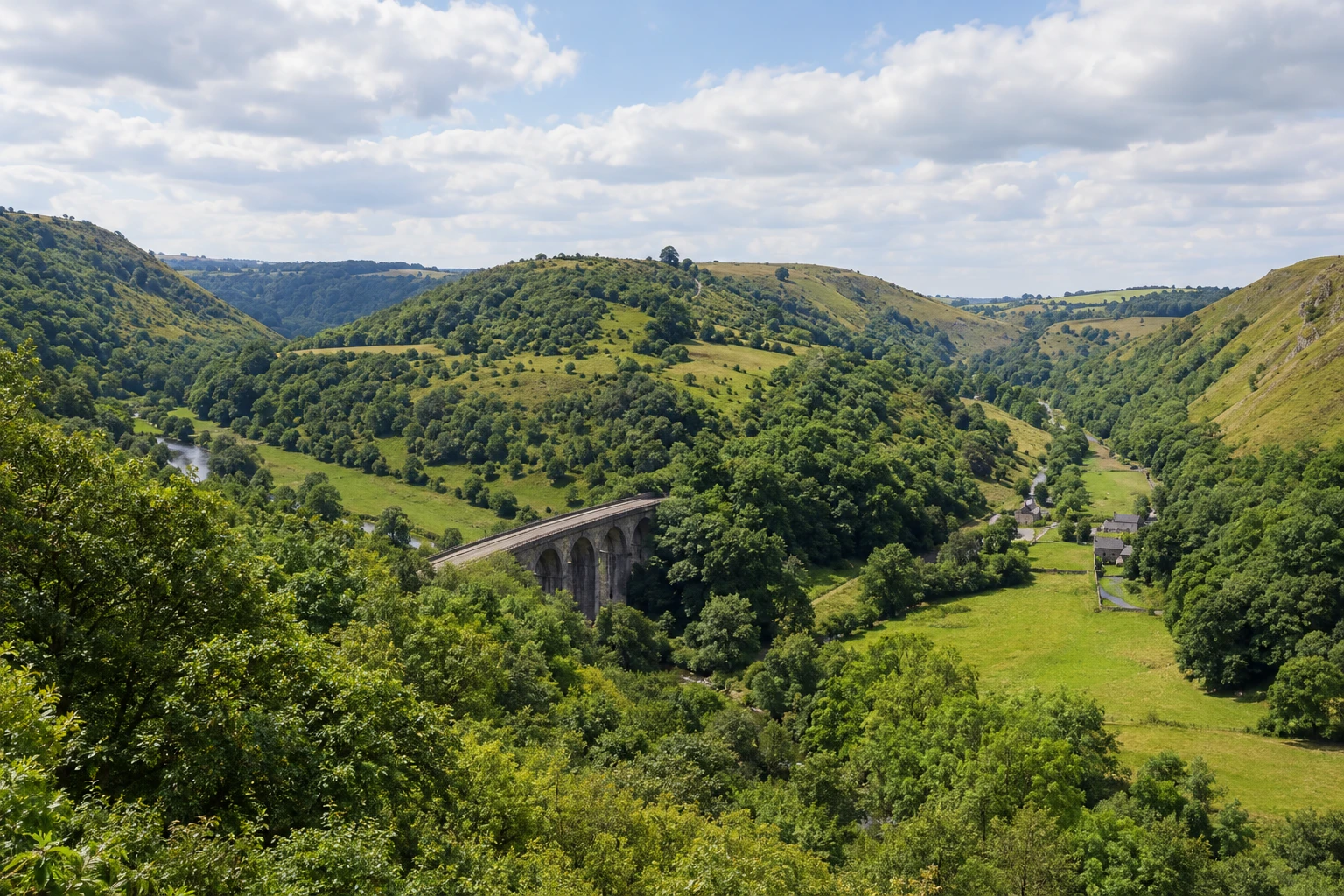
The first British national park, with limestone dales, heather moorland and stone villages; Bakewell, Chatsworth, Haddon Hall, the Monsal Trail and the caves of Castleton.
Cities to start with
Each city has a page with what to do there.

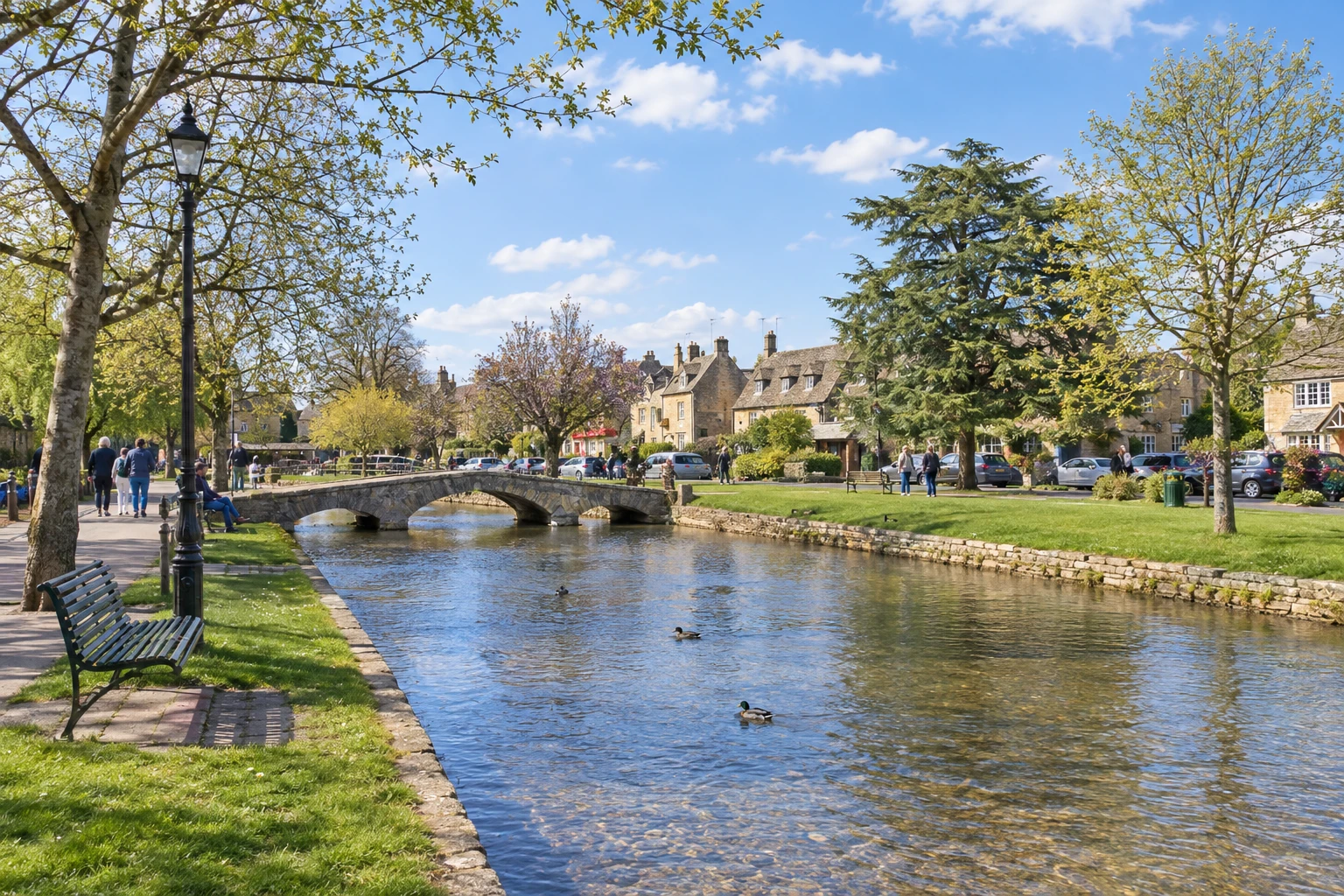
Bourton-on-the-Water is the most visited village in the Cotswolds, in Gloucestershire, with the River Windrush running shallow through the centre beneath five stone bridges, honey‑coloured limestone houses, the Model Village and small museums. It sits in the middle of the region and serves as a base for Lower and Upper Slaughter, Stow-on-the-Wold and Bibury, with Arlington Row.

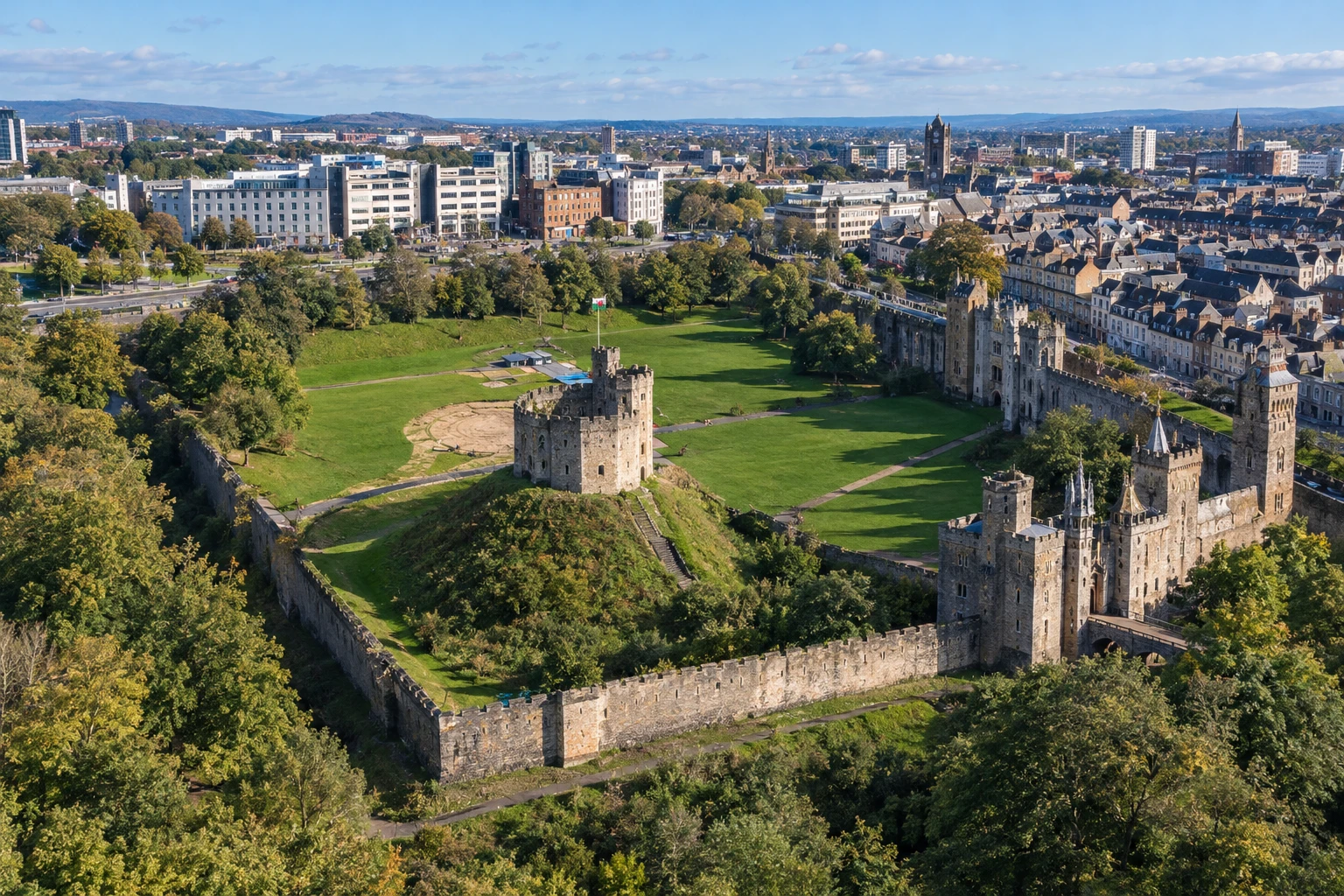
Cardiff is the capital of País de Gales, in the south of the country, on the shores of the Bristol Channel. In the compact centre are the Castelo de Cardiff, with Roman walls and Victorian halls, Bute Park, the National Museum and the rugby stadium; to the south, Cardiff Bay, with the Senedd and the Wales Millennium Centre. On the outskirts are the open-air museum of St Fagans, the Castell Coch and Llandaff Cathedral.

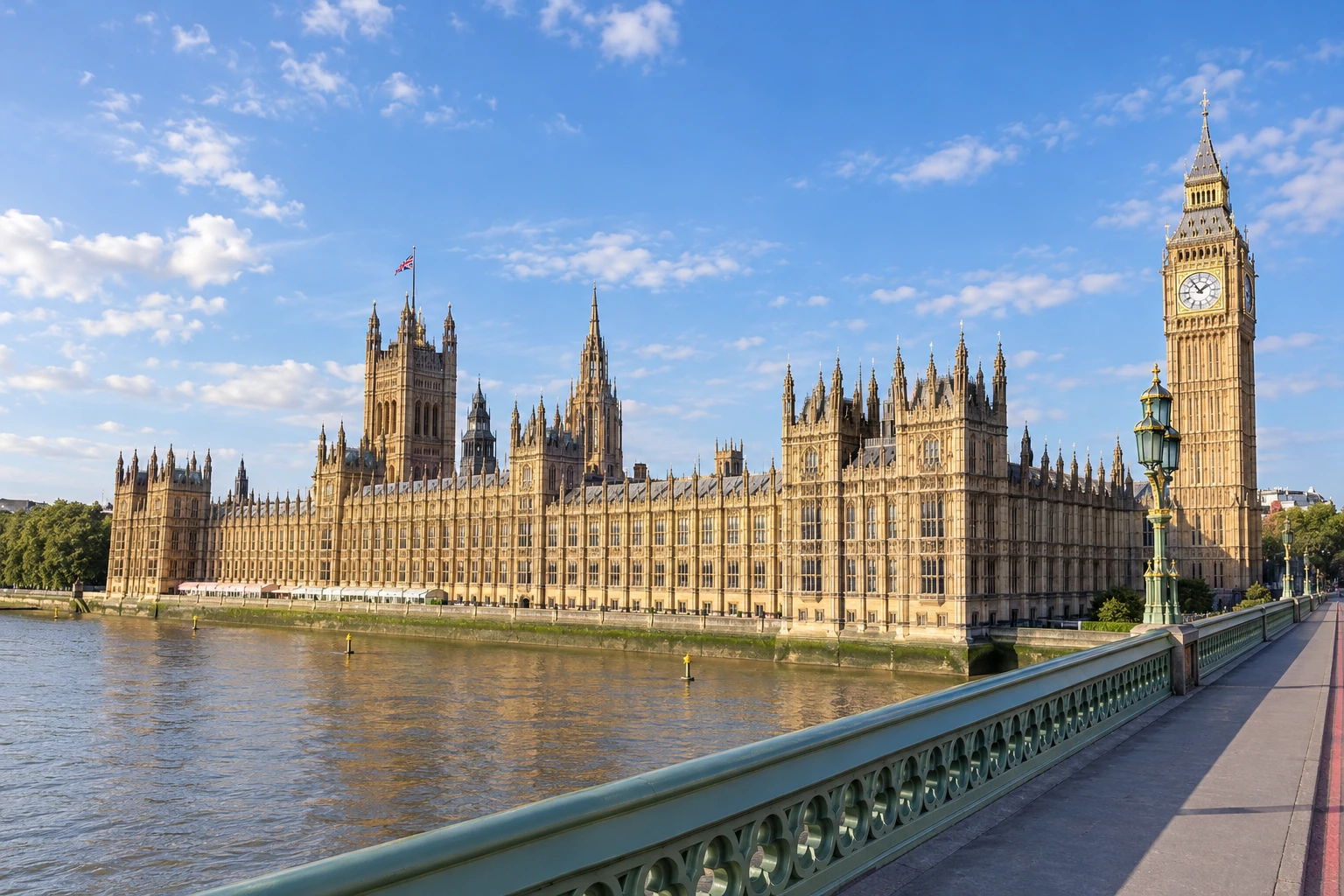
Londres is the capital of the United Kingdom and of England, on the banks of the Tâmisa. It brings together the Torre de Londres, the Tower Bridge, Westminster with the Parliament and the abbey, the Palácio de Buckingham, national museums like the British Museum, the National Gallery and the Tate Modern, royal parks, markets such as Borough and Camden and, downriver, Greenwich. It is the gateway to the country and the starting point for trains to the rest of Great Britain.

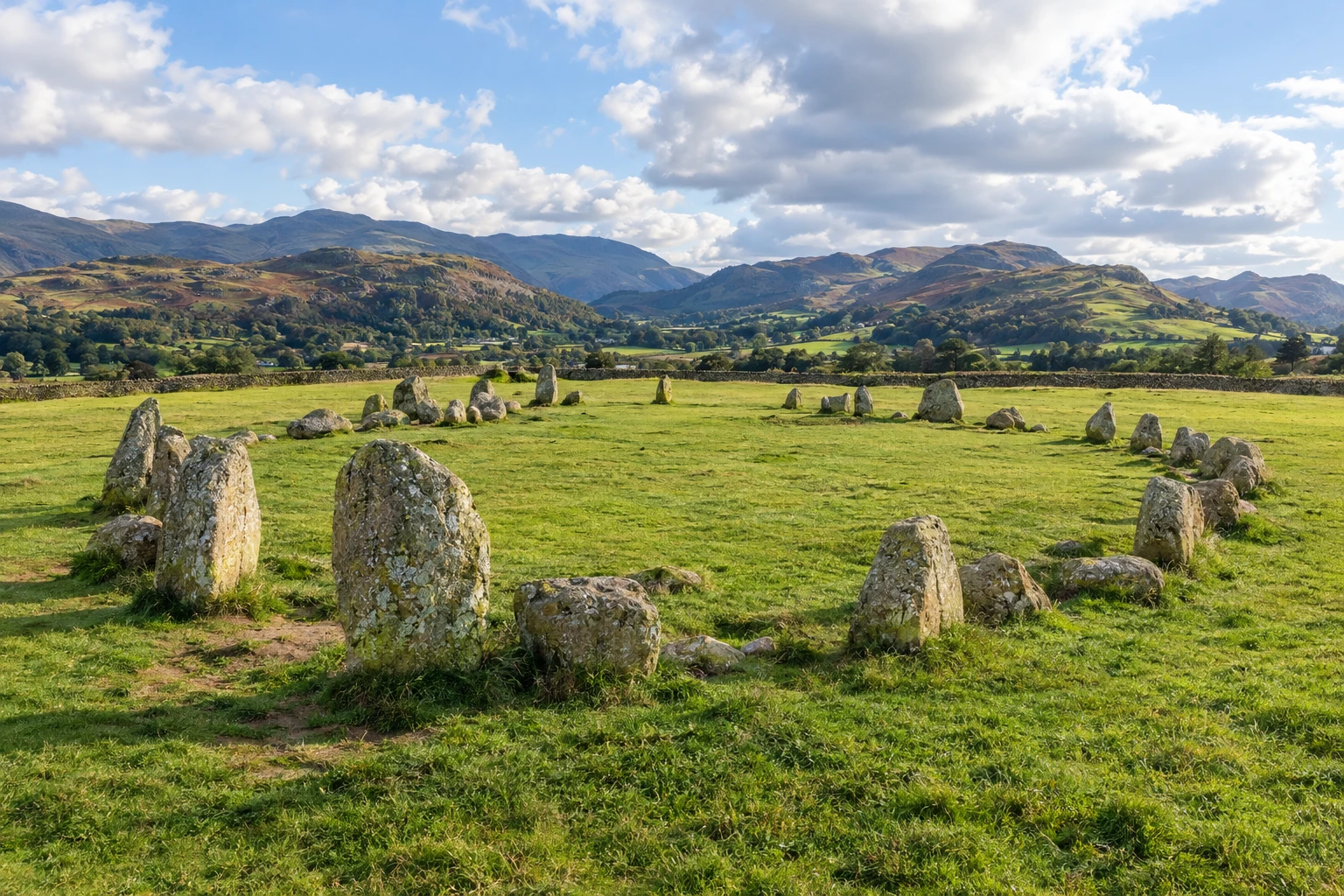
Keswick is the market town of the northern Lake District, on the edge of Derwentwater and beneath Skiddaw, with grey stone streets, pubs and outdoor shops. It’s the base for the Derwentwater boat, the Catbells climb, the Castlerigg stone circle, the Borrowdale valley and the Aira Force waterfall on Ullswater.

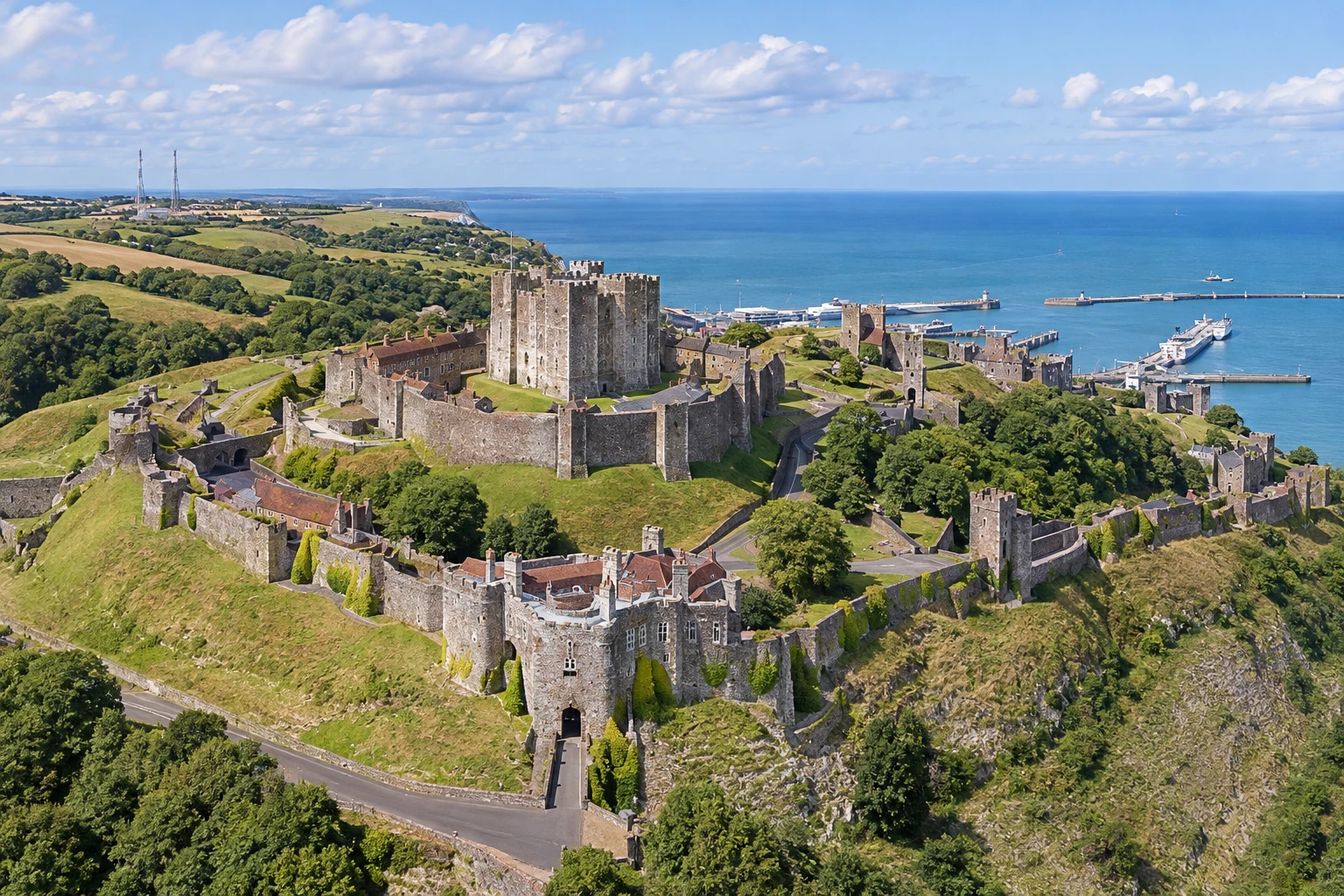
Dover is the English port closest to France, in Kent, between the Falésias Brancas, with ferries crossing the English Channel to Calais. On the hilltop stands the Castelo de Dover, with the Grande Torre from the 12th century, the Roman lighthouse and the Second World War tunnels, and to the east the National Trust trail runs along the cliff tops to the South Foreland lighthouse.

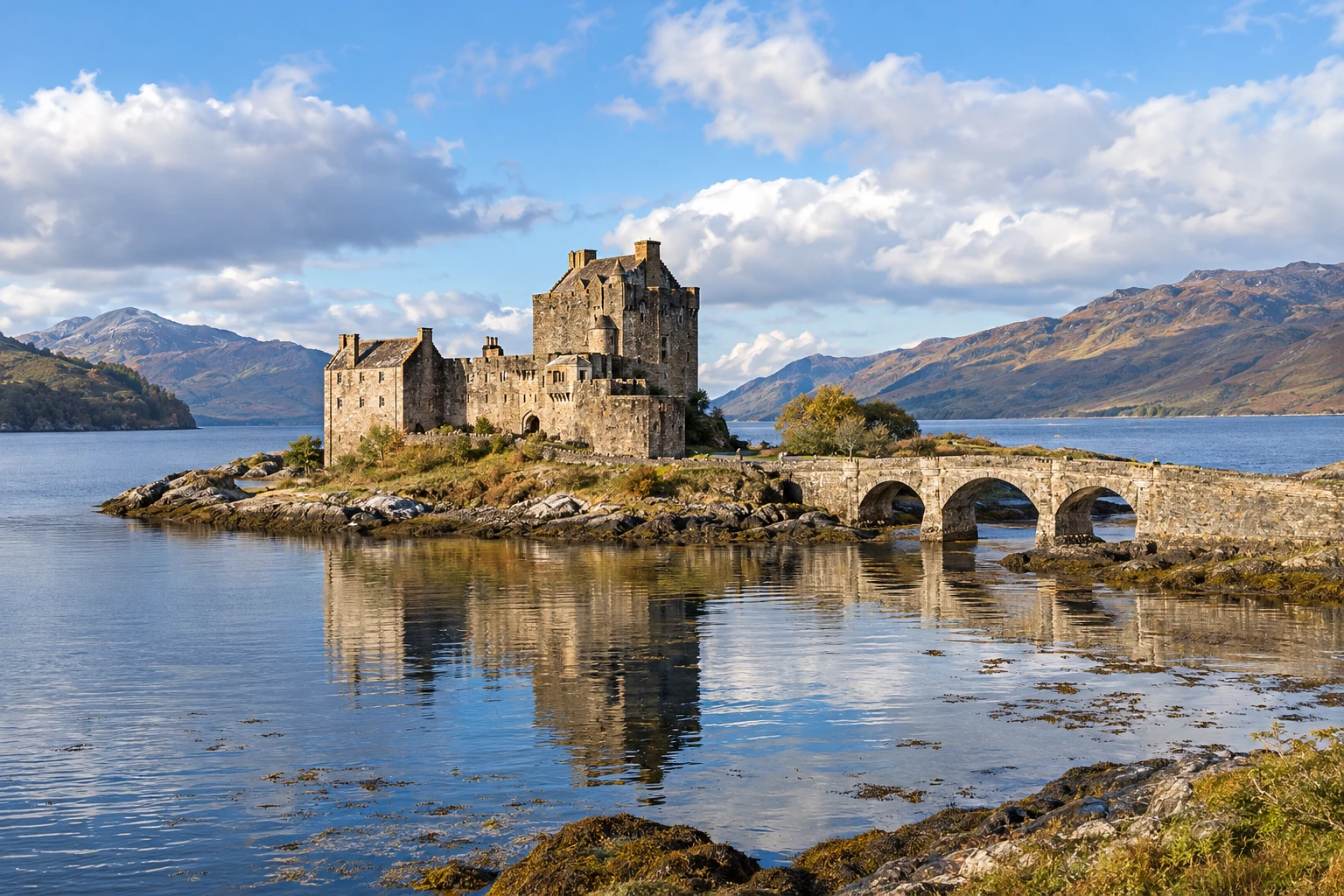
York is the Roman, Viking and medieval city of North Yorkshire, surrounded by the most complete city walls in England. The centre, flat and walkable, brings together York Minster with its medieval stained glass, the street The Shambles, Clifford's Tower, the Jorvik Viking Centre, York Castle Museum and, next to the station, the National Railway Museum. It's on the train route between London and Edinburgh.
The map
Tap a region to see the names. Use two fingers to zoom in.
Outlines: Office for National Statistics, Open Government Licence v3.0; contém dados OS © Crown copyright 2026. Adapted by Cidade Turismo.
The United Kingdom
Another way into the same trip
Choose the nation and the city to find your place in the guide.
Beyond the guide