Oxford and the Cotswolds

England

Oxford and the Cotswolds

The city of the oldest university in the English‑speaking world, with colleges, the Bodleiana and the Radcliffe Camera, and the honey‑stone villages of the Cotswolds: Bourton-on-the-Water, Bibury and Castle Combe.

Great Britain

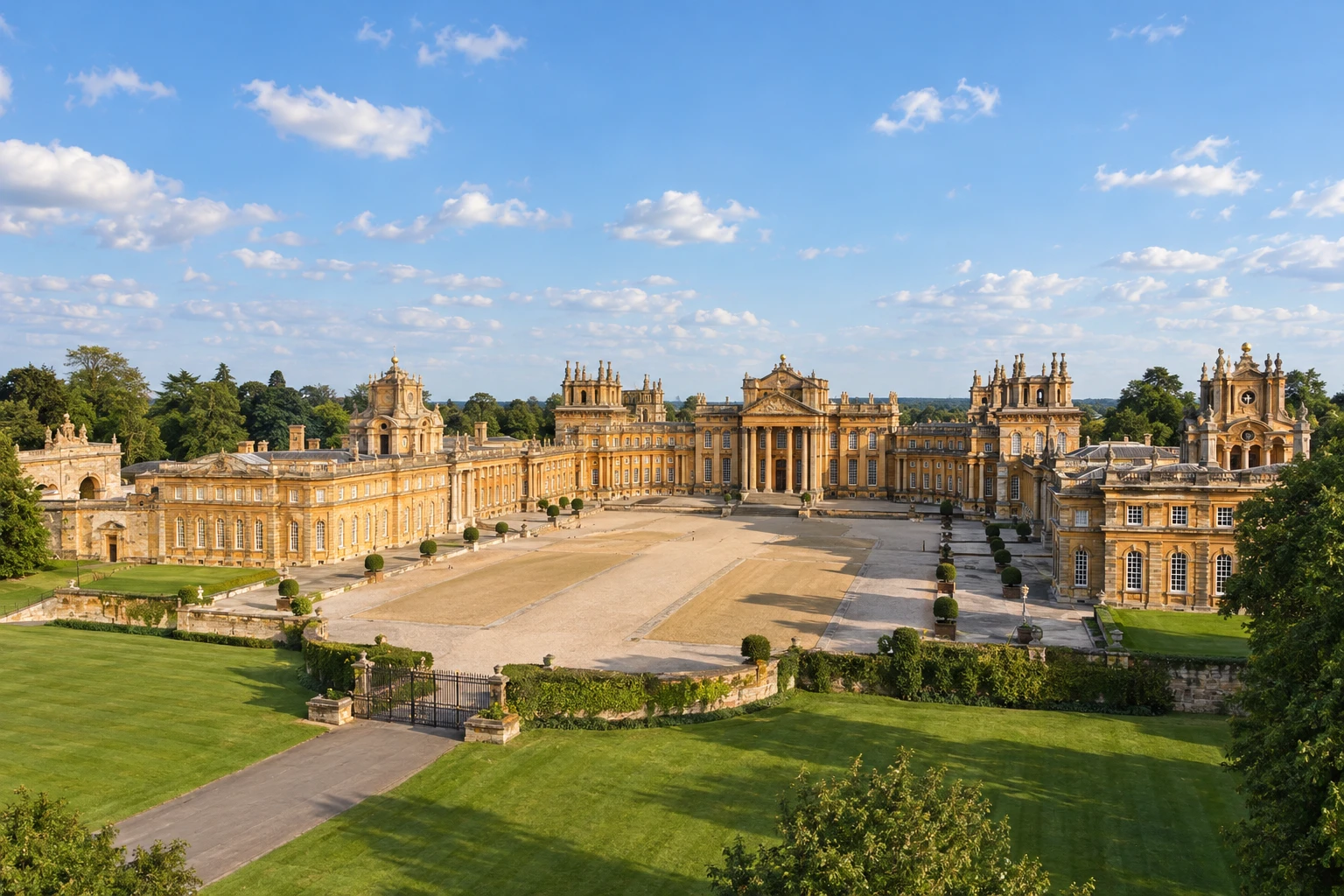
In the photo: Palácio de Blenheim

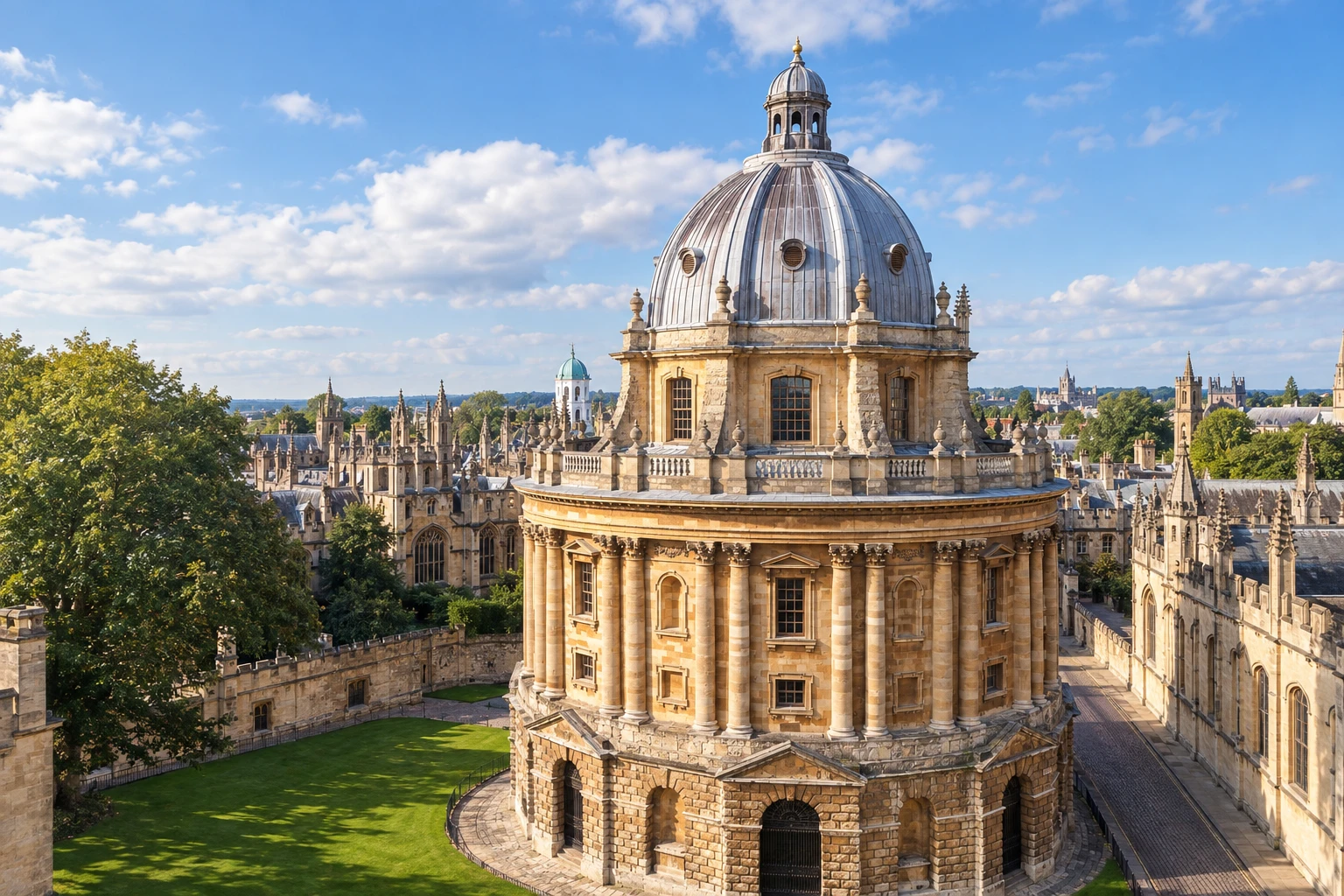
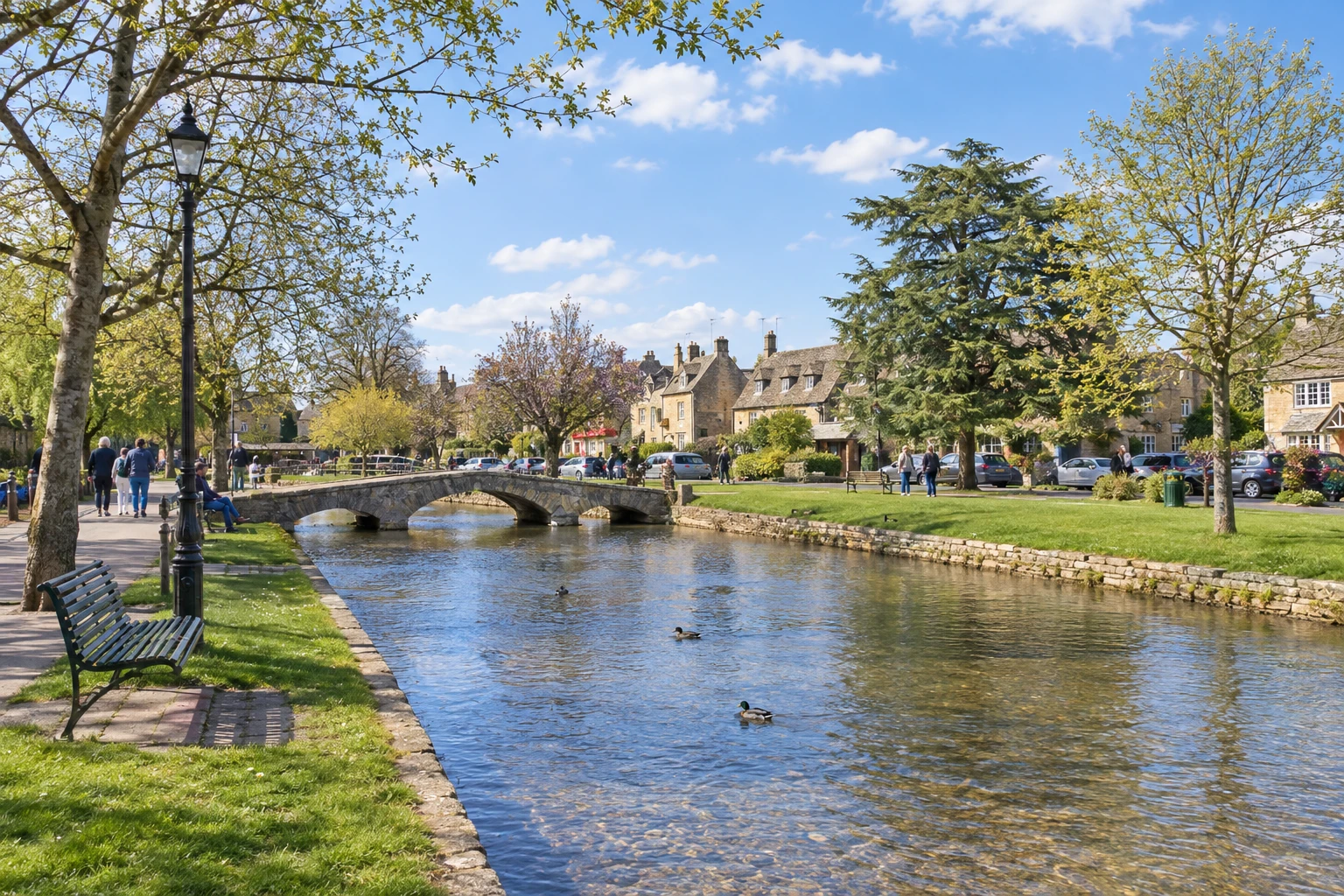
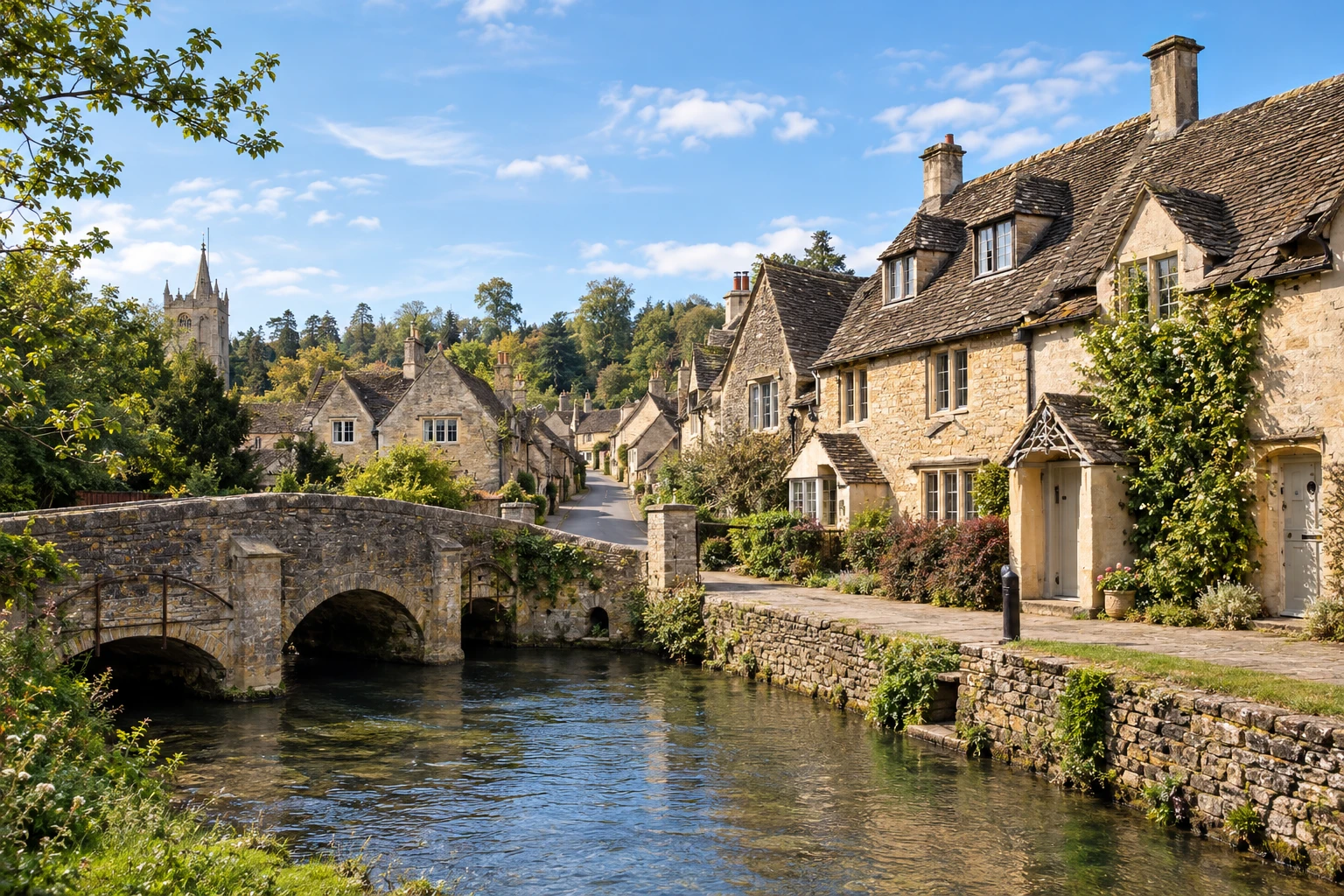
Illustrative images. The pictures in this guide are illustrations based on the real place, not photographs, and may differ from it.

Get it on Google Play

Get to know the place

A region to enjoy
at your own pace.

Oxford lies about 90 km northwest of London, at the meeting of the rivers Thames—called the Isis there—and the Cherwell. The university has records of teaching since the late 11th century and is the oldest in the English‑speaking world. There is no single campus: 36 colleges and several halls are spread through the centre, each with a chapel, dining hall and inner courtyards, the quads, surrounded by honey‑coloured stone buildings. Hence the nickname the city of dreaming spires.

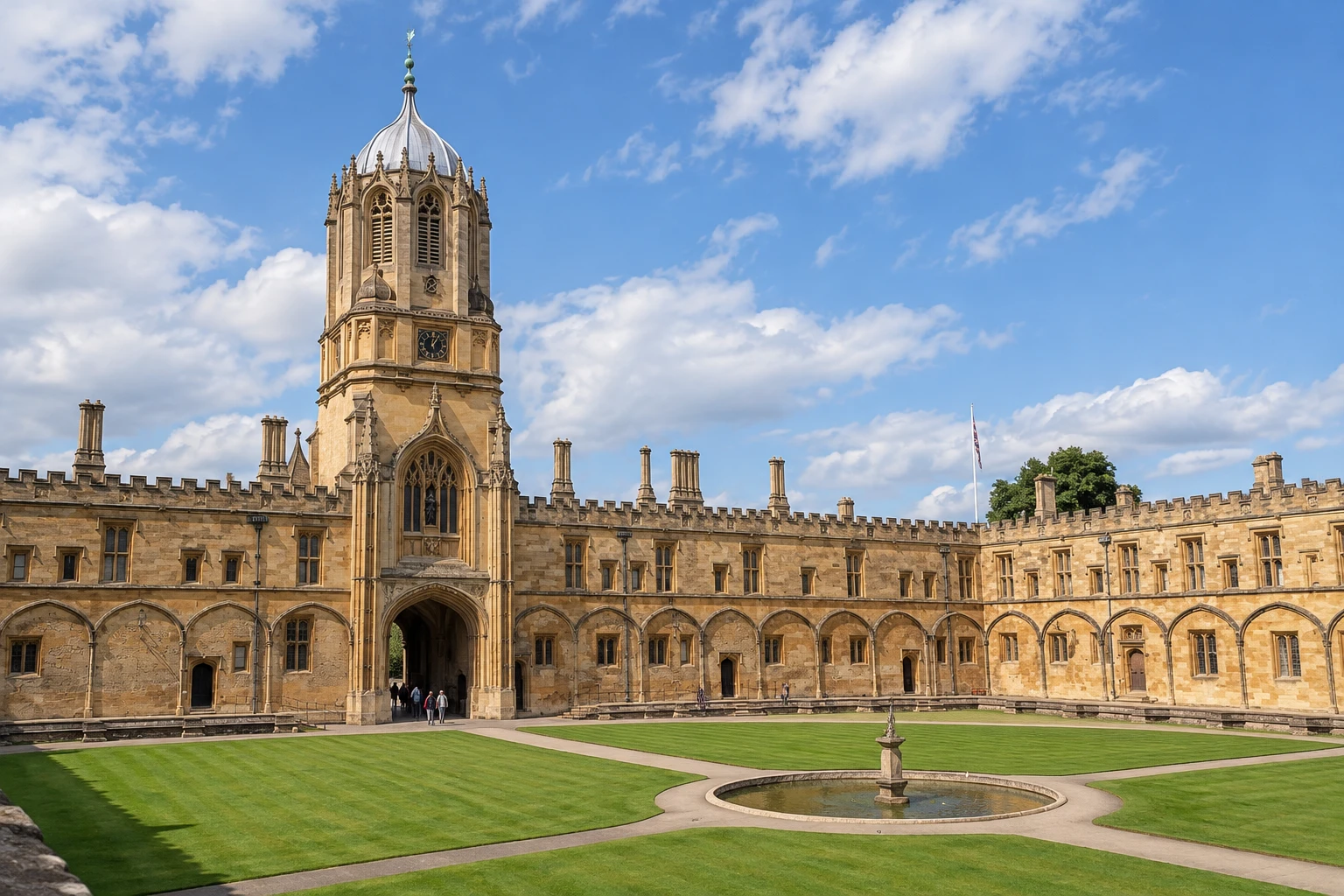
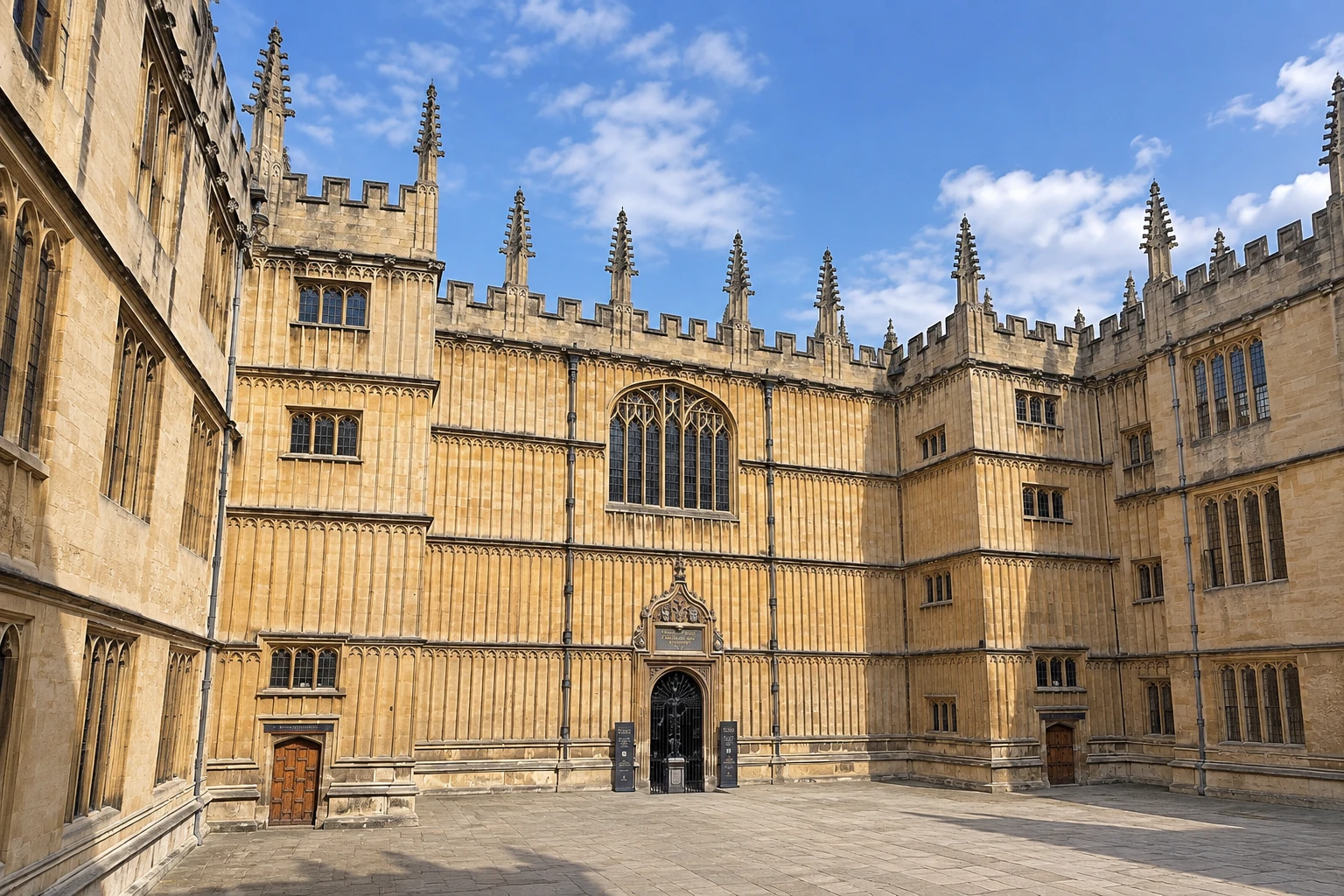
The route includes Christ Church, the college with the city’s cathedral and the dining hall that inspired Hogwarts in the Harry Potter films; the Biblioteca Bodleiana, with the medieval Divinity School; the Radcliffe Camera, the rotunda that became the city’s symbol; and the Ashmolean, the oldest museum in Britain open to the public. Thirteen kilometres away, in Woodstock, is the Palácio de Blenheim, where Winston Churchill was born.

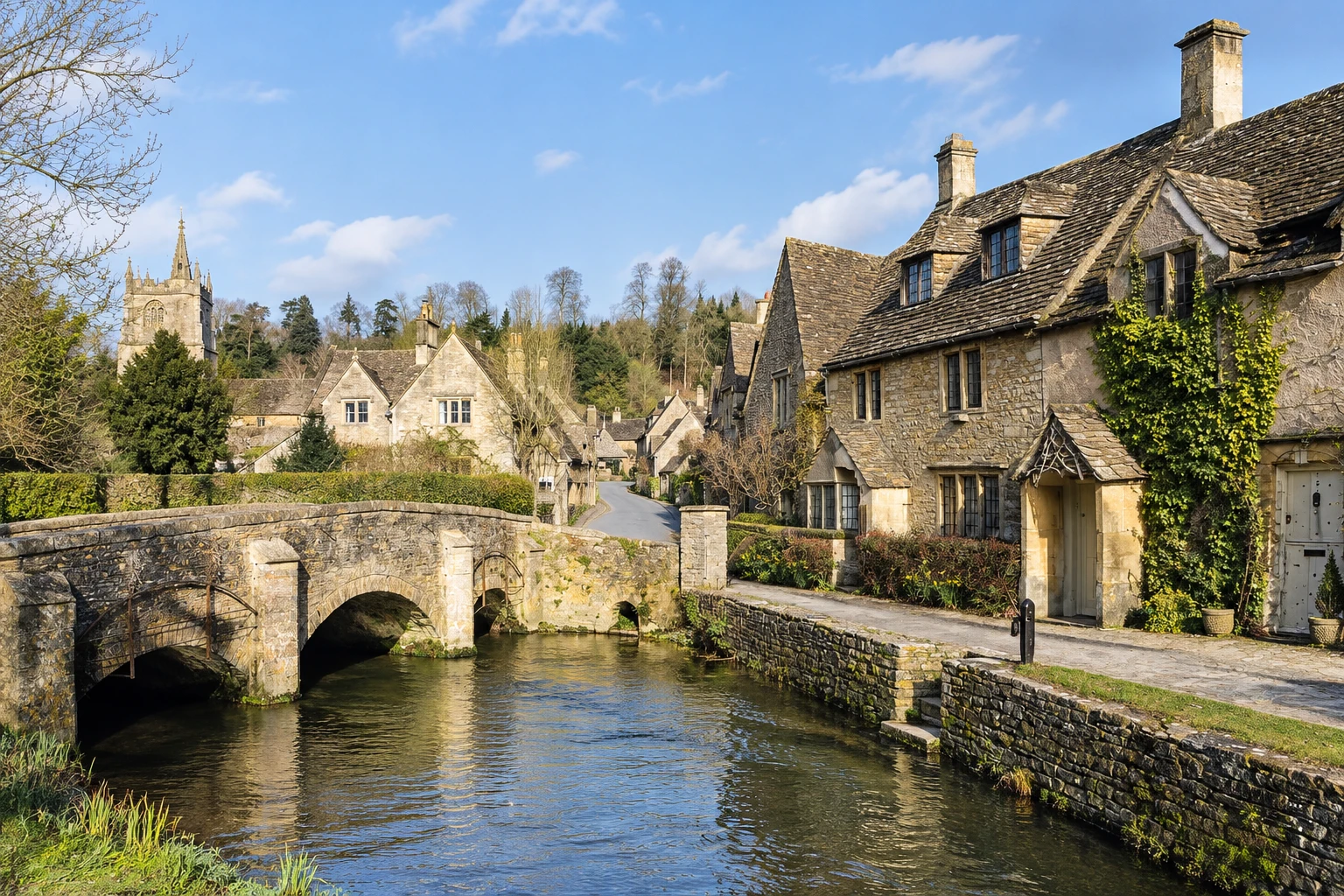
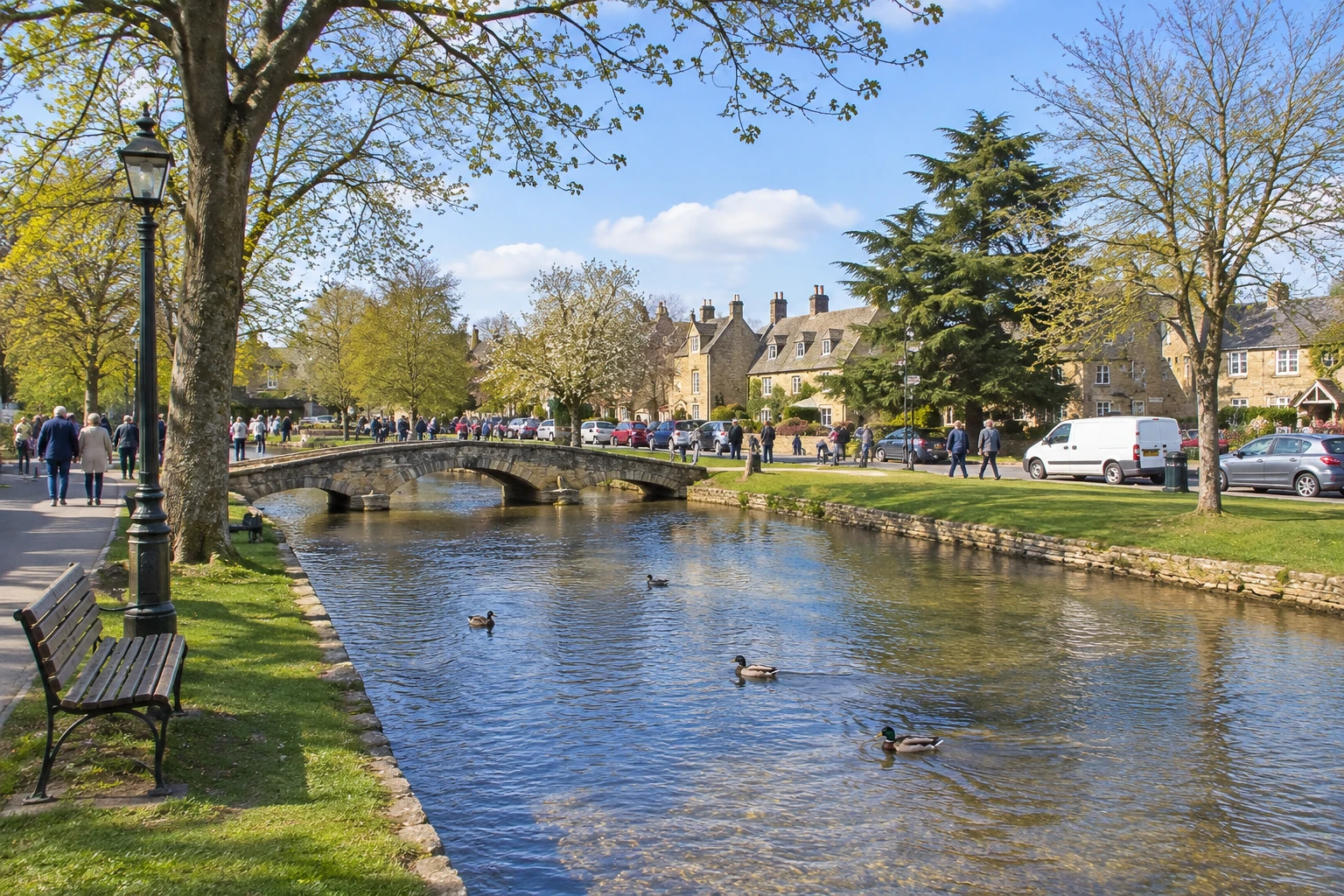
To the west begin the Cotswolds, a region of low hills, dry‑stone walls and sheep pastures, protected as an Area of Outstanding Natural Beauty. The villages were enriched by the medieval wool trade and built with the local, yellowish limestone. Bourton-on-the-Water has the River Windrush running shallow beneath low stone bridges; Bibury has the row of weavers’ cottages of Arlington Row; Castle Combe, further south in Wiltshire, is a one‑street village with a medieval market and a bridge over the stream.

For Brazilians, Oxford is an easy day trip by train from London, but the Cotswolds require a car or an organized tour, because the villages are far from stations and buses are scarce. You drive on the left, on narrow roads between stone walls. With two or three nights you can combine the city and the villages at a relaxed pace.

This destination brings together 3 cities: Oxford, Bourton-on-the-Water, Castle Combe.

Share: WhatsApp
Traveler, share your experiences through photos Up to 5 photos of each place you visited.

One destination, many paths

The cities on this trip

Start with one city or combine several in your itinerary.

Where Oxford and the Cotswolds is The star marks the nearest capital, Cardiff.
CardiffOxfordBourton-on-the-WaterCastle Combe

Outlines: Office for National Statistics, Open Government Licence v3.0; contém dados OS © Crown copyright 2026. Adapted by Cidade Turismo.

How to get there: Oxford and the Cotswolds

London Heathrow Airport (LHR), in Londres · 75 km to Oxford

Flights from Brazil usually involve a connection in another city. Check before you buy. From London, trains depart from Paddington or Marylebone and reach Oxford in about 1 hour. The Oxford Tube and X90 coaches leave central London. For the Cotswolds, a rental car or an organized tour from Oxford or London is ideal. Bourton is about 40 km from Oxford and Castle Combe about 90 km.

Suggested arrival point: Oxford

The local experience

Things to do in Oxford and the Cotswolds

Castle Combe · England · Historic centre

Castle Combe

The Wiltshire village in the By Brook valley, with the 14th-century market cross, stone Cotswold houses, the church of Santo André and the bridge over the stream, seen from the top of the High Street.

Explore Castle Combe

Oxford · England · Historic building

Christ Church

The largest college in Oxford, founded in 1546 by Henry VIII, with the Tom Quad, Christopher Wren’s Tom Tower, the Great Hall that inspired Hogwarts’ dining hall and the Catedral de Oxford, which also serves as the college chapel.

Explore Christ Church

Oxford · England · Library

Bodleian Library

The main library of the University of Oxford, opened in 1602, with the medieval Divinity School, the Duke Humfrey's Library and the Schools’ quad. Interior visits are guided and on timed entry.

Explore Bodleian Library

See 6 more places in Oxford and the Cotswolds

Before you go

Practical information

A little planning leaves more time to enjoy the journey.

When to go

From May to September the days are long and the countryside is green, with flowered gardens in the villages; July and August see more tourists in Bourton and Bibury. Spring and autumn are quieter. In winter, from November to February, it’s cold, it gets dark around 4 pm and some attractions shorten their opening hours. In Oxford, colleges may close on exam and graduation dates, from April to June.

The seasons shown are the most usual ones; nature doesn't always follow the calendar.

How many days to stay

One full day for Oxford, covering Christ Church, the Bodleiana, the Radcliffe Camera and the Ashmolean. Another half day for Blenheim. For the Cotswolds, one day by car visits Bibury and Bourton; with two days you can add Stow-on-the-Wold, Chipping Campden and, in the south, Castle Combe and Lacock. Three nights in total are sufficient for the whole itinerary.

Which city to stay in

In Oxford, the historic centre between Broad Street and High Street is walkable; the station area and Jericho, to the northwest, offer accommodation and restaurants. In the Cotswolds, the villages have guesthouses in stone houses and pubs with rooms: Bourton, Stow-on-the-Wold and Burford sit in the heart of the region and serve as bases for those traveling by car. Castle Combe has few rooms; Bath, 20 km away, is an alternative for visitors to the south.

Respect the place

Take your trash with you, follow the signs and support local businesses. In natural areas, follow the visiting guidelines.

Beyond the guide

Your questions

Frequently asked questions about Oxford and the Cotswolds

Can you do Oxford as a day trip from London?

Yes. The train from Paddington or Marylebone takes about 1 hour, and Oxford’s centre is a 10‑minute walk from the station. The Cotswolds on the same day are only feasible with an organized tour.

Do I need a car in the Cotswolds?

It’s the most practical option, because the villages are far from stations and buses are limited. You drive on the left, on narrow roads. Without a car, day tours from Oxford or London visit the main villages.

How long should I stay in Oxford and the Cotswolds?

One day for Oxford, half a day for Blenheim and one or two days for the villages. Three nights cover the combination well.

Can you enter the colleges in Oxford?

Many open to visitors at set times, some with an entrance fee, and they may close on exam, graduation and event days. Check each college’s website.

What is the best time to visit the Cotswolds?

From May to September, for long days and green countryside. Spring and autumn see fewer visitors.

Explore other destinations Search by state and city