

 Brazil
 Antarctica
 Argentina
 Bolivia
 Chile
 Colombia
 Ecuador
 Falkland Islands (Malvinas)
 French Guiana
 Guyana
 Paraguay
 Peru
 Suriname
 Uruguay
 Venezuela
 Austria
 Belgium
 Croatia
 Denmark
 Finland
 France
 Germany
 Greece
 Iceland
 Ireland
 Italy
 Luxembourg
 Norway
 Poland
 Portugal
 Slovakia
 Slovenia
 Spain
 Sweden
 Switzerland
 the Czech Republic
 the Netherlands
 the United Kingdom
 Turkey
 Bermuda
 Canada
 Greenland
 Mexico
 Saint Pierre and Miquelon
 the United States
 the Dominican Republic
 Japan
 Egypt
 South Africa
 Australia
 Fiji
 New Zealand
 Papua New Guinea
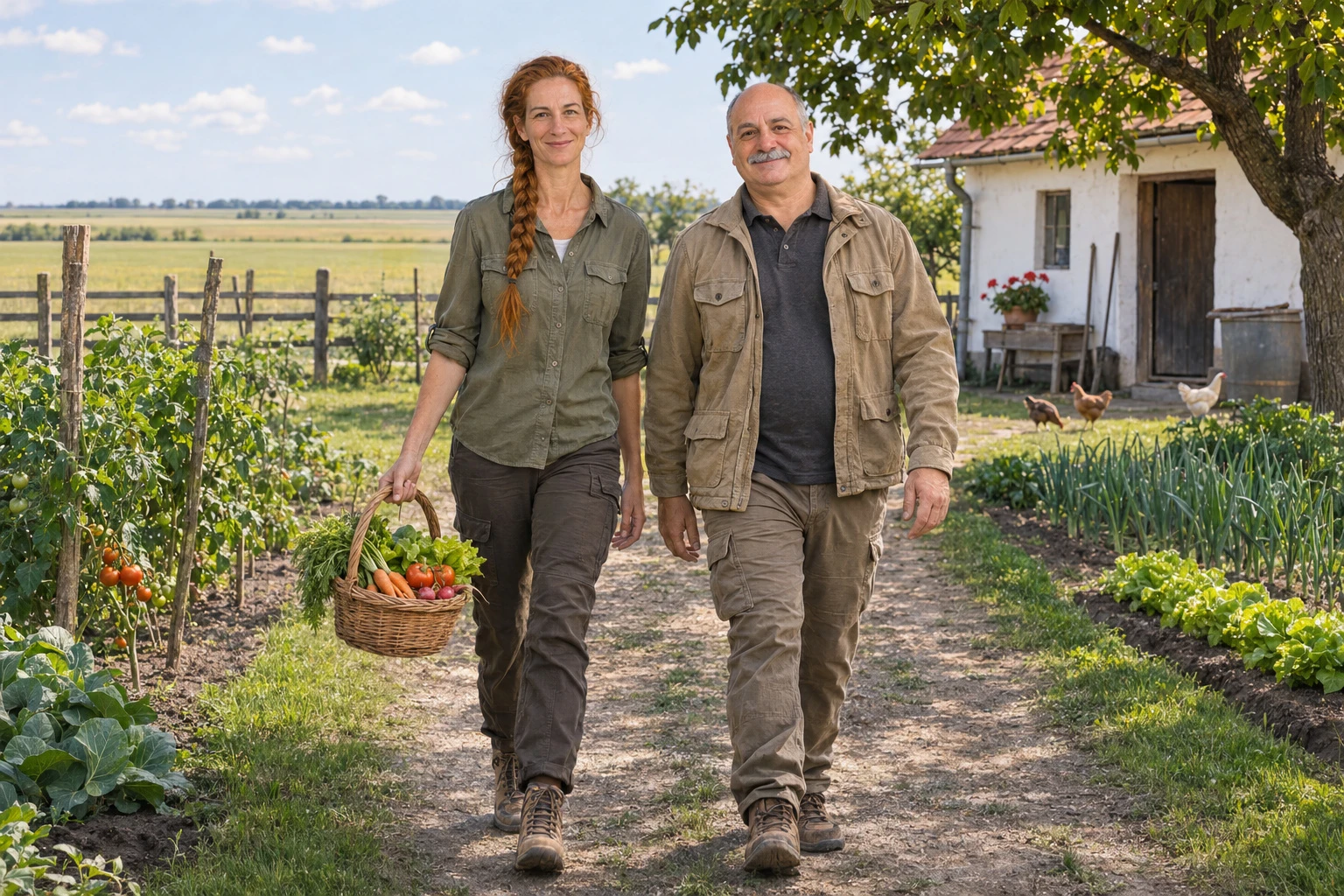
Food and countryside
Rural tourism in Hungary
A wooden well, a herder on horseback, and a herd spread across a pasture help tell the story of rural life on the Hungarian plain.
On the plains of eastern Hungary, one of the best places to start taking in the countryside is a well. Even from a distance, you can make out the long pole resting on top of a forked post. The pole acts as a lever to draw water for the livestock. Around the well, what at first looked like nothing but grassland begins to reveal paths, meeting places, and a rhythm set by the animals.
Things to do
Where to go in Brazil
Pick a region or type what you are looking for to see the cities and who offers each activity.
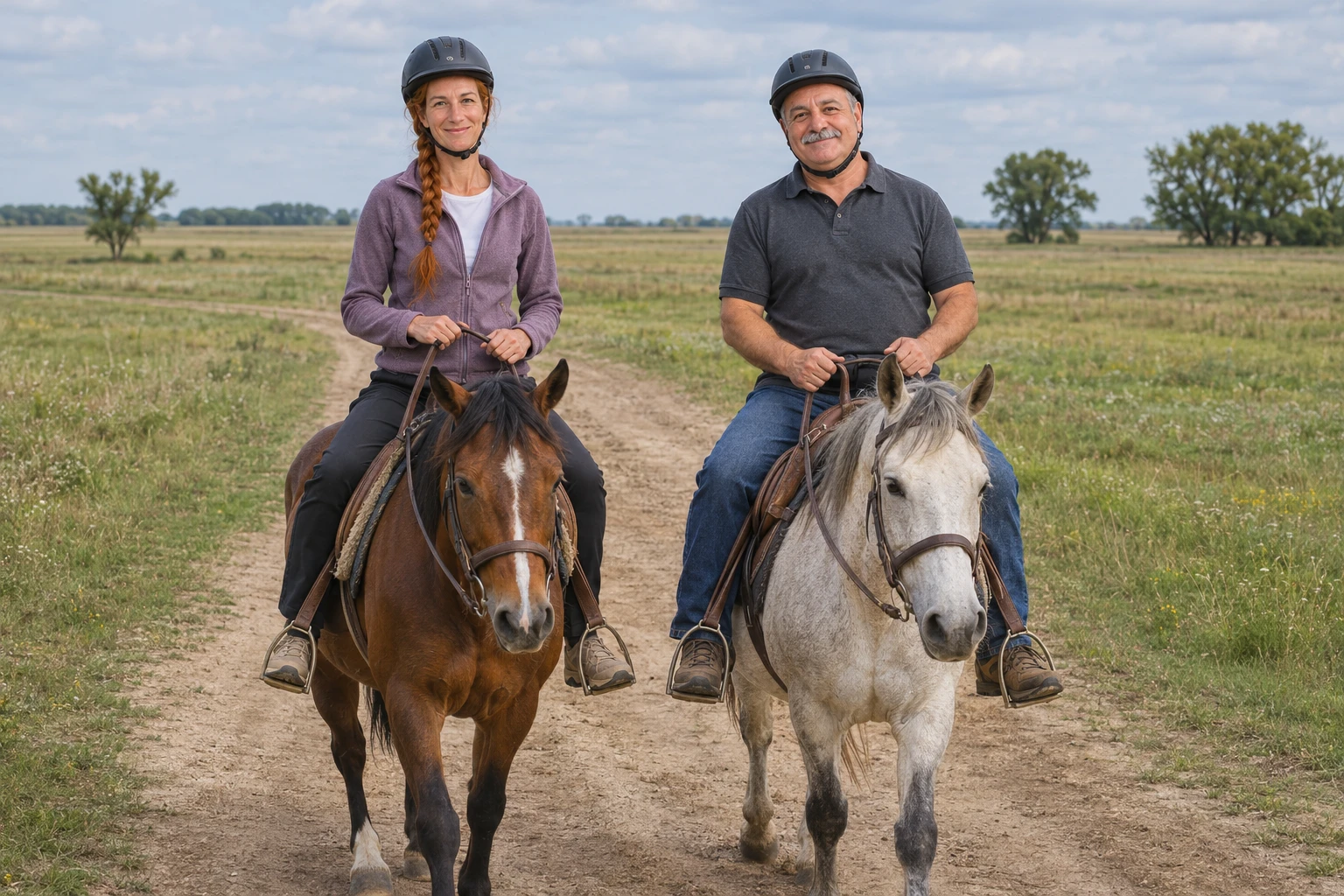
If you’re interested in horses, you can have two very different experiences on the same trip. In Debrecen, the university’s riding academy welcomes international visitors for lessons. Out in the surrounding countryside, the focus is on watching how horse, herder, and herd interact. It’s worth deciding in advance when you’d like to be in the saddle and when you’d rather have your hands free to take photos.
Your first time on horseback in Debrecen
If you want to ride in Debrecen, the best place to ask is the University of Debrecen’s riding academy. The school advertises lessons in English and German. When you write, mention which day you’ll be in town, which language you’re comfortable with, and whether you can already guide a horse at a walk. Those three details help the instructor suggest what you can fit into your visit.
If you’ve never ridden before, a lesson has an appeal of its own. There’s time to feel the sway of the horse’s walk, understand why the stirrups need adjusting, and try bringing the horse to a stop at the instructor’s signal. If you already ride and dream of crossing open pastures, ask specifically whether a ride out into the countryside is possible. A place in a lesson confirms only what you’ve agreed on with the school.
What the landscape of the puszta can tell you
Puszta is the name associated with the wide-open grasslands of the Hungarian plain. The landscape is a mix of pastures, meadows, and wetlands. A slight rise may be the stretch of dry ground the animals use to get across, and the distance between two watering places gives you a sense of the work it takes to gather a herd scattered across the grassland.
Around Debrecen and Hortobágy, this use of the land has left traces you can see even when the animals are far away. Look for the outlines of wells, low shelters, and bridges. At a lever-operated well, for example, a counterweight at one end of a long pole helps lift the full bucket at the other. You get a sense of how much work that saves when you think about how many times you’d have to repeat the motion to fill a water trough.
The plain has its artisans, too. Look closely at a saddle and you can see the work that goes into cutting and stitching the leather. At an exhibit on herding life, look for the tools that leave marks on the straps and the buckles used to adjust them. Later, when you see a horse with its tack on, it’s easier to recognize where each piece fits.
Herders, horses, and herds
In Hungarian tradition, the csikós is the herder who looks after the horses. During a demonstration, focus on a single rider for a few moments. Notice where the rider positions themselves in relation to the animals, when they wait, and when they change direction. Watching that sequence helps you see how horse and rider communicate, even if you don’t understand every word of the presentation.
If you’re going to watch the herders at work, it’s worth bringing binoculars. From the public path, you can make out the shape of the Hungarian Grey cattle’s horns or the spiral horns of the Racka sheep. If the animals move farther away, watch how they spread out across the pasture. The space between them is part of the scene you came to see.
A day in the countryside for different travelers
On a family trip, children can choose a detail to look for, such as a well bucket or the print of a horseshoe. At a museum devoted to herders, a good game is to guess what a tool was used for before reading its label. That way, even children who are too young to ride have a story to tell about the day.
If only one person in your group wants to ride, it’s worth planning around those who will stay on the ground. Ask whether they can watch the lesson and where they’ll have a view of the riding arena. If you’d rather enjoy the landscape together, a carriage ride may be a better choice if it’s on the rural program. Check how you get into the carriage and how long you’ll be seated, especially if you’re with young children or someone who needs help getting in.
Choosing a date for your visit to the countryside
Let the reason for your trip guide your choice of dates. If you want to watch the herders at work, check the herding schedule for the date you have in mind. If you want to ride in Debrecen, start with the academy’s lesson schedule. The two activities are scheduled independently, so the best opportunity to see the animals out in the pastures may fall on a different day from a lesson in your preferred language.
On such open ground, you’ll feel the wind even in strong sunshine. Bring water and something to keep the wind off during stops, when you cool down more quickly. If it’s rained recently, ask about the condition of the dirt path. A stretch that’s easy to walk in dry weather can be difficult for someone pushing a stroller or using a cane.
How to combine a riding lesson with a visit to the countryside
Note the meeting point for each activity. For the lesson, ask exactly which entrance to use at the academy in Debrecen. For the countryside outing, check where the tour starts and ends. When working out how much time to leave between activities, allow for changing shoes, putting your belongings away, and getting to reception, as well as the journey itself.
If time is short, choose the experience that inspired the trip and save the other for another visit. A morning on horseback may be enough to discover whether you enjoy riding. If you came for the history of the puszta, leave time to listen to someone explain the herding traditions, then take another look at the landscape. A well beside the path might make the best final stop.
Frequently asked questions
Where can I spend time with horses in Debrecen?
The University of Debrecen’s riding academy advertises lessons for international visitors. Ask the academy to confirm what type of lesson is available on your date, which language it’s taught in, and what equipment you’ll need.
Do I need to ride to learn about the traditions of the plain?
You can watch a herding demonstration or visit an exhibit devoted to herders. If you want to see horses in motion, check where spectators can watch and what’s on the schedule that day.
What’s the difference between riding a horse and taking a carriage ride?
On a horseback ride, each participant rides in the saddle and gets guidance on how to ride. On a carriage ride, passengers travel in a horse-drawn vehicle. It’s a way to enjoy the scenery as a group.
What should you bring for a visit to the puszta?
For walking, choose closed-toe shoes you don’t mind getting dirty. Bring water and a layer to protect you from the wind. If you’ll also be riding, check with the riding academy about what to bring to your lesson.
Can you plan the outing from Debrecen?
Yes. Use Debrecen as your starting point for the lesson, and check separately how to get to the rural activity you’ve chosen. Save both addresses and check your options for getting back before you set out.
More in Food and countryside
Beyond the guide


