

 Brazil
 Antarctica
 Argentina
 Bolivia
 Chile
 Colombia
 Ecuador
 Falkland Islands (Malvinas)
 French Guiana
 Guyana
 Paraguay
 Peru
 Suriname
 Uruguay
 Venezuela
 Albania
 Austria
 Belgium
 Croatia
 Denmark
 Finland
 France
 Germany
 Greece
 Iceland
 Ireland
 Italy
 Luxembourg
 Norway
 Poland
 Portugal
 Slovakia
 Slovenia
 Spain
 Sweden
 Switzerland
 the Czech Republic
 the Netherlands
 the United Kingdom
 Turkey
 Bermuda
 Canada
 Greenland
 Mexico
 Saint Pierre and Miquelon
 the United States
 the Dominican Republic
 Japan
 Egypt
 South Africa
 Australia
 Fiji
 New Zealand
 Papua New Guinea
Food and countryside
Wine tourism and drinks in Hungary
From the dry furmint of Tokaj to the red blends of Eger, each region offers a different way into Hungarian wine: through a vineyard, a cellar carved into a hillside, or a centuries-old monastic tradition.
One question makes for a good conversation in Tokaj’s wine cellars: how can the same grape produce both a dry white and a sweet wine? Furmint is used to make both. At the Hétszőlő estate, you can visit the vineyard before looking for those wines on the wine list. In Eger, there’s a different question to explore. One cellar door follows another in the Szépasszony Valley, and two producers can serve very different versions of a red wine that goes by the same name: Egri Bikavér.
Things to do
Where to go in Brazil
Pick a region or type what you are looking for to see the cities and who offers each activity.
- Badacsonytomaj VE
- Pannonhalma GS
- Bodrogkeresztúr BZ
- Olaszliszka BZ
- Tokaj BZ
- Eger HE
Wine tourism in Hungary suits different travel paces. If you’re spending your vacation at Lake Balaton, you can devote a lunch to Badacsony’s white wines. If you’d rather follow the winemaking process from the grape onward, you’ll find enough to explore for several days in Tokaj, Bodrogkeresztúr, and Olaszliszka. In Pannonhalma, a winery visit tells a part of the abbey’s story that’s easier to understand once you step inside the press house.
Tokaj, from dry furmint to Aszú
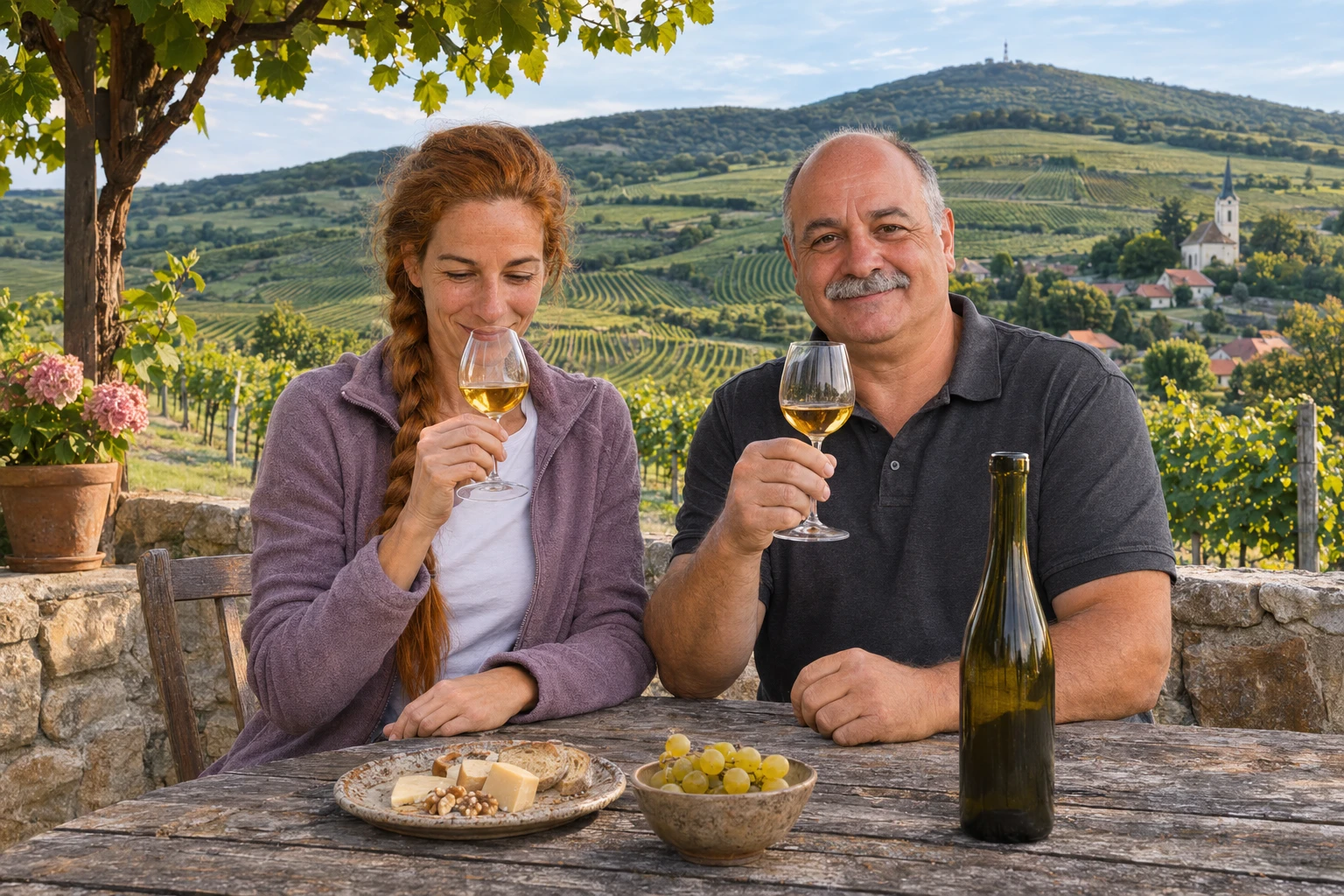
Tokaj is the name of both a town and a wine region. On a bottle, Tokaji tells you where the wine comes from. Furmint is a white grape variety, and Aszú is a style of sweet wine. Knowing how to tell these names apart will help you make sense of much of a wine list. To explore the dry side of the region first, ask for a furmint and notice its acidity: it’s what makes your mouth water after the first sip.
Aszú is made with grapes that shrivel on the vine under the influence of a fungus, a process called noble rot. As the grapes lose water, their sugars and aromas become more concentrated. The grapes are selected one by one and steeped in grape must or base wine. If your tasting includes an Aszú, consider its acidity again: even with all that sweetness, you can still taste it.
At Hétszőlő, there are two locations to keep in mind when planning your visit. The rows of vines are on the hillside, while the historic Rákóczi cellar, where the estate hosts tastings, is in the center of Tokaj. You can take a vineyard walk and do a tasting in town on the same day. When arranging the visit, check where each part begins.
From cellar to cellar in Bodrogkeresztúr and Olaszliszka
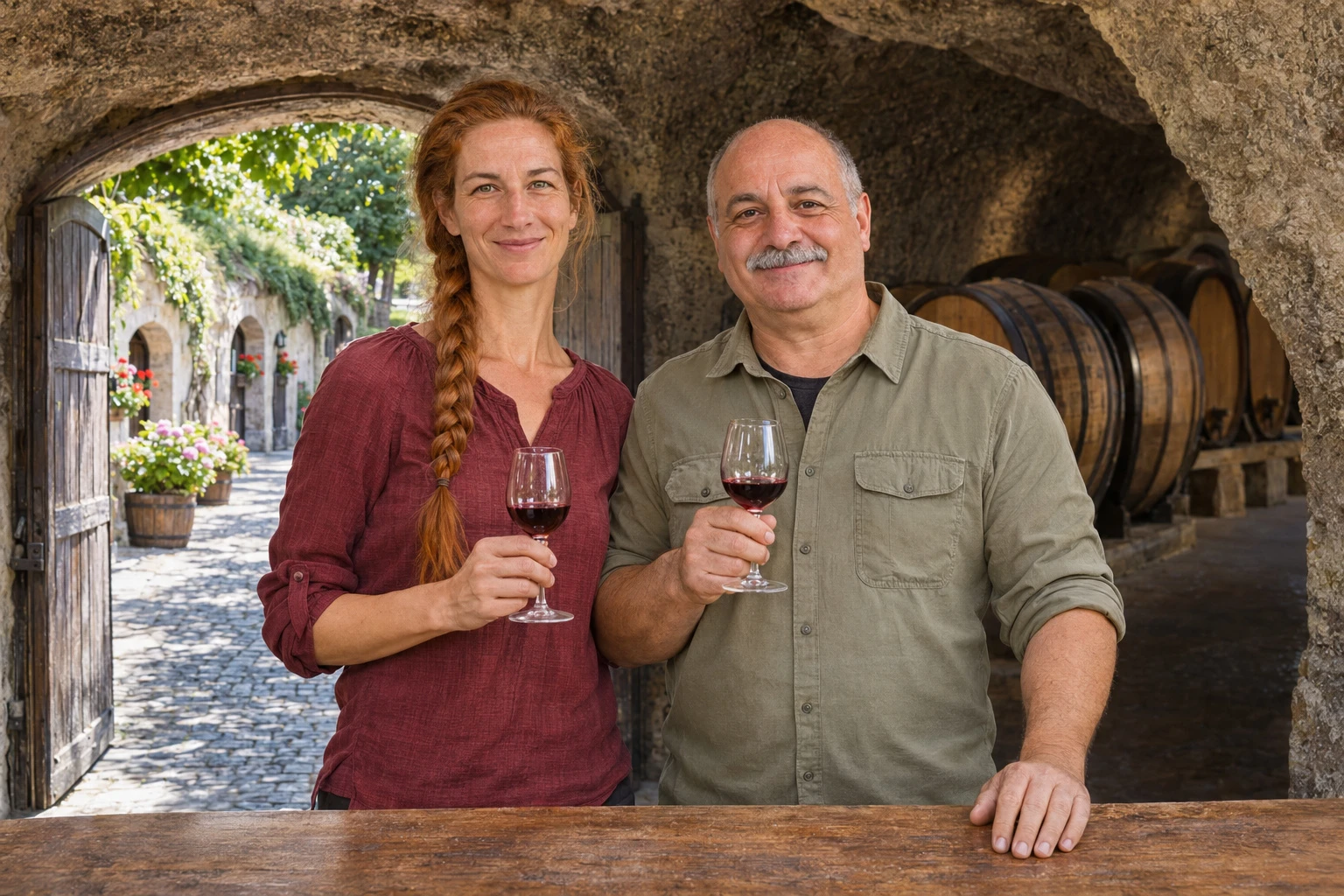
From Tokaj, head to Bodrogkeresztúr for a look at the region from underground. At Dereszla, the historic cellar extends over several levels beneath the vineyards. Stepping out of the open air and into the cool tunnels helps you understand why the producer stores wine there. When booking, ask which part of the cellar the tour covers and which wines the producer has chosen for the tasting.
In Olaszliszka, a good conversation starter is the wine that bears the village’s name. Local producers came together to make it from the white hárslevelű grape. Asking about their collaboration is a way to learn about winemaking beyond a single estate. If you’d like to compare hárslevelű with furmint, arrange the selection before your visit.
Wine blends in Eger’s Valley of the Beautiful Women
In Eger, the cellars carved into the sides of the Valley of the Beautiful Women are close together. It’s a convenient choice if you enjoy a short walk between tastings. With so many cellar doors to choose from, it helps to decide what you’d like to discover. One option is to pick two cellars that serve Egri Bikavér and see what each producer does with the region’s grapes.
Egri Bikavér is a red blend made from several grape varieties, including kékfrankos. Egri Csillag is also a blend, but of white grapes. At the table, try the white first, then the red. If one catches your interest, ask to see the label and find out which varieties went into that vintage. Both names refer to wines from Eger that can be made by several producers.
Badacsony whites at the table by Lake Balaton
In Badacsonytomaj, you can connect the vineyards on the slopes around Lake Balaton with what’s served at the table. Hableány, run by the Laposa family, brings together a working winery, a wine bar, and a bistro at the foot of Badacsony. You can set aside time to explore the winery or stop for a glass as you tour the lake. The address is the same, but the two options call for different amounts of time.
Olaszrizling and kéknyelű are two names to look for among the region’s whites. To start, simply taste a wine before eating, then take another sip after the first few bites. If people in your group have different tastes, stopping for a meal also lets some explore the cuisine of Lake Balaton while others explore the wine list.
Pannonhalma’s winemaking tradition in the press house
In Pannonhalma, the history of wine is intertwined with the lives of the Benedictine monks. The abbey stopped growing grapes in the last century and later resumed winemaking by replanting vineyards and building a new winery. That history explains why visitors to such a long-established institution find themselves in a modern winemaking facility.
The guided tour takes you through the press house and the winery. The abbey offers the tour without a tasting as well, so the group can explore together even if only some of you want to taste the wines. When booking, specify which option you want and confirm the meeting point for the winery tour, especially if you also plan to visit the monastic complex.
When to visit and how to plan your tastings
In the fall, the harvest changes the pace in the vineyards. In Tokaj, the selection of grapes for Aszú depends on conditions in each vintage and may take several passes through the same rows. If you want to see the vines up close, ask the producer whether the vineyard will be accessible on the date of your visit. On a rainy day, a visit to Eger’s cellar tunnels or the cellar in Bodrogkeresztúr may make more sense.
Choose one region at a time and plan your return trip before your first glass. In the valley in Eger, you can walk from one cellar to the next. In the Tokaj region, getting from village to village is part of the itinerary, so allow more time. If someone in your group will be driving, leave the tastings to the passengers. For a guided tour, also confirm the language and whether you’ll meet in the vineyard, at the cellar entrance, or in the tasting room.
Frequently asked questions
Where can you taste sweet wine in Hungary?
The Tokaj region is the place to try Tokaji Aszú. Look for a tasting that specifically lists Aszú among the wines. If you’d like to discover another side of the region, include a dry white made from furmint.
Which region is a good choice if you prefer red wine?
Eger is a good choice for getting to know Egri Bikavér. In the cellars of the Valley of the Beautiful Women, you can try different producers’ versions of this red blend on the same outing.
Which winery can you visit on a trip to Lake Balaton?
In Badacsonytomaj, Hableány showcases the Laposa family’s wines. At the bistro and wine bar, you can enjoy Badacsony’s white wines with lunch or during a break by the lake.
Can you visit an abbey winery?
Yes. In Pannonhalma, a guided tour shows you how the abbey makes wine. Book your winery visit and choose whether to include a tasting.
More in Food and countryside
Beyond the guide


